Liposuction methods compared: tumescent, VASER, laser and other techniques
Clinics advertise many types of liposuction, from tumescent to VASER, laser and water-jet. Behind the names lies one principle: fat is loosened and then removed through a thin tube. The methods differ in how the fat is prepared and loosened. This guide explains each technique in plain words, compares them and describes how a surgeon chooses the right one for your body.
By the City Medical Centre editorial teamUpdated
Liposuction
The main points in 30 seconds
Every liposuction method removes fat through a thin cannula; they differ only in how the fat is prepared and loosened before suction.
Tumescent liposuction is the basis of most modern procedures: the fluid numbs the area and reduces bleeding and bruising.
VASER ultrasound breaks fat up before suction and suits fibrous areas and detailed contouring, such as defining the abdominal muscles.
Treat claims of strong skin tightening from laser with caution: loose skin may need a tummy tuck or another lift instead.
Liposuction is not a way to lose weight: a compression garment is worn for several weeks and the result is judged after about three months.
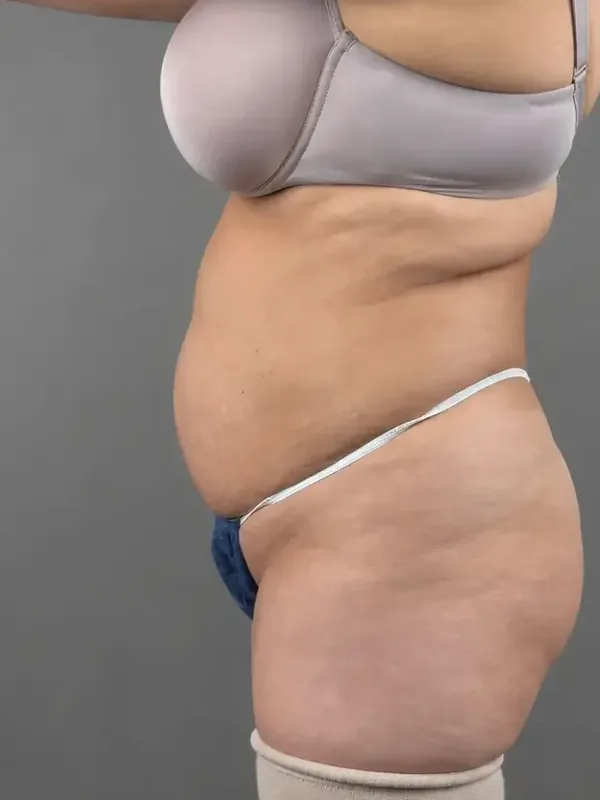
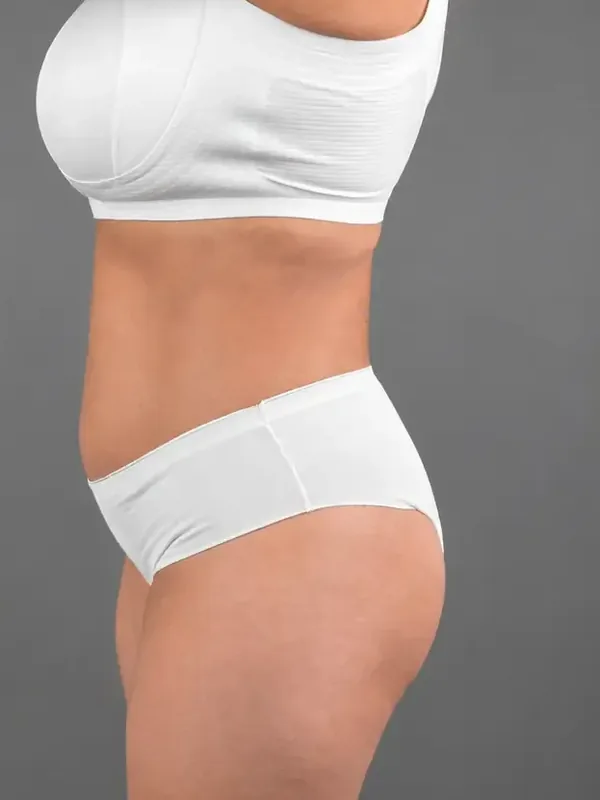
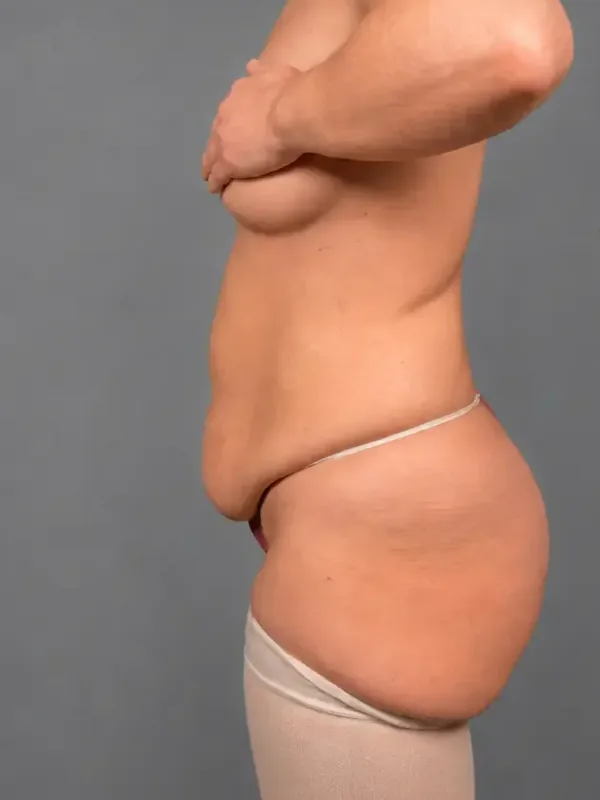
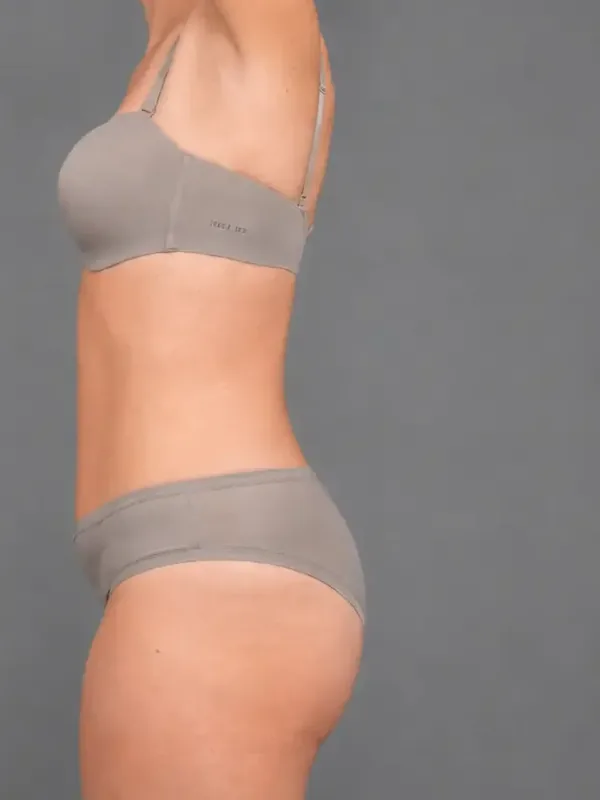
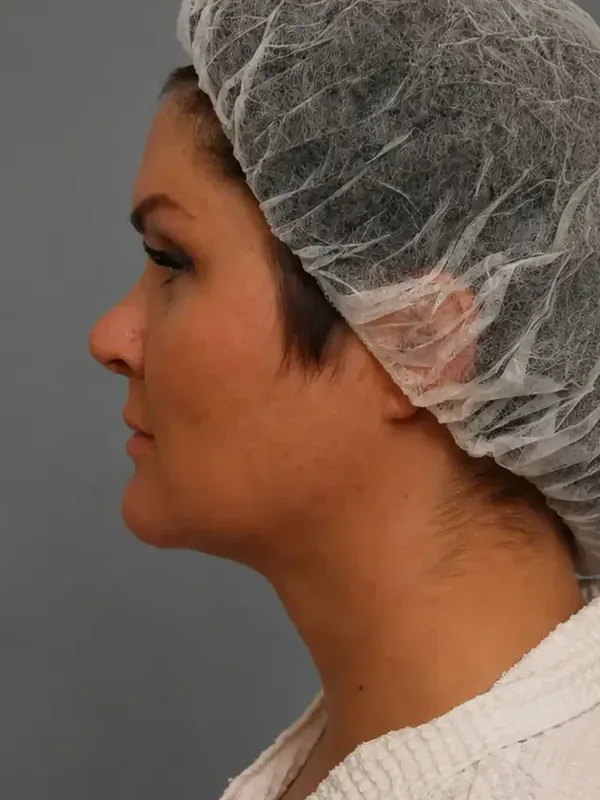
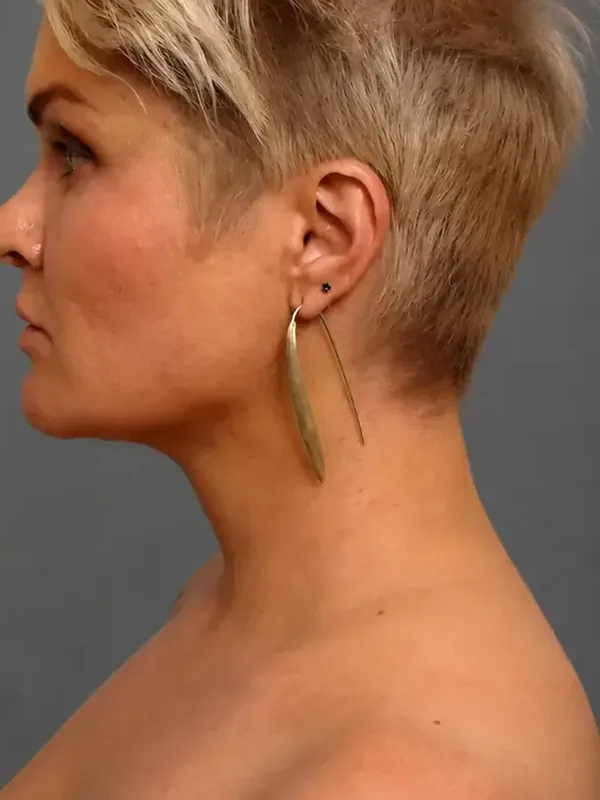
Real before and after photos of City Medical Centre patients. Results are individual.
BeforeAfter
BeforeAfter
BeforeAfter
01
Liposuction methods at a glance
Every modern liposuction follows the same basic steps. The surgeon makes a few small incisions, introduces a thin hollow tube called a cannula and removes fat by suction. The differences lie in what happens before and during suction: how much fluid is injected into the tissue and whether energy such as vibration, ultrasound, laser light or a water jet is used to loosen the fat.
How the fat is loosened
Tumescent
A large volume of dilute anaesthetic fluid swells and firms the tissue
Power-assisted
A cannula that vibrates rapidly
Ultrasound (VASER)
Ultrasound energy breaks up fat before suction
Laser-assisted
Laser energy melts fat and heats the tissue
Water-jet assisted
A fan-shaped jet of fluid rinses fat free
Typical use
Tumescent
The basis of most modern liposuction
Power-assisted
Larger volumes and dense, fibrous fat
Ultrasound (VASER)
Fibrous areas, contouring and definition
Laser-assisted
Small areas such as the chin or knees
Water-jet assisted
Gentle removal, sometimes for fat transfer
No single method is best for everyone. The result depends far more on the surgeon's skill, the amount of fat, skin quality and good aftercare than on the name of the device.
02
Classic and wet liposuction
In the earliest form of liposuction, known as dry liposuction, fat was removed without injecting any fluid first. Bleeding and bruising were considerable, and the technique has been largely abandoned.
The wet and super-wet techniques that followed introduced a smaller amount of fluid containing a local anaesthetic and a medicine that narrows blood vessels. This reduced blood loss and made the operation more comfortable. These ideas led directly to the tumescent method, which today forms the basis of most procedures.
03
Tumescent liposuction
In tumescent liposuction the surgeon first fills the treatment area with a large volume of sterile saline solution containing a local anaesthetic and a vessel-narrowing medicine. The tissue becomes swollen and firm, which is where the name comes from: tumescent means swollen.
The fluid has several effects:
it numbs the area, so smaller procedures can be done under local anaesthesia;
it narrows small blood vessels, reducing bleeding and bruising;
it separates fat cells, so they can be removed more evenly through a thinner cannula.
Tumescent liposuction suits most areas: the abdomen, flanks, thighs, back, arms, knees and chin. Swelling and bruising still occur, but they are usually less marked than with older techniques. It is also the base on which the energy-assisted methods below are built, and it is the main technique described on our liposuction page.
04
Power-assisted (vibration) liposuction
Power-assisted liposuction uses a cannula that moves back and forth very quickly, a few millimetres at a time. The vibration helps the cannula pass through fat, especially dense, fibrous fat such as on the back or in the male chest, and reduces the physical effort required from the surgeon.
It is usually combined with tumescent fluid. Some studies suggest it can shorten operating time when larger volumes are removed. Recovery is broadly similar to that after tumescent liposuction.
05
Ultrasound (VASER) liposuction
In ultrasound-assisted liposuction a thin probe delivers ultrasound energy into the fat after the tumescent fluid has been injected. The energy breaks fat cells apart and turns them into an emulsion, which is then removed by suction. VASER is a widely known system of this kind that works in short pulses.
Because the fat is loosened first, the method works well in fibrous areas and for detailed contouring, for example to bring out the outline of the abdominal muscles. Ultrasound also produces heat, so the surgeon protects the skin and keeps the probe moving to avoid burns. Some surgeons believe the heat helps the skin contract a little, but results vary, and skin with poor elasticity will not become firm through liposuction alone.
06
Laser and water-jet liposuction
Laser-assisted liposuction
A fine laser fibre is passed under the skin to melt fat and heat the surrounding tissue before suction. It is typically used for small areas such as the chin, knees or arms. Claims of significant skin tightening should be treated with caution: the effect, if any, is usually modest, and heat carries a risk of burns if the technique is not precise.
Water-jet assisted liposuction
This technique uses a fan-shaped jet of fluid to rinse fat cells free from the surrounding tissue while they are suctioned. It is designed to be gentle and is sometimes chosen when the removed fat will be used for fat grafting elsewhere in the body.
07
How surgeons choose a method
At the consultation the surgeon considers several factors:
the areas to be treated and the amount of fat in each;
how dense or fibrous the fat is, for example after a previous liposuction;
skin quality: firm, elastic skin adapts well, while loose skin may need a tummy tuck or another lift instead;
your goal: a smoother contour or more pronounced definition;
your health, weight stability and the type of anaesthesia that suits you.
Whatever the method, liposuction is not a way to lose weight. It works best when your weight is stable and close to your goal. The most common effects with every technique are swelling, bruising, temporary numbness and uneven contours; rarer risks include infection, fluid collections and blood clots. A compression garment is worn for several weeks, and the final result is usually judged after about three months.
08
Techniques used at City Medical Centre
City Medical Centre uses two methods. Tumescent liposuction is the main technique: a special saline-based solution is injected first to loosen the fat and narrow the vessels, and the fat is then gently removed through a thin cannula. VASER ultrasound liposuction is used when fat needs to be broken down before suction, for example for athletic contouring of the abdomen or for delicate areas. Several areas can be treated in one operation, under local or general anaesthesia depending on the scope.
The first consultation is free and can be held online: send photos of the areas that concern you, and the surgeon will explain which method suits you and name the cost, which is then fixed in the contract. A personal coordinator stays with you from the first message to the end of recovery, and photos and questions can be sent by WhatsApp. Find out more on the liposuction page.
There is no single best method. Tumescent liposuction is the basis of most modern procedures, and devices such as VASER or power-assisted cannulas can help in dense or fibrous areas. The result depends mostly on the surgeon's experience, your skin quality and aftercare, so the method is chosen after an examination.
What is tumescent liposuction?
It is a technique in which the area is first filled with a large amount of saline containing a local anaesthetic and a medicine that narrows blood vessels. The tissue swells and firms, bleeding and bruising are reduced, and fat can be removed evenly through a thin cannula.
Is VASER better than traditional liposuction?
Not in every case. VASER uses ultrasound to break up fat before suction, which helps in fibrous areas and for detailed contouring. For many straightforward areas, tumescent liposuction gives a similar result. The surgeon recommends VASER when its advantages matter for your body and goals.
Which method has the shortest recovery?
Recovery depends more on the number and size of the treated areas than on the device. Small areas treated under local anaesthesia often allow a return to desk work within a few days, while larger combined procedures take longer. Most people wear a compression garment for about four to six weeks.
Does laser liposuction tighten skin?
Laser energy heats the tissue, and some patients notice slight tightening, but the effect is usually modest and hard to predict. Loose, overhanging skin will not become firm with laser or any other type of liposuction; in that case an operation that removes skin, such as a tummy tuck, is usually needed.
Please note. This article is general information, not medical advice. Every operation has contraindications and risks, and the right option is decided only after an examination by a doctor.
Have a question about your case? Get a free consultation
Send your name and phone number, and a coordinator will call you back. You can also send photos and questions on WhatsApp.
The first consultation is free, online consultations are available
The doctor names the cost after the assessment, and it is fixed in the contract
A personal coordinator guides you from the first message to recovery
 Liposuction
 Liposuction
 Liposuction