Liposuction recovery week by week: from the first day to the final result
Knowing what is normal after liposuction makes recovery calmer. This guide walks through the first day, the first week and the following months: how long to wear the compression garment, why swelling and firm areas appear, when massage may help, when you can work, train and fly home, when the result shows and which signs mean you should call your surgeon.
By the City Medical Centre editorial teamUpdated
The main points in 30 seconds
Swelling and bruising peak on days 2–7; walk several times a day, drink enough and keep the incisions clean.
The compression garment is usually worn for 30 to 45 days, day and night at first.
Many people return to desk work within three to seven days; strenuous training often waits until 6–12 weeks.
A visible change appears after three to four weeks, and the result is assessed at about three months.
Call your surgeon about worsening pain, fever or fast one-sided swelling; breathlessness or chest pain needs emergency care.
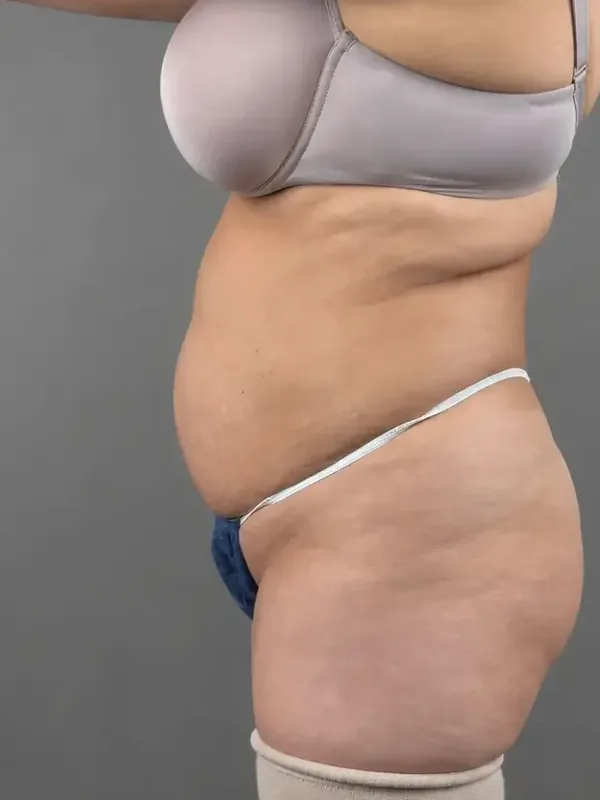
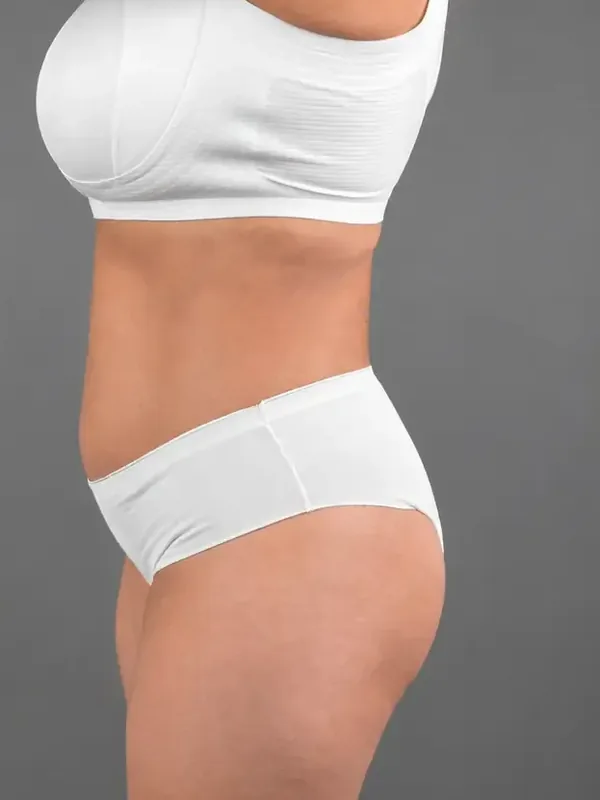
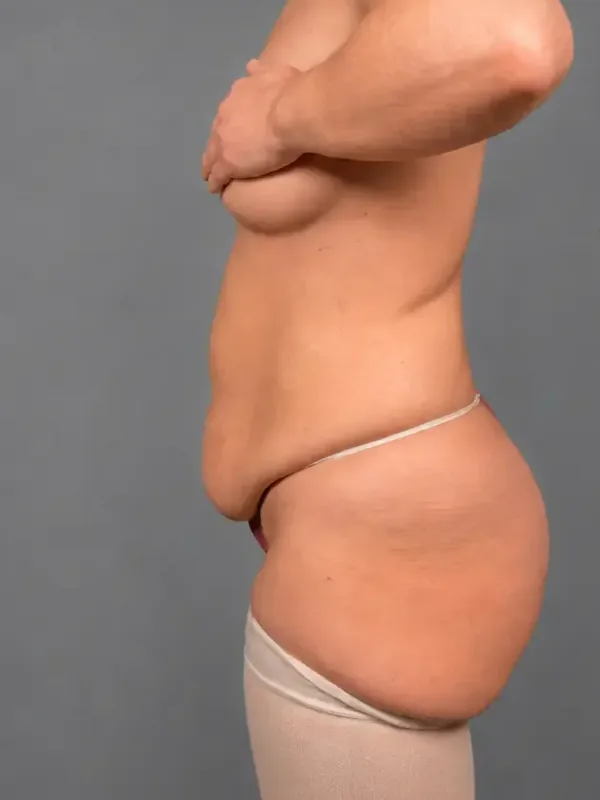
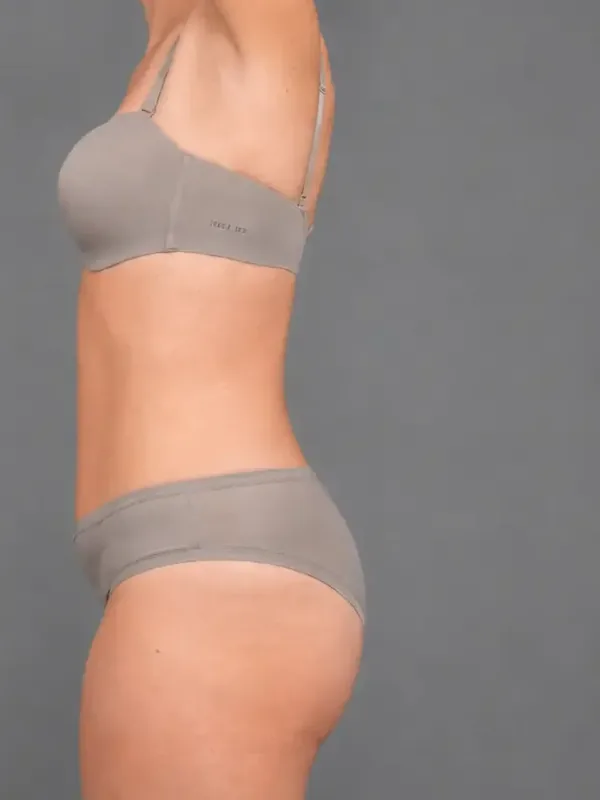
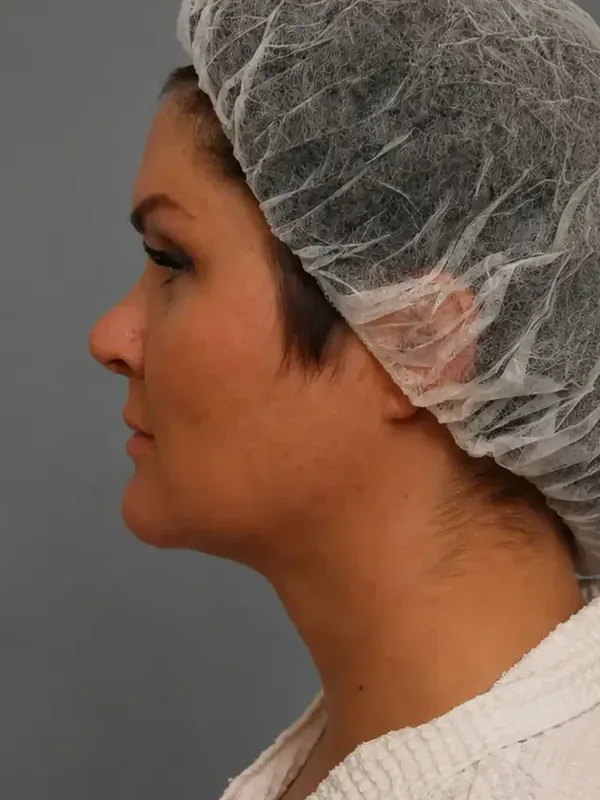
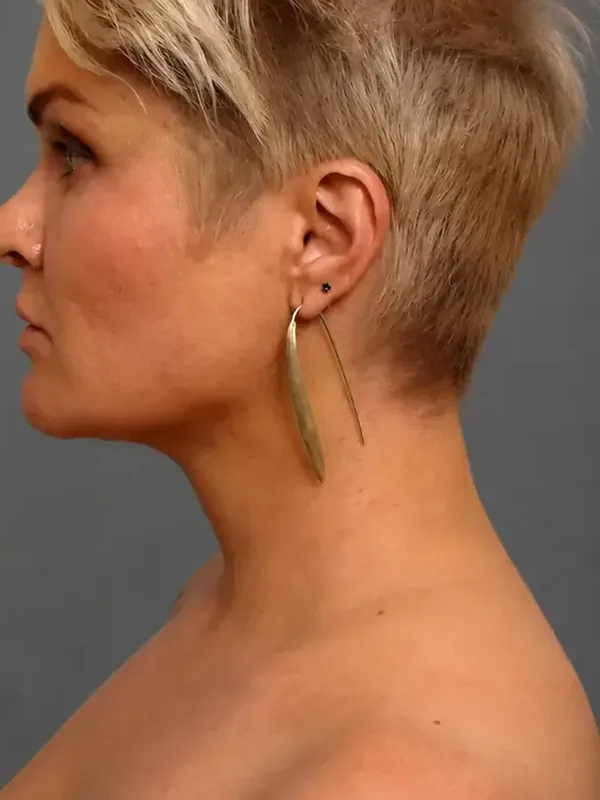
Real before and after photos of City Medical Centre patients. Results are individual.
BeforeAfter
BeforeAfter
BeforeAfter
01
Liposuction recovery at a glance
Recovery after liposuction is usually easier than after operations that remove skin or tighten muscles, but it is still surgery. Most of the change happens in the first month: swelling and bruising peak and then fade, you move from short walks to normal daily life, and the compression garment becomes part of your routine.
How fast you recover depends on how many areas were treated, how much fat was removed, the technique and the type of anaesthesia. The timeline below is typical, not a promise. Your surgeon will adjust it after seeing how you heal.
What is usual
First 24 hours
Drowsiness, soreness, fluid leaking from the small incisions
Days 2–7
Swelling and bruising at their peak, tightness when moving
Weeks 2–4
Bruises fade, swelling starts to settle, firm areas under the skin
Weeks 4–6
First visible change in contour, less discomfort
Months 2–3
Most swelling gone, numbness usually easing
Month 3 and beyond
The result can be assessed; small areas of swelling may settle for up to six months
What to focus on
First 24 hours
Rest, short walks, drinking enough, garment on
Days 2–7
Light activity, wound care, check-up at about one week
Weeks 2–4
Desk work, longer walks, garment day and night
Weeks 4–6
Gentle exercise if the surgeon agrees, end of the garment period
Months 2–3
Gradual return to full training
Month 3 and beyond
Stable weight, follow-up review
02
The first 24 hours and the first week
The day of surgery
After local anaesthesia most people go home the same day, a few hours after the operation. After general anaesthesia you usually spend a night in hospital under observation. In either case someone should take you back and, after a general anaesthetic, stay with you for the first 24 hours.
The compression garment is put on in the operating room. It is normal for the small incisions to leak pinkish fluid for a day or two: this is the solution injected during surgery. Absorbent pads on the bed and in the garment help.
Days 2 to 7
Expect soreness similar to intense muscle strain, tightness and bruising. Swelling often looks worse on days two to four than on the first day. A slightly raised temperature in the first days can be a normal reaction to surgery. Take only the medicines your surgeon has prescribed or approved.
What helps most in the first week:
getting up and walking around the room or the corridor several times a day, which lowers the risk of blood clots;
drinking enough water and eating light, regular meals;
sleeping in a position that keeps pressure off the treated areas;
keeping the incisions clean and dry and following the dressing instructions;
avoiding alcohol and smoking, which slow healing.
The first check-up is usually at about one week, when the surgeon looks at the incisions, the swelling and the fit of the garment. Stitches, if they are not dissolvable, are often removed around this time.
03
Compression garments: how long and how to wear them
The garment is the single most important part of liposuction aftercare. It presses the skin evenly against the tissue underneath, limits swelling and bruising, and helps the skin settle smoothly over the new contour.
How long: usually 30 to 45 days in total. The first weeks are day and night; later the surgeon may allow you to wear it during the day only.
When to take it off: for a shower and to wash the garment, then put it back on straight away.
Fit: firm but not painful. Numbness, tingling, deep marks or pain at the edges mean it is too tight or folded.
Folds and seams: smooth out creases every time you dress, because a fold pressing on swollen tissue can leave a temporary groove.
A second garment: having two makes washing easy without leaving you without compression.
Do not switch to a smaller size or to ordinary shapewear on your own. If the garment becomes loose as the swelling goes down, ask your surgeon or coordinator whether it is time to change it.
04
Swelling, lumps and numbness
Swelling is the reason liposuction results take time to appear. It is usually most noticeable in the first two weeks, then fades gradually. Lower areas such as the thighs, knees and ankles tend to stay swollen longer, because fluid collects there when you stand.
From the second or third week many patients notice firm, sometimes uneven areas under the skin. This is part of normal healing: the tissue is repairing itself where the fat was removed. In most people these areas soften over the following weeks. Tingling, itching and patchy numbness are also common and usually improve over six to eight weeks, sometimes longer.
What usually helps:
wearing the garment as instructed;
regular walking rather than long periods of sitting or lying still;
limiting salt, which holds water in the tissues;
avoiding heat on the treated areas: no sauna, steam room or hot bath in the first month.
Lymphatic drainage and massage
Manual lymphatic drainage and pressotherapy are often recommended after liposuction to help the swelling go down and the tissue soften. Start them only when your surgeon says so. The surgeon decides when the first session can take place, how many are needed and whether any areas should be avoided. Vigorous deep massage, hot wraps or devices used at home without advice can irritate healing tissue. Read how the operation itself is planned on our liposuction page.
05
Work, driving, sport and flying home
Going back to work
After a limited procedure many people return to desk work within three to seven days. After several areas or a large volume, a week or two off is more realistic. Jobs involving lifting, long standing or physical effort usually need more time, and it is worth planning this with your surgeon before surgery.
Driving
You should not drive on the day of surgery or while taking medicines that make you drowsy. Most people can drive once they are able to turn, brake hard and wear a seat belt over the treated area without pain. Your surgeon will tell you when it is sensible.
Exercise
Weeks 1–2: walking only, gradually longer.
Weeks 3–4: gentle exercise such as easy cycling or light stretching, if the surgeon agrees.
After the first month: a gradual return to more demanding training; strenuous exercise, heavy weights and contact sports are often delayed until 6–12 weeks, depending on the areas treated.
Pool, sauna, sun and intimacy
Swimming pools, the sea, baths, saunas and steam rooms are usually avoided for at least the first month, until the incisions have fully closed. Protect the incision marks from strong sun for several months so that they do not darken. Intimacy can usually resume once it no longer hurts and the treated areas are not under pressure, typically after a couple of weeks.
Flying home after liposuction abroad
Patients who travel for surgery usually ask how soon they can fly. Air travel, especially a long flight, adds to the risk of blood clots in the first weeks after any operation. Many surgeons prefer patients to stay nearby at least until the first check-up at about one week, and to fly only after the surgeon has examined them.
For the journey home:
wear your compression garment and, if advised, compression stockings;
choose an aisle seat, get up and walk every hour or so, and move your feet and ankles while seated;
drink water and avoid alcohol on board;
keep your discharge documents and the contact details of your coordinator in your hand luggage;
ask your surgeon before the operation about any medicines they want you to take for the flight.
Before you leave, agree on how follow-up will work: which photos to send and when, and how to reach the surgeon if you have questions.
06
When will you see the result?
The contour changes on the day of surgery, but swelling hides it at first. A visible improvement usually appears after three to four weeks, once the main swelling has gone down. The result is generally assessed at about three months, when the tissues have settled and the skin has adapted to the new shape. In some areas small amounts of swelling may take up to six months to disappear completely.
Fat cells removed during liposuction do not grow back, so the new shape usually lasts as long as your weight stays stable. Remaining fat cells can still grow if you gain weight, so a balanced diet and regular activity are part of keeping the result. Liposuction does not remove cellulite or tighten loose skin, and the final outcome depends on skin quality as well as on the operation.
07
Warning signs: when to call your surgeon
Most discomfort after liposuction is expected and improves day by day. Contact your surgeon or coordinator promptly if you notice:
pain that gets worse instead of better, or is not relieved by the prescribed medicines;
a high or rising temperature, chills, spreading redness, heat or pus from an incision;
swelling that increases quickly on one side, or a large, tense, painful bulge;
a soft, fluid-filled swelling that appears after the first week, which may be a seroma;
pain, warmth or swelling in one calf or leg.
Call emergency services immediately if you have shortness of breath, chest pain, coughing up blood, fainting or confusion. These can be signs of a blood clot in the lungs or other serious complications and need urgent care.
08
Recovery support at City Medical Centre
City Medical Centre works with international patients. The first consultation is free and can be held online: send photos of the areas you want to change, tell the doctor about your health, weight history and travel plans, and ask how recovery would look in your case. The doctor assesses your situation and names the cost, which is then fixed in the contract.
A personal coordinator stays with you from your first message to the end of recovery: they help plan your stay around the first check-up, remind you about the garment and follow-up reviews, and pass your questions and photos to the surgeon via WhatsApp after you return home. More about the operation, areas treated and techniques is on the liposuction page.
How long do I need to wear a compression garment after liposuction?
Usually 30 to 45 days in total. For the first weeks it is worn day and night and removed only for showering and washing it. Later your surgeon may allow daytime wear only. The exact period depends on the areas treated and how quickly the swelling goes down.
Is it normal to have hard lumps after liposuction?
Yes, firm or uneven areas under the skin are common from the second or third week. They are part of normal healing and usually soften over the following weeks. If a lump is very painful, red or growing, or if a soft fluid-filled swelling appears, show it to your surgeon.
When can I go back to work after liposuction?
Many people return to desk work within three to seven days after a limited procedure. After several areas or a larger volume, one to two weeks off is more realistic. Physical jobs involving lifting or long standing usually need longer, which your surgeon will advise on.
When can I fly home after liposuction abroad?
Many surgeons prefer you to stay nearby until the first check-up at about one week and to fly only after they have examined you. On the flight, wear your garment, walk around regularly, drink water and avoid alcohol to lower the risk of blood clots.
When will I see the final result of liposuction?
A visible change usually appears after three to four weeks, when the main swelling has gone down. The result is generally assessed at about three months, although small amounts of swelling in some areas can take up to six months to settle. A stable weight helps keep the new contour.
Please note. This article is general information, not medical advice. Every operation has contraindications and risks, and the right option is decided only after an examination by a doctor.
Have a question about your case? Get a free consultation
Send your name and phone number, and a coordinator will call you back. You can also send photos and questions on WhatsApp.
The first consultation is free, online consultations are available
The doctor names the cost after the assessment, and it is fixed in the contract
A personal coordinator guides you from the first message to recovery