Diet after gastric sleeve surgery: stages from liquids to solid food
After a sleeve gastrectomy, food returns in stages: liquids first, then purées, soft foods and finally a normal diet in small portions. This gives the new stomach time to heal and helps you build habits that protect the result. Below we explain each stage, how much protein and water you need, which foods to avoid, why vitamins are needed and which mistakes are most common.
Why diet after a gastric sleeve matters for recovery
A sleeve gastrectomy removes most of the stomach and leaves a narrow tube. In the first weeks the staple line along that tube is healing, the stomach is swollen and it holds only a few spoonfuls. What and how you eat during this time protects the healing tissue and sets the pace of recovery.
The eating plan after surgery has three goals:
- to let the new stomach heal without stretching or pressure;
- to prevent dehydration and protein shortage while you eat very little;
- to build the habits that keep weight off for years, not just months.
Most people move from liquids to ordinary food over about one to two months. The exact timing differs between surgical teams and patients, so the plan you receive at discharge always comes first. This article explains the usual logic behind it.
Diet stages after sleeve gastrectomy: from liquids to regular food
Food is reintroduced in steps. Each step tests how the stomach copes with a slightly thicker texture. You move on when the current stage is comfortable, not simply when a date on the calendar arrives.
| Stage | Typical timing | What is usually allowed | What to watch |
|---|---|---|---|
| 1. Clear liquids | First 1–2 days, often in hospital | Water, clear broth, sugar-free drinks without gas, diluted herbal tea | Tiny sips; stop at the first sign of fullness |
| 2. Full liquids | Up to about the end of week 2 | Protein drinks, thin yoghurt drinks, skimmed milk, smooth strained soups | Reaching the protein and fluid targets |
| 3. Purées | Around weeks 3–4 | Blended lean meat, fish, eggs, cottage cheese, soft beans, vegetables without skins | Texture like a smooth paste, no lumps |
| 4. Soft foods | Around weeks 5–6 | Minced meat, flaked fish, omelette, soft cooked vegetables, soft fruit | Chewing each bite until it is mushy |
| 5. Regular food | From about week 6–8 | A balanced diet with protein first, in small portions | New foods one at a time |
Stage 1 and 2. In the first days the aim is simply to keep fluids down. Sip slowly from a small cup and pause between sips. Full liquids then add protein while the stomach is still too swollen for any texture.
Stage 3. Purées should be completely smooth. A few teaspoons per meal is normal at first. If a food causes pain or nausea, go back to it a week later instead of forcing it.
Stage 4 and 5. Soft foods bring back chewing. Once you are on regular food, protein stays at the centre of the plate, and tough, dry or stringy foods are added last and carefully.
Protein and fluids: the two daily priorities
With a very small stomach it is hard to eat enough, so two things take priority every day: protein and water.
Protein
Protein helps wounds heal and protects muscle while you lose weight quickly. Low protein can show up as weakness, tiredness and increased hair shedding. The American Society for Metabolic and Bariatric Surgery (ASMBS) mentions roughly 60 to 100 grams of protein a day; your dietitian sets your own target. Good sources include:
- eggs, fish and poultry;
- cottage cheese, plain yoghurt and milk;
- tofu, lentils and beans once they are tolerated;
- protein drinks in the early stages, if your team recommends them.
A simple rule helps at every meal: eat the protein part first, then vegetables, and starchy food last if there is still room.
Fluids
Dehydration is one of the most common reasons for feeling unwell or returning to hospital after bariatric surgery. Most people are advised to drink about 1.5 to 2 litres of water or other calorie-free liquids a day, spread evenly in small sips. Signs that you need more include dark urine, dizziness, headache and a dry mouth.
Portions, pace and the rules of a meal
How you eat matters as much as what you eat. The new stomach sends a signal of fullness much sooner, and ignoring it can lead to pain, vomiting or, over time, a gradually stretched sleeve.
- Small portions. A meal starts at a few tablespoons and, even months later, usually fits on a side plate.
- Five or six small meals. Planned meals are better than grazing, which quietly adds calories.
- Slow pace. Put the fork down between bites and allow about 20 to 30 minutes for a meal.
- Thorough chewing. Each bite should be soft before you swallow it.
- Separate eating and drinking. Do not drink with meals and wait about 30 minutes before and after eating; liquid washes food through and leaves you hungry sooner.
- Stop at the first sign of fullness. Pressure in the chest, a hiccup or a runny nose are common early signals.
Foods and drinks to avoid or limit
Some foods are hard on a healing stomach; others work against weight loss. The list below is typical, and your team may add to it.
- Sugary drinks and sweets. They carry many calories in a small volume and can cause nausea, sweating and weakness.
- High-calorie liquid food. Milkshakes, sweet coffee drinks and cream soups pass through a sleeve easily. This is one of the main reasons weight returns.
- Fizzy drinks. Gas causes bloating and discomfort in a small stomach.
- Alcohol. It is usually avoided for several months; later it acts faster and stronger than before.
- Fried and fatty food. It is poorly tolerated and adds calories quickly.
- Dry, tough or stringy food. Bread crust, steak, nuts, popcorn and raw fibrous vegetables are best left until later and eaten carefully.
The surgeon or dietitian also advises on caffeine, chewing gum and drinking through a straw, since habits vary between programmes.
Vitamins, minerals and follow-up tests
After a sleeve you eat much less, and the reduced stomach absorbs some nutrients less well. For this reason vitamin and mineral supplements are part of the treatment, usually for life, not an optional extra.
Supplements typically cover a multivitamin, vitamin B12, calcium with vitamin D and iron. The exact products, forms and amounts are chosen by your doctor according to blood tests. In the early weeks chewable or liquid forms are often easier to take.
Regular blood tests show whether the plan works and allow adjustments before a shortage causes symptoms. Tiredness, numbness or tingling, brittle nails or pronounced hair loss are reasons to contact your team and not to wait for the next check-up. At City Medical Centre specialists follow your weight loss and test results throughout the first year and answer questions about diet and recovery; more about the operation itself is on the bariatric surgery page.
Common mistakes, the dietitian and long-term habits
Most problems after surgery come from a few repeated mistakes rather than from a single bad meal:
- moving on to the next stage too early because the previous one feels boring;
- drinking too little between meals;
- filling up on soft starchy food and leaving too little room for protein;
- drinking calories in juice, sweet coffee or alcohol;
- eating quickly or while distracted by a screen;
- stopping supplements once you feel well;
- skipping follow-up visits after the first few months.
A dietitian who knows bariatric surgery is a key member of the team. Before surgery they explain the stages; afterwards they adjust the plan, help with food intolerances and suggest recipes. Most people need them most in the first year, but it is worth staying in touch later too.
Weight usually falls quickly for the first months and stabilises within about one and a half to two years. The habits you build in this period decide what happens next: regular meals, protein first, water between meals, daily movement and honest attention to emotional eating. Weight can return if old patterns come back, so asking for support early is part of normal care.
Consultation at City Medical Centre
City Medical Centre works with international patients. The first consultation is free and can be held online: tell us about your weight history, conditions you are treated for and any test results you already have, and the surgeon will explain which operation suits you and what recovery and diet will look like in your case. The cost is named after the assessment and fixed in the contract. A personal coordinator stays with you from your first message until the end of recovery, and questions and documents can be sent by WhatsApp. Find out more on the bariatric surgery page.
Sources
- ASMBS — Life after bariatric surgery
- MedlinePlus — Life after weight-loss surgery
- NIDDK — Weight-loss (metabolic and bariatric) surgery
Results of our patients
Real before and after photos of City Medical Centre patients. Results are individual.
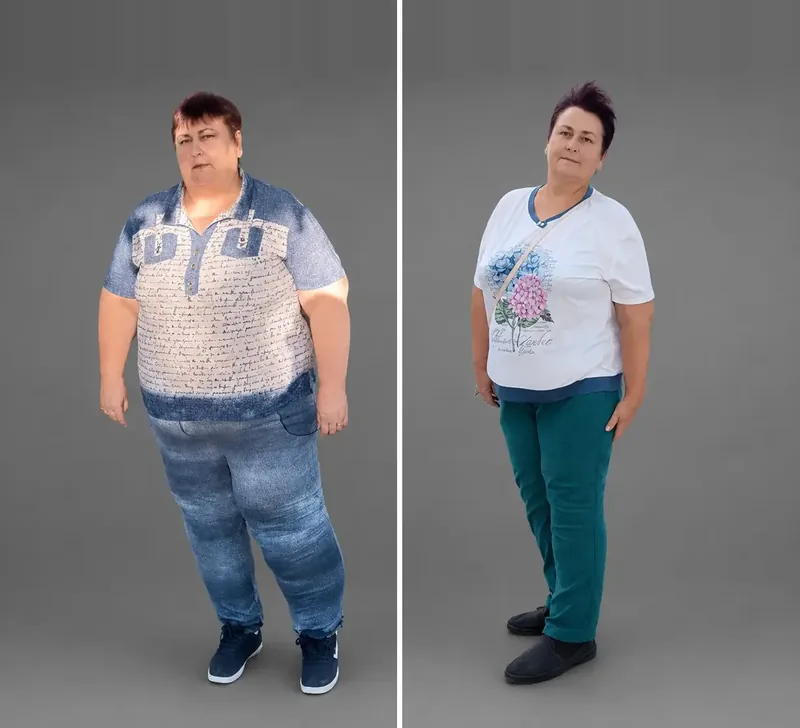 BeforeAfter
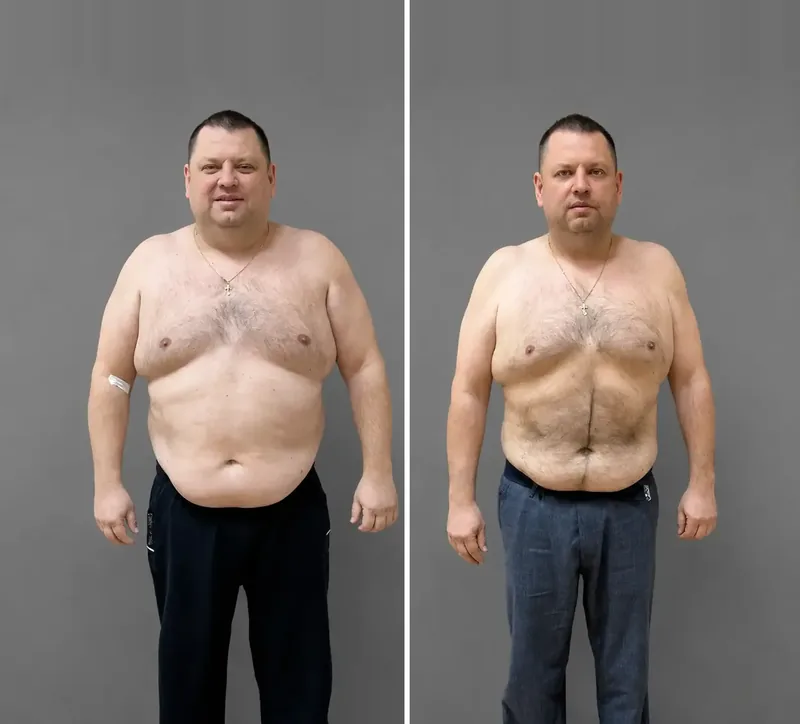 BeforeAfter
 BeforeAfter
Frequently asked questions
How long do I stay on liquids after a gastric sleeve?
Usually about two weeks: clear liquids for the first day or two, then full liquids such as protein drinks and smooth soups. Purées follow, then soft foods. Your surgical team sets the exact timing based on how your recovery goes.
When can I eat normal food after a sleeve gastrectomy?
Most people return to regular textures around six to eight weeks after surgery. Portions stay small, protein comes first, and tough or dry foods such as steak, bread crust or nuts are added last and carefully.
Why can I not drink while eating?
Liquid takes up space in a small stomach and washes food through faster, so you feel hungry again sooner and may eat more than planned. Most programmes advise waiting about 30 minutes before and after a meal before drinking.
Do I have to take vitamins for life after a gastric sleeve?
In most cases, yes. You eat much less and absorb some nutrients less well, so a multivitamin, vitamin B12, calcium with vitamin D and iron are usually needed. The doctor chooses the products and amounts based on regular blood tests.
Can the weight come back after a sleeve?
It can, especially if high-calorie drinks, sweets and frequent snacking return. The sleeve reduces portion size and appetite, but lasting results depend on regular meals, enough protein, physical activity and follow-up with your team.
Have a question about your case? Get a free consultation
Send your name and phone number, and a coordinator will call you back. You can also send photos and questions on WhatsApp.
- The first consultation is free, online consultations are available
- The doctor names the cost after the assessment, and it is fixed in the contract
- A personal coordinator guides you from the first message to recovery
Read also
- Bariatric surgery
Types of bariatric surgery compared: sleeve, gastric bypass, mini bypass and SADI-S
Sleeve, bypass, mini bypass and SADI-S compared: how each works, expected weight loss, effect on diabetes, risks, and why balloons and bands are used less.
- Bariatric surgery
Who qualifies for bariatric surgery: BMI criteria, contraindications and tests
Who qualifies for bariatric surgery: BMI criteria from the 2022 guidelines, related conditions, contraindications, tests before surgery and readiness for life after.
- Hair transplant
Hair care with age: how to keep ageing hair healthy
How hair changes with age and how to care for it: gentle washing, nutrition, careful brushing, less heat and when thinning needs a doctor.