
























Bariatric surgery5 min read
Gastric balloon vs bariatric surgery: which is right for you?
An intragastric balloon is often presented as an easy alternative to weight loss surgery: no incisions and no permanent change to the stomach. But a balloon and bariatric surgery work very differently and suit different people. This guide explains how a balloon works, who it is usually offered to, what weight loss to expect, how it compares with sleeve and bypass surgery and what happens after it is removed.
The main points in 30 seconds
- A gastric balloon is temporary and usually stays in for about six months.
- Weight loss with a balloon is typically about 10–15% of body weight.
- Sleeve and bypass surgery give greater and more lasting results in severe obesity.
- Nausea and vomiting are common in the first days after balloon placement.
- Weight often returns after removal unless habits change for good.
Key facts about the procedure
- Back to work2–4 weeks
- Stay in clinic1–5 days
- Final result18–24 months
- Price
$4,800from $3,600
How a gastric balloon works
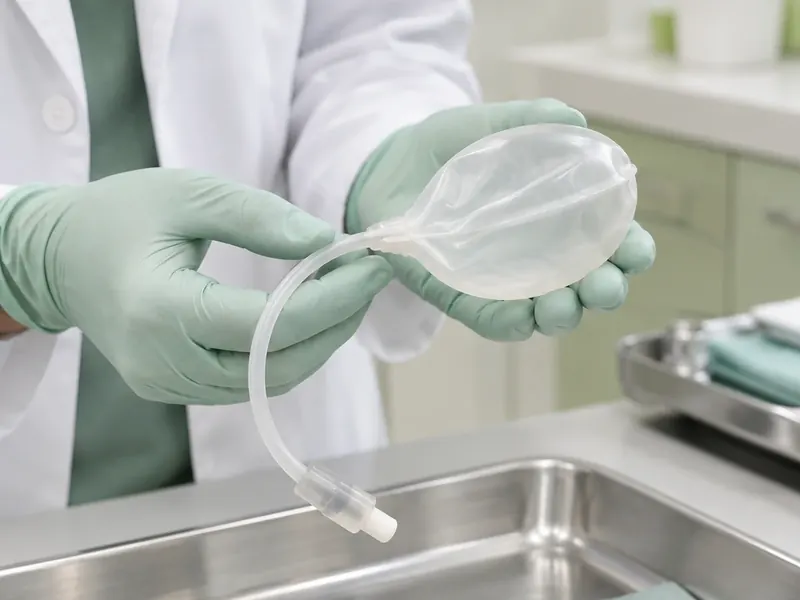
An intragastric balloon is a soft silicone device placed in the stomach and filled with saline or, in some systems, air. It takes up part of the stomach’s volume, so a person feels full sooner and eats smaller portions. Most balloons are placed and removed through the mouth with a flexible endoscope under sedation; some are swallowed as a capsule and then filled.
- No incisions are made and no part of the stomach or intestine is removed or rerouted.
- The balloon is temporary: it usually stays in for about six months, and some types for up to a year.
- It works only while it is in place, so the long-term result depends on the habits built during that time.
Who a balloon is offered to
Balloons are usually considered for people with moderate excess weight who have not lost enough with diet and exercise and who do not meet the criteria for surgery or do not want an operation. They are sometimes also used to reduce weight and surgical risk before a planned operation in people with a very high BMI.
- A BMI that is raised but below the usual thresholds for bariatric surgery.
- Readiness to follow a structured diet and activity programme during and after treatment.
- No previous stomach surgery, large hiatus hernia, active ulcers or pregnancy, which are common reasons not to use a balloon.
Expected weight loss with a balloon
Weight loss with a balloon is usually moderate. Studies commonly report a loss of roughly 10 to 15 per cent of total body weight during the treatment period, with large differences between individuals. Most of this loss happens in the first months, while the sensation of fullness is strongest.
For someone with a BMI of 30 to 35, this can be meaningful. For a person with severe obesity, however, it usually covers only a small part of the excess weight and rarely improves conditions such as type 2 diabetes in a lasting way.
Balloon vs sleeve and bypass: results compared
The main difference is durability. Bariatric surgery permanently changes the stomach or the digestive route, while a balloon is removed after a few months. You can read about the surgical options on our bariatric surgery page.
Gastric balloon
- How it is done
- Endoscopy, no incisions
- Duration of effect
- Temporary, usually 6–12 months
- Typical weight loss
- About 10–15% of body weight
- Effect on type 2 diabetes
- Limited and often temporary
- Main downsides
- Nausea early on, regain after removal
Sleeve gastrectomy
- How it is done
- Laparoscopic surgery
- Duration of effect
- Permanent change to the stomach
- Typical weight loss
- Often more than half of excess weight
- Effect on type 2 diabetes
- Often significant
- Main downsides
- Irreversible, possible reflux
Gastric bypass
- How it is done
- Laparoscopic surgery
- Duration of effect
- Permanent change to the digestive route
- Typical weight loss
- Often more than half of excess weight, frequently more
- Effect on type 2 diabetes
- Often strong, frequent remission
- Main downsides
- Lifelong supplements, more complex surgery
For people with a BMI of 40 or more, or 35 or more with serious related conditions, surgery usually offers far greater and more lasting benefits. A balloon may be reasonable when excess weight is moderate or when surgery is not an option.

Side effects and limitations
A balloon avoids the risks of an operation, but it is not free of side effects. The first days after placement are often the hardest, as the stomach adapts to the device.
- Nausea, vomiting and stomach cramps, especially in the first week.
- Reflux and a feeling of heaviness.
- Rarely, the balloon may deflate and move, cause a blockage, or lead to an ulcer or other complication that needs early removal.
- The balloon must be removed on time; it cannot stay in the stomach permanently.
Some people cannot tolerate the balloon and ask for early removal. A careful assessment beforehand helps to reduce this risk.
What happens after removal
After the balloon is removed, the stomach returns to its normal size and appetite usually increases again. Without lasting changes in eating and activity, a large part of the weight often returns over the following year or two.
- Following a dietitian’s plan during and after treatment improves the chances of keeping the weight off.
- Regular physical activity helps to maintain the result.
- If weight returns, some people later consider bariatric surgery as a more lasting solution.
Why City Medical Centre focuses on surgical options
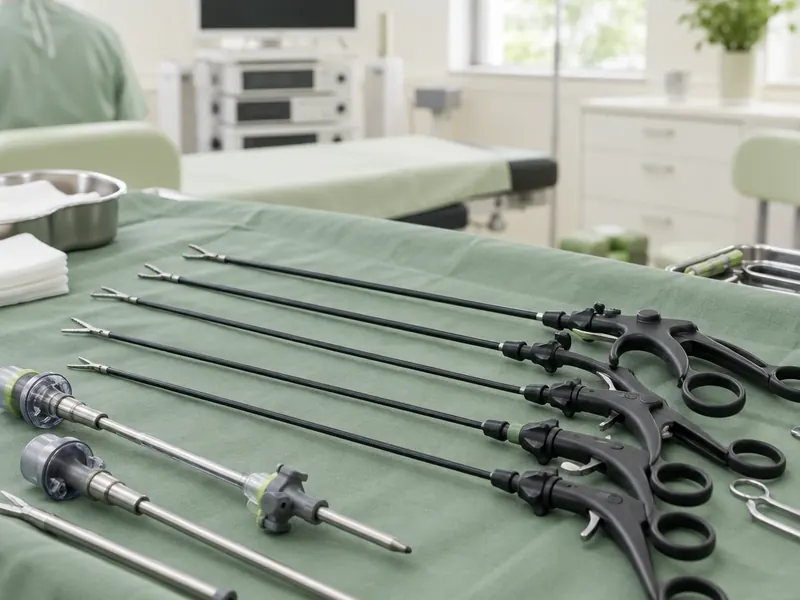
City Medical Centre works with international patients and performs laparoscopic bariatric operations: sleeve gastrectomy, Roux-en-Y gastric bypass, mini gastric bypass (MGB) and SADI-S. For people with severe obesity and related conditions, these operations offer a more durable result than temporary devices. City Medical Centre does not place intragastric balloons.
Information about balloons in this article is general; if a non-surgical approach might suit you better, the surgeon will discuss it openly at the consultation.
The first consultation is free and can be held online: send your height, weight and medical history by Telegram. The doctor names the cost after the assessment, and it is fixed in the contract. A personal coordinator stays with you from your first message to the end of recovery, and specialists follow your progress during the first year. Learn more on the bariatric surgery page.
How recovery usually goes
- First hoursYou may sit up, stand and drink fluids
- 1–5 daysObservation at the clinic, depending on the extent of surgery
- 2–4 weeksReturn to office work; physical work after about 1.5 months
- 1–2 monthsStaged diet from liquids to solids to let the stomach adapt
- Every monthOn average 10% of excess weight lost per month
- 1.5–2 yearsFinal result, stable eating habits prevent the weight from returning
Sources
Frequently asked questions
How much weight can you lose with a gastric balloon?
Most people lose around 10 to 15 per cent of their total body weight while the balloon is in place, although results vary widely. The loss is usually greatest in the first months. It is typically much less than after sleeve or bypass surgery.
How long does a gastric balloon stay in?
Most balloons stay in the stomach for about six months, and some types for up to a year. After that they must be removed, usually by endoscopy. The balloon is a temporary device and is not designed to stay in permanently.
Does weight come back after balloon removal?
Often, at least partly. Once the balloon is removed, the stomach returns to its usual size and appetite increases. People who keep a structured diet and regular activity after removal have a better chance of maintaining the result.
Is a balloon safer than surgery?
A balloon avoids incisions and anaesthesia risks of an operation, but it has its own side effects, such as nausea, vomiting and, rarely, serious complications. It also gives a smaller and less lasting effect. The right choice depends on your weight, health and goals.
Who is not suitable for a gastric balloon?
A balloon is usually not advised after previous stomach surgery, with a large hiatus hernia, active stomach ulcers, certain bleeding disorders or during pregnancy. People with very severe obesity often benefit more from surgery. A doctor decides after an examination.
Have a question about your case? Get a free consultation
Message a coordinator on Telegram: we reply right in the chat, and you can send photos and questions there too.
- The first consultation is free, online consultations are available
- The doctor names the cost after the assessment, and it is fixed in the contract
- A personal coordinator guides you from the first message to recovery
Message our coordinator on Telegram
We reply right in the chat — you can send photos
Message us on TelegramBy sending a message, you agree to the privacy policy
Read also
 Bariatric surgery
Losing weight after 40: when bariatric surgery is worth considering
Why weight loss gets harder after 40, how hormones and metabolism change, common diet mistakes and when bariatric surgery becomes a reasonable option.
 Bariatric surgery
Obesity classes and BMI: how doctors measure obesity
How BMI is calculated, which values mean overweight and obesity classes 1–3, when BMI misleads and why waist size and lab tests complete the picture.
 Facelift
How to tighten a sagging jawline: from home care to surgery
Why the jawline loses definition, what home care and cosmetic treatments can do, surgical options for a defined jawline and how to choose the right method.