
























Bariatric surgery6 min read
Losing weight after 40: when bariatric surgery is worth considering
Many people notice that after 40 the old methods stop working: the same diet that helped at 30 now brings little result, and lost kilograms return faster. This is not a lack of willpower. The body changes with age, and weight becomes harder to shift, especially when obesity is already severe. This article explains why losing weight gets harder after 40, which diet mistakes make it worse, how hormones and metabolism change for men and women, when bariatric surgery becomes a reasonable option and what life looks like after it.

The main points in 30 seconds
- After 40, muscle loss, less activity and hormonal changes make weight harder to shift.
- Very strict diets and too little protein often make things worse in the long run.
- Surgery is usually considered at a BMI above 40, or above 35 with related conditions.
- Age over 40 alone is not a reason to refuse surgery; overall health decides.
- Lasting results depend on new habits: small portions, protein, vitamins and movement.
Key facts about the procedure
- Back to work2–4 weeks
- Stay in clinic1–5 days
- Final result18–24 months
- Price
$4,800from $3,600
Why losing weight gets harder after 40
Several changes add up in midlife. From around the age of 30, muscle mass slowly declines unless it is actively maintained, and muscle burns more energy at rest than fat. Many people also move less than they used to: work becomes more sedentary, joints ache, and there is less time for sport. The result is that the body needs fewer calories, while appetite and eating habits often stay the same.
Other factors play a part too. Sleep often gets shorter or lighter, and poor sleep is linked with higher appetite and weight gain. Stress at work and at home can lead to eating for comfort. Some long-term medicines can also affect weight. None of this makes weight loss impossible, but it explains why the same effort gives a smaller result than it did ten or twenty years earlier.
Common diet mistakes
When weight will not move, people often try harder in ways that backfire. The most common mistakes are:
- Very strict diets: sharp calorie cuts lead to fast early weight loss, but muscle is lost too and the weight usually returns once the diet ends.
- Skipping meals: going hungry during the day often ends in overeating in the evening.
- Drinking calories: sweet drinks, juices and alcohol add a lot of energy without making you feel full.
- Too little protein: without enough protein it is harder to keep muscle and feel satisfied.
- No strength training: walking is useful, but exercises that load the muscles help keep them as you age.
- Short-term thinking: a diet treated as a temporary project rarely leads to lasting change.
For people with mild overweight, fixing these mistakes can be enough. With severe obesity, however, even a well-planned diet often brings only modest and temporary results.
Hormonal and metabolic changes
Hormones influence where the body stores fat and how easily it uses energy. With age, the balance shifts. Insulin resistance becomes more common, especially with excess weight around the waist: the body needs more insulin to handle sugar, which favours fat storage and raises the risk of type 2 diabetes. Blood pressure and cholesterol also tend to rise.
These changes form a cycle. Excess weight worsens insulin resistance, and insulin resistance makes it harder to lose weight. Health conditions linked with obesity, such as type 2 diabetes, high blood pressure, sleep apnoea and joint pain, become more common after 40, and they are one of the main reasons doctors start to discuss more active treatment.
Differences for men and women
In women, the years around menopause bring a fall in oestrogen. Health services note that weight gain is a common symptom of menopause, and fat tends to shift from the hips to the abdomen. Poor sleep, hot flushes and low mood can make it harder to keep up healthy habits. Menopause does not make weight loss impossible, but it often requires a more deliberate approach.
In men, testosterone falls gradually with age, and lower levels are linked with less muscle and more abdominal fat. Men more often carry weight around the waist from an earlier age, which is closely tied to metabolic risk. For both sexes, fat around the abdomen is a stronger warning sign than weight alone.

When bariatric surgery makes sense
Bariatric surgery is not a first step and not a shortcut for a few extra kilograms. It is considered when obesity is severe and other methods have not worked for long. City Medical Centre's bariatric surgery page describes the usual threshold: surgery is generally justified with a BMI above 40, or above 35 when there are obesity-related conditions such as type 2 diabetes or high blood pressure.
Other options exist, including supervised diet and exercise programmes and weight-loss medicines prescribed by a doctor, and they can suit some people well. Surgery becomes a reasonable choice when these approaches have been tried without lasting results and health problems are growing. Age over 40 is not in itself a reason to refuse surgery; what matters is overall health, which is why a careful assessment before the operation is essential.
Life after surgery: the new rules
Surgery changes the size of the stomach and, with some methods, how food is absorbed, but lasting results depend on new habits:
- Small portions, protein first: meals are small, and protein-rich foods come first to protect muscle.
- Eat slowly: chewing well and stopping at the first sign of fullness help avoid discomfort.
- Drink between meals: fluids are taken separately from food, in small sips through the day.
- Vitamins for life: supplements are needed long term, and blood tests check that levels stay normal.
- Regular movement: walking plus strength exercises help keep muscle and support weight loss.
- Follow-up: regular check-ins with the team help catch problems early.
Most weight is lost in the first 12 to 18 months. How much depends on the operation, starting weight and how closely the new rules are followed, so any figures are averages rather than a promise.
Assessment for patients over 40 at City Medical Centre
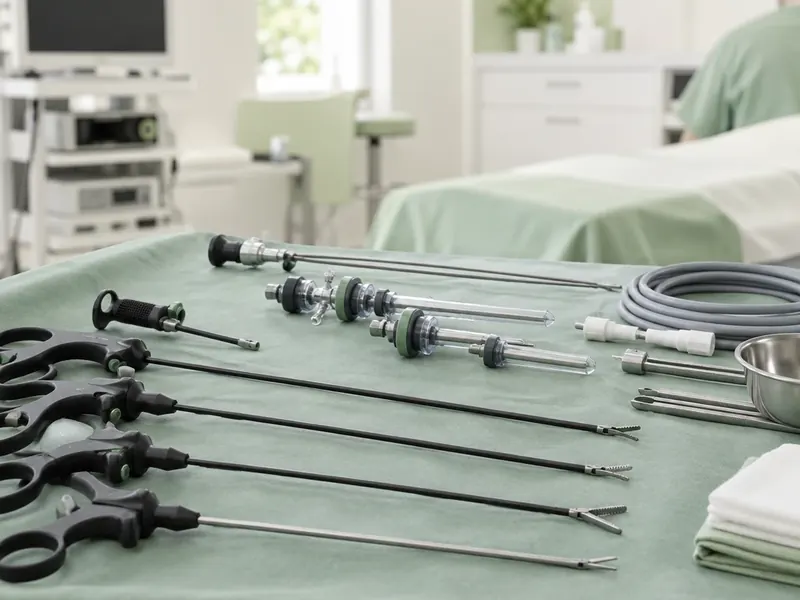
City Medical Centre works with international patients and performs sleeve gastrectomy, Roux-en-Y gastric bypass, mini gastric bypass (MGB) and SADI-S. City Medical Centre does not perform gastric balloons or endoscopic procedures and does not prescribe weight-loss injections; whether a gastric band is performed at the clinic is clarified at the consultation.
Before surgery, patients have blood tests and other examinations and see specialists, including a GP, endocrinologist, psychiatrist, cardiologist and, for women, a gynaecologist; after 40 the heart, blood sugar and blood pressure receive particular attention. Based on the results, the surgeon explains whether surgery is suitable and which method fits. Throughout the first year, specialists track weight loss and test results, and a personal coordinator stays in touch from the first message to the end of recovery. The first consultation is free and can be held online; the price is named after assessment and fixed in the contract. More details on the bariatric surgery page.
How recovery usually goes
- First hoursYou may sit up, stand and drink fluids
- 1–5 daysObservation at the clinic, depending on the extent of surgery
- 2–4 weeksReturn to office work; physical work after about 1.5 months
- 1–2 monthsStaged diet from liquids to solids to let the stomach adapt
- Every monthOn average 10% of excess weight lost per month
- 1.5–2 yearsFinal result, stable eating habits prevent the weight from returning
Sources
Frequently asked questions
Is it harder to lose weight after 40?
For many people, yes. Muscle mass slowly declines, daily activity often drops, sleep and stress change, and hormones shift. The body needs fewer calories, so the same habits lead to weight gain and the same diet gives a smaller result.
Is bariatric surgery safe over 40?
Bariatric surgery is regularly performed in people over 40. Like any operation it carries risks, and these depend more on overall health than on age alone. A thorough assessment before surgery helps the surgeon judge whether it is suitable for you.
Is there an upper age limit for bariatric surgery?
There is no single age at which surgery is ruled out. The decision depends on your health, other conditions and expected benefit. The surgeon weighs these factors after the pre-operative examinations.
Does menopause affect weight loss?
It often does. Falling oestrogen, poorer sleep and other symptoms are linked with weight gain and more fat around the abdomen. Weight loss is still possible, but it usually needs a more deliberate approach.
How fast will I lose weight after surgery?
Weight loss is fastest in the first months, and most of it happens in the first 12 to 18 months. The amount depends on the operation, your starting weight and how well you follow the new eating habits, so figures are averages, not a promise.
Have a question about your case? Get a free consultation
Message a coordinator on Telegram: we reply right in the chat, and you can send photos and questions there too.
- The first consultation is free, online consultations are available
- The doctor names the cost after the assessment, and it is fixed in the contract
- A personal coordinator guides you from the first message to recovery
Message our coordinator on Telegram
We reply right in the chat — you can send photos
Message us on TelegramBy sending a message, you agree to the privacy policy
Read also
 Bariatric surgery
Obesity treatment options: when diets are not enough and surgery is needed
Obesity treatment step by step: nutrition, activity, psychological support and medication, and the signs that it is time to consider bariatric surgery.
 Bariatric surgery
Who qualifies for bariatric surgery: BMI criteria, contraindications and tests
Who qualifies for bariatric surgery: BMI criteria from the 2022 guidelines, related conditions, contraindications, tests before surgery and readiness for life after.
 Liposuction
Massage and lymphatic drainage after liposuction: when to start and why it helps
When to start massage after liposuction, how lymphatic drainage differs from deep massage, how it helps with firm areas and why starting too early can harm.