

























Breast augmentation6 min read
Breast fillers vs implants: why surgeons advise caution
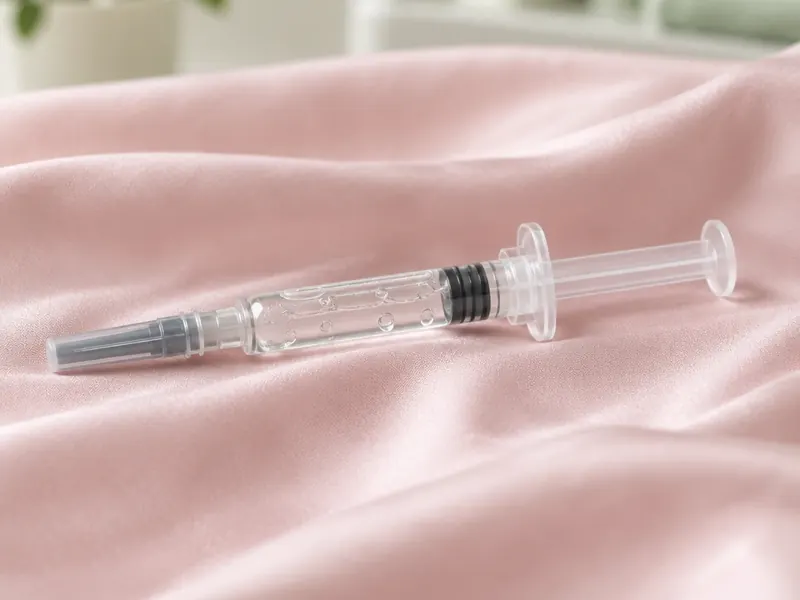
Injections that promise a bigger bust in half an hour, without a scalpel and without anaesthesia, sound tempting. Breast fillers are advertised exactly this way. Yet many plastic surgeons, and the US regulator for medical devices, advise against injecting fillers into the breast. This guide explains how filler enlargement is done, what complications it can cause, why it interferes with breast screening and why implants remain the predictable way to enlarge the breasts.
The main points in 30 seconds
- Fillers were developed for small volumes in the face, while breast enlargement needs many times more gel.
- The US Food and Drug Administration recommends against any injectable filler to increase breast size.
- Possible complications include lumps, migration of the gel, infection and difficulties with breast screening.
- Implants give a planned, long-lasting result with known risks that can be monitored.
- City Medical Centre enlarges the breasts with implants and does not perform filler breast enlargement.
Key facts about the procedure
- Operation time1.5–3 hours
- Back to work7–14 days
- Stay in clinic1 day
- Fixed price$4,700
Can fillers enlarge the breasts?
Technically, yes: a gel injected under the skin or under the breast tissue takes up space, and the breast looks fuller. That is the whole idea behind filler breast enlargement. The gels used for this were developed mainly for small volumes in the face, such as lips and folds. For the breast, the volume has to be many times larger, often hundreds of millilitres per side.
That difference in scale is the core of the problem. A small amount of gel in the lip behaves very differently from a large amount of gel in the breast, which moves, changes with weight and hormones, and needs regular screening throughout life. The US Food and Drug Administration lists increasing breast size among the uses for which it recommends against dermal fillers or any injectable filler.
How filler breast enlargement is done
The procedure is usually presented as quick and simple:
- the skin is numbed with a local anaesthetic;
- through one or two small punctures, a cannula is passed under the breast tissue;
- the gel is injected in portions and spread by massage to shape the breast;
- the whole procedure takes about an hour, and the person goes home the same day.
Most gels used for this are gradually absorbed by the body, so the volume shrinks over time and the injections have to be repeated, often within a year or two. Each repeat means another large amount of gel and another chance for complications. Non-absorbable gels and injections of loose liquid silicone have also been used in the past; injectable silicone is not approved for any cosmetic procedure and can cause severe, permanent harm.
Possible complications of breast fillers
Because the gel sits freely in the tissue rather than inside a closed shell, it can behave unpredictably. Reported problems include:
- lumps and nodules that can be felt and sometimes seen through the skin;
- migration of the gel towards the armpit, the chest wall or the upper abdomen;
- capsules and hardening around pockets of gel;
- infection and inflammation, sometimes appearing months or years later;
- asymmetry and an uneven contour as the gel is absorbed or moves;
- pain and changes in skin sensation.
When complications appear, removing the gel is often harder than injecting it. It may need repeated drainage or surgery, and complete removal is not always possible, especially if the gel has spread into the breast tissue or the muscle.
Why many surgeons advise against breast fillers
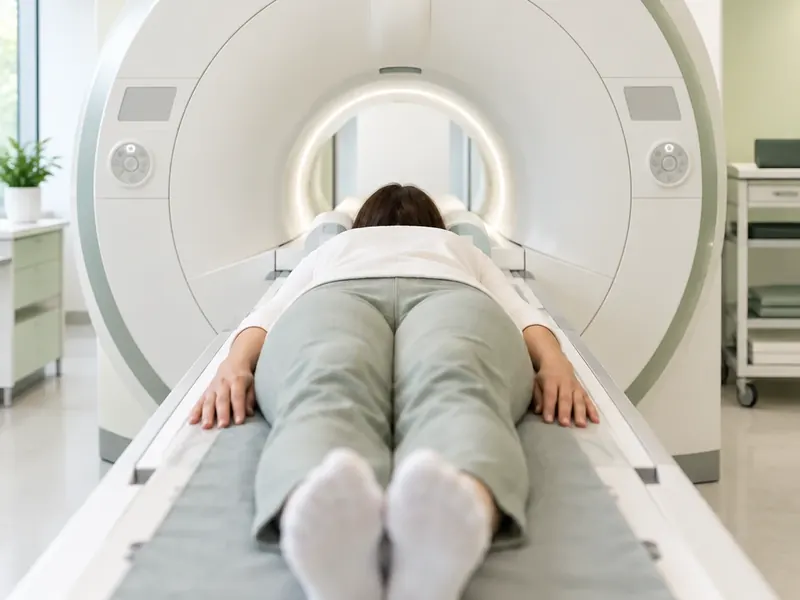
The main concern is breast health, not only appearance. Lumps of gel can make mammography, ultrasound and MRI harder to read. A radiologist has to distinguish gel nodules from changes that might need a biopsy, and this can lead to extra tests or, in the worst case, to a real problem being missed or found later.
Other reasons surgeons are cautious:
- the result is temporary, so over years the total amount of gel and the number of procedures add up;
- the volume that can be added safely is limited, so the change is often smaller than expected;
- the gel cannot be positioned as precisely as an implant, so the shape is harder to control;
- if the person later wants implants, remaining gel and scar tissue can complicate the operation.
For these reasons, many plastic surgeons do not offer breast fillers at all and treat the complications of previous injections instead.
Implants as a predictable alternative
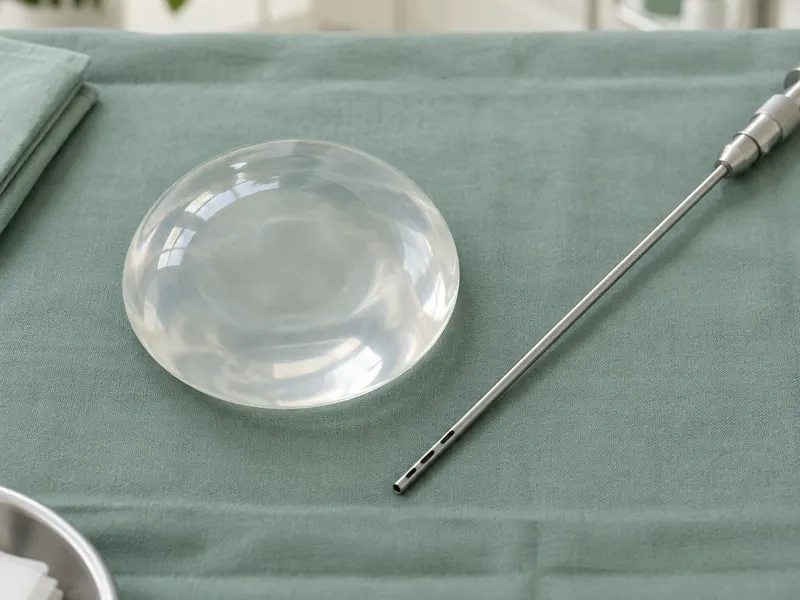
Breast implants are medical devices designed for exactly this purpose. They have a closed shell, a known volume and a chosen shape and profile, so the surgeon can plan the result in advance with you. The implant is placed in a pocket under the breast tissue or under the muscle, and its position is checked for symmetry during the operation.
Implants also have limitations and risks that you should know about: it is surgery under general anaesthesia, it leaves a small scar, and over the years an implant may need to be replaced or removed, for example because of capsular contracture or rupture. These risks are well studied, however, and breast screening with implants is an established routine. Radiologists know how to examine breasts with implants, and the implant itself can be checked with ultrasound or MRI.
Put simply, fillers promise a small, temporary change with unpredictable risks, while implants offer a planned, long-lasting result with risks that are known and can be monitored.
If you already have breast fillers
If you had filler injections in the past, tell every doctor who examines your breasts, including at routine screening. See a doctor if you notice new lumps, pain, redness, swelling or a change in shape. An ultrasound or MRI shows where the gel is and whether it has moved.
If you are considering implants after fillers, the surgeon first needs to know how much gel remains and where. Sometimes the gel and the affected tissue have to be removed first, and augmentation is planned afterwards. This is decided individually after a proper examination.

Safe breast enlargement at City Medical Centre
City Medical Centre performs breast augmentation with implants, breast lift with or without implants, breast reduction, implant removal and breast reconstruction. City Medical Centre does not perform breast enlargement with fillers or any other injections. Fillers are described here as general information to help you make an informed choice.
At the consultation the surgeon examines your breasts, discusses the size, shape and profile of implants and models the expected result with you. Before surgery you complete a medical work-up, including blood tests and a breast ultrasound. The operation takes place under general anaesthesia with a short inpatient stay, and follow-up with the plastic surgeon continues for a year. The clinic works with international patients: the first consultation is free and can take place online, and you can send photos and questions on Telegram. The price is given after the surgeon's assessment and is fixed in the contract. Learn more on the breast augmentation page, or see how breast surgery is organised on the breast surgery page.
How recovery usually goes
- 7–14 daysReturn to work without physical exertion
- 3 weeksPost-op swelling disappears; scars form; no lifting over 3 kg, no raising arms above shoulder level
- 1 monthThe swelling subsides and the breasts take on a natural shape and softness
- 4–6 weeksFitness, swimming, pool and sea; compression garments worn for 4–6 weeks
- 3 monthsDiscomfort disappears; inflammatory changes resolve and a pocket forms around the implant; strength training
Sources
Frequently asked questions
Are breast fillers safe?
Many plastic surgeons consider them unsafe for the breast, and the US Food and Drug Administration recommends against using any injectable filler to increase breast size. Possible problems include lumps, migration of the gel, infection and difficulties with breast screening.
How long do breast fillers last?
Most gels used for breast enlargement are gradually absorbed, so the volume decreases over time and injections usually have to be repeated, often within a year or two. Each repeat adds more gel and another chance of complications.
Do fillers interfere with breast screening?
They can. Nodules of gel may make mammography, ultrasound and MRI harder to interpret and may lead to extra tests. Always tell the doctor or radiologist that you have had breast filler injections.
Are implants safer than fillers?
Implants are medical devices designed for breast augmentation, with a known volume and shape and well-studied risks such as capsular contracture or rupture. Their result is planned and long-lasting, and breasts with implants can be screened in the usual way.
Can fillers be removed?
Sometimes, but it is often harder than injecting them. Removal may require drainage or surgery, and if the gel has spread into the tissue, complete removal is not always possible. An ultrasound or MRI helps to plan it.
Have a question about your case? Get a free consultation
Message a coordinator on Telegram: we reply right in the chat, and you can send photos and questions there too.
- The first consultation is free, online consultations are available
- The doctor names the cost after the assessment, and it is fixed in the contract
- A personal coordinator guides you from the first message to recovery
Message our coordinator on Telegram
We reply right in the chat — you can send photos
Message us on TelegramBy sending a message, you agree to the privacy policy
Read also
 Breast augmentation
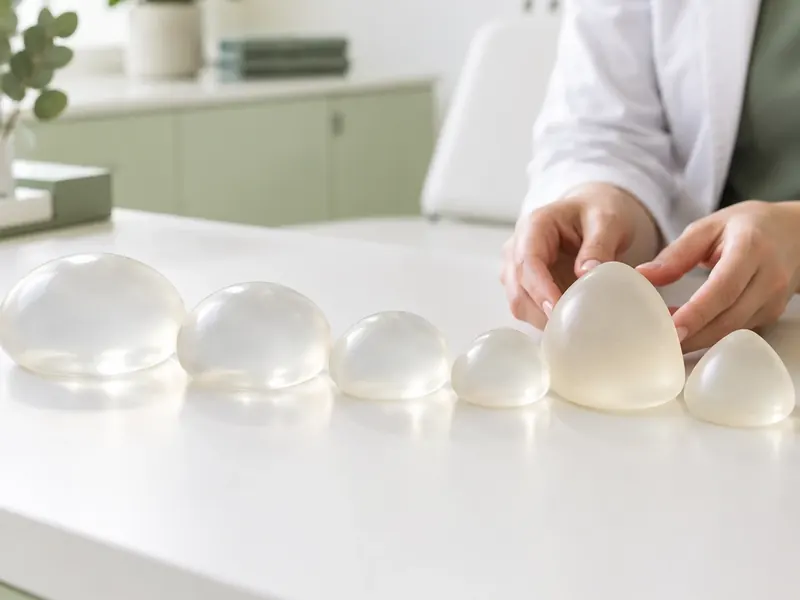
Breast implant types, shapes and sizes: how to choose the right implants
How to choose breast implants: round or teardrop, silicone or saline, smooth or textured, profile, size, placement, incision, lifespan and BIA-ALCL.
 Breast augmentation
Breast implants vs fat transfer: what each method can and cannot do
Implants or your own fat? Compare size gain, fat survival, lumps, repeat sessions, scars and upkeep to see which breast augmentation fits your goals.
 Breast augmentation
Breast implant rupture: signs, diagnosis and what to do
How to tell if a breast implant has ruptured, why it happens, how silent rupture is found with ultrasound or MRI, and what removal or replacement involves.