


























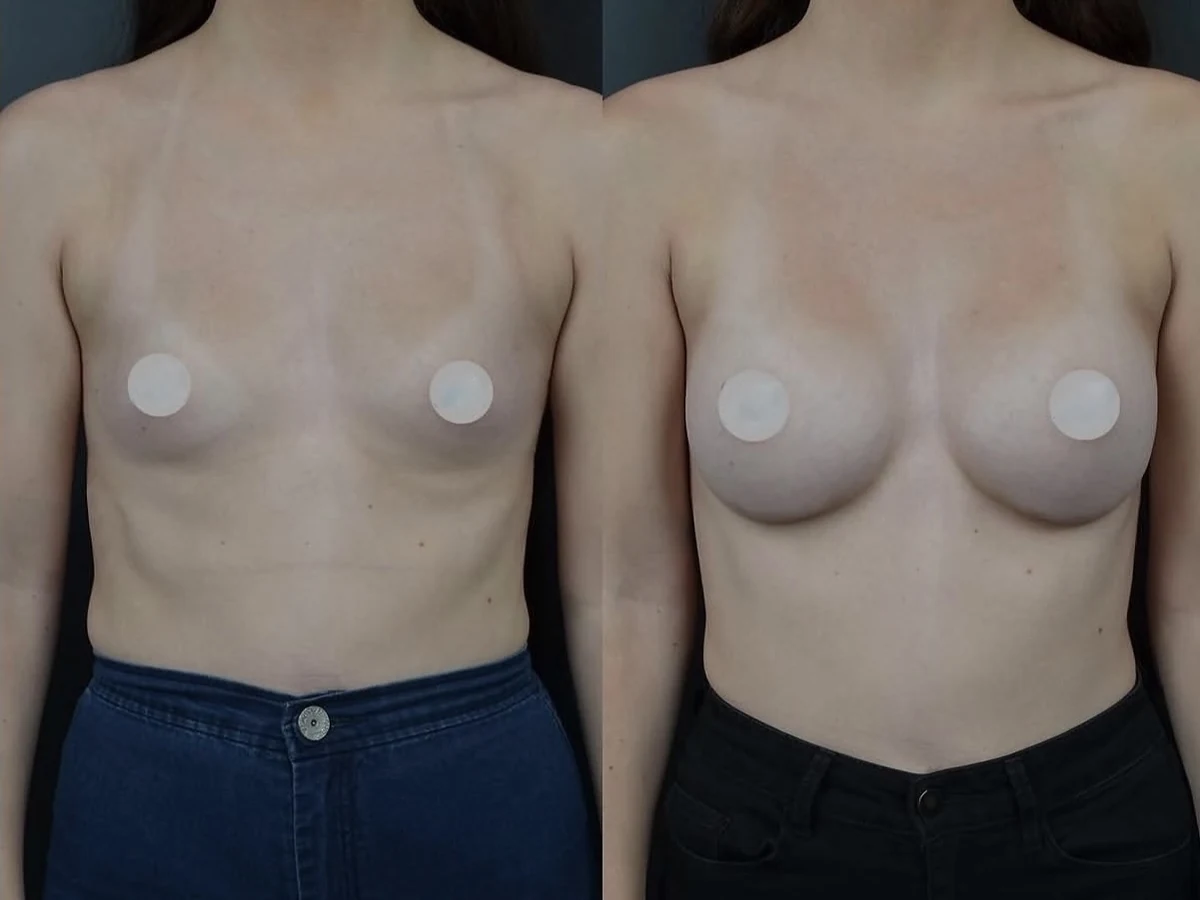
 beforeafter
Mammoplasty
Method: implants
Breast augmentation
$4,700
$5,900 · First consultation — Free
Free online consultation · Reply within 15 minutes
Message our coordinator
Free online consultation · Reply within 15 minutes
Message us on TelegramMessage us on WhatsAppBy messaging us, you agree to our Privacy Policy
Breast augmentation for patients from Detroit at City Medical Centre starts at $4,700. The first online consultation is free; the doctor names the final price and it is fixed in the contract.
How it works · Breast augmentation prices
Information current as of 5 November 2026
Results
Every case shown is a real patient of the clinic; faces and identifying details are hidden.
beforeafterMethod: implants
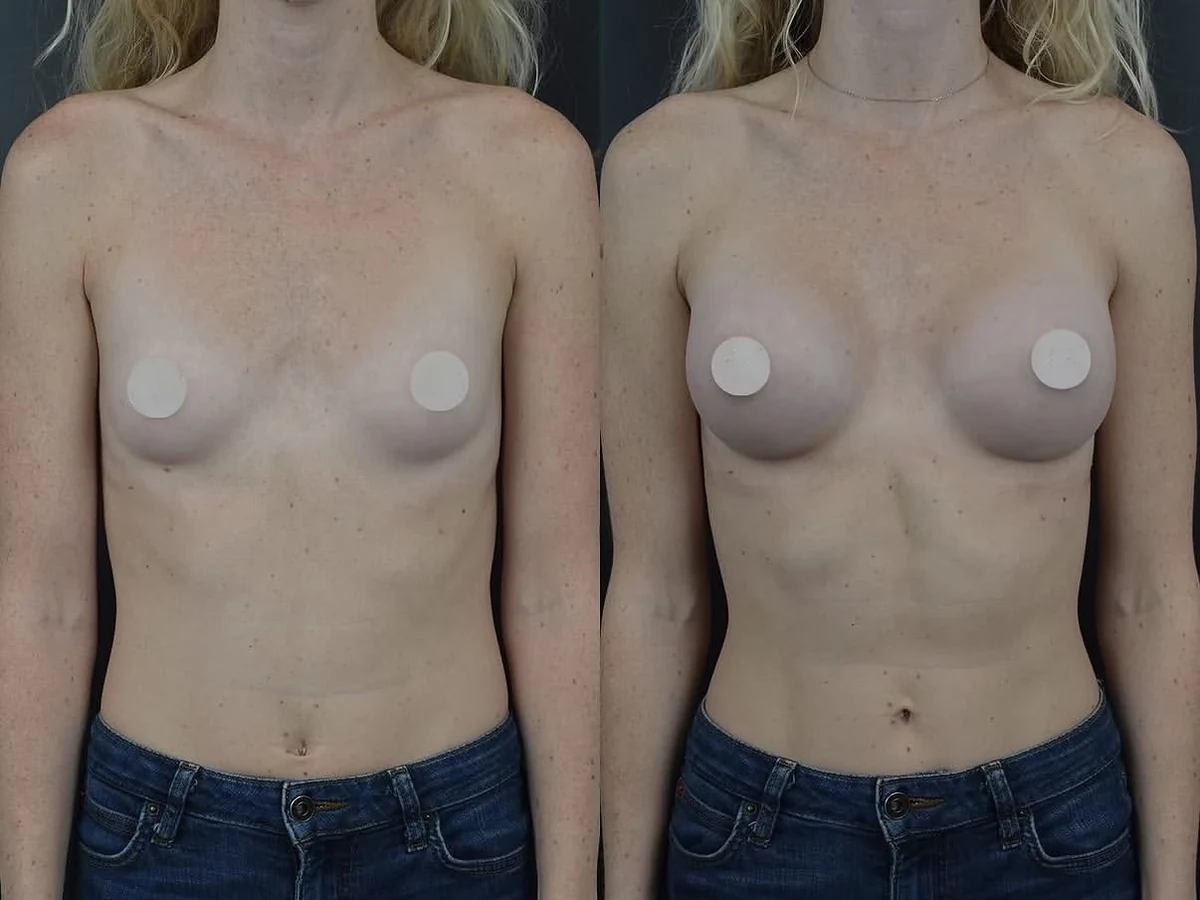 beforeafter
Method: implants
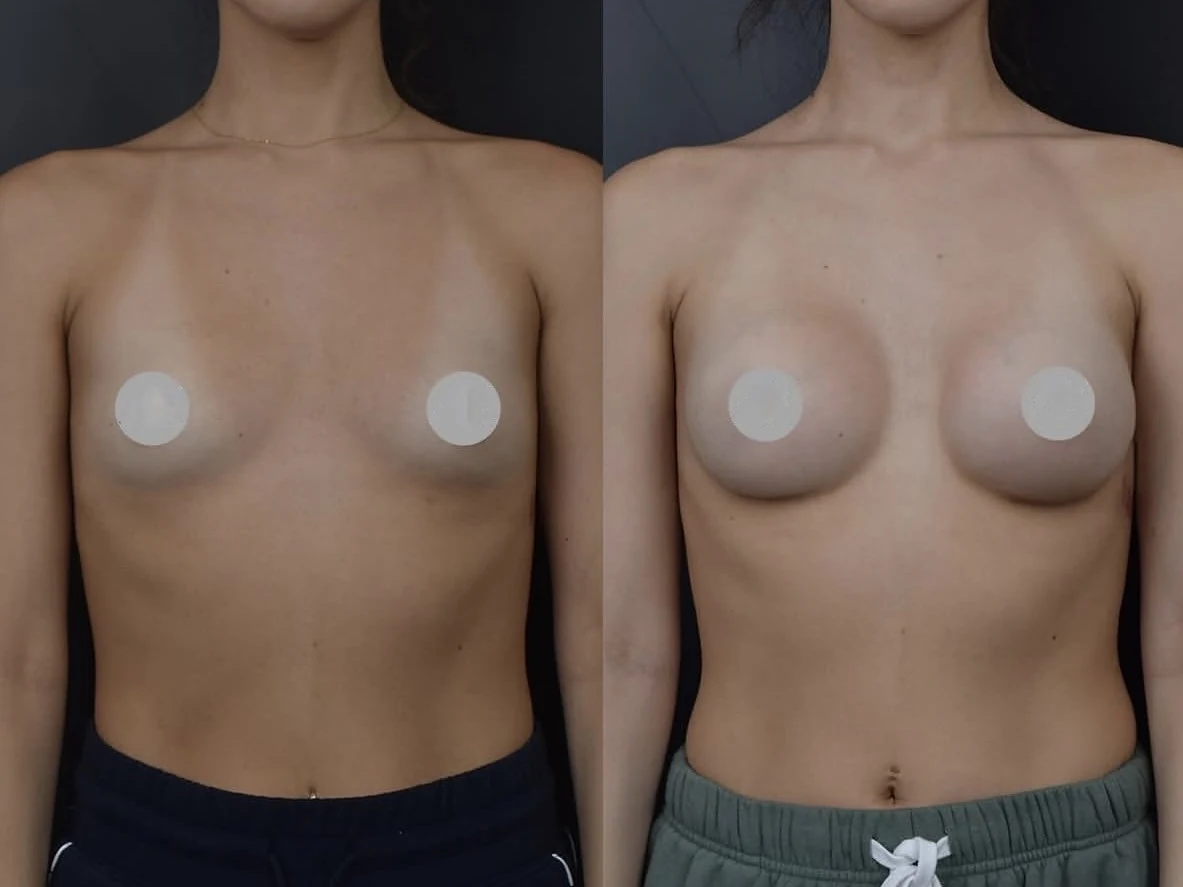 beforeafter
Method: implants
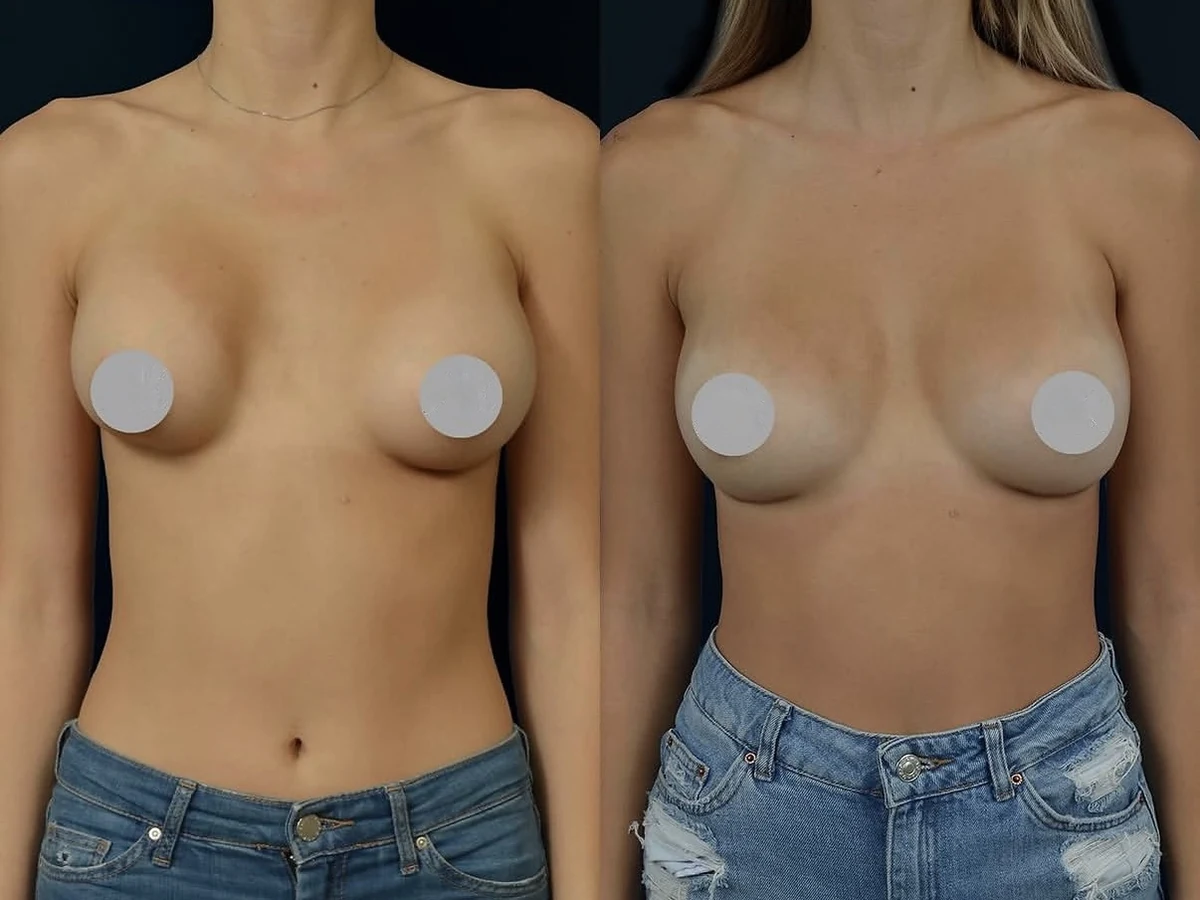 beforeafter
Method: implants
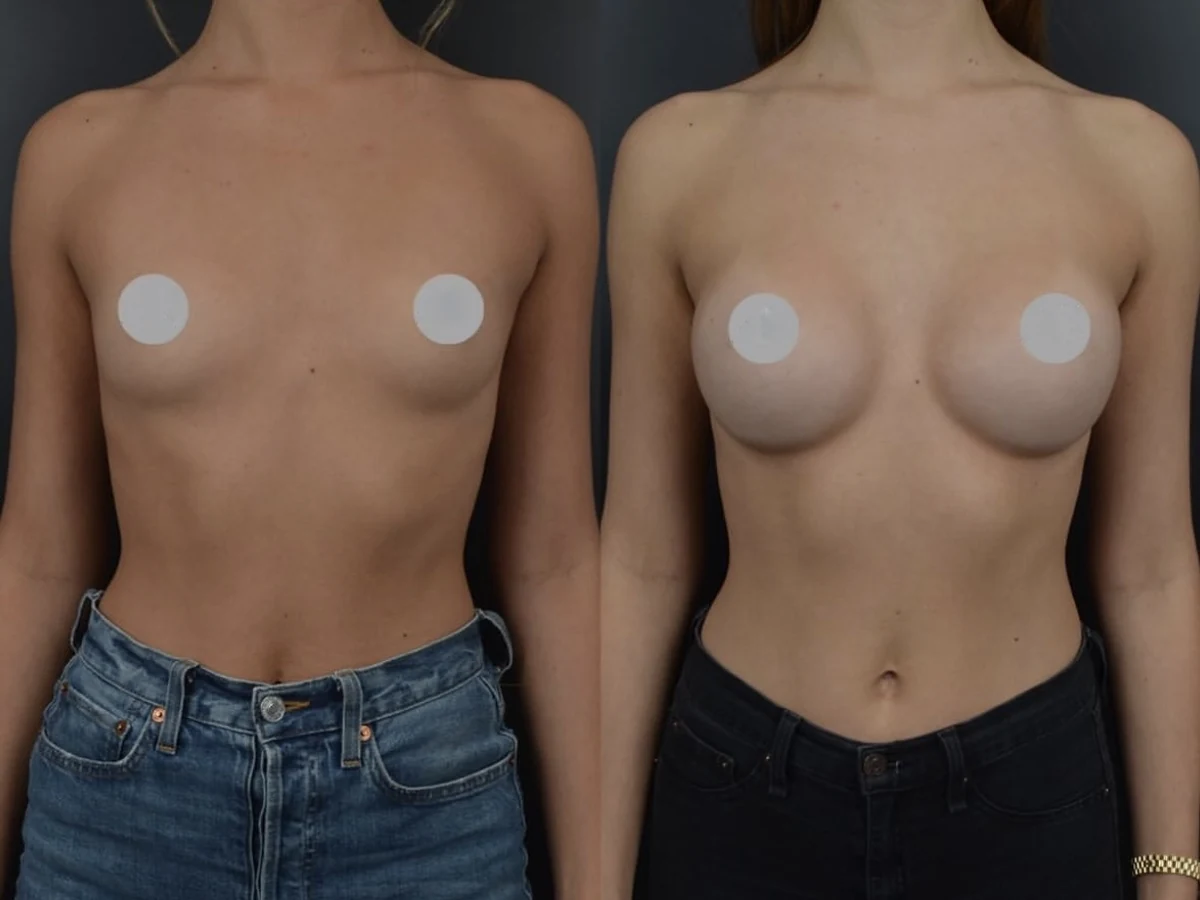 beforeafter
Method: implants
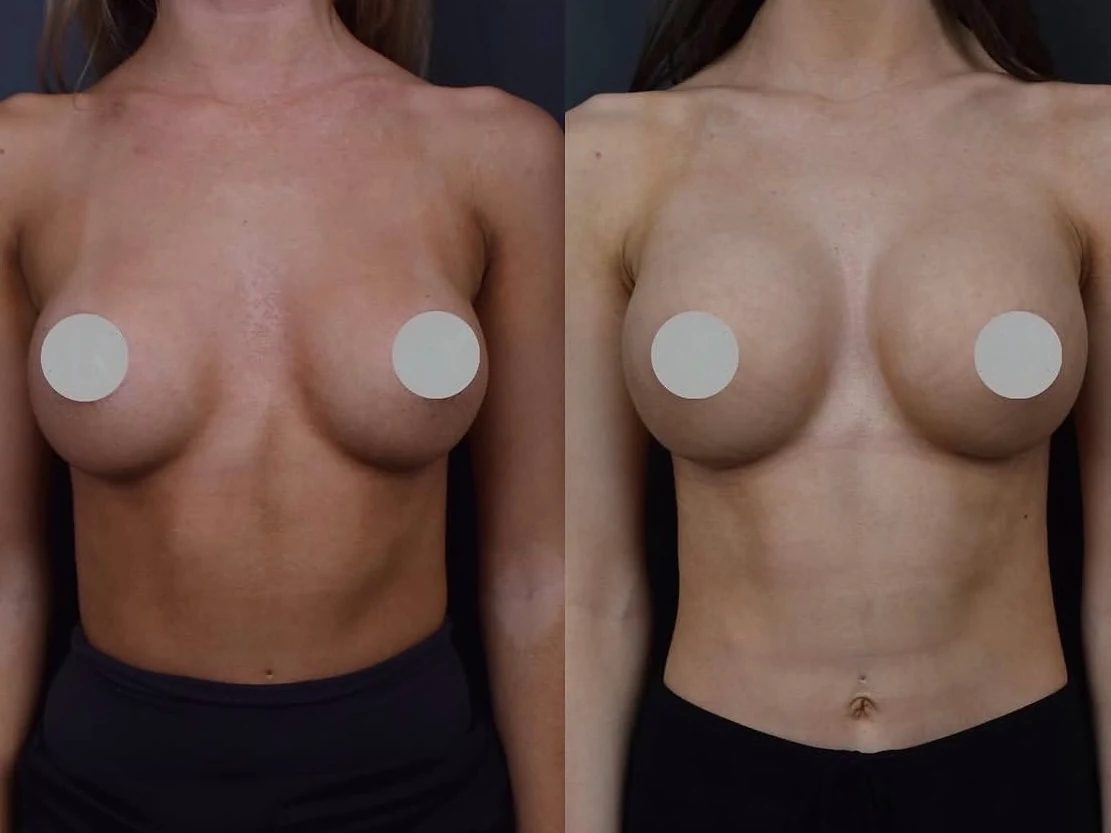 beforeafter
Method: implants
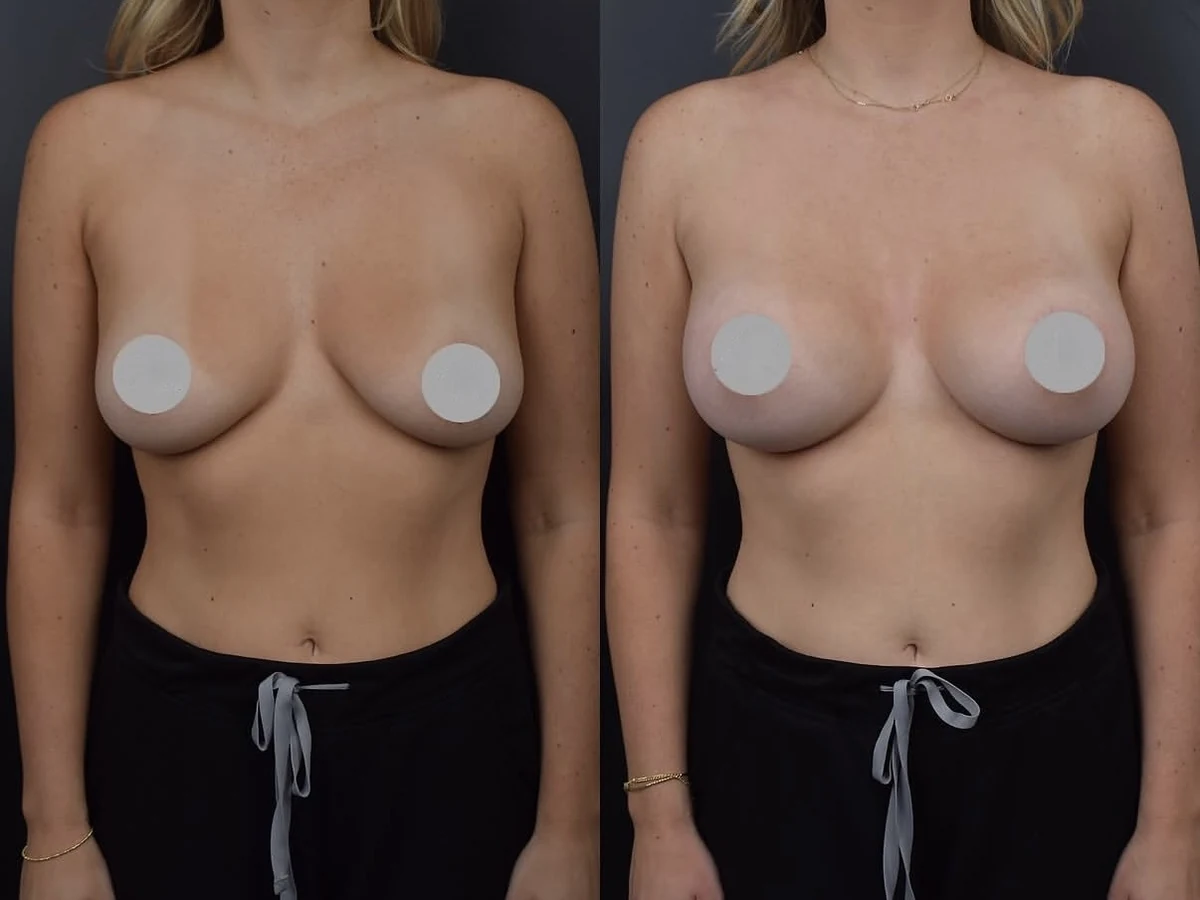 beforeafter
Method: implants
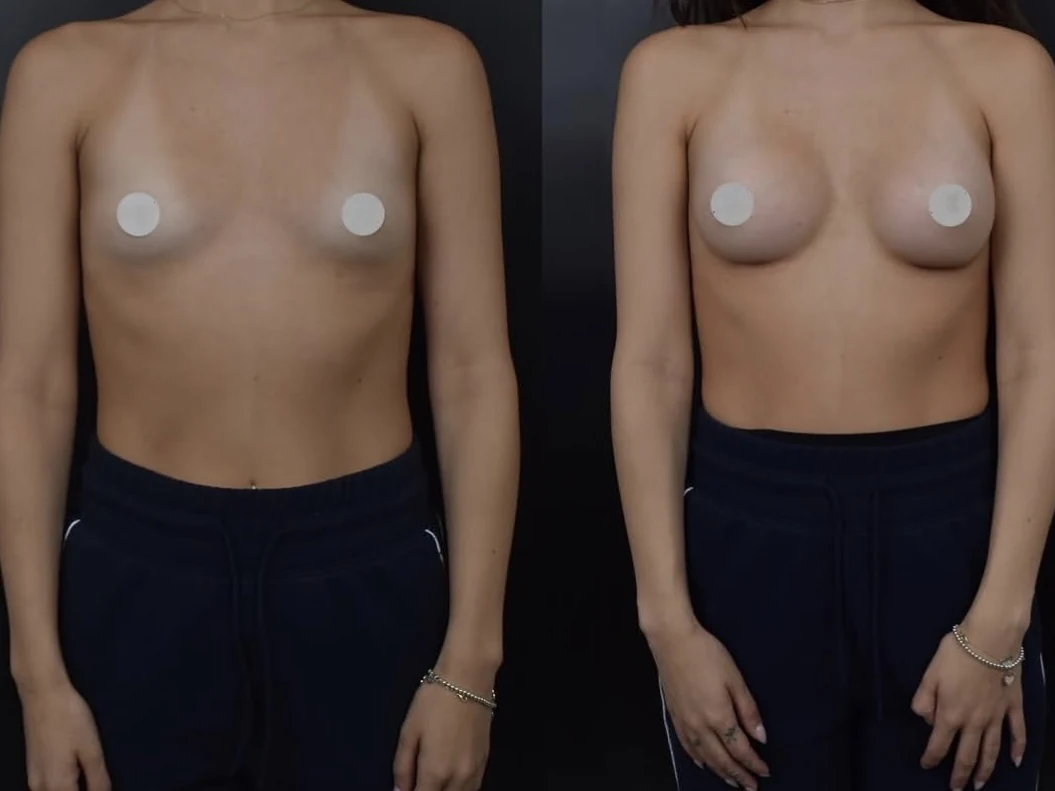 beforeafter
Method: implants
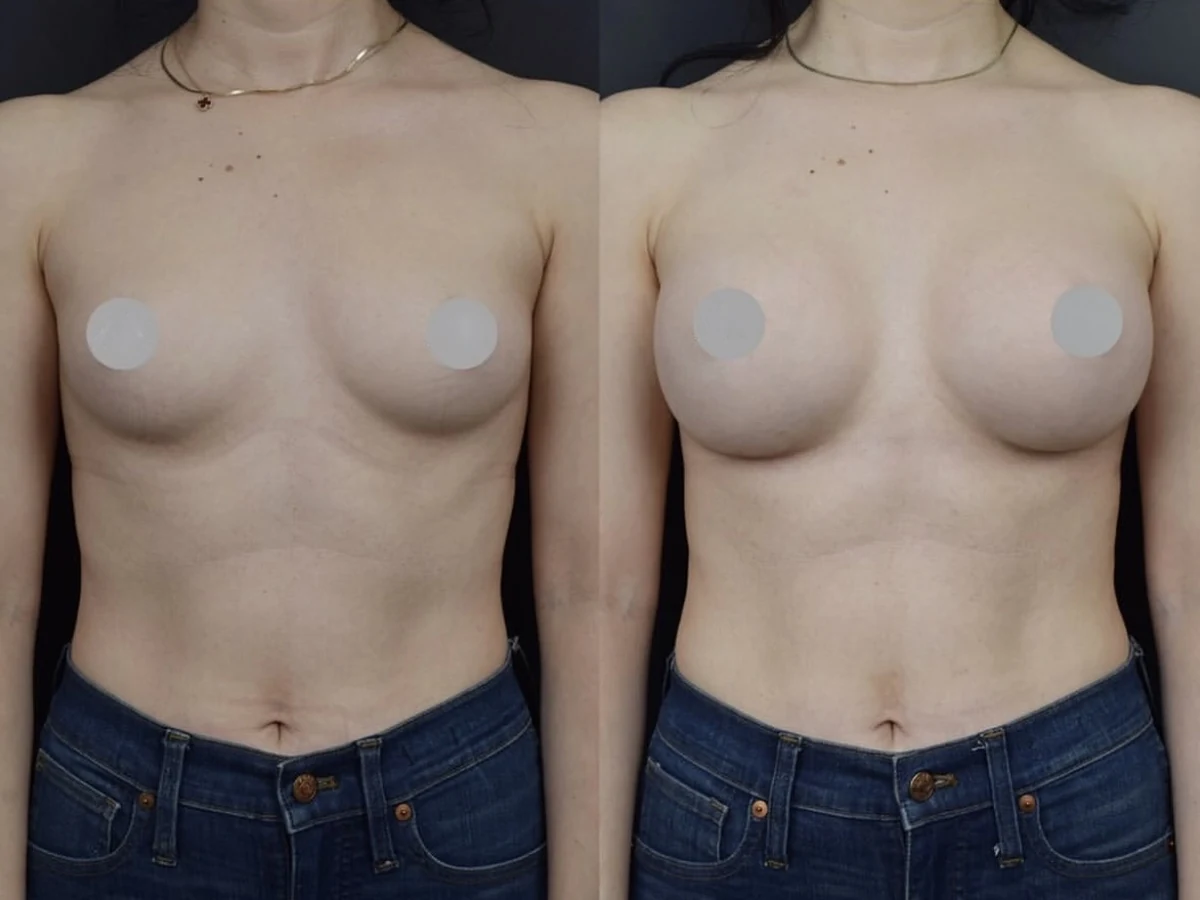 beforeafter
Method: implants
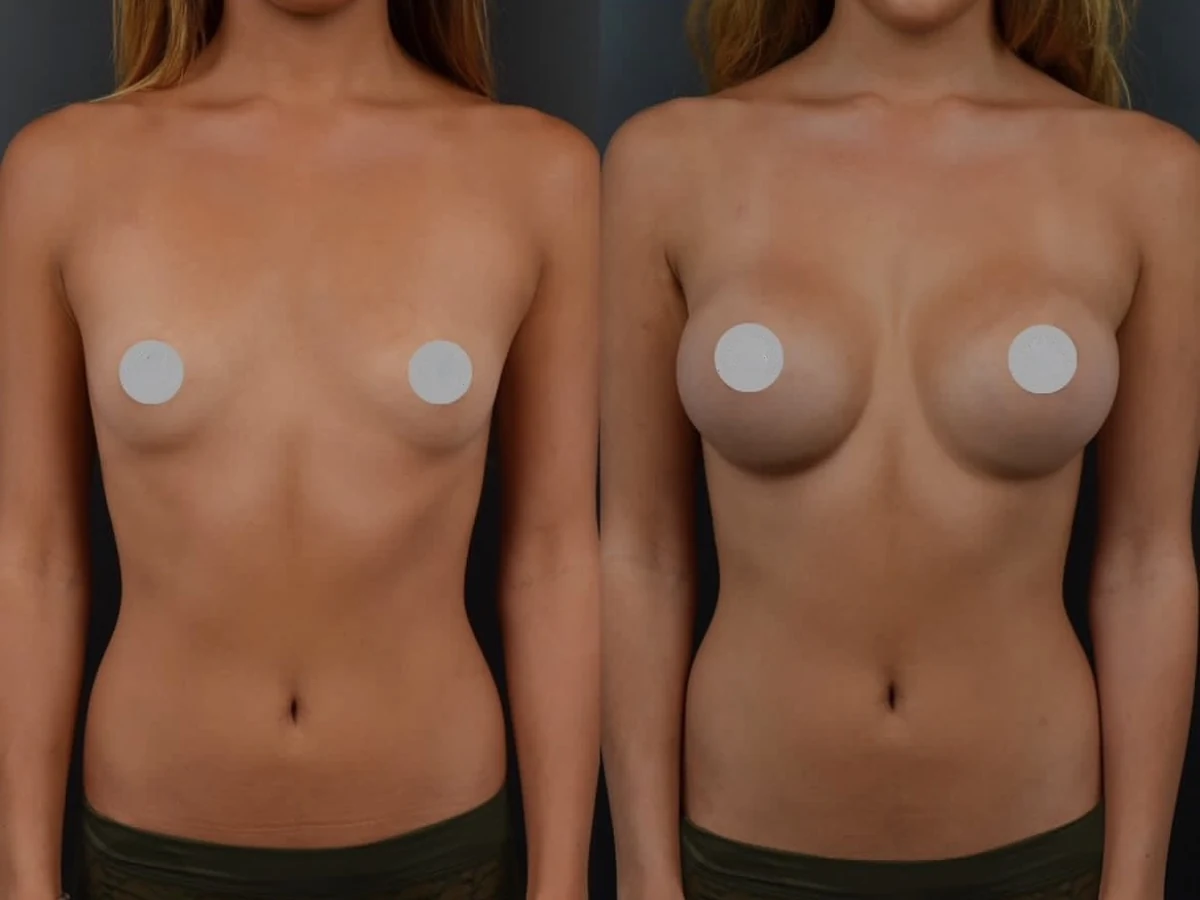 beforeafter
Method: implants
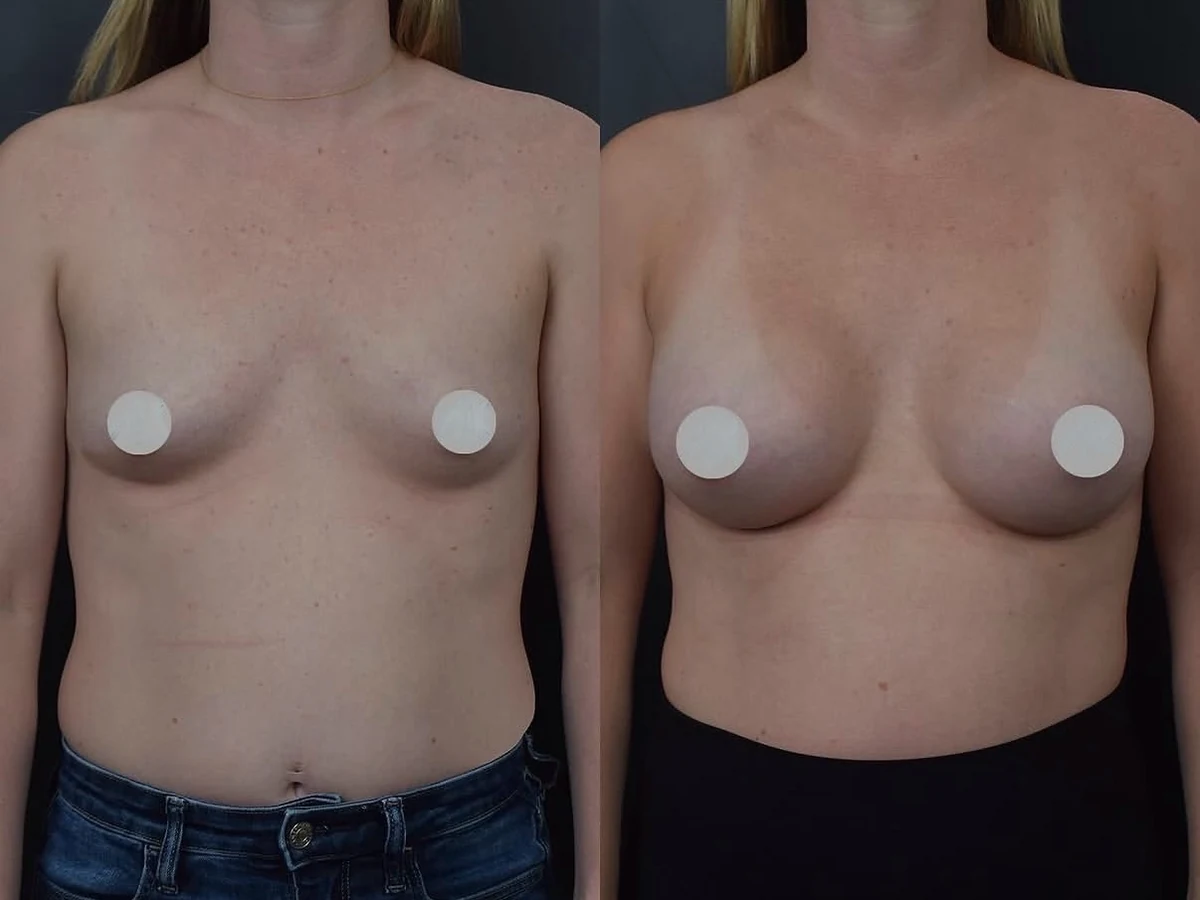 beforeafter
Method: implants
Comparison
There are two main ways we correct the breasts: augmentation and reduction. Compare their goal, how precise the correction is and who they suit, and choose your method with confidence.
Size and shape correction with implants
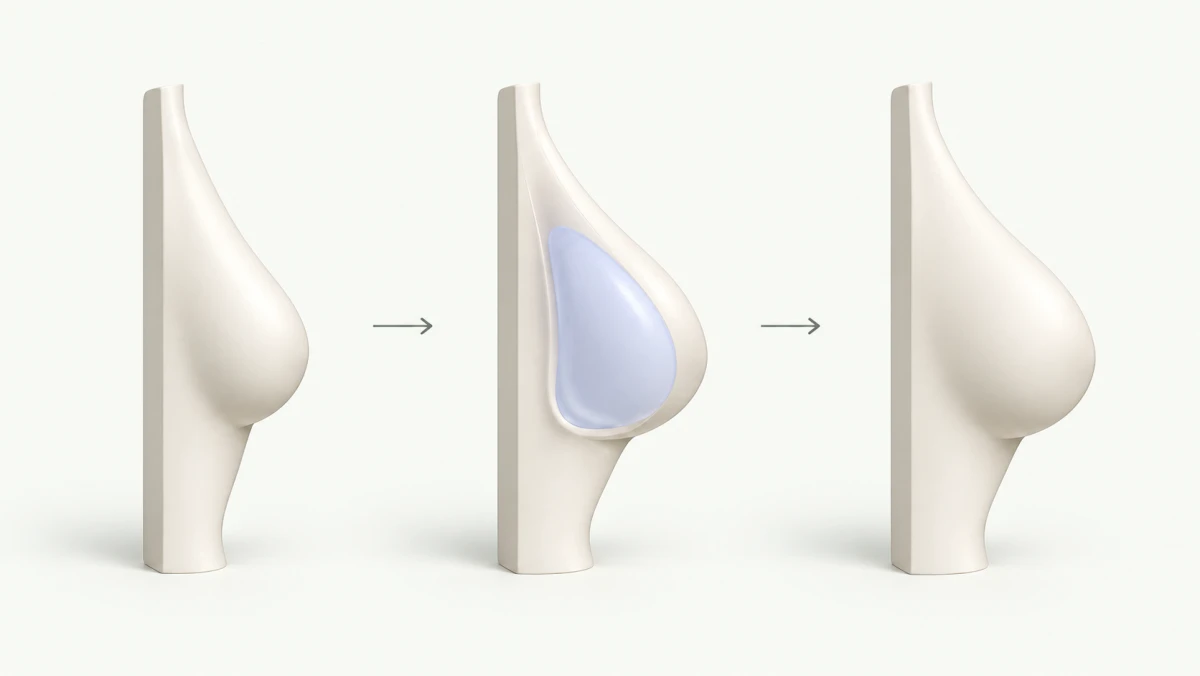
Discounted price
$4,700 $5,900
Reducing breast volume and weight to correct size
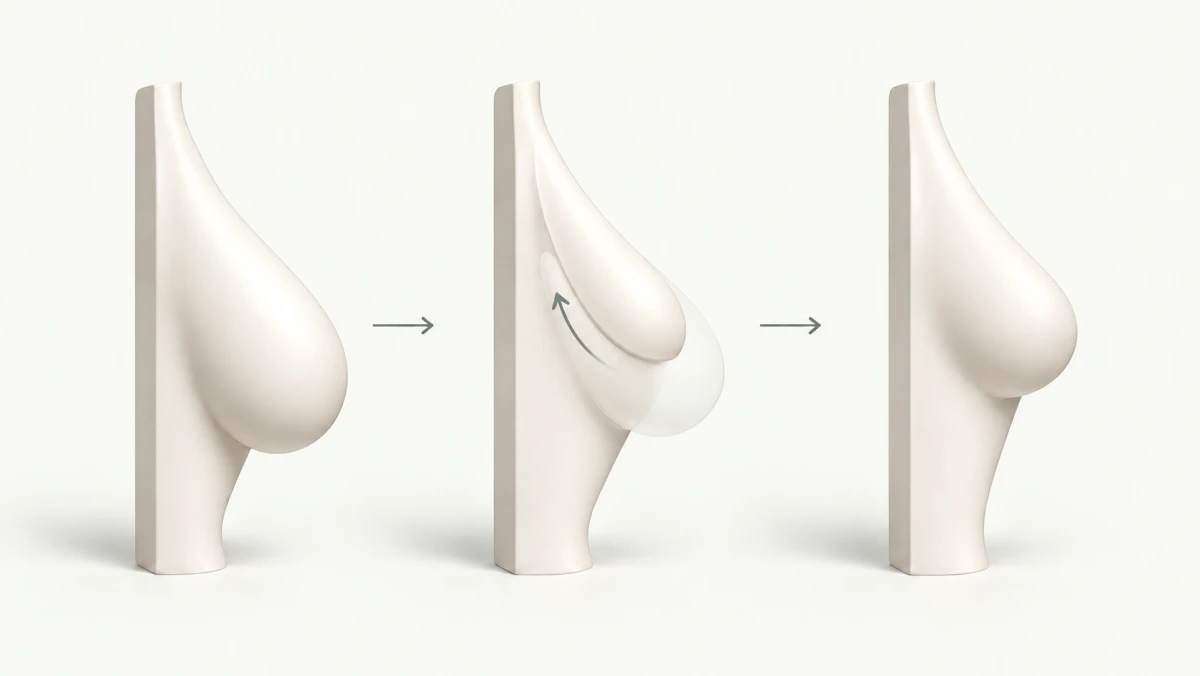
Discounted price
$4,700 $5,900
During the consultation the surgeon evaluates the shape and proportions of your breasts, listens to your wishes and selects the most suitable type of mammoplasty.
The consultation is free, before surgery and with no commitment.
Comparison
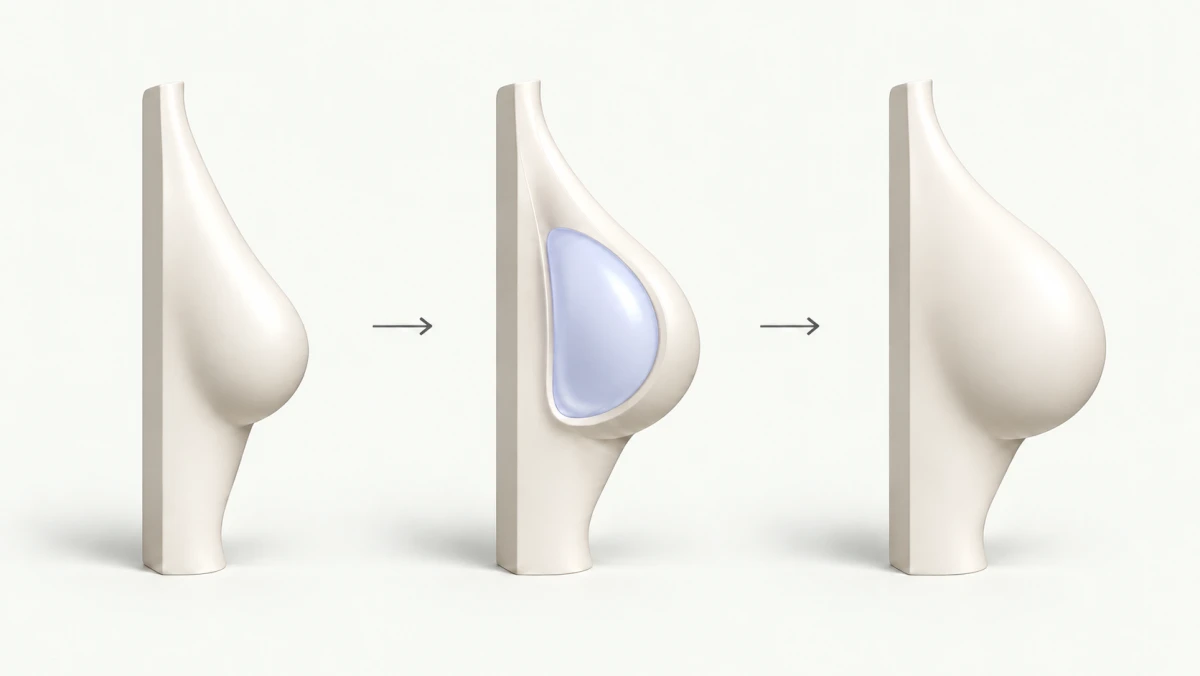
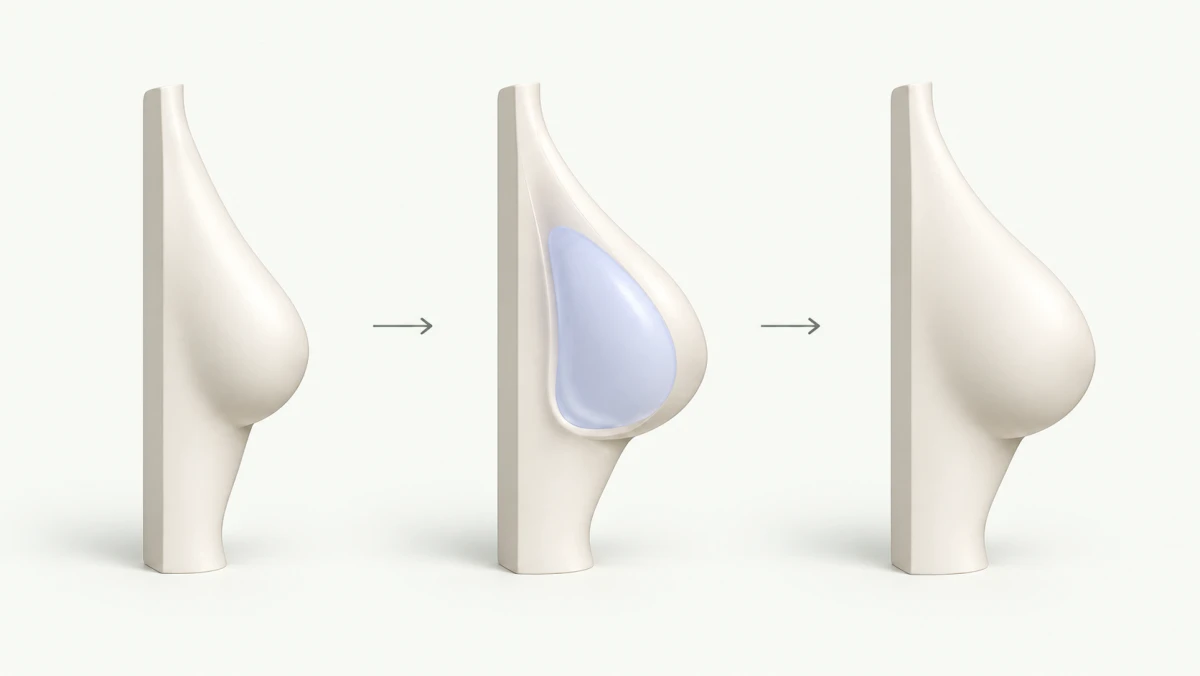
There are two main types of implants we place: round and anatomical. Both enlarge and reshape the breasts, while their form and the resulting look are different.
Even volume and a fuller upper pole
A gentle slope and a soft teardrop contour
The surgeon will help you choose the implant shape and volume.
Our clinic
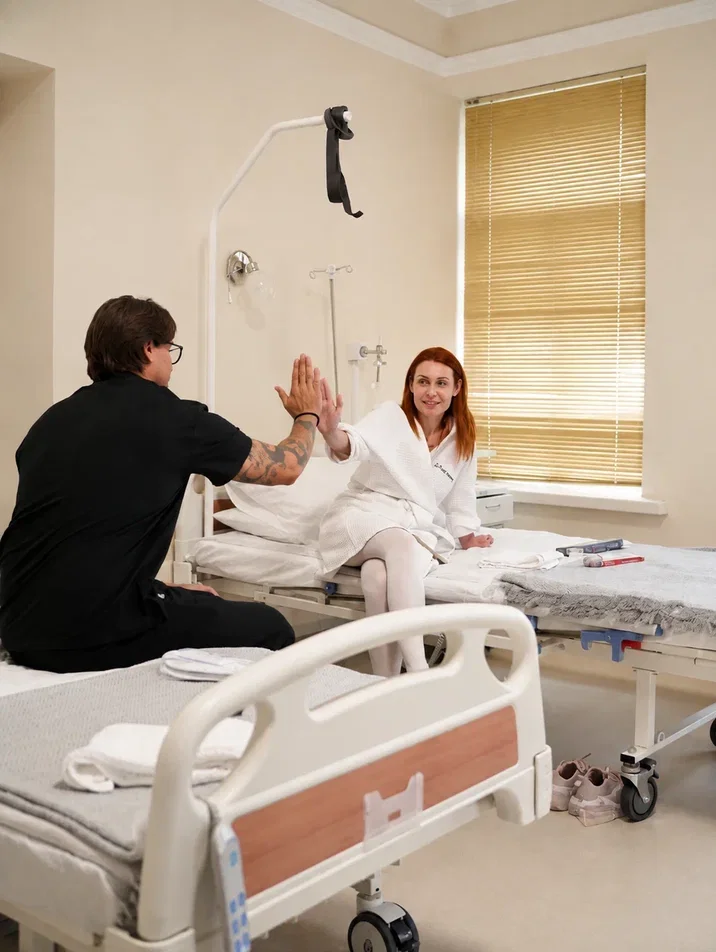
Modern equipment, comfortable rooms and care for every patient
We answer your questions and pick a convenient consultation time
By messaging us, you agree to our Privacy Policy
Should your case not require surgery, you will hear it from the doctor at the consultation, and no money will be spent in vain.

Unsure whether surgery suits your case?
Get in touch: your coordinator will ask you for photos in a messenger, the surgeon will study them and say whether mammoplasty is a good option for you.
Find out if it suits me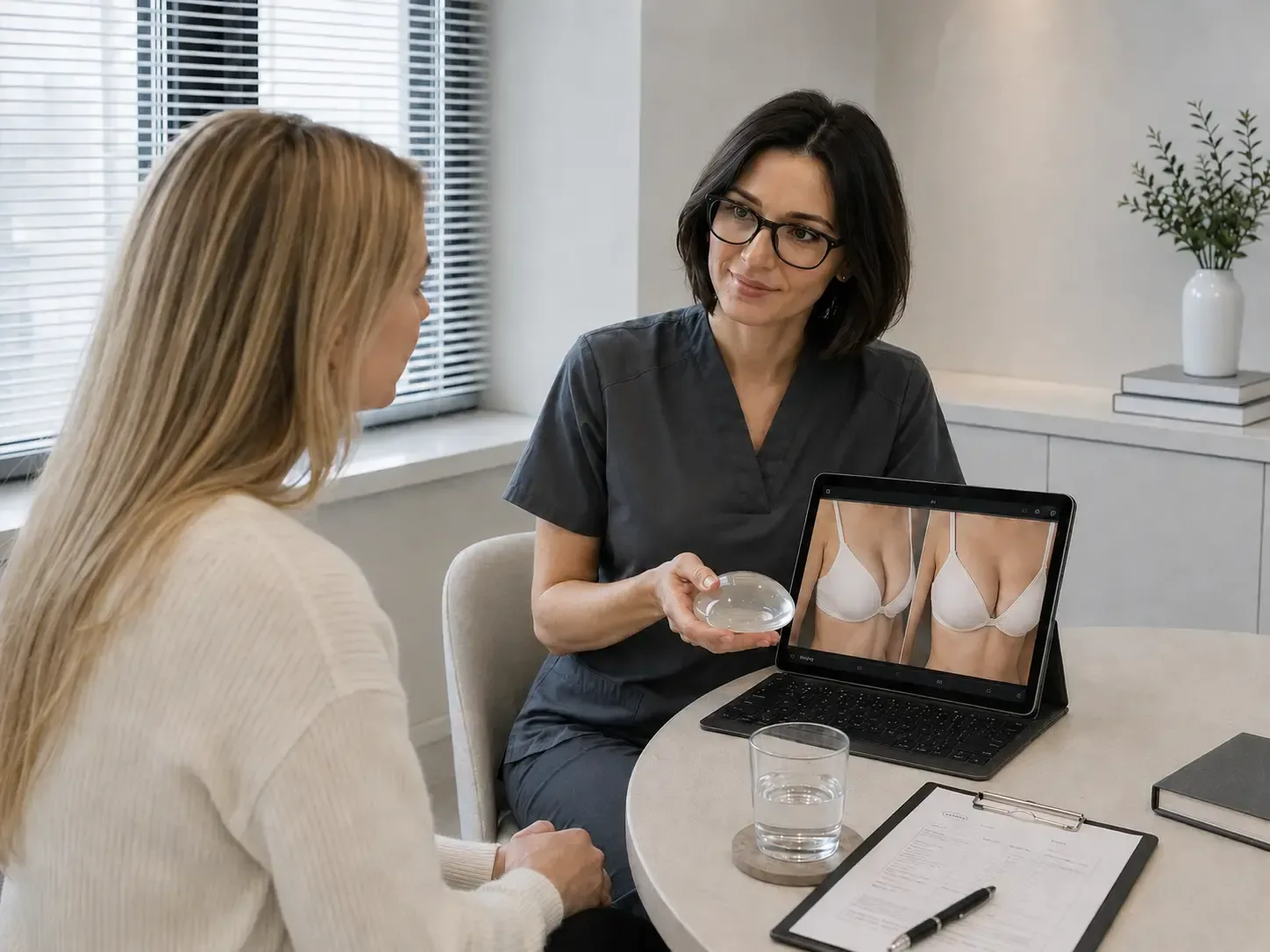
Prices
The price is set at the consultation and fixed in the contract.
Discounted price
Size and shape correction with implants
$4,700$5,900
Discounted price
Reducing the volume and weight of the breasts
$4,700$5,900
Breast restoration after mastectomy
The price is set at the consultation and fixed in the contract.
Get a consultationThe surgeon evaluates the anatomy and proportions of your breasts, hears what you want and selects the most suitable correction method.
The price is set at the consultation and fixed in the contract.
Message our coordinator
Free online consultation · Reply within 15 minutes
Message us on TelegramMessage us on WhatsAppBy messaging us, you agree to our Privacy Policy
all inclusive
From preparation for surgery
to support for 12 months.
Discounted price
$4,700$5,900
How it works
A personal correction plan, inpatient observation and a year of recovery monitoring.
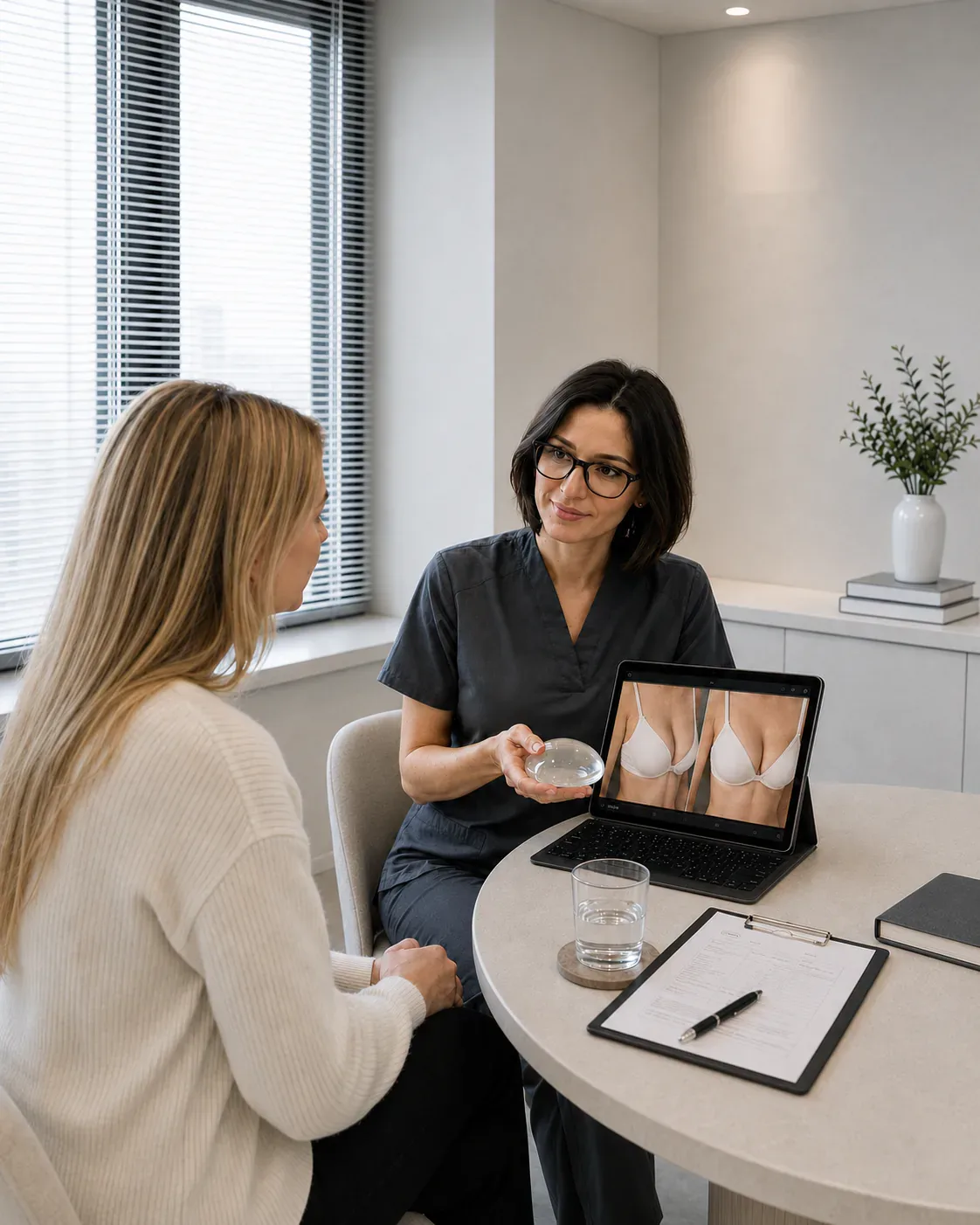 1
Your figure is assessed, your wishes discussed, and the surgeon chooses the best volume, shape and correction method.
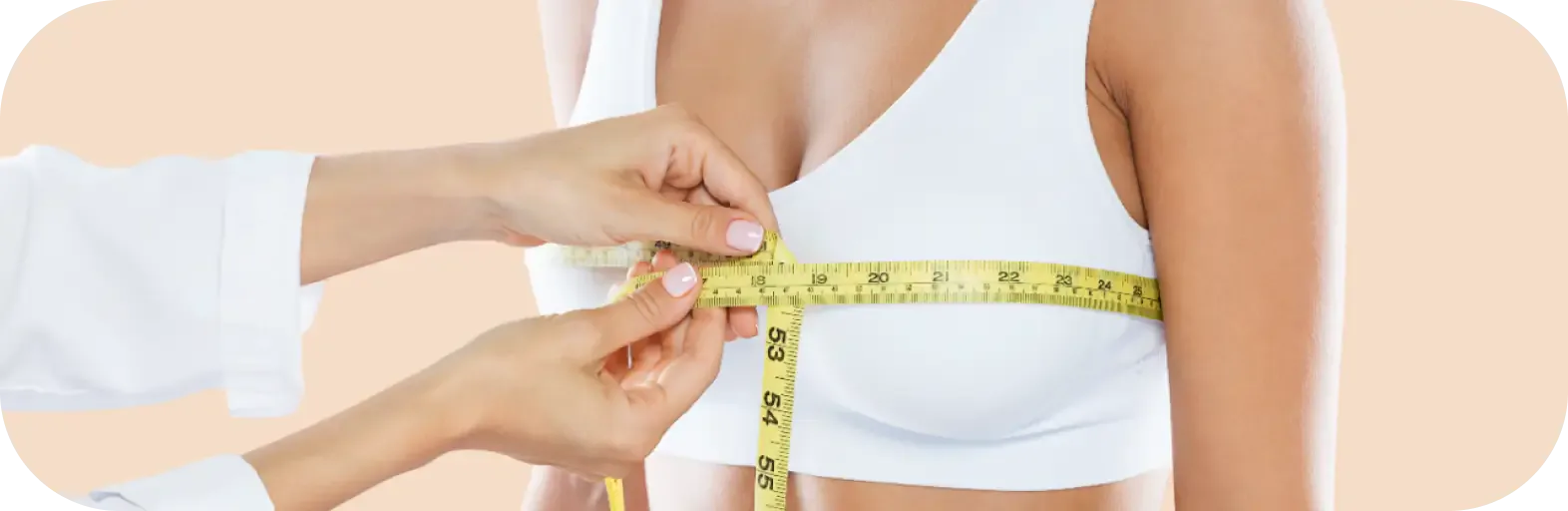 2
Your surgery date is reserved for you: the deposit can be paid by card at the clinic or online by bank transfer, and the terms are fixed in the medical services contract
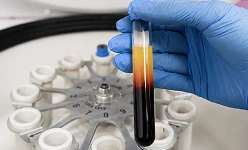 3
Before surgery you complete a full set of tests: blood tests, an ECG and other examinations prescribed by the doctor.
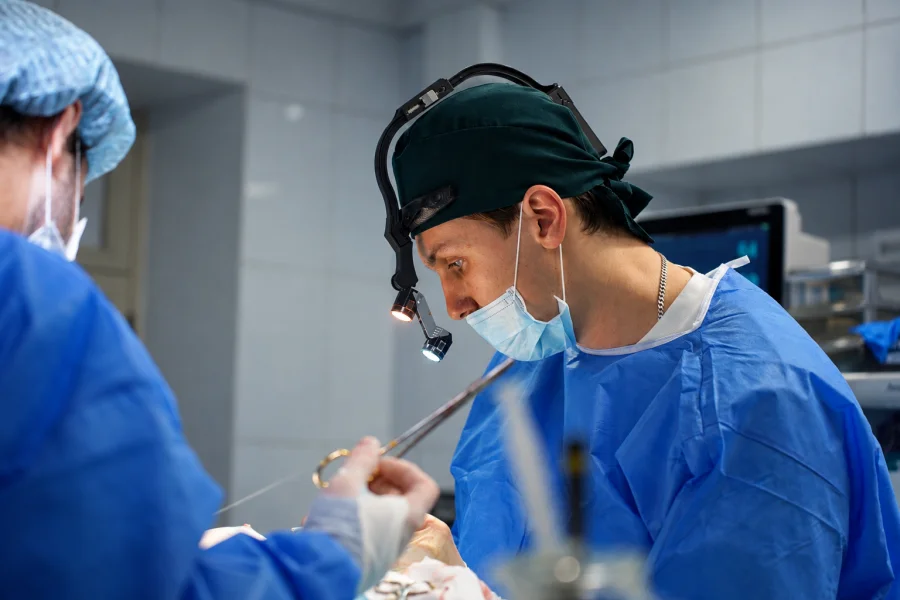 4
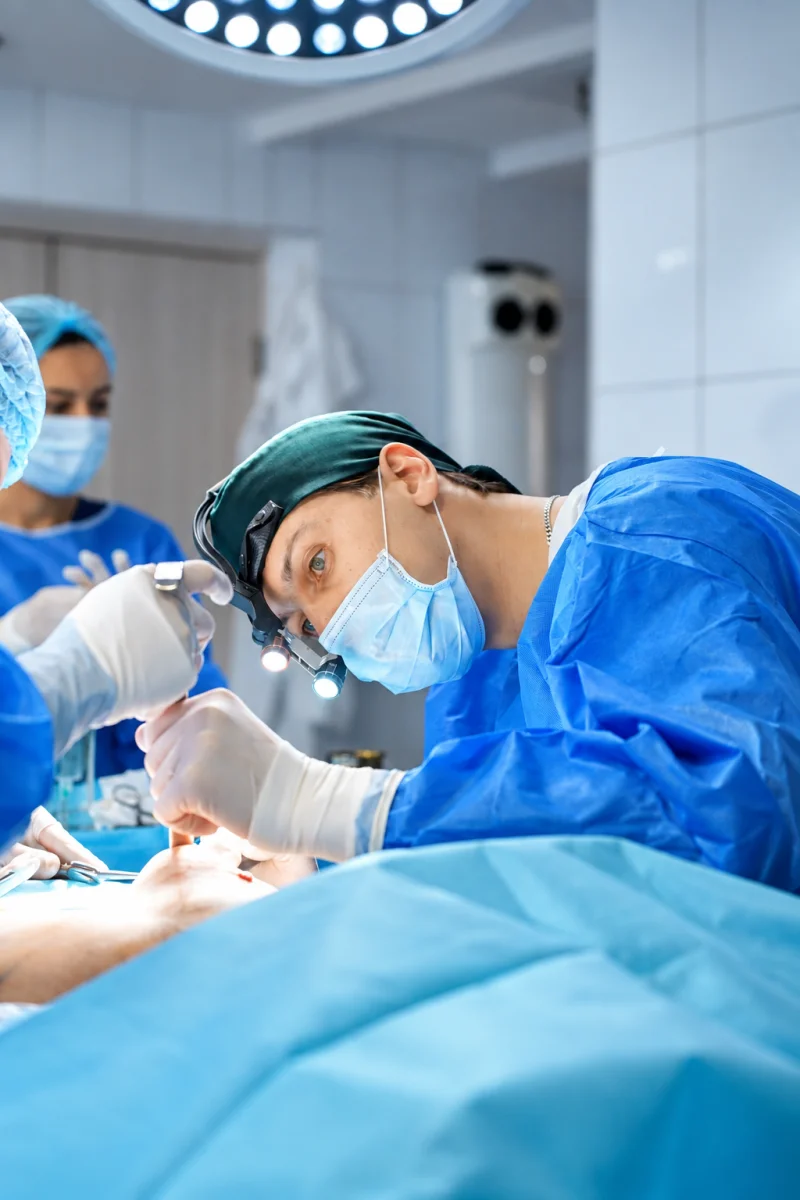
The operation follows your individual mammoplasty plan and is performed under general anaesthesia with continuous monitoring of the patient.
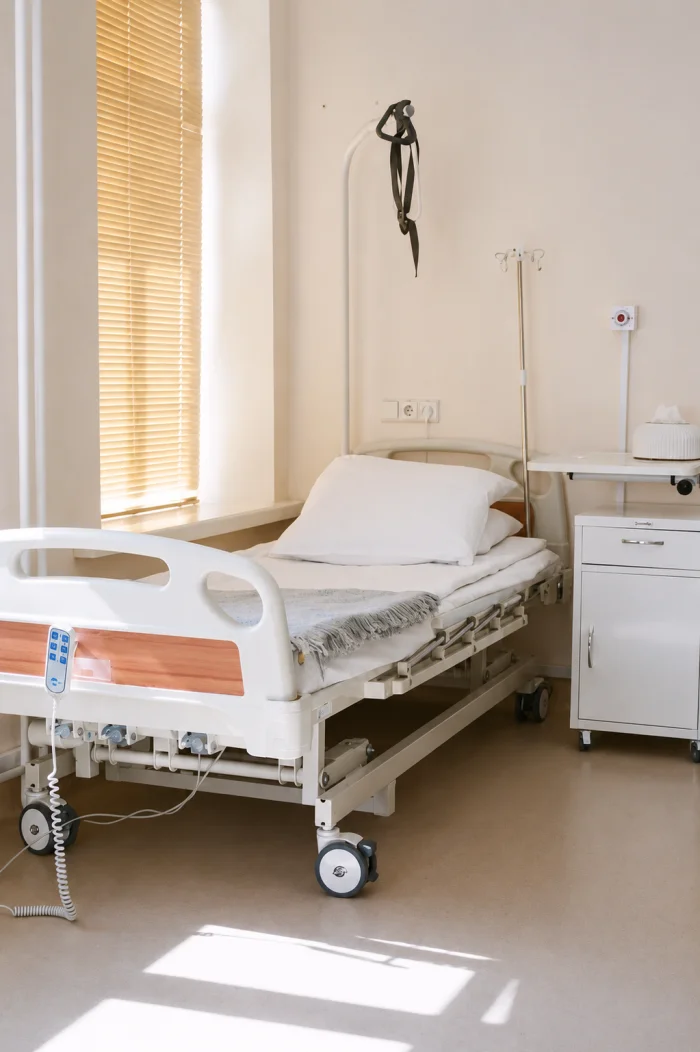 5
Once the operation is over, you stay in the clinic's comfortable ward under the medical team's supervision until discharge.
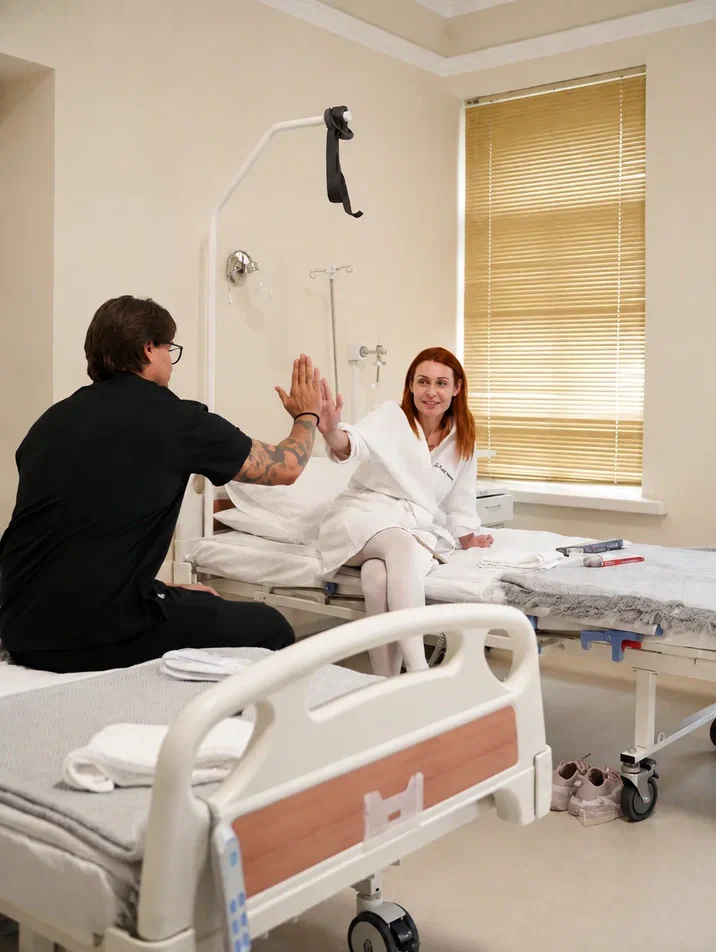 6
A recovery programme is prescribed after surgery. Check-ups at 7 days, 3 and 6 months follow your recovery, and for a year after surgery you consult your surgeon for free.
Prepare for surgery with a few simple steps: a healthy balance of work and rest, more sleep, no stress, anxiety or strong emotions, and reduced physical activity.
Hormonal contraceptive pills need to be stopped a minimum of a month before the procedure
Aspirin-containing drugs, steroids and hormonal medications for chronic conditions must be stopped before surgery
Complete your tests a week before the surgery
Swelling after surgery goes away after 3 weeks
Within 3 weeks, scars form
No heavy exertion (lifting more than 3 kg)
Keep arms below shoulder level — 3 weeks
After the correction, recovery involves 1–1.5 months of compression garments
Refrain from intense gym training for up to 40 days and from very active aerobics; light cardio is possible after a month. Follow your diet and meals.
Discomfort fades after 3 months
Baths and saunas are off-limits up to three months, as is physiotherapy
It takes up to 3 months for inflammatory tissue changes to resolve and for a “pocket” to form around the implant
Doctors
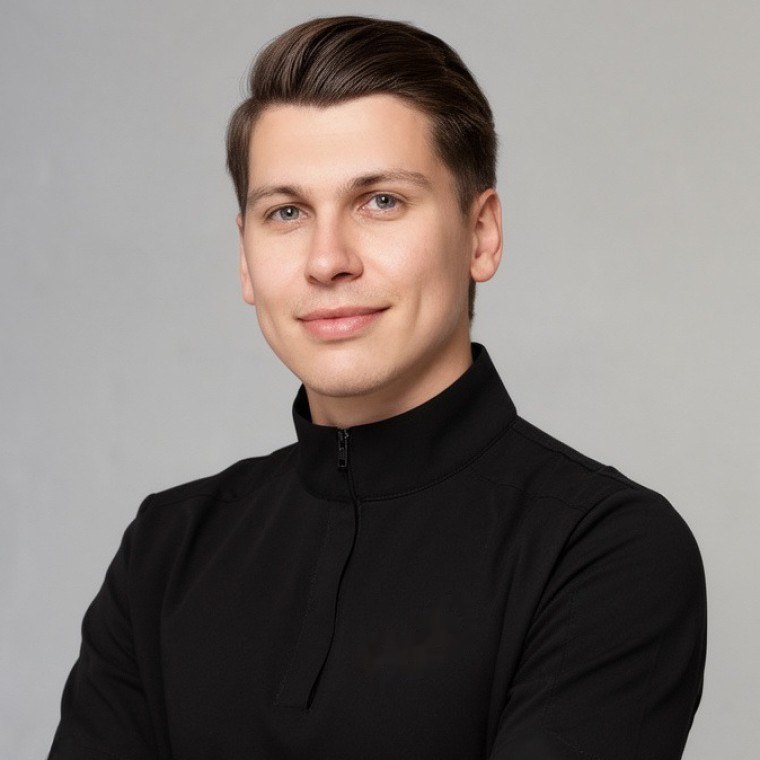
7 years of experience
Plastic surgeon
Plastic surgery residency at the Petrovsky National Research Centre of Surgery. Focuses on aesthetic and reconstructive surgery of the breast and body.
At the consultation you talk to the surgeon who will operate
A plastic surgeon with deep experience who cares about patient beauty and health
Book a consultationAdvantages
We review your wishes at the consultation and model the planned result. The surgeon explains what the operation can do, so you understand exactly what we are aiming for.
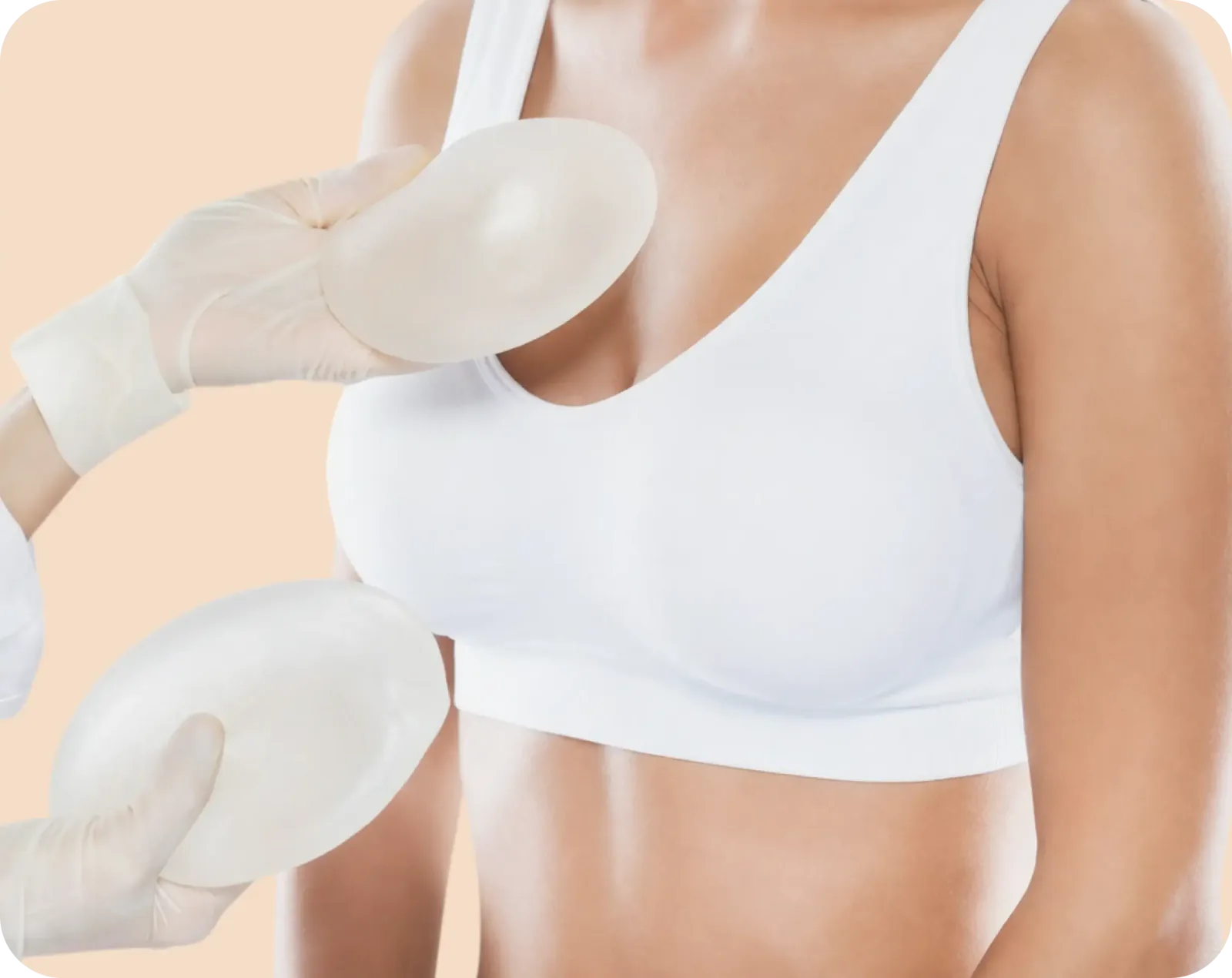
Your surgeon follows your recovery and the changes in your breast shape for a full year; check-ups and dressings are included in the price.
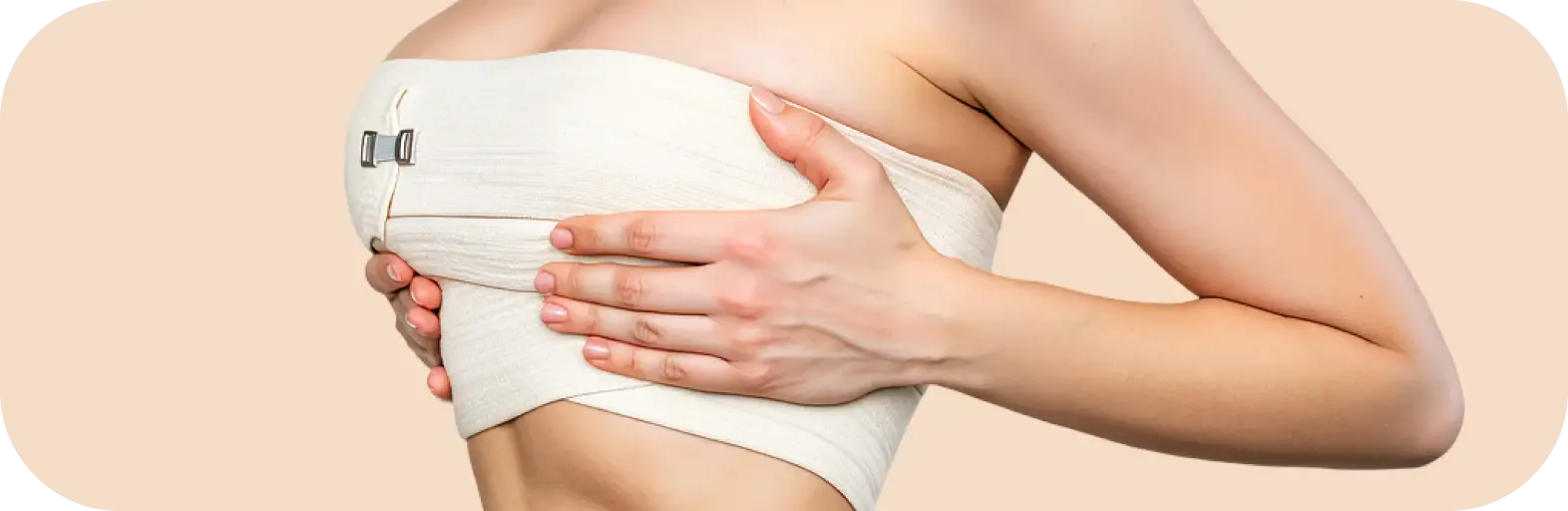
We select the shape, volume and correction method according to your anatomy and goals; for augmentation, implant size and profile are chosen just for you.
We value your time: open 24/7, easy to book, with a personal approach that adapts to your pace.
After the consultation the surgeon determines the scope of correction, and you receive a clear price for the surgery with no surprises along the way.

Recovery begins in a comfortable inpatient ward under round-the-clock nursing care. The stay and meals are already included in the price.
FAQ
Yes. Boob job is the everyday name for breast augmentation. At City Medical Centre it is done with round or anatomical implants that the surgeon chooses with you at the consultation.
Breast enlargement adds volume with implants. A breast lift (mastopexy) raises sagging breasts and removes excess skin. Which one suits you is decided at the free consultation.
The term mammoplasty covers several operations: augmentation (implants to increase volume), reduction (excess tissue and skin removed), mastopexy (a lift for sagging), reconstruction (after mastectomy) and correction of asymmetry. Which method is best is decided individually, from your wishes and the surgeon's advice.
Message us — our coordinator will get back to you shortly and book your consultation. The plastic surgeon consultation is free.
When all recommendations are followed, complications are rare. They can include hematoma or seroma, wound infection, reduced or heightened nipple sensitivity, capsular contracture, aesthetic asymmetry, wound separation and tissue necrosis.
The results of mammoplasty are long-lasting: roughly 10–15 years after augmentation (until the implants are replaced) and 5–10 years after a lift or reduction. Weight, pregnancy, skin aging and gravity all influence how long they last. Wearing supportive underwear and managing your weight help maintain the result.
Breastfeeding after mammoplasty varies with the type of surgery. Lactation is usually preserved after augmentation through an under-breast or armpit incision with the implant under the muscle, because glandular tissue is not injured. After a lift or reduction there is more risk, since ducts may be cut. Discuss this in advance with your surgeon.
The choice of implant looks at material (silicone looks most natural, while saline is used less often), shape (round or anatomical teardrop), surface (smooth or textured), size and profile. The surgeon will choose what works best for your anatomy and wishes.
Under general anaesthesia the patient feels nothing during the operation. Some moderate discomfort can appear in the first 1–3 days and is controlled with painkillers. By day 5–7 pain lessens markedly, and discomfort ends by weeks 2–3. Tell your doctor right away if the pain is severe.
You can return to work (without physical exertion) after 7–14 days. Light walks after 1–2 weeks. Fitness and swimming after 4–6 weeks, strength training after 3 months. Pool and sea after 4–6 weeks. Wear compression garments for 4–6 weeks. Exact timing depends on your recovery.
There is no scientific evidence that mammoplasty increases breast cancer risk. Implants do not cause cancer. After surgery, keep up regular screening — self-exams, mammography and ultrasound. Always tell the examining doctor about your implants.
Mammoplasty can follow a C-section, but first your body must fully recover. Allow a minimum of 6–12 months from giving birth and from the end of breastfeeding. Before surgery, a consultation and check-up with the surgeon are required.
Mammoplasty does leave scars, but in the hands of a skilled surgeon they are minimal. Incisions are placed in hidden areas: under the breast, around the areola or in the armpit. Scars look reddish in the first months, yet within 6–12 months they fade and become nearly invisible.
It is normal to have slight asymmetry in the first weeks after surgery, because of swelling and uneven healing. If a difference in size or shape persists after 3–6 months, book an examination with your surgeon to find the cause.
Mammoplasty may temporarily alter the sensitivity of the nipples and breasts, making it lower or higher. This is caused by irritated nerve endings. In most cases it recovers within 3–12 months. If you see no improvement after a year, contact your surgeon.
Hormonal medications (contraceptives, hormone replacement therapy) do not act on implants directly, yet they may lead to swelling or shifts in breast tissue volume that affect the look for a while. Make sure your surgeon knows about them before surgery.
Prices are in US dollars and fixed in your contract. Message us to get your exact price.
Prices start from $4,700. The surgeon sets the final price at the free consultation, and it is fixed in the contract, with no hidden extras.
The surgical team's work, anaesthesia, the inpatient stay with meals, dressings and follow-up visits for twelve months.
Message us on WhatsApp or Telegram using the buttons below. A coordinator will answer your questions and book a free consultation where the doctor names the exact price.
By messaging us, you agree to our Privacy Policy
No earlier than 6–12 months after childbirth and the end of breastfeeding. A consultation and check-up with the surgeon come first.
Skip intense gym training and overly active aerobics for up to 40 days; light cardio may be possible after a month. Raising your arms above shoulder level is off for 3 weeks.
Height, weight, age, current and desired bra size, and details of pregnancies, breastfeeding and any earlier breast surgery. The coordinator explains which photos to send; the price is confirmed after the review.
Yes. Send us the date you have in mind on WhatsApp or Telegram. The first consultation is free, and you can start it online with the photos and details you send; the clinic then confirms the nearest available dates for the consultation and the operation before you plan anything.
Yes. The first consultation is free and starts online: send your details and photos on WhatsApp or Telegram, and the doctor reviews them and explains the options and the price.
One day in hospital after the operation, then follow-up visits set by the doctor. For 3 weeks you should not raise your arms above your shoulders.
Allow at least 1.5 months for the compression period. Swelling usually goes after about 3 weeks, while baths and saunas are avoided for up to three months.
Augmentation mammoplasty is an elective aesthetic operation carried out under general anaesthesia. It is chosen by women in Detroit who want more volume or a corrected contour. Anatomical precision matters here: the plastic surgeon marks the new breast position, plans the access around your anatomy and fits an implant that respects your proportions, keeping the look natural rather than artificial.
The journey begins with an initial consultation: the doctor examines and palpates the breasts to rule out lumps and discusses expectations with you. Patients from Detroit then complete a pre-op work-up — blood tests, coagulation panel, infection screening, ECG, chest X-ray and breast ultrasound. The surgery lasts 1.5 to 3 hours under general anaesthesia, followed by one day of inpatient observation.
What do you pay for? From $4,700 covers the operation itself and everything around it: preparation with the surgeon, anaesthesia, one day in an inpatient room with meals and 24/7 supervision, then twelve months of dressings, check-ups and surgeon follow-up. Consultations with the plastic surgeon are free. Anyone from Detroit can apply via the form or any messenger to arrange one.
Detroit earned its most famous nickname the hard way: by the early 20th century, the rapid growth of the automotive industry had turned it into the fourth-largest city in the United States by 1920, and 'Detroit' itself became a stand-in for the entire car business the way people still say 'the Motor City' today. Founded on 24 July 1701 by French explorers Antoine de la Mothe Cadillac and Alphonse de Tonty as Fort Pontchartrain du Détroit, the city took its name from the French word for the narrow strait it sits on, directly opposite the Canadian city of Windsor, Ontario, just across the water.
The very same industry that built Detroit up also hollowed it right back out again when jobs left and suburbs expanded rapidly: the population fell from a 1950 peak of 1.85 million by more than 65%, and in 2013 the city filed the largest municipal bankruptcy case in US history up to that point. It emerged from that bankruptcy in 2014, and by 2025 its population had grown for a second straight year, its first sustained increase since 1950, standing at 639,111 at the 2020 census with an estimated 649,095 residents by 2025.
General Motors and Stellantis (the successor to Chrysler) both still keep their North American headquarters in the Detroit area today, and Ford Motor Company is based in nearby Dearborn, within the same metropolitan region; between them the three automakers are still widely known as Detroit's 'Big Three', a title that long predates any of the bankruptcies or buyouts the industry itself went through.
Detroit's humid continental climate gives it four distinct seasons, with January regularly dipping below freezing and July bringing hot, humid days in the high 20s°C. That range is sharper than many patients expect from a major US city this far from either coast.
The Great Lakes nearby moderate some of those extremes with their own lake-effect cloud cover and occasional heavy snowfall. The post-operative milestones are set by the body, not the weather: a compression garment stays on for 4-6 weeks, short walks can start again after 1-2 weeks, the pool and the gym open back up around week 4-6, and real strength work waits until roughly month 3. What a Detroit winter changes is comfort underneath that garment, since an extra layer helps against the cold, while a Detroit summer calls for breathable fabric instead; booking for one of the shoulder seasons sidesteps both extremes during the weeks that matter most.
Detroit gave the world Motown, the record label and distinctive sound that shaped American popular music from the 1960s onward, and the city still celebrates that legacy through its Motown Museum, alongside a broader musical history spanning jazz, techno, hip-hop and rock besides. In 2015, UNESCO designated Detroit a 'City of Design', the first and so far only American city to receive that title, recognising decades of architectural ambition from the Art Deco Guardian and Fisher buildings downtown to the postmodern Renaissance Center on the riverfront.
That riverfront has its own ongoing transformation: a 3.5-mile promenade now runs from Hart Plaza to Belle Isle, part of a broader revitalisation that has turned a once heavily industrial waterfront into one of the city's main recreational spaces, drawing an estimated 16 million visitors a year.
In 1996 Michigan voters legalised casino gambling specifically in Detroit, aiming to keep tax revenue from draining across the river to Windsor, Ontario, and three privately owned casinos opened downtown as a result. Since 2014 that same downtown has absorbed a sustained wave of public-private redevelopment: long-vacant landmark buildings have been renovated through a mix of subsidised city programmes and private capital, and the QLine streetcar began running along Woodward Avenue in May 2017.
Ford Motor Company bought the long-derelict Michigan Central Station in 2018 and is converting it into a new company campus, a project that has driven much of the surrounding Corktown neighbourhood's own revival. Detroit's neighbourhoods still look markedly different depending on where you stand, with Downtown, Midtown, Corktown and New Center dense with renovated historic buildings while parts of the city further out still carry high vacancy left over from decades of decline.
Detroit's hospital landscape is built around two large, non-profit private systems rather than a single government network: the Detroit Medical Center, based in Midtown and described as the district's single largest employer, and the Henry Ford Health System, headquartered nearby in New Center. Wayne State University runs the public medical school that supplies much of the staff both systems draw on, and the overlap between healthcare and city government runs deep enough that Mike Duggan, the Detroit Medical Center's former chief executive, was elected mayor in 2014, the same year the city formally exited bankruptcy.
That structure, large private hospital systems handling specialist and surgical care, backed by a public university training the workforce, is the normal pattern in major American cities, and it reflects the kind of medical infrastructure Michigan surgeons are trained and credentialed through rather than a single isolated practice.
A surgeon's standing isn't something to take on trust from their own website: Michigan's LARA, the Department of Licensing and Regulatory Affairs, publishes a free lookup covering every physician credentialed to practise in the state, Detroit included, and checking a name there takes a couple of minutes.
The implant conversation deserves the same rigour: why a given size and placement fit this particular build rather than a catalogue default, and roughly how many times this surgeon has done the procedure before. A surgeon who answers both in specifics, not reassurance, is worth more than any number on a price list.
Federal rules draw a clean line here: Medicare pays for correcting what illness or injury damaged, breast reconstruction after a mastectomy included, but not for changing the look of a body that isn't sick. Most private American insurers sit on the same side of that line.
A Detroit patient choosing augmentation for her own reasons, rather than to rebuild something illness took away, sits on the uncovered side of that rule either way. The figure agreed at the consultation, preparation and months of follow-up folded in, is therefore the entire bill, insurance card or none.
Yes, a coordinator is reachable around the clock on Telegram and WhatsApp, and the first consultation, where implant options are discussed, is free.
The 4-6 week period stays the same regardless of season, but a Detroit winter means an extra layer over the garment, while summer calls for breathable fabric underneath it instead.
Light walking is usually possible after 1-2 weeks, with fitness and swimming following at 4-6 weeks and strength training at around 3 months.
For most patients, sensitivity returns within 3-12 months.
Use Michigan's LARA license lookup tool directly rather than relying on a clinic's own claims about its surgeons.
No, not for an elective procedure. Medicare and most private US plans exclude cosmetic surgery chosen for appearance rather than to treat illness or injury, with narrow exceptions such as reconstruction after mastectomy.
At least 6-12 months after childbirth and after breastfeeding has fully ended.
It's real: public-private redevelopment since 2014 has renovated numerous landmark buildings, added the QLine streetcar in 2017, and Ford's 2018 purchase of Michigan Central Station is driving a visible revival of the surrounding Corktown area.
Written by Dmitry S. Kuznetsov, plastic surgeon
How we prepare and review medical content · Medical disclaimer
Page last updated:
Well-known people who spoke openly about this operation, in their own words.
 Did Brandi Glanville have a breast augmentation? Yes — a 20-year implant exchangeThe RHOBH star had 20-year-old implants replaced in 2026 — then a dive dislodged one. Her quotes on silicone poisoning and the repair ahead.
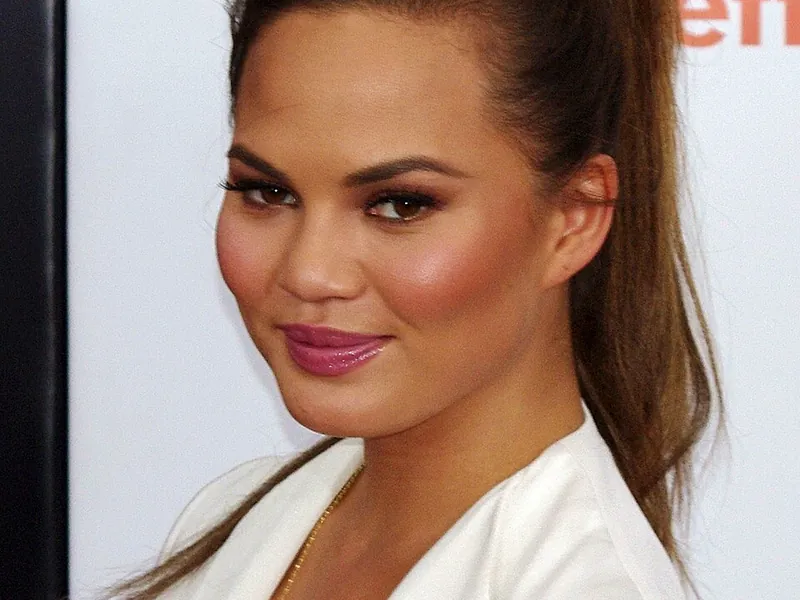 Chrissy Teigen and breast augmentation: what she said about her implantsChrissy Teigen got breast implants at 20 and said they were great to her for many years. Her words, how augmentation works and how to plan long term.
 Did Courtney Stodden have a breast augmentation? Yes at 18 — and a reduction at 31The reality star got huge implants at barely 18 and removed them at 31. Their honest quotes on reclaiming the decision and what surgery involves.
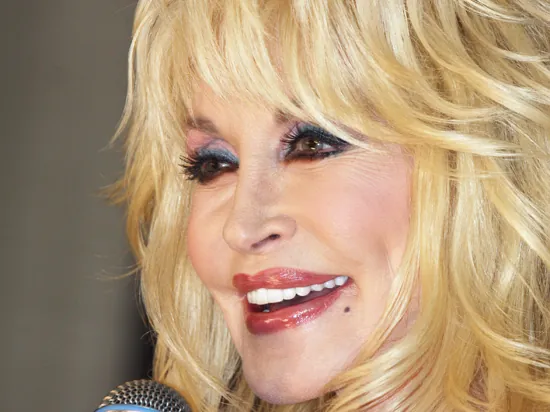 Did Dolly Parton have a breast augmentation? Yes — and she jokes about it openlyThe country queen has never denied her breast implants — from age 22 to today. Her funniest and wisest quotes, and what augmentation involves.
 Did Farrah Abraham have a breast augmentation? Yes — and she explained whyThe Teen Mom star's chest changed after her baby and hurt her self-esteem — so she had augmentation. Her quotes and what the operation involves.
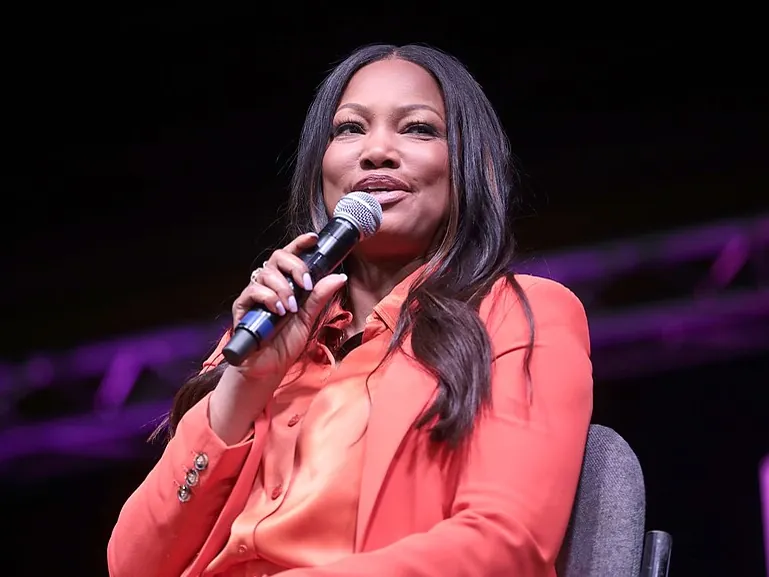 Did Garcelle Beauvais have breast implants? Yes — and she had them removedThe RHOBH star opened up about getting her breast implants removed — and said plastic surgery shouldn't be taboo. Her story and what removal involves.