


























Breast augmentation7 min read
Breast implant rupture: signs, diagnosis and what to do
Breast implants are not lifetime devices, and over the years the shell can tear. A saline implant deflates visibly, while a silicone implant often ruptures without any symptoms. This guide explains what rupture means, why it happens, which signs to watch for, how it is diagnosed and what the treatment options are.
The main points in 30 seconds
- Implant shells wear with age, so the risk of rupture grows every year.
- Saline implants deflate visibly, while silicone rupture is often silent.
- Ultrasound and MRI are used to detect rupture; a physical examination is not enough.
- A ruptured implant is removed in a planned operation, with or without a new implant.
- City Medical Centre performs implant removal and plans each case at the consultation.
Key facts about the procedure
- Operation time1.5–3 hours
- Back to work7–14 days
- Stay in clinic1 day
- Fixed price$4,700
What breast implant rupture means
A breast implant is a shell of silicone elastomer filled with either silicone gel or saline (salt water). Rupture means that the shell has developed a tear or hole. It is one of the recognised long-term complications of breast implants, and it can happen with any type and any brand. Implants are not lifetime devices: the longer an implant is in place, the higher the chance that its shell will eventually fail.
What happens next depends on the filling. A ruptured saline implant deflates quickly, and the body simply absorbs the salt water. A silicone gel implant behaves differently. Modern gels are thick and cohesive, so the gel usually stays where it is, and the breast may look and feel exactly the same for months or years. That is why silicone rupture is often called a "silent rupture".
- Saline deflation
- The salt water leaks out and is absorbed by the body; the breast visibly loses volume within days
- Intracapsular silicone rupture
- The gel escapes through the tear but stays inside the capsule of scar tissue that the body forms around every implant
- Extracapsular silicone rupture
- The gel moves beyond the capsule into the surrounding breast tissue
- Rupture with gel migration
- Rarely, gel travels further, for example towards the lymph nodes of the armpit
Why implants rupture
In most cases there is no single dramatic event. The shell simply wears over time as it folds and moves with the body. The main factors are:
- Age of the implant. Shell fatigue is the most common cause, and the risk grows each year the implant is in place.
- Folding and creasing. An implant that folds in the same place again and again, for example because the pocket is too small or the implant is underfilled, wears faster at that point.
- Capsular contracture. A tight capsule squeezes the implant and puts extra stress on the shell.
- Damage during surgery. A shell can be nicked by surgical instruments during placement or during a later operation on the breast.
- Trauma. A strong blow to the chest, for example in a car accident, can damage an implant, although this is less common than wear.
- Heavy compression. Very forceful compression of the breast, such as during a mammogram, can occasionally contribute to rupture of an already weakened shell.
Normal daily life, sport, flying and gentle massage do not usually cause rupture of a healthy implant.
Symptoms and signs to watch for
A saline rupture is easy to notice: the breast becomes smaller and softer, often within a few days. With silicone implants the picture is less obvious. Most silicone ruptures have no symptoms at all, but some women notice:
- a decrease in breast size or a change in the shape of the breast;
- the breasts looking uneven;
- hard lumps over the implant or in the chest area;
- pain, tenderness or swelling;
- tingling, burning, numbness or other changes in sensation;
- a firmer breast or a new change in how the implant moves.
None of these signs proves a rupture, because several of them can also be caused by capsular contracture or other conditions. If you notice any of them, especially a new lump, swelling or a change in shape, see a doctor and mention that you have implants. It helps to keep a record of the implant type, size and date of surgery, as it will be needed at any examination.
How rupture is diagnosed: ultrasound and MRI
A physical examination alone cannot reliably detect a silent rupture, so imaging is used.
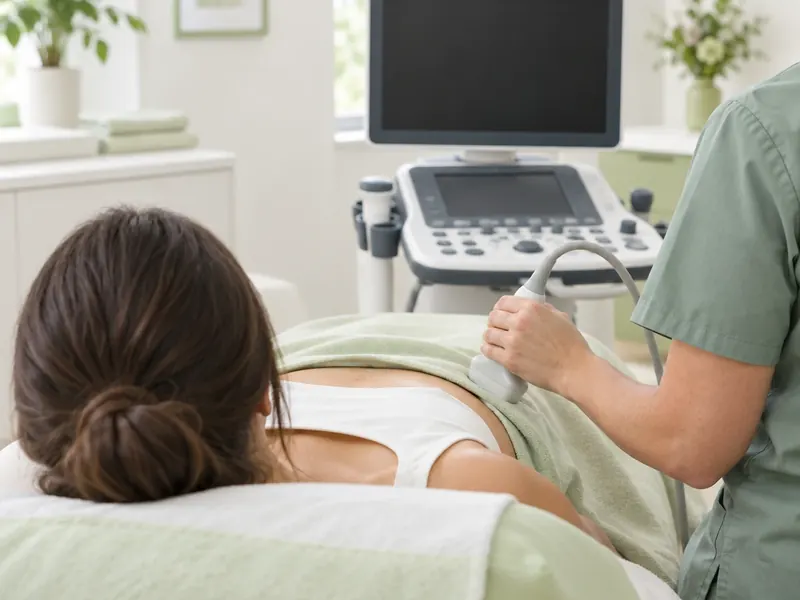
- Ultrasound is quick, widely available and involves no radiation. It is an accepted method for screening women without symptoms and is often the first test when a problem is suspected.
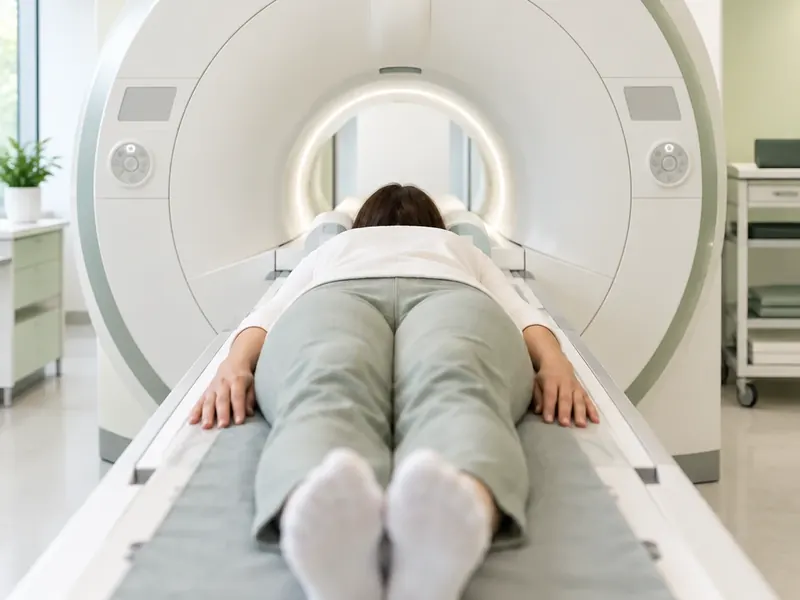
- MRI is considered the most accurate method for detecting silent rupture of silicone implants, and it is often used when the ultrasound result is unclear or before planning surgery.
- Mammography is used for breast cancer screening, but it is not the best tool for checking the implant itself. Always tell the radiographer that you have implants.
For silicone gel implants, the US Food and Drug Administration advises the first imaging check five to six years after surgery and then every two to three years, even if you have no symptoms. Your surgeon may suggest a different schedule based on your implants and history.
Treatment: removal or replacement
A ruptured implant does not need emergency surgery, but it should be removed. For a saline implant the decision is mostly cosmetic, because the salt water is harmless. For silicone, removal is recommended so that the gel does not spread further over time. Planning the operation within a reasonable period after diagnosis is sensible.
The main options discussed with the surgeon are:
- Removal and replacement with a new implant
- The woman wants to keep the volume and the tissues are in good condition
- Removal of the implant only
- The woman no longer wants implants or has other reasons to avoid them
- Removal with a breast lift
- The skin has stretched and the breast is likely to sag after the implant comes out
- Removal with capsule excision
- The capsule is thickened or contains leaked gel; the surgeon removes part or all of it
In an intracapsular rupture the gel is usually removed together with the implant, and the capsule is cleaned or excised as needed. Gel that has moved further into the breast tissue is harder to remove completely, which is one more reason not to leave a known rupture for years. Details of the procedures we perform are on our breast surgery page.
Recovery after implant replacement
Recovery after replacement or removal is often similar to, or a little easier than, the first augmentation, because the pocket already exists. The exact course depends on what was done: capsule excision or a lift adds to the recovery.
- The first days bring swelling, tightness and moderate discomfort, which pain relief controls.
- A compression garment is usually worn for one to one and a half months.
- For about three weeks, avoid lifting more than three kilograms and raising your arms above your shoulders.
- Saunas, hot baths and heavy sport are usually avoided for up to three months.
- Most people return to office work within one to two weeks.
- The final shape settles over several months as swelling goes down.
After replacement, the new implant starts its own life cycle. Regular checks continue, and imaging follows the same schedule as after the first operation.

Follow-up and implant checks at City Medical Centre
City Medical Centre works with international patients and performs breast augmentation with implants, breast lift with or without implants, breast reduction and implant removal. Before surgery every patient has an examination that includes a breast ultrasound. If a rupture is suspected, the surgeon reviews your imaging and history and explains whether the implant should only be removed or whether a new implant or a lift can be combined with the removal.
The imaging methods and schedules described above are general information, and the right plan for you is chosen at the consultation.
The first consultation is free and can be held online: send your photos and any recent ultrasound or MRI reports by Telegram. The cost is named after the assessment and fixed in the contract. A personal coordinator supports you from your first message to the end of recovery, and follow-up check-ups with the plastic surgeon continue after surgery. Learn more on our breast surgery page.
How recovery usually goes
- 7–14 daysReturn to work without physical exertion
- 3 weeksPost-op swelling disappears; scars form; no lifting over 3 kg, no raising arms above shoulder level
- 1 monthThe swelling subsides and the breasts take on a natural shape and softness
- 4–6 weeksFitness, swimming, pool and sea; compression garments worn for 4–6 weeks
- 3 monthsDiscomfort disappears; inflammatory changes resolve and a pocket forms around the implant; strength training
Sources
Frequently asked questions
How do I know if my breast implant has ruptured?
A saline implant that ruptures deflates, and the breast becomes smaller and softer within days. A silicone implant often gives no symptoms, although some women notice a change in size or shape, hard lumps, pain, swelling or altered sensation. Because silicone rupture is often silent, ultrasound or MRI is needed to confirm it.
Is a ruptured silicone implant dangerous?
It is not an emergency, and in most cases the gel stays inside the capsule of scar tissue around the implant. Over time, however, gel can move into the breast tissue and becomes harder to remove, and it can cause lumps, pain or inflammation. For this reason surgeons recommend removing a ruptured silicone implant within a reasonable time.
Can an implant rupture from a fall or massage?
Normal daily activity, sport and gentle massage do not usually damage a healthy implant. The most common cause of rupture is gradual wear of the shell with age. A strong blow to the chest, for example in a car accident, or very forceful compression can damage an implant, especially one that is already weakened.
How is a silent rupture detected?
A silent rupture cannot reliably be felt during an examination, so imaging is used. Ultrasound is an accepted screening method for women without symptoms, and MRI is considered the most accurate test for silicone implants. The US Food and Drug Administration advises the first check five to six years after surgery and then every two to three years.
How soon should a ruptured implant be replaced?
There is no need for emergency surgery, but it is sensible to plan removal within a reasonable period after diagnosis, especially for silicone implants, so the gel does not spread further. At the same operation the surgeon can place a new implant, remove the implant only, or combine removal with a breast lift, depending on your wishes and your tissues.
Have a question about your case? Get a free consultation
Message a coordinator on Telegram: we reply right in the chat, and you can send photos and questions there too.
- The first consultation is free, online consultations are available
- The doctor names the cost after the assessment, and it is fixed in the contract
- A personal coordinator guides you from the first message to recovery
Message our coordinator on Telegram
We reply right in the chat — you can send photos
Message us on TelegramBy sending a message, you agree to the privacy policy
Read also
 Breast augmentation
Breast implants vs fat transfer: what each method can and cannot do
Implants or your own fat? Compare size gain, fat survival, lumps, repeat sessions, scars and upkeep to see which breast augmentation fits your goals.
 Breast augmentation
Breast lift (mastopexy): degrees of sagging, techniques and scars
Breast lift explained: how the degree of sagging is measured, why breasts sag, periareolar, vertical and anchor techniques, scars, recovery and implants.
 Breast augmentation
Breast implant types, shapes and sizes: how to choose the right implants
How to choose breast implants: round or teardrop, silicone or saline, smooth or textured, profile, size, placement, incision, lifespan and BIA-ALCL.