




beginning
12 months on
2,800 grafts
FUE method
City Medical Centre
Free quote
Free consultation and cost estimate.
Our case
beginning
12 months on
FUE leaves no incisions or stitches. Grafts and outcome forecast reckoned up without paying — before you decide.
Charge-free, no surgery booking required
Message our coordinator
Free online consultation · Reply within 15 minutes
Message us on TelegramMessage us on WhatsAppBy messaging us, you agree to our Privacy Policy
results
Genuine City Medical Centre patients, every one.
beginning
12 months on
2,800 grafts
FUE method

beginning
12 months on
3,500 grafts
FUE method

beginning
12 months on
2,600 grafts
FUE method

beginning
12 months on
3,000 grafts
FUE method

beginning
12 months on
2,700 grafts
FUE method

beginning
12 months on
3,300 grafts
FUE method

beginning
12 months on
2,900 grafts
FUE method

beginning
12 months on
2,500 grafts
FUE method

beginning
12 months on
3,400 grafts
FUE method

beginning
12 months on
2,500 grafts
FUE method

beginning
12 months on
3,100 grafts
FUE method

beginning
12 months on
3,600 grafts
FUE method

beginning
12 months on
4,000 grafts
FUE method

beginning
12 months on
3,200 grafts
FUE method

beginning
12 months on
3,000 grafts
FUE method

beginning
12 months on
3,700 grafts
FUE method

beginning
12 months on
2,700 grafts
FUE method

beginning
12 months on
3,800 grafts
FUE method

beginning
12 months on
3,300 grafts
FUE method

beginning
12 months on
2,800 grafts
FUE method

beginning
12 months on
2,500 grafts
FUE method

beginning
12 months on
3,900 grafts
FUE method

beginning
12 months on
3,500 grafts
FUE method

beginning
12 months on
3,800 grafts
FUE method

beginning
12 months on
2,900 grafts
FUE method

beginning
12 months on
3,600 grafts
FUE method

beginning
12 months on
2,600 grafts
FUE method

beginning
12 months on
2,700 grafts
FUE method

beginning
12 months on
3,700 grafts
FUE method

beginning
12 months on
3,200 grafts
FUE method

beginning
12 months on
3,000 grafts
FUE method

beginning
12 months on
2,800 grafts
FUE method

beginning
12 months on
4,000 grafts
FUE method

beginning
12 months on
3,400 grafts
FUE method

beginning
12 months on
2,900 grafts
FUE method

beginning
12 months on
3,100 grafts
FUE method

beginning
12 months on
2,600 grafts
FUE method

beginning
12 months on
3,300 grafts
FUE method

beginning
12 months on
3,900 grafts
FUE method

beginning
12 months on
3,500 grafts
FUE method

beginning
12 months on
2,700 grafts
FUE method

beginning
12 months on
3,800 grafts
FUE method

beginning
12 months on
3,200 grafts
FUE method

beginning
12 months on
3,000 grafts
FUE method

beginning
12 months on
2,800 grafts
FUE method

beginning
12 months on
3,100 grafts
FUE method

beginning
12 months on
3,600 grafts
FUE method
Comparison
Three graft transfer technologies are in use here: classic FUE, suture-free DHI and a combined protocol. Weigh the implantation technique, tissue trauma and graft survival, and choose your method knowingly.
Classic technique without incisions or stitches

On request
Graft implantation technique
ForcepsGraft trauma
MinimalNatural hair growth angle
NaturalGraft survival
98–100%Suitable for
Androgenetic alopeciaSuture-free implantation with a Choi pen

On request
Graft implantation technique
DHI pen (Choi implanter)Graft trauma
MinimalNatural hair growth angle
NaturalGraft survival
98–100%Suitable for
DensificationFUE extraction, DHI pen implantation

On request
Graft implantation technique
FUE extraction + DHI implantationGraft trauma
MinimalNatural hair growth angle
NaturalGraft survival
98–100%Suitable for
Androgenetic alopecia and densificationFigures for survival and trauma are method averages and serve as a guide: the exact numbers rest on the transplant area and the patient's individual features, and the doctor explains them at the consultation.
Learn more


















about the clinic
Attention to each person, pleasant rooms, good equipment

Ask us anything, we will reply.
Message us on Telegram Message us on WhatsApp Send the formA straight verdict comes at the consultation, and sometimes that verdict is that no operation is needed and no money need be spent. Below you will find the situations where a transplant genuinely works.
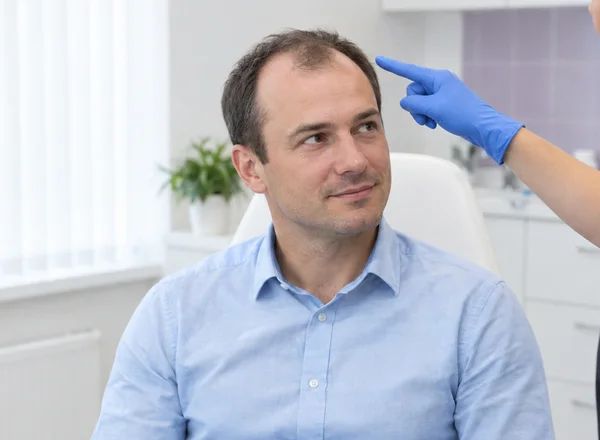

Write to us in WhatsApp or Telegram. A coordinator asks for photos of the thinning area in a messenger, then a doctor answers whether a transplant would help you. No charge, no booking made.

services
The free consultation produces a graft count and a price, and both are reflected in the contract.
| A look at your scalp | Free |
|---|---|
| Eyebrow transplant, FUE | On request |
| Beard transplant, FUE | On request |
| Hair trichopigmentation | On request |
| PRP therapy / session | On request |
all included
Care begins before the operation and runs 12 months on.
Nobody hands you a new invoice on surgery day.
two other spots
The technique does not change with the zone. Grafts are still taken from the back of the head, still using FUE.
FUE method, no incisions or stitches

Grafts are taken from the donor area at the back of the head and moved through micro-punctures of about 1 mm — there are no scars afterwards. The doctor agrees the shape with you before the operation, taking your facial features into account. Transplanted hair grows for life: trim and style the beard as usual.
On request
Freeze your quoteFUE method, no incisions or stitches

At the initial consultation the surgeon draws the eyebrow shape: you and the surgeon look through references, and the design takes your facial features into account. The hairs are implanted at the right angle, so the eyebrows look natural. It also helps where plucking has stopped growth.
On request
a procedure you go home from, numbed locally
Freeze your quoteThe doctor assesses what the donor zone holds, counts the grafts and explains the outcome you can expect. You are told the cost at the consultation and it goes into the contract.

Message our coordinator
Free online consultation · Reply within 15 minutes
Message us on TelegramMessage us on WhatsAppBy messaging us, you agree to our Privacy Policy
Process
From consultation to going home — all in one day

At this first appointment you hear how the FUE and DHI methods work, get answers to your questions, and have the donor zone examined by the doctor.

Once you're ready, the surgery date is reserved with a deposit, paid either by card at the clinic or online, and the terms are fixed in a medical services contract.

Preparation for the surgery includes a set of tests, and the clinic makes the process easy with a full list and instructions.

The procedure takes place under local anaesthetic, so nothing is felt at all.

The harvesting stage takes grafts from either the back of the head or the temples, with no need for stitches.

Surgeons work the extracted grafts into the part of the scalp that has thinned.
Everything required afterwards comes from the clinic, together with a complete set of directions.

The crusts come off, the swelling eases, the skin restores itself

A normal stage. Only the hairs fall, the follicles stay in place

New hairs surface gradually, the result shows

Density improves, the main volume and hairline are apparent

Thickness settles and the hairline looks like your own

Free, before surgery and with no obligation at all.
Learn moredoctors

Hair transplant doctor, trichologist, surgeon
10 years of experience

Dermatovenereologist, trichologist, surgeon
11 years of experience

Plastic surgeon
9 years of experience

Plastic surgeon
9 years of experience

Assistant
9 years of experience
The doctor looks over the donor zone, arrives at the number of grafts and explains what is achievable.
Learn morecoordinators
Your own coordinator handles everything from the first enquiry to full recovery.

Your care coordinator
Accompanies you from the first step onward
Will sort your papers and book you the slot

Your care coordinator
Accompanies you from the first step onward
Will sort your papers and book you the slot

Your care coordinator
Accompanies you from the first step onward
Will sort your papers and book you the slot
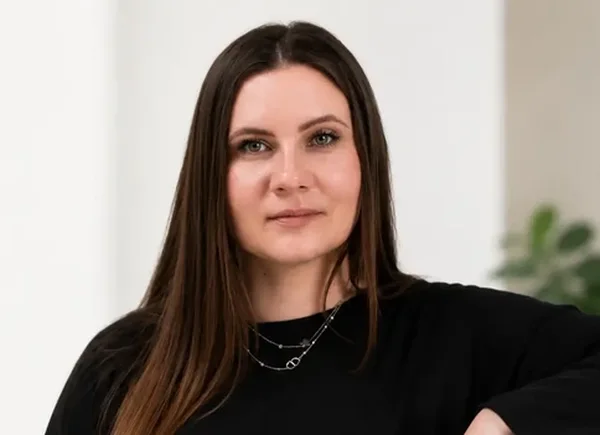
Your care coordinator
Accompanies you from the first step onward
Will sort your papers and book you the slot













Asked all the time

Yes. There is no restriction on where a patient happens to live, and the first conversation takes place online.
The precise cost is determined at a free consultation and graft count, then fixed in your contract.
Expect one day in total; nobody needs to stay the night.
No, not painful at all, thanks to numbing applied locally.
FUE means tweezer-based, incision-free graft harvesting. DHI means channel-free implantation with a Choi pen. Combined DHI+FUE uses FUE for harvesting and the DHI pen for implanting.
A doctor settles the amount at a consultation you do not pay for, judging by the donor area available.
Expect 0–10 days to heal, then normal shedding of transplanted hairs at 2–4 weeks. Growth begins around 3–4 months, density builds by 6–9 months, and the final look appears at 12–18 months.
A lifetime guarantee of hair growth is included, confirmed in your contract.
The clinic has a medical licence and provides care to the standards and clinical guidelines
of the Ministry of Health.
It is a one-day matter for a patient in Temara. FUE and DHI are done without any cut and without a single stitch, with local anaesthesia doing all the work, so nothing about it resembles major surgery.
No trip is needed to find out where you stand in Temara. The online consultation is free, the doctor studies photos of the thinning area and names the number of grafts. The clinic answers 24/7, in normal hours for Temara.
0-10 days is what healing needs, and very little is asked of you during them. At 2-4 weeks the transplanted hairs shed; nothing has gone wrong, this is simply how it works for everyone. Growth starts at 3-4 months and builds up from then on.
The cost is calculated individually after a free online consultation. Write to us on WhatsApp or Telegram.
By messaging us, you agree to our Privacy Policy
Temara is a coastal city directly south of Rabat, in the Rabat-Salé-Kénitra region, on the Atlantic coast. It had 313,510 inhabitants as of 2014 and is the capital of Skhirate-Témara Prefecture. The city grew quickly through the 2000s, and many of its residents moved from other parts of the kingdom to live near the capital. Men and women of different ages, backgrounds and professions therefore ask the same practical questions about hair restoration: how it is done, how long it takes to look normal, and how it fits into a working week in a busy suburb.
A hair transplant by FUE or DHI is a surgical procedure. Grafts are taken from the back of the head, the donor area, and moved through micro-punctures of about 1 mm, so nothing scars over. The operation is performed at the clinic in Rabat, Morocco. Everything before it, including the first conversation, the photos and the planning, happens online and free of charge from your own home in Temara.
This text is meant to help a resident of Temara think through the whole process calmly: the season, work, family obligations, the beach and the sun, and the questions worth asking the surgeon before making a decision.
You do not need to leave the city to start. Coordinators are available around the clock, 24/7, on Telegram and WhatsApp. You send clear photos of the front, the crown, the sides and the back of the head, and you describe your history: how long the hair loss has been going on, whether it runs in the family, which treatments you have already tried, and any chronic conditions or medicines.
The doctor then reviews the material and discusses the shape of the hair line with you before the operation, taking your facial features into account. This is the moment to say what you want. Some people want a soft, natural frontal hair line, others mostly want to fill the crown, and others want to restore a beard or eyebrows. A clear request gives a clear plan.
The centre stays with you from pre-op planning to 12 months later, and a coordinator will be on the phone 24/7. For someone in Temara with a full day of work or study, it matters that questions can be asked in the evening or at night, in messages, without taking time off to sit in a waiting room.
Temara has a hot-summer Mediterranean climate. The average annual temperature is 17.8 °C and about 505 mm of precipitation falls over the year, with more rain in winter than in summer. The Atlantic keeps the coast fresher than the inland areas, but summer sun is still strong, and sun is the first thing to plan around after a transplant.
In the first days the treated area is sensitive. Direct sun on the scalp, sweating under a tight cap, dust and salty sea air all irritate fresh micro-punctures. The clinic gives you written care instructions, and in general terms they say to avoid long exposure to the sun, not to rub or scratch the scalp, and to choose loose, clean headwear only if the doctor allows it.
Winter in Temara brings rain, humidity and cooler days. Hats and hoods are then natural, but they should be clean and loose, and you should ask the coordinator what is acceptable at each stage. The 0–10 days for healing are the period in which you most need calm weather and a quiet routine.
There is no single right month, because the decision depends on your own schedule. Residents of Temara often weigh three things: the strength of the summer sun, the beach season, and the weeks when work and family events are heaviest.
Autumn, winter and early spring are often convenient because the sun is gentler and a cap or scarf looks ordinary. The first stage after the operation is the most visible, and the 2–4 weeks in which transplanted hair sheds as expected pass more comfortably when you are not planning to spend whole days outdoors. Summer is also possible if you can stay in the shade, avoid the sea and the pool during the period the doctor restricts, and keep the scalp protected.
Think ahead in terms of the whole timeline: 3–4 months until hair comes back, 6–9 months until it is visibly thicker, and 12–18 months for the settled look. If a wedding, a graduation or an important family occasion is in your calendar, count backwards from it. Ask the coordinator to help match the operation date to the months you want to look your best.
Temara sits close to Rabat and to Casablanca, and the city has two industrial zones, one in the direction of Casablanca and the Attasnia zone on the Rabat side, with textiles, packaging, printing, food, electronics and chemicals among their sectors. Many residents work in offices, factories, shops or public service, or study in the capital. Each environment makes different demands on the scalp.
If your work is in an office, recovery is usually simpler because you are indoors and can keep to a clean routine. If you work in a factory or on a site with dust, chemicals or heavy sweating, tell the surgeon exactly what the work involves, because dust and fumes near fresh punctures are best avoided. Students should plan around exam periods and group activities.
Plan to keep the first days free and tell your manager or teachers only what you wish to share. The 0–10 days for healing is the guide for when the crusts and redness settle. After that, most people return to a normal rhythm, but you should confirm each step with the doctor rather than rely on a friend's story.
Temara is known for its beaches on the Atlantic, and people in the city swim, walk along the shore and play football in their free time. After a transplant these habits need a pause. Salt water, sand, strong sun and the pool are all things to avoid until the doctor tells you the scalp is ready.
Heavy exercise, running, the gym and contact sports raise sweating and blood pressure, and they carry a chance of knocks to the head. Ask the surgeon at the consultation exactly when you may return to each kind of activity, and write the answers down. The centre's check-ups at months 1, 3, 6, 9 and 12 are also a good time to review sport and the sea as the hair grows in.
If you are a teammate in an amateur club, tell your coach you will be out for a while. A short break at the start protects the grafts and costs little compared with the months of growth that follow.
In Temara, as elsewhere in Morocco, family gatherings, weddings and holidays are central, and meals are shared and long. Many patients want to look natural at these occasions, not to be asked questions about a visible change. Plan the operation so that the first, most noticeable weeks fall between events, and decide beforehand what you want to say to relatives.
Food culture matters less for the scalp itself, but a calm routine does help. During the first days, choose light, regular meals, drink enough water and follow the doctor's advice on alcohol and smoking. Do not rely on stories about special diets or home remedies that promise faster growth. The timeline of 3–4 months for regrowth and 12–18 months for the final result is normal for everyone, and patience is part of the process.
Talk to your husband, wife or family beforehand. Support at home during the first days, such as help with washing instructions or keeping children from touching your head, makes recovery smoother.
In general terms, a good candidate has enough healthy hair in the donor area at the back of the head, realistic expectations and no untreated condition that interferes with healing. Some conditions, such as active scalp disease, certain blood or immune problems, or very limited donor hair, may mean the doctor advises waiting, choosing another approach or declining. Only the doctor can decide after reviewing your photos and history.
Prepare your questions before the call. Ask which method suits you, FUE or DHI, and why. Ask how the shape of the frontal hair line will be set, how the doctor plans to treat the crown, and what happens if hair loss continues in untreated areas. Ask what the instructions are for washing, sleeping, sun and headwear, and what the check-ups at months 1, 3, 6, 9 and 12 include.
Also ask what a realistic result looks like for your type of hair. A transplant is not about having more hair than before, but about placing the hair you have in the most natural way. Transplanted hair grows for life, so beard or head hair can be trimmed and styled as usual.
People in Temara who write to the coordinators often start with very practical questions. How many days should I keep free? Will colleagues notice? Can I keep my usual routine between the city and the capital? These are sensible questions in a suburb where many households organise the week around work in Rabat or Casablanca, and the answers are best given for your own case, after the doctor has seen your photos.
Another common question is about age. Some men in their twenties are worried about early recession at the temples, while others in their forties and fifties want to thicken the top of the head. A hair transplant is planned around the donor area at the back of the head and your facial features, not around a number on your passport. The doctor will tell you honestly whether your pattern of loss is stable enough to plan well.
Women from Temara also write, usually about thinning along the parting or at the hair line. The same rule applies: send clear photos, describe your history, and let the doctor decide whether a transplant is suitable or whether another approach should come first.
Preparation is mostly organisation, and it can be done from your own flat in Temara. Agree the date with the coordinator, tell your employer or school in advance, and arrange for someone to help you during the first days. Ask the coordinator for the written list of what to do and avoid before the operation, including medicines, alcohol and smoking, and follow it exactly.
Think about the practical things around the head. Prepare clean, loose headwear approved by the doctor, a soft pillow arrangement for sleeping, and the washing products the clinic recommends. Do not experiment with new shampoos or home remedies in the days around the operation.
Tell the doctor about everything you take, including vitamins and supplements, and about any chronic illness. Complete honesty at this stage protects healing, and the coordinator is available around the clock, 24/7, on Telegram and WhatsApp if a doubt appears late in the evening.
The months after shedding are the hardest psychologically. Between the 2–4 weeks of shedding and the 3–4 months when hair comes back, the head can look thinner than before the operation, and this is a normal part of the process. Many patients in a busy suburban city like Temara feel pressure to show a result quickly, but growth follows its own pace.
Use this period well. Keep the scalp clean as instructed, protect it from strong sun on the coast, and send photos to your coordinator at the planned check-ups at months 1, 3, 6, 9 and 12. Comparing pictures taken in the same light and from the same angles is far more reliable than looking in the bathroom mirror every morning.
By 6–9 months the hair is visibly thicker, and the settled look comes at 12–18 months after surgery. Keep this timeline in front of you when friends or relatives ask questions, and remember that the centre stays with you from pre-op planning to 12 months later.
The timeline is simple to remember. Allow 0–10 days for healing, 2–4 weeks for normal shedding of transplanted hair, 3–4 months for new growth to start, 6–9 months for real density, and 12–18 months for the final result. Shedding after 2–4 weeks surprises many people, but it is expected: the transplanted hairs let go and new ones come back.
One patient described it this way: from about the 4th month active, even growth began, the transplanted hair took very well, the beard looked natural, no bald patches were left, and it became much thicker and denser, with the shape he had thought about for a long time. Your own pace may differ, and the coordinator will help you compare your photos with the usual stages.
Because the centre stays with you until 12 months later, you can send photos from Temara at each stage and receive feedback without having to arrange a long absence from work or family.
No. The first consultation is online and free from your own city. You write to a coordinator on Telegram or WhatsApp, send photos and receive a plan. The operation itself is performed at the clinic in Rabat, Morocco.
Temara lies directly south of Rabat, about 6 km from the city centre, so it is a neighbouring city. The clinic in Rabat is the only place where the operation is carried out; all earlier steps are done remotely.
Coordinators are available around the clock, 24/7, on Telegram and WhatsApp. You can ask a question in the evening after work or at night.
Allow 0–10 days for healing, 2–4 weeks for normal shedding, 3–4 months for new growth to start, 6–9 months for real density and 12–18 months for the final result.
No. After 2–4 weeks the transplanted hairs let go, as expected. New hair comes back at about 3–4 months.
Yes, they can irritate the treated area. Avoid long sun exposure, salty water, sand and the pool until the doctor allows them, and ask which headwear is acceptable at each stage.
Yes. The centre stays with you from pre-op planning to 12 months later, with check-ups at months 1, 3, 6, 9 and 12, and a coordinator is on the phone 24/7.
Grafts are taken from the back of the head and moved through micro-punctures of about 1 mm, so nothing scars over. The doctor will explain what to expect in your own case.
Yes. The doctor discusses the shape with you before the operation, taking your facial features into account.
Yes, and transplanted hair grows for life, so you can trim and style the beard as usual. Ask the doctor whether your donor area is suitable.
No. The first consultation, photos, planning and follow-up are all online from Temara. Only the operation is done at the clinic in Rabat, Morocco.
Yes. Send clear photos and describe your history. The doctor will say whether a transplant is suitable in your case.
That is expected. At 2–4 weeks the transplanted hairs let go, and new hair comes back from about 3–4 months.

 Forceps
 Minimal








