


























Arthritis treatment6 min read
Why joints ache when the weather changes, and what helps
Many people with arthritis or an old injury feel their joints ache before rain or on a cold, damp day. The link is real for many, but it is individual and often points to a joint that is already sensitive. This guide explains what science says about pressure, cold and humidity, who reacts most, when to see a doctor and how to ease the pain.
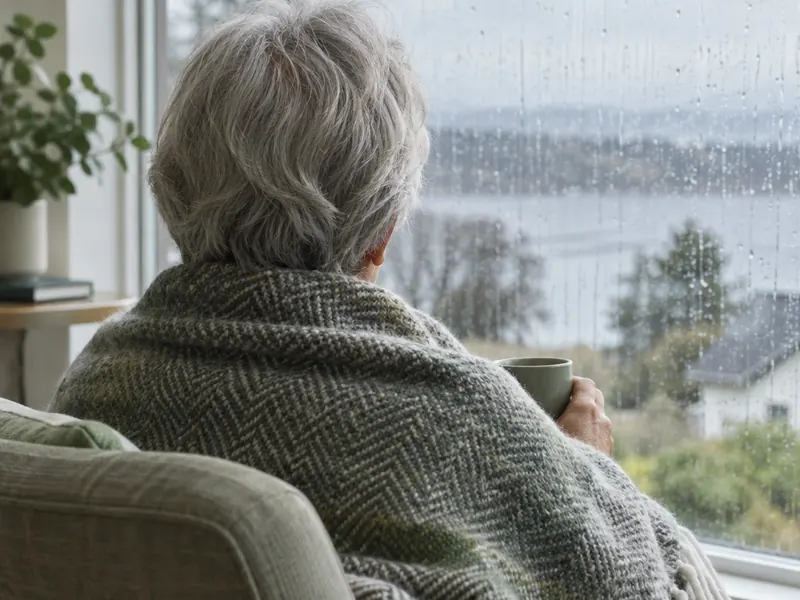
The main points in 30 seconds
- Weather does not damage joints, but it can make sensitive joints hurt more.
- Falling air pressure, cold and humidity are the most common triggers.
- People with osteoarthritis, inflammatory arthritis or old injuries react most.
- Regular weather pain is a reason to check the joint, not just the forecast.
- City Medical Centre reviews your scans free of charge and offers PRP and SVF without surgery.
Why joints ache when the weather changes
Many people with arthritis or an old joint injury say they can feel a change in the weather coming: the knees ache before rain, the fingers stiffen on a cold morning, the hip complains when the air turns damp. This is not imagination. The link between weather and joint pain is real for many people, although it is weaker and more individual than folk wisdom suggests. Weather does not damage a joint by itself, but it can make an already sensitive joint hurt more.
If the ache keeps returning, it is usually a sign that the joint itself needs attention. You can read how we approach this on our arthritis treatment page.
What science says about pressure, cold and humidity
Research on weather and joint pain gives mixed results. Some studies find more pain when air pressure falls, temperatures drop or humidity rises; others find little or no effect. The most likely explanation is that some people are clearly weather-sensitive and others are not, so the effect disappears when large groups are averaged. Several mechanisms are thought to play a part:
- Air pressure. When barometric pressure drops before rain or a storm, the tissues around the joint may expand slightly. In a joint that is already inflamed or worn, this small change can irritate nerve endings.
- Cold. Low temperatures make muscles, tendons and ligaments tighter and the joint fluid thicker, so the joint feels stiff and movement becomes less smooth.
- Humidity. Damp, cold air often goes together with low pressure, and many people report their worst days in this combination.
- Behaviour and mood. In bad weather people move less, spend more time sitting and sleep worse. Less movement means stiffer joints, and low mood makes pain feel stronger.
Who reacts to weather most
Weather-related aches are most common in people whose joints are already sensitive. This includes people with osteoarthritis of the knee, hip, hand or spine, people with inflammatory arthritis such as rheumatoid or psoriatic arthritis, and people with old fractures, ligament tears or joint surgery in the past.
Older adults, people who are less active and people living with long-term pain also tend to notice the weather more. A healthy joint rarely hurts just because it is raining.

When weather pain signals joint disease
An occasional ache on a cold, wet day is common. It is worth seeing a doctor when the pain has a pattern that points to a joint problem:
- pain at rest or at night, not only with changes in the weather;
- morning stiffness that lasts longer than half an hour;
- swelling, warmth or redness over the joint;
- creaking, locking or a feeling that the joint gives way;
- pain in several joints at once, especially small joints of the hands and feet;
- pain that is getting worse over weeks or months.
A suddenly hot, swollen and very painful joint, especially with fever, needs urgent medical help, because it can be a sign of infection in the joint.
Preventing weather-related joint pain
You cannot change the weather, but you can make your joints less sensitive to it:
- keep painful joints warm with layers, gloves, knee warmers or a warm shower in the morning;
- stay active every day, moving indoors when it is cold or wet: walking, cycling on an exercise bike, swimming in a heated pool or gentle stretching;
- strengthen the muscles around the knees and hips, because strong muscles take load off the joint;
- keep a healthy body weight, which reduces pressure on the knees and hips;
- use local heat for stiffness and a cold pack for a swollen joint;
- sleep well and keep a regular routine, since poor sleep increases pain.
Pain relief tablets or gels can help on bad days, but the choice and dose should come from a doctor or pharmacist, especially if you take other medicines.
Treating the underlying joint problem
If the weather regularly makes a joint hurt, the real task is to treat the joint rather than the forecast. The first step is a diagnosis: an examination, an X-ray, ultrasound or MRI and, when inflammatory arthritis is suspected, blood tests.
Depending on the cause, a plan may include physiotherapy and exercise, weight management, medicines prescribed by a doctor, joint injections and, in advanced cases, surgery. Inflammatory arthritis is usually managed by a rheumatologist, and it is important not to stop prescribed treatment on your own.
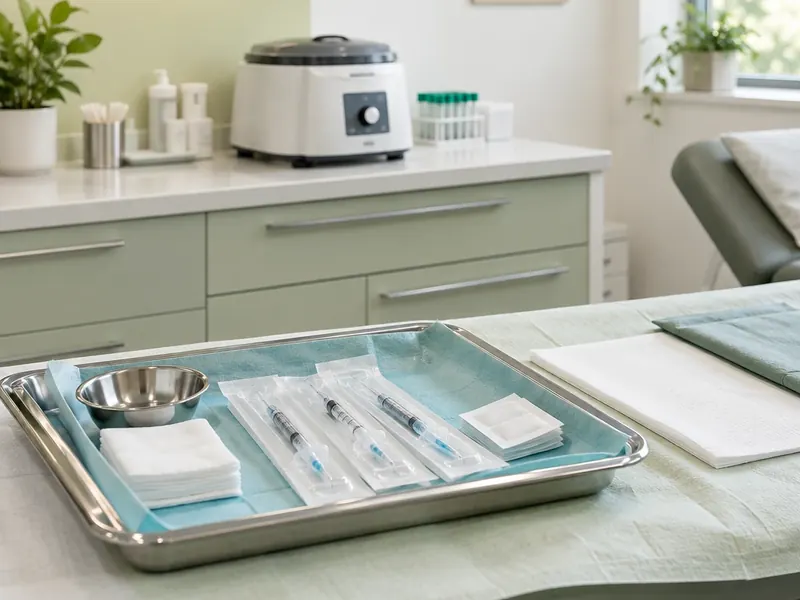
Getting a personal plan at City Medical Centre
City Medical Centre treats arthritis and osteoarthritis of the knee, hip, shoulder, elbow, ankle and small joints of the hand without surgery. City Medical Centre does not run physiotherapy courses, does not prescribe drug treatment and does not perform joint surgery. We use PRP, platelet-rich plasma prepared from your own blood, and SVF cell therapy from a small sample of your own adipose tissue combined with plasma.
Every injection is given under ultrasound guidance, with local anaesthetic, and most people go home the same day. The doctor follows up at one, three and six months. These methods complement, but do not replace, care from a rheumatologist, and they are not done during an active infection or a severe flare. Physiotherapy, medicines and surgery mentioned above are general information; the right approach for you is chosen at the consultation.
The first consultation and review of your scans are free and can be done online: send your X-rays, MRI or ultrasound reports. The doctor decides whether treatment suits you and names the cost after the review, and it is fixed in the contract. A personal coordinator helps with every step of the trip. Find out more on our arthritis treatment page.
Sources
Frequently asked questions
Can weather really make joints hurt?
Yes, for many people it can. Studies give mixed results, but a large share of people with arthritis report more pain with falling air pressure, cold and dampness. Weather does not damage a healthy joint; it makes an already sensitive or worn joint hurt more.
Why do my knees ache before rain?
Before rain, air pressure usually drops. The tissues around the joint may expand slightly, and in a knee with worn cartilage or inflammation this can irritate nerve endings. Cold, damp air also makes muscles and ligaments tighter, so the knee feels stiff and achy.
Is weather-related joint pain a sign of arthritis?
Not always, but often. An occasional ache on a cold day is common. If the pain returns regularly, appears at rest or at night, or comes with morning stiffness, swelling or creaking, it is worth checking for osteoarthritis or inflammatory arthritis.
How can I relieve joint pain in cold weather?
Keep the joint warm, stay active indoors, do exercises that strengthen the muscles around the joint and keep a healthy weight. Local heat helps with stiffness. Pain relief can help on bad days, but the choice and dose should come from a doctor or pharmacist.
When should I see a doctor for joint pain?
See a doctor if the pain lasts for weeks, wakes you at night, comes with morning stiffness over half an hour, swelling, warmth or redness, or affects several joints. A suddenly hot, swollen joint with fever needs urgent help.
Have a question about your case? Get a free consultation
Message a coordinator on Telegram: we reply right in the chat, and you can send photos and questions there too.
- The first consultation is free, online consultations are available
- The doctor names the cost after the assessment, and it is fixed in the contract
- A personal coordinator guides you from the first message to recovery
Message our coordinator on Telegram
We reply right in the chat — you can send photos
Message us on TelegramBy sending a message, you agree to the privacy policy
Read also
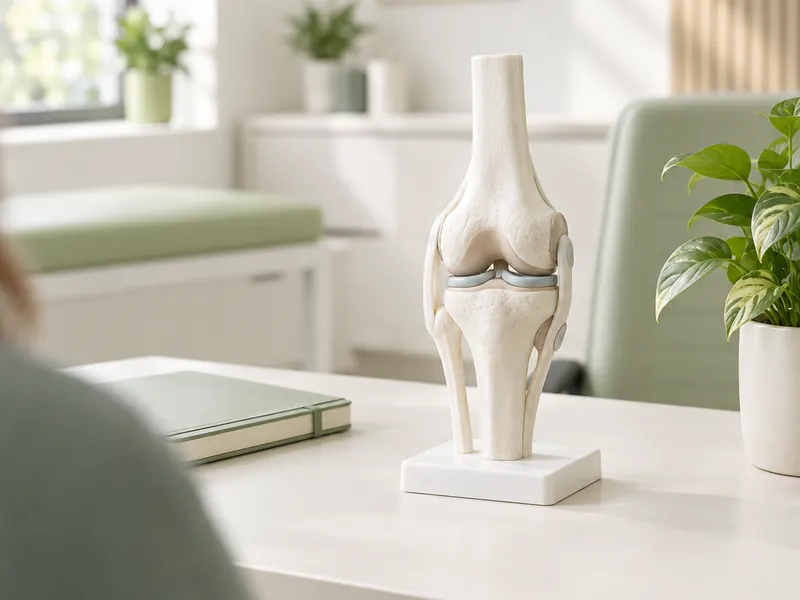 Arthritis treatment
Arthritis treatment without surgery: options, who they suit and when an operation is discussed
Treating arthritis without surgery: exercise, supports, physiotherapy, PRP and SVF injections, when to see a rheumatologist and when surgery is discussed.
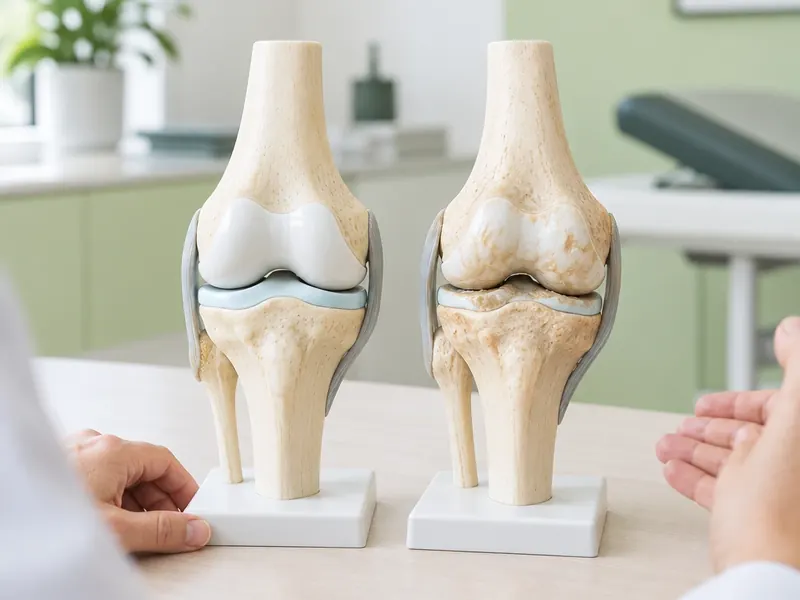 Arthritis treatment
Arthritis vs osteoarthritis: what is the difference and why it matters for treatment
Arthritis or osteoarthritis? How inflammation differs from joint wear, which symptoms and tests tell them apart and how treatment differs, incl. PRP and SVF.
 Breast augmentation
Will my breast implants look natural? The factors that decide the result
What makes breast implants look natural: size for your frame, shape and profile, placement, tissue coverage, feel to the touch and how the result settles.