




















Liposuction6 min read
Swelling After Liposuction: How Long It Lasts and How to Reduce It
Swelling is the most common and the most frustrating part of recovery after liposuction. It hides the new contour for several weeks and can come and go from day to day, which makes many patients worry that something has gone wrong. In most cases it is a normal part of healing. This guide explains how long swelling usually lasts, why it changes during the day, what really helps it settle and when it is a reason to contact your surgeon.
The main points in 30 seconds
- Swelling after liposuction is strongest in the first days and mostly goes down within 3–4 weeks.
- The result is assessed at about 3 months; small residual swelling may last up to 6 months.
- The compression garment, worn for 30–45 days, is the main tool for controlling swelling.
- Less salt, enough water, walking and avoiding smoking and alcohol help swelling settle.
- Swelling that grows fast on one side, a fluid bulge or signs of infection need a call to the surgeon.
Key facts about the procedure
- Operation time1–4 hours
- Back to work7–10 days
- Final result3–6 months
- Pricefrom $1,200
How long swelling lasts after liposuction
After liposuction the body reacts to the treated tissue in the same way as to any injury: fluid collects in the area while the small channels between the skin and muscle heal. The amount of swelling depends on the number of areas treated, the volume of fat removed and the individual reaction of the body. The table shows a typical course.
- First 3–5 days
- Swelling and tightness are at their peak, bruising appears, some fluid may leak from the small incisions
- Weeks 1–2
- Swelling gradually decreases, bruises fade, everyday activity becomes easier
- Weeks 3–4
- Most of the swelling has gone and the first visible change in shape appears
- Months 2–3
- Remaining swelling settles, the skin adapts, and the result can be assessed
- Up to 6 months
- Small residual swelling, especially in the lower legs, knees and ankles, disappears
At City Medical Centre the tumescent technique is used: a special solution is injected before the fat is removed, which constricts small vessels and helps limit bleeding, bruising and swelling. Some swelling is still normal and expected.
Why compression garments matter
The compression garment is the most important tool for controlling swelling. It presses gently on the tissues, helps the skin adhere to the new contour, reduces the space where fluid can collect and supports the treated areas.
- At City Medical Centre the garment is worn for 30–45 days, as the surgeon advises.
- In the first weeks it is usually worn day and night and removed only for a short shower.
- It should fit firmly but not cut into the skin, cause numbness or leave deep marks.
- If the garment becomes loose as swelling goes down, ask the clinic whether you need a smaller size.
Removing the garment too early is one of the most common reasons why swelling lasts longer than expected.

Wound care and hygiene
The incisions after liposuction are only a few millimetres long, but they need care. In the first days a little pink fluid may leak from them; this is the remains of the tumescent solution and is normal.
- Keep the incisions clean and dry, and change the dressings as instructed.
- Wash your hands before touching the treated areas.
- Take short showers once the surgeon allows it; avoid baths, pools, saunas and the sea until the incisions have fully healed.
- Do not use creams or oils on the incisions without the doctor's approval.
Nutrition and hydration
What you eat and drink affects how much fluid your body retains. Salt holds water in the tissues, so a salty diet can make swelling more noticeable.
- Drink enough water through the day, unless your doctor has given other advice.
- Limit salty foods, ready meals, snacks and processed meats.
- Eat enough protein, vegetables and fruit: they support tissue healing.
- Keep your weight stable; gaining weight after surgery makes swelling harder to judge and can affect the result.
Gentle movement and activity
Rest is important, but lying still all day slows the circulation and the removal of fluid. Short walks help the lymphatic system and lower the risk of blood clots.
- Start walking around the room on the day after surgery and increase the distance gradually.
- Avoid heavy lifting, intense sport and exercises for the treated areas for the period your surgeon names, usually several weeks.
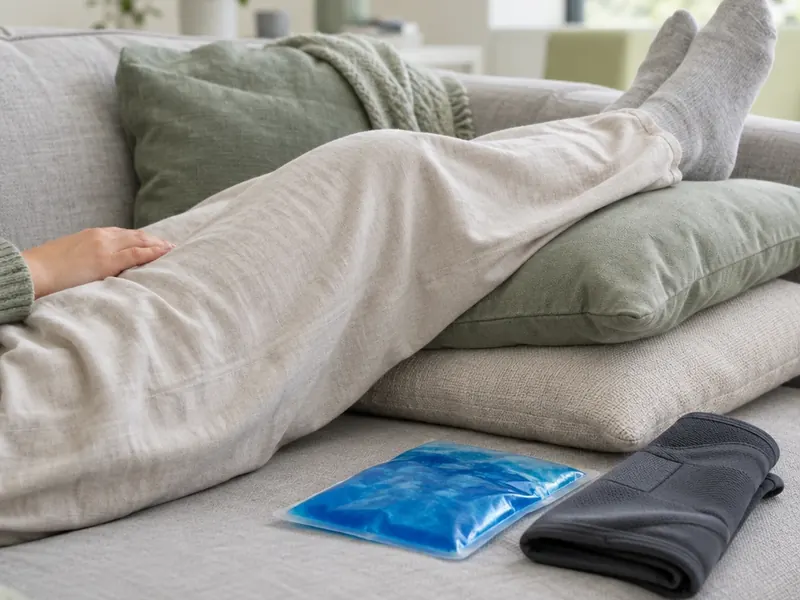
- When resting, raise your legs slightly if the thighs, knees or lower legs were treated.
- Lymphatic drainage massage may be recommended by some surgeons after the first weeks; do it only with your surgeon's approval and with a qualified specialist.
Avoiding smoking and alcohol
Nicotine narrows the blood vessels and slows healing, and alcohol dilates vessels and makes the body retain fluid. Both can make swelling last longer and raise the risk of complications.
- City Medical Centre advises stopping smoking and alcohol at least a week before surgery.
- Stay away from both during the recovery period your surgeon recommends.
- Remember that some medicines and supplements also affect bleeding; take only what the doctor has approved.
When to contact your surgeon
Swelling that slowly gets smaller from week to week is normal. It is also normal for swelling to be more noticeable in the evening, after a long day on your feet, or when the weather is hot. Contact your surgeon or coordinator if you notice:
- swelling that increases quickly on one side, or a tense, painful bulge;
- a soft area that moves like fluid under the skin after the first week, which may be a seroma;
- redness, heat, fever or pus from an incision;
- pain, heat or swelling in one calf;
- hard lumps that do not soften over several weeks.
Call emergency services at once if you have shortness of breath, chest pain or fainting.
Aftercare support at City Medical Centre
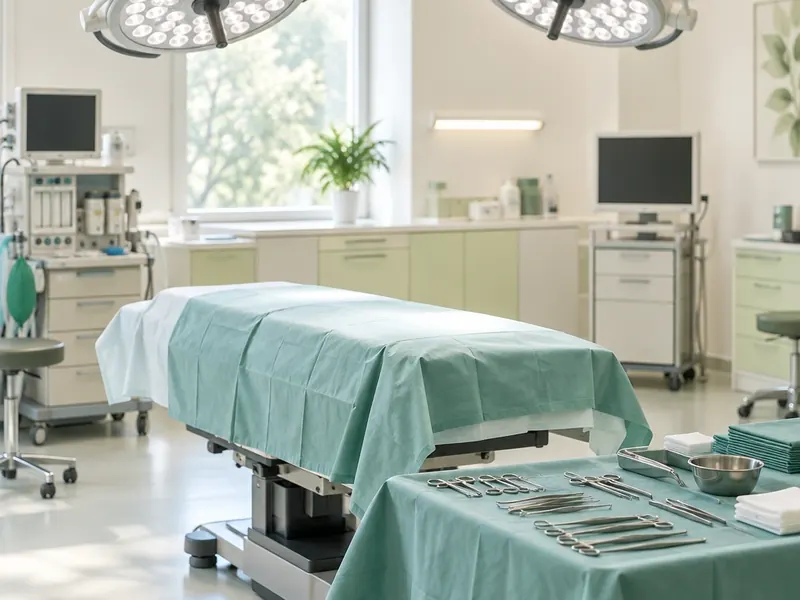
City Medical Centre works with international patients and performs tumescent and VASER liposuction. With general anaesthesia patients stay in hospital for one day under observation; with local anaesthesia they go home 3–4 hours after surgery. The first results are usually visible after 3–4 weeks, once swelling subsides, and the final result is assessed at 3 months.
The first consultation is free and can be held online: send photos of the areas you want to change and tell the doctor about your health. The doctor names the cost after the assessment, and it is then fixed in the contract. A personal coordinator stays with you from the first message to the end of recovery and passes your questions and photos of the swelling to the surgeon via Telegram after you return home. More about the operation is on the liposuction page.
Sources
Frequently asked questions
How long does swelling last after liposuction?
The strongest swelling lasts for the first 3–5 days and then gradually decreases. Most of it is gone after 3–4 weeks, the result can be assessed at about 3 months, and small residual swelling, especially in the lower legs, may take up to 6 months to disappear.
Why is swelling worse in the evening?
During the day fluid moves downwards under the influence of gravity and collects in the treated tissues, especially after standing or sitting for a long time. After a night's rest the swelling is usually smaller. This pattern is normal in the first weeks and fades as healing progresses.
Does lymphatic massage reduce swelling?
Some surgeons recommend lymphatic drainage massage after the first weeks to help fluid move out of the tissues. It should be done only with your surgeon's approval and by a qualified specialist, and it does not replace the compression garment or walking.
When does swelling go down enough to see results?
A visible change in shape usually appears after 3–4 weeks, when most of the swelling has gone. The final result is assessed at about 3 months, when the tissues have settled and the skin has adapted to the new contour.
Is hard swelling normal after liposuction?
Some firmness under the skin is common in the first weeks while the tissues heal, and it usually softens gradually. If hard areas grow, hurt more over time or do not soften after several weeks, show them to your surgeon.
Have a question about your case? Get a free consultation
Message a coordinator on Telegram: we reply right in the chat, and you can send photos and questions there too.
- The first consultation is free, online consultations are available
- The doctor names the cost after the assessment, and it is fixed in the contract
- A personal coordinator guides you from the first message to recovery
Message our coordinator on Telegram
We reply right in the chat — you can send photos
Message us on TelegramBy sending a message, you agree to the privacy policy
Read also
 Liposuction
Massage and lymphatic drainage after liposuction: when to start and why it helps
When to start massage after liposuction, how lymphatic drainage differs from deep massage, how it helps with firm areas and why starting too early can harm.
 Liposuction
VASER (ultrasound) liposuction: how it works and who it suits
VASER ultrasound liposuction explained: how ultrasound loosens fat, who it suits, the procedure, contraindications, recovery and how it compares with tumescent lipo.
 Rhinoplasty
Swelling after rhinoplasty: how long it lasts, month by month
How long swelling lasts after rhinoplasty, why the tip settles last, what changes week by week and month by month, and how to ease swelling and bruising.