

























Joint treatment7 min read
SVF cell therapy for joints: how it works and who it suits
Joint pain from osteoarthritis or an old injury often leaves people with two options: live with it or have surgery. SVF cell therapy is a third path that uses cells from your own fat tissue. This guide explains how it works, which joints it is used for, what the procedure involves and how to tell whether it suits you.
The main points in 30 seconds
- SVF is a cell fraction from a small sample of your own fat, injected into the joint with your plasma.
- It is used in the knee, hip, shoulder, elbow, ankle and small joints of the hand.
- The earlier the stage of osteoarthritis, the better the chance of a lasting effect.
- Pain usually eases over a month; the full effect develops over around six months.
- SVF does not regrow lost cartilage, and results vary from person to person.
What SVF cell therapy is and how it works in a joint
SVF stands for stromal vascular fraction. It is a mix of cells taken from your own adipose tissue: regenerative cells, cells from the walls of small blood vessels, immune cells and supporting connective tissue cells. Together they release signalling proteins that take part in healing and in calming inflammation.
In joint treatment, the fraction is combined with platelet-rich plasma from your blood and injected into the painful joint. The aim is not to build a new joint. It is to reduce pain and inflammation, improve the environment inside the joint and support the tissues that are still there, so you can move more comfortably.
- What it can do: ease pain, reduce swelling and stiffness, help you walk and exercise more freely.
- What it cannot do: reverse advanced wear, straighten a deformed joint or regrow a completely lost cartilage layer.
Where the cells come from: your own fat tissue
Fat tissue is one of the richest and most accessible sources of regenerative cells in the body. A small sample is enough, so the harvest is quick and does not change your figure. Only your own tissue is used, with no donor or synthetic material, which removes the risk of rejection.
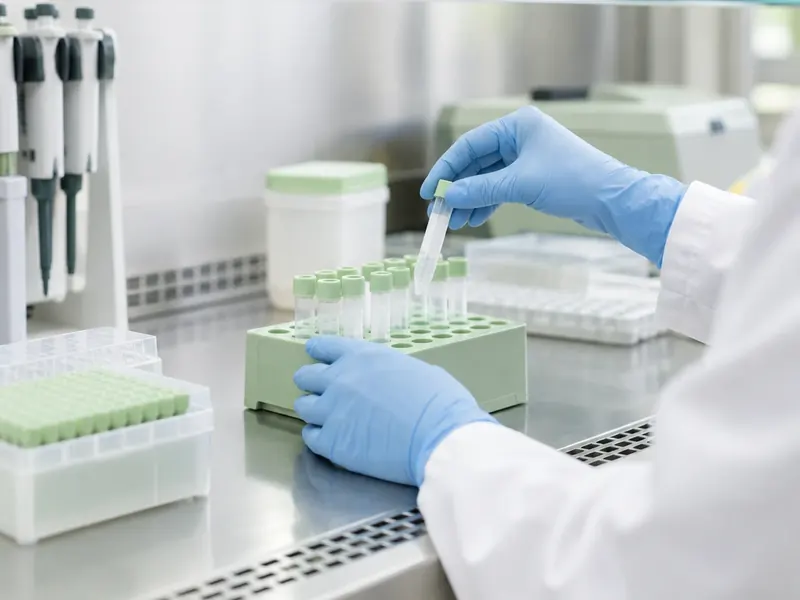
The sample is usually taken from the abdomen or the inner thigh through a small puncture under local anaesthetic. About 30 ml of tissue is collected, and no stitches are needed. The sample is then spun in a centrifuge, which separates it into layers so that the cell fraction can be isolated and mixed with your plasma.
The whole process, from the fat sample to the injection, is done on the same day. The cells are not grown or modified in a laboratory.
Which joints and conditions SVF can help
The method is used in both large and small joints. The doctor chooses the joint, the method and the number of injections after reviewing your scans.
- Knee
- Cartilage wear, meniscus problems, pain on stairs and after walking
- Hip
- Early osteoarthritis, groin pain, limited rotation
- Shoulder
- Pain when raising the arm, wear of the joint and surrounding tendons
- Elbow
- Pain after overuse or sports strain
- Ankle
- Pain and stiffness after sprains and old injuries
- Hand and wrist
- Stiffness and pain in the small joints
Conditions where it may be considered include osteoarthritis of the knee (gonarthrosis) and hip (coxarthrosis), meniscus injury, avascular necrosis, inflammatory joint conditions and rehabilitation after injuries or surgery. Whether it suits you is decided by a doctor after an examination.
Why starting early gives better results
Osteoarthritis develops in stages. At first the cartilage becomes thinner and less smooth; later the joint space narrows, bony spurs form and the joint can lose its shape. Regenerative treatment works with the tissue that remains, so the more healthy tissue there is, the more it has to work with.
- Early stage: pain after load, stiffness in the morning, normal or slightly narrowed joint space. This is where the chance of a lasting effect is highest.
- Moderate stage: more frequent pain, crunching and visible narrowing on X-ray. SVF combined with PRP is often chosen here.
- Advanced stage: the joint space has almost gone. Injections may ease symptoms for a while, but a doctor will tell you honestly if joint replacement is the more realistic option.
Many people put off treatment until the pain limits their daily life. If your knee or hip has started to hurt regularly, it is worth getting your scans reviewed early, while more options are open.

The procedure step by step and recovery
- Consultation and scan review. The doctor examines the joint and looks at your X-rays, MRI or ultrasound. You can send existing scans before the visit.
- Blood sample. A small amount of blood is taken from a vein to prepare platelet-rich plasma.
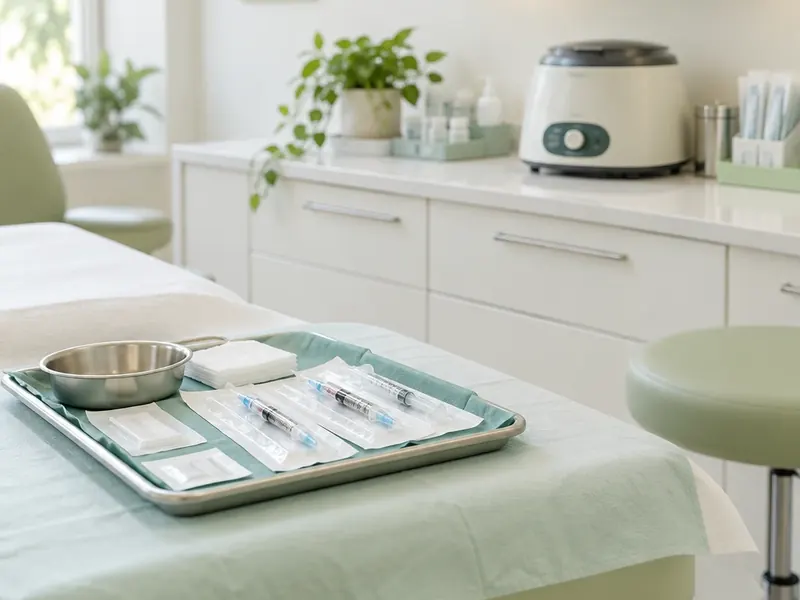
- Fat sample. Under local anaesthetic, a small portion of adipose tissue is taken through a puncture.
- Processing. The sample is spun in a centrifuge, and the cell fraction is isolated and mixed with the plasma.
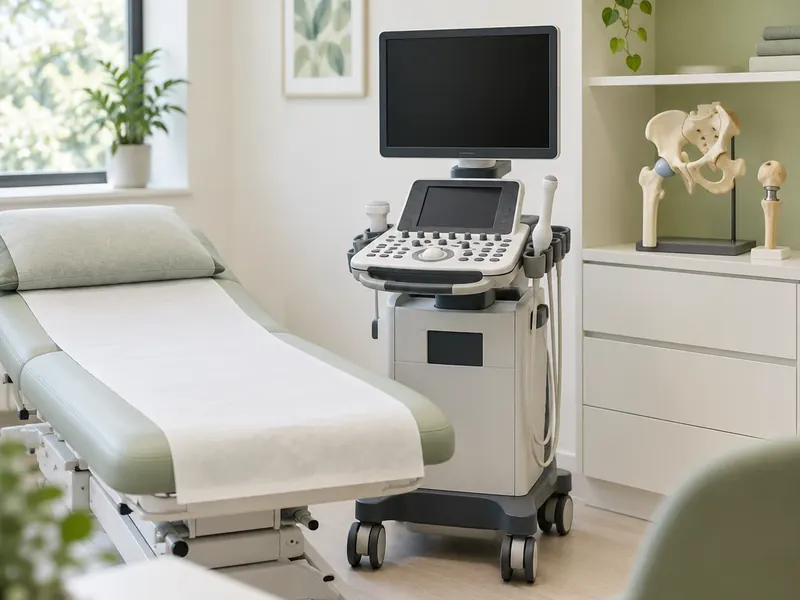
- Injection. The material is injected into the joint under ultrasound guidance, which helps place it precisely.
- Follow-up. No crutches and no hospital stay. Check-ups are usually planned after about one, three and six months.
Most people go home the same day and return to normal daily activity within a day or two. The puncture sites are covered with small dressings. In the first week the joint may ache a little more, which is an expected reaction. Pain usually eases over the first month, mobility improves over about three months, and the full effect develops over around six months. The doctor gives individual advice on exercise and load for the first weeks.
SVF vs PRP: how to choose
Both methods use only your own tissue and are injected under ultrasound guidance. The difference is in the material and in the situations where each is usually chosen.
Source
- PRP
- Your blood
- SVF with PRP
- Your adipose tissue plus plasma from your blood
Extra step
- PRP
- None, only a blood sample
- SVF with PRP
- A small fat sample under local anaesthetic
Typical use
- PRP
- Milder changes, can be a course of injections
- SVF with PRP
- More pronounced changes, when a longer effect is the goal
Time in clinic
- PRP
- Shorter
- SVF with PRP
- Still completed in one day
There is no universal winner. The choice depends on the stage of the condition, the joint, your activity level and your goals. Read more about both methods on our joint treatment page.
Contraindications and realistic expectations
SVF therapy is not suitable for everyone. The main contraindications are:
- cancer;
- pregnancy and breastfeeding;
- blood clotting disorders;
- acute infections, including infection in or near the joint;
- a flare-up of a serious chronic illness, or serious heart, kidney or liver disease.
Fever, a cold or flu and skin inflammation over the joint are temporary reasons to postpone the procedure.
It is also important to be honest about the evidence. Systematic reviews of SVF for knee osteoarthritis report improvement in pain and function in many patients with a good safety profile, but studies differ in design and size, and long-term data are still limited. How long the effect lasts depends on the stage, body weight, activity and other factors, so no one can promise a fixed result. Weight control and regular exercise remain part of any joint plan.
Getting a personal plan at City Medical Centre
City Medical Centre treats patients from abroad, and the first consultation is free and can take place online. For joints, the clinic offers two methods: SVF cell therapy from your own adipose tissue combined with plasma, and PRP from your own blood, on its own or together with SVF. Send your X-rays, MRI or reports, and a doctor will assess the stage of your condition and tell you whether either method suits you.
The price depends on the joint, the stage and the method, so it is named after this assessment and fixed in your contract. A personal coordinator supports you from your first message to the end of recovery, and you can send scans and questions via Telegram. Find out more on our joint treatment page.
Sources
Frequently asked questions
What is SVF therapy for joints?
It is an injection of a cell fraction isolated from a small sample of your own adipose tissue, combined with plasma from your blood. It is injected into the painful joint under ultrasound guidance to reduce pain and inflammation and support the remaining tissues.
Is SVF the same as stem cell therapy?
Not exactly. SVF contains regenerative cells, sometimes called stem cells, but also other cell types. It is prepared from your own tissue on the day of the procedure and is not grown or changed in a laboratory, unlike cultured stem cell products.
How long does SVF take to work?
Changes come gradually. In the first week the joint may ache a little more. Pain usually eases over the first month, mobility improves over about three months, and the full effect develops over around six months. The pace differs from person to person.
Is fat harvesting for SVF painful?
The fat sample is taken under local anaesthetic through a small puncture, so most people feel only pressure. Afterwards the area may feel tender or bruised for a few days. No stitches are needed, and a small dressing is placed over the puncture.
Who is not suitable for SVF cell therapy?
It is not done in cancer, pregnancy or breastfeeding, blood clotting disorders, acute infections, a flare-up of a serious chronic illness, or serious heart, kidney or liver disease. A cold, fever or skin inflammation over the joint means postponing the procedure.
What affects the cost of SVF treatment?
The cost depends on which joint is treated, the stage of the condition, whether SVF is combined with PRP and how many injections are needed. The doctor names the price after reviewing your scans, and it is then fixed in your contract.
Have a question about your case? Get a free consultation
Message a coordinator on Telegram: we reply right in the chat, and you can send photos and questions there too.
- The first consultation is free, online consultations are available
- The doctor names the cost after the assessment, and it is fixed in the contract
- A personal coordinator guides you from the first message to recovery
Message our coordinator on Telegram
We reply right in the chat — you can send photos
Message us on TelegramBy sending a message, you agree to the privacy policy
Read also
 Joint treatment
Avascular necrosis of the hip: what can be done in the early stages
Avascular necrosis of the hip is easiest to treat early. Learn the causes, first signs, why MRI matters, the stages and where SVF and PRP fit before surgery.
 Joint treatment
Elbow joint pain: arthritis, arthrosis and treatment without surgery
Elbow pain can come from joint wear, inflammation or overloaded tendons. Learn the causes, symptoms, diagnosis and how rehab, PRP and SVF are used without surgery.
 Liposuction
Swelling After Liposuction: How Long It Lasts and How to Reduce It
How long swelling lasts after liposuction, why the compression garment matters, what helps it go down faster and which signs mean you should call your surgeon.