


























Liposuction6 min read
Non-surgical fat reduction vs liposuction: what each can really do
Adverts for fat freezing, muscle-stimulation and other devices promise a slimmer body without surgery. Some of them do work, but within clear limits. This article compares non-surgical fat reduction with liposuction: how each works, what results are realistic, how many visits you need, the side effects, and how to decide which option fits your goals.
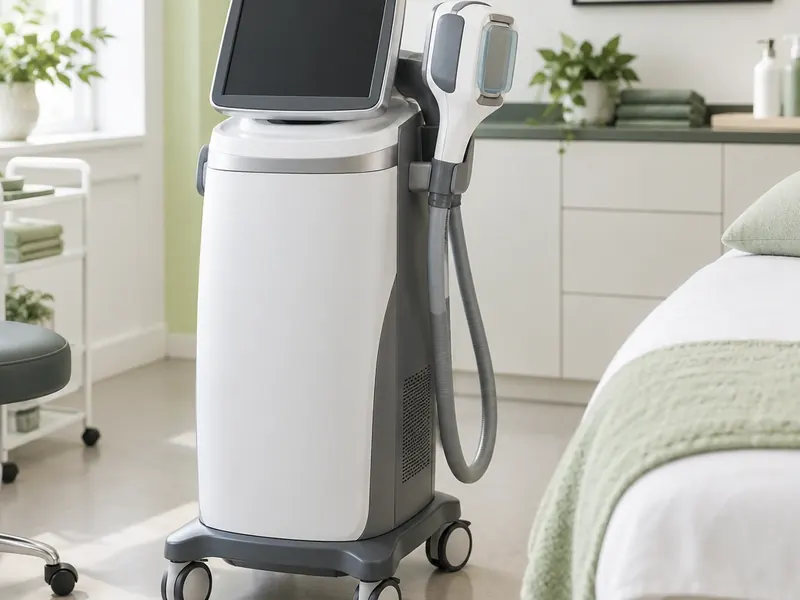
The main points in 30 seconds
- Devices reduce part of a small fat pocket gradually; liposuction removes more fat in one operation.
- Device results are modest, need several sessions and show after two to three months.
- Liposuction can treat several areas at once and shape the contour precisely.
- Neither devices nor liposuction are a way to lose weight or remove loose skin.
- Compare the full course of sessions, not the price of one visit.
Key facts about the procedure
- Operation time1–4 hours
- Back to work7–10 days
- Final result3–6 months
- Pricefrom $1,200
Non-surgical fat reduction vs liposuction in brief
Both approaches aim to reduce stubborn local fat that does not respond to diet and exercise. Neither is a way to lose weight. The main difference is the size of the change and how predictable it is.
- Devices damage part of the fat layer from outside the skin. The body clears the affected cells gradually over weeks. The change is usually modest and needs several sessions.
- Liposuction physically removes fat through a thin tube during one operation. The change is larger and the surgeon can shape the contour precisely.
How fat is reduced
- Non-surgical devices
- Cold, heat or other energy damages fat cells
- Liposuction
- Fat is removed through a cannula
Typical change
- Non-surgical devices
- Modest, a partial reduction of a small pocket
- Liposuction
- Significant, several areas at once
Number of visits
- Non-surgical devices
- Often several sessions per area
- Liposuction
- One operation
When results show
- Non-surgical devices
- Gradually, over about two to three months
- Liposuction
- Early, with the final contour at about three months
Anaesthesia
- Non-surgical devices
- None
- Liposuction
- Local or general
Downtime
- Non-surgical devices
- Little or none
- Liposuction
- Usually several days to a week or two
These are typical figures. What suits you depends on your body and goals and is decided after an examination.
How muscle-stimulation and energy devices work
Non-surgical treatments use different kinds of energy delivered through the skin:
- Cooling (cryolipolysis, or fat freezing). Fat cells are more sensitive to cold than the surrounding tissue. Controlled cooling damages some of them, and the body removes them over the following weeks.
- Heat-based devices. Radiofrequency, laser or focused ultrasound heat the fat layer to damage fat cells; some also stimulate collagen and may slightly tighten the skin.
- Muscle-stimulation devices. Electromagnetic pulses cause strong, repeated muscle contractions. Some systems combine this with heat. The main effect is on muscle tone; the effect on fat is usually smaller.
Each session typically lasts from half an hour to an hour. The treatments are usually performed in a series with gaps of a few weeks.
Realistic results from devices
Studies and professional societies describe the results of non-surgical fat reduction as noticeable but moderate. A single session usually reduces only part of the fat layer in the treated zone, so several sessions are often needed for a visible change. Results appear slowly and are best judged after two to three months.
Devices tend to work best for people close to their ideal weight who have a small, pinchable fat pocket and realistic expectations. They are much less effective for larger volumes, dense fat or several areas at once. Improvements in skin tightness, if any, are small. Results vary from person to person, and some people see little change.

What liposuction achieves in one operation
Liposuction removes fat directly, so the surgeon controls how much is taken and from where. Several areas can be treated in one session, and the transitions between them can be smoothed, which is hard to achieve with devices. The method suits the abdomen, flanks, thighs, back, arms, knees, chin and neck.
Removed fat cells do not grow back, and with a stable weight the new contour usually lasts for many years. The trade-off is that liposuction is surgery: it involves anaesthesia, small incisions, a compression garment for several weeks and a recovery period. More details are on our liposuction page.
Contraindications and side effects
Non-surgical devices
Common side effects are redness, swelling, bruising, tingling and numbness in the treated area, which usually pass within days or weeks. Rarely, fat freezing can cause the treated fat to become larger and firmer instead of smaller; this may need surgical correction. Devices are generally not used during pregnancy, over metal implants or pacemakers (for some technologies), on damaged skin or in certain cold-related conditions.
Liposuction
As with any operation, possible risks include bleeding, infection, fluid collection, blood clots, uneven contours and temporary numbness. Contraindications include pregnancy and breastfeeding, blood clotting disorders, serious heart, kidney or liver disease, uncontrolled diabetes and acute infections. The surgeon checks your health and tests before approving the operation.
Cost over time: sessions vs one operation
A single device session costs less than an operation, but the total depends on how many sessions and areas you need. A visible result on one zone often requires a series, and treating several zones multiplies it. Liposuction is a one-time cost that covers all agreed areas in a single operation.
When comparing, think about the full course rather than one visit: the number of sessions, the number of areas, the size of change you expect and the chance that you will later want surgery anyway. At a consultation the doctor can explain what result is realistic in your case.

Choosing the right option at City Medical Centre
City Medical Centre works with international patients. The first consultation is free and can be held online: send photos of the areas that bother you, tell the doctor about your weight history and health, and ask what result you can realistically expect. The doctor assesses your case and names the cost, which is then fixed in the contract.
The clinic performs tumescent liposuction and VASER (ultrasound-assisted) liposuction. Non-surgical devices are described here for general information; which approach suits you is decided at the consultation, and the doctor will tell you honestly if surgery is not needed in your case. A personal coordinator stays with you from your first message to the end of recovery, and photos and questions can be sent by Telegram. Find out more on the liposuction page.
Sources
Frequently asked questions
Is non-surgical fat reduction as effective as liposuction?
Usually not. Devices reduce only part of the fat in the treated zone, and the change is modest and gradual. Liposuction removes more fat in one operation and lets the surgeon shape the contour precisely. Devices may suit a small fat pocket in people who want to avoid surgery and accept a smaller result.
How many device sessions are needed?
It depends on the device, the area and the goal. Often several sessions per area are recommended, spaced a few weeks apart, and each treated zone needs its own course. The final effect is usually judged two to three months after the last session.
Are non-surgical results permanent?
Fat cells destroyed by a device are cleared by the body and do not come back. However, the remaining fat cells can grow if you gain weight, and results from muscle stimulation may fade without regular exercise. A stable weight is important after both devices and liposuction.
Which option is better for a small fat pocket?
For a small, soft, pinchable pocket in someone close to their ideal weight, a device can give a moderate improvement. If you want a clearly visible change, several areas treated at once or precise shaping, liposuction is usually more effective. The doctor recommends an option after examining you.
Can devices tighten loose skin?
Some heat-based devices may slightly improve skin firmness, but they cannot remove noticeably loose or hanging skin. Neither can liposuction. Significant skin laxity usually needs a surgical lift, such as a tummy tuck, which the surgeon can discuss at the consultation.
Have a question about your case? Get a free consultation
Message a coordinator on Telegram: we reply right in the chat, and you can send photos and questions there too.
- The first consultation is free, online consultations are available
- The doctor names the cost after the assessment, and it is fixed in the contract
- A personal coordinator guides you from the first message to recovery
Message our coordinator on Telegram
We reply right in the chat — you can send photos
Message us on TelegramBy sending a message, you agree to the privacy policy
Read also
 Liposuction
Preparing for liposuction: tests, medicines and the last days before surgery
A practical guide to getting ready for liposuction: which tests you need, what to stop and when, smoking and diet, and what to arrange for recovery.
 Liposuction
Swelling After Liposuction: How Long It Lasts and How to Reduce It
How long swelling lasts after liposuction, why the compression garment matters, what helps it go down faster and which signs mean you should call your surgeon.
 Rhinoplasty
Nose Anatomy and Function: What a Surgeon Must Preserve in Rhinoplasty
How the nose is built from bone, cartilage, septum and skin, what it does for breathing, filtering, smell and voice, and why rhinoplasty must keep function intact.