

























Liposuction7 min read
Preparing for liposuction: tests, medicines and the last days before surgery
Good preparation makes liposuction safer and recovery smoother. Most of it is simple: a set of tests, a few changes to medicines and habits, and some planning for the first days at home. This guide walks you through each step, from the first consultation to the evening before the operation, and explains why each one matters.
The main points in 30 seconds
- Tests usually include blood work, infection screening, an ECG and a chest X-ray.
- Medicines that affect clotting are usually stopped about two weeks before surgery.
- Stop smoking and alcohol at least a week before; quitting smoking earlier is better.
- The last meal is usually eight hours before the operation.
- Arrange loose clothing, a companion and time off before the day of surgery.
Key facts about the procedure
- Operation time1–4 hours
- Back to work7–10 days
- Final result3–6 months
- Pricefrom $1,200
Why preparation matters
Liposuction is a real operation, even when only small areas are treated. The body has to cope with anaesthesia, fluid shifts and healing wounds. Careful preparation lowers the risk of bleeding, infection and blood clots, and it helps swelling settle faster.
Preparation also protects the result. A surgeon who knows your health, your medicines and your weight history can plan the right amount of fat to remove and the right type of anaesthesia. Surprises on the day of surgery are what most often lead to a postponed operation.
Think of the process in three stages:
- two to four weeks before: consultation, tests and changes to medicines;
- the final week: no alcohol or smoking, shopping and home arrangements;
- the day before: a light meal, a shower and a calm evening.
Tests before liposuction
The aim of the tests is simple: to confirm that your body can safely handle surgery and anaesthesia. The exact list depends on your age, your health and the scope of the operation, but a typical set looks like this.
- Complete blood count
- Anaemia, signs of infection, platelet level
- Coagulation panel
- How well your blood clots
- Blood biochemistry
- Blood sugar, kidney and liver function
- Infection screening
- HIV, hepatitis B and C, syphilis
- ECG
- Heart rhythm and signs of heart strain
- Chest X-ray
- Condition of the lungs before anaesthesia
If you have a chronic condition, the surgeon may also ask for an opinion from a general physician or another specialist. Results are usually valid for a limited time, so tests are planned for the last weeks before the operation rather than months in advance.

Medical checks and hormonal screening
At the consultation the surgeon asks about past operations, allergies, reactions to anaesthesia, pregnancies, blood clots in you or your family, and how your weight has changed over the years. Be completely open: a detail that seems minor can change the plan.
Fat that keeps coming back or builds up quickly is sometimes linked to hormonal problems, for example thyroid disorders or insulin resistance. Checking hormones before surgery helps to rule out such causes. If a hormonal problem is found, treating it first usually gives a more stable long-term result than removing fat alone.
The consultation is also the moment to talk about expectations. Liposuction reshapes specific areas; it is not a way to lose weight and it does not tighten loose skin. Your surgeon will tell you honestly what can and cannot be changed in your case.
Medicines and supplements to stop
Some medicines make bleeding more likely during and after surgery. These include blood thinners, some common painkillers from the anti-inflammatory group and a number of herbal remedies and dietary supplements. Surgeons usually ask patients to stop them about two weeks before the operation.
- Bring a full list of everything you take, including vitamins, herbal products and contraceptives.
- Never stop a prescribed medicine on your own: some must not be interrupted, and the decision is made together with your doctor.
- Ask which medicine you may take for a headache or a cold in the weeks before surgery.
Hormonal contraception and hormone therapy can slightly raise the risk of blood clots. Your surgeon will tell you whether any change is needed.
Smoking, alcohol and diet before surgery
Smoking
Nicotine narrows blood vessels and slows healing. Smokers have more wound problems and a higher risk of complications from anaesthesia. The minimum is to stop at least a week before surgery, but the earlier you quit, the better, and many surgeons advise stopping several weeks in advance. This applies to e-cigarettes and nicotine patches too.
Alcohol
Alcohol affects blood clotting and fluid balance. Stop drinking at least a week before the operation and do not restart until your surgeon allows it.
Diet and weight
Liposuction works best when your weight is stable and close to your personal norm. Crash diets just before surgery are a bad idea: they weaken the body when it needs strength to heal. Eat regular balanced meals with enough protein, vegetables and water. On the day of surgery the stomach must be empty, so the last meal is usually eight hours before the operation. Your team will confirm the exact time for food and drinks.
What to bring and arrange for recovery
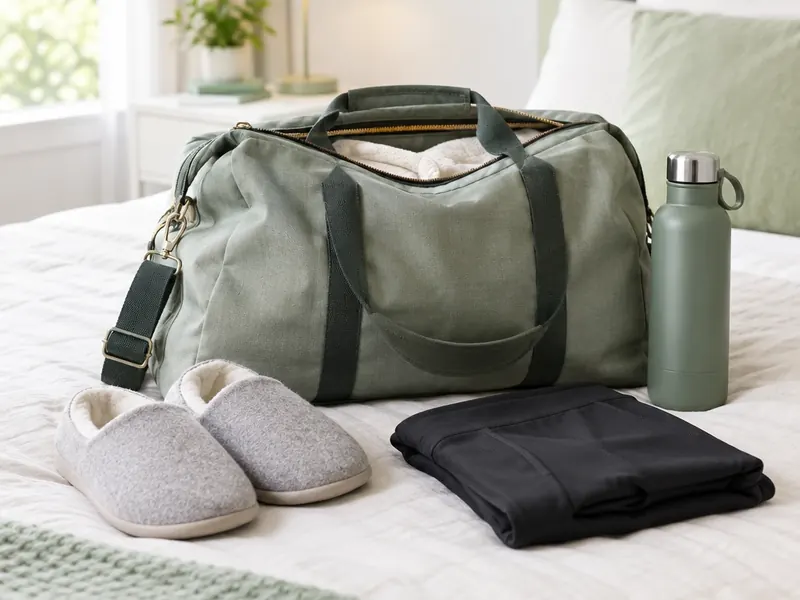
A few purchases and arrangements made in advance make the first days much easier.
- Compression garment. It is usually fitted by the clinic; ask about the size and whether a second one is useful for changing.
- Loose clothing. Soft trousers and tops that open at the front are easier to put on over the garment.
- Absorbent pads and old towels. Some fluid often leaks from the small incisions in the first day or two.
- A companion. After anaesthesia you should not drive, and it helps to have someone with you on the first night.
- Time off. Many people return to desk work within a week, but plan for more if your job is physical or several areas are treated.
If you travel for surgery, book your stay so that you can attend the early check-up before flying home. Read more about the procedure on our liposuction page.
The day before and the morning of surgery
Have a light dinner, drink water as advised and get a good night's sleep. Take a shower in the morning, but do not apply body lotion, oil or deodorant on the treatment areas. Remove nail polish, jewellery and piercings.
Before the operation the surgeon meets you, answers last questions and marks the areas with a pen while you stand. The compression garment is fitted, and the anaesthesia is chosen: local for smaller areas or general for larger or combined procedures. Tell the team if you feel unwell, have a fever or have started your period, since some of these are reasons to reschedule.
Preparing for liposuction at City Medical Centre
City Medical Centre works with international patients. The first consultation is free and can be held online: send photos of the areas you want to change, tell the doctor about your health, medicines and weight history, and ask how to prepare in your case. The doctor assesses your case and names the cost, which is then fixed in the contract.
The clinic performs tumescent liposuction and VASER (ultrasound-assisted) liposuction; the surgeon suggests the method after examining you. Before surgery a hormonal screening is ordered, and all pre-operative tests can be done at the clinic. A personal coordinator stays with you from your first message to the end of recovery, and photos and questions can be sent by Telegram. Find out more on the liposuction page.
Sources
Frequently asked questions
What tests are needed before liposuction?
A typical set includes a complete blood count, a coagulation panel, blood biochemistry, screening for HIV, hepatitis and syphilis, an ECG and a chest X-ray. People with chronic conditions may also need an opinion from a general physician. The surgeon adjusts the list to your age and health.
When should I stop smoking before liposuction?
At least a week before surgery, and ideally several weeks earlier. Nicotine narrows blood vessels and slows wound healing, so the sooner you stop, the lower the risk of complications. This also applies to e-cigarettes and nicotine products. Do not restart until your surgeon agrees.
Can I take painkillers before surgery?
Some common painkillers from the anti-inflammatory group affect blood clotting and are usually stopped about two weeks before the operation. Ask your surgeon which medicine is safe for occasional pain in that period, and never stop prescribed treatment without talking to your doctor.
Should I lose weight before liposuction?
Liposuction is not a weight-loss method and works best at a stable weight close to your norm. If you plan to lose a lot of weight, it is better to do it first and keep it stable for some time. Avoid crash diets in the weeks before surgery, as the body needs good nutrition to heal.
What should I buy before liposuction?
Loose clothing that opens at the front, absorbent pads or old towels for the first days, enough water and simple healthy food at home, and a comfortable pillow. The compression garment is usually fitted by the clinic; ask whether a second one for changing would be useful.
Have a question about your case? Get a free consultation
Message a coordinator on Telegram: we reply right in the chat, and you can send photos and questions there too.
- The first consultation is free, online consultations are available
- The doctor names the cost after the assessment, and it is fixed in the contract
- A personal coordinator guides you from the first message to recovery
Message our coordinator on Telegram
We reply right in the chat — you can send photos
Message us on TelegramBy sending a message, you agree to the privacy policy
Read also
 Liposuction
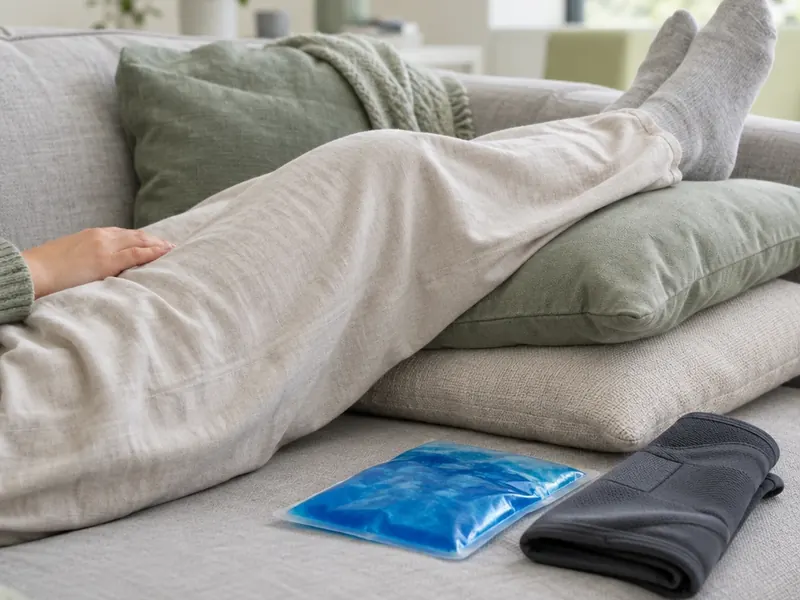
Swelling After Liposuction: How Long It Lasts and How to Reduce It
How long swelling lasts after liposuction, why the compression garment matters, what helps it go down faster and which signs mean you should call your surgeon.
 Liposuction
VASER (ultrasound) liposuction: how it works and who it suits
VASER ultrasound liposuction explained: how ultrasound loosens fat, who it suits, the procedure, contraindications, recovery and how it compares with tumescent lipo.
 Joint treatment
PRP injections for joints: preparation, the procedure and what to expect afterwards
How PRP joint injections work for the knee, shoulder, hip and ankle: preparation, the procedure step by step, recovery, timing of the effect and limits.