















Tummy tuck6 min read
Tummy tuck scar and belly button: what results to expect
The scar is the price of a flatter stomach, and it is one of the first things people ask about before a tummy tuck. The good news is that it is planned to sit low and usually fades a lot over time. This guide explains where the scar is placed, how it changes during the first year, how to care for it, what happens to the belly button and when to show the healing to your surgeon.
The main points in 30 seconds
- The tummy tuck scar is placed low so that underwear or swimwear can hide it.
- In the first three months the scar often looks redder and firmer; this is normal.
- Most scars fade and flatten over twelve to eighteen months.
- A classic tummy tuck repositions the navel; a mini tummy tuck does not.
- Sun protection, the compression binder and no smoking help the scar heal well.
Key facts about the procedure
- Operation time2–4 hours
- Back to work2–3 weeks
- Stay in clinic1–3 days
- PriceAt consultation
Where the tummy tuck scar is placed
In a classic tummy tuck the main incision runs horizontally just above the pubic area, roughly from one hip bone towards the other. Its length depends on how much loose skin has to be removed: the more excess skin, the longer the scar. Before surgery the surgeon marks the line with you standing, often while you wear your usual underwear or swimwear, so that the scar can be hidden by it.
A classic tummy tuck also leaves a small scar around the belly button. In a mini tummy tuck the incision is shorter and the navel is not moved, so there is no scar around it.
Main scar
- Classic tummy tuck
- Low, from hip to hip or shorter
- Mini tummy tuck
- Low and shorter, above the pubic area
Scar around the navel
- Classic tummy tuck
- Yes, small and round
- Mini tummy tuck
- No
Hidden by underwear
- Classic tummy tuck
- Usually, if planned in advance
- Mini tummy tuck
- Usually
If you already have a C-section scar, the surgeon often includes it in the new incision, so you end up with one scar instead of two.
How the scar changes over a year
A scar goes through several stages, and it helps to know them so that you do not worry at the wrong moment.
- First weeks. The scar is thin but pink or red, and the skin around it is swollen and may feel numb. Stitches are usually removed after about a week.
- One to three months. Many people are surprised that the scar looks more noticeable now: it may become redder, slightly raised and firm. This is the active stage of healing and is normal.
- Three to six months. The colour starts to fade and the scar becomes softer and flatter.
- Six to eighteen months. The scar matures. It usually becomes pale, flat and much less visible, although it never disappears completely.
How the final scar looks depends on your skin type, age, genetics and how much tension there was on the wound. Darker skin and a tendency to thick scars may need extra attention.

Caring for the scar
Good scar care starts on the day of surgery and continues for months. The basics are simple:
- keep the wound clean and dry, and change dressings exactly as the clinic advises;
- wear the compression binder for as long as prescribed, usually six to eight weeks, because it reduces swelling and tension on the scar;
- avoid bending backwards, heavy lifting and intense exercise for two to three months, as strain widens scars;
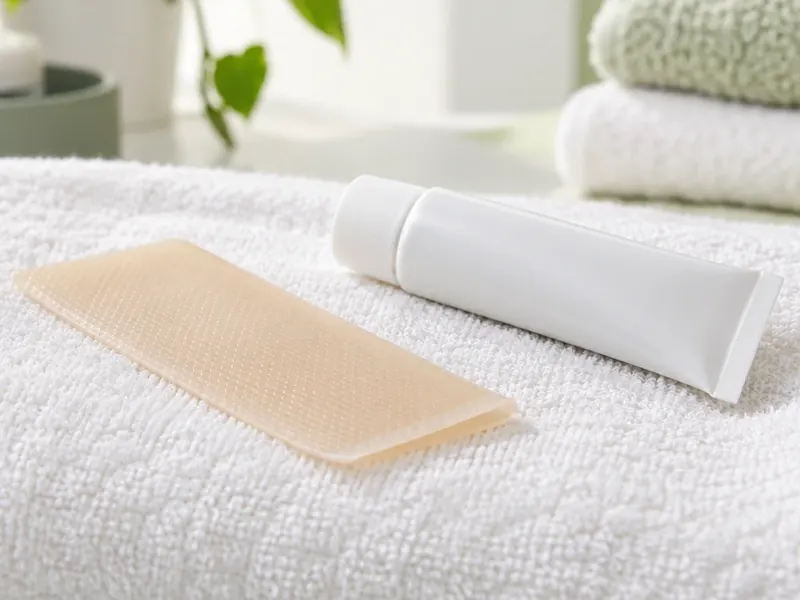
- once the wound is fully closed, your surgeon may recommend silicone sheets or gel and gentle massage;
- protect the scar from the sun for at least a year, since UV light can make it permanently darker;
- do not smoke, because nicotine worsens healing.
Do not start any creams, peels or procedures on a fresh scar without asking your surgeon first.
What happens to the belly button
In a classic tummy tuck the navel itself stays where it is, attached to the abdominal wall. It is the skin around it that moves: the surgeon pulls the upper abdominal skin down, removes the excess and then makes a new opening in the right place for the navel to come through. This is called repositioning the belly button, and it leaves a small round scar that usually lies inside the natural fold of the navel.
The aim is a natural-looking navel that is not too wide or stretched and sits in the middle of the abdomen. In a mini tummy tuck the belly button is not repositioned, so its shape changes little, although it may sit a little lower after the skin is tightened. More about the difference between the techniques is on our tummy tuck page.
Swelling and the final shape
The flatter stomach is visible straight after surgery, but it is blurred by swelling. Most of the swelling goes down within about a month, and the final contour is usually judged at around three months. Swelling above the scar and around the navel can stay a little longer, especially towards the end of the day.
It is too early to judge the scar and the navel in the first weeks. Surgeons usually assess them at follow-up visits, and any decision about revision is made only after the scar has matured, typically six to twelve months after surgery.
Signs of poor healing
Contact your surgeon if you notice:
- redness that spreads, warmth, pus or a bad smell from the wound;
- part of the scar opening, or a dark area of skin near the incision;
- a soft, sloshing swelling above the scar, which may be fluid;
- a scar that keeps getting thicker, raised and itchy after several months;
- fever or increasing pain.
Most of these problems are treated without another operation if they are caught early. A thick or wide scar, small folds at the ends of the scar or an uneven navel can often be improved later with a minor revision.

Planning discreet scars at City Medical Centre
City Medical Centre performs a classic tummy tuck and a mini tummy tuck with diastasis repair. The scar line is planned so that underwear and swimwear hide it, and in a classic tummy tuck the navel is repositioned. After surgery you wear a compression binder for about six to eight weeks, stitches are usually removed after about a week, and follow-up visits take place at about one week, three months and six months. By around twelve months the scar is usually mature and much less noticeable.
The clinic works with patients from abroad. The first consultation is free and can be held online: send photos of your abdomen, including any existing scars, and ask where your scar would be and how long it might be. The doctor assesses your case and names the price, which is then fixed in the contract. A personal coordinator stays with you from your first message to the end of recovery, and questions can be sent via Telegram. Read more on our tummy tuck page.
How recovery usually goes
- 1–3 daysHospital stay under medical supervision; drains are usually removed after two days
- 7 daysStitches removed
- 2–3 weeksOffice work resumes
- 30 daysMost swelling goes
- 1.5–2 monthsCompression binder period; swelling and tightness pass; interim result
- 6–12 monthsThe final contours and scar
Sources
Frequently asked questions
How long is a tummy tuck scar?
It depends on how much skin is removed. After a classic tummy tuck it often runs from near one hip bone towards the other, while a mini tummy tuck leaves a shorter scar. The surgeon marks the planned line before surgery and can tell you the expected length at the consultation.
Will the scar be hidden by underwear?
In most cases, yes. The scar is placed low, just above the pubic area, and the surgeon usually marks it while you wear your usual underwear or swimwear. Very high-cut styles may still show part of the scar, so it helps to bring them to the marking.
Is the belly button moved in a tummy tuck?
The navel itself stays attached to the abdominal wall. In a classic tummy tuck the skin around it is pulled down and a new opening is made so that the navel sits in the right place, leaving a small round scar. In a mini tummy tuck the navel is not repositioned.
How long does the scar take to fade?
Usually twelve to eighteen months. In the first three months it may look redder and firmer, which is a normal stage of healing. After that it gradually becomes paler, flatter and softer. Sun protection and following the surgeon's scar-care advice help it mature well.
Can a bad tummy tuck scar be revised?
Often yes. A thick or wide scar, small folds at the ends of the scar or an uneven navel can usually be improved with scar treatment or a minor revision. Surgeons typically wait six to twelve months, until the scar has matured, before deciding.
Have a question about your case? Get a free consultation
Message a coordinator on Telegram: we reply right in the chat, and you can send photos and questions there too.
- The first consultation is free, online consultations are available
- The doctor names the cost after the assessment, and it is fixed in the contract
- A personal coordinator guides you from the first message to recovery
Message our coordinator on Telegram
We reply right in the chat — you can send photos
Message us on TelegramBy sending a message, you agree to the privacy policy
Read also
 Tummy tuck
Tummy tuck risks and complications: what can go wrong and how the risk is reduced
Seroma, wound healing problems, blood clots and scar issues after a tummy tuck: how often they happen, warning signs and how surgeons lower the risk.
 Tummy tuck
Compression garment after a tummy tuck: why it matters and how long to wear it
Why a compression garment is worn after a tummy tuck, how long to wear it, how it should fit, how to care for it and when to call your surgeon.
 Tummy tuck
Tummy tuck with liposuction: when the two operations are combined
Why a tummy tuck is often combined with liposuction, what each part does, who benefits, safety limits, recovery and the results you can expect.