


















Tummy tuck7 min read
Tummy tuck risks and complications: what can go wrong and how the risk is reduced
A tummy tuck is a major operation, and like any surgery it carries risks. Most patients recover without serious problems, but it helps to know what is normal, what is a complication and which signs mean you should call your surgeon. This guide covers seroma, bleeding, wound healing, blood clots, scars and the steps that make surgery safer.
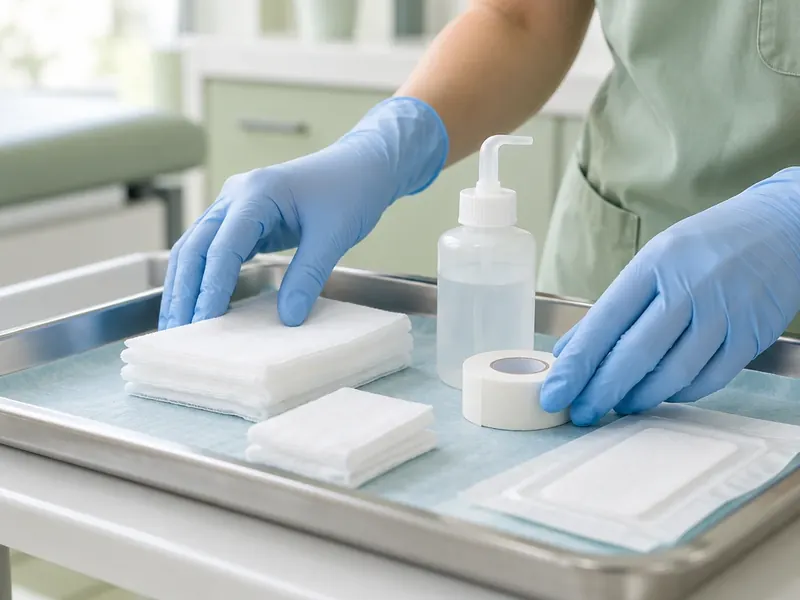
The main points in 30 seconds
- Serious complications after a tummy tuck are uncommon in healthy, well-prepared patients.
- Seroma, a fluid pocket under the skin, is one of the most common problems and is usually drained.
- Smoking sharply raises the risk of poor wound healing.
- Blood clots are rare but serious; early walking and compression help prevent them.
- Call your surgeon at once about fever, one-sided swelling, a painful calf or breathlessness.
Key facts about the procedure
- Operation time2–4 hours
- Back to work2–3 weeks
- Stay in clinic1–3 days
- PriceAt consultation
How risky is a tummy tuck?
A tummy tuck (abdominoplasty) removes excess skin and fat from the abdomen and usually repairs separated muscles. It is done under general anaesthesia and takes several hours, so it is a bigger operation than liposuction.
Serious complications are uncommon in healthy patients who prepare well. Minor problems, such as a small fluid collection or a slow-healing spot on the scar, are more frequent and are usually treated without another operation. Your personal risk depends mostly on your health, your weight, smoking and the extent of the surgery.
Normal after-effects versus complications
Some things are an expected part of healing and do not mean that something has gone wrong:
- swelling of the abdomen, which slowly settles over weeks and months;
- bruising and a feeling of tightness, especially when you stand up straight;
- numbness of the skin below the navel, which often improves over many months but may partly remain;
- pain in the first days, controlled with medicines prescribed by your doctor;
- tiredness for the first few weeks.
A complication is something beyond this normal course. The table below lists the main ones.
Seroma
- What it looks like
- Soft, sloshing swelling above the scar
- How it is usually managed
- Drainage with a needle, sometimes repeated
Haematoma
- What it looks like
- Tense, painful, bruised swelling, often early
- How it is usually managed
- Small ones settle; larger ones are drained
Wound separation
- What it looks like
- Part of the scar opens or heals slowly
- How it is usually managed
- Dressings, rarely a small revision
Infection
- What it looks like
- Redness, heat, discharge, fever
- How it is usually managed
- Antibiotics chosen by the doctor, sometimes drainage
Blood clot (DVT)
- What it looks like
- Painful, swollen calf; breathlessness is an emergency
- How it is usually managed
- Urgent medical treatment
Scar or contour issues
- What it looks like
- Thick scar, small bulges at the ends, asymmetry
- How it is usually managed
- Scar care; revision after the tissues settle
Seroma and haematoma: fluid under the skin
A seroma is a pocket of clear fluid that collects in the space where the skin was lifted from the abdominal wall. It is one of the most common problems after a tummy tuck. It usually appears in the first weeks as a soft swelling that may move like a water bag when you press it.
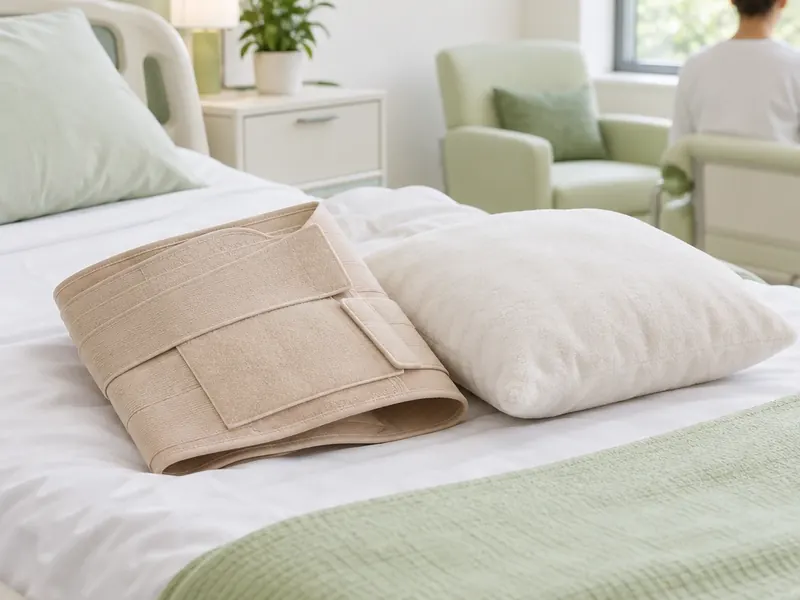
To prevent it, surgeons often place thin drains for the first days, ask you to wear a compression binder and may use internal stitches that close the space. If a seroma forms, the surgeon removes the fluid with a needle in the clinic. Sometimes this has to be repeated a few times before it stops.
A haematoma is a collection of blood. It usually shows up in the first day or two as a tense, painful and bruised area. A small one may be absorbed by the body; a larger one is drained. This is one reason why medicines and supplements that affect blood clotting are stopped before surgery, only as agreed with your doctor.
Wound healing problems and infection
After a tummy tuck the skin is pulled down and stitched under some tension. The area in the middle of the scar has the most fragile blood supply, so this is where slow healing or a small opening most often appears. Usually it closes with regular dressings over a few weeks.
In rare cases a small area of skin or fat does not survive (necrosis) and needs longer care or a minor procedure. Smoking and nicotine in any form sharply raise this risk because they narrow small blood vessels. Diabetes, a high BMI and previous abdominal scars also play a role.
Infection is uncommon. Signs are increasing redness, warmth, pus or a fever. It is treated with antibiotics chosen by your doctor and, if an abscess forms, with drainage.
Blood clots: the rare but serious risk
Any long operation followed by reduced movement raises the risk of a blood clot in the leg veins (deep vein thrombosis). If part of a clot travels to the lungs (pulmonary embolism), it is life-threatening. This is rare, but it is the main reason surgeons take prevention seriously.
Prevention usually includes compression stockings or pneumatic devices on the legs, walking within hours of surgery and, for patients at higher risk, blood-thinning injections prescribed by the doctor. Your risk is assessed before surgery: previous clots, hormonal contraception, obesity, long flights and combined procedures all count. If you fly home after surgery, ask when it is safe and how to move during the flight.
Scars, the belly button and contour
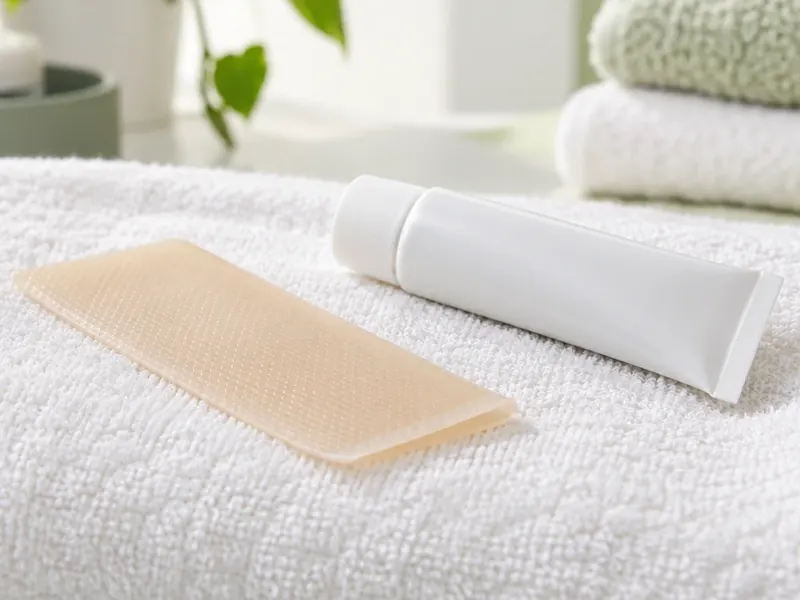
Every tummy tuck leaves a long scar low on the abdomen and, in a full tummy tuck, a scar around the navel. It is red and firm at first and usually fades and flattens over twelve to eighteen months. In some people it becomes thick or raised; silicone products, sun protection and, if needed, treatment by the doctor can help.
Other possible issues include:
- small bulges of skin at the ends of the scar, sometimes called dog ears;
- a navel that looks too wide, too narrow or slightly off-centre;
- mild asymmetry or remaining fullness in the upper abdomen or flanks;
- return of the muscle bulge if the repair stretches, for example after a later pregnancy.
Many of these can be corrected with a small revision, usually not earlier than six to twelve months after surgery, once swelling is gone. More about the operation itself is on our tummy tuck page.
Who has a higher risk and how it is lowered
The risk of complications is usually higher in people who smoke, have a high BMI, poorly controlled diabetes, heart or lung disease, a clotting disorder or previous major abdominal surgery. Combining a tummy tuck with other operations lengthens anaesthesia and can also add risk.
What lowers it:
- an honest medical history and full pre-operative tests;
- stopping smoking and nicotine well before and after surgery, as your surgeon advises;
- a stable weight before the operation;
- stopping blood-thinning medicines and supplements only on the doctor's instructions;
- early walking, a compression binder and follow-up visits after surgery.
Call your surgeon at once if you have increasing pain or swelling on one side, fever, discharge from the wound, a painful swollen calf, or sudden shortness of breath or chest pain.
Safety at City Medical Centre
City Medical Centre performs a classic tummy tuck and a mini tummy tuck with diastasis repair. Before surgery the surgeon examines you and rules out contraindications, and you have blood tests, including a coagulation panel, an ECG and a chest X-ray. The operation is done under general anaesthesia, and afterwards you stay in hospital under medical supervision for one to three days. You wear a compression binder for about six to eight weeks and see your surgeon at about one week, three months and six months.
The clinic works with patients from abroad. The first consultation is free and can be held online: send photos of your abdomen, tell us about your health and ask about your personal risks. The doctor assesses your case and names the price, which is then fixed in the contract. A personal coordinator stays with you from your first message to the end of recovery, and questions can be sent via Telegram. Read more on our tummy tuck page.
How recovery usually goes
- 1–3 daysHospital stay under medical supervision; drains are usually removed after two days
- 7 daysStitches removed
- 2–3 weeksOffice work resumes
- 30 daysMost swelling goes
- 1.5–2 monthsCompression binder period; swelling and tightness pass; interim result
- 6–12 monthsThe final contours and scar
Sources
Frequently asked questions
What is the most common complication after a tummy tuck?
A seroma, a collection of clear fluid under the skin, is one of the most frequent. It feels like a soft, sloshing swelling above the scar. The surgeon usually removes it with a needle in the clinic, sometimes several times. Drains, a compression binder and internal stitches help to prevent it.
How do I know if my wound is infected?
Warning signs are redness that spreads, warmth, increasing pain, pus or a bad smell from the wound, and a fever. Contact your surgeon promptly if you notice them. Infection is uncommon and is usually treated with antibiotics chosen by the doctor, sometimes with drainage.
Why do surgeons insist that I stop smoking?
Nicotine narrows the small blood vessels that feed the skin. After a tummy tuck the skin is stretched and its blood supply is reduced, so smokers have a much higher risk of slow healing, wound opening and loss of small areas of skin. Surgeons usually ask you to stop well before and after the operation.
Is numbness after a tummy tuck permanent?
Numbness of the skin between the navel and the scar is common because small nerves are cut during surgery. Feeling often returns gradually over many months, but some reduced sensation may remain. It is usually harmless and does not affect how the abdomen works.
Can a bad scar or belly button be corrected later?
Often yes. Thick scars, small bulges at the ends of the scar or an uneven navel can usually be improved with scar treatment or a minor revision. Surgeons typically wait six to twelve months, until swelling has gone and the scar has matured, before deciding.
Have a question about your case? Get a free consultation
Message a coordinator on Telegram: we reply right in the chat, and you can send photos and questions there too.
- The first consultation is free, online consultations are available
- The doctor names the cost after the assessment, and it is fixed in the contract
- A personal coordinator guides you from the first message to recovery
Message our coordinator on Telegram
We reply right in the chat — you can send photos
Message us on TelegramBy sending a message, you agree to the privacy policy
Read also
 Tummy tuck
Tummy tuck recovery week by week: what to expect from the first day to the final result
Tummy tuck recovery week by week: hospital stay, drains, walking upright, compression, return to work, swelling, exercise and when the final result is visible.
 Tummy tuck
Tummy tuck with liposuction: when the two operations are combined
Why a tummy tuck is often combined with liposuction, what each part does, who benefits, safety limits, recovery and the results you can expect.
 Tummy tuck
Tummy tuck scar and belly button: what results to expect
Where the tummy tuck scar sits, how it changes over a year, how to care for it, what happens to the belly button and which signs of poor healing to watch for.