




















Breast augmentation7 min read
Breast reduction surgery: who it helps and what to expect
Very large breasts can mean more than an unwanted look: back and neck pain, skin irritation and limits on sport and clothing are common. Breast reduction makes the breasts smaller, lighter and better balanced with the body. This guide explains who benefits, what the operation involves, how the scars look, what recovery is like and whether the breasts can grow back.

The main points in 30 seconds
- Breast reduction removes tissue, fat and skin to make the breasts smaller and lighter.
- It often relieves neck, shoulder and back pain linked to heavy breasts.
- The operation leaves scars around the areola and often down the breast.
- Most people return to desk work in two to three weeks.
- City Medical Centre performs breast reduction, augmentation, lift and implant removal.
Key facts about the procedure
- Operation time1.5–3 hours
- Back to work7–14 days
- Stay in clinic1 day
- Fixed price$4,700
Who benefits from breast reduction
Breast reduction, or reduction mammoplasty, removes part of the breast tissue, fat and skin to make the breasts smaller, lighter and better proportioned to the body. For many women it is less about appearance and more about comfort: large, heavy breasts can affect posture, sleep, sport and the choice of clothes every day.
A surgeon usually considers the operation for women who:
- have neck, shoulder or upper back pain linked to breast weight;
- have deep grooves from bra straps or skin irritation under the breasts;
- find it hard to exercise or to find clothes and bras that fit;
- feel self-conscious about the size of their breasts;
- have one breast noticeably larger than the other.
The best candidates are in good general health, have a stable weight and understand what the operation can and cannot change. Men with enlarged breast tissue are assessed separately, as this is a different condition.
Macromastia: symptoms beyond appearance
Macromastia is the medical term for breasts that are disproportionately large for the body. It can run in families, appear during puberty or develop after pregnancy, weight gain or hormonal changes. Whatever the cause, the extra weight is carried by the spine and shoulders every day.
Common physical complaints include:
- persistent aching in the neck, shoulders and upper back;
- headaches linked to muscle tension;
- red, sore or moist skin in the fold under the breasts, which can lead to rashes and infections;
- marks and grooves on the shoulders from bra straps;
- tingling or numbness in the arms caused by strain on the shoulders;
- difficulty breathing comfortably during exercise or lying down.
Physiotherapy, supportive bras and weight loss sometimes ease these symptoms. When they do not, reducing the size of the breasts often brings real relief. Many women report less pain and better quality of life after surgery, although results vary from person to person.
Contraindications and preparation
Breast reduction is a planned operation under general anaesthesia, so your health needs to be checked first. Surgery is usually postponed or not advised in situations such as:
- pregnancy, breastfeeding and the first months after it ends;
- uncontrolled diabetes, serious heart or lung disease;
- blood clotting disorders;
- active infections or inflammation;
- untreated breast lumps or suspected cancer;
- plans for major weight loss in the near future.
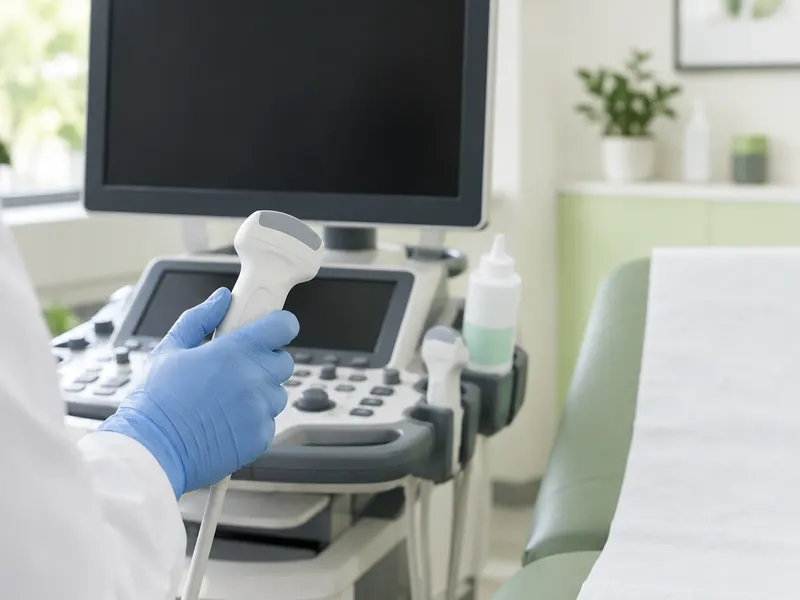
Before the operation the surgeon examines the breasts and asks for blood tests and other checks. A breast ultrasound or, depending on age, a mammogram is often requested to rule out any changes in the tissue. Smoking slows wound healing, so you will be asked to stop well before and after surgery. The surgeon will also tell you which of your regular medicines need to be paused and which hormonal contraceptives should be stopped in advance.
How breast reduction surgery is performed
The operation usually takes two to four hours. Before it begins, the surgeon marks the new breast shape and the new position of the nipple while you are standing.
- The surgeon makes incisions following the planned pattern.
- Excess glandular tissue, fat and skin are removed.
- The remaining tissue is reshaped and lifted to form a smaller, higher breast.
- The nipple and areola are moved higher, usually while still attached to their blood and nerve supply; the areola can also be made smaller.
- The incisions are closed in layers, and a support bra or dressing is applied.
In most cases the nipple stays connected to the underlying tissue. Only in very large reductions may it need to be removed and reattached as a graft, which affects sensation and breastfeeding. Your surgeon will explain which technique suits your anatomy. The details of the procedures offered are on our breast surgery page.
Scars and results
Breast reduction always leaves scars. Their pattern depends on how much tissue is removed:
Around the areola
- Where the scar is
- Around the edge of the areola
- Usually used for
- Small reductions
Vertical (“lollipop”)
- Where the scar is
- Around the areola and down to the breast fold
- Usually used for
- Moderate reductions
Inverted T (“anchor”)
- Where the scar is
- Around the areola, down the breast and along the fold
- Usually used for
- Large reductions and marked sagging
Scars are red and raised at first and usually fade over twelve to eighteen months, becoming paler and flatter. Most can be hidden under a bra or swimsuit. The shape of the breasts is visible soon after surgery, but it keeps settling for several months as swelling goes down. The result is long-lasting, but ageing, pregnancy and weight changes will still affect the breasts over time.
Recovery: what to expect
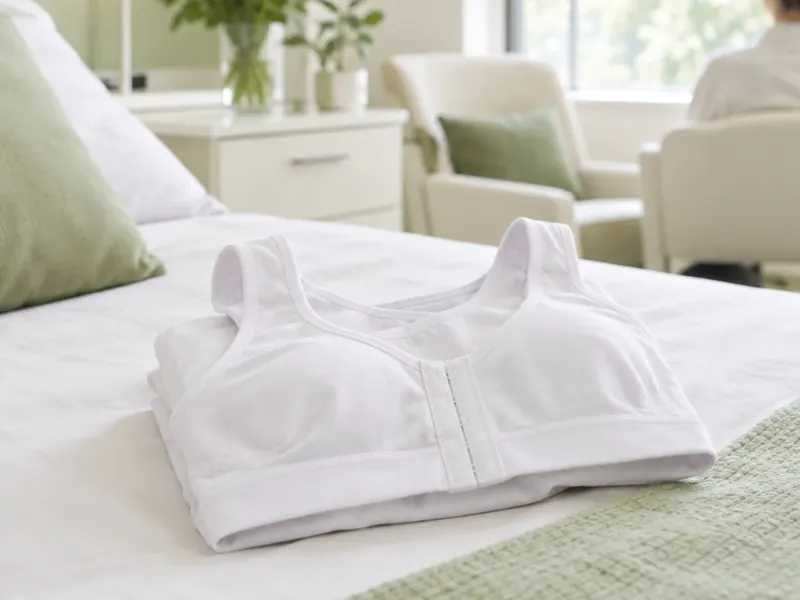
Most people spend one night in the clinic after surgery. The first days bring swelling, tightness and some discomfort, which are controlled with prescribed pain relief.
- Days 1–7
- Rest, first dressing check, compression bra worn day and night
- Weeks 2–3
- Most visible swelling goes down; light desk work is often possible
- Weeks 4–6
- Compression garment usually still recommended; gradual return to normal activity
- Months 2–3
- Heavier lifting and sport as the surgeon allows; saunas and hot baths are usually avoided until then
- Months 6–12
- Final shape settles and scars continue to fade
For the first weeks you should avoid raising your arms high above your shoulders and lifting heavy objects. Contact the clinic promptly if you notice fever, increasing pain, sudden swelling of one breast or discharge from the wounds. Possible complications include bleeding, infection, delayed wound healing, changes in nipple sensation and some asymmetry.
Can breasts grow back after reduction?
The tissue that has been removed does not grow back. However, the remaining breast tissue can still change. Weight gain, pregnancy and hormonal shifts, including those around menopause or with some medicines, may make the breasts larger again.
That is why surgeons usually recommend having the operation once your weight is stable and, ideally, when you have finished having children. Keeping a stable weight afterwards is the best way to preserve the result. If the breasts do change significantly years later, a secondary correction can be discussed with a surgeon.

Breast reduction at City Medical Centre
City Medical Centre works with international patients. The clinic performs breast reduction, as well as breast augmentation with implants, breast lift with or without implants and implant removal. The first consultation is free and can be held online: send photos by Telegram and describe your symptoms, and the surgeon will assess your case and suggest a suitable plan.
The doctor names the cost after the assessment, and it is fixed in the contract. A personal coordinator supports you from your first message to the end of recovery, and follow-up check-ups with the plastic surgeon continue after the operation. Learn more on the breast surgery page.
How recovery usually goes
- 7–14 daysReturn to work without physical exertion
- 3 weeksPost-op swelling disappears; scars form; no lifting over 3 kg, no raising arms above shoulder level
- 1 monthThe swelling subsides and the breasts take on a natural shape and softness
- 4–6 weeksFitness, swimming, pool and sea; compression garments worn for 4–6 weeks
- 3 monthsDiscomfort disappears; inflammatory changes resolve and a pocket forms around the implant; strength training
Sources
Frequently asked questions
Does breast reduction relieve back pain?
For many women it does. When neck, shoulder and upper back pain is linked to heavy breasts, reducing their weight often eases the strain on the spine and shoulders. The effect varies, and pain with other causes may remain, so the surgeon assesses your symptoms before recommending surgery.
Will I lose nipple sensation after reduction?
Changes in nipple sensation are common in the first months, with some areas feeling numb or more sensitive. In most cases sensation gradually improves, but in some women it stays reduced permanently. The risk is higher with very large reductions, and your surgeon will explain it for your case.
Can I breastfeed after breast reduction?
It is sometimes possible, but not guaranteed, because some milk ducts and glandular tissue are removed or divided during surgery. The risk of reduced milk supply is higher than after augmentation. If you plan to breastfeed in the future, discuss the timing of surgery with your surgeon in advance.
How long is breast reduction recovery?
Most people return to light desk work in about two to three weeks. A compression bra is usually worn for four to six weeks, and heavy lifting and sport are introduced gradually over two to three months. The final shape settles over several months, and scars keep fading for about a year.
Can breasts grow again after reduction?
The removed tissue does not come back, but the remaining tissue can enlarge with weight gain, pregnancy or hormonal changes. Keeping a stable weight helps preserve the result. That is why surgeons often advise having the operation once your weight is stable and your family plans are complete.
Have a question about your case? Get a free consultation
Message a coordinator on Telegram: we reply right in the chat, and you can send photos and questions there too.
- The first consultation is free, online consultations are available
- The doctor names the cost after the assessment, and it is fixed in the contract
- A personal coordinator guides you from the first message to recovery
Message our coordinator on Telegram
We reply right in the chat — you can send photos
Message us on TelegramBy sending a message, you agree to the privacy policy
Read also
 Breast augmentation
Breast ultrasound before and after augmentation: why it matters and how often to scan
Why a breast scan comes before implant surgery, what ultrasound checks afterwards, how often to scan implants, and how mammography and MRI work with implants.
 Breast augmentation
Can you breastfeed after breast augmentation? What really matters
Breastfeeding after breast augmentation: how incision and implant placement affect milk supply, lift and reduction, nipple sensation and timing with pregnancy.
 Breast augmentation
Breast surgery after pregnancy and breastfeeding: when to have it and which option to choose
Breast surgery after pregnancy and breastfeeding: how the breasts change, lift or implants, when to operate, contraindications, recovery and cost factors.