
























Breast augmentation7 min read
Breast augmentation FAQ: honest answers to the questions patients ask most
Most people considering breast augmentation arrive with the same handful of questions: am I a suitable candidate, how is the size chosen, where will the scars be, can I breastfeed later and how soon can I get back to work? This guide answers them in plain language, explains what usually happens in the months and years after surgery and shows how to prepare for your consultation.

The main points in 30 seconds
- Suitable candidates are healthy adults with a stable weight; the plan is set after an examination.
- Implant size is chosen from measurements of the chest and tissue, not from cup size.
- Every augmentation leaves scars; they usually fade over 6 to 12 months.
- Desk work is usually possible after 7 to 14 days, strength training after about 3 months.
- Implants need long-term follow-up; they are not lifetime devices.
Key facts about the procedure
- Operation time1.5–3 hours
- Back to work7–14 days
- Stay in clinic1 day
- Fixed price$4,700
Who can have breast augmentation
Breast augmentation is an elective operation, so the first question is not only whether you want it but whether your body and your timing are right for it. Surgeons generally look for adults in good general health, with a stable weight and realistic expectations about the result.
Common reasons to consider augmentation include:
- breasts that have always felt small in proportion to the body;
- loss of volume after pregnancy, breastfeeding or weight loss;
- a noticeable difference in size between the two breasts;
- a wish to restore the shape of the breast after earlier surgery or injury.
Some situations call for a delay or a different plan: pregnancy and breastfeeding, a chronic illness that is not under control, an active infection, a breast lump that has not been investigated and heavy smoking, which slows wound healing. The minimum age for implants is set by regulators and differs between countries, and many surgeons prefer to wait until breast development is complete.
If the breasts sag significantly, implants alone may not give the shape you expect. In that case a lift, with or without implants, is often discussed. The plan is always decided after an examination rather than from photos alone.
How implant size and shape are chosen
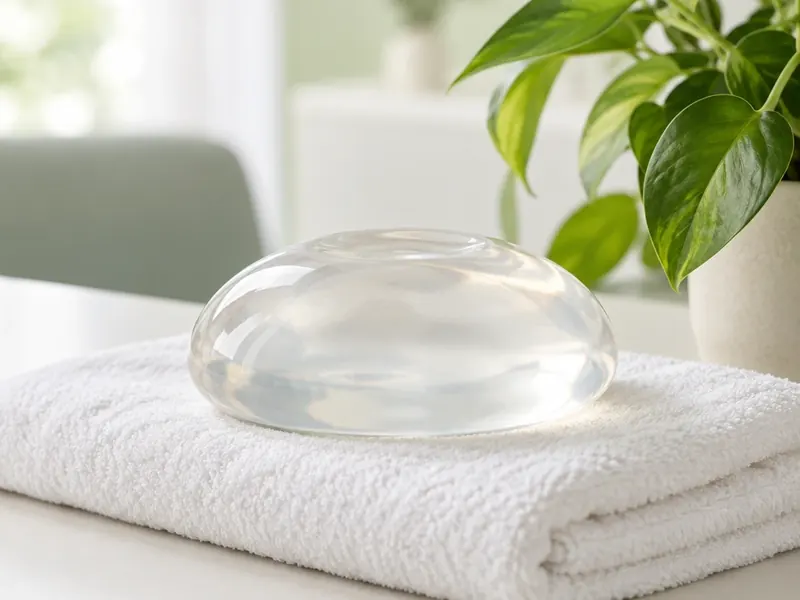
There is no single best implant. The surgeon combines several parameters to suit your chest and breast tissue: shape (round or anatomical), filler (silicone gel or saline), surface, profile and volume in millilitres. Silicone gel is the most common filler today because it usually feels closer to natural tissue.
Measurements matter more than cup sizes. The surgeon assesses the width of your breast base, the distance between the breasts, skin elasticity and the thickness of the tissue that will cover the implant. An implant that is too wide or too heavy for your tissue can show its edges and stretch the skin over the years.
Bring photos of results you like and dislike, and think about your lifestyle, sport and the clothes you wear. Many clinics offer sizers or result modelling so you can compare several volumes before deciding. At a consultation for breast augmentation at City Medical Centre, the size, shape and profile of the implants are chosen together with the surgeon.
Incisions and scars: what to expect
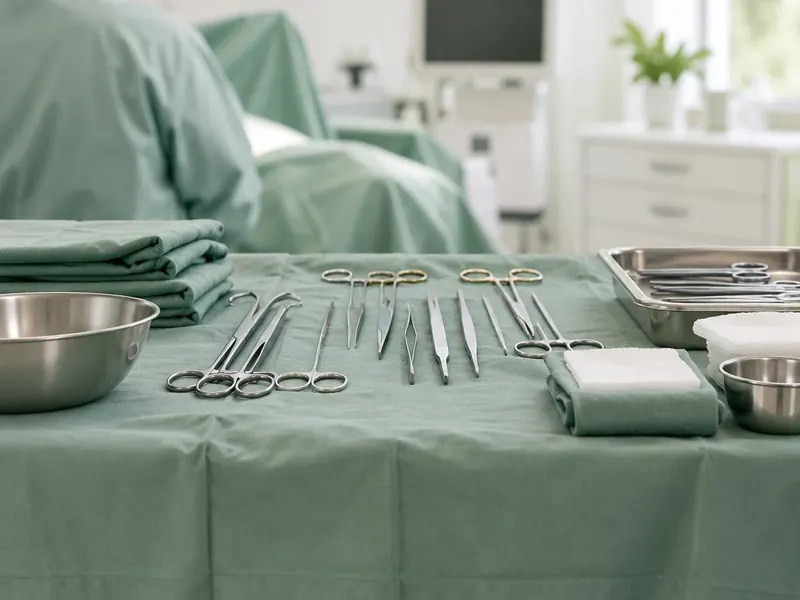
Every breast augmentation leaves scars. What you can influence is where they sit and how well they heal. The incision is chosen according to your anatomy, the implant and the planned pocket.
Under the breast fold
- Where the scar sits
- In or near the natural crease
- Points to consider
- The most common access; gives the surgeon good control
Around the areola
- Where the scar sits
- Along the lower edge of the areola
- Points to consider
- The scar follows the colour change; ducts and sensation may be affected more
In the armpit
- Where the scar sits
- In a skin fold of the armpit
- Points to consider
- No scar on the breast itself; not suitable for every implant
Scars usually look pink or red for the first months and then gradually flatten and fade, often over 6 to 12 months or longer. How they mature depends on your skin, your genes and your aftercare: avoiding tension on the wound, protecting the scars from the sun and not smoking all help.
Pregnancy and breastfeeding with implants
Having breast augmentation before children is possible. Pregnancy and breastfeeding do not usually damage an implant, but they change the breast tissue around it. Afterwards the breasts may be softer, larger or looser, and some women later choose a lift or an implant change.
Many women with implants breastfeed successfully. The chances are generally better when the incision is made under the breast fold or in the armpit and the gland and ducts are left undisturbed. Incisions around the areola, a lift and especially a reduction carry a greater risk to milk supply, because ducts or nerves may be cut.
If you plan a pregnancy soon, it is often sensible to wait. After childbirth, surgeons usually advise waiting at least 6 to 12 months and until breastfeeding has finished, so that the breasts can settle.
Recovery and return to normal life
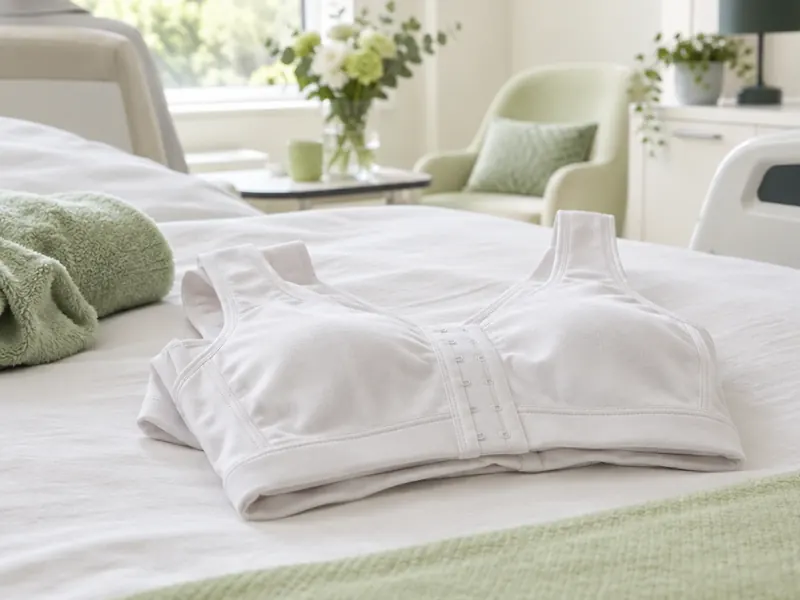
Augmentation is performed under general anaesthesia and usually takes one and a half to three hours. Most people spend a night in hospital and then wear a compression bra for several weeks. The first days bring tightness, swelling and moderate discomfort, which is usually controlled with painkillers prescribed by the doctor.
- First days
- Rest and short walks; no lifting and no raising the arms above the shoulders
- 1–2 weeks
- Desk work and everyday tasks without strain, longer walks
- 3 weeks
- Most swelling has settled; arm movements are gradually widened
- 4–6 weeks
- Light fitness and swimming if the surgeon agrees; the compression bra is often stopped
- 3 months
- Strength training, saunas and hot baths once the surgeon confirms healing
These are typical time frames, not rules for everyone. Physical work, heavy lifting and upper-body exercise take longer. Your surgeon adjusts the plan at follow-up visits. Contact the clinic promptly if one breast becomes much more swollen, hot or painful, or if you develop a fever.
Long-term care of implants
Breast implants are not lifetime devices. Many last well over a decade, but regulators point out that the longer you have them, the more likely it is that another operation will be needed at some point, for example because of rupture, capsular contracture or changes in the breast.
- Attend follow-up visits and report any change in shape, firmness, pain or swelling.
- Silicone implants can rupture without symptoms, so imaging such as ultrasound or MRI is used to check them at intervals your doctor recommends.
- Continue routine breast screening and always tell the radiographer about your implants.
- Wear a supportive bra and try to keep your weight stable to help the result last.
Regulators also describe rare conditions linked to implants, such as BIA-ALCL, a lymphoma associated mainly with textured implants, and a group of symptoms reported as breast implant illness. A good surgeon explains these risks openly before surgery.
Next steps at City Medical Centre
City Medical Centre welcomes international patients and offers a free first consultation, which can be held online. You can send photos and questions via Telegram, and a personal coordinator stays with you from the first message to the end of recovery. The surgeon examines you, discusses your goals and helps you plan the operation. The price is set after this assessment and fixed in your contract.
The clinic performs breast augmentation with implants, breast lift with or without implants, breast reduction, implant removal and breast reconstruction after surgery or injury. City Medical Centre does not perform breast augmentation with your own fat (fat transfer); other options are discussed at the consultation. To find out which approach suits you, book a consultation about breast surgery.
How recovery usually goes
- 7–14 daysReturn to work without physical exertion
- 3 weeksPost-op swelling disappears; scars form; no lifting over 3 kg, no raising arms above shoulder level
- 1 monthThe swelling subsides and the breasts take on a natural shape and softness
- 4–6 weeksFitness, swimming, pool and sea; compression garments worn for 4–6 weeks
- 3 monthsDiscomfort disappears; inflammatory changes resolve and a pocket forms around the implant; strength training
Sources
Frequently asked questions
Can I have breast augmentation before having children?
Yes, it is possible. Pregnancy and breastfeeding do not usually harm the implant, but they can change the volume and firmness of the breast tissue around it, so the shape may alter. Some women later choose a lift or an implant change. If you plan a pregnancy in the near future, many surgeons suggest waiting.
Will the scars be visible?
Every augmentation leaves scars, but they are placed where they are least noticeable: in the breast fold, at the edge of the areola or in the armpit. They are usually red at first and fade gradually over 6 to 12 months or longer. The final appearance depends on your skin and your aftercare.
How do I choose the right implant size?
The surgeon measures your breast base, the distance between the breasts, skin stretch and tissue thickness, then suggests a range of volumes that fit your body. Your wishes, photos you like and your lifestyle are taken into account. Trying sizers or modelling the result helps you compare options before the final decision.
How soon can I return to work?
Most people return to desk work after 7 to 14 days. Jobs that involve lifting, carrying or a lot of arm movement usually need longer. Avoid raising your arms above shoulder level for about three weeks and avoid heavy lifting until your surgeon allows it. The exact timing depends on how you heal.
Do implants need regular check-ups?
Yes. Follow-up visits with your surgeon are recommended after surgery, and monitoring continues for as long as you have implants. Silicone implants can rupture silently, so imaging may be advised at intervals set by your doctor. Report any change in shape, firmness or pain promptly.
Does breast augmentation hurt?
The operation is performed under general anaesthesia, so you feel nothing during it. Afterwards, tightness and moderate pain are common for the first few days and are usually eased by painkillers prescribed by the doctor. Discomfort typically lessens markedly within one to two weeks. Tell your doctor if pain is severe or getting worse.
Have a question about your case? Get a free consultation
Message a coordinator on Telegram: we reply right in the chat, and you can send photos and questions there too.
- The first consultation is free, online consultations are available
- The doctor names the cost after the assessment, and it is fixed in the contract
- A personal coordinator guides you from the first message to recovery
Message our coordinator on Telegram
We reply right in the chat — you can send photos
Message us on TelegramBy sending a message, you agree to the privacy policy
Read also
 Breast augmentation
Breast augmentation recovery week by week: what to expect
Breast augmentation recovery week by week: the first day, weeks 1–6, compression bra, sleep, work, exercise, flying home and when implants drop.
 Breast augmentation
Breast augmentation scars: incision options and how scars fade
Where breast augmentation scars are placed, how each incision compares, what affects scar quality, how scars mature over a year and how to care for them.
 Breast augmentation
Breast augmentation myths vs facts: seven beliefs checked honestly
Breastfeeding, implant replacement, rupture, cancer, sport, sauna, size, scars and sensation: common breast augmentation myths checked against the facts.