














Breast augmentation6 min read
Breast augmentation myths vs facts: seven beliefs checked honestly
Few operations attract as many rumours as breast augmentation. Some myths frighten people away from a procedure that could suit them, while others make it sound simpler than it is. Below we look at seven common beliefs, from breastfeeding and implant replacement to cancer, sport and scars, and explain what is known today and what depends on your own body.
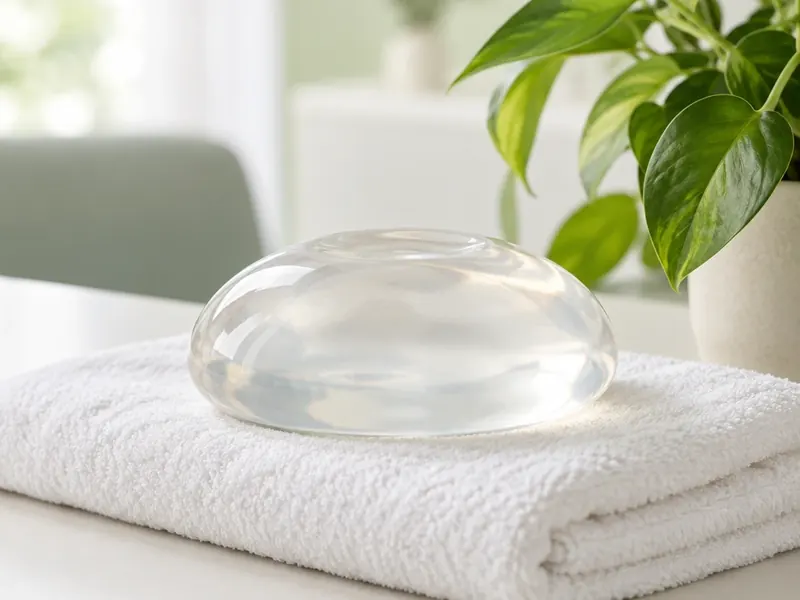
The main points in 30 seconds
- Many women breastfeed after augmentation; mention future pregnancy at the consultation.
- Implants have no expiry date, but they are not lifetime devices and are checked over the years.
- Implants do not cause ordinary breast cancer; BIA-ALCL is a rare lymphoma to know about.
- Sport and sauna are paused for weeks, not for life.
- Implant size is limited by chest width, tissue and skin, not only by wishes.
Key facts about the procedure
- Operation time1.5–3 hours
- Back to work7–14 days
- Stay in clinic1 day
- Fixed price$4,700
Myth: you cannot breastfeed after augmentation
Many people with breast implants breastfeed successfully. Implants are placed behind the breast gland or behind the chest muscle, so the milk-producing tissue and the milk ducts usually stay intact.
Some factors can make feeding harder, and it is worth knowing them in advance:
- an incision around the areola may affect some ducts or nerves near the nipple;
- very little glandular tissue before surgery can limit milk supply, with or without implants;
- a breast lift or reduction changes the tissue more than augmentation alone.
If you plan to have children, tell the surgeon at the consultation. The incision and placement can be chosen with future breastfeeding in mind.
Myth: implants must be replaced every few years
There is no fixed date when implants expire. Modern implants often stay in place for many years, and many patients never need a change in the first decade. What is true is that implants are not lifetime devices: the longer you have them, the more likely a further operation becomes.
- No symptoms, normal check-ups
- Implants stay; regular monitoring continues
- Hardening or change in shape
- The surgeon assesses capsular contracture and discusses options
- Suspected rupture
- Imaging confirms it; the implant is usually replaced or removed
- Wish for a different size or shape
- A planned revision operation
Replacement is decided by the condition of the implant and your wishes, not by the calendar.
Myth: implants burst easily
Modern implants have strong, multi-layer shells and are designed to withstand everyday pressure, hugs, sport and air travel. Everyday life does not make them pop.
Over time, however, a shell can weaken and tear. With saline implants the breast loses volume quickly, so the change is easy to notice. A tear in a silicone gel implant is often silent: the gel usually stays inside the scar capsule, and you may feel nothing. That is why regulators advise people with silicone implants to have periodic imaging, such as ultrasound or MRI, even without symptoms.
A ruptured implant is not an emergency, but it should be assessed by a surgeon and, in most cases, replaced or removed.
Myth: augmentation increases breast cancer risk
Current evidence does not show that breast implants cause ordinary breast cancer. Implants also do not prevent breast screening: mammography and ultrasound remain possible, although the radiographer should know about the implants and may take extra views.
There is one real, but rare, condition to know about. BIA-ALCL is a type of lymphoma, a cancer of the immune system, that can develop in the scar tissue around an implant. It has been linked mainly to textured implants and usually appears years after surgery as swelling or a fluid collection around the implant. Regulators do not recommend removing implants without symptoms, but any new swelling, lump or pain should be checked by a doctor.
Myth: sport and sauna are banned for life
The restrictions after augmentation are temporary. In the first weeks, heavy lifting, intense upper-body exercise and high temperatures are avoided because they can increase swelling and strain the healing tissue.
- Walking is usually encouraged from the first days.
- Light activity often returns after a few weeks.
- Running, chest exercises and swimming usually return after about six weeks, once the surgeon agrees.
- Sauna and hot baths are normally postponed until the wounds have fully healed and swelling has settled.
After full recovery, most people return to their usual sport and lifestyle. A supportive sports bra is recommended for high-impact training.
Myth: any size is possible
The size of an implant is limited by your anatomy, not only by your wishes. The width of the chest, the amount of breast tissue and the stretch of the skin decide how large an implant can be while still looking natural and staying well covered.
An implant that is too large for the tissue can lead to visible edges, rippling, thinning of the skin and faster sagging. That is why surgeons measure the breast before recommending a volume and often suggest trying sizers. You can read how implant size is chosen together with the surgeon on the breast augmentation page.
Myth: scars and loss of sensation are inevitable
Every operation leaves a scar, but it is usually short and placed where it is least visible, most often in the fold under the breast. In most people it becomes pale and flat over the first year, although the result depends on skin type and healing.
Changes in sensation are common in the first weeks: the nipple or parts of the breast may feel numb or, on the contrary, oversensitive. For most patients this improves gradually over several months. Permanent change in nipple sensation is possible but affects a minority, and the surgeon explains this risk before surgery.
Real answers at City Medical Centre
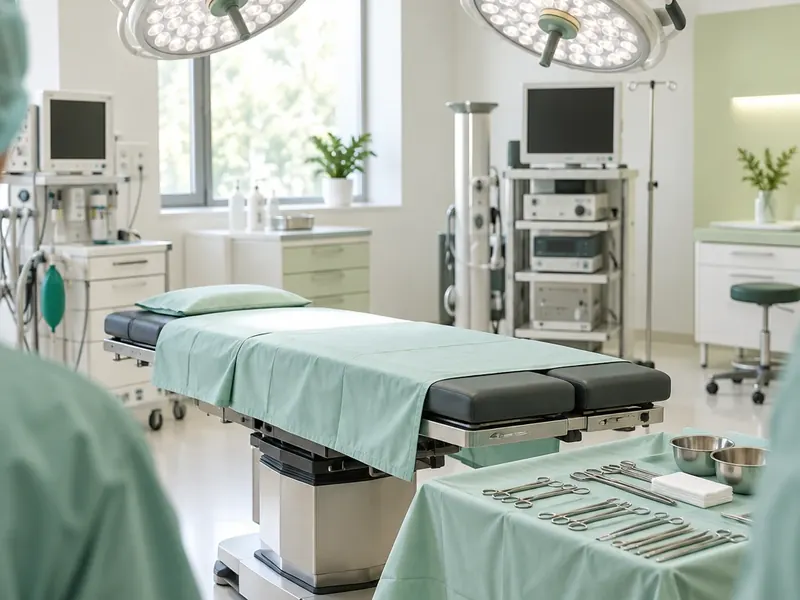
City Medical Centre performs breast augmentation with implants, breast lift with or without implants, breast reduction, implant removal and breast reconstruction. At the consultation the surgeon examines your breasts, discusses implant shape, size and profile and answers the questions that worry you, including breastfeeding, sport and future check-ups.
The clinic works with international patients. The first consultation is free and can take place online: you can send photos and questions on Telegram. The price is given after the surgeon's assessment and is fixed in the contract, and a personal coordinator supports you from the first message to the end of recovery. Book your consultation on the breast surgery page.
How recovery usually goes
- 7–14 daysReturn to work without physical exertion
- 3 weeksPost-op swelling disappears; scars form; no lifting over 3 kg, no raising arms above shoulder level
- 1 monthThe swelling subsides and the breasts take on a natural shape and softness
- 4–6 weeksFitness, swimming, pool and sea; compression garments worn for 4–6 weeks
- 3 monthsDiscomfort disappears; inflammatory changes resolve and a pocket forms around the implant; strength training
Sources
Frequently asked questions
Do breast implants cause cancer?
Current evidence does not show that implants cause ordinary breast cancer, and screening remains possible. A rare lymphoma called BIA-ALCL can develop in the scar tissue around implants, mainly textured ones. Regulators do not advise removing implants without symptoms, but new swelling or a lump should be checked.
Can I go to the sauna with implants?
Yes, once you have fully recovered. In the first weeks heat is avoided because it can increase swelling and slow healing. Most surgeons allow sauna and hot baths after the wounds have healed and swelling has settled, which usually takes several weeks. Ask your surgeon at the check-up.
Will my breasts lose sensation after surgery?
Temporary numbness or oversensitivity of the nipple and breast skin is common after augmentation. In most patients sensation gradually improves over several months. A lasting change in nipple sensation is possible in a minority of cases, and the surgeon explains this before surgery.
Can I choose any implant size I want?
Your wishes matter, but the safe range of sizes is set by your chest width, breast tissue and skin. An implant that is too large may show its edges, stretch the skin and sag sooner. The surgeon measures your breasts and suggests volumes that suit your body.
Do implants restrict physical activity?
Only temporarily. Heavy lifting and intense upper-body exercise are avoided for about six weeks, while walking is encouraged early. After full recovery most people return to their usual sport, including running, swimming and gym training, ideally with a supportive sports bra.
Have a question about your case? Get a free consultation
Message a coordinator on Telegram: we reply right in the chat, and you can send photos and questions there too.
- The first consultation is free, online consultations are available
- The doctor names the cost after the assessment, and it is fixed in the contract
- A personal coordinator guides you from the first message to recovery
Message our coordinator on Telegram
We reply right in the chat — you can send photos
Message us on TelegramBy sending a message, you agree to the privacy policy
Read also
 Breast augmentation
Can you breastfeed after breast augmentation? What really matters
Breastfeeding after breast augmentation: how incision and implant placement affect milk supply, lift and reduction, nipple sensation and timing with pregnancy.
 Breast augmentation
How long do breast implants last and when do they need replacing?
Breast implants are not lifetime devices. How long they usually last, whether they must be replaced at 10 years, warning signs and regular check-ups.
 Breast augmentation
Breast augmentation recovery week by week: what to expect
Breast augmentation recovery week by week: the first day, weeks 1–6, compression bra, sleep, work, exercise, flying home and when implants drop.