























Bariatric surgery5 min read
Bariatric surgery FAQ: what patients most often ask before weight-loss surgery
Deciding on weight-loss surgery raises many questions: am I heavy enough, am I too old, which operation is right, and what will life look like afterwards? This guide collects the questions people ask most often at the first consultation and answers them clearly, based on general medical knowledge. Your own situation is always assessed by a surgeon after an examination.

The main points in 30 seconds
- Surgery is usually considered at a BMI of 40, or 35 with weight-related diseases.
- There is no strict upper age limit; overall health matters more than age.
- The choice between sleeve, bypass and SADI-S depends on BMI, diabetes and reflux.
- Non-surgical options exist, but surgery usually gives the most lasting result.
- After surgery, small protein-first meals, supplements and check-ups are essential.
Key facts about the procedure
- Back to work2–4 weeks
- Stay in clinic1–5 days
- Final result18–24 months
- Price
$4,800from $3,600
Which types of obesity surgery treats
Bariatric surgery treats obesity as a chronic disease, not as a cosmetic problem. It is intended for people whose excess weight is severe or harms their health and who have not achieved lasting results with diet, exercise and medical treatment.
Surgery is particularly useful when obesity comes with related conditions: type 2 diabetes, high blood pressure, sleep apnoea, fatty liver, joint pain or fertility problems. In many patients these conditions improve significantly after weight loss. Obesity caused by a hormonal disease, such as some thyroid or adrenal disorders, is first investigated and treated by an endocrinologist.
When it is time to consider surgery
Doctors usually consider bariatric surgery when:
- your BMI is 40 or more;
- your BMI is 35 or more and you have a weight-related condition such as type 2 diabetes or high blood pressure;
- in some cases, a lower BMI with poorly controlled type 2 diabetes, after careful assessment;
- several serious attempts to lose weight without surgery have not given a lasting result.
BMI is only a starting point. The surgeon also looks at your overall health, eating habits, motivation and ability to follow the long-term plan. More about the criteria is on our bariatric surgery page.
Age and other limits
Most operations are performed in adults. There is no strict upper age limit: in older people the decision depends on biological rather than calendar age, heart and lung health and the expected benefit. Adolescents are considered only in specialised programmes and in exceptional cases.
Surgery is usually not done during pregnancy or breastfeeding, with active untreated alcohol or drug dependence, with severe untreated psychiatric illness, or with some serious heart, lung or liver diseases. Acute infections and flare-ups of chronic disease are temporary reasons to postpone. A full set of tests, including gastroscopy, helps identify any obstacles before the operation.
Choosing between operations
There is no single best operation. The choice depends on your BMI, related conditions, reflux, eating habits and previous surgery.
Sleeve gastrectomy
- How it works
- Most of the stomach is removed, leaving a narrow tube
- Often considered for
- Many patients without significant reflux
Roux-en-Y gastric bypass
- How it works
- Small pouch plus rerouted intestine
- Often considered for
- Type 2 diabetes, reflux, higher BMI
One-anastomosis gastric bypass
- How it works
- Small pouch joined to the intestine with one connection
- Often considered for
- Similar indications, shorter operation
SADI-S
- How it works
- Sleeve combined with a longer intestinal bypass
- Often considered for
- Very high BMI, severe diabetes, second stage after a sleeve
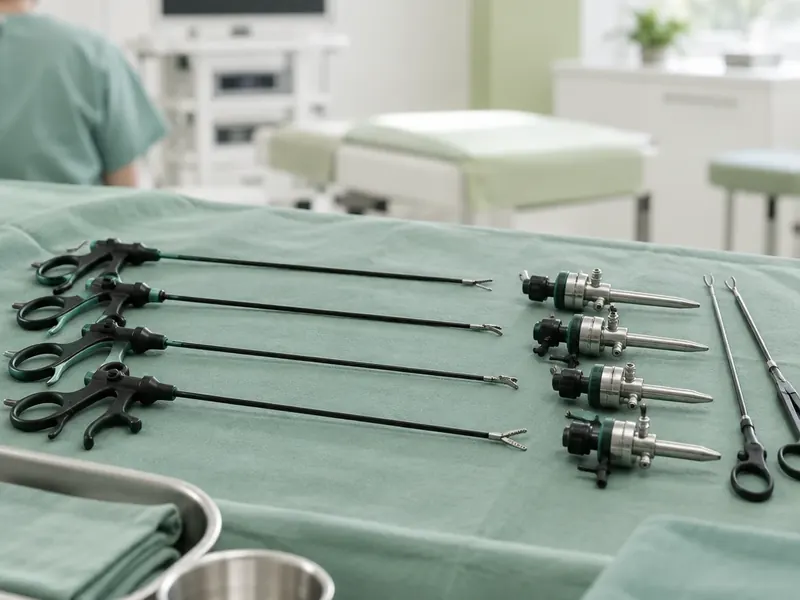
All four are usually done laparoscopically, through small incisions. The surgeon explains the pros and cons of each option for your case.
Is surgery the only option?
No. For many people, a structured programme of nutrition, physical activity and psychological support is the first step. Weight-loss medicines and injections prescribed by a doctor can help some patients, but the effect often fades after they are stopped. An intragastric balloon is a temporary device placed in the stomach for several months.
For severe obesity, however, surgery generally gives the largest and most lasting weight loss and the strongest effect on related diseases. The right path depends on your weight, health and goals, and it is chosen together with your doctor.
Life after surgery
After the operation most patients stay in hospital for one to five days, depending on the procedure and their health. The diet moves in stages from liquids to purées and then to solid food over one to two months. Many people return to office work within one to four weeks.
- Portions become much smaller, and protein comes first in every meal.
- Vitamin and mineral supplements are usually needed, for life after bypass operations.
- Regular check-ups and blood tests help catch deficiencies early.
- Physical activity and new eating habits are what keep the weight off in the long run.
Weight loss is fastest in the first months and usually continues for one and a half to two years. After major weight loss some people have loose skin; body contouring can be considered once the weight has been stable for some time.
Your questions answered at City Medical Centre
City Medical Centre works with international patients. The first consultation is free and can be held online: send your height, weight, weight history, the conditions you are treated for and any test results you already have, and ask the surgeon every question on your list. The surgeon assesses whether surgery suits you and which method fits best, and names the cost, which is then fixed in the contract.
The clinic performs sleeve gastrectomy, Roux-en-Y gastric bypass, one-anastomosis gastric bypass and SADI-S. It does not place intragastric balloons and does not offer weight-loss injections; whether a gastric band is performed at the clinic is clarified at the consultation. These methods are mentioned here for general information. A personal coordinator stays with you from your first message to the end of recovery, and questions can be sent by Telegram. Find out more on the bariatric surgery page.
How recovery usually goes
- First hoursYou may sit up, stand and drink fluids
- 1–5 daysObservation at the clinic, depending on the extent of surgery
- 2–4 weeksReturn to office work; physical work after about 1.5 months
- 1–2 monthsStaged diet from liquids to solids to let the stomach adapt
- Every monthOn average 10% of excess weight lost per month
- 1.5–2 yearsFinal result, stable eating habits prevent the weight from returning
Sources
Frequently asked questions
Is there an age limit for bariatric surgery?
There is no strict upper limit. Most patients are adults, and in older people the decision depends on overall health, heart and lung function and the expected benefit rather than age alone. Adolescents are considered only in specialised programmes and in exceptional cases.
How much weight will I lose?
It depends on the operation, starting weight and lifestyle. Many patients lose a large part of their excess weight, often more than half and sometimes around two-thirds or more, over one and a half to two years. The surgeon gives an individual estimate after the examination.
Will I have loose skin after surgery?
Many people do, especially after losing a lot of weight or at an older age. How much depends on skin elasticity, age and the amount lost. Exercise helps muscle tone but does not remove excess skin; body contouring can be considered once the weight has been stable for some time.
How long will I stay in hospital?
Usually one to five days, depending on the type of operation, your health and how quickly you recover. Most patients are up and walking on the day of surgery or the next day, which also helps prevent blood clots.
Can I eat normally after bariatric surgery?
Over time you eat ordinary foods, but in much smaller portions, slowly and with protein first. The first one to two months follow a staged diet from liquids to solids. Sugary drinks and very fatty foods are best avoided, especially after bypass operations.
Is bariatric surgery painful?
Because the operations are laparoscopic, pain is usually moderate and well controlled with pain relief chosen by the doctor. Discomfort in the incisions and shoulders is common for a few days. Most people feel much better within a week or two.
Have a question about your case? Get a free consultation
Message a coordinator on Telegram: we reply right in the chat, and you can send photos and questions there too.
- The first consultation is free, online consultations are available
- The doctor names the cost after the assessment, and it is fixed in the contract
- A personal coordinator guides you from the first message to recovery
Message our coordinator on Telegram
We reply right in the chat — you can send photos
Message us on TelegramBy sending a message, you agree to the privacy policy
Read also
 Bariatric surgery
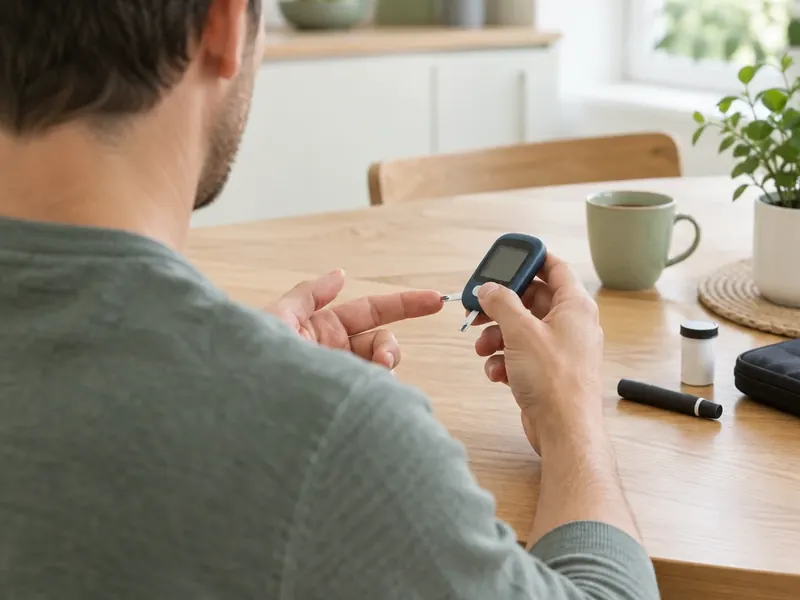
Bariatric surgery and type 2 diabetes: can the operation lead to remission?
How weight loss surgery affects type 2 diabetes, who qualifies for metabolic surgery, which operations help most, how soon sugar improves and the limits.
 Bariatric surgery
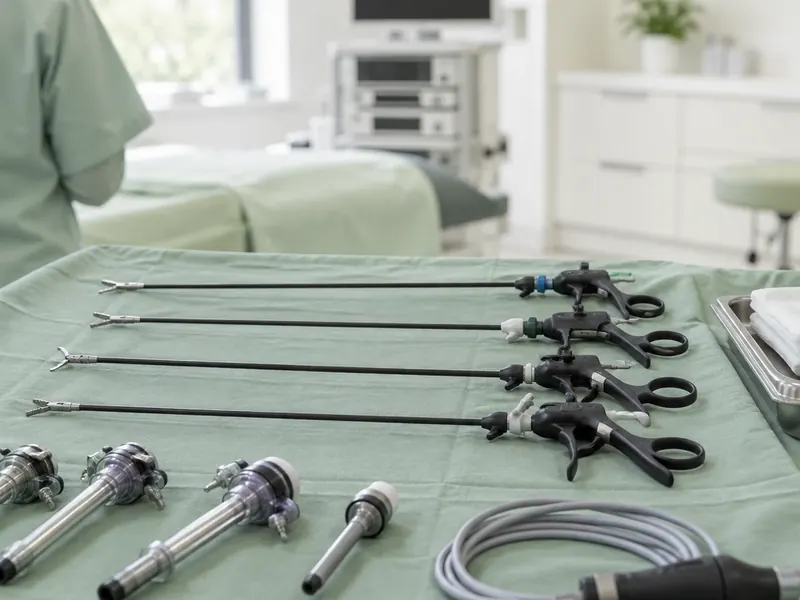
Bariatric surgery risks and downsides: how safe is weight loss surgery?
Bariatric surgery risks explained: early complications, long-term side effects, vitamin deficiencies, risks of each operation and how they are reduced.
 Bariatric surgery
Which bariatric surgery is best for a BMI of 50 or more?
Which bariatric surgery suits a BMI of 50 or more: sleeve, gastric bypass or SADI-S, expected weight loss, extra preparation, risks and staged surgery.