


























Bariatric surgery6 min read
Bariatric surgery risks and downsides: how safe is weight loss surgery?
Bariatric surgery is now a routine planned operation, and for most patients the benefits clearly outweigh the risks. Still, it is major abdominal surgery that changes digestion for life. This article explains which complications can happen in the first weeks, which side effects may appear years later, how the risks differ between operations and what the patient and the team can do to keep them low.
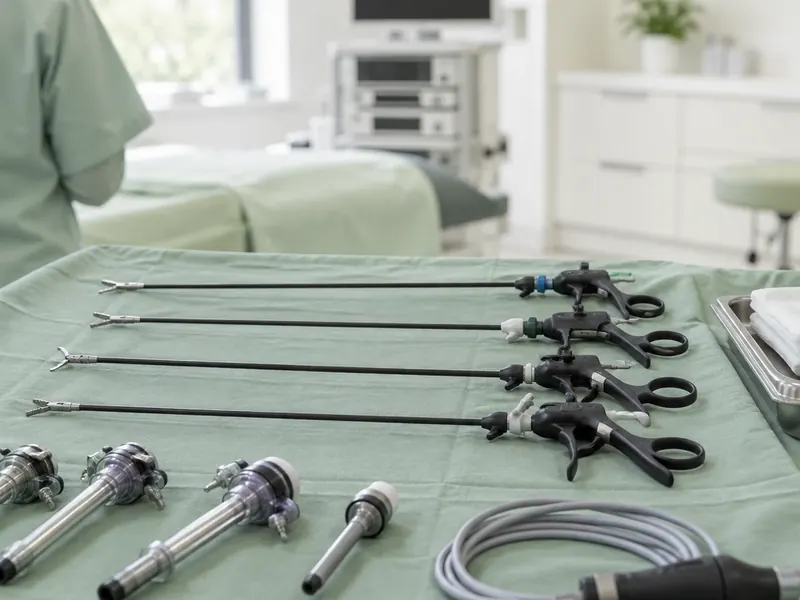
The main points in 30 seconds
- Serious complications are uncommon; 30-day mortality is about 1 to 3 in 1,000.
- Early risks: leak, bleeding, blood clots, infection and anaesthetic problems.
- Later: gallstones, reflux, dumping, ulcers, deficiencies and weight regain.
- Supplements are usually lifelong, with regular blood tests.
- No single safest operation: the surgeon matches the method to your health.
Key facts about the procedure
- Back to work2–4 weeks
- Stay in clinic1–5 days
- Final result18–24 months
- Price
$4,800from $3,600
How safe is modern bariatric surgery?
Almost all bariatric operations today are done by keyhole (laparoscopic) surgery through several small cuts. Compared with open surgery, this means less pain, fewer wound problems, a shorter hospital stay and a faster return to normal activity.
Large registries report that serious complications affect a small minority of patients, and the risk of death within 30 days is well under 1 in 100, in most series around 1 to 3 in 1,000. That is comparable to other common planned abdominal operations, such as gallbladder removal.
It is also worth weighing the other side. Severe obesity itself carries high risks: type 2 diabetes, heart disease, sleep apnoea and a shorter life expectancy. For a suitable patient, the question is not whether surgery is risk-free, but whether its risks are smaller than the risks of staying at the same weight.
Early surgical risks: the first days and weeks
Most early problems are rare, and the team watches for each of them in the first days after surgery. The main ones are:
- Staple line or anastomosis leak: fluid leaking from the place where the stomach was stapled or joined to the intestine. It is uncommon but serious and needs urgent treatment.
- Bleeding: inside the abdomen or from the staple line, usually in the first 24–48 hours.
- Blood clots: deep vein thrombosis in the leg, which can travel to the lungs. Early walking, compression stockings and preventive treatment prescribed by the doctor lower this risk.
- Wound infection: small with keyhole cuts, but still possible.
- Anaesthetic and breathing problems: more likely with sleep apnoea or heart and lung disease, which is why these are checked in advance.
Warning signs after discharge include a fast heartbeat, fever, worsening abdominal pain, shortness of breath, pain or swelling in one leg and repeated vomiting. Any of these is a reason to contact your surgeon or emergency services straight away.

Long-term side effects
Some effects appear months or years after surgery. They are usually manageable, especially when they are noticed early at check-ups:
- Gallstones: rapid weight loss makes them more likely in the first year or two.
- Dumping syndrome: nausea, sweating, cramps or dizziness after sugary or fatty food, typical after bypass operations.
- Reflux (heartburn): may appear or worsen after a sleeve.
- Narrowing (stricture) or ulcers at the join between stomach and intestine; smoking and some painkillers raise this risk.
- Internal hernia or bowel obstruction after bypass, which causes cramping pain and needs urgent assessment.
- Loose skin after major weight loss, sometimes corrected later with body contouring surgery.
- Weight regain if eating habits slowly return to the old pattern.
Nutritional deficiencies
Smaller portions and, after bypass, a shorter path through the gut mean the body absorbs fewer vitamins and minerals. Without supplements, deficiencies can develop slowly and without obvious symptoms at first. The most common ones concern:
- iron, which can lead to anaemia and tiredness;
- vitamin B12 and folate, important for blood and nerves;
- calcium and vitamin D, needed for bone strength;
- protein, if meals are too small or poorly balanced;
- after SADI-S, also the fat-soluble vitamins A, D, E and K.
This is why supplements are usually taken for life and blood tests are repeated regularly. The type and amount are set by your doctor after the tests, not chosen on your own.
Risks specific to each operation
Each operation has its own balance of benefits and downsides. At City Medical Centre four methods are performed: sleeve gastrectomy, Roux-en-Y gastric bypass, mini gastric bypass (MGB) and SADI-S. The table gives a simplified overview.
Sleeve gastrectomy
- Typical specific risks
- Leak along the long staple line, new or worse reflux, weight regain if diet slips
- Supplements
- Usually lifelong
Roux-en-Y gastric bypass
- Typical specific risks
- Dumping syndrome, ulcers at the join, internal hernia, low blood sugar after meals
- Supplements
- Lifelong
Mini gastric bypass (MGB)
- Typical specific risks
- Bile reflux due to the single connection, ulcers, deficiencies
- Supplements
- Lifelong
SADI-S
- Typical specific risks
- Greater malabsorption, deficiencies of protein and fat-soluble vitamins, loose stools
- Supplements
- Lifelong, with close monitoring
There is no single safest operation for everyone. The safest choice is the one that fits your BMI, diabetes, reflux, previous surgery and readiness for follow-up. The methods are described in more detail on the bariatric surgery page.
How risks are reduced
Much of the risk depends on preparation and on what happens after discharge. The team and the patient share this work:
- A full check-up before surgery: blood tests, ECG, chest X-ray, ultrasound, gastroscopy and specialist opinions reveal problems that are better treated first.
- A pre-operative diet: a few weeks of lighter eating can shrink the liver and make keyhole surgery easier.
- No smoking: stopping at least a month before surgery lowers the risk of leaks, ulcers and chest infections.
- Early walking: getting up within hours of surgery helps prevent blood clots.
- Following the diet stages: liquids, then purées, then soft and solid food, with small portions eaten slowly.
- Supplements and check-ups: regular blood tests catch deficiencies before they cause symptoms.
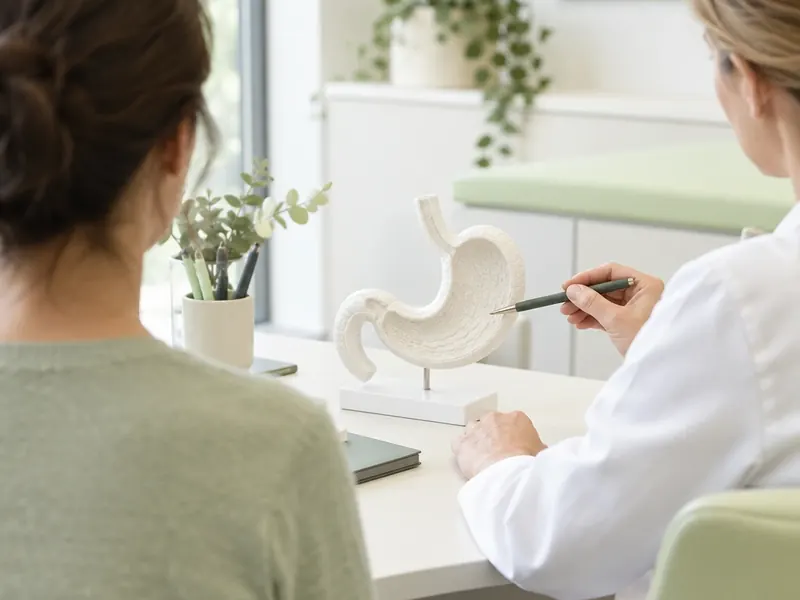
Consultation and safety at City Medical Centre
City Medical Centre works with international patients. Before any operation, the surgeon reviews your medical history and a full pre-surgery check-up, chooses the method with you and plans your recovery. After surgery, patients are monitored around the clock. The first consultation is free and can be held online: share your height, weight, conditions and any test results, and the surgeon will explain which risks matter most in your case.
The cost is named after this assessment and fixed in the contract, and a personal coordinator stays with you from the first message to the end of recovery. Documents and questions can be sent by Telegram. Learn more on the bariatric surgery page.
How recovery usually goes
- First hoursYou may sit up, stand and drink fluids
- 1–5 daysObservation at the clinic, depending on the extent of surgery
- 2–4 weeksReturn to office work; physical work after about 1.5 months
- 1–2 monthsStaged diet from liquids to solids to let the stomach adapt
- Every monthOn average 10% of excess weight lost per month
- 1.5–2 yearsFinal result, stable eating habits prevent the weight from returning
Sources
Frequently asked questions
What are the risks of bariatric surgery?
Early risks include leaks, bleeding, blood clots, infection and anaesthetic problems; all of them are uncommon. Later effects may include gallstones, reflux, dumping syndrome, ulcers, vitamin and mineral deficiencies and weight regain. Most can be prevented or treated if you follow the plan and attend check-ups.
Is laparoscopic bariatric surgery safer?
Yes, in most cases. Keyhole surgery through small cuts usually means less pain, fewer wound infections and hernias, a shorter hospital stay and faster recovery than open surgery. That is why nearly all bariatric operations are now done this way.
What are the long-term side effects?
The most common are deficiencies of iron, vitamin B12, calcium and vitamin D, gallstones, reflux after a sleeve and dumping syndrome after a bypass. Some people also have loose skin or regain part of the weight. Regular blood tests and follow-up help to spot these early.
Which bariatric surgery is the safest?
There is no single safest operation. A sleeve is technically simpler but can cause reflux, while a bypass helps with reflux and diabetes but needs lifelong supplements. The surgeon recommends the method whose risks are lowest for your health profile.
How can I lower my risk?
Stop smoking well before surgery, complete the check-up, follow the pre-operative diet, start walking soon after the operation, move through the diet stages step by step, take the prescribed supplements and attend every check-up. Contact the team at once if warning signs appear.
Have a question about your case? Get a free consultation
Message a coordinator on Telegram: we reply right in the chat, and you can send photos and questions there too.
- The first consultation is free, online consultations are available
- The doctor names the cost after the assessment, and it is fixed in the contract
- A personal coordinator guides you from the first message to recovery
Message our coordinator on Telegram
We reply right in the chat — you can send photos
Message us on TelegramBy sending a message, you agree to the privacy policy
Read also
 Bariatric surgery
What Causes Obesity? The Main Factors Beyond Simply Eating Too Much
Why obesity develops: energy balance, appetite hormones, blood sugar, thyroid and stress, genes, age, sleep and environment, and when it becomes dangerous.
 Bariatric surgery
Teeth and digestion after bariatric surgery: what to watch
How bariatric surgery can affect your teeth: why reflux, vomiting and frequent snacking matter, warning signs, and simple habits that protect your teeth.
 Bariatric surgery
Bariatric surgery vs weight-loss injections: which works better in the long term?
Bariatric surgery or weight-loss injections: how each works, typical results, what happens when injections stop, safety, and who suits which approach.