
























Bariatric surgery6 min read
Which bariatric surgery is best for a BMI of 50 or more?
A body mass index of 50 or higher is often called super obesity. At this level the choice of operation matters more than ever: the same procedure can give very different results at a BMI of 40 and at a BMI of 55. This guide explains why a very high BMI needs a special approach, how the main operations compare, what results are realistic, how to prepare and when surgery is done in two stages.

The main points in 30 seconds
- A BMI of 50 or more needs careful choice of operation, preparation and team.
- Sleeve, gastric bypass, MGB and SADI-S differ in effect, risks and follow-up.
- Operations that reduce absorption often give stronger long-term weight loss.
- A short low-calorie diet before surgery often shrinks the liver.
- For some patients surgery is done in two stages: sleeve first, then a second operation.
Key facts about the procedure
- Back to work2–4 weeks
- Stay in clinic1–5 days
- Final result18–24 months
- Price
$4,800from $3,600
Why a BMI over 50 needs a special approach
Surgeons often divide severe obesity into groups: a BMI of 40 to 49, a BMI of 50 to 59 (super obesity) and a BMI of 60 or more. The higher the BMI, the more weight a person needs to lose and the more likely they are to have related conditions such as type 2 diabetes, high blood pressure, sleep apnoea and fatty liver disease.
A very high BMI also changes the operation itself. A large liver and thick abdominal wall make laparoscopic surgery technically harder, anaesthesia needs extra care, and the risks of blood clots and breathing problems are higher. That is why the choice of method, the preparation and the surgical team matter so much.
- More excess weight means a restrictive operation alone may not bring BMI into a healthy range.
- Related conditions need to be checked and treated before surgery.
- Operations that also reduce calorie absorption often give a stronger long-term result.
Surgery options for severe obesity
Several operations are used for people with a BMI of 50 or more. They differ in how they work, how much weight they usually help to lose and how much lifelong follow-up they need. The final choice is always made by the surgeon after an examination.
Sleeve gastrectomy
- How it works
- Most of the stomach is removed, leaving a narrow tube; appetite and portion size fall
- Main points for a BMI over 50
- Technically simpler; may be the first stage; weight loss can be insufficient on its own
Roux-en-Y gastric bypass
- How it works
- A small stomach pouch is joined to the small intestine, limiting intake and absorption
- Main points for a BMI over 50
- Strong effect on diabetes; lifelong supplements needed
Mini gastric bypass (MGB)
- How it works
- A single connection between a long stomach tube and the small intestine
- Main points for a BMI over 50
- Shorter operation; risk of bile reflux
SADI-S
- How it works
- A sleeve combined with bypass of a large part of the small intestine
- Main points for a BMI over 50
- One of the most powerful options; careful nutritional monitoring for life
There are also other malabsorptive operations, such as the classic biliopancreatic diversion with duodenal switch. They are used in a limited number of centres, and whether any option fits is decided individually at the consultation.
Gastric bypass vs biliopancreatic bypass: what studies show
Research comparing operations in people with super obesity has looked mainly at two groups: gastric bypass and duodenal switch–type operations, a family that includes SADI-S. Overall, studies suggest that duodenal switch–type operations tend to give greater and more lasting weight loss at a very high BMI, and often a strong effect on type 2 diabetes.
The trade-off is nutrition. Because a larger part of the intestine is bypassed, the risk of vitamin, mineral and protein deficiencies is higher, and bowel habits may change. Gastric bypass usually gives slightly less weight loss in this group but has a longer track record and a more moderate impact on absorption. Neither option suits everyone: the surgeon weighs your BMI, diabetes, eating habits and ability to attend long-term follow-up.
Weight loss and health outcomes over five years
Results are usually described as the percentage of excess weight lost. At a BMI of 50 or more, even a very successful operation may not bring weight down to a normal BMI, but it can dramatically improve health and quality of life.
- Most weight is lost during the first 12 to 18 months, after which weight usually stabilises.
- Some weight regain over the years is common, especially after a sleeve and when dietary advice is not followed.
- Type 2 diabetes, high blood pressure and sleep apnoea often improve significantly or go into remission.
- Mobility, joint pain and breathlessness usually improve as weight falls.
These are average outcomes, not promises. Individual results depend on the operation, genetics, activity and long-term habits.

Extra preparation and risk reduction
Preparation for surgery at a very high BMI is usually more thorough. The aim is to make the operation safer and recovery smoother. You can read how the work-up is organised on our bariatric surgery page.
- Full medical check: blood tests, ECG, chest X-ray, abdominal ultrasound, leg vein scan and gastroscopy, plus assessment by an endocrinologist, cardiologist and other specialists.
- Pre-operative diet: a low-calorie diet for 2 to 4 weeks before surgery often shrinks the liver and makes the operation easier.
- Breathing and sleep: sleep apnoea is checked and treated if needed.
- Blood clot prevention: early walking, compression and other measures prescribed by the doctor.
- Stopping smoking: ideally at least a month before surgery.
Staged surgery: when it makes sense
For some people with a very high BMI, the surgeon may suggest doing the treatment in two steps. First a sleeve gastrectomy is performed. It is shorter and technically simpler, and it helps to lose a significant amount of weight in the first year.
If weight loss stops too early or related conditions persist, a second operation, such as SADI-S or a gastric bypass, can be done once the patient is lighter and the operation is safer. A staged approach is not needed for everyone: in many cases a single operation is planned from the start. The decision depends on your BMI, general health and the findings during the work-up.

Planning surgery for high BMI at City Medical Centre
City Medical Centre works with international patients and performs sleeve gastrectomy, Roux-en-Y gastric bypass, mini gastric bypass (MGB) and SADI-S. The operations are laparoscopic, and a full diagnostic work-up can be done in one building. After surgery patients stay under observation for one to five days, depending on the extent of surgery, and specialists follow weight loss and test results during the first year.
The first consultation is free and can be held online: send your height, weight and medical history by Telegram, and the surgeon will explain which options suit your situation. The doctor names the cost after the assessment, and it is fixed in the contract. A personal coordinator stays with you from your first message to the end of recovery. Learn more on the bariatric surgery page.
How recovery usually goes
- First hoursYou may sit up, stand and drink fluids
- 1–5 daysObservation at the clinic, depending on the extent of surgery
- 2–4 weeksReturn to office work; physical work after about 1.5 months
- 1–2 monthsStaged diet from liquids to solids to let the stomach adapt
- Every monthOn average 10% of excess weight lost per month
- 1.5–2 yearsFinal result, stable eating habits prevent the weight from returning
Sources
Frequently asked questions
What is the best surgery for a BMI over 50?
There is no single best operation for everyone. At a BMI of 50 or more, operations that also reduce absorption, such as SADI-S or gastric bypass, often give stronger long-term weight loss than a sleeve alone. The surgeon chooses after assessing your health, diabetes and eating habits.
Is bariatric surgery riskier with a very high BMI?
The risks are somewhat higher, mainly because of heavier anaesthesia, blood clots, breathing problems and technical difficulty. Careful preparation, an experienced team and laparoscopic techniques reduce these risks. For many people with super obesity, the health risks of staying at the same weight are greater.
Is SADI-S suitable for super obesity?
SADI-S is often considered for a BMI over 50 and for severe type 2 diabetes, and it can also be a second stage after a sleeve. It is one of the most powerful operations, but it requires lifelong vitamin and mineral supplements and regular blood tests.
Do I need to lose weight before surgery?
Surgeons often recommend a short low-calorie diet for two to four weeks before the operation. Its main goal is to shrink the liver and make surgery safer, not to reach a target weight. The exact plan is set by your doctor.
How much weight can I expect to lose?
At a BMI over 50, people commonly lose a large share of their excess weight within the first 12 to 18 months. Results vary with the operation, genetics and habits, and some regain over the years is possible. Your surgeon will give you a realistic estimate.
Have a question about your case? Get a free consultation
Message a coordinator on Telegram: we reply right in the chat, and you can send photos and questions there too.
- The first consultation is free, online consultations are available
- The doctor names the cost after the assessment, and it is fixed in the contract
- A personal coordinator guides you from the first message to recovery
Message our coordinator on Telegram
We reply right in the chat — you can send photos
Message us on TelegramBy sending a message, you agree to the privacy policy
Read also
 Bariatric surgery
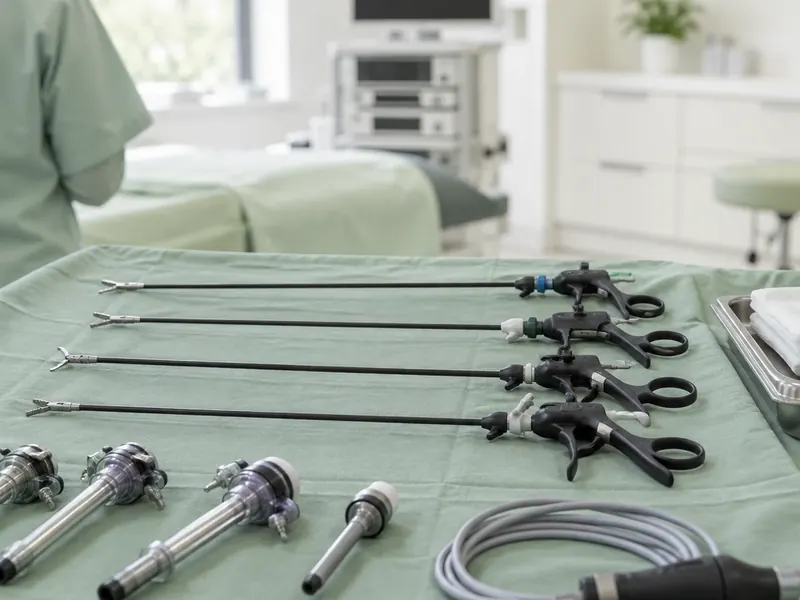
Bariatric surgery risks and downsides: how safe is weight loss surgery?
Bariatric surgery risks explained: early complications, long-term side effects, vitamin deficiencies, risks of each operation and how they are reduced.
 Bariatric surgery
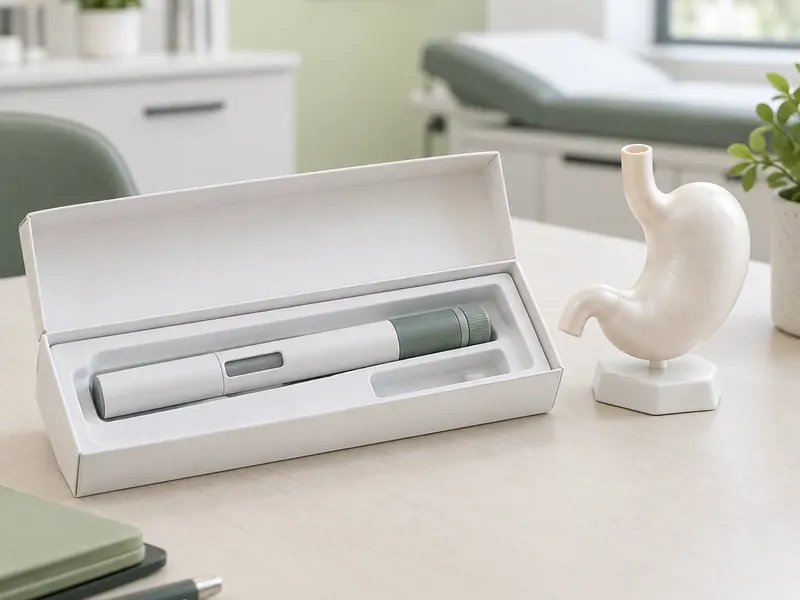
Bariatric surgery vs weight-loss injections: which works better in the long term?
Bariatric surgery or weight-loss injections: how each works, typical results, what happens when injections stop, safety, and who suits which approach.
 Bariatric surgery
Bariatric surgery and type 2 diabetes: can the operation lead to remission?
How weight loss surgery affects type 2 diabetes, who qualifies for metabolic surgery, which operations help most, how soon sugar improves and the limits.