


























Bariatric surgery6 min read
Bariatric surgery and type 2 diabetes: can the operation lead to remission?
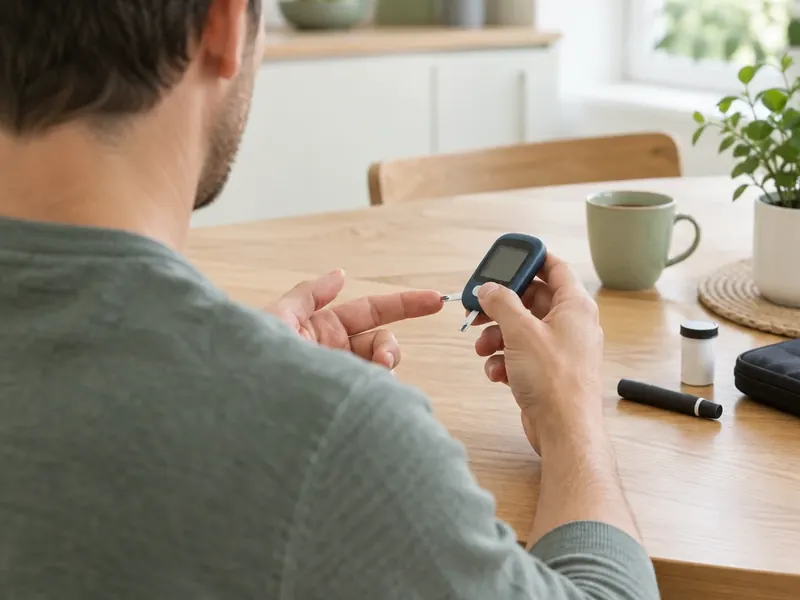
For many people with obesity and type 2 diabetes, bariatric surgery does more than reduce weight. Blood sugar often improves within days, and some patients no longer need glucose-lowering treatment. This is why doctors increasingly call these operations metabolic surgery. Below we explain how it works, who is considered, which procedures are used, what remission means and where the limits are.
The main points in 30 seconds
- Bariatric surgery often improves type 2 diabetes, sometimes to remission
- Remission means normal sugar without medicines, not a permanent cure
- Bypass operations usually act more strongly on blood sugar than a sleeve
- Sugar often improves within days, before major weight loss
- Medicines are adjusted by doctors only, never by the patient alone
Key facts about the procedure
- Back to work2–4 weeks
- Stay in clinic1–5 days
- Final result18–24 months
- Price
$4,800from $3,600
How bariatric surgery affects type 2 diabetes
Type 2 diabetes develops when the body stops responding well to insulin and the pancreas can no longer produce enough to keep blood sugar normal. Excess weight, especially fat around the internal organs, is one of the strongest drivers of this process.
Bariatric surgery acts on diabetes in two ways. First, it leads to substantial and lasting weight loss, which improves insulin sensitivity. Second, changing the stomach and the route of food through the gut alters the hormones that control appetite and blood sugar. That is why glucose levels often improve before much weight has been lost.
Doctors speak of remission, not cure: blood sugar stays in the normal range without glucose-lowering medicines, but the tendency to diabetes remains and it can return.
Who is a candidate for metabolic surgery
International guidelines generally consider bariatric surgery for adults with:
- a BMI of 40 or more;
- a BMI of 35 or more with a serious weight-related condition such as type 2 diabetes or high blood pressure;
- in some guidelines, a BMI from about 30 to 35 when type 2 diabetes is not well controlled despite optimal treatment, especially if it was diagnosed recently.
For people of Asian origin, lower BMI thresholds are often used because health risks rise at a lower weight. Beyond the numbers, the team looks at how long you have had diabetes, how much insulin your pancreas still makes, your other health conditions and whether you are ready for lifelong changes in eating and follow-up.
Surgery is usually not offered to people with type 1 diabetes for the purpose of diabetes remission, because their pancreas produces little or no insulin.
Which operations work best for diabetes
All common bariatric operations can improve type 2 diabetes, but not to the same degree. In general, procedures that bypass part of the small intestine have a stronger and more durable effect on blood sugar than operations that only reduce the stomach.
Sleeve gastrectomy
- How it works
- Most of the stomach is removed, leaving a narrow tube
- Effect on diabetes
- Often good, somewhat lower remission rates than bypass over time
Roux-en-Y gastric bypass
- How it works
- Small stomach pouch joined to a loop of small intestine
- Effect on diabetes
- Strong and well studied; often chosen when diabetes is a key goal
One-anastomosis (mini) gastric bypass
- How it works
- Small pouch with a single connection to the intestine
- Effect on diabetes
- Comparable to classic bypass in many studies
SADI-S and similar bypasses
- How it works
- Sleeve plus rerouting of a long segment of intestine
- Effect on diabetes
- Among the most powerful, usually for very high BMI or severe diabetes
A gastric band has a weaker metabolic effect and is used less often today. The right choice depends on your BMI, the severity of diabetes, reflux, previous surgery and the surgeon’s assessment.

How soon blood sugar improves
Many patients notice lower blood sugar within the first days or weeks after surgery, long before the main weight loss. The first reasons are a very low calorie intake in the early diet and rapid hormonal changes.
Over the following months, as weight falls, insulin sensitivity usually keeps improving. Doctors typically judge remission only after glucose and long-term blood sugar (HbA1c) have stayed in the normal range for at least three months without any glucose-lowering medicines.
Because the change can be quick, diabetes treatment is usually adjusted immediately after surgery to avoid blood sugar dropping too low. Never stop or change medicines on your own — this is done by your doctors, step by step, based on your measurements.
Hormonal changes behind remission
The digestive tract is also a hormone-producing organ. After bariatric surgery, especially bypass procedures, food reaches the lower small intestine faster. This triggers a stronger release of gut hormones such as GLP-1 and PYY, which help the pancreas release insulin after meals and increase the feeling of fullness.
At the same time, removing part of the stomach lowers ghrelin, a hormone that stimulates hunger. Changes in bile acids and gut bacteria probably also play a role. Together these effects explain why glucose control can improve even before large weight loss, and why appetite is often easier to manage after surgery.
Risks and limitations
Metabolic surgery is major surgery and is not right for everyone. Important points to understand:
- Remission is not guaranteed. It is more likely when diabetes is recent and the pancreas still produces a good amount of insulin, and less likely after many years of the disease or long insulin treatment.
- Diabetes can come back. Some people see blood sugar rise again years later, especially if weight is regained. Even then, control is often easier than before surgery.
- Surgical risks include bleeding, leaks from staple lines or connections, blood clots and infection.
- Long-term effects can include vitamin and mineral deficiencies, dumping syndrome, reflux after a sleeve and, rarely, low blood sugar after meals. Lifelong supplements and regular blood tests are needed.
- Diabetes complications such as eye, kidney or nerve damage need continued monitoring even in remission.
You can read more about the operations themselves on our bariatric surgery page.

Diabetes and surgery assessment at City Medical Centre
City Medical Centre works with international patients. The bariatric operations performed at the clinic are sleeve gastrectomy, Roux-en-Y gastric bypass, mini gastric bypass and SADI-S. Other techniques mentioned in articles such as this one are general information; which option suits you is discussed at the consultation.
Before surgery, patients complete a work-up that includes blood tests with HbA1c, imaging, gastroscopy and consultations with specialists, including an endocrinologist. The first consultation is free and can be held online: share your weight history, how long you have had diabetes, your current treatment and recent test results. The surgeon assesses your case and names the cost, which is then fixed in the contract. A personal coordinator supports you from your first message to the end of recovery, and questions can be sent by Telegram at any stage. Details are on the bariatric surgery page.
How recovery usually goes
- First hoursYou may sit up, stand and drink fluids
- 1–5 daysObservation at the clinic, depending on the extent of surgery
- 2–4 weeksReturn to office work; physical work after about 1.5 months
- 1–2 monthsStaged diet from liquids to solids to let the stomach adapt
- Every monthOn average 10% of excess weight lost per month
- 1.5–2 yearsFinal result, stable eating habits prevent the weight from returning
Sources
Frequently asked questions
Can bariatric surgery cure type 2 diabetes?
Doctors avoid the word cure. Many patients reach remission, meaning normal blood sugar without glucose-lowering medicines, but the underlying tendency remains and diabetes can return, especially with weight regain. Regular check-ups stay necessary even when results are excellent.
Which surgery is best for diabetes remission?
Operations that bypass part of the small intestine, such as Roux-en-Y or mini gastric bypass, usually have a stronger and more lasting effect on blood sugar than a sleeve alone. The best choice depends on your BMI, reflux, previous surgery and overall health, and is made by the surgeon.
Can I stop diabetes medication after surgery?
Many people need less treatment, and some stop it entirely, but only under medical supervision. Doses are usually reduced straight after surgery to prevent low blood sugar, then adjusted according to your measurements. Never stop or change medicines on your own.
Is surgery possible with a lower BMI and diabetes?
Some guidelines allow metabolic surgery with a BMI from about 30 to 35 when diabetes is poorly controlled despite optimal treatment, and use lower thresholds for people of Asian origin. Such cases are assessed individually by the surgeon together with an endocrinologist.
How long does remission last?
It varies. Some people stay in remission for many years, while others see blood sugar rise again after several years, particularly if they regain weight or had diabetes for a long time before surgery. Following the diet, staying active and attending check-ups improve the odds.
Have a question about your case? Get a free consultation
Message a coordinator on Telegram: we reply right in the chat, and you can send photos and questions there too.
- The first consultation is free, online consultations are available
- The doctor names the cost after the assessment, and it is fixed in the contract
- A personal coordinator guides you from the first message to recovery
Message our coordinator on Telegram
We reply right in the chat — you can send photos
Message us on TelegramBy sending a message, you agree to the privacy policy
Read also
 Bariatric surgery
Bariatric surgery vs weight-loss injections: which works better in the long term?
Bariatric surgery or weight-loss injections: how each works, typical results, what happens when injections stop, safety, and who suits which approach.
 Bariatric surgery
What Causes Obesity? The Main Factors Beyond Simply Eating Too Much
Why obesity develops: energy balance, appetite hormones, blood sugar, thyroid and stress, genes, age, sleep and environment, and when it becomes dangerous.
 Bariatric surgery
Bariatric surgery risks and downsides: how safe is weight loss surgery?
Bariatric surgery risks explained: early complications, long-term side effects, vitamin deficiencies, risks of each operation and how they are reduced.