
























Bariatric surgery6 min read
Bariatric surgery day: what happens in the operating room and in hospital
Knowing what the day of surgery looks like makes it much less stressful. Bariatric operations are planned in detail, and each stage, from admission to discharge, follows a clear routine. This article walks you through what to pack, how admission works, what happens in the operating room, how the first evening and the next few days usually go, and when patients who travelled from abroad can usually fly home.

The main points in 30 seconds
- Bring documents, test results, your medicines, loose clothes and slip-on shoes.
- Most operations take about 1 to 3 hours under general anaesthetic.
- Patients usually walk within hours and sip water the same evening or next day.
- Discharge is typically 1 to 3 days after surgery.
- A long flight home is usually advised after about a week to ten days.
Key facts about the procedure
- Back to work2–4 weeks
- Stay in clinic1–5 days
- Final result18–24 months
- Price
$4,800from $3,600
What to pack for the clinic
The hospital stay is short, so there is no need for a large suitcase. What matters is having the right documents and a few comfortable things. A practical list:
- Documents: passport, contract, insurance if you have it, and all test results and specialist reports, on paper or on your phone.
- Your medicines: in their original packs, with a list of names; the team decides which ones to continue around surgery.
- Loose clothing: soft trousers or a gown with a wide waist that does not press on the small wounds.
- Slip-on shoes: non-slip slippers, as bending down will be uncomfortable for a few days.
- Toiletries and small comforts: toothbrush, lip balm, a long phone charger, earplugs.
- Your CPAP device, if you use one for sleep apnoea.
Leave jewellery and valuables at home or in the hotel. Nail polish and false nails are best removed, as the team monitors oxygen levels through a finger clip.
Admission and your room
You usually arrive on the morning of surgery or the day before, depending on the plan agreed with the team. Before the operation you will have been told when to eat your last light meal and when to stop drinking; these instructions matter for a safe anaesthetic.
On admission, the staff check your documents and results, measure your weight, blood pressure and oxygen level, and may take a final blood test. You then meet the key people:
- the surgeon, who goes over the operation once more and answers your last questions;
- the anaesthetist, who asks about allergies, previous anaesthetics, snoring and sleep apnoea;
- the nurses, who prepare you, fit compression stockings and explain how to call for help.
You then sign the consent forms, change into a hospital gown and wait in your room until you are taken to theatre.
The operation itself
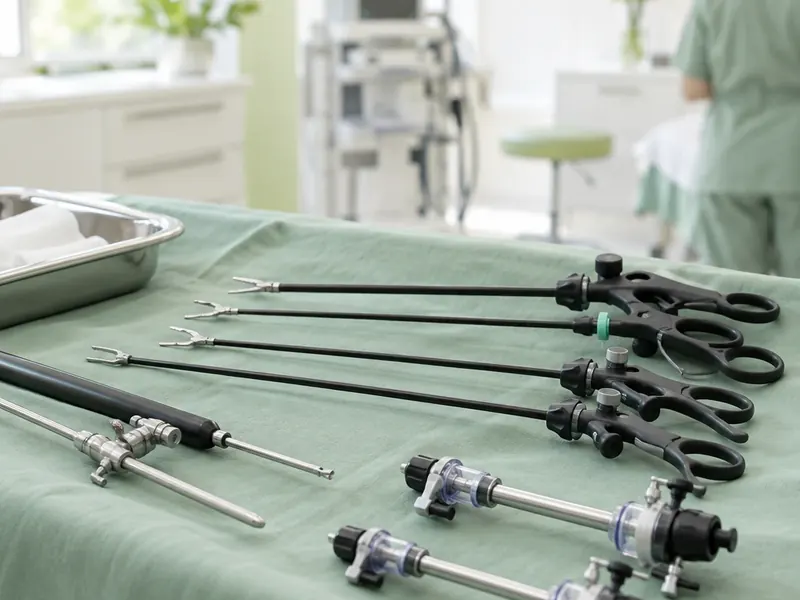
Bariatric surgery is done under general anaesthetic, so you are asleep throughout. Almost all operations are performed by keyhole surgery through several small cuts. The duration depends on the method and on your anatomy:
Sleeve gastrectomy
- Typical time in theatre
- About 1–2 hours
- Typical hospital stay
- 1–3 days
Roux-en-Y gastric bypass
- Typical time in theatre
- About 2 hours, sometimes longer
- Typical hospital stay
- 1–3 days
Mini gastric bypass (MGB)
- Typical time in theatre
- About 1–2 hours
- Typical hospital stay
- 1–3 days
SADI-S
- Typical time in theatre
- Often 2–3 hours
- Typical hospital stay
- Usually 2–3 days or more
These are guide figures, not a promise: previous abdominal surgery, a large liver or a hiatal hernia repair can add time. At the end, many surgeons test the staple line for leaks before closing the small wounds. You then wake up in the recovery area, where your breathing, pulse and pain are watched closely before you return to your room. The methods themselves are described on the bariatric surgery page.
The evening after surgery
The first hours are about comfort and safety. It is normal to feel sleepy, a little sick and sore around the wounds or in the shoulders; shoulder pain comes from the gas used to inflate the abdomen during keyhole surgery and fades within a day or two.
- Pain relief is given regularly, not only when pain becomes strong.
- Getting up: most patients sit up and take their first few steps with a nurse within a few hours. This is one of the best ways to prevent blood clots and chest infections.
- Breathing exercises: deep breaths and gentle coughing help the lungs recover from anaesthesia.
- Drinking: small sips of water are usually allowed the same evening or the next morning, once the surgeon is satisfied.
Days 1–3 in hospital
In the following days the team checks that you are recovering as expected. A typical day includes regular checks of pulse, temperature and blood pressure, blood tests if needed and short walks along the corridor several times a day.
Fluids are increased step by step: first sips of water, then clear liquids in small amounts, taken slowly. You will be taught how much to drink per hour and why gulping is not a good idea. Before discharge you usually need to:
- drink enough fluids without vomiting;
- walk on your own and manage pain with tablets;
- have a normal temperature and pulse;
- understand your diet stages, supplements and warning signs.
Discharge and travel home
Most patients leave hospital 1 to 3 days after surgery. You receive written instructions on the diet stages, wound care, medicines, supplements and the dates of follow-up contacts. It is important to know the warning signs: fever, a fast heartbeat, worsening abdominal pain, shortness of breath, pain or swelling in one leg, or repeated vomiting mean you should contact the team at once.
International patients are usually advised not to fly straight after discharge but to stay nearby for a short period, often around a week to ten days, before a long flight; the surgeon decides based on how you recover. On the flight, wear compression stockings, drink small sips of water, and walk in the aisle regularly. A return to normal activities typically takes 4 to 6 weeks.
Your hospital stay at City Medical Centre
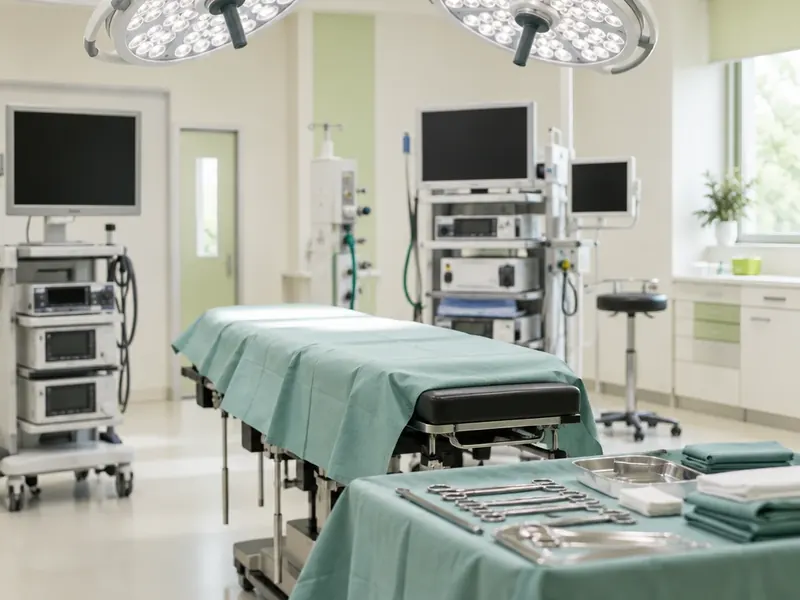
City Medical Centre works with international patients and plans the whole trip with you in advance. Before surgery the surgeon reviews your check-up, chooses the method with you and explains how the day will run. After the operation a doctor is nearby around the clock, and your ward, meals and nursing care are part of the package agreed with you. The first consultation is free and can be held online; the surgeon names the cost after assessing your case, and it is fixed in the contract.
A personal coordinator stays with you from the first message to the end of recovery and helps with dates and travel, and documents can be sent by Telegram. Find out more on the bariatric surgery page.
How recovery usually goes
- First hoursYou may sit up, stand and drink fluids
- 1–5 daysObservation at the clinic, depending on the extent of surgery
- 2–4 weeksReturn to office work; physical work after about 1.5 months
- 1–2 monthsStaged diet from liquids to solids to let the stomach adapt
- Every monthOn average 10% of excess weight lost per month
- 1.5–2 yearsFinal result, stable eating habits prevent the weight from returning
Sources
Frequently asked questions
How long does bariatric surgery take?
It depends on the method and on your anatomy. A sleeve or mini gastric bypass usually takes about 1 to 2 hours, a Roux-en-Y gastric bypass around 2 hours and SADI-S often 2 to 3 hours. Previous abdominal surgery or a hernia repair can make it longer.
How many days will I stay in hospital?
Most patients go home 1 to 3 days after surgery. You can leave once you drink enough without vomiting, walk on your own, manage pain with tablets and have normal checks. After more complex operations or if recovery is slower, the stay may be a little longer.
When can I walk after surgery?
Usually within a few hours. A nurse helps you sit up and take your first steps on the day of surgery, and you walk short distances several times a day after that. Early walking is one of the most effective ways to prevent blood clots.
When can I drink after bariatric surgery?
Small sips of water are usually allowed the same evening or the next morning, once the surgeon is satisfied with your condition. Fluids are then increased gradually. You will be shown how to drink slowly and in small amounts, as gulping can cause discomfort and vomiting.
When can I fly home?
Patients are usually advised to stay nearby for a short period after discharge, often around a week to ten days, before a long flight. The surgeon gives the final answer after checking your recovery. On the plane, wear compression stockings, sip water and walk regularly.
Have a question about your case? Get a free consultation
Message a coordinator on Telegram: we reply right in the chat, and you can send photos and questions there too.
- The first consultation is free, online consultations are available
- The doctor names the cost after the assessment, and it is fixed in the contract
- A personal coordinator guides you from the first message to recovery
Message our coordinator on Telegram
We reply right in the chat — you can send photos
Message us on TelegramBy sending a message, you agree to the privacy policy
Read also
 Bariatric surgery
Which bariatric surgery is best for a BMI of 50 or more?
Which bariatric surgery suits a BMI of 50 or more: sleeve, gastric bypass or SADI-S, expected weight loss, extra preparation, risks and staged surgery.
 Bariatric surgery
Bariatric surgery and type 2 diabetes: can the operation lead to remission?
How weight loss surgery affects type 2 diabetes, who qualifies for metabolic surgery, which operations help most, how soon sugar improves and the limits.
 Bariatric surgery
Bariatric surgery FAQ: what patients most often ask before weight-loss surgery
Who bariatric surgery is for, age limits, how to choose between operations, alternatives to surgery, weight loss, loose skin and life after the operation.