


























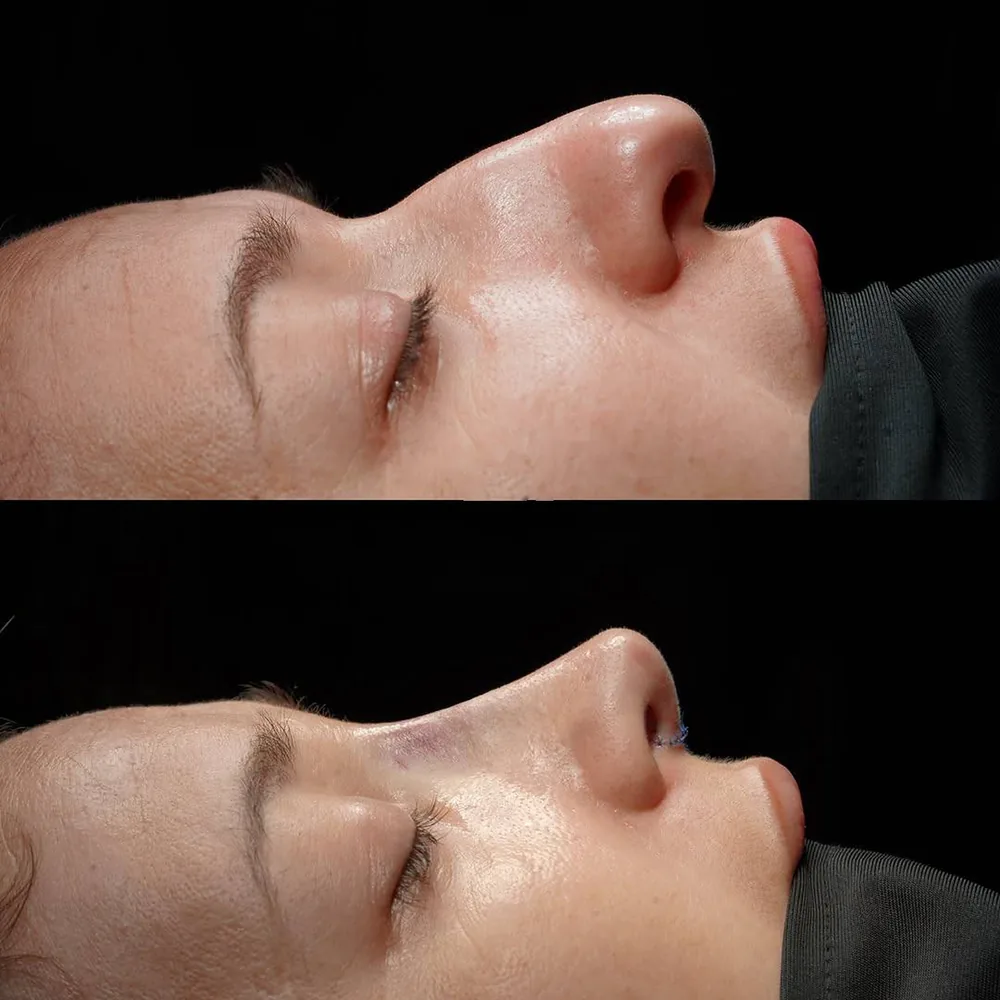
 beforeafter
Irina, 24
Rhinoplasty
Rhinoplasty
$4,200
Instead of $6,000 (≈ €5,400) · First consultation — Free
Free online consultation · Reply within 15 minutes
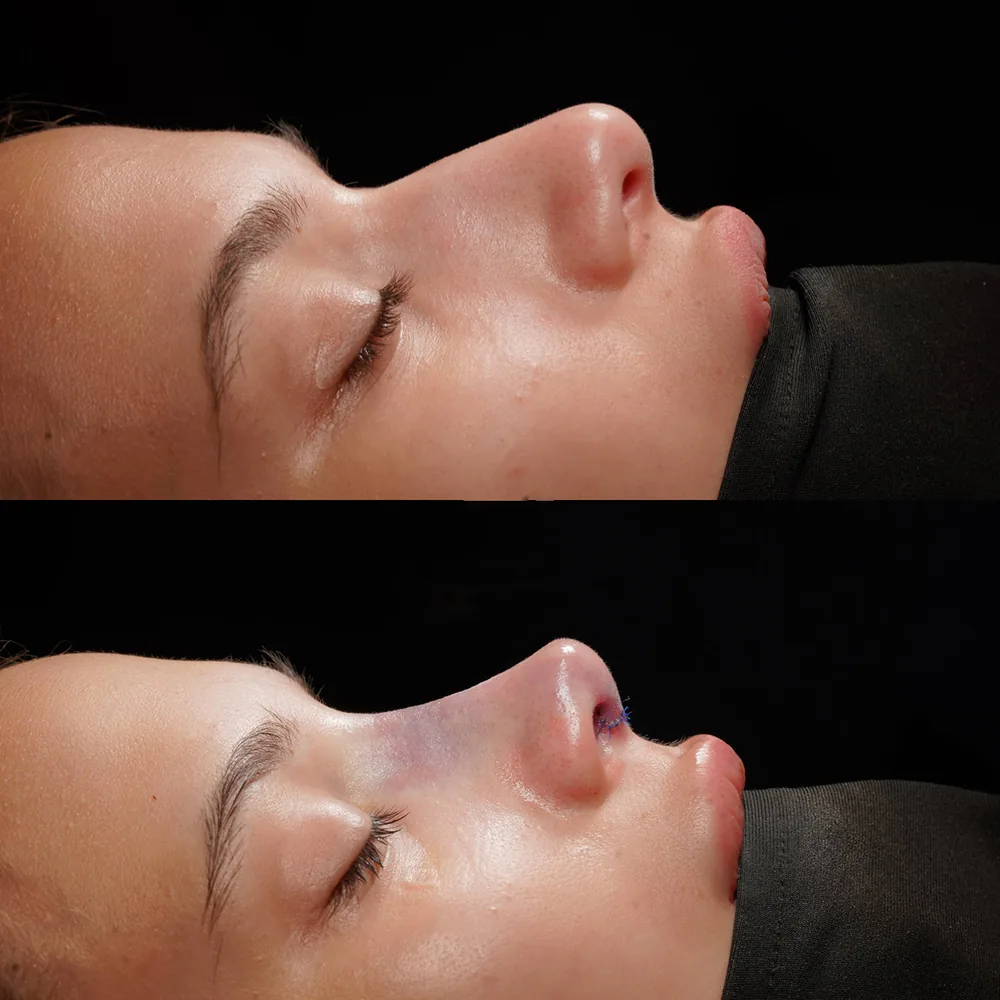 before
after
Message our coordinator
Free online consultation · Reply within 15 minutes
Message us on TelegramMessage us on WhatsAppBy messaging us, you agree to our Privacy Policy
Rhinoplasty for patients from Rotterdam at City Medical Centre starts at €3,750 (from $4,200). The first online consultation is free; the doctor names the final price and it is fixed in the contract.
How it works · Rhinoplasty prices
Information current as of 5 November 2026
Results
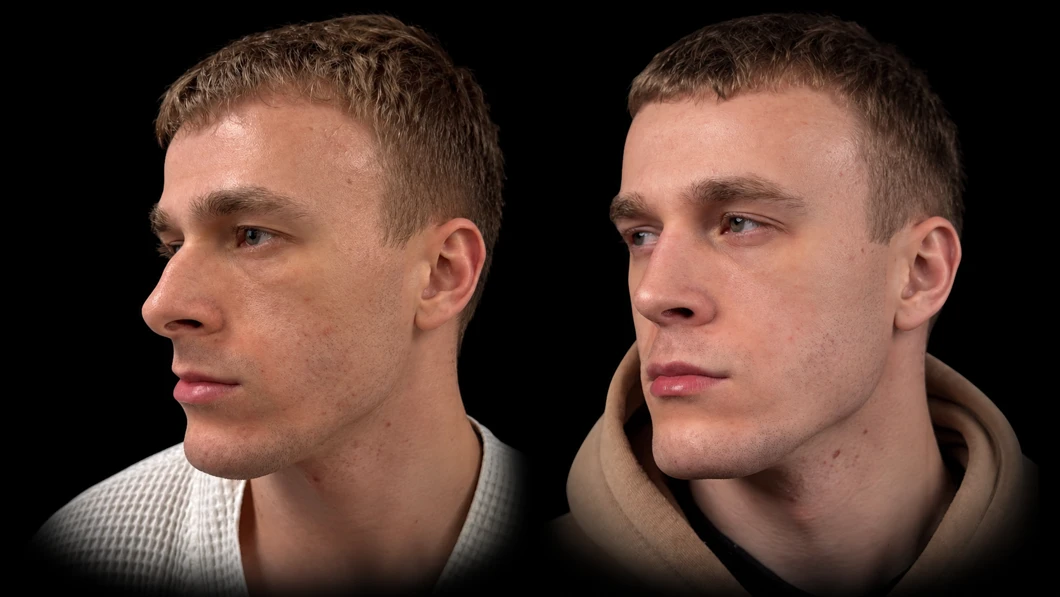
Every case shown belongs to a real patient of the clinic.
Join our Telegram community to chat directly with patients of the clinic.
beforeafterRhinoplasty
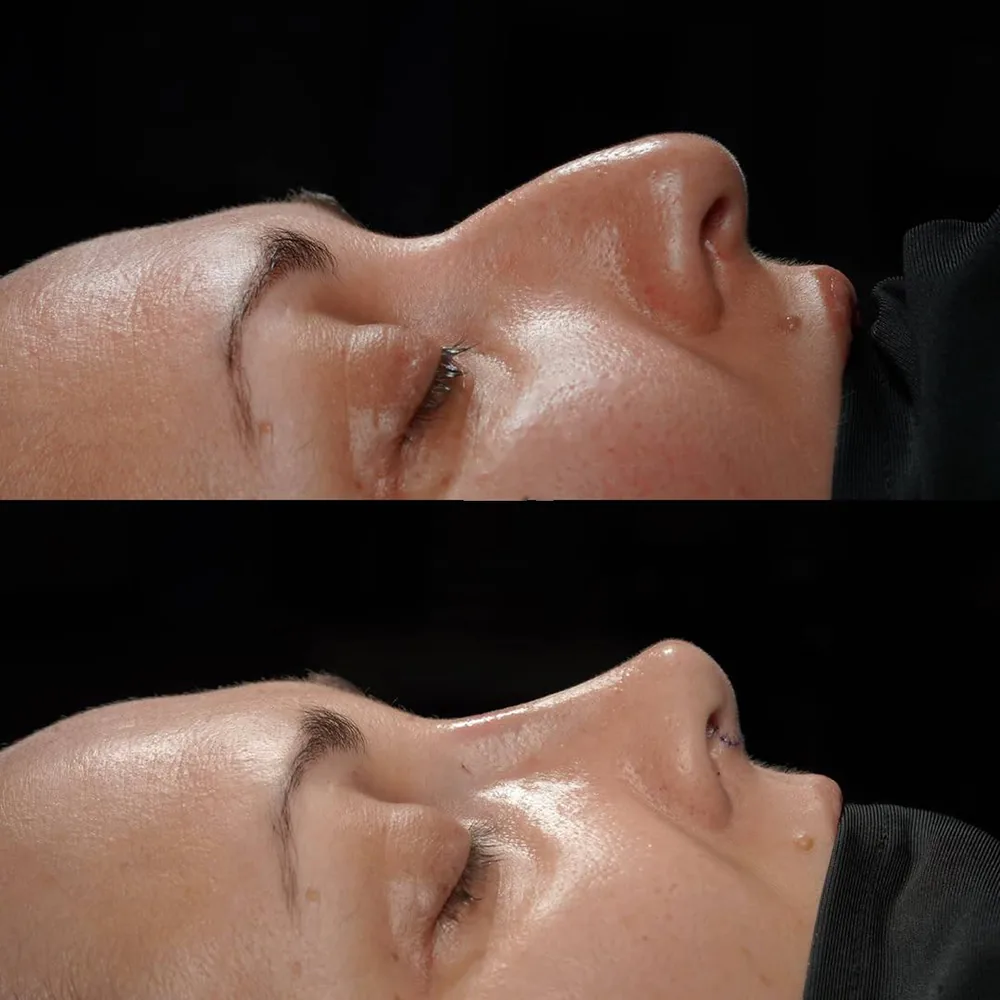 beforeafter
Rhinoplasty
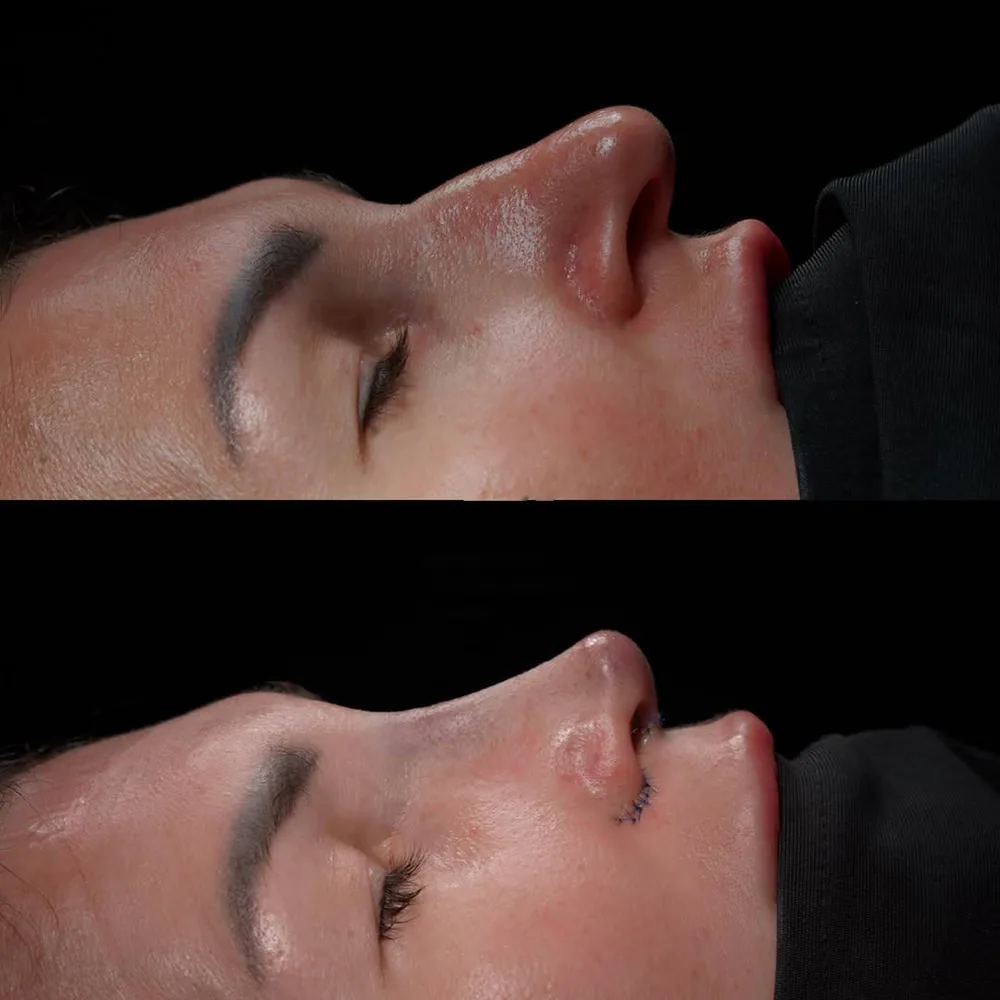 beforeafter
Rhinoplasty
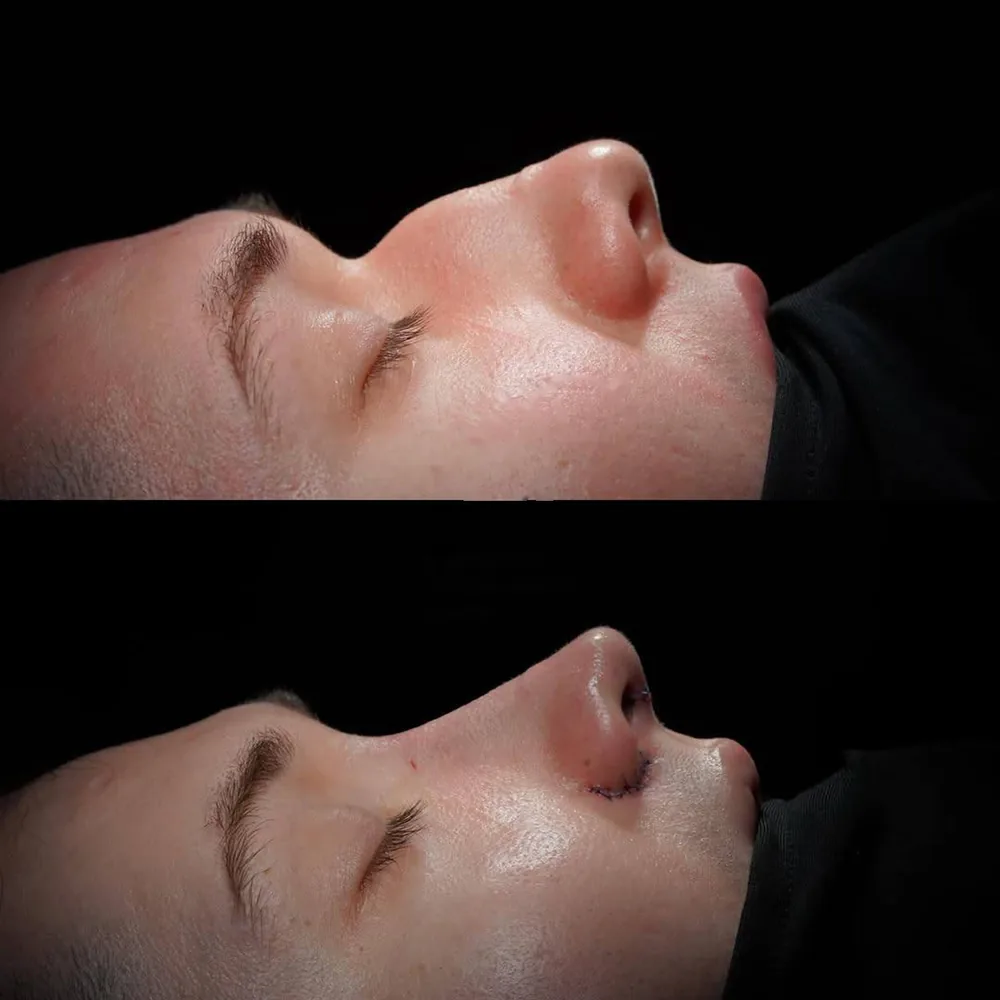 beforeafter
Rhinoplasty
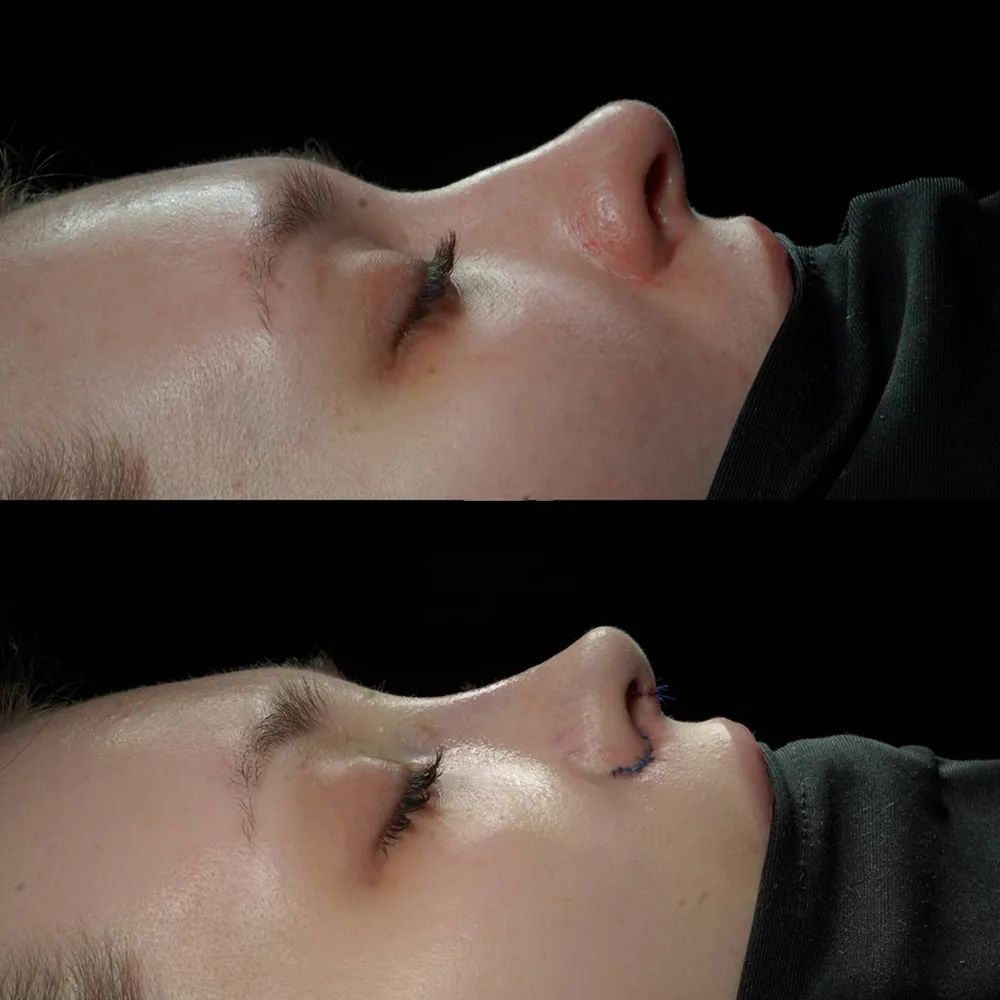 beforeafter
Rhinoplasty
beforeafterRhinoplasty
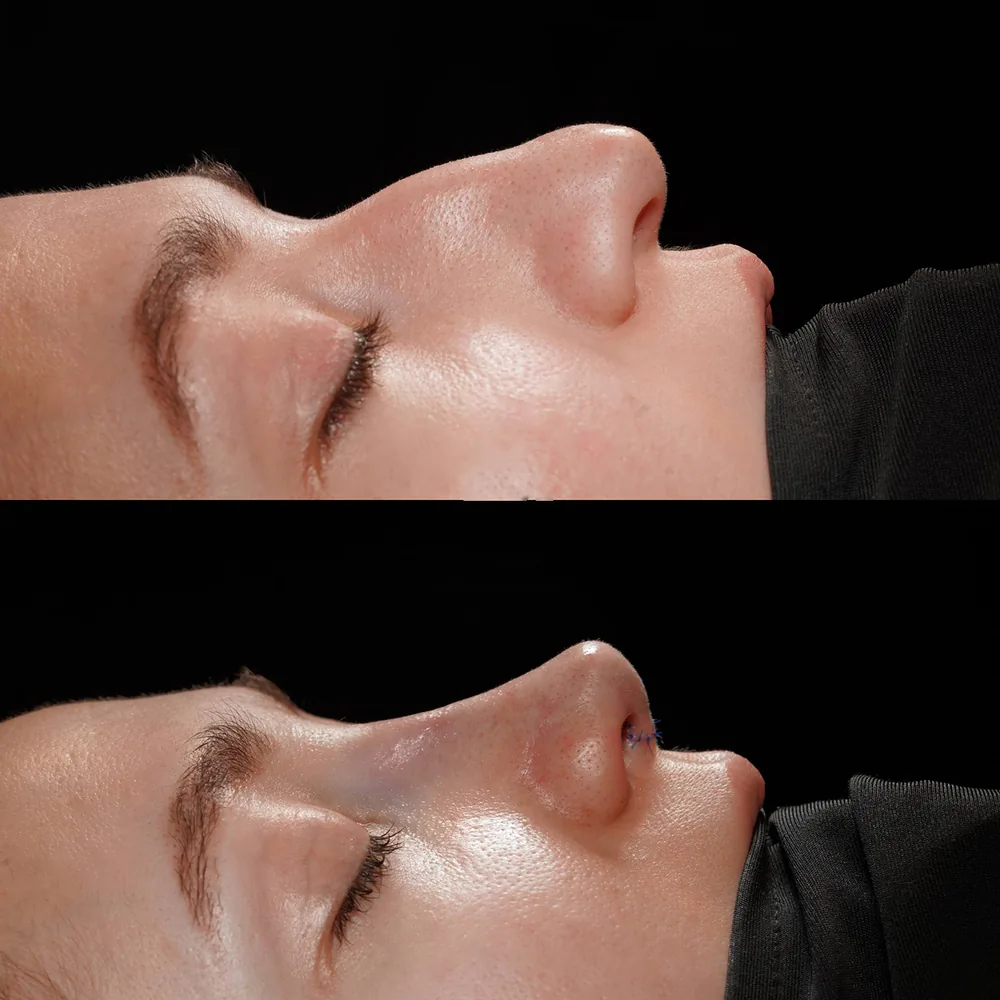 beforeafter
Rhinoplasty
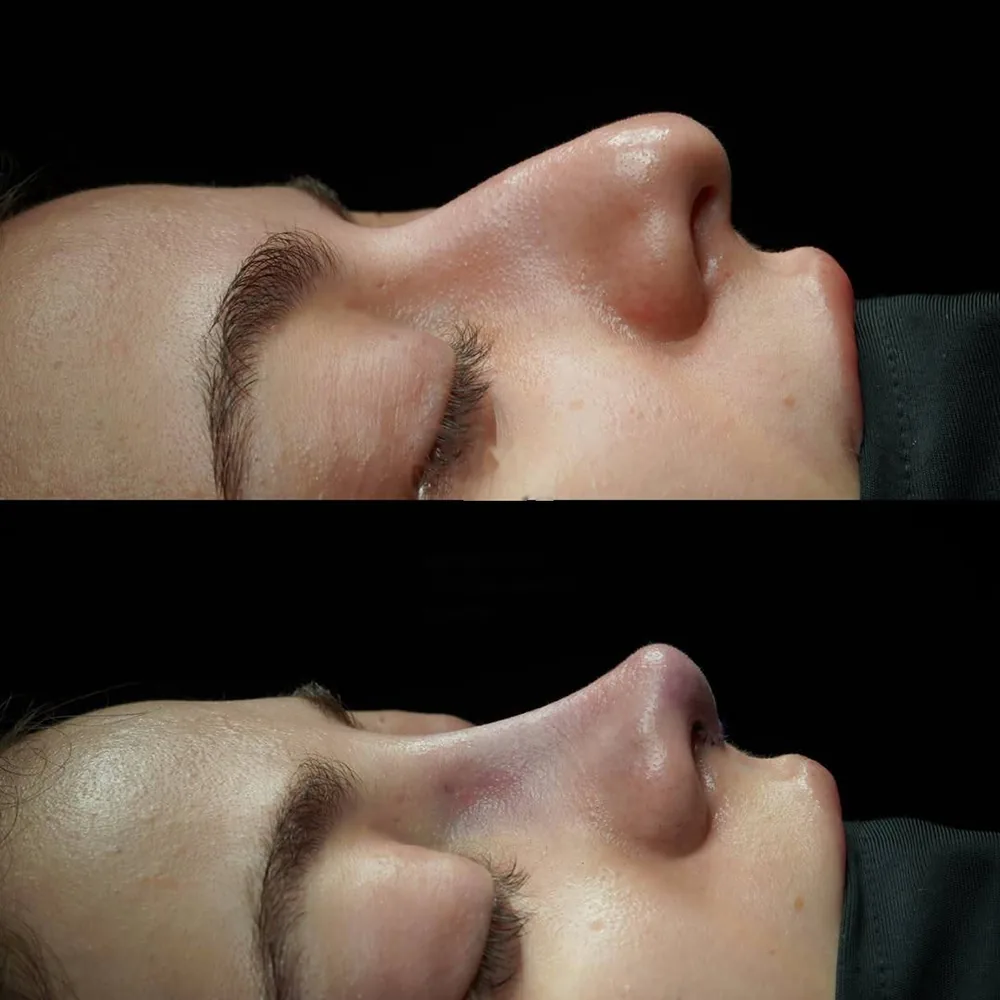 beforeafter
Rhinoplasty
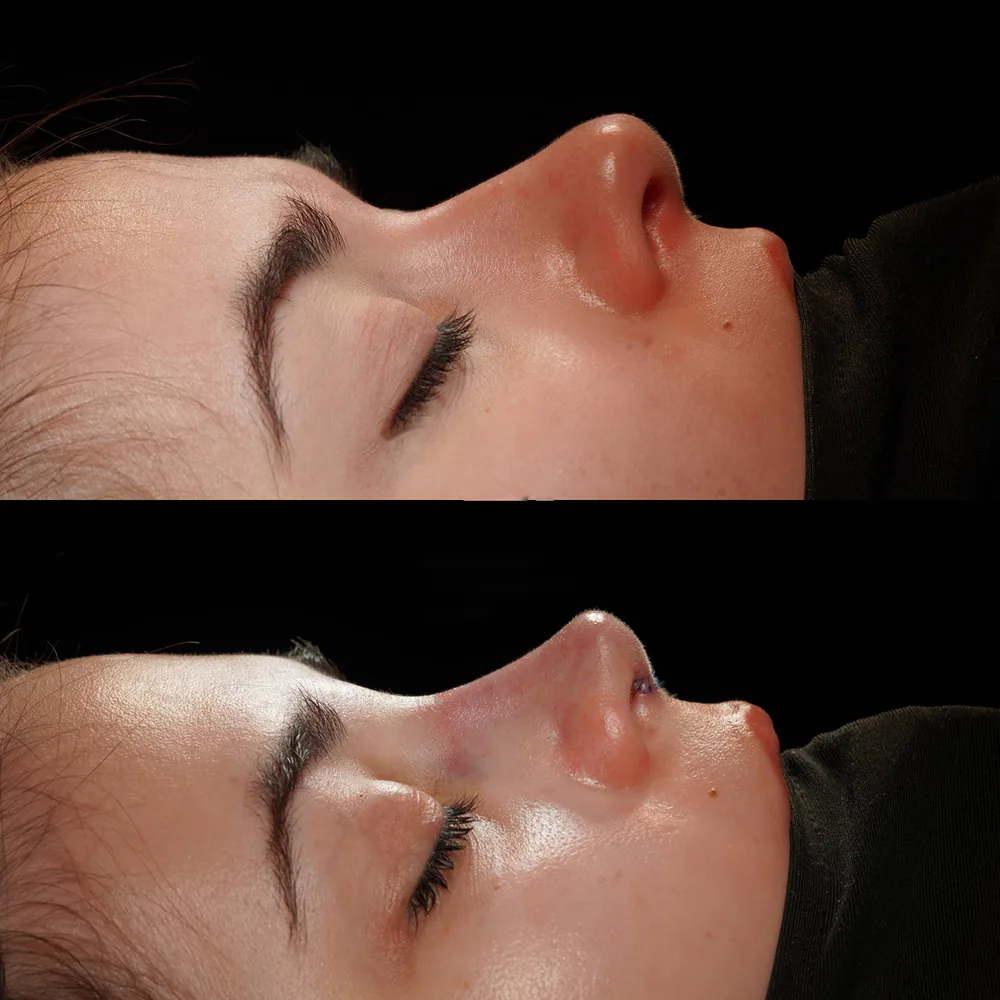 beforeafter
Rhinoplasty
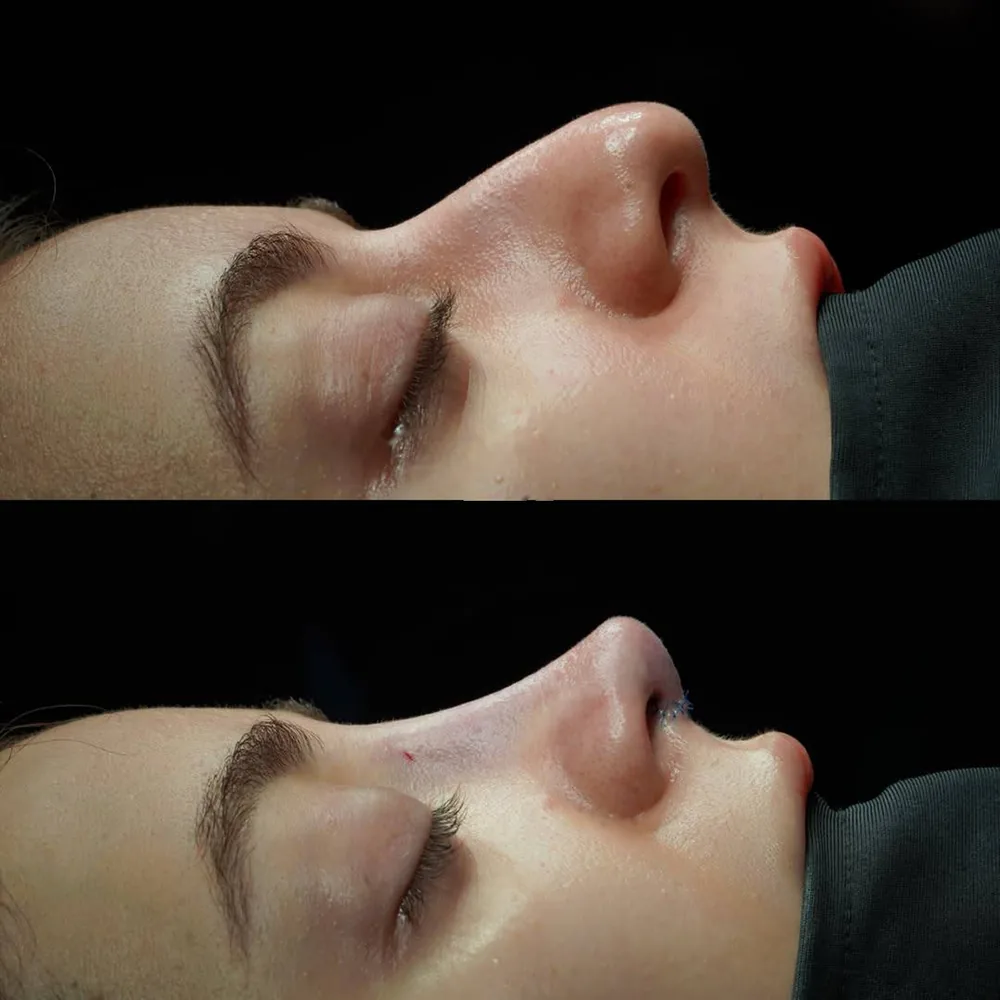 beforeafter
Rhinoplasty
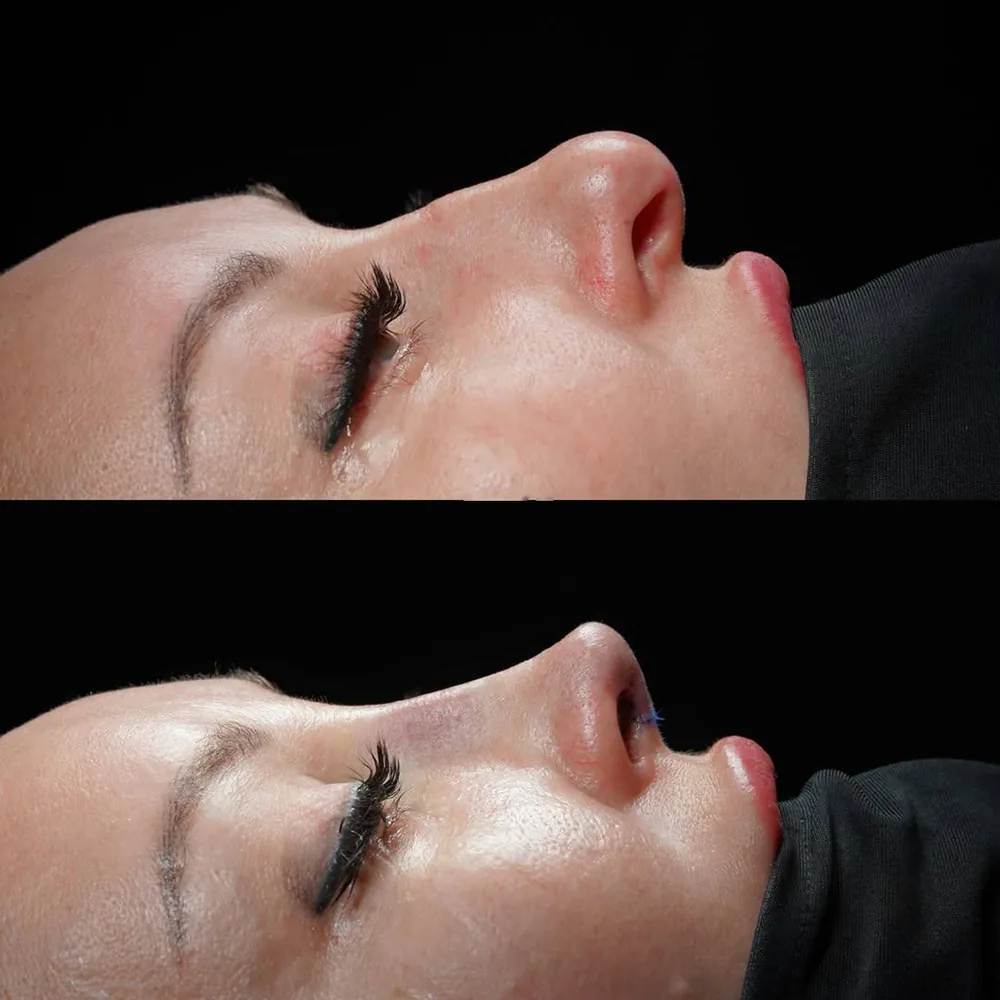 beforeafter
Rhinoplasty
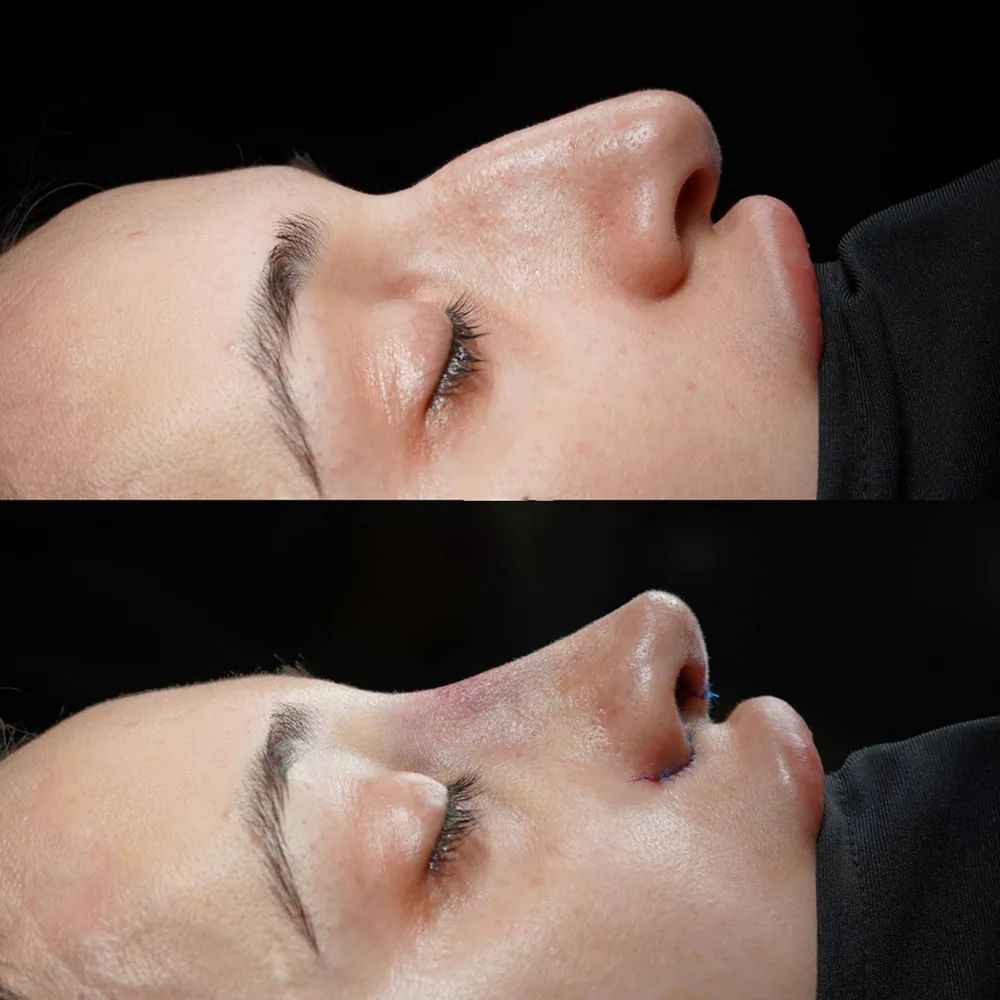 beforeafter
Rhinoplasty
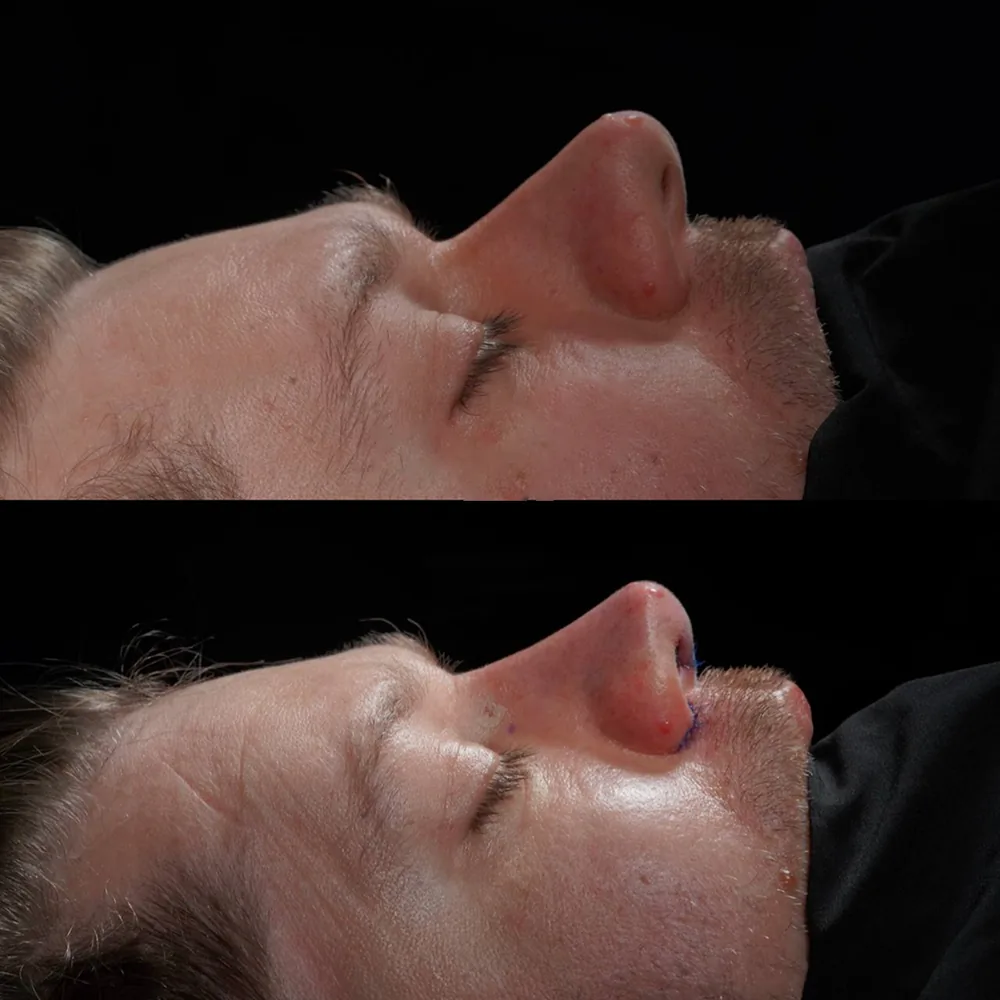 beforeafter
Rhinoplasty
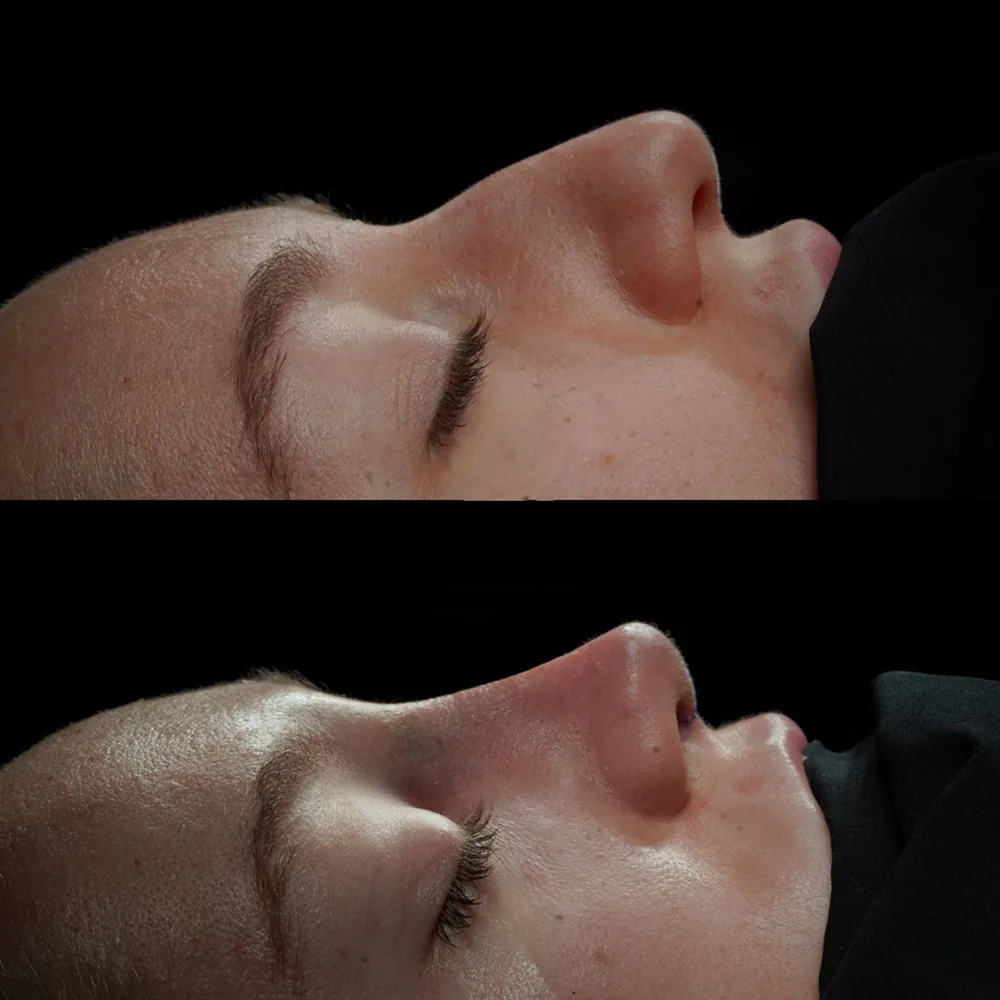 beforeafter
Rhinoplasty
Comparison
The most effective solution for you — found by us, with an excellent result delivered.
A first-time nose surgery: it reshapes the nose and corrects breathing when airflow is affected.
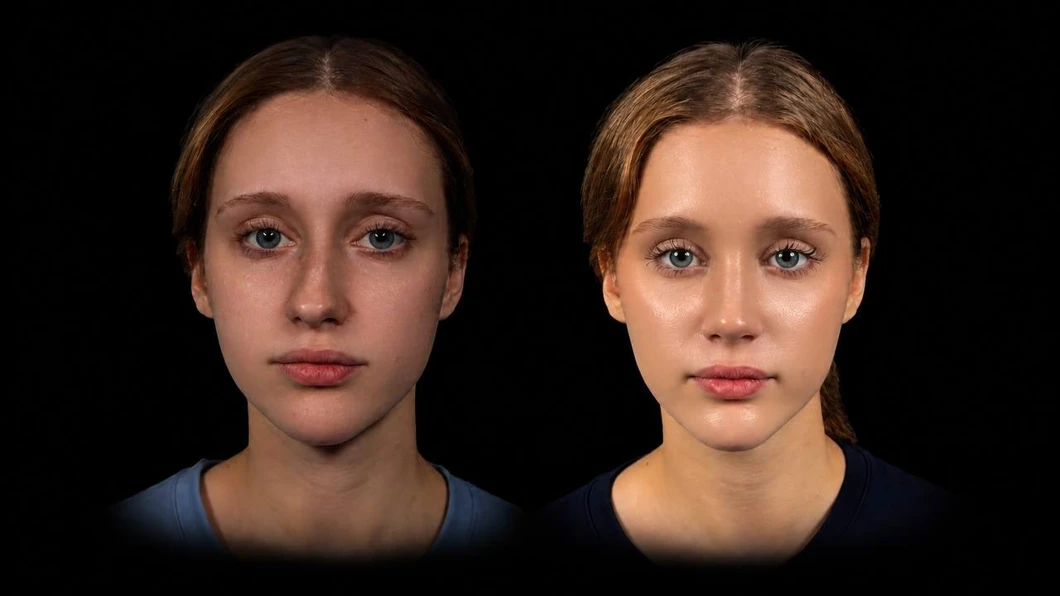
Discounted price
$4,200 $6,000
Secondary, revision surgery: repeat correction of the nose after an unsuccessful or partly successful operation. Performed no earlier than a year after the primary one.
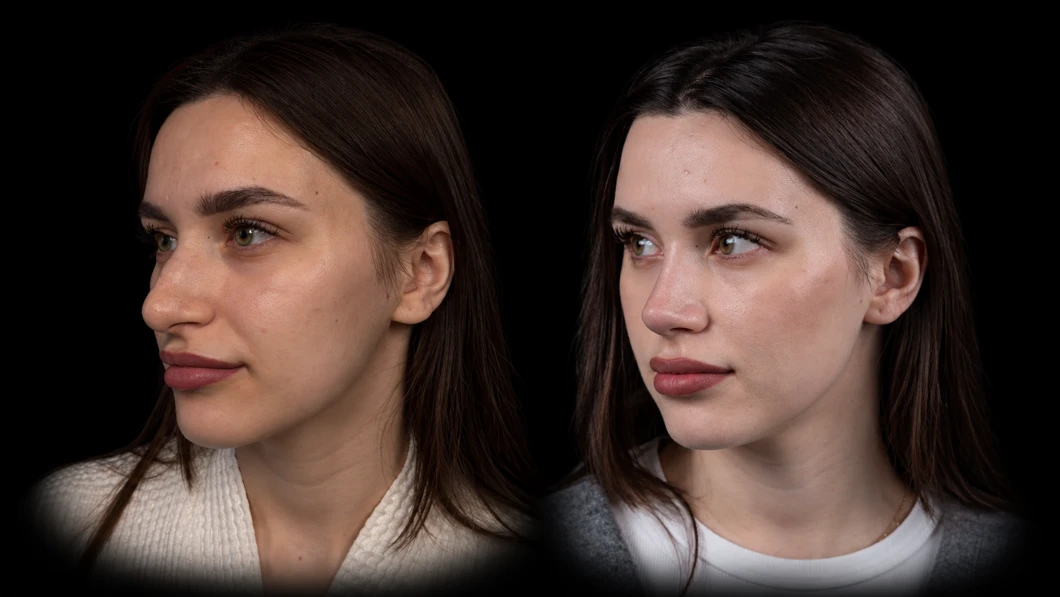
Discounted price
$5,400 $7,200
Surgery that corrects the septum while also changing how the nose looks.
Discounted price
$5,000 $6,600
The benefits and recovery periods listed here are average figures by surgery type, provided only for guidance — the actual scope of correction and recovery time depend on your own anatomy, and the surgeon will confirm them at the consultation.
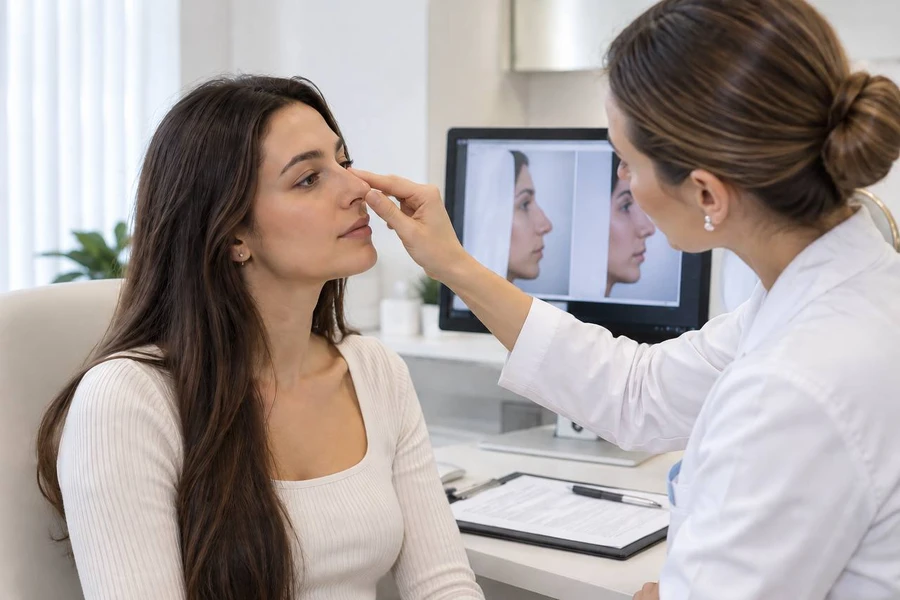
At the consultation, the doctor will build a 3D model of the expected result and explain
what your rhinoplasty will involve
The consultation costs nothing, takes place before surgery and carries no commitment.
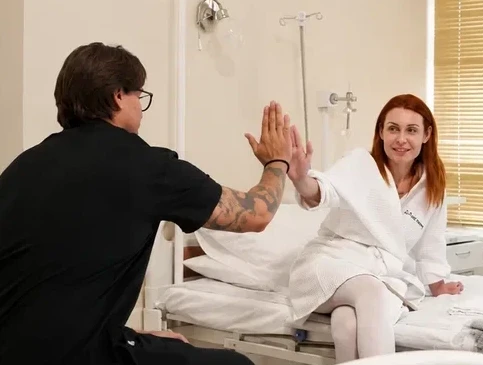
Book a consultationInside the clinic
Up-to-date equipment, comfortable rooms and attentive care for every patient
We'll answer your questions and arrange a consultation time that works for you
By messaging us, you agree to our Privacy Policy
Get a consultationShould your case be solvable without an operation, the doctor will say so at the consultation — so you won't pay for nothing.
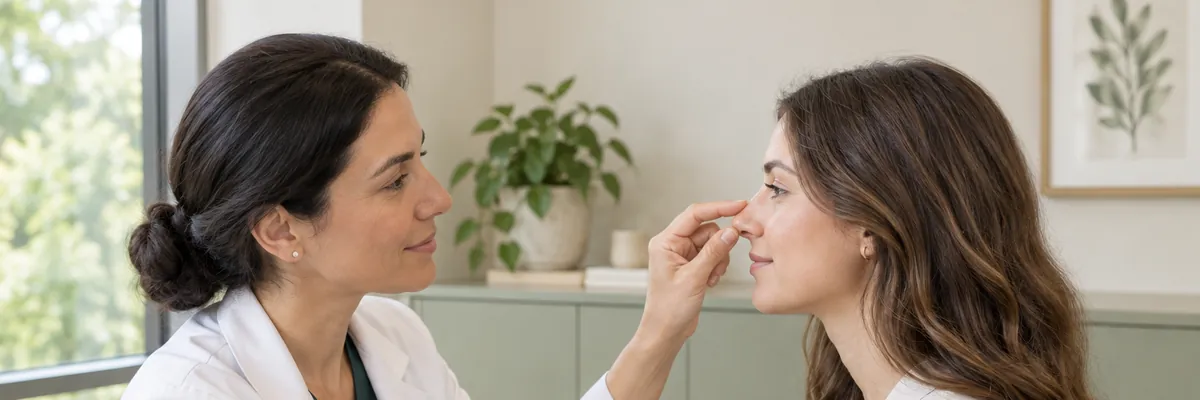

Unsure which column applies to you?
Share photos of your nose with us on Telegram and the doctor will assess whether rhinoplasty fits your case, free of charge and with no obligation to proceed.
Find out if it suits me
Prices
At the free consultation, once the result has been modelled, you receive the price, which is then fixed in the contract.
Discounted price
reshaping the nose
$4,200$6,000
Discounted price
secondary, revision
$5,400$7,200
Discounted price
the septum and the shape of the nose
$5,000$6,600
Free
surgeon's assessment and a 3D model
Free
the cost of surgery is named
and fixed in the contract
The doctor will assess the anatomy of your nose, listen to your wishes
and choose the right correction technique. The cost is named at the consultation and fixed in the contract.

Message our coordinator
Free online consultation · Reply within 15 minutes
Message us on TelegramMessage us on WhatsAppBy messaging us, you agree to our Privacy Policy
Price
From getting ready for surgery
to 12 months of support.
Discounted price
$4,200$6,000Discounted price
What to expect
An agreed correction plan, inpatient observation and recovery monitoring for a year.
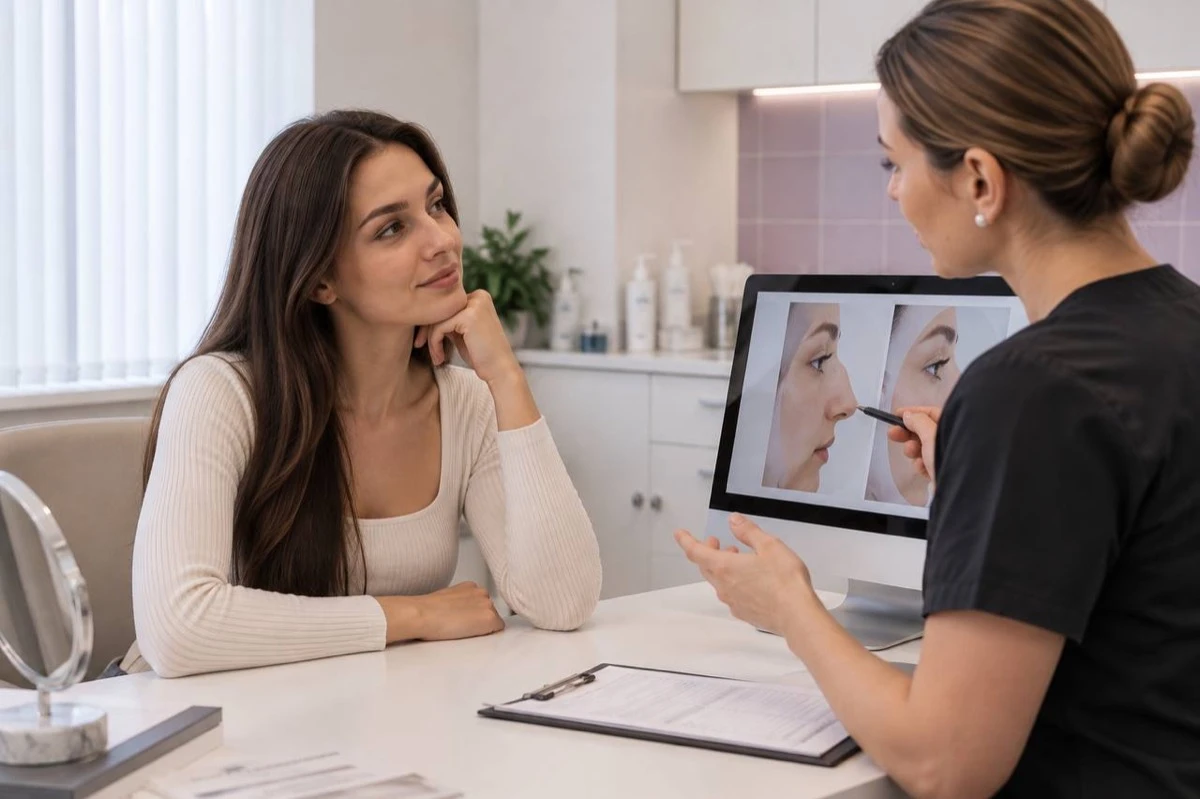
The doctor reviews your nose, talks about your wishes, and conducts the examinations required to pick the best correction technique

We book a surgery date in your name: the deposit is payable by card at the clinic or by online bank transfer, with terms fixed in the contract for medical services
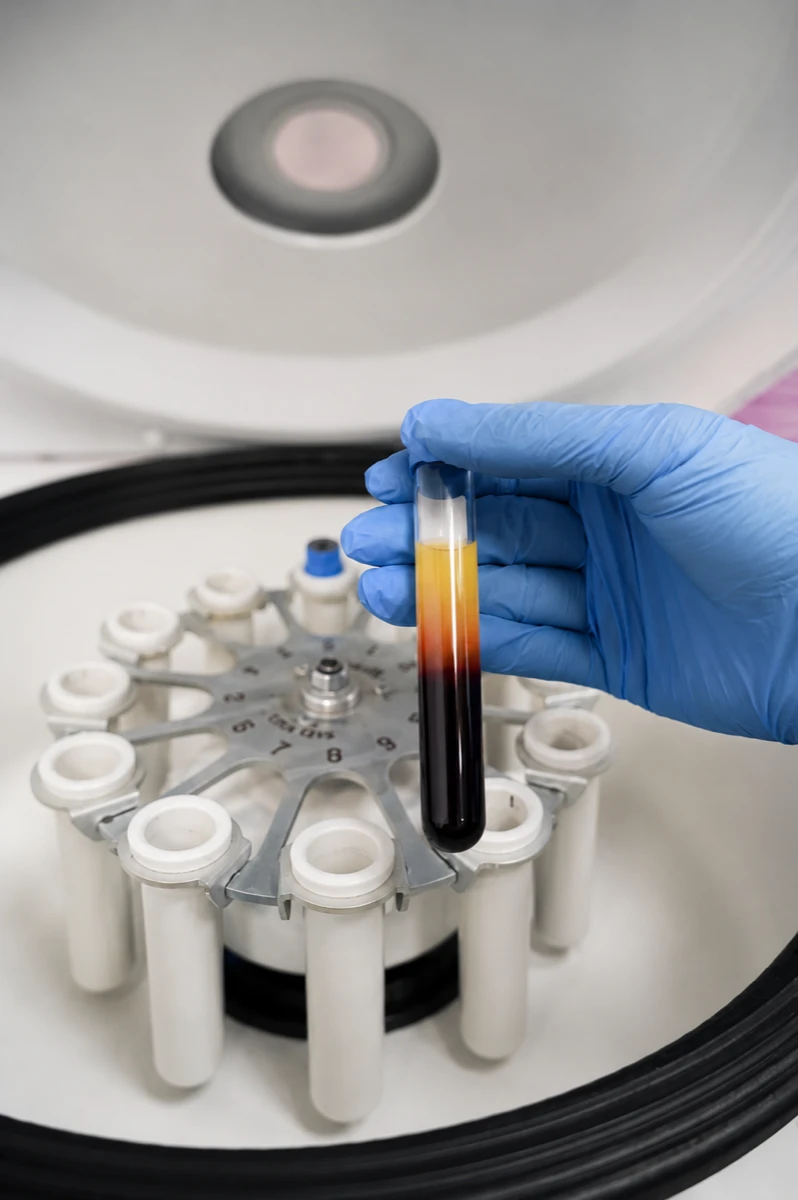
A full set of lab tests is needed before surgery: complete blood count, biochemistry, coagulation panel, chest X-ray and sinus X-ray
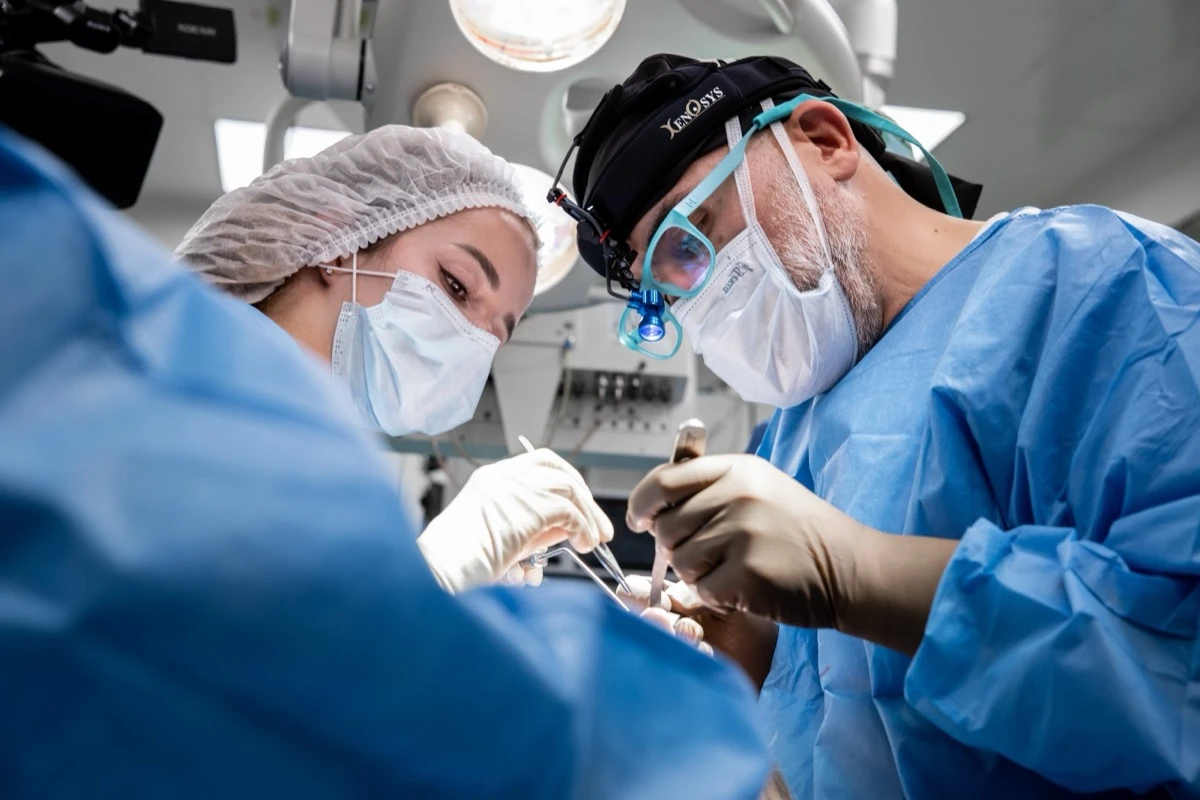
Under general or local anaesthesia, the surgeon performs the rhinoplasty with the chosen technique, correcting the structure and shape of the nose
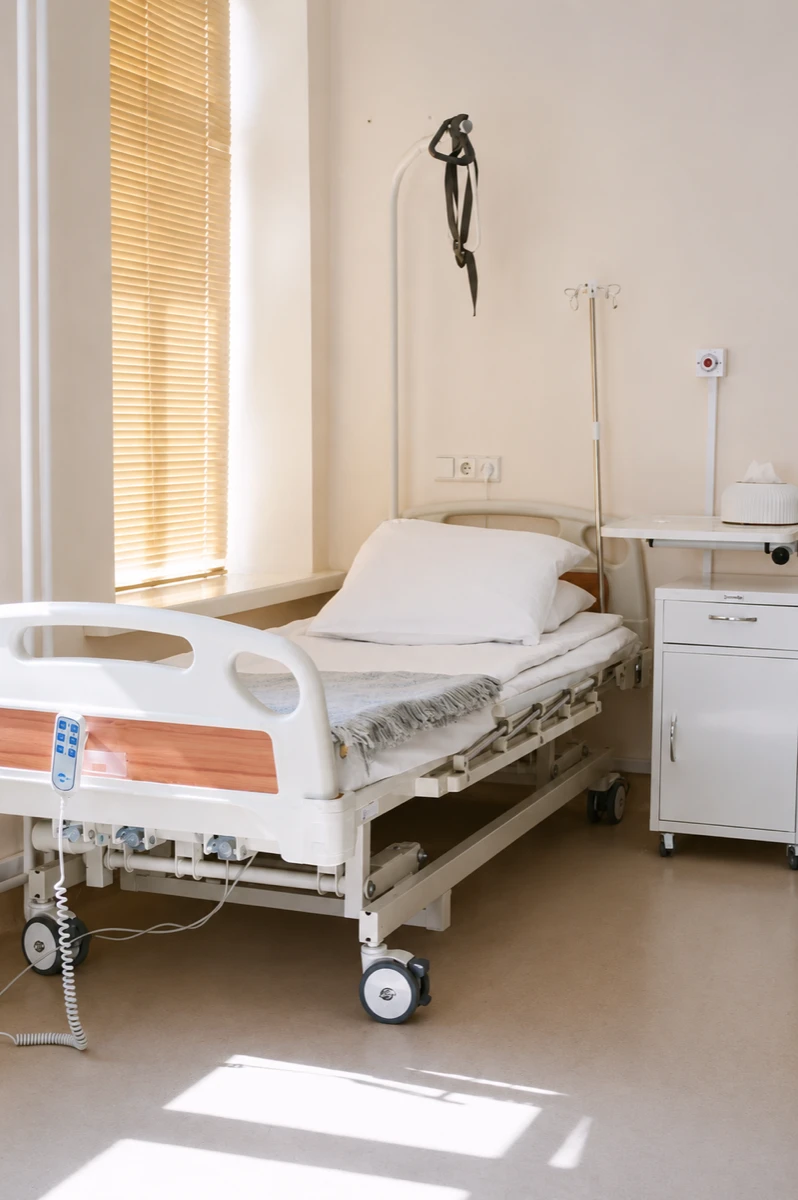
We perform all procedures in the clinic's inpatient unit. After the operation you remain there one day
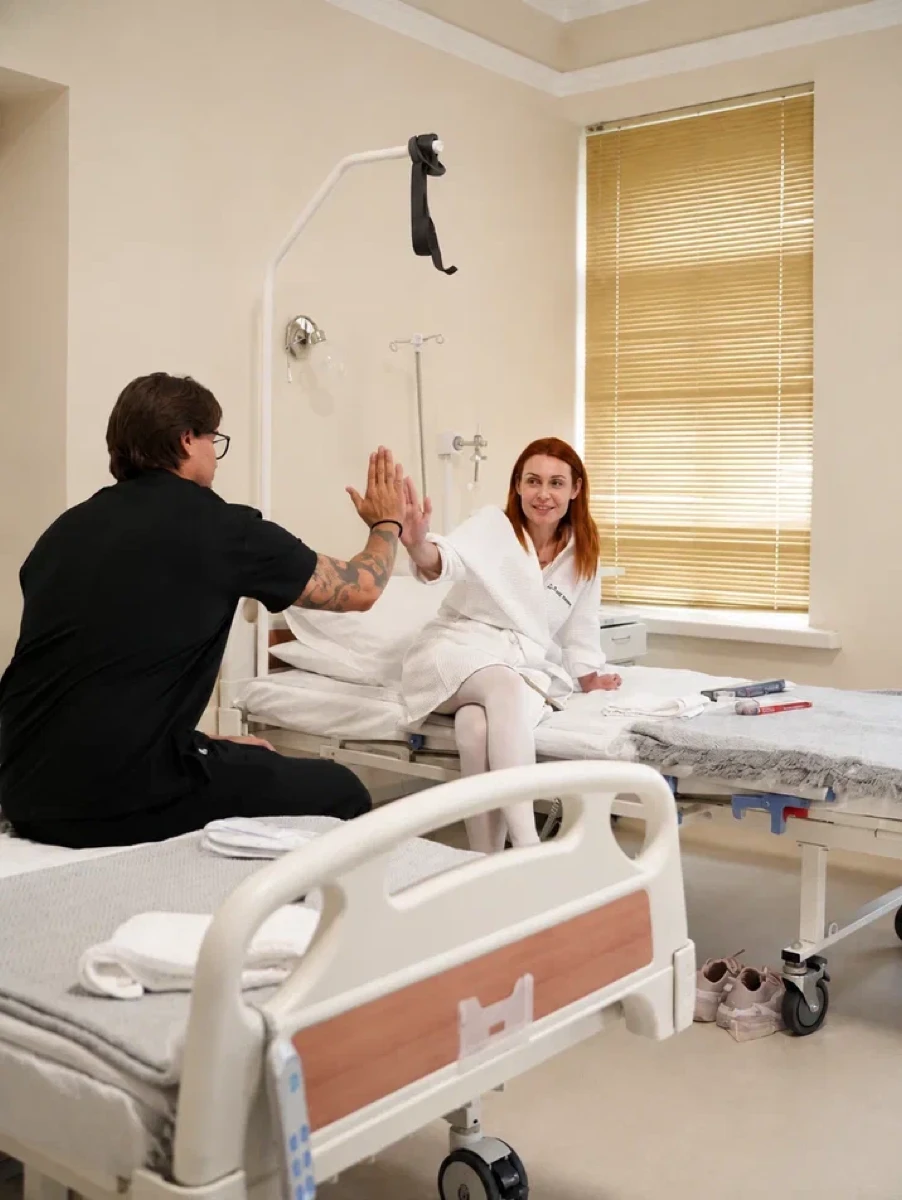
A recovery programme follows your surgery, including check-ups at 7 days, 3 and 6 months to track progress, with free surgeon consultations for a year after the operation.
During the consultation you get a realistic forecast of the expected result
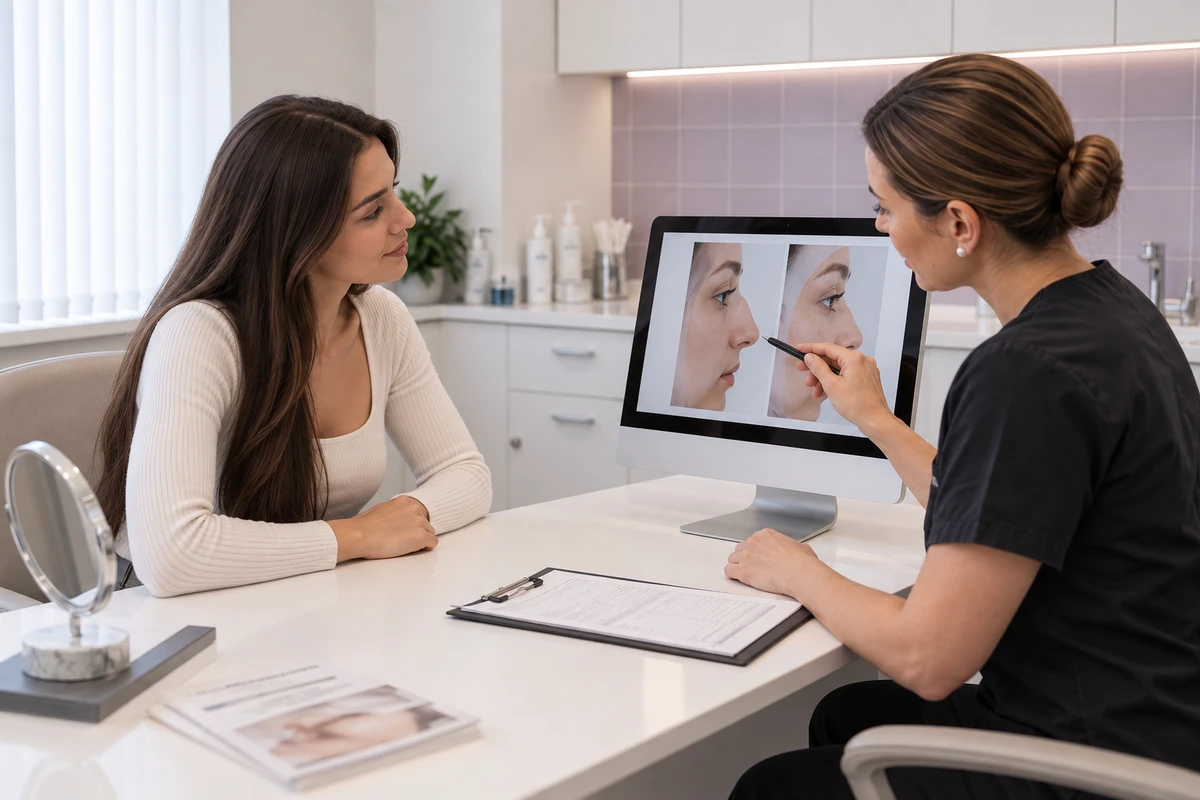
The consultation costs nothing, takes place before surgery and carries no commitment.
Book a consultationNasal splint
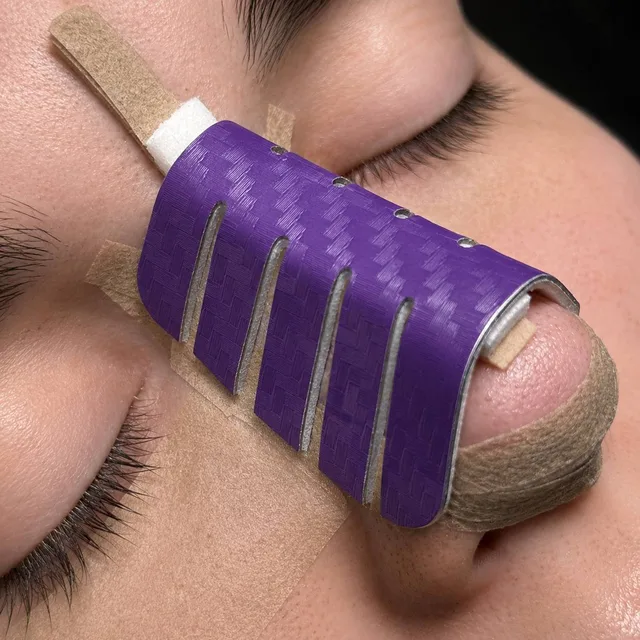
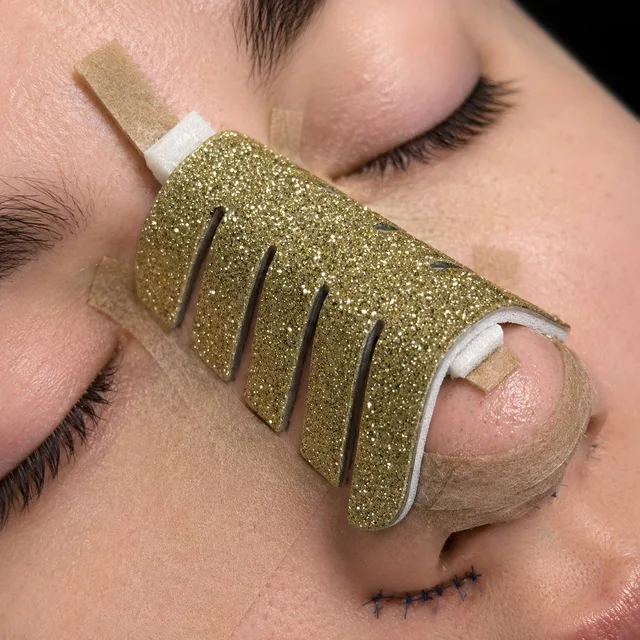
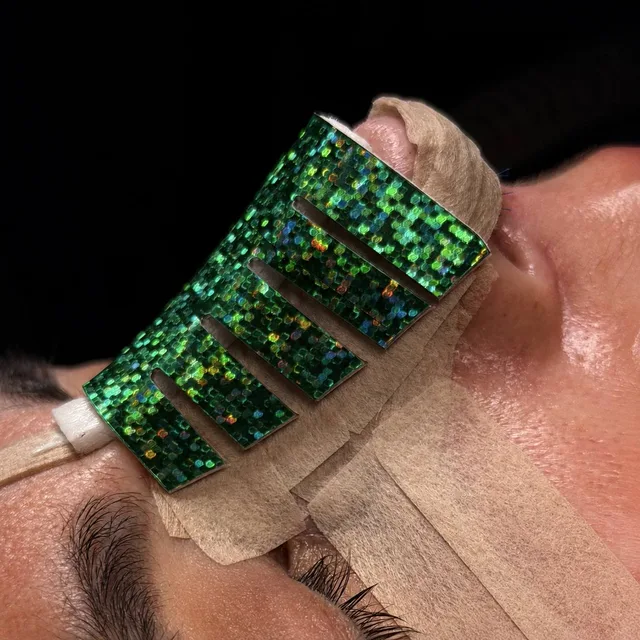
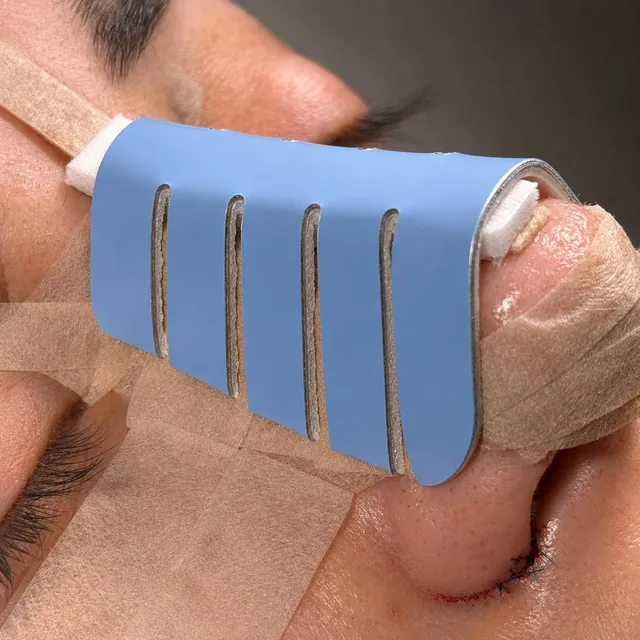
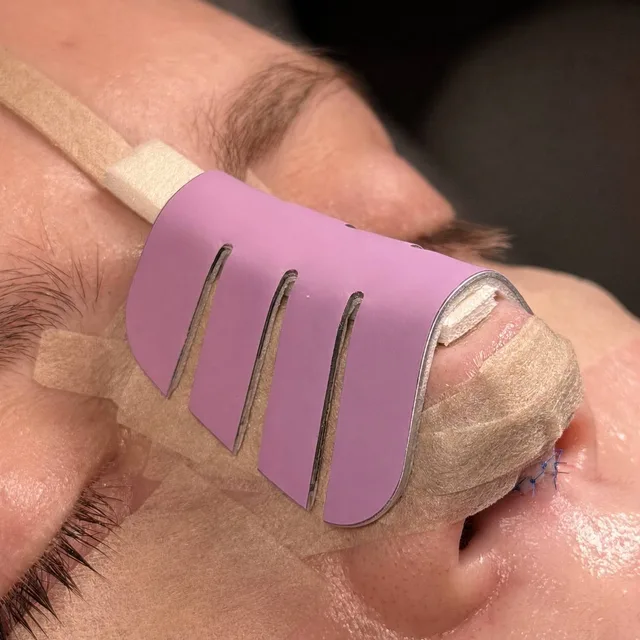
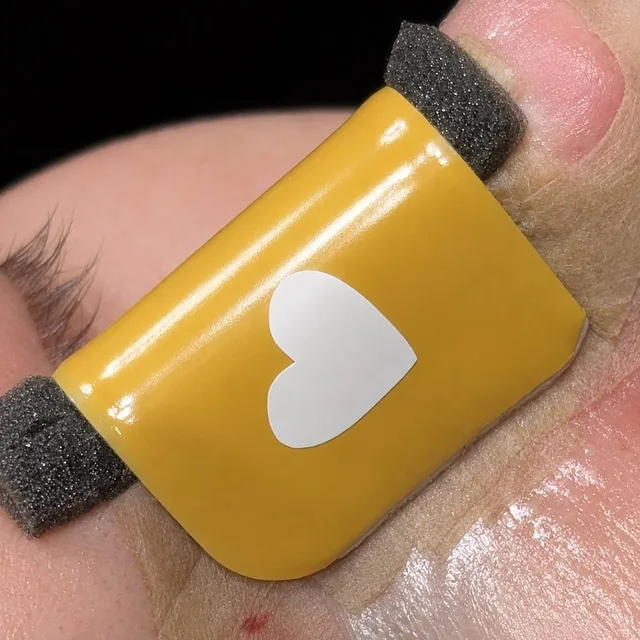
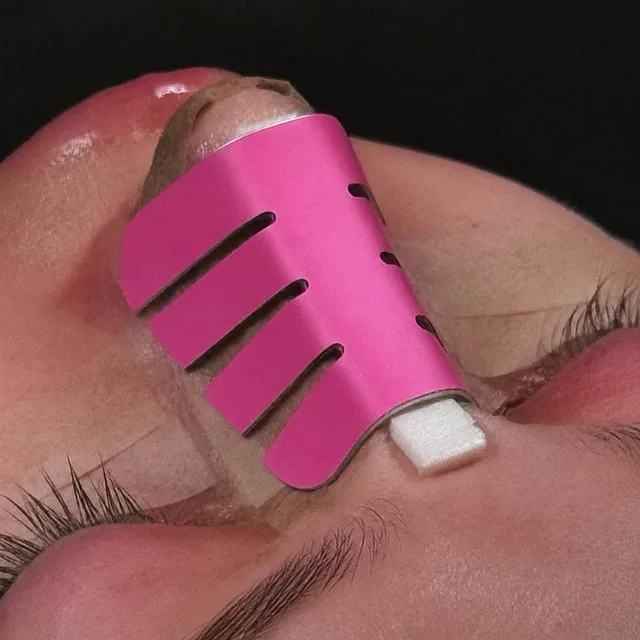
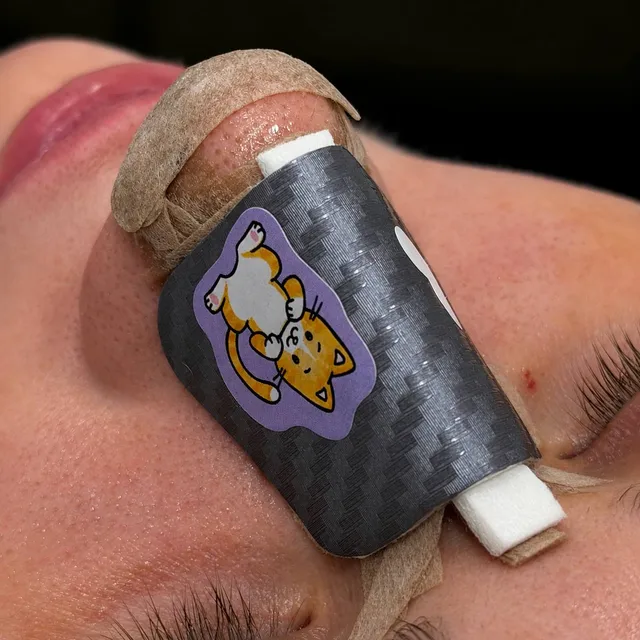
Every detail is designed to bring out your natural beauty. And so that you enjoy the change even during recovery, we invite you to choose the colour of your own nasal splint.
Your style in the details:
Choose the splint colour that fits your mood
Confidence often starts with small details, just as your future profile does
Doctors
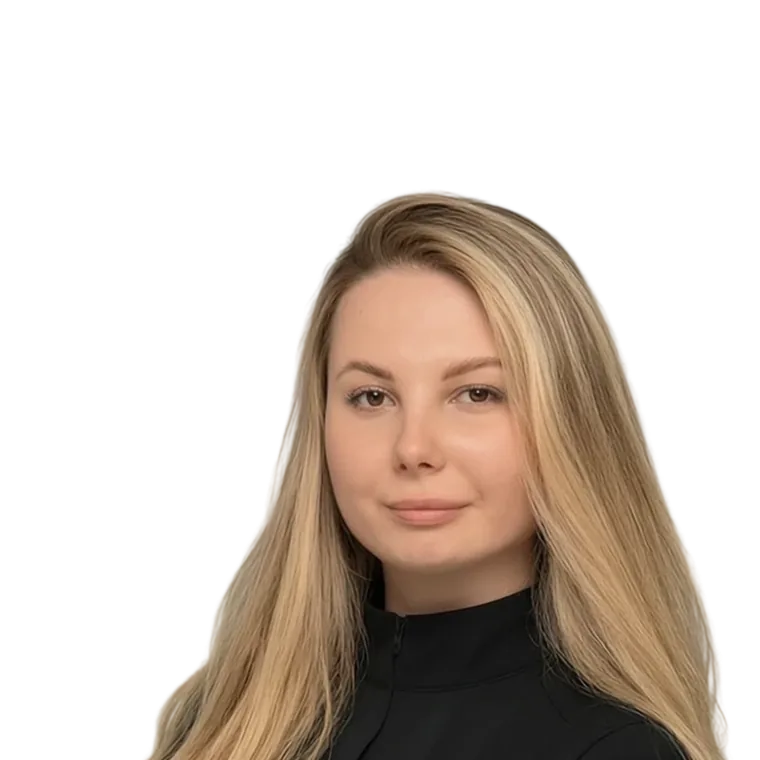
Rhinoplasty surgeon
The surgeon who will carry out your operation is who you talk to at the consultation
Your facial proportions are assessed by the doctor, who listens to your wishes and explains the possible changes.
Book a consultationCoordinators
You're supported at every stage of the process

A coordinator just for you
Your first contact at the clinic — from your first message to the consultation
Patient care specialist
Answers your questions before the first consultation and helps you choose a convenient date

A coordinator just for you
By your side before and throughout your stay — from the moment you book to discharge
Patient care specialist
Helps you prepare for surgery and stays in touch during your stay at the clinic

A coordinator just for you
With you through recovery — from discharge to your final check-up
Patient care specialist
Stays in touch throughout your recovery and arranges your follow-up visits with the surgeon
A closed channel built for those who care about honesty and expertise
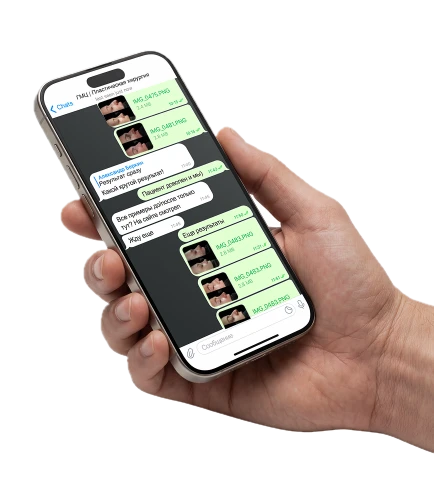
Message us — our coordinator will contact you shortly and book your consultation
By messaging us, you agree to our Privacy Policy
Get a consultationAdvantages
Under contract, you receive a lifetime guarantee — the surgery, support and post-operative follow-up terms are all fixed in advance.
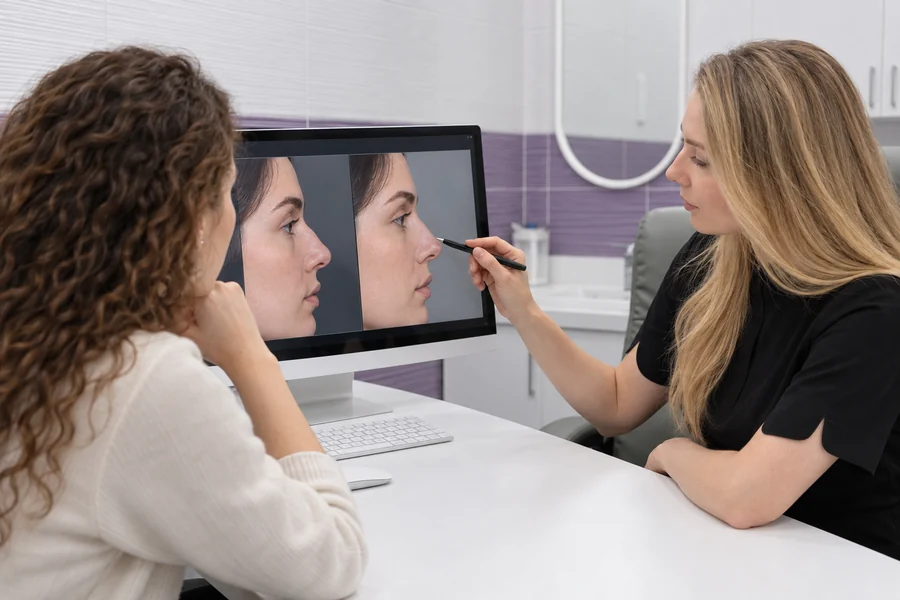
At a no-cost consultation we assess your case and give you an honest answer on whether rhinoplasty fits — facts only, never a sales pitch.
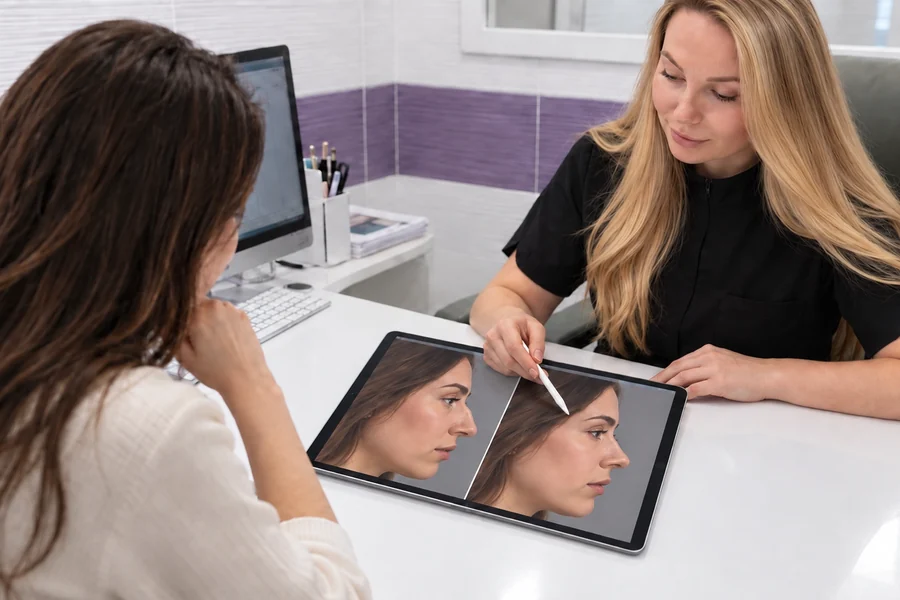
Travelling from elsewhere? We arrange your consultation and the needed preparation in a single visit, so the whole process is more comfortable and requires fewer trips.
We value your time: available 24/7, with simple booking and a personal approach that adapts to your pace.
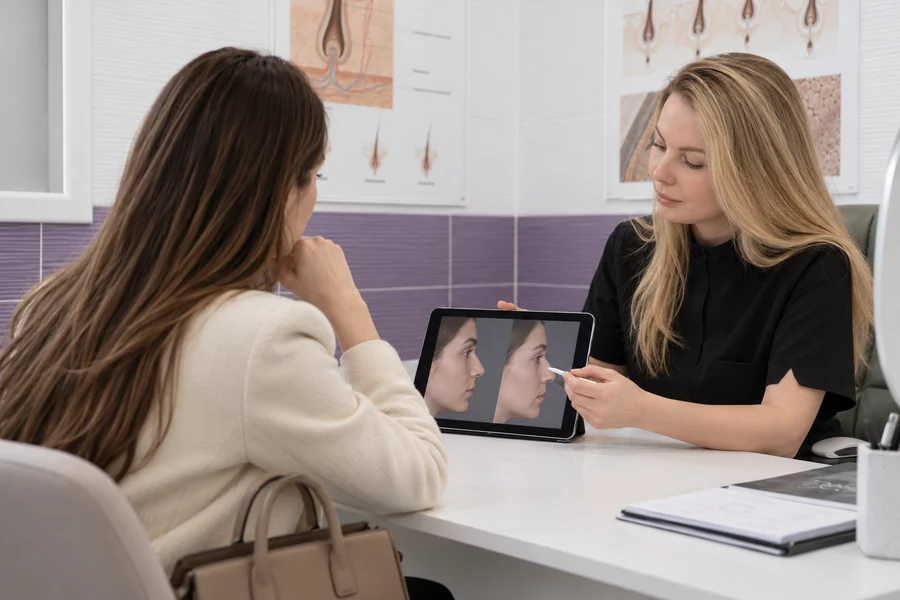
After the consultation the surgeon defines the extent of correction, and you get a clear price for the surgery — no surprises on the way to the result you want.
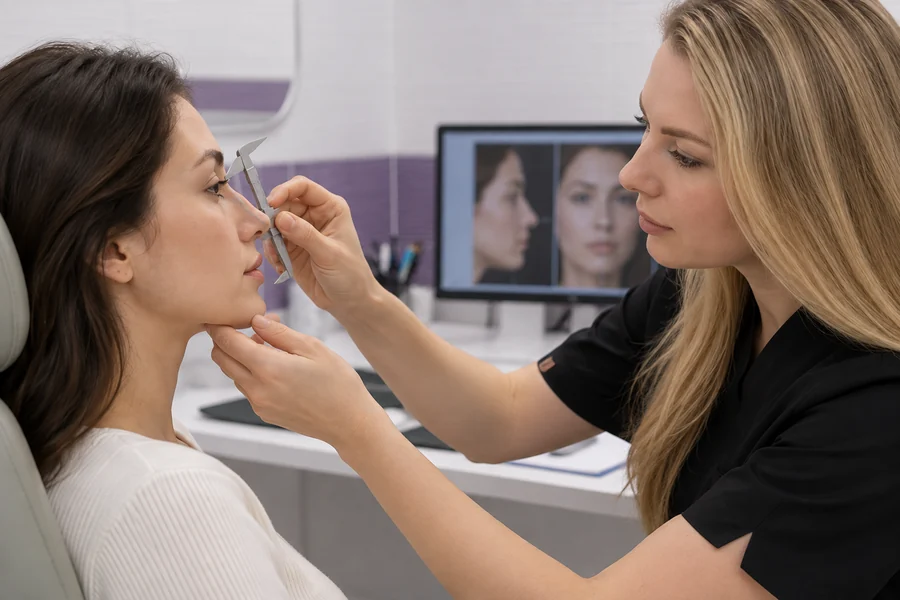
With modern equipment, the surgeon can operate gently and with precision — crucial where millimetres shape proportions, profile and facial harmony.
Prices
Send a request and get a free consultation on any service
Free
BookPrice without discount: $6,000$4,200
Price without discount: $7,200$5,400
Price without discount: $6,600$5,000
Price without discount: $6,500$4,700
Price without discount: $7,200$5,400
FAQ
Rhinoplasty (nose job) — one of the most delicate and in-demand plastic surgeries, meant to reshape the nose according to the individual proportions of the nose and the whole face. Today's rhinoplasty is not simply an operation that changes how the nose looks, but complex surgical work aimed at an aesthetic ideal while protecting health.
Yes. Nose job is the everyday name for rhinoplasty, plastic surgery of the nose. The surgeon can change its shape and, with rhinoseptoplasty, also correct a deviated septum to make breathing easier.
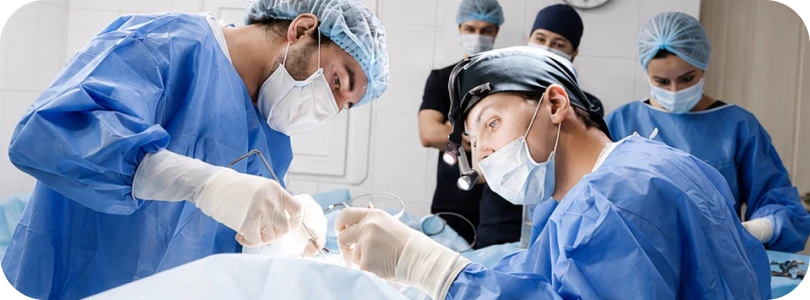
The ideal age is 18 to 45. At that point the nose is fully formed and tissues still heal well. If there are medical indications, surgery is possible at an older age when your general health allows
At its core, rhinoplasty is a comprehensive solution. It corrects both congenital and acquired nasal deformities, for example after a nasal injury. Patients are often bothered by a dorsal hump or an overly wide nose. Nose correction can also target the tip (tip rhinoplasty) or the nostrils (alar rhinoplasty). The surgical plan is created individually for each patient, taking every feature of their nose into account.
Rhinoplasty is performed under general anaesthesia and, depending on complexity, takes 1.5 to 3 hours.
The surgeon determines the extent and course of the surgery at the consultation, based on your goals and the anatomy of your nose.
Rhinoplasty — surgery to change the appearance of the nose (an aesthetic goal) and improve its function if breathing is impaired.
Septoplasty — a septum-correcting surgery that restores normal breathing and does not change the outer contour of the nose.
Often both surgeries are combined, especially when a patient has a deviated septum and aesthetic concerns. This gives a harmonious look and restores full breathing. At City Medical Centre we perform rhinoseptoplasty — a combined surgery that solves both tasks at once
For a successful operation, preparation should begin 21 days before rhinoplasty. At the first appointment our plastic surgeon will give you a list of the required tests.
| Complete blood count (including ESR, white cell differential, platelets) | 2 weeks |
| Urinalysis | 2 weeks |
| Infection tests: HIV, HBsAg, anti-HCV, antibodies to Treponema pallidum | 2 weeks |
| Blood group and Rh factor | 2 weeks |
| Blood biochemistry (total protein; urea; uric acid; creatinine; glucose; total, unconjugated and conjugated bilirubin; ALT; AST; K; Na; Cl; cholesterol) | 2 weeks |
| Coagulation panel (Quick prothrombin, INR, APTT, D-dimer, antithrombin III) | 2 weeks |
| Electrocardiogram (ECG) tracing with a report | 2 weeks |
| Doppler ultrasound of the leg vessels / duplex scan of the leg veins | 2 weeks |
| Chest X-ray or fluorography with a report | 6 months |
| MSCT of the paranasal sinuses | 6 months |
| After the full laboratory work-up — a physician's report confirming there are no contraindications to surgery | 2 weeks |
Preparation means plastic surgeon consultations, lab tests (CBC, biochemistry, coagulation, infection tests), ECG, a chest X-ray, and nasal X-ray or CT imaging. A week before surgery, cut out anticoagulants, alcohol and smoking. Eat light the day before and fast 6 hours before surgery
Although nose surgery is one of the most popular and well-established aesthetic operations, like any surgery it carries certain risks. To minimise the likelihood of complications after rhinoplasty, our clinic provides thorough pre-operative preparation and post-operative monitoring.
Important: if after rhinoplasty you have difficulty breathing, severe pain, a high temperature or a change in the shape of your nose, contact your doctor immediately.
Rhinoplasty at City Medical Centre is performed with modern technology, safe materials and constant medical supervision, which keeps the risk of complications to a minimum.
We also provide post-operative monitoring and prescribe recovery therapy.
Recovery after nose surgery is just as important as the operation itself. Proper recovery determines how aesthetic and harmonious the final result will be. At City Medical Centre recovery is closely monitored and divided into three phases: early, intermediate and late
Swelling subsides and first improvements appear (2–3 weeks), but judging the final rhinoplasty result is possible in 1–1.5 years, when tissues fully settle
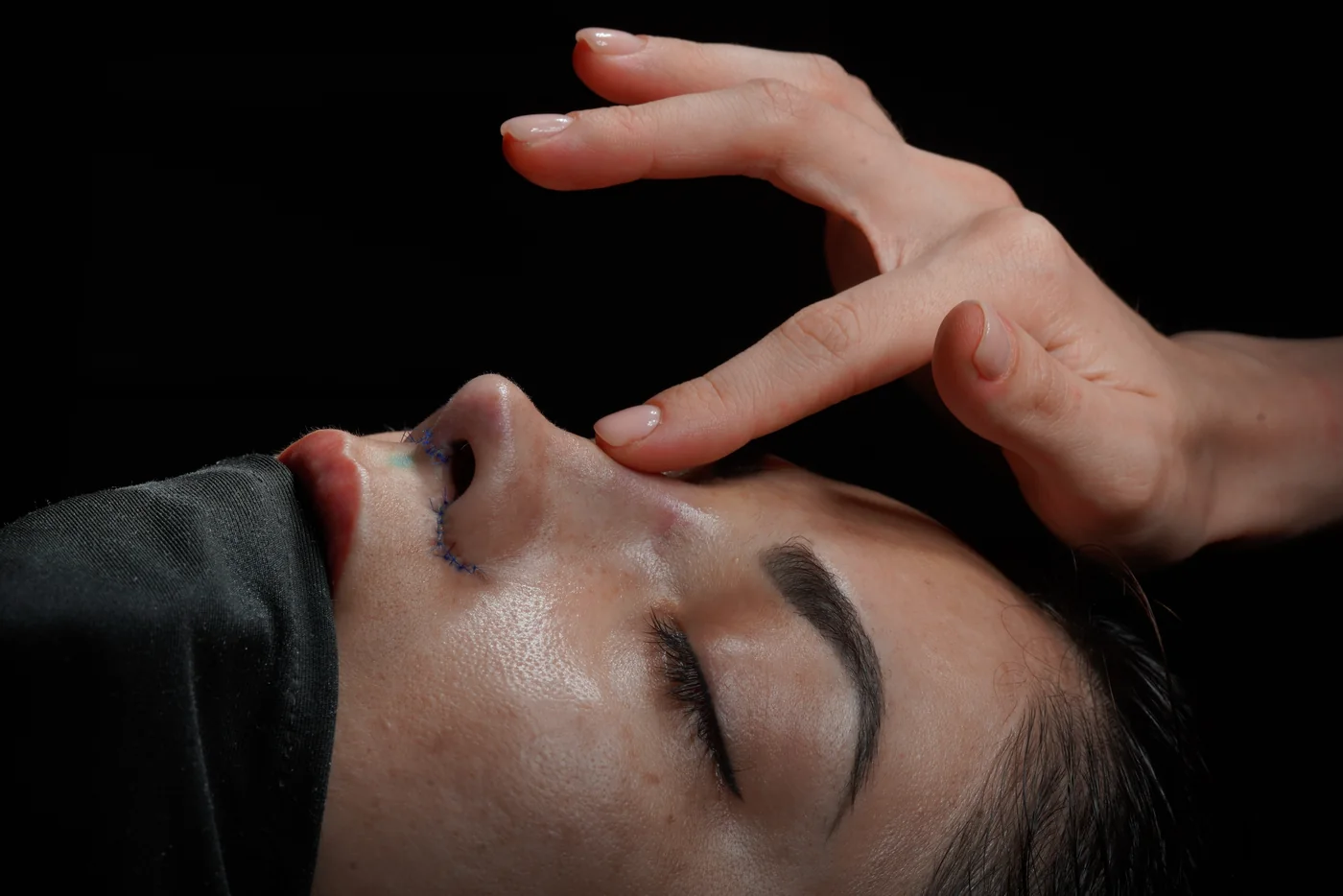
The nose needs to be protected after surgery. An aluminium cast is placed over the nose, with special silicone splints inside the nasal cavity. Nasal function is limited in the first days but recovers quickly. The final result of rhinoplasty can be assessed after 1–1.5 years, once the swelling has fully subsided.
Important: if nasal function is impaired after the first operation or you are not satisfied with the result, revision (secondary) rhinoplasty may be needed. It is a more complex procedure, performed no earlier than one year after the primary operation.
Right after surgery, the nasal passages can be partially obstructed by splints or swelling for the first days. Normal breathing typically returns within 1–2 weeks, based on the extent of surgery and your body
Our doctors use microsurgical techniques and quality sutures to keep scars minimal
Rhinoplasty makes the face more harmonious and improves its aesthetics, without losing what makes you individual. Using 3D modelling, you see the expected result in advance and agree on changes with the surgeon
Rhinoplasty is a serious step. A well-performed rhinoplasty means the new nose is in perfect harmony with your facial features and works flawlessly. At the consultation the nasal surgeon assesses every parameter in detail: the size of the nose, tip projection, and the condition of the septum and nasal mucosa. We use 3D modelling so you can see the future proportions of your nose before the surgery is performed.
Don't just browse rhinoplasty photos online. Book a consultation to discuss what modern rhinoplasty can and cannot do for you. Correcting external nasal deformities and reshaping the nose is our speciality.
Pricing depends on the extent of surgery and is set during the consultation: the doctor gives you the exact figure after examining your nose and facial proportions.
Blog
Articles about rhinoplasty
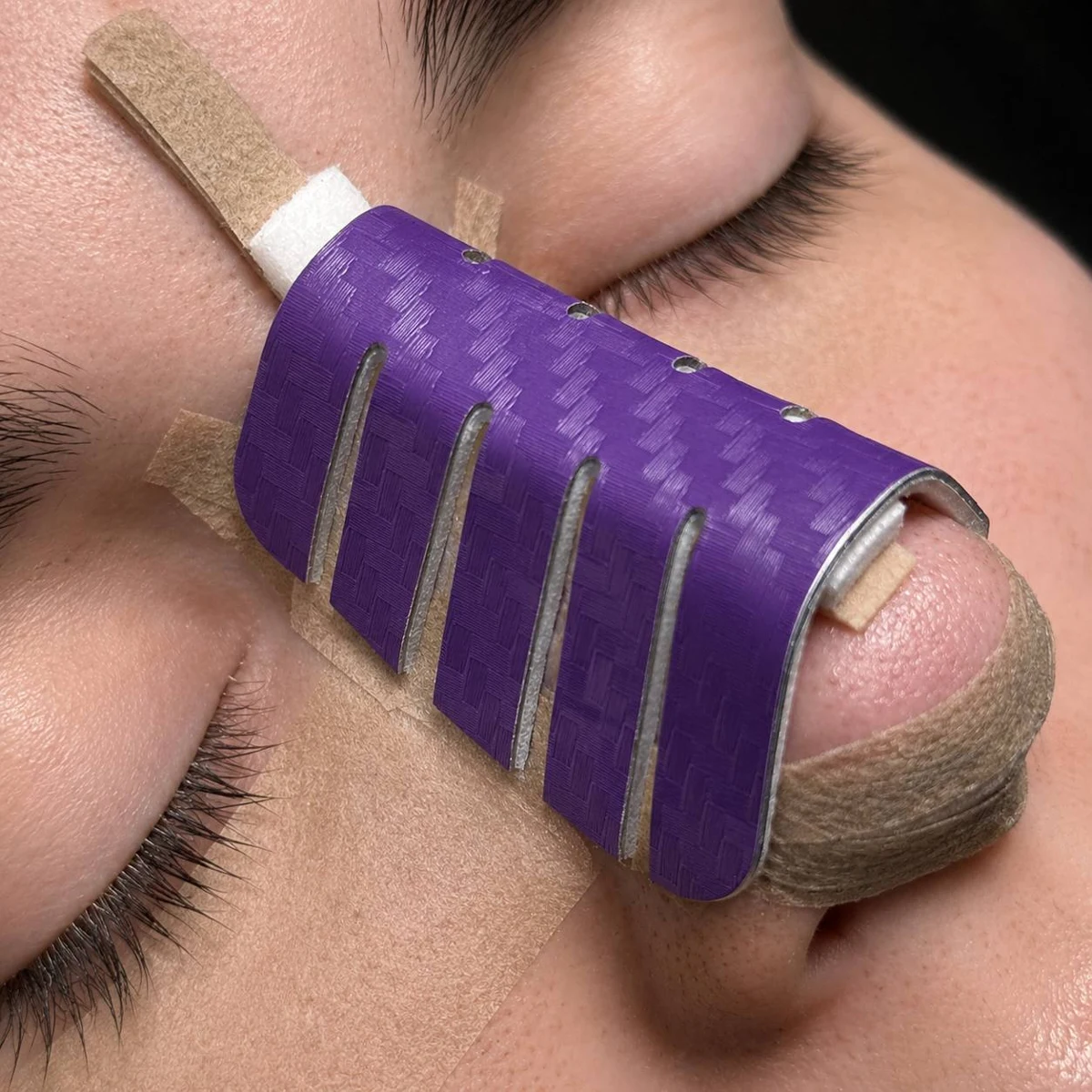
Find out how recovery after rhinoplasty goes in the first 7, 14 and 30 days
Read the article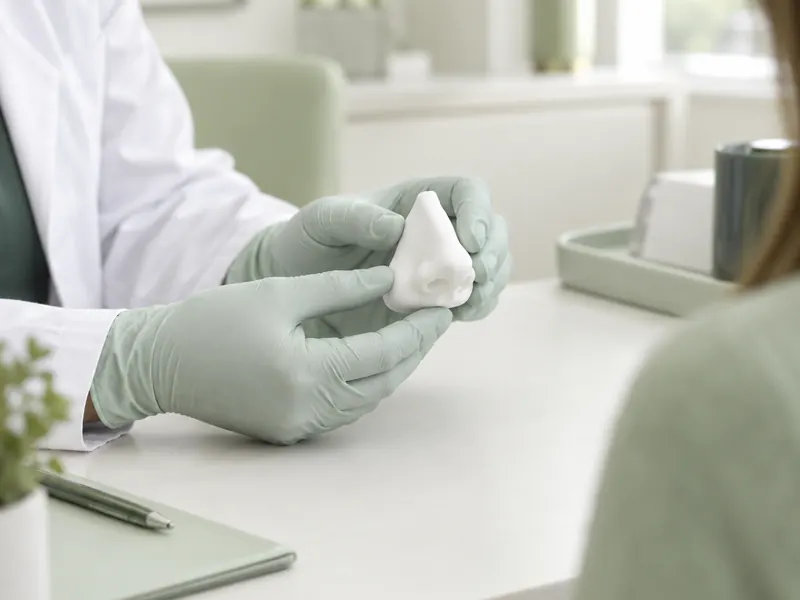
Preparation, recovery week by week, when the splint and stitches come out and how long to wait before flying home.
Read the articlePrices are in US dollars; the amount in brackets is an approximate conversion to EUR at the rate of 02.10.2026. The final price is fixed in your contract.
Prices start from $4,200 (≈ €3,750). The surgeon sets the final price at the free consultation, and it is fixed in the contract, with no hidden extras.
The operation under general anaesthesia, a one-day inpatient stay, follow-up visits and dressings, plus a lifetime guarantee on the result.
Surgery takes 1.5–3 hours and you stay one day in the clinic. The nasal splints come out on day 7, and the cast is worn for up to 14 days.
Yes. The first consultation is free and does not oblige you to anything. You can start online by sending a message to the coordinator.
Message us on WhatsApp or Telegram using the buttons below. A coordinator will answer your questions and book a free consultation where the doctor names the exact price.
By messaging us, you agree to our Privacy Policy
The aim is a nose that blends with your features and works flawlessly. Before anything is decided in Rotterdam, the surgeon evaluates nose size, tip projection, the septum and nasal lining, then uses 3D modelling to show the future proportions. Rhinoplasty makes features more harmonious without losing individuality, and the predicted result is agreed with you in advance.
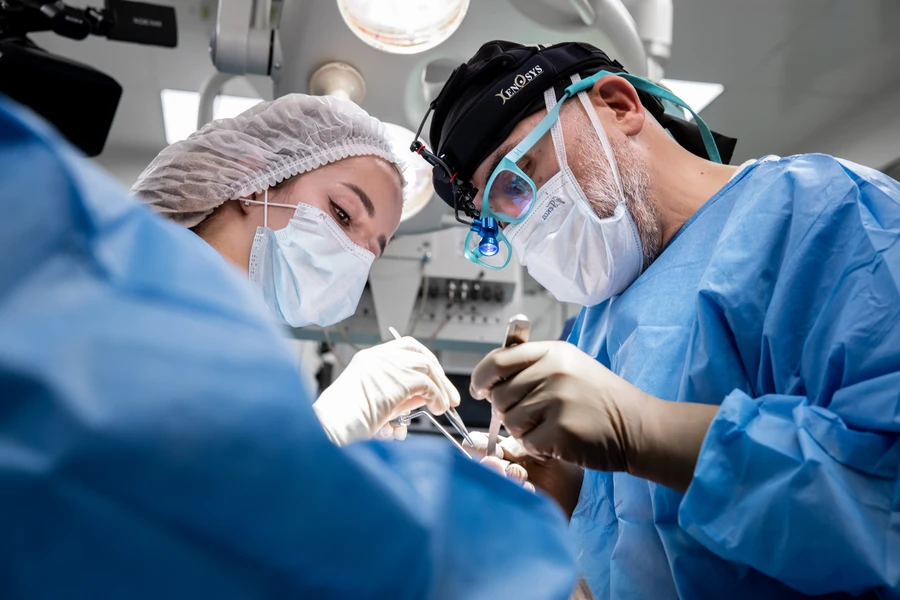
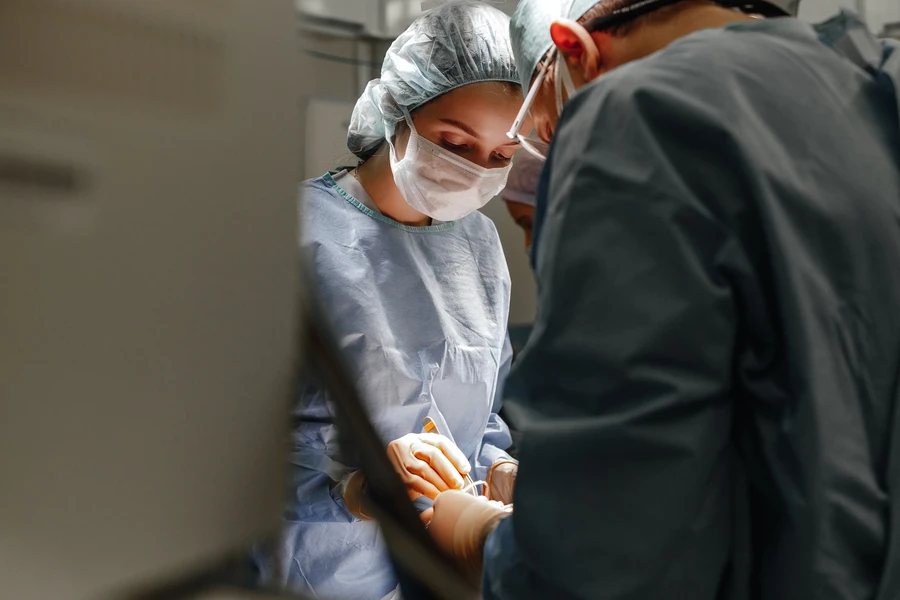
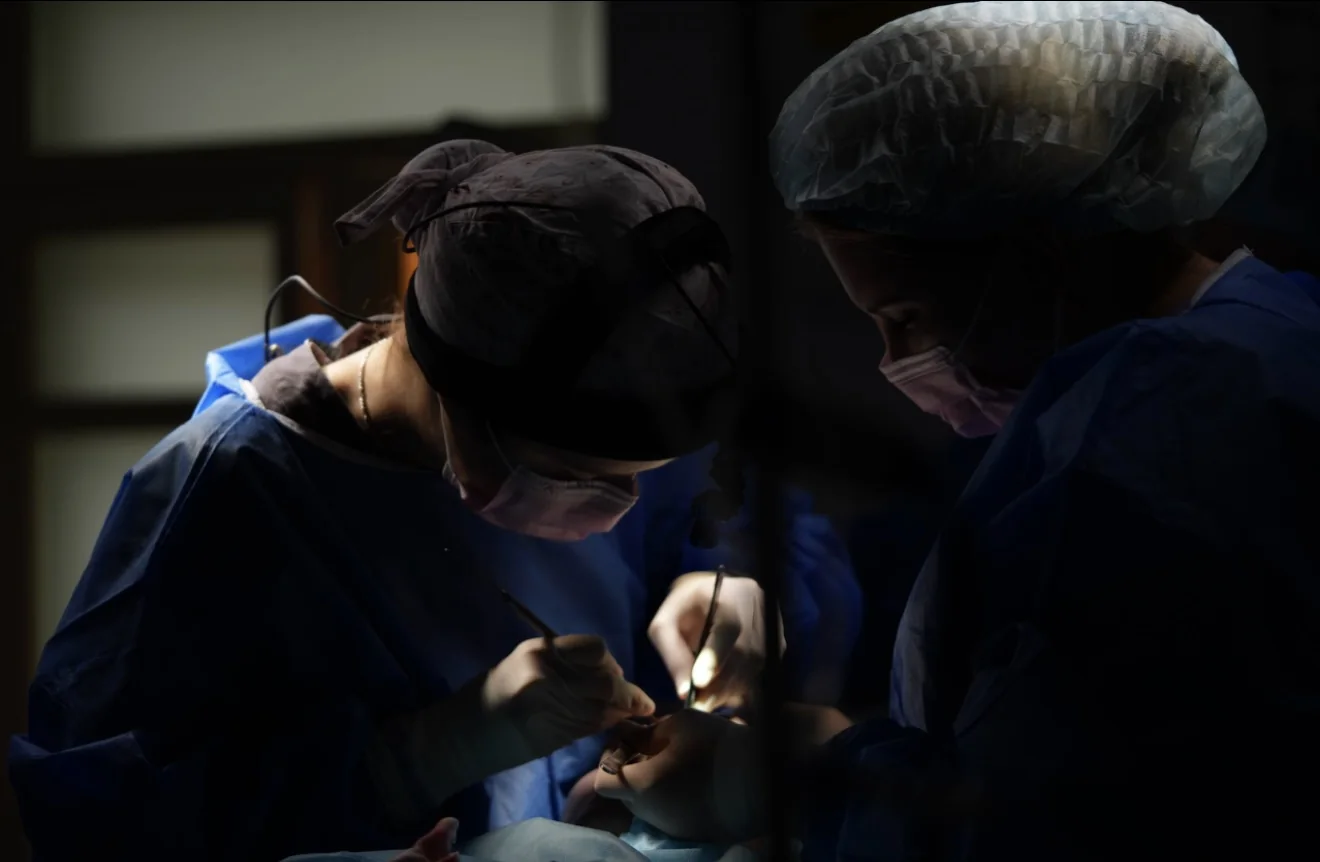
In the operating room, the anaesthetist uses TIVA or classic general anaesthesia depending on complexity. The surgeon opens access by the chosen technique, corrects bone and cartilage with a piezo device, reshapes the nose and closes with atraumatic or self-absorbing sutures. Packing and an external splint stabilise the new shape. For those in Rotterdam, the first 24 hours are spent under observation.
The consultation costs nothing and gives a realistic forecast: facial proportions are assessed, a 3D model of the future nose is shown and a personal surgery and recovery plan is drawn up. After that, the fee for rhinoplasty is $4,200 (≈ €3,750) with inpatient care, dressings and follow-ups included. Patients from Rotterdam can book via the form or message us in any messenger.
Public accounts from well-known people about the operation: rhinoplasty.
Written by Marina T. Pershikova, rhinoplasty surgeon
How we prepare and review medical content · Medical disclaimer
Page last updated:
The Netherlands runs an official online register of health professionals, the BIG-register. Its own page on why it is worth checking uses an example that fits this topic exactly: through the register you can see whether a person who offers plastic surgery is indeed a registered plastic surgeon. A title on a leaflet or a website is a claim; an entry in the register is the thing to compare it with.
Make the check a step in the process rather than an afterthought. Ask the coordinator, by message, who the operating surgeon is and under which specialty they practise. Look the name up in the register, read the entry through, and record the day you looked. Where the entry and the explanation disagree, put the question first; arrangements come second.
The clinic says that the person you talk to at the consultation is the surgeon who will operate. That is worth using. Ask how much of the surgeon's practice is devoted to noses, what kind of patient is not advised to have the operation, and which result they consider realistic for your face. The register tells you who may practise; only the conversation tells you how they think.
A first look needs no appointment at a clinic. You send pictures of your nose through the chat apps, a coordinator answers at any hour, and a doctor gives an opinion on whether rhinoplasty is suitable. This opening consultation is free and carries no obligation.
Prepare for that first exchange with a short medical summary: allergies, medicines you take regularly, earlier operations, and any history of nose injury or breathing trouble. A surgeon cannot weigh what is not mentioned, and your list also serves as a reminder of what to ask about when the examinations begin.
A register entry says nothing about taste. Collect pictures of noses you like and noses you do not, and bring both piles to the consultation. Words such as «natural» or «small» mean different things to different people, while a photograph on the screen can be pointed at, discussed and compared with the 3D model.
A patient information page published by a Dutch hospital names cosmetic surgery as an example of care without medical necessity and states that such care is never reimbursed by basic insurance. It adds that policy conditions should be consulted for supplementary insurance. For a nose operation done for appearance, this settles the planning question: assume that you pay, and look at any supplementary policy before counting on a contribution.
Breathing is the one place where the discussion can shift. The clinic presents rhinoplasty as an operation for the appearance of the nose that also helps function when airflow is impaired, and septoplasty as repair of the septum alone, with the outline unchanged. When a crooked septum meets aesthetic wishes, rhinoseptoplasty carries out both tasks in one session. Whether any part counts as medical is for the insurer to decide.
Put three questions to your insurer, in writing: would a physician's report on impaired breathing change the assessment; which documents are needed; and how long does the reply take. File the answers with the date. If the answer is no, you will at least have decided with your eyes open.
Keep every document truthful about the purpose of the operation. A paper that states the aim accurately is much easier to defend and to follow up than one that is vague on purpose.
Before relying on a supplementary policy, read its list of exclusions line by line. Ask whether cosmetic procedures are named, whether a medical opinion on breathing would be treated differently, and whether prior approval is required. A written reply from the insurer is worth more than an assumption made at the counter or in a forum.
Rotterdam had an estimated 674,485 residents as a municipality in 2026, up from 655,468 in 2022, a city on the Nieuwe Maas. A decision about one nose is still a decision by one person, and the useful number is not the size of the city but the length of your own list of questions.
Four items deserve a place in writing before any deposit moves. The name of the operation, whether primary, revision or rhinoseptoplasty. The anaesthesia and the length of the stay. The follow-up programme and who takes part in it. And an itemised statement of what the package covers; the clinic names the surgeon's work, anaesthesia, 3D modelling, a ward stay with meals, dressings, check-ups, consumables and a personal coordinator, with follow-up support for 12 months.
Money reserves a date: by card on the spot or by online transfer, with the terms going into the medical services agreement. The doctor states the amount once consultation and modelling are done. Ask for the agreement early and read it on a quiet evening, away from anyone waiting for your signature.
Put these questions to the team and keep the answers beside the agreement: who is in the operating room, who watches my breathing in the hours after surgery, how and when the stitches are removed, and whom I message from the ward at night.
Ask who will tell you the dates of the check-ups at 7 days, 3 months and 6 months, and in what form: a message, a call or a calendar entry. The clinic's coordinators remind patients about tests and check-ups and book the surgeon's follow-up visits, so the route exists; what you want is to know it in advance and to have it in writing.
Ask, too, what the agreement says if you change your mind before the date, or if a test result postpones the operation. You are not expecting a dispute; you are making sure that the answer to an uncomfortable question exists on paper before the money moves, in a clause you have read and understood.
Many people want a second opinion about a nose, and it is a sensible wish. The trick is to make the opinions comparable. Have both surgeons describe your nose in one vocabulary: overall size, tip projection, the septum, the mucosa. Then ask each what they would change, with which technique, under which anaesthesia and for how long you stay.
Record the answers in two columns and read the rows where they diverge. A divergence is not a verdict but a question to each surgeon, such as why this technique was proposed here and a different one there. Ask too whether the proposal is a primary operation, a revision or a rhinoseptoplasty, since the clinic's three classes serve different aims: shape and breathing; correcting an earlier result; or septum and nose shape together.
Talk about expectations as well. Dissatisfaction, the clinic observes, is likelier when expectations are unrealistic, and the settled form shows only after 1 to 1.5 years. Ask each surgeon to describe your face at three weeks, three months and twelve months, and to say what will still be moving. An answer that admits the swelling earns more trust than one that skips it.
Last, ask what each surgeon would do if the outcome fell short. A revision is a more complex operation, and it waits at least twelve months after the first, so a thoughtful answer covers the waiting period and the way the decision is recorded.
During the consultation, take notes in two colours, if you like: one for what the surgeon says about your nose, one for your own questions that remain open. At home, type them into a single page and send it to the coordinator. A page you wrote yourself will be consulted months later; a memory will not.
Under general anaesthesia, surgery lasts 1.5 to 3 hours and you stay on the unit for a day. Preparation begins 21 days beforehand with laboratory work, infection and clotting screening, a heart tracing, and imaging of chest and sinuses. For three days after the operation the mouth takes over, because silicone splints fill the nostrils; they leave on day 7, and cast and sutures on day 14.
Weeks two to four rule out exertion, steam, saunas, pools, hot baths and sun; sleep is on the back, half upright, and glasses stay off. The follow-up programme has check-ups at 7 days, 3 months and 6 months, with the surgeon reachable without charge across the first year. Stronger pain, fever, harder breathing or a changed outline of the nose mean calling the surgeon at once.
Keep a short diary through the first weeks, with a photograph from the same angle in the same light every few days. Swelling hides progress, and a dated picture reminds you of where you started. If something concerns you, the series gives the surgeon far more to work with than the sentence «it looks different today».
Name one person who will know the day and the schedule, and give them the coordinator's contact. Recovery is easier when someone besides you can reach the team, and the clinic's own plan of reminders for tests and check-ups works better with a second pair of eyes.
Search the BIG-register. Its own explanation says you can see whether a person who offers plastic surgery is indeed a registered plastic surgeon.
A Dutch hospital's patient information says that care without medical necessity, such as cosmetic surgery, is never reimbursed by basic insurance. Ask your insurer about supplementary cover.
Whether a physician's report on impaired breathing changes the assessment, which documents are needed and how long the reply takes. Send the question in writing and keep the response.
Yes. The clinic does rhinoseptoplasty: one session in which the septum is repaired and the nose reshaped.
Have both surgeons describe your nose in identical terms and name their technique, anaesthesia and stay, then study the rows where the answers differ.
No. Send photographs to a coordinator through the chat apps. A doctor tells you whether surgery suits you, and nothing is charged for this first step.
Typically inside 1 to 2 weeks, though the extent of surgery and your own body decide. For a few days swelling and splints may partly block the passages.