


























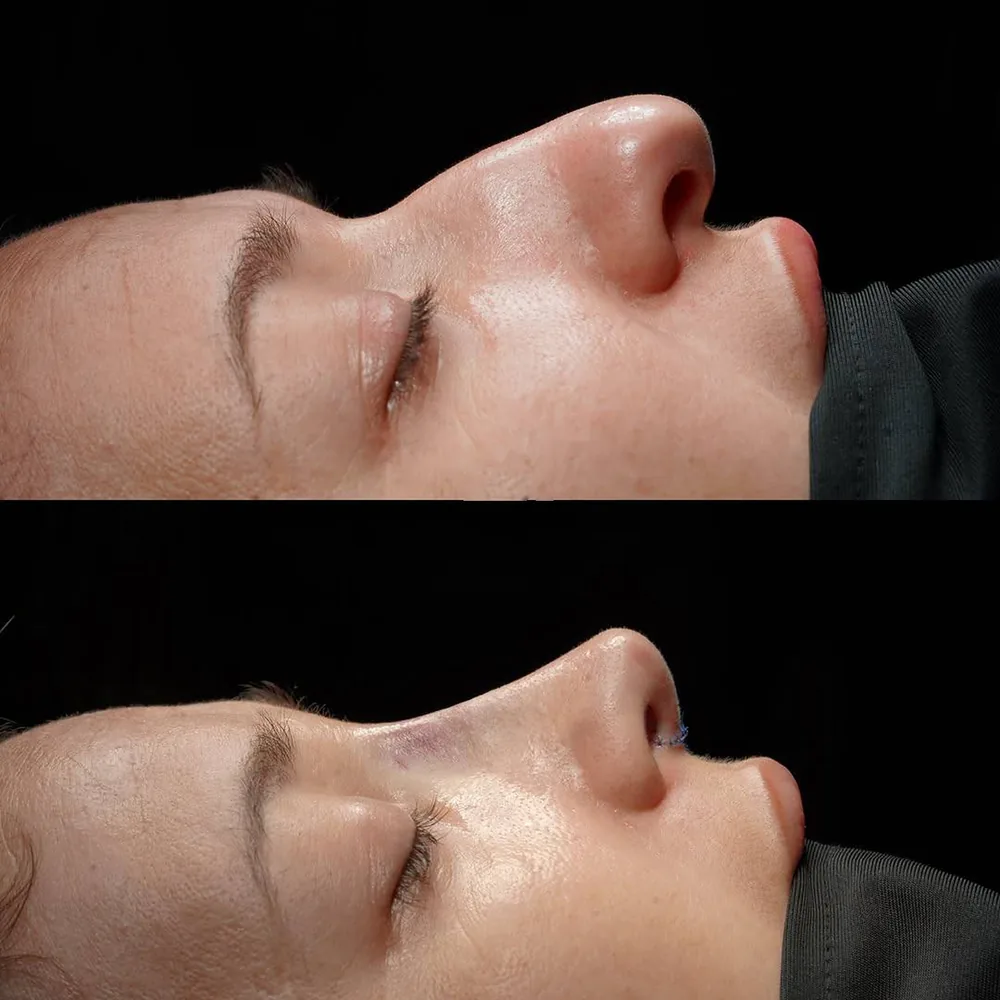
 beforeafter
Irina, 24
Rhinoplasty
Rhinoplasty
$4,200
Instead of $6,000 (≈ R105,000) · First consultation — Free
Free online consultation · Reply within 15 minutes
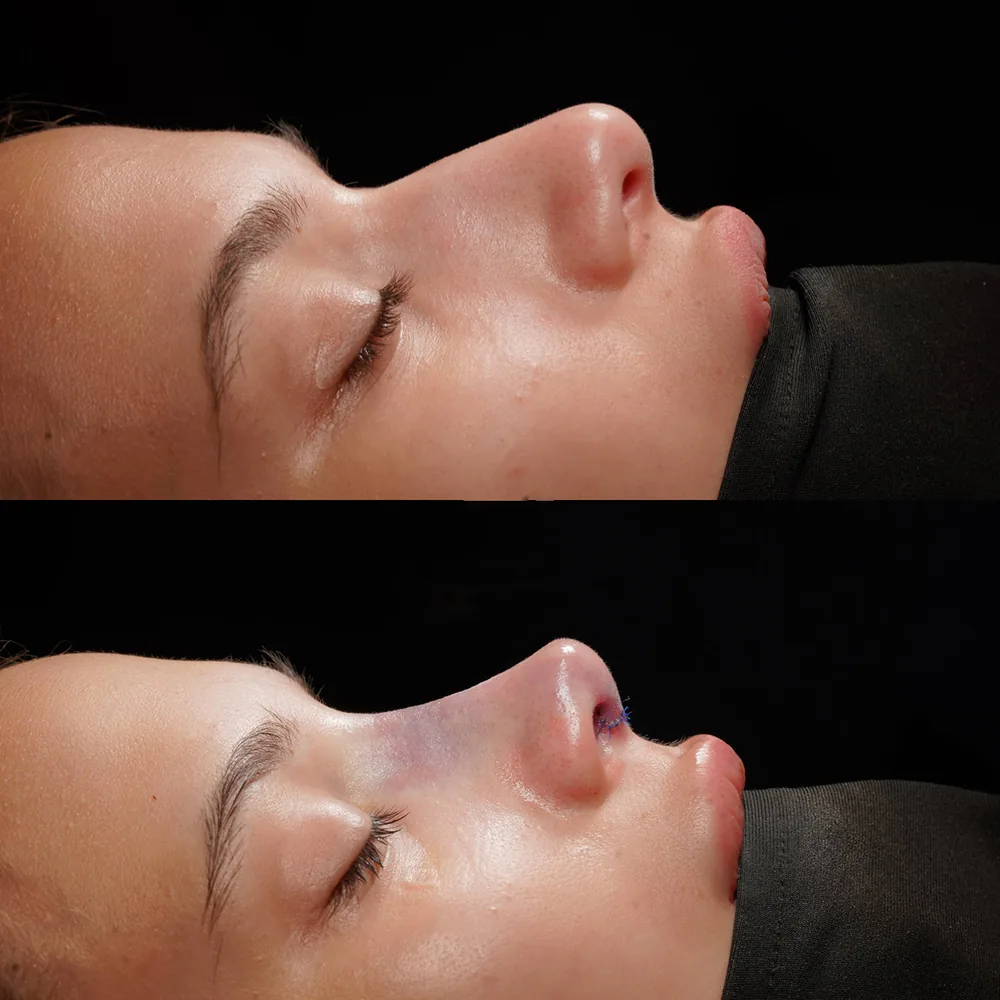 before
after
Message our coordinator
Free online consultation · Reply within 15 minutes
Message us on TelegramMessage us on WhatsAppBy messaging us, you agree to our Privacy Policy
Rhinoplasty for patients from Cape Town at City Medical Centre starts at R71,000 (from $4,200). The first online consultation is free; the doctor names the final price.
How it works · Rhinoplasty prices
Information current as of 18 November 2026
Results
Your own result depends on your case.
beforeafterRhinoplasty
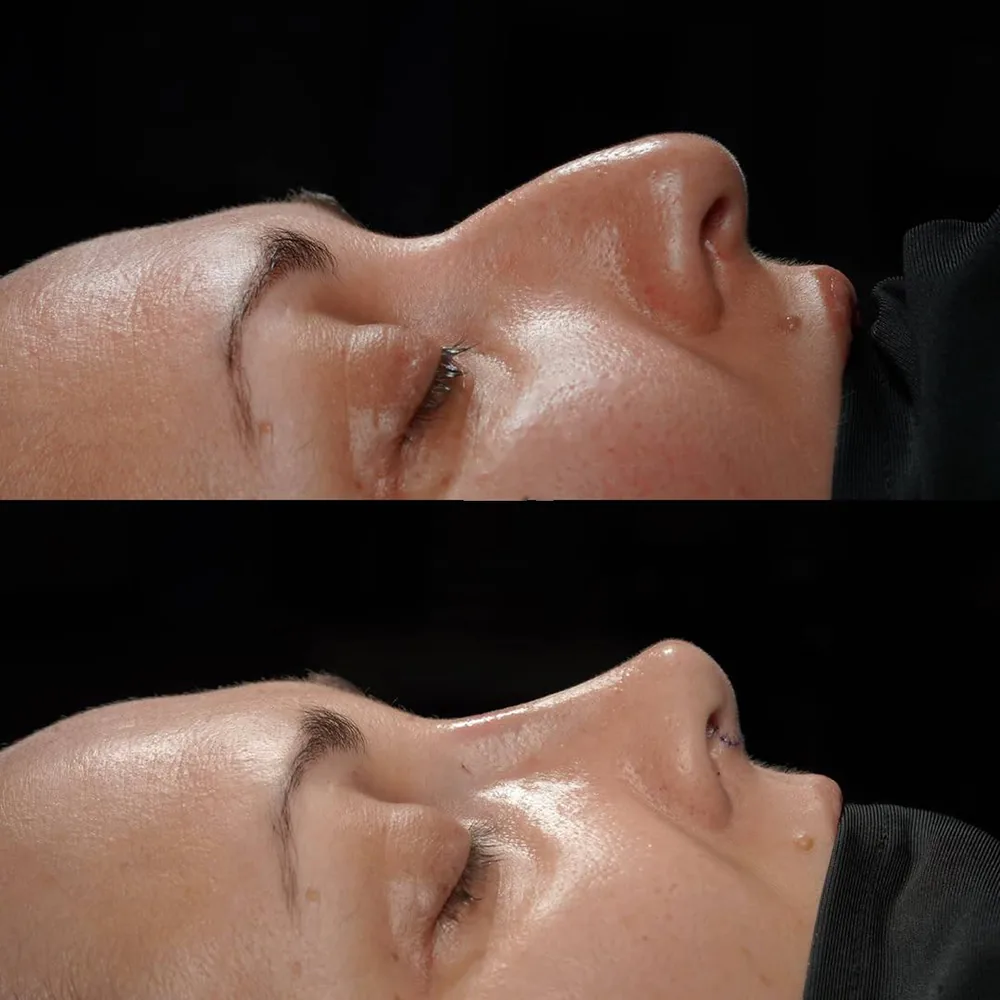 beforeafter
Rhinoplasty
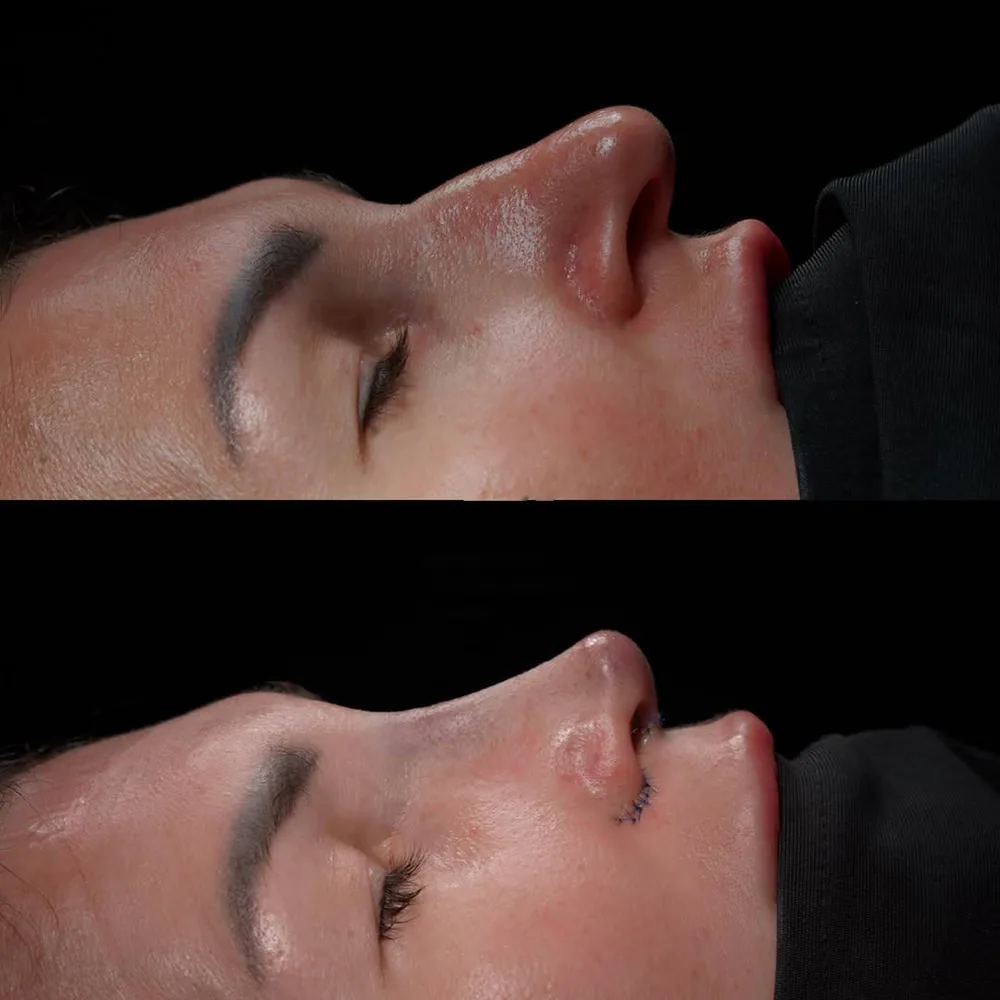 beforeafter
Rhinoplasty
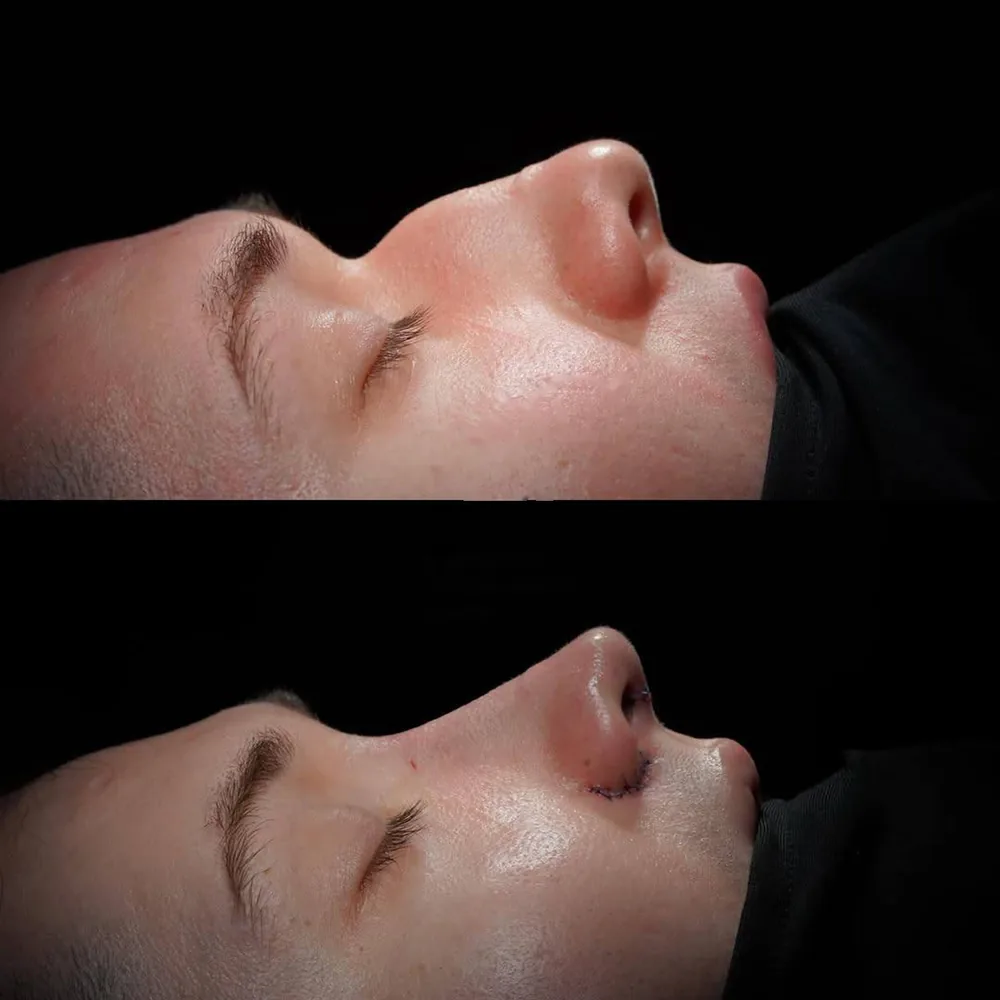 beforeafter
Rhinoplasty
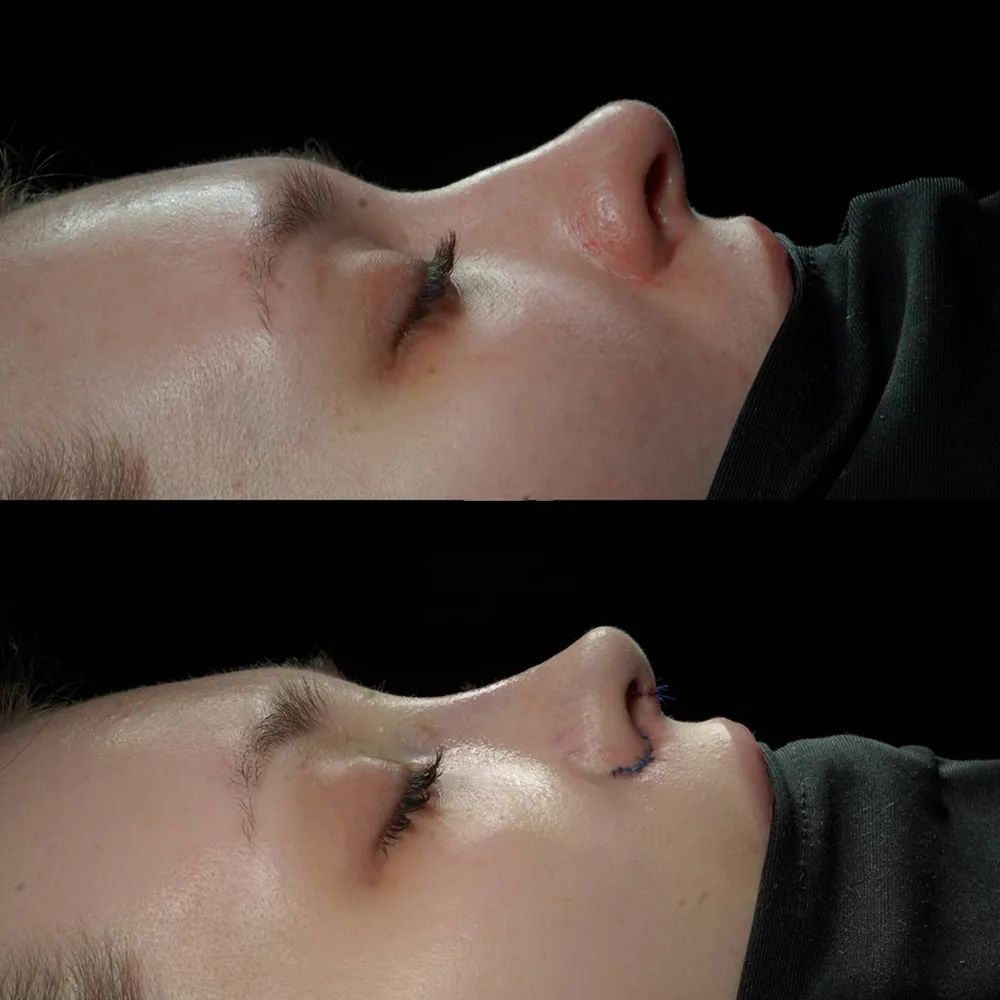 beforeafter
Rhinoplasty
beforeafterRhinoplasty
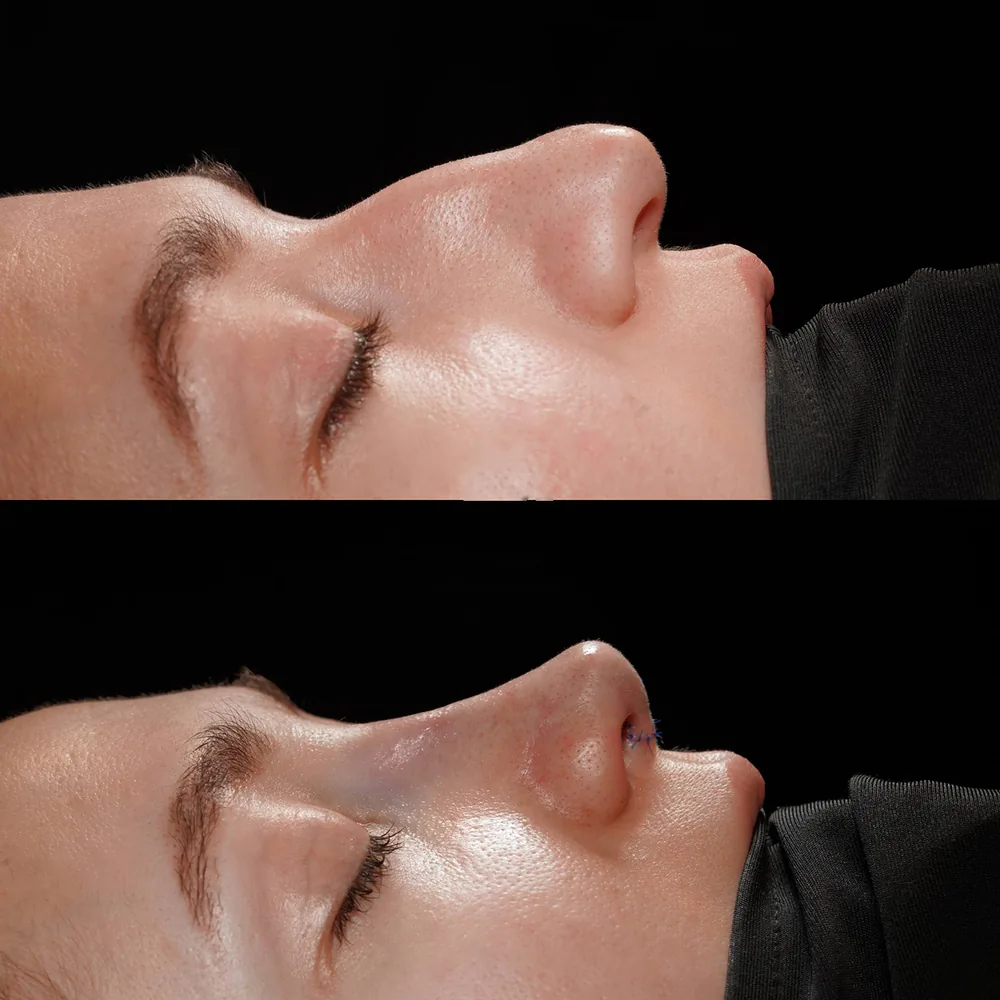 beforeafter
Rhinoplasty
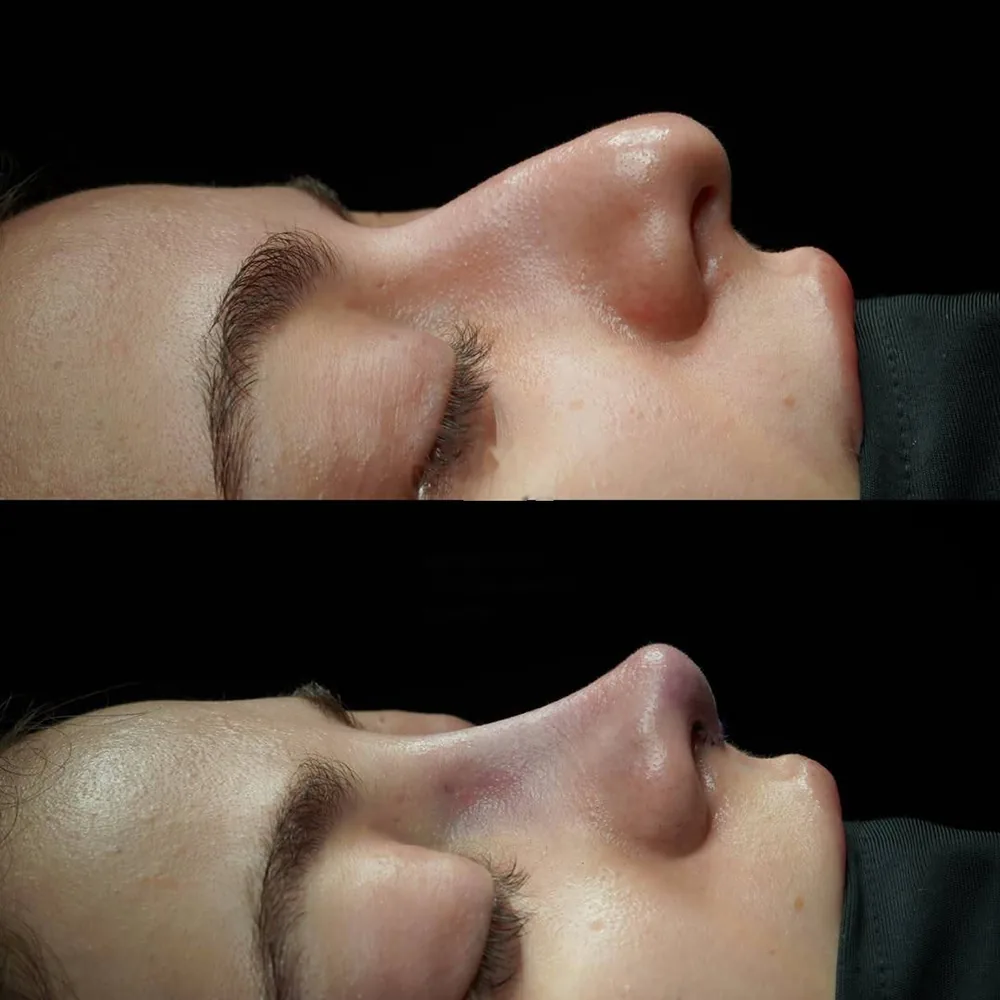 beforeafter
Rhinoplasty
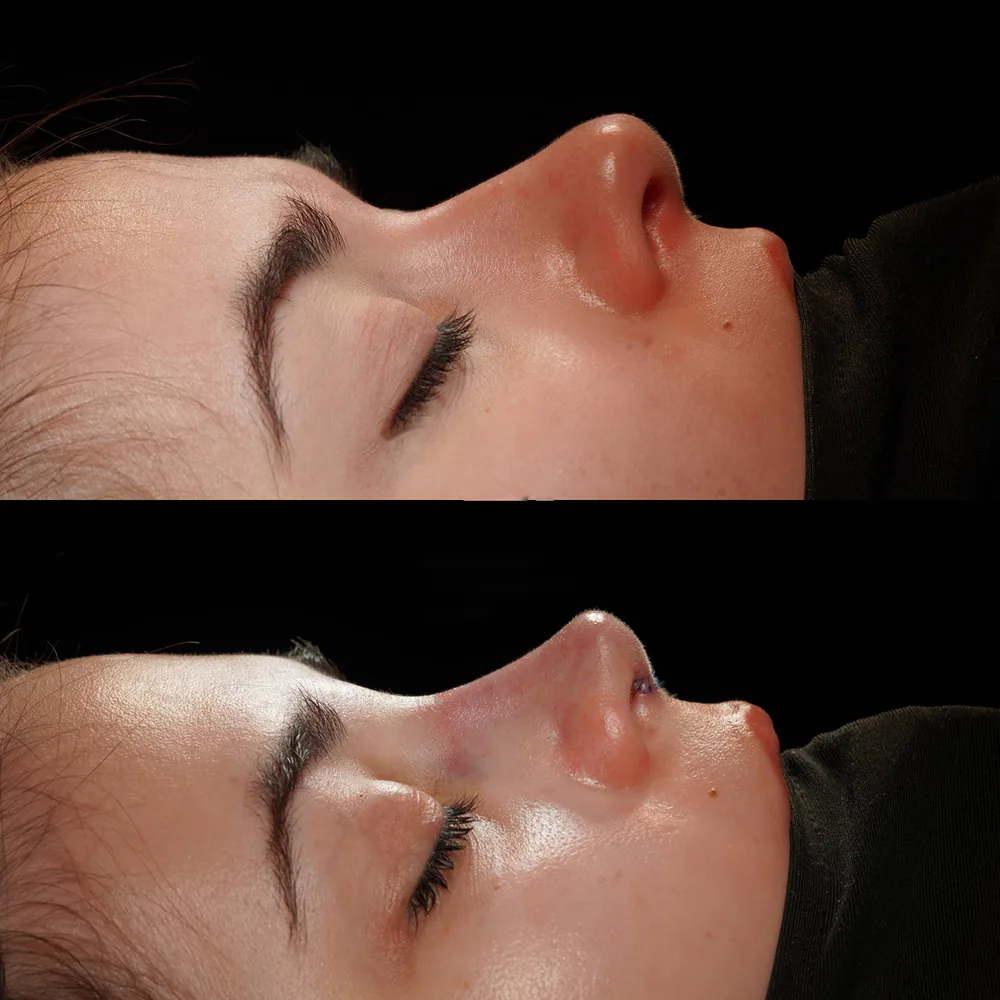 beforeafter
Rhinoplasty
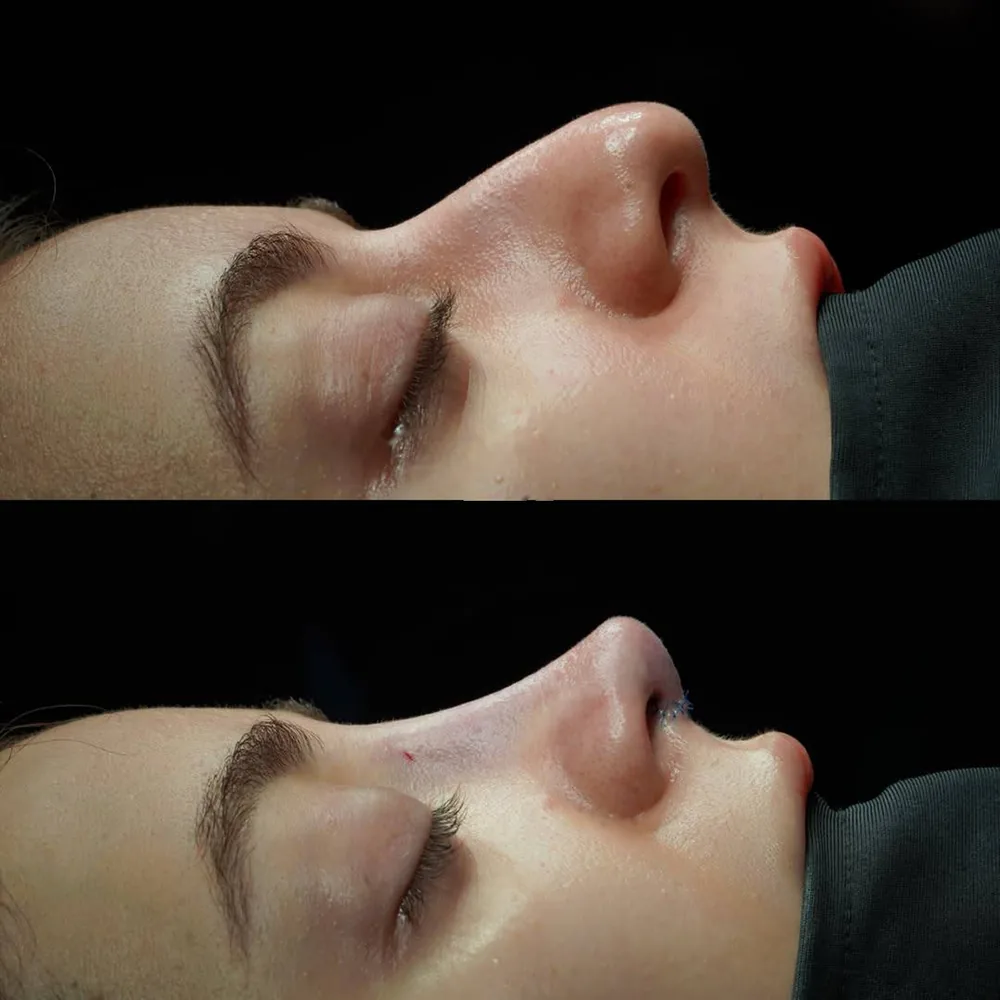 beforeafter
Rhinoplasty
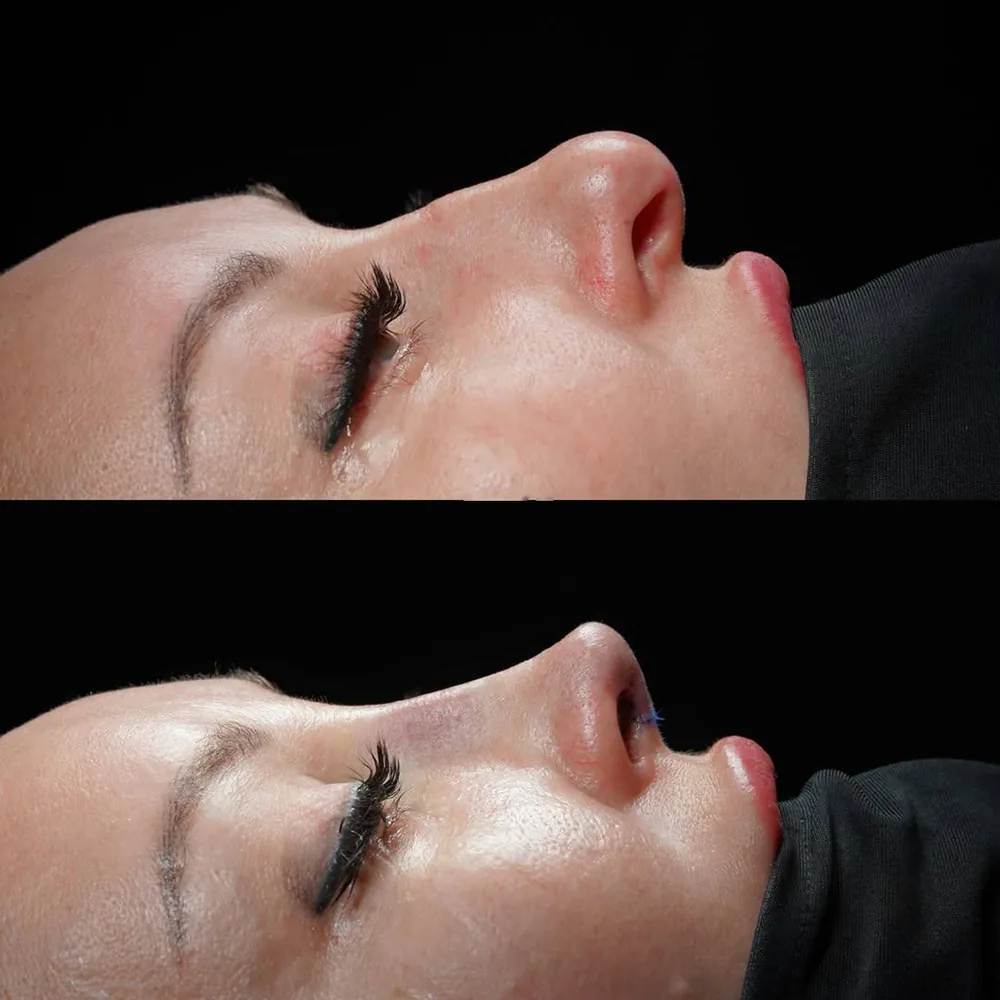 beforeafter
Rhinoplasty
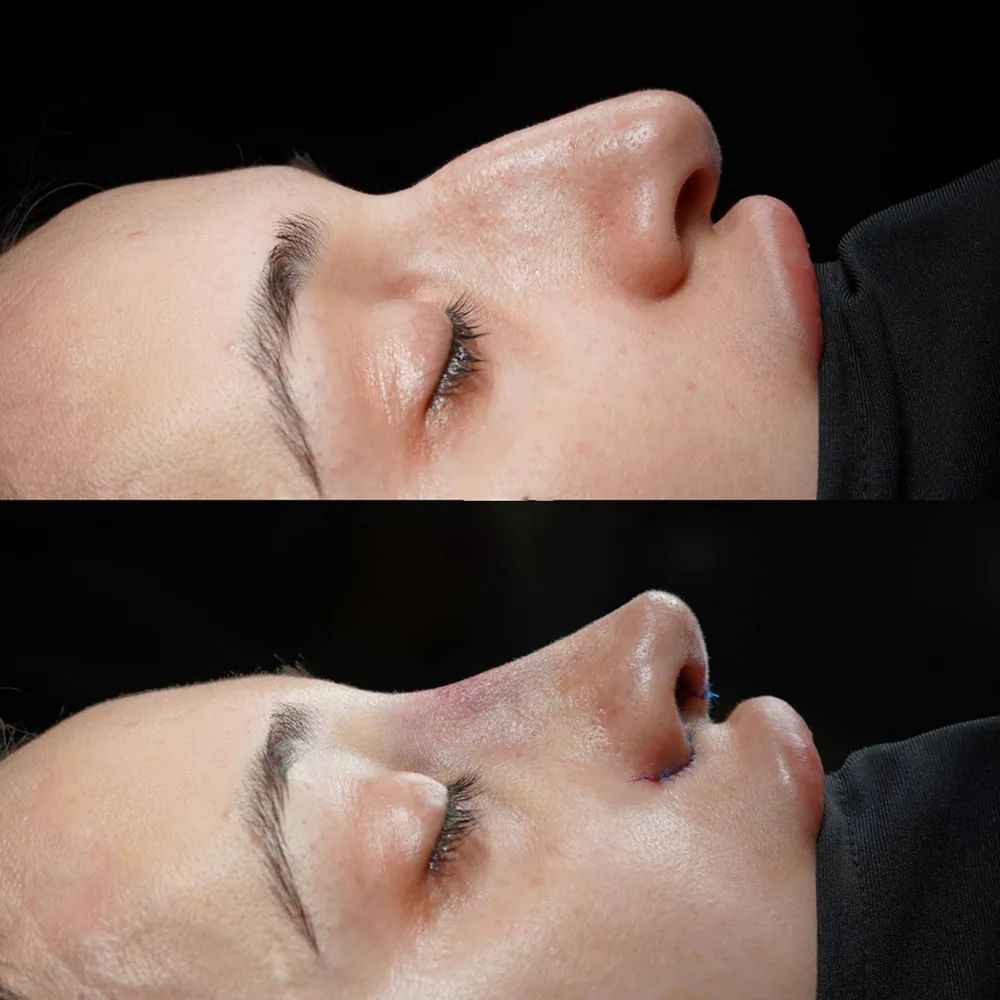 beforeafter
Rhinoplasty
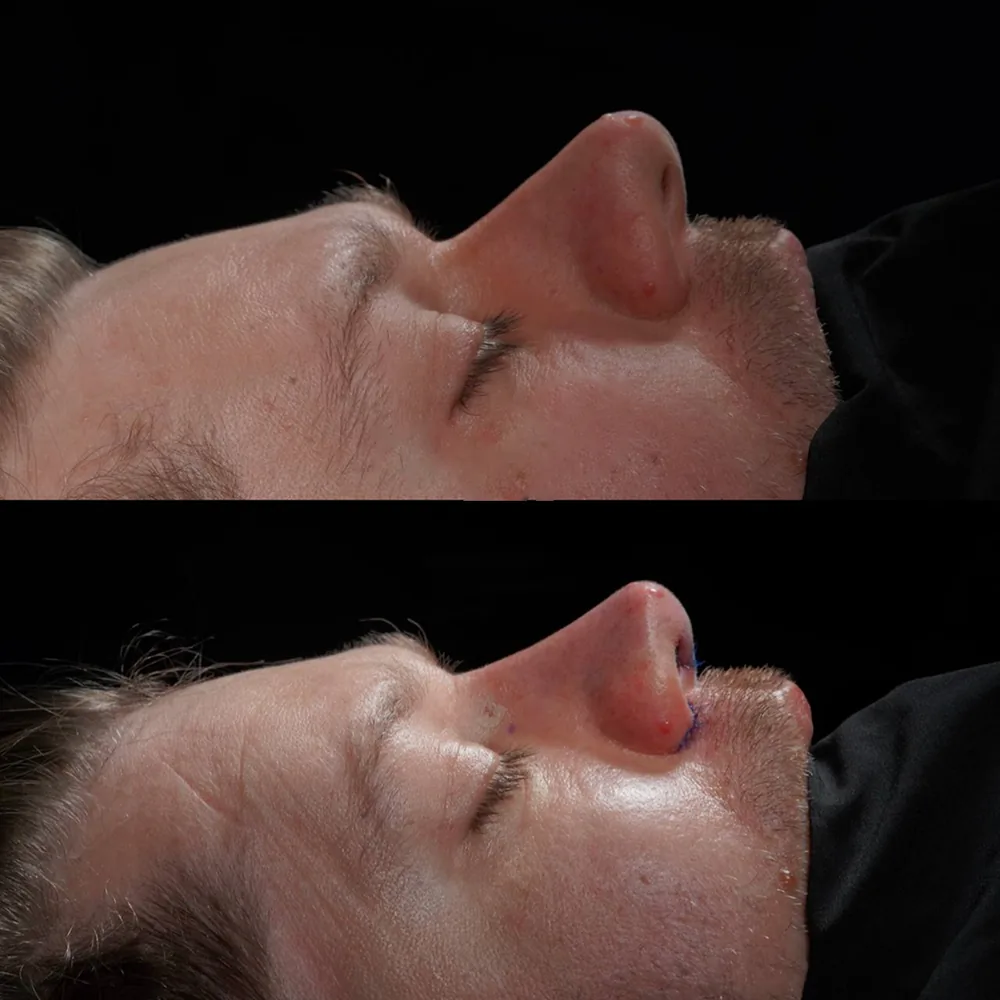 beforeafter
Rhinoplasty
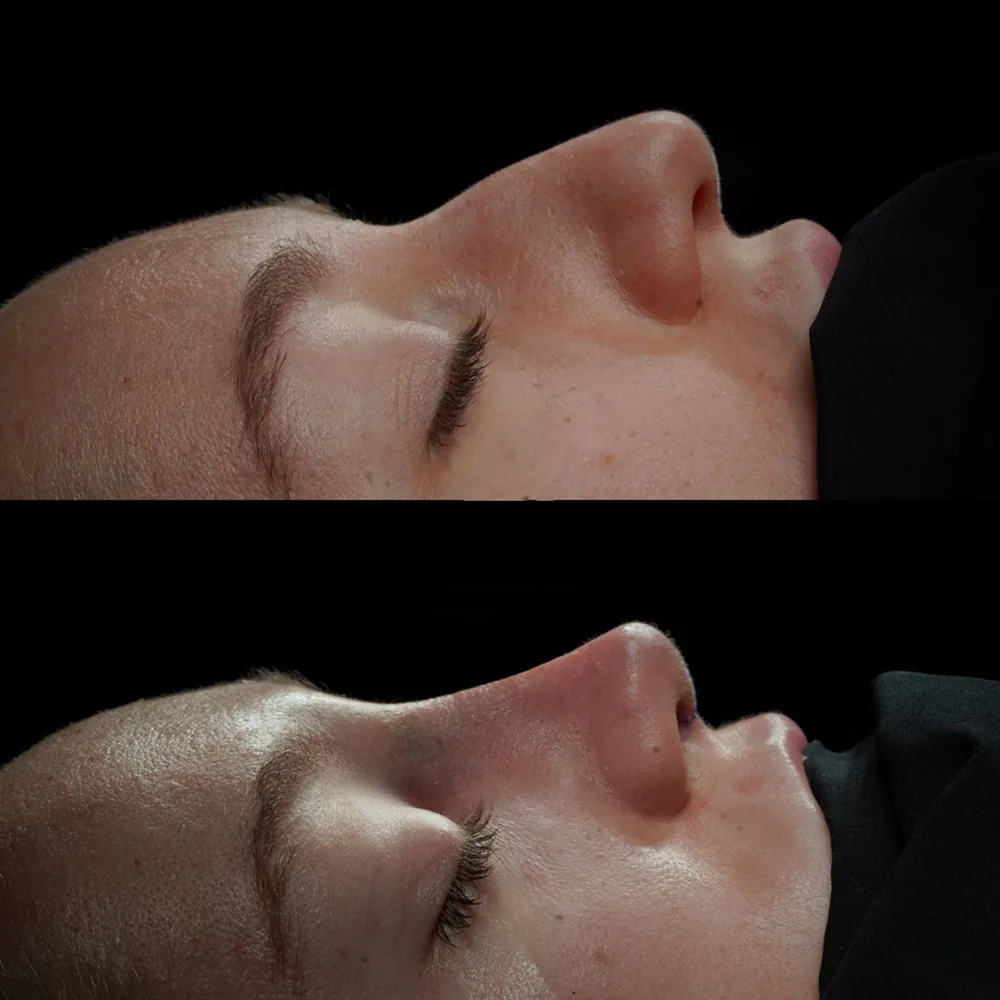 beforeafter
Rhinoplasty
City Medical Centre coordinates the trip; the partner clinic operates and is medically responsible.
Norvik Hospital Limited in Kampala, Uganda. The operation is done by the clinic's own surgeon.
In October and November 2026, English-speaking patients who wrote to us about rhinoplasty asked most about where the clinic is (5 of 10), then the price (5 of 10), then which photos to send (3 of 10). The coordinator gets the answer for your case from the clinic.
About the clinic
Modern facilities, comfortable rooms and care given to every patient
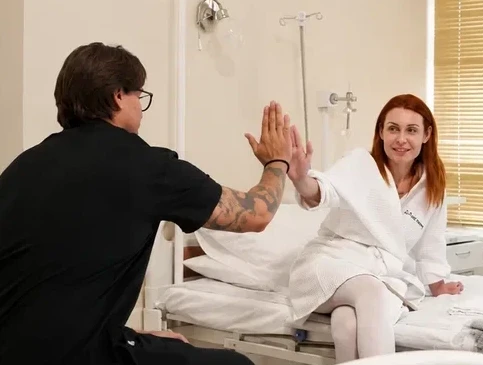
We'll respond to your questions and set up a consultation at a convenient time
By messaging us, you agree to our Privacy Policy
Get a consultationPrices
The exact price is set by the partner clinic after reviewing your photos.
Discounted price
changing the nose shape
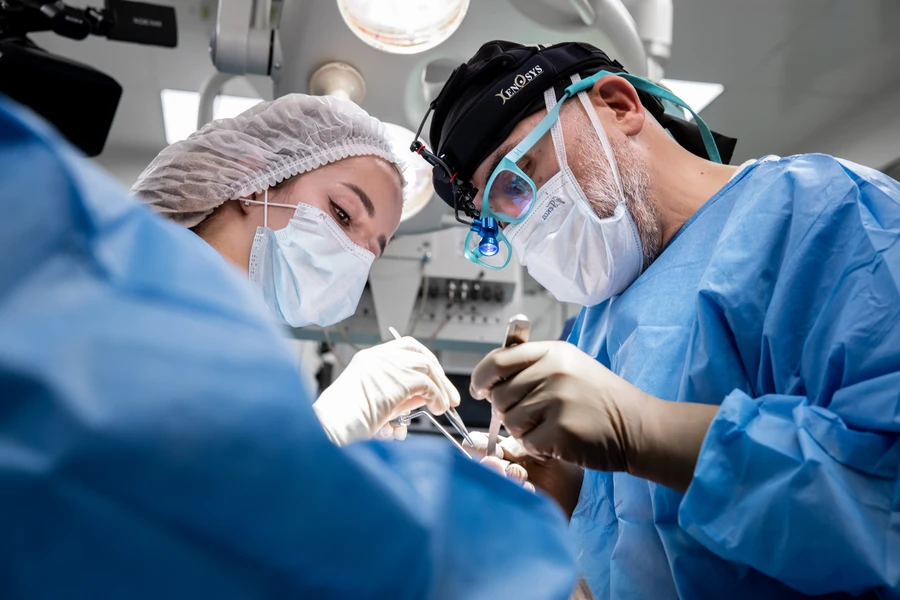
$4,200$6,000
Discounted price
secondary, revision
$5,400$7,200
Discounted price
the septum and the shape of the nose
$5,000$6,600
Free
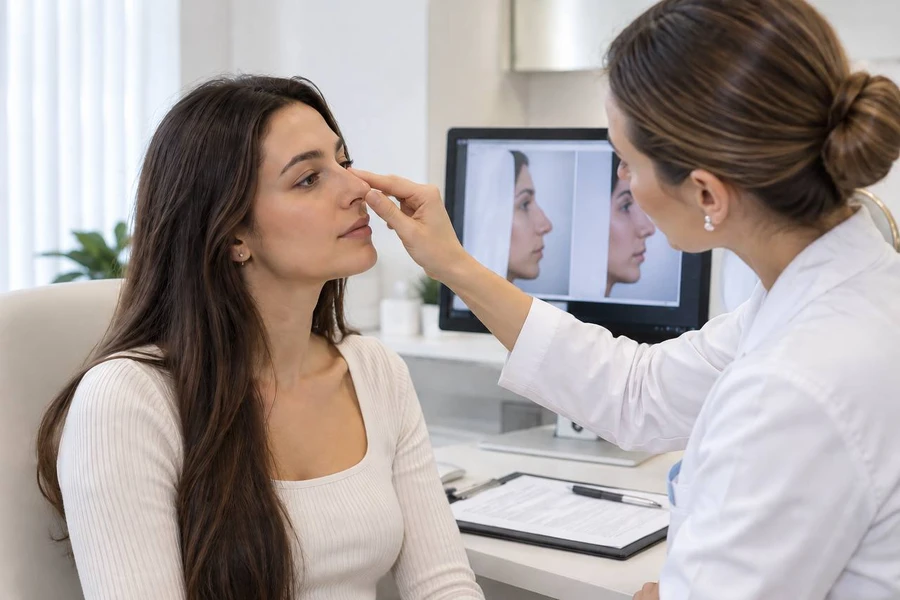
a check-up by the surgeon and 3D modelling
Free
you are told the cost of surgery
The doctor will examine the anatomy of your nose, hear out your wishes
and propose the right correction technique. The exact price is set by the partner clinic after reviewing your photos.

Message our coordinator
Free online consultation · Reply within 15 minutes
Message us on TelegramMessage us on WhatsAppBy messaging us, you agree to our Privacy Policy
Message us — our coordinator will contact you shortly and book your consultation
By messaging us, you agree to our Privacy Policy
Get a consultationPrices
Send a request and get a free consultation on any service
Free
BookPrice without discount: $6,000$4,200
Price without discount: $7,200$5,400
Price without discount: $6,600$5,000
Price without discount: $6,500$4,700
Price without discount: $7,200$5,400
Prices are in US dollars; the amount in brackets is an approximate conversion to ZAR at the rate of 02.10.2026. The final price for your case is confirmed before booking.
Prices start from $4,200 (≈ R71,000). The surgeon sets the final price at the free consultation.
The operation under general anaesthesia, a one-day inpatient stay, follow-up visits and dressings.
Surgery takes 1.5–3 hours and you stay one day in the clinic. The nasal splints come out on day 7, and the cast is worn for up to 14 days.
Yes. The first consultation is free and does not oblige you to anything. You can start online by sending a message to the coordinator.
Message us on WhatsApp or Telegram using the buttons below. A coordinator will answer your questions and book a free consultation where the doctor names the exact price.
By messaging us, you agree to our Privacy Policy
Public accounts from well-known people about the operation: rhinoplasty.
Written by Marina T. Pershikova, rhinoplasty surgeon
Content updated: · Editorial policy
How we prepare and review medical content · Medical disclaimer
Page last updated:
In South Africa the body that answers that question for local practitioners is the Health Professions Council of South Africa. It describes itself as a statutory health regulatory body with a mandate to protect the public and guide the professions. It was established by the Health Professions Act of 1974, works with 12 professional boards, oversees registration and education, and handles complaints and discipline. Its inspectorate also runs awareness campaigns for practitioners and the public. Because the operation takes place at a partner clinic in Kampala, Uganda, the register to ask about is the one of the country where you will be operated; the Council shows what a good public register looks like.
A registration certificate shows that the holder is a legally qualified practitioner and therefore allowed to work in the country. That is useful, but it is a narrow fact. It says nothing about how many noses a surgeon operates on in a year, how many of those are repeat operations, or how honestly complications are discussed. So treat the register as the first gate and the conversation as the second.
Write the surgeon's name down letter for letter, as you were given it, and ask the clinic which professional register lists that name, then search that register yourself instead of relying on a screenshot. Then request the papers of the organisation behind the operation: the clinic publishes a medical licence number, and before any payment you can also ask for the legal entity answerable for your care and for the surgeon's diplomas and certificates.
Cape Town counted 4,772,846 residents across the metropolitan area in the 2022 census, with a median age of 31. From any suburb of the metropolitan area the opening move is small: send pictures of your nose through WhatsApp or Telegram to a coordinator, who passes them to a surgeon. Talking online is free and creates no obligation.
A short routine keeps this honest: after each lookup note the name you typed, the result you saw and the date, and attach a screenshot you took yourself. If the entry differs from what the clinic told you, write to the coordinator quoting both versions and hold any payment until the difference is explained on paper.
Most people write to a clinic with a general wish, 'I want my nose changed', and the reply is only as good as the question. Spend a quiet evening separating the strands. Is the issue the bridge, the tip, the nostrils, the profile from the side? Do you breathe poorly on one side or when asleep? Has the nose been operated on before, and if so, when and by whom?
Three routes are on offer. Route one is the very first operation: it alters the outline and, where breathing is restricted, widens the passage. Its stated age window is 18 to 45, and it means general anaesthesia plus one day on the ward. Route two, revision, is meant for a previously operated nose whose result disappointed; the earliest date is a year after the former surgery. Route three, rhinoseptoplasty, handles both the septum and the outer form during one operation.
A frequent question is whether to fix one thing now and the other later. The clinic's argument for the combined operation is simple: when a crooked septum and cosmetic wishes sit in the same nose, treating both together gives a balanced appearance and a fully restored airway. Septoplasty alone leaves the outer contour as it was, so it fits someone who likes the profile already.
If a surgeon has operated on your nose before, gather whatever survives: the operative note, the dates, who performed it, photographs taken before and afterwards. Put one question to the new surgeon: in their reading, what held back the first outcome, and where will a second attempt hit its own ceiling? A frank answer that begins with 'it depends on the cartilage' is better than a smooth promise.
Bring up polyps if you have them, since nasal polyps are named among the conditions the operation can treat, and say if you have ever had trouble with bleeding or with the sinuses. The doctor will review everything at the consultation, and a complete page of history saves a second round of questions.
The exact figure is named by the doctor after your free consultation, with the 3D modelling behind it, and then it travels into the contract. Until that point the only comparable thing is content, so ask every clinic to itemise identical lines.
Use the clinic's inclusions as a yardstick. The package named by the clinic holds the operation itself, general anaesthesia, modelling of the result, a hospital stay including meals, check-ups with dressings, a personal coordinator and every consumable, backed by support lasting 12 months. A quotation from anyone else should show lines of equal weight.
An absent line is a prompt to ask, not a reason to condemn. If a quote leaves out anaesthesia or follow-up visits, the figure on it describes a smaller service. Ask who pays for the missing part and in what circumstances. If a clinic answers that everything is 'discussed on the day', ask for it in writing before any deposit.
Your date is held by a deposit. Cards work at the clinic, and an online bank transfer works too; the conditions are laid down in the contract for medical services. Read that contract holding a pen. Underline any sentence you could not explain to a friend in a few words and return the marked copy with your questions.
Spend day one on the ward. Days 1 to 3 are for mouth breathing, since silicone splints fill the nostrils, and you should expect some swelling, stuffiness or bruises. Day 7 is when the splints are removed. The aluminium cast can stay up to 14 days; on day 14 the stitches go and the cast with them.
The clinic keeps its rulebook for these weeks brief. Do not bend forward, do not handle the nose, do not wear glasses. For a month, add: no exertion, no steam rooms, saunas, pools or hot baths, no sunbathing, no make-up near the nose, no cigarettes, no alcohol. Sleep supine with your head elevated, and stick the list where your eyes land from the pillow.
Slight congestion for 1 to 1.5 months is expected, and breathing usually recovers within 1 to 2 weeks. The first visible gain arrives as swelling retreats over two to three weeks; the verdict on the final shape waits until 1 to 1.5 years. Hold your plans to that slow clock.
Three check-ups are fixed, on day 7, at month 3 and at month 6; once you are back home they take place online, by photos sent through WhatsApp or Telegram to the coordinator and the clinic, and for a year afterwards you can talk to the surgeon at no charge. Keep a log with the date of each check-up, the instructions you were given and your next questions, and photograph the nose at each stage, so that the coordinator and the surgeon see what you see.
Good replies come from good inputs, and the inputs are in your hands. Take clear, unedited photographs of your nose and send them to your coordinator in a messenger. A doctor looks them over and says whether the operation suits you; nothing is charged and nothing is booked.
Add one page of history: allergies, regular medicines, sinus trouble, injuries to the nose, earlier operations of any kind, and any tendency to bleed. If something on the clinic's list of stopping points describes you, such as an infection, a long-standing illness left uncontrolled, a clotting problem or an inflamed ear, throat or eye, put it at the top rather than the bottom.
Close with a paragraph in your own words on which features you wish to leave alone and which to alter: how long it looks, how the tip turns, where the line begins under the brow. Plans respect your face better when you say what should stay as it is.
When the replies arrive, give each a night before reacting. Look for the one that tells you something unwelcome and explains why. A consultation that ends with 'you do not need surgery' is evidence of a team thinking about you and not about a calendar.
Before you send anything, decide what a good first reply would contain for you: a named type of operation, the anatomical reason for it, a statement about breathing, and a plain sentence on what the surgeon would not change. Tick those four items on each answer you receive; a reply that lacks two or more is a reason to ask again, not to book.
It shows that the person is legally qualified and registered to practise, which is the minimum. You still need to ask about experience with this exact operation, how many repeat operations the surgeon performs, and how follow-up is organised.
The Council encourages members of the public to use its iRegister platform to see whether a practitioner is registered, and it has a call centre for the same purpose.
No. Send photographs and an honest account of your history, and the surgeon tells you which path fits. A revision needs at least a year since the previous operation.
Say so at the start. The clinic offers an operation that treats septum and shape together, and the surgeon can build the plan around breathing when that is your real problem.
Only if both quotations list the same inclusions: surgery, anaesthesia, modelling, the stay, meals, check-ups, coordinator and consumables, with follow-up. Otherwise you are comparing different services.
Yes. Nothing is charged for the first online conversation and no date is blocked on your behalf; if surgery is not what you need, expect the doctor to say it plainly.
Ask for the pictures and the written plan in one batch, because both have to describe one and the same nose. If an image displays a profile that the text leaves out, find out which of them commits the surgeon, and make sure the plan is attached to the contract.