


























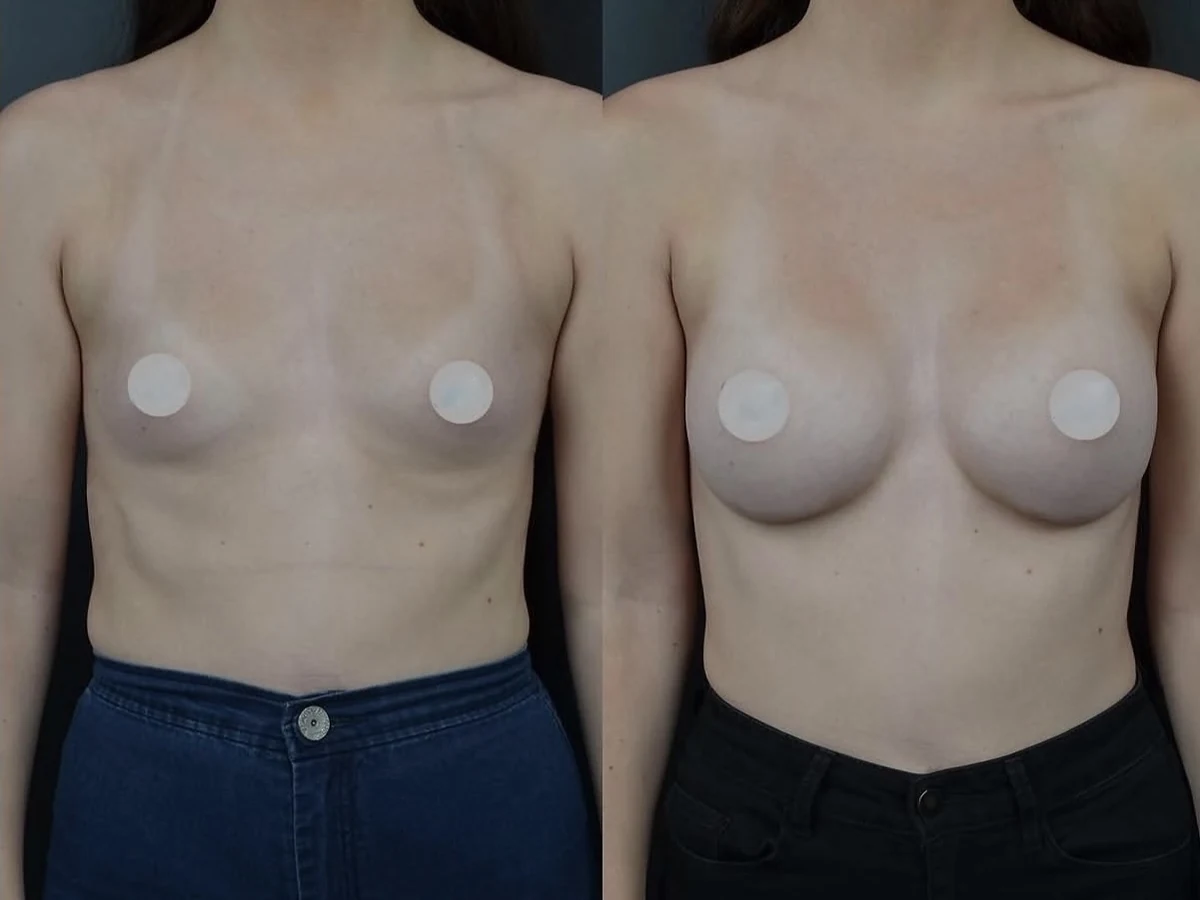
 beforeafter
Mammoplasty
Method: implants
Breast augmentation
$4,700
$5,900 · First consultation — Free
Free online consultation · Reply within 15 minutes
Message our coordinator
Free online consultation · Reply within 15 minutes
Message us on TelegramMessage us on WhatsAppBy messaging us, you agree to our Privacy Policy
Breast augmentation for patients from Philadelphia at City Medical Centre starts at $4,700. The first online consultation is free; the doctor names the final price and it is fixed in the contract.
How it works · Breast augmentation prices
Information current as of 5 November 2026
Results
Each case belongs to a real clinic patient; faces and identifying details are not shown.
beforeafterMethod: implants
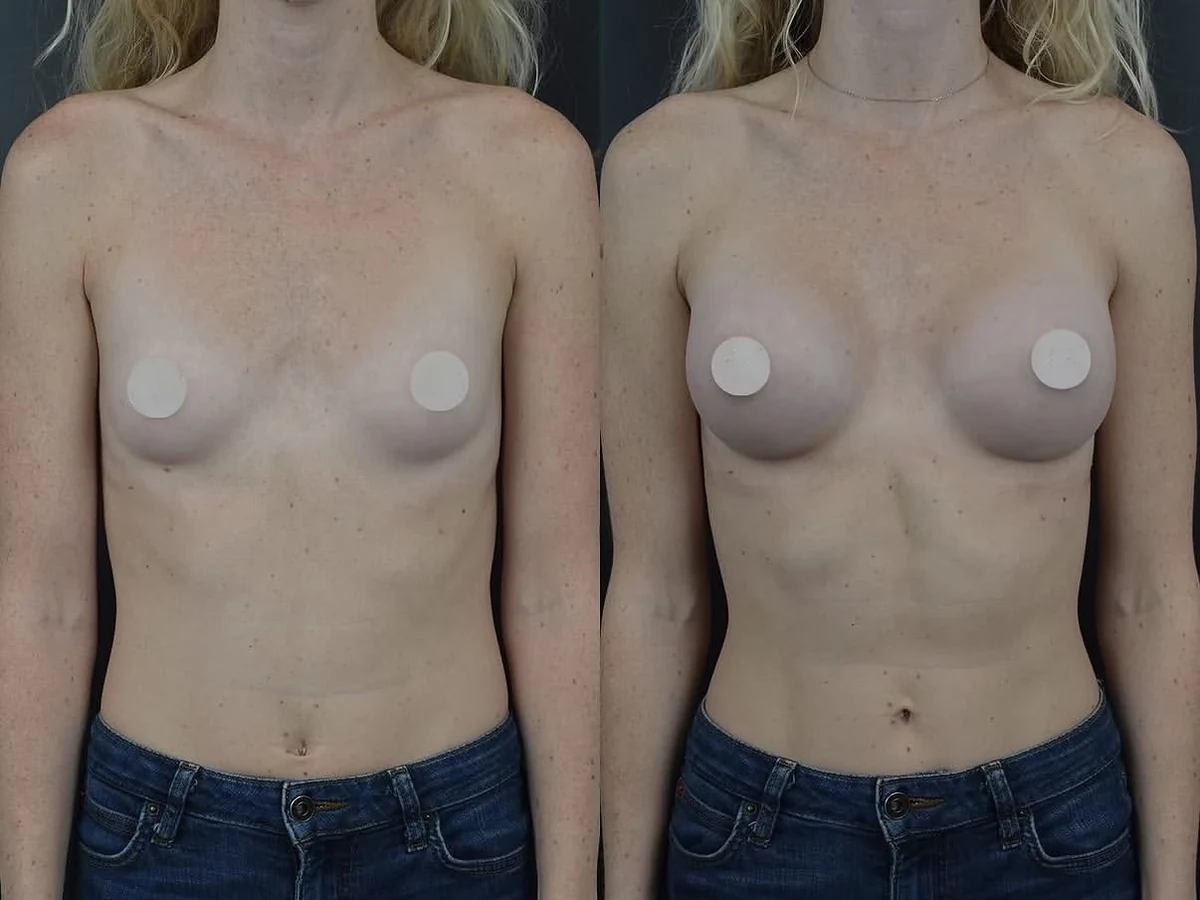 beforeafter
Method: implants
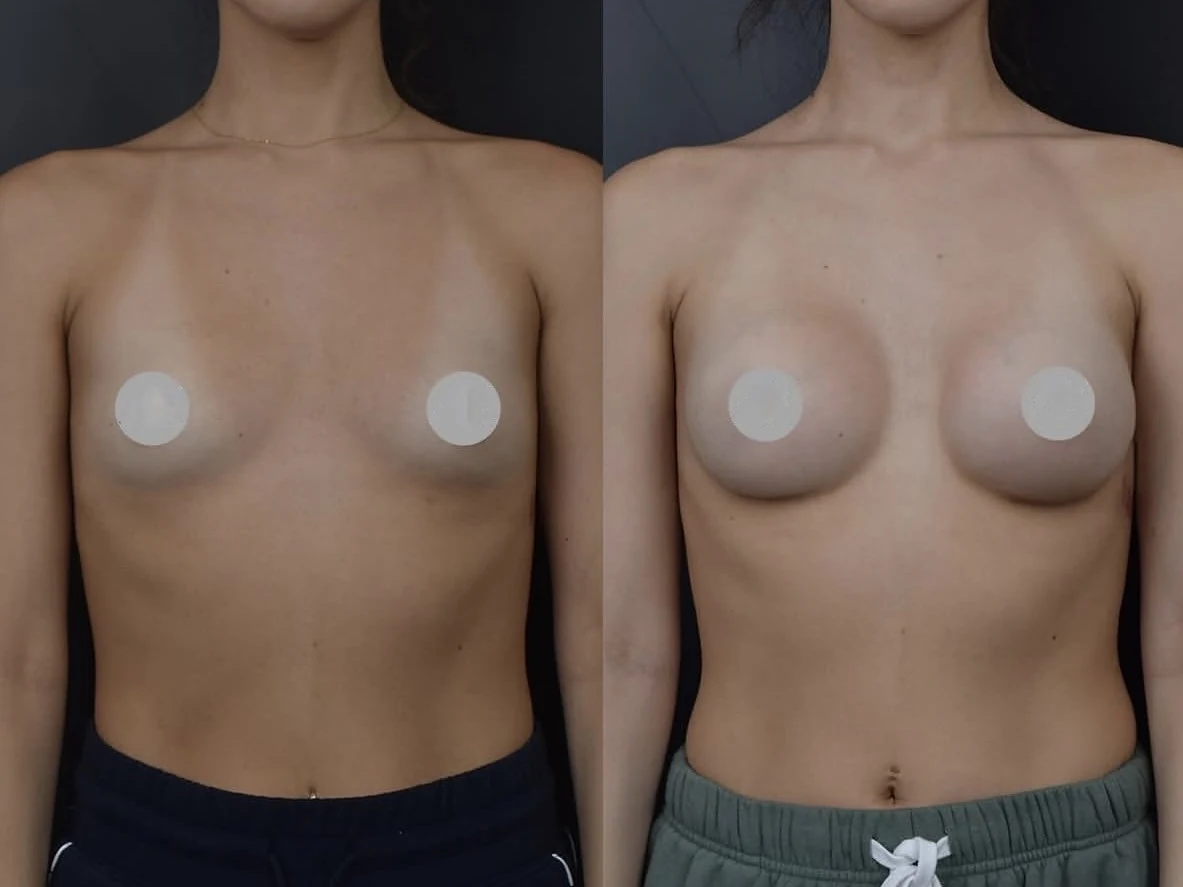 beforeafter
Method: implants
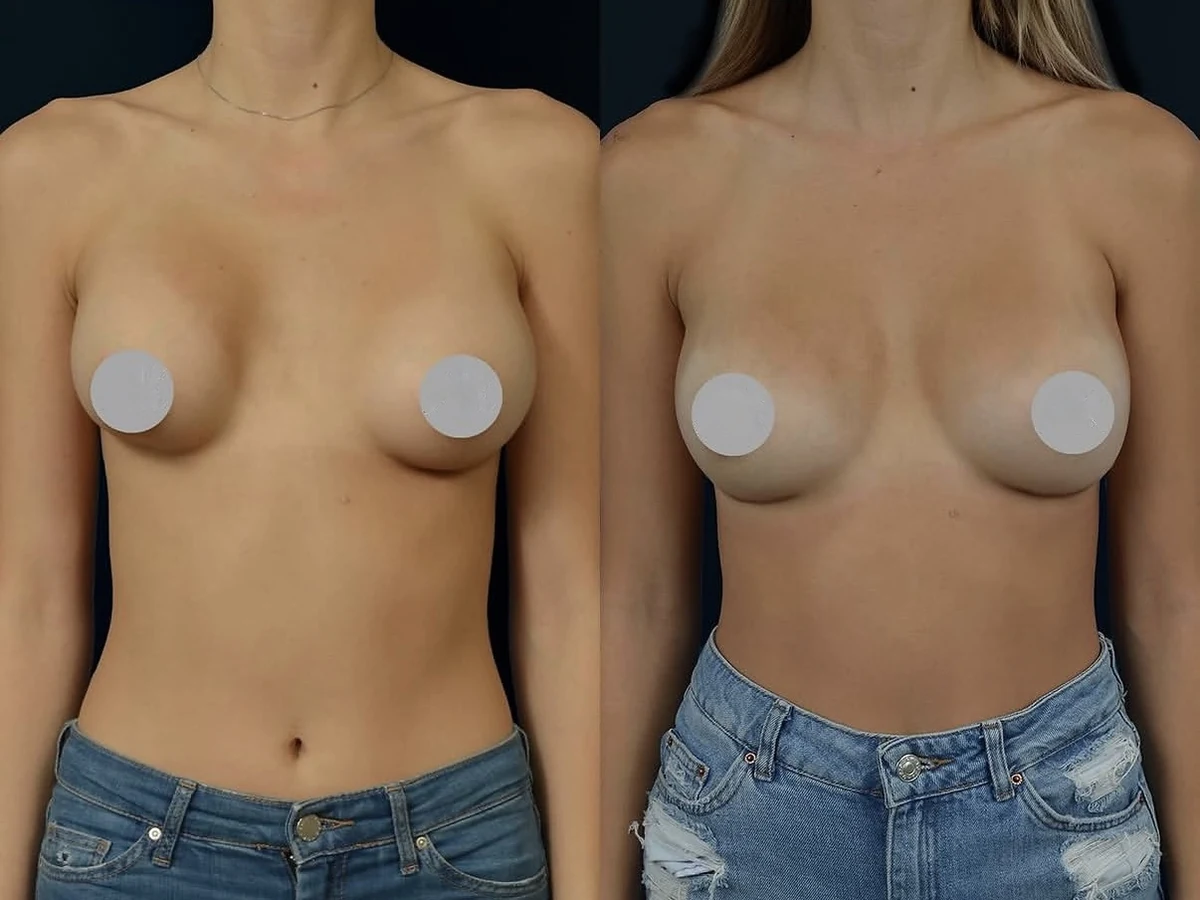 beforeafter
Method: implants
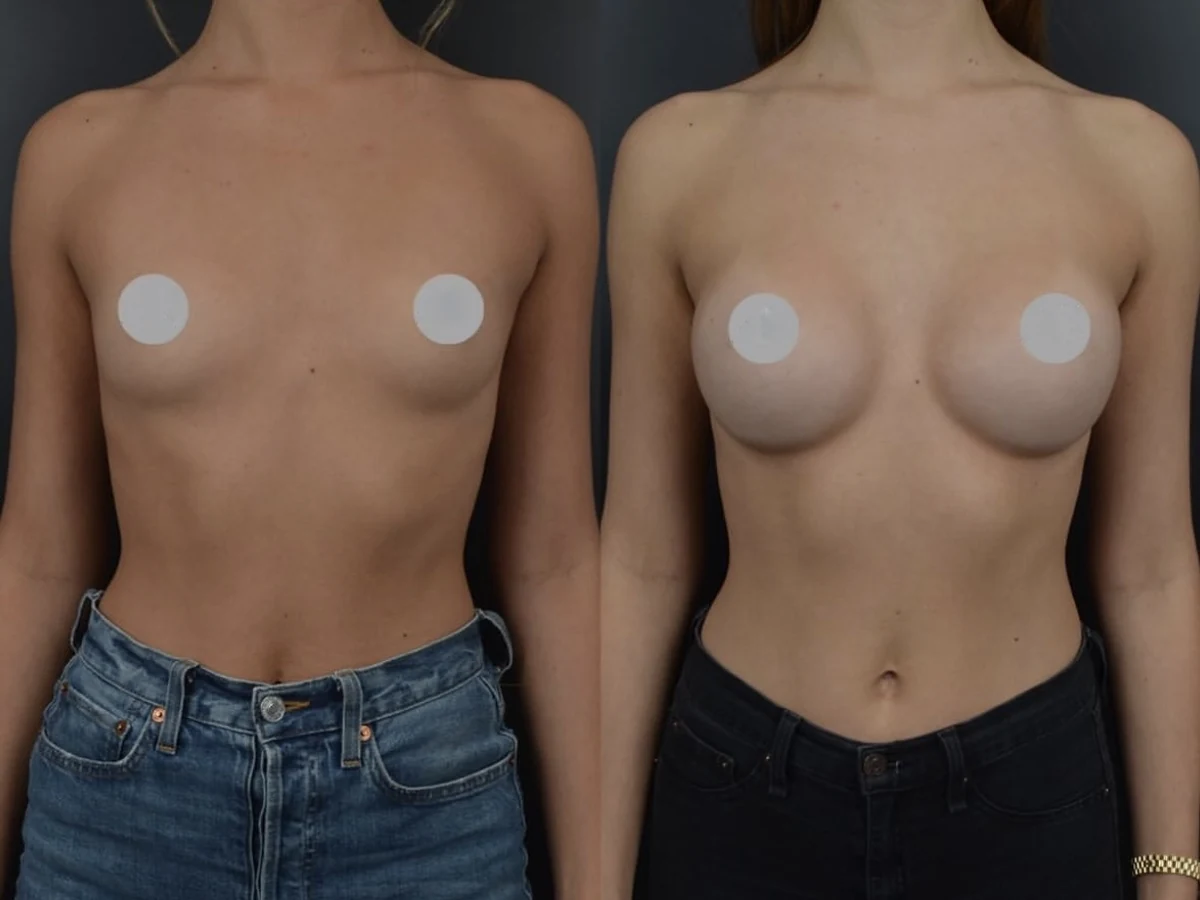 beforeafter
Method: implants
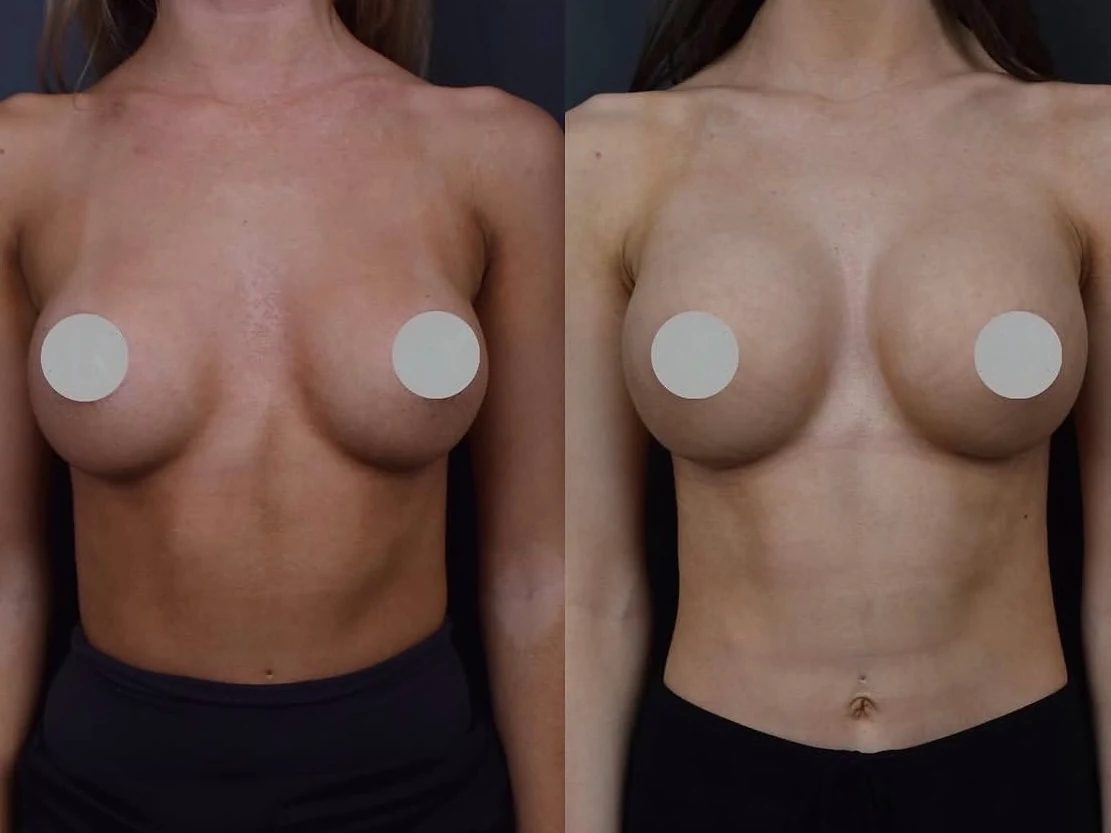 beforeafter
Method: implants
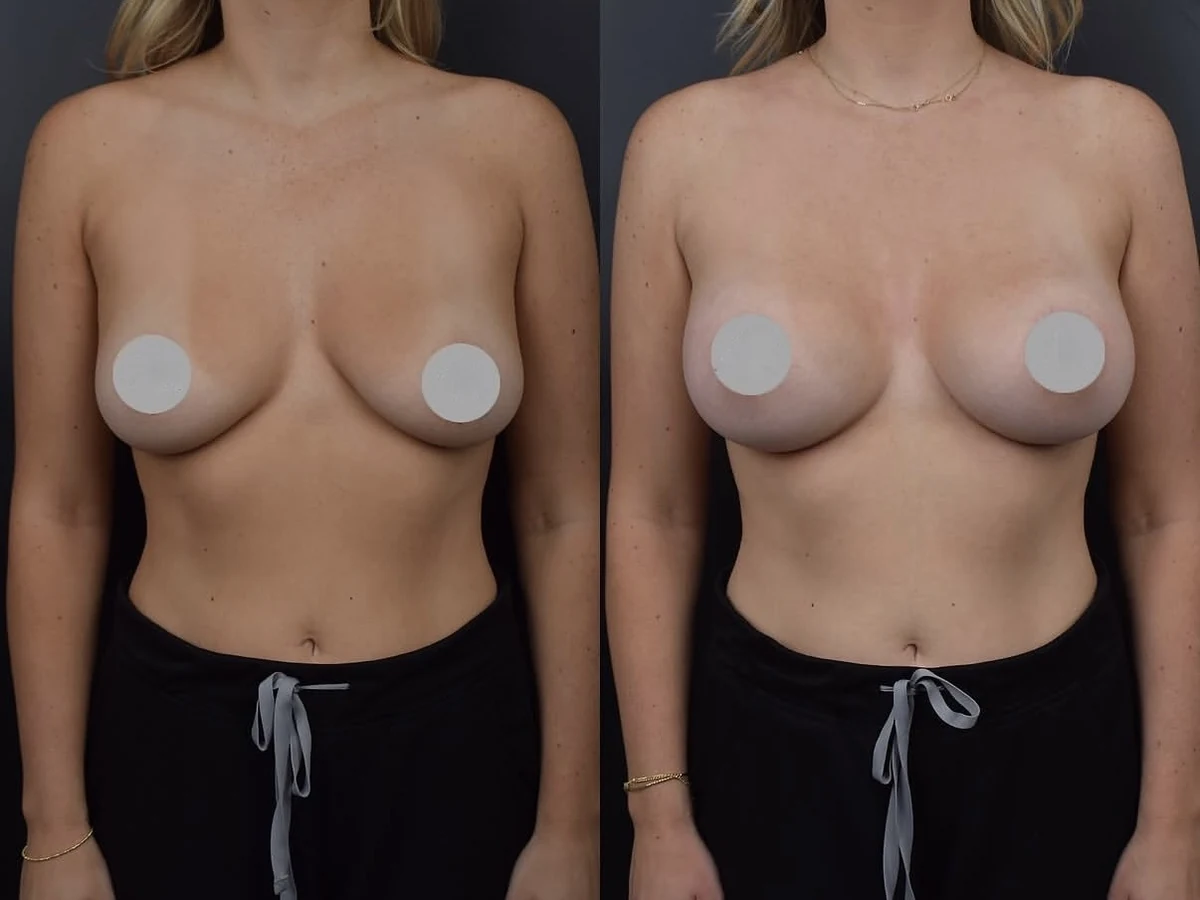 beforeafter
Method: implants
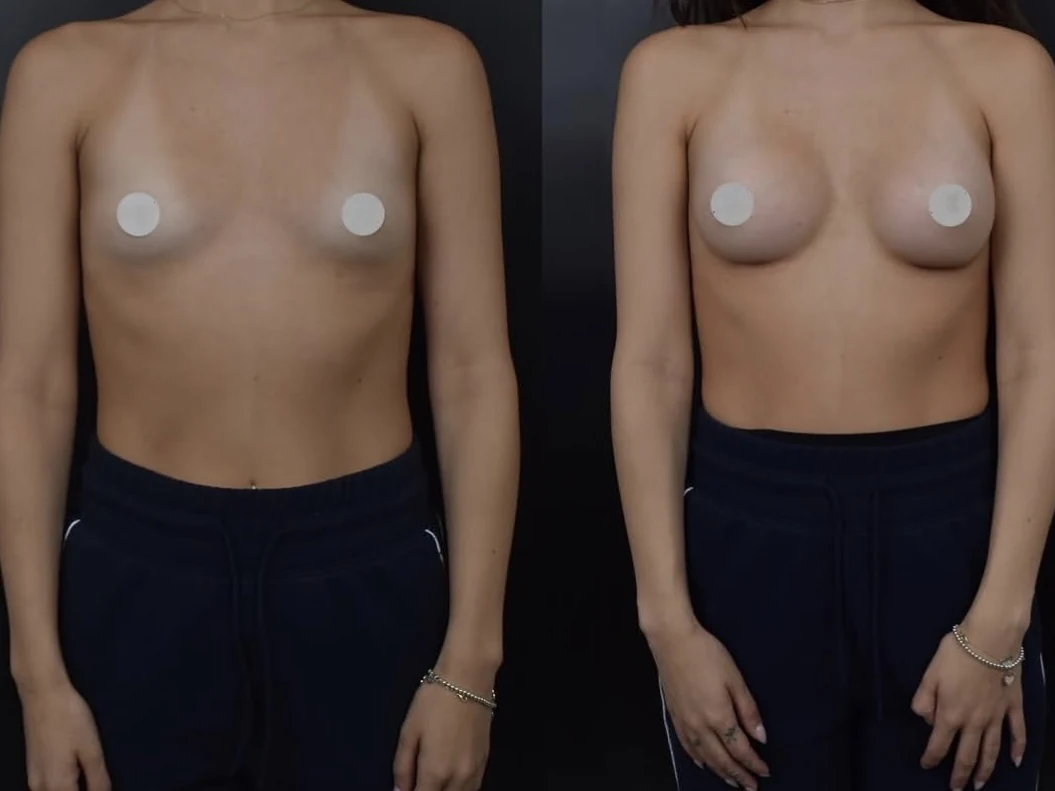 beforeafter
Method: implants
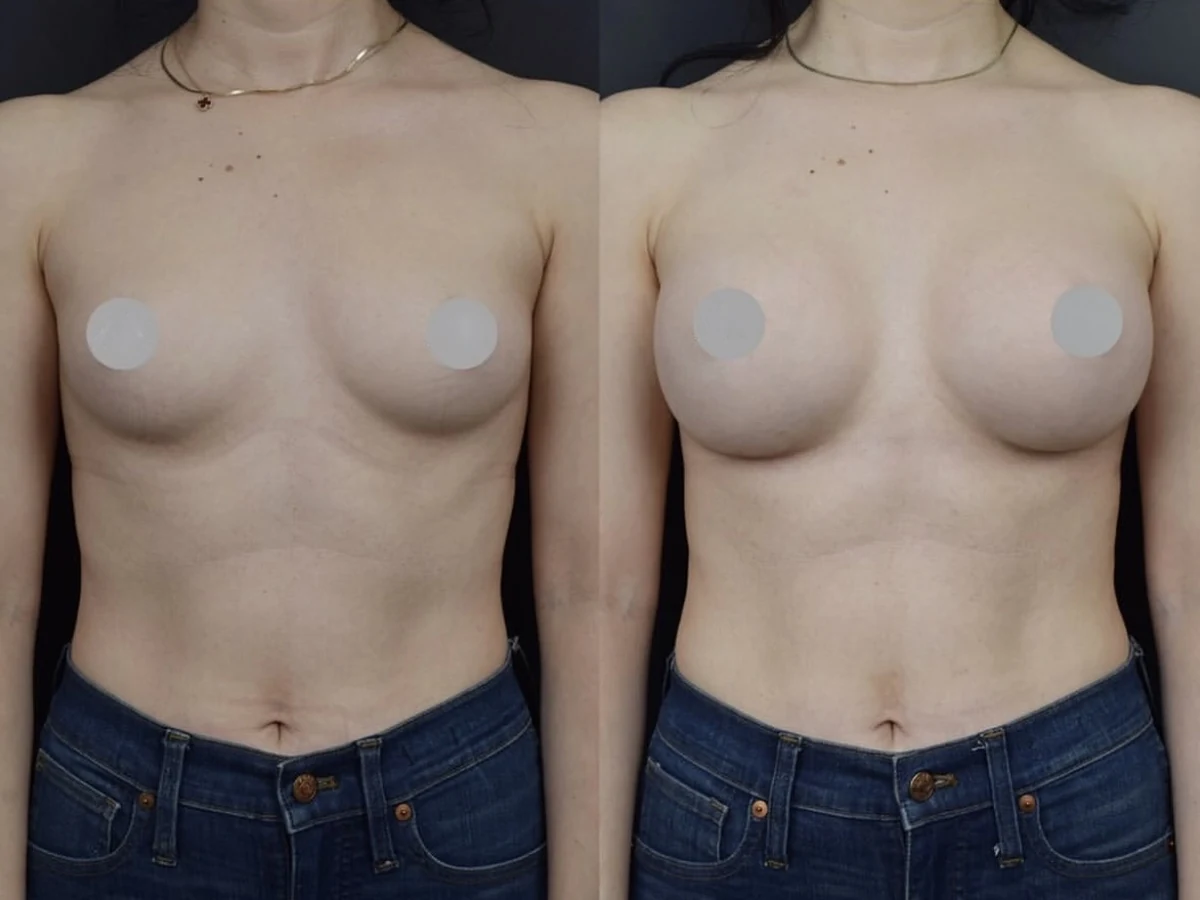 beforeafter
Method: implants
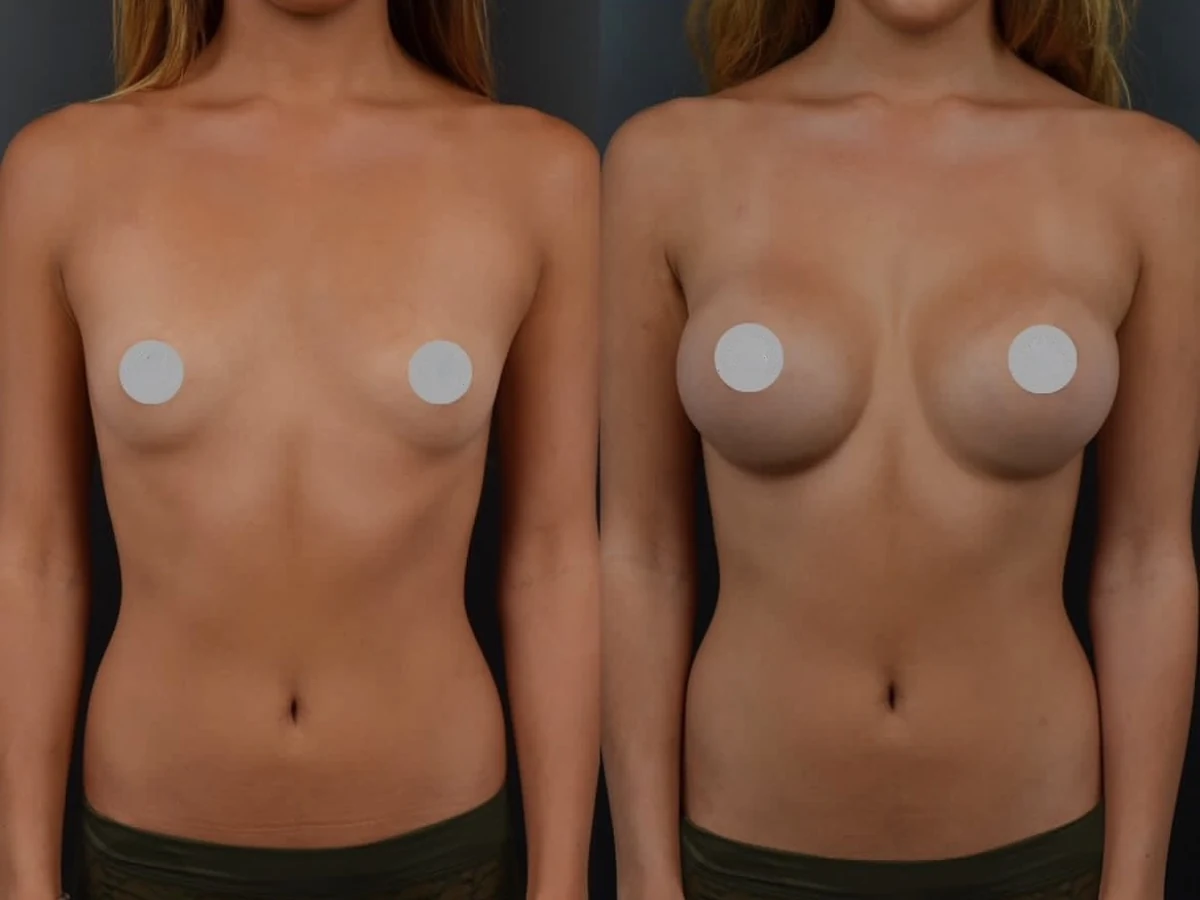 beforeafter
Method: implants
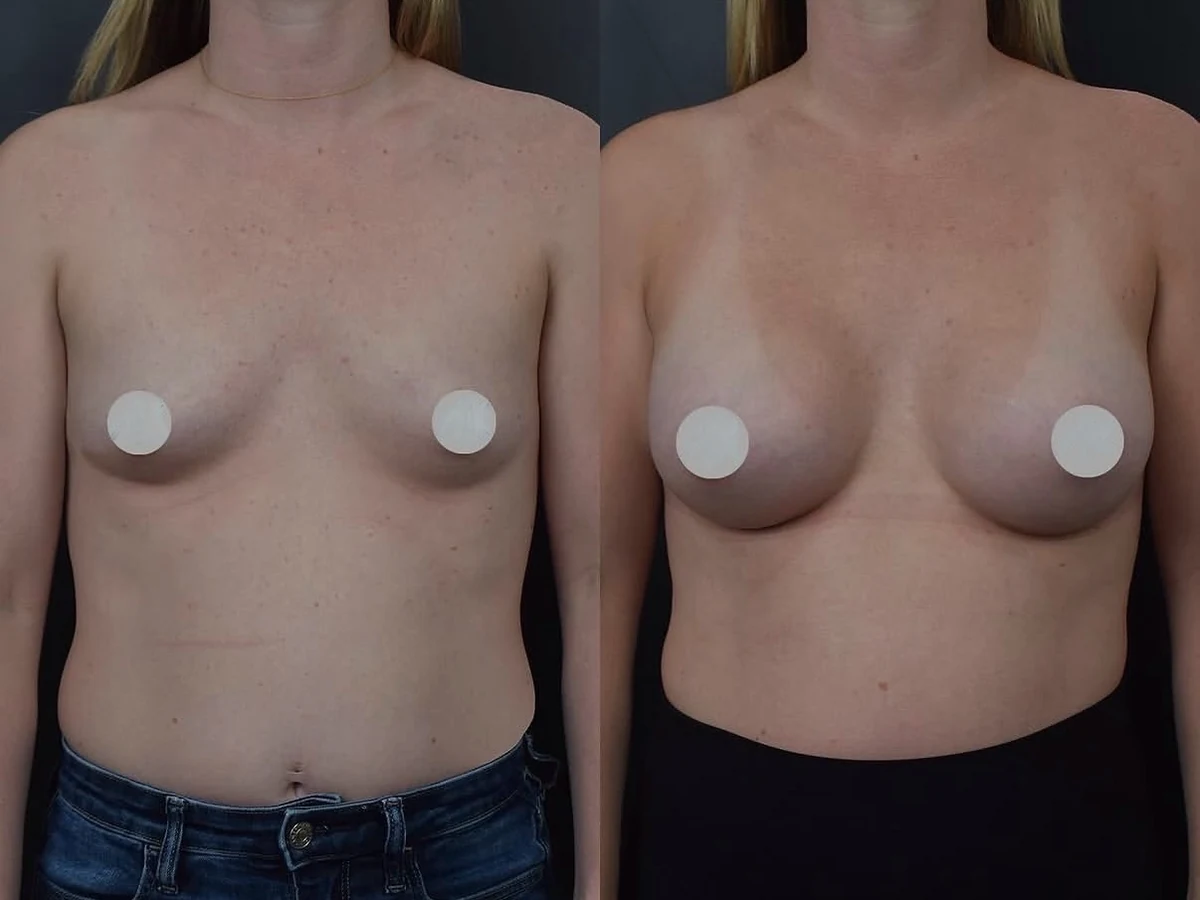 beforeafter
Method: implants
Comparison
Augmentation and reduction are the two main breast correction methods we perform. Compare what each one achieves, how precise it is and when it is indicated.
Size and shape correction with implants
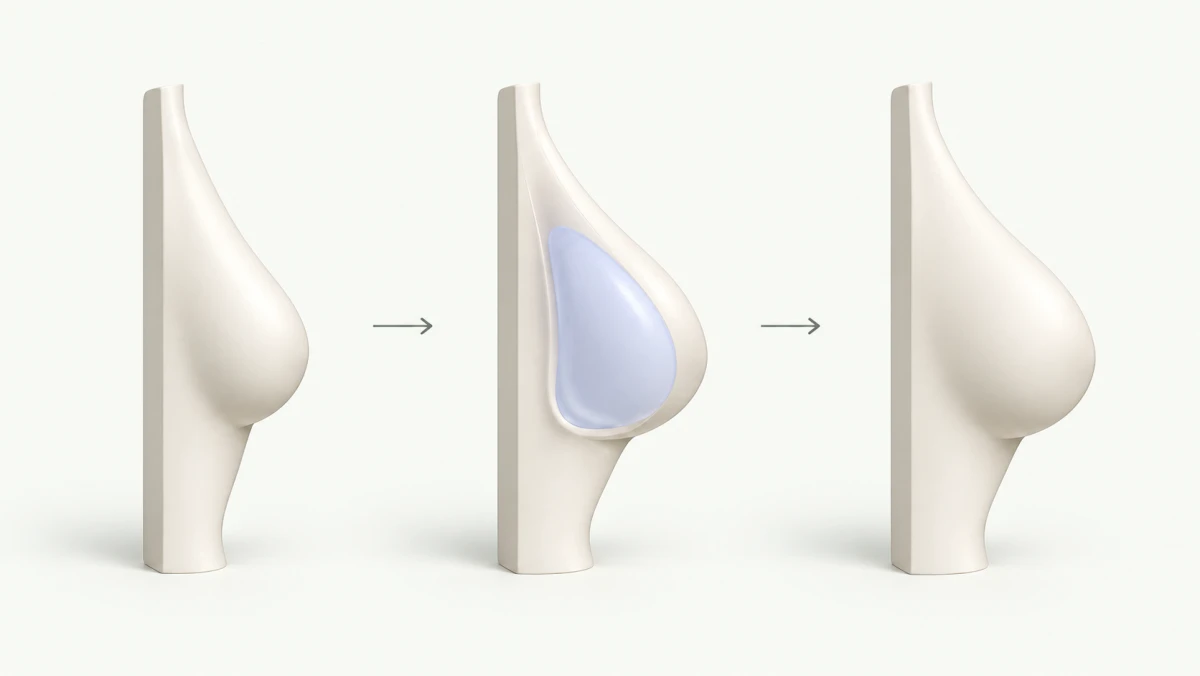
Discounted price
$4,700 $5,900
Reducing breast volume and weight to correct size
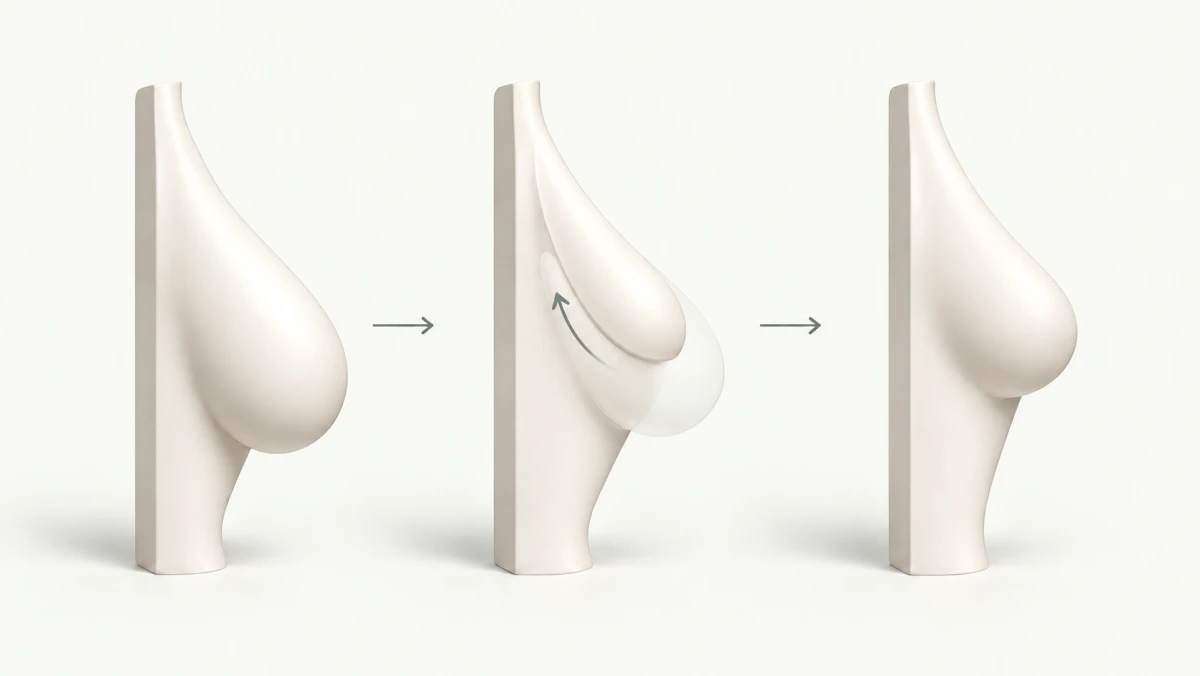
Discounted price
$4,700 $5,900
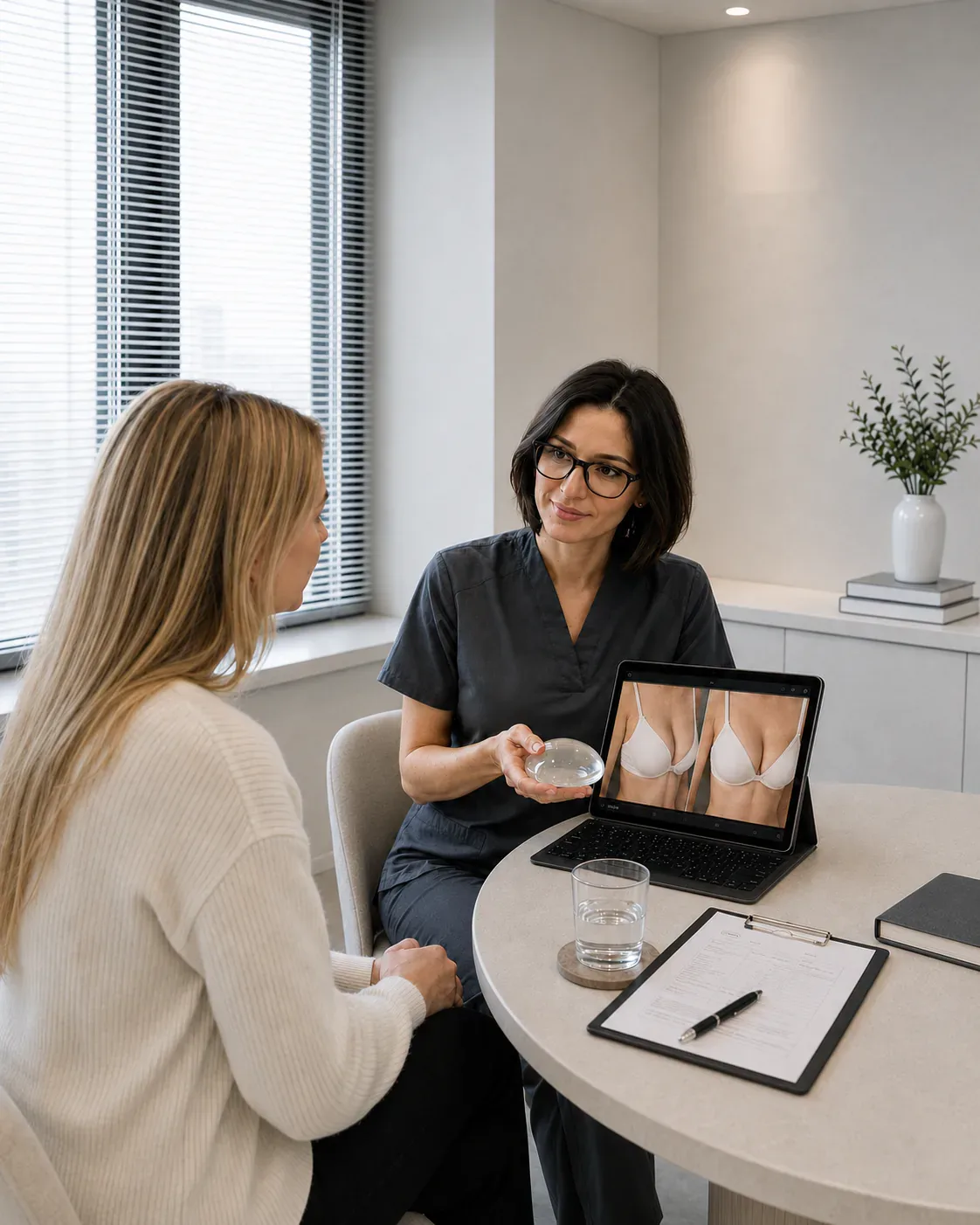
At the consultation the surgeon assesses the shape and proportions of your breasts, discusses your wishes and chooses the best mammoplasty option for you.
The consultation is free, before surgery and with no commitment.
Comparison
We work with two main types of implants: round and anatomical. Both add volume and correct the shape of the breasts, but they differ in shape and in the kind of result.
Uniform volume and a fuller upper area
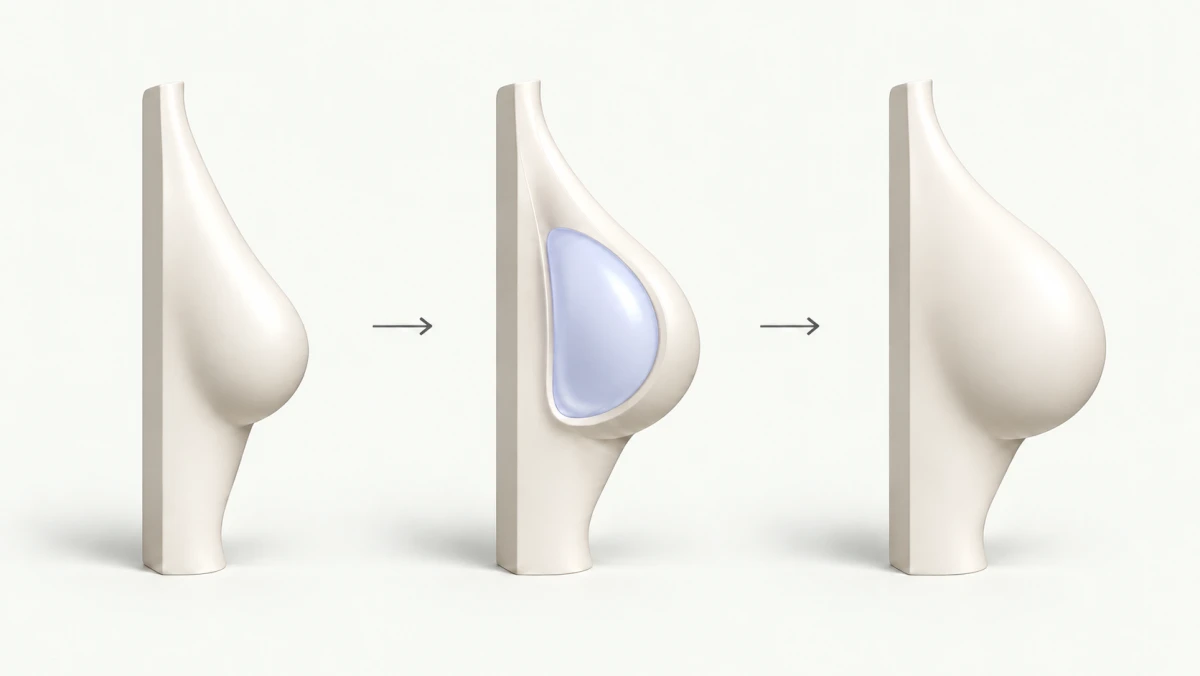
A natural slope with a soft, teardrop-like shape
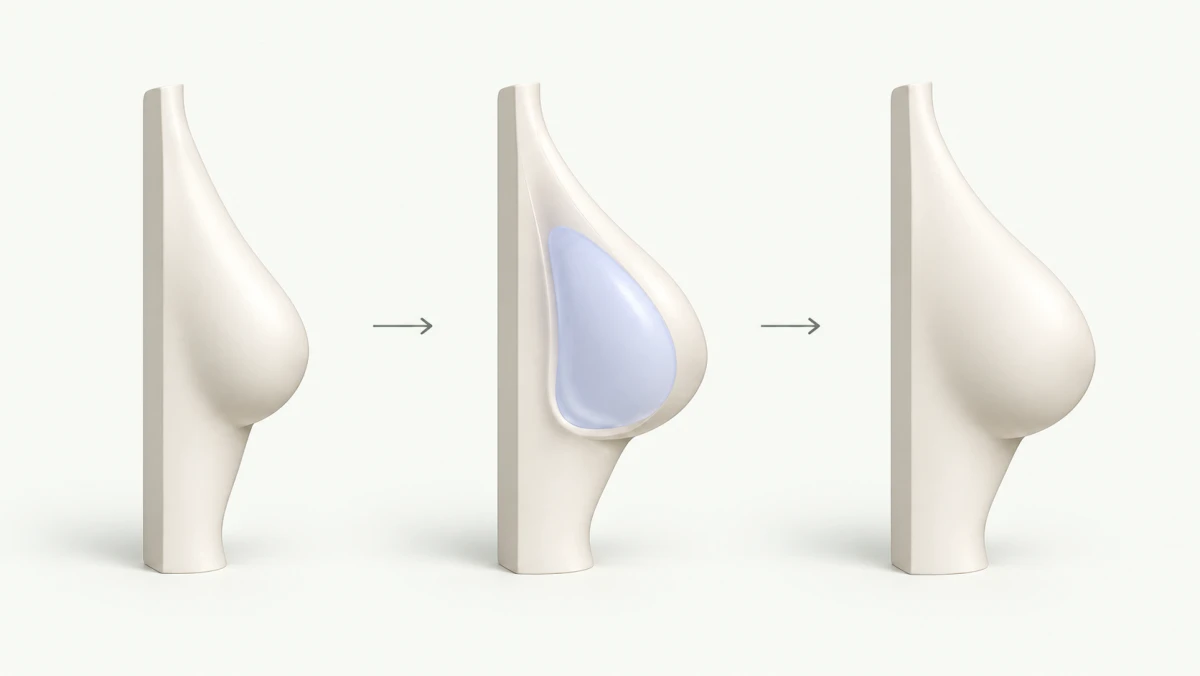
The surgeon will help you choose the implant shape and volume.
Our clinic
Up-to-date equipment, comfortable rooms and attention to each patient
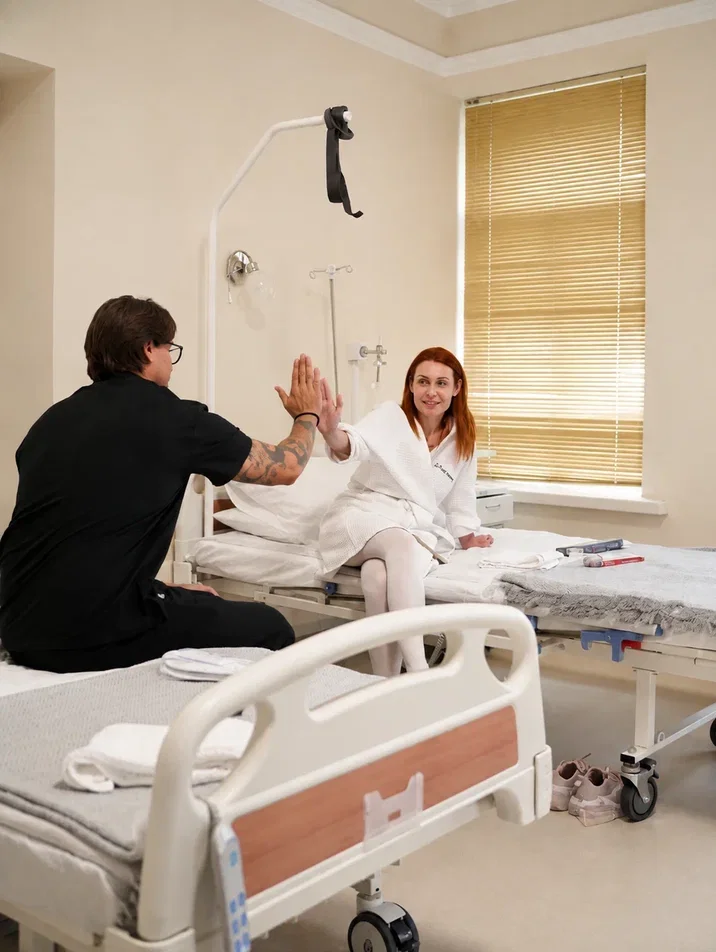
Ask us anything, and we will arrange a consultation at a time that suits you
By messaging us, you agree to our Privacy Policy
If your concern can be addressed without an operation, the doctor will say so at the consultation, so you do not pay for surgery you do not need.
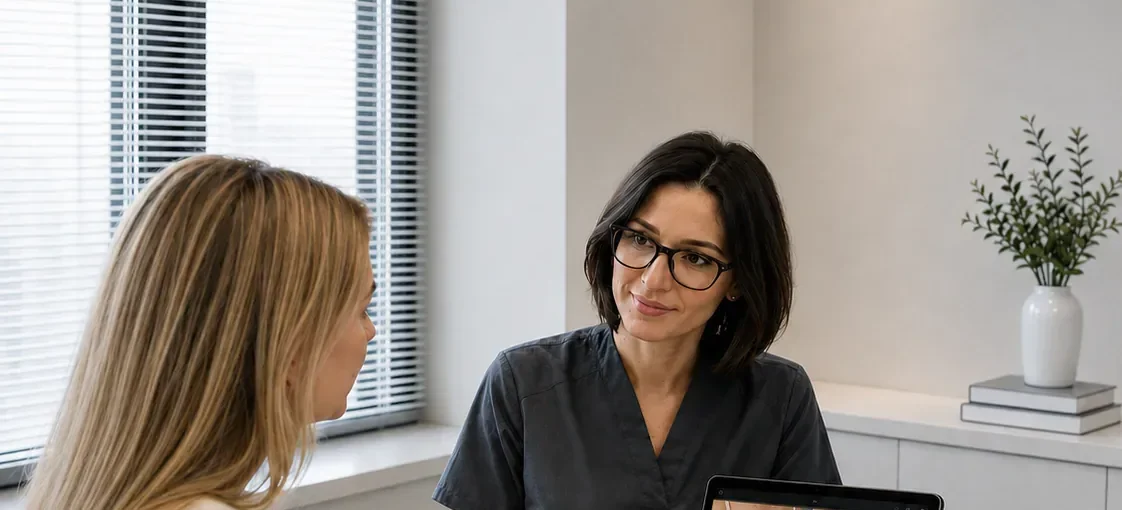

Can't tell whether surgery is right for you?
Message us — your coordinator will ask for photos in a messenger, and the surgeon will look at them and tell you whether mammoplasty is right for you.
Find out if it suits me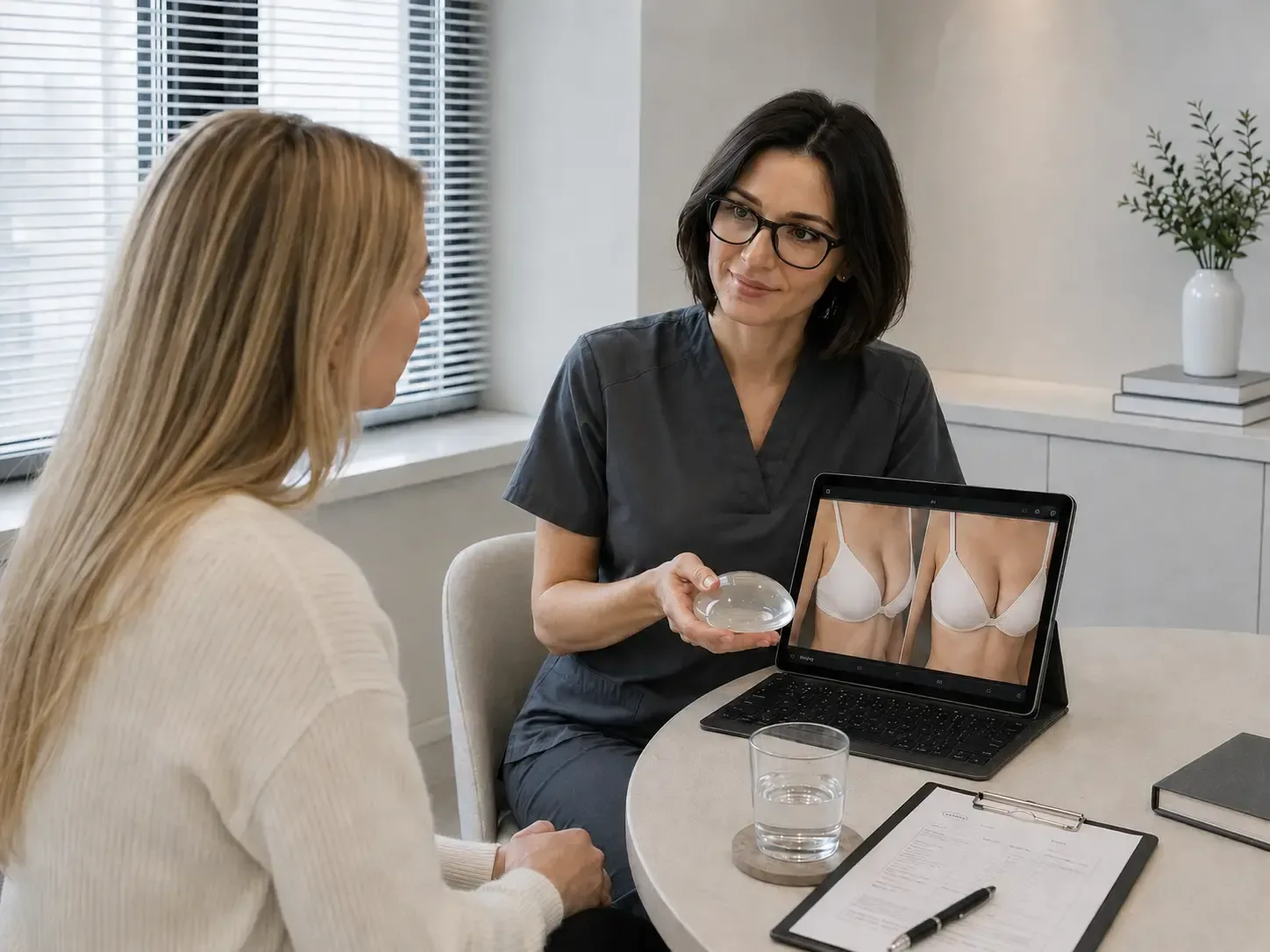
Prices
The price is set at the consultation and fixed in the contract.
Discounted price
Size and shape correction with implants
$4,700$5,900
Discounted price
Reducing the volume and weight of the breasts
$4,700$5,900
Breast restoration after mastectomy
The price is set at the consultation and fixed in the contract.
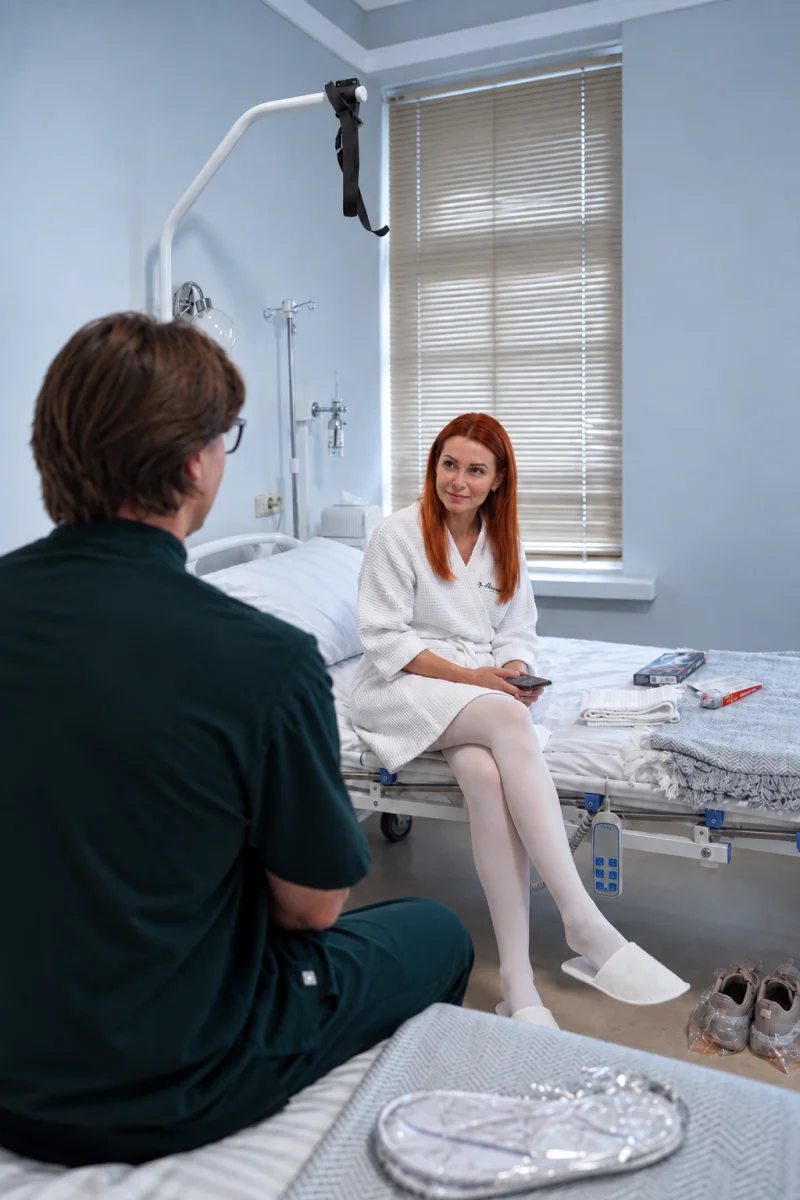
Get a consultationYour surgeon examines the anatomy and proportions of your breasts, discusses your wishes and recommends the right way to correct them.
The price is set at the consultation and fixed in the contract.
Message our coordinator
Free online consultation · Reply within 15 minutes
Message us on TelegramMessage us on WhatsAppBy messaging us, you agree to our Privacy Policy
all inclusive
From preparation for surgery
to support for 12 months.
Discounted price
$4,700$5,900
The process
An agreed plan for the correction, observation in hospital and recovery monitoring for a year.
 1
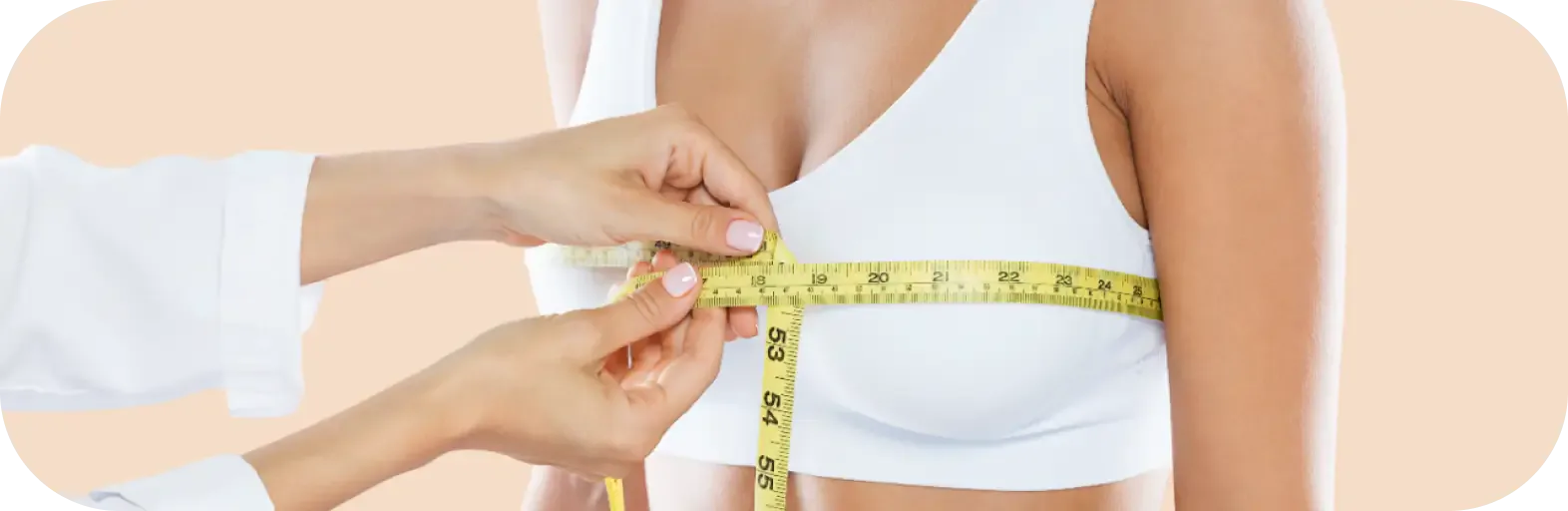
The surgeon looks at your figure, talks through your wishes and picks the best volume, shape and correction method.
 2
We hold a surgery date for you. You can pay the deposit by card at the clinic or online by bank transfer; all terms are set out in the contract for medical services
 3
Before surgery you complete a full set of tests: blood tests, an ECG and other examinations prescribed by the doctor.
 4
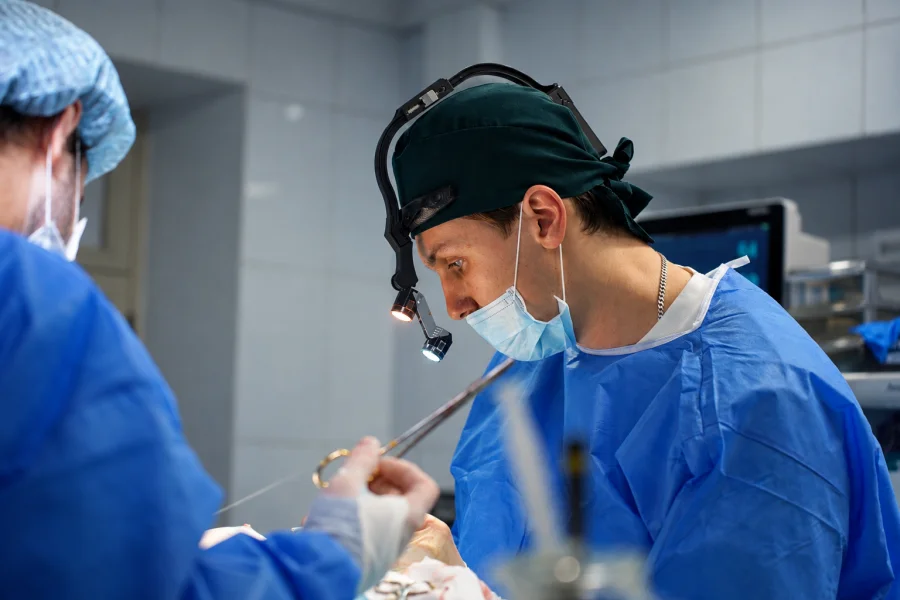
Your surgeon carries out the mammoplasty following your personal plan, under general anaesthesia and with constant monitoring of your condition.
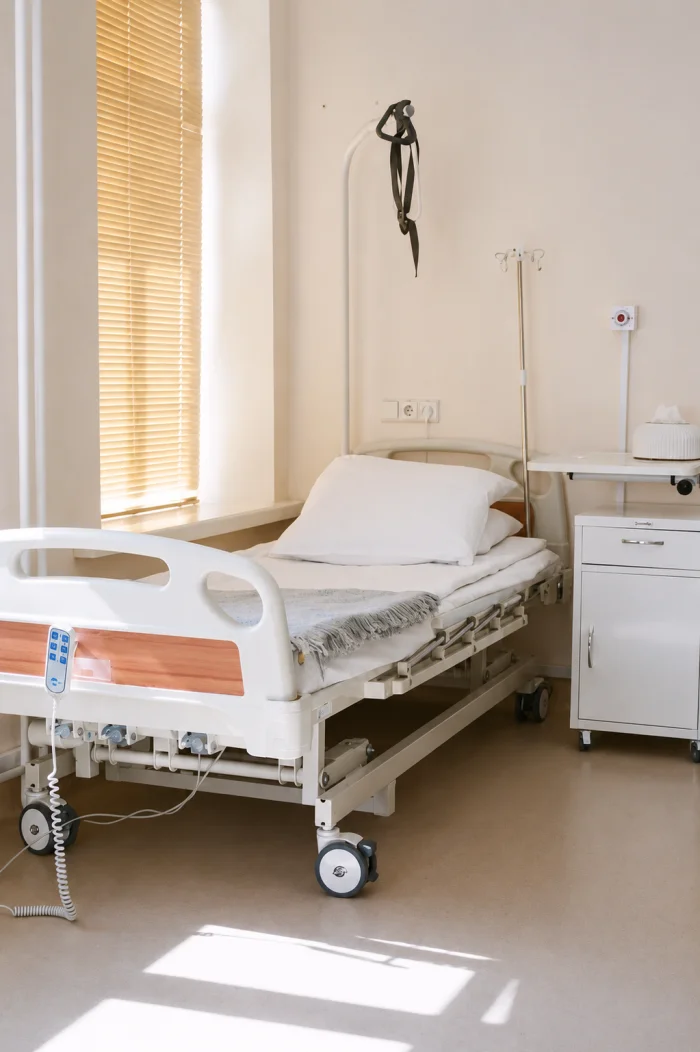 5
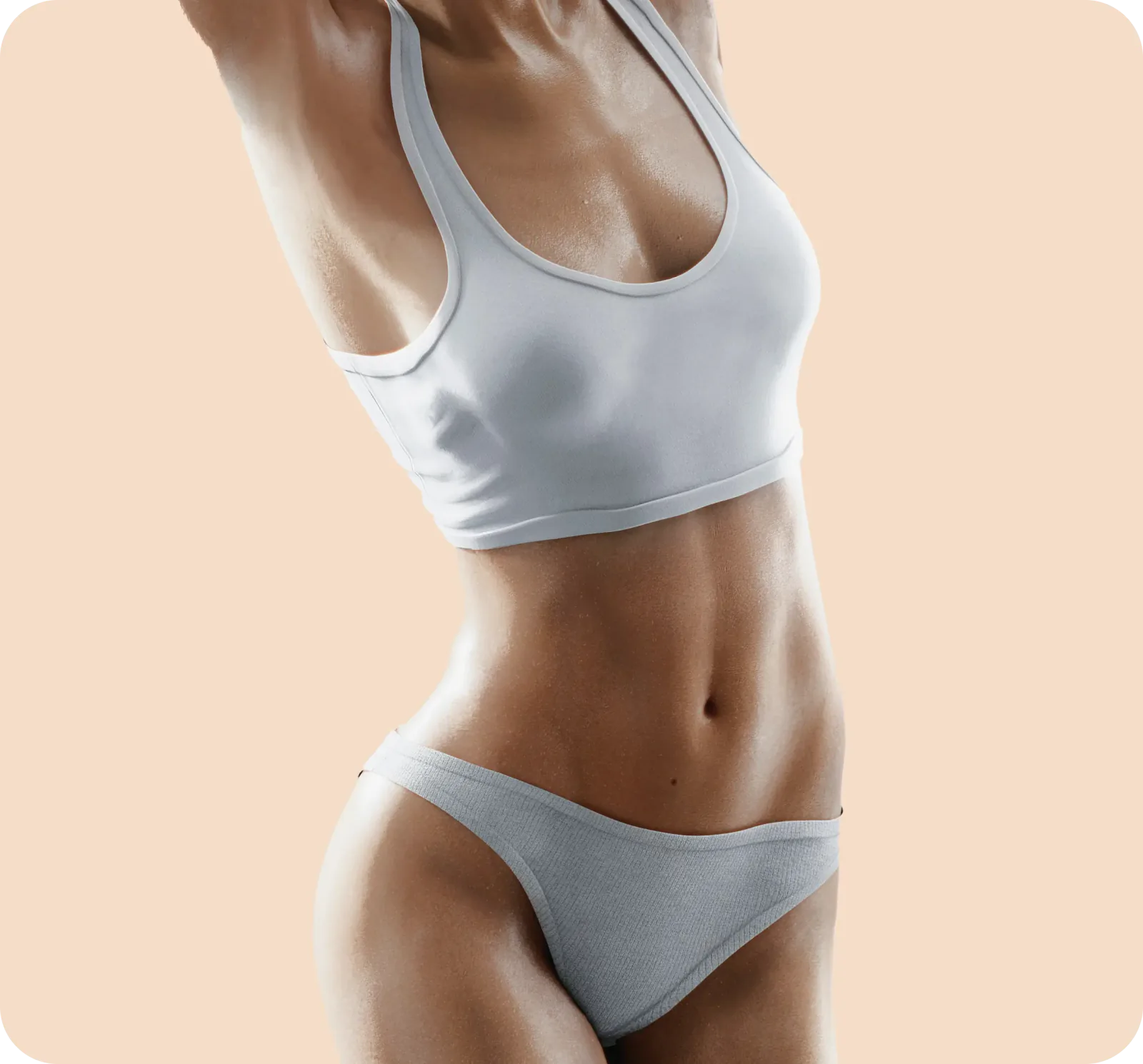
After the operation you remain in the clinic's comfortable inpatient ward, cared for by the medical team until you are discharged.
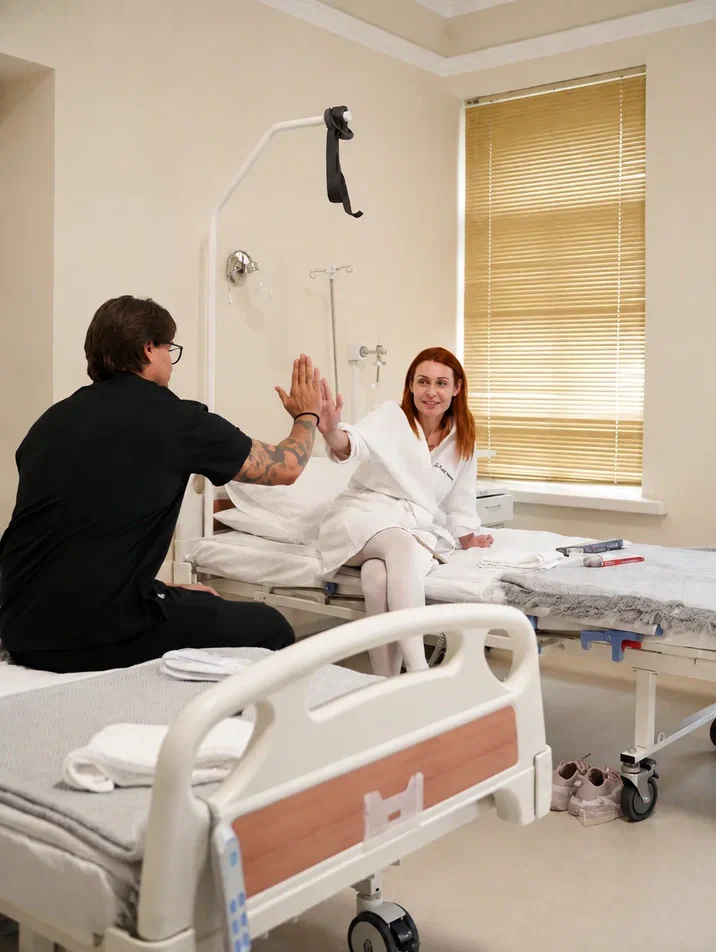 6
A recovery programme is prescribed after surgery. Check-ups at 7 days, 3 and 6 months follow your recovery, and for a year after surgery you consult your surgeon for free.
To prepare for surgery, stick to a few simple guidelines: balance work with rest, get extra sleep, avoid stress, anxiety and strong emotions, and limit exercise.
Oral contraceptives with hormones should be discontinued at least a month beforehand
Discontinue aspirin-based drugs, steroids and hormonal medications for chronic illnesses ahead of the operation
Take your tests a week before surgery
Swelling after surgery goes away after 3 weeks
Scars form in 3 weeks
No strenuous activity (lifting over 3 kg)
Keep arms below shoulder level — 3 weeks
Part of recovery after the correction is wearing compression garments for 1–1.5 months
Refrain from intense gym training for up to 40 days and from very active aerobics; light cardio is possible after a month. Follow your diet and meals.
Within 3 months, discomfort disappears
For as long as three months, no baths, saunas or physiotherapy
During 3 months all tissue inflammation subsides and a “pocket” forms around the implant
Doctors
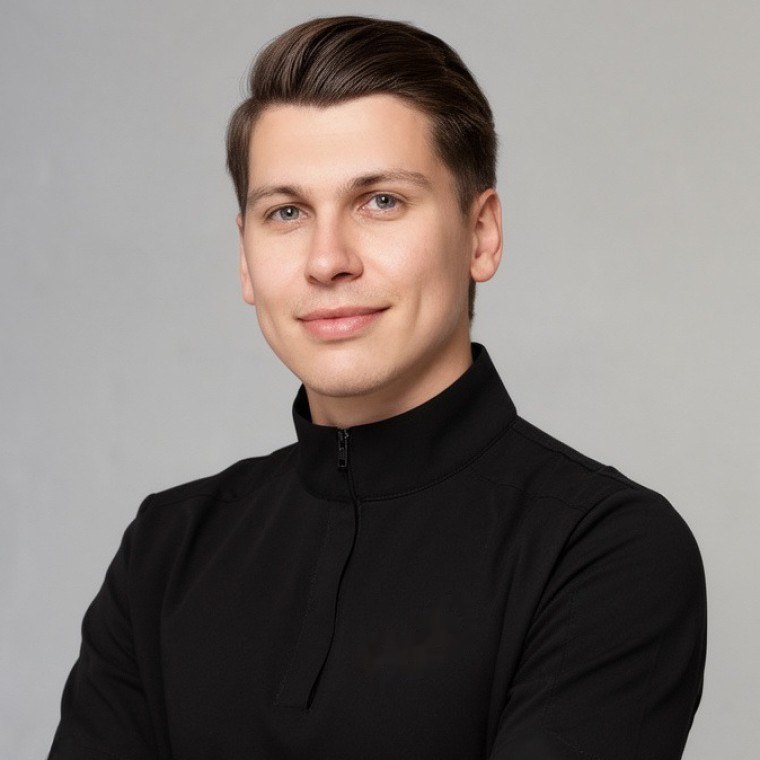
7 years of experience
Plastic surgeon
Underwent residency in plastic surgery at the Petrovsky National Research Centre of Surgery. Specializes in breast and body surgery, aesthetic and reconstructive.
At the consultation, you talk directly to your operating surgeon
An experienced plastic surgeon who cares about patients' beauty and health
Book a consultationAdvantages
We review your wishes at the consultation and model the planned result. The surgeon explains what the operation can do, so you understand exactly what we are aiming for.
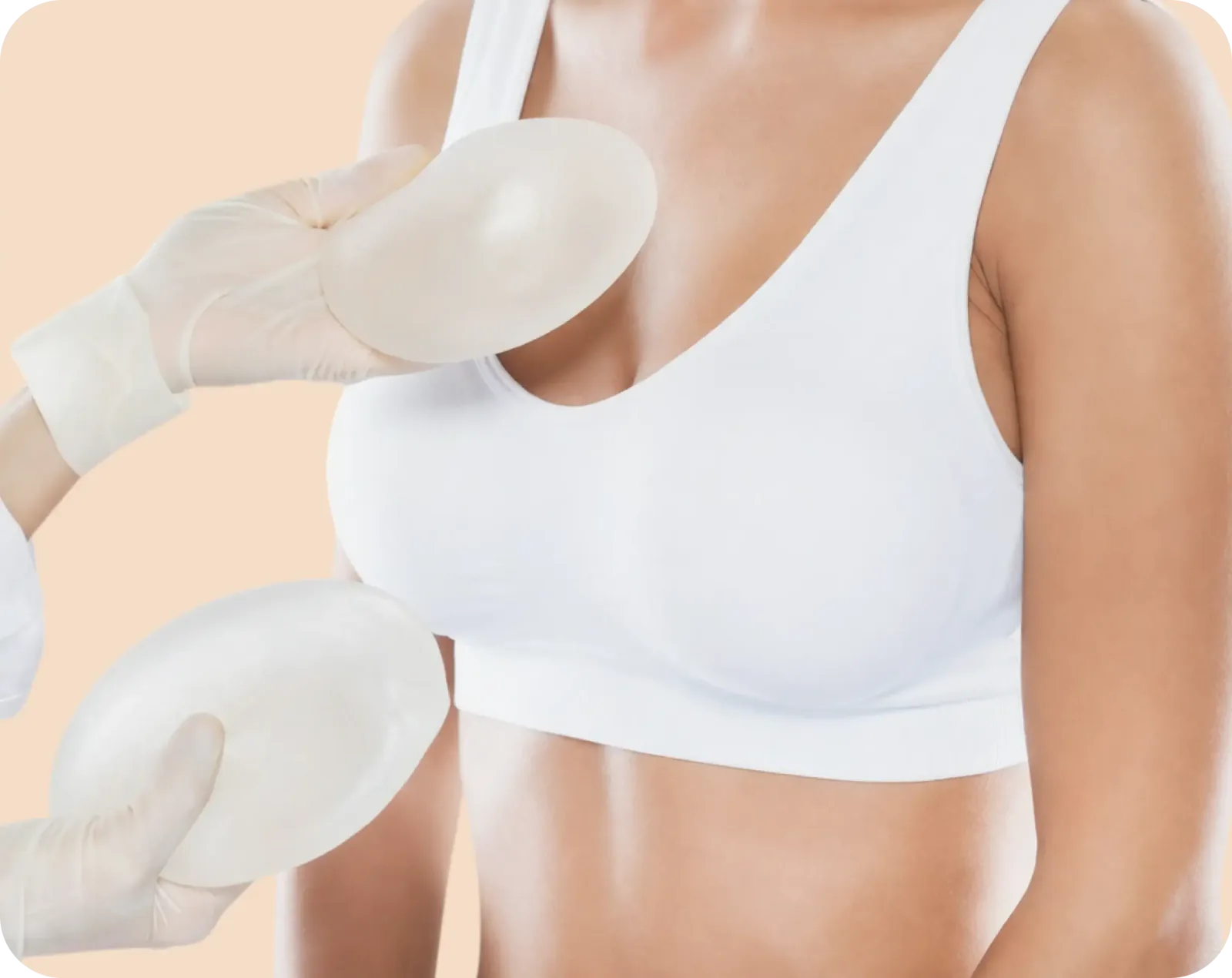
Your surgeon follows your recovery and the changes in your breast shape for a full year; check-ups and dressings are included in the price.
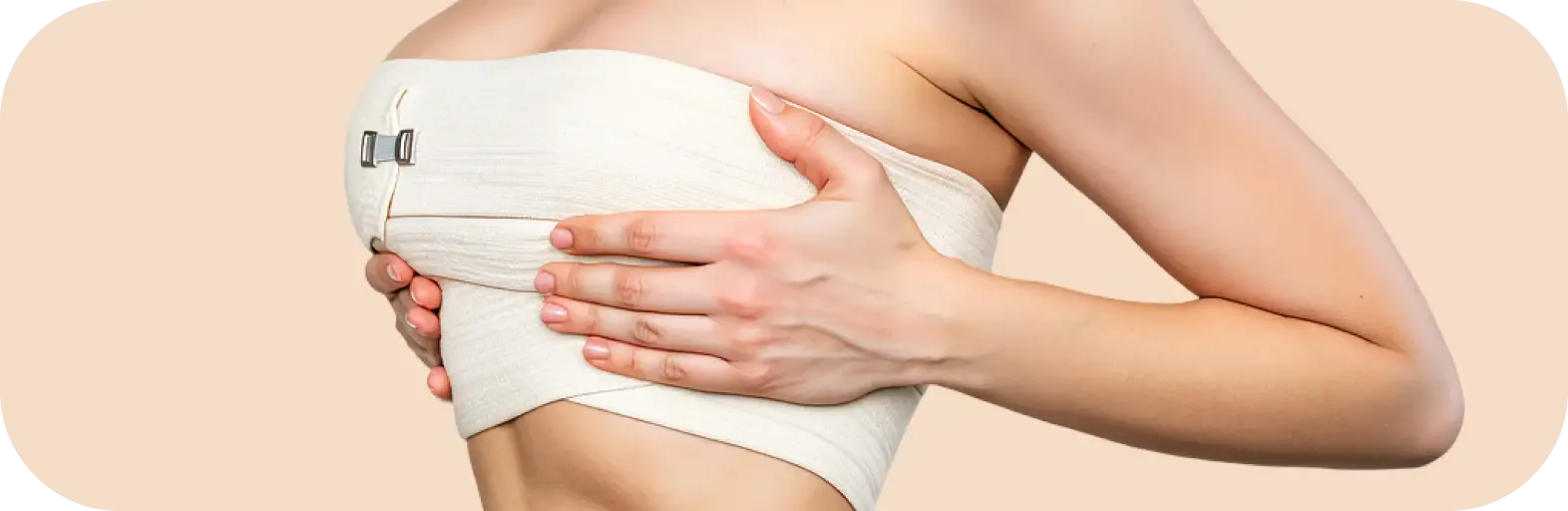
Shape, volume and correction method are chosen to match your anatomy and wishes. For augmentation, the implant size and profile are selected individually.
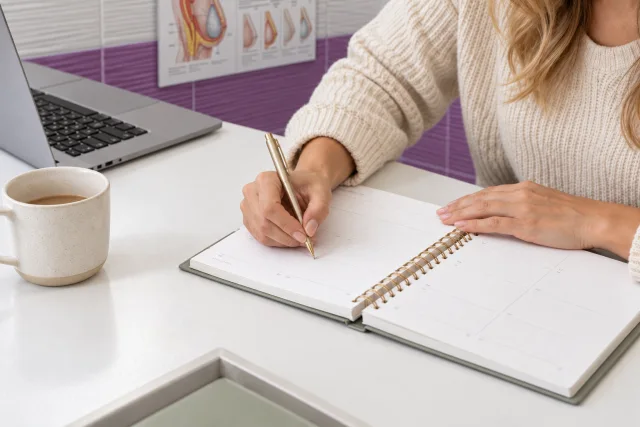
We respect your time: we work 24/7, with easy booking and a personal approach — we adapt to your pace.
Once the surgeon has defined the extent of correction at the consultation, you get a clear surgery price — no surprises on the way to your result.

Recovery begins in a comfortable inpatient ward under round-the-clock nursing care. The stay and meals are already included in the price.
FAQ
Yes. Boob job is the everyday name for breast augmentation. At City Medical Centre it is done with round or anatomical implants that the surgeon chooses with you at the consultation.
Breast enlargement adds volume with implants. A breast lift (mastopexy) raises sagging breasts and removes excess skin. Which one suits you is decided at the free consultation.
Several procedures fall under mammoplasty: augmentation (volume increase with implants), reduction (excision of extra tissue and skin), mastopexy (lift of sagging breasts), reconstruction (after mastectomy) and asymmetry correction. The right method is chosen for each patient according to her wishes and the surgeon's advice.
Message us — our coordinator will get back to you shortly and book your consultation. The plastic surgeon consultation is free.
When all recommendations are followed, complications are rare. They can include hematoma or seroma, wound infection, reduced or heightened nipple sensitivity, capsular contracture, aesthetic asymmetry, wound separation and tissue necrosis.
Results after mammoplasty last a long while: about 10–15 years for augmentation (until implant replacement) and 5–10 years for a lift or reduction. Weight changes, pregnancy, skin aging and gravity affect their duration. To maintain the result, choose supportive underwear and control your weight.
Breastfeeding after mammoplasty depends on the type of surgery. With augmentation through an under-breast or armpit incision and the implant placed under the muscle, lactation is usually preserved — the glandular tissue is not damaged. After a lift or reduction the risk is higher because ducts may be cut. Discuss this with your surgeon in advance.
Implant choice is based on material (silicone gives the most natural appearance, saline is used more rarely), shape (round or anatomical teardrop), surface (smooth or textured), size and profile. Your surgeon will pick the best one for your anatomy and goals.
Surgery takes place under general anaesthesia, and the patient feels no pain. Moderate discomfort is possible in the first 1–3 days and is managed with painkillers. Pain eases considerably by day 5–7 and discomfort disappears by weeks 2–3. Tell your doctor immediately if pain is severe.
Work (without physical strain) is possible after 7–14 days. Gentle walks after 1–2 weeks. Fitness and swimming after 4–6 weeks, strength workouts after 3 months. The pool and sea after 4–6 weeks. Compression garments are needed for 4–6 weeks. Exact dates depend on how your recovery goes.
There is no scientific proof linking mammoplasty to a higher breast cancer risk. Implants do not cause cancer. Continue regular screening after surgery, including self-exams, mammography and ultrasound, and always inform the examining doctor about your implants.
A C-section does not rule out mammoplasty, but full recovery of the body must come first. Wait 6–12 months or more after giving birth and after you stop breastfeeding. Before surgery, you must have a surgeon's consultation and check-up.
There are scars after mammoplasty, though a skilled surgeon keeps them minimal. The incisions go in discreet areas, such as under the breast, around the areola or in the armpit. Early on the scars are reddish, but over 6–12 months they fade and are almost unnoticeable.
During the first weeks after the operation, slight asymmetry is normal, since swelling and healing are uneven. If a size or shape difference continues after 3–6 months, see your surgeon for an exam to find its cause.
Nipple and breast sensitivity can change temporarily after mammoplasty, either decreasing or increasing. It happens because nerve endings are irritated. Sensitivity usually returns within 3–12 months. If there is still no improvement after a year, consult your surgeon.
Hormonal drugs (contraceptives, hormone replacement therapy) do not affect implants themselves, but they can cause swelling or a change in breast tissue volume that alters the appearance for a time. Always inform your surgeon about them ahead of surgery.
Prices are in US dollars and fixed in your contract. Message us to get your exact price.
Prices start from $4,700. The surgeon sets the final price at the free consultation, and it is fixed in the contract, with no hidden extras.
The surgical team's work, anaesthesia, the inpatient stay with meals, dressings and follow-up visits for twelve months.
Message us on WhatsApp or Telegram using the buttons below. A coordinator will answer your questions and book a free consultation where the doctor names the exact price.
By messaging us, you agree to our Privacy Policy
Yes, once the body has recovered: at least 6–12 months after childbirth and after breastfeeding ends, including after a C-section. The surgeon decides after an examination.
Allow at least 1.5 months for the compression period. Swelling usually goes after about 3 weeks, while baths and saunas are avoided for up to three months.
Message the coordinator with your preferred dates. The first consultation is free, and you can start it online; the clinic then confirms which dates are open, and only after that is anything booked.
The operation is followed by one day in hospital. Lifting your arms above shoulder level is off for 3 weeks, so plan help with lifting and carrying. The doctor sets the follow-up visits.
Your age, height and weight, your current bra size and the result you would like, plus previous surgeries, pregnancies and breastfeeding. The coordinator tells you which photos the surgeon needs, and the price is confirmed after the surgeon has reviewed them.
Skip intense gym training and overly active aerobics for up to 40 days; light cardio may be possible after a month. Raising your arms above shoulder level is off for 3 weeks.
Yes. The first consultation is free and starts online: send your details and photos on WhatsApp or Telegram, and the doctor reviews them and explains the options and the price.
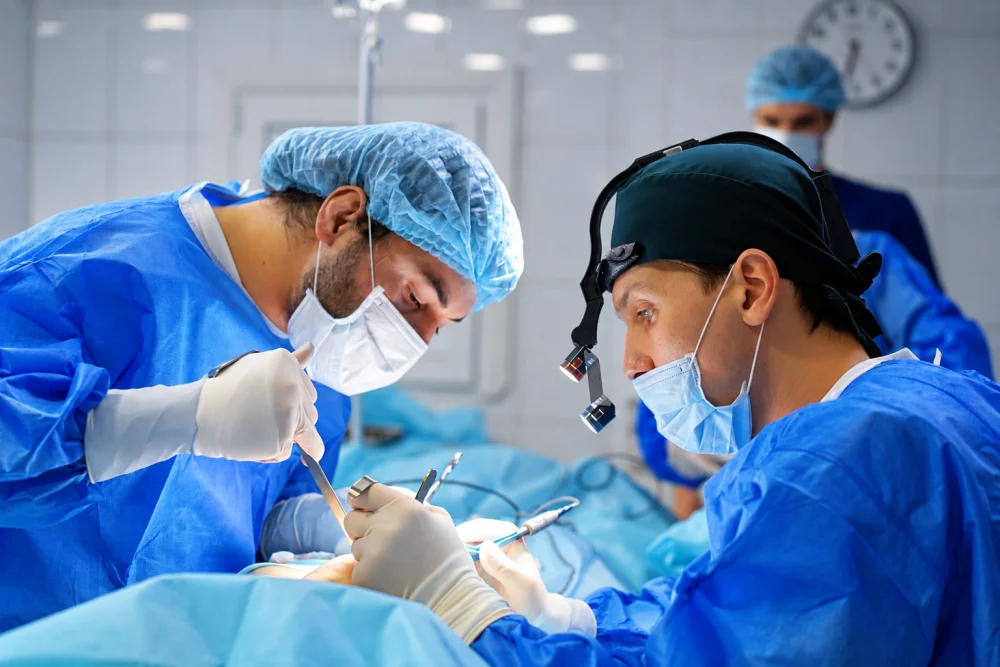
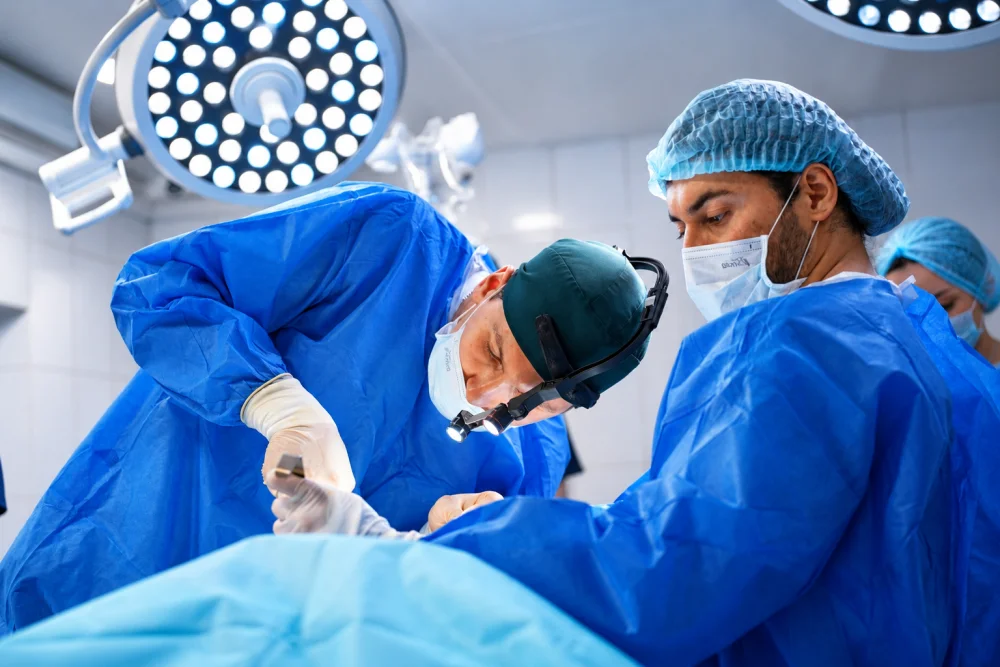
Augmentation mammoplasty is an elective aesthetic operation carried out under general anaesthesia. It is chosen by women in Philadelphia who want more volume or a corrected contour. Anatomical precision matters here: the plastic surgeon marks the new breast position, plans the access around your anatomy and fits an implant that respects your proportions, keeping the look natural rather than artificial.
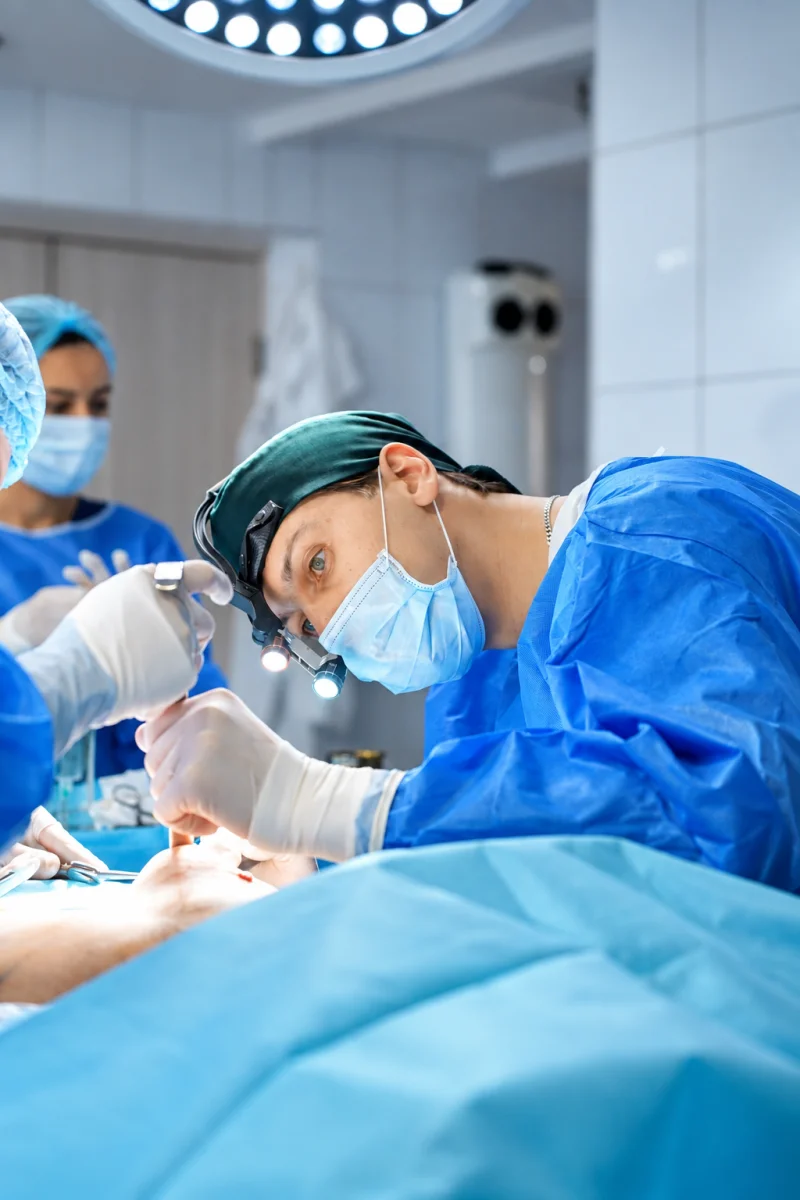
Inside the operating room the process is methodical: antiseptic treatment, marking of incision lines and the new breast position, general anaesthesia, an incision chosen for your anatomy, creation of a pocket and placement of the implant. Drains are used only if needed, and a sterile dressing plus compression garments finish the procedure. For Philadelphia patients, the inpatient stay afterwards is one day.
A free consultation is the easiest way to get an exact figure. The surgeon assesses your anatomy, models the result and confirms the plan; the base cost of augmentation is from $4,700. Everything around the surgery — anaesthesia, inpatient stay, 24/7 monitoring, personal support and a year of follow-up — is in that amount. Patients from Philadelphia can apply through the site or a messenger.
Philadelphia's climate sits right at the edge of the humid subtropical zone — hot, sticky summers, cold winters, and a distinct spring and fall in between, unlike cities with only two real seasons. For breast augmentation specifically, that matters most during the weeks a compression garment stays on, since managing both sweat and a supportive garment through a humid Philadelphia summer takes a bit more attention than it would in a drier or cooler climate.
The incision itself, usually placed under the breast, around the areola or in the armpit, stays reddish for a while before fading over 6 to 12 months — sun exposure on that healing line, whenever outdoor activity resumes, is worth minimizing regardless of the season, since UV can darken a scar and slow how quickly it fades.
A large share of Philadelphia's plastic surgery practices cluster around Rittenhouse Square and the adjacent Washington Square West area, both walkable neighbourhoods near Center City, with another concentration around University City further west, close to the teaching hospitals affiliated with Penn and Drexel.
Rittenhouse in particular has long carried a reputation as one of the city's more upscale addresses, which shapes the look and price of office space more than it reflects any individual surgeon's experience with breast augmentation specifically. Practices further out along the Main Line suburbs, west of the city proper, serve a similar patient base in a less urban setting.
Comparing a Rittenhouse practice with one in University City or along the Main Line is mostly a question of commute and parking, not surgical skill — the license check and the direct consultation questions about case volume and implant technique covered above are what actually separate one surgeon from another.
At 1,603,797 residents in the 2020 U.S. Census, Philadelphia is the largest city in Pennsylvania, with a correspondingly large number of plastic surgery practices across the metro area. That scale gives patients real choice, but it says nothing about how a specific surgeon approaches implant selection, incision placement or the kind of result a given patient is looking for — the free consultation is where those specifics get worked out: how the surgeon selects implant size and profile for a given body, how many augmentations they've personally performed, and who manages the follow-up visits across the year after surgery.
Pennsylvania's State Board of Medicine, under the Department of State, keeps the public record that confirms whether a specific doctor currently holds a valid license to practise in the state — a free search that takes only a few minutes before committing to any clinic.
That record doesn't single out plastic surgery experience specifically, since board certification in plastic surgery is a separate, voluntary credential rather than something baked into basic state licensure. Asking directly about board certification, case volume with augmentation specifically, and how revision surgery is handled if ever needed is the only reliable way to learn that at the consultation.
Zoom out and Pennsylvania has no statewide paid sick leave requirement at all; zoom back into Philadelphia specifically and a city ordinance, Promoting Healthy Families and Workplaces, fills that gap locally for many employers — a rule that stops at the city line rather than covering the rest of the state.
That local rule is written for certified illness, not a procedure a patient books for themselves, so confirming directly with an employer how planned recovery time gets treated beats assuming the ordinance applies automatically. Insurance draws a cleaner, nationwide line: Medicare and nearly every private plan excludes cosmetic augmentation outright, reserving any coverage for reconstruction tied to mastectomy or a comparable medical necessity.
Pennsylvania Hospital, founded in Philadelphia in 1751 by Benjamin Franklin and Dr. Thomas Bond, holds the distinction of being the first hospital in the United States — a detail that places the city at the very start of organized American medicine, long before plastic surgery existed as a specialty at all.
That medical history has grown into one of the country's denser concentrations of hospitals and teaching institutions relative to a city's population, which supports a large pool of trained staff across Philadelphia's private clinics too, even though the surgeon in the room matters far more than the city's broader medical reputation.
The original Pennsylvania Hospital building, with its distinctive surgical amphitheater built in 1804 specifically so students could observe operations, still stands today as a National Historic Landmark — a tangible link between Philadelphia's earliest surgical teaching and the plastic surgery training that eventually grew out of that same medical tradition centuries later.
The first few days carry the most noticeable discomfort coming out of general anaesthesia, and that eases steadily rather than all at once — meaningfully better by around a week, close to unnoticeable by the two-to-three-week mark. Three separate three-week windows run in parallel through that stretch: scarring begins forming, raising the arms above shoulder height stays off the table, and the compression garment's job isn't even half done yet, since it continues for roughly six weeks total.
Full internal settling — the implant finding its final position inside the tissue — takes up to three months, which is also how long saunas, baths and physiotherapy stay off-limits. Whether breastfeeding stays possible afterward comes down largely to technique: an under-breast or armpit incision with the implant placed beneath the muscle generally spares the glandular tissue itself, while a lift or reduction carries more risk simply because the ducts sit closer to where the surgeon is working. On how long the augmentation lasts, a decade to fifteen years is the usual range before implant replacement becomes worth discussing, with pregnancy, weight swings and ordinary ageing all nudging that number in either direction.
A coordinator on Telegram or WhatsApp responds at any hour, so photos and early questions can be reviewed well before a specific appointment gets scheduled.
It can make the combination of sweat and a supportive garment less comfortable during the hottest stretch of summer, though the compression period itself still runs the same 1 to 1.5 months regardless of season.
Search the name in the State Board of Medicine's public record before committing to a consultation, and separately ask about board certification in plastic surgery, which is a distinct, voluntary credential.
Generally not for cosmetic reasons — insurance reserves coverage for reconstruction after mastectomy, and the city's sick leave ordinance is built for certified illness rather than a scheduled elective procedure.
Commonly 10 to 15 years before implant replacement becomes a consideration, though pregnancy, weight changes and normal ageing can all affect that timeline individually.
In most cases, yes — the key factor is whether the incision and implant placement left the glandular tissue itself untouched, which an under-breast or armpit approach with a submuscular implant generally achieves; it's still worth a direct conversation with the surgeon about your specific plan.
Gentle daily activity comes back within the first couple of weeks, overhead arm movements stay restricted for three weeks, and the gym and more demanding routines generally wait until around the six-week follow-up confirms everything is on track.
No scientific evidence links implants to increased cancer risk, but it's important to continue regular screening and tell the examining doctor about the implants beforehand, since imaging technique may need slight adjustment.
Written by Dmitry S. Kuznetsov, plastic surgeon
How we prepare and review medical content · Medical disclaimer
Page last updated:
Well-known people who spoke openly about this operation, in their own words.
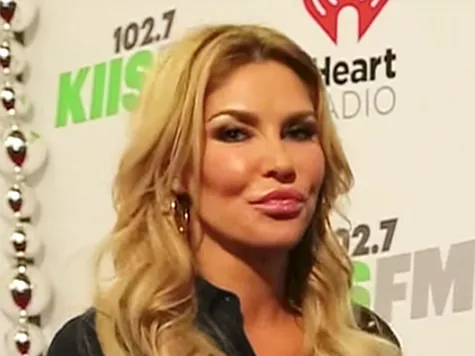 Did Brandi Glanville have a breast augmentation? Yes — a 20-year implant exchangeThe RHOBH star had 20-year-old implants replaced in 2026 — then a dive dislodged one. Her quotes on silicone poisoning and the repair ahead.
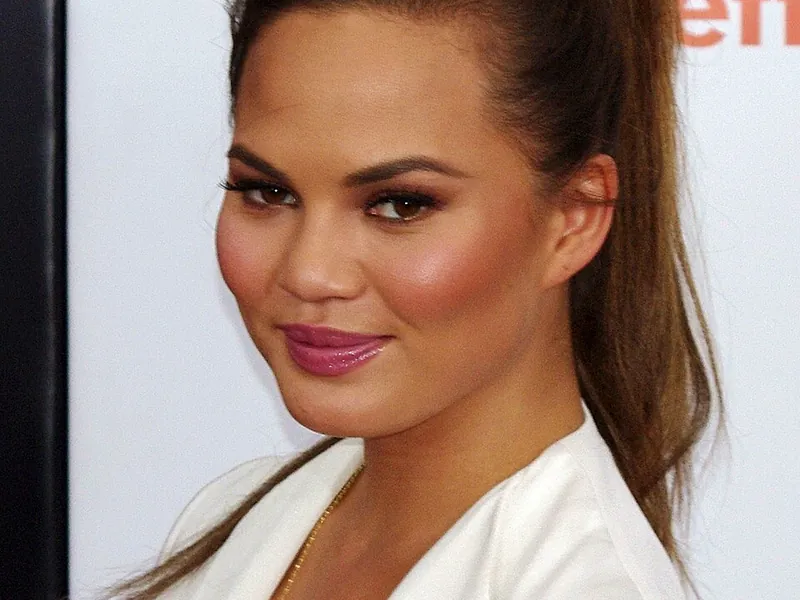 Chrissy Teigen and breast augmentation: what she said about her implantsChrissy Teigen got breast implants at 20 and said they were great to her for many years. Her words, how augmentation works and how to plan long term.
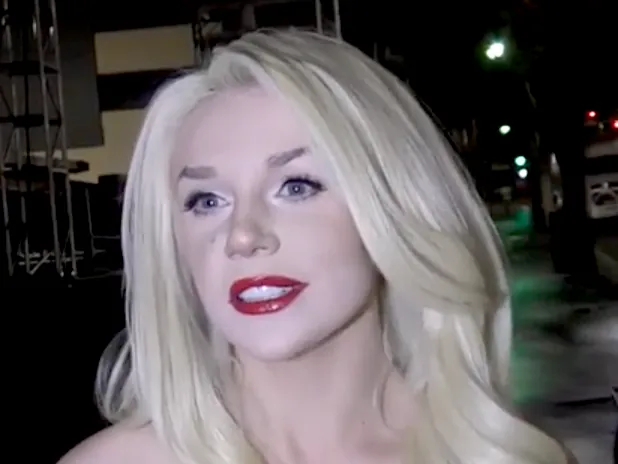 Did Courtney Stodden have a breast augmentation? Yes at 18 — and a reduction at 31The reality star got huge implants at barely 18 and removed them at 31. Their honest quotes on reclaiming the decision and what surgery involves.
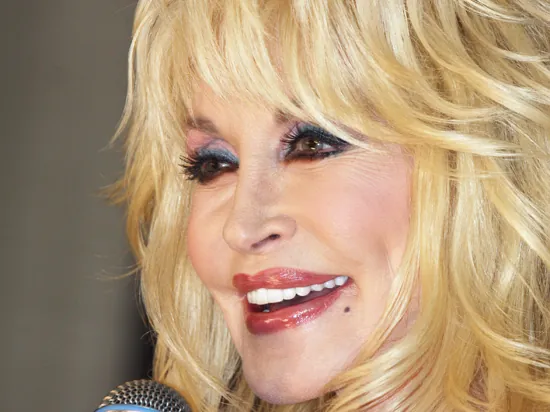 Did Dolly Parton have a breast augmentation? Yes — and she jokes about it openlyThe country queen has never denied her breast implants — from age 22 to today. Her funniest and wisest quotes, and what augmentation involves.
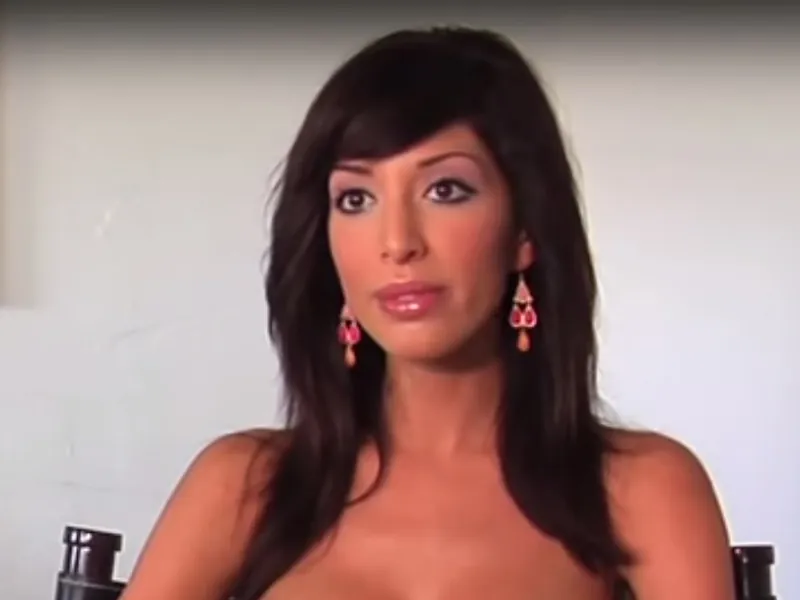 Did Farrah Abraham have a breast augmentation? Yes — and she explained whyThe Teen Mom star's chest changed after her baby and hurt her self-esteem — so she had augmentation. Her quotes and what the operation involves.
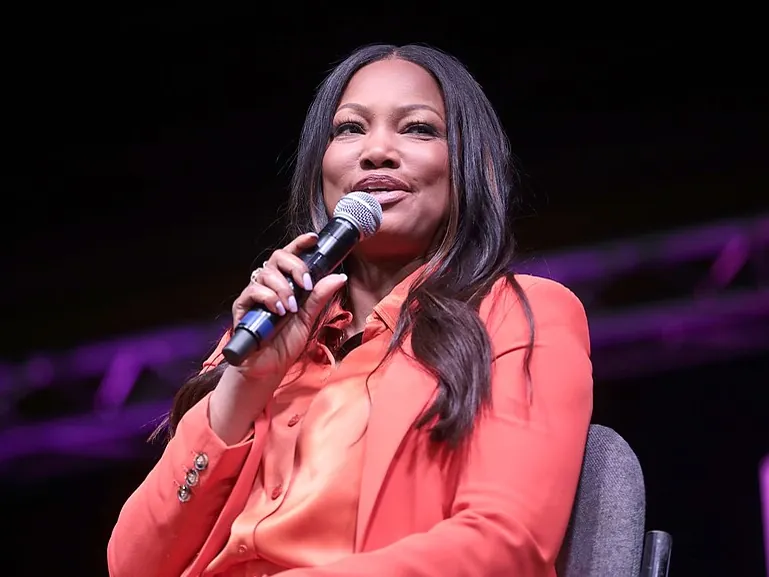 Did Garcelle Beauvais have breast implants? Yes — and she had them removedThe RHOBH star opened up about getting her breast implants removed — and said plastic surgery shouldn't be taboo. Her story and what removal involves.