


























 beforeafter
Mammoplasty
Method: implants
Breast augmentation
$4,700
$5,900 · First consultation — Free
Free online consultation · Reply within 15 minutes
Message our coordinator
Free online consultation · Reply within 15 minutes
Message us on TelegramMessage us on WhatsAppBy messaging us, you agree to our Privacy Policy
Breast augmentation for patients from Munich at City Medical Centre starts at €4,200 (from $4,700). The first online consultation is free; the doctor names the final price and it is fixed in the contract.
How it works · Breast augmentation prices
Information current as of 5 November 2026
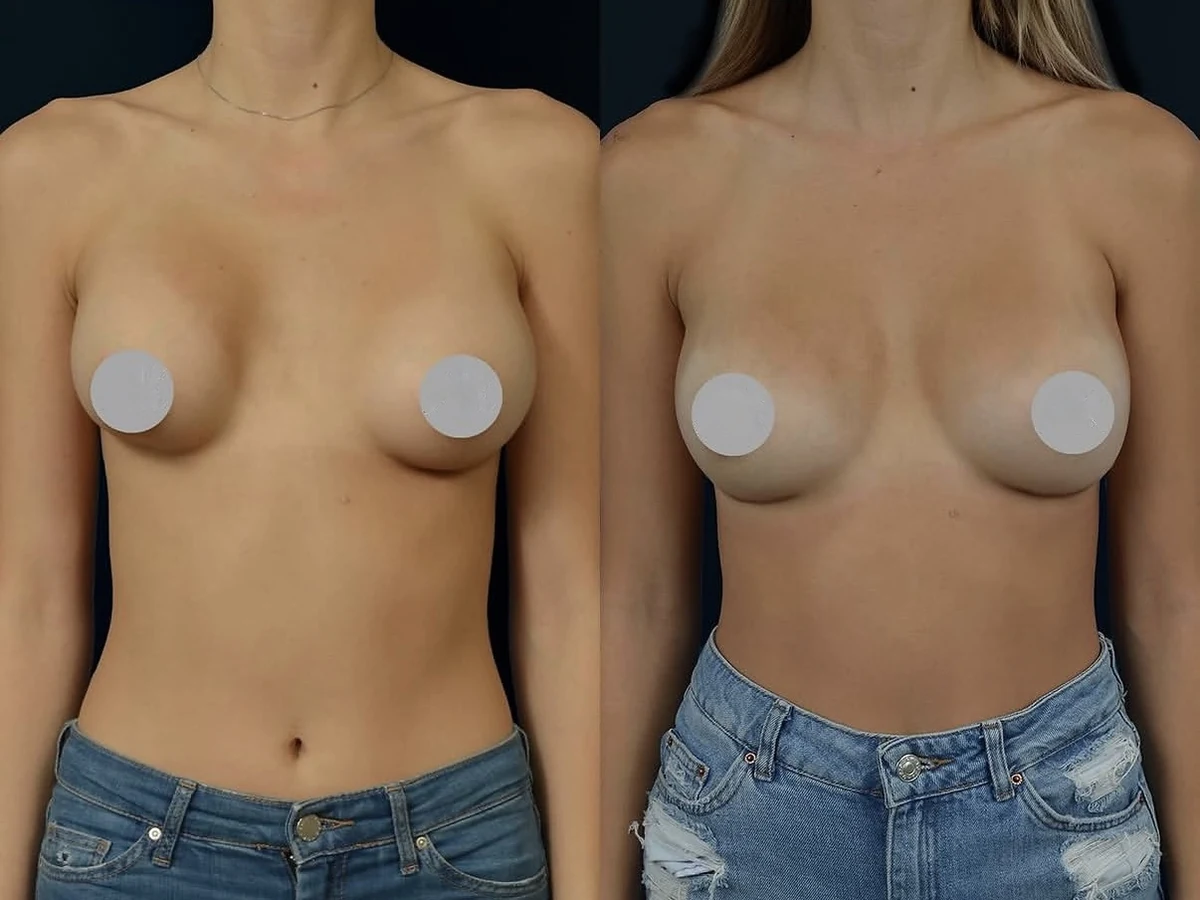
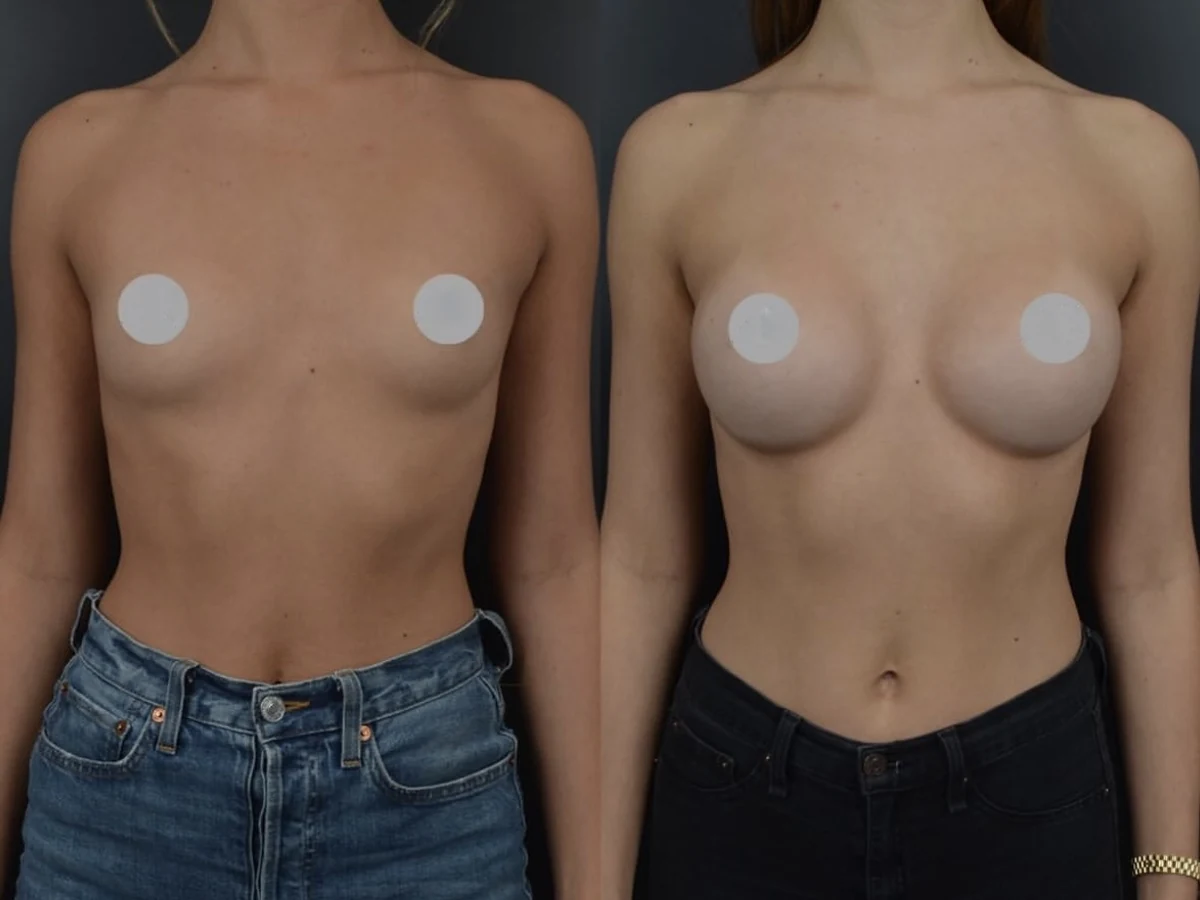
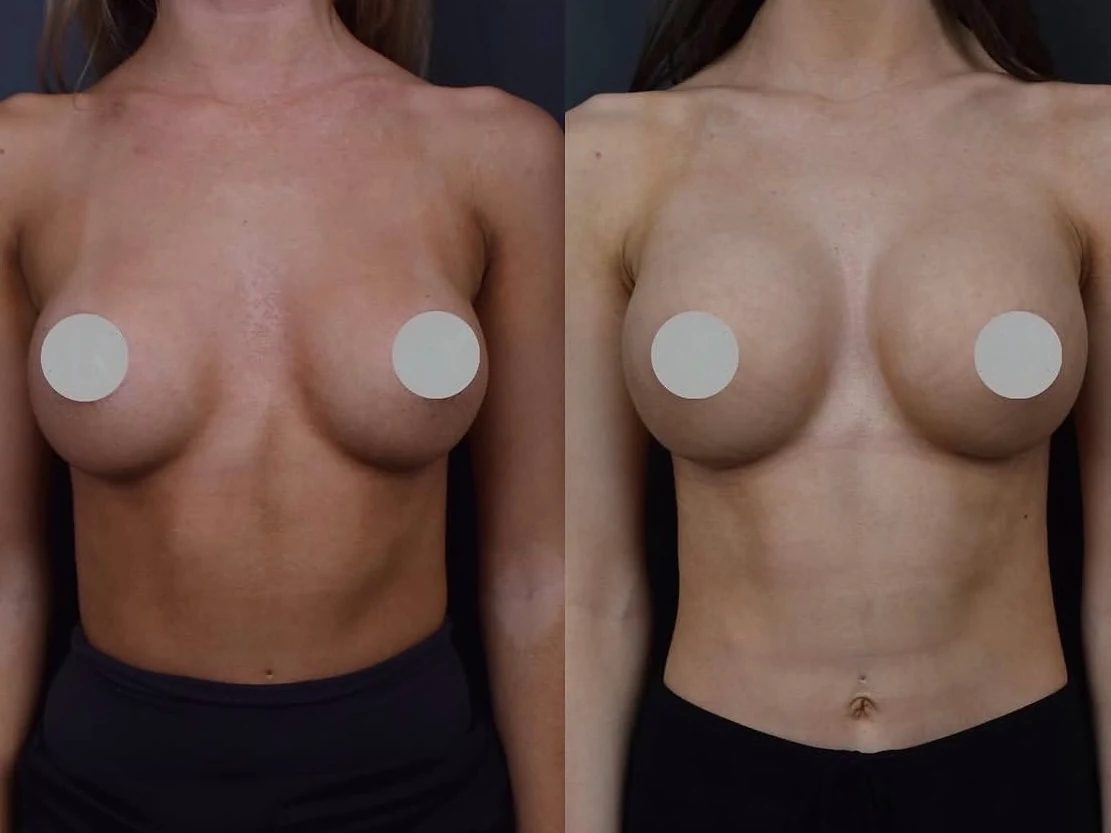
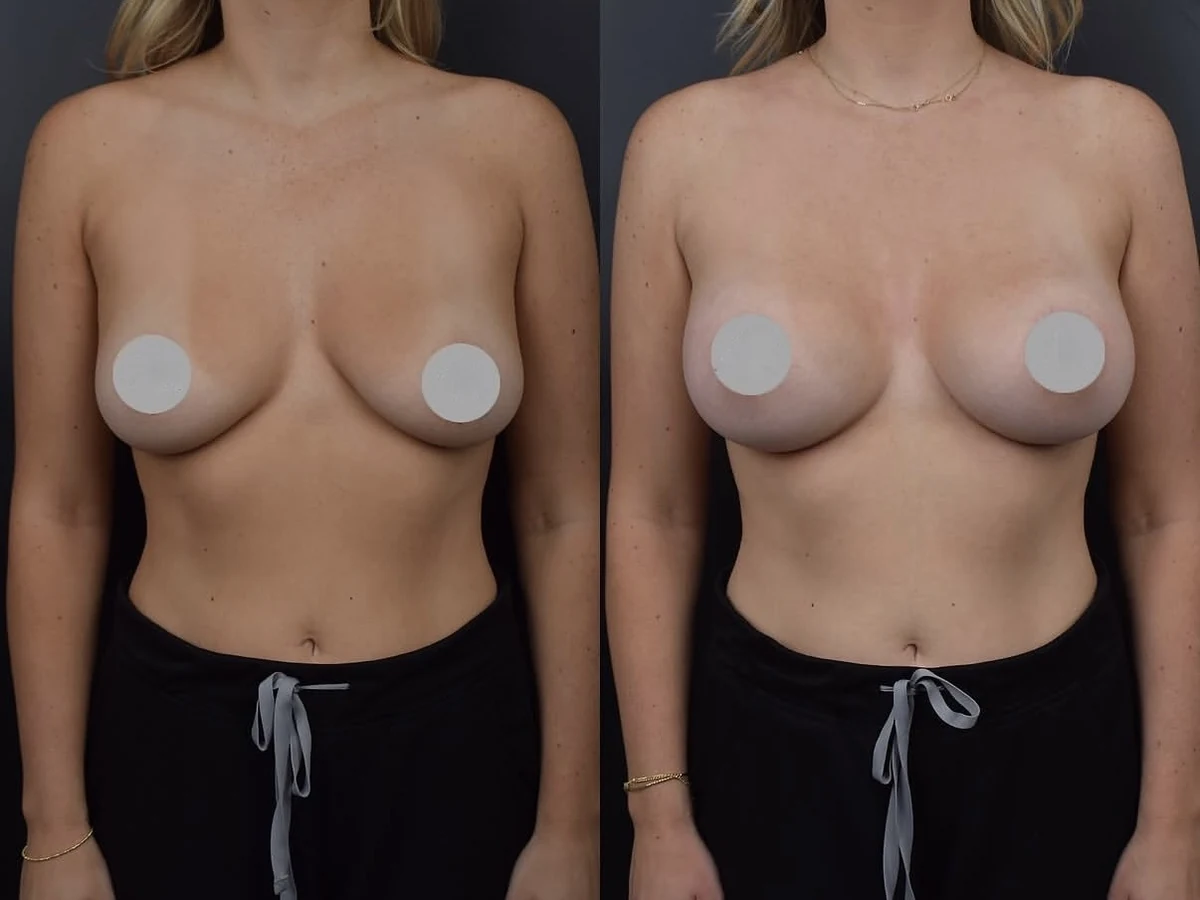
Results
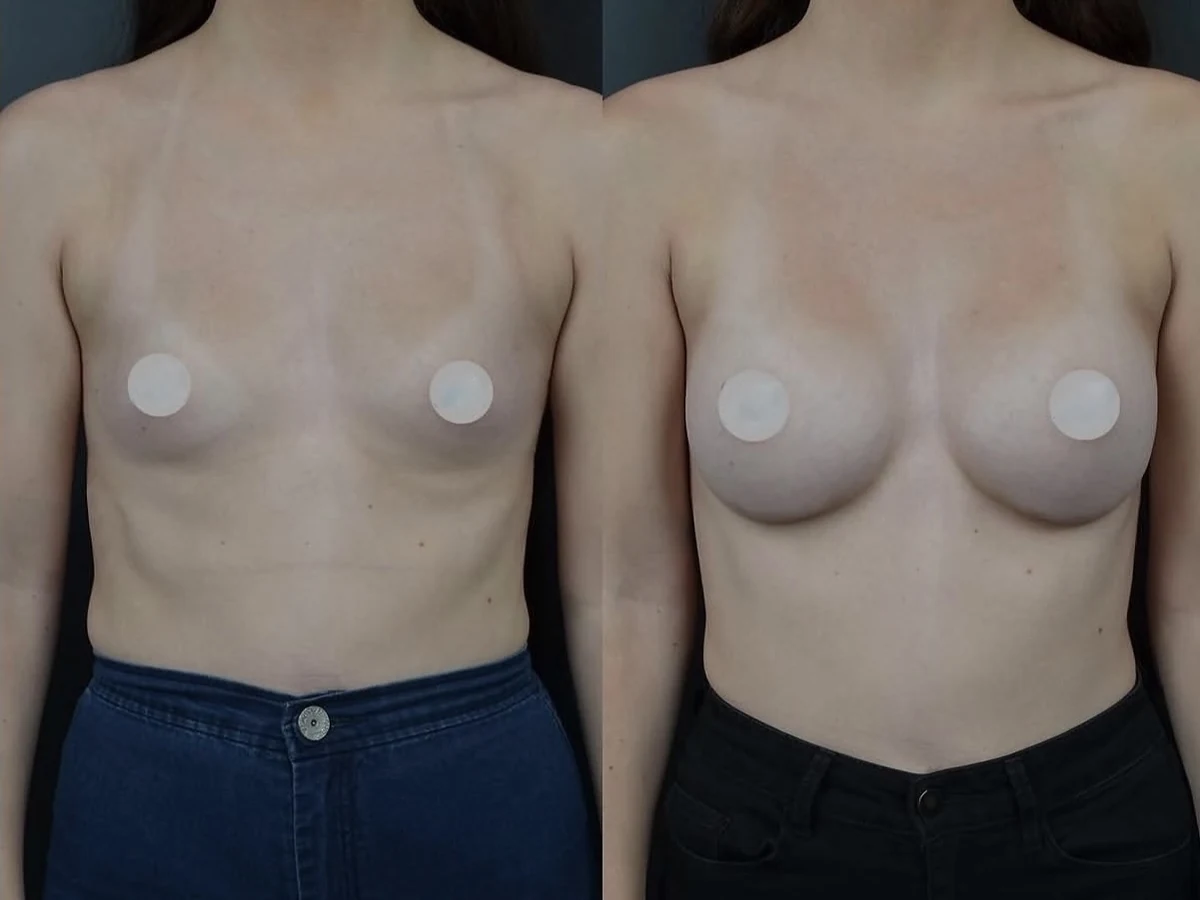
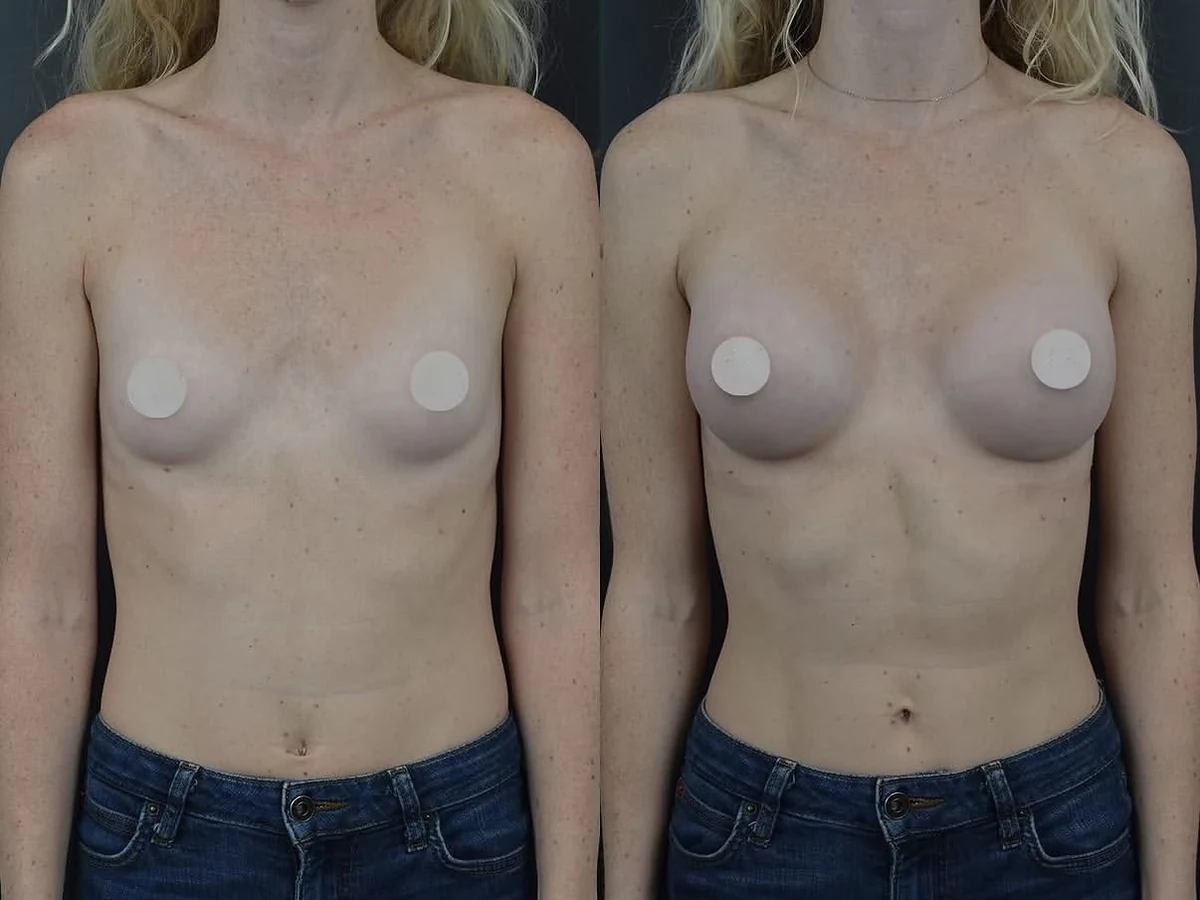
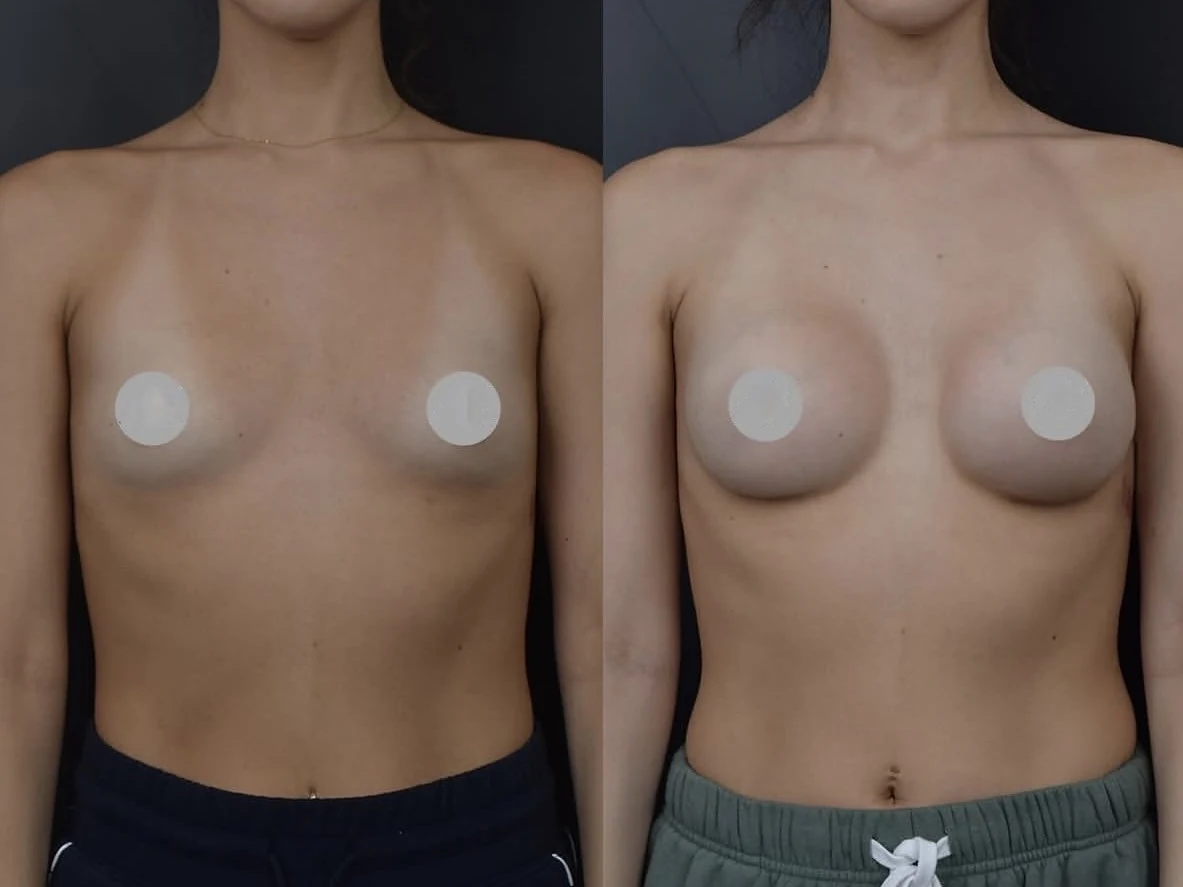
All photos show real patients of the clinic, with identifying details and faces hidden.
beforeafterMethod: implants
 beforeafter
Method: implants
 beforeafter
Method: implants
 beforeafter
Method: implants
 beforeafter
Method: implants
 beforeafter
Method: implants
 beforeafter
Method: implants
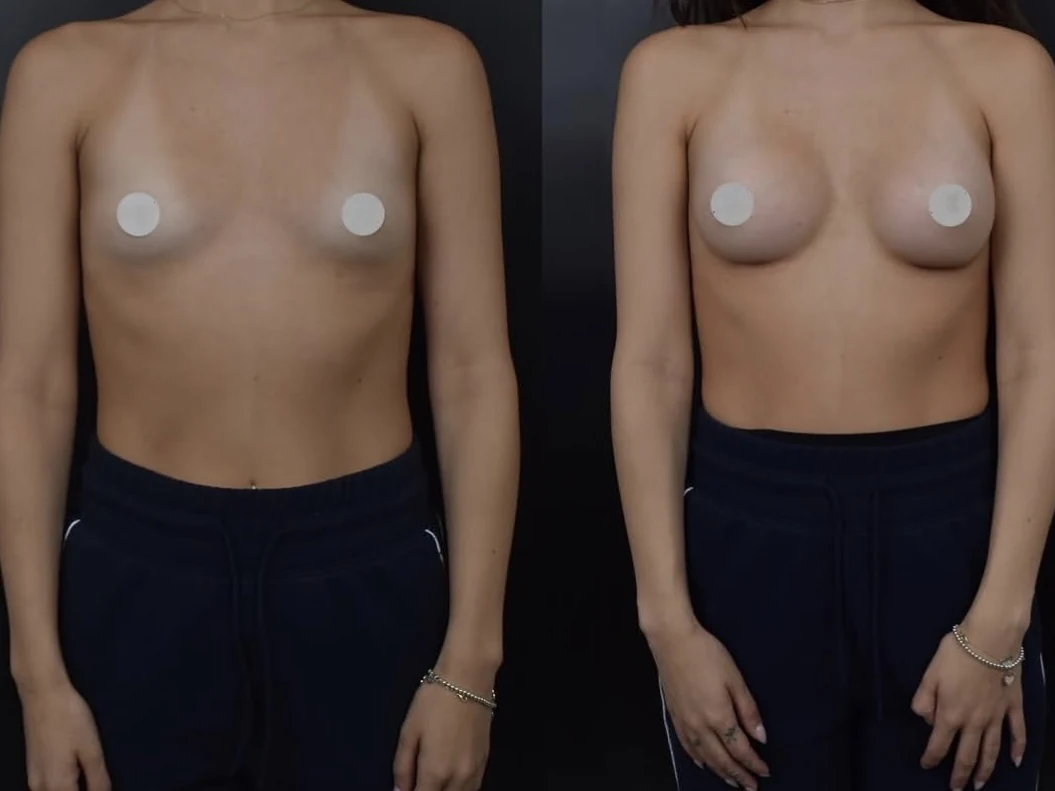 beforeafter
Method: implants
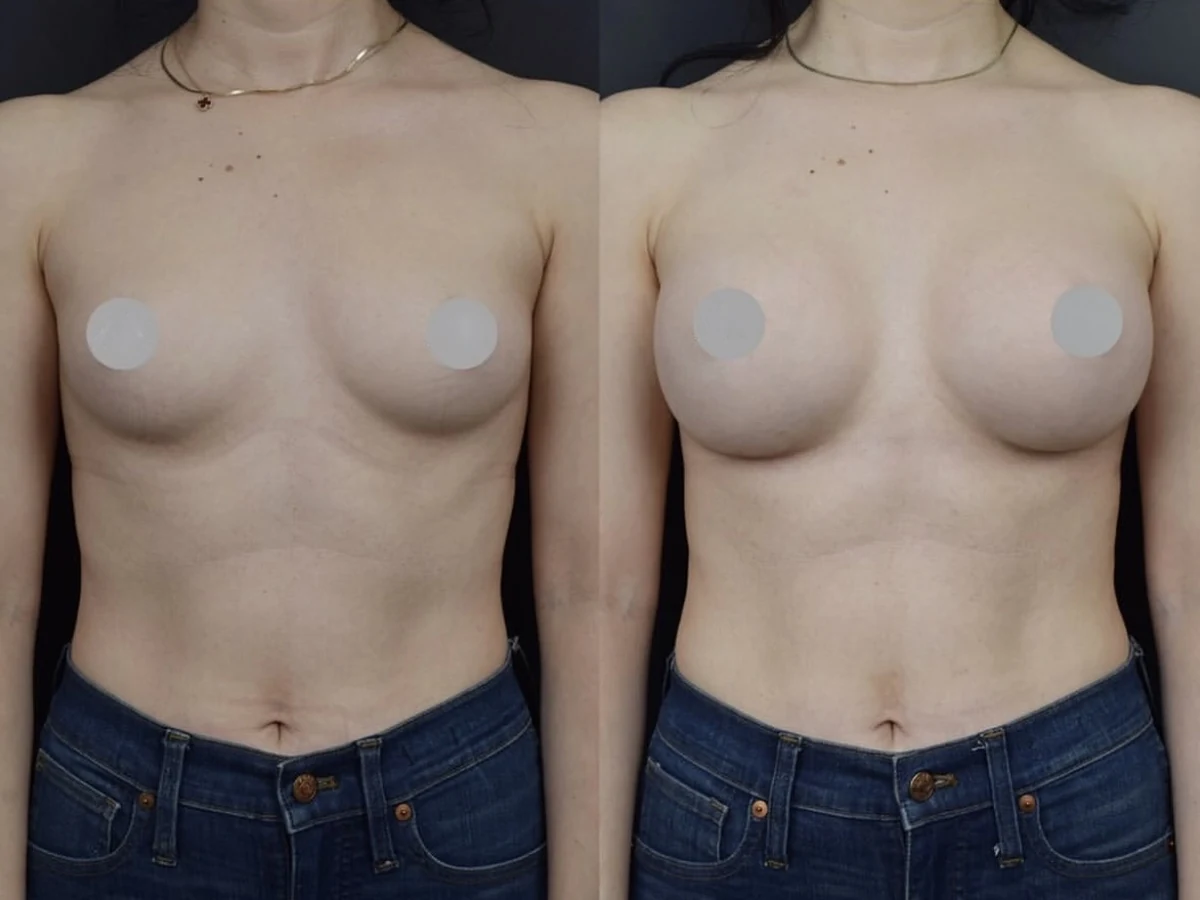 beforeafter
Method: implants
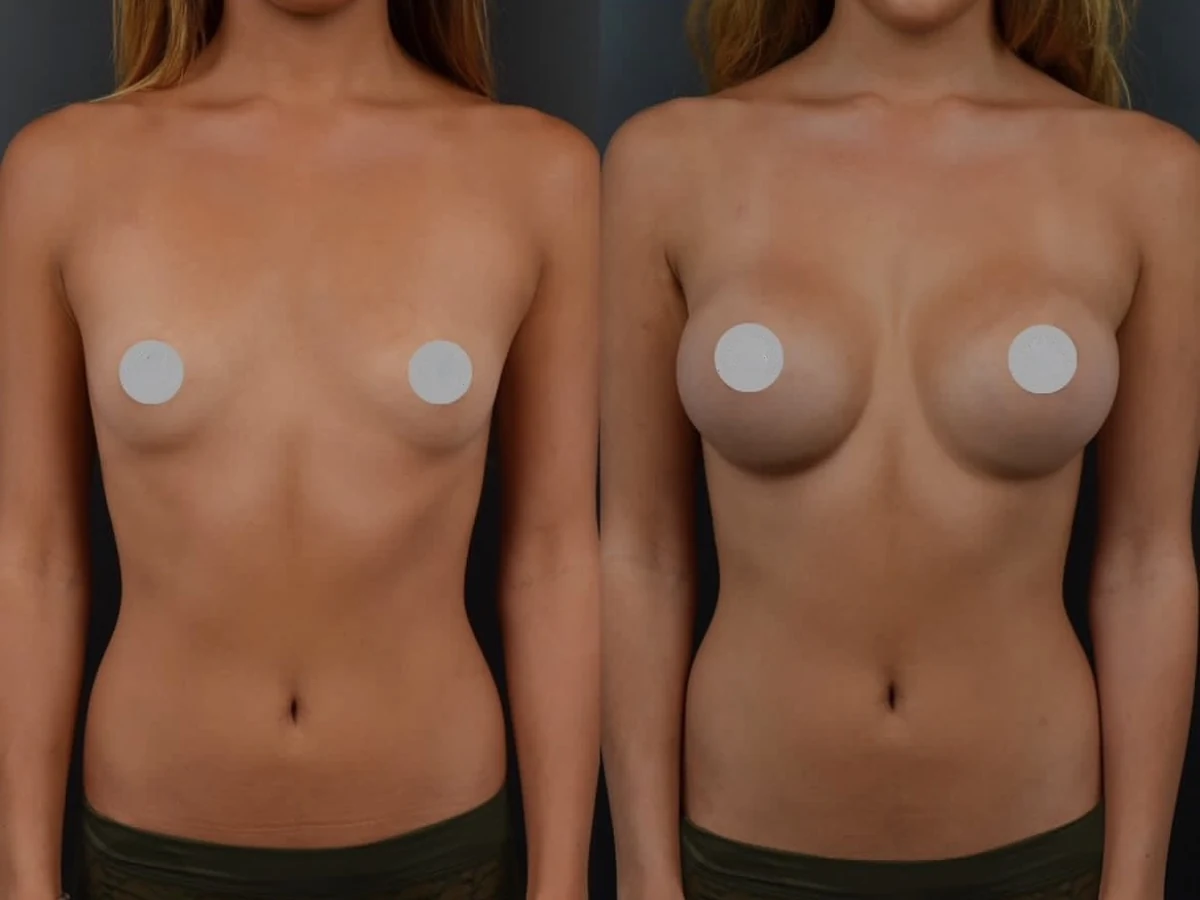 beforeafter
Method: implants
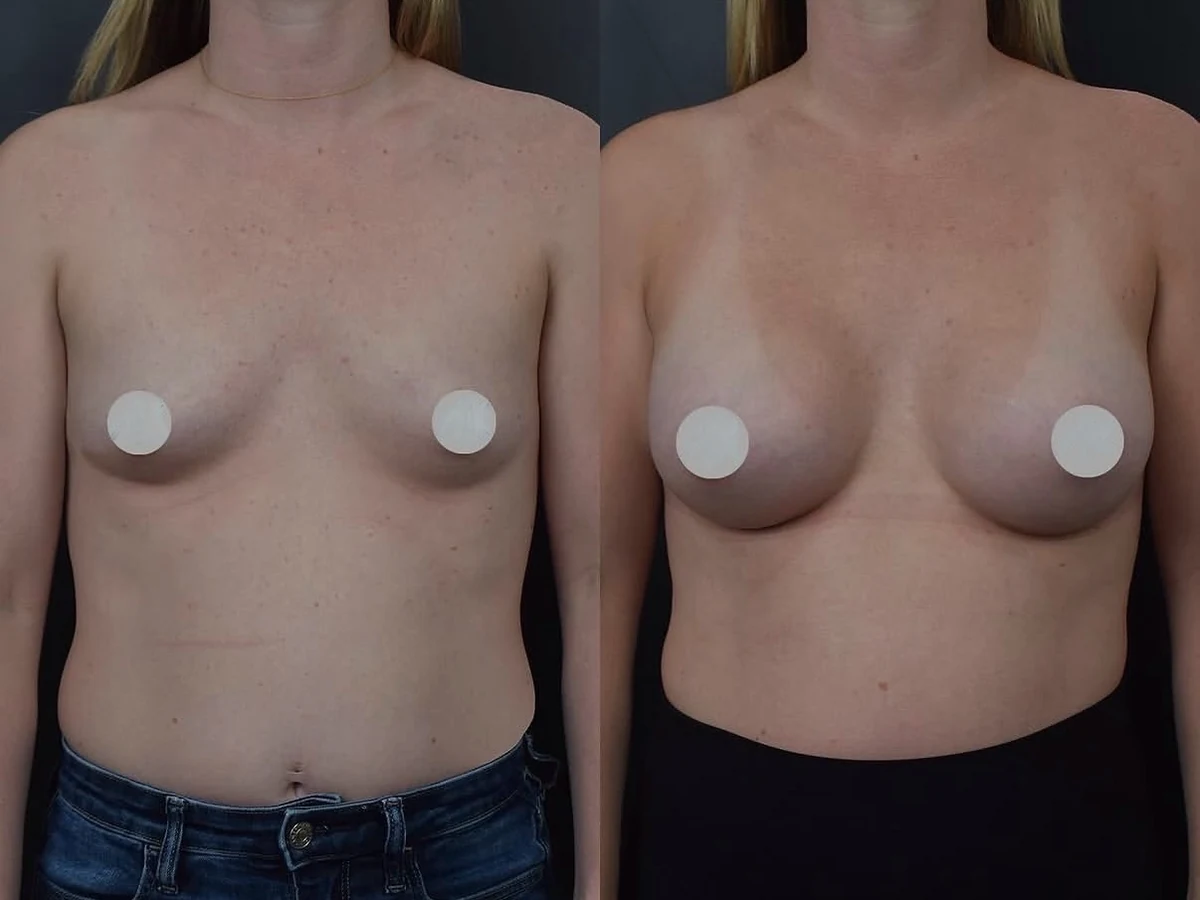 beforeafter
Method: implants
Comparison
We work with two main breast correction methods: augmentation and reduction. Compare the main goal, the precision of correction and the indications to choose your method with confidence.
Size and shape correction with implants
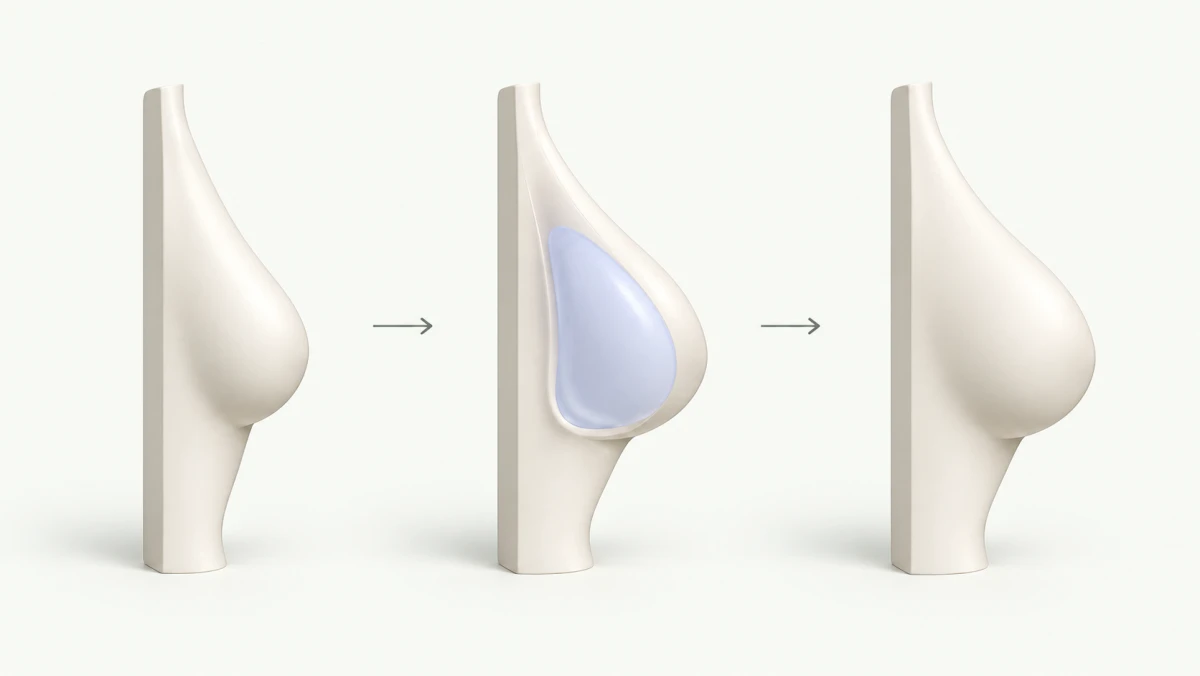
Discounted price
$4,700 $5,900
Correcting breast size by reducing volume and weight
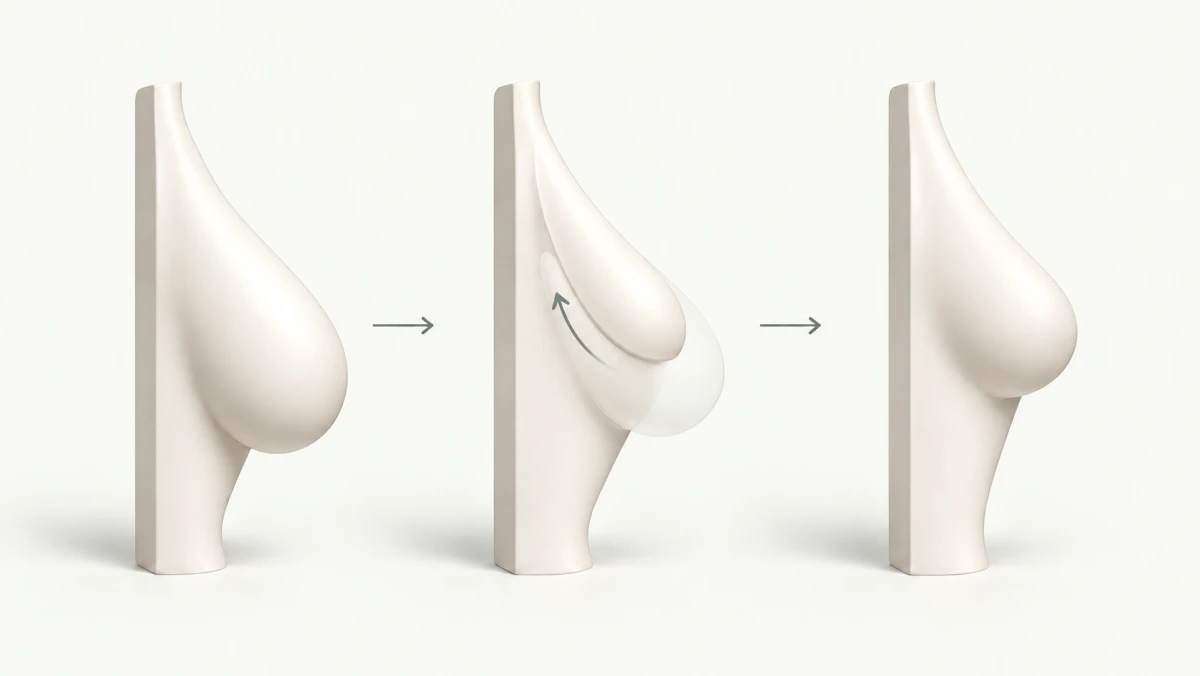
Discounted price
$4,700 $5,900
At your consultation the surgeon looks at the shape and proportions of your breasts, talks through what you want and recommends the best mammoplasty option.
The consultation is free, before surgery and with no commitment.
Comparison
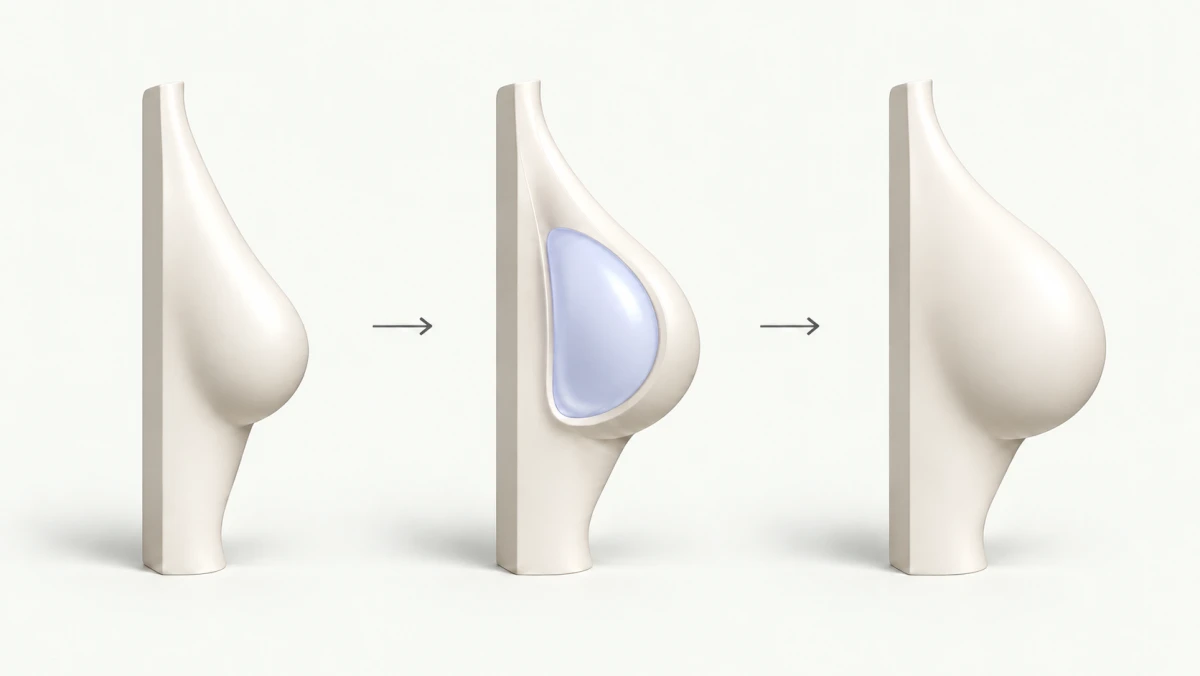
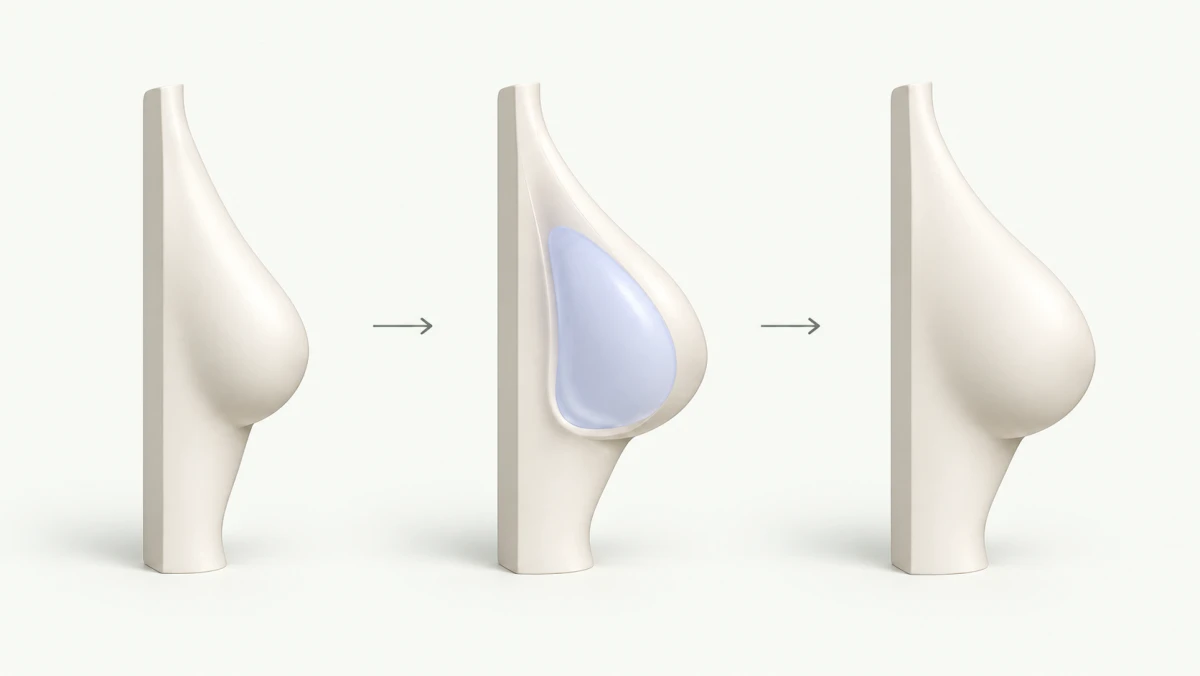
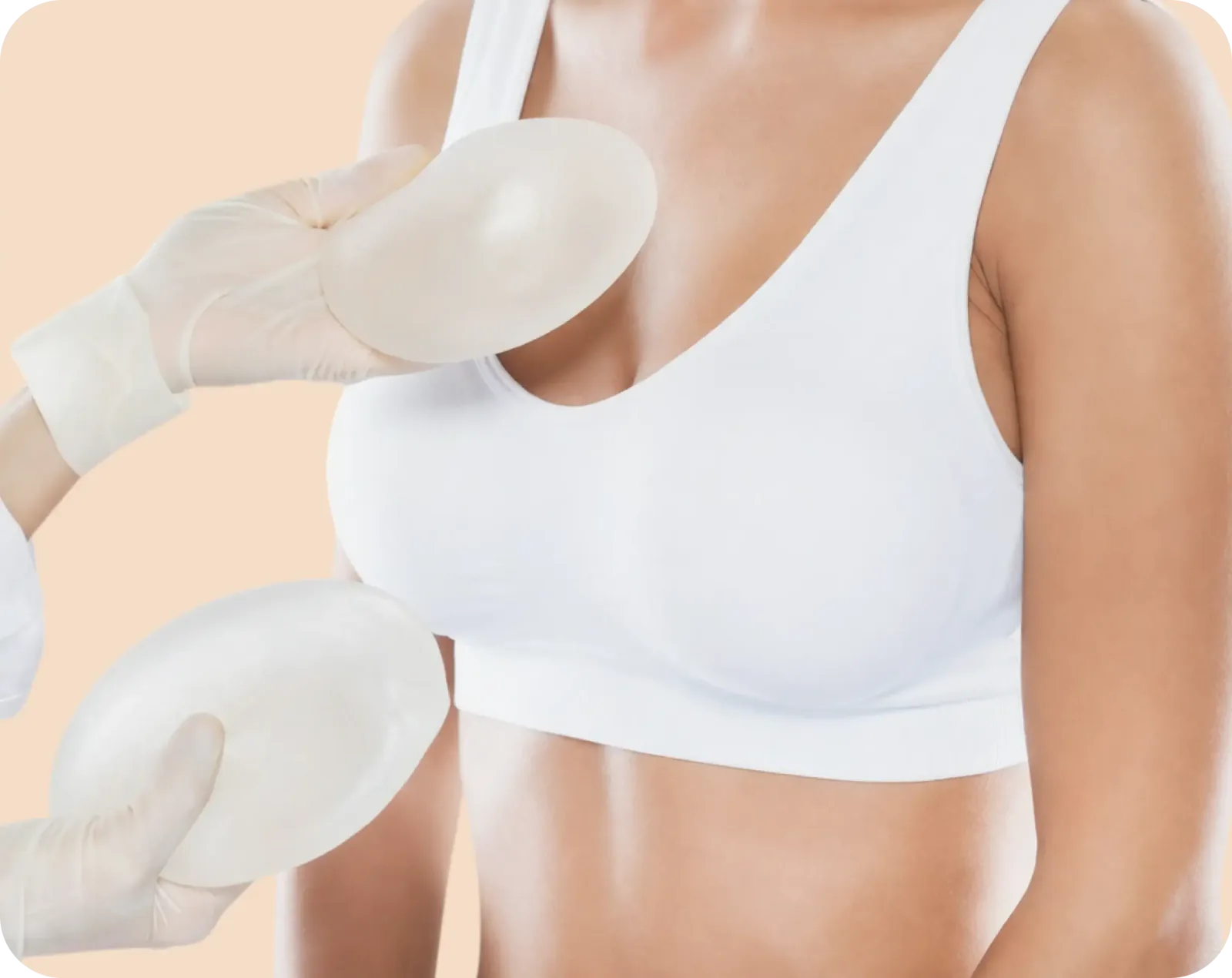
Round and anatomical implants are the two main types we work with. Each adds volume and corrects the shape, but the form and the final look differ.
Even volume and a fuller upper pole
A natural slope and a soft teardrop shape
The surgeon will help you choose the implant shape and volume.
About us
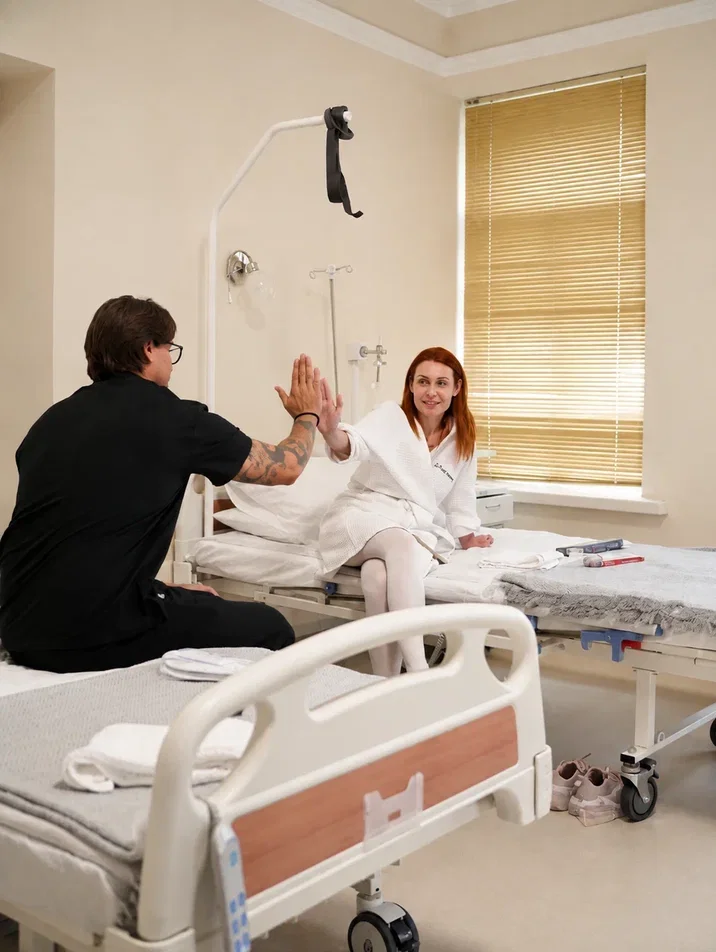
Modern technology, cosy rooms and personal attention for every patient
We will answer your questions and find a convenient time for a consultation
By messaging us, you agree to our Privacy Policy
If your case can be solved without surgery, the doctor will tell you so at the consultation — and you will not spend money for nothing.


Not sure if surgery is right for you?
Message us — your coordinator will ask for photos in a messenger, and the surgeon will look at them and tell you whether mammoplasty is right for you.
Find out if it suits me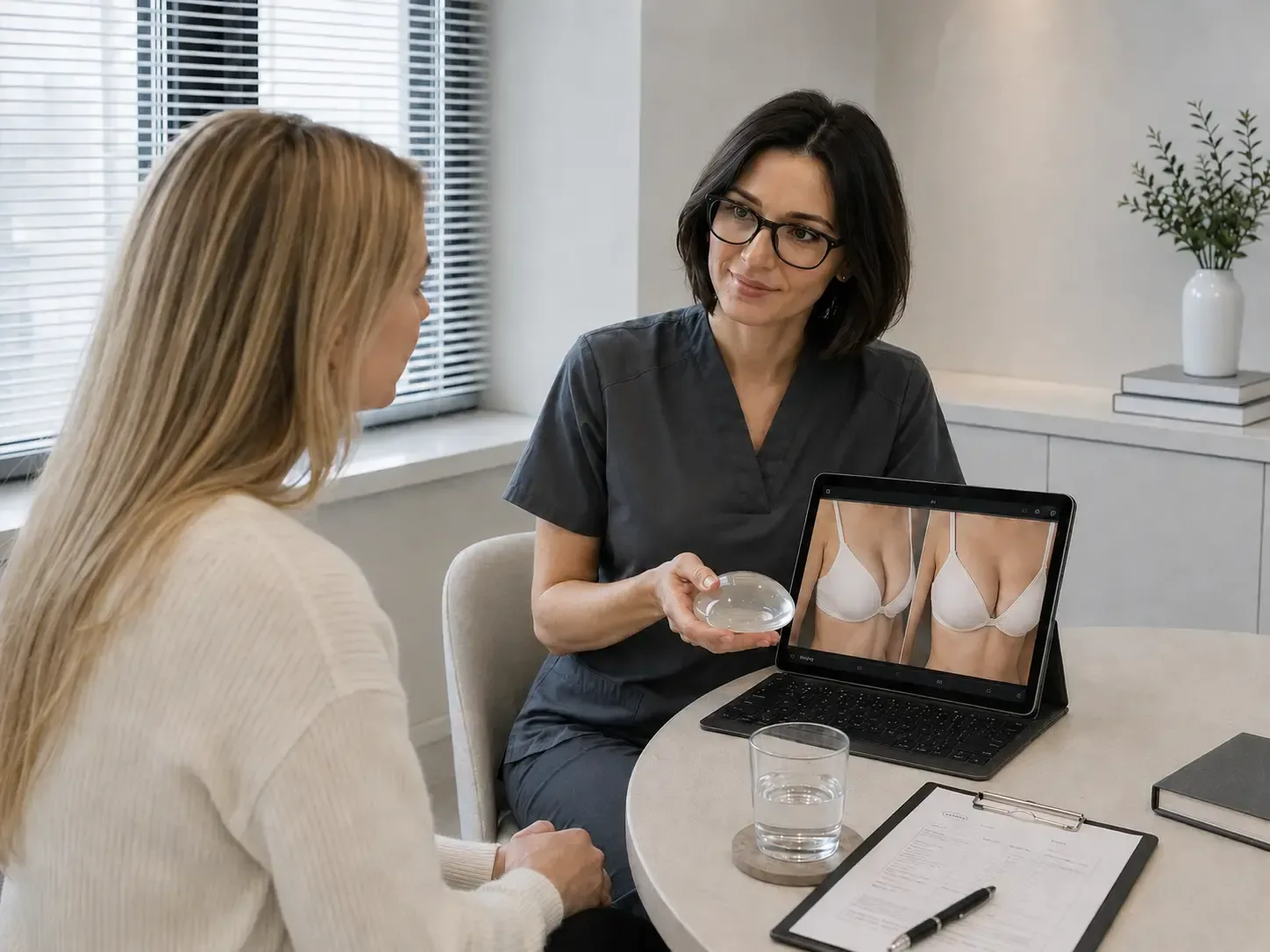
Prices
The price is set at the consultation and fixed in the contract.
Discounted price
Size and shape correction with implants
$4,700$5,900
Discounted price
Reducing the volume and weight of the breasts
$4,700$5,900
Breast restoration after mastectomy
The price is set at the consultation and fixed in the contract.
Get a consultationYour surgeon examines the anatomy and proportions of your breasts, discusses your wishes and recommends the right way to correct them.
The price is set at the consultation and fixed in the contract.
Message our coordinator
Free online consultation · Reply within 15 minutes
Message us on TelegramMessage us on WhatsAppBy messaging us, you agree to our Privacy Policy

all inclusive
Starting with preparation for surgery
and ending with support for 12 months.
Discounted price
$4,700$5,900
Step by step
An agreed correction plan, inpatient observation and recovery monitoring for a year.
 1
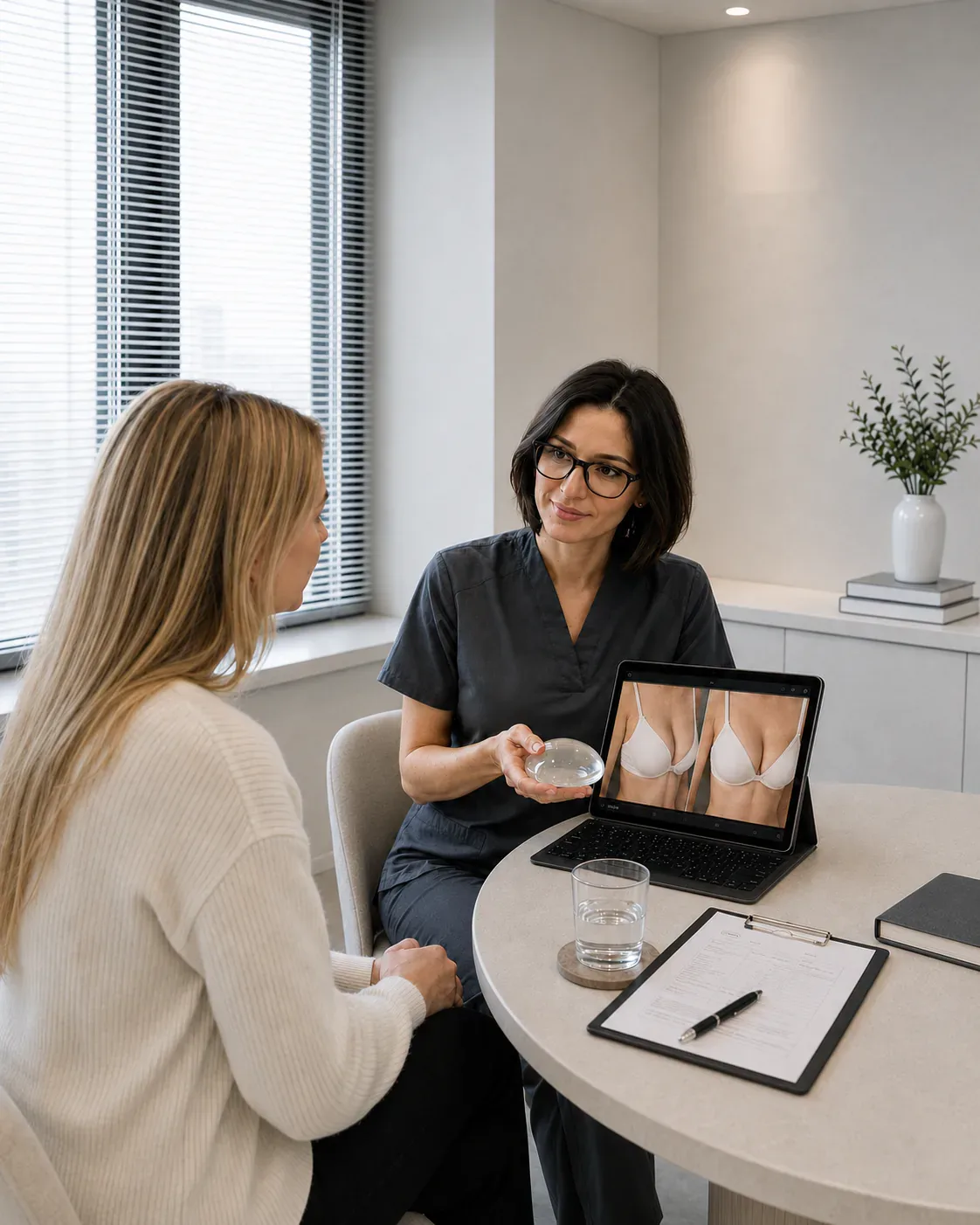
The surgeon looks at your figure, talks through your wishes and picks the best volume, shape and correction method.
 2
We hold a surgery date for you. You can pay the deposit by card at the clinic or online by bank transfer; all terms are set out in the contract for medical services
 3
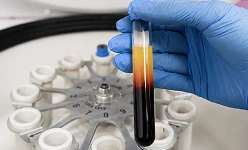
Before surgery you complete a full set of tests: blood tests, an ECG and other examinations prescribed by the doctor.
 4
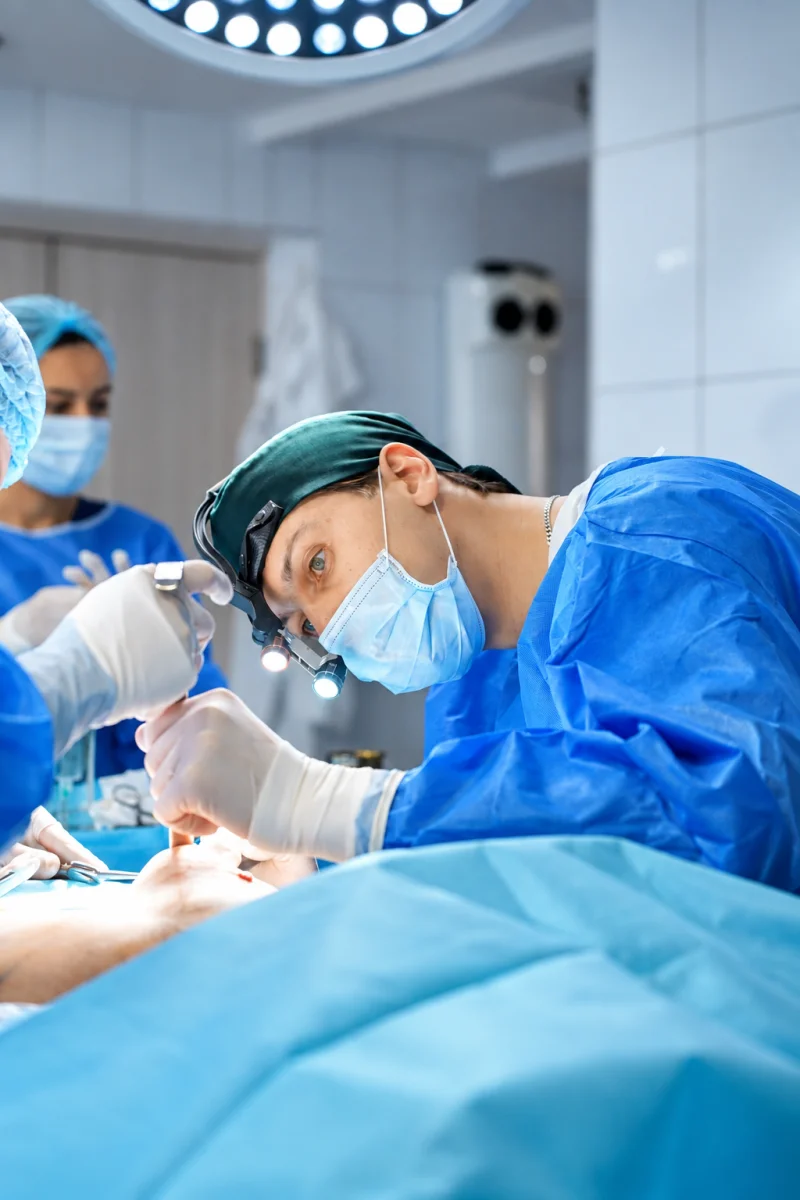
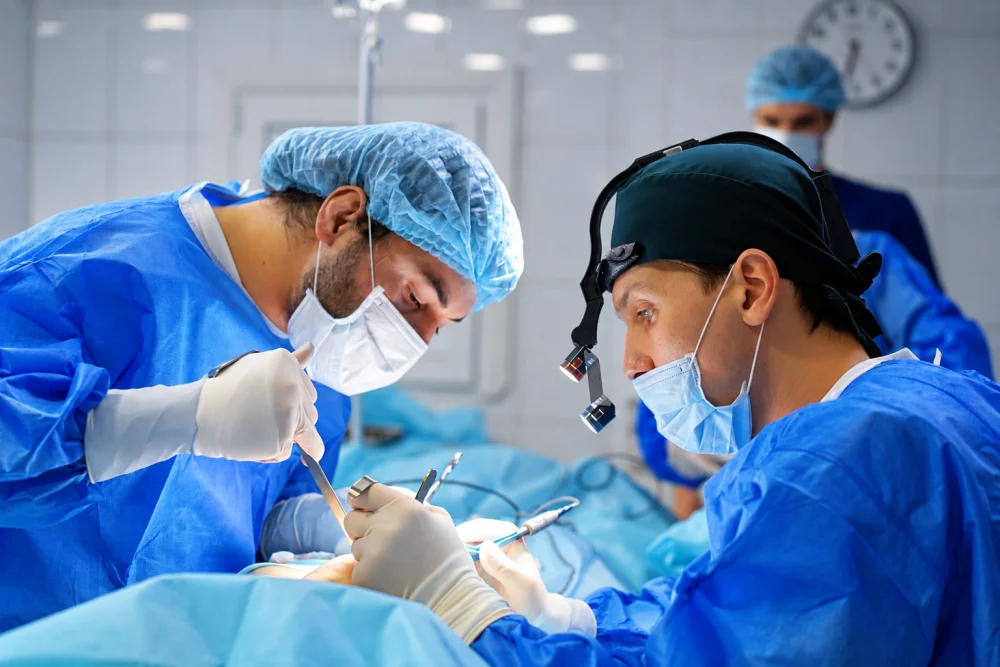
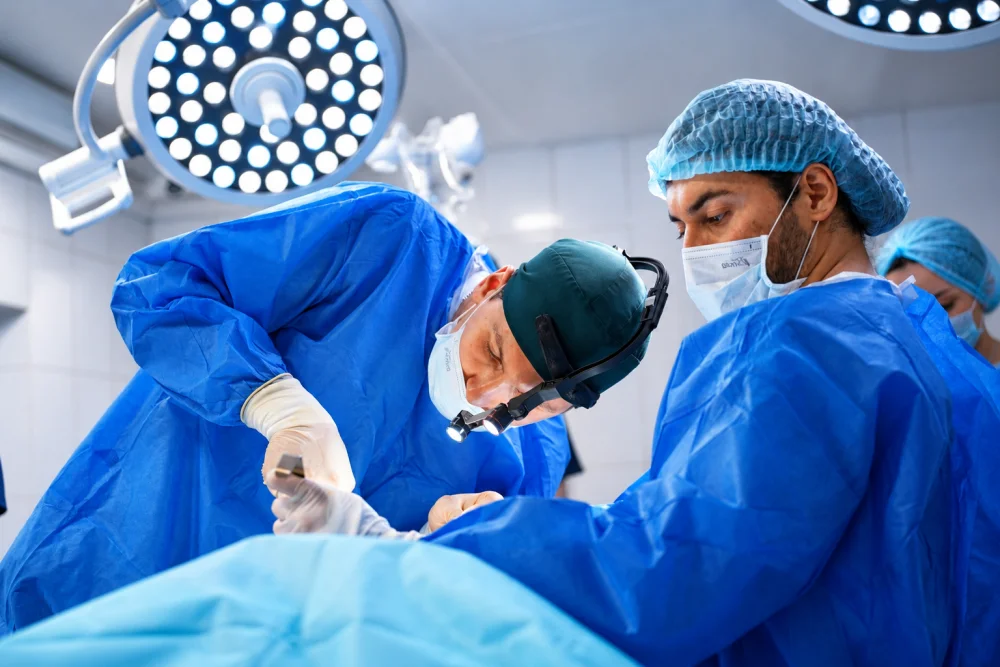
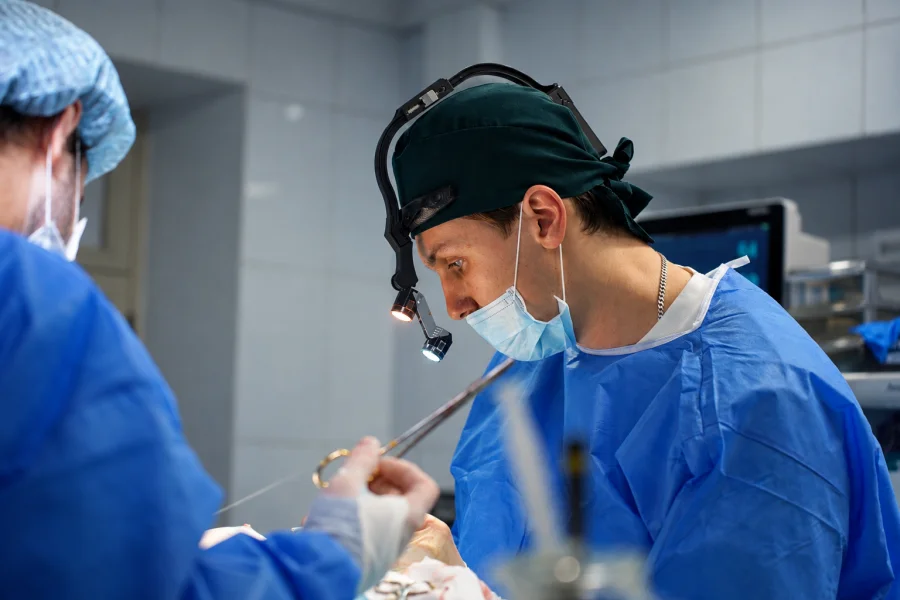
The operation follows your individual mammoplasty plan and is performed under general anaesthesia with continuous monitoring of the patient.
 5
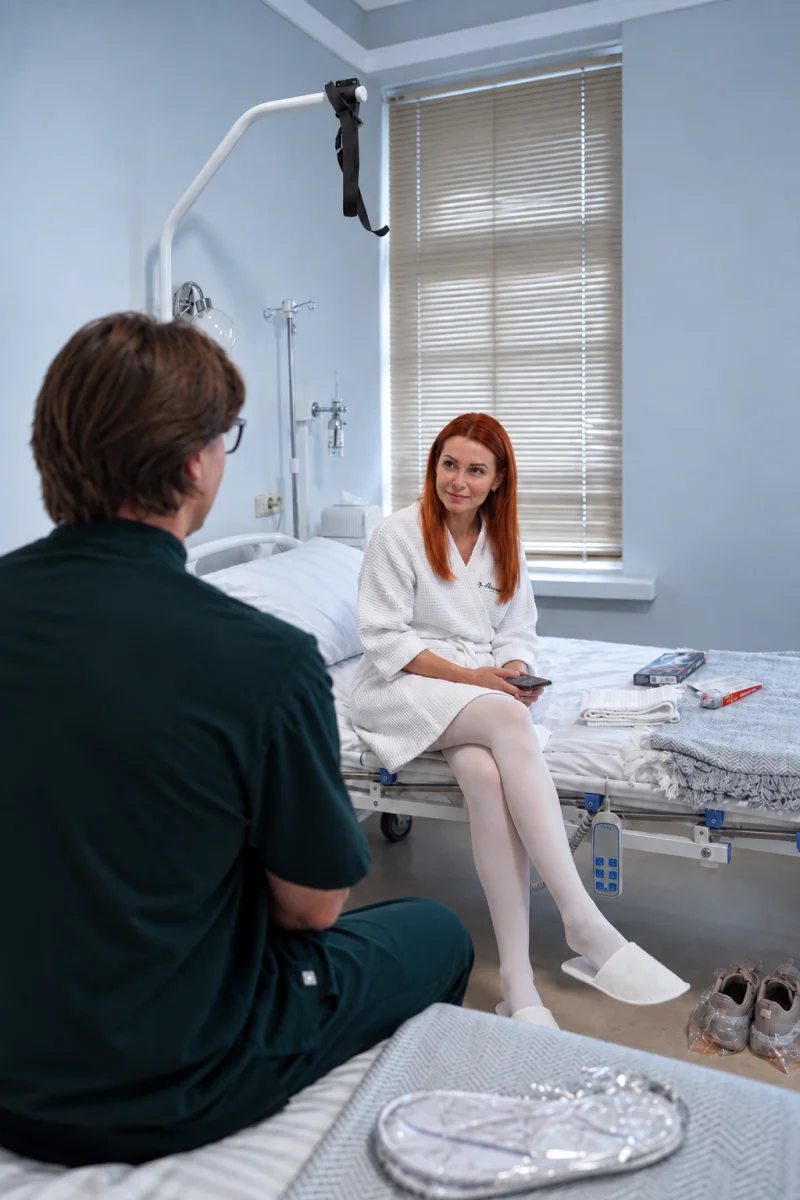
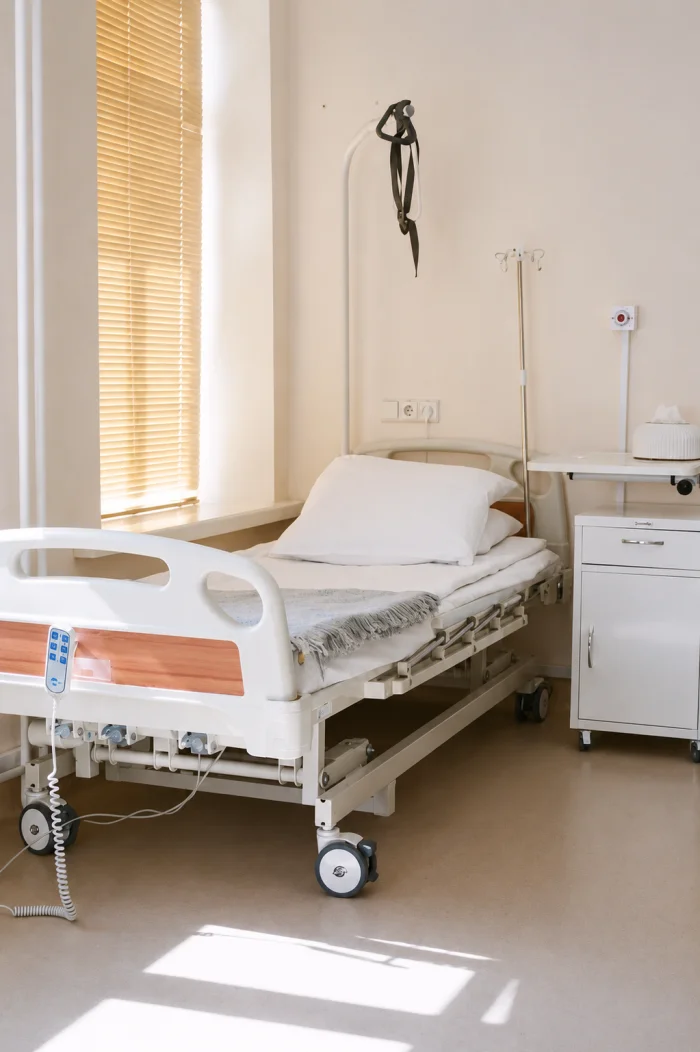
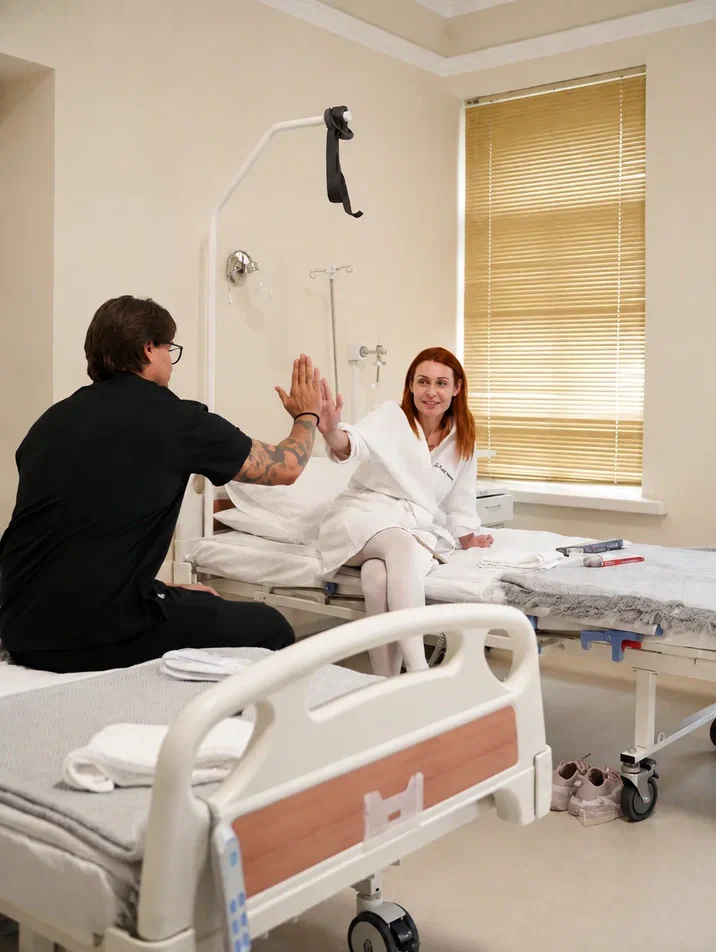
After surgery you stay in the clinic's comfortable inpatient ward under the care of the medical team until discharge.
 6
A recovery programme is prescribed after surgery. Check-ups at 7 days, 3 and 6 months follow your recovery, and for a year after surgery you consult your surgeon for free.
Some simple steps help before surgery: a healthy work-life balance, more sleep, avoiding stress, anxiety and strong emotions, and less physical activity.
Hormonal contraceptive pills need to be stopped a minimum of a month before the procedure
Ahead of surgery, pause any aspirin-containing medicines, steroids and hormonal drugs taken for chronic conditions
Complete your tests a week before the surgery
Post-operative swelling disappears in 3 weeks
Scars take shape within 3 weeks
No physical exertion (lifting over 3 kg)
No raising arms above shoulder level — 3 weeks
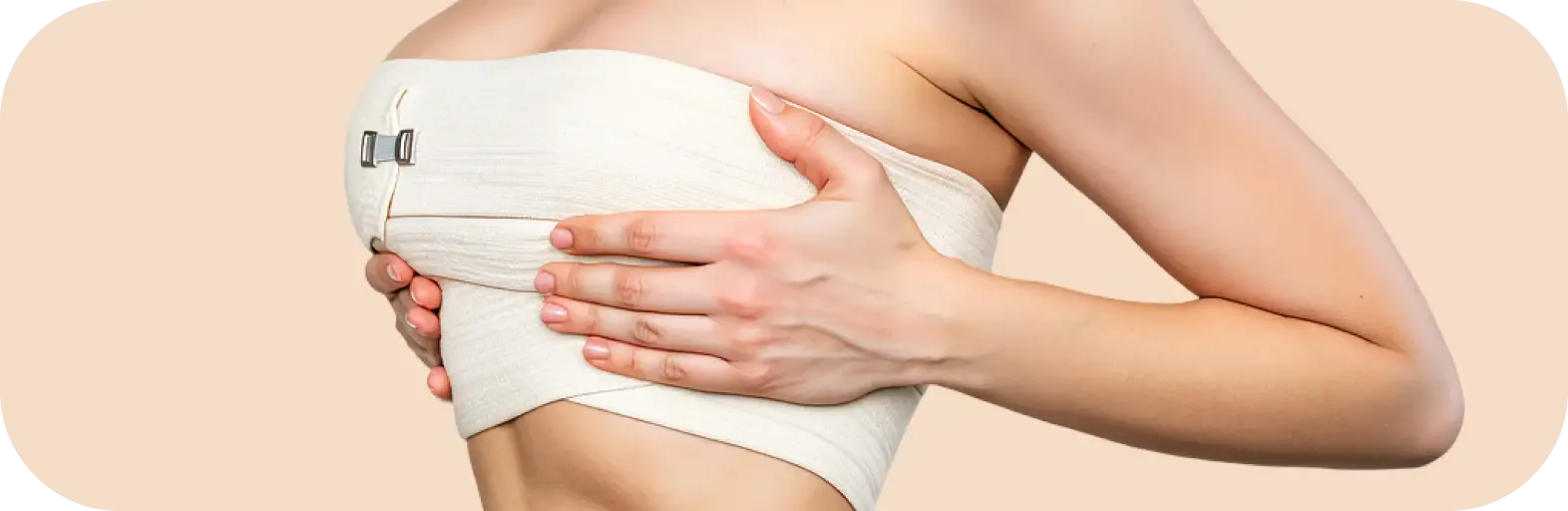
After correction, recovery includes 1–1.5 months in compression garments
Hold off on intense workouts in the gym for up to 40 days and on overly active aerobics; light cardio can be possible after a month. Watch your diet and meals.
Discomfort disappears after 3 months
Baths, saunas and physiotherapy are not allowed for up to three months
Within 3 months, the tissue is free of inflammatory changes and a “pocket” surrounds the implant
Doctors
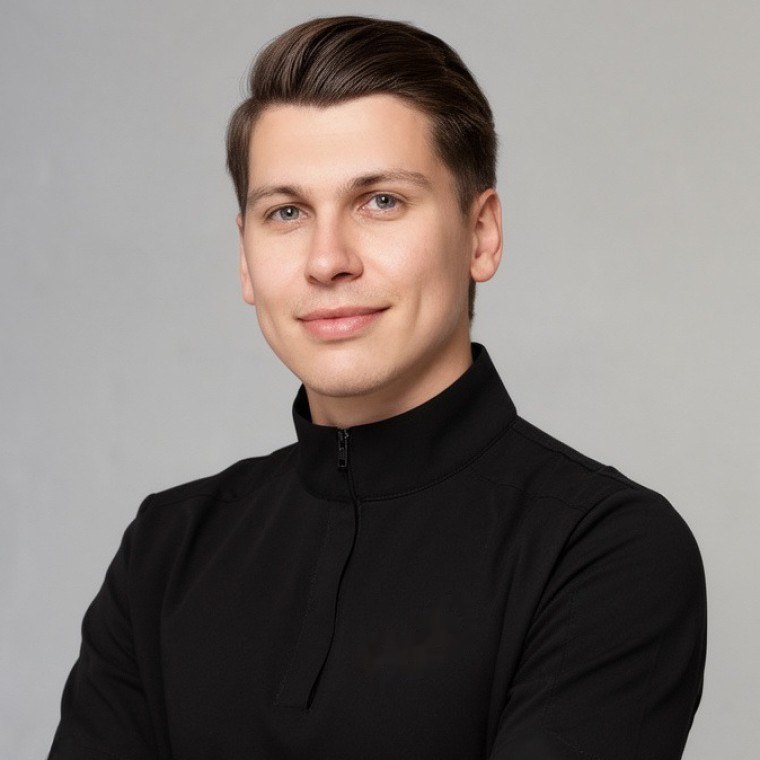
7 years of experience
Plastic surgeon
Plastic surgery residency, Petrovsky National Research Centre of Surgery. Main focus is aesthetic and reconstructive surgery for the breast and body.
At the consultation you talk to the surgeon who will operate
An experienced plastic surgeon attentive to the beauty and health of patients
Book a consultationAdvantages
During the consultation we discuss your wishes and model the planned changes. The surgeon explains what surgery can achieve, so you know exactly what result to expect.
During the year after surgery the surgeon keeps track of your recovery and breast shape. The price already covers check-ups and dressings.
We choose the shape, volume and correction method based on your anatomy and wishes. For augmentation, implant size and profile are chosen individually.

We respect your time: available 24/7, with easy booking and a personal approach — we adapt to your pace.
The surgeon sets the extent of correction after the consultation, and you get a transparent price for the operation, without unexpected costs.

Your recovery begins in a comfortable inpatient ward, with nurses on hand day and night. The price already covers your stay and meals.
FAQ
Yes. Boob job is the everyday name for breast augmentation. At City Medical Centre it is done with round or anatomical implants that the surgeon chooses with you at the consultation.
Breast enlargement adds volume with implants. A breast lift (mastopexy) raises sagging breasts and removes excess skin. Which one suits you is decided at the free consultation.
Mammoplasty includes several procedures: augmentation (adding volume with implants), reduction (removing excess tissue and skin), mastopexy (lifting sagging breasts), reconstruction (after mastectomy) and asymmetry correction. The optimal method is selected individually, based on your wishes and the surgeon's recommendation.
Message us — our coordinator will get back to you shortly and book your consultation. The plastic surgeon consultation is free.
With every recommendation followed, complications seldom occur, though they can include hematoma or seroma, wound infection, reduced or increased nipple sensitivity, capsular contracture, aesthetic asymmetry, wound separation and tissue necrosis.
Mammoplasty results are durable: about 10–15 years following augmentation (until implant replacement) and 5–10 years following a lift or reduction. Weight, pregnancy, aging skin and gravity influence how long the effect lasts. Maintain it by wearing supportive underwear and watching your weight.
Breastfeeding after mammoplasty varies with the type of surgery. Lactation is usually preserved after augmentation through an under-breast or armpit incision with the implant under the muscle, because glandular tissue is not injured. After a lift or reduction there is more risk, since ducts may be cut. Discuss this in advance with your surgeon.
The choice of implant looks at material (silicone looks most natural, while saline is used less often), shape (round or anatomical teardrop), surface (smooth or textured), size and profile. The surgeon will choose what works best for your anatomy and wishes.
The surgery is carried out under general anaesthesia, and the patient feels nothing. Moderate discomfort is possible during the first 1–3 days and is relieved by pain medication. Pain falls significantly by day 5–7, and by weeks 2–3 discomfort is over. If you have severe pain, tell your doctor at once.
You may go back to work (with no physical exertion) after 7–14 days, take light walks after 1–2 weeks, and do fitness and swimming after 4–6 weeks. Strength training is allowed after 3 months, pool and sea after 4–6 weeks. Compression garments stay on for 4–6 weeks. Timing depends on your recovery.
No scientific data suggest that mammoplasty increases breast cancer risk, and implants are not carcinogenic. After the operation, continue regular screening: self-examination, mammography and ultrasound. Always tell the doctor who examines you about your implants.
Mammoplasty can follow a C-section, but first your body must fully recover. Allow a minimum of 6–12 months from giving birth and from the end of breastfeeding. Before surgery, a consultation and check-up with the surgeon are required.
Scarring is part of mammoplasty, but with an experienced surgeon it stays minimal. Incisions are hidden under the breast, around the areola or in the armpit. During the first months scars appear reddish; within 6–12 months they lighten and become almost invisible.
Slight asymmetry in the first weeks after surgery is normal: it is caused by swelling and uneven healing. If a difference in shape or size persists after 3–6 months, see your surgeon for an examination to find the cause.
After mammoplasty, the breasts and nipples can temporarily lose or gain sensitivity. Irritation of the nerve endings is responsible. Most often sensitivity returns within 3–12 months. If there is no improvement a year later, see your surgeon.
Hormonal drugs (contraceptives, hormone replacement therapy) do not affect implants themselves, but they can cause swelling or a change in breast tissue volume that alters the appearance for a time. Always inform your surgeon about them ahead of surgery.
Prices are in US dollars; the amount in brackets is an approximate conversion to EUR at the rate of 02.10.2026. The final price is fixed in your contract.
Prices start from $4,700 (≈ €4,200). The surgeon sets the final price at the free consultation, and it is fixed in the contract, with no hidden extras.
The surgical team's work, anaesthesia, the inpatient stay with meals, dressings and follow-up visits for twelve months.
Message us on WhatsApp or Telegram using the buttons below. A coordinator will answer your questions and book a free consultation where the doctor names the exact price.
By messaging us, you agree to our Privacy Policy
What exactly changes with augmentation? Volume grows and the bust gains a rounder or a more natural teardrop profile, depending on the implant selected. If you are researching breast augmentation in Munich, keep in mind that implants come smooth or textured and are selected for each body. With an under-breast or armpit incision and the implant placed under the muscle, lactation is usually preserved.
After the operation, check-ups are scheduled at 7 days, 3 months and 6 months. At each one the surgeon evaluates the result, monitors healing and answers questions. You can usually return to office work in 7–14 days, walk after 1–2 weeks and resume fitness in 4–6 weeks, with strength training after three months. The same schedule applies to Munich patients.
For patients from Munich, City Medical Centre offers breast augmentation at a fixed all-inclusive price from $4,700 (≈ €4,200). Included are the consultation with result modelling, combined inhalation anaesthesia, a comfortable room after surgery, meals, constant staff monitoring and a year of dressings and check-ups. Implant removal is $3,300 (≈ €2,950). Getting started is simple: request a free consultation online.
Written by Dmitry S. Kuznetsov, plastic surgeon
How we prepare and review medical content · Medical disclaimer
Page last updated:
Well-known people who spoke openly about this operation, in their own words.
 Did Bibi Claßen have breast surgery? Yes, and she showed the scar herselfGerman YouTuber Bibi Claßen had a breast lift and augmentation in early 2021 and shared her own scar-care routine. What she said and how the operation works today.
 Did Caro Robens have a breast augmentation? Yes, and she said so herselfGerman reality TV star Caro Robens confirmed her breast augmentation in 2026 interviews and said she is very happy with it. Her words, the procedure, recovery.
 Did Cathy Hummels have a breast augmentation? Yes, and she explained whyIn 2023 Cathy Hummels told Playboy why she had breast surgery: illness, weight loss to 43 kg and a lost B cup. Her words and what the operation involves.
 Daniela Katzenberger and her breast implants: what she said herselfDaniela Katzenberger had breast implants at 23 and in 2024 said they should come out. What she said, how implants are chosen and when removal is considered.
 Gina-Lisa Lohfink's breast augmentation: what she said about it herselfGina-Lisa Lohfink explained in 2009 why she had a breast augmentation after losing weight. What she said, how the procedure works today and what it costs.
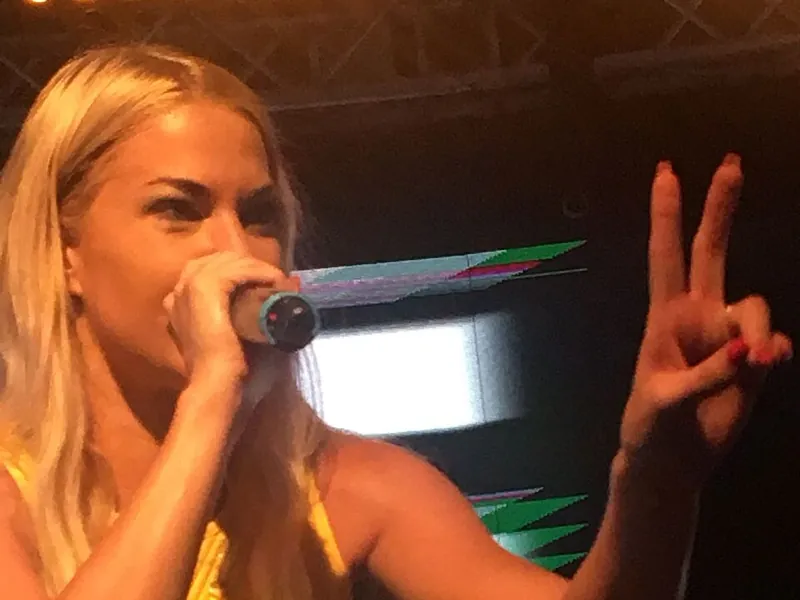 Isi Glück's breast augmentation: she told the whole story herselfThe German party singer documented her breast augmentation from cup A to C in a detailed first-person report. Her quotes and how the operation works today.
The city of Munich reported 1,612,429 residents with a main residence at the end of 2025, a rise of 0.54 percent, and a further 28,874 with a secondary one. Among so many people, those who ask about breast surgery are not looking for a crowd of offers. They are looking for one conversation they can trust, and the way to build trust is a trail of paper that can be checked.
The opening move is small. Send a phone number and photographs by messenger, and a coordinator passes them to the surgeon who would operate. The surgeon says whether mammoplasty is the right route. It is online and free, nothing is booked, and replies arrive at night as readily as at noon; the stated reply time is a quarter of an hour.
From that first message onward, collect everything in one folder. Save each reply, name the file with the date, and write beside it who answered and what was actually promised. After a few weeks, that folder is worth more than anyone's memory of a call.
Before the folder grows, set its first page: a list of seven items to request in writing. The medical licence of the organisation providing care. The name and specialty of the surgeon. The doctors' diplomas and certificates, which at City Medical Centre may be inspected before payment. The contract for paid medical services. The implant type and shape under discussion. The plan for the stay and the check-ups. The list of what is included.
Resist the urge to answer questions about timing before you have the facts. If you are asked when you would like to operate, say that you want the plan first and the date second. A clinic that respects this will send the plan, and one that pushes for a date before the plan exists is telling you something about its priorities.
Read the folder aloud to someone once a week. A line that is hard to read aloud, because it has no subject or no date, is a line to turn into a written question for the coordinator.
The Bayerische Landesärztekammer, the state medical association, is a public-law corporation. Its patient information system, arzt.bayern, is described as a search for resident doctors and registered senior hospital doctors, with about 18,000 physicians in it. The association's site also points to the doctor search of the Kassenärztliche Vereinigung Bayerns, which filters by specialty or name and by place or postal code.
Use them in two steps. Search the name in arzt.bayern. Then use the specialty and place filters of the Kassenärztliche Vereinigung to see whether the field matches what the clinic gave you in writing, plastic surgery. Note what you find, with the date, and bring any gap to the online consultation as a question.
Do the search at a quiet moment and save the result. Two minutes with the screen open is enough to see whether the person is listed, in which field and under which spelling. If you cannot find the name, do not conclude anything yet: ask the coordinator for the exact spelling and the specialty in writing, then search again with the details you were given.
A short note for your folder: write the full name of the doctor exactly as the clinic spells it, the specialty you found on the Bavarian lists and the date. If the spellings differ, ask which is correct. A name that changes between documents is the first small thing worth clarifying.
Mammoplasty is a family of procedures, and augmentation is only one of them. The clinic also discusses breast reduction, a lift with or without implants, implant removal, reconstruction after surgery or injury and correction of asymmetry. The right method is picked individually, weighing your wishes against the surgeon's advice.
The clinic works with two main implant types, round and anatomical. Both add volume and correct shape but differ in outline and in the kind of result. Material, shape, surface, size and profile are all part of the choice, and the surgeon helps you settle shape and volume. Silicone is described as giving the most natural look, while saline is less common.
Reduction suits large volume with physical discomfort, and reconstruction restores the breast after mastectomy. If your reason is of that kind, say so in the first message so the coordinator can pass it to the surgeon.
Keep a short list of implant questions in the folder: which type and shape is proposed for my anatomy, why, and what would change that advice? Record the answer with its date, and compare it with a second written opinion if you ask for one.
The clinic describes a single hospital day from first tests to discharge: a comfortable ward, meals, round-the-clock monitoring by medical staff, and dressings with check-ups for twelve months. Anaesthesia is general. Before the date the surgeon names the tests, such as blood work and an ECG.
Afterwards a compression garment is worn for 1–1.5 months. The surgeon asks you to avoid lifting over 3 kg and to skip baths and saunas for up to three months, and to keep your arms below shoulder level during the first 3 weeks, when the swelling also recedes. Visits are planned at 7 days, then at 3 months and 6 months.
Write these steps once and test them against your own diary. Does the date you have in mind leave room for the first three weeks? Who at home can help with lifting? Raise the answers at the consultation, because the surgeon can only plan around what is known.
A last practical tip is to keep the questions about the stay in writing too. Ask what you should bring, who will be on the ward at night, how the dressings are changed and who explains the discharge plan. Replies you can reread are easier to trust than a quick remark at a desk.
The clinic lays the route out in six steps. First comes a consultation and simulation, where your figure is assessed, your wishes discussed and the surgeon proposes volume, shape and method. Second, a surgery date is held, and the terms are set out in the contract for medical services. Third, tests before the operation: blood work, an ECG and the other examinations the doctor prescribes. Fourth, the operation under general anaesthesia with monitoring throughout. Fifth, the inpatient stay until discharge. Sixth, recovery with follow-up.
Preparation has its own schedule that the surgeon confirms. One to two weeks ahead, aspirin-containing drugs, steroids and hormonal medications for chronic conditions are stopped on the doctor's advice. Hormonal oral contraceptives stop earlier, on the surgeon's own schedule, tests are completed a week before, and for 40 days beforehand intense gym workouts and very active aerobics are set aside.
Not every case calls for an operation, and the clinic says so. It advises waiting in pregnancy and breastfeeding, during acute infection, when skin in the operating area is inflamed or damaged, with chronic disease that is not under control or uncontrolled diabetes, with uncorrected clotting disorders, under 18, and while treatment for a malignant breast tumour is unfinished.
If any of these applies to you, put it in your first message, in plain words. Doctors are not offended by honesty, and the plan will be better for it.
Round out the message with two things: the change you hope for, in your own wording, and what you have already tried or considered. A surgeon who reads a clear message can give a clear reply.
Think too about who in your life should know about the plan. Telling one trusted person the date, the hospital day and the check-up schedule means someone else holds the calendar if you are tired or distracted in the first weeks.
Yes. Everything starts with a message: your photographs and phone number go to a coordinator, the surgeon reviews them, and the consultation is free.
The Bayerische Landesärztekammer runs arzt.bayern, a patient information system for resident doctors and registered senior hospital doctors, and points to the doctor search of the Kassenärztliche Vereinigung Bayerns.
A medical licence, a name and specialty for the surgeon, the doctors' credentials, the contract for paid medical services, the implant type under discussion and a list of what is included.
From first tests to discharge it takes one day, on a ward with meals and monitoring by medical staff day and night, under general anaesthesia.
Breast reduction, a lift with or without implants, implant removal, reconstruction after surgery or injury and correction of asymmetry. The method is chosen individually.
Two main types, round and anatomical. The surgeon helps you choose shape and volume.
On the surgeon's advice, aspirin-containing drugs, steroids and hormonal medications for chronic conditions are stopped one to two weeks ahead, and hormonal oral contraceptives earlier, on the surgeon's own schedule. The surgeon confirms this for your case.