


























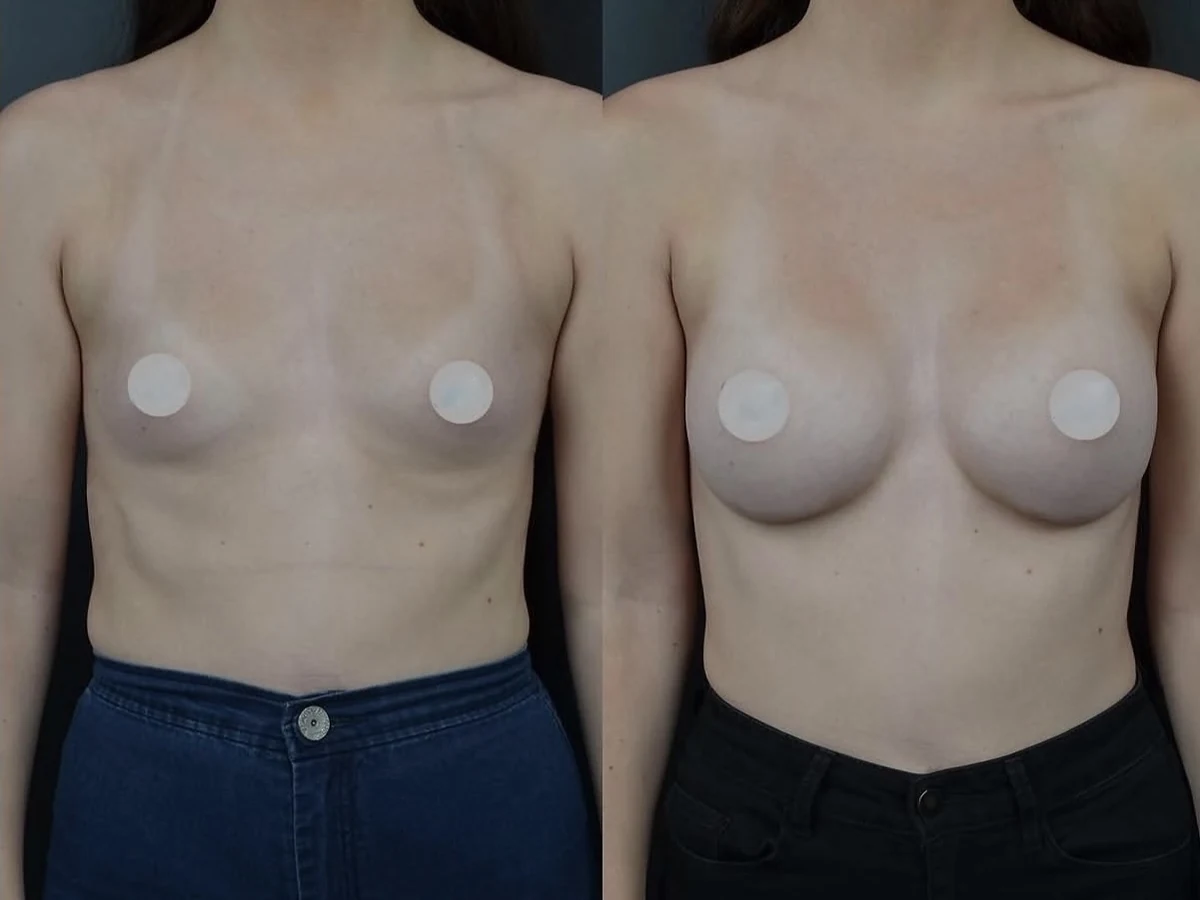
 beforeafter
Mammoplasty
Method: implants
Breast augmentation
$4,700
$5,900 · First consultation — Free
Free online consultation · Reply within 15 minutes
Message our coordinator
Free online consultation · Reply within 15 minutes
Message us on TelegramMessage us on WhatsAppBy messaging us, you agree to our Privacy Policy
Breast augmentation for patients from London at City Medical Centre starts at £3,600 (from $4,700). The first online consultation is free; the doctor names the final price and it is fixed in the contract.
How it works · Breast augmentation prices
Information current as of 5 November 2026
Results
Each case belongs to a real clinic patient; faces and identifying details are not shown.
beforeafterMethod: implants
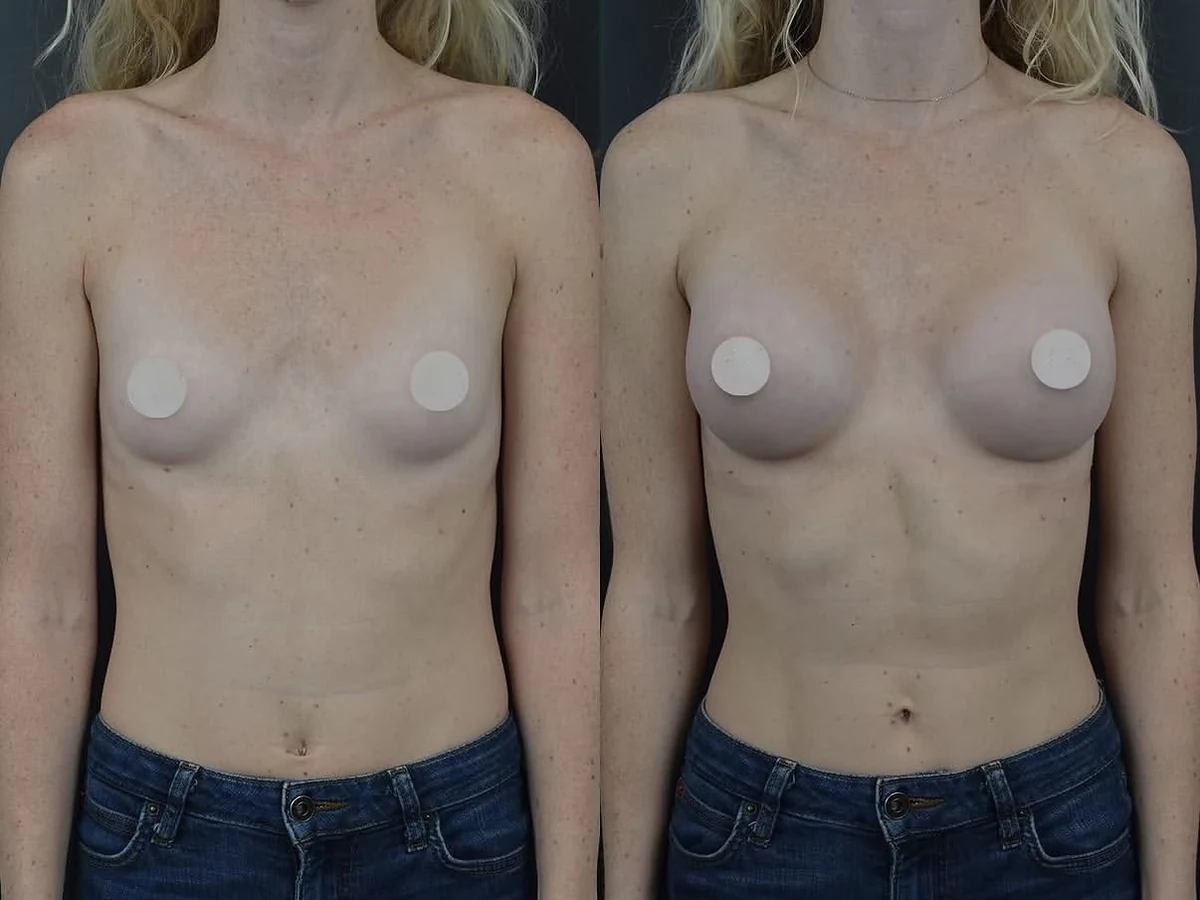 beforeafter
Method: implants
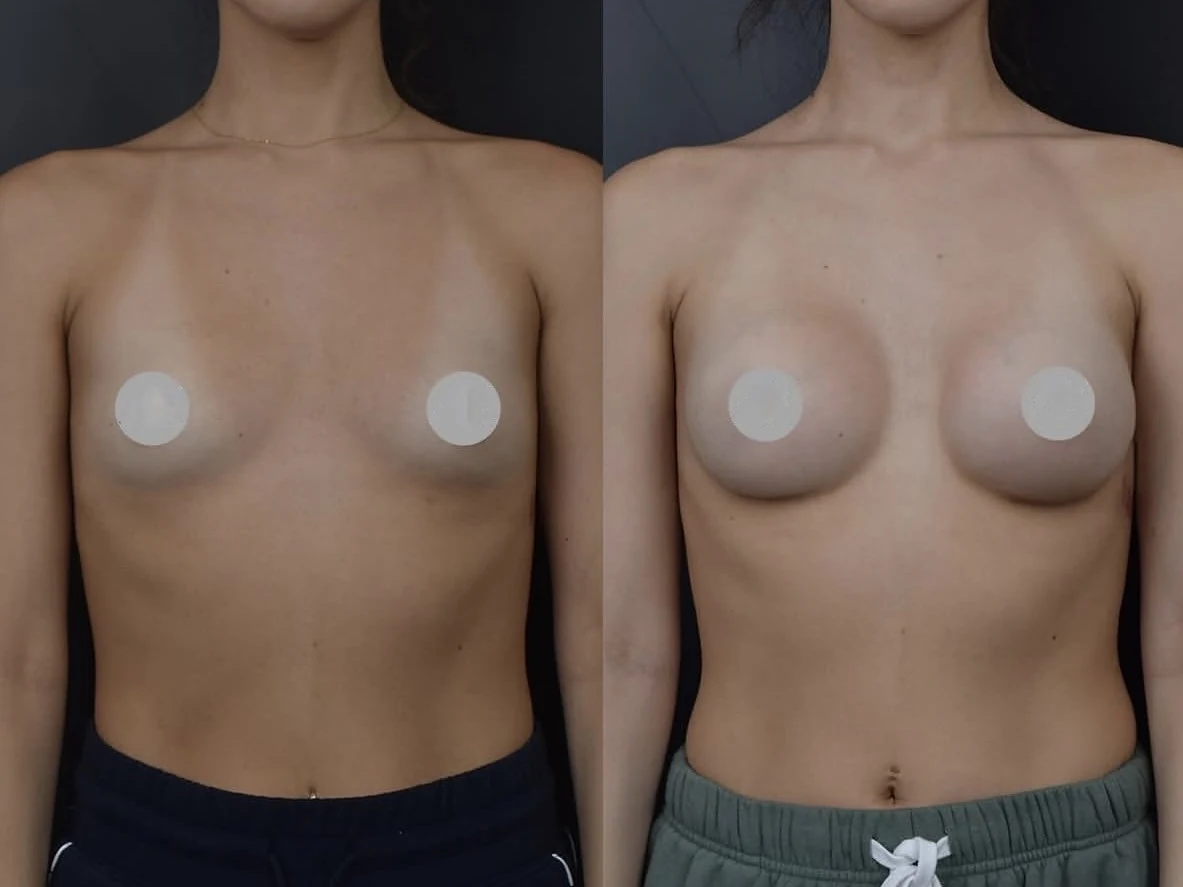 beforeafter
Method: implants
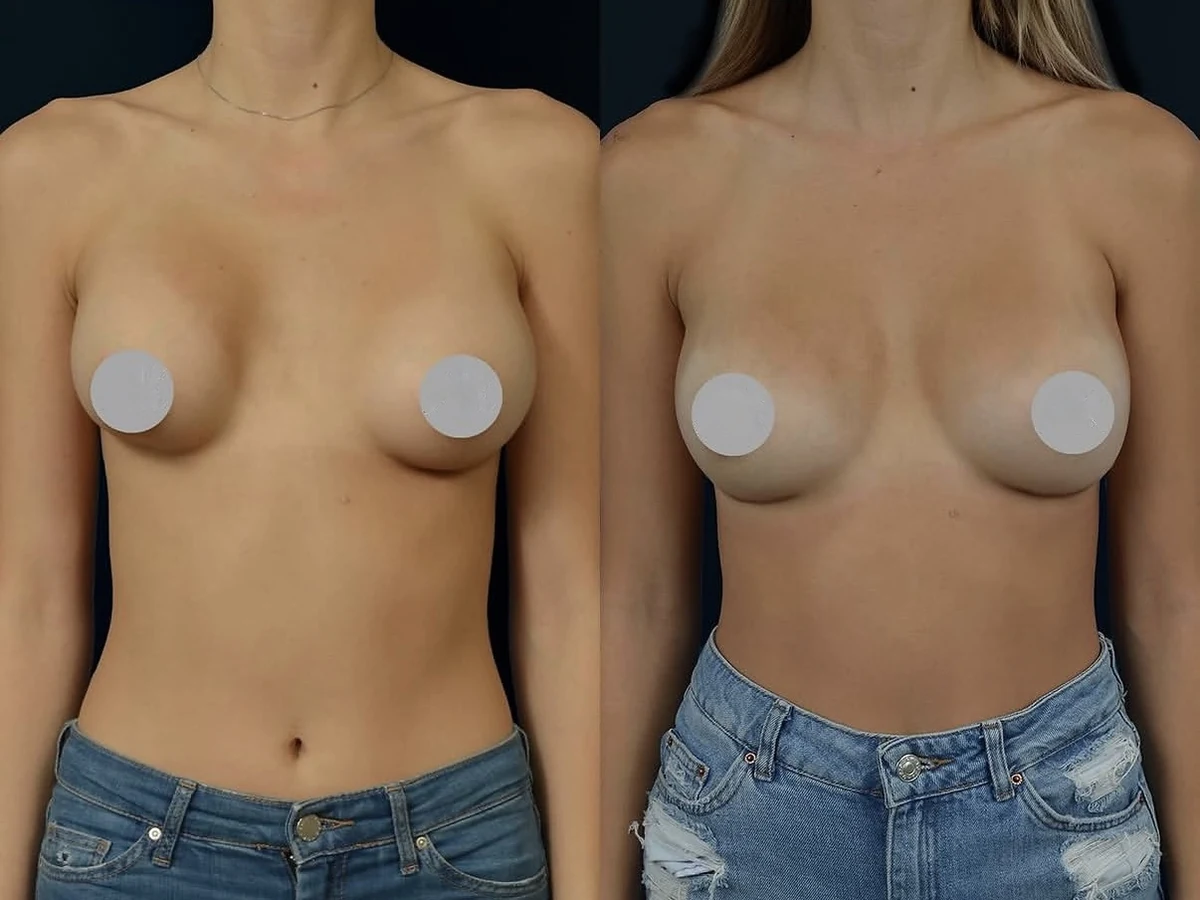 beforeafter
Method: implants
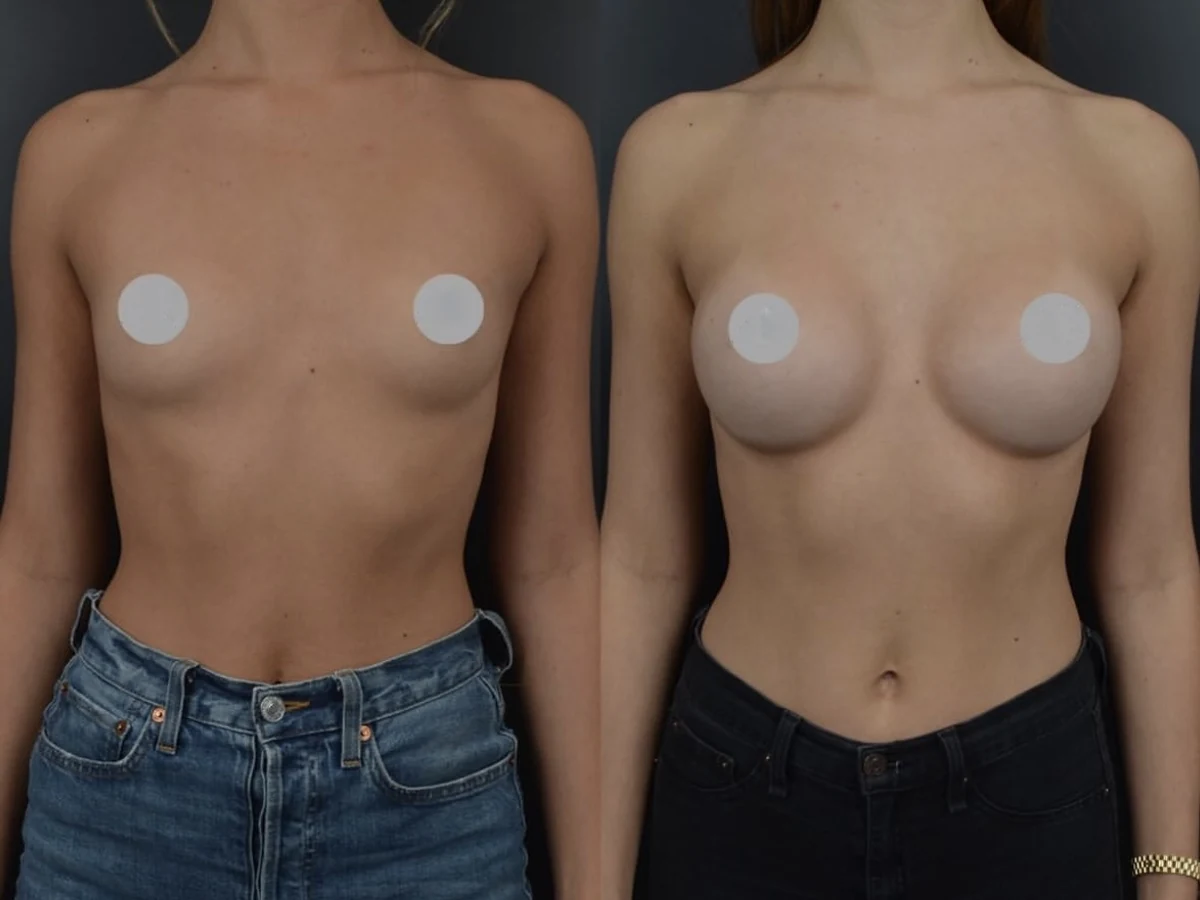 beforeafter
Method: implants
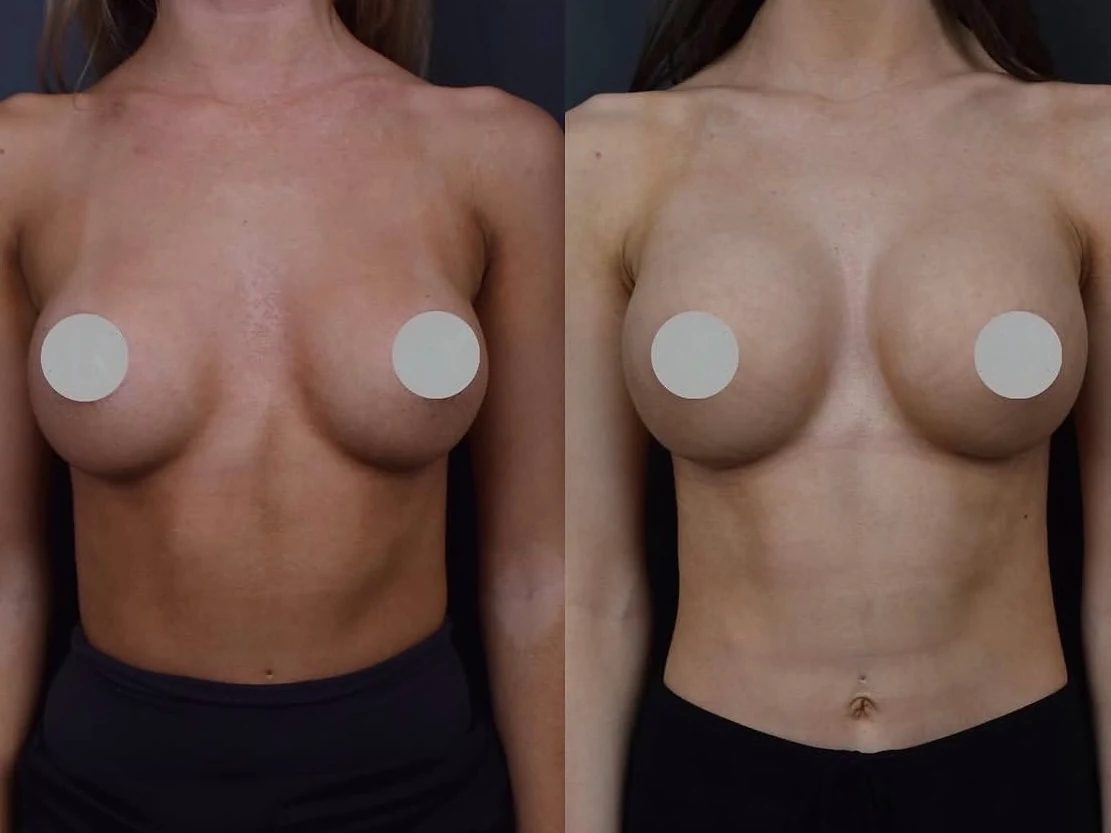 beforeafter
Method: implants
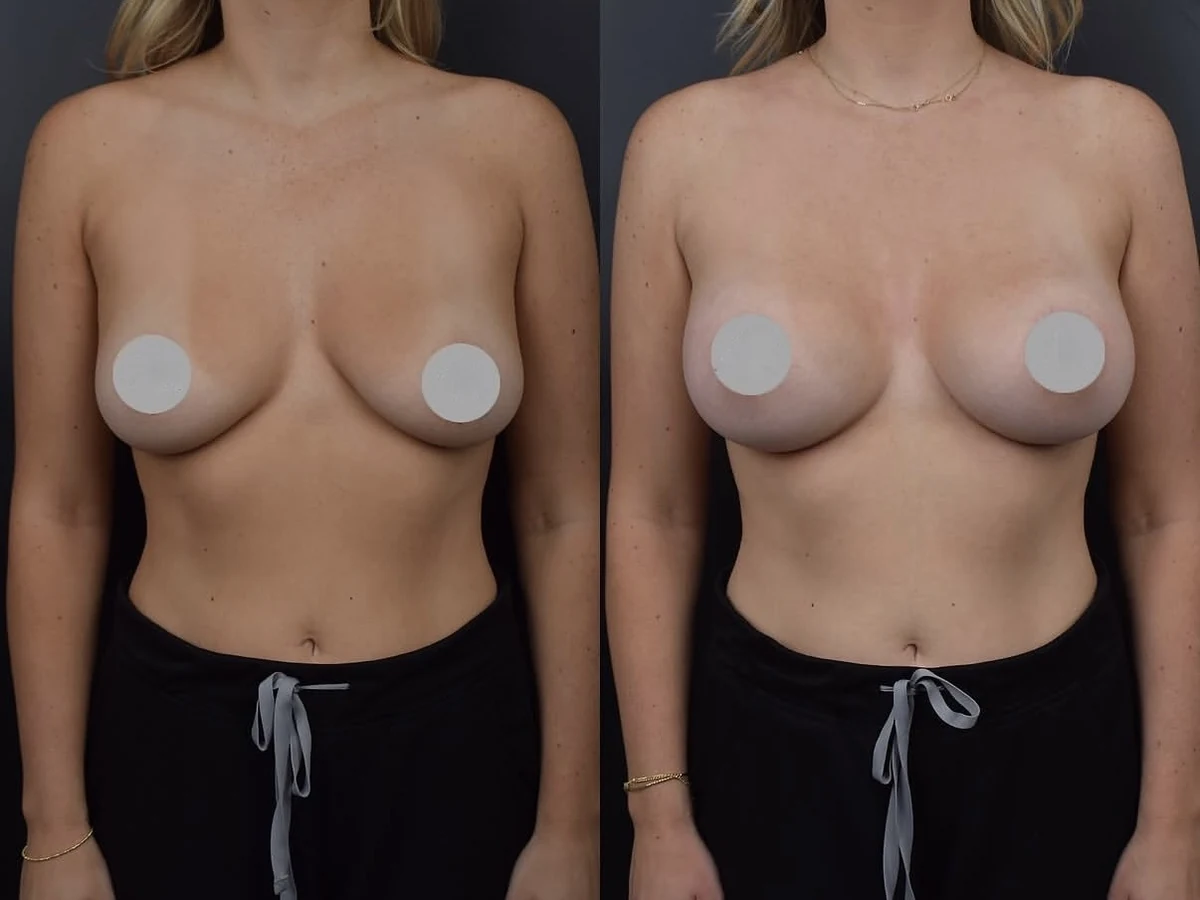 beforeafter
Method: implants
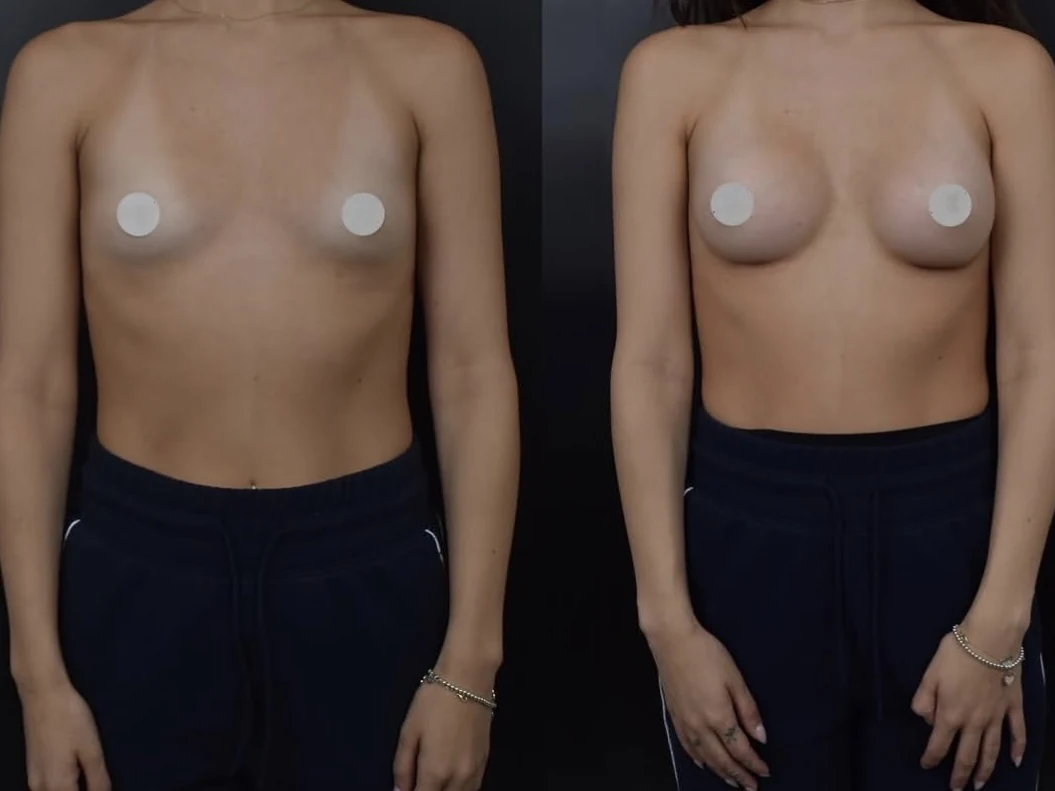 beforeafter
Method: implants
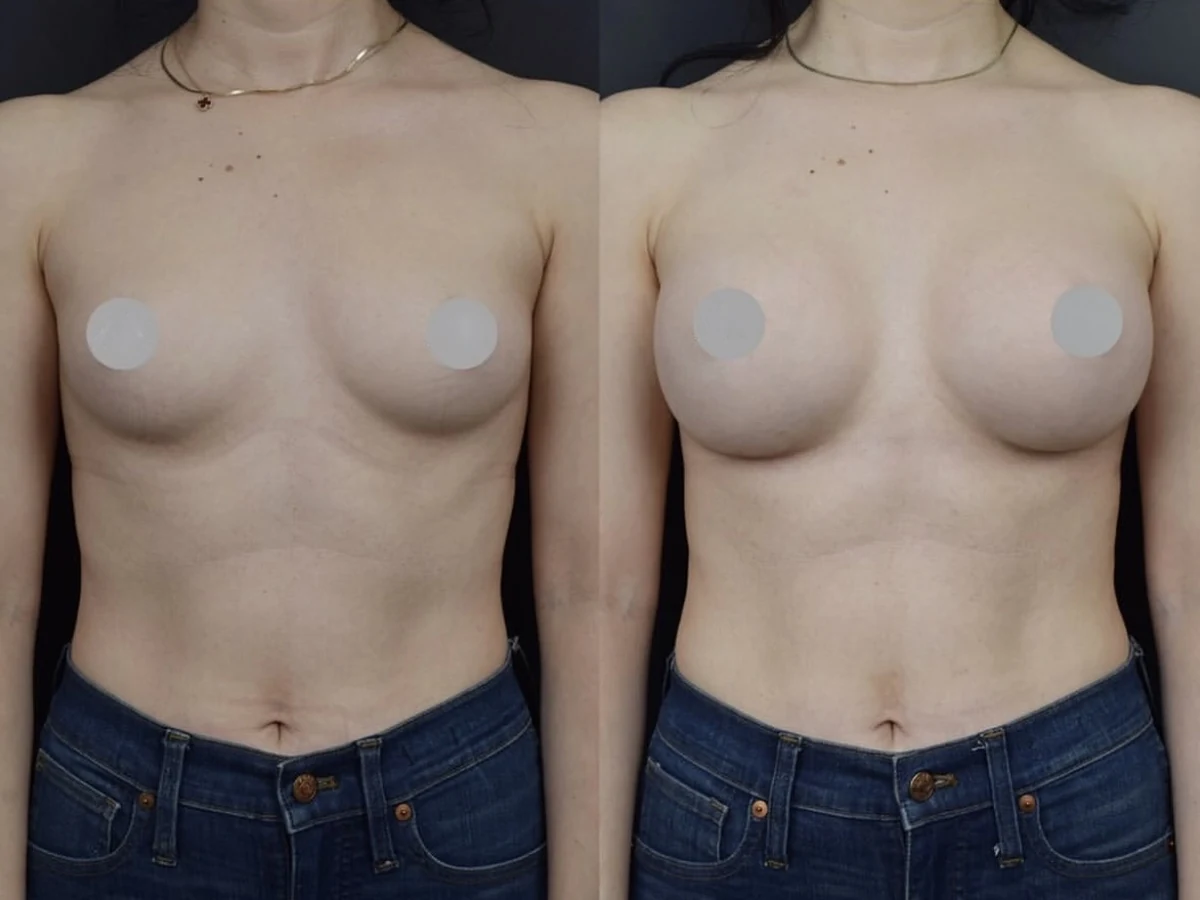 beforeafter
Method: implants
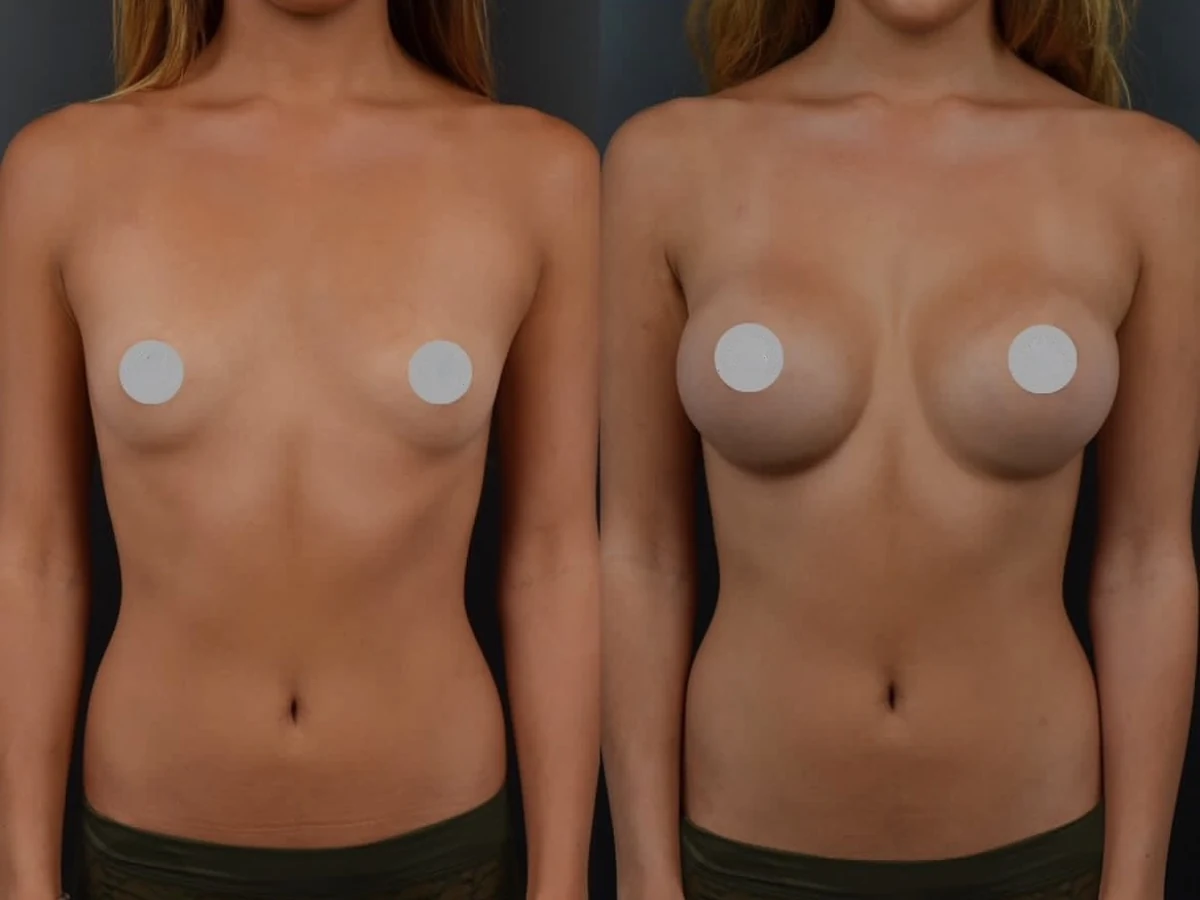 beforeafter
Method: implants
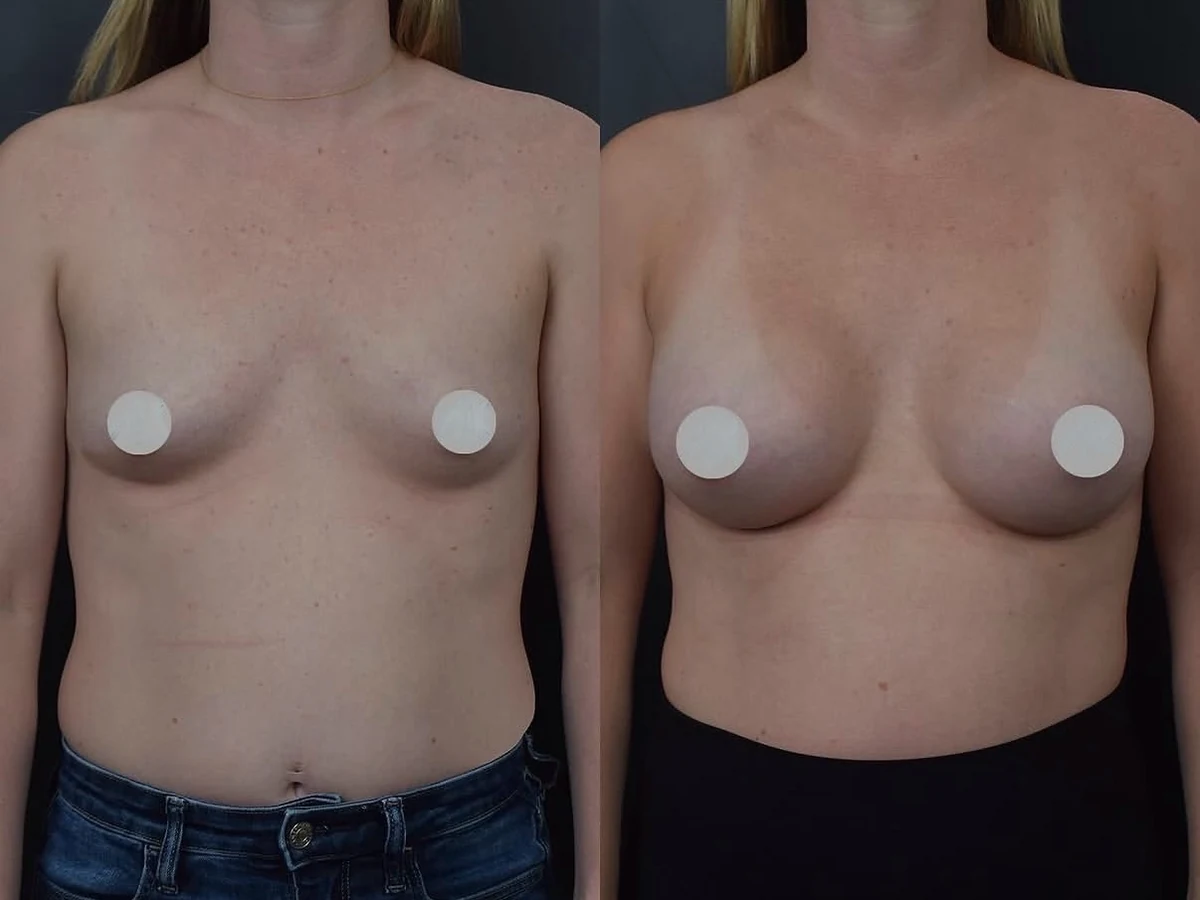 beforeafter
Method: implants
Comparison
Our surgeons use two main methods of breast correction — augmentation and reduction. See the goal, the precision and the indications of each to make an informed choice.
Size and shape correction with implants
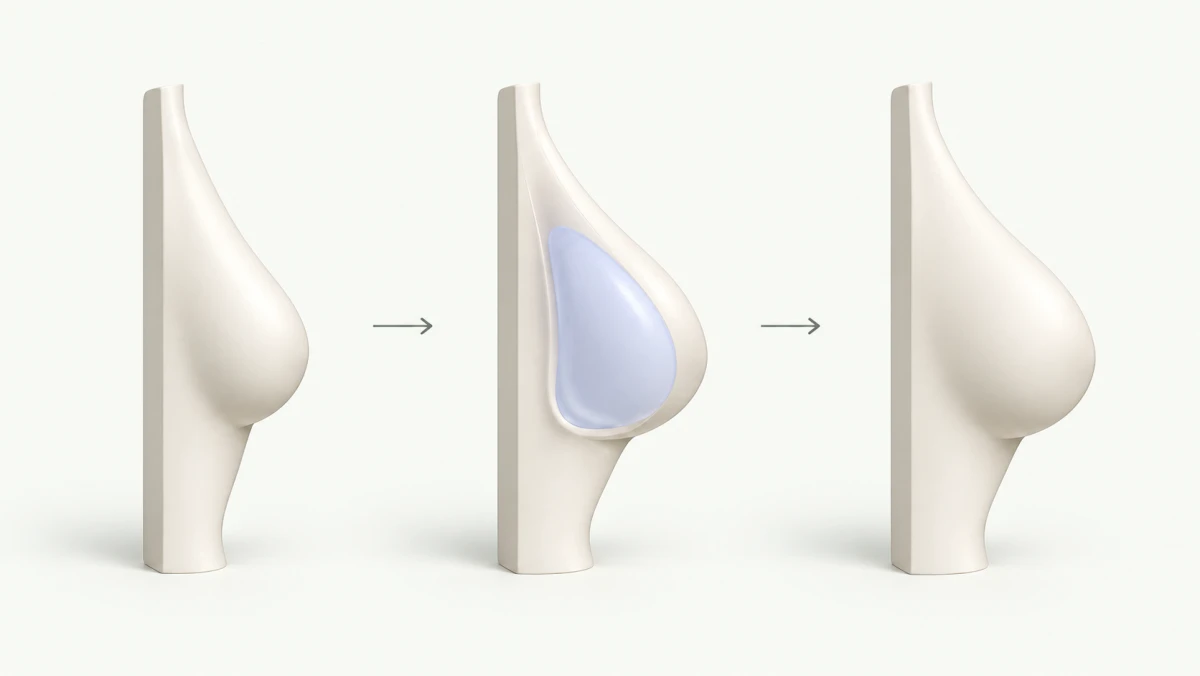
Discounted price
$4,700 $5,900
Breast size correction: making the breasts smaller and lighter
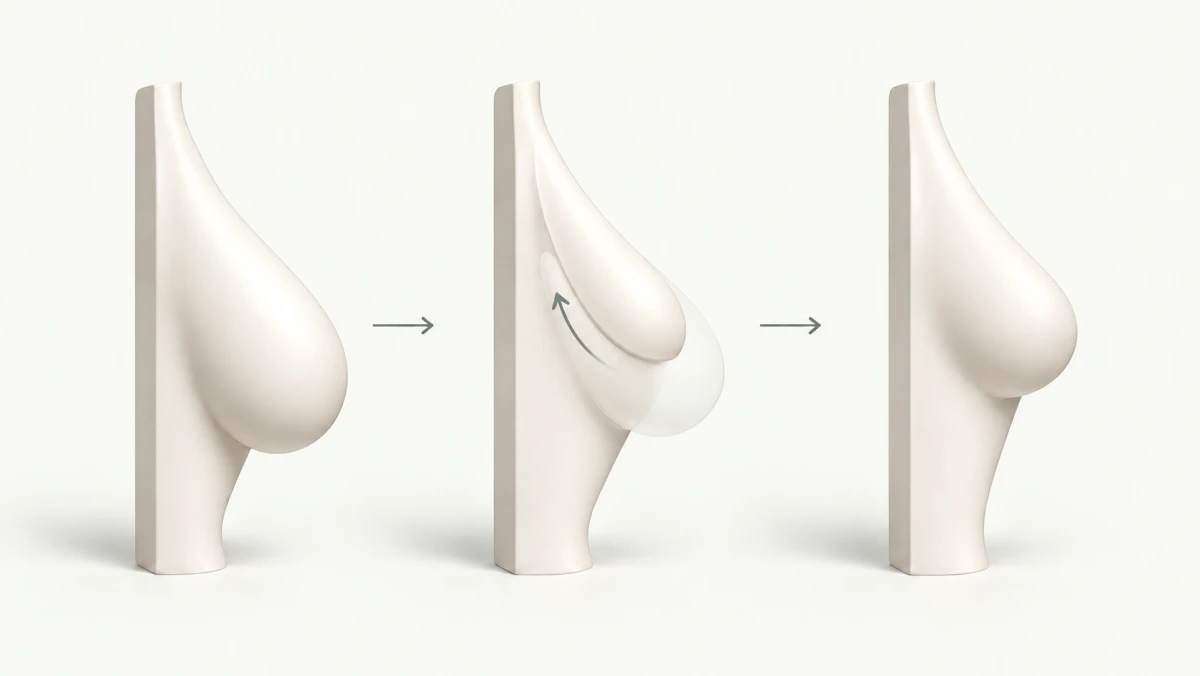
Discounted price
$4,700 $5,900
At the consultation the surgeon assesses the shape and proportions of your breasts, discusses your wishes and chooses the best mammoplasty option for you.
The consultation is free, before surgery and with no commitment.
Comparison
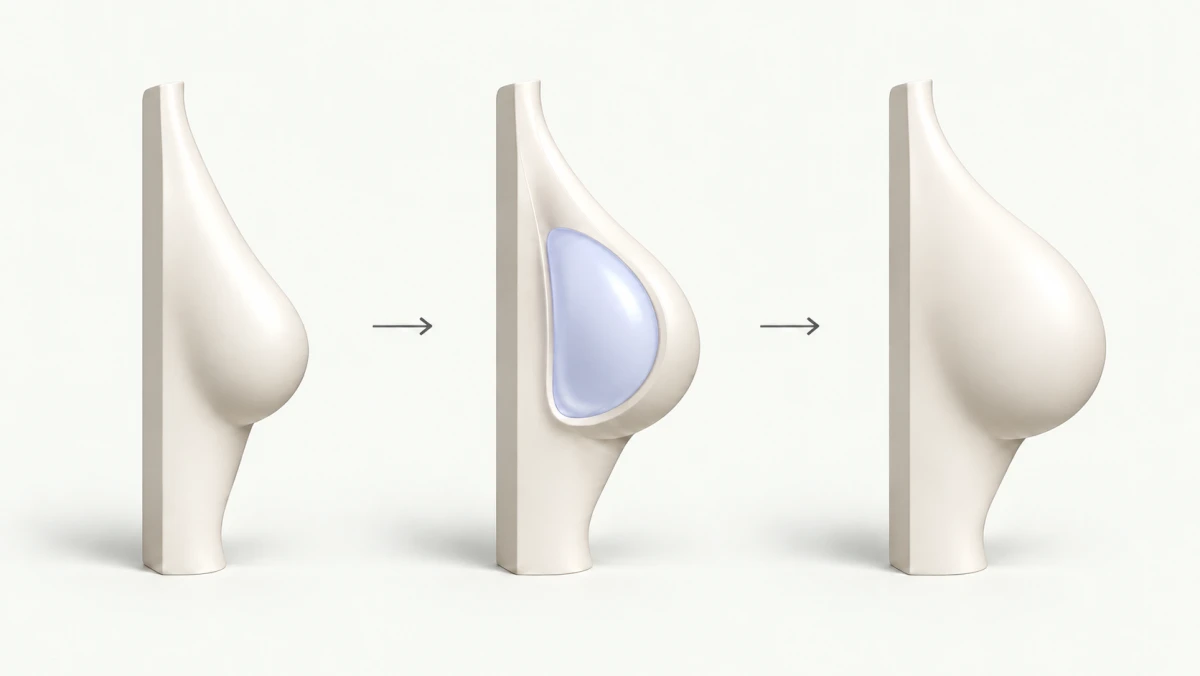
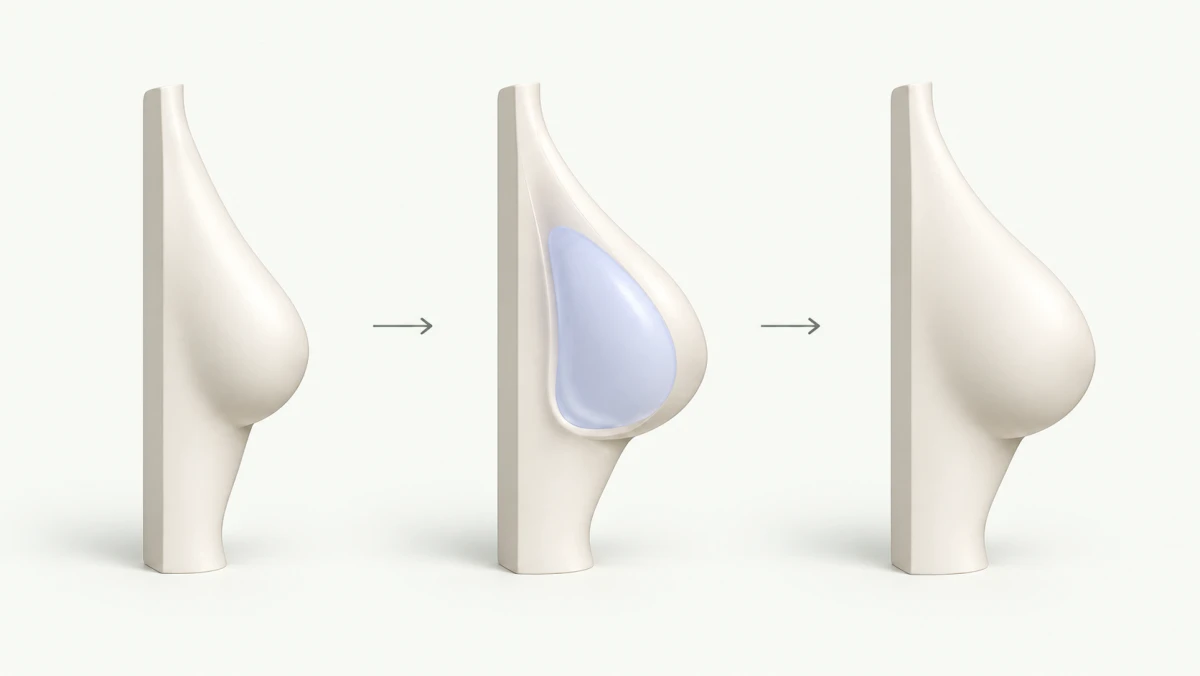
We work with two main types of implants: round and anatomical. Both add volume and correct the shape of the breasts, but they differ in shape and in the kind of result.
Even volume and a fuller upper pole
A smooth slope and a soft teardrop outline
The surgeon will help you choose the implant shape and volume.
About us
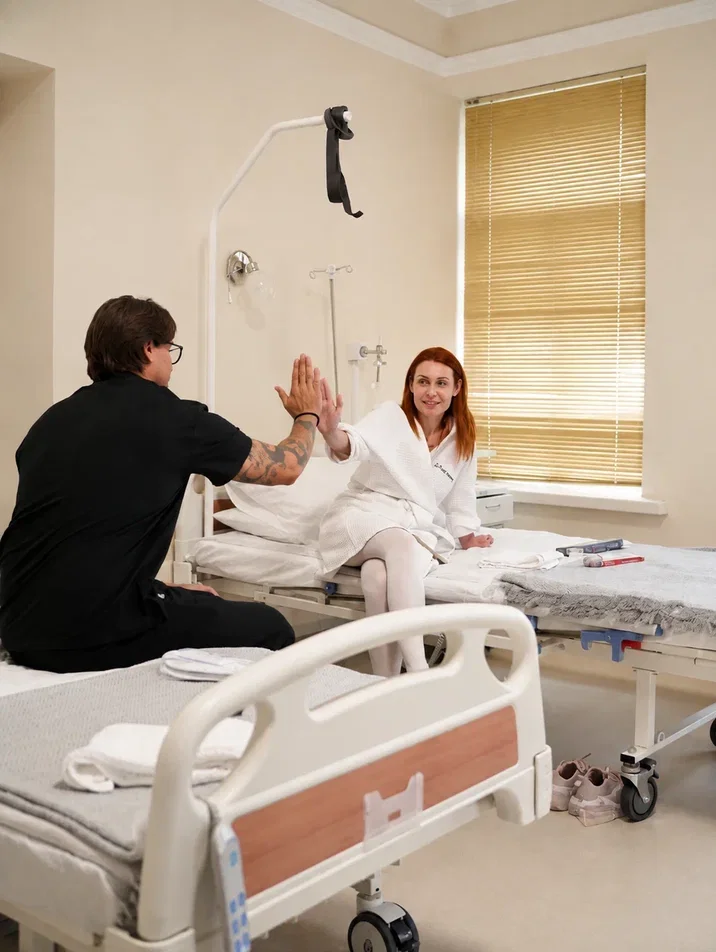
Modern equipment, comfortable rooms and care for every patient
We will answer your questions and find a convenient time for a consultation
By messaging us, you agree to our Privacy Policy
If your case can be solved without surgery, the doctor will tell you so at the consultation — and you will not spend money for nothing.

Not sure whether surgery is right for you?
Write to us: your coordinator will request photos in a messenger, and the surgeon will review them and tell you whether mammoplasty suits you.
Find out if it suits me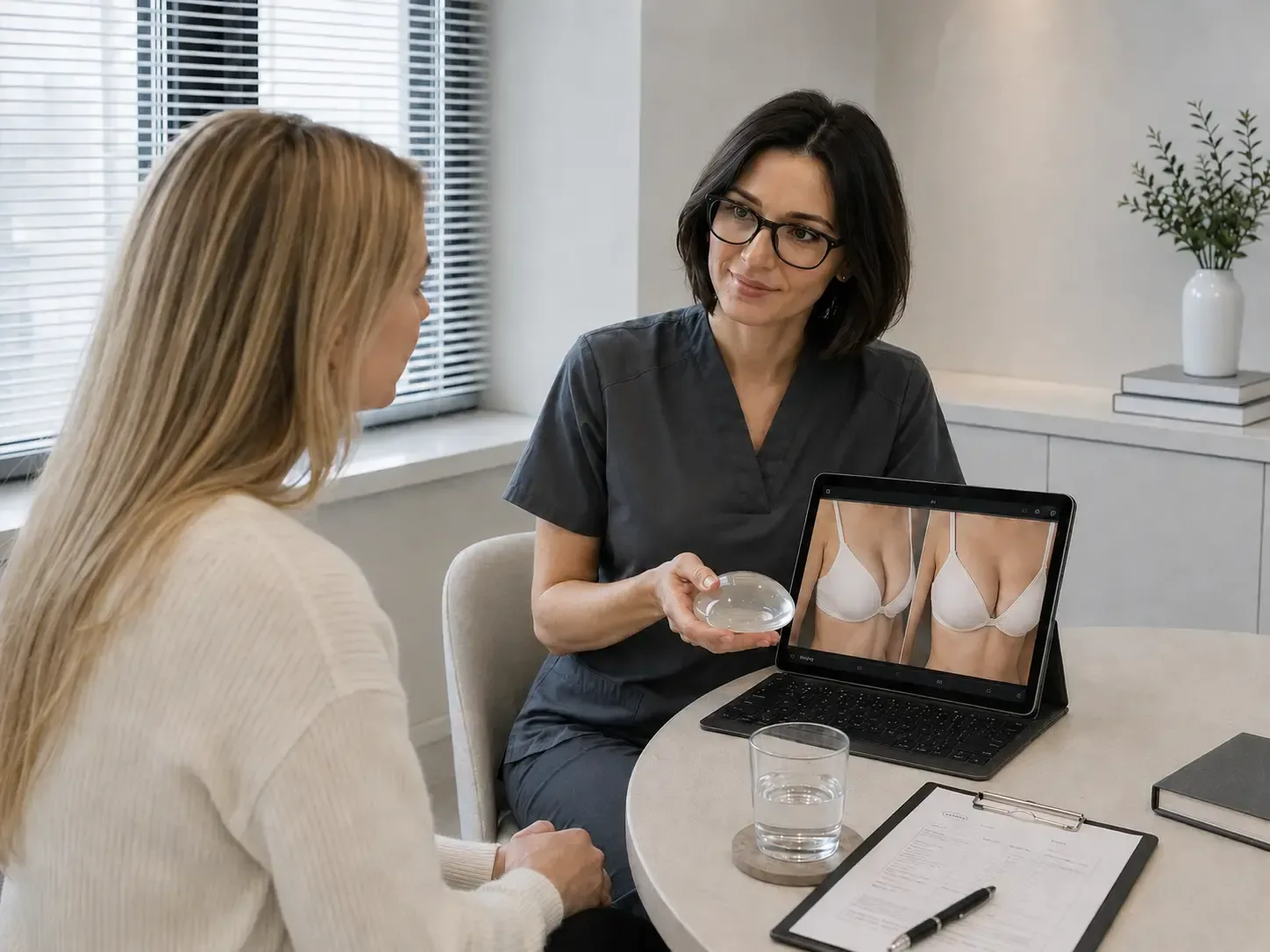
Prices
The price is set at the consultation and fixed in the contract.
Discounted price
Size and shape correction with implants
$4,700$5,900
Discounted price
Reducing the volume and weight of the breasts
$4,700$5,900
Breast restoration after mastectomy
The surgeon assesses the anatomy and proportions of your breasts, listens to your wishes and chooses the right correction method.
The price is set at the consultation and fixed in the contract.
Message our coordinator
Free online consultation · Reply within 15 minutes
Message us on TelegramMessage us on WhatsAppBy messaging us, you agree to our Privacy Policy

all inclusive
From your pre-surgery preparation
to follow-up support for 12 months.
Discounted price
$4,700$5,900
How it works
An agreed plan for the correction, observation in hospital and recovery monitoring for a year.
 1
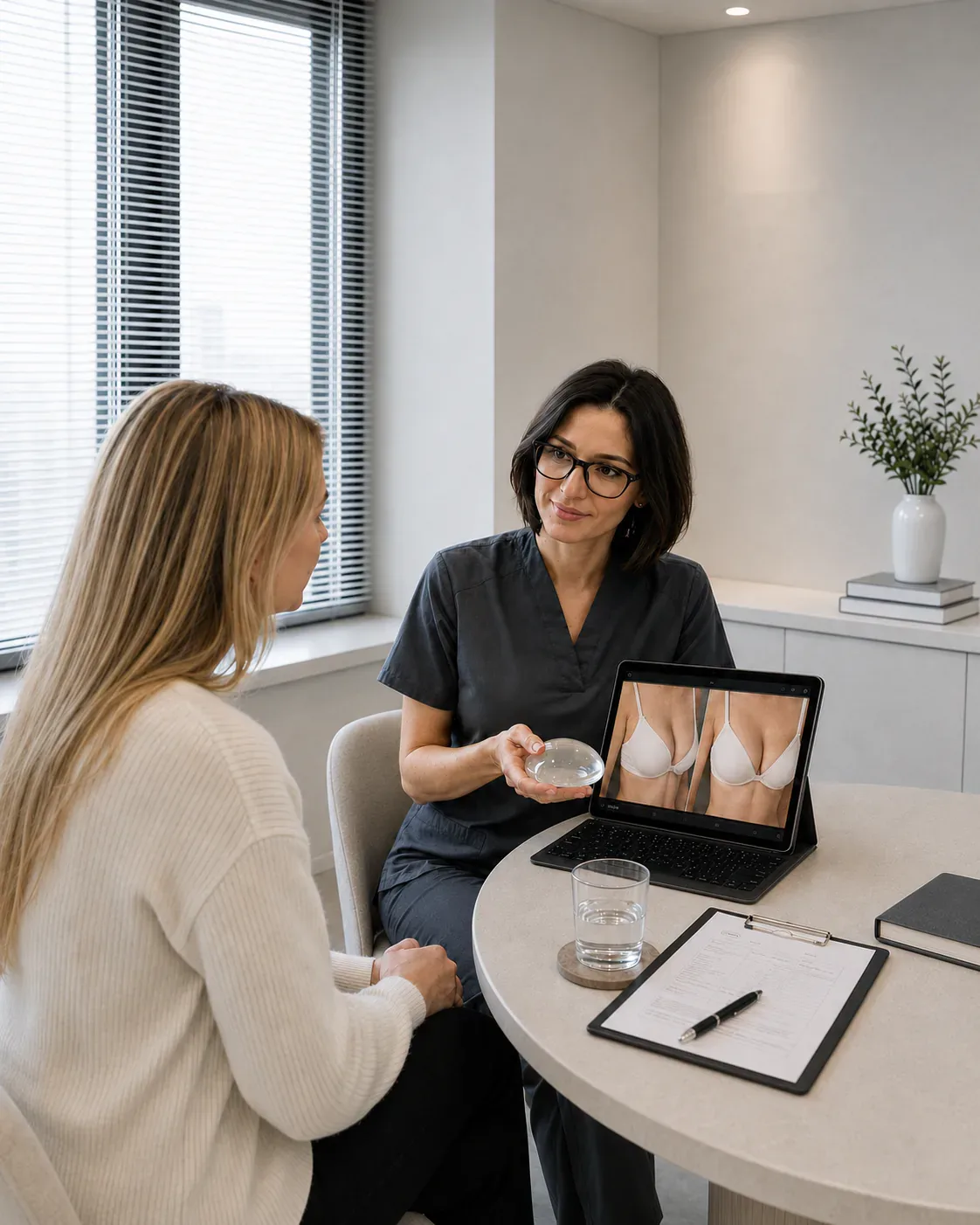
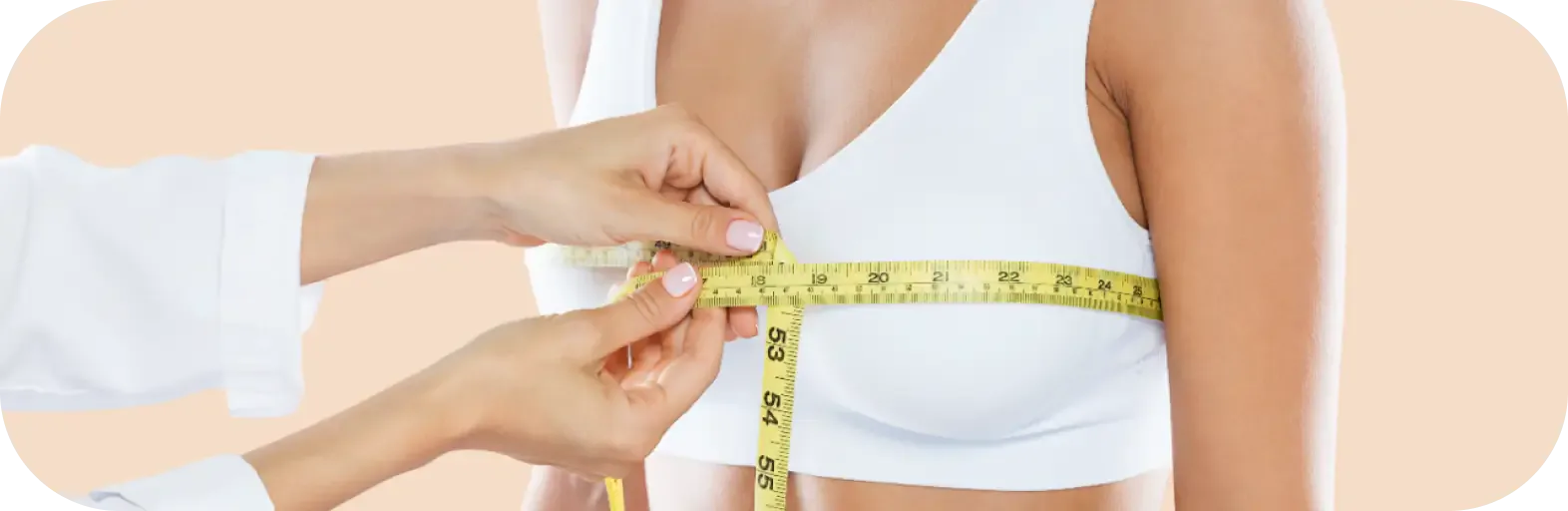
Your figure is assessed, your wishes discussed, and the surgeon chooses the best volume, shape and correction method.
 2
A surgery date is booked in your name: pay the deposit by card at the clinic or by online bank transfer. The terms are recorded in the contract for medical services
 3
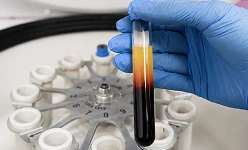
A complete pre-operative check-up comes first: blood tests, an ECG and the other examinations prescribed by your doctor.
 4
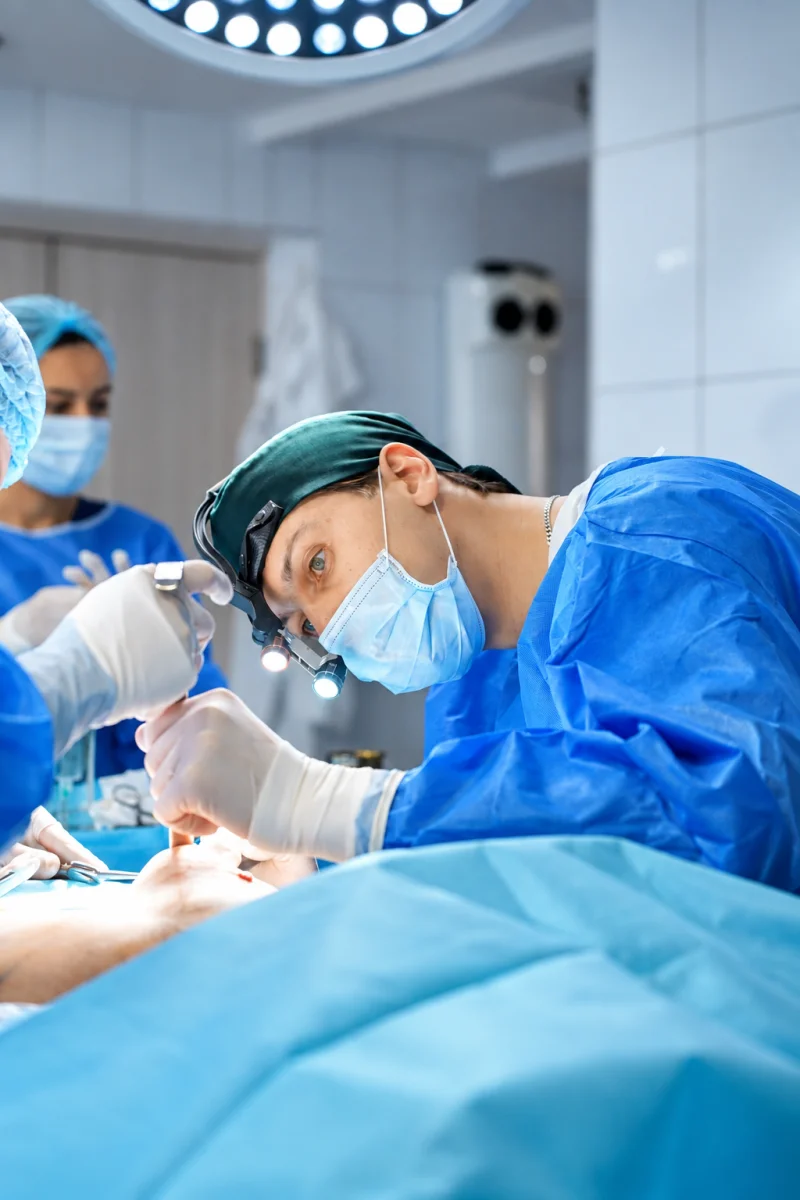
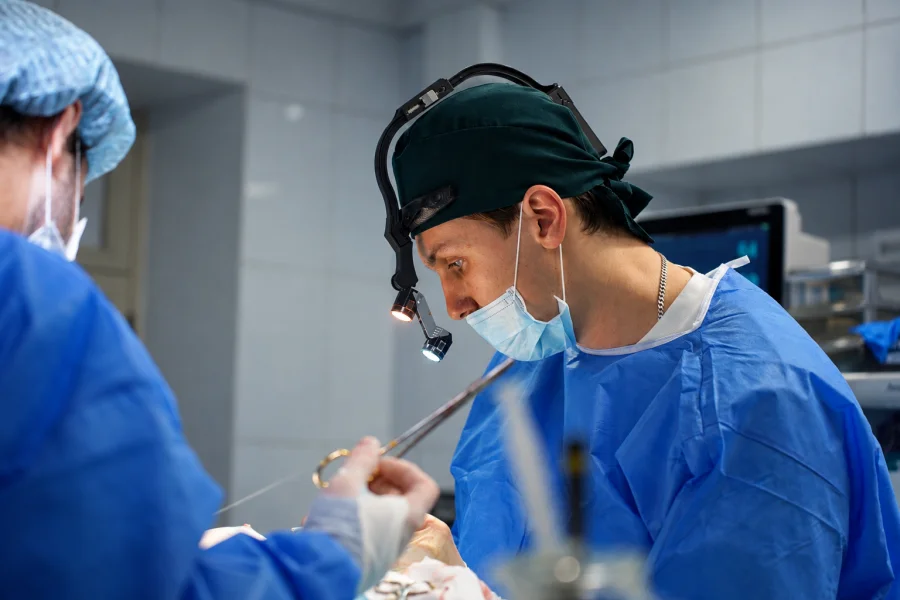
Your surgeon carries out the mammoplasty following your personal plan, under general anaesthesia and with constant monitoring of your condition.
 5
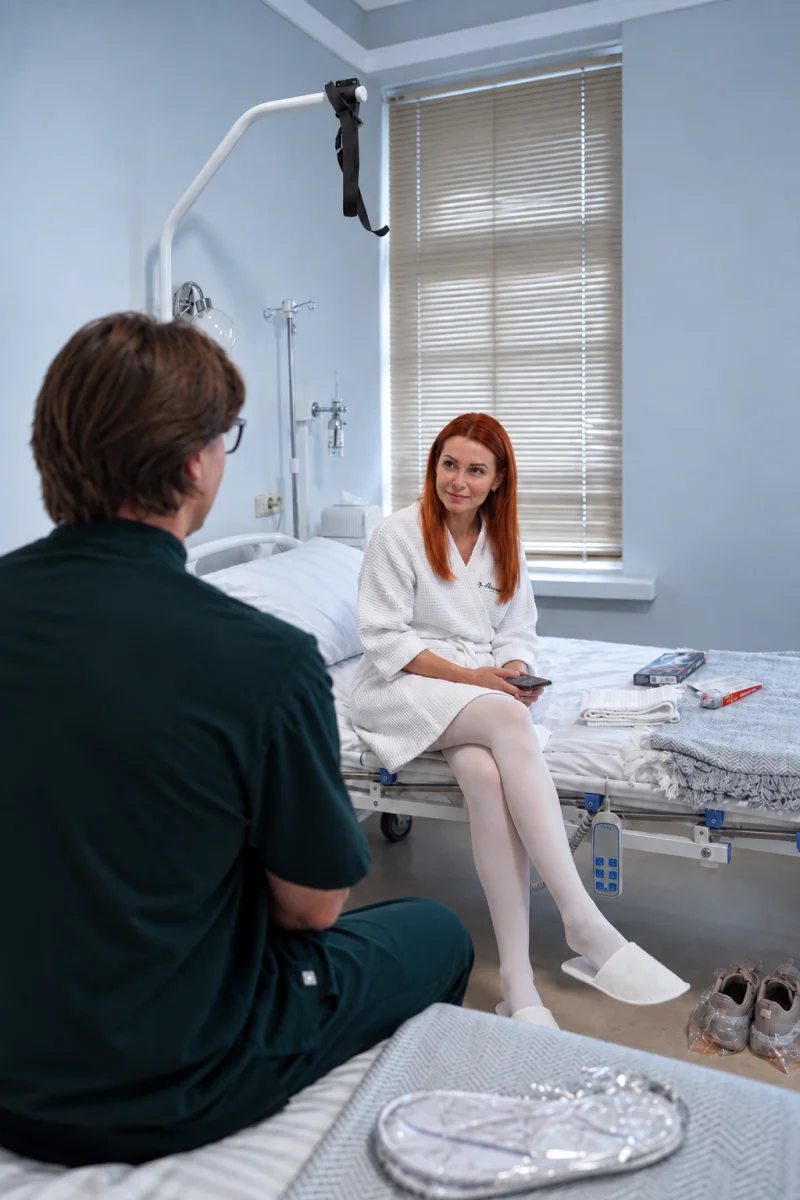
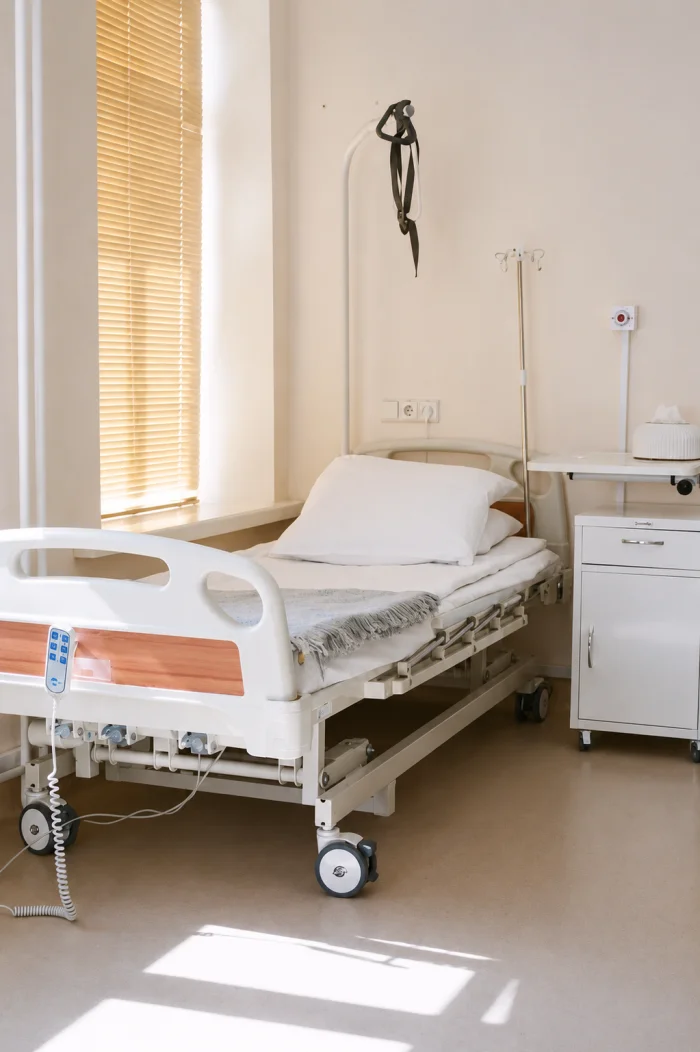
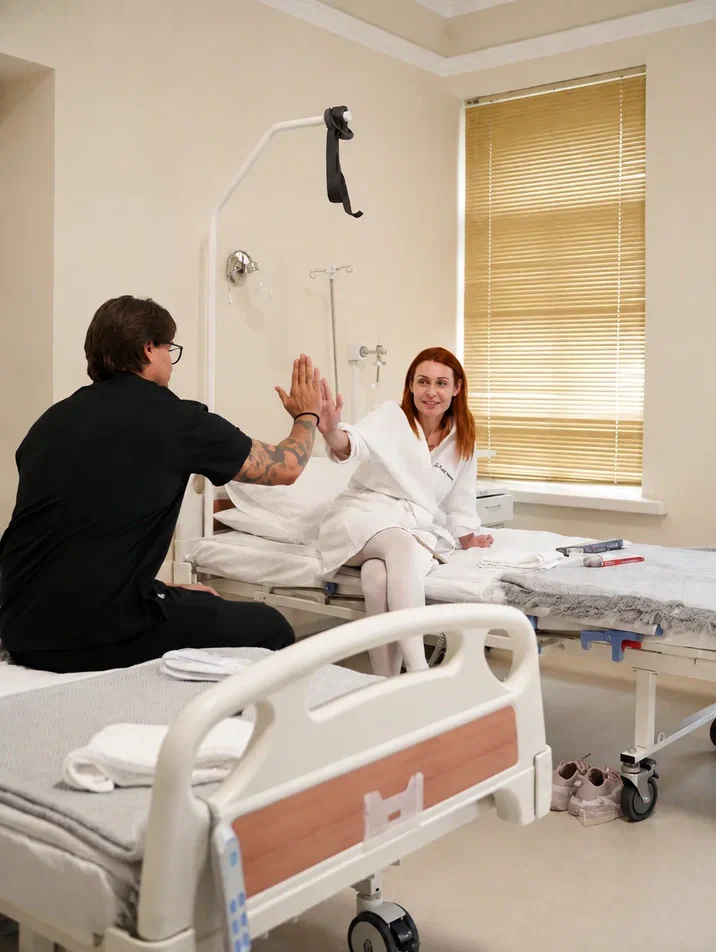
After the operation you remain in the clinic's comfortable inpatient ward, cared for by the medical team until you are discharged.
 6
A recovery programme is prescribed after surgery. Check-ups at 7 days, 3 and 6 months follow your recovery, and for a year after surgery you consult your surgeon for free.
Before surgery it helps to follow a few easy steps: rest as well as work, sleep more, keep away from stress, anxiety and strong emotions, and reduce physical activity.
Hormonal birth control pills must be discontinued a month or more before surgery
Prior to surgery, cease taking aspirin-containing medicines, steroids and hormonal drugs for chronic illness
Have your tests done a week before surgery
Post-operative swelling disappears in 3 weeks
Within 3 weeks, scars form
No strenuous activity (lifting over 3 kg)
No raising arms above shoulder level — 3 weeks
Recovery after the correction involves wearing compression garments for 1–1.5 months
Hold off on intense workouts in the gym for up to 40 days and on overly active aerobics; light cardio can be possible after a month. Watch your diet and meals.
Discomfort goes away after 3 months
No baths or saunas for up to three months, and no physiotherapy
By 3 months, inflammatory changes in the tissue have resolved and a “pocket” has formed around the implant
Doctors
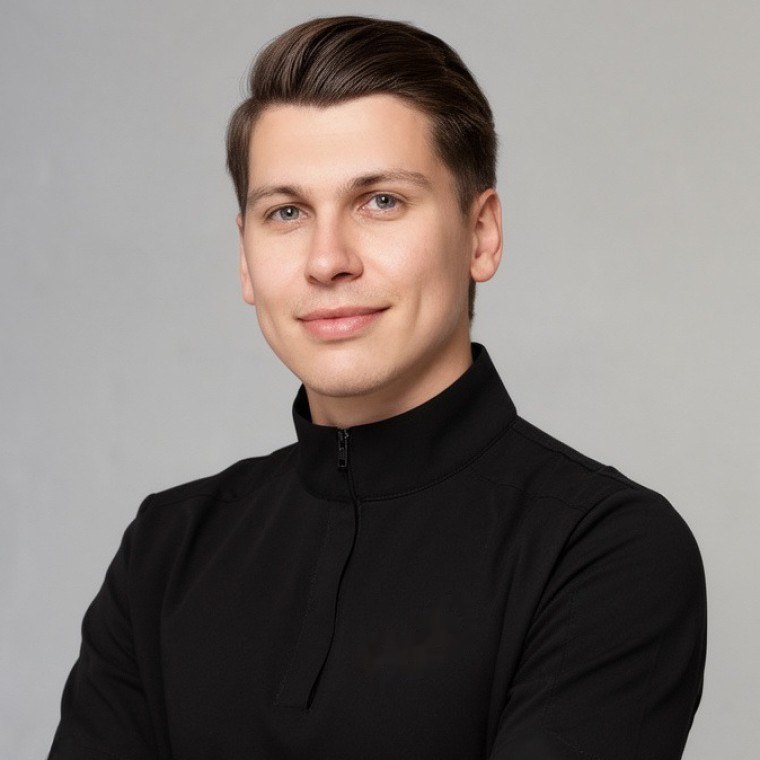
7 years of experience
Plastic surgeon
Residency training in plastic surgery, Petrovsky National Research Centre of Surgery. Specializes in aesthetic and reconstructive procedures on the breast and body.
You speak with the operating surgeon at the consultation
An experienced plastic surgeon attentive to the beauty and health of patients
Book a consultationAdvantages
We review your wishes at the consultation and model the planned result. The surgeon explains what the operation can do, so you understand exactly what we are aiming for.
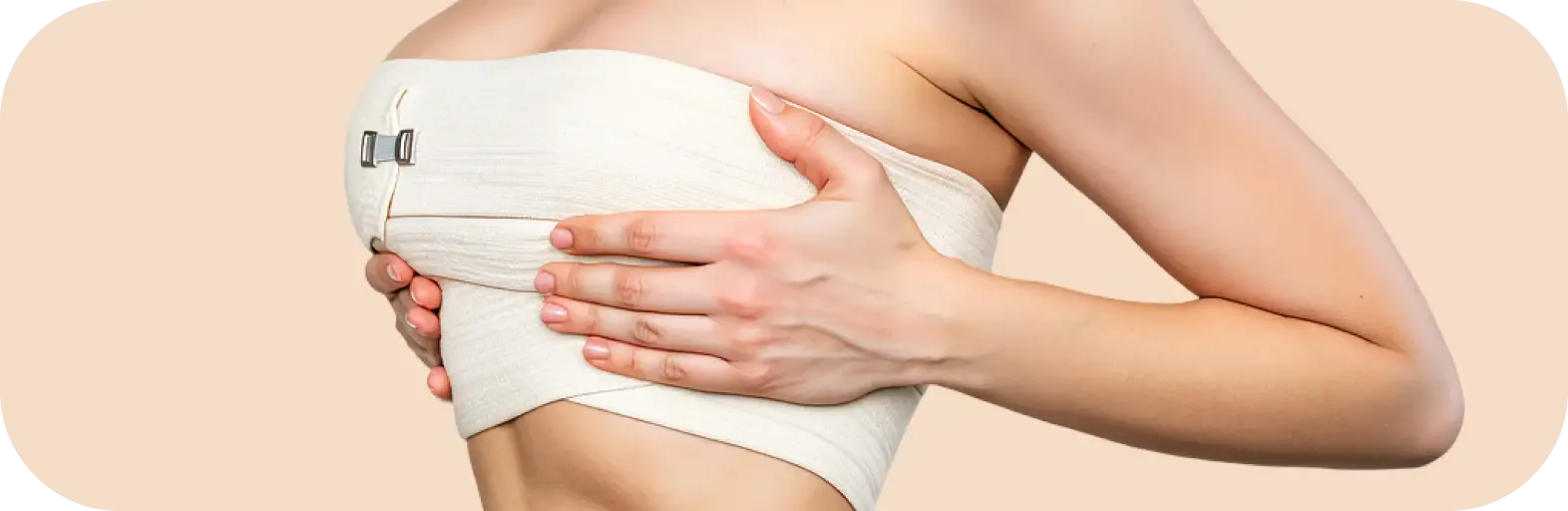
For a year the surgeon monitors your recovery and how your breast shape settles. Check-ups and dressings are already included in the price.
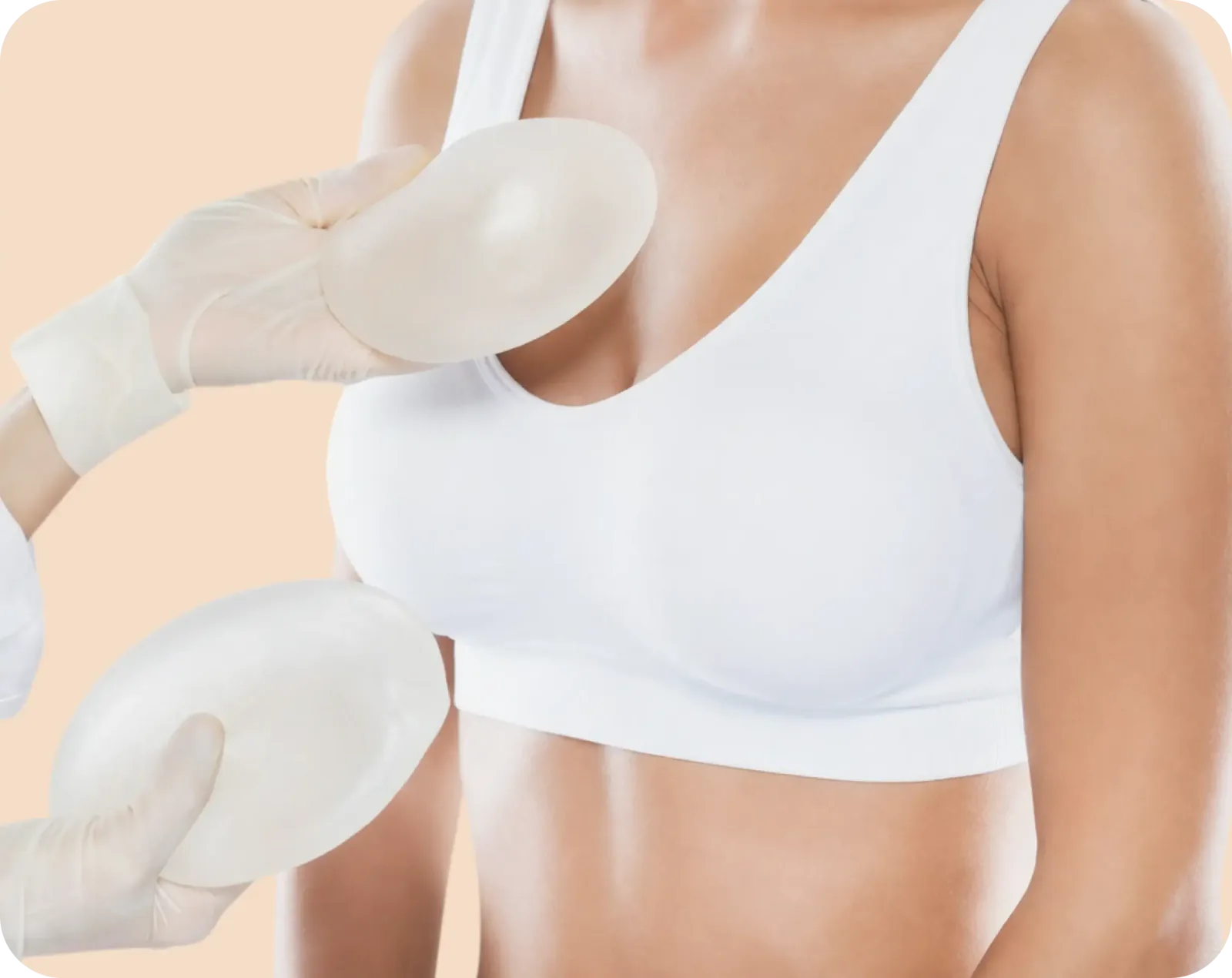
We choose the shape, volume and correction method based on your anatomy and wishes. For augmentation, implant size and profile are chosen individually.
We respect your time: available 24/7, with easy booking and a personal approach — we adapt to your pace.
The surgeon sets the extent of correction after the consultation, and you get a transparent price for the operation, without unexpected costs.

Your recovery begins in a comfortable inpatient ward, with nurses on hand day and night. The price already covers your stay and meals.
FAQ
Yes. Boob job is the everyday name for breast augmentation. At City Medical Centre it is done with round or anatomical implants that the surgeon chooses with you at the consultation.
Breast enlargement adds volume with implants. A breast lift (mastopexy) raises sagging breasts and removes excess skin. Which one suits you is decided at the free consultation.
Mammoplasty covers several procedures: augmentation (increasing volume with implants), reduction (removing excess tissue and skin), mastopexy (lift for sagging), reconstruction (after mastectomy) and asymmetry correction. The best method is chosen individually based on your wishes and the surgeon's advice.
Message us — our coordinator will get back to you shortly and book your consultation. The plastic surgeon consultation is free.
Complications are uncommon if every recommendation is followed, but possible ones include hematoma or seroma, wound infection, lower or higher nipple sensitivity, capsular contracture, aesthetic asymmetry, wound separation and tissue necrosis.
Results after mammoplasty last a long while: about 10–15 years for augmentation (until implant replacement) and 5–10 years for a lift or reduction. Weight changes, pregnancy, skin aging and gravity affect their duration. To maintain the result, choose supportive underwear and control your weight.
Breastfeeding after mammoplasty depends on the type of surgery. With augmentation through an under-breast or armpit incision and the implant placed under the muscle, lactation is usually preserved — the glandular tissue is not damaged. After a lift or reduction the risk is higher because ducts may be cut. Discuss this with your surgeon in advance.
Selecting an implant means weighing material (silicone looks the most natural, saline is less often used), shape (round or anatomical teardrop), surface (smooth or textured), size and profile. The surgeon then chooses the optimal option for your anatomy and wishes.
The patient feels nothing during surgery, which is performed under general anaesthesia. Moderate discomfort in the first 1–3 days is possible and is treated with painkillers. By day 5–7 the pain is greatly reduced, and by weeks 2–3 no discomfort remains. With severe pain, contact your doctor immediately.
You can get back to work (no physical exertion) in 7–14 days. Light walks in 1–2 weeks. Fitness and swimming in 4–6 weeks, strength training in 3 months. Pool and sea in 4–6 weeks. Keep wearing compression garments for 4–6 weeks. The precise timing depends on your own recovery.
Mammoplasty has not been scientifically shown to increase the risk of breast cancer, and implants do not cause it. Keep up regular screening after surgery (self-exams, mammography and ultrasound) and always mention your implants to the doctor examining you.
Mammoplasty after a C-section is possible, but only once your body has fully recovered. Allow at least 6–12 months after giving birth and after breastfeeding stops. A consultation and check-up with a surgeon are required before surgery.
Scars do remain after mammoplasty, but a skilled surgeon keeps them to a minimum. Incisions are placed in hidden zones: beneath the breast, around the areola or in the armpit. The scars are reddish for the first months and fade within 6–12 months to become almost invisible.
Slight asymmetry early on, in the first weeks after surgery, is normal and is due to swelling and uneven healing. If the difference in shape or size persists after 3–6 months, get examined by your surgeon to identify the cause.
Temporary changes in nipple and breast sensitivity, reduced or heightened, can occur after mammoplasty. The reason is irritation of nerve endings. For most patients sensitivity comes back within 3–12 months. If a year passes without improvement, see your surgeon.
Hormonal drugs (contraceptives, hormone replacement therapy) have no direct effect on implants, but they can cause swelling or changes in breast tissue volume that temporarily alter appearance. Always tell your surgeon about such medications before surgery.
Prices are in US dollars; the amount in brackets is an approximate conversion to GBP at the rate of 02.10.2026. The final price is fixed in your contract.
Prices start from $4,700 (≈ £3,600). The surgeon sets the final price at the free consultation, and it is fixed in the contract, with no hidden extras.
The surgical team's work, anaesthesia, the inpatient stay with meals, dressings and follow-up visits for twelve months.
Message us on WhatsApp or Telegram using the buttons below. A coordinator will answer your questions and book a free consultation where the doctor names the exact price.
By messaging us, you agree to our Privacy Policy
Send the coordinator your age, height, weight, current bra size and the size you want, and mention previous operations, pregnancies and breastfeeding. The surgeon reviews this, along with the photos the coordinator asks for.
Message the coordinator with your preferred dates. The first consultation is free, and you can start it online; the clinic then confirms which dates are open, and only after that is anything booked.
Yes, once the body has recovered: at least 6–12 months after childbirth and after breastfeeding ends, including after a C-section. The surgeon decides after an examination.
Plan the operation at least 1–1.5 months before: compression garments are worn for that long, and swelling goes down in about 3 weeks. Baths and saunas stay off for up to three months.
One day in hospital after the operation, then follow-up visits set by the doctor. For 3 weeks you should not raise your arms above your shoulders.
Yes, and it is free. You send your details and answer a few questions about your health; the doctor reviews them and explains the options and the cost.
Light cardio may be possible after about a month. Intense training waits up to 40 days, and for the first 3 weeks you should not lift your arms above your shoulders.
Some patients want a modest change, others a noticeable one; both are possible with implants. Breast enlargement for London residents means an individually planned operation in which the surgeon selects implant type and placement. There is no scientific evidence that mammoplasty raises breast cancer risk, and implants do not cause cancer, though regular screening should continue afterwards.
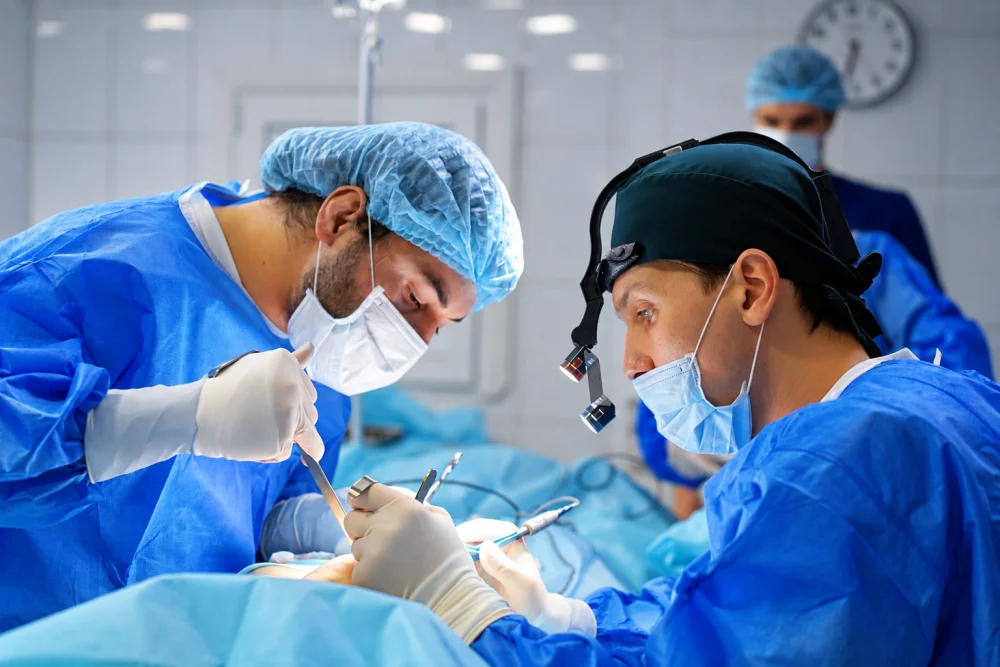
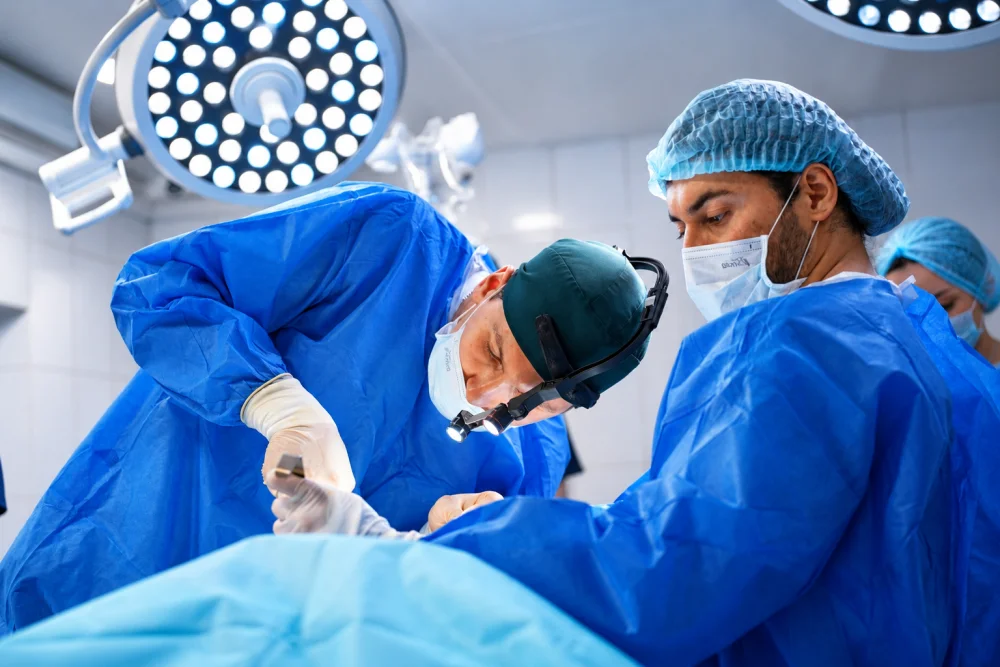
Inside the operating room the process is methodical: antiseptic treatment, marking of incision lines and the new breast position, general anaesthesia, an incision chosen for your anatomy, creation of a pocket and placement of the implant. Drains are used only if needed, and a sterile dressing plus compression garments finish the procedure. For London patients, the inpatient stay afterwards is one day.
Pricing is transparent: from $4,700 (≈ £3,600) for augmentation, the same for breast reduction or a lift without implants, and $5,400 (≈ £4,100) for a combined lift with implants. Reconstruction is priced on request. For people from London, the plastic surgeon consultation is free. Leave a request to get your personal correction plan.
Written by Dmitry S. Kuznetsov, plastic surgeon
How we prepare and review medical content · Medical disclaimer
Page last updated:
Well-known people who spoke openly about this operation, in their own words.
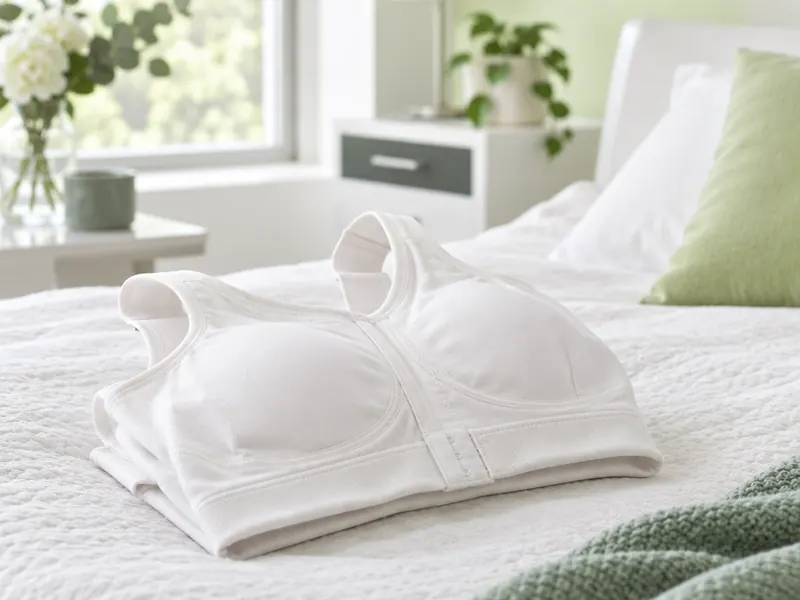 Did Abbie Holborn have a breast augmentation? Yes — her second, in TurkeyThe Geordie Shore star documented her second breast augmentation from a wheelchair in Turkey. Her quotes on the surgery and the recovery.
 Did Amy Childs have breast augmentations? Yes — in her own wordsThe TOWIE star had her first breast enlargement at 18 and a second, planned operation in 2012. Her quotes on implants dropping and thinking ahead.
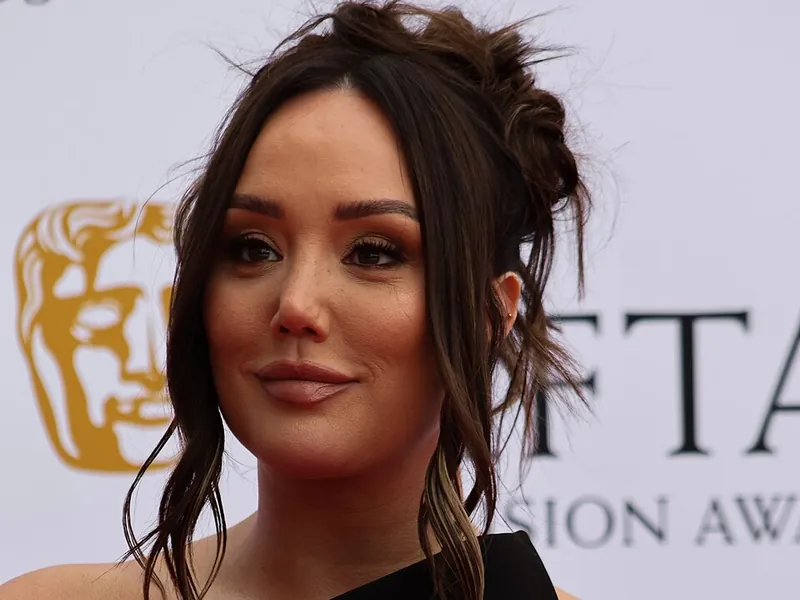 Charlotte Crosby: “The last holiday with them big balloons”Charlotte Crosby had breast implants fitted in 2017 and removed in 2019 after weeks of pain. Her own words saying goodbye to them, and what the surgery involves.
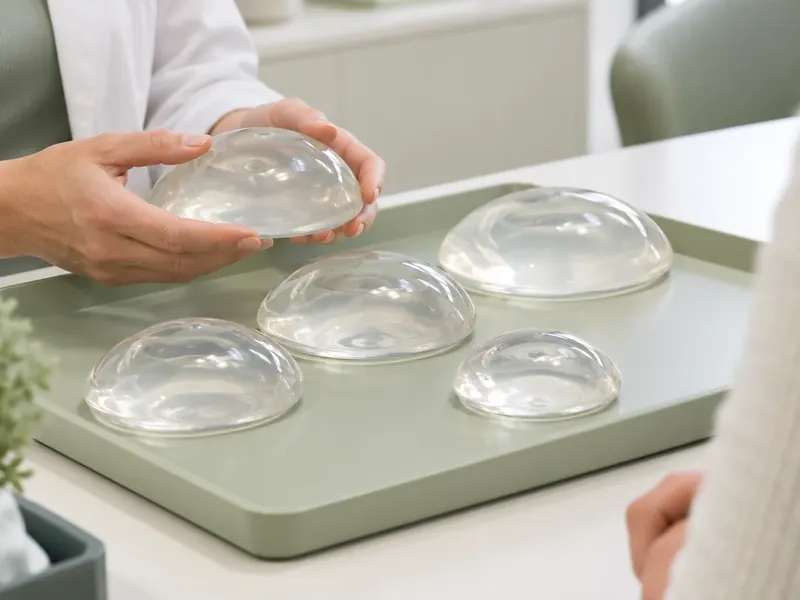 Did Chloe Brockett have a boob job? Yes — and she documented every stageThe TOWIE star documented her breast augmentation from C to DD in 2020. Her quotes on the decision, the 355cc implants and the real recovery.
 Chloe Ferry: “Dumpling or implant?”Chloe Ferry has spoken twice about her breast surgery, from showing her scars to replacing her old implants in Istanbul. Her own words, and what augmentation involves.
 Did Chloe Khan have a breast augmentation? Yes — and she talks about it freelyThe reality star spent £20,000 on her 32HH figure and says surgery in her circle is 'like going for dinner'. Her quotes and what the operation involves.
It is easy to collect several opinions about the same breasts, and just as easy to end up more confused than when you began. The way out is to refuse to compare impressions and compare documents instead. Take a single sheet of paper, give it the same rows for every surgeon you consult, and fill it in from what each one tells you in writing.
Useful rows are these: the operation proposed (augmentation alone, or with a lift); the implant shape and why it was chosen; the size and profile, and how they follow from your own proportions; the position of the incision; the type of anaesthesia; the length of stay; what the sum covers and what it leaves out; the number and timing of follow-up checks; and who answers if something goes wrong at night. At City Medical Centre the answers read as follows: round or anatomical implants, general anaesthesia, one day on the ward, dressings and check-ups for a full year, and monitoring by medical staff round the clock.
Do not average two opinions, and do not choose by tone of voice. If two surgeons disagree about size, ask each to explain the reasoning, then put the reasoning in the grid. The better answer is the one that refers to your anatomy, your wishes and your daily life, and not to a catalogue number. Free, online and non-binding, the first consultation at the clinic is a convenient place to test the method: ask the same questions you asked elsewhere and see whether the answers can be written down.
Treat the final row as seriously as the first. Ask each surgeon what happens if you are unhappy with the result, and what the follow-up programme includes in practice: how often you will be seen, who sees you, and whether those visits are part of the sum or charged separately. The clinic's answer is check-ups at 7 days, 3 months and 6 months and free consultations with the surgeon for a year. Whatever any provider says, write it into the grid with the date you heard it.
A second use of the grid is to catch contradictions inside one offer. The implant size in the plan should match the size in the contract, and the follow-up dates should match the dates in your calendar. Small mismatches are easy to correct before surgery and awkward to correct afterwards, so read the documents slowly, with a pen.
In England the public body to know is the CQC, the independent regulator of health and adult social care. It registers care providers, inspects and rates their services, and its website offers a search for a health or social care service, so a claim made in an advertisement can be set against a public record. Make the search a habit: type the name of the provider, read the inspection reports and ratings that the CQC publishes, and keep a note of the date you looked.
The NHS adds simple rules for anyone considering a cosmetic procedure. Choose a reputable, safe and qualified practitioner with training and experience in the specific procedure; check that insurance would cover putting right anything that goes wrong; ask about the products used and about the risks; and expect to be given time to think after the consultation. The NHS also says not to pay for a procedure until you have had a consultation. None of this requires medical knowledge, only the habit of asking for the answer in writing.
A provider that is comfortable with scrutiny will be glad to see the questions. Ask for the clinic's medical licence, the name of the legal entity that provides the medical services, and the diplomas and certificates of the doctors, and ask whether you can view them before paying. The surgeon you speak with at the consultation is the surgeon who operates, and it is reasonable to ask for that in the contract too.
Add a question about insurance, because the NHS asks you to check that insurance would cover putting right anything that goes wrong. Ask the provider in writing how that is arranged and what it covers, and keep the answer in your folder with the licence details.
The surgeons' association BAPRAS draws a line that is useful for anyone in England asking whether this operation can be funded. Surgery done purely for beautification or rejuvenation is, in its words, heavily rationed on the NHS, while correcting something like a major breast abnormality can improve quality of life and should be available. Availability varies from one area to another. A request is assessed in full by the GP and the plastic surgeon and, where appropriate, a psychiatrist or psychologist, and the GP may be asked to put the case to a panel that decides whether procedures it views as low priority can be funded.
For most people who ask about augmentation with implants, the reason is volume, shape or symmetry, and the practical route is a private one. That does not make a GP irrelevant: the NHS says a GP or mental health professional can be a good place to start when you are thinking about a cosmetic procedure, as long as you also book a consultation with the practitioner.
The written reasons not to operate show why a conversation with your own doctor is worthwhile. They include pregnancy and breastfeeding, an acute infection, inflamed or damaged skin near the operating site, a long-term illness that is out of control, diabetes out of balance, a clotting disorder nobody has treated, a breast tumour whose treatment is not complete, and age under 18. Go through them with your doctor and with the coordinator before the surgeon asks.
Preparation starts with medicines. Aspirin-type drugs, steroids and hormonal treatment for chronic conditions stop one to two weeks ahead, and hormonal contraceptive pills a full month ahead. Tests are completed a week before, and in the one to two months leading up the clinic suggests a healthy work-life balance, more sleep, less stress and less physical activity. Put each of these on one sheet and share it with the coordinator, asking for the dates of tests and check-ups to be confirmed in writing.
Build a folder: the contract, the plan with the implant description, the list of tests and results, the dates of follow-up visits and the coordinator's contacts. After the operation add your photographs, taken from the same angles each time, and a note of what the surgeon said at every check. Check-ups come at 7 days, 3 months and 6 months, and conversations with the surgeon cost nothing for twelve months.
Ask one more thing in writing: who answers when the question comes late in the evening. The coordinator replies in WhatsApp and Telegram round the clock and a request is normally answered within fifteen minutes, while medical staff monitor patients on the ward at night. Knowing the route in advance matters more than any promise made on the day.
A short script helps for the first message: your age, the problem you want solved, any earlier operations, medicines you take, and one or two photographs. Add the question you most want answered. Replies that engage with that question, and name what they would need to know to answer it properly, are a good sign of how the rest of the process will go.
Plan the later years as well. The NHS says mammograms are safe and do not cause an implant to rupture, but that X-rays cannot pass through implants, so the person doing the mammogram should be told, and regular screening still applies. The NHS also advises contacting the clinic promptly about unexpected pain, a burning sensation, unusual swelling or a change in skin colour. Put both notes in your folder beside the dates of the check-ups, so that they are in one place when you need them.
Most limits concern lifting and reaching. Keep the arms below shoulder height for 3 weeks. Carry nothing over 3 kg for up to 3 months, and keep baths and saunas out of the plan for the same three months. Intense gym workouts wait, and light cardio becomes an option once a month has passed. A compression garment is worn for one to one and a half months. Swelling goes down in about 3 weeks, while the area around the implant takes 3 months to settle.
Read this as a calendar of returns: work without exertion after 7 to 14 days, light walks after 1 to 2 weeks, fitness, the pool and the sea after 4 to 6 weeks, strength training after 3 months. Treat these as points to confirm with the surgeon, since timing depends on how you recover. Think about practicalities in advance: who will carry the shopping, how you will reach high shelves, and whether your work involves lifting or long periods at a desk. Tell the coordinator about both, because the plan for the weeks after surgery is easier to adjust before the date than after it.
If the decision feels rushed, slow it down. Take the written answers home, compare them with the grid and wait a few days. A provider that offers a consultation with no obligation expects you to take your time, and the free online conversation can be repeated as often as you have new questions.
Use one sheet with identical rows for each: operation, implant shape and size, incision, anaesthesia, stay, what the sum covers, follow-up checks and night-time contact. Fill it in from written answers.
The CQC registers care providers in England, inspects and rates services and lets you search by name, so you can set a provider's claims against its public record.
The NHS says a GP or mental health professional can be a good starting point when thinking about a cosmetic procedure. You should still book a consultation with the practitioner.
BAPRAS says surgery done purely for beautification is heavily rationed on the NHS, with availability varying by area. A full clinical assessment, starting with the GP, comes first for any NHS-funded request.
The medical licence, the name of the legal entity providing the services, the diplomas and certificates of the doctors, and the contract. Ask whether they can be viewed before you pay.
A coordinator replies in WhatsApp and Telegram round the clock, and medical staff monitor patients on the ward at night. Ask for the arrangement in writing.
Yes. The first consultation is online and free, you send photographs to a coordinator, and the surgeon says whether the operation suits you. Nothing is booked at that stage.
Do not average them. Ask each to explain the size from your own proportions and put both explanations in the grid, then bring the comparison to a third conversation.