


























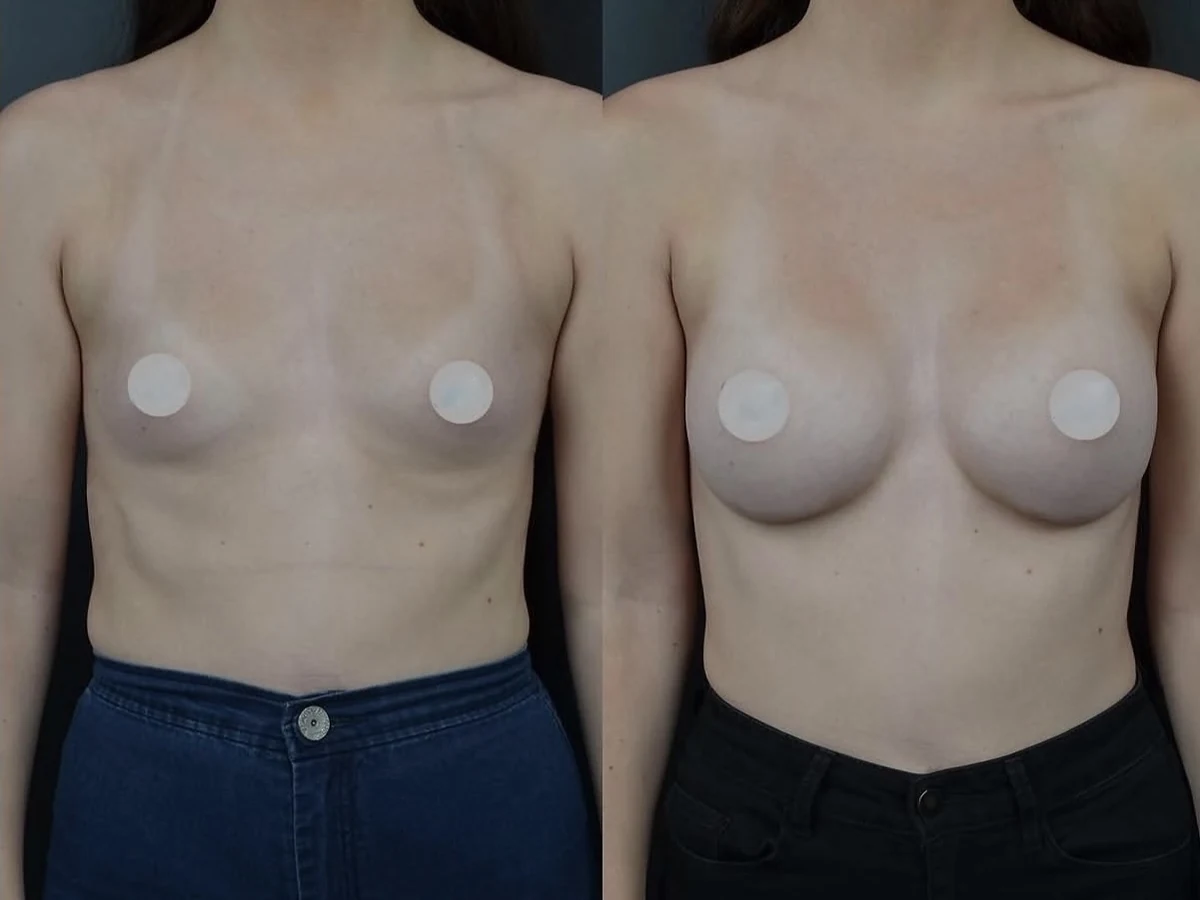
 beforeafter
Mammoplasty
Method: implants
Breast augmentation
$4,700
$5,900 · First consultation — Free
Free online consultation · Reply within 15 minutes
Message our coordinator
Free online consultation · Reply within 15 minutes
Message us on TelegramMessage us on WhatsAppBy messaging us, you agree to our Privacy Policy
Breast augmentation for patients from Frankfurt am Main at City Medical Centre starts at €4,200 (from $4,700). The first online consultation is free; the doctor names the final price and it is fixed in the contract.
How it works · Breast augmentation prices
Information current as of 5 November 2026
Results
All photos show real patients of the clinic, with identifying details and faces hidden.
beforeafterMethod: implants
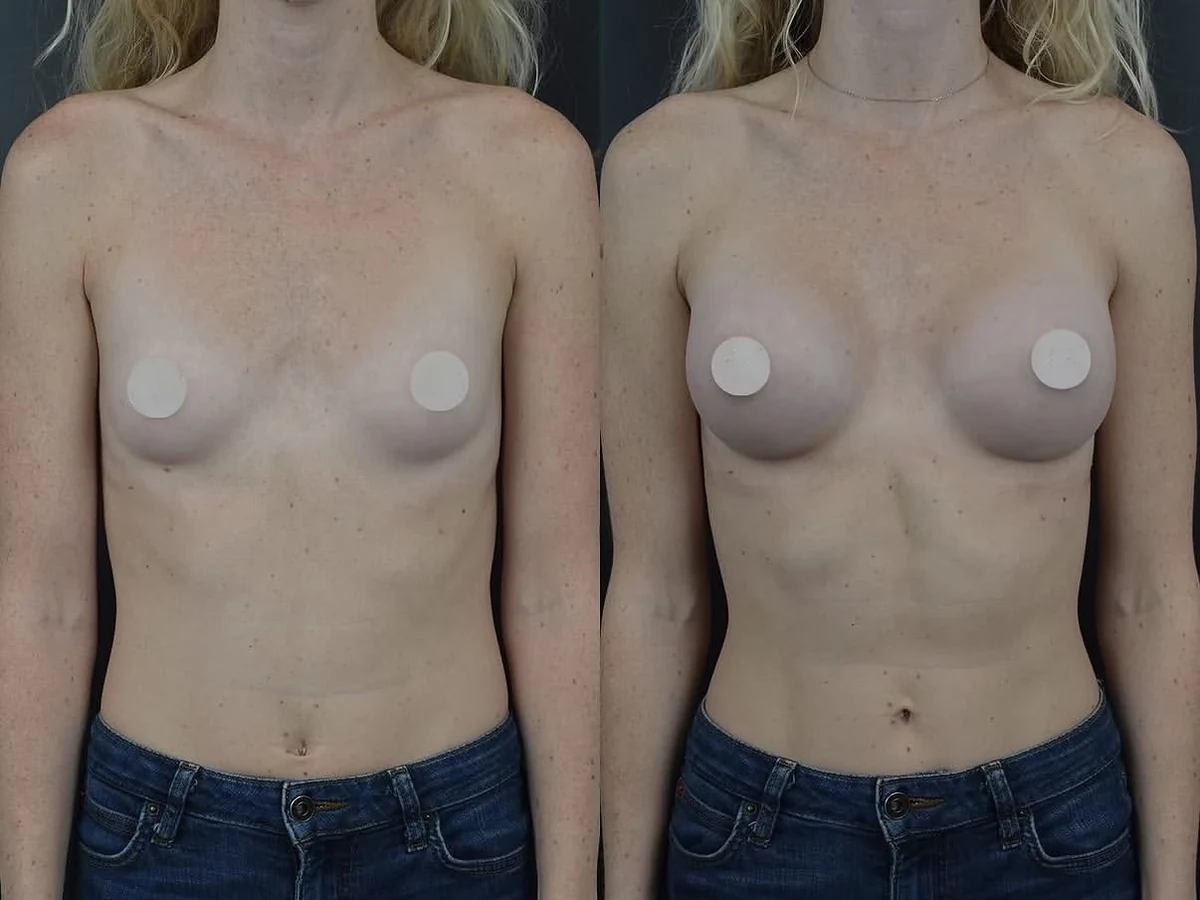 beforeafter
Method: implants
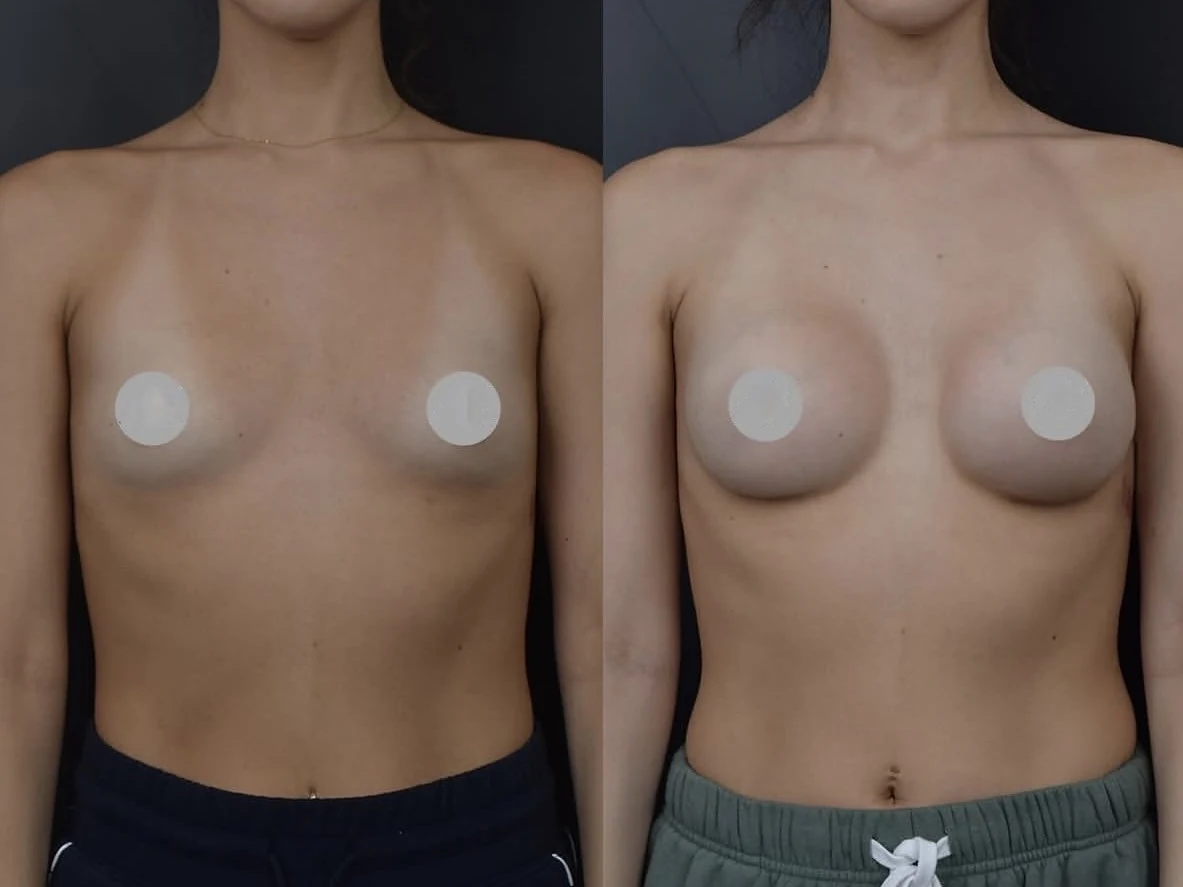 beforeafter
Method: implants
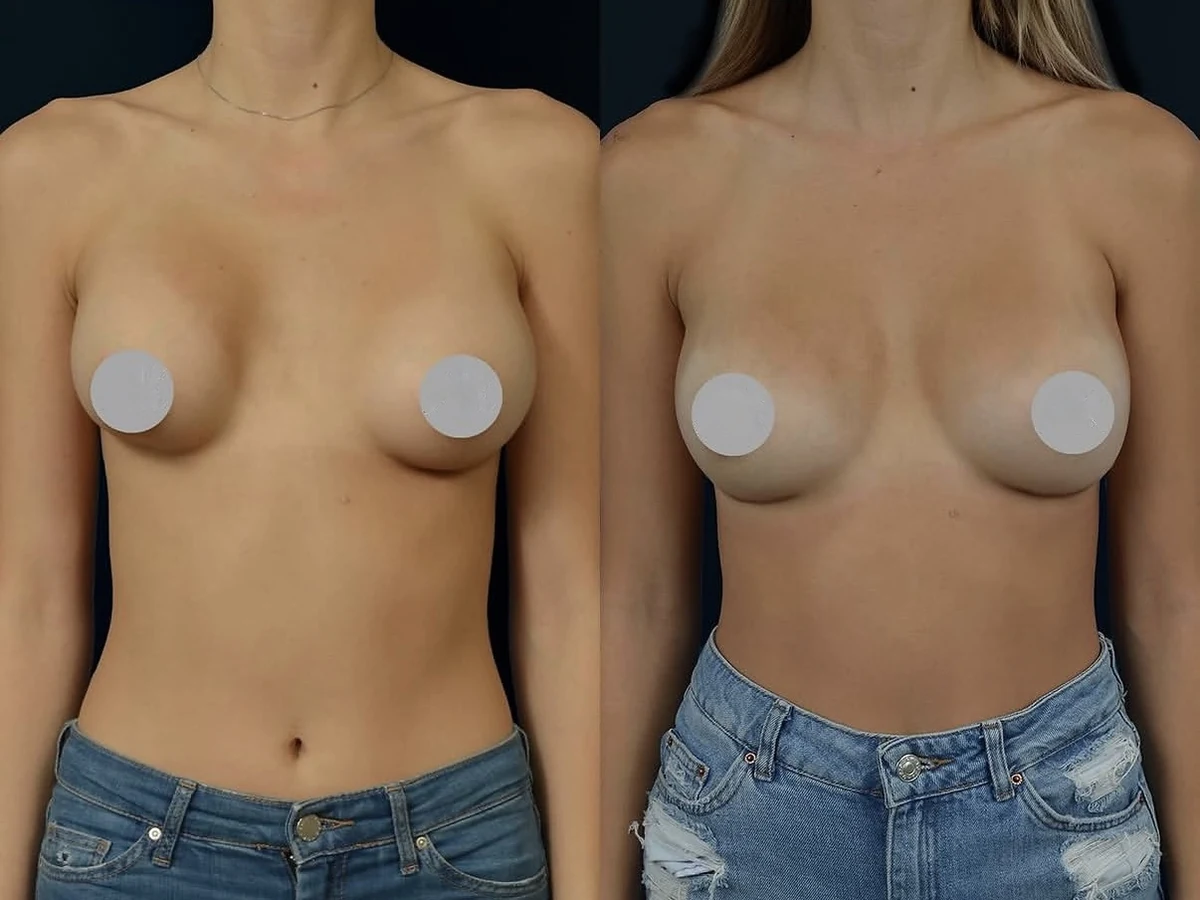 beforeafter
Method: implants
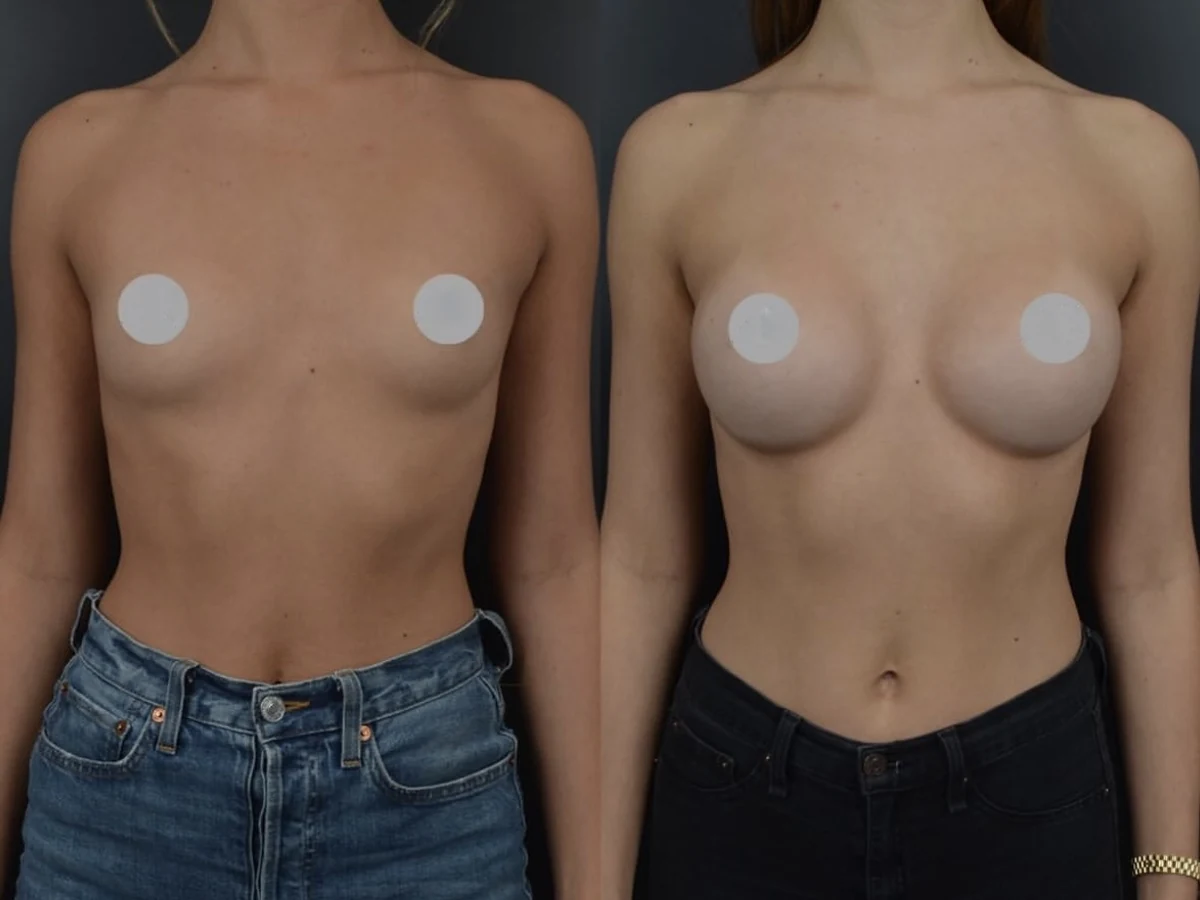 beforeafter
Method: implants
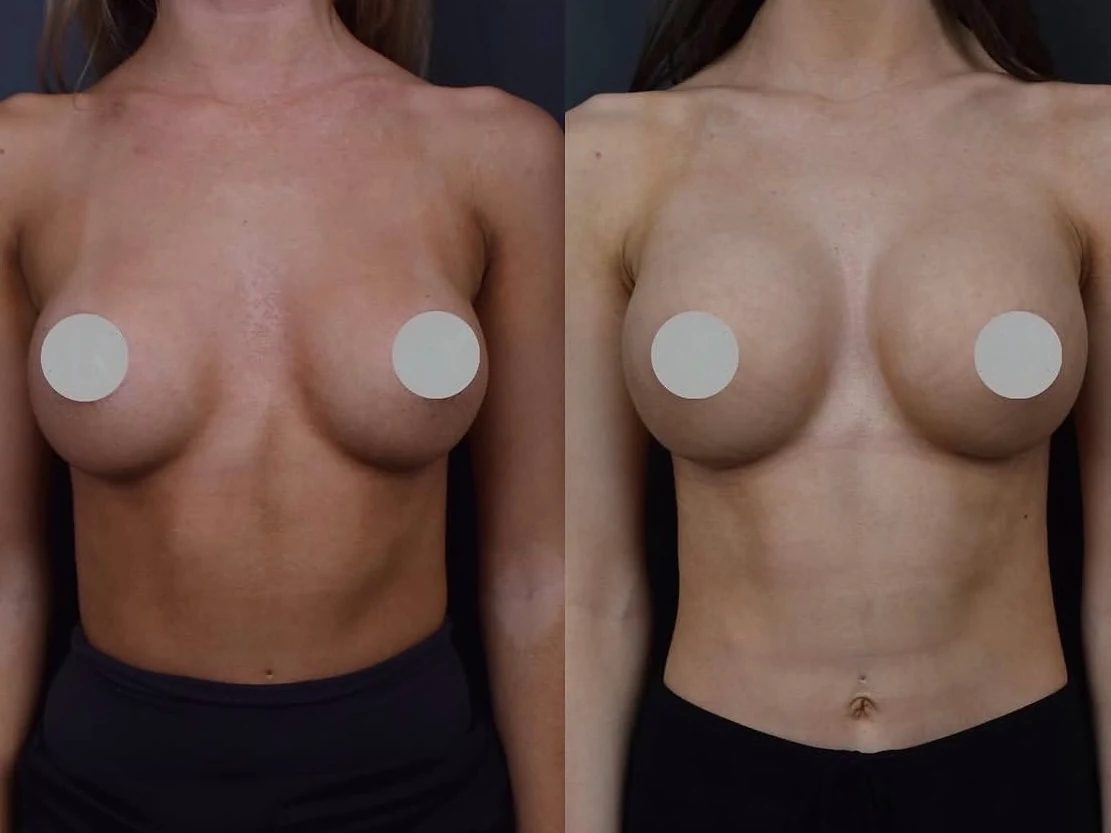 beforeafter
Method: implants
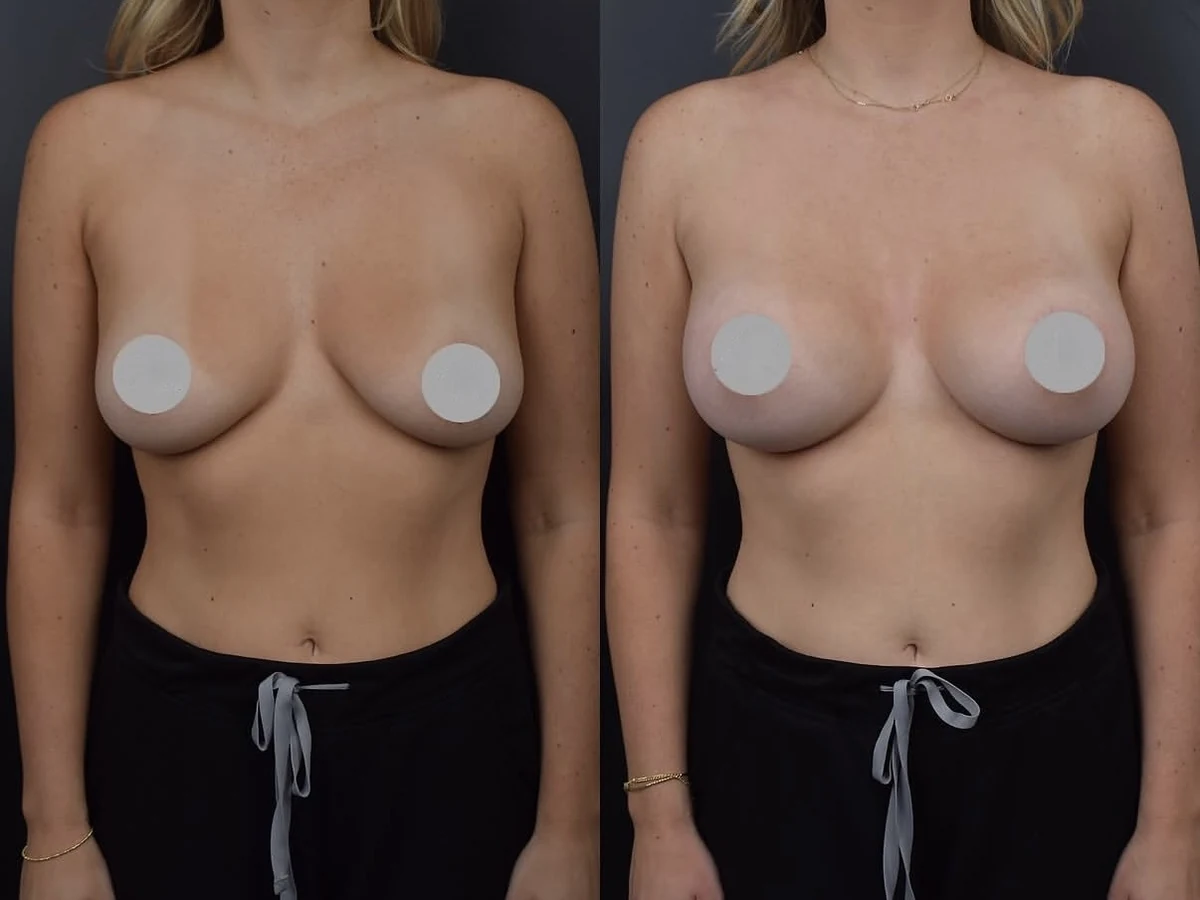 beforeafter
Method: implants
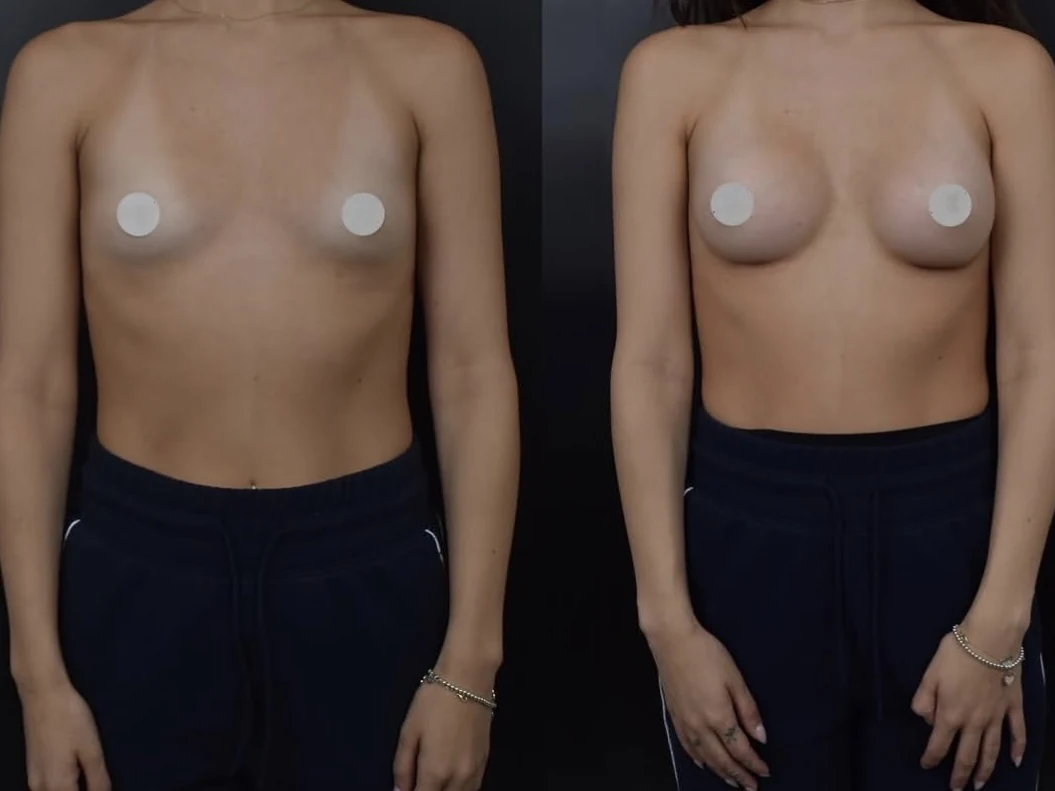 beforeafter
Method: implants
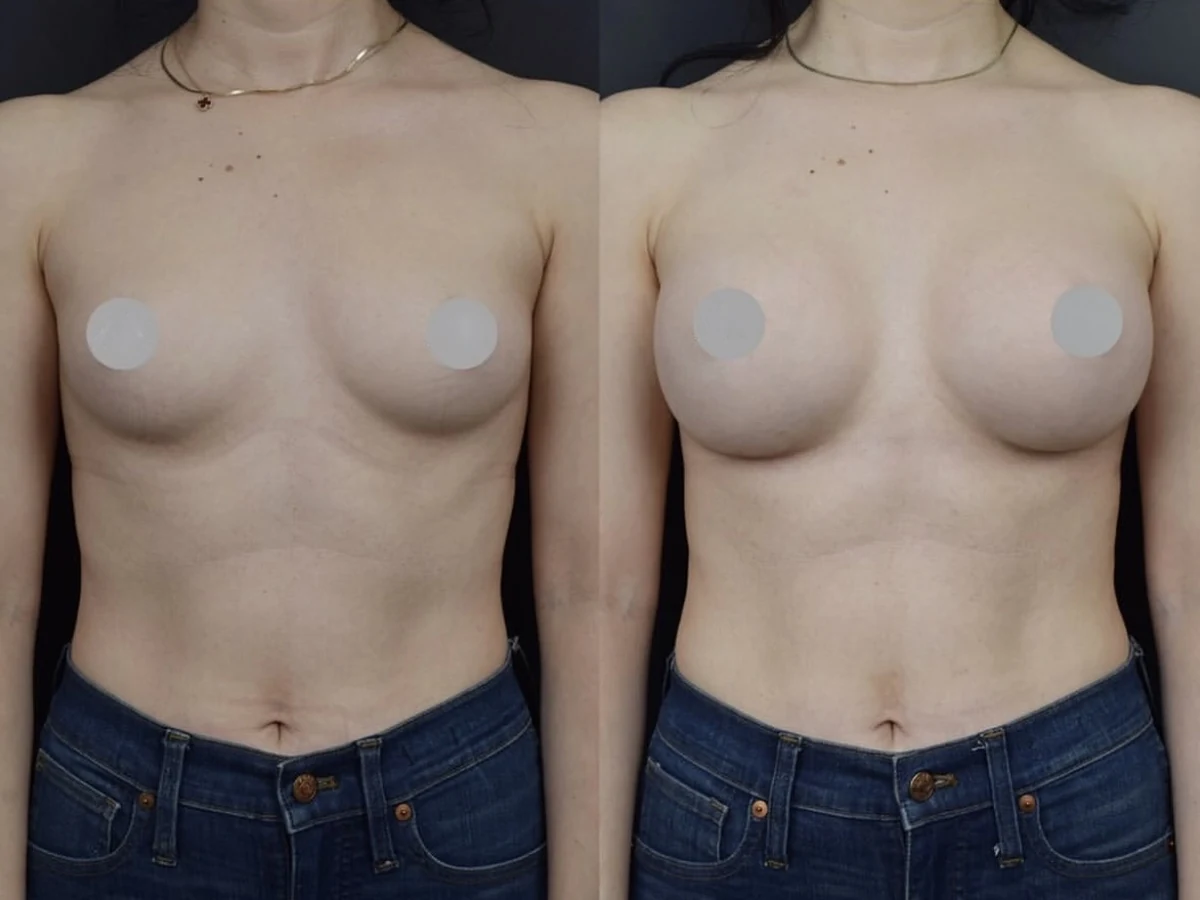 beforeafter
Method: implants
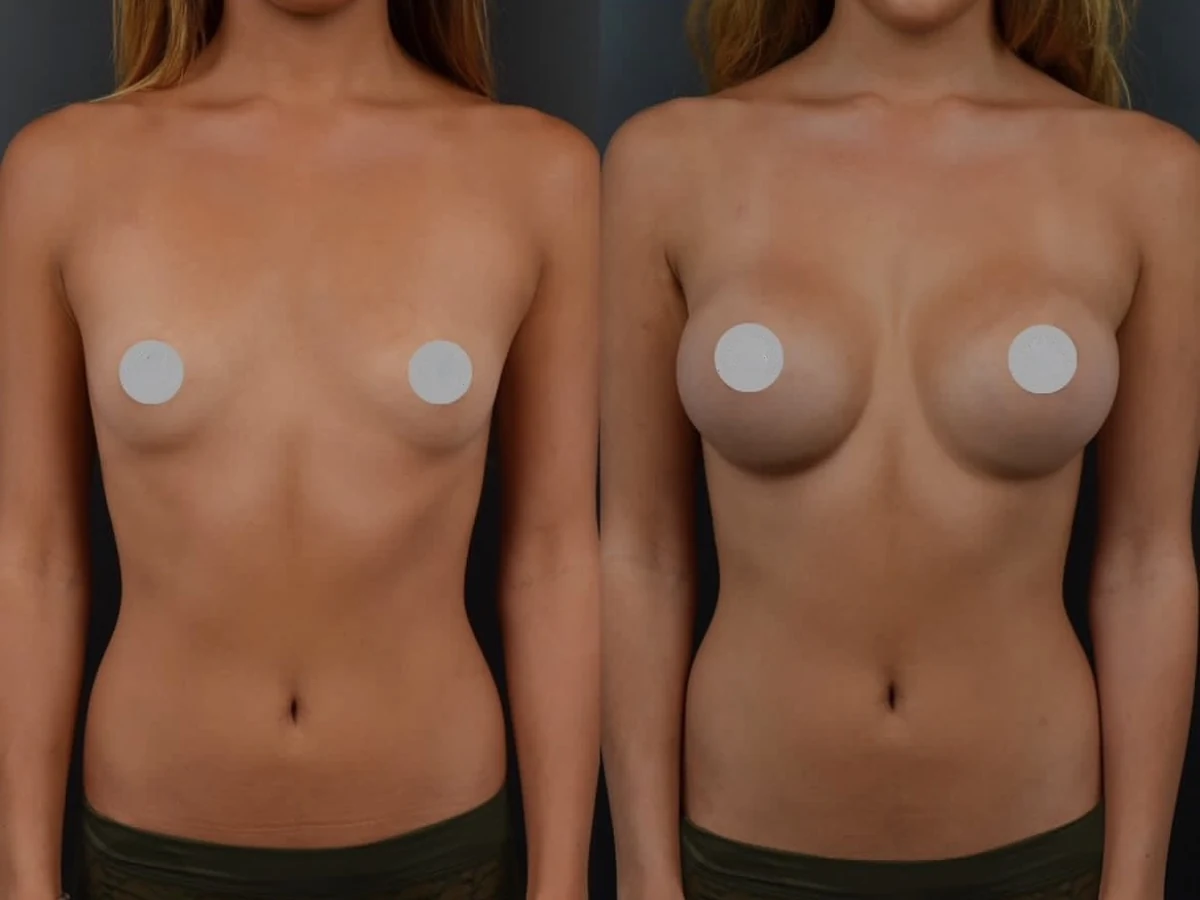 beforeafter
Method: implants
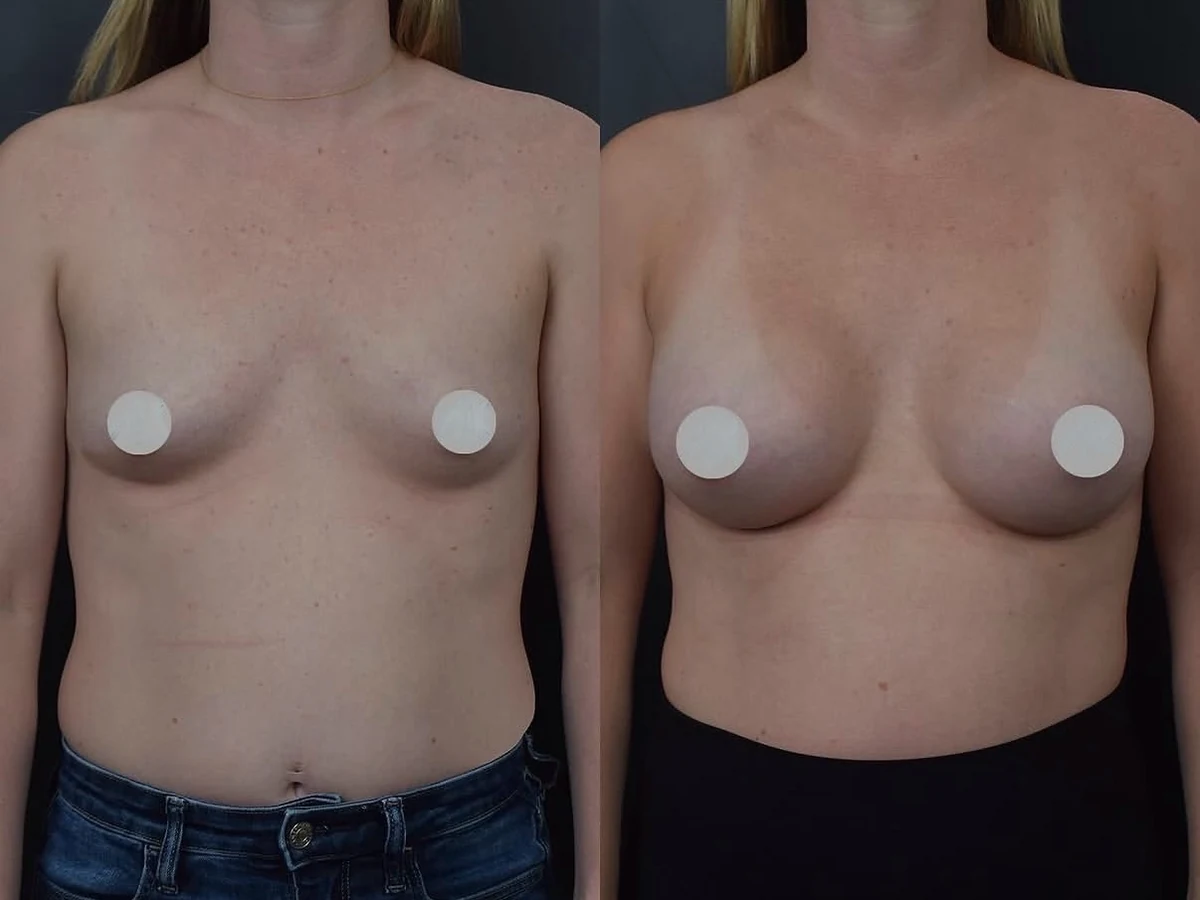 beforeafter
Method: implants
Comparison
Our surgeons use two main methods of breast correction — augmentation and reduction. See the goal, the precision and the indications of each to make an informed choice.
Size and shape correction with implants
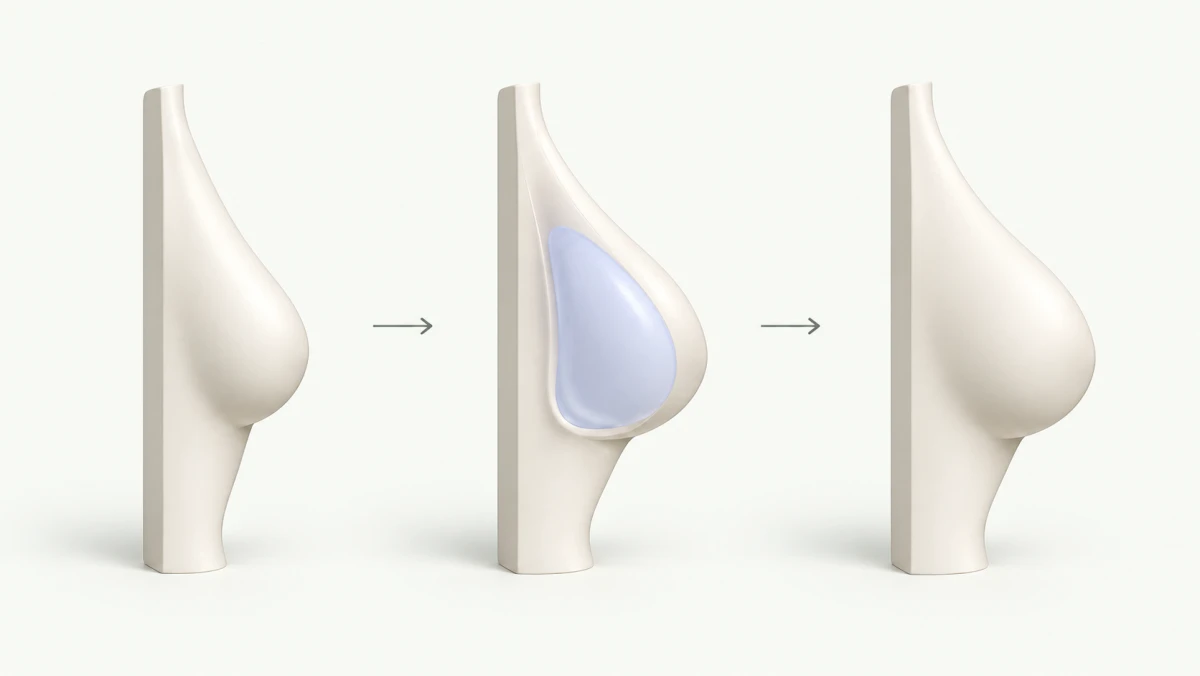
Discounted price
$4,700 $5,900
Breast size correction through reduced volume and weight
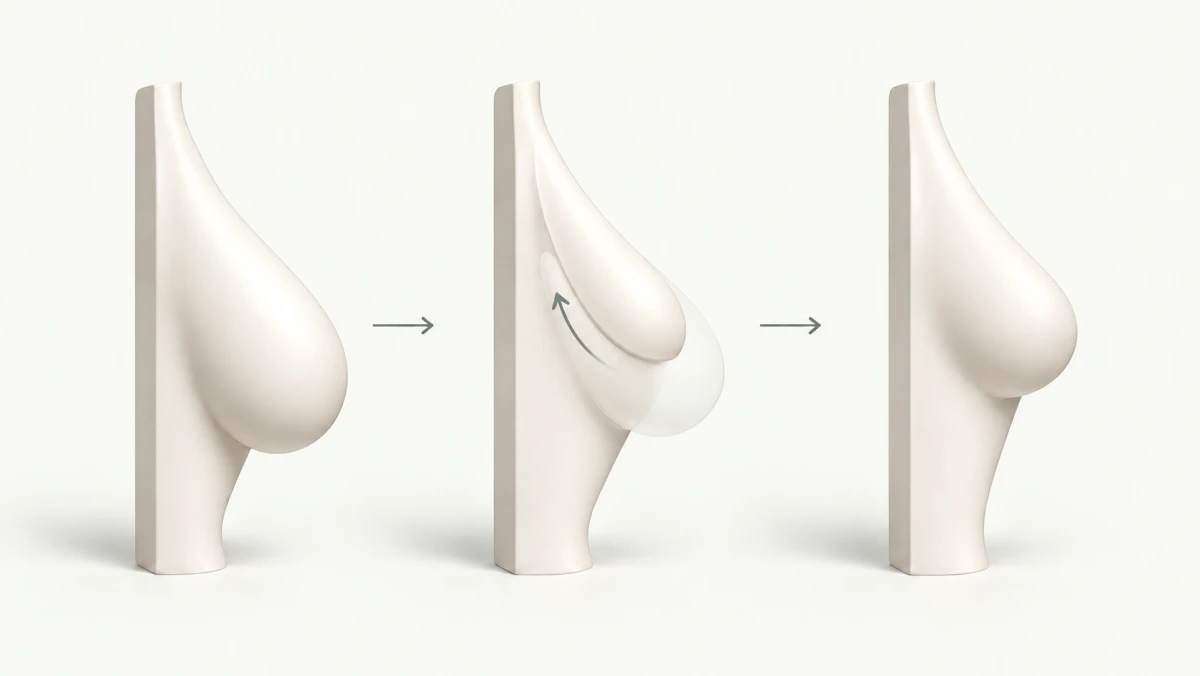
Discounted price
$4,700 $5,900
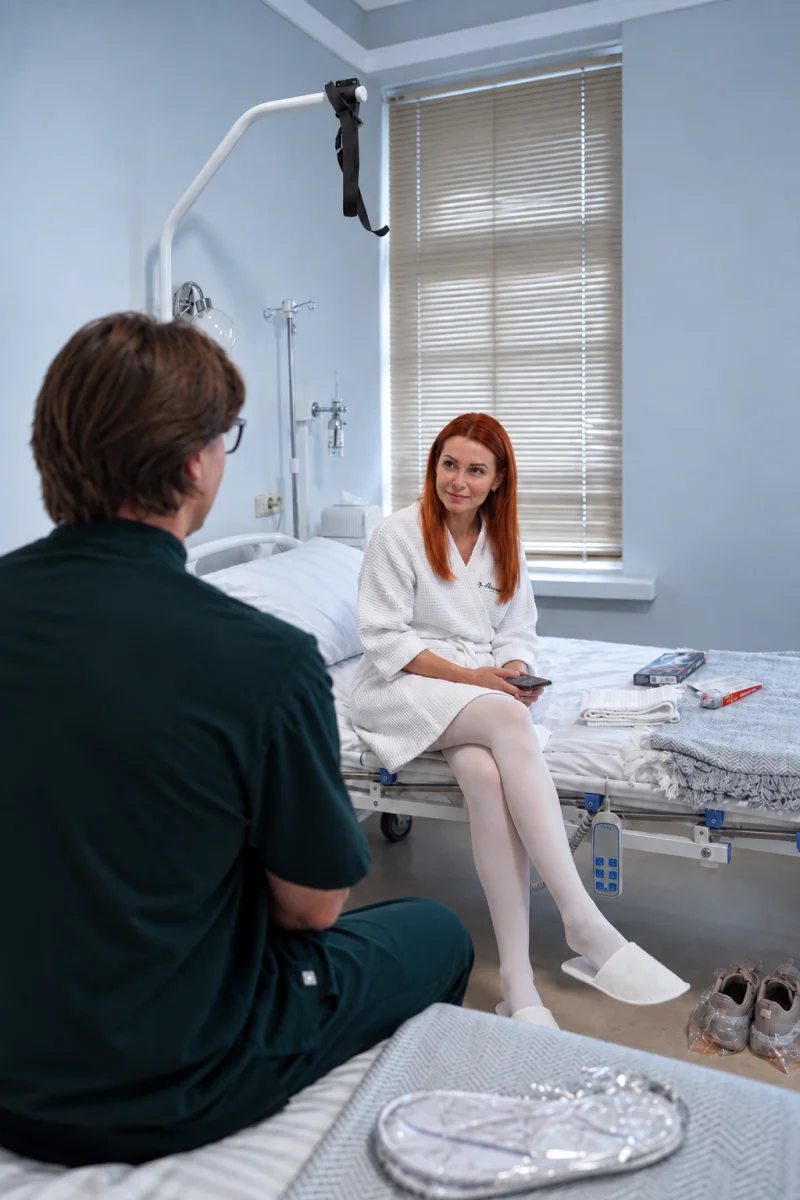
The surgeon examines the shape and proportions of your breasts at the consultation, discusses your goals and picks the mammoplasty option that fits you best.
The consultation is free, before surgery and with no commitment.
Comparison
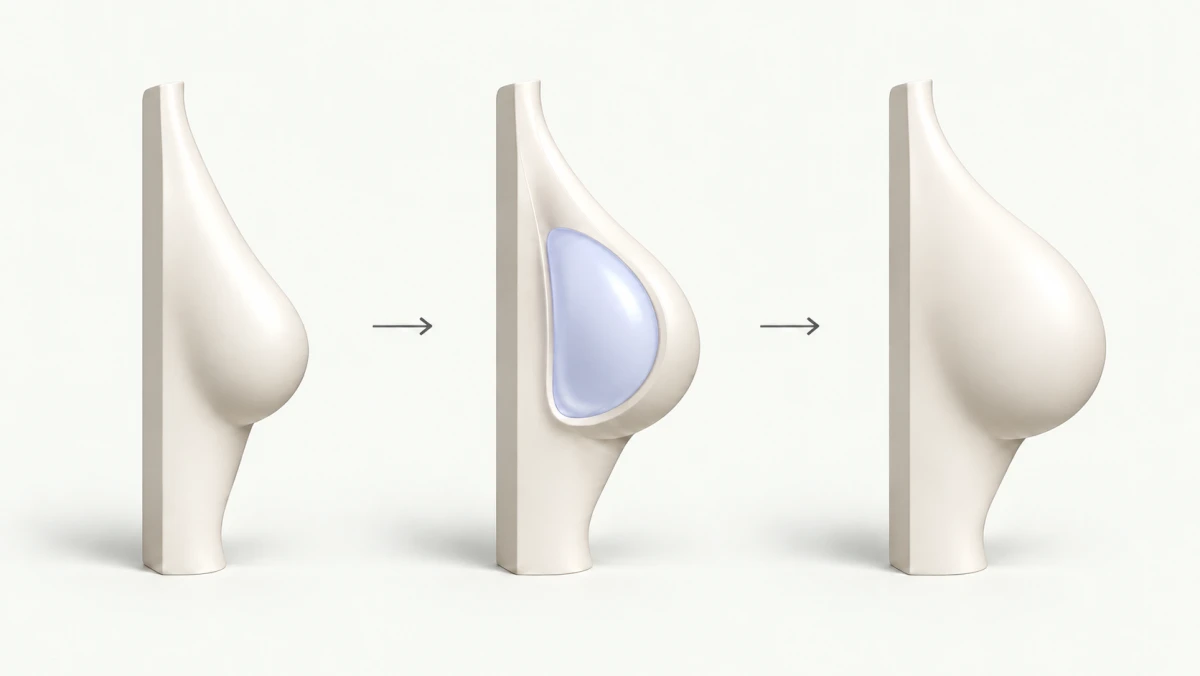
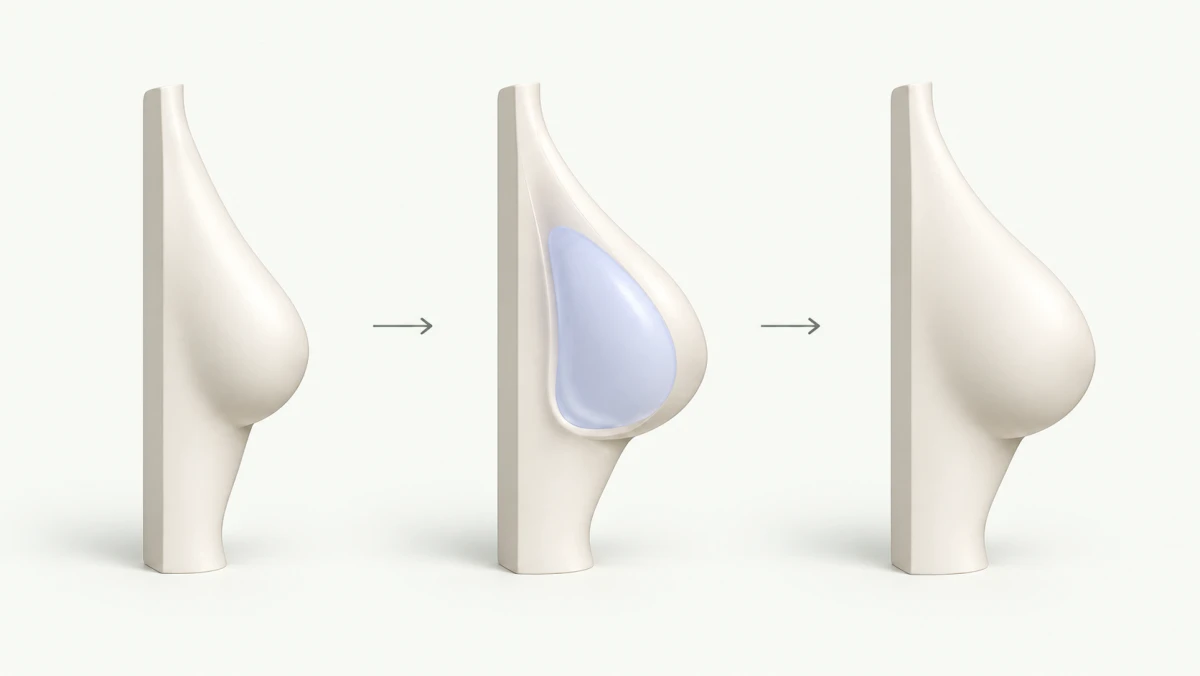
We work with two main types of implants: round and anatomical. Both add volume and correct the shape of the breasts, but they differ in shape and in the kind of result.
Uniform volume and a fuller upper area
A smooth slope and a soft teardrop outline
The surgeon will help you choose the implant shape and volume.
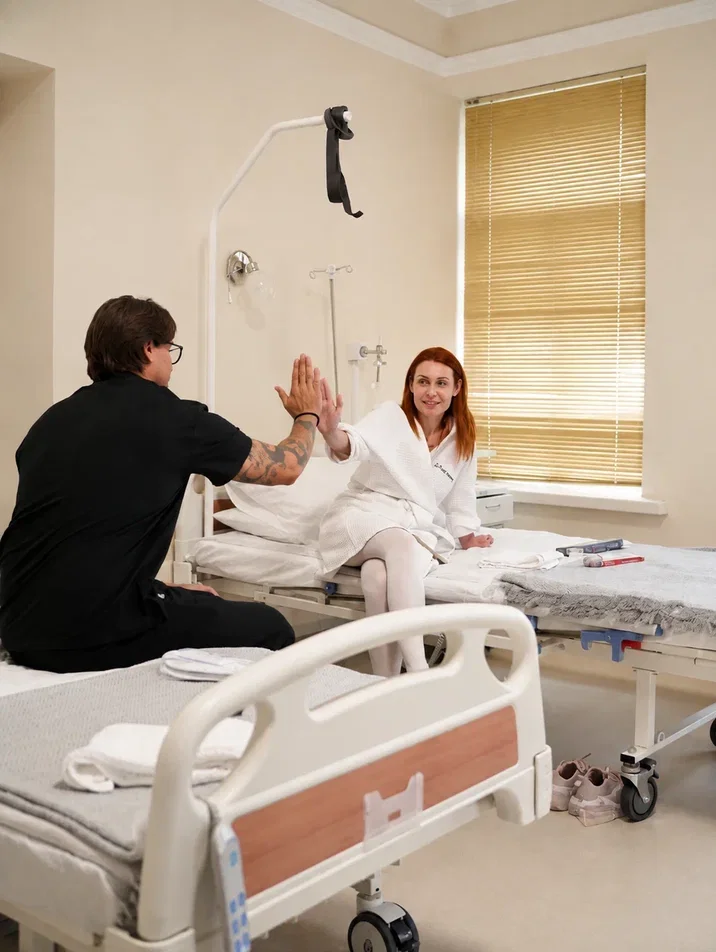
Inside the clinic
Each patient gets care, comfortable rooms and modern equipment
We answer your questions and pick a convenient consultation time
By messaging us, you agree to our Privacy Policy
Should your case not require surgery, you will hear it from the doctor at the consultation, and no money will be spent in vain.
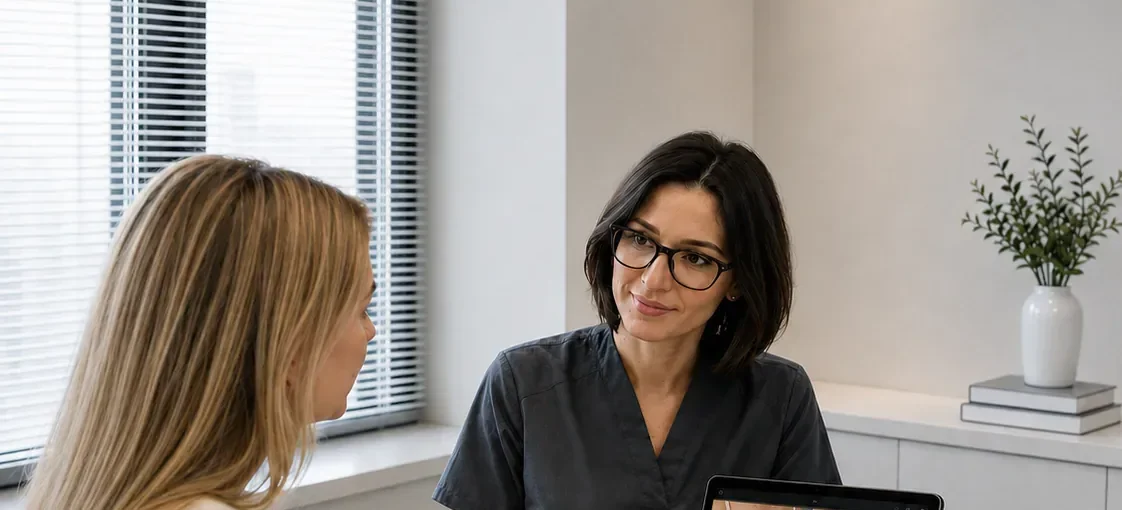

Not sure whether surgery is right for you?
Send us a message — the coordinator will ask for a few photos in a messenger, and after reviewing them the surgeon will tell you if mammoplasty is right for you.
Find out if it suits me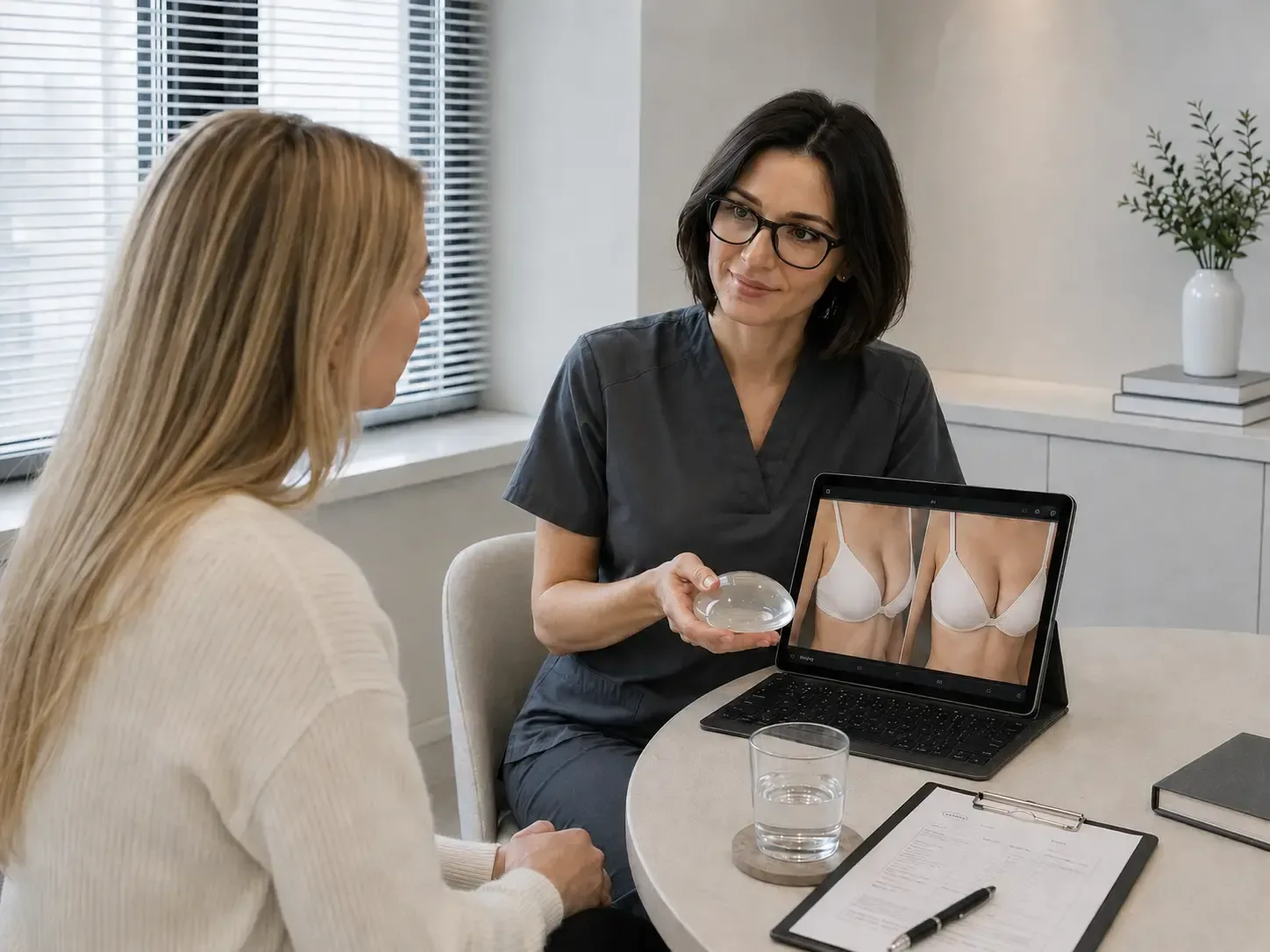
Prices
The price is set at the consultation and fixed in the contract.
Discounted price
Size and shape correction with implants
$4,700$5,900
Discounted price
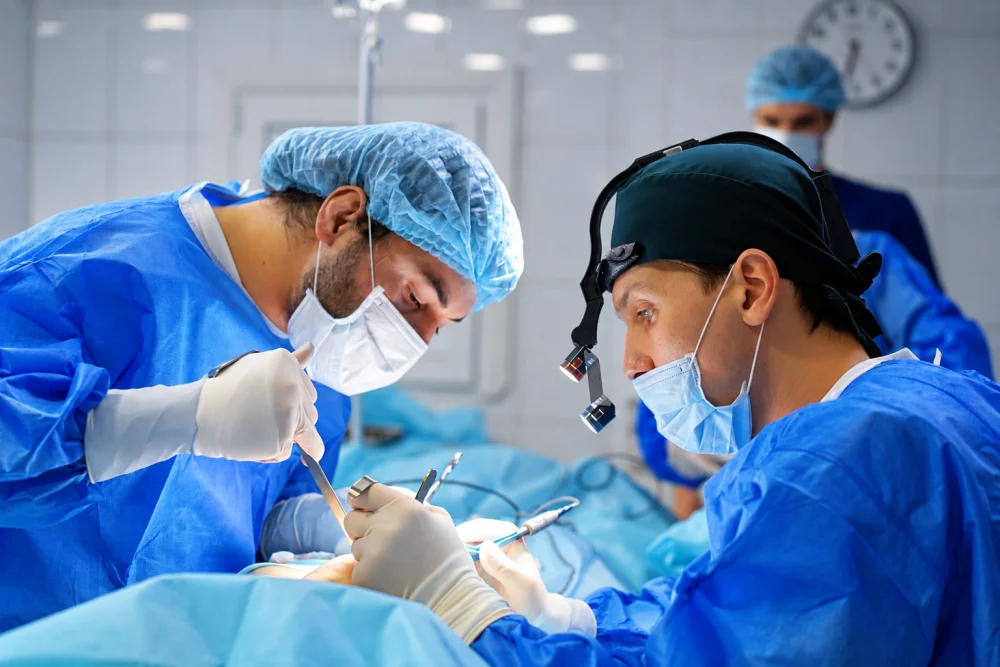
Reducing the volume and weight of the breasts
$4,700$5,900
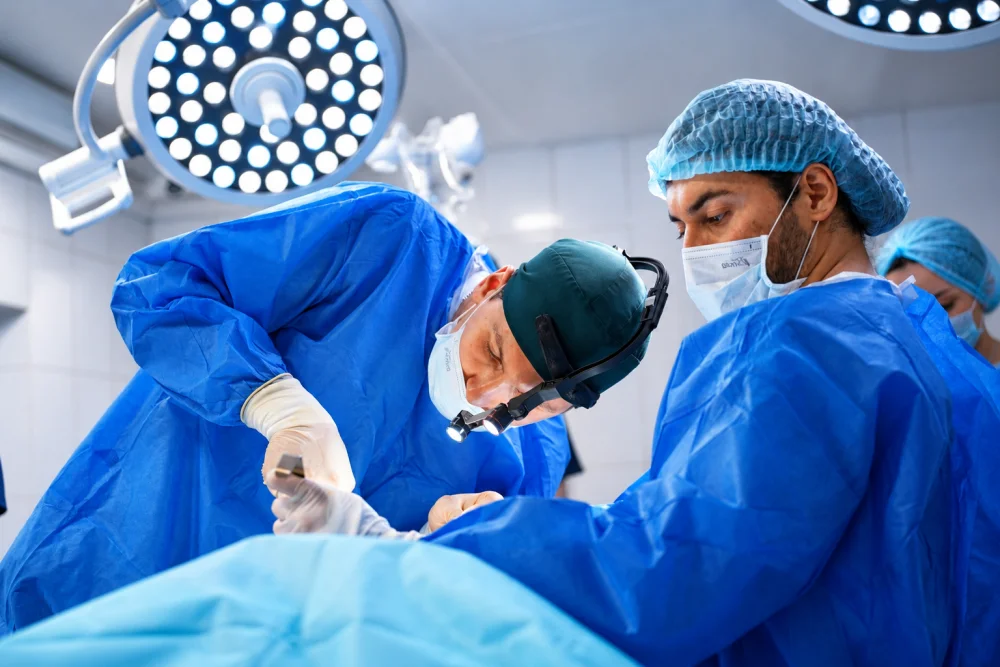
Breast restoration after mastectomy
The price is set at the consultation and fixed in the contract.
Get a consultationThe surgeon evaluates the anatomy and proportions of your breasts, hears what you want and selects the most suitable correction method.
The price is set at the consultation and fixed in the contract.
Message our coordinator
Free online consultation · Reply within 15 minutes
Message us on TelegramMessage us on WhatsAppBy messaging us, you agree to our Privacy Policy

all inclusive
From getting ready for surgery
to 12 months of support.
Discounted price
$4,700$5,900
How it goes
A personal correction plan, inpatient observation and a year of recovery monitoring.
 1
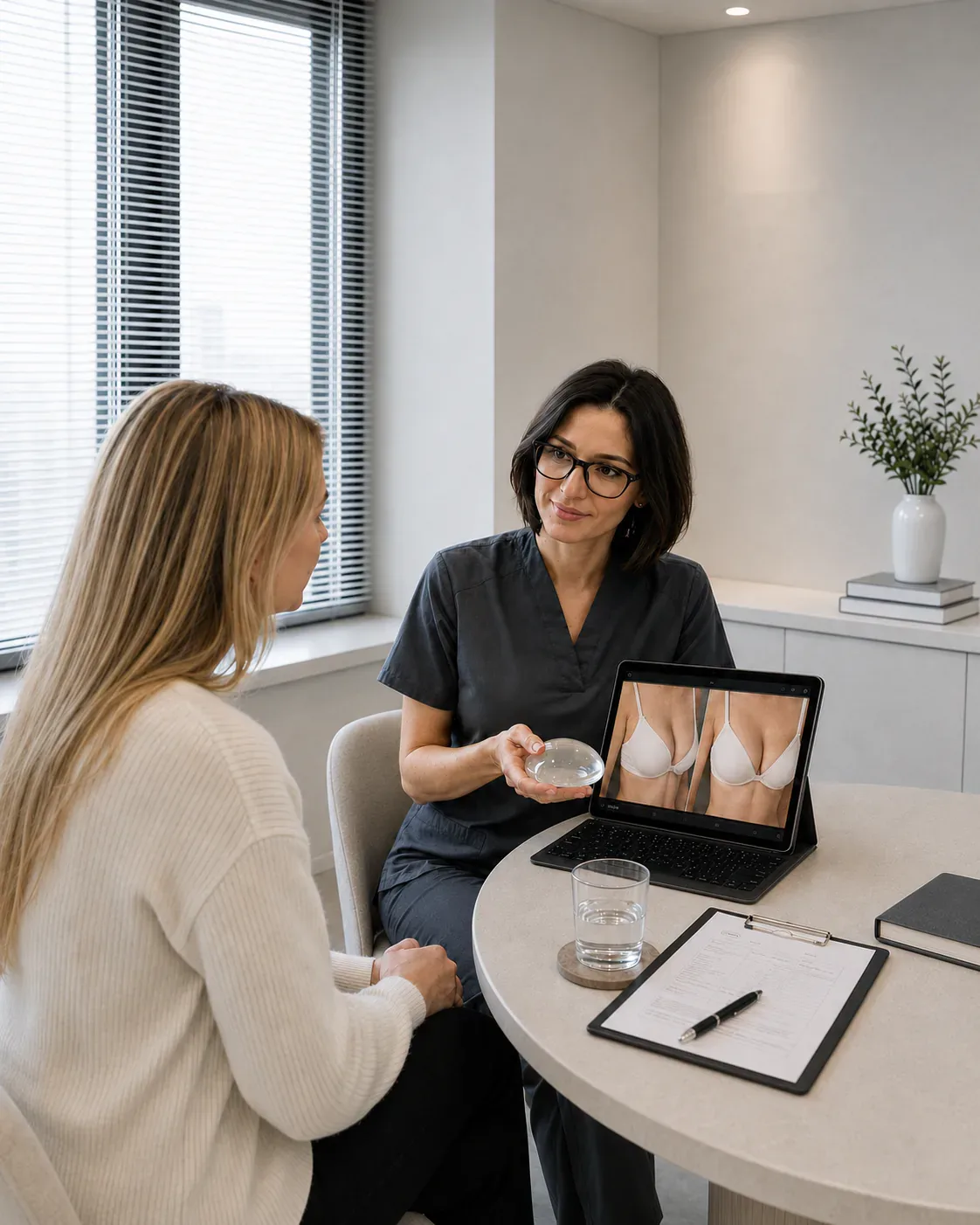
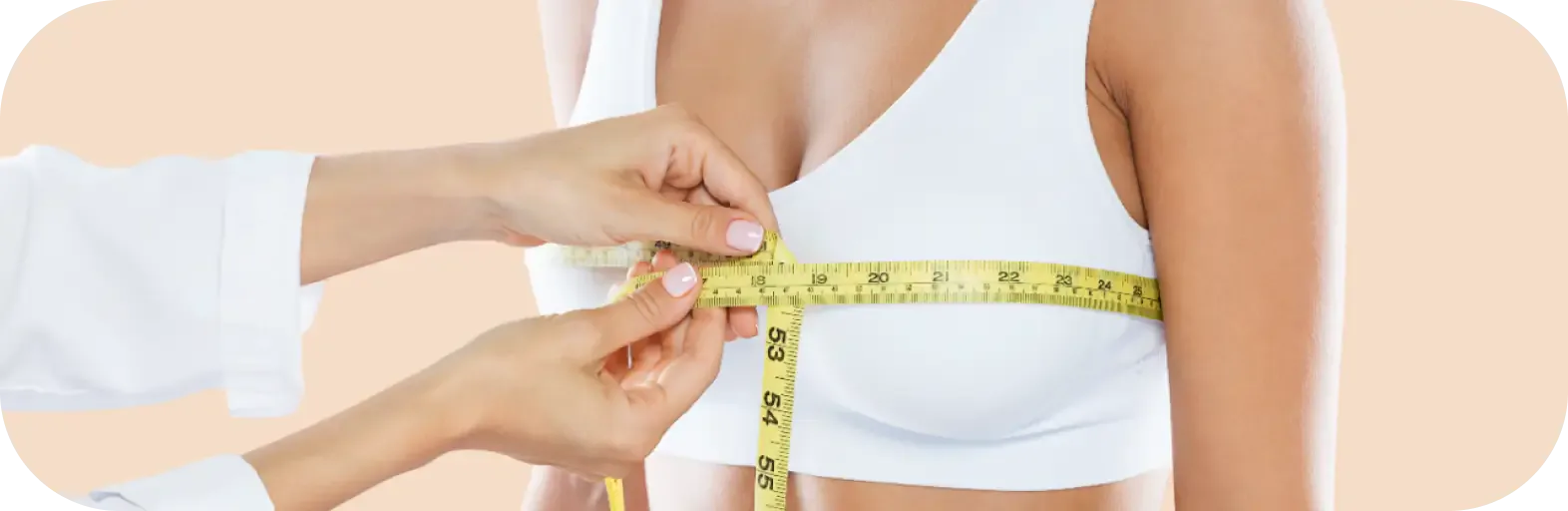
The surgeon examines your figure, discusses your wishes and selects the best volume, shape and correction method.
 2
We hold a surgery date for you. You can pay the deposit by card at the clinic or online by bank transfer; all terms are set out in the contract for medical services
 3
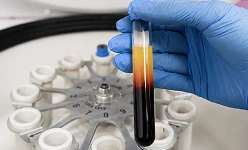
Before the operation you take a full set of tests: blood tests, an ECG and any other examinations the doctor prescribes.
 4
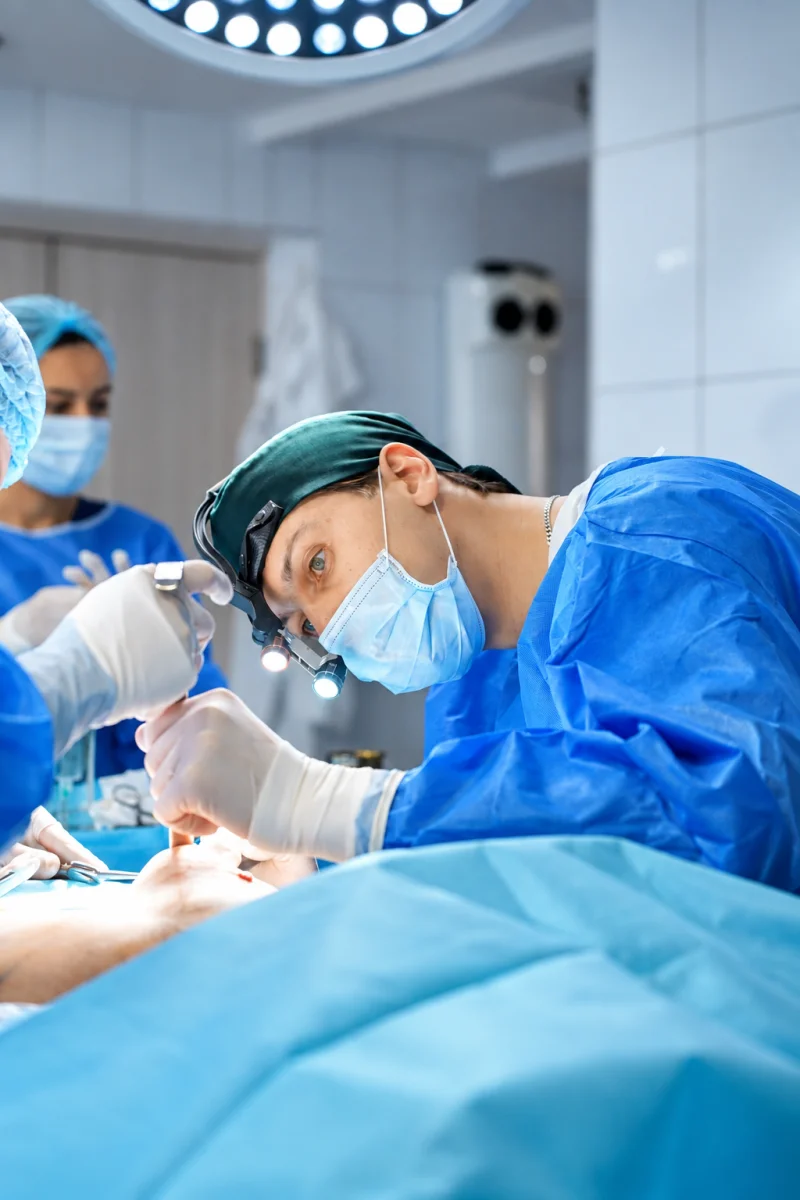
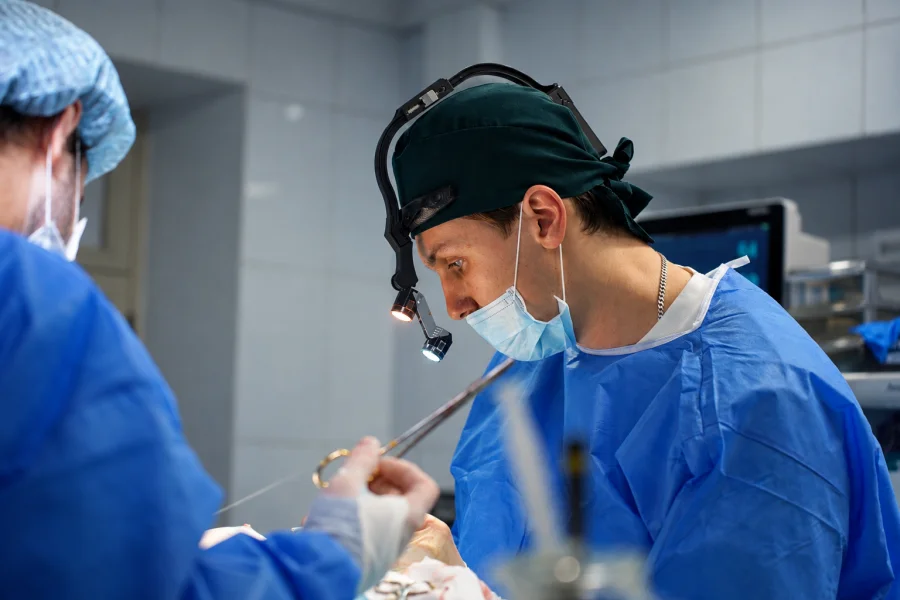
The operation follows your individual mammoplasty plan and is performed under general anaesthesia with continuous monitoring of the patient.
 5
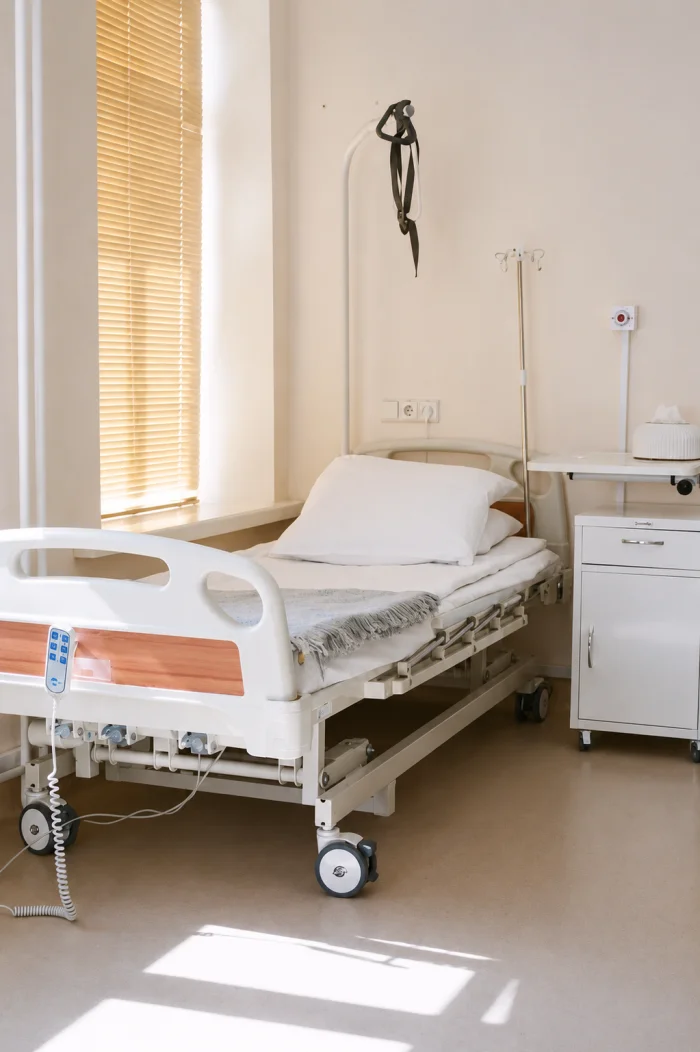
After surgery you stay in the clinic's comfortable inpatient ward under the care of the medical team until discharge.
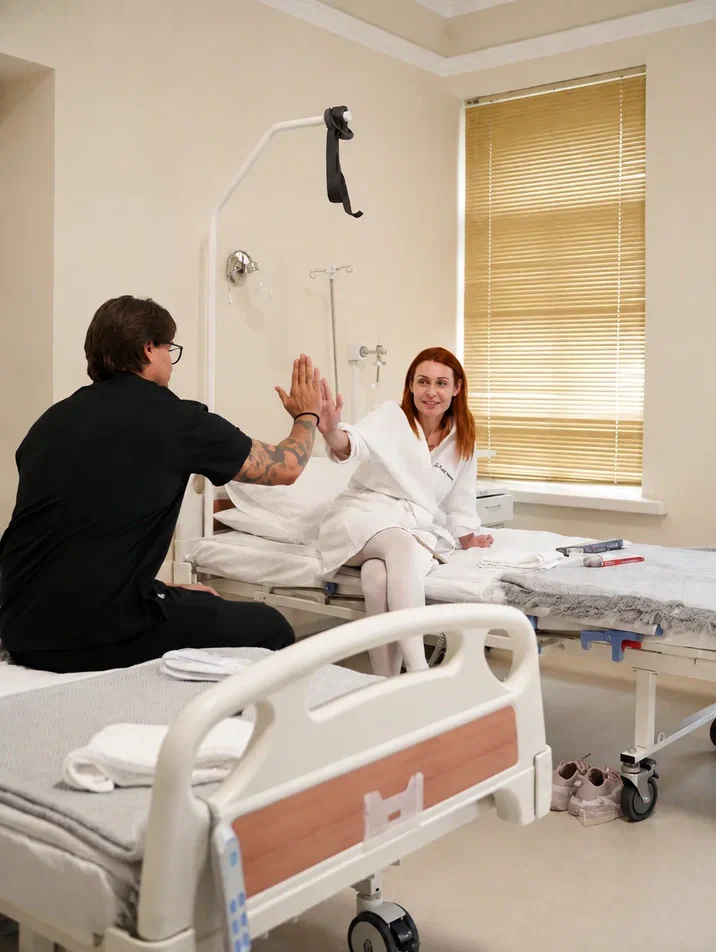 6
You get a personal recovery programme after the operation. Follow-up visits at 7 days, 3 and 6 months monitor healing; for a year, surgeon consultations are free of charge.
Prepare for surgery with a few simple steps: a healthy balance of work and rest, more sleep, no stress, anxiety or strong emotions, and reduced physical activity.
Stop hormonal oral contraceptives at least one month before the procedure
Stop using drugs with aspirin, steroids and hormonal medications prescribed for chronic conditions before surgery
Take your tests a week before surgery
After 3 weeks, post-op swelling disappears
Scars form within 3 weeks
Avoid exertion (lifting over 3 kg)
No raising arms above shoulder level — 3 weeks
Compression garments are worn for 1–1.5 months as part of recovery after correction
Hold off on intense workouts in the gym for up to 40 days and on overly active aerobics; light cardio can be possible after a month. Watch your diet and meals.
Within 3 months, discomfort disappears
For up to three months, no baths, no saunas and no physiotherapy
It takes up to 3 months for inflammatory tissue changes to resolve and for a “pocket” to form around the implant
Doctors
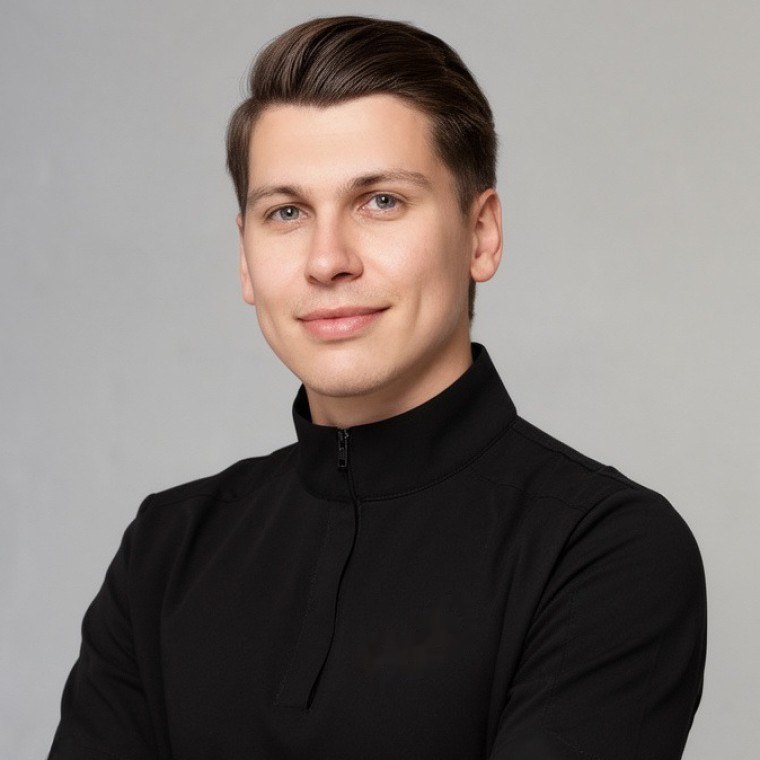
7 years of experience
Plastic surgeon
Plastic surgery residency completed at the Petrovsky National Research Centre of Surgery. Works in aesthetic and reconstructive surgery of the breast and body.
At the consultation, you talk directly to your operating surgeon
A plastic surgeon with experience who takes care of patients' health and beauty
Book a consultationAdvantages
During the consultation we discuss your wishes and model the planned changes. The surgeon explains what surgery can achieve, so you know exactly what result to expect.
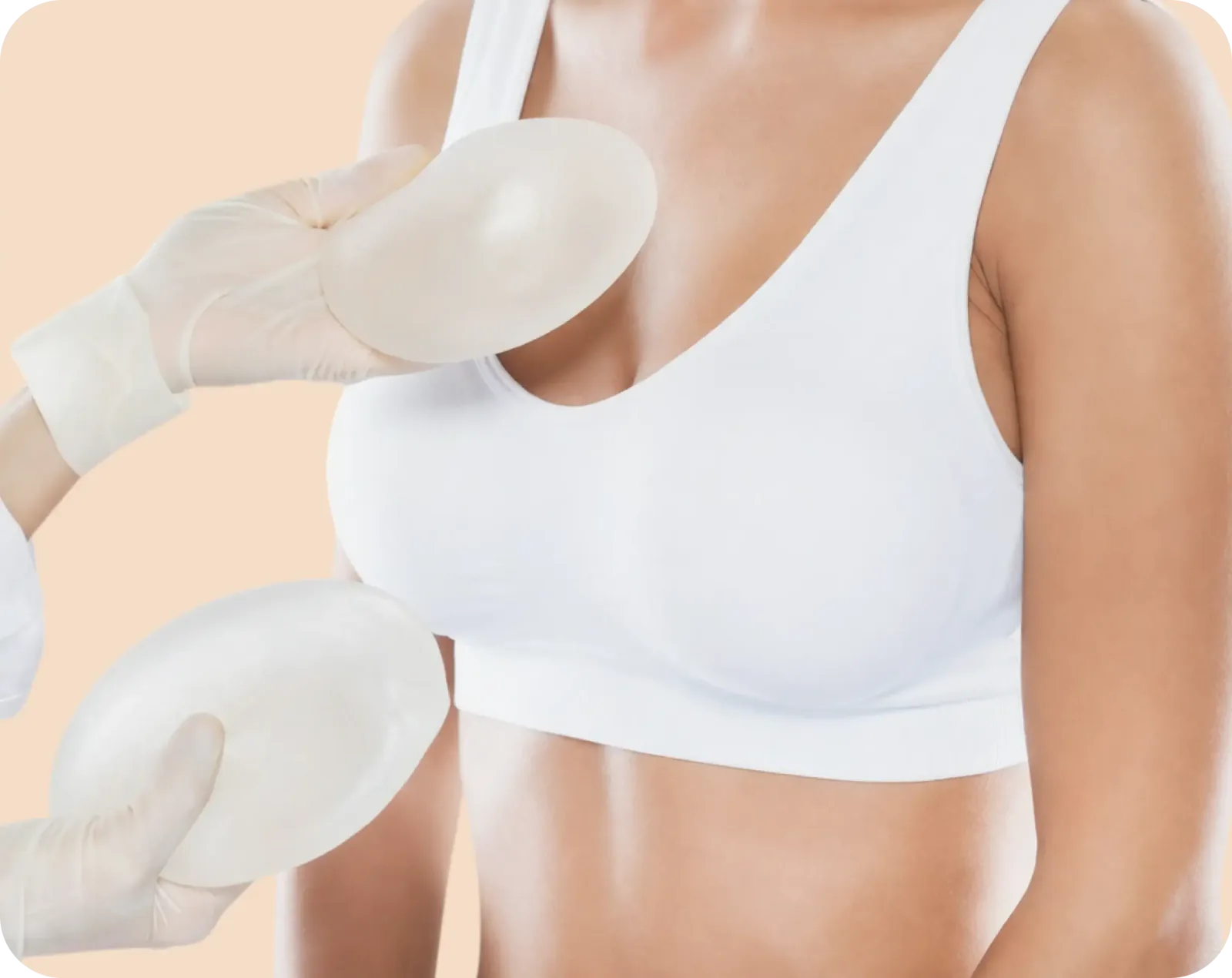
Your surgeon follows your recovery and the changes in your breast shape for a full year; check-ups and dressings are included in the price.
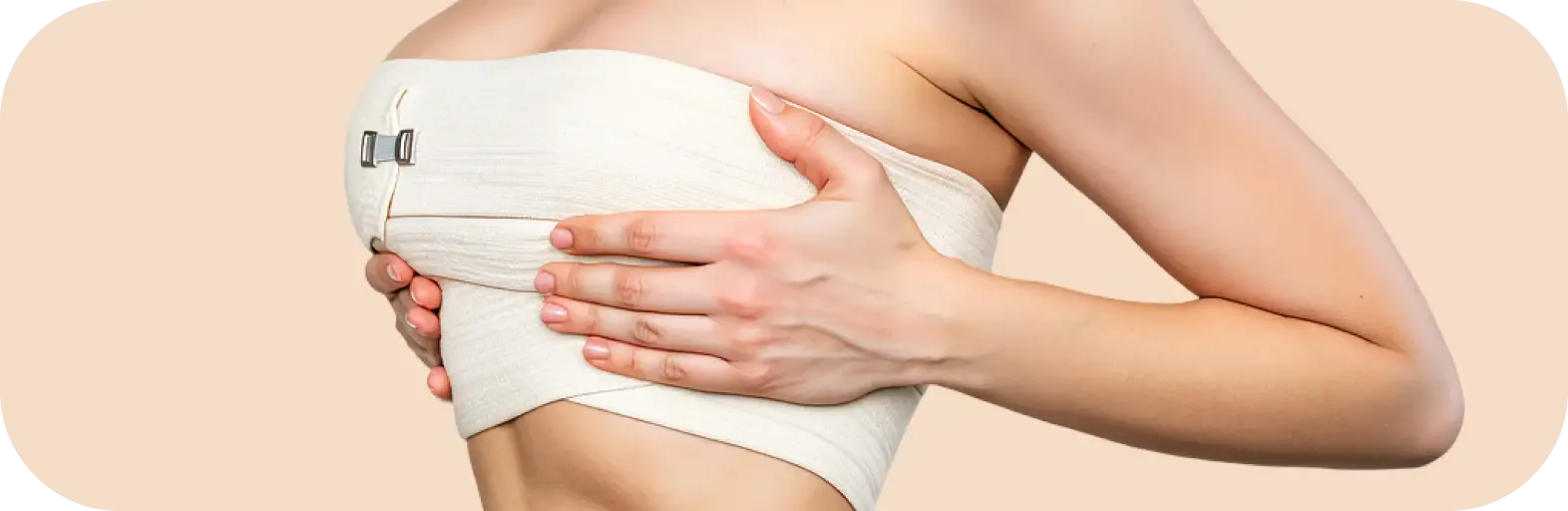
Shape, volume and correction method are chosen to match your anatomy and wishes. For augmentation, the implant size and profile are selected individually.
We respect your schedule: working 24/7, with simple booking and a personal approach that fits your pace.
The surgeon sets the extent of correction after the consultation, and you get a transparent price for the operation, without unexpected costs.

Recovery begins in a comfortable inpatient ward under round-the-clock nursing care. The stay and meals are already included in the price.
FAQ
Yes. Boob job is the everyday name for breast augmentation. At City Medical Centre it is done with round or anatomical implants that the surgeon chooses with you at the consultation.
Breast enlargement adds volume with implants. A breast lift (mastopexy) raises sagging breasts and removes excess skin. Which one suits you is decided at the free consultation.
The term mammoplasty covers several operations: augmentation (implants to increase volume), reduction (excess tissue and skin removed), mastopexy (a lift for sagging), reconstruction (after mastectomy) and correction of asymmetry. Which method is best is decided individually, from your wishes and the surgeon's advice.
Message us — our coordinator will get back to you shortly and book your consultation. The plastic surgeon consultation is free.
Following all recommendations makes complications rare. Still, they may involve hematoma or seroma, infection of the wound, decreased or increased nipple sensitivity, capsular contracture, aesthetic asymmetry, wound separation and tissue necrosis.
The results of mammoplasty are long-lasting: roughly 10–15 years after augmentation (until the implants are replaced) and 5–10 years after a lift or reduction. Weight, pregnancy, skin aging and gravity all influence how long they last. Wearing supportive underwear and managing your weight help maintain the result.
Whether breastfeeding remains possible after mammoplasty depends on the type of operation. With augmentation via an under-breast or armpit incision and the implant beneath the muscle, lactation is usually preserved, as the glandular tissue is spared. After a lift or reduction the risk is higher because ducts may be cut. Talk it through with your surgeon beforehand.
Implant selection considers material (silicone gives the most natural look; saline is less common), shape (round or anatomical teardrop), surface (smooth or textured), size and profile. The surgeon picks the best fit for your anatomy and wishes.
The operation is done under general anaesthesia, so the patient feels nothing. Over the first 1–3 days moderate discomfort may occur and is eased with painkillers. By day 5–7 pain drops noticeably, and by weeks 2–3 the discomfort has gone. If the pain is severe, let your doctor know at once.
You can get back to work (no physical exertion) in 7–14 days. Light walks in 1–2 weeks. Fitness and swimming in 4–6 weeks, strength training in 3 months. Pool and sea in 4–6 weeks. Keep wearing compression garments for 4–6 weeks. The precise timing depends on your own recovery.
There is no scientific evidence that mammoplasty increases breast cancer risk. Implants do not cause cancer. After surgery, keep up regular screening — self-exams, mammography and ultrasound. Always tell the examining doctor about your implants.
It is possible to have mammoplasty after a C-section, provided the body has recovered fully. Wait no less than 6–12 months after birth and after finishing breastfeeding. A surgeon's consultation and examination are needed before the operation.
Scarring is part of mammoplasty, but with an experienced surgeon it stays minimal. Incisions are hidden under the breast, around the areola or in the armpit. During the first months scars appear reddish; within 6–12 months they lighten and become almost invisible.
Mild asymmetry in the first weeks after surgery is normal and results from swelling and uneven healing. If a difference in shape or size remains after 3–6 months, see your surgeon for an examination to identify the cause.
A temporary decrease or increase in nipple and breast sensitivity is possible after mammoplasty, caused by irritated nerve endings. Most of the time sensitivity returns within 3–12 months. If it has not improved after one year, see your surgeon.
Hormonal drugs (contraceptives, hormone replacement therapy) do not affect implants directly, but may cause swelling or changes in breast tissue volume, temporarily affecting appearance. Be sure to tell your surgeon about such medications before surgery.
Prices are in US dollars; the amount in brackets is an approximate conversion to EUR at the rate of 02.10.2026. The final price is fixed in your contract.
Prices start from $4,700 (≈ €4,200). The surgeon sets the final price at the free consultation, and it is fixed in the contract, with no hidden extras.
The surgical team's work, anaesthesia, the inpatient stay with meals, dressings and follow-up visits for twelve months.
Message us on WhatsApp or Telegram using the buttons below. A coordinator will answer your questions and book a free consultation where the doctor names the exact price.
By messaging us, you agree to our Privacy Policy
Augmentation mammoplasty is an elective aesthetic operation carried out under general anaesthesia. It is chosen by women in Frankfurt am Main who want more volume or a corrected contour. Anatomical precision matters here: the plastic surgeon marks the new breast position, plans the access around your anatomy and fits an implant that respects your proportions, keeping the look natural rather than artificial.
For anyone in Frankfurt am Main planning augmentation, preparation starts weeks ahead. Aspirin-containing drugs, steroids and some hormonal medications are stopped 1–2 weeks before; oral contraceptives, at least a month before. Tests are taken a week prior. After the operation you remain in hospital for one day, then follow a recovery program focused on reducing swelling and caring for the breasts.
If you are comparing breast augmentation prices in Frankfurt am Main, check what each offer includes. Here the all-inclusive rate from $4,700 (≈ €4,200) already covers anaesthesia, the clinic stay, meals, dressings and a year of check-ups with the plastic surgeon. Apply before the end of the year and your consultation is at the clinic's expense. Fill in the form or message the coordinator.
Written by Dmitry S. Kuznetsov, plastic surgeon
How we prepare and review medical content · Medical disclaimer
Page last updated:
Well-known people who spoke openly about this operation, in their own words.
 Did Bibi Claßen have breast surgery? Yes, and she showed the scar herselfGerman YouTuber Bibi Claßen had a breast lift and augmentation in early 2021 and shared her own scar-care routine. What she said and how the operation works today.
 Did Caro Robens have a breast augmentation? Yes, and she said so herselfGerman reality TV star Caro Robens confirmed her breast augmentation in 2026 interviews and said she is very happy with it. Her words, the procedure, recovery.
 Did Cathy Hummels have a breast augmentation? Yes, and she explained whyIn 2023 Cathy Hummels told Playboy why she had breast surgery: illness, weight loss to 43 kg and a lost B cup. Her words and what the operation involves.
 Daniela Katzenberger and her breast implants: what she said herselfDaniela Katzenberger had breast implants at 23 and in 2024 said they should come out. What she said, how implants are chosen and when removal is considered.
 Gina-Lisa Lohfink's breast augmentation: what she said about it herselfGina-Lisa Lohfink explained in 2009 why she had a breast augmentation after losing weight. What she said, how the procedure works today and what it costs.
 Isi Glück's breast augmentation: she told the whole story herselfThe German party singer documented her breast augmentation from cup A to C in a detailed first-person report. Her quotes and how the operation works today.
Frankfurt has 760,656 inhabitants (31 December 2025, the city itself) on 248.31 square kilometres along the Main, 112 metres above sea level, and it is the most populous city in Hesse. Your coordinator is reachable round the clock, so questions do not have to wait for office hours, and the first online consultation is free and reserves nothing.
A good first message saves several rounds of correspondence. Send photographs of your breasts from the front and from each side, say what you want to change in your own words, and mention pregnancies, breastfeeding, earlier operations and weight changes. The coordinator asks for photos in a messenger and the surgeon looks at them and tells you whether augmentation suits you. Contraindications include pregnancy and breastfeeding, acute infection, uncontrolled diabetes and age under 18, so tell the team at once if any of these applies.
Before you send anything, write down in two or three sentences why you want the operation and what you hope will change in daily life. It sounds obvious, yet a clear reason is what lets a surgeon say whether the plan fits you, and it protects you if you feel pressed for a quick date. If the sentences keep changing from one day to the next, wait a week before booking anything.
Add a short list of everything you take regularly. Before surgery, aspirin-containing drugs, steroids and hormonal medications for chronic conditions have to be stopped 1–2 weeks earlier, and hormonal oral contraceptives at least one month before. Only the doctor decides how that is done in your case, which is why the list matters. Never stop a medicine on your own because of something you read.
Germany keeps a national register of implants, the Implantateregister Deutschland, set up under the Implantateregistergesetz. Mandatory reporting for breast implants began on 1 July 2024, and hospitals report procedures within six months after discharge. Whatever the register covers, you can ask a simple practical question of any team: what will be written down about my implant, and what document will I receive with its type, manufacturer and serial details?
Plastic surgeons in Hesse train under the Weiterbildungsordnung 2020 of the Landesärztekammer Hessen. The specialty Plastische, Rekonstruktive und Ästhetische Chirurgie lasts 72 months in the field of surgery. Its logbook sets guideline numbers for aesthetic and body-shaping procedures: 25 operations on the breast, of which 10 are reductions and lifts, 5 augmentations and 5 corrections of gynecomastia or lipomastia, and 20 reconstructive breast operations, 10 of them with expander, implant or the patient's own tissue. These are training guideline numbers, not a measure of a surgeon's later experience, but they give you a vocabulary for asking questions.
The same catalogue names planning, indication, information and the limits of aesthetic measures, taking psychological and psychosomatic exploration into account, as a content area. A sensible question for any surgeon is how those limits were discussed with you, and whether anyone asked why you want the change and what you expect it to do for you.
Under paragraph 52 of the fifth social code book, an insured person who falls ill because of an aesthetic operation without medical indication carries a reasonable share of the cost, and sick pay can be refused or reclaimed for the period of that treatment. Whether your own insurer contributes anything to an augmentation done for looks is for that insurer to say, so ask for its position in writing before the date is fixed.
The Landesärztekammer Hessen, with its head office in Frankfurt, says it cannot recommend doctors. Its Arztsuche page points to the statutory-care directory of the Kassenärztliche Vereinigung Hessen, to a lookup of private physicians and to hospital directories. Check which directory applies to the surgeon you are considering, and ask for the exact specialist title.
Write three things in your notes: the surgeon's full name, the specialist title as it appears in the directory you used, and the date of the check. The medical licence number and the name of the legal entity that provides the care are worth requesting from the clinic, together with the chance to read the surgeon's diploma and certificates before any payment.
Treat the answers as a pair of documents: what you were told and what you were given. If the two differ, say so politely and ask which is correct. Teams that welcome this habit tend to be teams that keep their paperwork in order.
The surgeon gives you the scope of correction after the consultation and a price in the contract; this text does not repeat any figure, because the document in your hands is the one that counts. Check that it lists what the clinic's inclusions describe: the surgical team's work, anaesthesia, the stay in the ward with meals, dressings and follow-up visits for twelve months, and the consultation with modelling of the result.
To hold a date you pay a deposit, by card at the clinic or online by bank transfer, and all terms are set out in the contract for medical services. Ask what the contract says if you postpone or cancel, who the named surgeon is, and what the schedule of follow-up visits looks like. Check-ups at 7 days, 3 months and 6 months, and free consultations with the surgeon for a year, should appear on paper and not only in conversation.
Do not forget the questions that have no line in any contract. Who decides during the operation if the plan has to change slightly? What will the garment look like and how many do you need? Who calls you the evening after surgery? Which questions did the team say it would rather not answer by message? The tone of the replies to such small questions is often the best preview of the care you will receive.
Ask for the choice of implant to be documented as well: round or anatomical, the volume discussed, the profile, the incision. Implant selection takes material, shape, surface, size and profile into account, and the surgeon picks the best fit for your anatomy and wishes. If you change your mind between the consultation and the operation, the change should be recorded, and you should see the revised plan before the day.
Recovery is a series of limits that end one after another, and the surgeon confirms the timing at each visit. The shortest ones, such as the arms staying below shoulder level, last three weeks; the longest, including heavy lifting and strength training, run to three months. Work without physical exertion comes back after 7–14 days, and fitness and swimming after 4–6 weeks.
Print this list and stick it where you will see it. Add the dates that only you can fill in: when the garment arrives, who drives you home, who looks after small children for the first week, when your next check-up is booked. The exact timing depends on your recovery, and the surgeon confirms it at each visit.
Telephone numbers belong on the same sheet: your coordinator, who is reachable round the clock, and the contact for urgent problems. Ask the team to confirm in writing which number to use at night. Tell the surgeon at once if pain is severe, because moderate discomfort in the first 1–3 days is expected and severe pain is not.
Yes. The Implantateregister Deutschland was set up under the Implantateregistergesetz, and mandatory reporting for breast implants began on 1 July 2024. Ask any team which record and which document you will receive for your own implant.
The Weiterbildungsordnung 2020 sets guideline numbers for the specialty: 25 breast operations, of which 5 are augmentations, and 20 reconstructive breast operations. These are training numbers, not a measure of later experience, but they are a starting point for questions.
Paragraph 52 of the fifth social code book says that an insured person who falls ill after a medically not indicated aesthetic operation carries a reasonable share of the cost. For anything beyond that, ask your insurer in writing.
The Landesärztekammer Hessen says it cannot recommend doctors, but its Arztsuche page points to the Kassenärztliche Vereinigung Hessen directory, a lookup of private physicians and hospital directories. Check the specialist title and the date.
Photographs from the front and the sides, what you want to change, pregnancies and breastfeeding, earlier operations, chronic conditions and a list of regular medicines. The surgeon then tells you whether augmentation suits you.
The contract for medical services, the medical licence number, the name of the legal entity, the surgeon's diploma and certificates, the list of inclusions and the follow-up schedule. Read them at home, not in a hurry.
Give both teams the same photographs and the same wishes. Then compare the proposed implant shape, volume and incision, the anaesthesia, the number of nights in the ward, the follow-up schedule for a year and how each surgeon talks about limits.