


























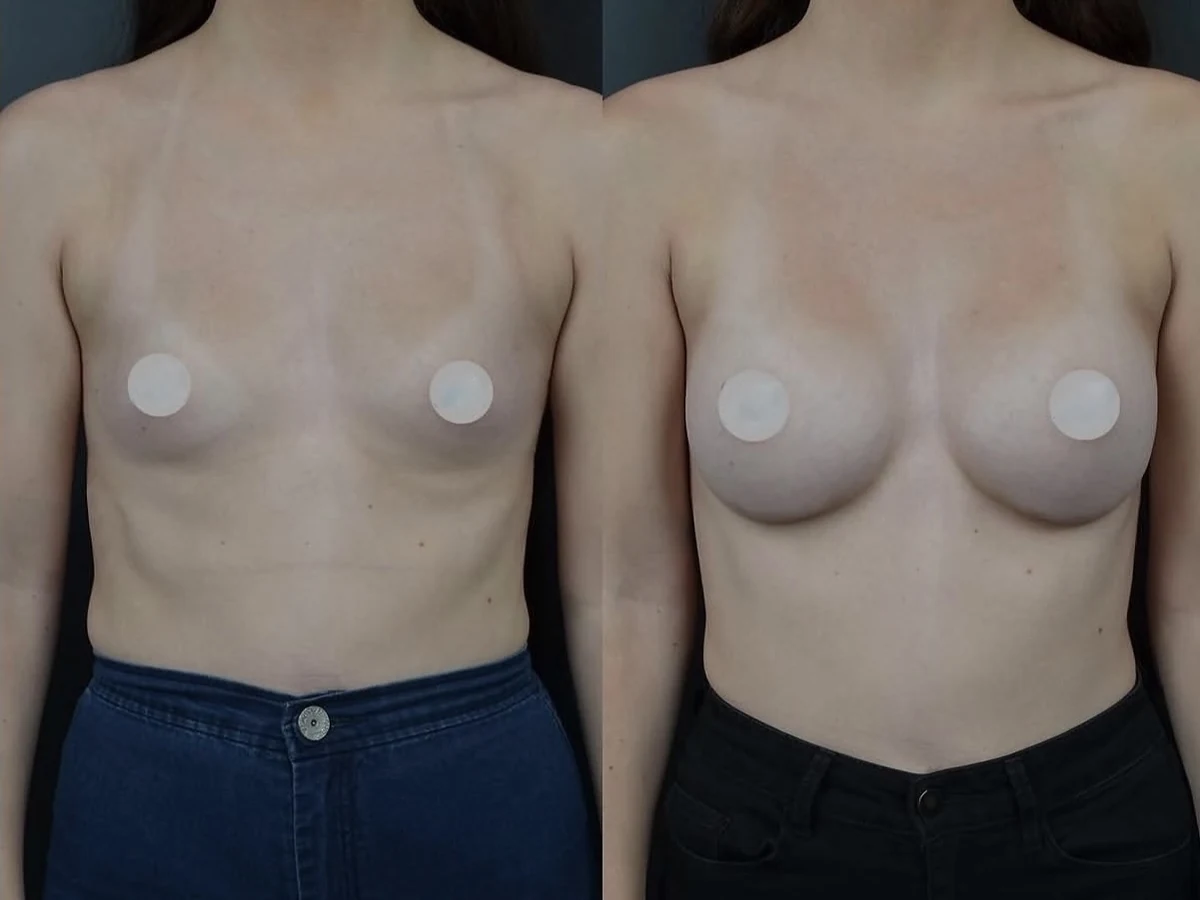
 beforeafter
Mammoplasty
Method: implants
Breast augmentation
$4,700
$5,900 · First consultation — Free
Free online consultation · Reply within 15 minutes
Message our coordinator
Free online consultation · Reply within 15 minutes
Message us on TelegramMessage us on WhatsAppBy messaging us, you agree to our Privacy Policy
Breast augmentation for patients from Dortmund at City Medical Centre starts at €4,200 (from $4,700). The first online consultation is free; the doctor names the final price and it is fixed in the contract.
How it works · Breast augmentation prices
Information current as of 5 November 2026
Results
All cases are real patients of the clinic. Faces and identifying details are hidden.
beforeafterMethod: implants
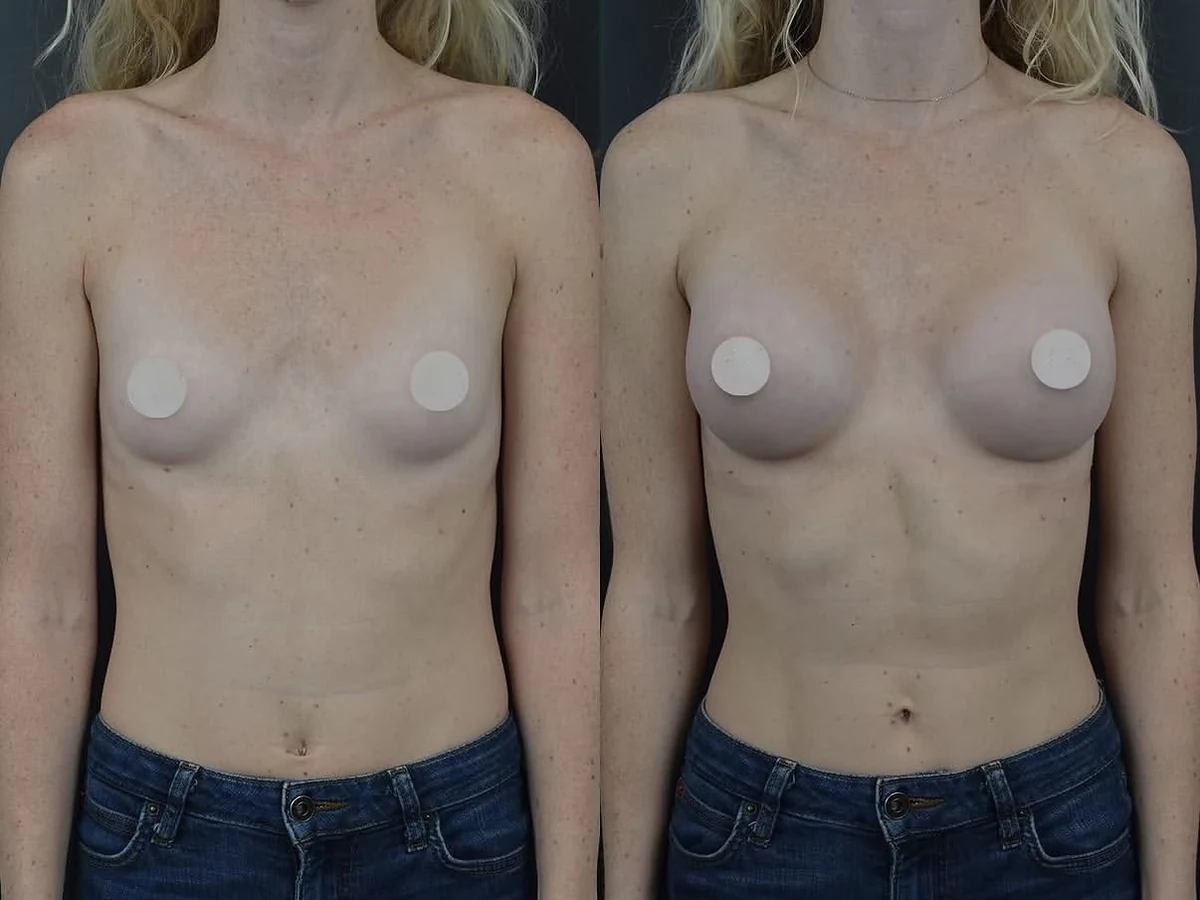 beforeafter
Method: implants
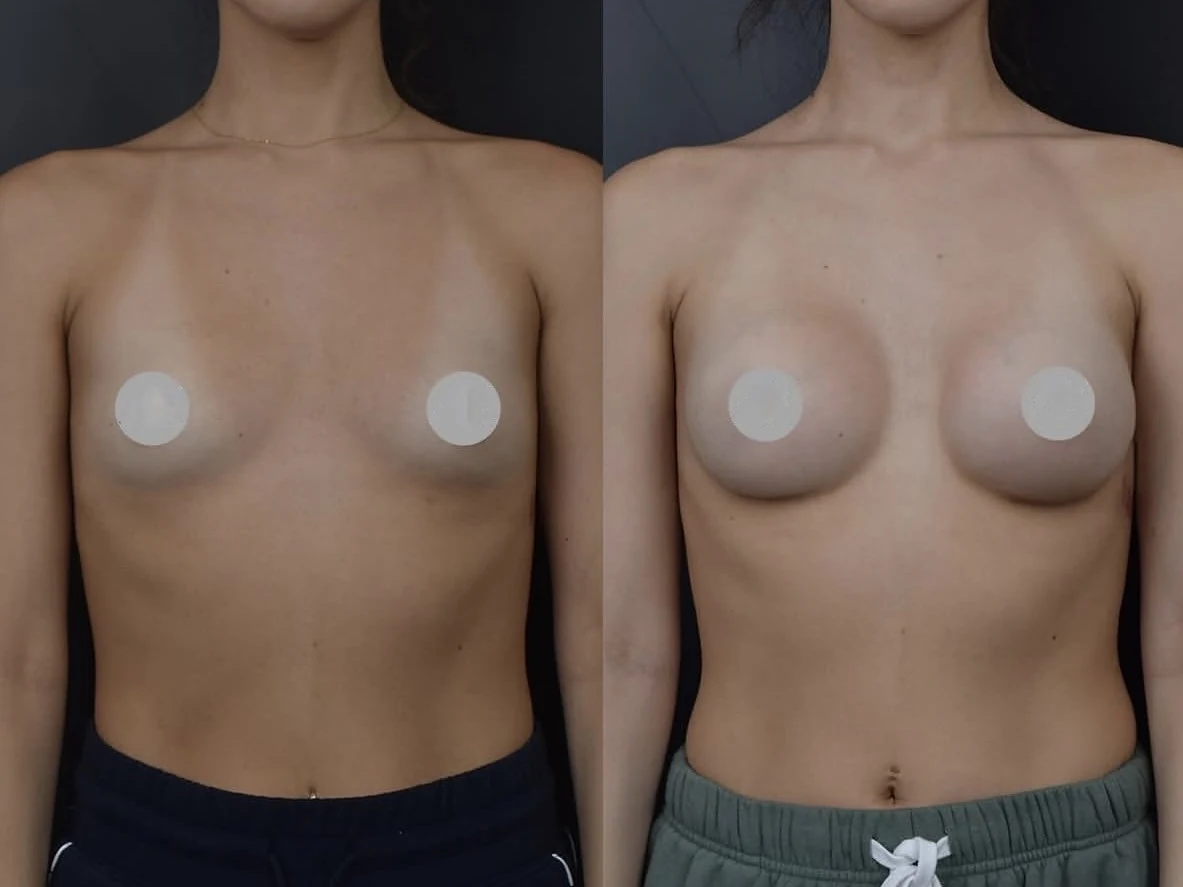 beforeafter
Method: implants
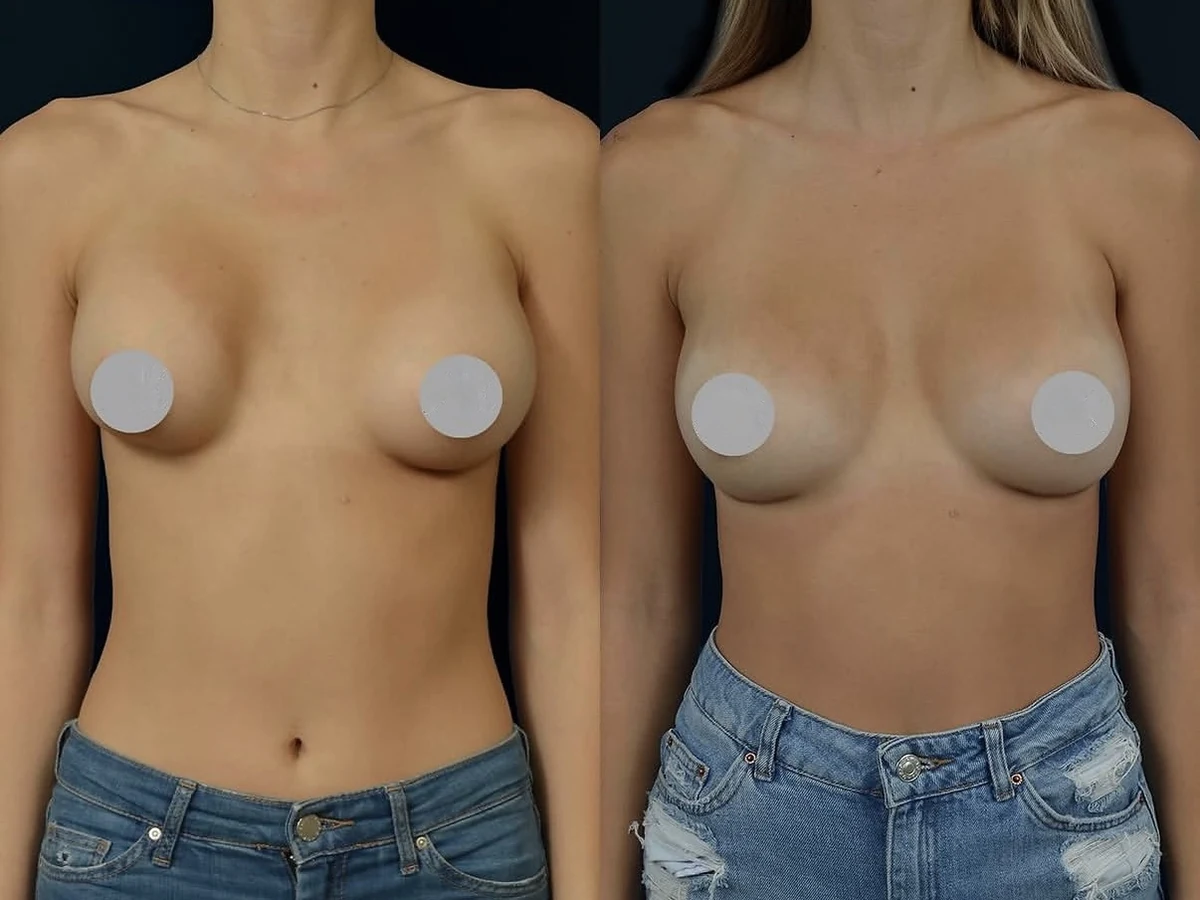 beforeafter
Method: implants
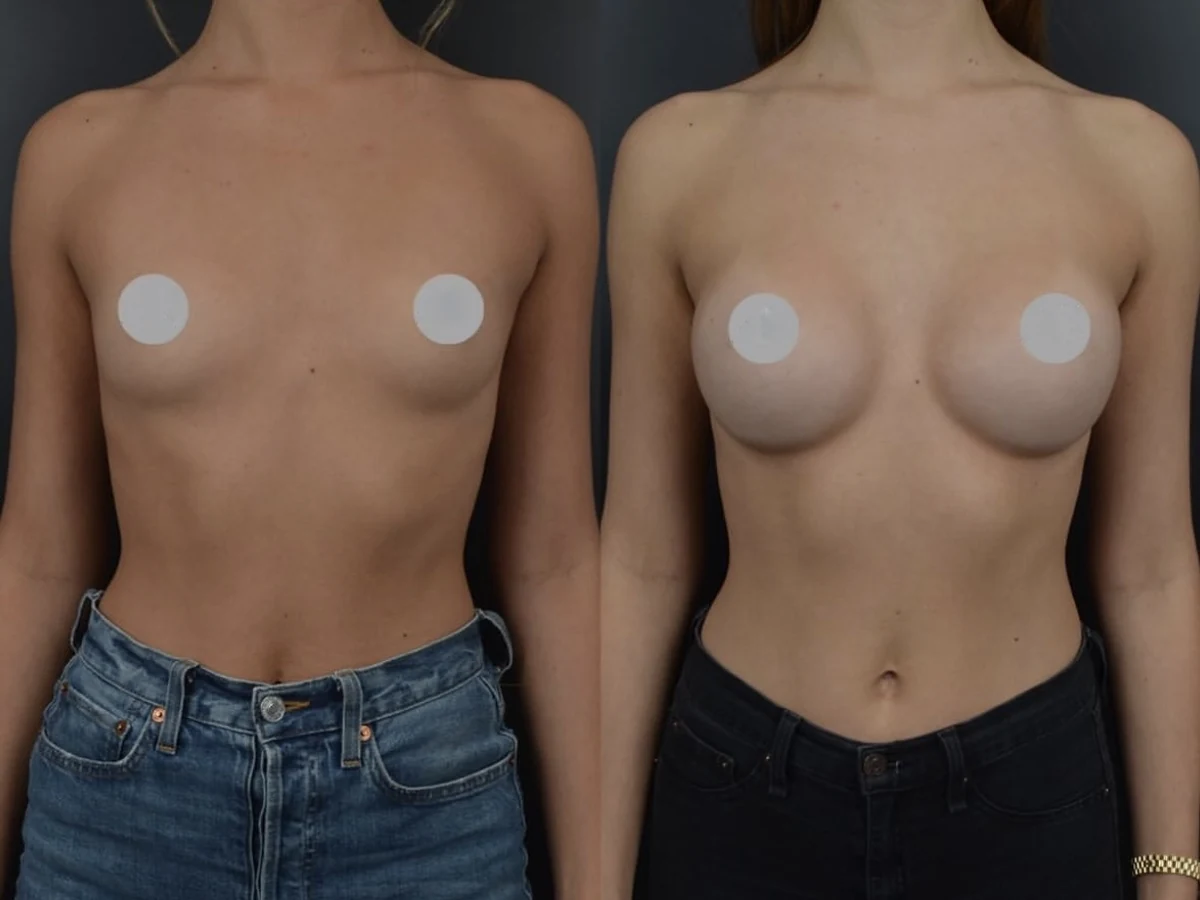 beforeafter
Method: implants
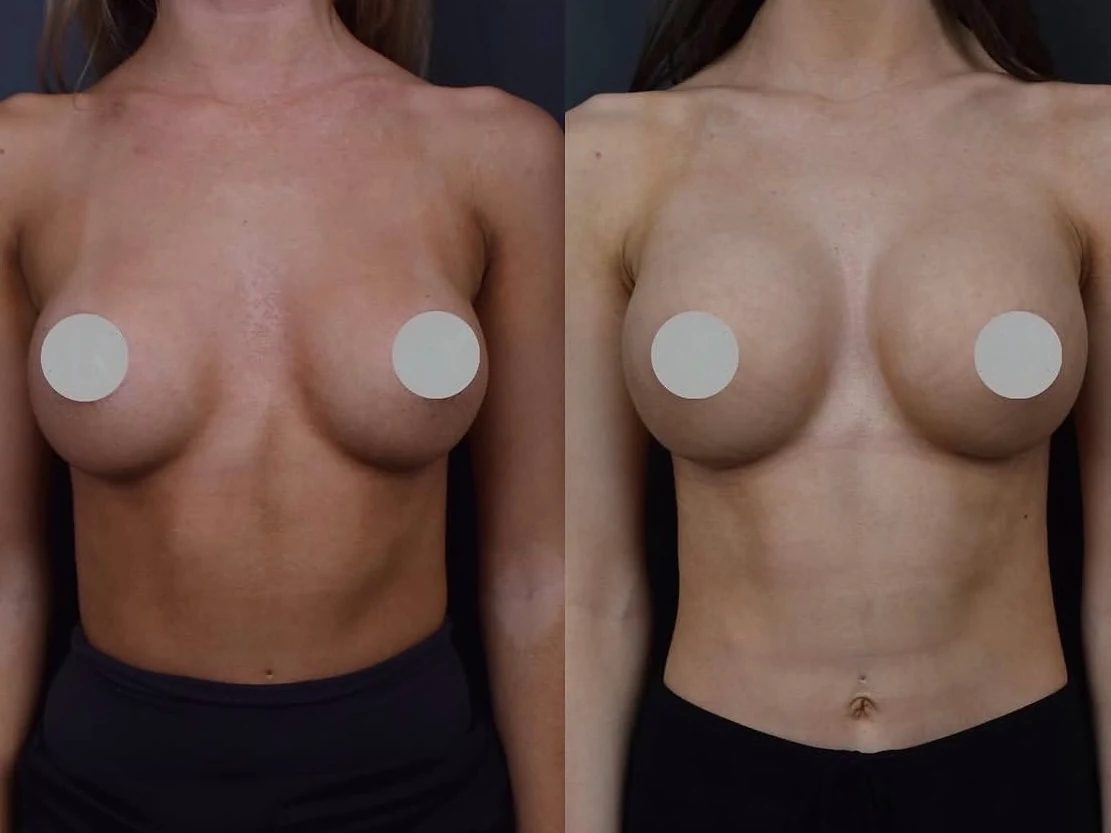 beforeafter
Method: implants
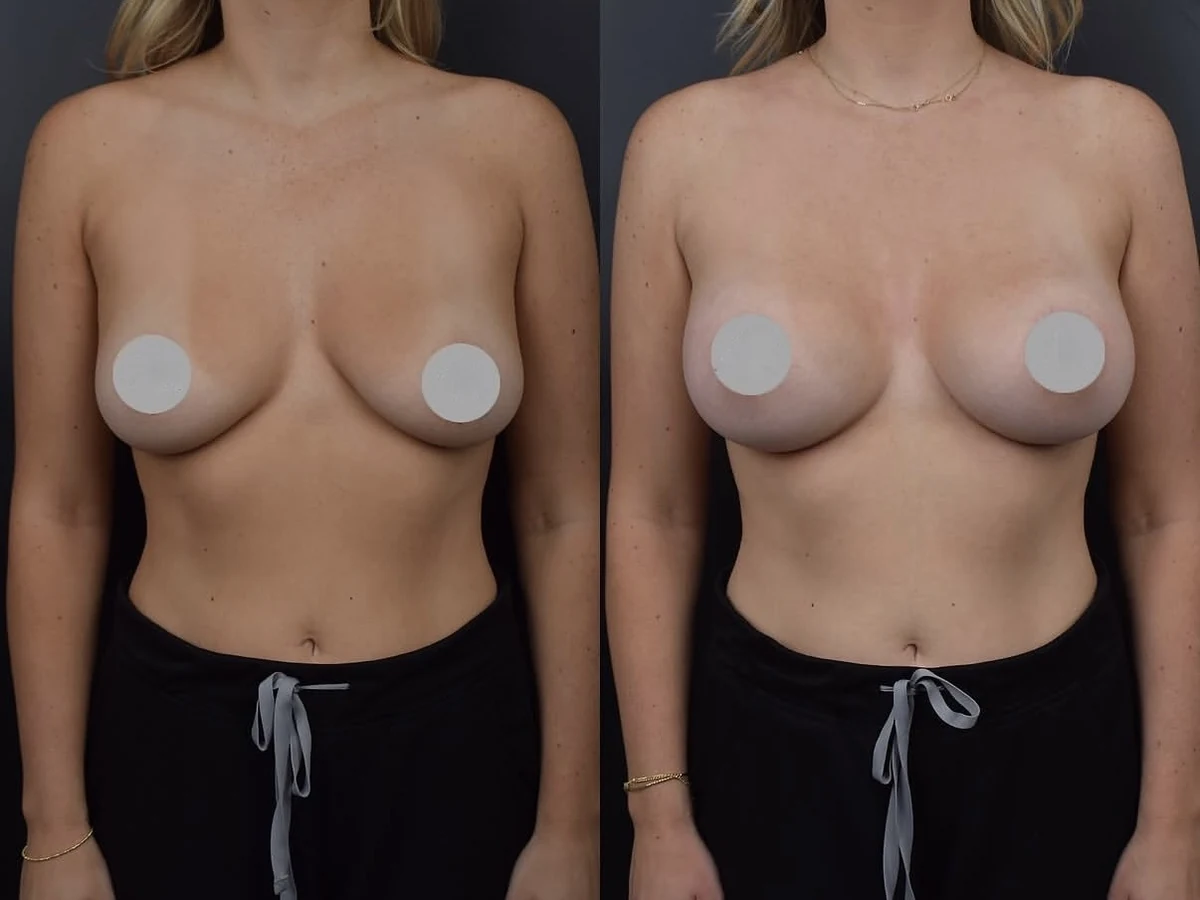 beforeafter
Method: implants
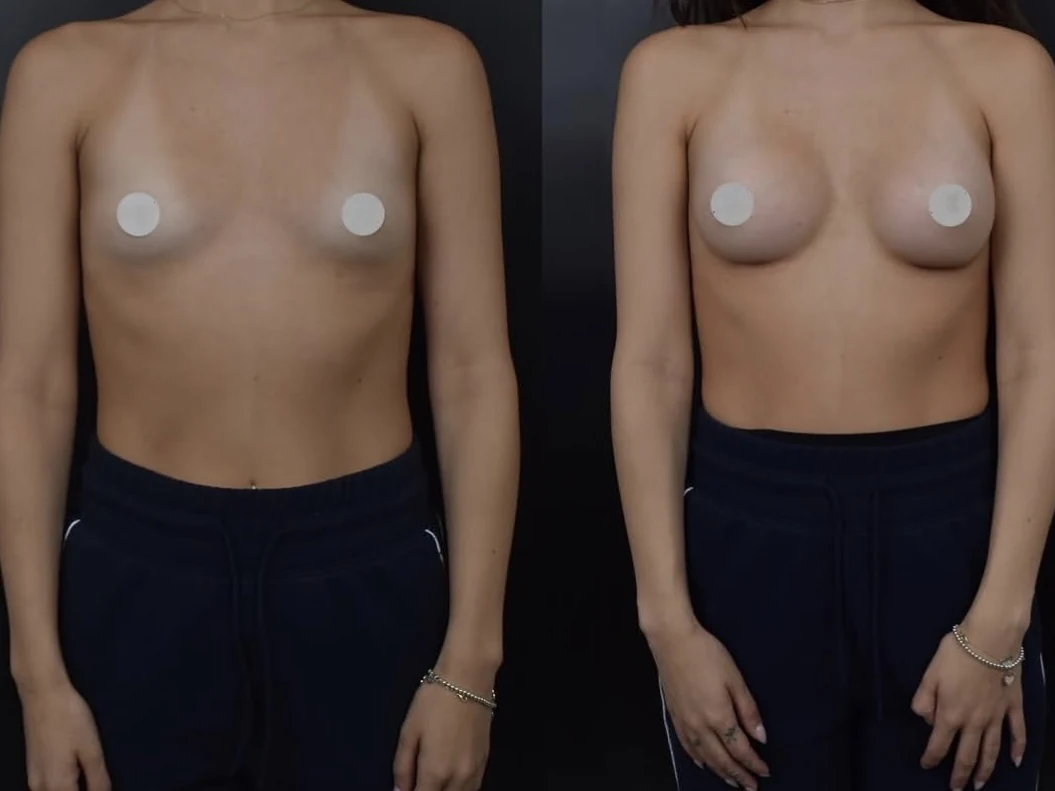 beforeafter
Method: implants
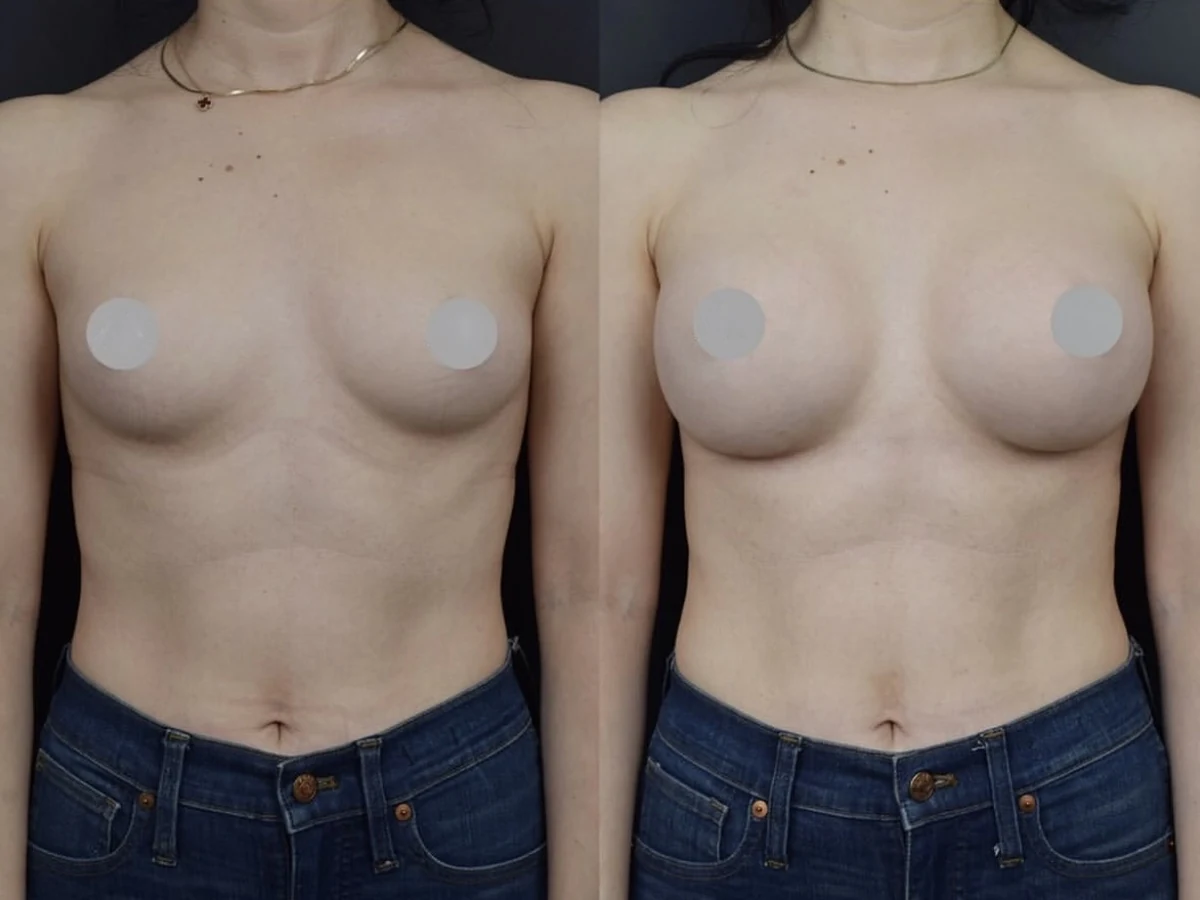 beforeafter
Method: implants
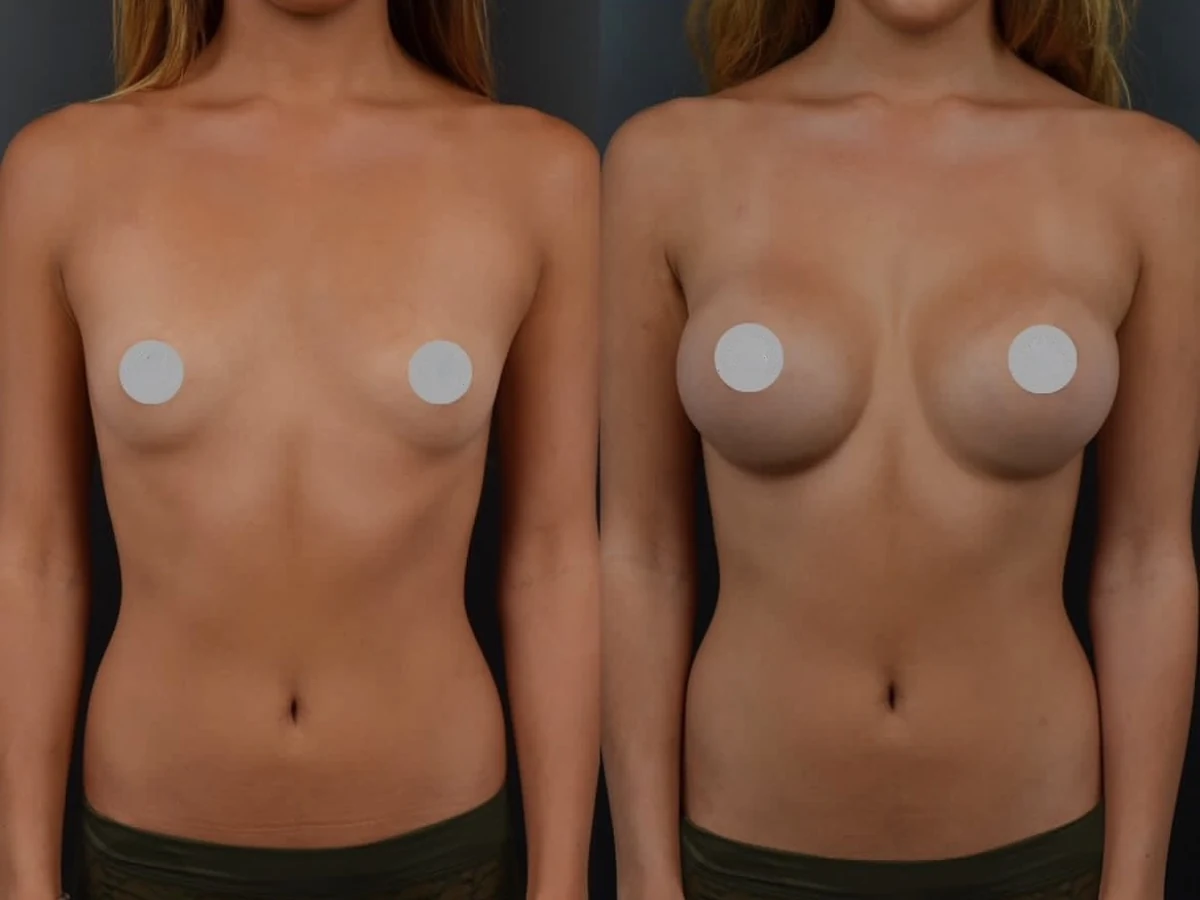 beforeafter
Method: implants
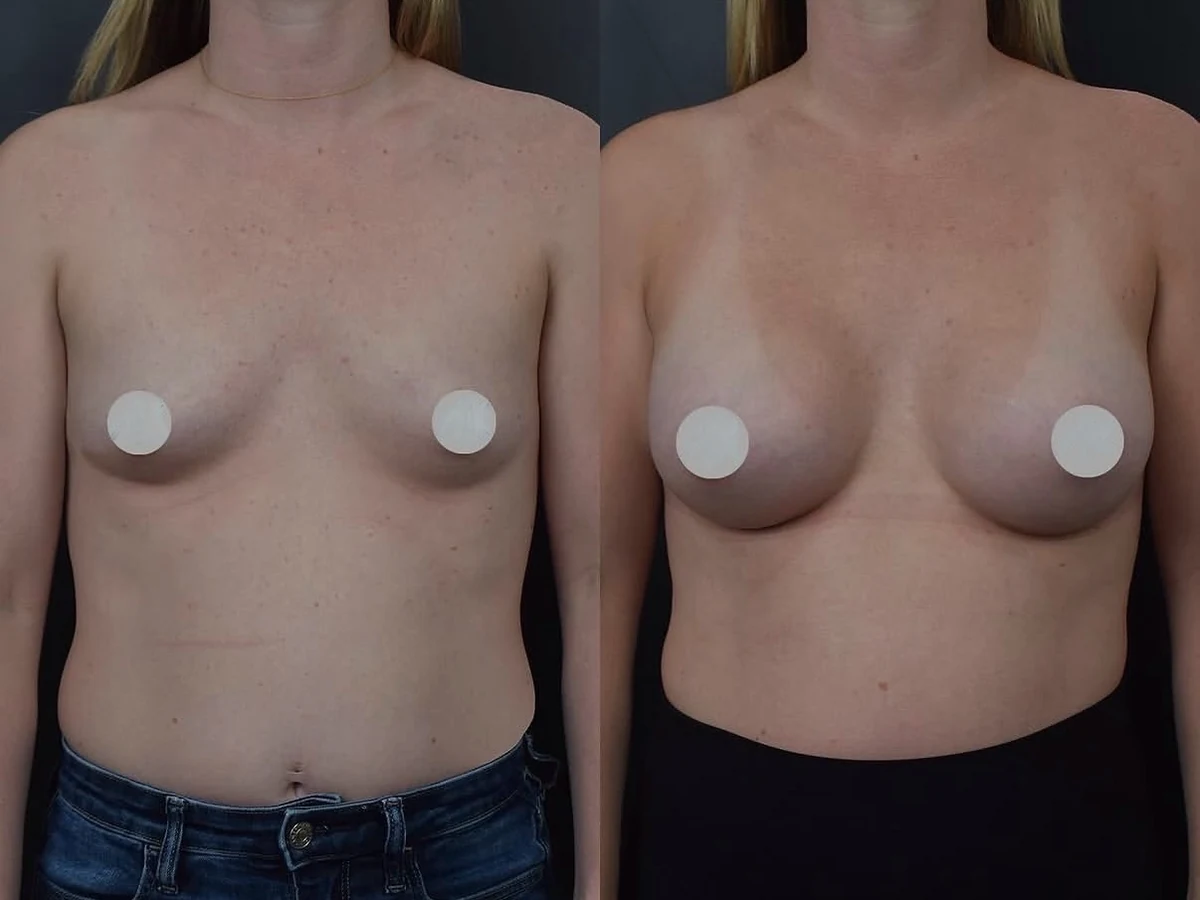 beforeafter
Method: implants
Comparison
We work with two main breast correction methods: augmentation and reduction. Compare the main goal, the precision of correction and the indications to choose your method with confidence.
Size and shape correction with implants
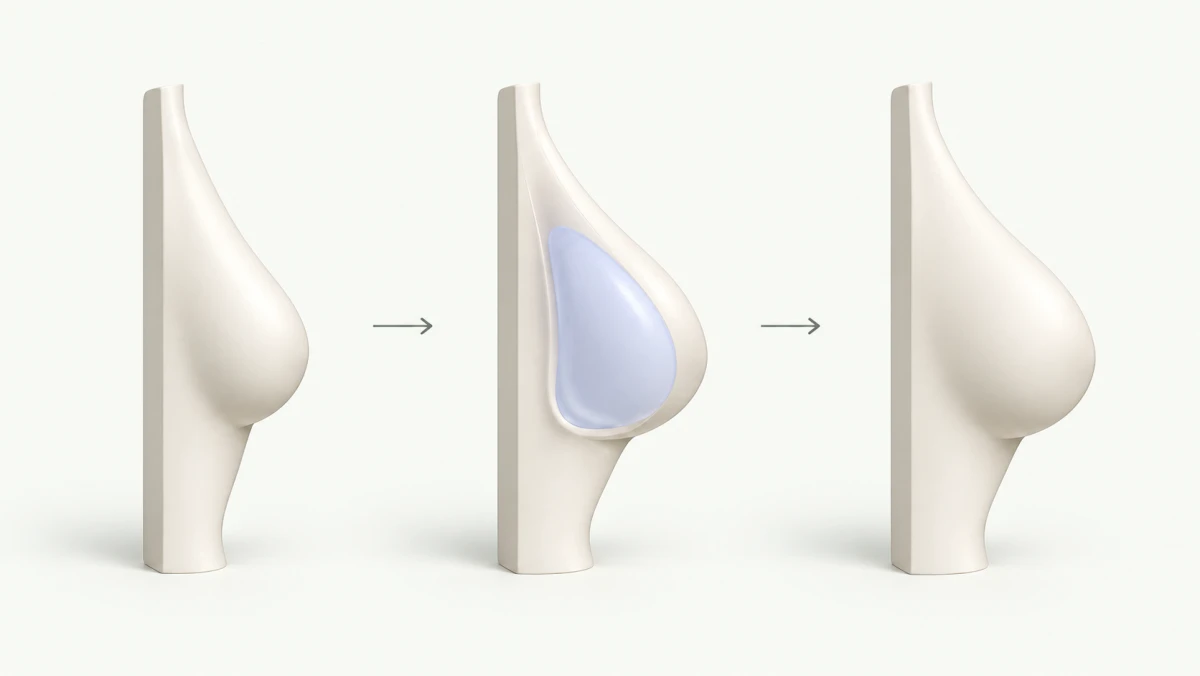
Discounted price
$4,700 $5,900
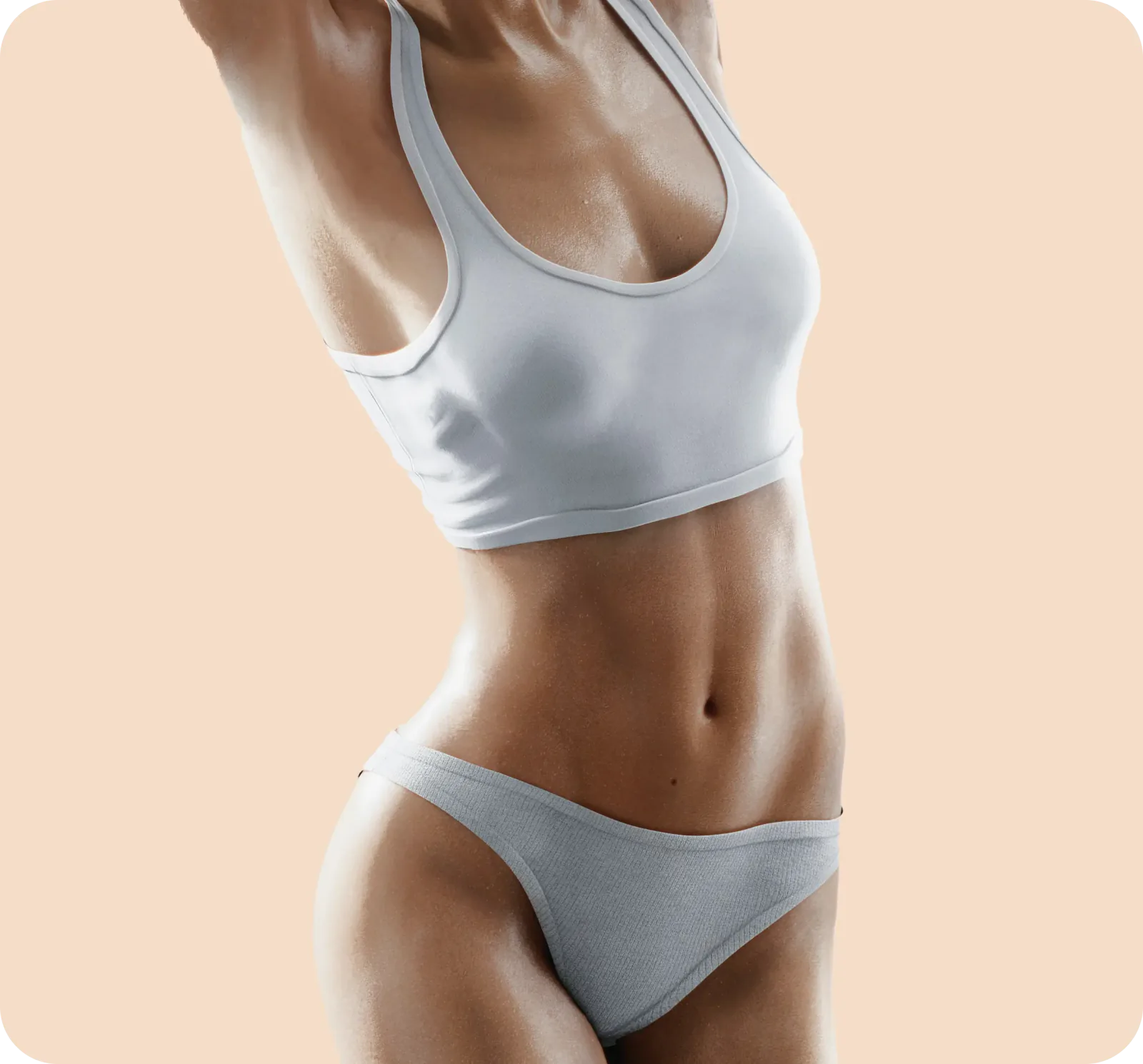
Breast size correction: making the breasts smaller and lighter
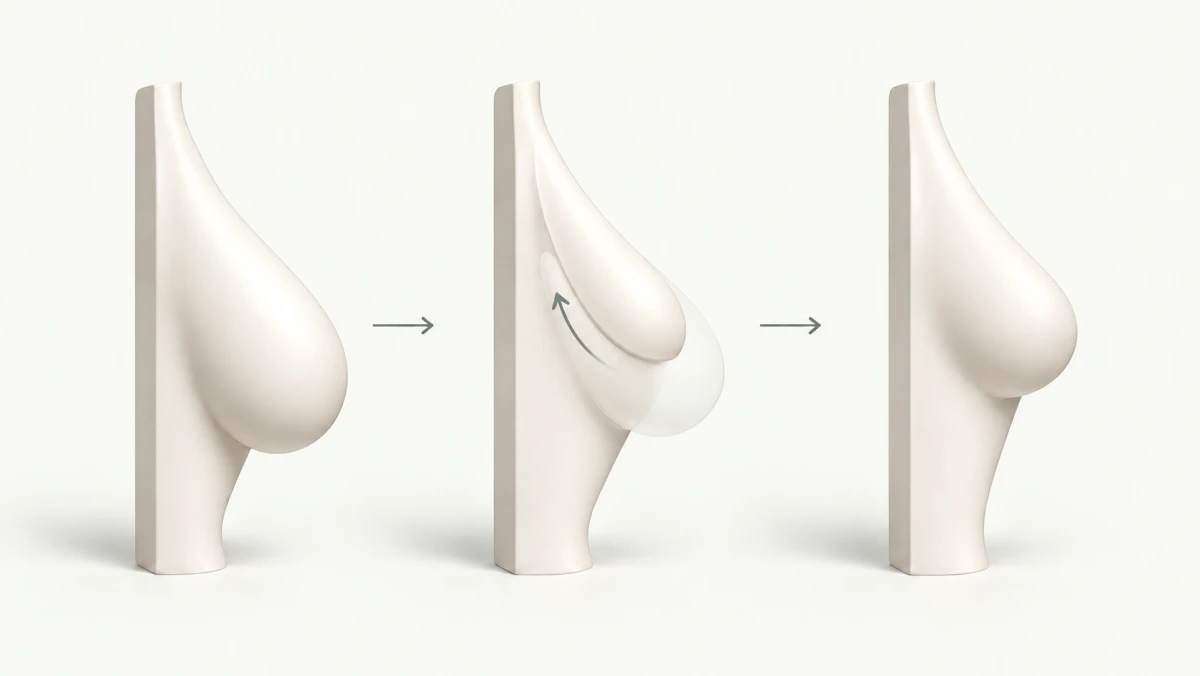
Discounted price
$4,700 $5,900
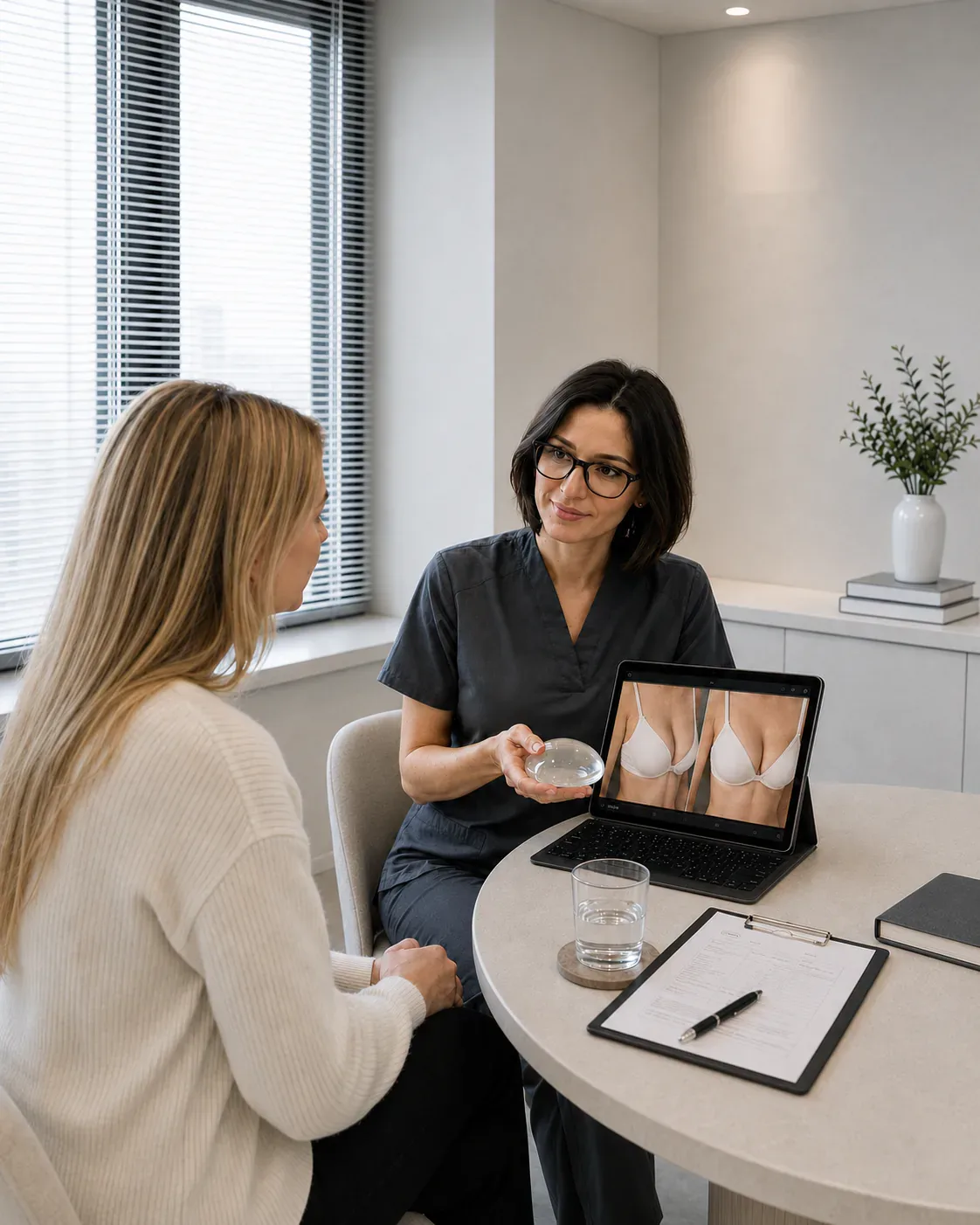
The surgeon examines the shape and proportions of your breasts at the consultation, discusses your goals and picks the mammoplasty option that fits you best.
The consultation is free, before surgery and with no commitment.
Comparison
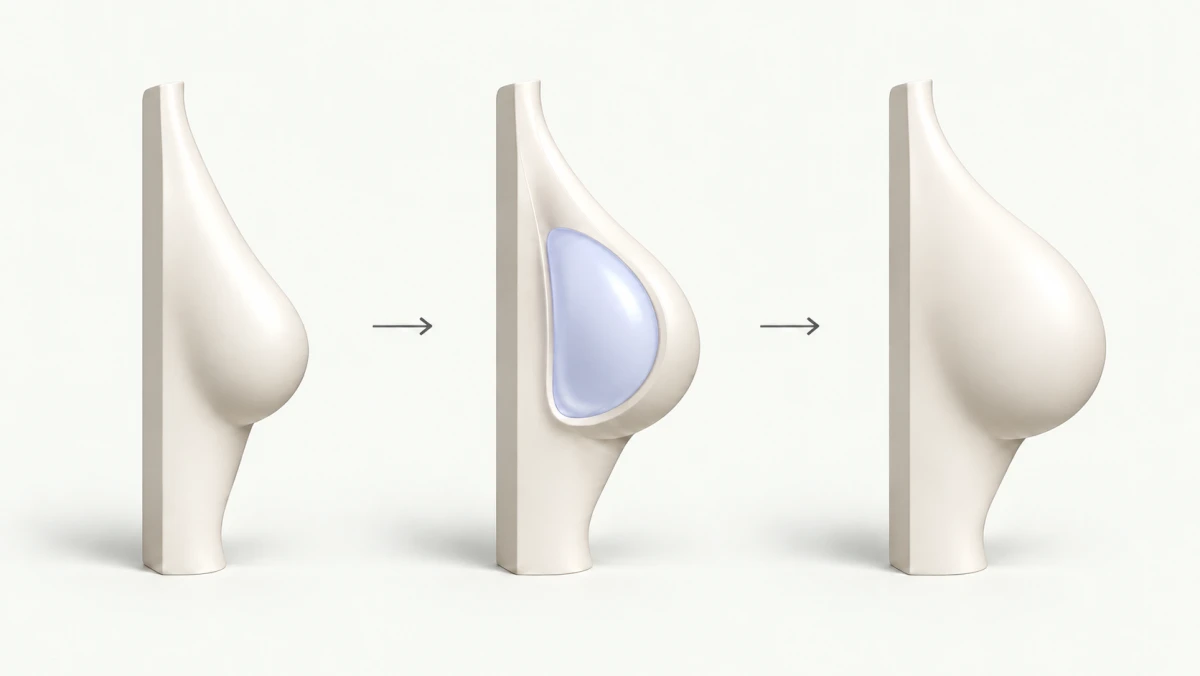
We work with two main types of implants: round and anatomical. Both add volume and correct the shape of the breasts, but they differ in shape and in the kind of result.
Even volume and a fuller upper pole
A natural slope with a soft, teardrop-like shape
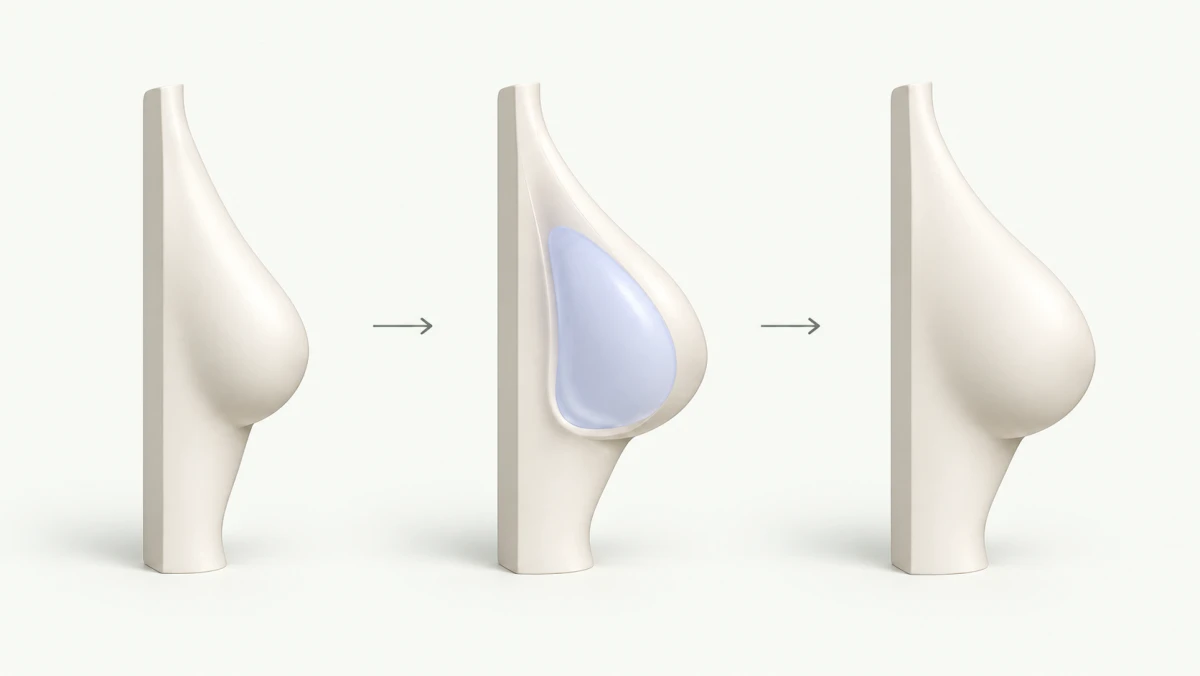
The surgeon will help you choose the implant shape and volume.
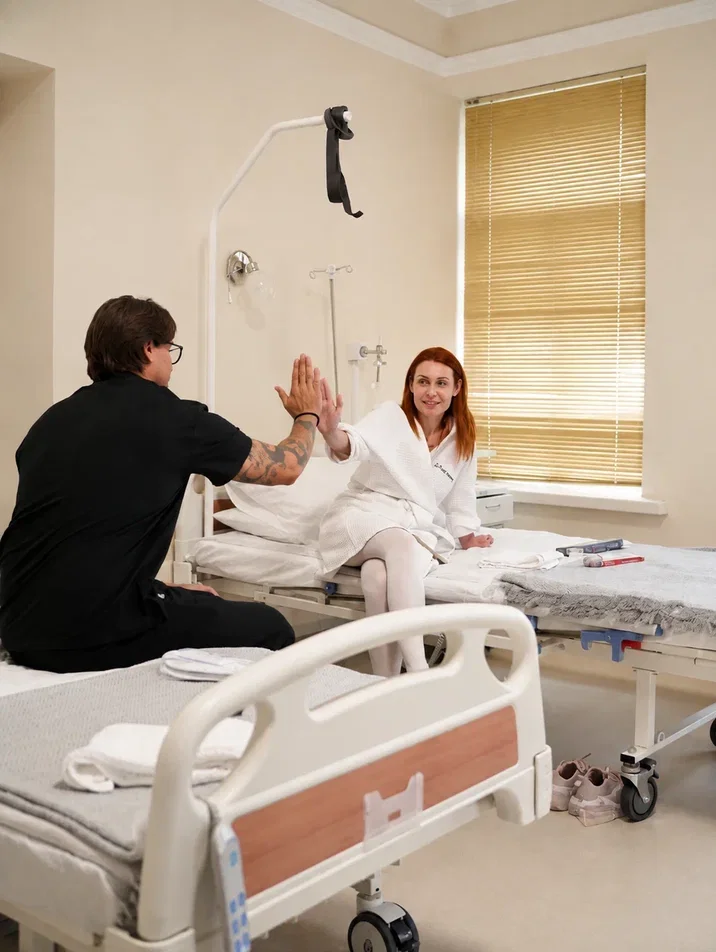
The clinic
Comfortable rooms, modern equipment and care for each person
We will answer your questions and find a convenient time for a consultation
By messaging us, you agree to our Privacy Policy
When surgery is not needed, the doctor tells you honestly at the consultation — and you avoid spending money on an unnecessary operation.
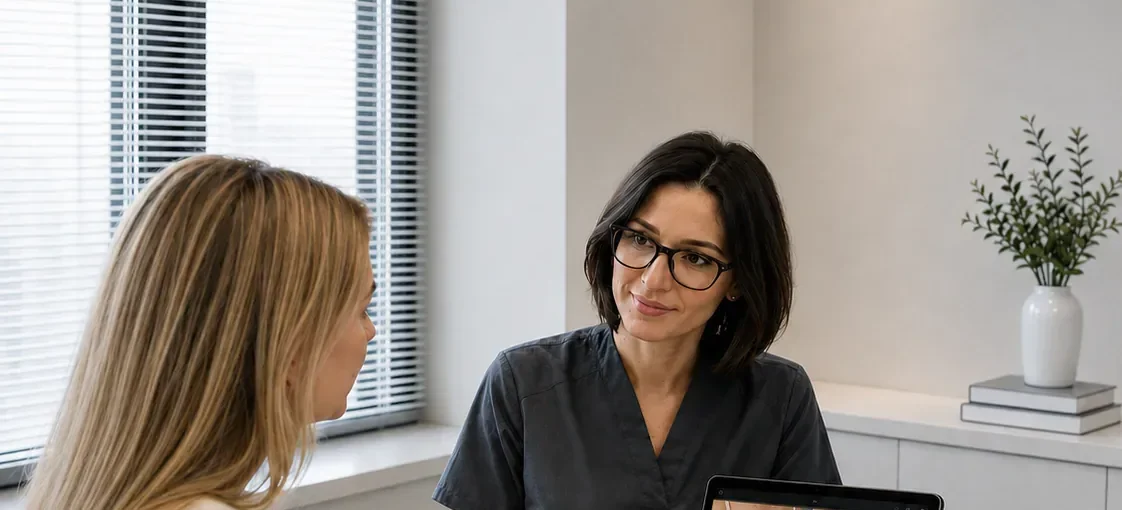

Can't tell whether surgery is right for you?
Write to us: your coordinator will request photos in a messenger, and the surgeon will review them and tell you whether mammoplasty suits you.
Find out if it suits me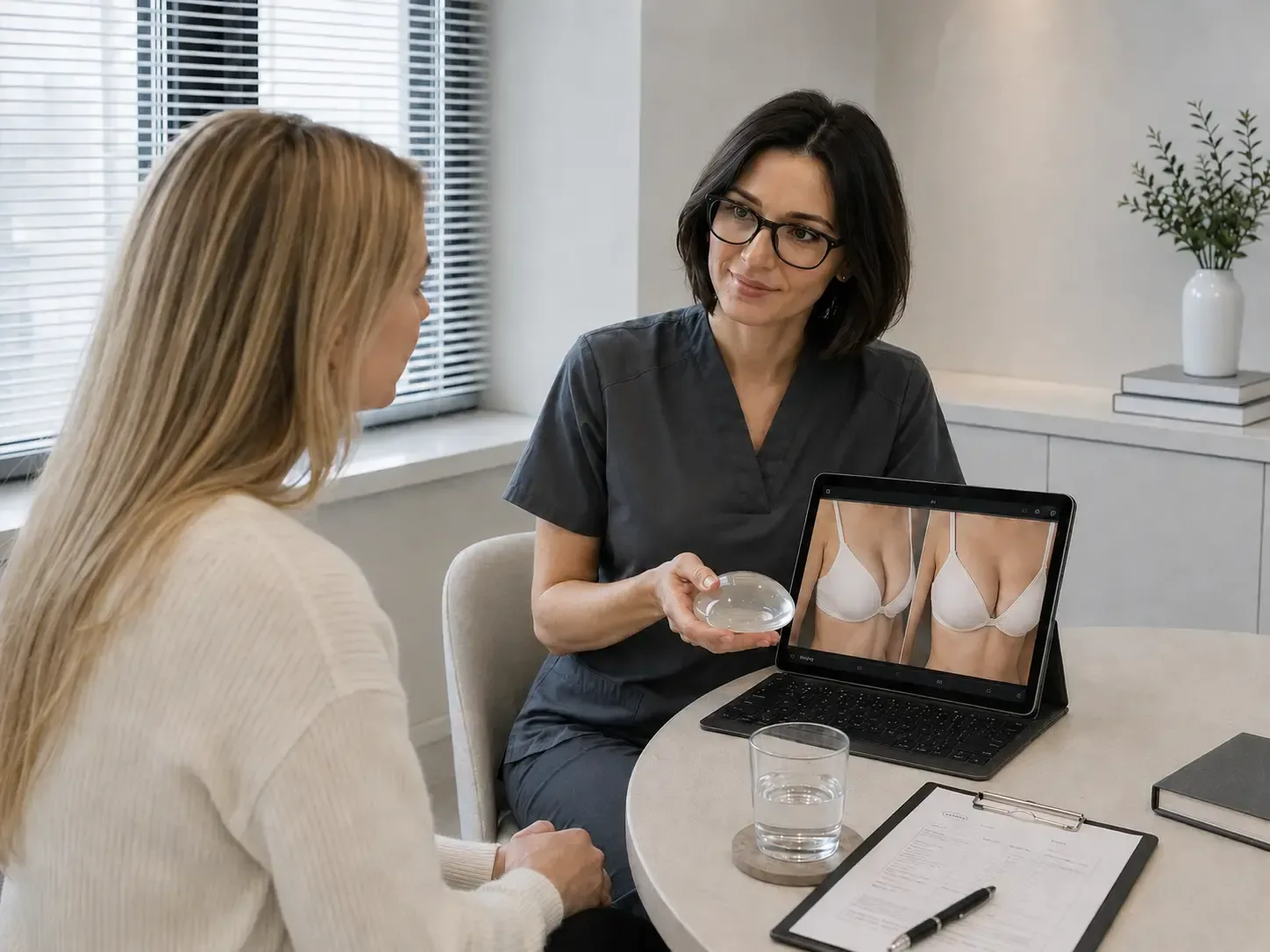
Prices
The price is set at the consultation and fixed in the contract.
Discounted price
Size and shape correction with implants
$4,700$5,900
Discounted price
Reducing the volume and weight of the breasts
$4,700$5,900
Breast restoration after mastectomy
The price is set at the consultation and fixed in the contract.
Get a consultationThe surgeon assesses the anatomy and proportions of your breasts, listens to your wishes and chooses the right correction method.
The price is set at the consultation and fixed in the contract.
Message our coordinator
Free online consultation · Reply within 15 minutes
Message us on TelegramMessage us on WhatsAppBy messaging us, you agree to our Privacy Policy
all inclusive
Starting with preparation for surgery
and ending with support for 12 months.
Discounted price
$4,700$5,900
How it goes
A correction plan agreed with you, inpatient observation and a year of follow-up.
 1
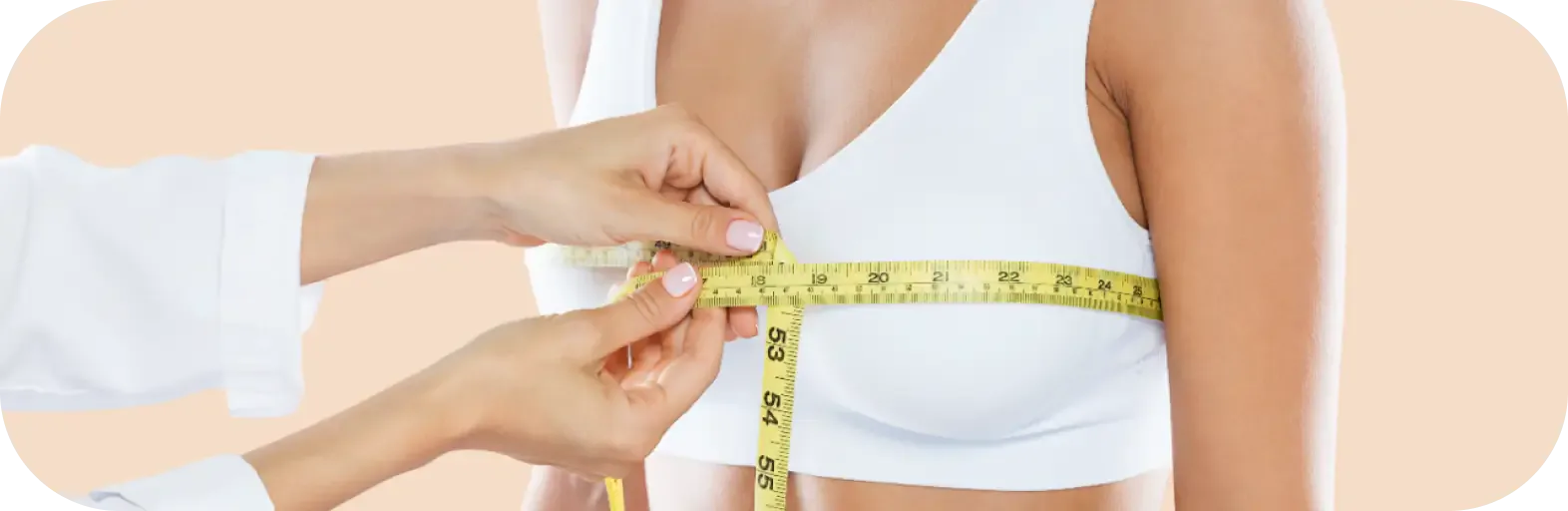
The surgeon examines your figure, discusses your wishes and selects the best volume, shape and correction method.
 2
We reserve a surgery date for you: the deposit can be paid by card at the clinic or online by bank transfer. The terms are fixed in the contract for medical services
 3
Ahead of surgery you go through full testing — blood tests, an ECG and other examinations as prescribed by the doctor.
 4
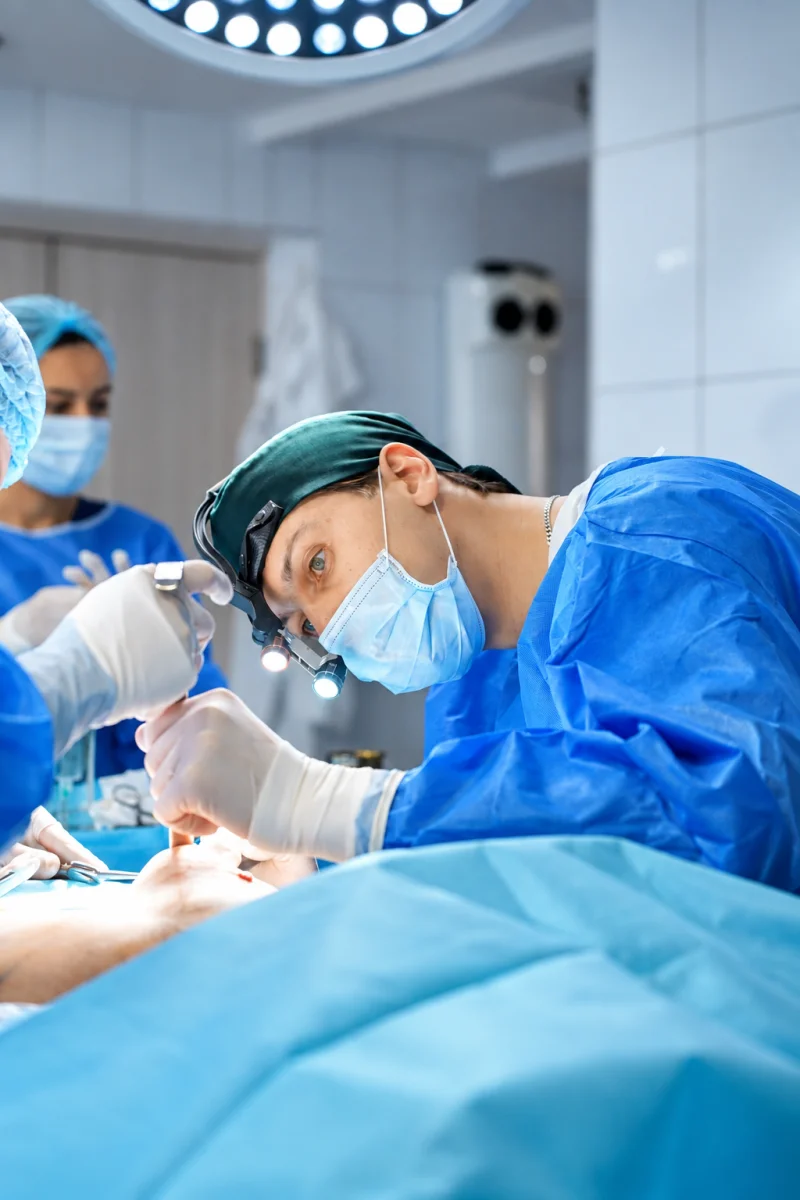
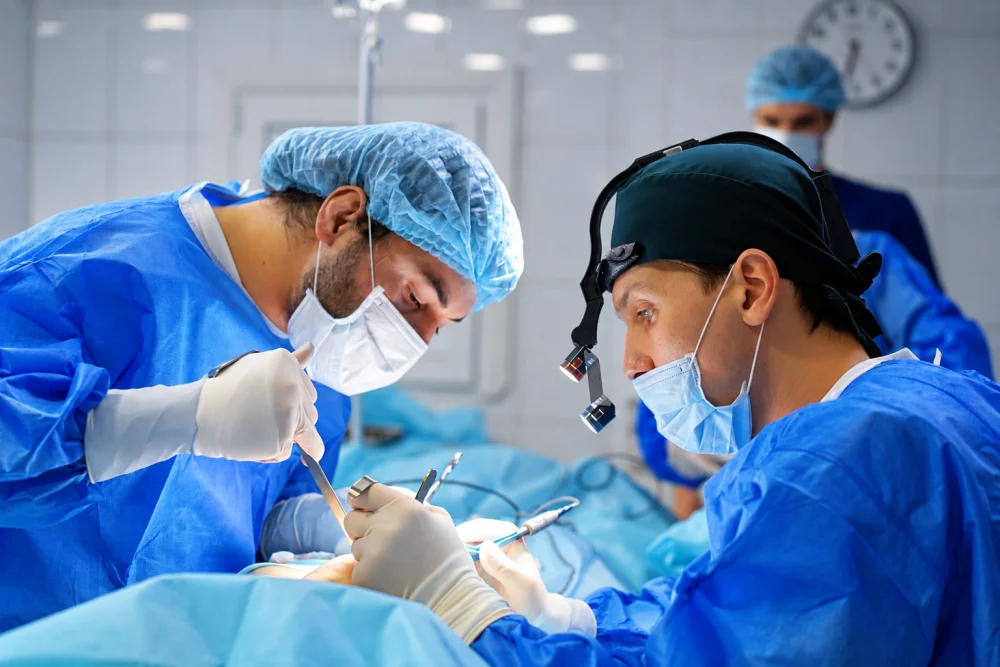
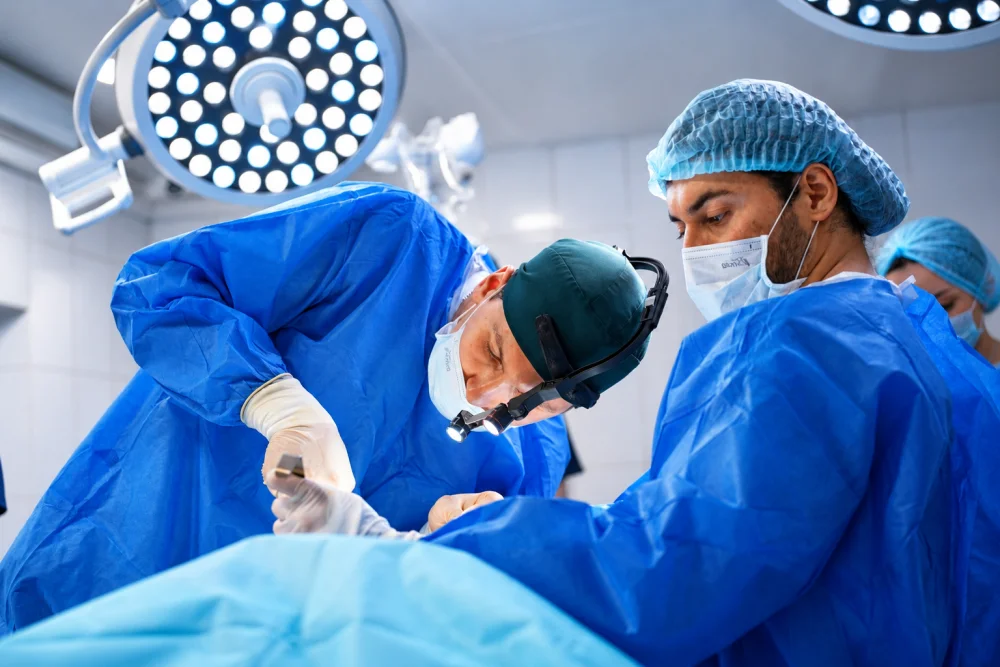
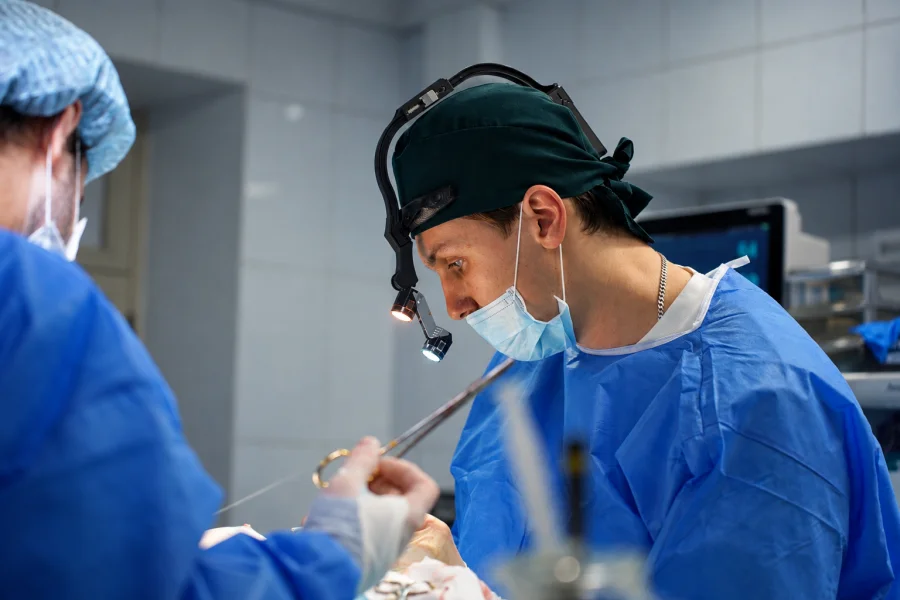
Mammoplasty is performed according to your individual plan. The surgery is done under general anaesthesia while your condition is monitored throughout.
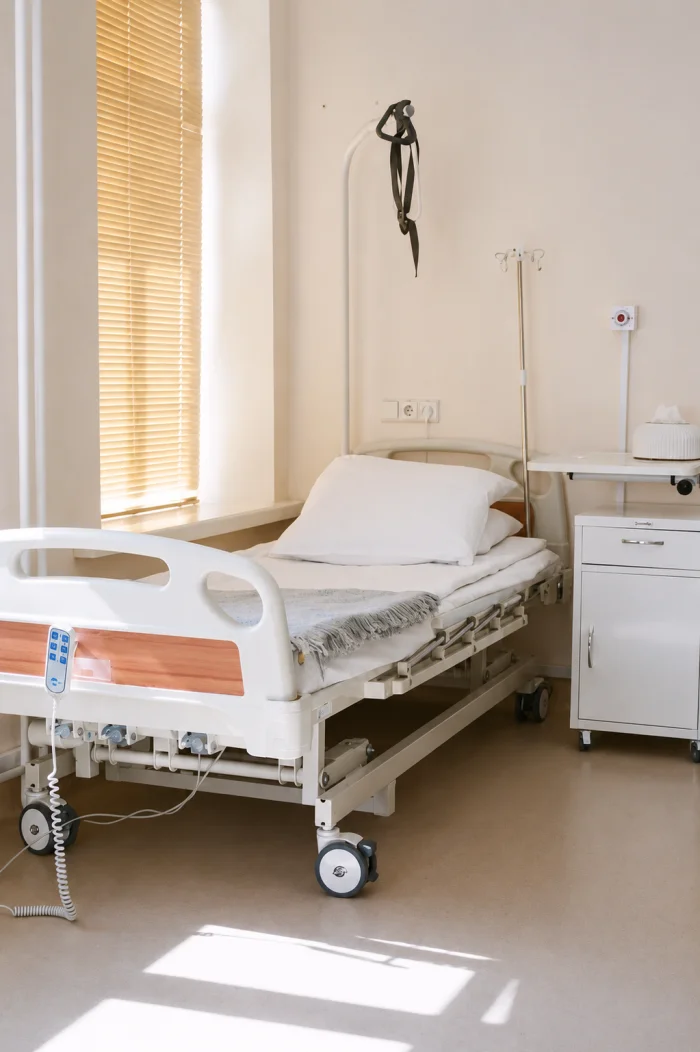 5
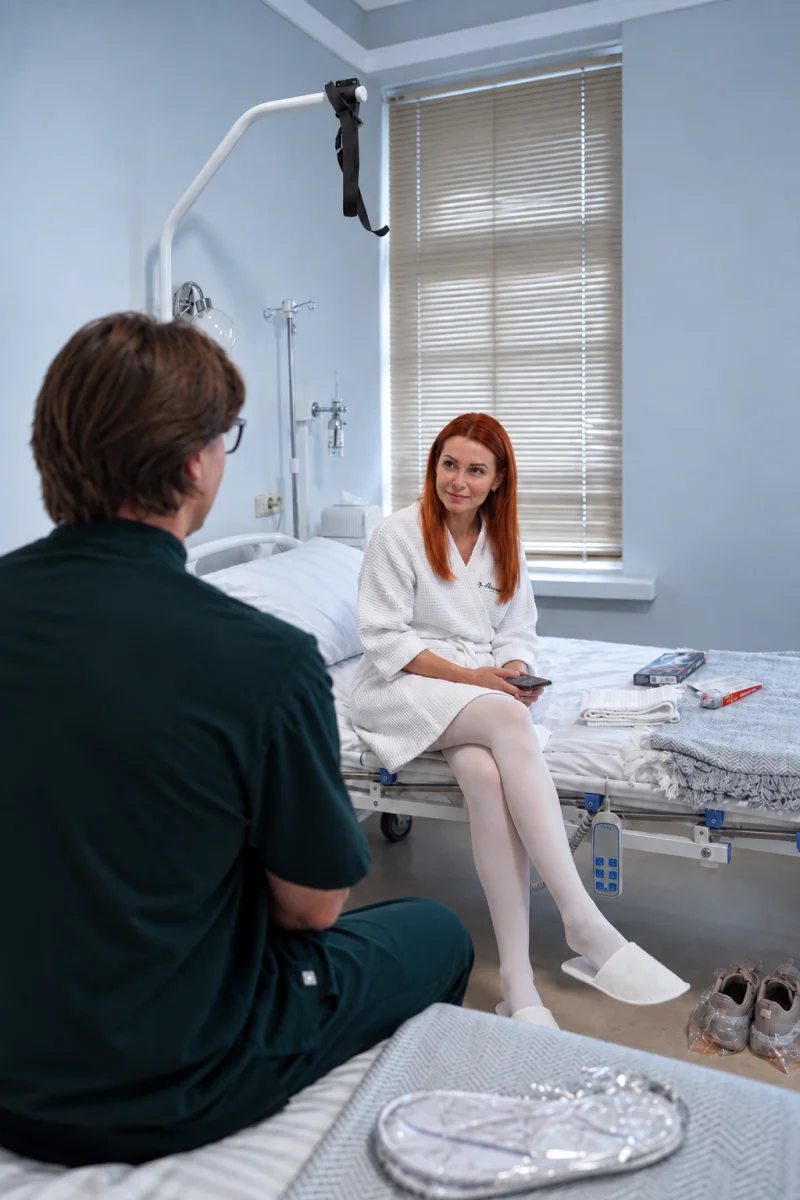
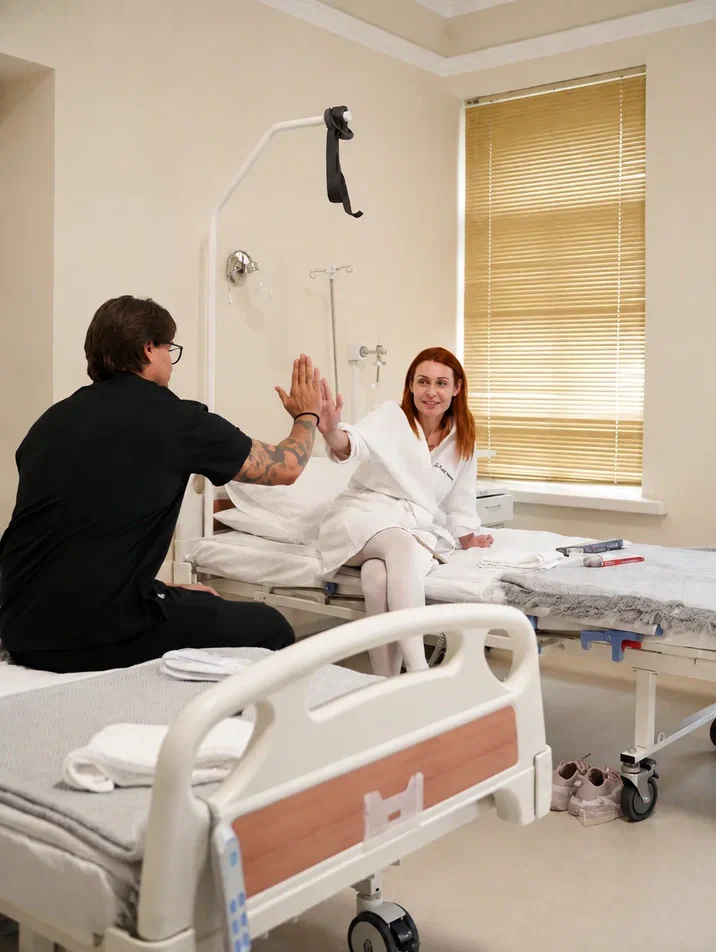
Once the operation is over, you stay in the clinic's comfortable ward under the medical team's supervision until discharge.
 6
You get a personal recovery programme after the operation. Follow-up visits at 7 days, 3 and 6 months monitor healing; for a year, surgeon consultations are free of charge.
Before the operation, follow some easy steps: maintain a sound work-rest balance, sleep more, avoid stress, anxiety and strong feelings, and reduce your physical load.
Discontinue hormonal oral contraceptives at least a month ahead of the procedure
Ahead of surgery, pause any aspirin-containing medicines, steroids and hormonal drugs taken for chronic conditions
Get your tests a week ahead of surgery
After 3 weeks, post-op swelling disappears
Scars take shape within 3 weeks
No strenuous activity (lifting over 3 kg)
No lifting arms above shoulder height — 3 weeks
After correction, recovery includes 1–1.5 months in compression garments
Intense gym workouts should be avoided for up to 40 days, along with overly active aerobics; after a month light cardio may be possible. Watch your diet.
Discomfort disappears after 3 months
Baths and saunas are off-limits up to three months, as is physiotherapy
Inflammatory changes in the tissue resolve within 3 months, while a “pocket” forms around the implant
Doctors
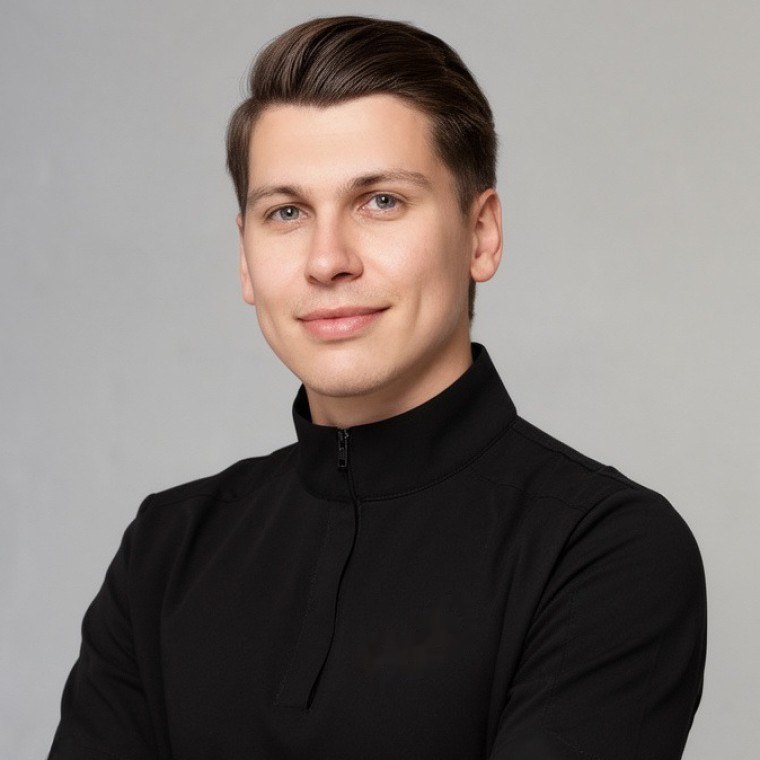
7 years of experience
Plastic surgeon
Residency in plastic surgery: Petrovsky National Research Centre of Surgery. Areas of expertise are aesthetic and reconstructive surgery of the breast and body.
The consultation is with the surgeon who will perform the surgery
A plastic surgeon with experience who takes care of patients' health and beauty
Book a consultationAdvantages
During the consultation we discuss your wishes and model the planned changes. The surgeon explains what surgery can achieve, so you know exactly what result to expect.
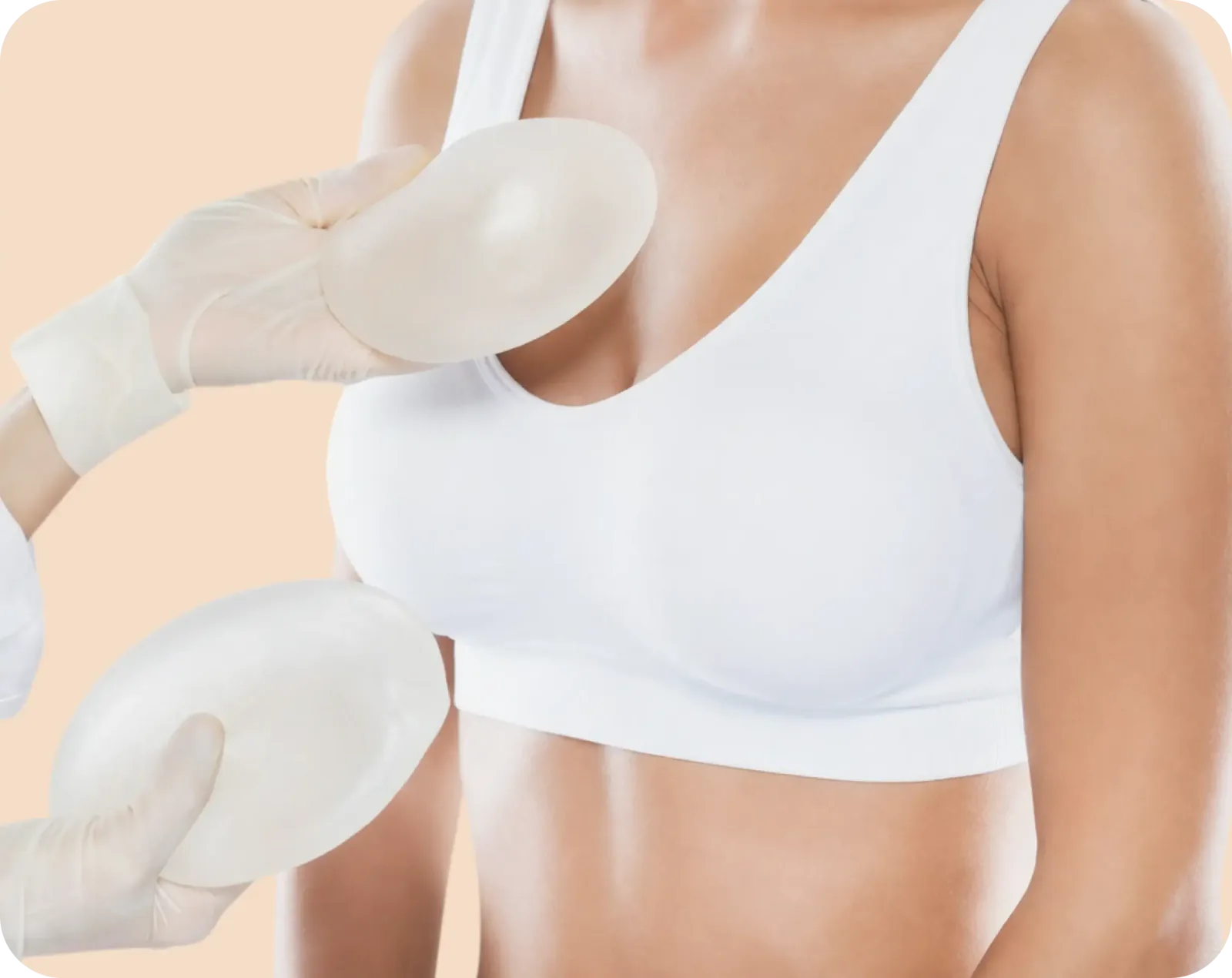
Your surgeon follows your recovery and the changes in your breast shape for a full year; check-ups and dressings are included in the price.
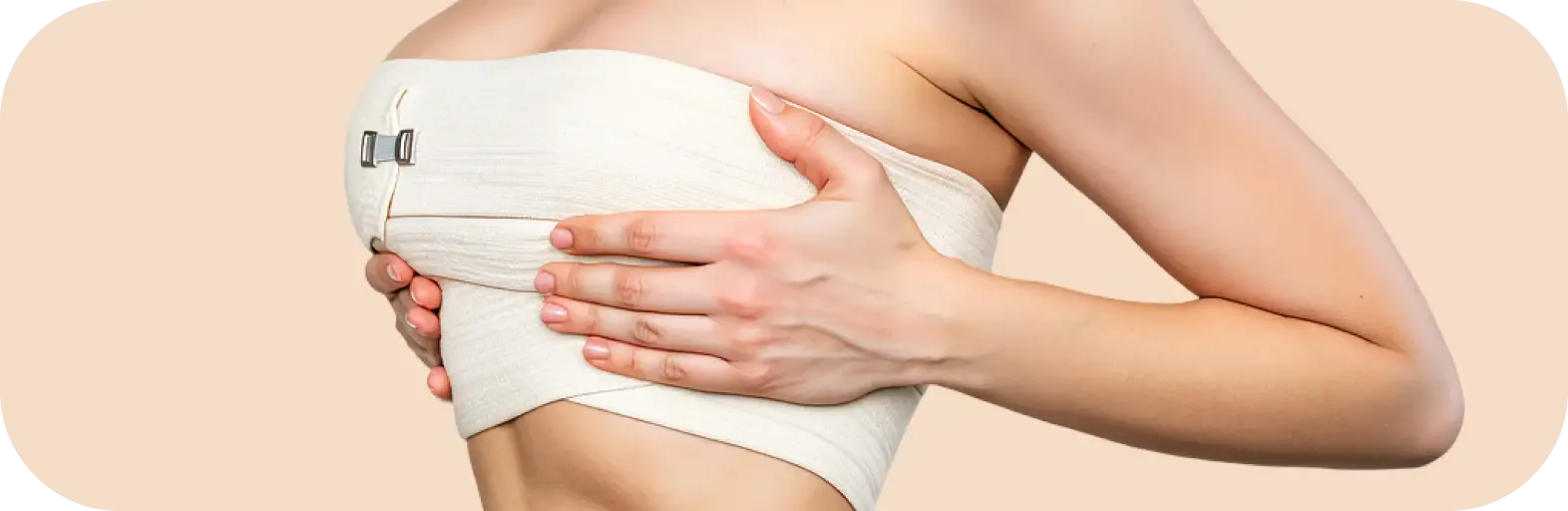
Your anatomy and wishes determine the shape, volume and correction method. In breast augmentation the implant size and profile are picked individually.
We respect your schedule: working 24/7, with simple booking and a personal approach that fits your pace.
After the consultation the surgeon defines the extent of correction, and you get a clear price for the surgery — no surprises on the way to the result you want.

Recovery starts in a comfortable inpatient ward with nursing care around the clock. Your stay and meals are already included in the price.
FAQ
Yes. Boob job is the everyday name for breast augmentation. At City Medical Centre it is done with round or anatomical implants that the surgeon chooses with you at the consultation.
Breast enlargement adds volume with implants. A breast lift (mastopexy) raises sagging breasts and removes excess skin. Which one suits you is decided at the free consultation.
Mammoplasty includes several procedures: augmentation (adding volume with implants), reduction (removing excess tissue and skin), mastopexy (lifting sagging breasts), reconstruction (after mastectomy) and asymmetry correction. The optimal method is selected individually, based on your wishes and the surgeon's recommendation.
Message us — our coordinator will get back to you shortly and book your consultation. The plastic surgeon consultation is free.
With every recommendation followed, complications seldom occur, though they can include hematoma or seroma, wound infection, reduced or increased nipple sensitivity, capsular contracture, aesthetic asymmetry, wound separation and tissue necrosis.
The results of mammoplasty are long-lasting: roughly 10–15 years after augmentation (until the implants are replaced) and 5–10 years after a lift or reduction. Weight, pregnancy, skin aging and gravity all influence how long they last. Wearing supportive underwear and managing your weight help maintain the result.
Your ability to breastfeed after mammoplasty depends on the surgery type. For augmentation using an under-breast or armpit incision and an implant placed under the muscle, lactation is usually preserved: the glandular tissue is not damaged. A lift or reduction raises the risk, as ducts may be cut. Discuss this with your surgeon ahead of time.
When choosing implants, the factors are material (silicone looks most natural, saline is used less often), shape (round or anatomical teardrop), surface (smooth or textured), size and profile. The surgeon will find the best option for your anatomy and preferences.
The surgery is carried out under general anaesthesia, and the patient feels nothing. Moderate discomfort is possible during the first 1–3 days and is relieved by pain medication. Pain falls significantly by day 5–7, and by weeks 2–3 discomfort is over. If you have severe pain, tell your doctor at once.
Most patients return to work (without physical exertion) after 7–14 days. Light walks are fine after 1–2 weeks. Fitness and swimming come after 4–6 weeks, strength training after 3 months, pool and sea after 4–6 weeks. Compression garments are worn for 4–6 weeks. Exact timing depends on your recovery.
Science has found no evidence that mammoplasty increases the risk of breast cancer. Implants are not a cause of cancer. After the procedure, go on with regular screening, including self-exams, mammography and ultrasound, and always tell the examining doctor about the implants.
After a C-section, mammoplasty can be done once the body has fully healed. At least 6–12 months should pass after delivery and after breastfeeding ends. A consultation and examination by a surgeon are required before the operation.
Mammoplasty leaves scars, yet a skilled surgeon makes them minimal. Incisions are made where they are hidden: under the breast, around the areola or in the armpit. Scars are reddish at first, and within 6–12 months they fade until they are almost invisible.
It is normal to have slight asymmetry in the first weeks after surgery, because of swelling and uneven healing. If a difference in size or shape persists after 3–6 months, book an examination with your surgeon to find the cause.
Following mammoplasty, the nipples and breasts may temporarily become less or more sensitive. Irritated nerve endings are the cause. In most cases normal sensitivity returns within 3–12 months. With no improvement after a year, visit your surgeon.
Hormonal drugs (contraceptives, hormone replacement therapy) have no direct effect on implants, but they can cause swelling or changes in breast tissue volume that temporarily alter appearance. Always tell your surgeon about such medications before surgery.
Prices are in US dollars; the amount in brackets is an approximate conversion to EUR at the rate of 02.10.2026. The final price is fixed in your contract.
Prices start from $4,700 (≈ €4,200). The surgeon sets the final price at the free consultation, and it is fixed in the contract, with no hidden extras.
The surgical team's work, anaesthesia, the inpatient stay with meals, dressings and follow-up visits for twelve months.
Message us on WhatsApp or Telegram using the buttons below. A coordinator will answer your questions and book a free consultation where the doctor names the exact price.
By messaging us, you agree to our Privacy Policy
Implants are the core of augmentation, and their choice defines the look. Round or teardrop, smooth or textured shells, different sizes and profiles — every option changes the final contour. If you are weighing breast augmentation in Dortmund, the plastic surgeon will compare the variants against your anatomy and help pick the one closest to the result you have in mind.
For anyone in Dortmund planning augmentation, preparation starts weeks ahead. Aspirin-containing drugs, steroids and some hormonal medications are stopped 1–2 weeks before; oral contraceptives, at least a month before. Tests are taken a week prior. After the operation you remain in hospital for one day, then follow a recovery program focused on reducing swelling and caring for the breasts.
A free consultation is the easiest way to get an exact figure. The surgeon assesses your anatomy, models the result and confirms the plan; the base cost of augmentation is from $4,700 (≈ €4,200). Everything around the surgery — anaesthesia, inpatient stay, 24/7 monitoring, personal support and a year of follow-up — is in that amount. Patients from Dortmund can apply through the site or a messenger.
Written by Dmitry S. Kuznetsov, plastic surgeon
How we prepare and review medical content · Medical disclaimer
Page last updated:
Well-known people who spoke openly about this operation, in their own words.
 Did Bibi Claßen have breast surgery? Yes, and she showed the scar herselfGerman YouTuber Bibi Claßen had a breast lift and augmentation in early 2021 and shared her own scar-care routine. What she said and how the operation works today.
 Did Caro Robens have a breast augmentation? Yes, and she said so herselfGerman reality TV star Caro Robens confirmed her breast augmentation in 2026 interviews and said she is very happy with it. Her words, the procedure, recovery.
 Did Cathy Hummels have a breast augmentation? Yes, and she explained whyIn 2023 Cathy Hummels told Playboy why she had breast surgery: illness, weight loss to 43 kg and a lost B cup. Her words and what the operation involves.
 Daniela Katzenberger and her breast implants: what she said herselfDaniela Katzenberger had breast implants at 23 and in 2024 said they should come out. What she said, how implants are chosen and when removal is considered.
 Gina-Lisa Lohfink's breast augmentation: what she said about it herselfGina-Lisa Lohfink explained in 2009 why she had a breast augmentation after losing weight. What she said, how the procedure works today and what it costs.
 Isi Glück's breast augmentation: she told the whole story herselfThe German party singer documented her breast augmentation from cup A to C in a detailed first-person report. Her quotes and how the operation works today.
Dortmund had 600,880 inhabitants at the end of 2025 (city), yet a decision about breast surgery is made by one person at a kitchen table. The free online consultation is built for that moment. You write on WhatsApp or Telegram at whatever hour suits you, a coordinator is on duty round the clock, and the clinic aims to reply inside 15 minutes.
Start with one sentence about the outcome you picture. More fullness? Better balance between the sides? Volume that vanished after a pregnancy or after losing weight? Repair of an earlier operation? Every one of these is a reason the clinic is ready to discuss, and the surgeon's plan differs for each.
The coordinator will ask for photographs in the messenger, and the surgeon reviews them before saying whether mammoplasty is right for you. Stand upright in even light, and photograph yourself straight on and from both sides. Leave out filters, padded bras and dramatic poses. Honest pictures make for a dependable answer.
Next, record the background a surgeon needs: age, earlier surgery, date of your last pregnancy, whether you are breastfeeding, regular medicines, and any condition under treatment. Pregnancy and breastfeeding are on the list of situations in which the operation is not performed, so say where you stand without being asked.
End with your three most important questions, ranked. The reply you receive will be easier to compare with a second opinion if each question has its own numbered answer.
Allow an evening between reading the reply and acting on it. A calm second reading often brings a question you missed the first time, and a single follow-up message costs far less than a doubt carried into a signed agreement. If a friend or relative is involved in the decision, show them the written answers rather than retelling them.
A round implant gives even volume with extra fullness at the top and forms a symmetrical circle. An anatomical implant is a soft teardrop that slopes gently; the clinic regards that as the most natural contour. Decide which picture resembles your wish, then test the choice on the surgeon.
Four more variables are settled by your anatomy and wishes. They are the material (silicone is said to look most natural; saline is chosen less often), the texture of the surface (smooth or rough), the size, and the profile. Ask for the surgeon's reasons in sentences you can reread, not just a recommendation.
At the consultation the surgeon builds a model of the planned result. Look at it critically and answer in specifics: too much fullness above, too narrow at the sides, too heavy overall. Those details guide the final volume far better than the word 'natural'.
Ask about the practical side too. Where will the incision lie: under the breast, around the areola or in the armpit? Will the implant sit under the muscle? Who explains the scars and how they develop? Each answer should name your anatomy, not a general rule.
You will talk at the consultation to the very surgeon who will operate, and it helps to say this aloud when you request the plan in writing.
Dortmund lies within the administrative region of Arnsberg. The Federal Chamber of Physicians lists the Westfalen-Lippe chamber for the regions of Arnsberg, Detmold and Münster and points patients to an online physician search and a joint patient advice service. The Ärztekammer Westfalen-Lippe calls itself a public-law corporation based in Münster that represents physicians in its area, and its website offers its own Arztsuche for patients.
Put those pages to work. Ask the clinic for the surgeon's complete name and enter it in the search. If an entry shows a specialty, compare it with what you have been told. If nothing appears, ask the clinic in writing how the qualifications can be confirmed, and file the answer with your dated screenshot.
On money, whether any insurer contributes to augmentation chosen for appearance is a question for your own insurer, so ask in writing before you decide.
Read the contract with equal care. The price is set after the consultation and written into the agreement for medical services, and a date is held when a deposit arrives. Check the clauses on moving the date and on withdrawal, and ask for plain wording wherever a sentence is unclear.
Match the written inclusions against what you were told on the phone: a consultation with a model of the result, the surgical team's work, combined inhalation anaesthesia, ward and meals, constant monitoring by medical staff, plus a year of dressings and check-ups. If one is absent from the contract, ask why.
Two months out, the clinic recommends a calmer routine: sleep, less anxiety, fewer strong emotions, a sensible split between work and rest, and lighter exercise. It sounds modest, and yet it is the part of preparation that depends entirely on you.
Between two weeks and one week before, anything with aspirin, steroids and hormonal treatments for chronic illness is stopped; oral hormonal contraceptives go earlier, on the surgeon's own schedule. Tests are due a week ahead: blood work, an ECG and what the doctor adds. Ask the surgeon for the stop and restart date of each medicine in writing, and never alter a prescription yourself.
For forty days the gym and vigorous aerobics are off the programme. After a month, light cardio becomes possible. Watch your meals during that period. If any part of the advice clashes with your work or family life, tell the coordinator early, so the plan can be adjusted before the date is set.
Reasons not to operate are published openly. They are pregnancy or breastfeeding, an acute infection, skin that is inflamed or damaged at the planned incision, a chronic disease that is not compensated, age under 18, a clotting disorder left untreated, poorly controlled diabetes, and a malignant breast tumour whose treatment is unfinished. Put anything that matches in the first message.
The whole route, from the first tests to discharge, takes one day at the clinic. Surgery is done under general anaesthesia while your condition is monitored, and you wake in the inpatient ward, where the medical team looks after you until you leave.
Aftercare is part of the plan. A recovery programme brings you back on day 7, in month 3 and in month 6, and for twelve months after the operation your surgeon sees you free of charge; dressings and check-ups in that year are included in the price.
The limits come with dates. Swelling subsides in roughly 3 weeks, the time scars need to take shape, and during these weeks your arms stay under shoulder height. Compression wear is needed for 1 to 1.5 months. Nothing over 3 kg is lifted, and no bath or sauna is taken, for up to three months. By then the tissue has calmed and the implant lies in the pocket that formed around it.
Rather than counting days in your head, write the end date of every restriction on a calendar when you are discharged. Photograph yourself weekly in the same light, jot down questions as they arise, and bring them to each visit or send them to the coordinator, who is on duty day and night.
According to the Federal Chamber of Physicians, the Westfalen-Lippe chamber covers the regions of Arnsberg, Detmold and Münster, and Dortmund lies in Arnsberg. The Westfalen-Lippe chamber offers an online physician search.
It describes itself as a public-law corporation with its seat in Münster, representing physicians in Westfalen-Lippe, and it provides an Arztsuche for patients.
Yes. Whether anything is contributed to an operation chosen for appearance is a question for your own insurer, asked in writing before you decide.
Send a message on WhatsApp or Telegram. A coordinator answers at any hour, asks for photographs, and the surgeon tells you whether mammoplasty is suitable.
Yes. Ask for the surgeon's name and specialty, the proposed shape and volume, and the incision position, all in one message.
Describe the result you imagine in plain words and attach photographs of proportions you like. The surgeon will build a model of the planned result at the consultation and explain the choice of shape, volume and profile.
The surgeon's full name and specialty, a dated screenshot of the chamber search, the written plan with shape, volume and incision position, the draft contract and the list of inclusions.