























Tummy tuck6 min read
Loose skin after weight loss: what tightens it and when surgery is needed
Losing a lot of weight is a major achievement, but many people are left with folds of loose skin, most often on the abdomen. This article explains why skin sags, why diet and exercise cannot remove it, what non-surgical methods can realistically do, when surgery becomes the right step and how to prepare for it.

The main points in 30 seconds
- After major weight loss, stretched skin usually cannot shrink back fully.
- Diet removes fat, but not loose skin; creams and devices help only mild laxity.
- Surgery is planned once weight has been stable, often for 6 to 12 months.
- A tummy tuck removes the abdominal apron and can repair separated muscles.
- Arms, thighs and back need other operations that CMC does not perform.
Key facts about the procedure
- Operation time2–4 hours
- Back to work2–3 weeks
- Stay in clinic1–3 days
- PriceAt consultation
Why skin sags after weight loss
Skin is elastic, but its elasticity has limits. When weight is gained, the skin stretches over months and years. The collagen and elastic fibres that keep it firm are strained and partly damaged, so when the fat underneath disappears, the skin cannot fully shrink back.
How much loose skin remains depends on several factors:
- How much weight was lost. The larger the loss, the more excess skin is usually left.
- How long the skin was stretched. Years of excess weight damage elastic fibres more than a short period.
- Age. Skin naturally loses collagen with age and recovers less.
- Genetics and sun exposure. Some skin is naturally more elastic; long sun exposure and smoking weaken it.
- Pregnancy. It stretches the abdominal skin and often separates the abdominal muscles as well.
After very large weight loss, for example after bariatric surgery, an apron of skin hanging over the lower abdomen is common.
Skin vs fat: why diet alone cannot fix it
It is important to tell loose skin from remaining fat, because they are treated differently.
Remaining fat
- How it looks and feels
- A soft, thick layer that can be pinched in a fold
- What usually helps
- Diet, exercise, sometimes liposuction
Loose skin
- How it looks and feels
- A thin fold that hangs, wrinkles and moves freely
- What usually helps
- Surgical removal of excess skin
Separated muscles
- How it looks and feels
- A bulge along the midline, especially when straining
- What usually helps
- Muscle repair during a tummy tuck
Diet reduces fat, and exercise strengthens muscles, but neither can remove skin that has already stretched. Once weight is stable, the amount of loose skin changes very little. Stretched skin also does not shrink with creams or massage.

Non-surgical options and their limits
Several non-surgical methods are offered for loose skin, such as radiofrequency or ultrasound devices, and cosmetic creams. They can slightly improve skin texture when laxity is mild.
- Devices heat the deeper layers of the skin and may stimulate some collagen. The effect is modest, needs several sessions and fades over time.
- Creams and oils moisturise the skin surface but do not change stretched deeper layers.
- Exercise builds muscle under the skin, which improves the contour but does not remove excess skin.
When there is a fold of skin that hangs, especially an apron over the lower abdomen, these methods cannot give a visible result. This is general information: City Medical Centre does not offer non-surgical skin tightening.
When surgery is needed
Surgery is usually considered when loose skin causes discomfort or clearly affects appearance, for example:
- an apron of skin that hangs over the lower abdomen or pubic area;
- skin irritation, rashes or infections in the fold, especially in warm weather;
- difficulty with hygiene, clothing or exercise;
- a bulging abdomen caused by separated muscles.
The main condition is a stable weight. Surgeons usually advise that weight should stay stable for several months before surgery, often 6 to 12 months. After bariatric surgery, the operation to remove skin is typically planned once weight loss has finished and weight has been steady for some time. If weight is still falling, the result may be spoiled by further changes.
Which areas can be corrected
After major weight loss, loose skin can appear in many places, and each area needs its own operation.
- Abdomen. A tummy tuck removes excess skin and fat of the abdomen and can repair separated muscles. This is the most common request.
- Flanks and waist. They can be refined with liposuction at the same time as a tummy tuck.
- Upper arms, thighs, back and buttocks. These are corrected with separate lifting operations, sometimes in several stages.
- Breasts. Sagging breasts after weight loss are addressed with breast surgery.
Surgeons often plan the most troublesome area first. Combining too many areas in one operation increases risk and lengthens recovery.
Preparation and recovery
Before a tummy tuck, a full check-up is done: blood tests, clotting tests, infection tests, an ECG, a chest X-ray, an ultrasound of the leg veins and an assessment of general health. After major weight loss, doctors also check nutrition, because deficiencies slow healing.
- stop smoking and alcohol in advance, and stop medicines affecting clotting as agreed with your doctor;
- keep your weight stable and eat enough protein;
- plan help at home for the first days.
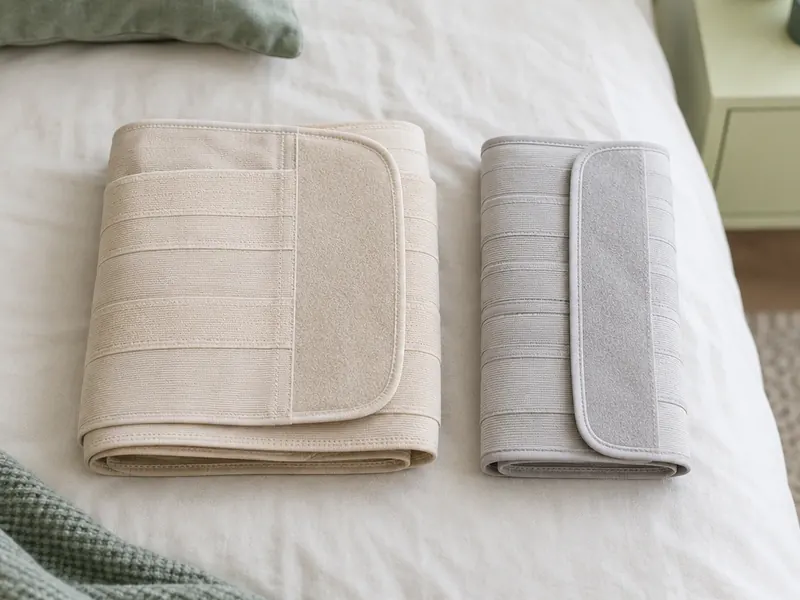
After surgery, patients usually stay in hospital for 1 to 3 days. A compression garment is worn for about 6 to 8 weeks. Office work often resumes after 2 to 3 weeks, while sport, saunas and heavy lifting are avoided for 2 to 3 months. There will be a scar in the lower abdomen; it is placed low so that underwear can hide it and it fades over the first year.

Planning skin removal at City Medical Centre
City Medical Centre works with international patients. For the abdomen, the clinic performs the classic tummy tuck and the mini tummy tuck with diastasis repair, and a tummy tuck can be combined with liposuction of the flanks and waist in one operation. City Medical Centre does not perform arm lifts, thigh lifts or body lifts; they are mentioned in this article as general information.
The first consultation is free and can be held online. Send photos of your abdomen and tell the surgeon how much weight you lost and when. Before surgery an endocrinologist rules out hormonal causes of weight gain, and the surgeon assesses the skin and muscles, chooses the technique and names the cost, which is fixed in the contract. After surgery, check-ups are planned at 7 days, 3 and 6 months. A personal coordinator stays with you from the first message to the end of recovery, and photos and questions can be sent by Telegram. More details are on the tummy tuck page.
How recovery usually goes
- 1–3 daysHospital stay under medical supervision; drains are usually removed after two days
- 7 daysStitches removed
- 2–3 weeksOffice work resumes
- 30 daysMost swelling goes
- 1.5–2 monthsCompression binder period; swelling and tightness pass; interim result
- 6–12 monthsThe final contours and scar
Sources
Frequently asked questions
Will loose skin tighten on its own?
Only a little. Skin may retract somewhat in the months after weight loss, especially in younger people and after moderate loss. After large weight loss, stretched skin usually cannot shrink back fully, and once weight is stable the remaining excess changes very little.
How long after weight loss should I wait for surgery?
Surgeons usually advise waiting until your weight has been stable for several months, often 6 to 12 months. After bariatric surgery, skin removal is typically planned once weight loss has finished. Operating while weight is still changing can spoil the result.
Can creams or devices tighten loose skin?
Creams only moisturise the skin surface. Devices such as radiofrequency or ultrasound may slightly improve mild laxity, but the effect is modest and temporary. They cannot remove a hanging fold of skin, which requires surgery.
Is a tummy tuck the right option for loose skin?
For loose skin on the abdomen, yes, it is the main surgical option. A tummy tuck removes the excess skin and fat and can repair separated muscles. Loose skin on the arms, thighs or back requires other operations.
Will insurance cover skin removal?
It depends on your country and insurer. Skin removal done for appearance is usually not covered, while some insurers consider cases with documented medical problems. Check with your insurer directly. At City Medical Centre the cost is named after the consultation and fixed in the contract.
Have a question about your case? Get a free consultation
Message a coordinator on Telegram: we reply right in the chat, and you can send photos and questions there too.
- The first consultation is free, online consultations are available
- The doctor names the cost after the assessment, and it is fixed in the contract
- A personal coordinator guides you from the first message to recovery
Message our coordinator on Telegram
We reply right in the chat — you can send photos
Message us on TelegramBy sending a message, you agree to the privacy policy
Read also
 Tummy tuck
Liposuction or tummy tuck: how to choose the right operation for your abdomen
Liposuction removes fat; a tummy tuck removes loose skin and repairs separated muscles. Compare results, scars, recovery and who each operation suits.
 Tummy tuck
Mini or full tummy tuck: what each one corrects and how to tell which you need
A mini tummy tuck treats the lower abdomen through a shorter incision; a full one tightens the whole abdomen. Compare scars, navel, diastasis and recovery.
 Bariatric surgery
Losing weight after 40: when bariatric surgery is worth considering
Why weight loss gets harder after 40, how hormones and metabolism change, common diet mistakes and when bariatric surgery becomes a reasonable option.