


























Osteoarthritis treatment7 min read
Living with knee or hip osteoarthritis: exercise, weight and daily habits
Osteoarthritis of the knee or hip is a long-term condition, but how it feels from day to day depends a great deal on what you do. Regular movement, a healthy weight, good footwear and small changes to everyday routines can ease pain, keep the joint mobile and help any treatment work better. This guide explains which habits matter most, how to exercise safely, and how lifestyle fits together with non-surgical treatment such as PRP or SVF cell therapy.
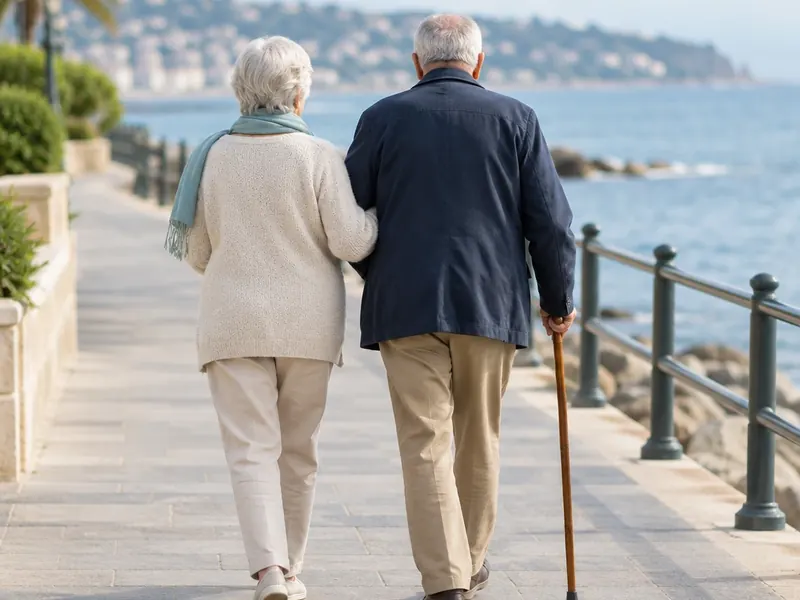
The main points in 30 seconds
- Daily movement and a healthy weight are the basis of living with osteoarthritis.
- Strong thigh and buttock muscles take load off the knee and hip.
- Low-impact exercise is safe for most people when built up gradually.
- Cushioned shoes, a stick and small home changes reduce joint strain.
- Healthy habits help PRP or SVF treatment results last longer.
Daily habits that help knee and hip osteoarthritis
In osteoarthritis the cartilage that cushions the joint gradually thins, and the bones begin to take more of the load. The damage that has already happened cannot be undone by habits alone, but daily choices strongly affect pain, stiffness and how quickly the joint changes. Clinical guidelines for osteoarthritis put exercise, weight management and information about the condition at the centre of care for almost everyone, whatever the stage.
The habits that help most are simple:
- moving a little every day rather than a lot once a week;
- keeping body weight in a healthy range;
- wearing supportive, cushioned shoes;
- spreading demanding tasks across the day and taking short breaks;
- warming up the joint before activity, especially in the morning.
None of these is a quick fix, but together they often make a noticeable difference within a few weeks.
Why weight and movement matter for joints
The knee and hip carry the weight of the body with every step. When you walk, the force passing through the knee is several times your body weight, so even a modest weight loss reduces the load on the cartilage considerably. For people who are overweight, losing around five to ten percent of body weight is often enough to reduce knee pain and improve function.
Movement matters for a different reason. Cartilage has no blood supply of its own and receives nutrients from the joint fluid, which circulates when the joint moves and is loaded and unloaded. Muscles around the joint act as shock absorbers: strong thigh and buttock muscles take pressure off the knee and hip, while weak muscles leave the joint surfaces to absorb more of the impact. Long periods of inactivity make stiffness and weakness worse, which in turn makes movement more painful.
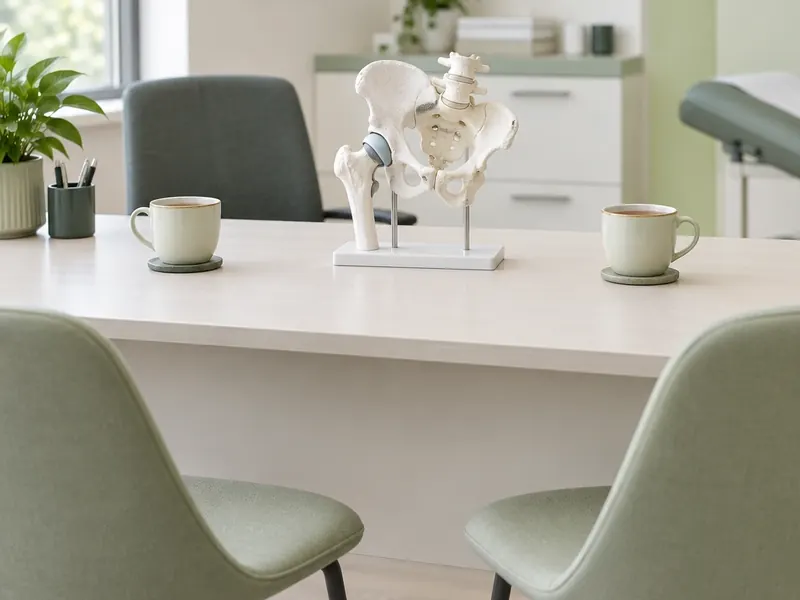
Safe exercise and therapeutic gymnastics
Exercise is one of the most effective ways to reduce osteoarthritis pain, and it is safe for most people when it is built up gradually. A balanced programme usually has three parts:
- Strengthening: exercises for the thigh, buttock and core muscles, such as straight-leg raises, gentle squats to a chair, bridges and side-lying leg lifts.
- Range of motion: slow bending and straightening of the knee, hip circles and gentle stretches to keep the joint flexible.
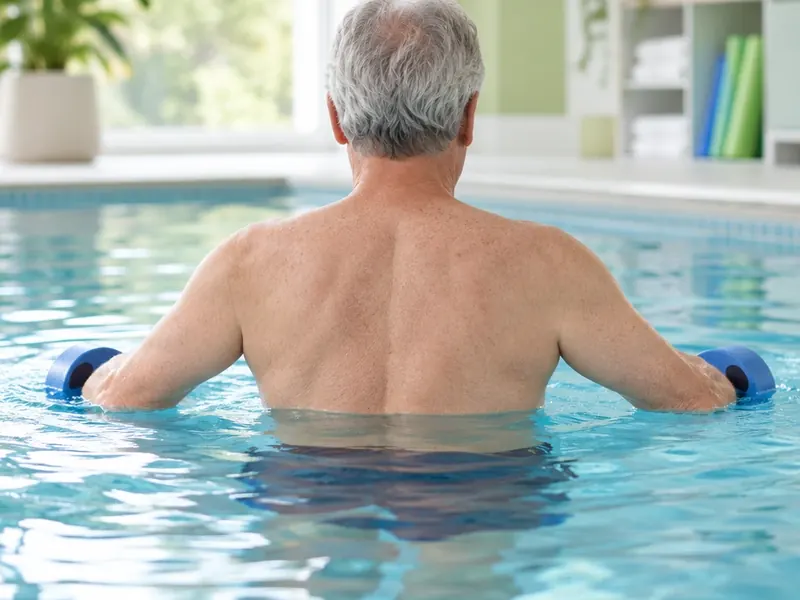
- Low-impact aerobic activity: walking on even ground, cycling on a stationary bike, swimming or exercise in water, where the body weight is partly supported.
A useful rule is that mild discomfort during exercise is acceptable, but pain should settle within about two hours afterwards and should not be worse the next day. If it is, reduce the intensity rather than stopping altogether. Activities with repeated jumping, deep squats under load or sudden twisting, such as running on hard surfaces or some team sports, are usually harder on an arthritic knee or hip. A physiotherapist can design a programme that suits your joint and stage.
Footwear, insoles and walking aids
Shoes with a cushioned, flexible sole and a low heel reduce the shock that reaches the knee and hip with each step. High heels and very flat, hard soles increase it. Some people with knee osteoarthritis find that orthopaedic insoles make walking more comfortable, especially when the foot rolls inward or outward; the effect varies, so insoles are best fitted after an assessment of how you walk.
A walking stick can take a surprising amount of load off a painful hip or knee. It is held in the hand on the opposite side to the affected joint and should reach the crease of the wrist when your arm hangs down. Knee braces may help some people feel more stable. Using an aid for a while is not a sign of giving up; it can make it easier to stay active.
Everyday activities: what to adjust
Small changes at home and at work reduce strain on the joint without making life smaller:
- choose a chair of a height where your hips are slightly above your knees, which makes standing up easier;
- on stairs, lead with the stronger leg going up and with the painful leg going down, and use the handrail;
- avoid kneeling and low squatting for long periods, or use a cushion or a low stool;
- carry heavy bags close to the body or use a trolley;
- change position every 30 to 45 minutes when sitting or standing for a long time;
- use warmth, such as a warm shower, for morning stiffness, and a cool pack for a short time if the joint feels hot and swollen after activity.
Good sleep and managing stress also affect how pain is felt. Pain relief, if needed, should be agreed with your doctor, who knows your other conditions and treatments.
Combining lifestyle with PRP or SVF treatment
Lifestyle and treatment work best together. PRP therapy uses platelet-rich plasma prepared from your own blood to calm inflammation and support tissue repair. SVF cell therapy uses cells from a small sample of your own adipose tissue, combined with plasma, to slow cartilage wear at early and moderate stages.
Both are injected into the joint under ultrasound guidance, without surgery.
After the procedure, most people return to normal daily activity within a day or two. During the first week the joint may ache a little more, and doctors usually advise avoiding heavy loads and intense sport for a short time. As pain eases over the following weeks, a gradual return to exercise helps the muscles support the joint again. A healthy weight and regular joint-friendly activity help the result last longer, while inactivity or extra weight can shorten it. How long the effect lasts differs from person to person, and no one can promise a fixed result.
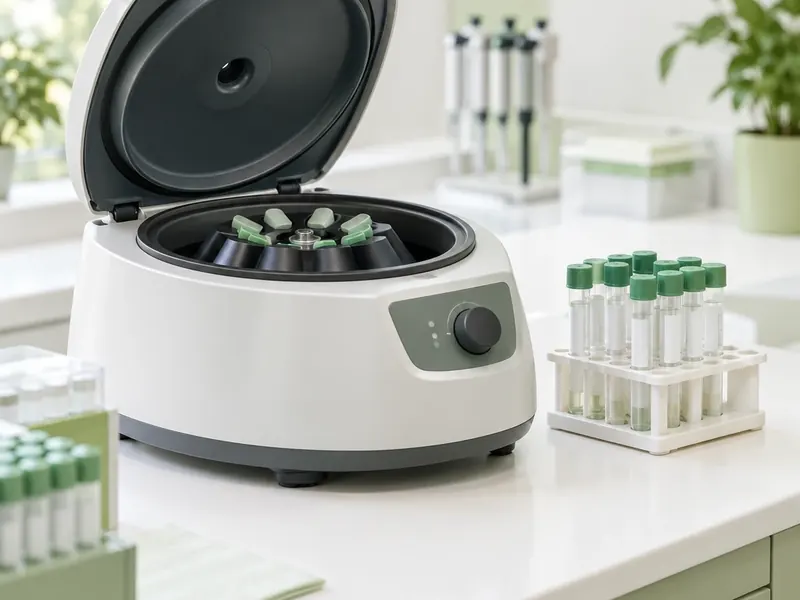
Getting a personal plan at City Medical Centre
City Medical Centre treats knee and hip osteoarthritis without surgery, using two methods: PRP therapy from your own blood and SVF cell therapy from your own adipose tissue combined with PRP. The doctor reviews your X-rays or MRI, assesses the stage and tells you honestly whether injections make sense or whether joint replacement is the more realistic option.
City Medical Centre does not offer physiotherapy programmes, fitting of orthopaedic insoles or joint replacement surgery; these are described in this article as general information. You can read more on our osteoarthritis treatment page.
The first consultation and scan review are free and can be held online. The cost is named after the assessment and fixed in the contract. Most people go home the same day, follow-up visits are planned at one, three and six months, and a personal coordinator stays with you from your first message, including on Telegram.
Sources
Frequently asked questions
What exercises are safe for knee osteoarthritis?
Low-impact activities are usually safest: walking on even ground, stationary cycling, swimming and exercise in water, together with strengthening exercises for the thigh and buttock muscles such as straight-leg raises, bridges and gentle squats to a chair. Build up gradually; pain after exercise should settle within about two hours.
Does losing weight help hip arthritis?
Yes. The hip carries body weight with every step, so reducing extra weight lowers the load on the joint and often eases pain and improves walking. For people who are overweight, a loss of around five to ten percent of body weight can already make a noticeable difference.
Do orthopaedic insoles help knee pain?
They can help some people, especially when the foot rolls inward or outward and changes the load on the knee. The effect varies from person to person, so insoles are best chosen after an assessment of how you walk. Cushioned, supportive shoes help almost everyone.
Should I rest or stay active with osteoarthritis?
Staying active is better for most people. Short rest during a painful flare-up is fine, but long periods of inactivity weaken the muscles and increase stiffness. The aim is regular, moderate movement adjusted to how the joint feels, rather than complete rest or overload.
Can lifestyle changes replace injections?
At an early stage, exercise and weight control are sometimes enough to keep symptoms under control. When pain and stiffness persist despite them, PRP or SVF therapy may be considered. Lifestyle does not replace treatment; it supports it and helps the result last longer.
Have a question about your case? Get a free consultation
Message a coordinator on Telegram: we reply right in the chat, and you can send photos and questions there too.
- The first consultation is free, online consultations are available
- The doctor names the cost after the assessment, and it is fixed in the contract
- A personal coordinator guides you from the first message to recovery
Message our coordinator on Telegram
We reply right in the chat — you can send photos
Message us on TelegramBy sending a message, you agree to the privacy policy
Read also
 Osteoarthritis treatment
PRP or SVF therapy for knee osteoarthritis: how the two methods compare
PRP or SVF cell therapy for knee osteoarthritis: how each is prepared, which stage it suits, what to expect and when, contraindications and recovery.
 Osteoarthritis treatment
Hip osteoarthritis (coxarthrosis): how it is treated without surgery
Can hip osteoarthritis (coxarthrosis) be treated without surgery? Causes, stages, scans, exercise, PRP and SVF injections, and when replacement is needed.
 Liposuction
Will Skin Sag After Liposuction? Skin Tightening Explained
Will skin sag after liposuction? How skin quality is assessed, why skin usually retracts, what non-surgical tightening can and cannot do, and when surgery is needed.