


























Bariatric surgery6 min read
Roux-en-Y gastric bypass explained: how the operation works and who it suits
Roux-en-Y gastric bypass is one of the most studied operations for severe obesity and type 2 diabetes. It makes the stomach much smaller and changes the route food takes through the gut. This article explains how the operation works, why surgeons often call it the gold standard, who benefits most, what results are realistic and what lifelong changes it brings.

The main points in 30 seconds
- A bypass creates a small stomach pouch and reroutes food past part of the intestine.
- It is often preferred for type 2 diabetes, severe reflux or a higher BMI.
- Most patients lose a large part of their excess weight over one to two years.
- Dumping syndrome is common and is managed by avoiding sweets and eating slowly.
- Lifelong vitamin supplements and regular blood tests are required.
Key facts about the procedure
- Back to work2–4 weeks
- Stay in clinic1–5 days
- Final result18–24 months
- Price
$4,800from $3,600
What Roux-en-Y gastric bypass is
During the operation the surgeon divides the stomach and creates a small pouch at its top, about the size of an egg. The rest of the stomach stays in the body but no longer receives food. The pouch is then connected directly to a loop of the small intestine, so food bypasses the lower stomach, the duodenum and the first part of the small intestine.
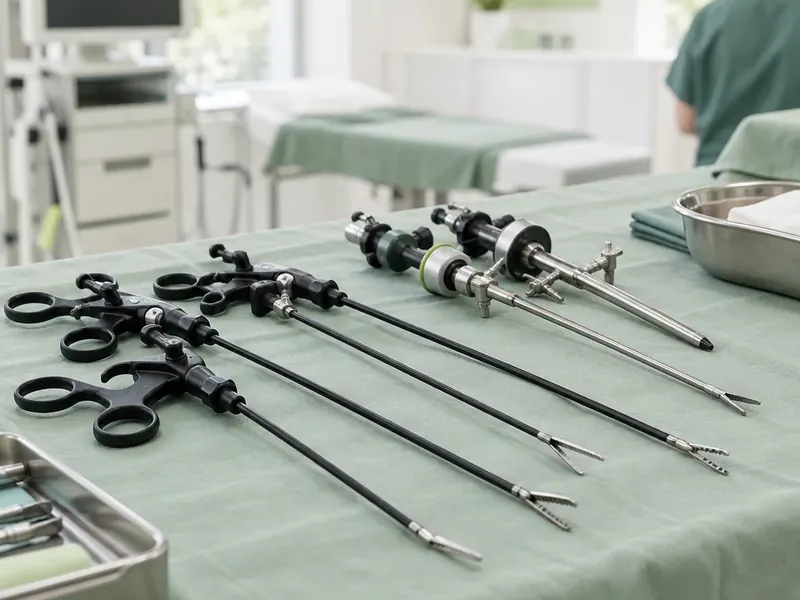
The name describes the shape of the new connection: the rerouted intestine forms a letter Y. The operation is almost always done laparoscopically, through several small incisions, under general anaesthesia.
The bypass works in three ways at once:
- Restriction: the small pouch fills quickly, so portions become much smaller.
- Reduced absorption: part of the intestine no longer takes part in digesting food.
- Hormonal changes: gut hormones that control hunger, fullness and blood sugar change soon after surgery, often before much weight is lost.
Why it is called the gold standard
Gastric bypass has been performed and studied for several decades, so its long-term results are well documented. It combines reliable weight loss with a strong effect on metabolic diseases, especially type 2 diabetes. Because of this long track record, newer operations are often compared with the bypass.
That does not mean it is the best choice for everyone. The sleeve gastrectomy is technically simpler, and the one-anastomosis bypass has a shorter operation time. The right method depends on your weight, health, eating habits and goals. More about the options is on our bariatric surgery page.

Who bypass suits best
Weight-loss surgery in general is usually considered for people with a BMI over 40, or over 35 with serious related conditions, after other approaches have not worked. Within that group, surgeons often lean towards a bypass for people who have:
- type 2 diabetes, especially if it needs several medicines or daily injections;
- severe acid reflux or heartburn, which a sleeve can make worse;
- a higher BMI, where a stronger effect is needed;
- weight regain or reflux after a previous sleeve gastrectomy.
A bypass may be less suitable for people who cannot commit to lifelong vitamin supplements and regular blood tests, or who have certain bowel conditions. The final decision is made by the surgeon after a full examination.
Expected weight loss and diabetes effects
Most people lose weight quickly in the first months, and weight loss usually continues for one to two years. On average, patients lose a large part of their excess weight, often around two-thirds, although results vary with age, starting weight, activity and eating habits.
What changes
- Gastric bypass
- Small pouch plus rerouted intestine
- Sleeve gastrectomy
- Stomach turned into a narrow tube
Effect on type 2 diabetes
- Gastric bypass
- Usually very strong
- Sleeve gastrectomy
- Strong, often slightly less
Effect on reflux
- Gastric bypass
- Usually improves it
- Sleeve gastrectomy
- Can make it worse
Lifelong vitamins
- Gastric bypass
- Always needed
- Sleeve gastrectomy
- Usually needed
Dumping syndrome
- Gastric bypass
- More common
- Sleeve gastrectomy
- Less common
In type 2 diabetes, blood sugar often improves within days or weeks, and many patients can reduce or stop their diabetes treatment under a doctor's supervision. High blood pressure, sleep apnoea and joint pain also often improve. No one can promise remission, but the chances are generally higher when diabetes is caught earlier.
Early side effects and complications
Like any major operation, a bypass carries risks. Early complications are uncommon but can include bleeding, infection, a leak at a join between the stomach and intestine, blood clots in the legs or lungs, and narrowing of the new connection. Early walking, blood clot prevention and a staged diet reduce these risks.
A typical side effect is dumping syndrome: when sugary or fatty food passes too quickly into the intestine, it can cause nausea, cramps, sweating, a racing heart and diarrhoea. It is uncomfortable but not dangerous, and it usually teaches patients to avoid sweets, which supports weight loss. Eating slowly, in small portions, and drinking between meals rather than with them helps.
Long-term effects and lifelong supplements
Because food no longer passes through the duodenum, the body absorbs less iron, calcium, vitamin B12, vitamin D and other nutrients. For this reason everyone who has a bypass needs daily vitamin and mineral supplements for life and regular blood tests, usually once or twice a year after the first period.
Other long-term issues can include ulcers at the join between the pouch and the intestine, which are more likely in smokers, gallstones during rapid weight loss, and loose skin after major weight loss. Some weight regain after the first two years is possible, especially if old eating habits return. Regular follow-up, a protein-rich diet and physical activity help keep the result.
Gastric bypass at City Medical Centre
City Medical Centre works with international patients. The first consultation is free and can be held online: send your height, weight, weight history, the conditions you are treated for and any test results you already have. The surgeon assesses whether surgery suits you and which method fits best, and names the cost, which is then fixed in the contract.
The clinic performs four laparoscopic operations: sleeve gastrectomy, Roux-en-Y gastric bypass, one-anastomosis (mini) gastric bypass and SADI-S. The clinic does not perform gastric balloons and does not offer weight-loss injections; whether gastric banding is performed at the clinic is clarified at the consultation. These methods are mentioned in our articles for general information only. A personal coordinator stays with you from your first message to the end of recovery, and questions can be sent by Telegram. Find out more on the bariatric surgery page.
How recovery usually goes
- First hoursYou may sit up, stand and drink fluids
- 1–5 daysObservation at the clinic, depending on the extent of surgery
- 2–4 weeksReturn to office work; physical work after about 1.5 months
- 1–2 monthsStaged diet from liquids to solids to let the stomach adapt
- Every monthOn average 10% of excess weight lost per month
- 1.5–2 yearsFinal result, stable eating habits prevent the weight from returning
Sources
Frequently asked questions
How much weight do you lose with gastric bypass?
Most people lose a large part of their excess weight, often around two-thirds, over one to two years. The fastest loss is in the first months. Results depend on starting weight, age, activity and eating habits, so the surgeon gives an individual estimate after the examination.
What is dumping syndrome?
It is a reaction that happens when sugary or fatty food passes too quickly from the small stomach pouch into the intestine. It can cause nausea, cramps, sweating, a fast heartbeat and diarrhoea. It is not dangerous and is usually prevented by avoiding sweets, eating slowly and drinking between meals.
Is gastric bypass better for diabetes than a sleeve?
Both operations often improve type 2 diabetes, but the bypass usually has a somewhat stronger and more lasting effect on blood sugar. It is also preferred when there is severe reflux. The choice depends on your whole health picture, and the surgeon explains which option suits you.
Do I need vitamins for life after bypass?
Yes. Because part of the intestine is bypassed, the body absorbs less iron, calcium, vitamin B12, vitamin D and other nutrients. Daily supplements and regular blood tests are needed for life to prevent deficiencies such as anaemia and bone thinning.
How long is recovery after gastric bypass?
Most patients stay in hospital for a few days and return to office work after about two to four weeks, longer for physical jobs. The diet moves from liquids to purées to solid food over about one to two months. Heavy lifting and intense exercise are avoided for the first weeks.
Have a question about your case? Get a free consultation
Message a coordinator on Telegram: we reply right in the chat, and you can send photos and questions there too.
- The first consultation is free, online consultations are available
- The doctor names the cost after the assessment, and it is fixed in the contract
- A personal coordinator guides you from the first message to recovery
Message our coordinator on Telegram
We reply right in the chat — you can send photos
Message us on TelegramBy sending a message, you agree to the privacy policy
Read also
 Bariatric surgery
Health Benefits of Bariatric Surgery: Diabetes, Blood Pressure, Joints and Sleep Apnoea
How weight-loss surgery can affect type 2 diabetes, blood pressure, sleep apnoea, joint pain, fertility and mood, and what long-term studies show.
 Bariatric surgery
Gastric balloon vs bariatric surgery: which is right for you?
Gastric balloon or bariatric surgery? How a balloon works, who it suits, expected weight loss, side effects and results compared with sleeve and bypass.
 Bariatric surgery
Diet after gastric sleeve surgery: stages from liquids to solid food
Diet after gastric sleeve surgery: liquid, purée, soft and regular food stages, protein and water, portions, foods to avoid, vitamins and long-term habits.