


























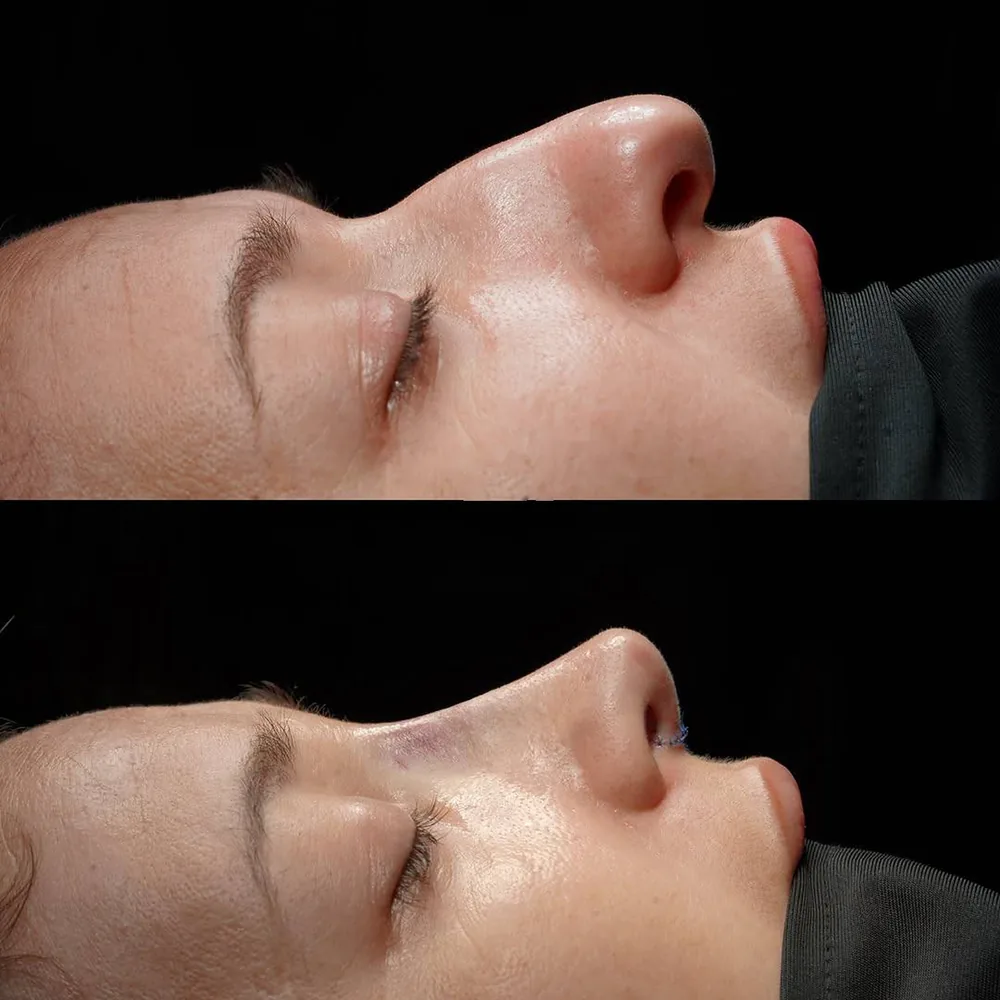
 beforeafter
Irina, 24
Rhinoplasty
Rhinoplasty
$4,200
Instead of $6,000 (≈ ₦8,000,000) · First consultation — Free
Free online consultation · Reply within 15 minutes
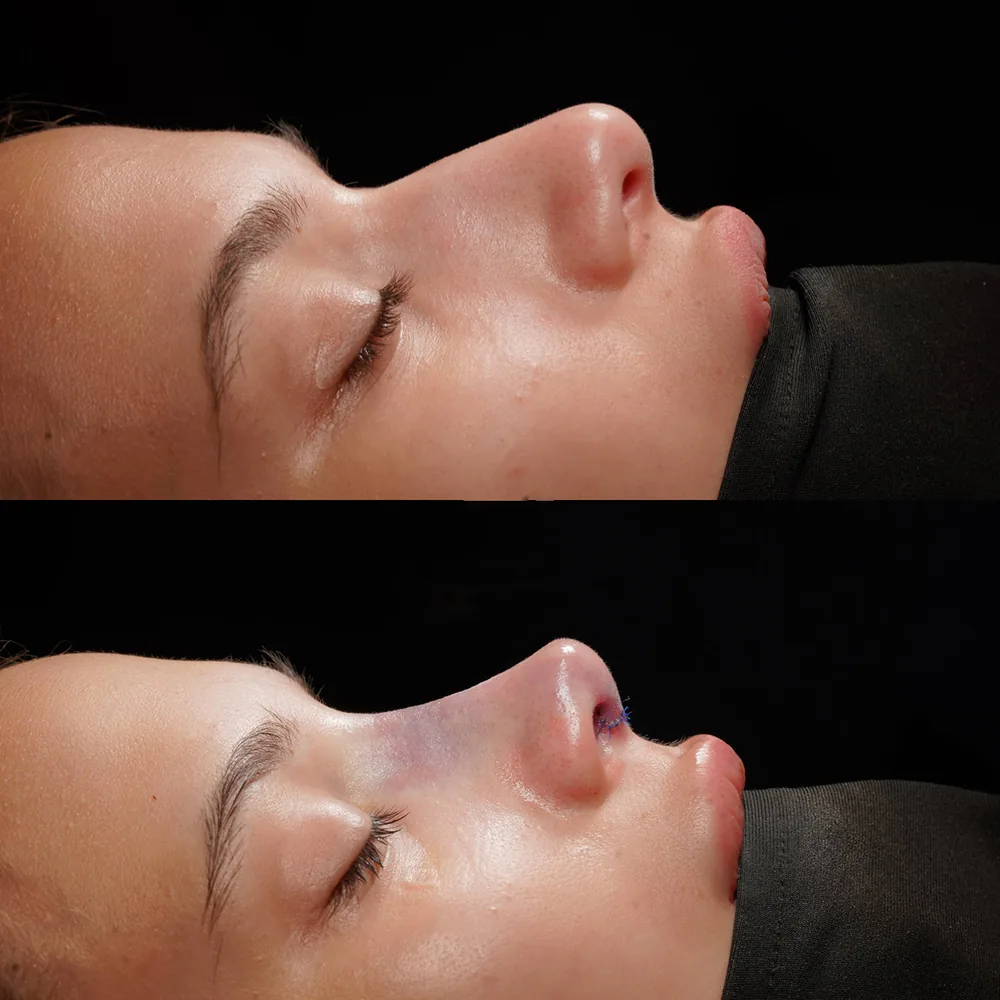 before
after
Message our coordinator
Free online consultation · Reply within 15 minutes
Message us on TelegramMessage us on WhatsAppBy messaging us, you agree to our Privacy Policy
Rhinoplasty for patients from Port Harcourt at City Medical Centre starts at ₦5,600,000 (from $4,200). The first online consultation is free; the doctor names the final price and it is fixed in the contract.
How it works · Rhinoplasty prices
Information current as of 5 November 2026
Results
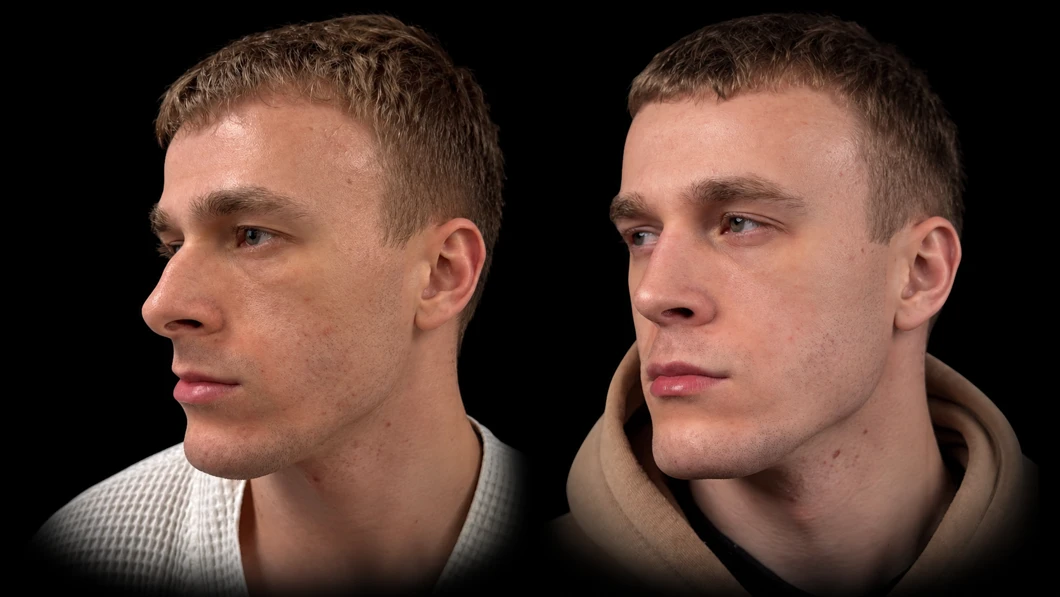
Every case shown belongs to a real patient of the clinic.
In our Telegram community you can talk directly to the clinic's patients.
beforeafterRhinoplasty
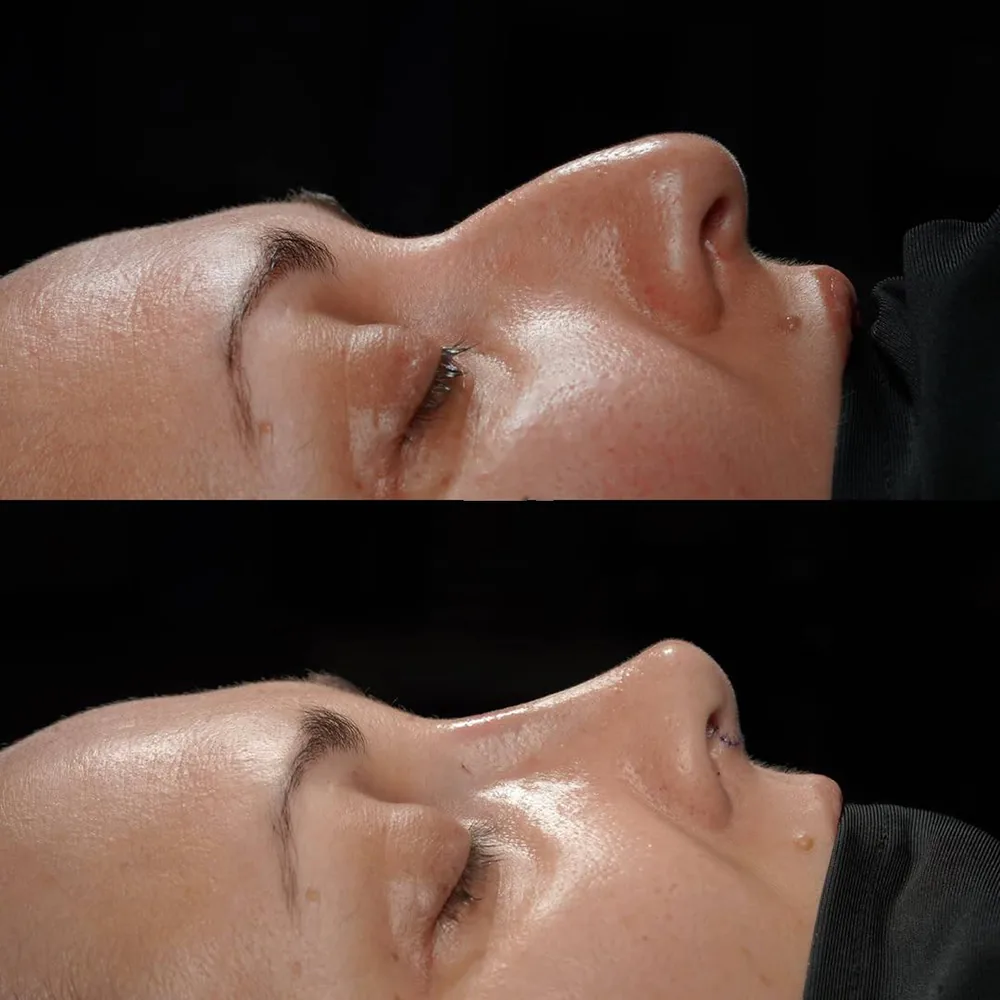 beforeafter
Rhinoplasty
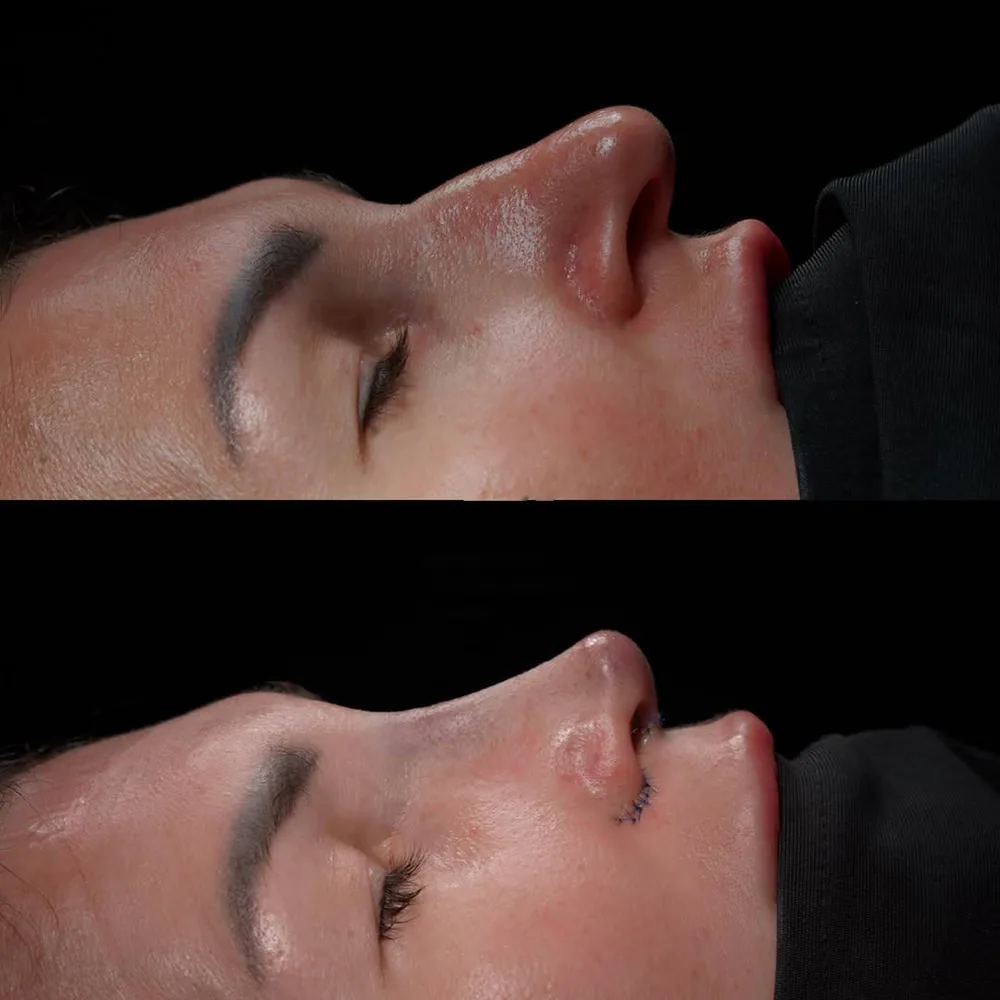 beforeafter
Rhinoplasty
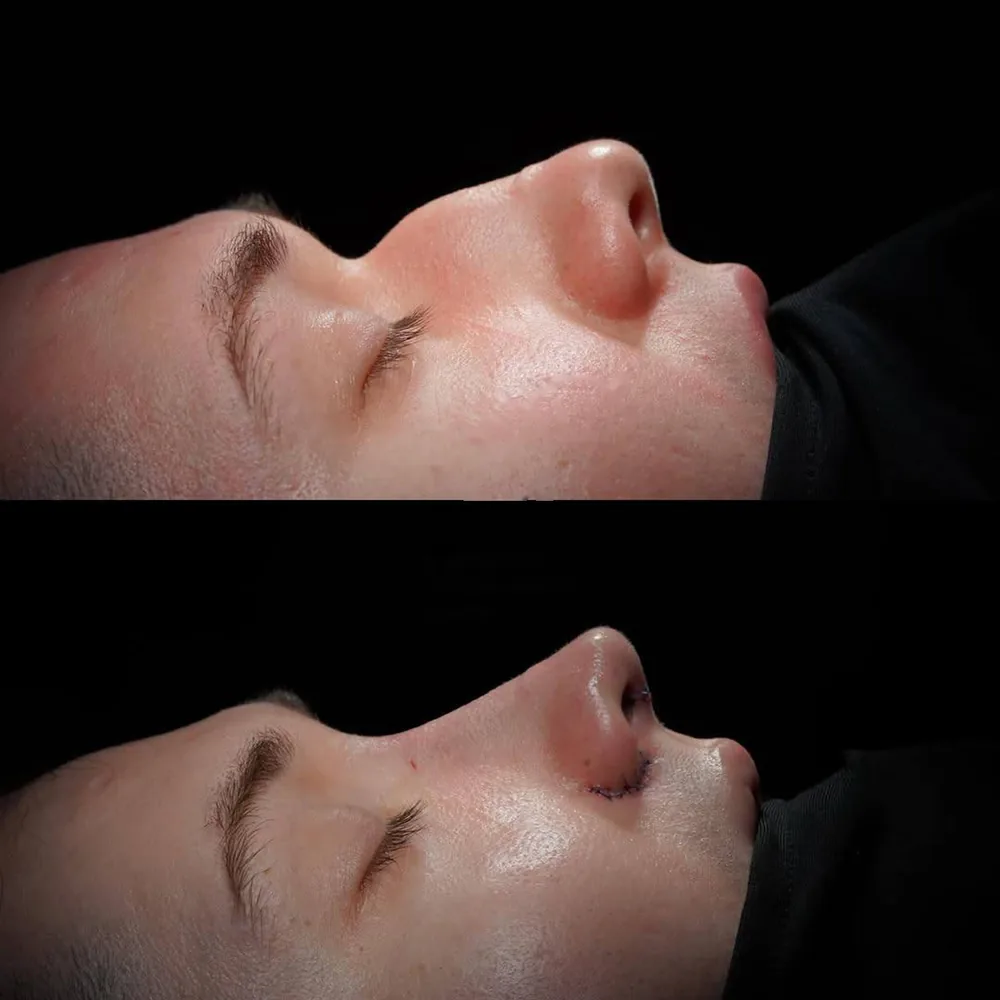 beforeafter
Rhinoplasty
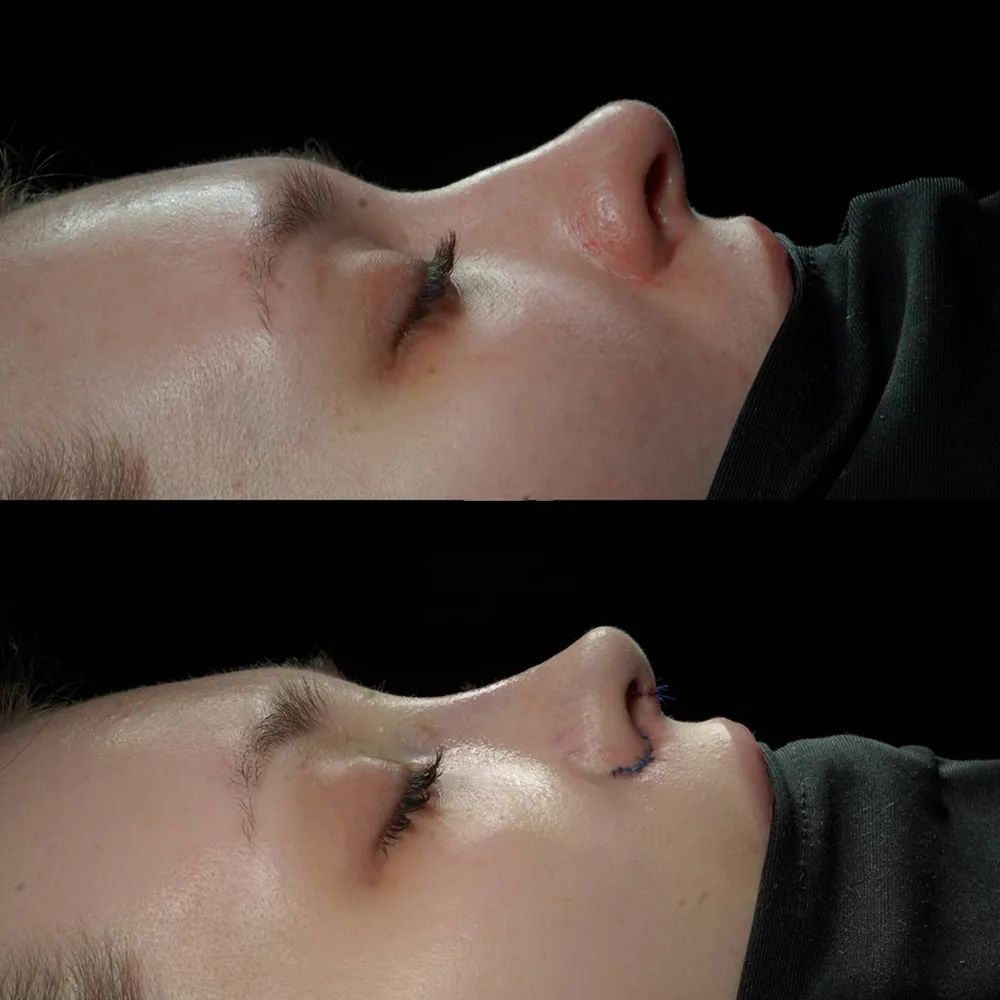 beforeafter
Rhinoplasty
beforeafterRhinoplasty
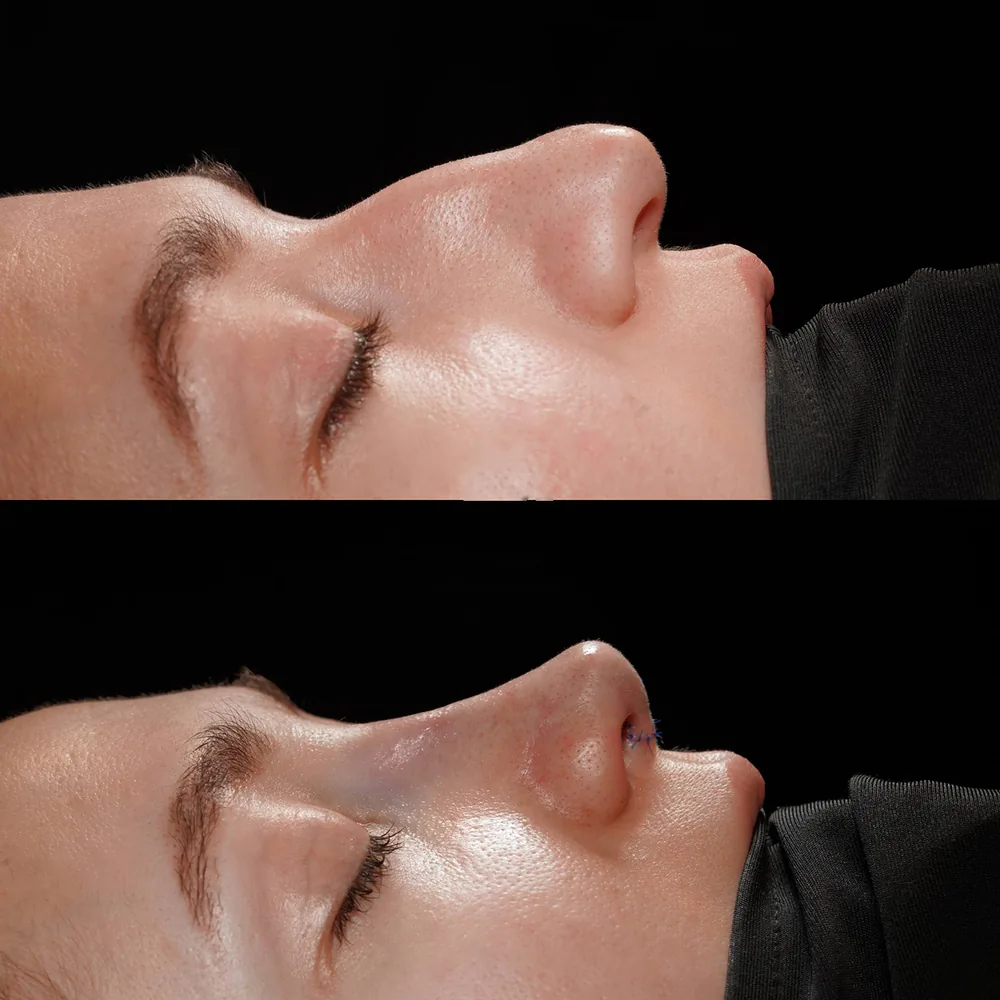 beforeafter
Rhinoplasty
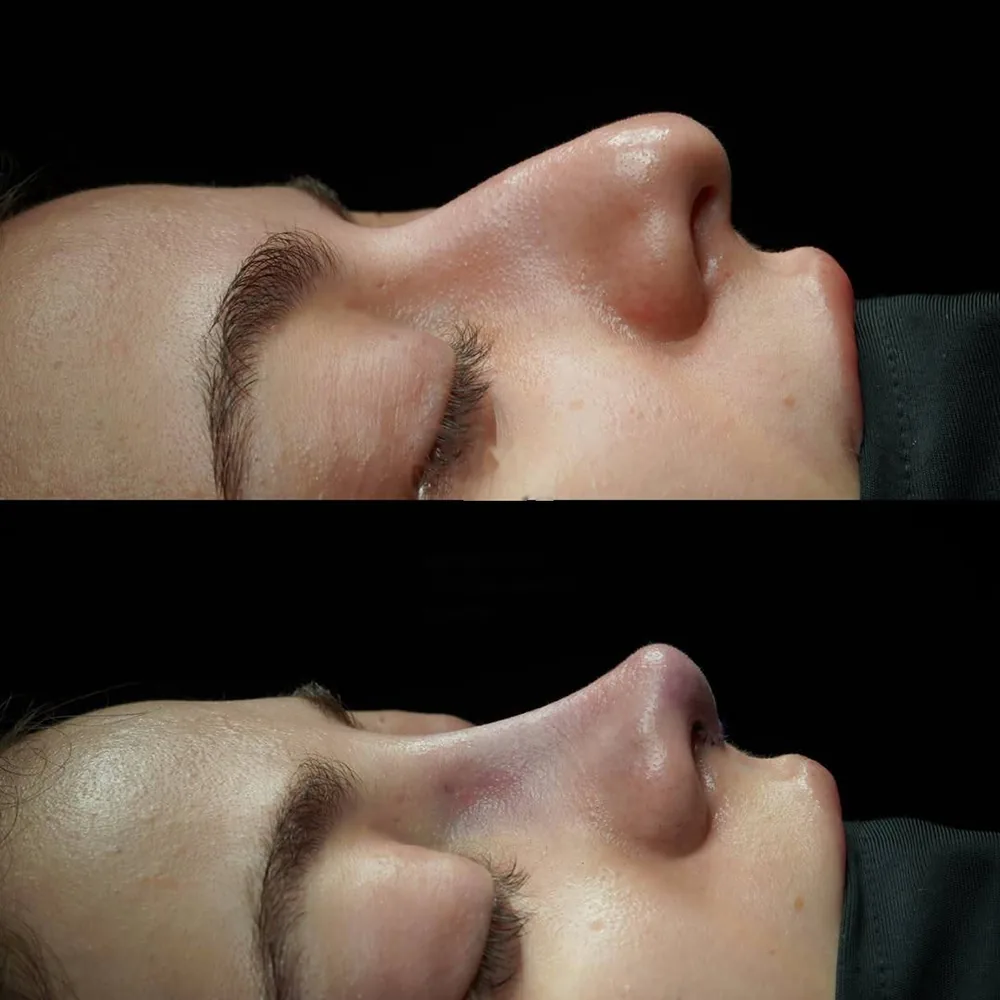 beforeafter
Rhinoplasty
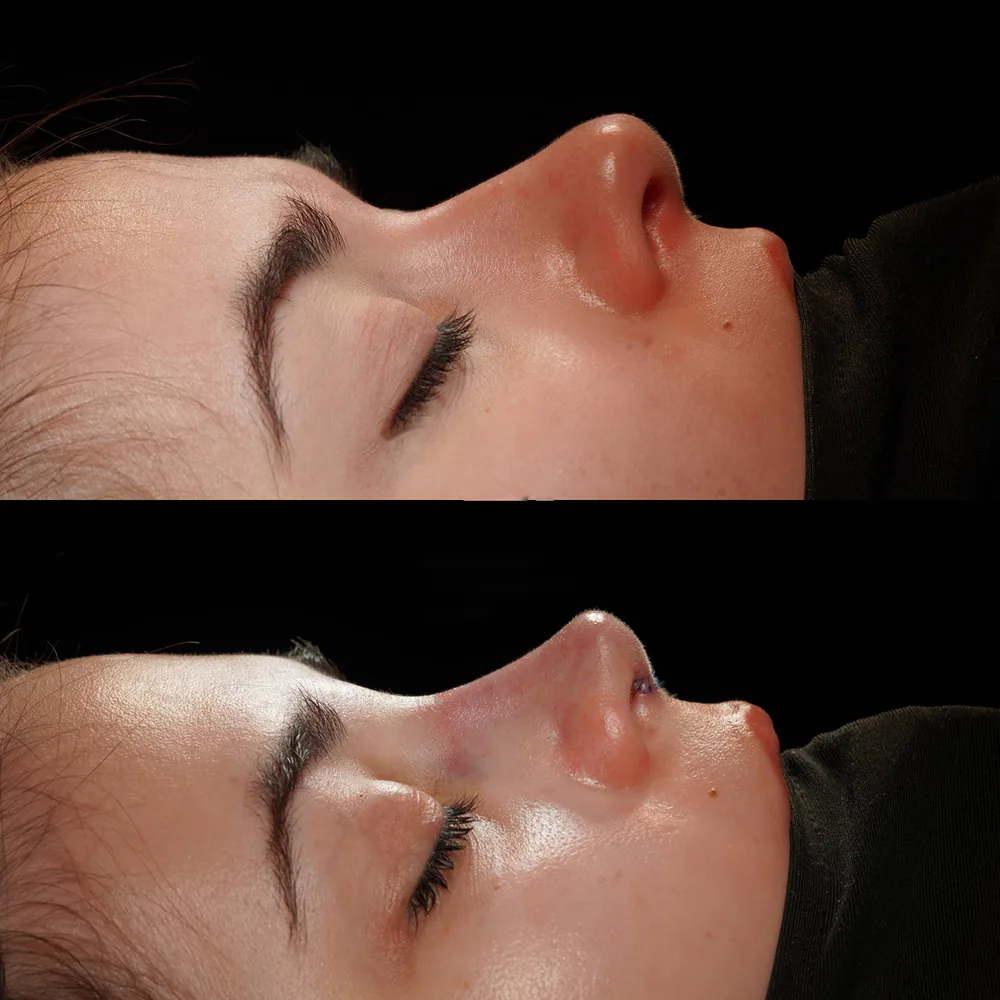 beforeafter
Rhinoplasty
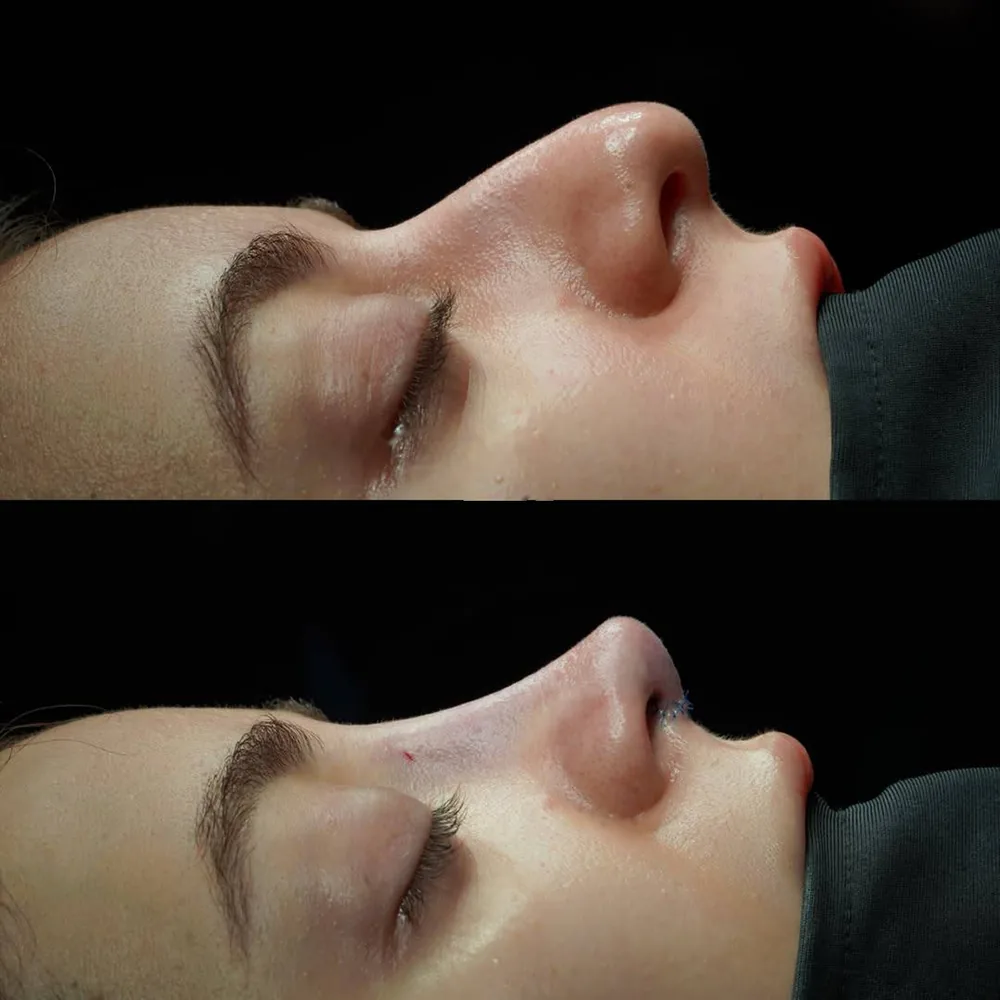 beforeafter
Rhinoplasty
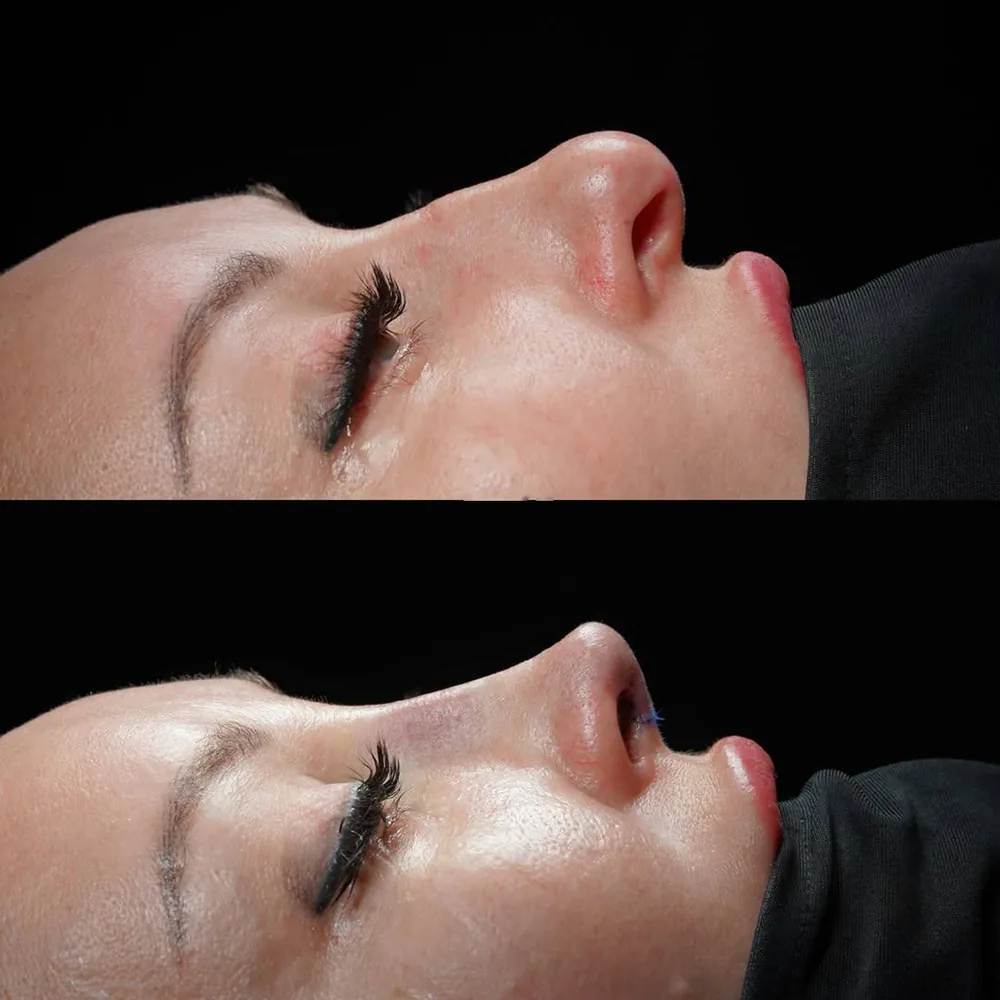 beforeafter
Rhinoplasty
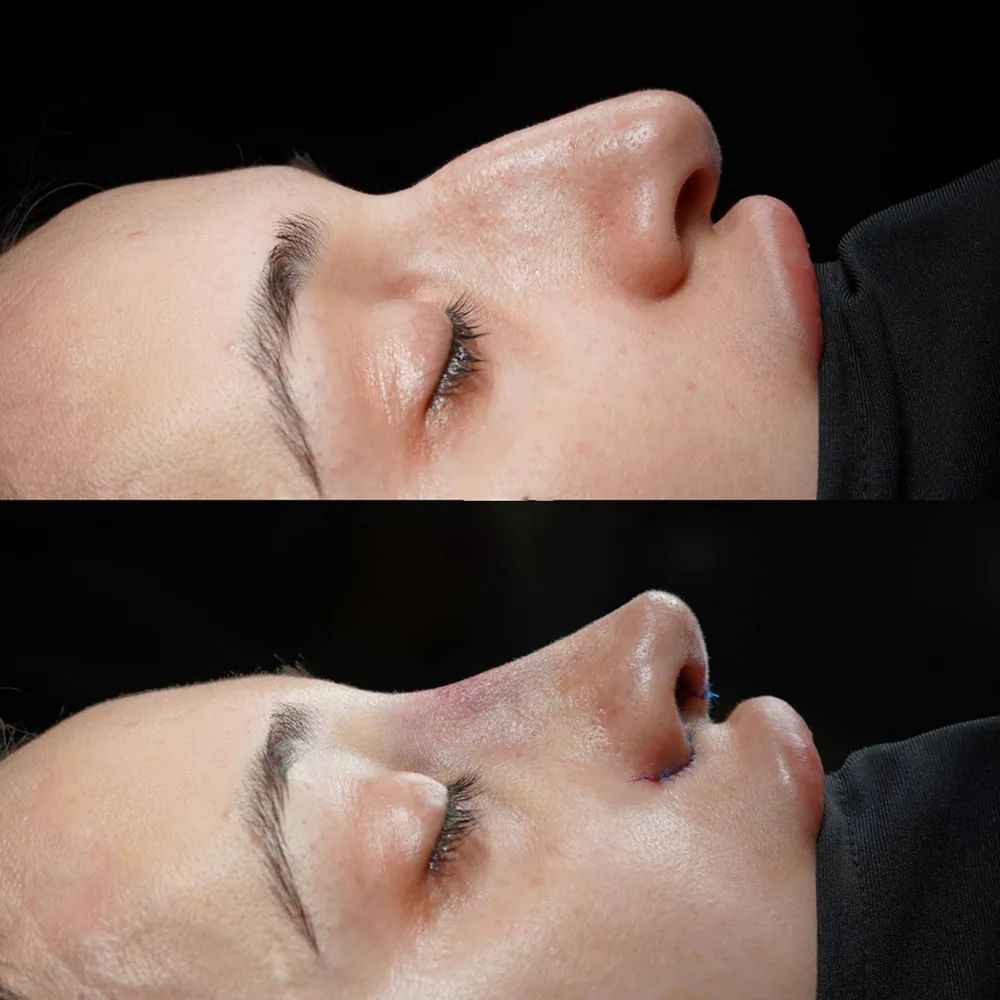 beforeafter
Rhinoplasty
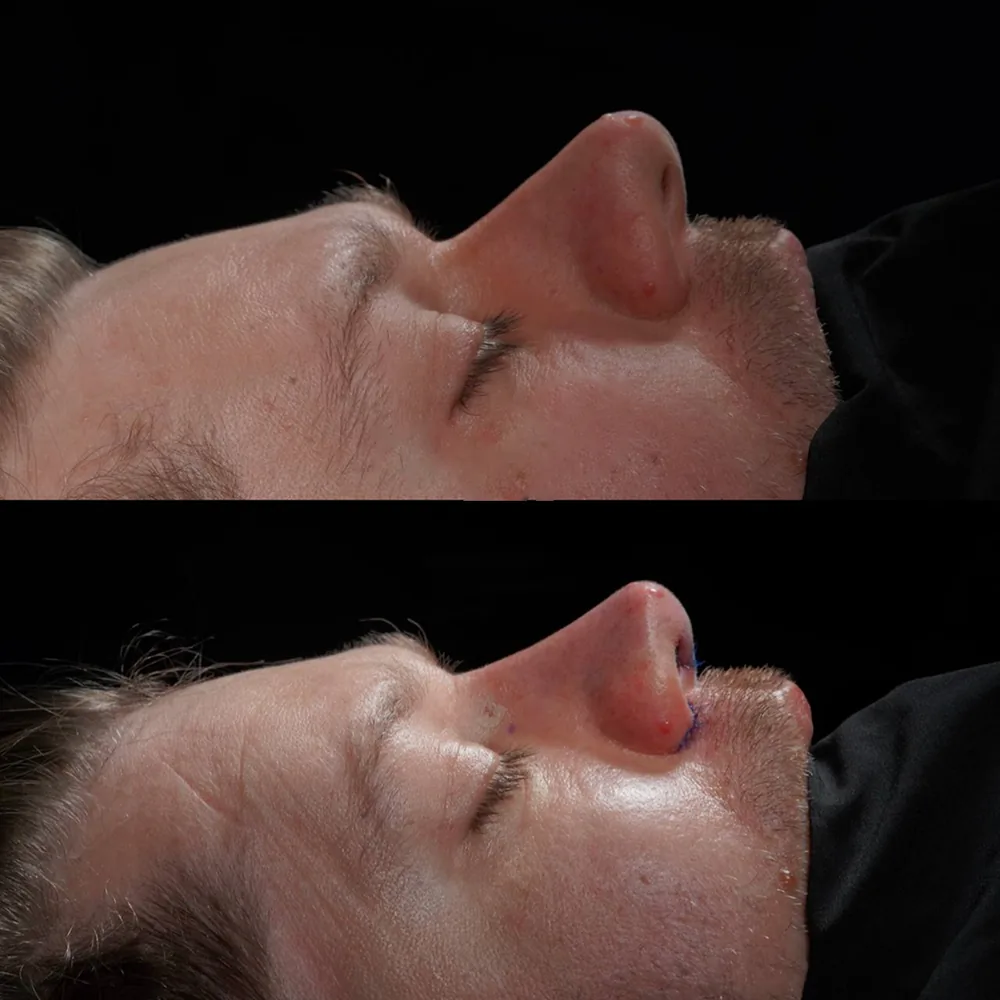 beforeafter
Rhinoplasty
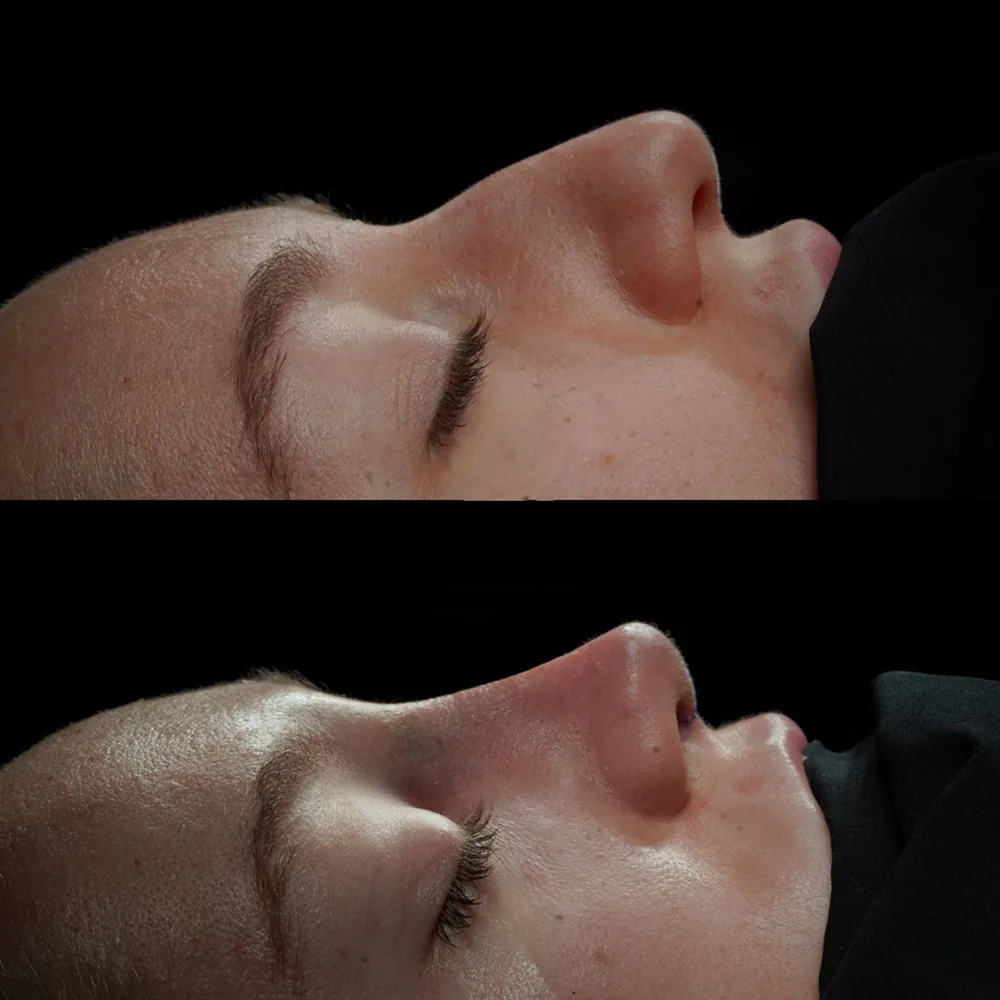 beforeafter
Rhinoplasty
Comparison
We'll find the most effective solution for you and achieve an excellent result.
A primary nasal operation that adjusts appearance and improves breathing when airflow is restricted.
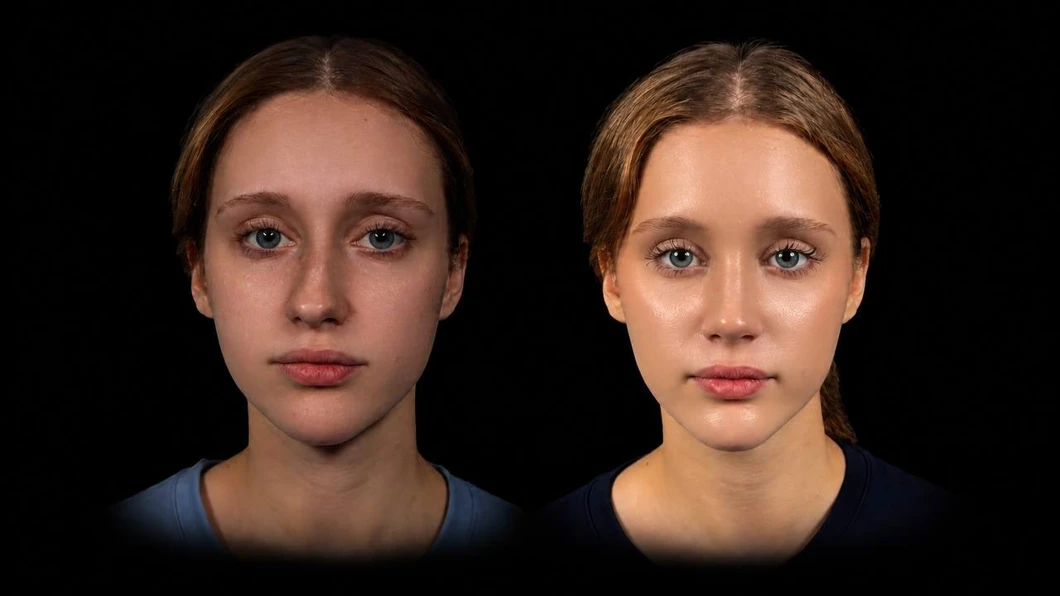
Discounted price
$4,200 $6,000
Revision rhinoplasty corrects the nose after a previous operation that was unsuccessful or partially successful, and is only performed once a year has passed since the first surgery.
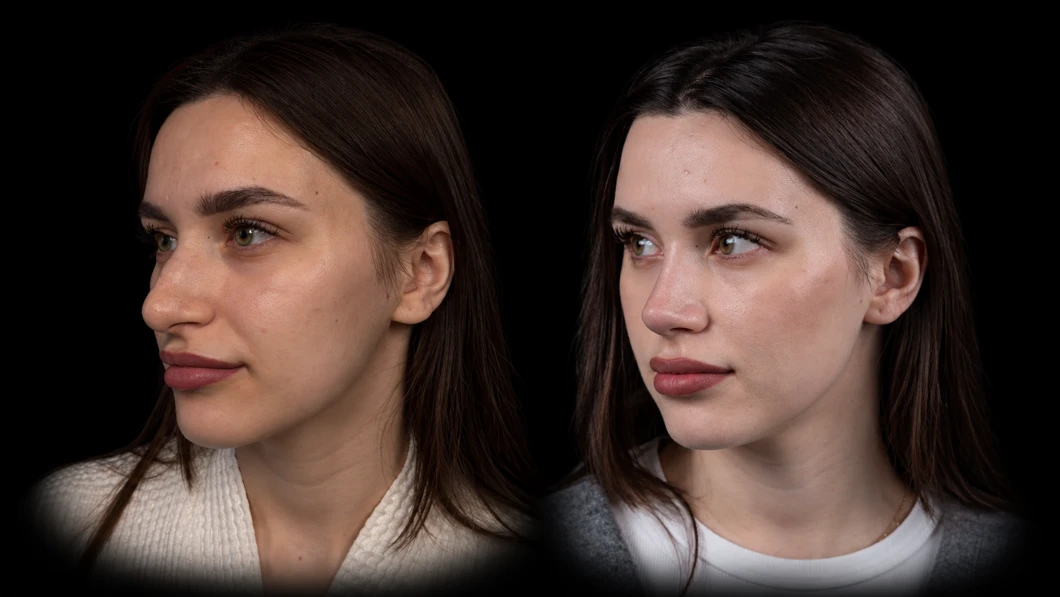
Discounted price
$5,400 $7,200
An operation that combines septum correction with reshaping the nose.
Discounted price
$5,000 $6,600
The benefits and recovery times shown are averaged by type of surgery and given for guidance: the extent of correction and recovery depend on your anatomy and individual features, and the surgeon confirms them at the consultation.
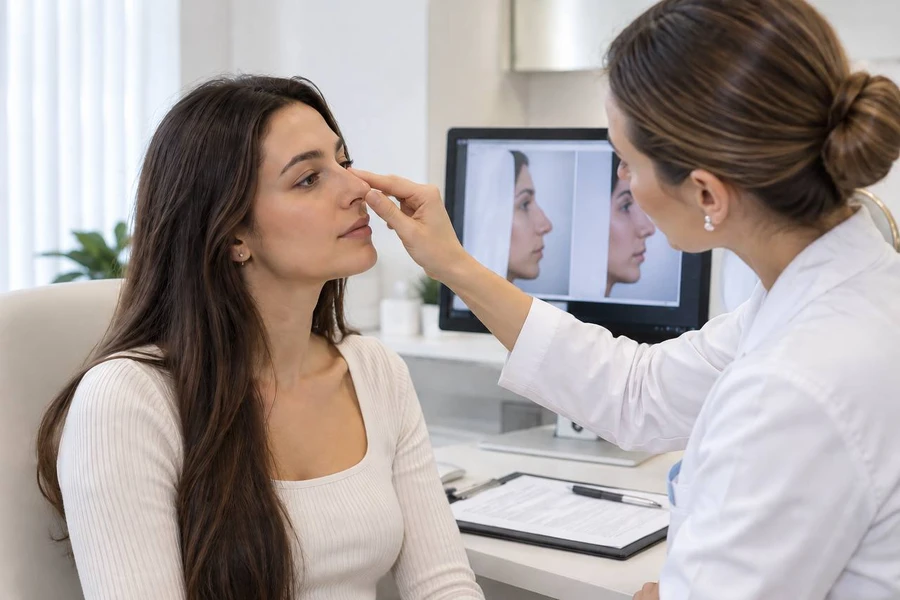
At the consultation, the doctor will build a 3D model of the expected result and explain
each step of your rhinoplasty
The consultation is free, before surgery and with no commitment.
Book a consultationThe clinic
Modern facilities, comfortable rooms and care given to every patient
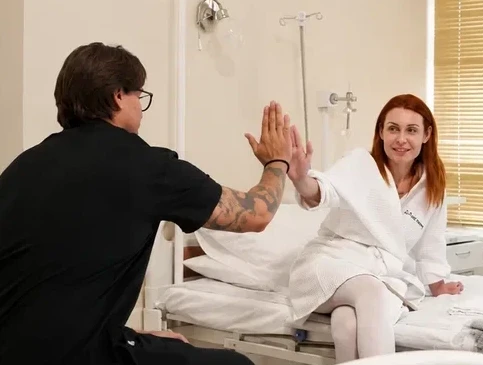
We answer every question and schedule the consultation at a time that suits you
By messaging us, you agree to our Privacy Policy
Get a consultationWhen a case can be resolved without an operation, the doctor explains this at the consultation, so your money is never wasted.
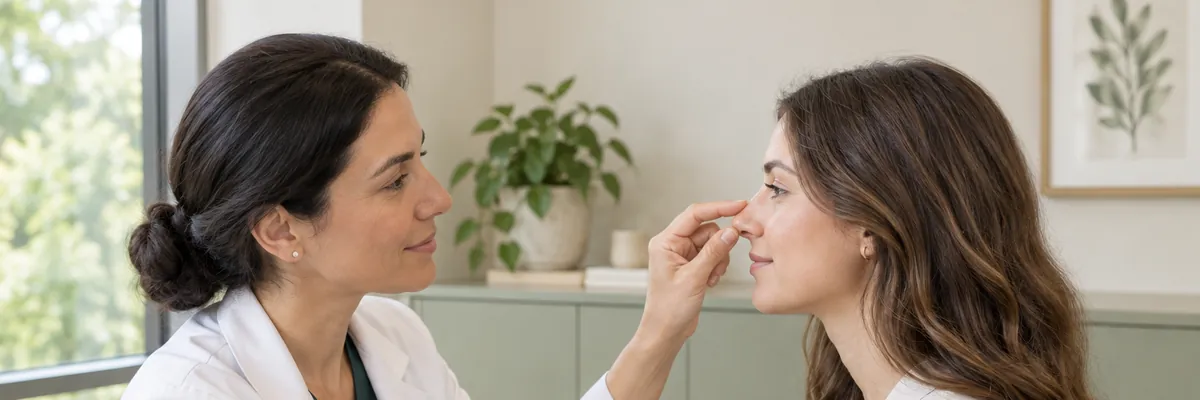

Not sure which column you belong to?
Send photos of your nose to us on Telegram, and the doctor will tell you whether rhinoplasty is suitable for you — at no cost and with no commitment.
Find out if it suits me
Prices
The price is given during the free consultation, following result modelling, and confirmed in the contract.
Discounted price
a new shape for the nose
$4,200$6,000
Discounted price
secondary, revision
$5,400$7,200
Discounted price
the septum and the shape of the nose
$5,000$6,600
Free
3D modelling after the surgeon's examination
Free
the cost of surgery is named
and fixed in the contract
The doctor will review the anatomy of your nose, take note of your wishes
and pick the correction technique that suits you. The price is named at the consultation and set in the contract.

Message our coordinator
Free online consultation · Reply within 15 minutes
Message us on TelegramMessage us on WhatsAppBy messaging us, you agree to our Privacy Policy
Price
From getting ready for surgery
to 12 months of support.
Discounted price
$4,200$6,000Discounted price
How it goes
An agreed plan of correction, time under inpatient observation, and a year of recovery monitoring.
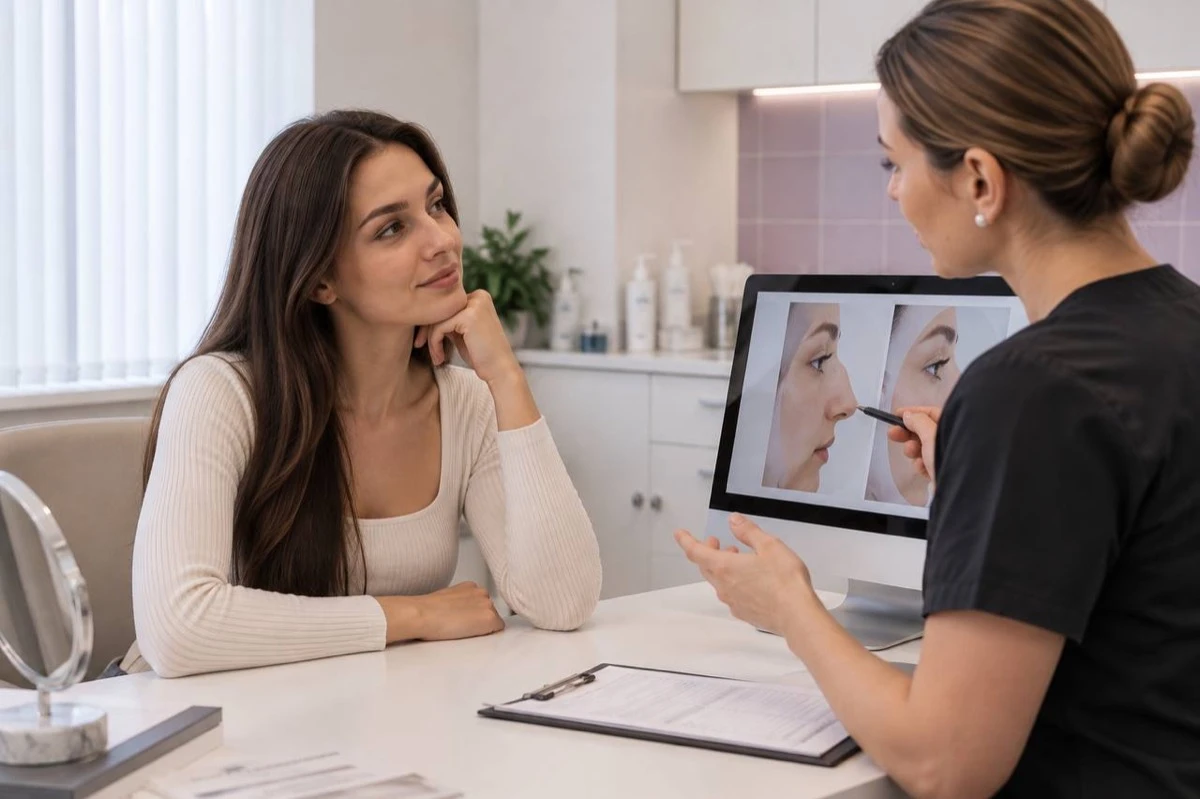
The doctor assesses your nose and your wishes, then performs the examinations needed to choose the right correction technique

We book a surgery date in your name: the deposit is payable by card at the clinic or by online bank transfer, with terms fixed in the contract for medical services
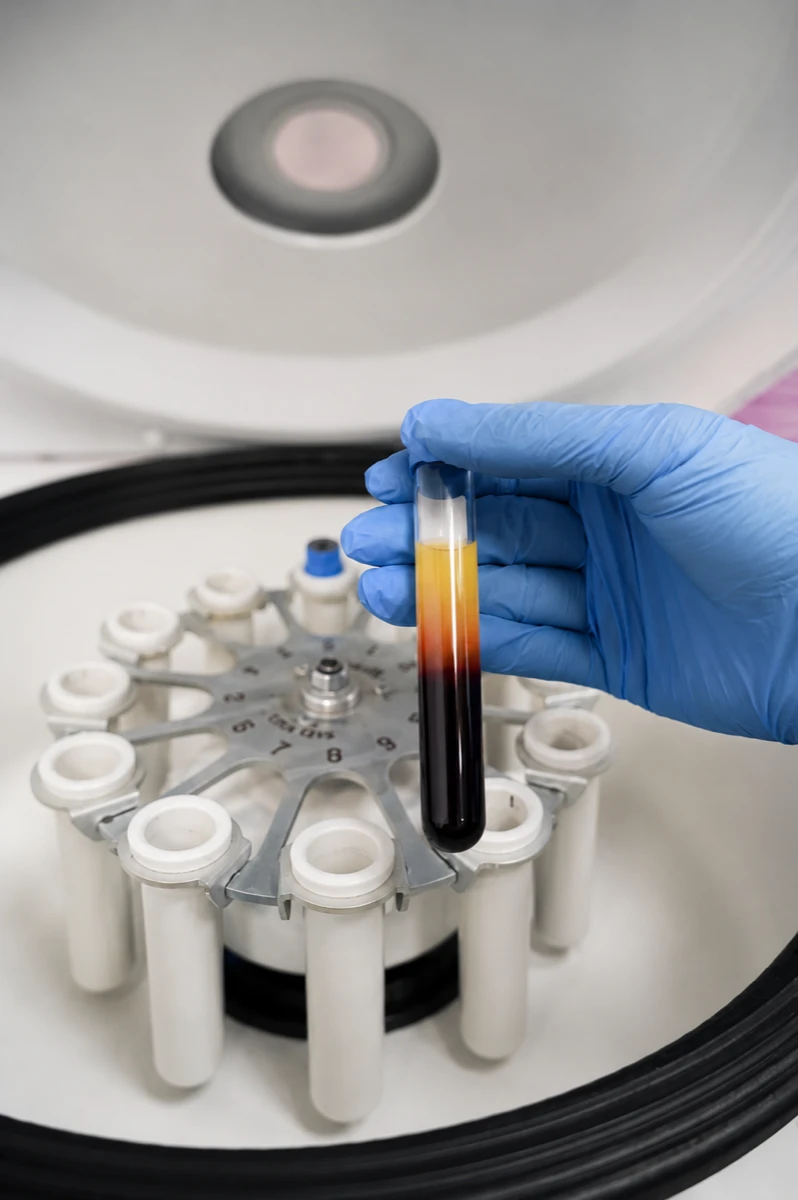
Before the operation you will need a complete set of lab tests — complete blood count, biochemistry, coagulation panel, chest X-ray and an X-ray of the sinuses
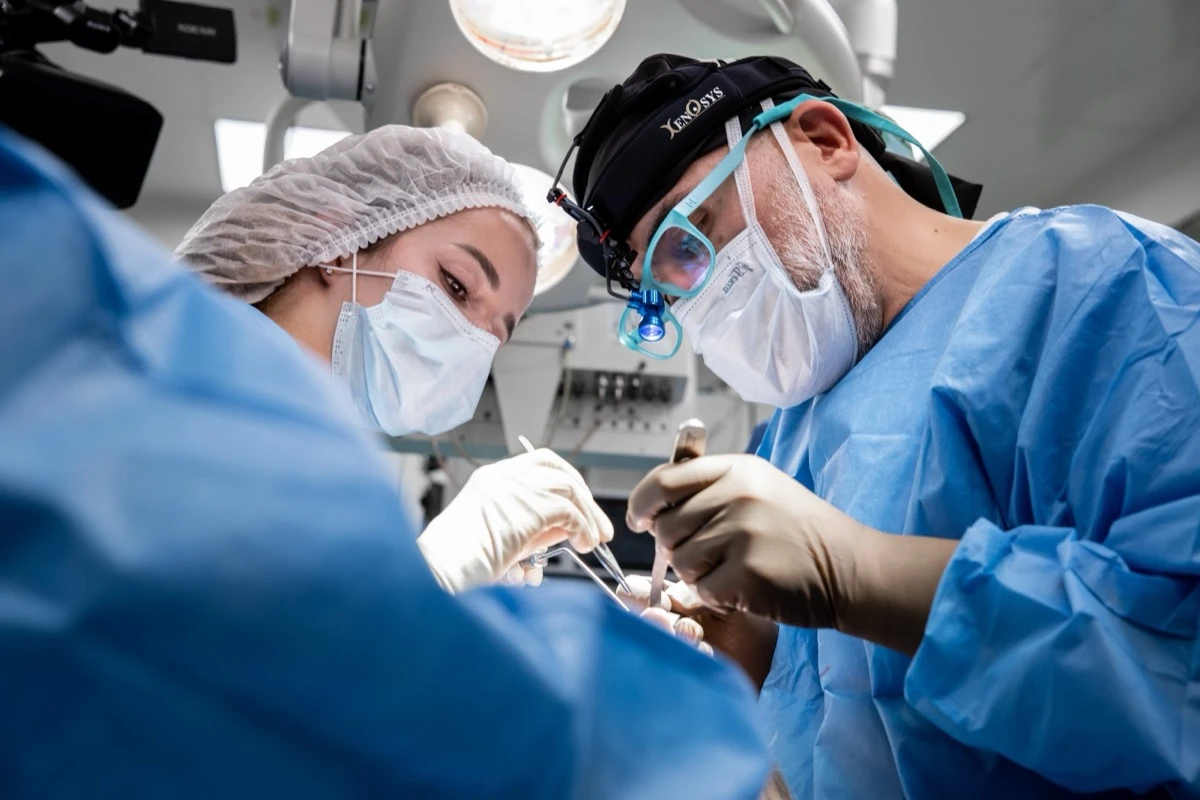
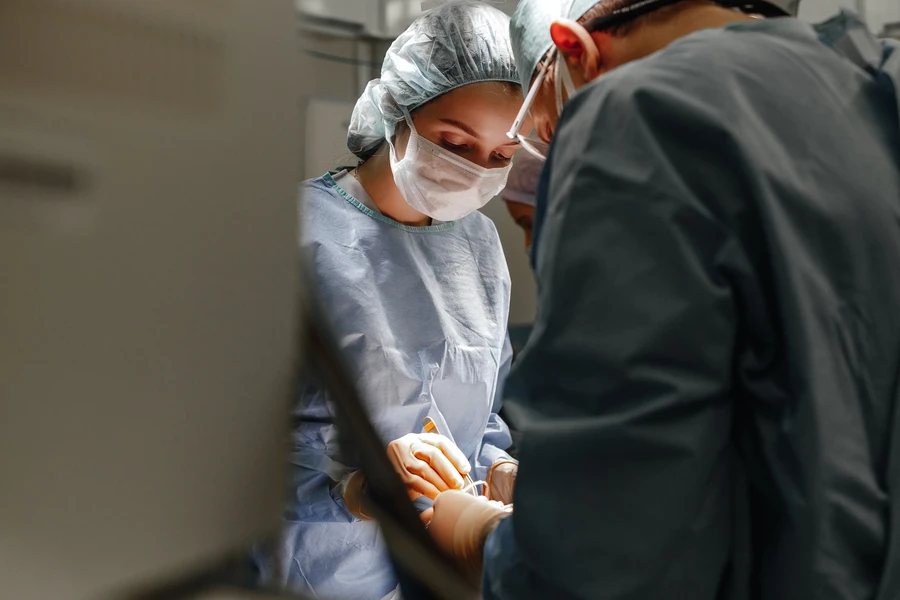
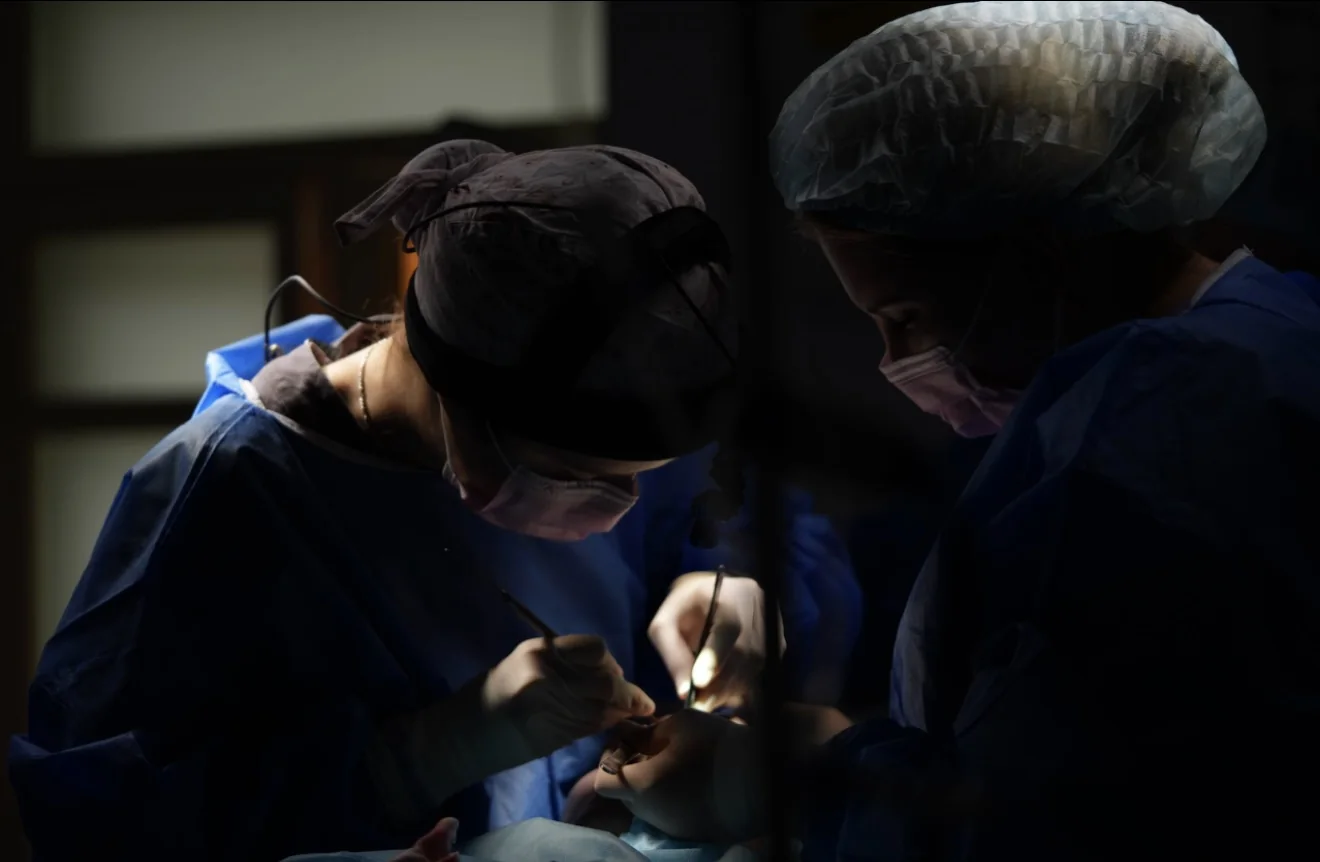
Using the chosen technique, the surgeon carries out the rhinoplasty under general or local anaesthesia, correcting both the shape and structure of the nose
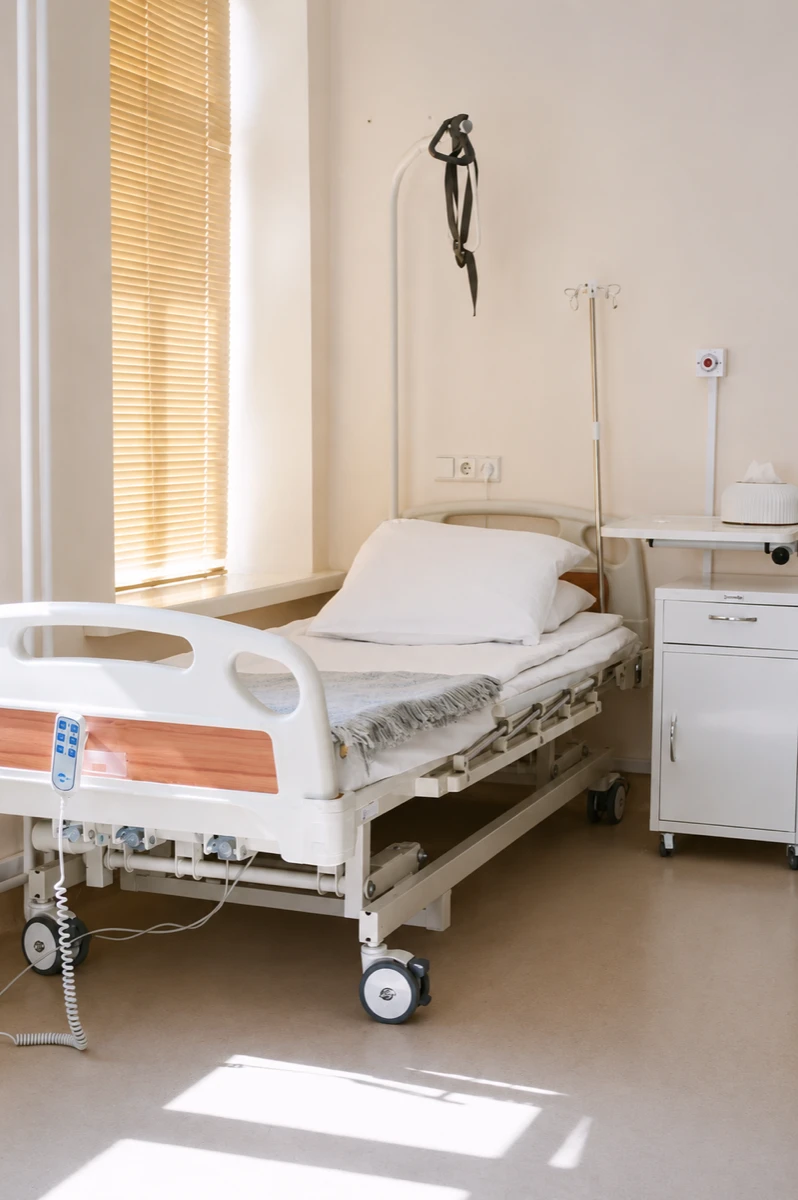
Procedures are all performed in the clinic's inpatient unit, with a one-day stay there after surgery
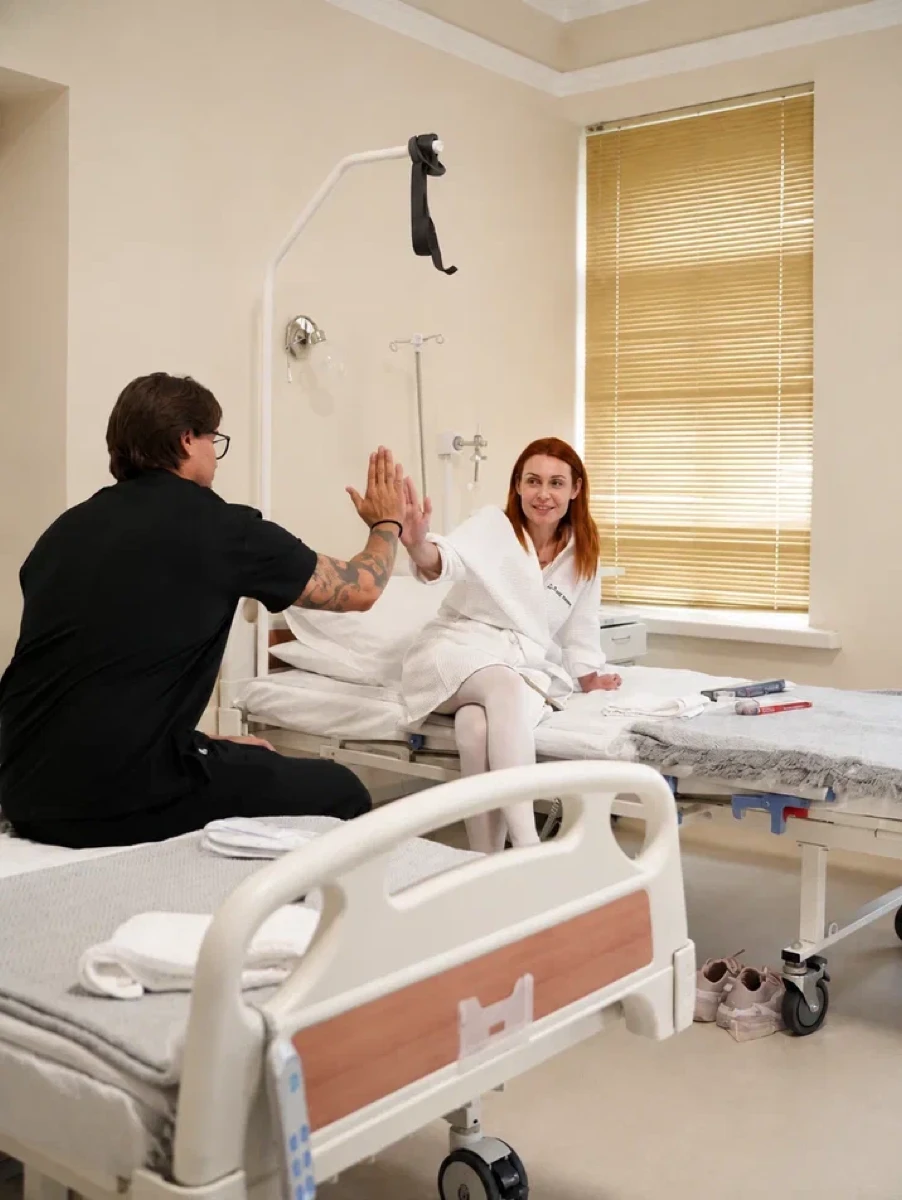
After the operation you receive a recovery programme; check-ups at 7 days, 3 and 6 months help monitor your recovery, and surgeon consultations remain free for a year afterwards.
At the consultation you will see a realistic forecast of the result
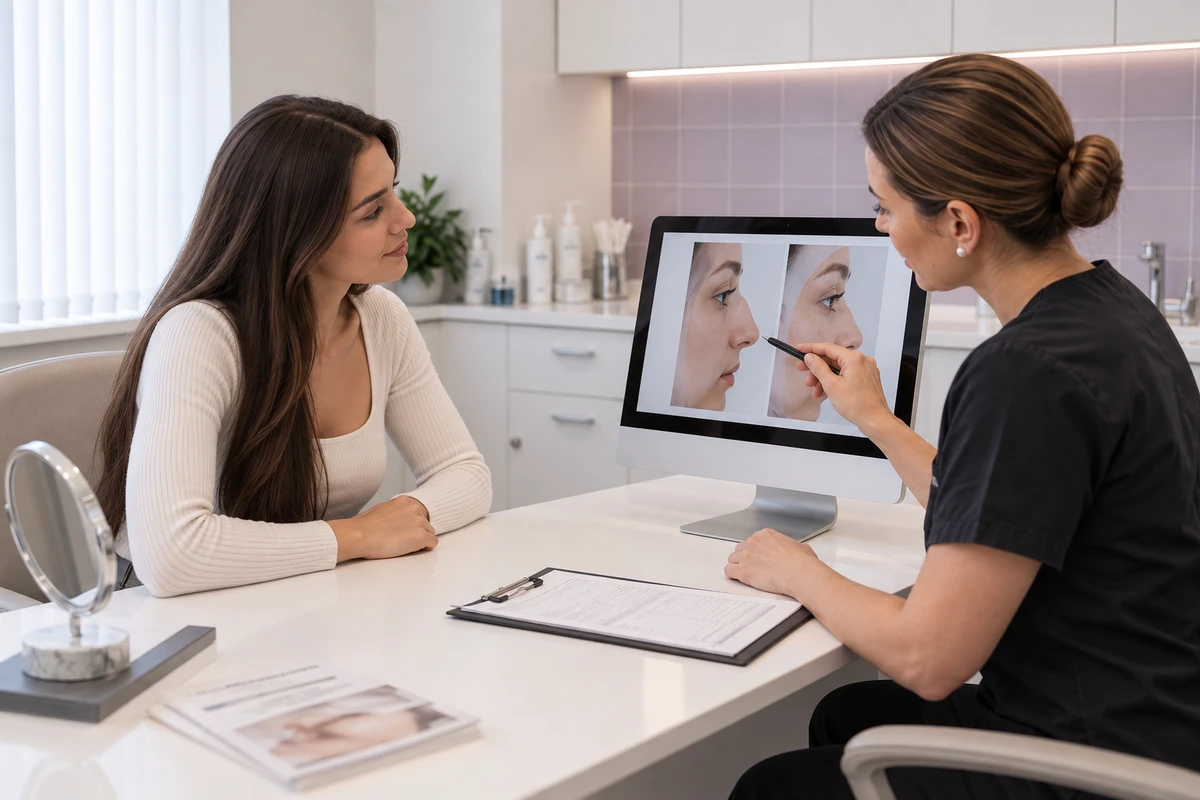
The consultation is free, before surgery and with no commitment.
Book a consultationNasal splint
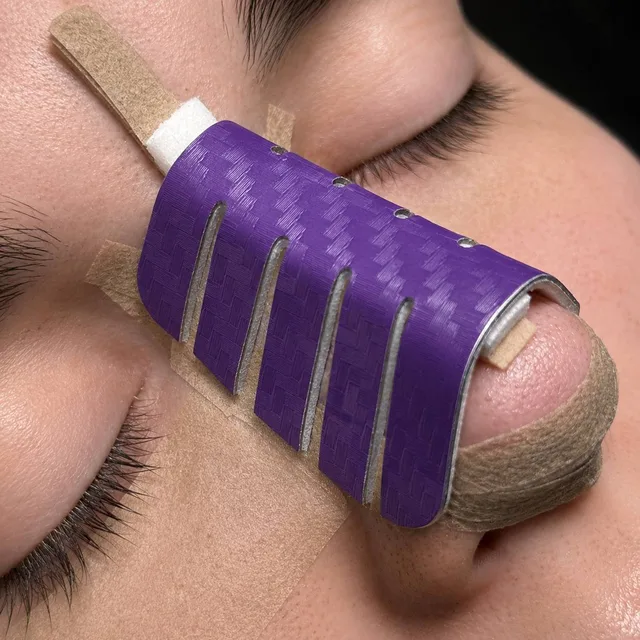
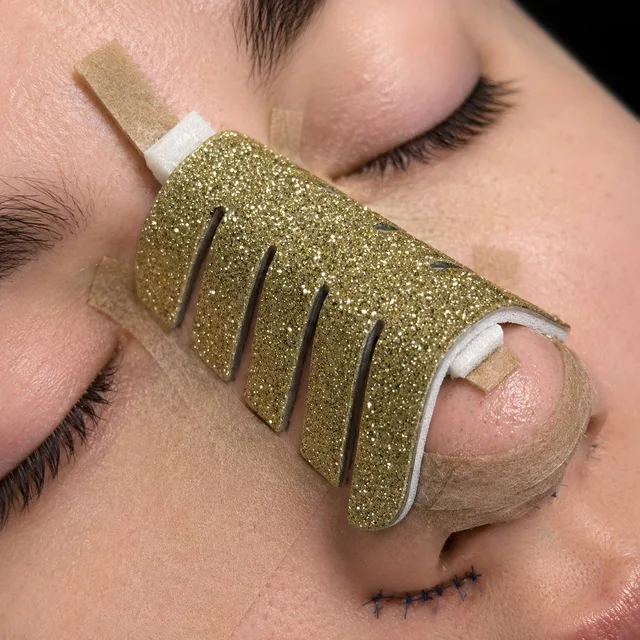
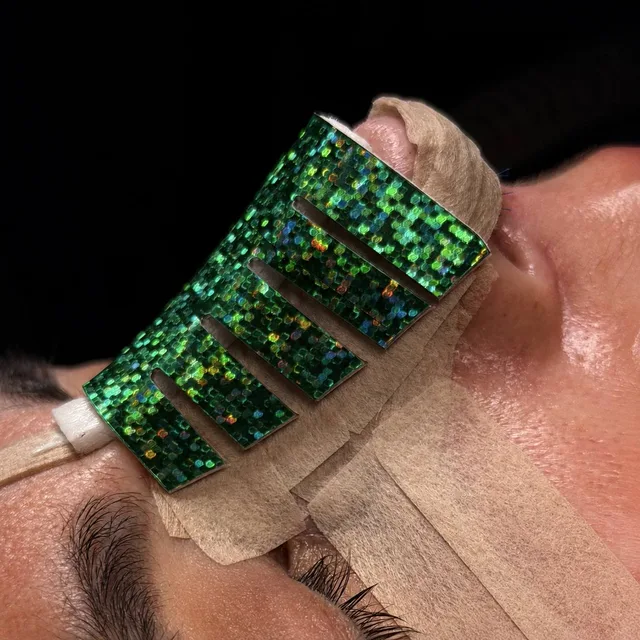
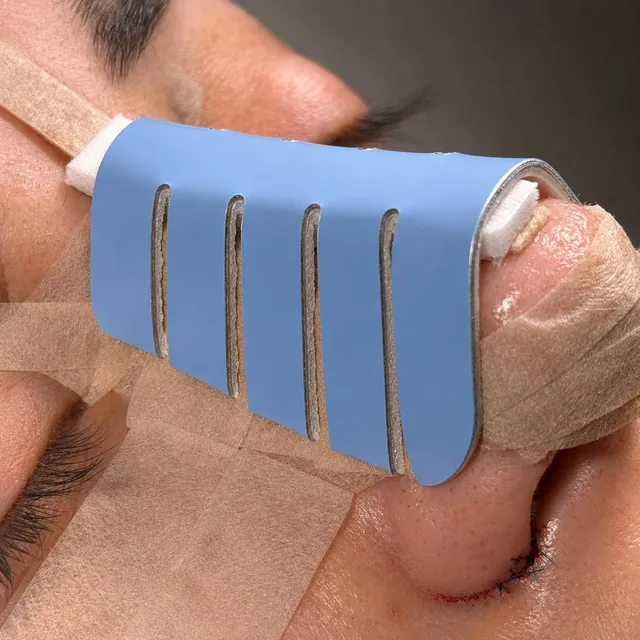
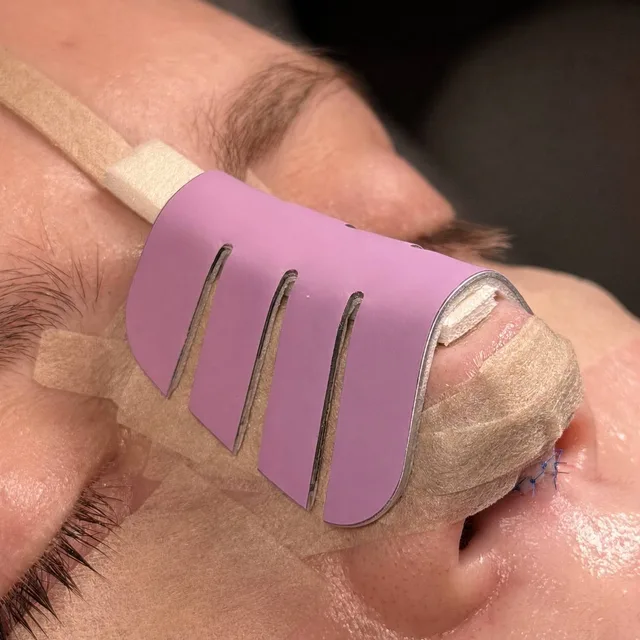
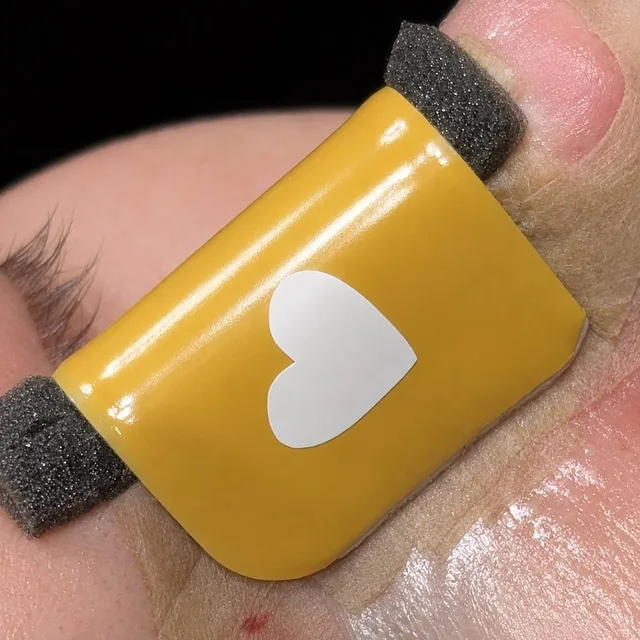
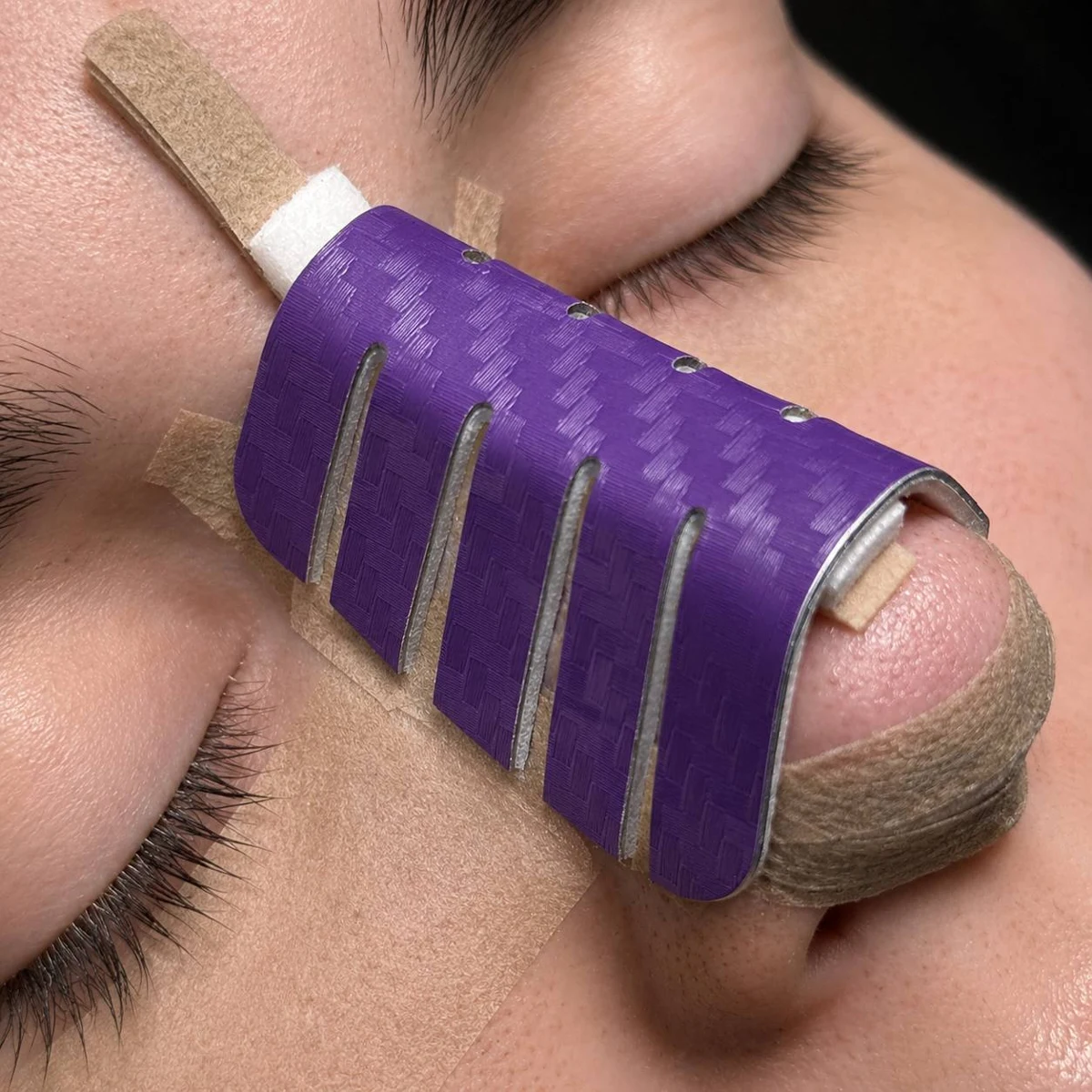
Every detail is chosen to highlight your natural beauty. So that you enjoy the change even while recovering, you can choose the colour of your own nasal splint.
Your style in the details:
Pick a splint colour that matches your mood
Confidence starts with small things, just like your future profile
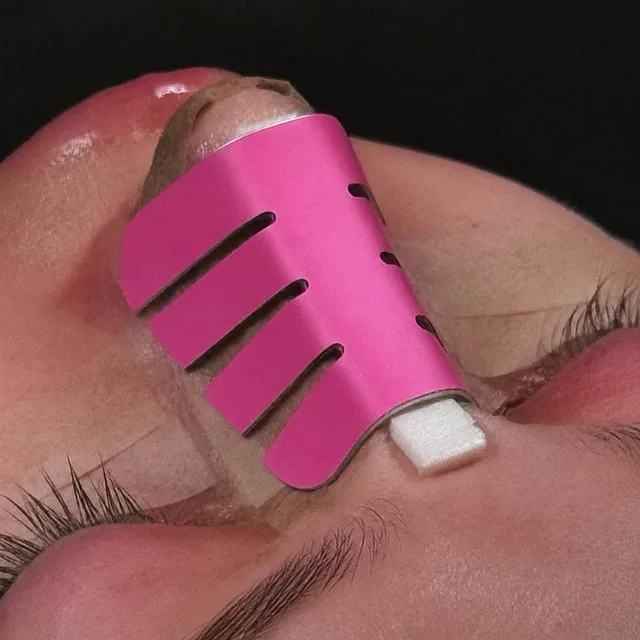
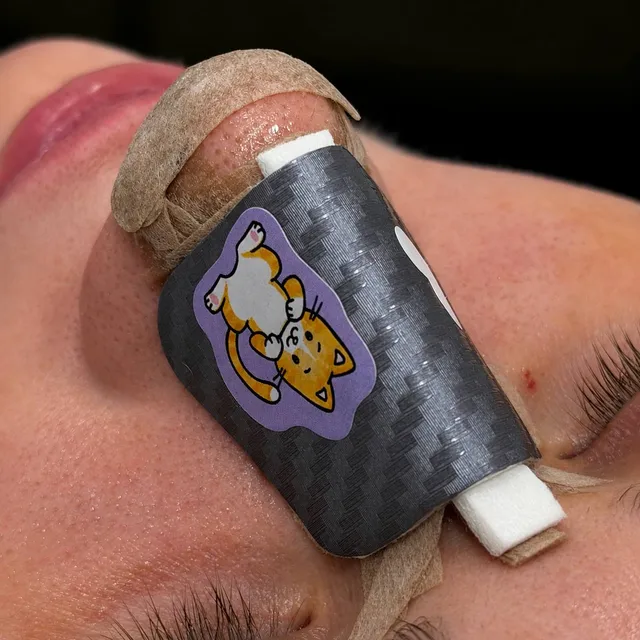
Doctors
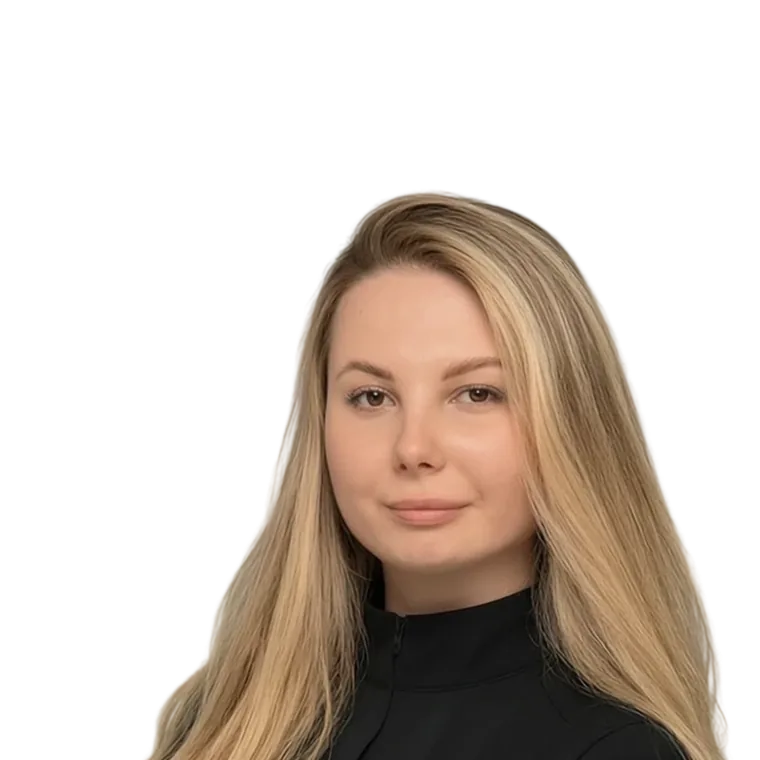
Rhinoplasty surgeon
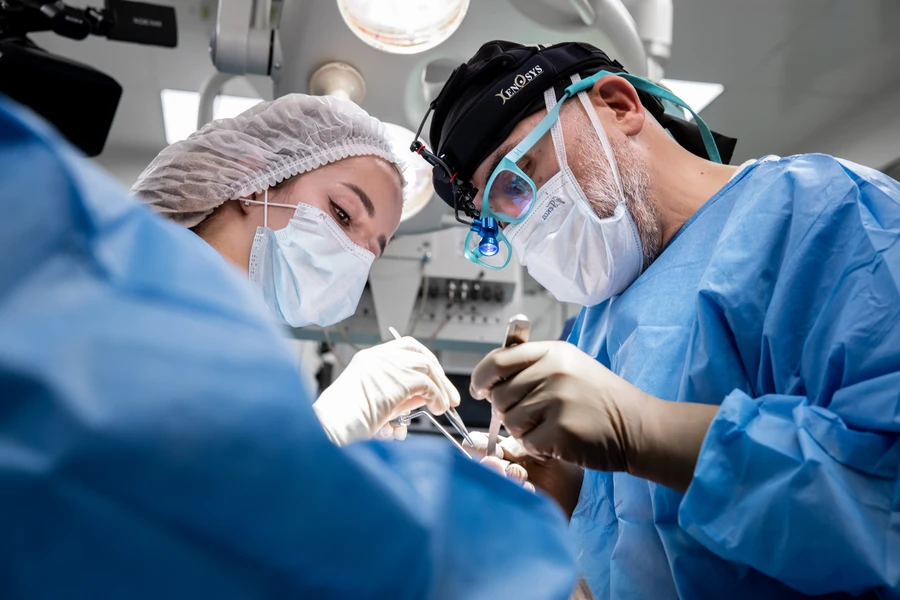
The surgeon who will carry out your operation is who you talk to at the consultation
The doctor reviews your facial proportions, hears out your wishes and explains what changes are possible.
Book a consultationCoordinators
You're supported at every stage of the process

Your dedicated coordinator
The clinic's first contact with you — covering everything from your first message to the consultation
Patient support
Answers your questions ahead of the first consultation and helps you pick a convenient date

Your dedicated coordinator
With you before and during your stay — from booking to discharge
Patient support
Supports your preparation for surgery and remains in contact during your time at the clinic

Your dedicated coordinator
Present through your recovery, from discharge to the final check-up
Patient support
Remains in contact during recovery and schedules your follow-up appointments with the surgeon
A members-only channel for people who value honest, expert information
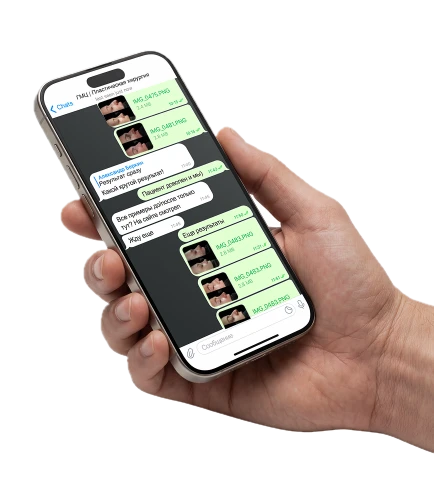
Message us — our coordinator will contact you shortly and book your consultation
By messaging us, you agree to our Privacy Policy
Get a consultationAdvantages
Under contract, you receive a lifetime guarantee — the surgery, support and post-operative follow-up terms are all fixed in advance.
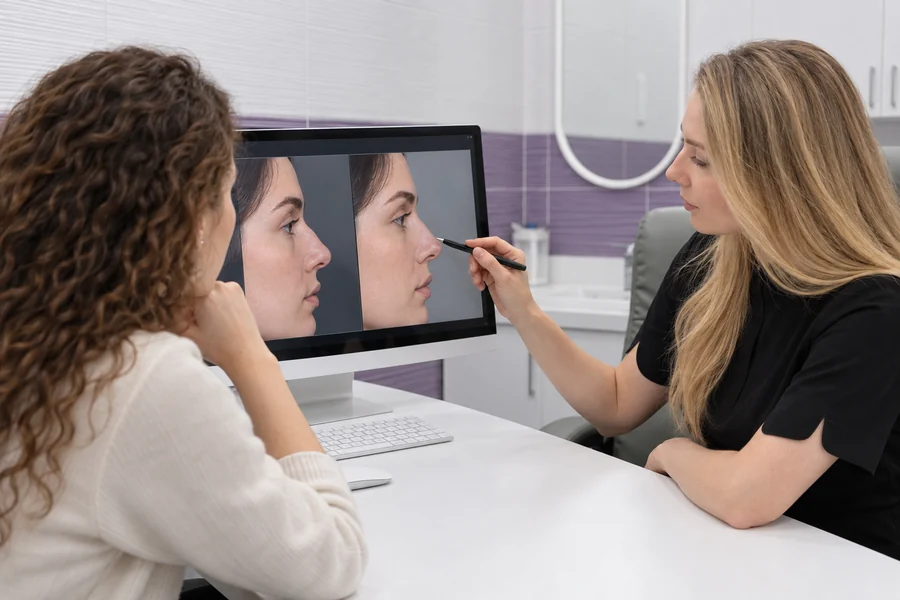
During a free consultation, we look at your case and tell you honestly whether rhinoplasty suits you — facts only, with no pressure to go ahead.
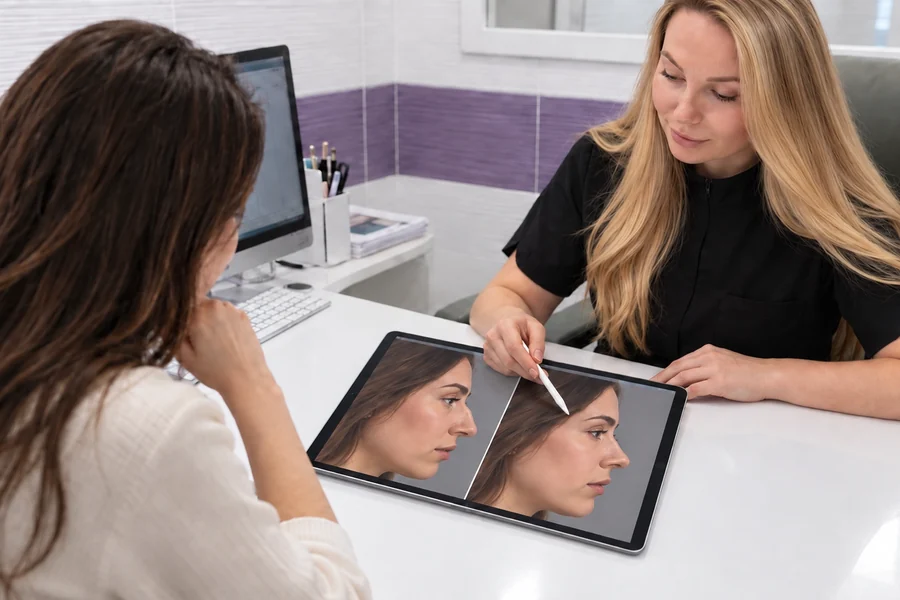
Coming from another city or country? We organise the consultation and all necessary preparation within a single trip, making the process more comfortable with fewer journeys needed.
We respect your time: we work 24/7, with easy booking and a personal approach — we adapt to your pace.
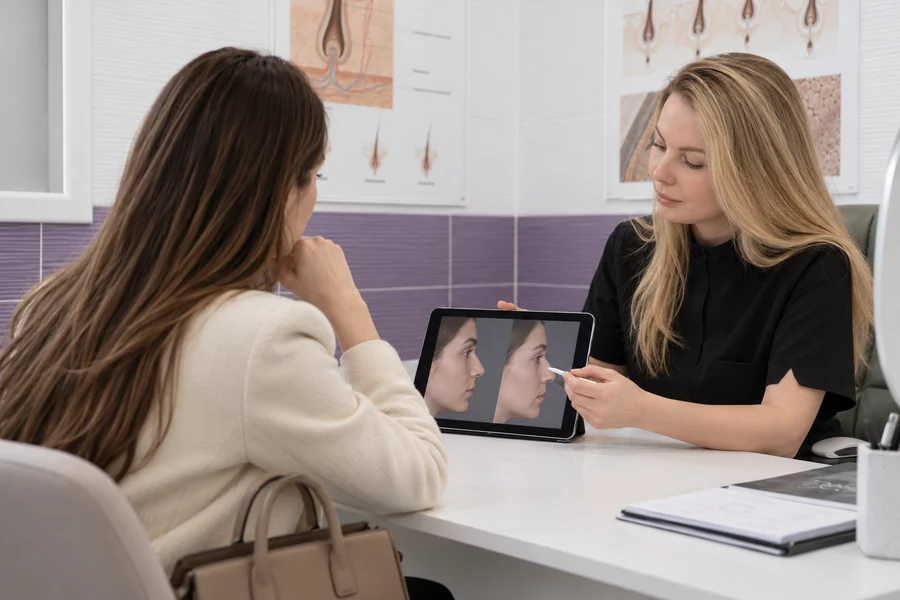
After the consultation, the surgeon sets out the extent of correction needed and gives you a clear price for the surgery, so there are no surprises on the way to the result.
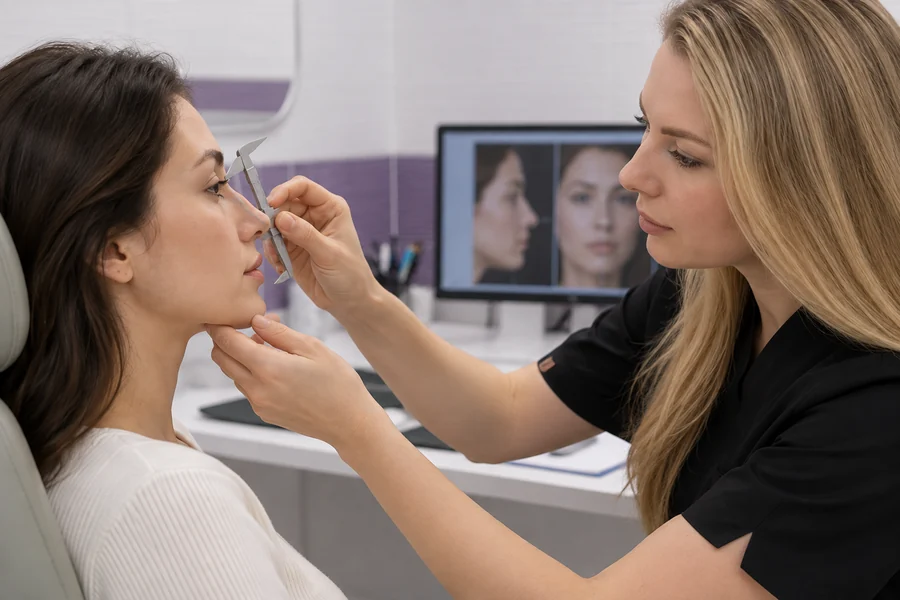
With modern equipment, the surgeon can operate gently and with precision — crucial where millimetres shape proportions, profile and facial harmony.
Prices
Send a request and get a free consultation on any service
Free
BookPrice without discount: $6,000$4,200
Price without discount: $7,200$5,400
Price without discount: $6,600$5,000
Price without discount: $6,500$4,700
Price without discount: $7,200$5,400
FAQ
Rhinoplasty (nose job) — one of the most delicate and sought-after plastic surgeries, aimed at reshaping the nose in line with the individual proportions of the nose and the whole face. Modern rhinoplasty is not just an operation to change how the nose looks, but complex surgical work aimed at an aesthetic ideal without compromising health.
Yes. Nose job is the everyday name for rhinoplasty, plastic surgery of the nose. The surgeon can change its shape and, with rhinoseptoplasty, also correct a deviated septum to make breathing easier.
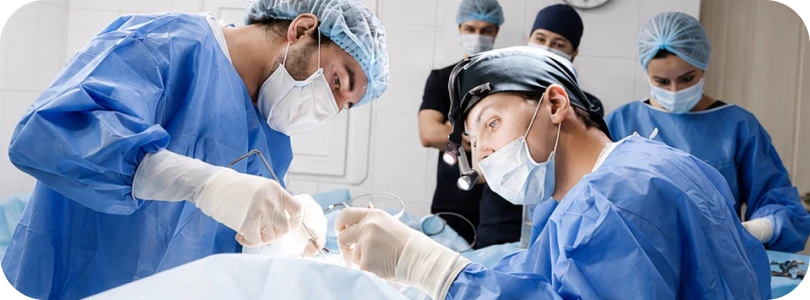
Surgery is best done at 18 to 45, when the nose has finished forming and tissues still heal well. If medically indicated, it can be done later in life, provided your general health allows
At its core, rhinoplasty is a comprehensive solution. It corrects both congenital and acquired nasal deformities, for example after a nasal injury. Patients are often bothered by a dorsal hump or an overly wide nose. Nose correction can also target the tip (tip rhinoplasty) or the nostrils (alar rhinoplasty). The surgical plan is created individually for each patient, taking every feature of their nose into account.
Rhinoplasty is performed under general anaesthesia and, depending on complexity, takes 1.5 to 3 hours.
The surgeon determines the extent and course of the surgery at the consultation, based on your goals and the anatomy of your nose.
Rhinoplasty — surgery to change the appearance of the nose (an aesthetic goal) and improve its function if breathing is impaired.
Septoplasty — a surgical fix for the nasal septum that restores normal breathing without changing how the nose looks outside.
Often both surgeries are combined, especially when a patient has a deviated septum and aesthetic concerns. This gives a harmonious look and restores full breathing. At City Medical Centre we perform rhinoseptoplasty — a combined surgery that solves both tasks at once
For a successful operation, preparation should begin 21 days before rhinoplasty. At the first appointment our plastic surgeon will give you a list of the required tests.
| Complete blood count (including ESR, white cell differential, platelets) | 2 weeks |
| Urinalysis | 2 weeks |
| Infection tests: HIV, HBsAg, anti-HCV, antibodies to Treponema pallidum | 2 weeks |
| Blood group and Rh factor | 2 weeks |
| Blood biochemistry (total protein; urea; uric acid; creatinine; glucose; total, unconjugated and conjugated bilirubin; ALT; AST; K; Na; Cl; cholesterol) | 2 weeks |
| Coagulation panel (Quick prothrombin, INR, APTT, D-dimer, antithrombin III) | 2 weeks |
| Electrocardiogram (ECG) tracing with a report | 2 weeks |
| Doppler ultrasound of the leg vessels / duplex scan of the leg veins | 2 weeks |
| Chest X-ray or fluorography with a report | 6 months |
| MSCT of the paranasal sinuses | 6 months |
| After the full laboratory work-up — a physician's report confirming there are no contraindications to surgery | 2 weeks |
The preparation stage includes seeing the plastic surgeon, lab tests (CBC, biochemistry, coagulation, infection tests), ECG, chest X-ray and nasal X-ray or CT. Anticoagulants, alcohol and smoking stop a week before surgery. Have light meals the day before; fast 6 hours before surgery
Although nose surgery is one of the most popular and well-established aesthetic operations, like any surgery it carries certain risks. To minimise the likelihood of complications after rhinoplasty, our clinic provides thorough pre-operative preparation and post-operative monitoring.
Important: if after rhinoplasty you have difficulty breathing, severe pain, a high temperature or a change in the shape of your nose, contact your doctor immediately.
Rhinoplasty at City Medical Centre is performed with modern technology, safe materials and constant medical supervision, which keeps the risk of complications to a minimum.
We also provide post-operative monitoring and prescribe recovery therapy.
Recovery after nose surgery is just as important as the operation itself. Proper recovery determines how aesthetic and harmonious the final result will be. At City Medical Centre recovery is closely monitored and divided into three phases: early, intermediate and late
First changes show as swelling subsides (2–3 weeks); however, the final rhinoplasty outcome is assessed in 1–1.5 years, when the tissues stabilise completely
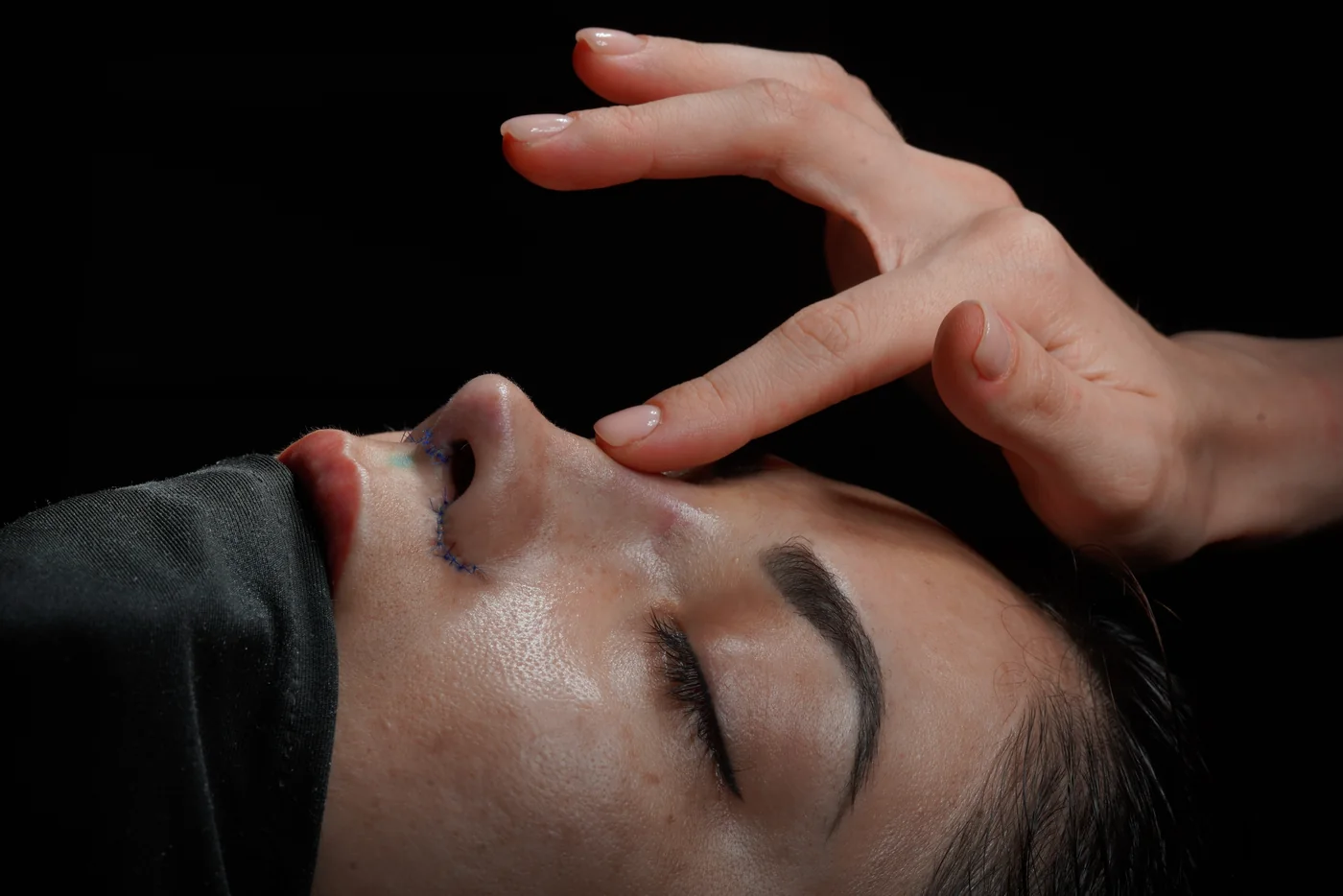
The nose needs to be protected after surgery. An aluminium cast is placed over the nose, with special silicone splints inside the nasal cavity. Nasal function is limited in the first days but recovers quickly. The final result of rhinoplasty can be assessed after 1–1.5 years, once the swelling has fully subsided.
Important: if nasal function is impaired after the first operation or you are not satisfied with the result, revision (secondary) rhinoplasty may be needed. It is a more complex procedure, performed no earlier than one year after the primary operation.
In the days right after surgery, splints or swelling may partly block the nasal passages. You usually breathe fully again within 1–2 weeks, depending on your body and how extensive the surgery was
Our doctors use microsurgical techniques and quality sutures to keep scars minimal
Rhinoplasty balances facial features and improves aesthetics while preserving individuality. 3D modelling lets you see the predicted result early and discuss and agree on the changes with your surgeon
Rhinoplasty is a serious step. A well-performed rhinoplasty means the new nose is in perfect harmony with your facial features and works flawlessly. At the consultation the nasal surgeon assesses every parameter in detail: the size of the nose, tip projection, and the condition of the septum and nasal mucosa. We use 3D modelling so you can see the future proportions of your nose before the surgery is performed.
Don't just browse rhinoplasty photos online. Book a consultation to discuss what modern rhinoplasty can and cannot do for you. Correcting external nasal deformities and reshaping the nose is our speciality.
The cost is set at the consultation and depends on the extent of surgery; the exact price is named by the doctor after an exam of your nose and facial proportions.
Prices start from $4,200 (≈ ₦5,600,000). The surgeon sets the final price at the free consultation, and it is fixed in the contract, with no hidden extras.
Blog
Reading on rhinoplasty
Find out how recovery after rhinoplasty goes in the first 7, 14 and 30 days
Read the article
Preparation, recovery week by week, when the splint and stitches come out and how long to wait before flying home.
Read the articlePrices are in US dollars; the amount in brackets is an approximate conversion to NGN at the rate of 02.10.2026. The final price is fixed in your contract.
Prices start from $4,200 (≈ ₦5,600,000). The surgeon sets the final price at the free consultation, and it is fixed in the contract, with no hidden extras.
The operation under general anaesthesia, a one-day inpatient stay, follow-up visits and dressings, plus a lifetime guarantee on the result.
Surgery takes 1.5–3 hours and you stay one day in the clinic. The nasal splints come out on day 7, and the cast is worn for up to 14 days.
Yes. The first consultation is free and does not oblige you to anything. You can start online by sending a message to the coordinator.
Message us on WhatsApp or Telegram using the buttons below. A coordinator will answer your questions and book a free consultation where the doctor names the exact price.
By messaging us, you agree to our Privacy Policy
What does rhinoplasty change? Depending on the plan, the bridge, tip, nostrils or septum are reshaped: excess tissue is removed or a graft is added. Anyone looking for rhinoplasty in Port Harcourt can weigh a closed technique with all incisions hidden inside the nose against an open technique for maximum control over shape. Either way, the proposed result is visualised with 3D modelling first.
Some details are easy to miss. Class 2 compression stockings should be bought in advance for the hospital stay, each test must be on a separate form with a stamp and signature, and chronic conditions require a specialist's clearance. After the operation, microcurrent or ultrasound therapy and a diet without salty or spicy food help speed recovery. This applies to all Port Harcourt residents.
Budgeting for rhinoplasty is straightforward: $4,200 (≈ ₦5,600,000) covers the surgeon's work, the stay in the inpatient unit, check-ups and dressings, and a dedicated coordinator. There is no separate bill for the first consultation. For Port Harcourt patients, this is the moment to ask about timing, recovery and contraindications and receive clear answers before committing. The consultation is non-binding.
Public accounts from well-known people about the operation: rhinoplasty.
Written by Marina T. Pershikova, rhinoplasty surgeon
How we prepare and review medical content · Medical disclaimer
Page last updated:
Port Harcourt, the Rivers State city on the Bonny River in the Niger Delta, counted 1,005,904 people in the 2006 census of the metropolis and was estimated at 1,148,665 in 2019. Anyone from a city of that size who is weighing a nose operation can ask a plain question about any surgeon: how do I know this person is entitled to practise? In Nigeria the answer is written down in the Medical and Dental Practitioners Act and in the registration guideline of the Medical and Dental Council of Nigeria (revised edition of 1 November 2003).
The city has grown: the 2019 estimate stands 142,761 residents, or 14.2 percent, above the 2006 census count. Whatever the size of the place, the method stays the same, and a repeatable way of checking is worth more than a recommendation, however sincere.
The guideline sets out several layers. No one may practise unless registered. A practising licence has to be renewed every year, and doctors who fall behind with it are left out of the published Register of Licensed Medical and Dental Practitioners, so an absence from the list is itself information. Renewal is tied to 20 credit units of continuing professional development. A specialist must in addition be registered as a specialist by the Council, and the qualifications the Council accepts include a Fellowship of the National Postgraduate Medical College of Nigeria or an equivalent.
Turn that into three questions for any surgeon, including ours. What is your full name as it appears on the register? Is your practising licence current for this year? Are you registered with the Council as a specialist, and in which field? Ask for the replies in writing and keep them with the contract. A surgeon who answers readily loses nothing by it. The same principle applies inside the clinic: the doctor who talks to you at the consultation is the one holding the instruments and the one you see at each later check.
Every operation has a list of possible complications, and an honest consultation goes through it item by item. Here the list is short enough to memorise, and each entry suggests a question worth putting to the surgeon in your own words.
Swelling and bruising are the normal reaction of the body, but they need watching if they grow excessive: ask how excessive is defined and whom to ring. Bleeding may show up during the first days, above all when the restrictions are bent: ask what amount is too much. Infection is called very rare and is traced to lapses in hygiene: ask which rules of hygiene you and your household will have to keep.
Irregularities of shape, such as asymmetry, a displaced septum or uneven fixation of cartilage, are the fourth entry: ask how they would be found and corrected. Breathing can end up impaired, either from removing too much tissue or from individual anatomy: ask how the surgeon protects the airway. Thick scars are possible for people prone to keloids: say at once if you are one. The last entry is psychological dissatisfaction, more common when expectations are unrealistic: ask to see the 3D model again a day later, and compare it with what you have in your head.
The clinic names four reasons to ring the doctor without delay: hard breathing, strong pain, a raised temperature, or a nose whose form begins to change. Copy them onto a card beside the phone, because a card is easier to find than a memory. Your coordinator answers at any hour.
Three names are worth learning. Primary rhinoplasty is the first operation ever done on the nose; it works on shape and, if the airway is narrowed, on breathing, and its optimal age is 18 to 45. Revision rhinoplasty belongs to a nose that was operated on before without a satisfying or only with a partial result, and it is carried out one year or more after the earlier surgery. Rhinoseptoplasty joins the two jobs: the septum and the outer shape are treated in one session.
Describe your own case against that list. If your nose was operated on earlier, say so in the first message and keep the discharge papers, the date and any photographs from before and after ready for the doctor. If you have never had surgery but breathe poorly, say so before you talk about the profile. If you only want the outline altered, say which part: the tip, the bridge, the nostrils or the hump.
The doctor does not decide in the abstract. How much is done, and in what sequence, is fixed at the consultation from your wishes and the structure of your nose, with a 3D model of the likely result beside it; every benefit and recovery figure quoted for a type of operation is an average, offered for orientation. Get one thing in writing: which of the three operations applies to me, and which part of my nose will it change.
Spend a few minutes on what you do not want as well. Say whether the nose should stay recognisably yours, whether you worry about looking operated on, and whether a particular angle in photographs bothers you. The 3D modelling turns your words into something both of you can look at and correct.
Papers are collected over the three weeks (21 days) before the date. The plastic surgeon issues the examination list at the first meeting: laboratory work on blood and urine, screening for infections, group and Rh factor, biochemistry and clotting, a heart trace, ultrasound of the leg veins, a chest film or fluorography and an MSCT scan of the sinuses. Afterwards a physician signs a conclusion that no contraindication is present. One form per result, bearing the facility's stamp and a doctor's signature; those with a long-term illness add a specialist's statement permitting general anaesthesia.
Seven days out, cigarettes and alcohol go, together with swelling-prone food, strenuous activity and any beauty procedure that harms the skin. A medicine that affects clotting is paused only after your doctor agrees. Buy stockings of compression class 2 in advance and take them to the hospital. The last meal and the last drink come six hours or more before the appointed time.
Then the ward for a day, and a written plan for the weeks that follow. Expect to breathe through the mouth at the start, with splints in the nostrils; they come out on day 7, while the aluminium cast and the stitches leave on day 14. For the first month heavy effort, steam, saunas, pools, hot baths and direct sunlight stay off the list. The shape is read at 1–1.5 years, with checks booked for 7 days, 3 months and 6 months.
Consider the money questions in the order in which they arise. The consultation costs nothing. A figure for the operation appears afterwards, when the modelling is finished, and goes into the contract for medical services. Your date is reserved once the deposit arrives, whether by card at the clinic or by transfer online. Ask the contract to spell out its contents: surgery, general anaesthesia, modelling, the ward stay and meals, check-ups with dressings, the coordinator's help and all consumables, plus a year of follow-up.
The National Health Insurance Authority exists under the National Health Insurance Act, signed into law on 19 May 2022. Its published terms say that contributions extend to a contributor's spouse and as many as four biological children, and that members normally pay nothing in cash for covered treatment except a 10% share of drug costs. Those are the scheme's published terms for treatment it covers; do not read them as a promise that cosmetic surgery is among it, and ask the Authority or your scheme directly, in writing.
Before you pay anything, read the cancellation and rescheduling terms and ask what happens to the deposit if the tests show that surgery should wait. Put the answer in the same folder as the contract.
Keep a recovery log. After each visit note the date, the surgeon's remarks, changes to instructions and the next question. Photograph the nose in the same light each time and send the set to the coordinator, who also books the follow-up visits. Talks with the surgeon stay free for twelve months. Should a revision ever come up, it cannot precede the first anniversary of the first operation. Twelve months of dated entries make a sturdier witness than memory.
It is the Register of Licensed Medical and Dental Practitioners. According to the registration guideline, practitioners in default of their annual licence are not included in the published register.
Under the guideline a specialist must be registered as such by the Council, and a Fellowship of the National Postgraduate Medical College of Nigeria or an equivalent is among the qualifications the Council accepts.
The guideline ties renewal of the annual practising licence to 20 credit units of continuing professional development.
Mention it in your first message. Heavy scarring is among the listed complications for keloid-prone skin, and the surgeon has to know before a plan is drawn.
Say so in your first message and keep the hospital summary, the date and any photographs from before and after ready for the doctor. Revision work is considered only once a year has elapsed.
The authority says contributions reach the employee, a spouse and up to four biological children. Whether a particular procedure falls inside the scheme is a question for the authority and not for a clinic.
Yes. One form per result, with the issuing facility's stamp and the doctor's signature. Find out from the coordinator how fresh each result must be before you book the test.
Write them down, ask for written answers and give yourself time. The consultation is free, obliges you to nothing, and the team is available in WhatsApp or Telegram at any hour.