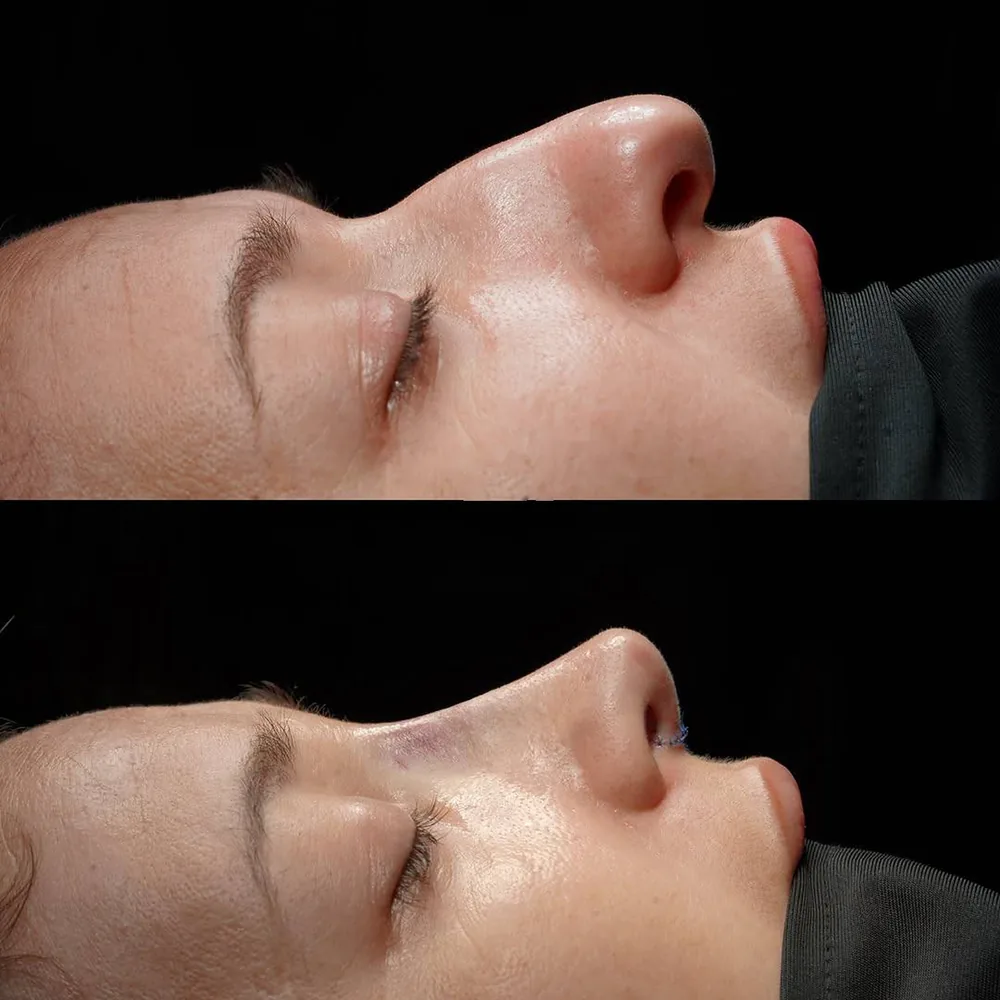
 beforeafter
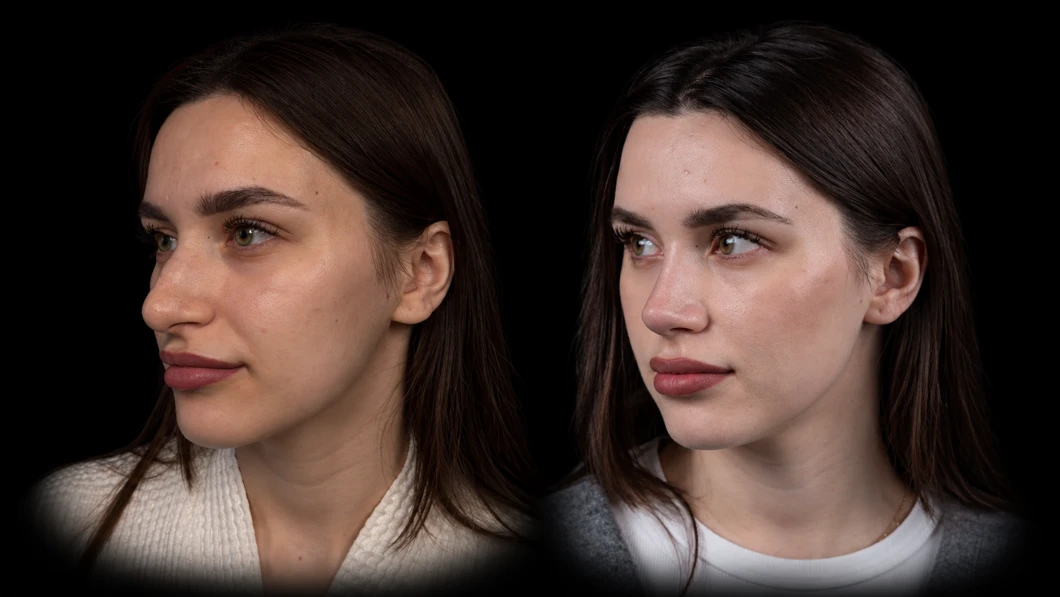
Irina, 24
Rhinoplasty
Rhinoplasty
$4,200
Instead of $6,000 (≈ NOK 58,000) · First consultation — Free
Free online consultation · Reply within 15 minutes
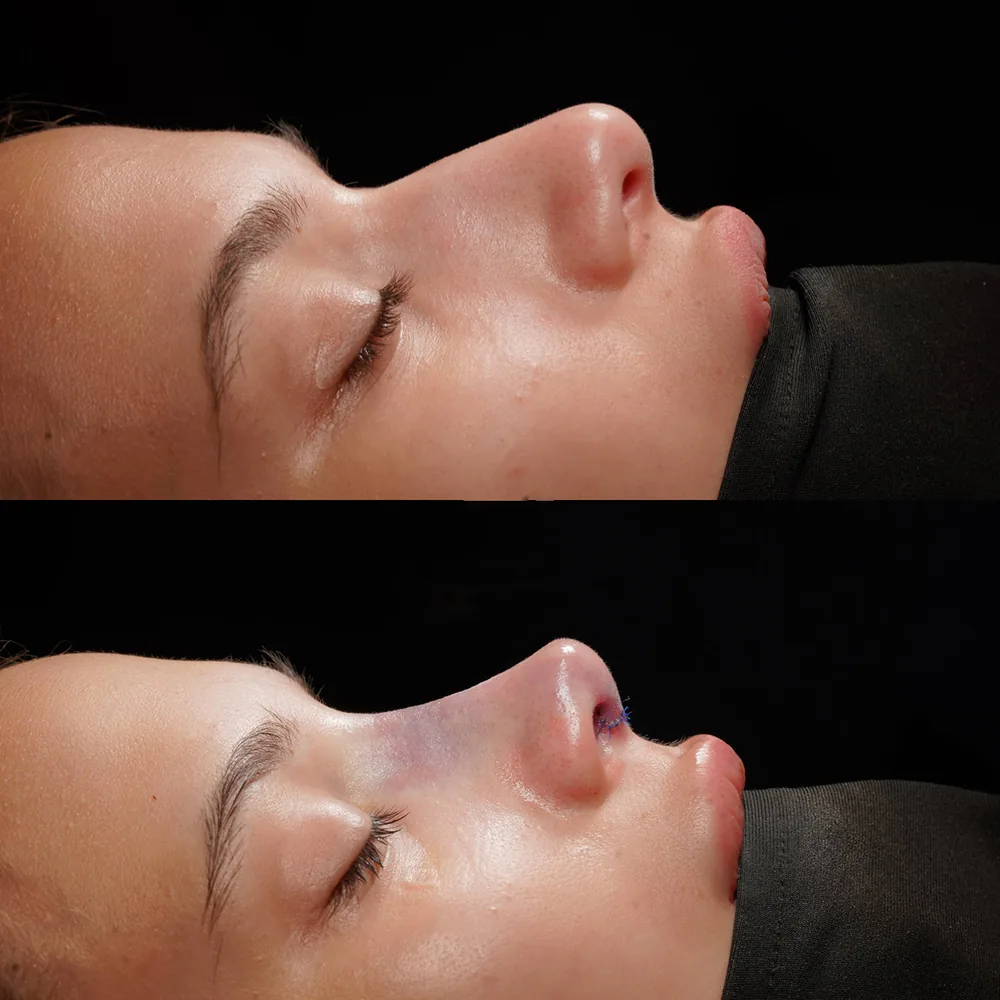 before
after
Message our coordinator
Free online consultation · Reply within 15 minutes
Message us on TelegramMessage us on WhatsAppBy messaging us, you agree to our Privacy Policy
Rhinoplasty for patients from Oslo at City Medical Centre starts at NOK 41,000 (from $4,200). The first online consultation is free; the doctor names the final price and it is fixed in the contract.
How it works · Rhinoplasty prices
Information current as of 5 November 2026
Results
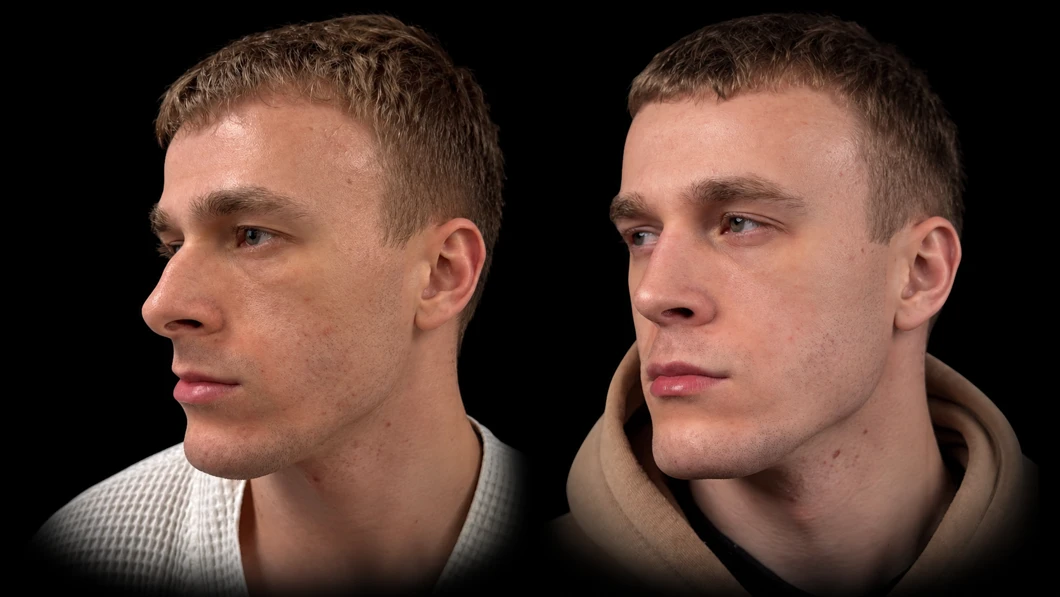
Every case shown belongs to a real patient of the clinic.
Inside our Telegram community, patients of the clinic answer your questions directly.
beforeafterRhinoplasty
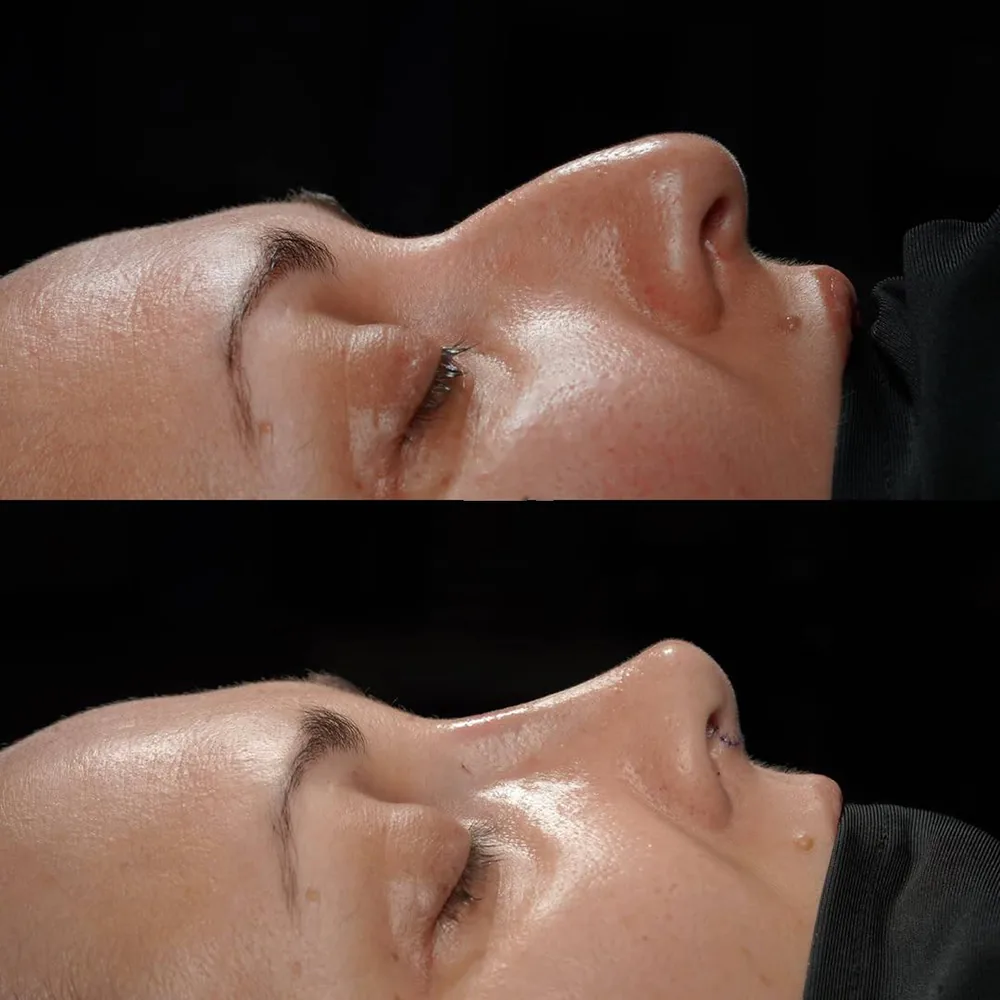 beforeafter
Rhinoplasty
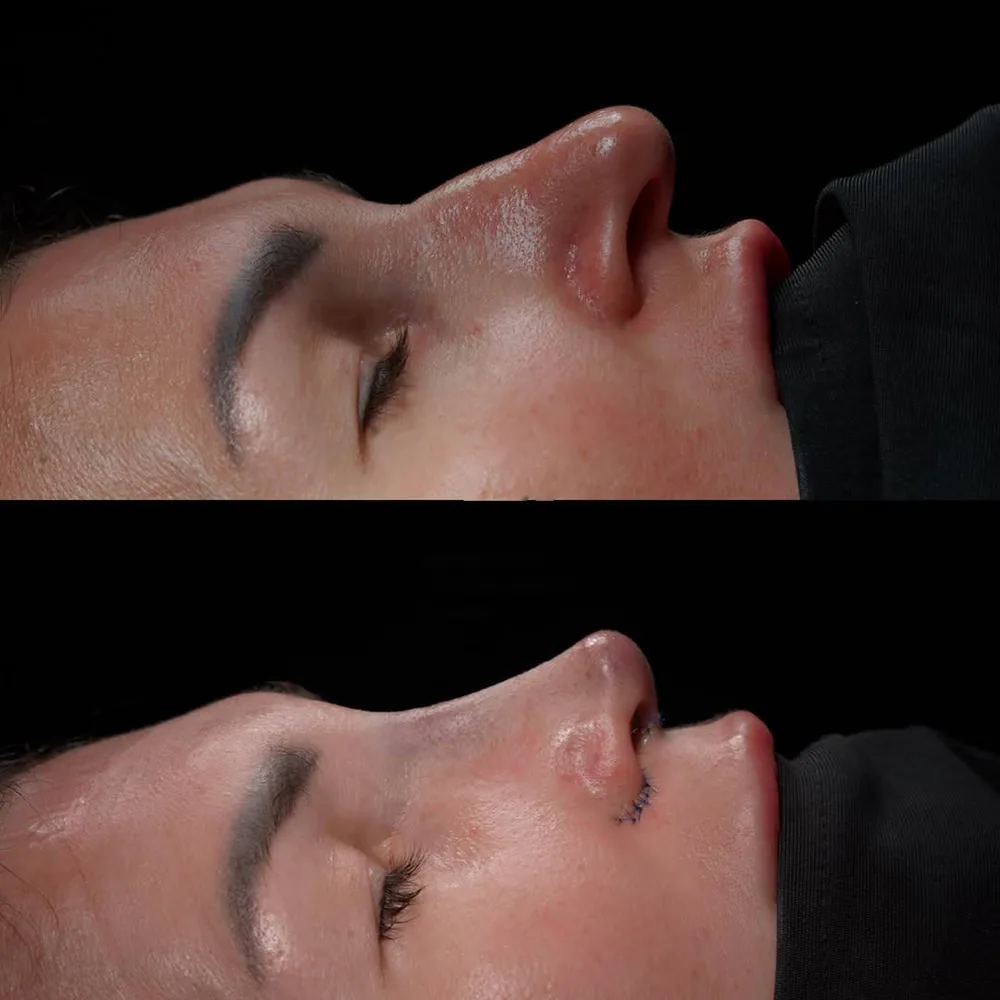 beforeafter
Rhinoplasty
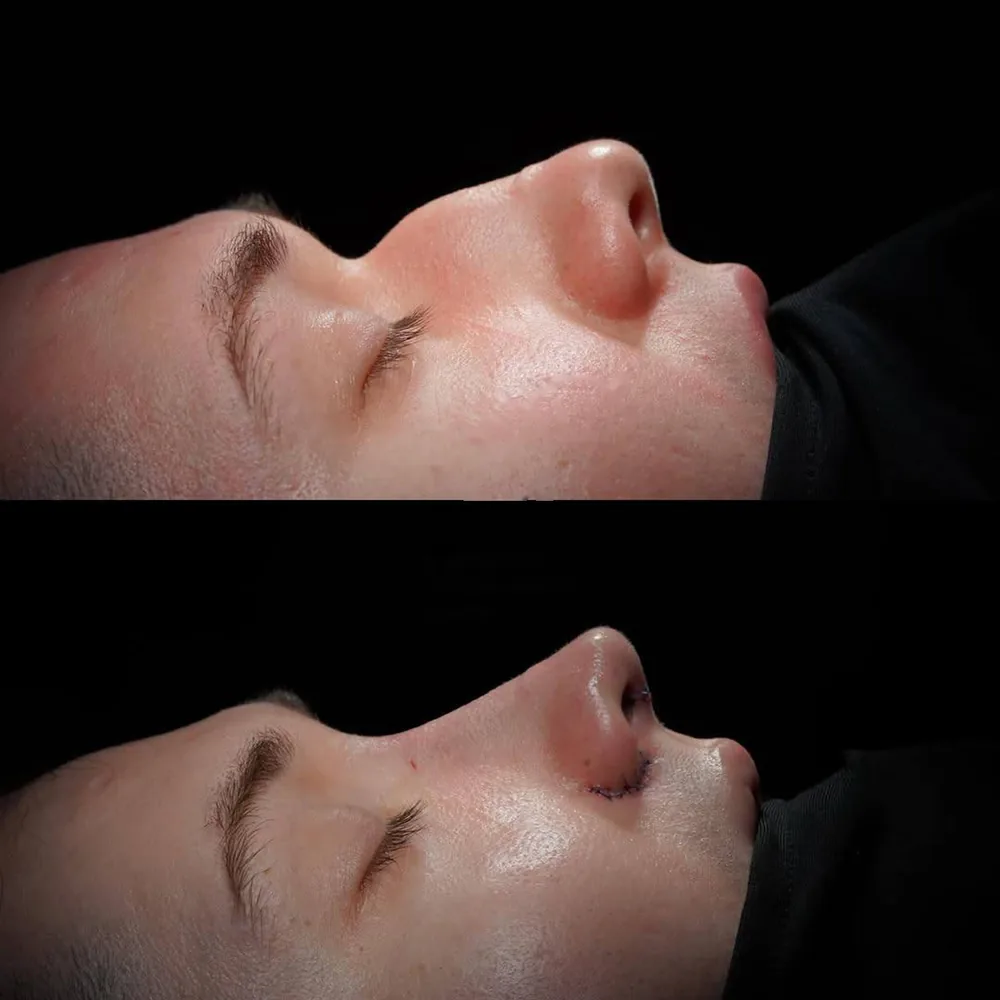 beforeafter
Rhinoplasty
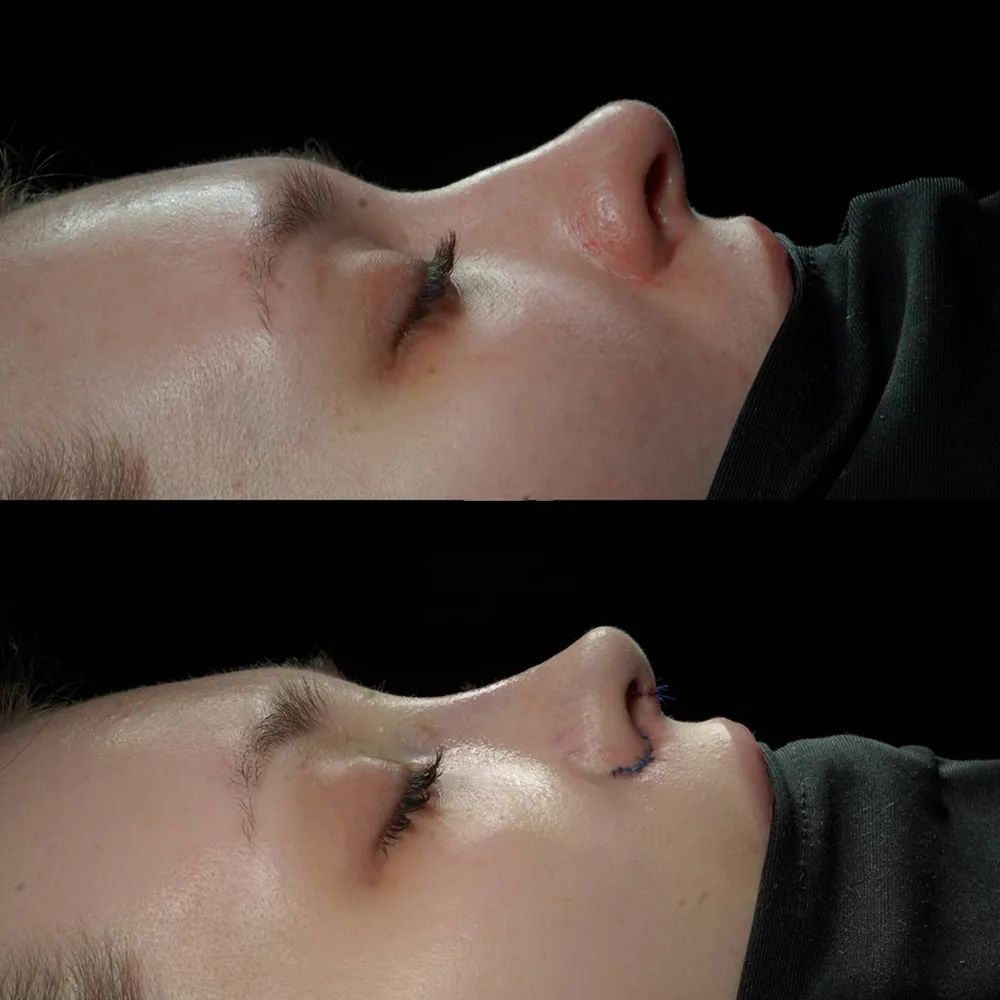 beforeafter
Rhinoplasty
beforeafterRhinoplasty
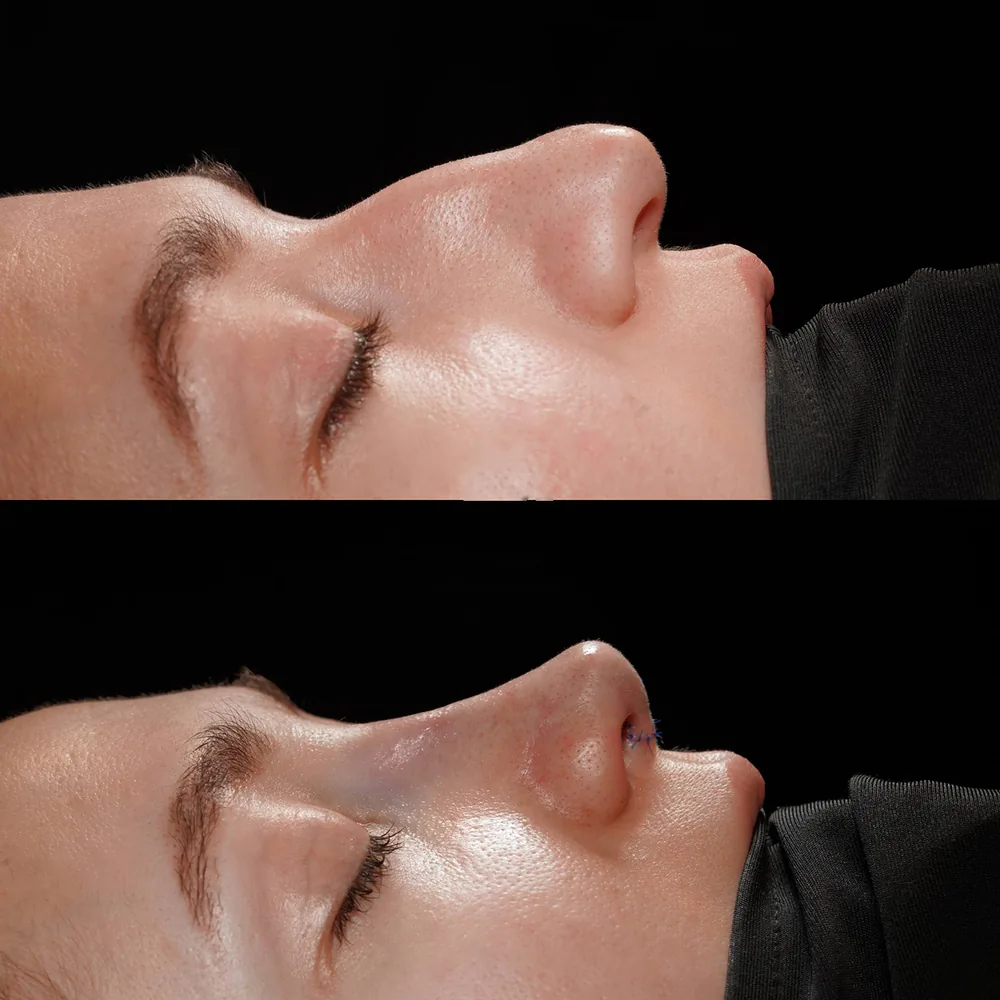 beforeafter
Rhinoplasty
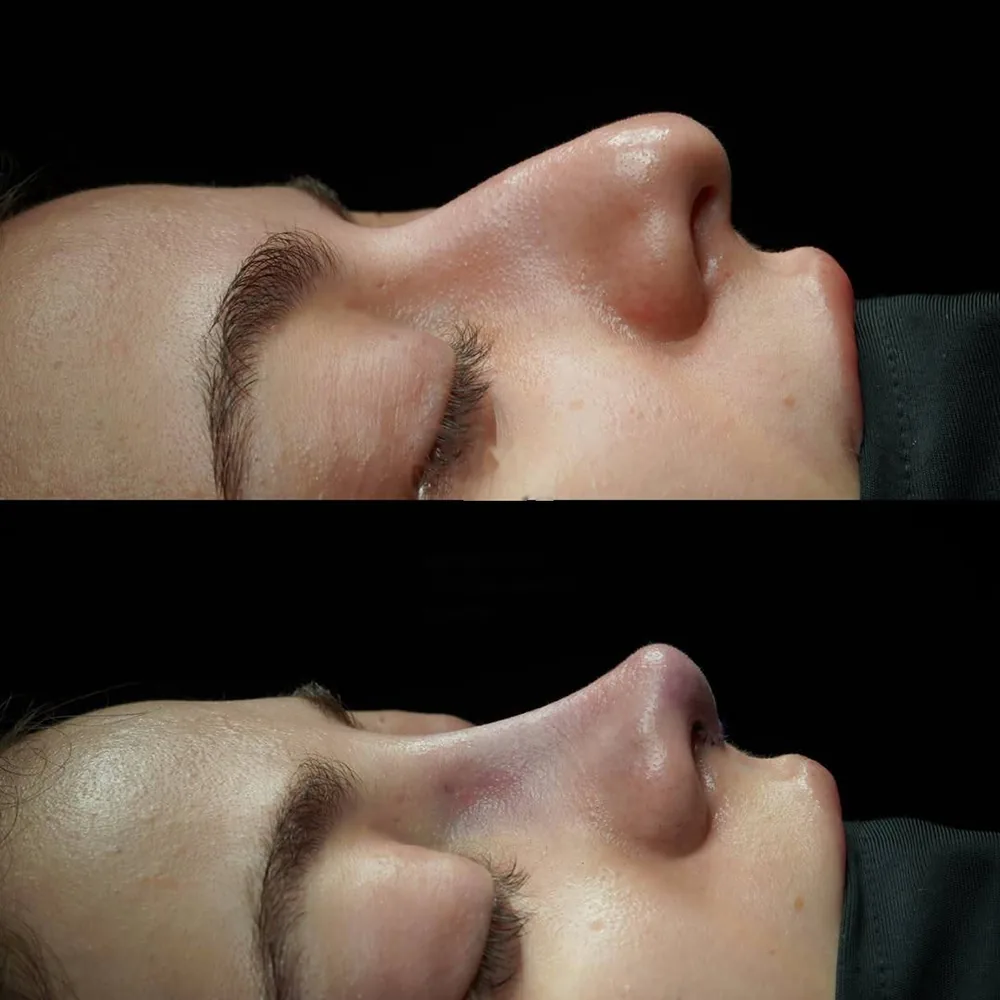 beforeafter
Rhinoplasty
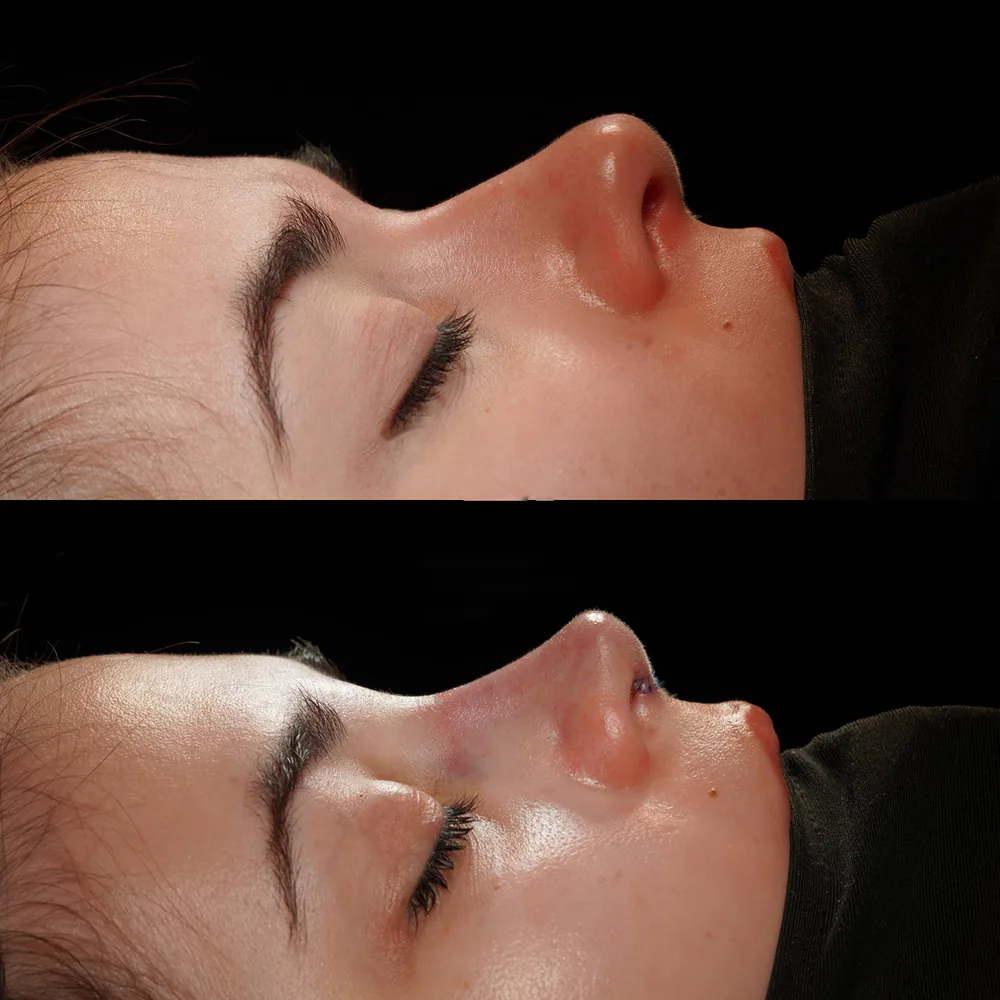 beforeafter
Rhinoplasty
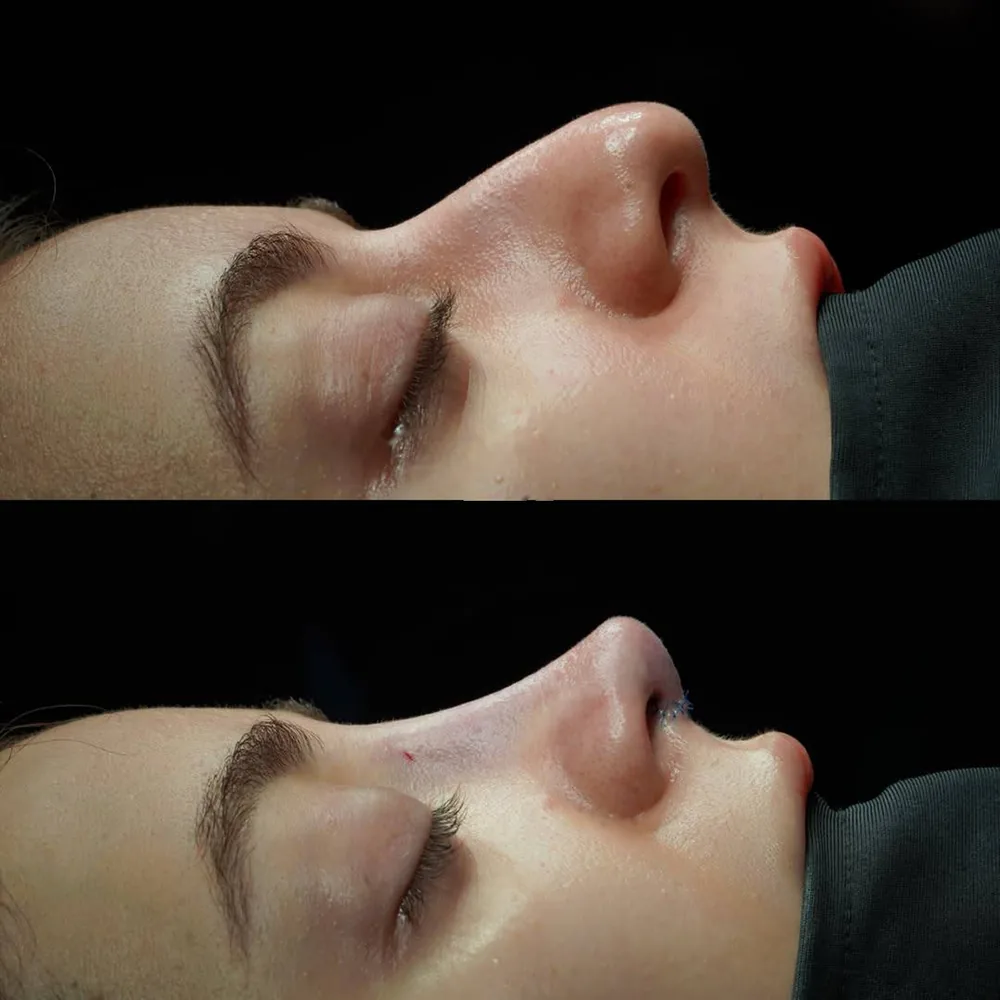 beforeafter
Rhinoplasty
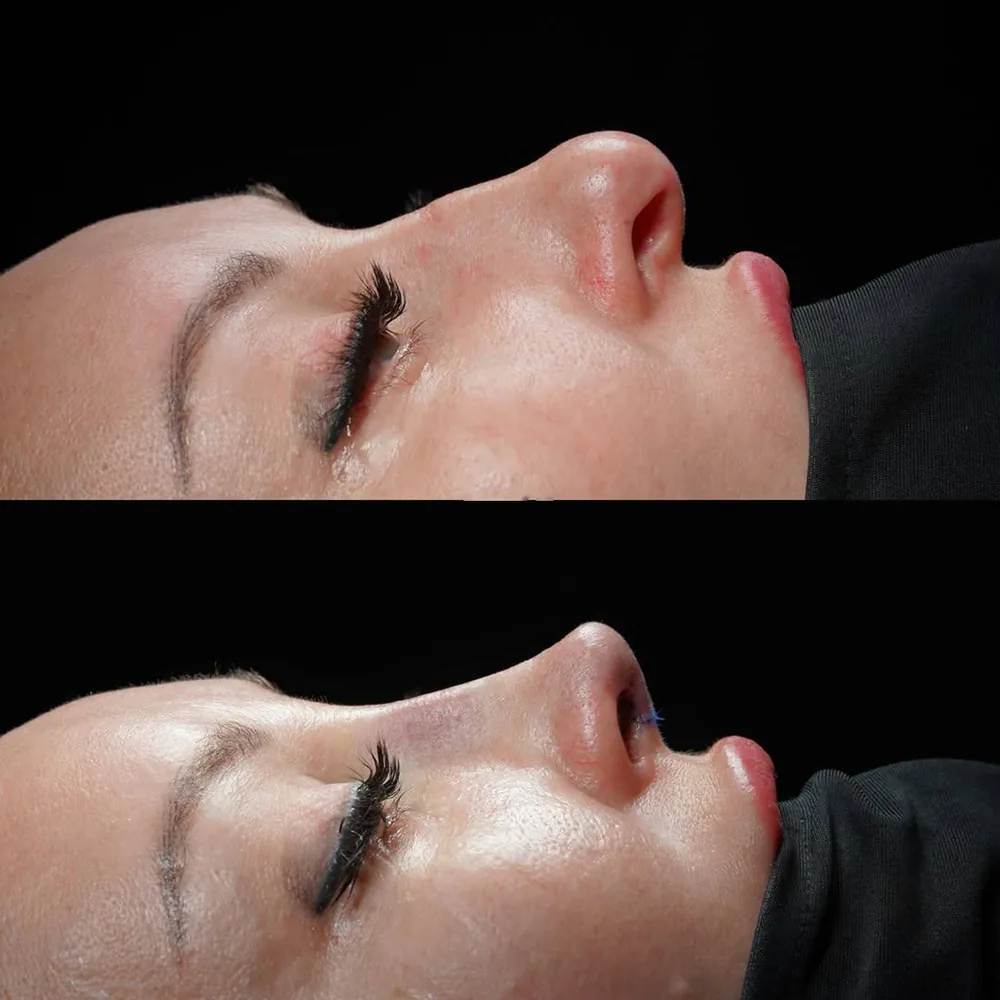 beforeafter
Rhinoplasty
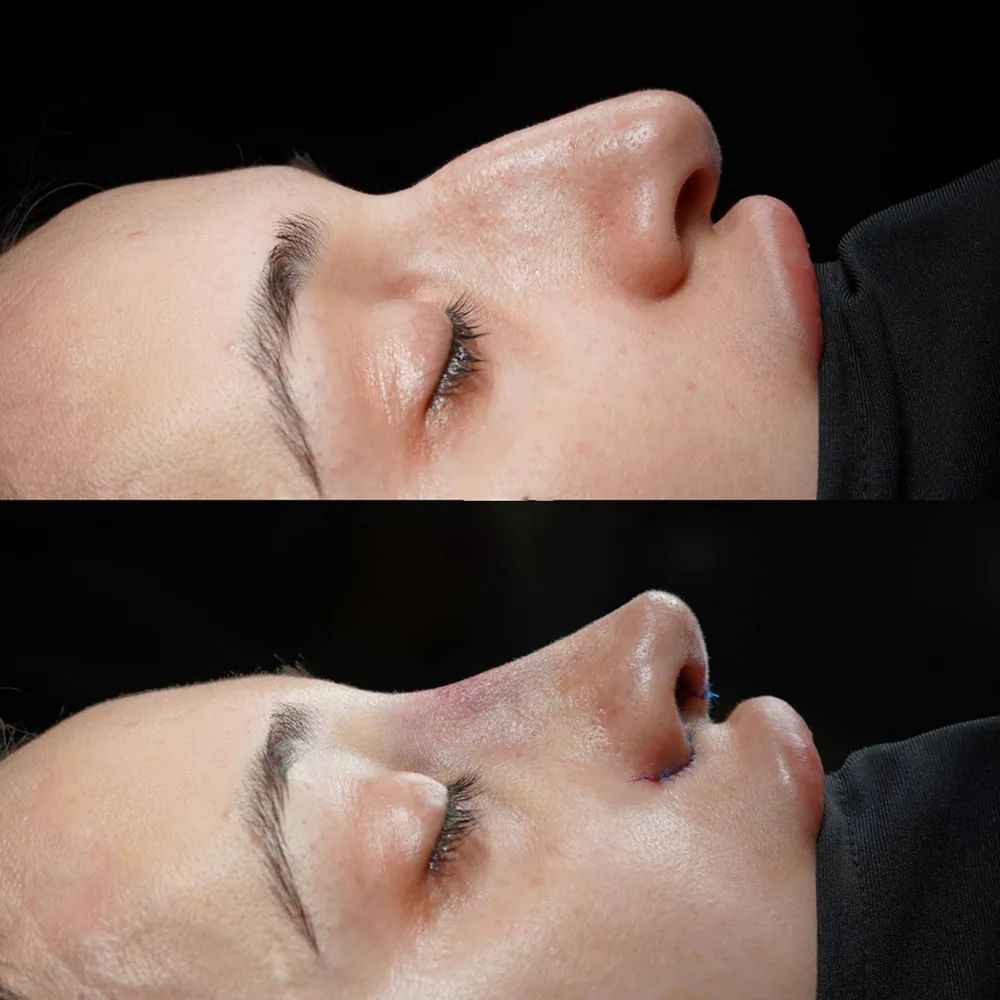 beforeafter
Rhinoplasty
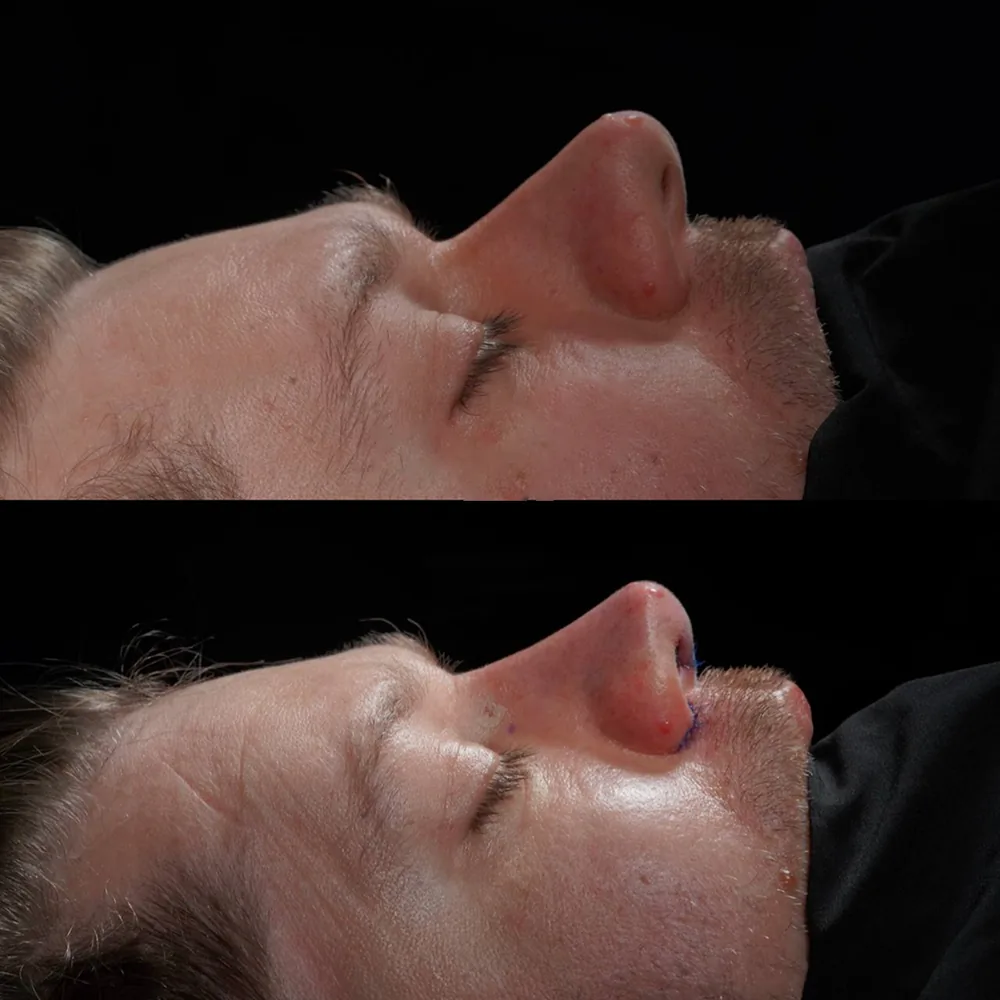 beforeafter
Rhinoplasty
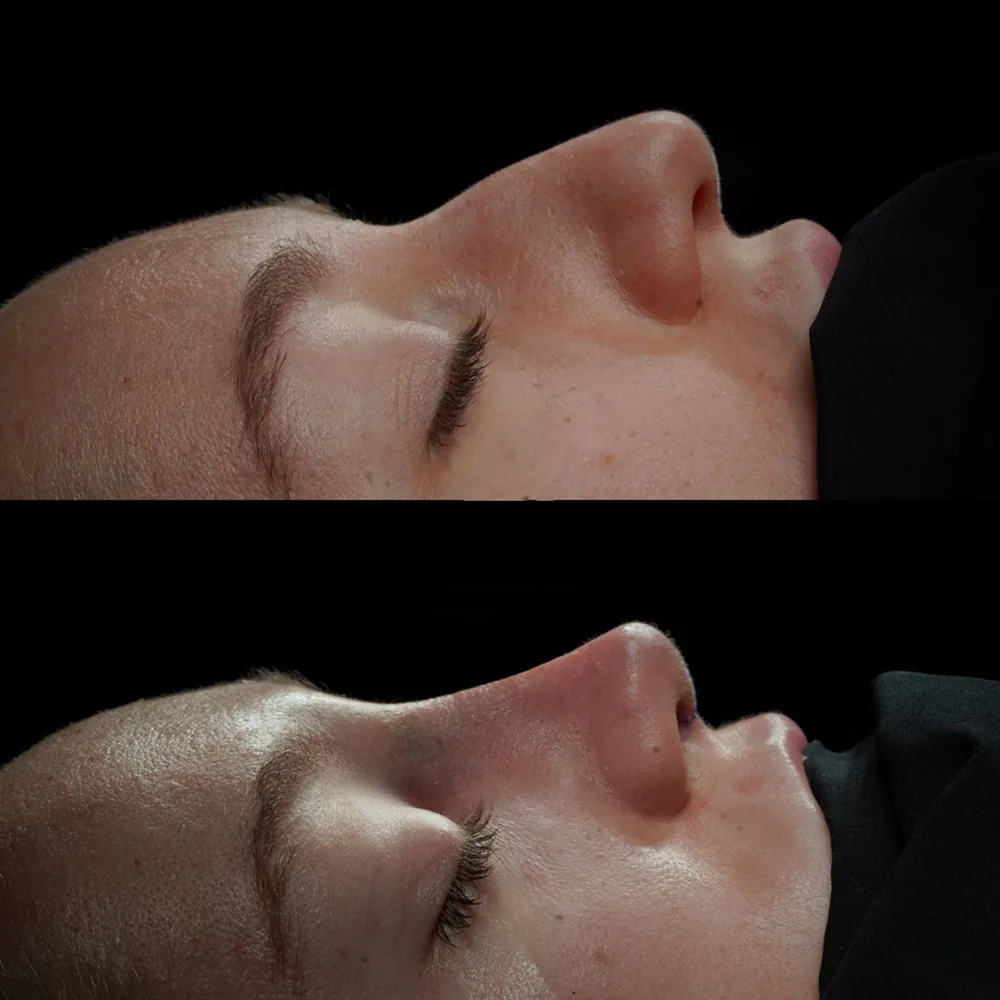 beforeafter
Rhinoplasty
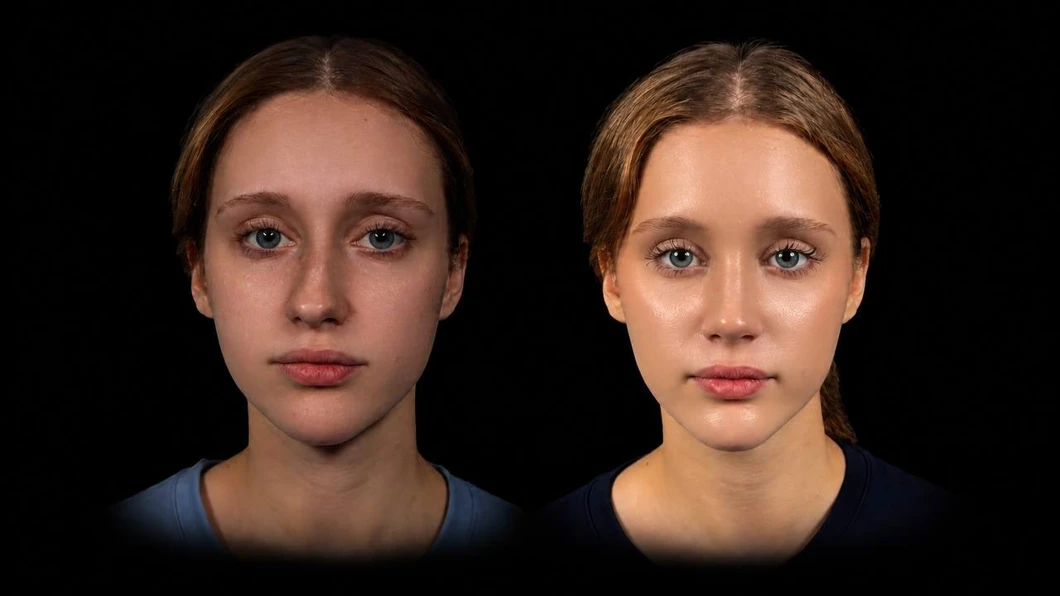
Comparison
We will work out the most effective solution for you and bring an excellent result.
A primary nasal operation that adjusts appearance and improves breathing when airflow is restricted.
Discounted price
$4,200 $6,000
A secondary, corrective operation: performed when an earlier nose surgery was unsuccessful or only partly worked. It is not done until at least a year after the first procedure.
Discounted price
$5,400 $7,200
Surgery that corrects the septum while also changing how the nose looks.
Discounted price
$5,000 $6,600
The benefits and recovery periods listed here are average figures by surgery type, provided only for guidance — the actual scope of correction and recovery time depend on your own anatomy, and the surgeon will confirm them at the consultation.
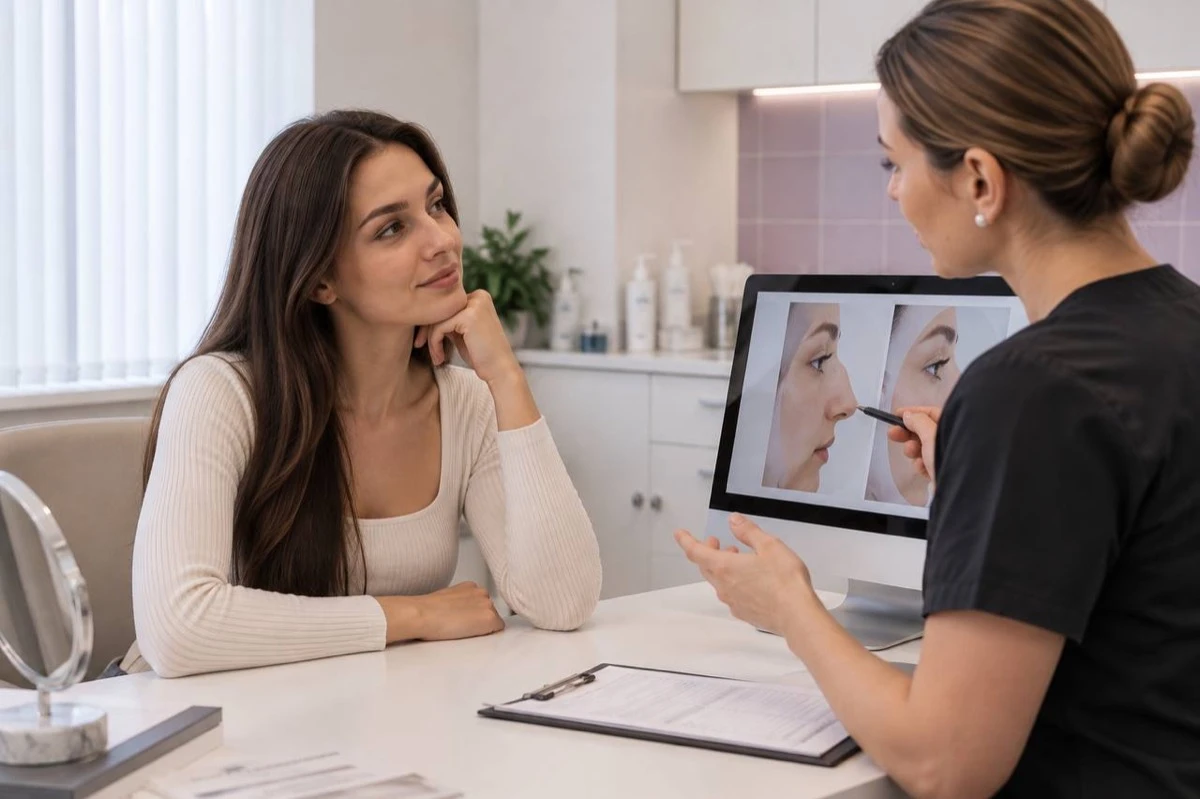
At the consultation the doctor will make a 3D model of the future result and explain
each step of your rhinoplasty
Free of charge, before surgery, and with no obligation — that is the consultation.
Book a consultationAbout us
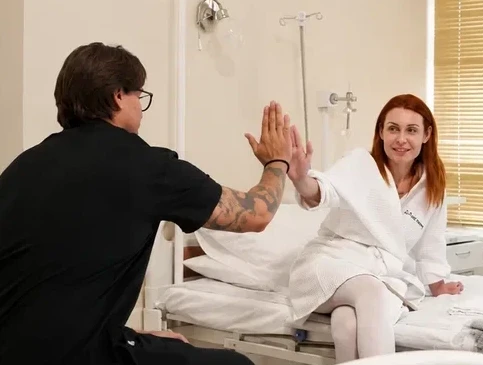
Every patient gets modern equipment, comfortable rooms and attentive care
We will answer your questions and find a convenient time for a consultation
By messaging us, you agree to our Privacy Policy
Get a consultationIf an operation turns out not to be necessary, the doctor will say so during the consultation — you won't pay for nothing.
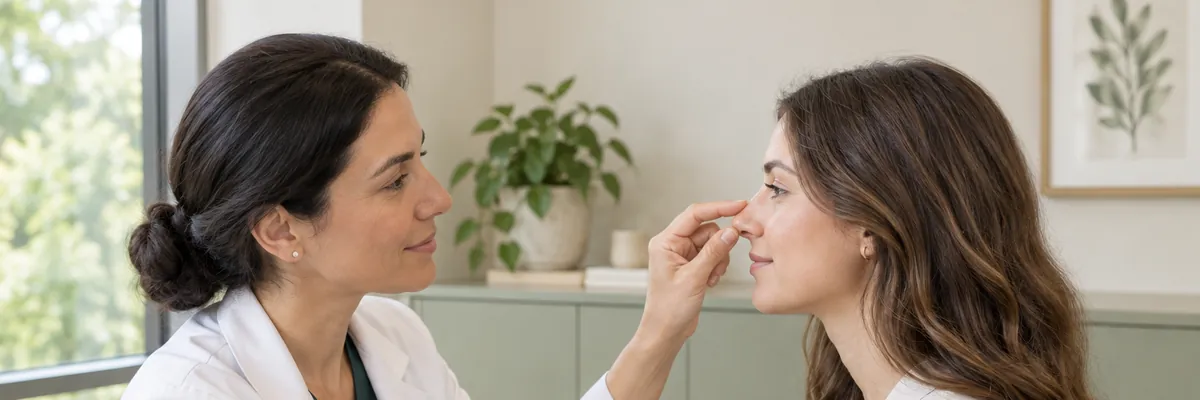

Unsure which column applies to you?
On Telegram, send us photos of your nose; the doctor will tell you if rhinoplasty is right for you — free, and it commits you to nothing.
Find out if it suits me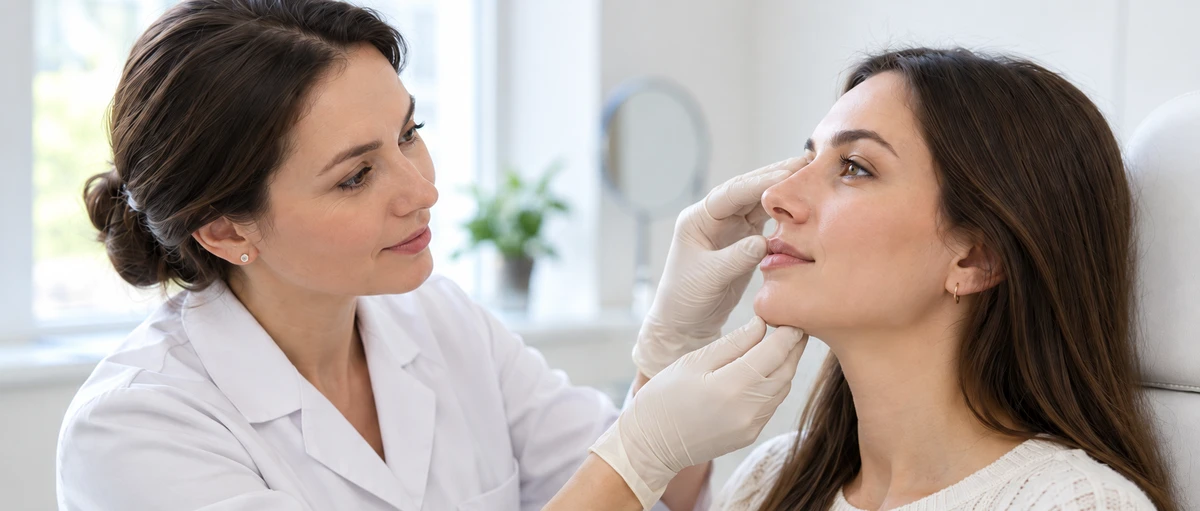
Prices
At the free consultation, once the result has been modelled, you receive the price, which is then fixed in the contract.
Discounted price
a new shape for the nose
$4,200$6,000
Discounted price
secondary, revision
$5,400$7,200
Discounted price
nose shape and septum
$5,000$6,600
Free
examination by the surgeon and 3D modelling
Free
the cost of the operation is named
and recorded in the contract
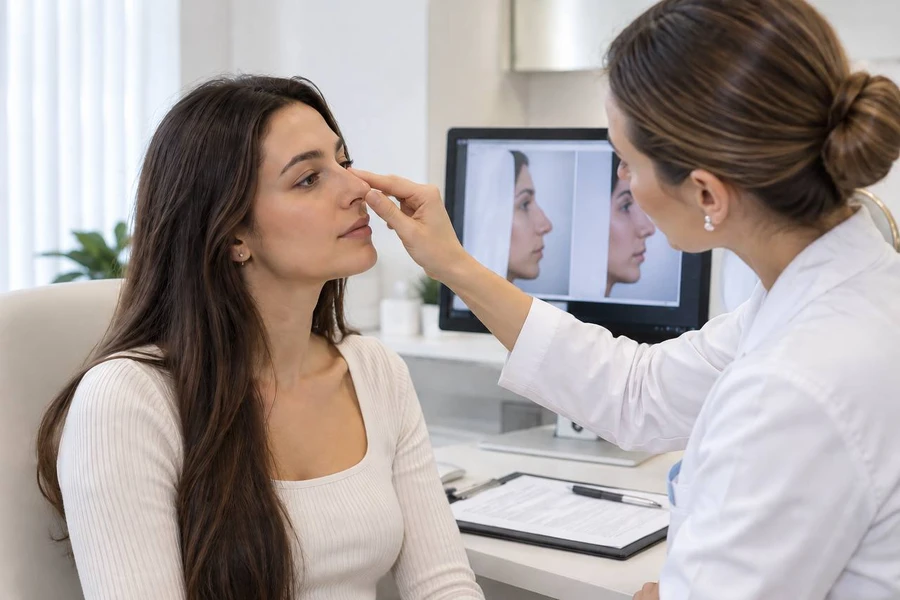
The doctor will look at your nose's anatomy, listen to what you'd like to change
and propose the right correction technique. The cost is given at the consultation and recorded in the contract.

Message our coordinator
Free online consultation · Reply within 15 minutes
Message us on TelegramMessage us on WhatsAppBy messaging us, you agree to our Privacy Policy
Price
Starting with preparation for surgery
and ending with support for 12 months.
Discounted price
$4,200$6,000Discounted price
How it works
An agreed plan of correction, time under inpatient observation, and a year of recovery monitoring.
The doctor looks at your nose, discusses what you want and carries out the examinations required to select the best correction technique

We book a surgery date in your name: the deposit is payable by card at the clinic or by online bank transfer, with terms fixed in the contract for medical services
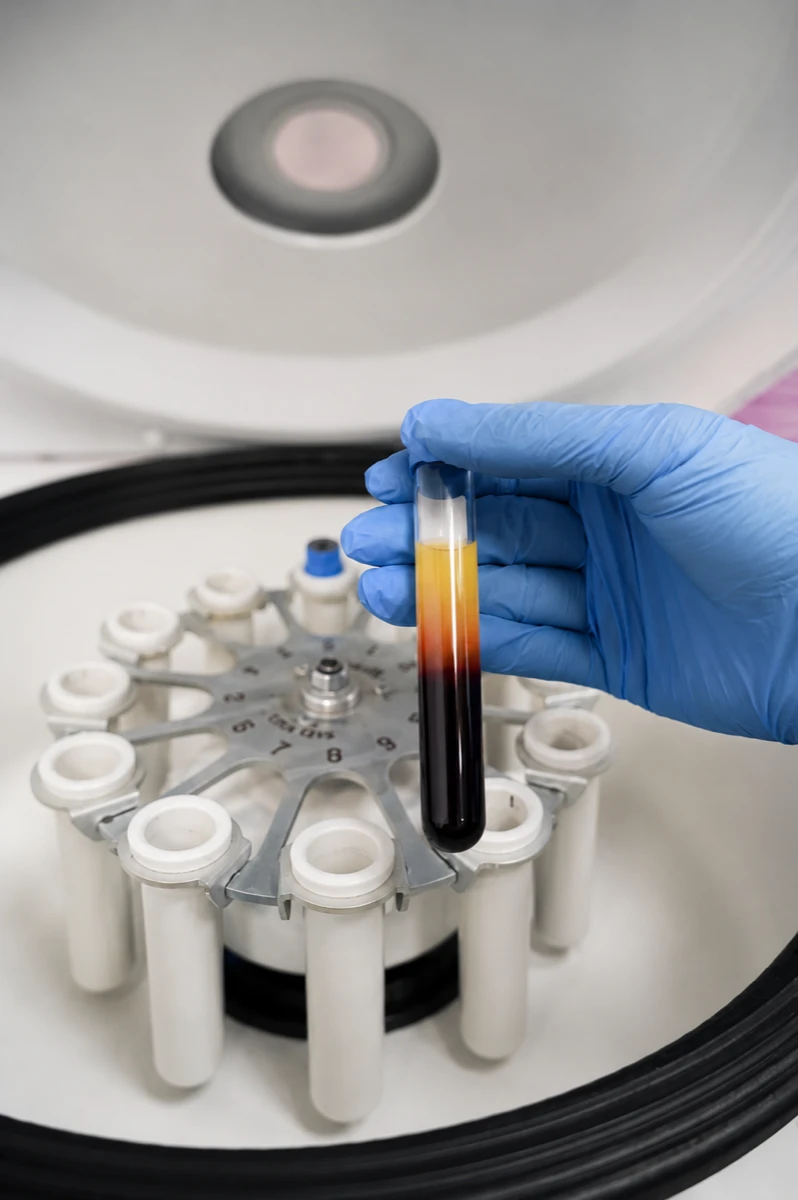
Prior to surgery, you need the full panel of lab tests: blood count, biochemistry, coagulation, a chest X-ray and an X-ray of the sinuses
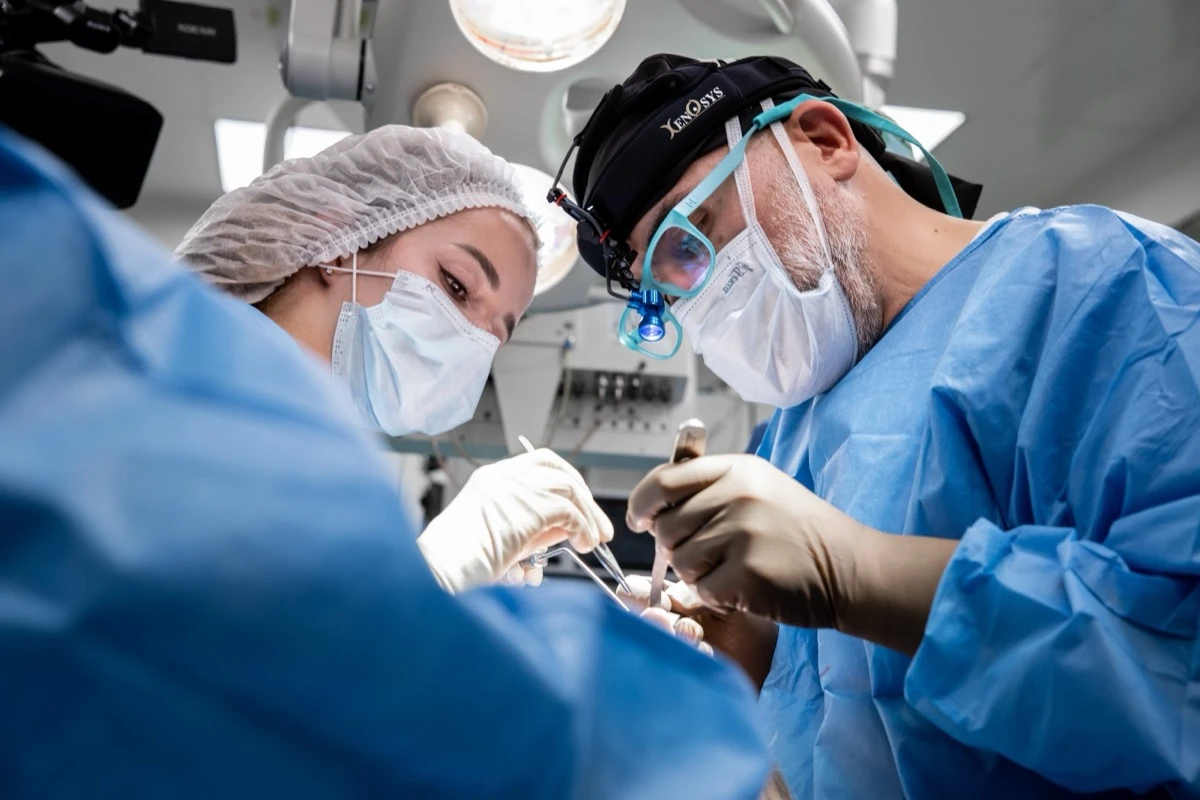
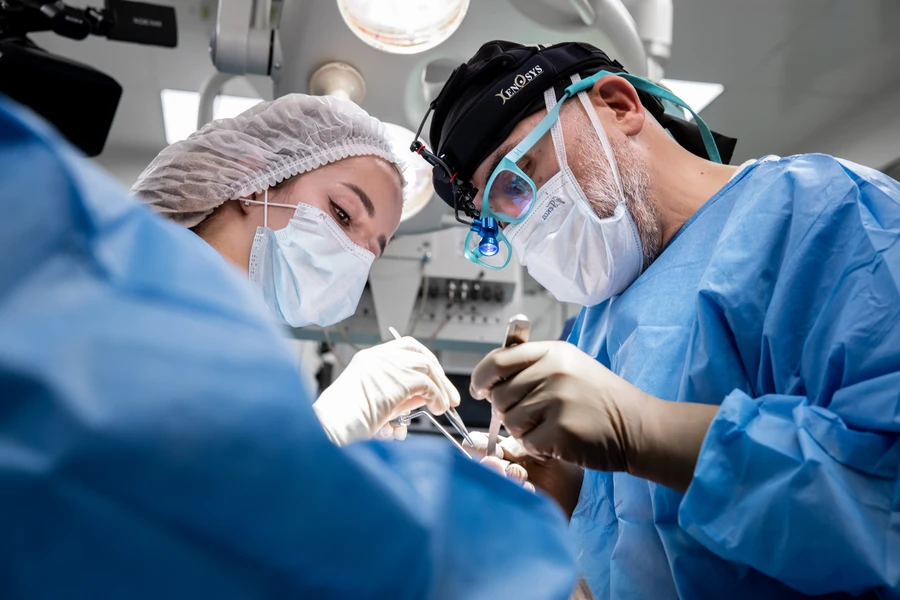
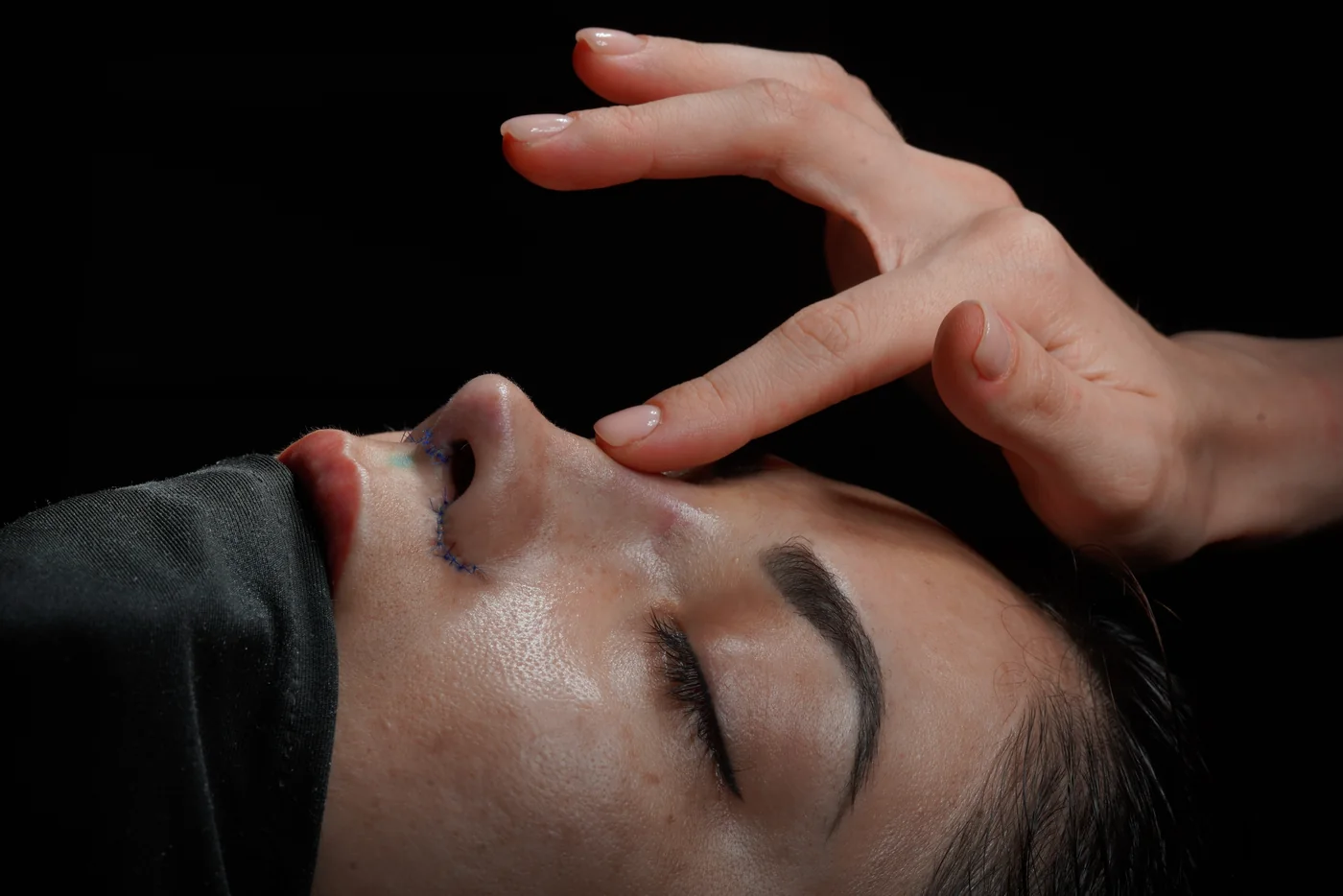
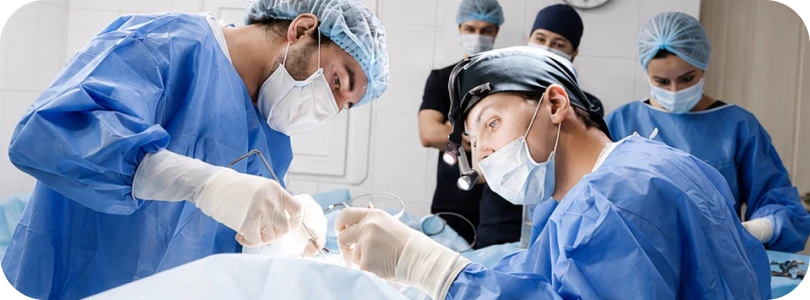
The surgeon performs rhinoplasty with the chosen technique under general or local anaesthesia, correcting the shape and structure of the nose
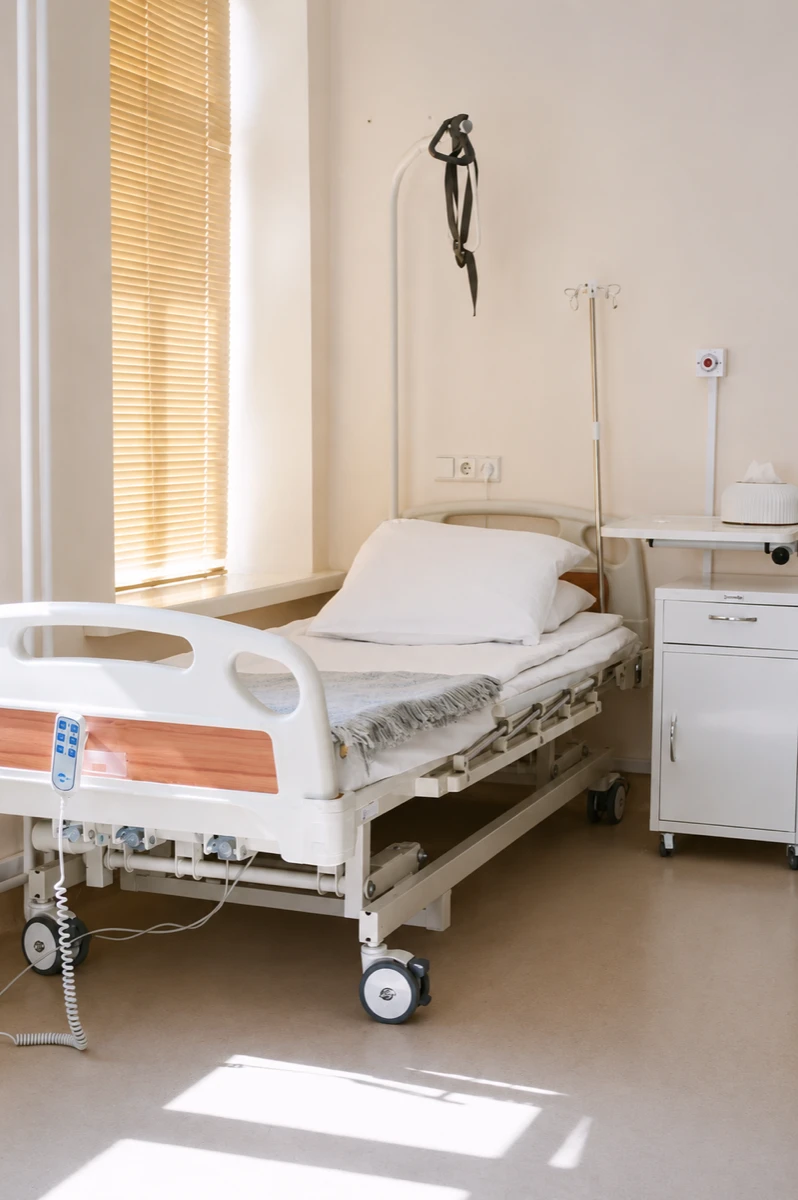
Procedures are carried out in the clinic's inpatient unit. Following surgery, you stay one day there
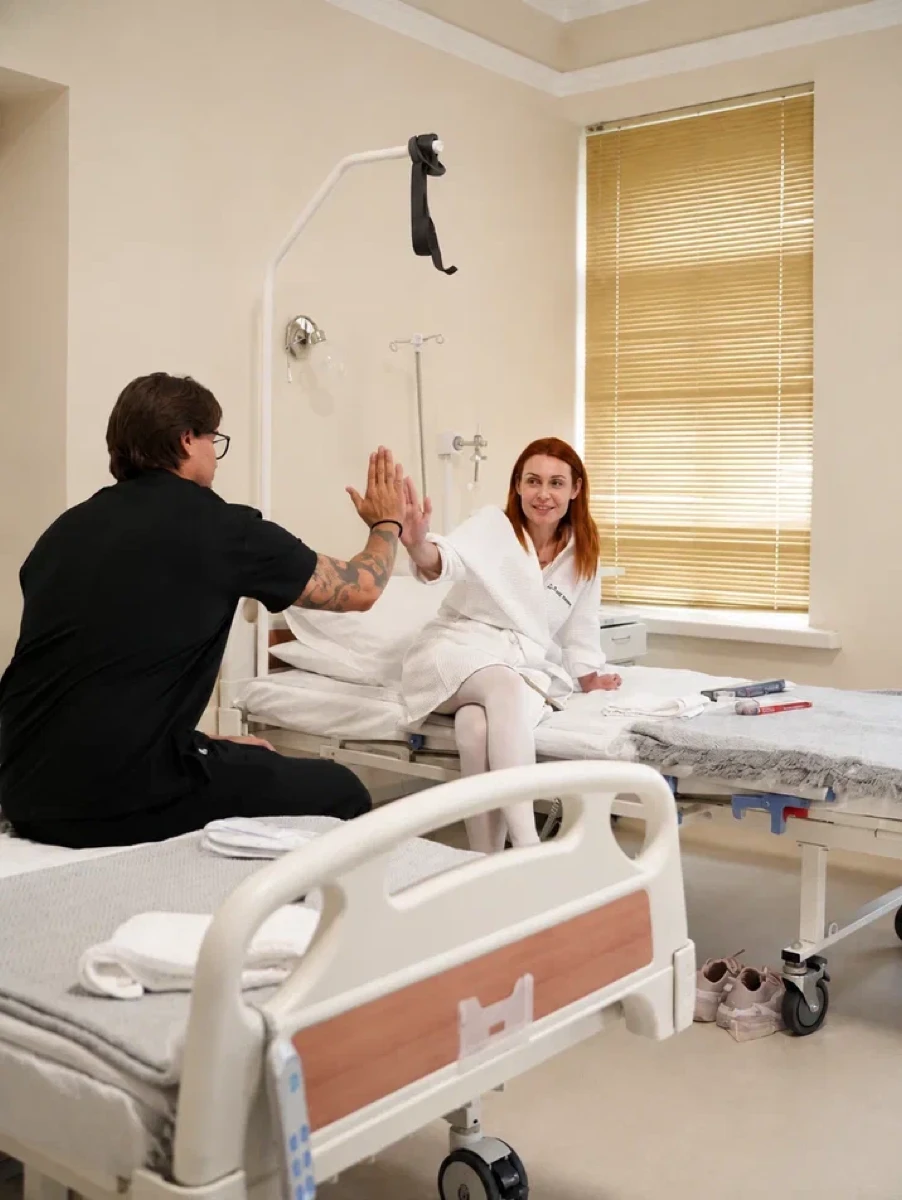
After surgery you get a recovery programme. Check-ups at 7 days, 3 and 6 months help track your recovery. For a year after surgery, consultations with your surgeon are free.
The consultation gives you a realistic forecast of what the result will look like
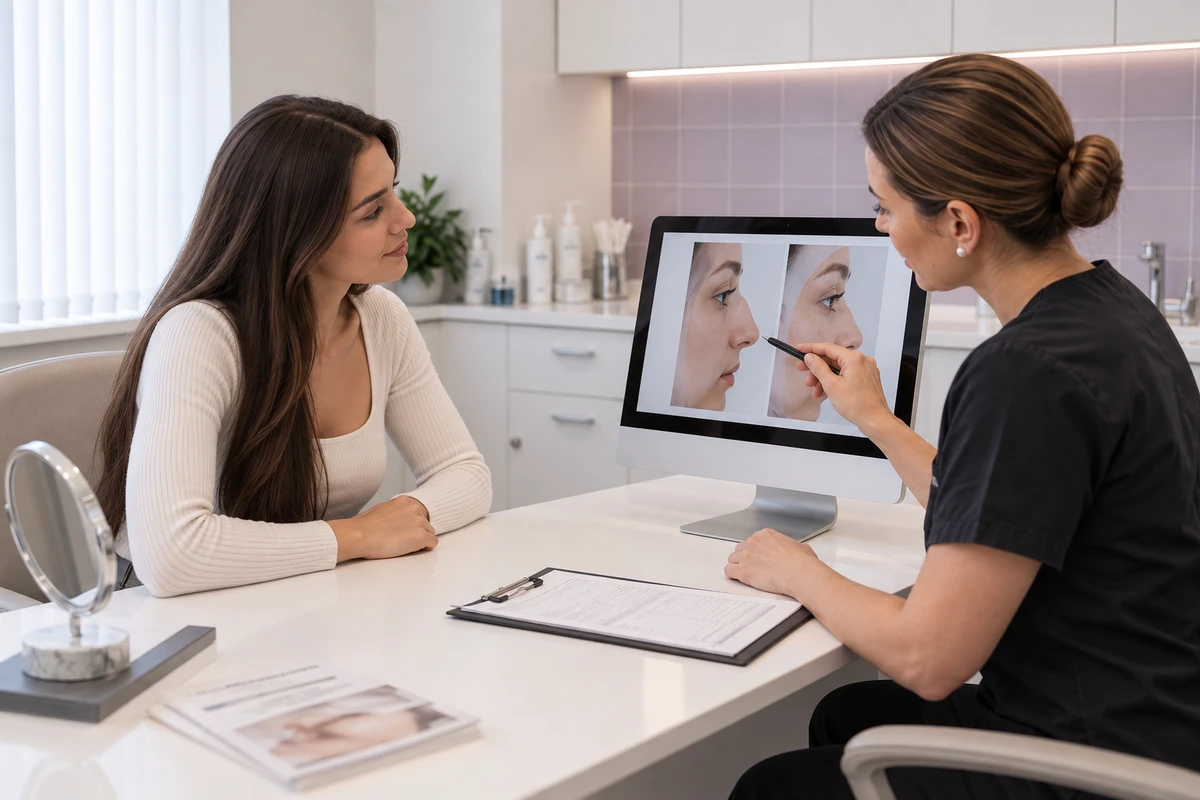
Free of charge, before surgery, and with no obligation — that is the consultation.
Book a consultationNasal splint
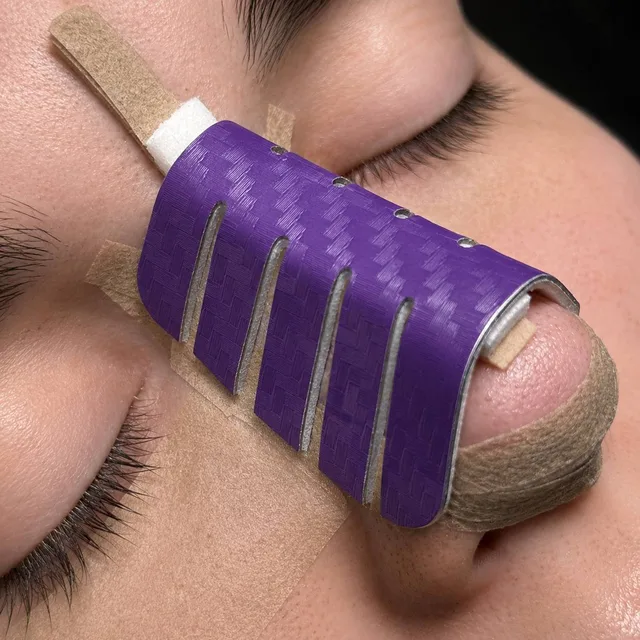
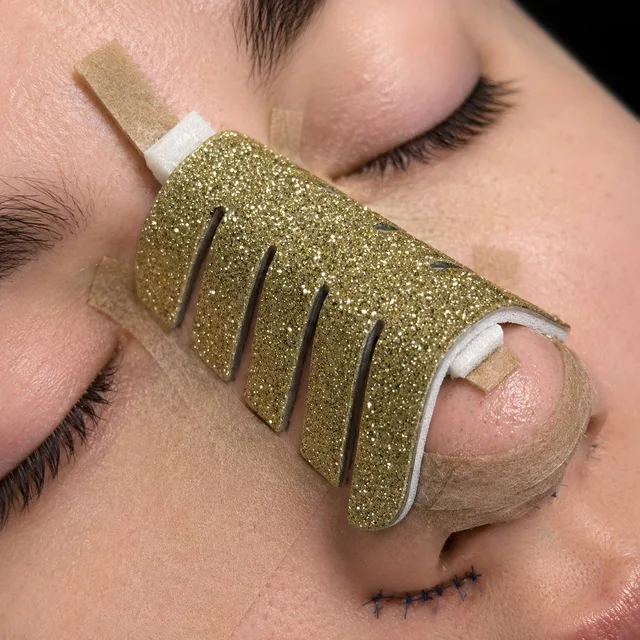
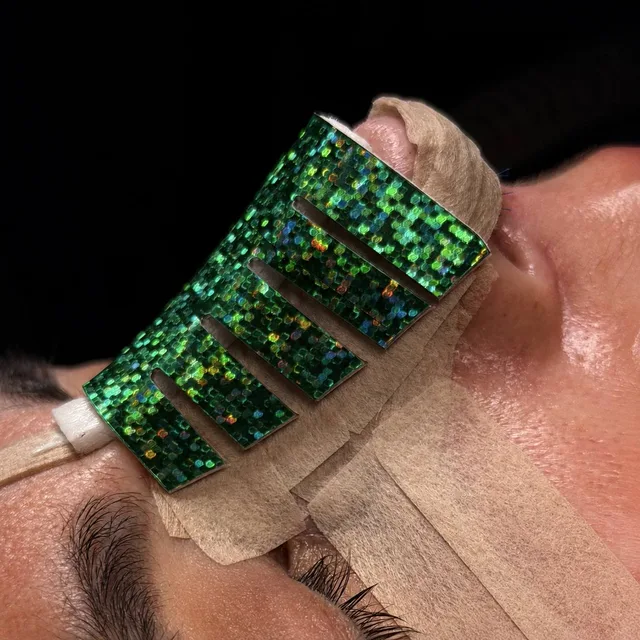
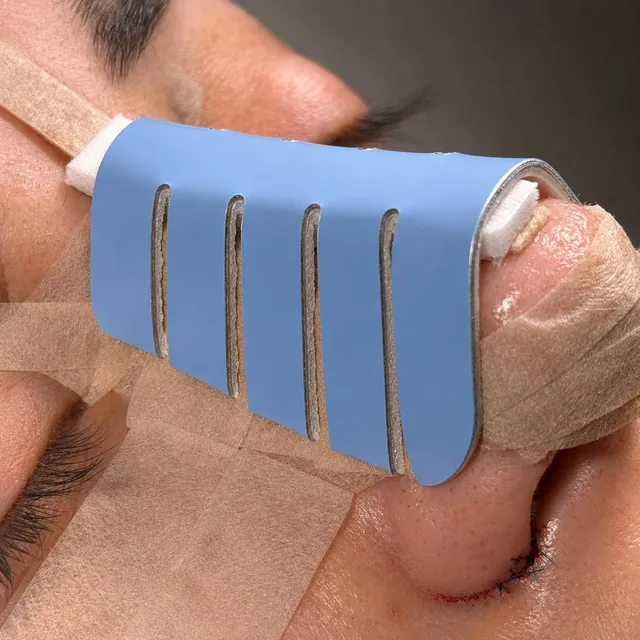
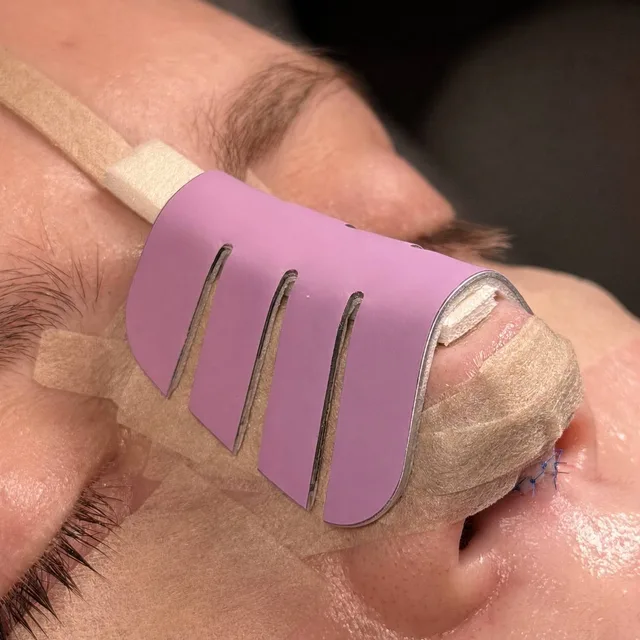
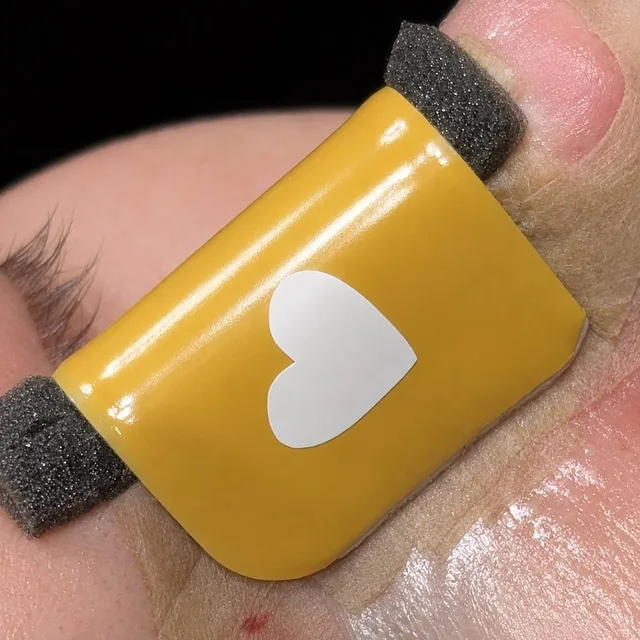
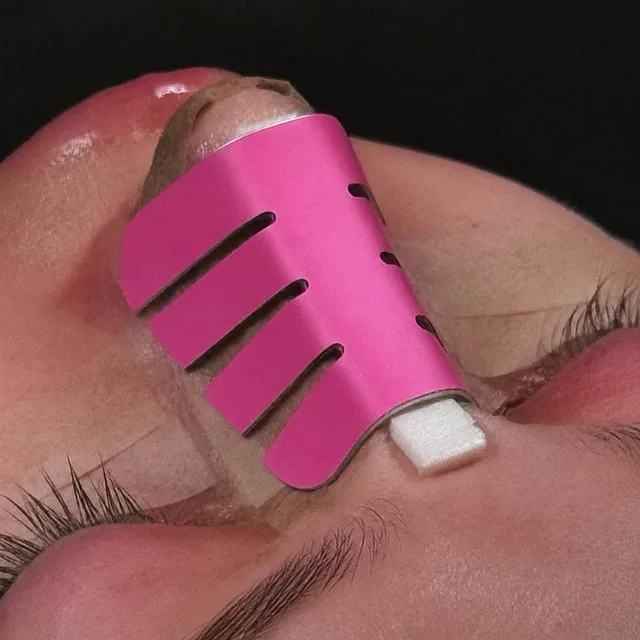
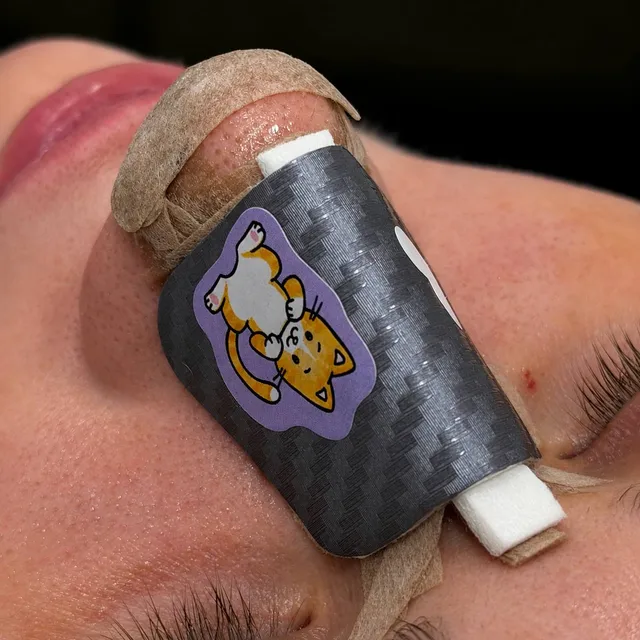
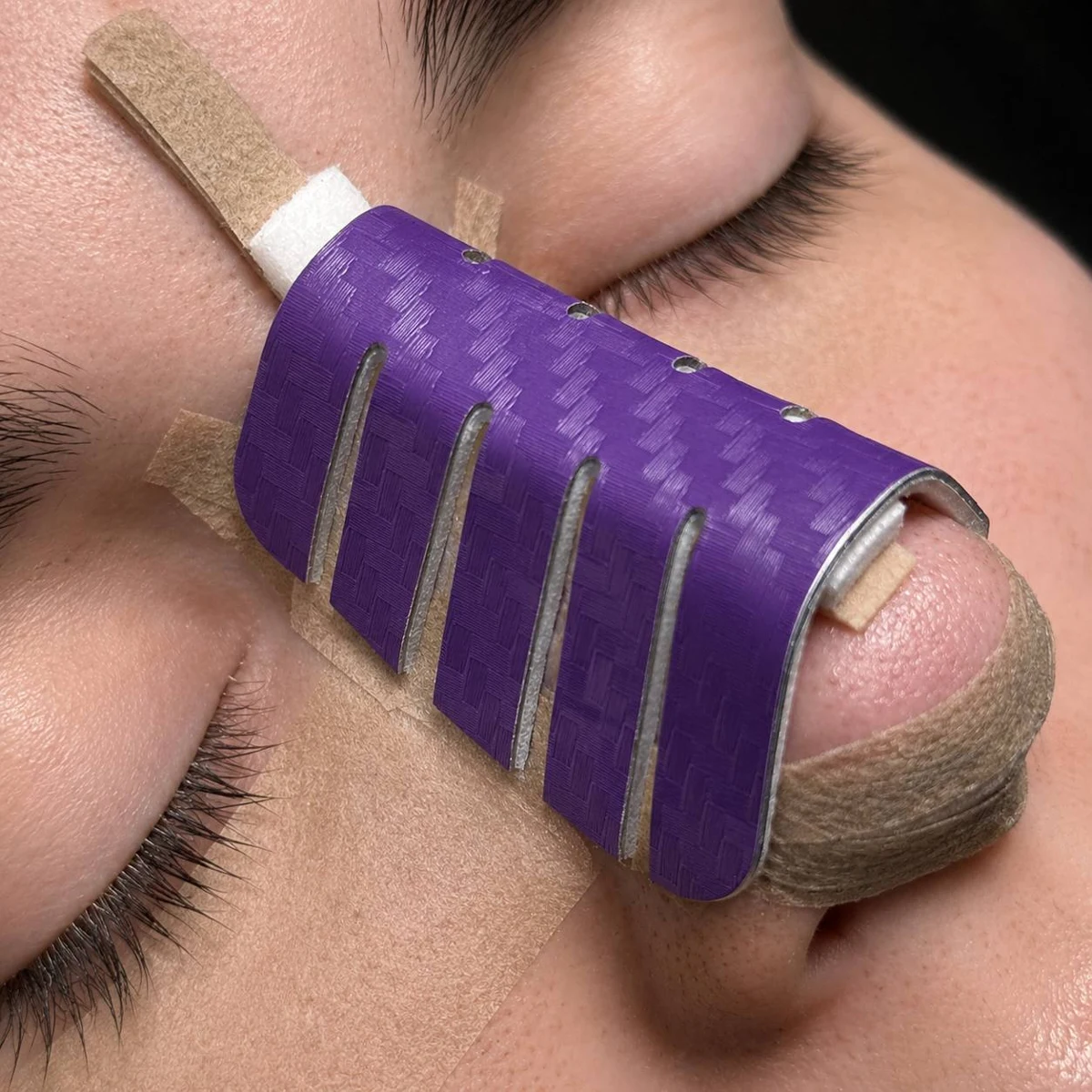
Every detail is designed to bring out your natural beauty. And so that you enjoy the change even during recovery, we invite you to choose the colour of your own nasal splint.
Your style in the details:
Match your mood with the colour of your splint
Just like your future profile, confidence begins with the small things
Doctors
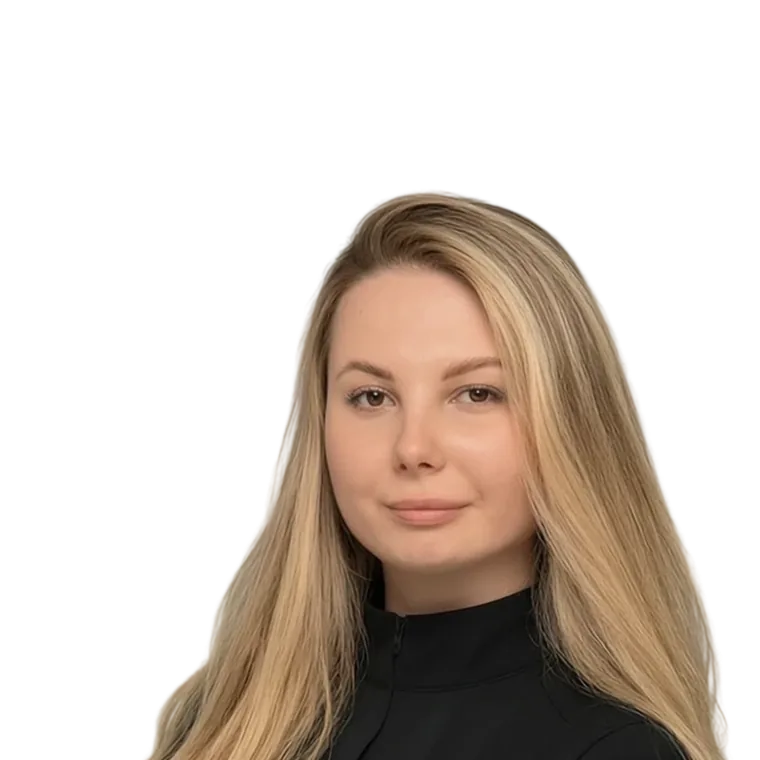
Rhinoplasty surgeon
At the consultation you talk to the surgeon who will operate
The doctor reviews your facial proportions, hears out your wishes and explains what changes are possible.
Book a consultationCoordinators
We support you at every stage

A personal coordinator
Your initial contact at the clinic, from the first message you send to the consultation itself
Care specialist for patients
Answers your questions ahead of the first consultation and helps you pick a convenient date

A personal coordinator
Present before and during your stay — covering everything from booking to discharge
Care specialist for patients
Supports your preparation for surgery and remains in contact during your time at the clinic

A personal coordinator
By your side during recovery — from the day you're discharged to your last check-up
Care specialist for patients
Stays in touch throughout your recovery and arranges your follow-up visits with the surgeon
A closed channel built for those who care about honesty and expertise
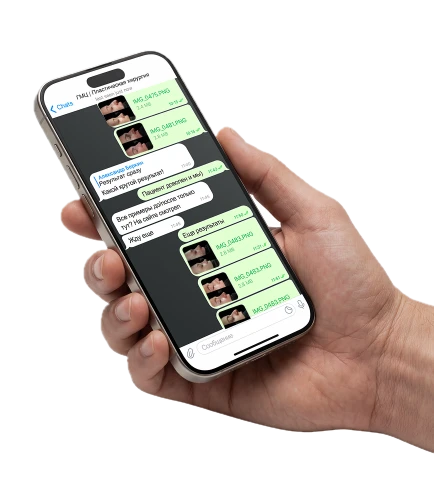
Message us — our coordinator will contact you shortly and book your consultation
By messaging us, you agree to our Privacy Policy
Get a consultationAdvantages
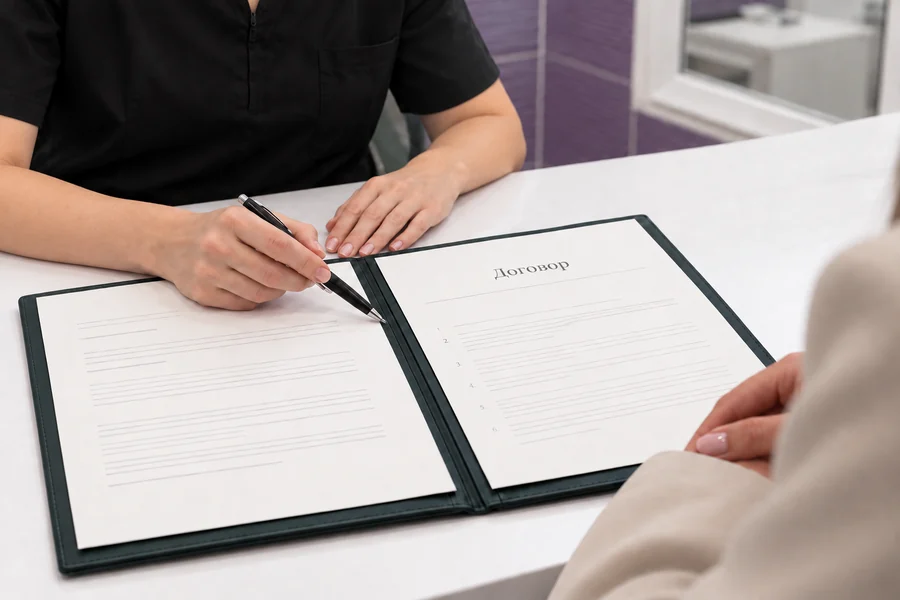
A lifetime guarantee, set out in the contract. The terms of the surgery, ongoing support and post-operative follow-up are all agreed in advance.
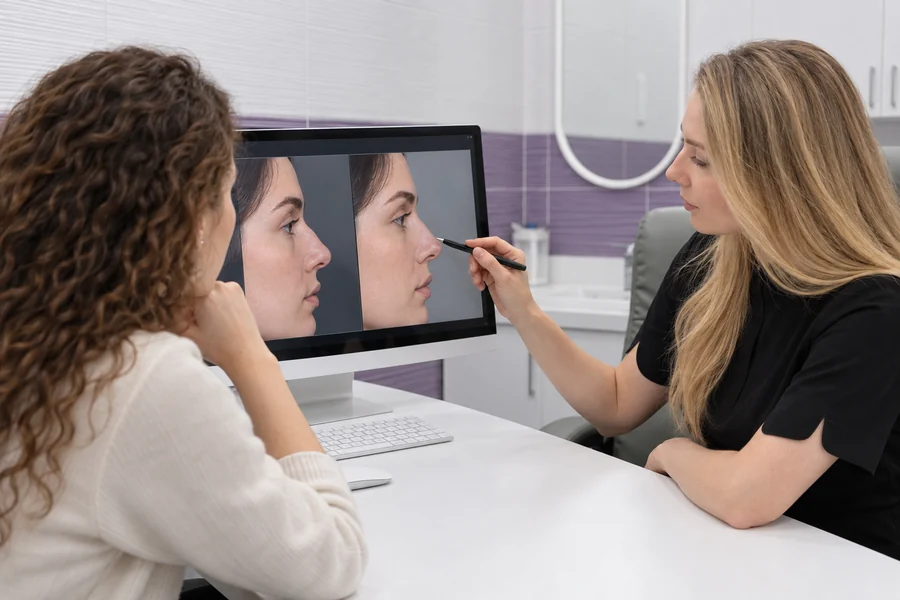
We review your case at a free consultation and tell you plainly whether rhinoplasty is right for you. Just the facts, with no push toward surgery.
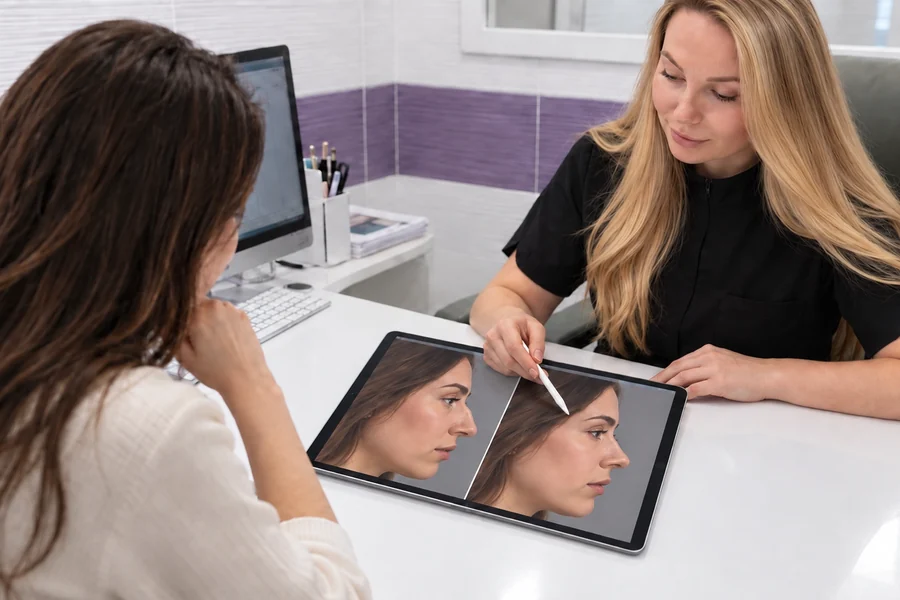
If you come from another city or country, we arrange the consultation and the necessary preparation in one trip — so that the path to change is more comfortable and needs fewer journeys.
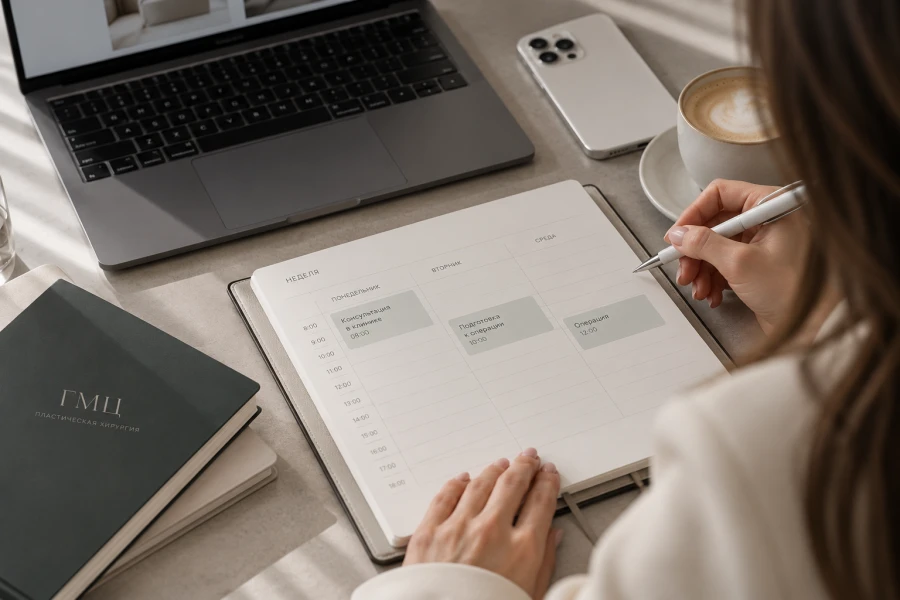
We respect your schedule: working 24/7, with easy booking and a personal approach that fits your pace.
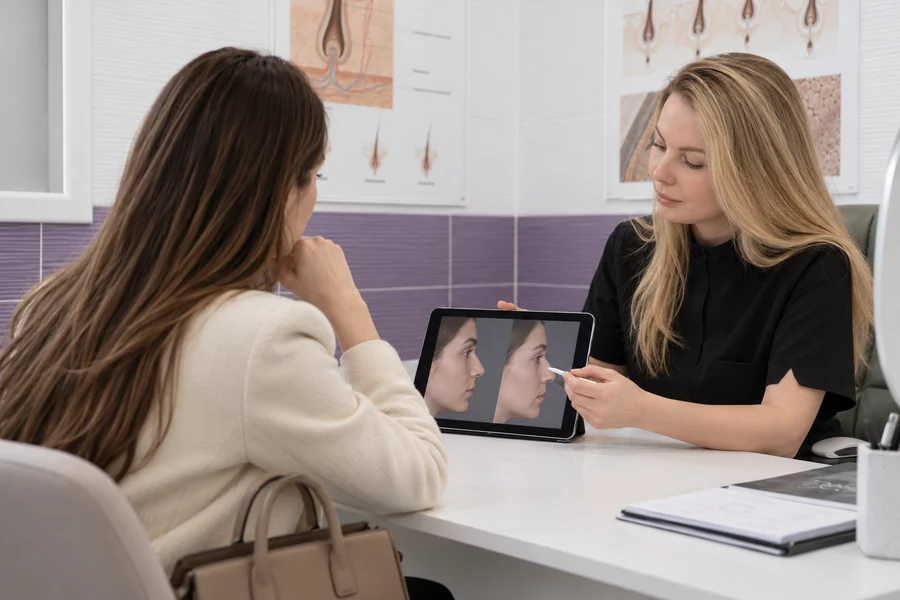
The surgeon defines the scope of correction after the consultation and gives you a clear, upfront price for the surgery — with no surprises before you reach the result you want.
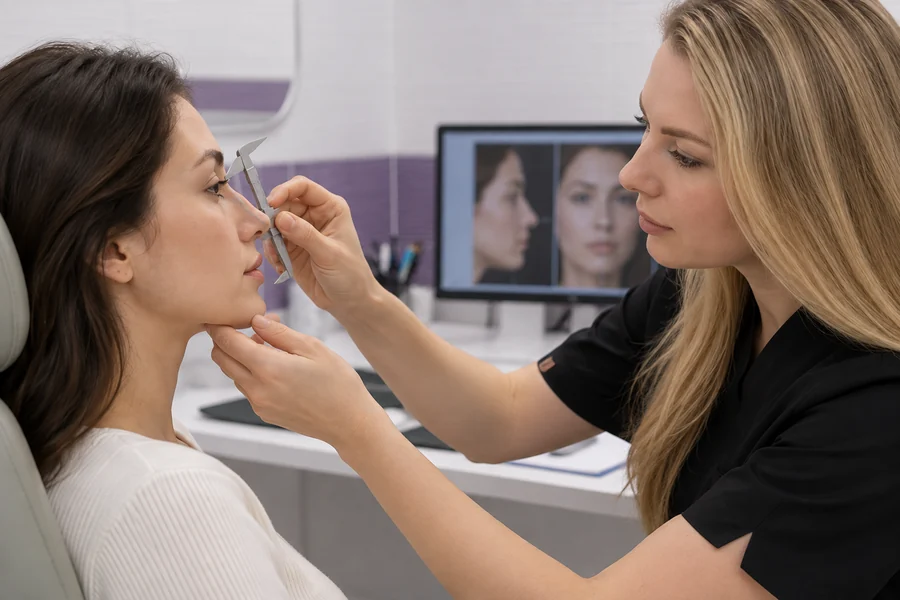
Modern equipment supports gentle, precise work by the surgeon, especially important where millimetres influence proportions, profile and facial harmony.
Prices
Send a request and get a free consultation on any service
Free
BookPrice without discount: $6,000$4,200
Price without discount: $7,200$5,400
Price without discount: $6,600$5,000
Price without discount: $6,500$4,700
Price without discount: $7,200$5,400
FAQ
Rhinoplasty (nose job) — one of the more delicate and frequently requested plastic surgeries, meant to adjust the nose's shape to the individual proportions of the nose and the whole face. Modern rhinoplasty is not merely a procedure to change how the nose appears, but complex surgical work aimed at an aesthetic ideal without risking health.
Yes. Nose job is the everyday name for rhinoplasty, plastic surgery of the nose. The surgeon can change its shape and, with rhinoseptoplasty, also correct a deviated septum to make breathing easier.
The optimal age is 18 to 45. By then the nose is fully formed and tissues still heal well. With medical indications, surgery can be done at an older age if your general health allows
At its core, rhinoplasty is a comprehensive solution. It corrects both congenital and acquired nasal deformities, for example after a nasal injury. Patients are often bothered by a dorsal hump or an overly wide nose. Nose correction can also target the tip (tip rhinoplasty) or the nostrils (alar rhinoplasty). The surgical plan is created individually for each patient, taking every feature of their nose into account.
Rhinoplasty is performed under general anaesthesia and, depending on complexity, takes 1.5 to 3 hours.
The surgeon determines the extent and course of the surgery at the consultation, based on your goals and the anatomy of your nose.
Rhinoplasty — surgery to change the appearance of the nose (an aesthetic goal) and improve its function if breathing is impaired.
Septoplasty — surgery to correct the nasal septum and restore normal breathing, keeping the nose's external contour intact.
Often both surgeries are combined, especially when a patient has a deviated septum and aesthetic concerns. This gives a harmonious look and restores full breathing. At City Medical Centre we perform rhinoseptoplasty — a combined surgery that solves both tasks at once
For a successful operation, preparation should begin 21 days before rhinoplasty. At the first appointment our plastic surgeon will give you a list of the required tests.
| Complete blood count (including ESR, white cell differential, platelets) | 2 weeks |
| Urinalysis | 2 weeks |
| Infection tests: HIV, HBsAg, anti-HCV, antibodies to Treponema pallidum | 2 weeks |
| Blood group and Rh factor | 2 weeks |
| Blood biochemistry (total protein; urea; uric acid; creatinine; glucose; total, unconjugated and conjugated bilirubin; ALT; AST; K; Na; Cl; cholesterol) | 2 weeks |
| Coagulation panel (Quick prothrombin, INR, APTT, D-dimer, antithrombin III) | 2 weeks |
| Electrocardiogram (ECG) tracing with a report | 2 weeks |
| Doppler ultrasound of the leg vessels / duplex scan of the leg veins | 2 weeks |
| Chest X-ray or fluorography with a report | 6 months |
| MSCT of the paranasal sinuses | 6 months |
| After the full laboratory work-up — a physician's report confirming there are no contraindications to surgery | 2 weeks |
Preparation includes consultations with the plastic surgeon, lab tests (CBC, biochemistry, coagulation, infection tests), ECG, chest X-ray, and an X-ray or CT of the nose. A week before surgery stop anticoagulants, alcohol and smoking. The day before — light meals; fast 6 hours before surgery
Although nose surgery is one of the most popular and well-established aesthetic operations, like any surgery it carries certain risks. To minimise the likelihood of complications after rhinoplasty, our clinic provides thorough pre-operative preparation and post-operative monitoring.
Important: if after rhinoplasty you have difficulty breathing, severe pain, a high temperature or a change in the shape of your nose, contact your doctor immediately.
Rhinoplasty at City Medical Centre is performed with modern technology, safe materials and constant medical supervision, which keeps the risk of complications to a minimum.
We also provide post-operative monitoring and prescribe recovery therapy.
Recovery after nose surgery is just as important as the operation itself. Proper recovery determines how aesthetic and harmonious the final result will be. At City Medical Centre recovery is closely monitored and divided into three phases: early, intermediate and late
When swelling goes down (2–3 weeks), first improvements are visible; the final rhinoplasty result can be evaluated in 1–1.5 years, after full tissue stabilisation
The nose needs to be protected after surgery. An aluminium cast is placed over the nose, with special silicone splints inside the nasal cavity. Nasal function is limited in the first days but recovers quickly. The final result of rhinoplasty can be assessed after 1–1.5 years, once the swelling has fully subsided.
Important: if nasal function is impaired after the first operation or you are not satisfied with the result, revision (secondary) rhinoplasty may be needed. It is a more complex procedure, performed no earlier than one year after the primary operation.
For the first few days after surgery, splints or swelling may partly close the nasal passages. Full breathing generally comes back within 1–2 weeks, depending on how extensive the surgery was and your body
Our doctors use microsurgical techniques and quality sutures to keep scars minimal
Rhinoplasty brings more harmony to facial features and improves aesthetics while keeping your individuality. 3D modelling lets you see the predicted result beforehand and agree on changes with your surgeon
Rhinoplasty is a serious step. A well-performed rhinoplasty means the new nose is in perfect harmony with your facial features and works flawlessly. At the consultation the nasal surgeon assesses every parameter in detail: the size of the nose, tip projection, and the condition of the septum and nasal mucosa. We use 3D modelling so you can see the future proportions of your nose before the surgery is performed.
Don't just browse rhinoplasty photos online. Book a consultation to discuss what modern rhinoplasty can and cannot do for you. Correcting external nasal deformities and reshaping the nose is our speciality.
The price depends on how extensive the surgery is and is determined at the consultation: the doctor states the exact price after examining your nose and facial proportions.
Blog
Articles about rhinoplasty
Find out how recovery after rhinoplasty goes in the first 7, 14 and 30 days
Read the article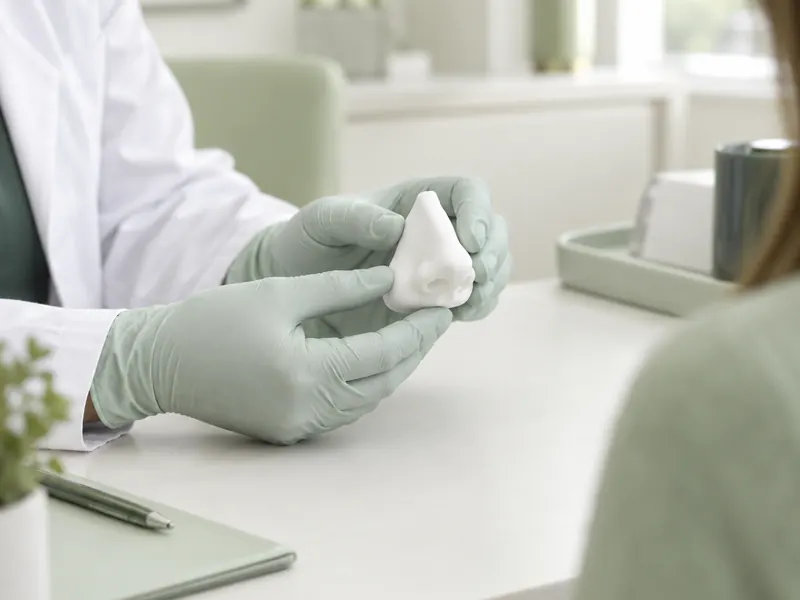
Preparation, recovery week by week, when the splint and stitches come out and how long to wait before flying home.
Read the articlePrices are in US dollars; the amount in brackets is an approximate conversion to NOK at the rate of 02.10.2026. The final price is fixed in your contract.
Prices start from $4,200 (≈ NOK 41,000). The surgeon sets the final price at the free consultation, and it is fixed in the contract, with no hidden extras.
The operation under general anaesthesia, a one-day inpatient stay, follow-up visits and dressings, plus a lifetime guarantee on the result.
Surgery takes 1.5–3 hours and you stay one day in the clinic. The nasal splints come out on day 7, and the cast is worn for up to 14 days.
Yes. The first consultation is free and does not oblige you to anything. You can start online by sending a message to the coordinator.
Message us on WhatsApp or Telegram using the buttons below. A coordinator will answer your questions and book a free consultation where the doctor names the exact price.
By messaging us, you agree to our Privacy Policy
A nose that fits the face changes the whole impression while keeping you recognisable. That is the principle behind rhinoplasty: correcting the hump, width, tip or nostrils in line with facial proportions. People in Oslo who browse before-and-after photos online should instead discuss at a consultation what modern rhinoplasty can and cannot do in their specific case.
Preparation begins about 21 days before surgery, when the plastic surgeon hands over the list of tests. Three to five days before, stop smoking and alcohol, cut salty, fatty and spicy foods and avoid peels or scrubs. On the day itself, the last food and drink should be at least six hours before the operation. This routine is the same for every Oslo patient.
Nothing about the price is hidden. For $4,200 (≈ NOK 41,000), residents of Oslo get the operation performed by the plastic surgeon, a day in the ward, follow-up appointments and dressings, and personal coordinator support throughout. The same amount covers open and closed techniques, tip correction and septorhinoplasty. Your first step is a free consultation where the doctor assesses the nose and gives a precise quote.
Well-known people who spoke openly about this operation, in their own words.
Written by Marina T. Pershikova, rhinoplasty surgeon
How we prepare and review medical content · Medical disclaimer
Page last updated:
In Norway the label attached to a nose operation decides who pays for it and who may have it, so the label is worth understanding before you plan anything. Helsedirektoratet's circular on national insurance benefits works from a simple split. Where a deformity or a working problem comes from a congenital malformation, a disease or an injury, a medical reason is assumed. Where someone simply wants a different appearance and names no medical reason, the case is treated as purely cosmetic, and no benefit is paid for a cosmetic procedure that is not predominantly medically indicated.
Altering the size or shape of the nose inside the normal range of variation is given in the circular as a typical cosmetic case. The document carries a last substantive update of 1 February 1999, so it is best read as a statement of principle and not as a promise about your own file.
The same split shapes how the clinic describes its work. Shape and breathing are its two goals, and it distinguishes a first-time operation, a repeat operation and rhinoseptoplasty, in which the septum is straightened and the outside reshaped in one procedure. A bump, a wide bridge or a rounded tip puts you in one position; clearly limited airflow or a deviated septum puts you in another. Photographs sent to a coordinator let the surgeon tell you which description is yours before an appointment is made.
Turn this into one question for the coordinator: in your records, is my case medical or cosmetic, and on what grounds? A direct answer helps you decide what to ask your own insurer, and the clinic gets a chance to say plainly that shape alone is what you are asking for. It is simply a matter of agreeing the vocabulary before the plan is drawn up.
Age is the other question the law answers. Section 4 b of the Norwegian Health Personnel Act forbids health personnel from carrying out a cosmetic procedure on anyone under 18 unless there is a medical or dental justification, and Helsedirektoratet's commentary stresses that the limit is absolute: a parent's consent does not move it. Corrective procedures for malformation, injury or illness fall outside the ban. The clinic follows the same line: the best age range is 18 to 45, and an age under 18 is among the contraindications.
Norway offers a public tool for the paperwork. The Health Personnel Register, kept by Helsedirektoratet, records every official approval given to health personnel in the country, and its public view shows both the present status and the whole history of earlier approvals, with sanctions from the Norwegian Board of Health Supervision included. It speaks only for practitioners approved in Norway.
Treat the register as one question out of several. A clean entry says that the person is approved; it says nothing about that person's work on noses. The clinic's own view is that the surgeon's qualifications and experience are the key to a safe result, so ask for both in writing.
If a name does not appear in the register, do not conclude anything yet. The practitioner may have been approved elsewhere, and the register speaks only for Norway. The next step is a plain request to the clinic: which authority issued the doctor's licence, and can I see the document?
Oslo's urban area had 1,110,887 inhabitants in 2025. Use the register to sort claims from facts: write down the surgeon's full name, look it up if the person is approved in Norway, and keep the screenshot with the date.
On its side, the clinic holds a medical licence. Ask to see the doctors' diplomas and certificates before payment. Ask, too, whether the surgeon at the consultation will be the one in the theatre; the plan is that one doctor sees you at the first talk, at the operation and at every review.
Two techniques are described. In the closed approach the incisions lie inside the nose and no scar is visible. In the open approach a small cut is made on the columella, the strip of tissue between the nostrils, so that the surgeon sees every structure, and complicated work on the bones and the bridge often leads to this choice. Which technique is used is settled at the consultation, from your wishes and from the anatomy of your nose.
A repeat operation is for a result that disappointed or came out half-right, and it waits until a year has passed since the first. Septoplasty alone straightens the septum; rhinoseptoplasty adds the outer shape, which suits a deviated septum combined with aesthetic wishes.
The theatre time is 1.5 to 3 hours, with general anaesthesia, and you spend one day in the clinic's inpatient unit. Before that comes the consultation, where the doctor builds a three-dimensional picture of the possible result from your own face. Between the two sits a small pleasure: you choose the colour of the nasal splint, from purple or gold to carbon.
Ask the surgeon why one approach suits your nose better than the other. The answer shows whether the plan came from your photographs or from a standard script.
Preparation starts 21 days ahead. At the first appointment the plastic surgeon gives you a written list that runs from blood work and infection screening to an ECG, a chest X-ray and a scan of the sinuses, and a physician then rules out anything that would stand in the way. Formalities catch people out more than medicine does. Each result sits on a sheet of its own, stamped by the laboratory or hospital and signed by a doctor, and a chronic condition needs a specialist's letter that general anaesthesia is acceptable.
In the final week the clinic asks you to stop smoking and alcohol, drop salty, fried and spicy food, skip peels and other skin-damaging treatments, reduce exertion, and discuss anything that affects clotting with the doctor. Compression stockings of class 2 are bought for the stay, and food and drink stop 6 hours before the start.
Make the tests a project of their own. Print the list, tick each line when the sheet is in your hands, check the stamp and signature before you leave the laboratory, and photograph the full set. A missing stamp discovered two days before surgery costs more nerves than an extra visit to the laboratory in week one.
Once the folder is complete, send the whole set to the coordinator in one message and ask for a written confirmation that nothing is missing. That is a small act of control that most patients appreciate on the evening before the date.
Patients ask when the result will show. It arrives in stages. Improvement first appears when swelling subsides, in 2–3 weeks, but the shape is judged properly only after 1–1.5 years, when tissues have settled. Normal breathing generally returns within 1–2 weeks, and a slight stuffy feeling can last 1–1.5 months.
Try a private exercise before the first call: write three sentences about what you want your nose to do, one about what must not change, and one about how you will feel if the result is only close to the plan. If the last sentence is hard to write, that is a useful signal to raise with the surgeon.
Readiness of the mind is part of preparation. Dissatisfaction is linked to unrealistic expectations, and the clinic lists swelling, bruising, bleeding, infection, shape irregularities, impaired breathing and thick scarring as possible complications. Set against them: an experienced surgeon, full diagnostics, a recovery regime followed to the letter, antibiotic cover when indicated, and reviews at 7 days, 3 months and 6 months, after which surgeon consultations stay free for a year.
That makes the first conversation the moment for the harder questions. Send photographs of your nose to the coordinator, ask which technique the surgeon would pick and why, ask what a repeat operation would involve, and ask what the surgeon would say to a patient whose expectations look too high. The consultation is free, binds you to nothing, and can happen from Oslo in a messenger, with a reply promised within 15 minutes. If breathing becomes difficult, pain is strong, the temperature is high or the nose changes shape, contact the doctor immediately.
A Helsedirektoratet circular says no benefit is paid for cosmetic procedures that are not predominantly medically indicated, and it lists changing the nose within normal variation as typically cosmetic. A deformity or functional problem caused by injury or disease is judged differently, case by case.
No. An age under 18 is a contraindication, and section 4 b of the Norwegian Health Personnel Act bars cosmetic procedures without medical justification for patients under 18, whoever consents.
The Health Personnel Register kept by Helsedirektoratet shows the present status and the history of approvals for practitioners approved in Norway. It does not cover practitioners approved elsewhere.
No. It records approvals and sanctions. Experience is a separate question, so ask the clinic to describe the surgeon's qualifications and experience in writing.
Consent does not move the limit. Helsedirektoratet's commentary stresses that the age limit for cosmetic procedures is absolute, while corrective procedures for malformation, injury or illness fall outside the ban.
Yes, in your first message. Helsedirektoratet's circular starts from that distinction when it decides about benefits, so a written answer from the clinic, with its reasons, gives you something concrete to show your insurer.
Photographs of your nose, papers from any earlier operation, the names of regular medicines, the screenshot of your register search, and later the set of test sheets, each stamped and signed.
You can ask in the first message. The clinic holds a medical licence, so a request to see the doctors' diplomas and certificates before payment is an ordinary one and costs you nothing.