


























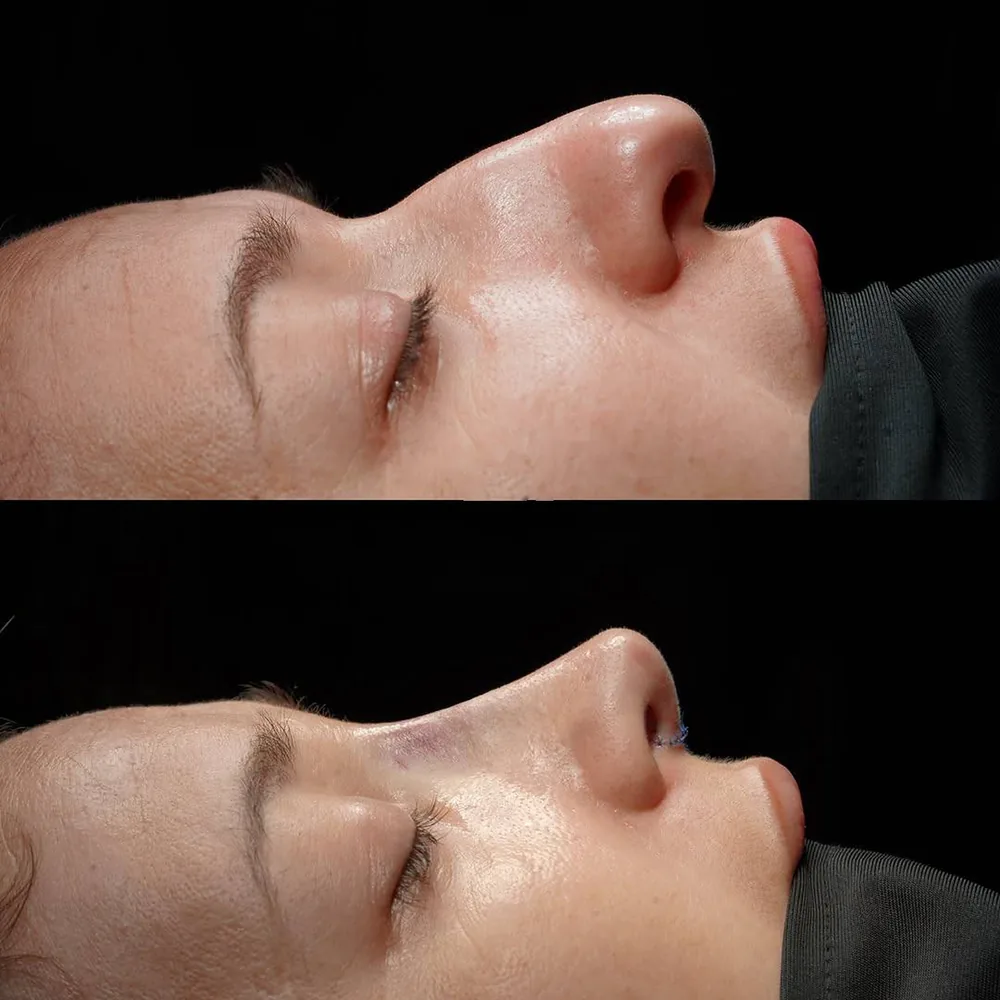
 beforeafter
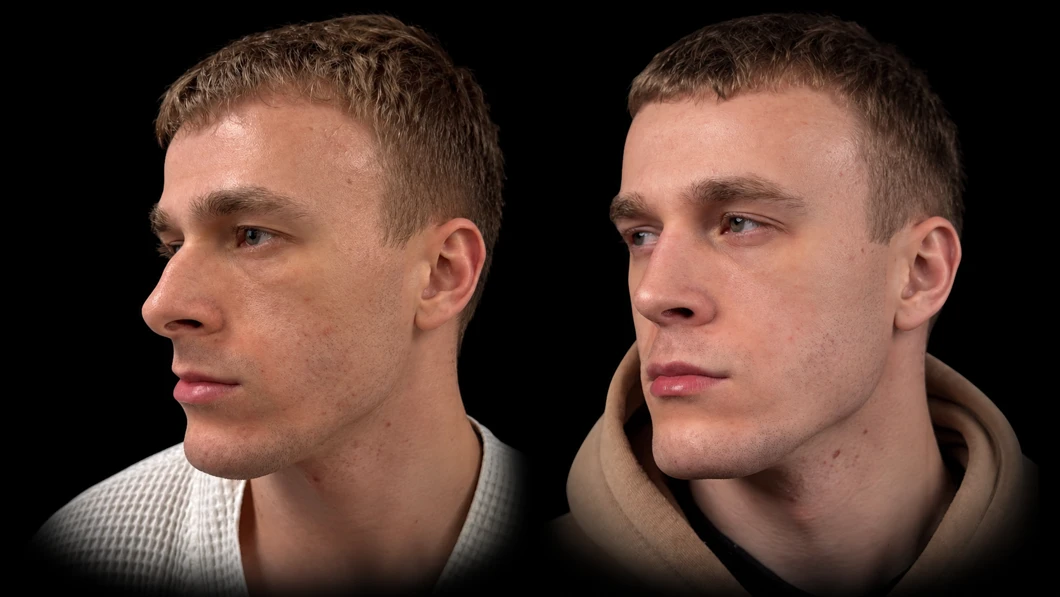
Irina, 24
Rhinoplasty
Rhinoplasty
$4,200
Instead of $6,000 (≈ PLN 23,500) · First consultation — Free
Free online consultation · Reply within 15 minutes
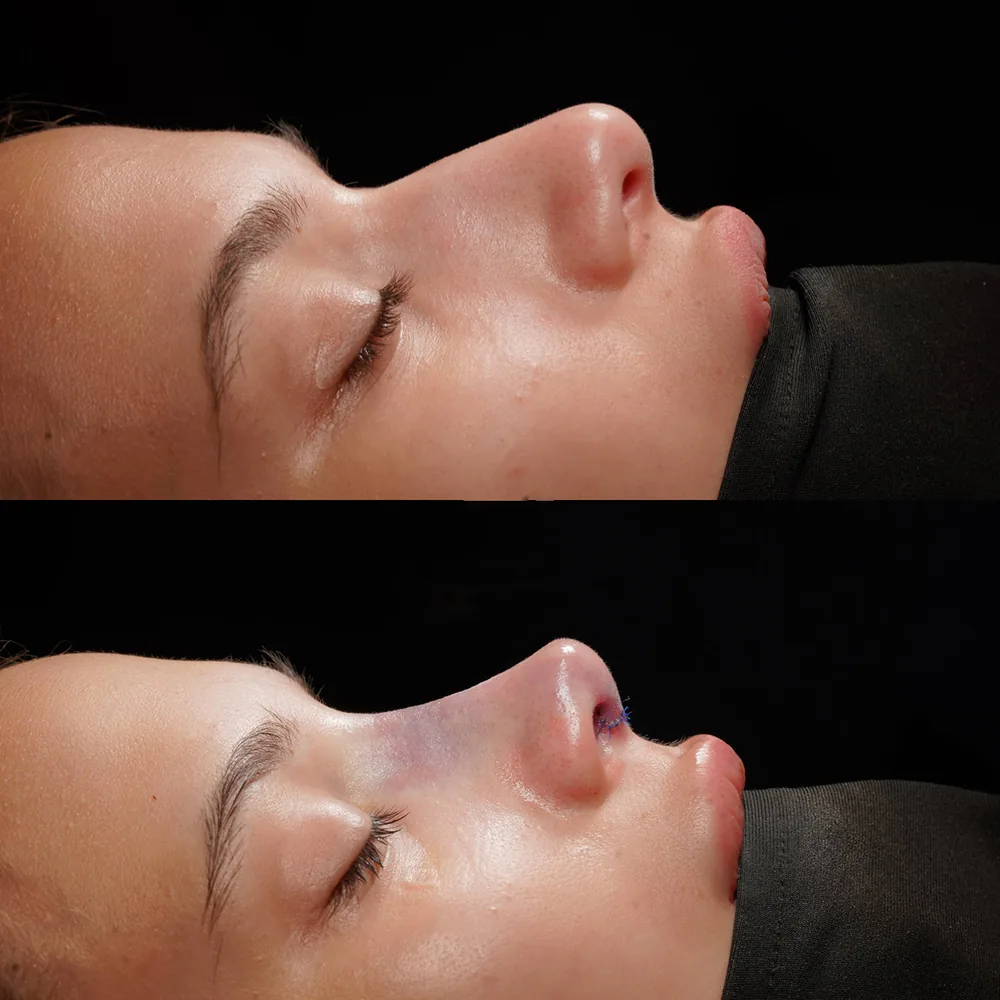 before
after
Message our coordinator
Free online consultation · Reply within 15 minutes
Message us on TelegramMessage us on WhatsAppBy messaging us, you agree to our Privacy Policy
Rhinoplasty for patients from Krakow at City Medical Centre starts at PLN 16,500 (from $4,200). The first online consultation is free; the doctor names the final price and it is fixed in the contract.
How it works · Rhinoplasty prices
Information current as of 5 November 2026
Results
Each example is a real clinic patient, not a stock photo.
Inside our Telegram community, patients of the clinic answer your questions directly.
beforeafterRhinoplasty
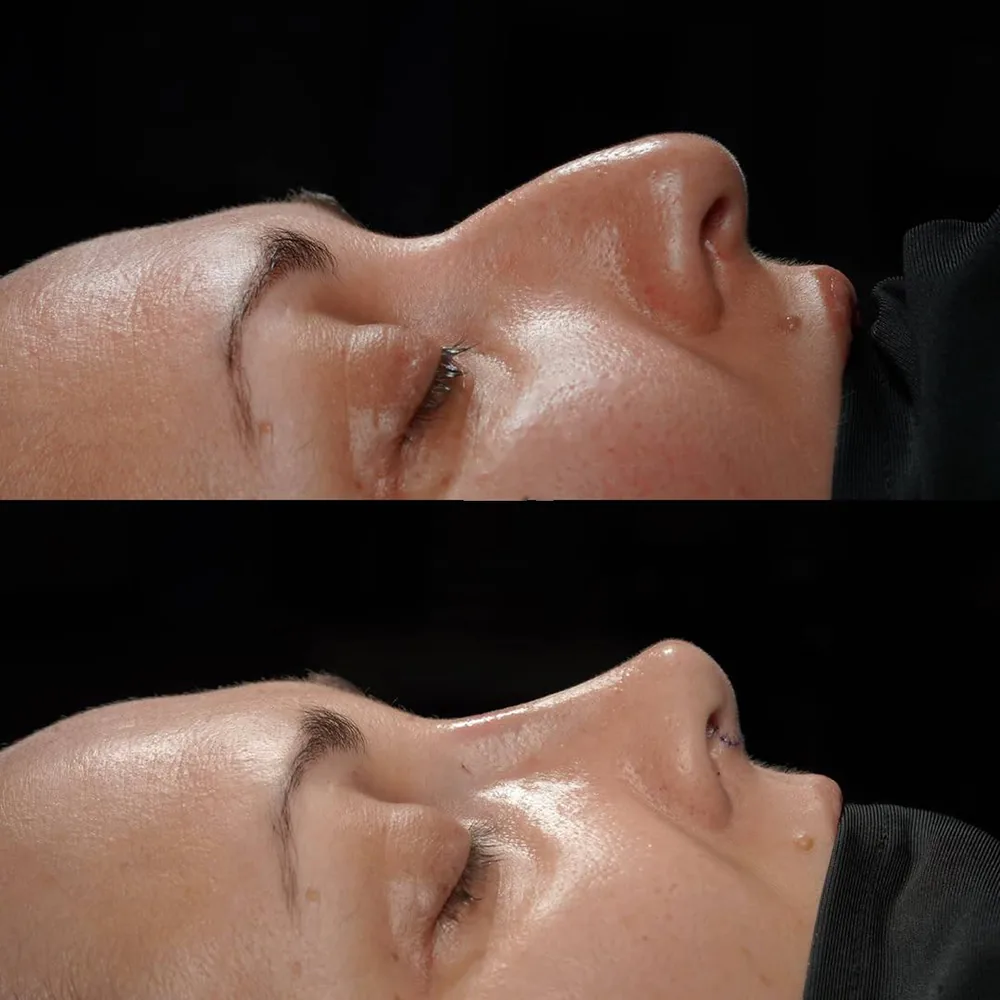 beforeafter
Rhinoplasty
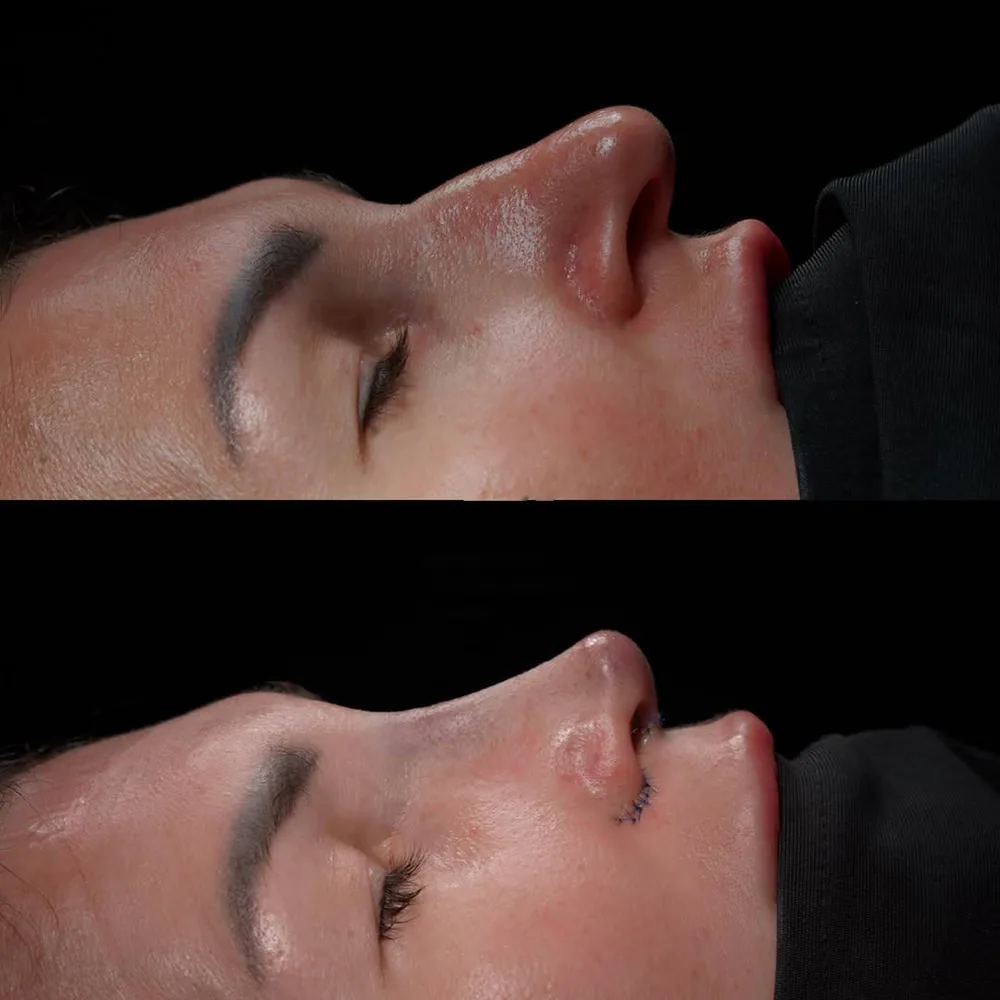 beforeafter
Rhinoplasty
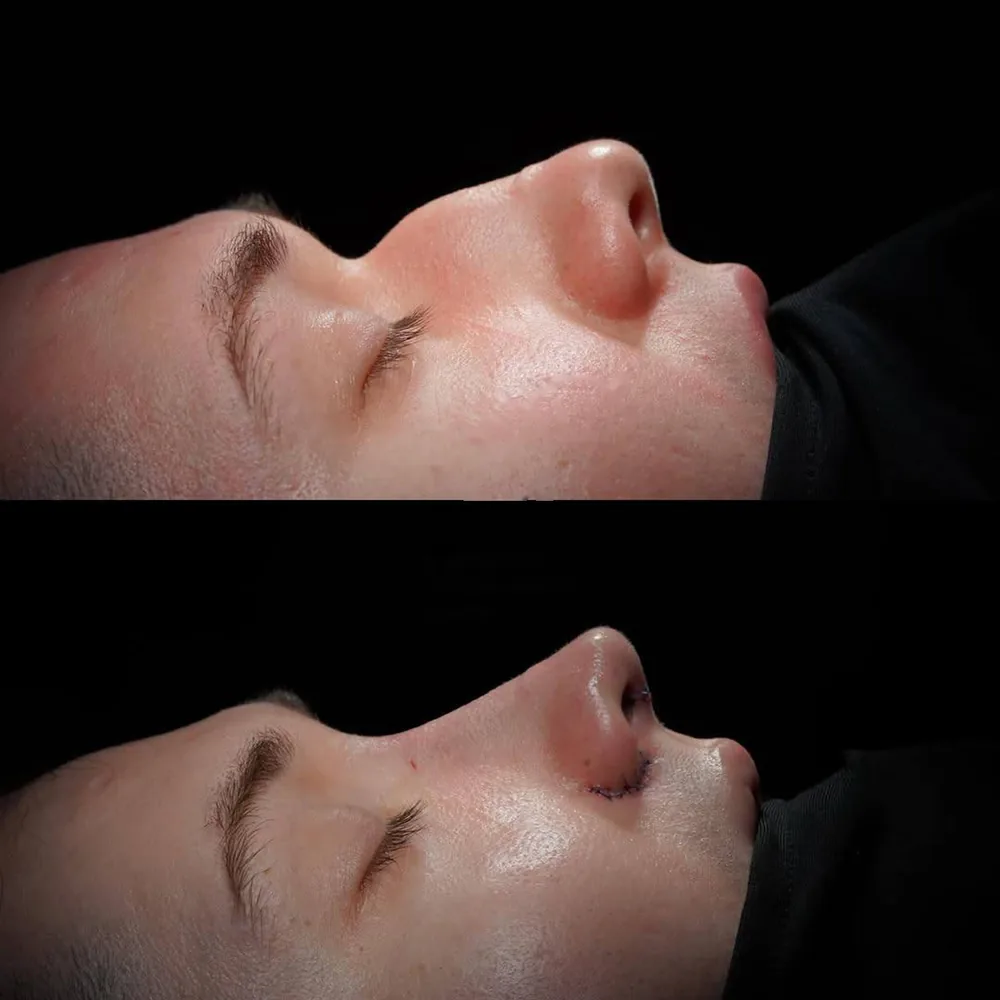 beforeafter
Rhinoplasty
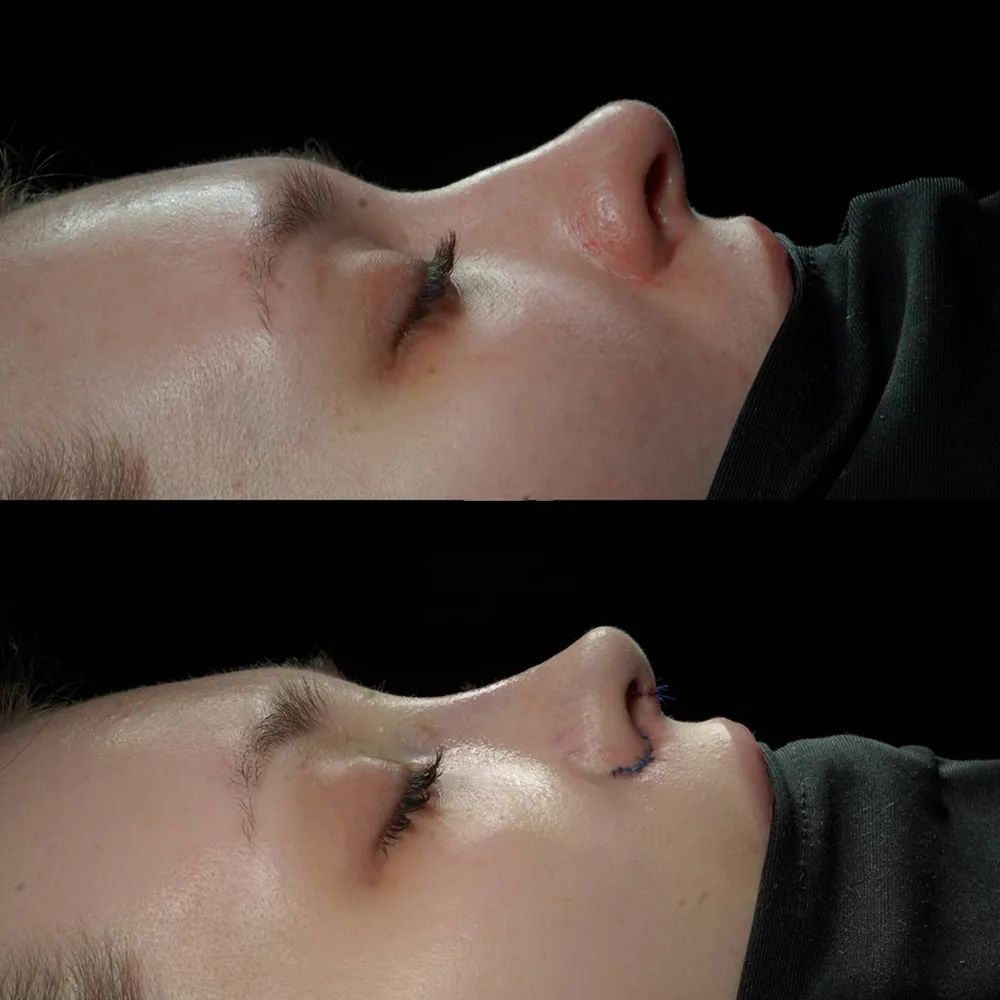 beforeafter
Rhinoplasty
beforeafterRhinoplasty
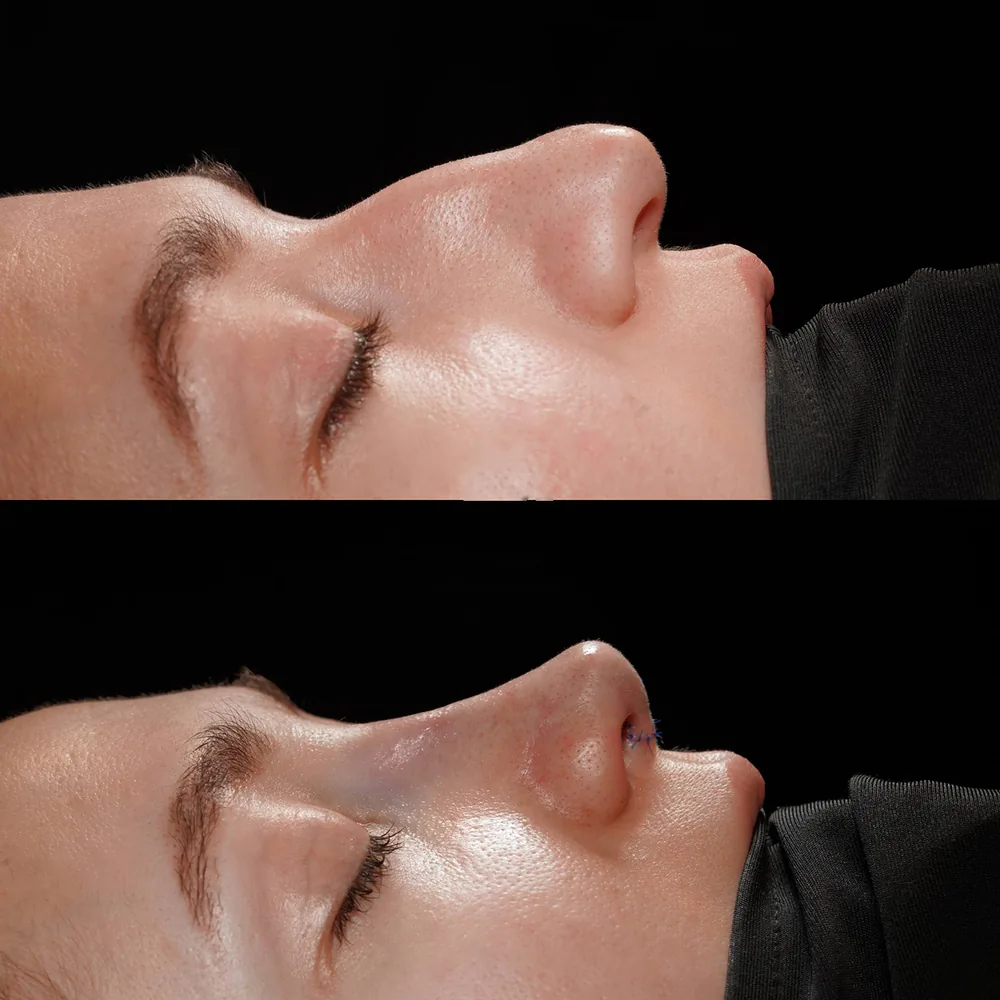 beforeafter
Rhinoplasty
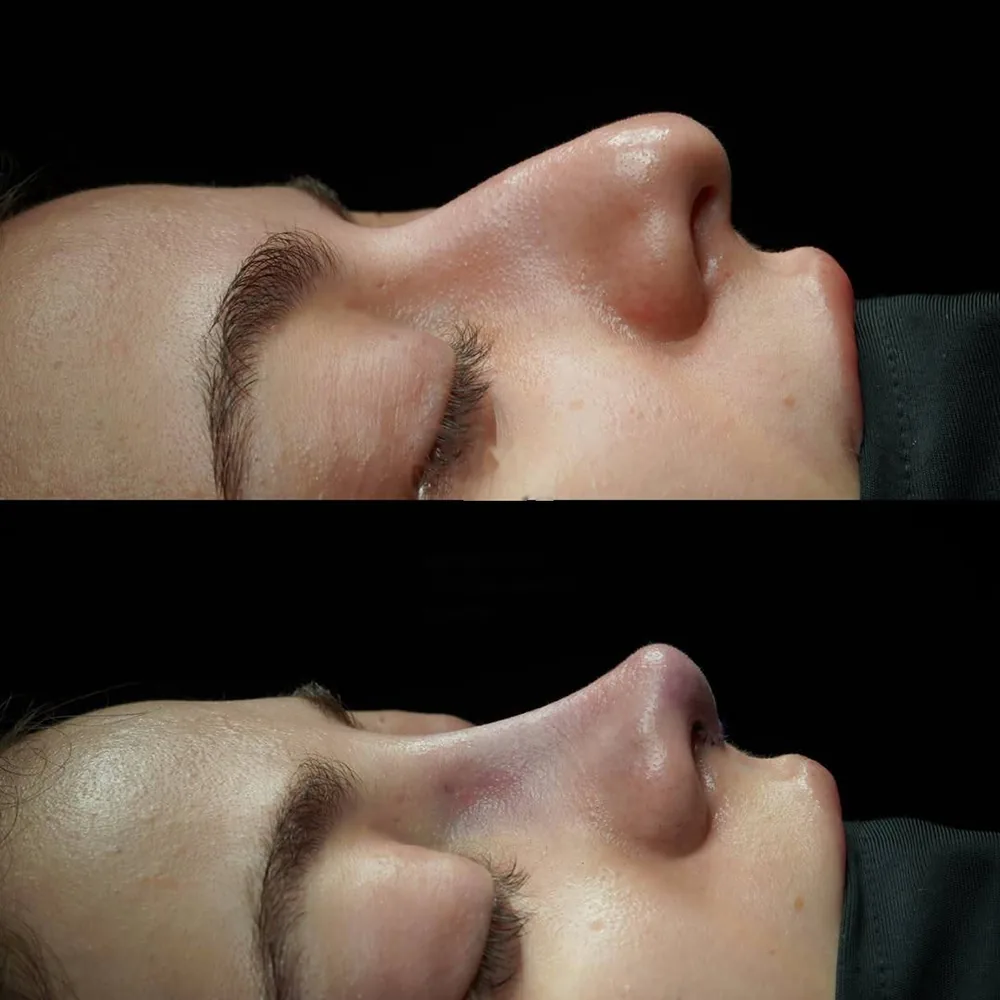 beforeafter
Rhinoplasty
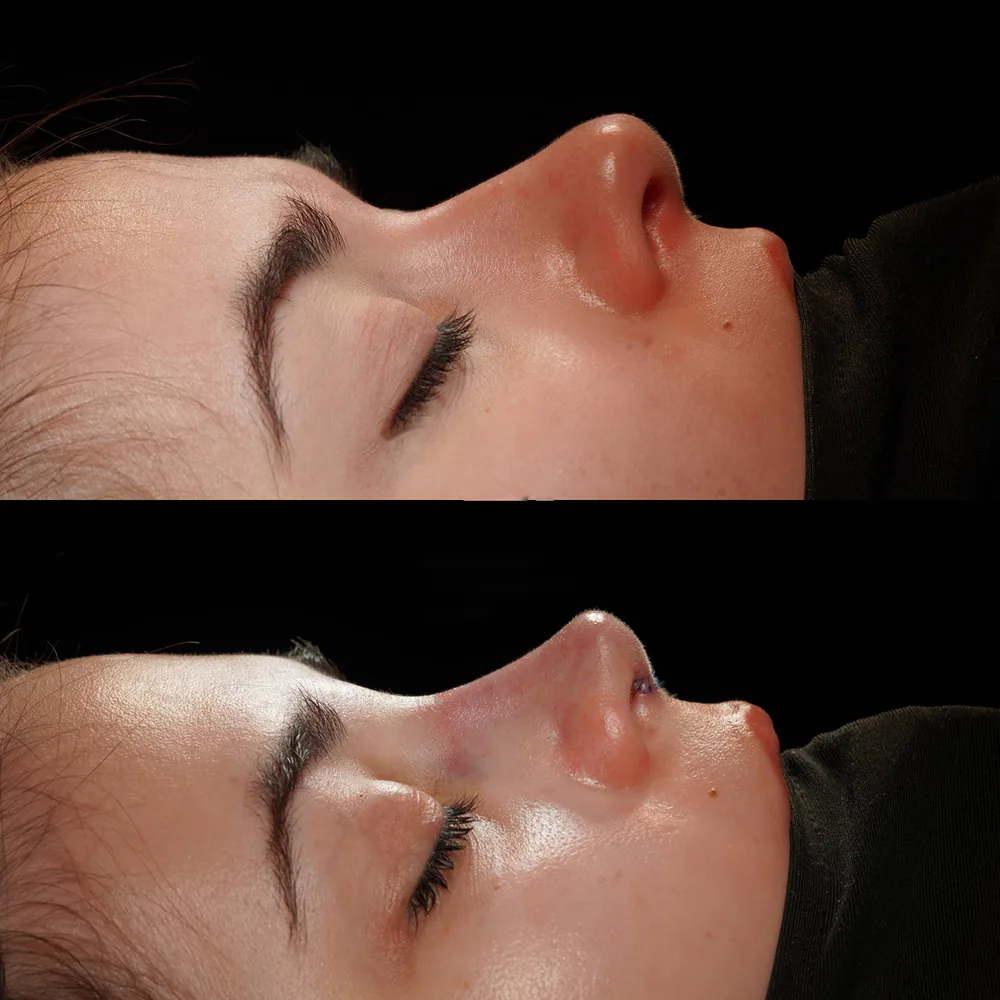 beforeafter
Rhinoplasty
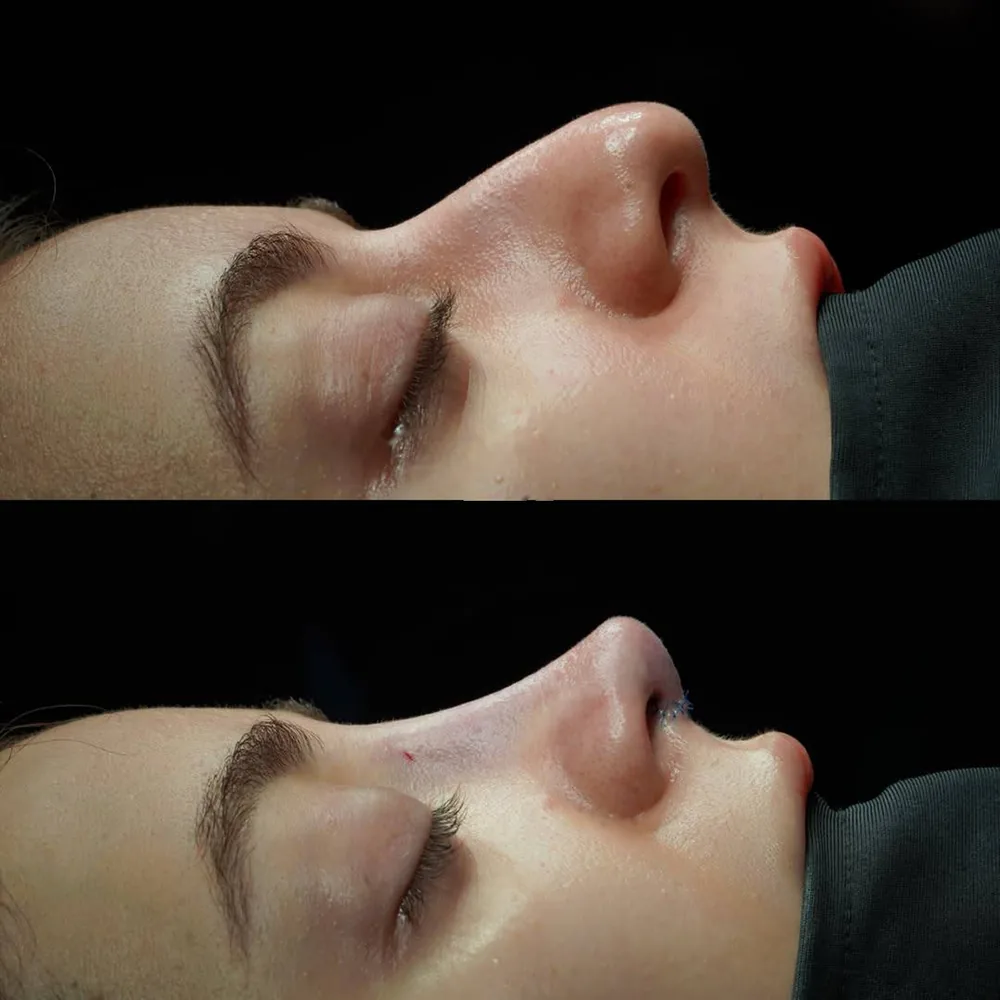 beforeafter
Rhinoplasty
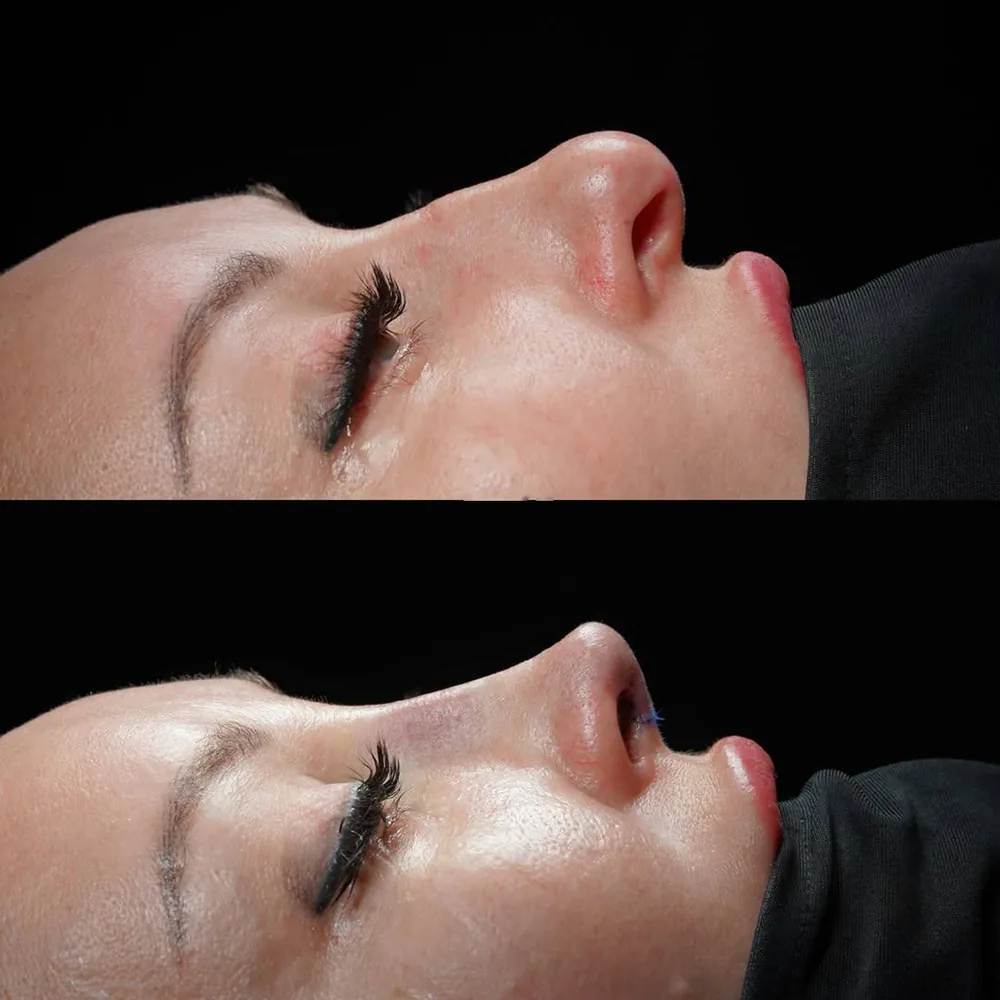 beforeafter
Rhinoplasty
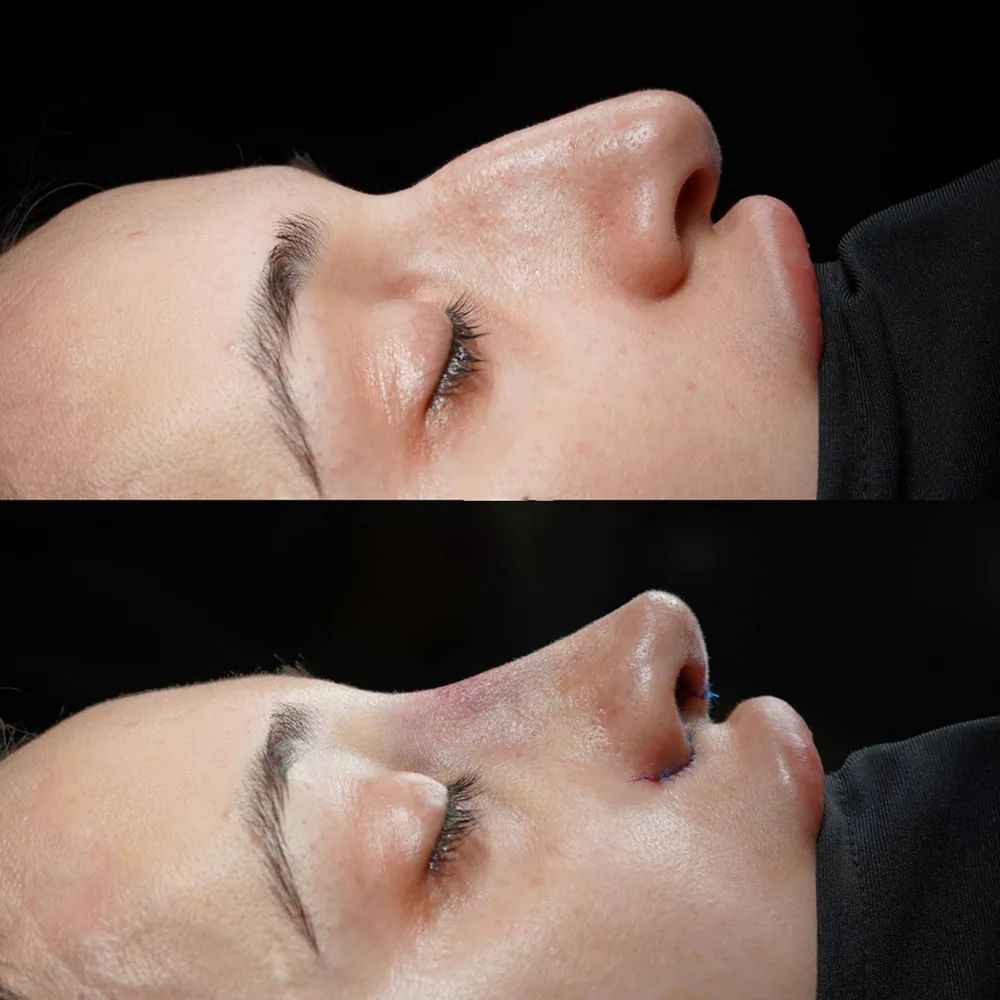 beforeafter
Rhinoplasty
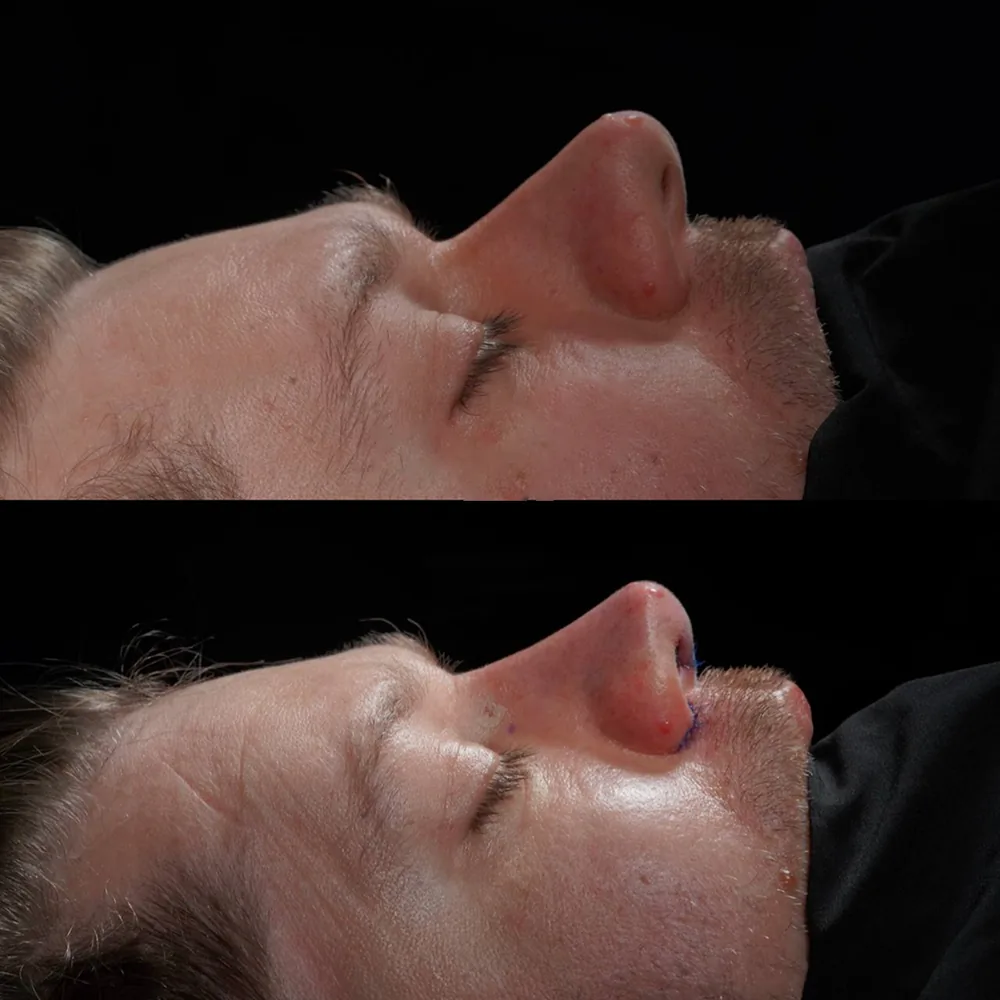 beforeafter
Rhinoplasty
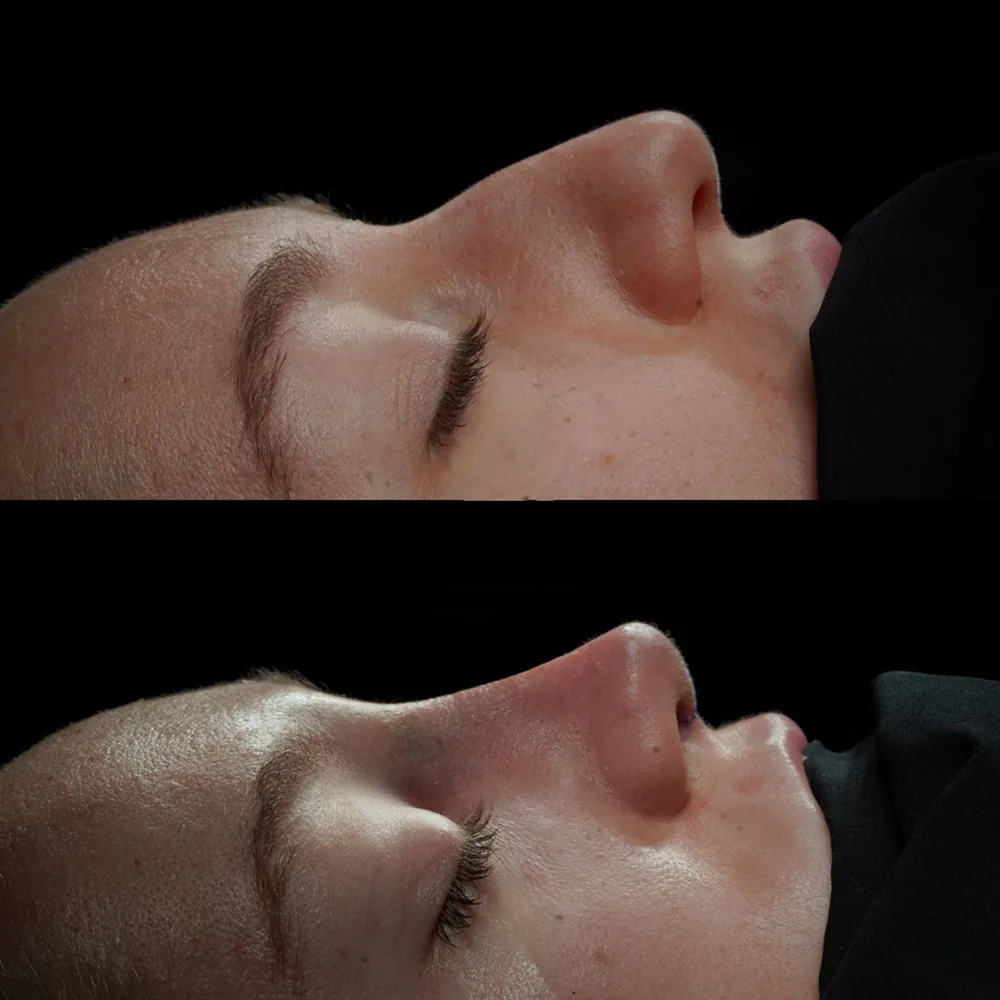 beforeafter
Rhinoplasty
Comparison
Our team finds the most effective solution for you and delivers an excellent result.
The first-ever surgery on the nose, correcting its shape and restoring breathing where airflow is limited.
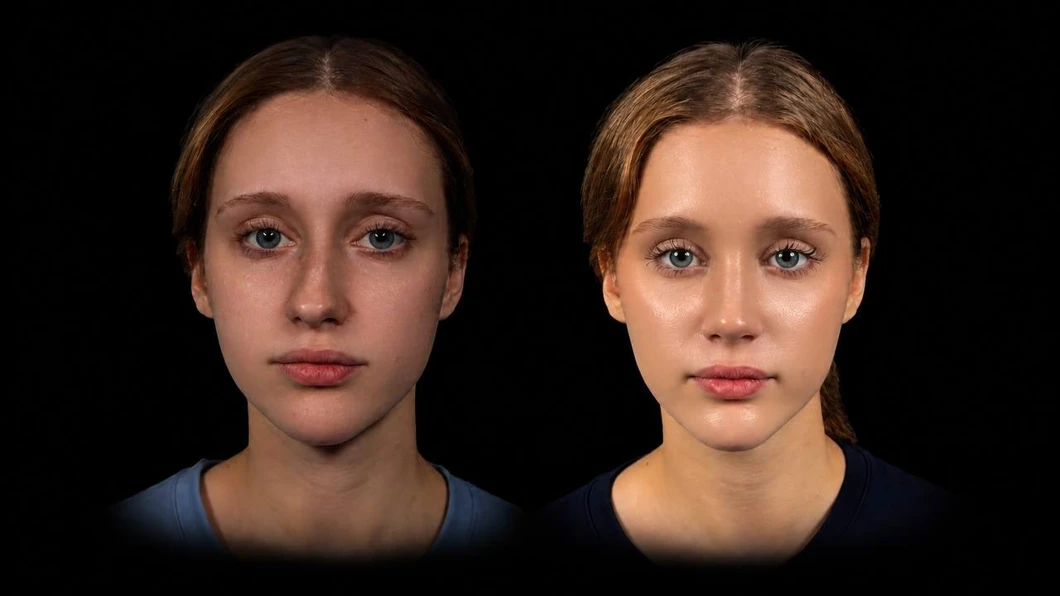
Discounted price
$4,200 $6,000
Secondary, revision surgery: repeat correction of the nose after an unsuccessful or partly successful operation. Performed no earlier than a year after the primary one.
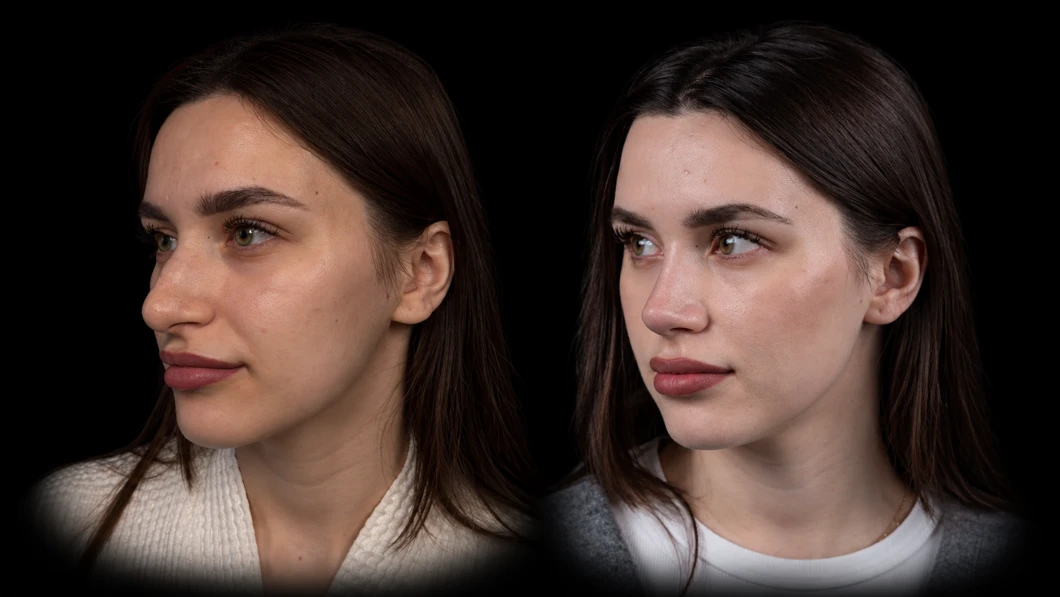
Discounted price
$5,400 $7,200
Surgery that corrects the septum while also changing how the nose looks.
Discounted price
$5,000 $6,600
These benefits and recovery periods are averaged across surgery types and meant only as a guide — your own anatomy and features decide the actual correction and recovery, confirmed by the surgeon at the consultation.
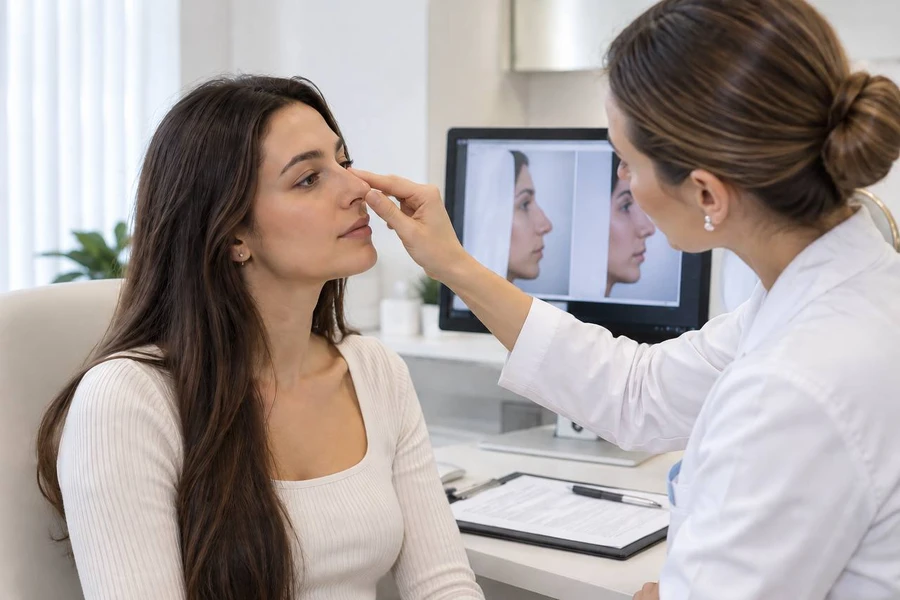
At the consultation, the doctor will build a 3D model of the expected result and explain
each step of your rhinoplasty
It is a free, pre-surgery consultation with no obligation attached.
Book a consultationAbout us
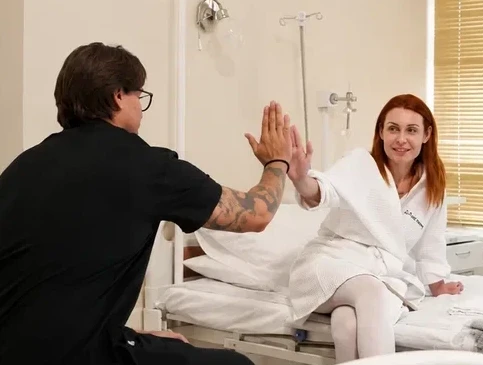
Every patient gets modern equipment, comfortable rooms and attentive care
We'll respond to your questions and set up a consultation at a convenient time
By messaging us, you agree to our Privacy Policy
Get a consultationShould your case be solvable without an operation, the doctor will say so at the consultation — so you won't pay for nothing.
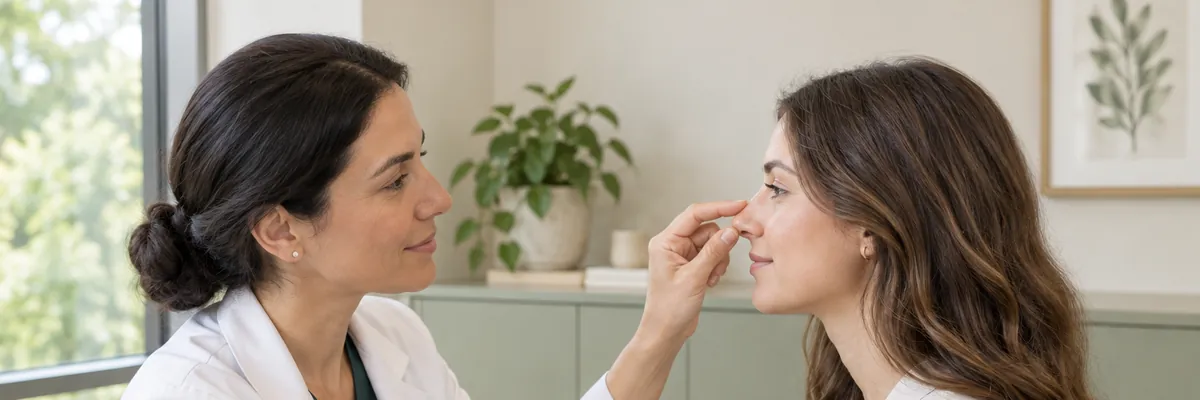

Unsure which column applies to you?
Write to us on Telegram and send a few photos of your nose — the doctor will let you know if rhinoplasty suits your case. Free, with no obligation to go ahead.
Find out if it suits me
Prices
The cost is named at the free consultation, after result modelling, and fixed in the contract.
Discounted price
nose reshaping
$4,200$6,000
Discounted price
secondary, revision
$5,400$7,200
Discounted price
nasal shape plus the septum
$5,000$6,600
Free
3D modelling after the surgeon's examination
Free
the cost of the operation is named
and recorded in the contract
The doctor will study your nasal anatomy, listen carefully to what you want
and propose the right correction technique. The cost is given at the consultation and recorded in the contract.

Message our coordinator
Free online consultation · Reply within 15 minutes
Message us on TelegramMessage us on WhatsAppBy messaging us, you agree to our Privacy Policy
Price
From getting ready for surgery
to 12 months of support.
Discounted price
$4,200$6,000Discounted price
How it goes
Inpatient observation, a year of recovery monitoring, and a correction plan agreed together with you.
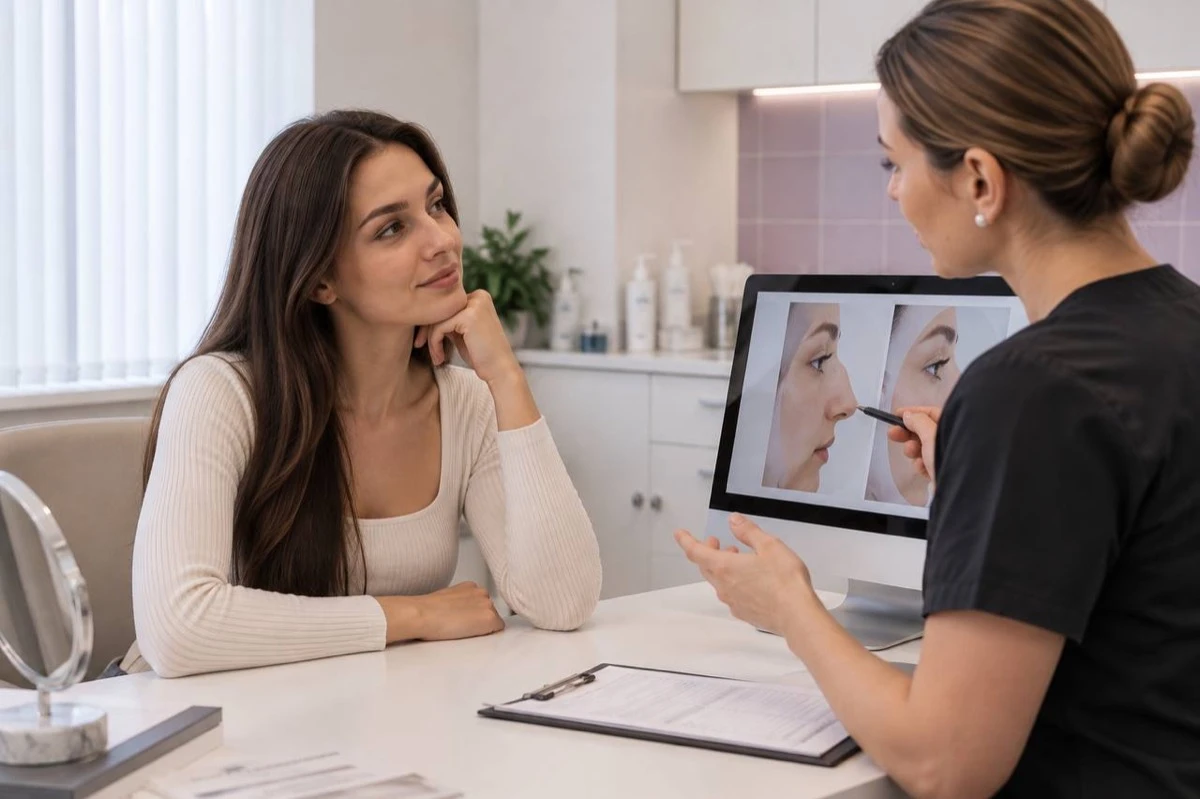
The doctor assesses your nose, discusses your wishes and carries out the examinations needed to choose the best correction technique

Your surgery date is reserved once the deposit is paid — by card at the clinic or online by bank transfer — and the terms are confirmed in the contract for medical services
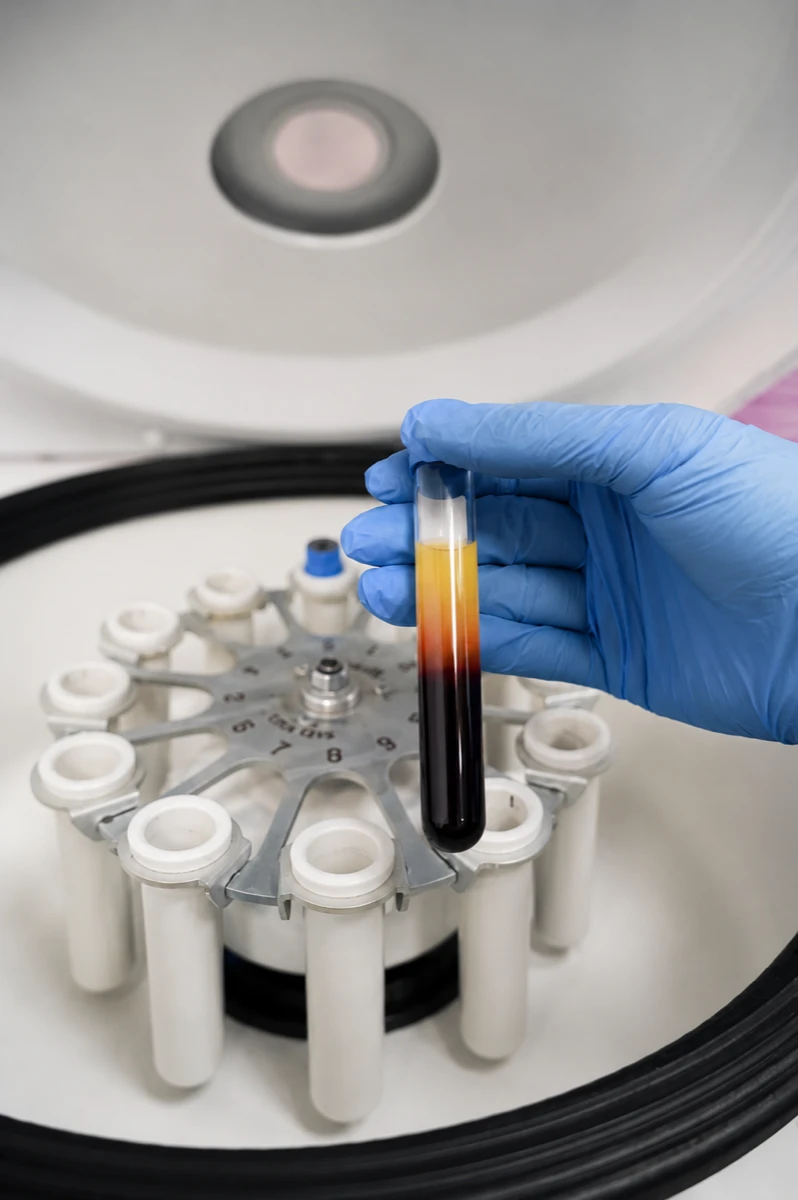
Ahead of surgery, a full set of lab tests is required: complete blood count, biochemistry, coagulation panel, chest X-ray and a sinus X-ray
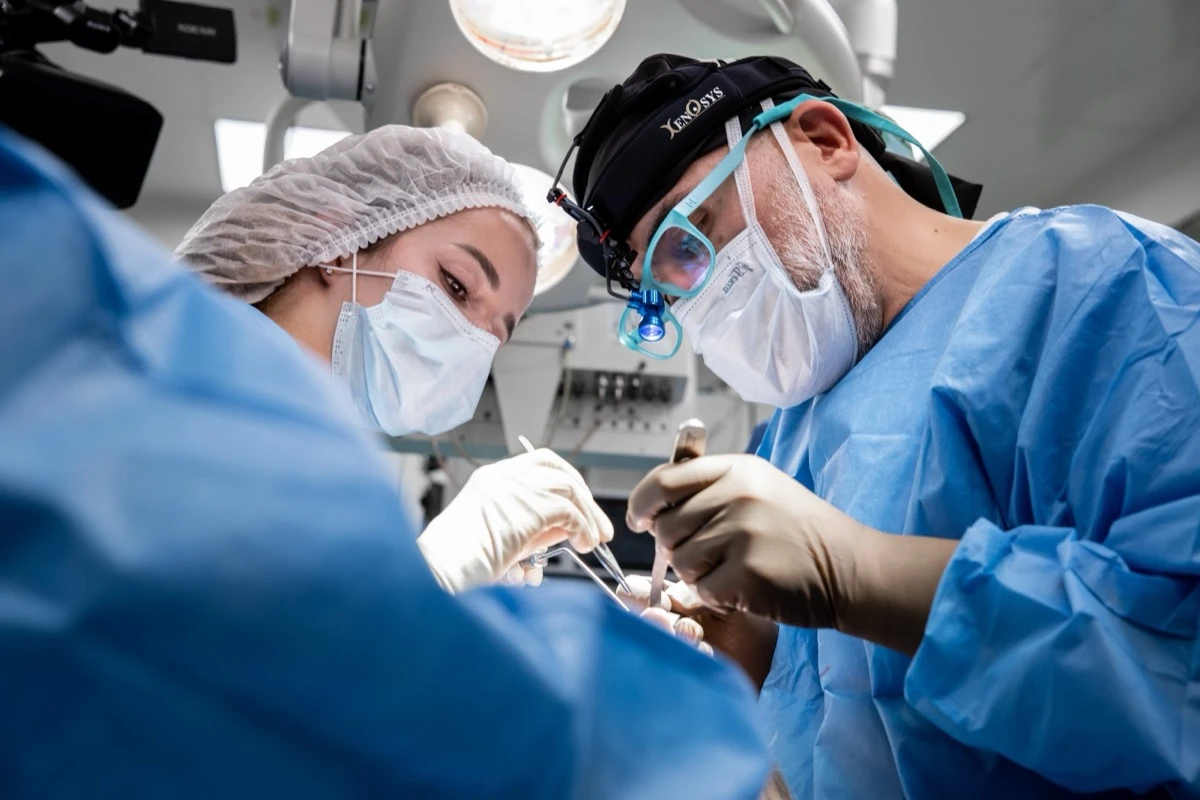
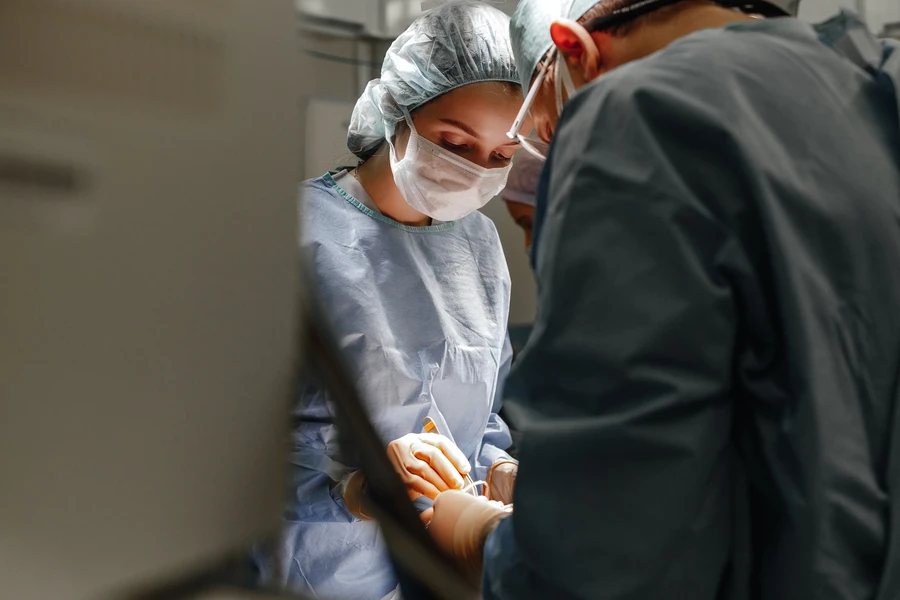
The surgeon performs rhinoplasty with the chosen technique under general or local anaesthesia, correcting the shape and structure of the nose
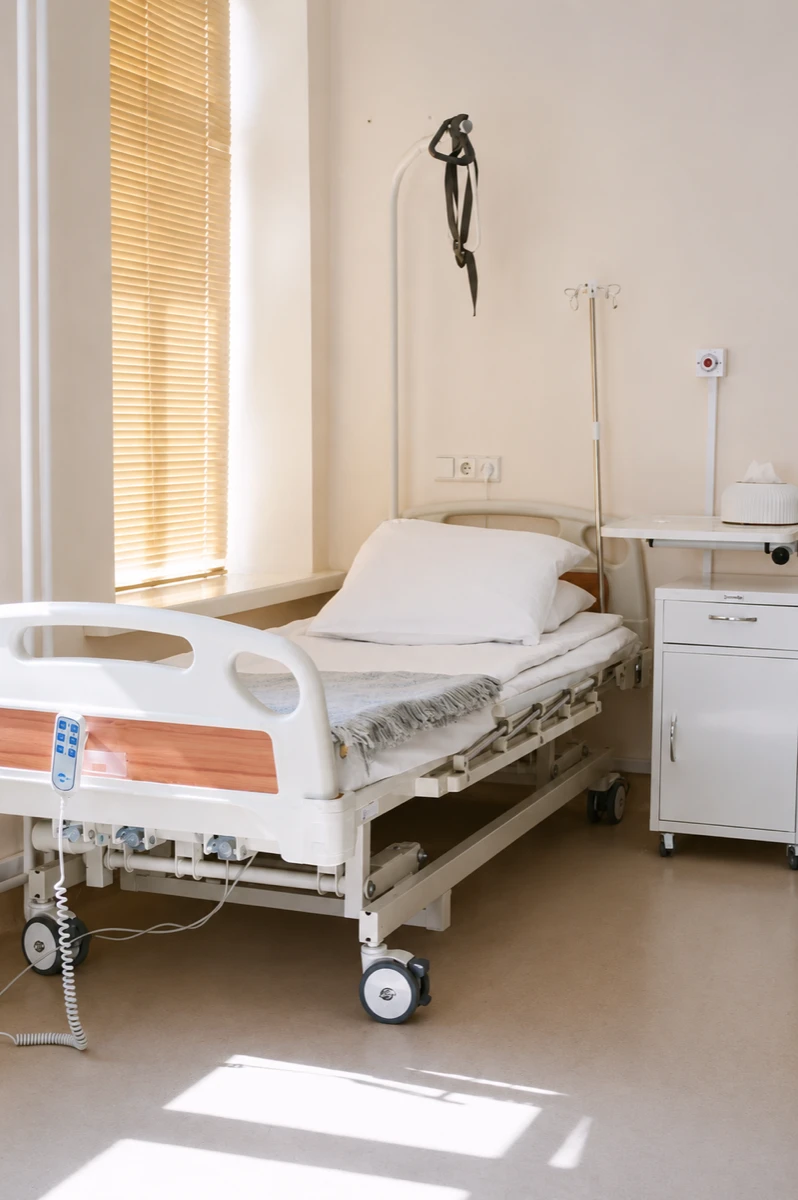
Each procedure is performed in the inpatient unit of the clinic. After surgery, your stay lasts one day
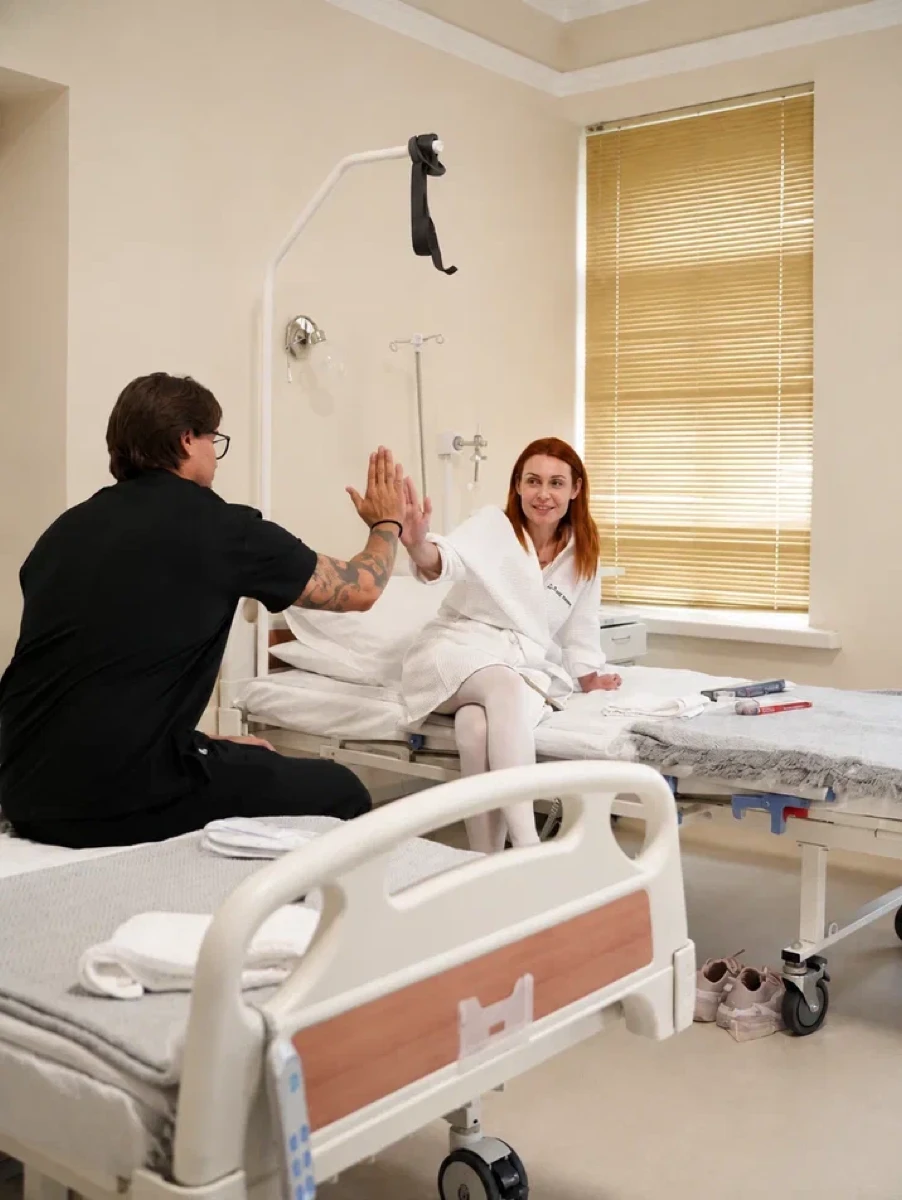
After surgery you get a recovery programme. Check-ups at 7 days, 3 and 6 months help track your recovery. For a year after surgery, consultations with your surgeon are free.
During the consultation you get a realistic forecast of the expected result
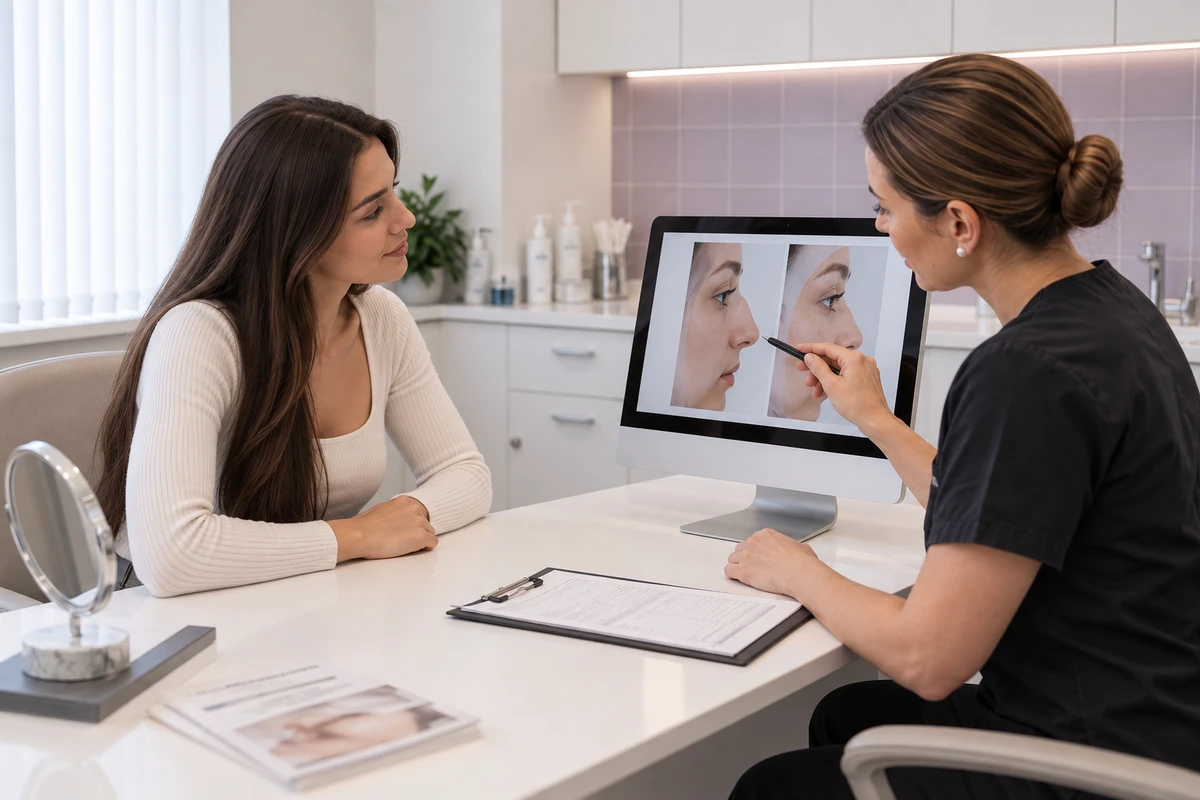
It is a free, pre-surgery consultation with no obligation attached.
Book a consultationNasal splint
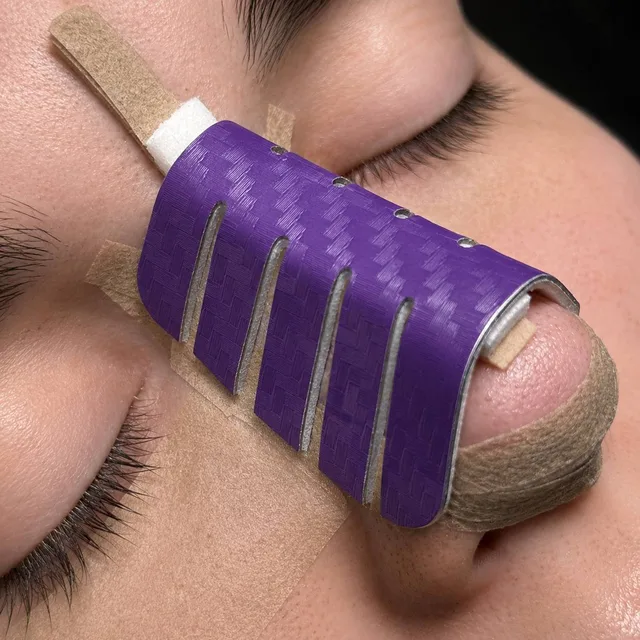
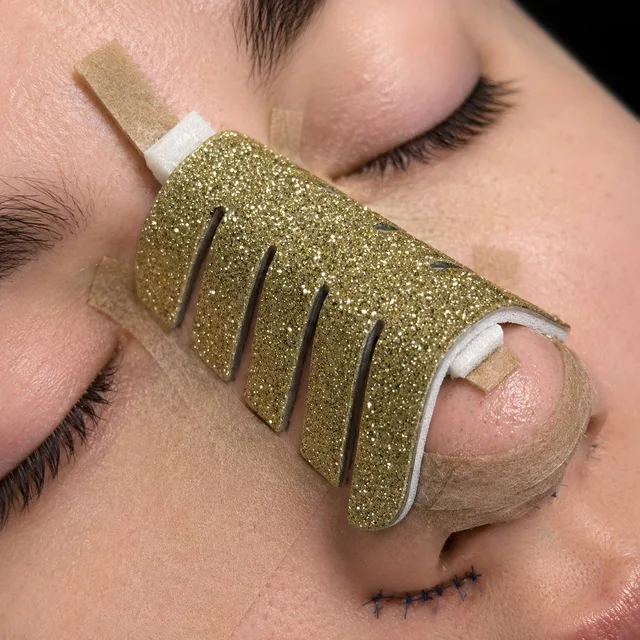
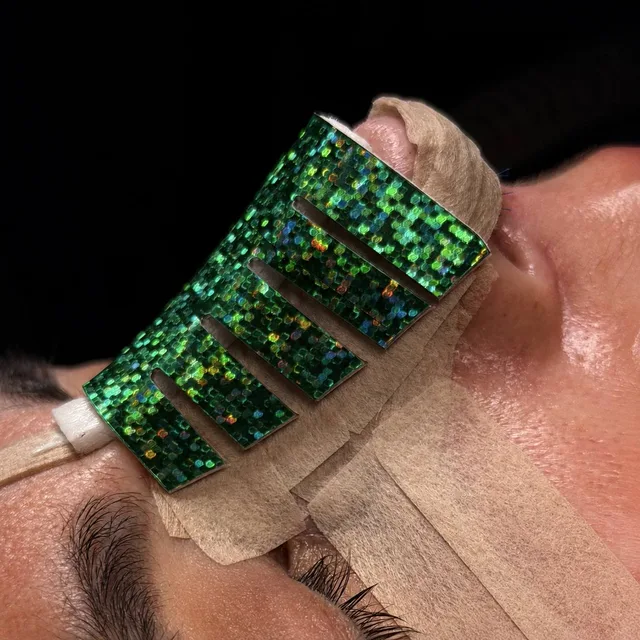
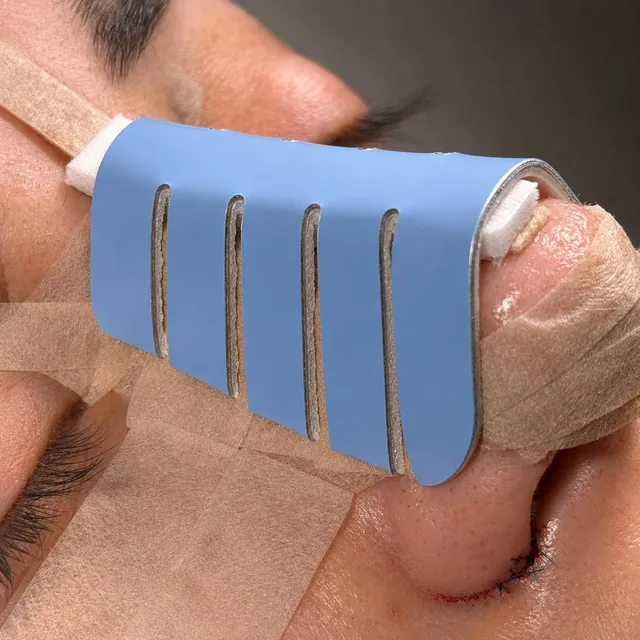
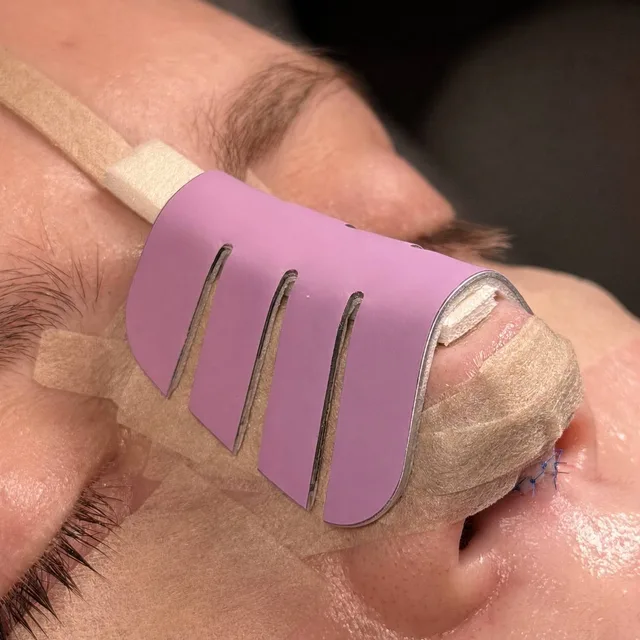
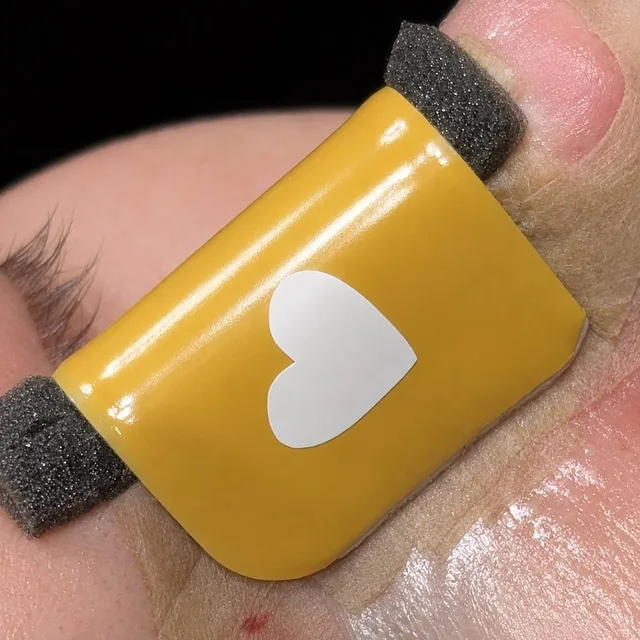
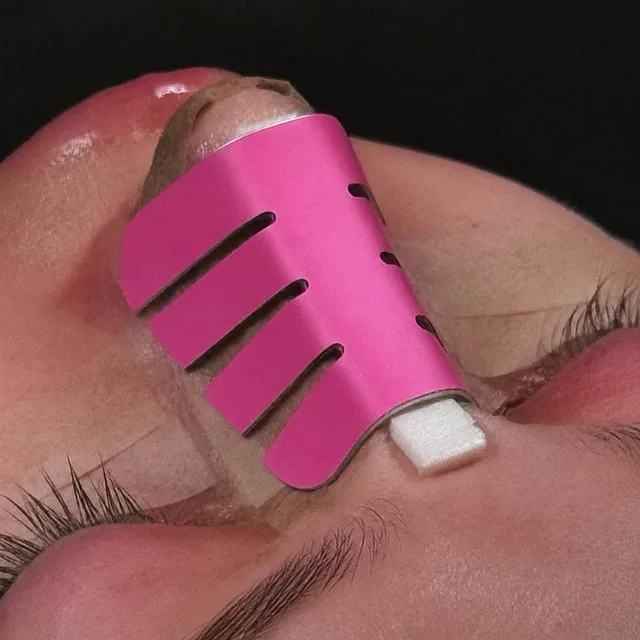
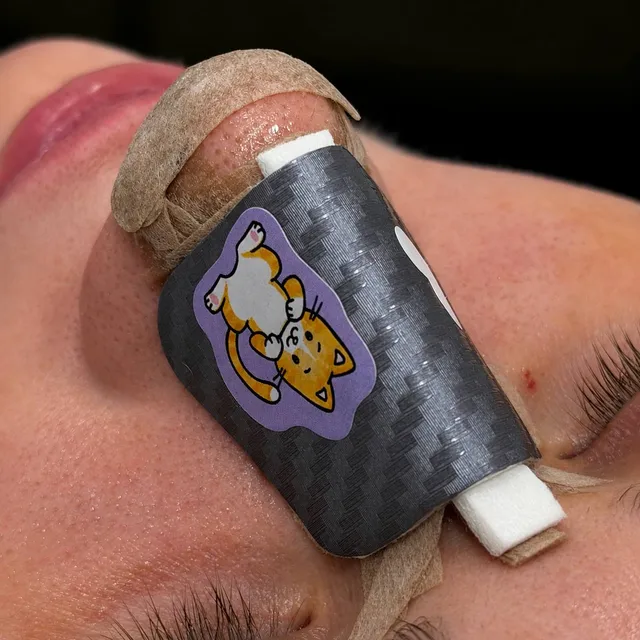
Every detail aims to highlight your natural beauty, and to make the recovery period more enjoyable, we let you pick the colour of your nasal splint.
Style shown in the details:
Choose a splint colour to match your mood
Small details build confidence, much as they shape your future profile
Doctors
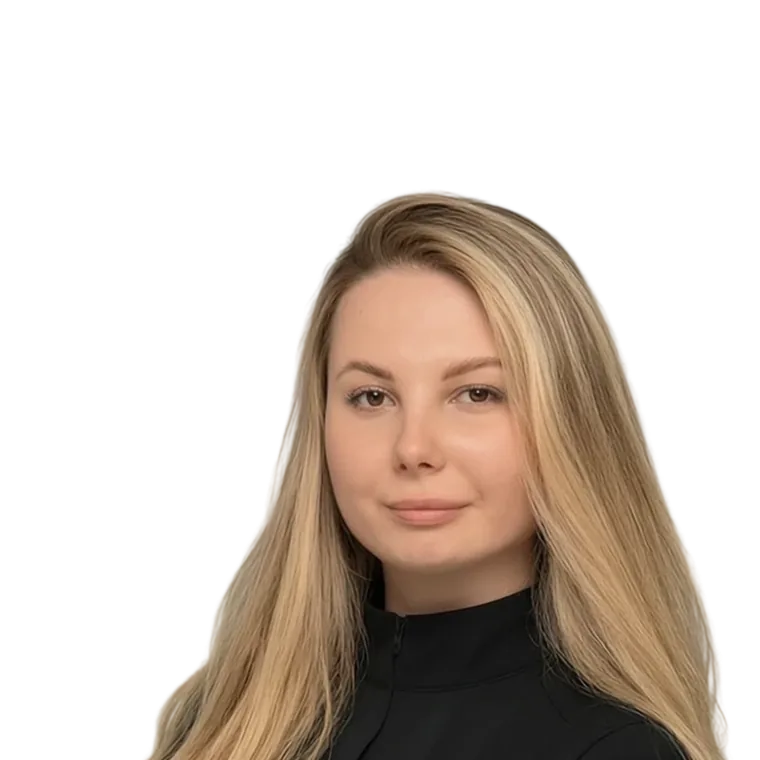
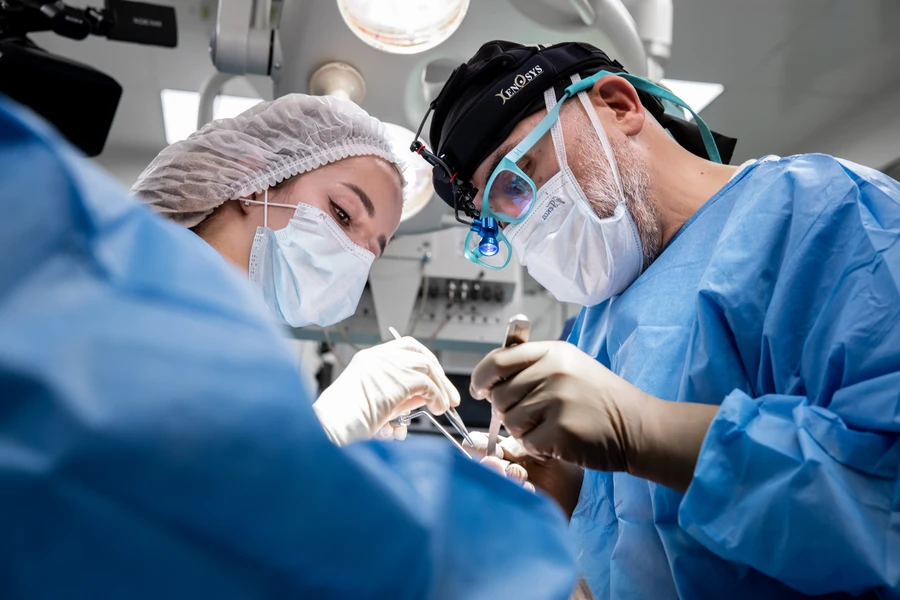
Rhinoplasty surgeon
You speak directly with the operating surgeon at the consultation
The doctor reviews your facial proportions, hears out your wishes and explains what changes are possible.
Book a consultationCoordinators
We stay with you through every stage

Your personal coordinator
Your first contact at the clinic — from your first message to the consultation
Patient support specialist
Answers your questions ahead of the first consultation and helps you pick a convenient date

Your personal coordinator
With you from booking through your stay to discharge
Patient support specialist
Helps you get ready for surgery and keeps in touch throughout your stay at the clinic

Your personal coordinator
Present through your recovery, from discharge to the final check-up
Patient support specialist
During recovery, keeps in touch with you and books your surgeon follow-up visits
A private channel for people who value honesty and expertise
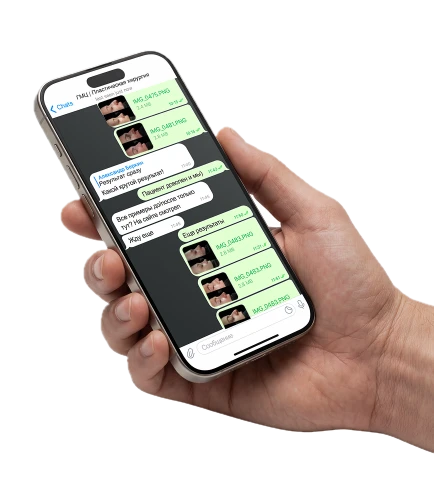
Message us — our coordinator will contact you shortly and book your consultation
By messaging us, you agree to our Privacy Policy
Get a consultationAdvantages
Under contract, you receive a lifetime guarantee — the surgery, support and post-operative follow-up terms are all fixed in advance.
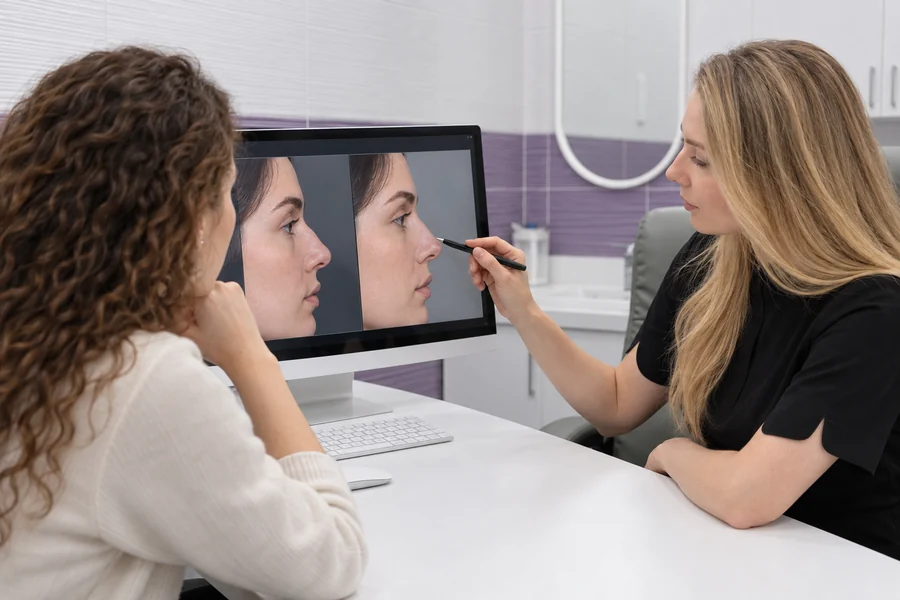
During a free consultation, we look at your case and tell you honestly whether rhinoplasty suits you — facts only, with no pressure to go ahead.
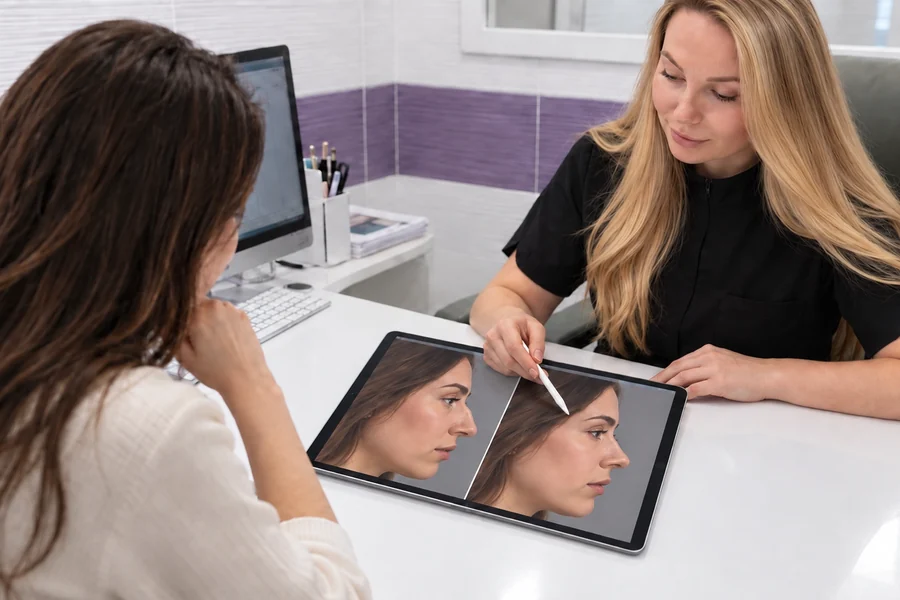
If you come from another city or country, we arrange the consultation and the necessary preparation in one trip — so that the path to change is more comfortable and needs fewer journeys.
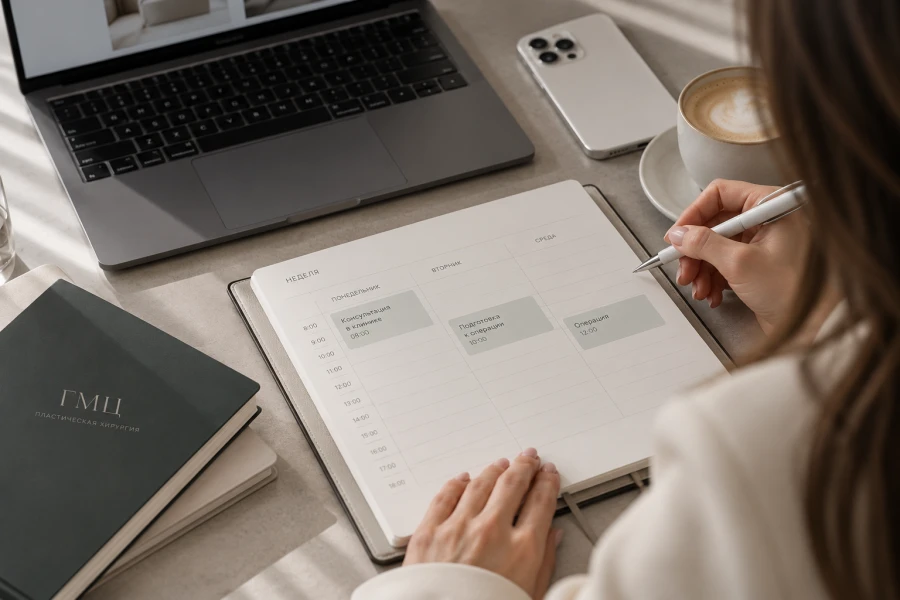
We respect your schedule: working 24/7, with easy booking and a personal approach that fits your pace.
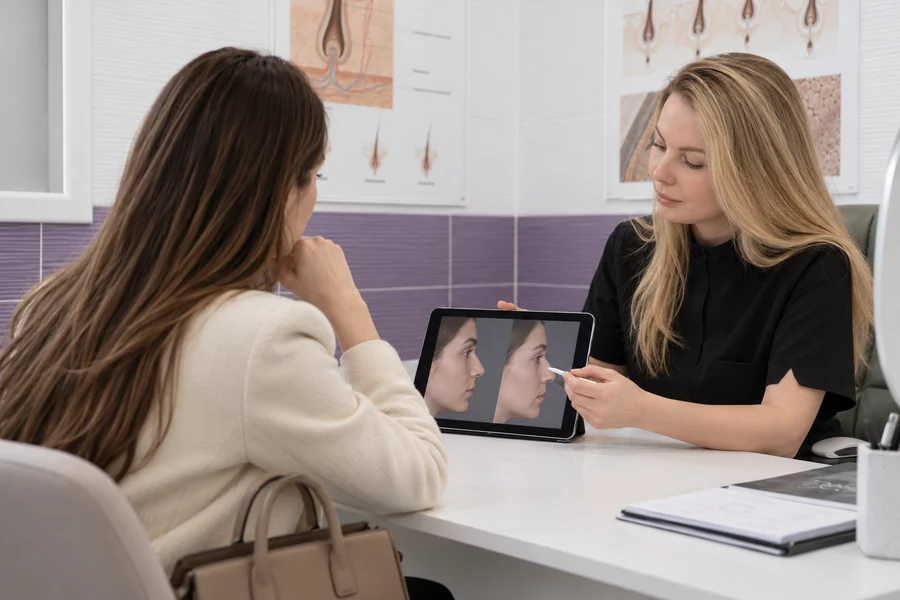
Once the consultation is done, the surgeon determines how much correction is needed, giving you a clear surgery price with no surprises along the way to your result.
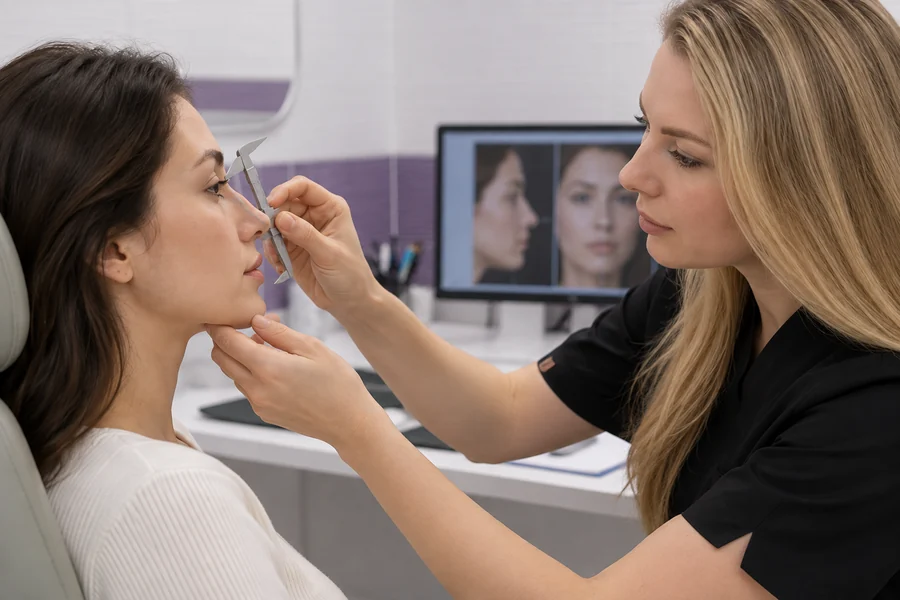
Modern equipment supports gentle, precise work by the surgeon, especially important where millimetres influence proportions, profile and facial harmony.
Prices
Send a request and get a free consultation on any service
Free
BookPrice without discount: $6,000$4,200
Price without discount: $7,200$5,400
Price without discount: $6,600$5,000
Price without discount: $6,500$4,700
Price without discount: $7,200$5,400
FAQ
Rhinoplasty (nose job) — one of the more delicate and frequently requested plastic surgeries, meant to adjust the nose's shape to the individual proportions of the nose and the whole face. Modern rhinoplasty is not merely a procedure to change how the nose appears, but complex surgical work aimed at an aesthetic ideal without risking health.
Yes. Nose job is the everyday name for rhinoplasty, plastic surgery of the nose. The surgeon can change its shape and, with rhinoseptoplasty, also correct a deviated septum to make breathing easier.
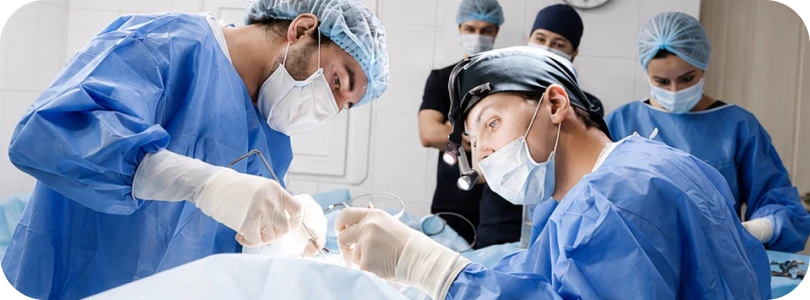
Optimal age: 18 to 45. The nose is fully formed by this time, and tissues still heal well. Where medically indicated, surgery can be performed at an older age if your general health allows
At its core, rhinoplasty is a comprehensive solution. It corrects both congenital and acquired nasal deformities, for example after a nasal injury. Patients are often bothered by a dorsal hump or an overly wide nose. Nose correction can also target the tip (tip rhinoplasty) or the nostrils (alar rhinoplasty). The surgical plan is created individually for each patient, taking every feature of their nose into account.
Rhinoplasty is performed under general anaesthesia and, depending on complexity, takes 1.5 to 3 hours.
The surgeon determines the extent and course of the surgery at the consultation, based on your goals and the anatomy of your nose.
Rhinoplasty — surgery to change the appearance of the nose (an aesthetic goal) and improve its function if breathing is impaired.
Septoplasty — surgical correction of the septum that restores normal breathing without altering the nose's external contour.
Often both surgeries are combined, especially when a patient has a deviated septum and aesthetic concerns. This gives a harmonious look and restores full breathing. At City Medical Centre we perform rhinoseptoplasty — a combined surgery that solves both tasks at once
For a successful operation, preparation should begin 21 days before rhinoplasty. At the first appointment our plastic surgeon will give you a list of the required tests.
| Complete blood count (including ESR, white cell differential, platelets) | 2 weeks |
| Urinalysis | 2 weeks |
| Infection tests: HIV, HBsAg, anti-HCV, antibodies to Treponema pallidum | 2 weeks |
| Blood group and Rh factor | 2 weeks |
| Blood biochemistry (total protein; urea; uric acid; creatinine; glucose; total, unconjugated and conjugated bilirubin; ALT; AST; K; Na; Cl; cholesterol) | 2 weeks |
| Coagulation panel (Quick prothrombin, INR, APTT, D-dimer, antithrombin III) | 2 weeks |
| Electrocardiogram (ECG) tracing with a report | 2 weeks |
| Doppler ultrasound of the leg vessels / duplex scan of the leg veins | 2 weeks |
| Chest X-ray or fluorography with a report | 6 months |
| MSCT of the paranasal sinuses | 6 months |
| After the full laboratory work-up — a physician's report confirming there are no contraindications to surgery | 2 weeks |
Preparation consists of plastic surgeon consultations, lab tests (CBC, biochemistry, coagulation, infection tests), ECG, chest X-ray, and a nasal X-ray or CT. One week before surgery, stop anticoagulants, alcohol and smoking. On the day before, eat light meals; fast for 6 hours before surgery
Although nose surgery is one of the most popular and well-established aesthetic operations, like any surgery it carries certain risks. To minimise the likelihood of complications after rhinoplasty, our clinic provides thorough pre-operative preparation and post-operative monitoring.
Important: if after rhinoplasty you have difficulty breathing, severe pain, a high temperature or a change in the shape of your nose, contact your doctor immediately.
Rhinoplasty at City Medical Centre is performed with modern technology, safe materials and constant medical supervision, which keeps the risk of complications to a minimum.
We also provide post-operative monitoring and prescribe recovery therapy.
Recovery after nose surgery is just as important as the operation itself. Proper recovery determines how aesthetic and harmonious the final result will be. At City Medical Centre recovery is closely monitored and divided into three phases: early, intermediate and late
You'll see first improvements after the swelling eases (2–3 weeks), while the final rhinoplasty result is evaluated in 1–1.5 years, when tissues have fully stabilised
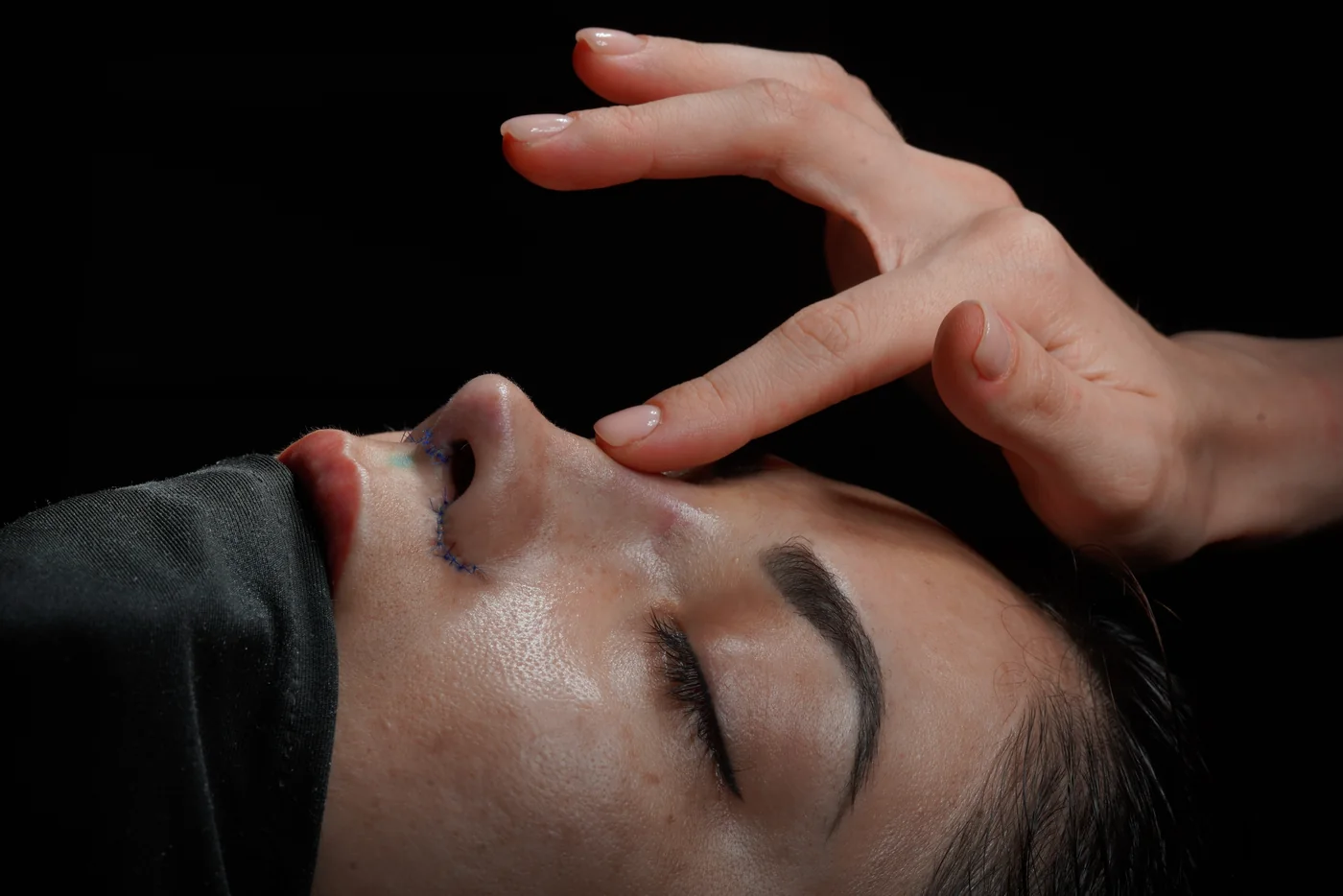
The nose needs to be protected after surgery. An aluminium cast is placed over the nose, with special silicone splints inside the nasal cavity. Nasal function is limited in the first days but recovers quickly. The final result of rhinoplasty can be assessed after 1–1.5 years, once the swelling has fully subsided.
Important: if nasal function is impaired after the first operation or you are not satisfied with the result, revision (secondary) rhinoplasty may be needed. It is a more complex procedure, performed no earlier than one year after the primary operation.
Partial blockage of the nasal passages by splints or swelling is possible in the first days after surgery. Breathing normally returns in full within 1–2 weeks, depending on the extent of surgery and your body
Our doctors use microsurgical techniques and quality sutures to keep scars minimal
Rhinoplasty makes the face more harmonious and improves its aesthetics, without losing what makes you individual. Using 3D modelling, you see the expected result in advance and agree on changes with the surgeon
Rhinoplasty is a serious step. A well-performed rhinoplasty means the new nose is in perfect harmony with your facial features and works flawlessly. At the consultation the nasal surgeon assesses every parameter in detail: the size of the nose, tip projection, and the condition of the septum and nasal mucosa. We use 3D modelling so you can see the future proportions of your nose before the surgery is performed.
Don't just browse rhinoplasty photos online. Book a consultation to discuss what modern rhinoplasty can and cannot do for you. Correcting external nasal deformities and reshaping the nose is our speciality.
Cost is based on the extent of surgery and is fixed at the consultation, where the doctor gives the exact price after assessing your nose and facial proportions.
Blog
Rhinoplasty articles
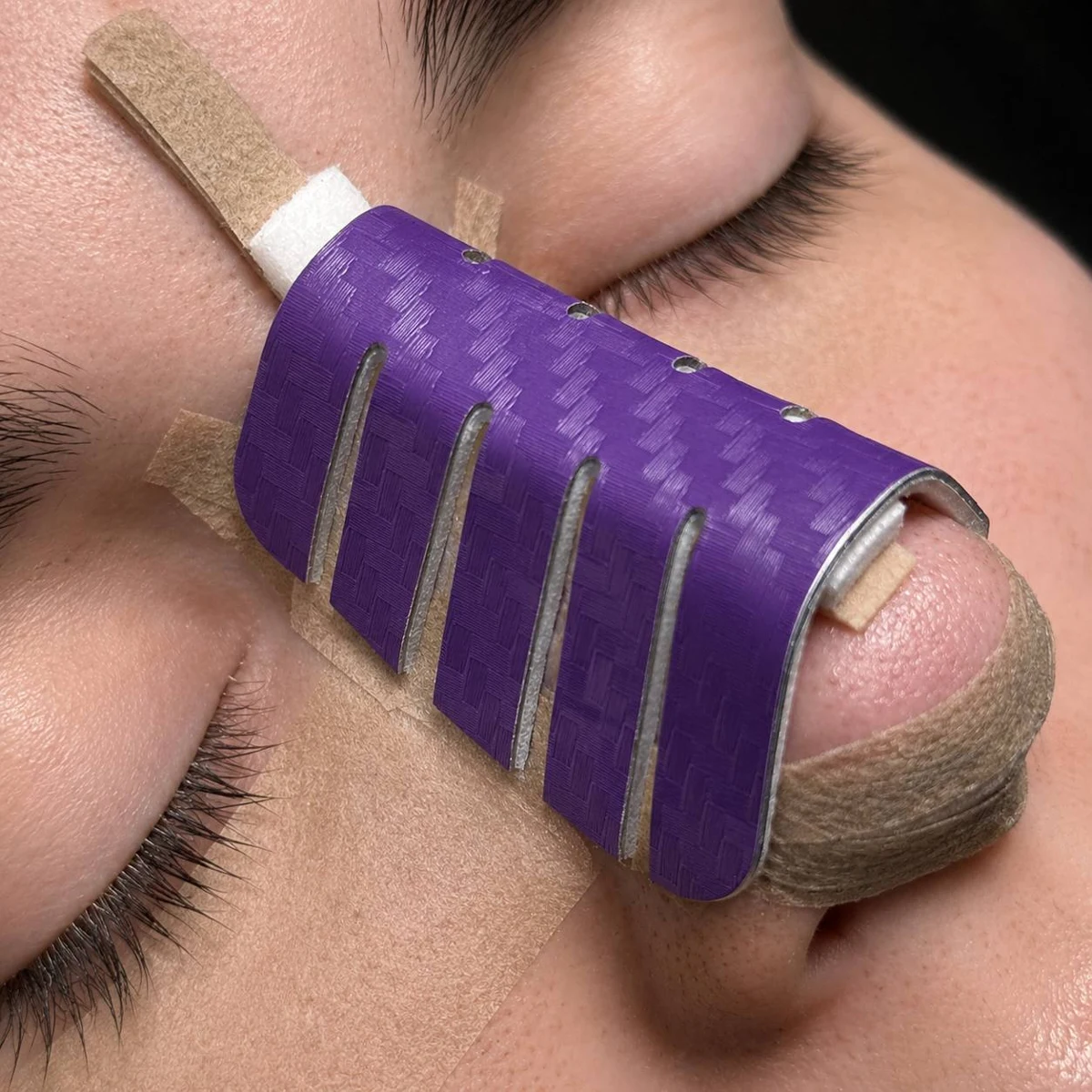
Find out how recovery after rhinoplasty goes in the first 7, 14 and 30 days
Read the article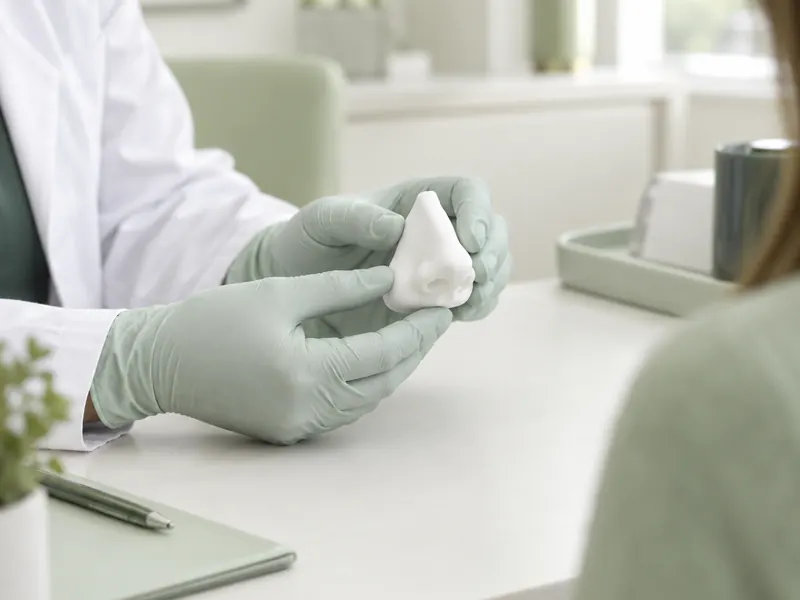
Preparation, recovery week by week, when the splint and stitches come out and how long to wait before flying home.
Read the articlePrices are in US dollars; the amount in brackets is an approximate conversion to PLN at the rate of 02.10.2026. The final price is fixed in your contract.
Prices start from $4,200 (≈ PLN 16,500). The surgeon sets the final price at the free consultation, and it is fixed in the contract, with no hidden extras.
The operation under general anaesthesia, a one-day inpatient stay, follow-up visits and dressings, plus a lifetime guarantee on the result.
Surgery takes 1.5–3 hours and you stay one day in the clinic. The nasal splints come out on day 7, and the cast is worn for up to 14 days.
Yes. The first consultation is free and does not oblige you to anything. You can start online by sending a message to the coordinator.
Message us on WhatsApp or Telegram using the buttons below. A coordinator will answer your questions and book a free consultation where the doctor names the exact price.
By messaging us, you agree to our Privacy Policy
Modern nose surgery is more than a cosmetic change: it is complex work aimed at an aesthetic result without harming health. For those in Krakow with breathing problems as well as aesthetic concerns, septorhinoplasty combines septum correction and reshaping in one operation. That way the look becomes harmonious and full nasal breathing is restored at the same time.
First visible results appear after about two weeks, and full healing takes around four months on average. The nose settles into its final shape over 1–1.5 years, so seeing your surgeon during this period matters. Until the end of the year, Krakow patients can have a free post-op consultation where the doctor evaluates the outcome, monitors recovery and answers questions.
Nothing about the price is hidden. For $4,200 (≈ PLN 16,500), residents of Krakow get the operation performed by the plastic surgeon, a day in the ward, follow-up appointments and dressings, and personal coordinator support throughout. The same amount covers open and closed techniques, tip correction and septorhinoplasty. Your first step is a free consultation where the doctor assesses the nose and gives a precise quote.
Well-known people who spoke openly about this operation, in their own words.
 Did Qczaj have nose surgery? Yes, and he told his followers whyFitness trainer Qczaj had nose surgery in 2019 after an old gym accident left him breathing through his mouth. What he said, how it is treated and recovery.
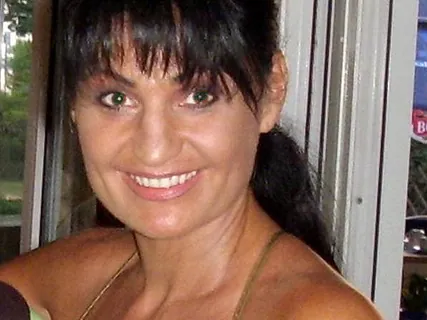 Did Iwona Pavlović have nose surgery? Yes, and she explained why herselfIwona Pavlović broke her nose on an ice rink at 14 and had it corrected as an adult. What she said, how surgery after a broken nose works and recovery.
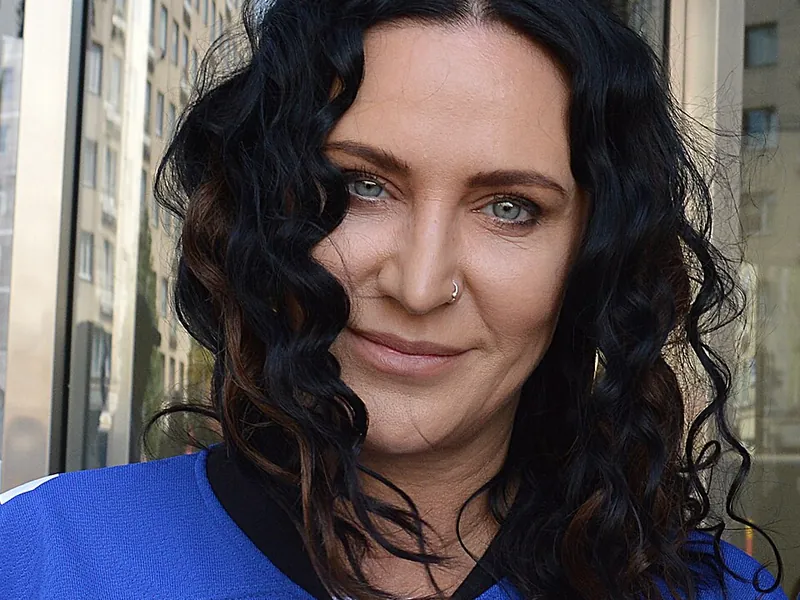 Did Kayah have nose surgery? Yes, and she was the one who told the pressKayah chose to tell the press herself that she had the tip of her nose narrowed. What she said, how nose tip surgery works and what recovery involves.
Written by Marina T. Pershikova, rhinoplasty surgeon
How we prepare and review medical content · Medical disclaimer
Page last updated:
Physicians in Poland belong to the Naczelna Izba Lekarska, the national chamber of doctors and dentists, which is a professional self-governing body. On its website the chamber keeps the Central Register of Physicians and Dentists. The register describes itself in plain words: it is not a state register but one run by the chamber. The same site also publishes a Register of Penalized Doctors, where final rulings of the medical courts appear.
Use both lists the same way. Ask the coordinator for the full name of the surgeon who would operate on you, spelled as it appears on the diplomas, and type it into the register at home, at your own table, without anyone looking over your shoulder. Check that the specialisation you were told about is the one you find. A mismatch is not a verdict on its own, but it is a reason to write back and ask for an explanation before any money moves.
Write down what you found, even if it is only a date and a line of text. When you compare two clinics a week later, you will not remember whether the second surgeon was the one with the long specialisation entry, and a short note kept next to each name removes the guesswork. It also gives you something concrete to attach when you ask the coordinator a follow-up question.
Kraków counted 816,614 residents on 31 December 2025 within 326.8 square kilometres along the Vistula. Whichever surgeon you consider, a register entry is a fact that takes minutes to check, and the check works the same way for every name. Put it in your folder with the surgeon's diplomas and the draft contract, so that the three documents can be read together.
Messages that arrive with the single word rhinoplasty often hide two different wishes. One is about the outline: a hump on the bridge, a wide base, a drooping or bulbous tip, asymmetric nostrils. The other is about the airway: one side that never feels open, breathing that has been poor since an injury. Before the call, write one sentence for each wish and number them by importance.
Three types of operation exist. A first-time rhinoplasty serves shape and breathing and suits adults from 18 to 45; it is done under general anaesthesia with a single day in the clinic. A revision repairs an earlier operation that disappointed, and it is only booked a year or more after the first. Rhinoseptoplasty combines work on the partition inside the nose with reshaping of its outer form.
Keep the questions about breathing separate from those about appearance when you speak to the surgeon. Breathing complaints can be tested, observed and described; appearance wishes are subjective, and the 3D picture helps to turn them into agreed measurements. Doing the two conversations in order avoids a plan that improves the outline and leaves the airway untouched.
A useful test is to describe your nose to a friend without using the word beautiful. If the description is a hump, a wide base or one blocked side, the surgeon can plan around it. If it is a general wish to look better, the 3D conversation will help turn it into something specific.
There is also an honest answer that is not an operation. The clinic says the surgeon will tell you at the consultation if the problem can be solved without surgery. Conditions that count against rhinoplasty include infections, cancer, clotting problems, damaged skin where the operation would be done, inflamed ears, throat, nose or eyes, and age under 18. If you recognise yourself in the list, say so in the first conversation instead of hoping nobody asks.
Ten minutes with a surgeon pass quickly, and the 3D model is so absorbing that important questions get forgotten. Bring a written list and put the technical ones first. Why this approach for my nose and not another? Closed access leaves no external scar; open access uses a small cut on the tissue between the nostrils and shows the surgeon every structure, which is why bridge and bone work often favours it. Which parts of the plan involve cartilage, and where would it come from? What are you not willing to change, and why?
The next set concerns safety. Ask which examinations the surgeon expects and who reviews them, what the anaesthetist will check, how bleeding, infection or a shape problem would be recognised and managed, and how soon a message to the coordinator is answered at night. Finally ask about the follow-up rhythm and whether you will meet the same surgeon every time.
Record the call, if the clinic agrees, or ask a relative to write the answers. Afterwards, sort them into three columns: what was said about technique, what was said about risks, and what was said about the schedule. When a second clinic is also being considered, the same three columns make a fair comparison possible.
Before you hang up, request one sentence about the limits of the picture on the screen. The clinic itself states that its recovery times are averages and that the extent of correction depends on your anatomy. A surgeon who volunteers that limit is easier to trust than one who shows a picture and says nothing else.
The countdown begins three weeks out. At the first appointment the surgeon writes down your examinations: blood tests of several kinds, urine, infection screening, blood group, a heart tracing, a chest image, leg-vein ultrasound and a scan of the sinuses. Each answer needs a separate sheet bearing the laboratory stamp and a signature. A physician then summarises in a report that nothing blocks the operation, and if you live with a long-term condition, a specialist letter must confirm that general anaesthesia is safe for you.
Seven days before, stop smoking and alcohol and leave scrubs and peels alone. Salty, greasy, fried and spicy dishes go, exertion stays light, and anything that affects clotting is changed only after talking to your doctor. The evening before, eat lightly; from six hours before the operation there is nothing to eat or drink. Put second-class compression stockings in your bag.
Prepare the practical side from the clinic's own list: class 2 compression stockings bought in advance for the hospital stay, every test result on its own stamped and signed form in a single folder, and a plan to sleep on your back with the head raised during the weeks that follow, since the clinic asks for exactly that. Put the three recovery dates, 7 days, 3 months and 6 months, into your calendar before the operation date is fixed.
Your date is secured once the deposit is in, whether paid by card at the clinic or by bank transfer online, and the contract for medical services sets out the terms. Read that contract before you pay. Your coordinator also nudges you about each test and can tell you which results the surgeon will look at first, so that no sheet is ordered twice.
Plan the first fortnight around a few fixed points. A night under observation comes first. Soft tubes keep the nostrils open until day 7, so for the first three days you breathe through the mouth and may feel stuffed up. The metal cast over the bridge can stay for up to two weeks, and on day 14 it leaves together with the stitches. Until then the nose is not to be bent over, pressed, or loaded with spectacles.
Patience is the theme of the rest of the month. The tip and bridge may stay swollen for a while, and the rules rule out exertion, steam, saunas, pools, hot baths and sun for those weeks. Sleep half upright on your back, skip make-up near the nose, and keep alcohol and cigarettes away for at least a month. Some stuffiness for 1–1.5 months is normal. The clinic also recommends a moist room, a bland diet and a course of microcurrent or ultrasound therapy.
Meetings with the surgeon at 7 days, 3 months and 6 months exist so that small deviations are noticed early, and questions to the surgeon cost nothing for twelve months. Breathing normally returns within 1–2 weeks for most people, the first improvement shows as swelling goes down in 2–3 weeks, and the settled result is read after 1–1.5 years. Severe pain, fever, trouble breathing or a changed nose outline call for contact immediately.
Between appointments, photograph the nose in the same light from the same angles once a week. Ten photographs taken weeks apart show the slow shrinking of swelling far better than a mirror does, and they give the surgeon something precise to look at when you talk about whether the tip seems high or the bridge uneven.
The Central Register of Physicians and Dentists kept on the website of the Naczelna Izba Lekarska. It states that it is maintained by the chamber and is not a state register. The chamber also publishes a Register of Penalized Doctors.
No. It confirms a name and data held by the chamber. Combine it with the diplomas, the stated specialisation and the written plan that the clinic gives you.
Yes: attach photographs to a message for the coordinator in WhatsApp or Telegram. The opening consultation costs nothing, happens on screen, includes a 3D model of the future nose, and replies come at any hour.
Two lines about what you want to change, one line about your breathing, a note on previous nose injuries or operations, and photos from the front and both sides.
The aluminium cast is removed and the stitches come out in the same appointment. After that the swelling continues to subside over the following weeks.
The clinic says the final shape is judged after 1–1.5 years, once tissues have fully stabilised. A revision, if wanted, is considered no earlier than one year after the first operation.
Treat it as a discussion tool. Ask what in the picture depends on your skin and cartilage, and write down which changes the surgeon says are not realistic.
Not within the first twelve months; those conversations are free, and the scheduled checks fall at 7 days, 3 months and 6 months.