


























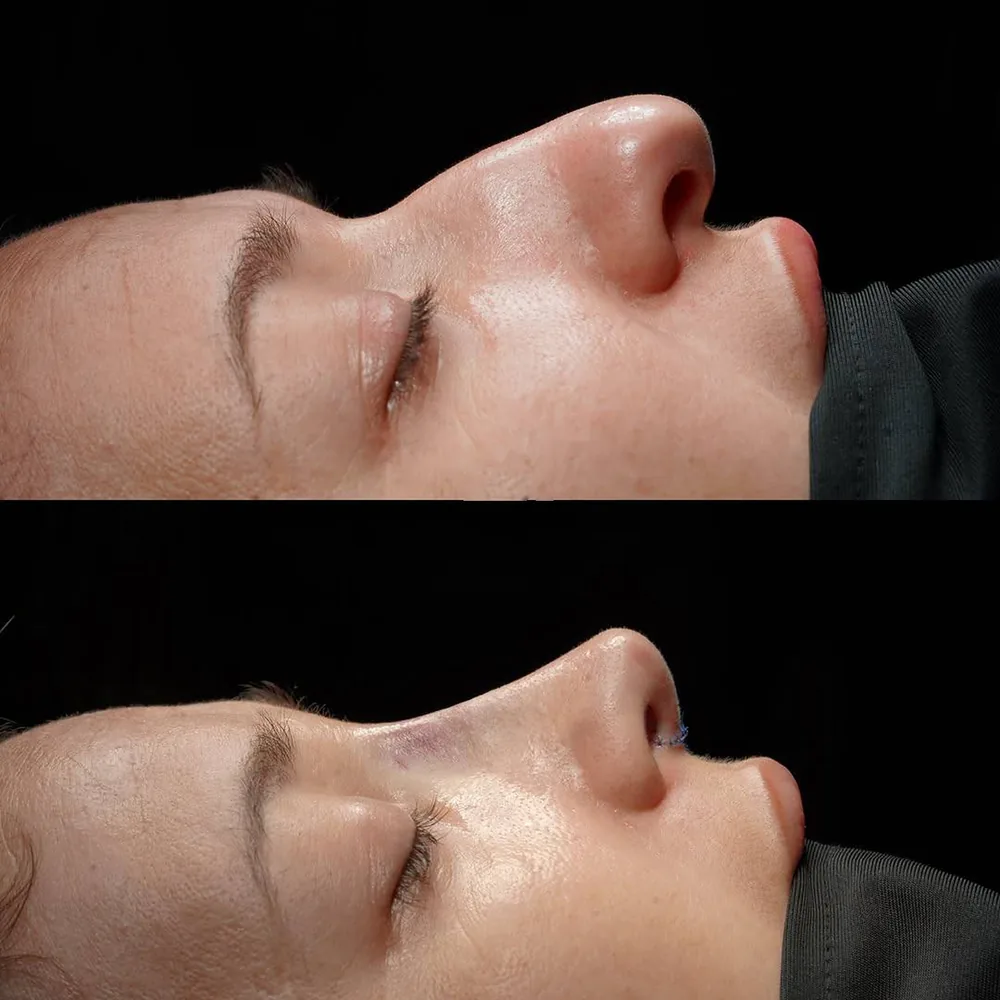
 beforeafter
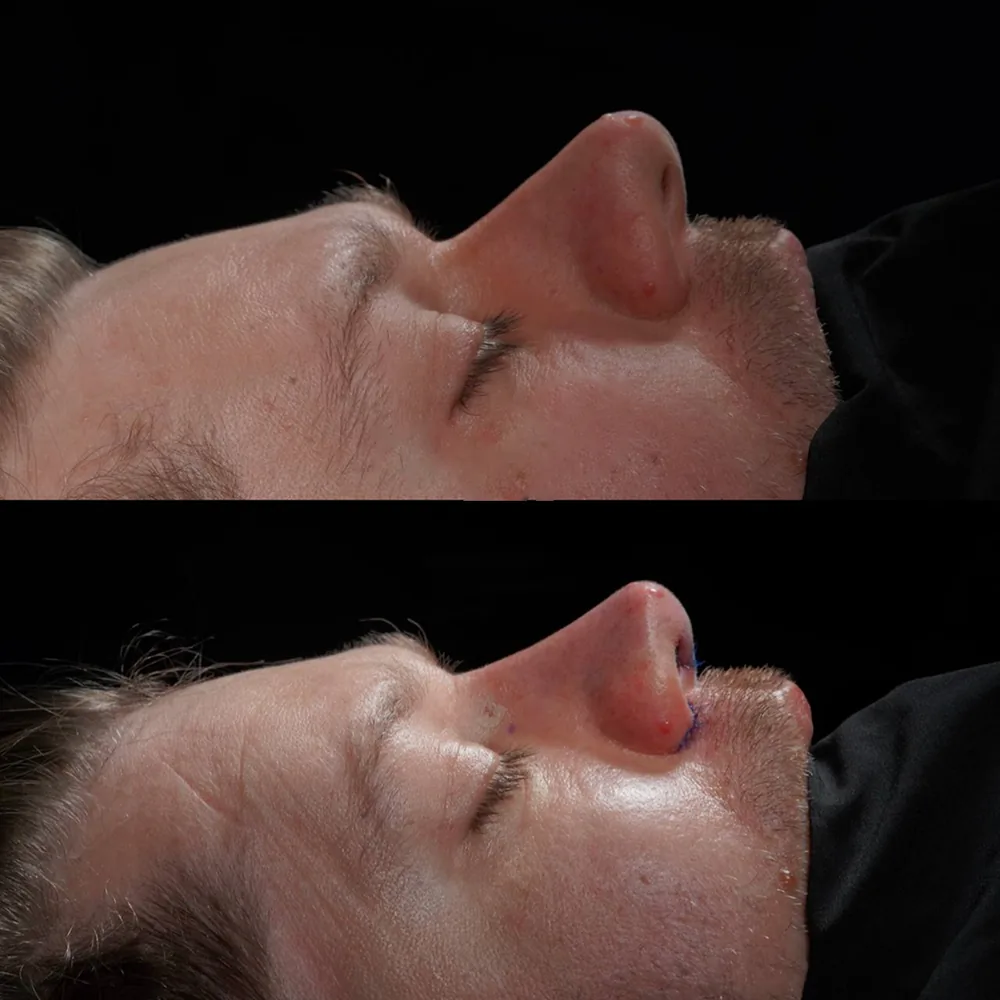
Irina, 24
Rhinoplasty
Rhinoplasty
$4,200
Instead of $6,000 (≈ ₦8,000,000) · First consultation — Free
Free online consultation · Reply within 15 minutes
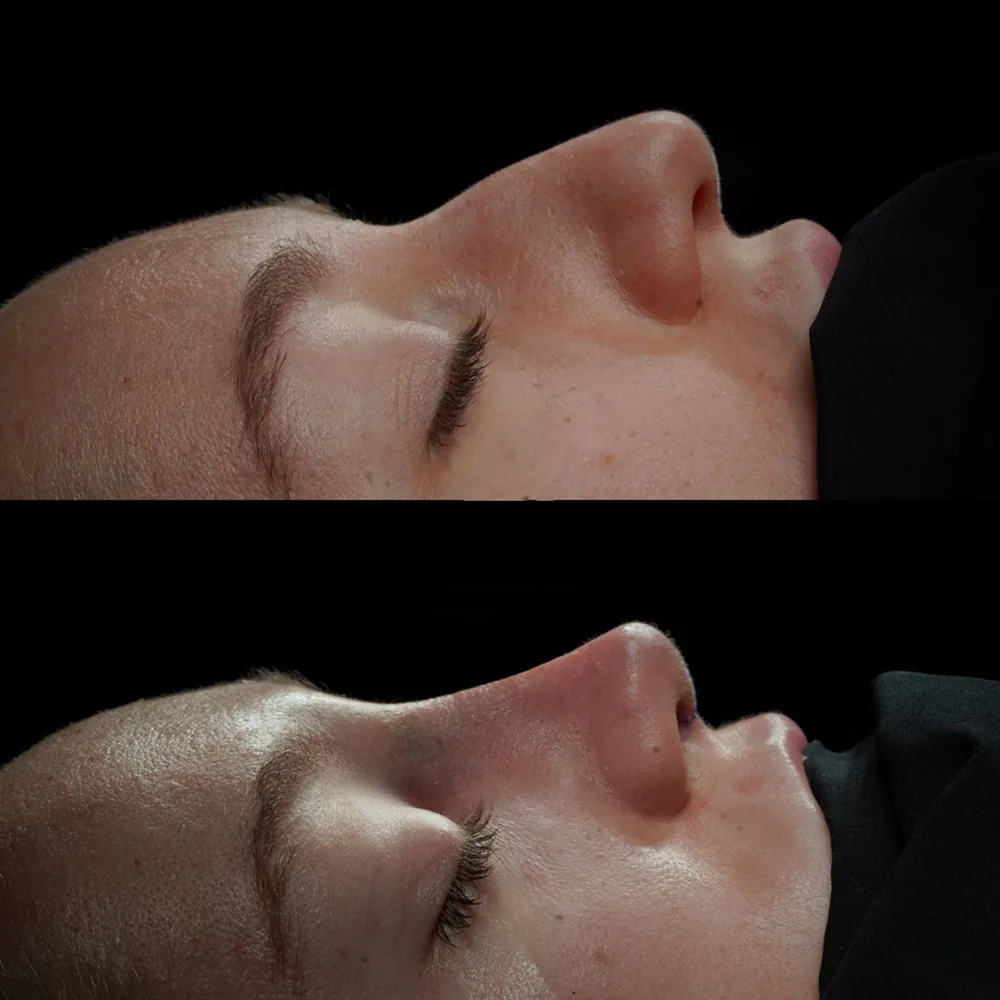
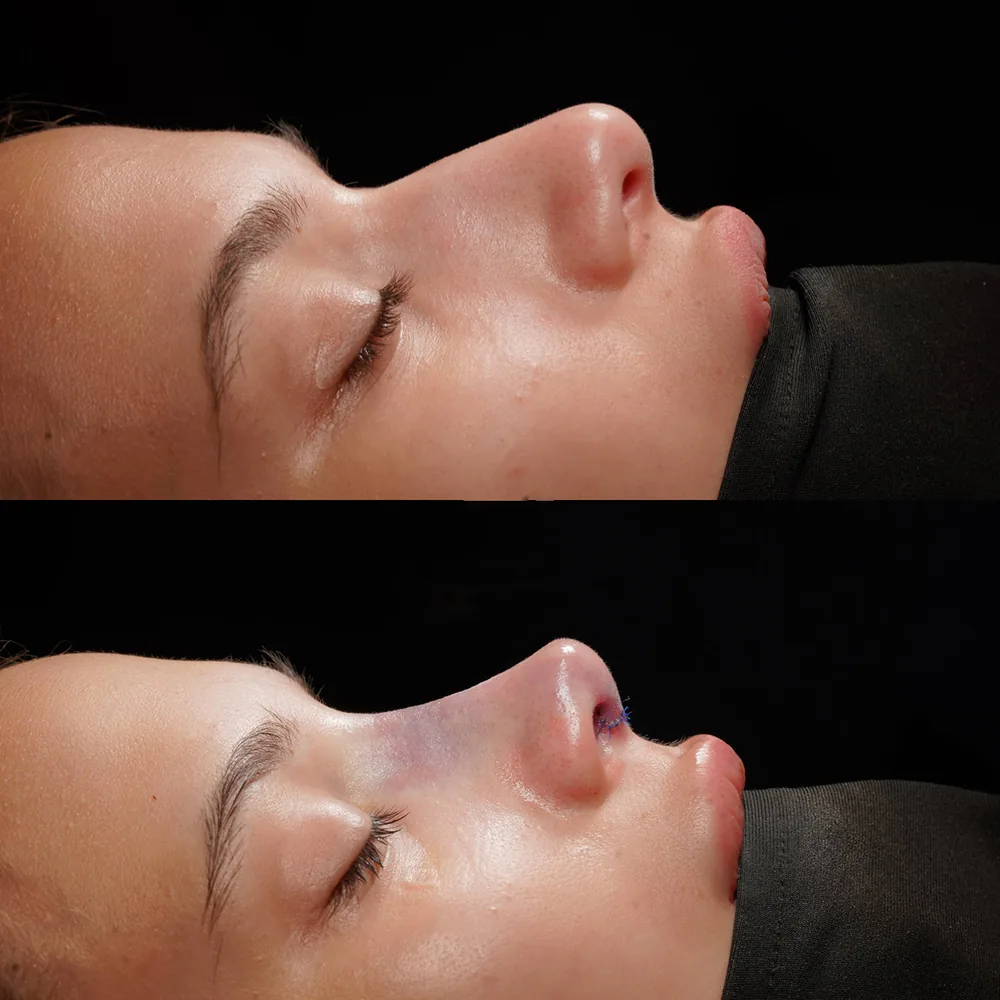 before
after
Message our coordinator
Free online consultation · Reply within 15 minutes
Message us on TelegramMessage us on WhatsAppBy messaging us, you agree to our Privacy Policy
Rhinoplasty for patients from Abuja at City Medical Centre starts at ₦5,600,000 (from $4,200). The first online consultation is free; the doctor names the final price.
How it works · Rhinoplasty prices
Information current as of 18 November 2026
Results
Your own result depends on your case.
beforeafterRhinoplasty
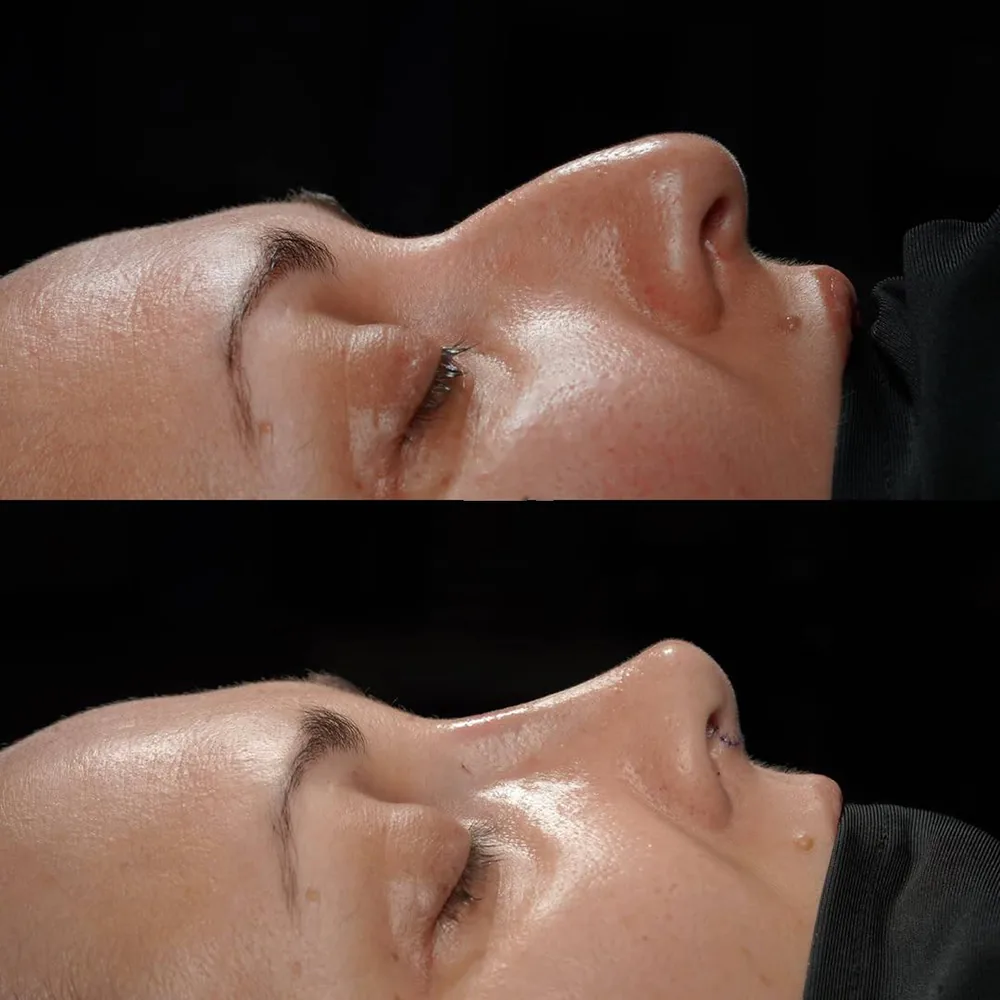 beforeafter
Rhinoplasty
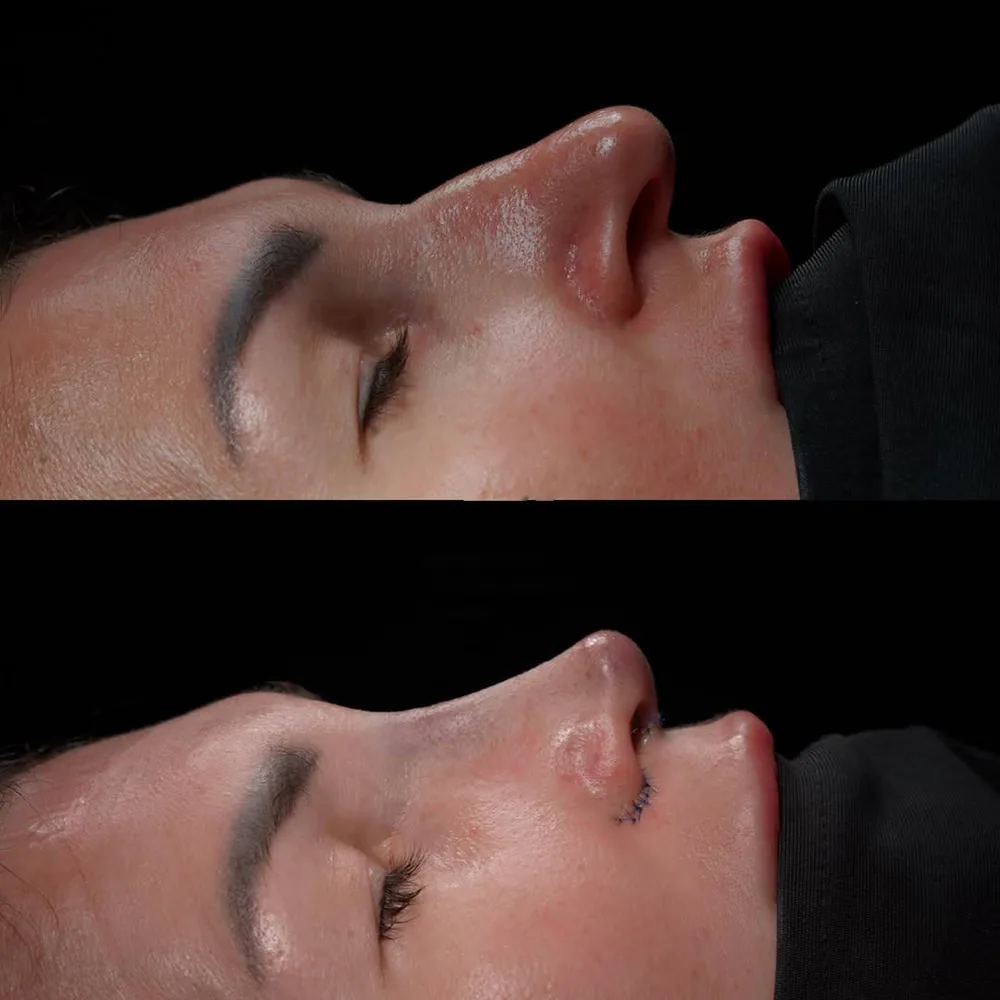 beforeafter
Rhinoplasty
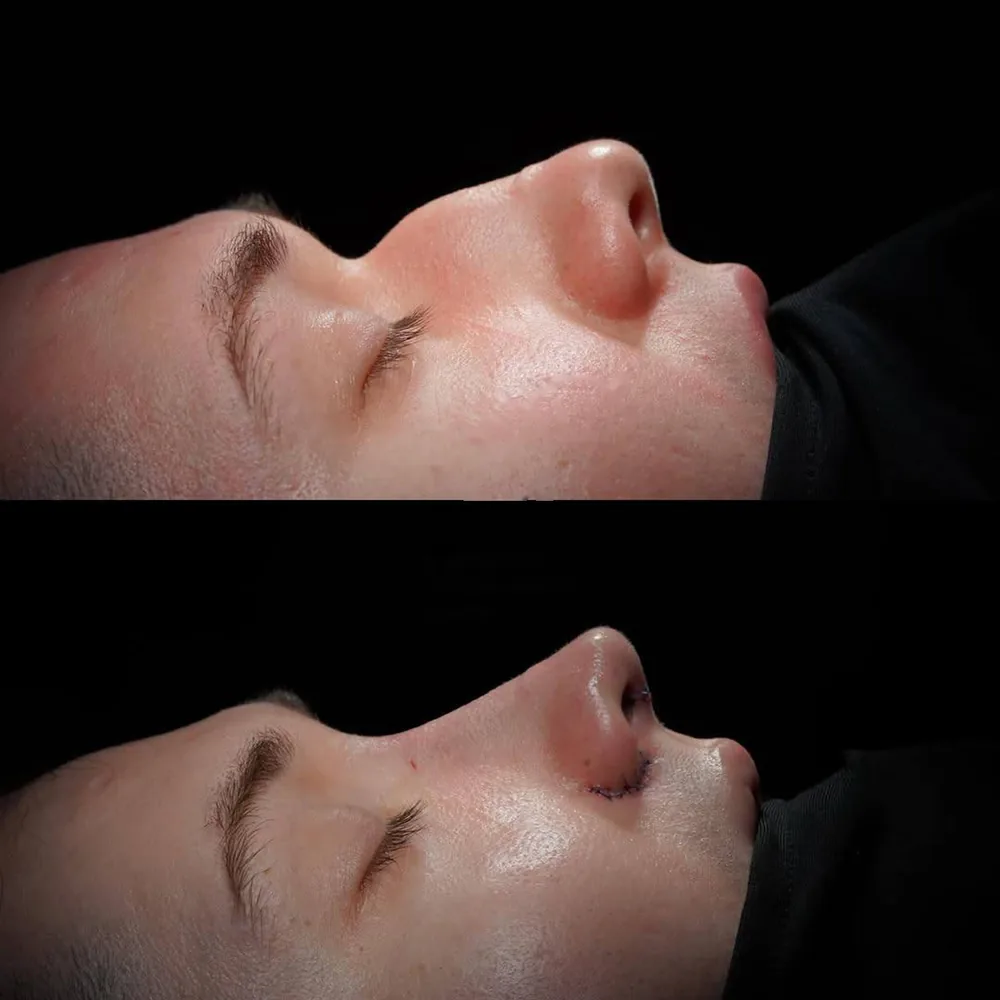 beforeafter
Rhinoplasty
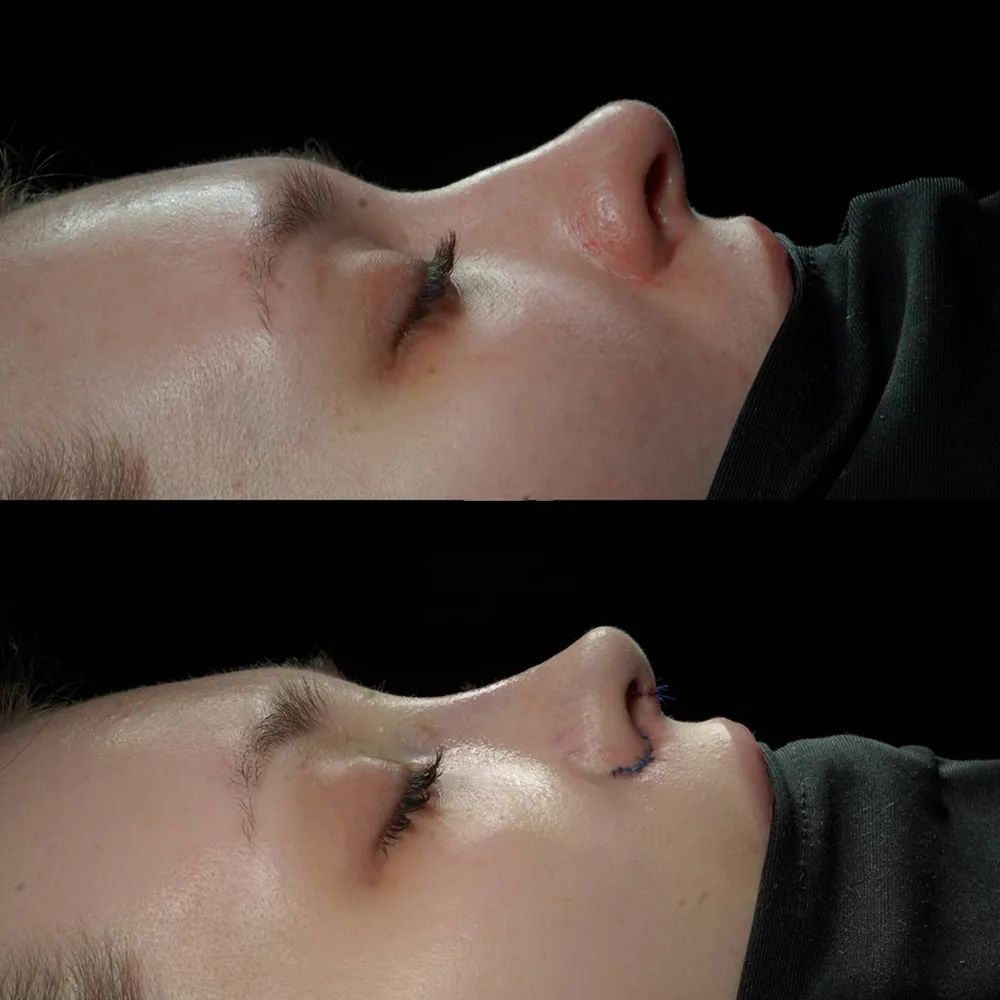 beforeafter
Rhinoplasty
beforeafterRhinoplasty
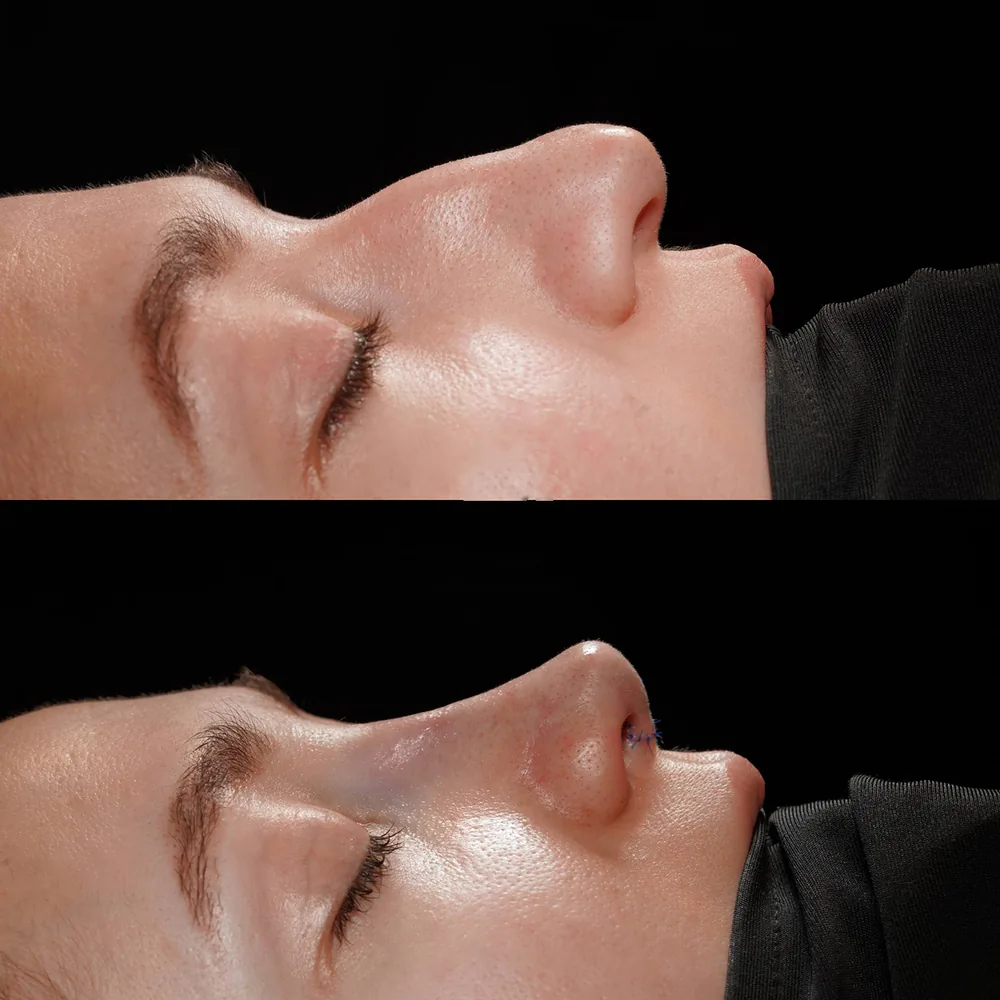 beforeafter
Rhinoplasty
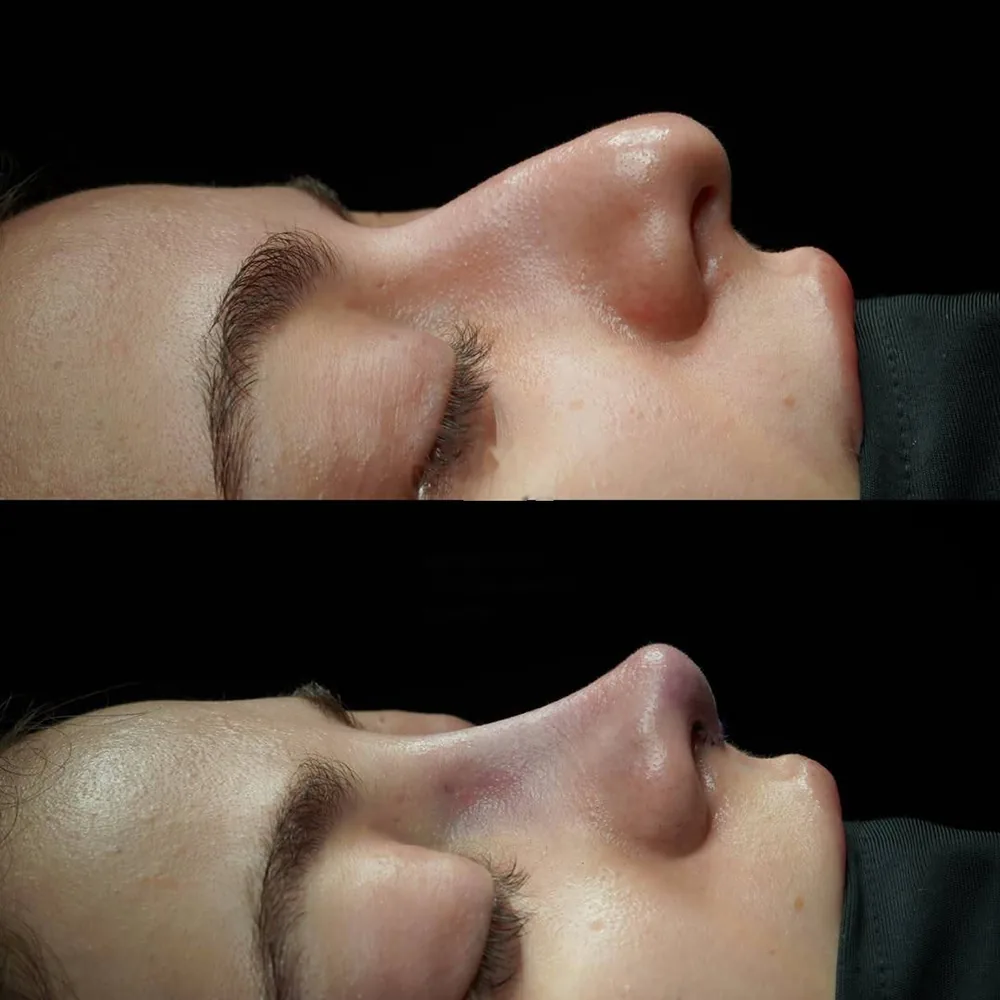 beforeafter
Rhinoplasty
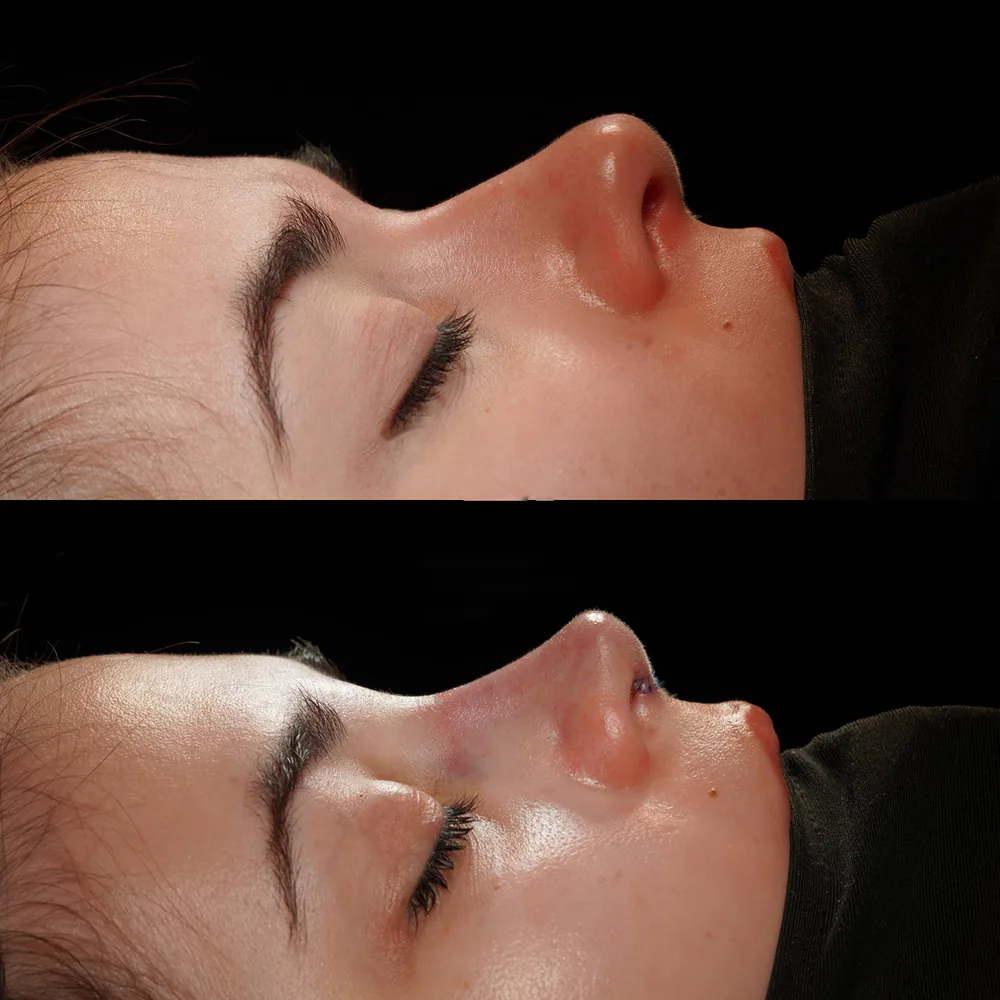 beforeafter
Rhinoplasty
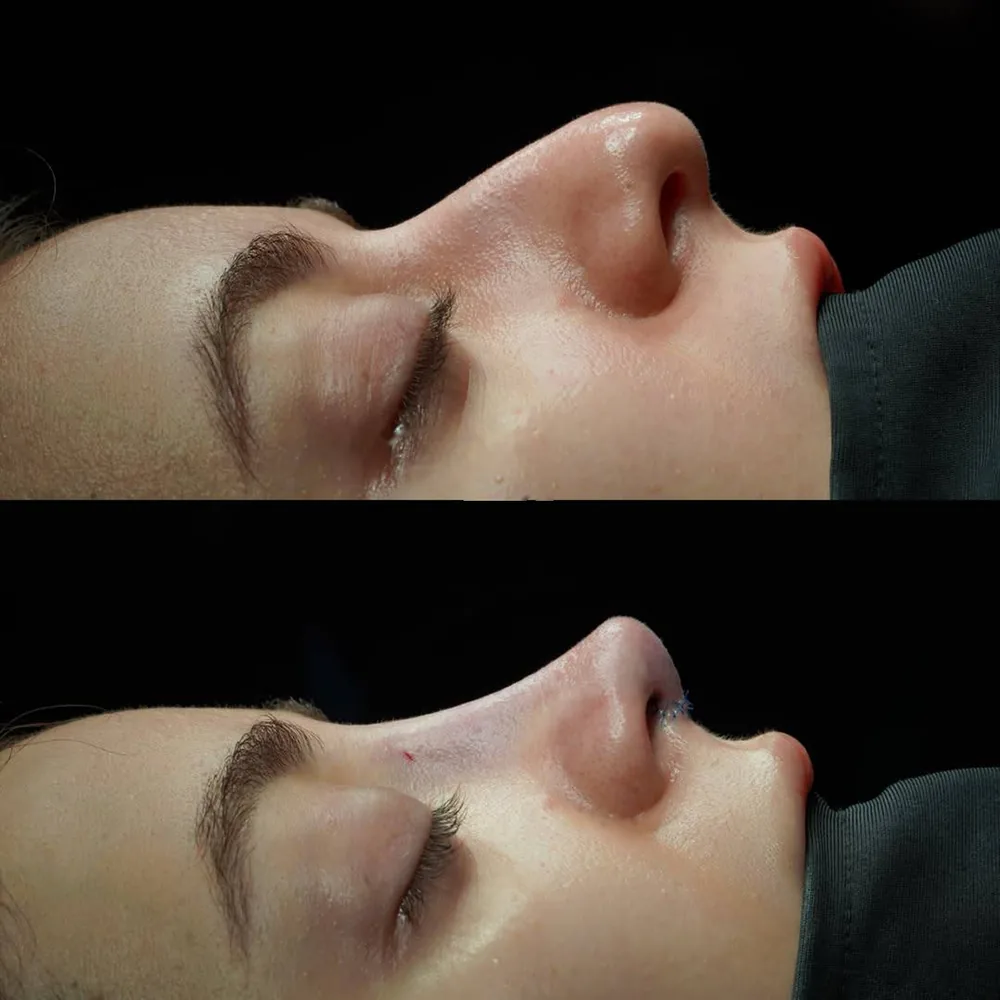 beforeafter
Rhinoplasty
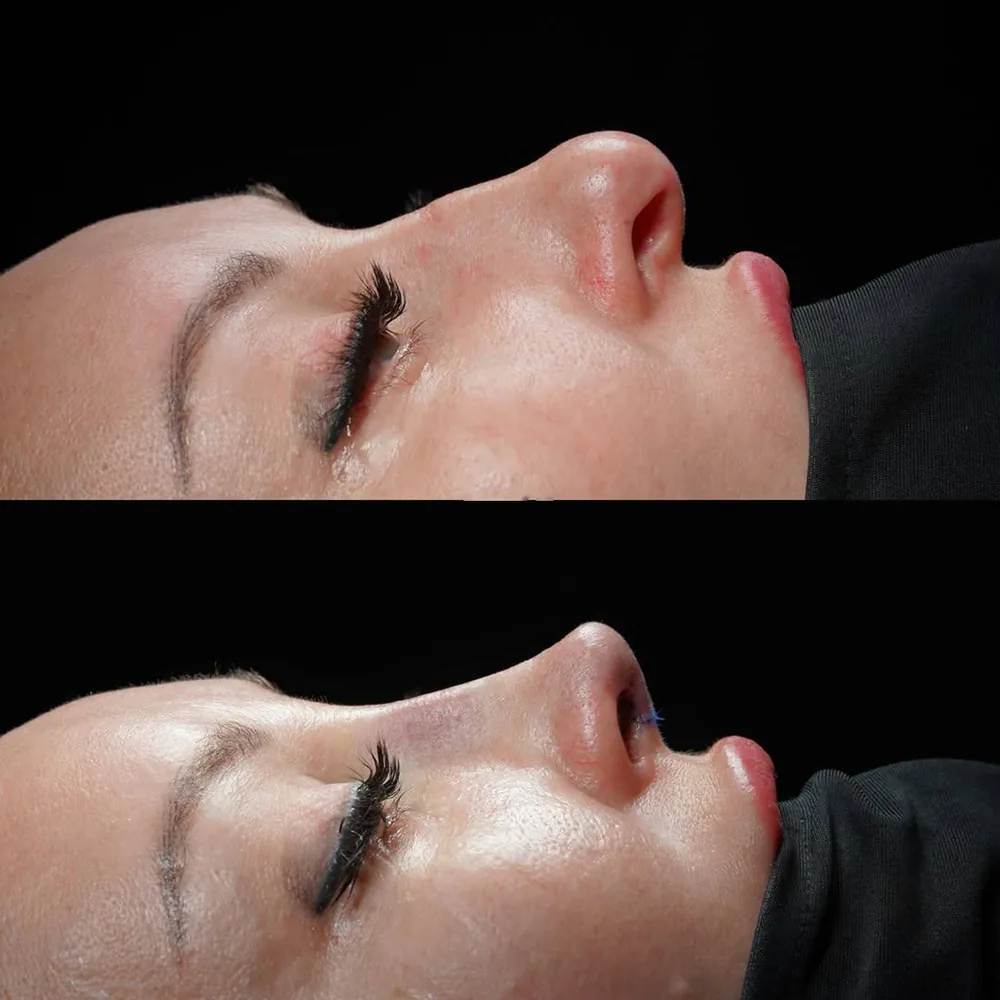 beforeafter
Rhinoplasty
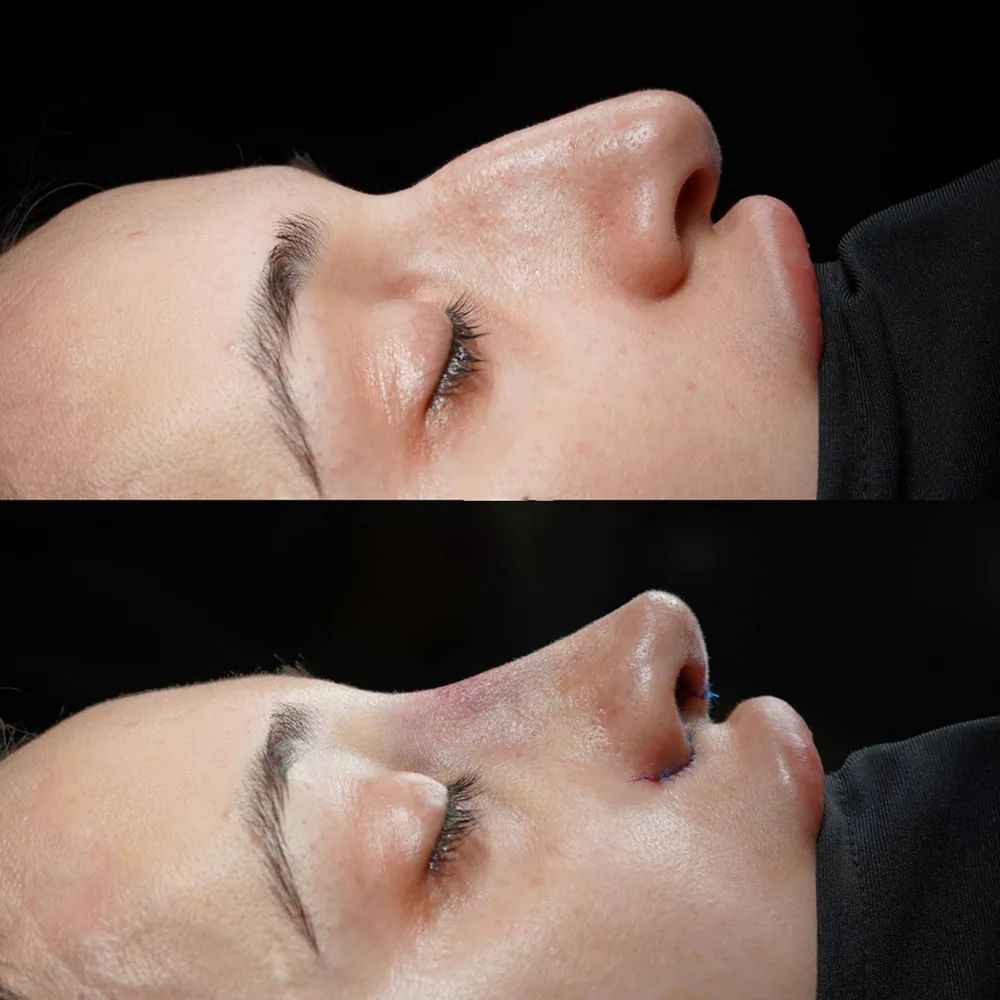 beforeafter
Rhinoplasty
 beforeafter
Rhinoplasty
 beforeafter
Rhinoplasty
City Medical Centre coordinates the trip; the partner clinic operates and is medically responsible.
Not confirmed yet for patients from Nigeria. Before any booking, the coordinator tells you which partner clinic can accept your case and where it is.
In October and November 2026, English-speaking patients who wrote to us about rhinoplasty asked most about where the clinic is (5 of 10), then the price (5 of 10), then which photos to send (3 of 10). The coordinator gets the answer for your case from the clinic.
Our clinic
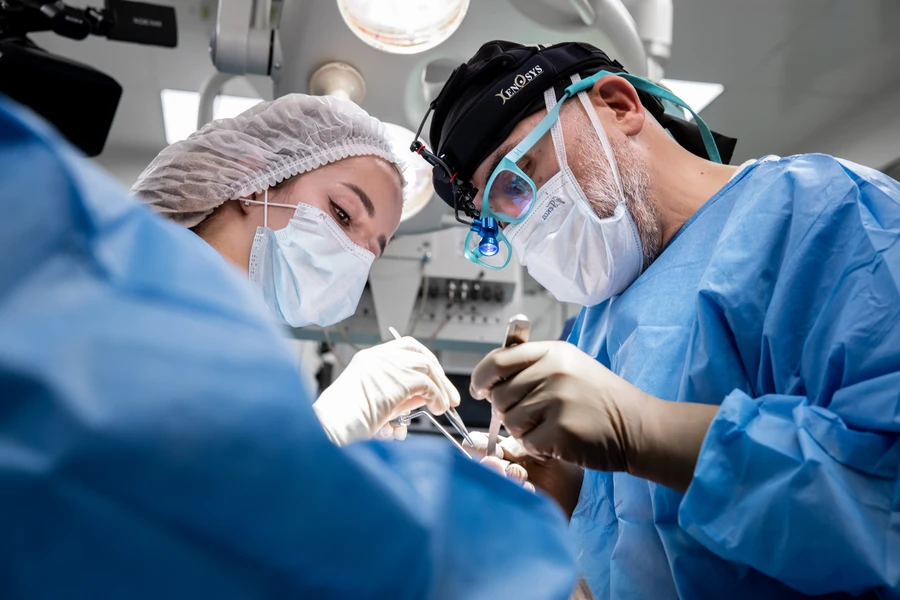
Modern facilities, comfortable rooms and care given to every patient
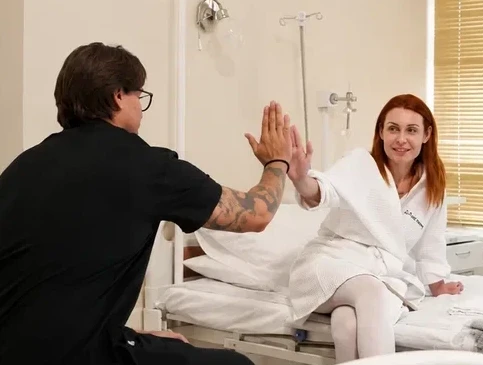
We will answer your questions and find a convenient time for a consultation
By messaging us, you agree to our Privacy Policy
Get a consultationPrices
The exact price is set by the partner clinic after reviewing your photos.
Discounted price
nose reshaping
$4,200$6,000
Discounted price
secondary, revision
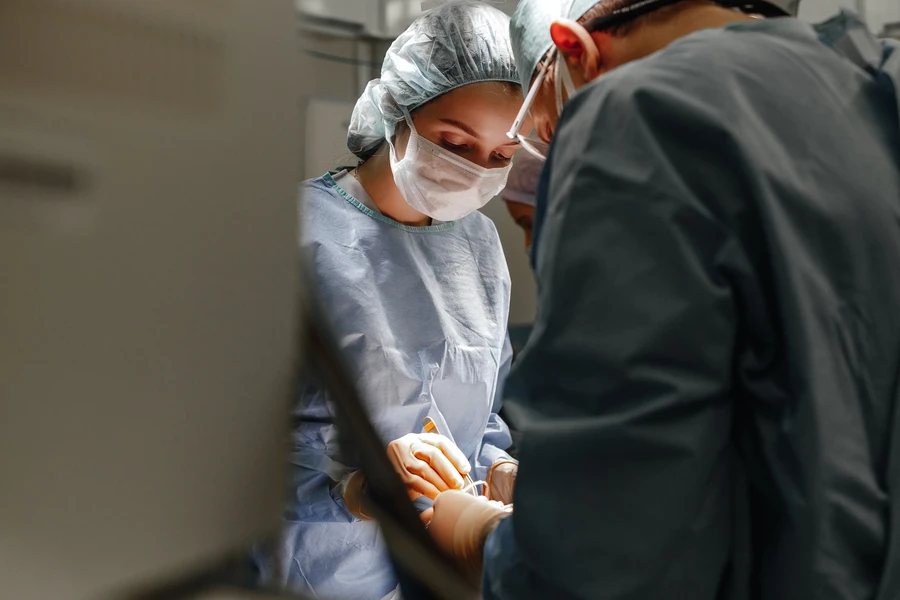
$5,400$7,200
Discounted price
the septum and the shape of the nose
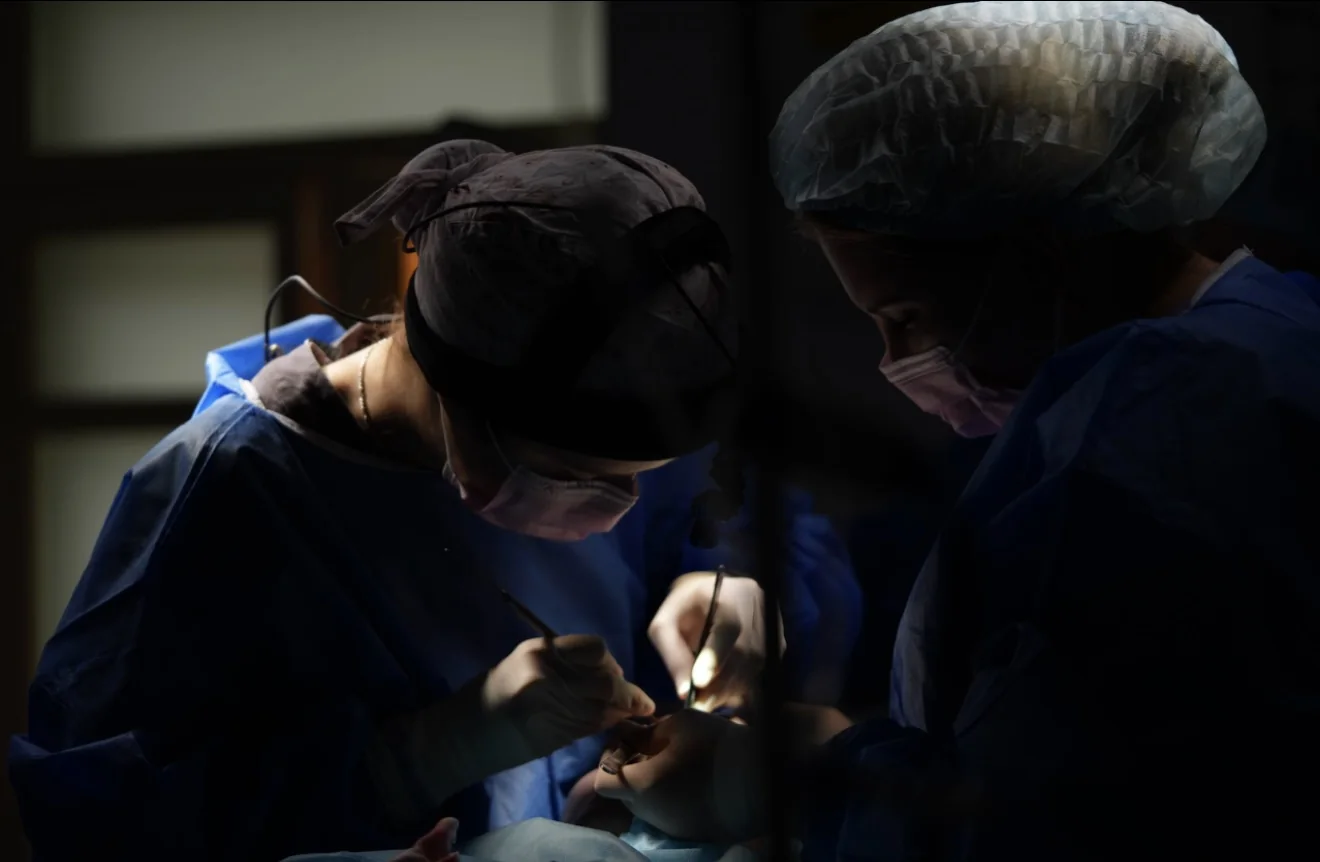
$5,000$6,600
Free
surgeon's examination and 3D modelling
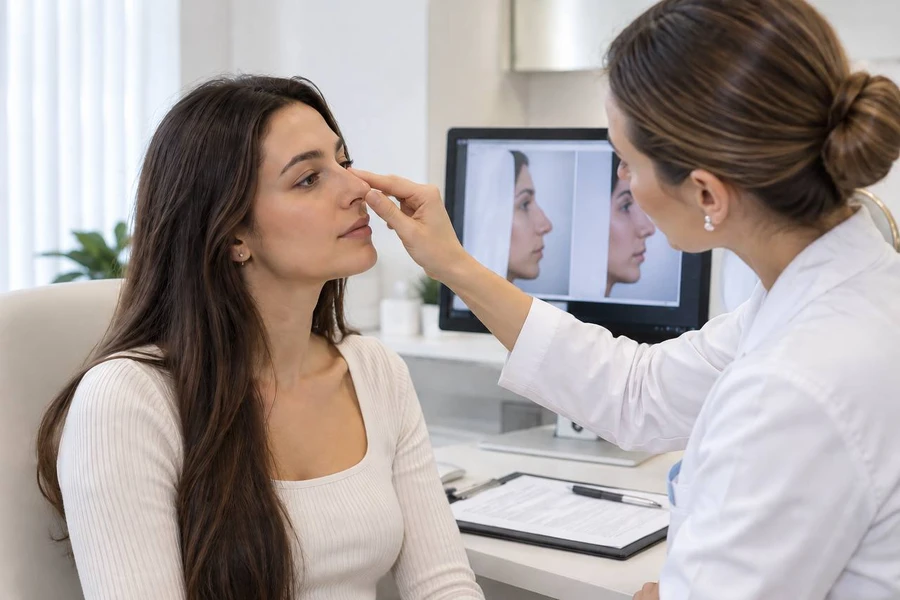
Free
the price of surgery is confirmed
The doctor will study your nasal anatomy, listen carefully to what you want
and choose the right correction technique. The cost is named at the consultation.

Message our coordinator
Free online consultation · Reply within 15 minutes
Message us on TelegramMessage us on WhatsAppBy messaging us, you agree to our Privacy Policy
Message us — our coordinator will contact you shortly and book your consultation
By messaging us, you agree to our Privacy Policy
Get a consultationPrices
Send a request and get a free consultation on any service
Free
BookPrice without discount: $6,000$4,200
Price without discount: $7,200$5,400
Price without discount: $6,600$5,000
Price without discount: $6,500$4,700
Price without discount: $7,200$5,400
Prices are in US dollars; the amount in brackets is an approximate conversion to NGN at the rate of 02.10.2026. The final price for your case is confirmed before booking.
Prices start from $4,200 (≈ ₦5,600,000). The surgeon sets the final price at the free consultation.
The operation under general anaesthesia, a one-day inpatient stay, follow-up visits and dressings.
Surgery takes 1.5–3 hours and you stay one day in the clinic. The nasal splints come out on day 7, and the cast is worn for up to 14 days.
Yes. The first consultation is free and does not oblige you to anything. You can start online by sending a message to the coordinator.
Message us on WhatsApp or Telegram using the buttons below. A coordinator will answer your questions and book a free consultation where the doctor names the exact price.
By messaging us, you agree to our Privacy Policy
Written by Marina T. Pershikova, rhinoplasty surgeon
Content updated: · Editorial policy
How we prepare and review medical content · Medical disclaimer
Page last updated:
Doctors and dentists in Nigeria are registered and licensed by the Medical and Dental Council of Nigeria, which holds the register of practitioners, issues practice licences every year and runs a disciplinary tribunal. A licence shows that a person may practise medicine; it does not by itself prove that the person is a specialist in nose surgery.
That distinction was the subject of an announcement in September at a scientific conference in Abuja. The council's Registrar, Prof. Fatima Kyari, said the register is being updated and that anyone who wants to be recognised as a specialist must register an additional qualification. For a rhinoplasty patient the next question is obvious: what additional qualification does my surgeon hold, and is it on the register?
So a sensible first message to a coordinator is short and concrete. Please send the surgeon's full name, the qualifications behind it, and copies of the diplomas and certificates. The clinic holds a medical licence, and you can ask to see the doctors' diplomas and certificates before you pay, so asking costs nothing and the paper trail ends up in your own phone. Before any booking the coordinator also tells you whether a clinic can take you at all. Then check the name in the register of the country where that surgeon practises and compare what you find with what you were told.
A written message needs only four lines: the surgeon's full name, the title of the qualification, the body that issued it, and a request to confirm that it appears on the register. If the answer is vague, or arrives as an unsigned screenshot, that tells you something as well.
Ask for one more sentence in writing. The doctor who examines you first should be the same doctor who holds the scalpel and who is present at each later review. Nobody should discover on the morning of surgery that the person from the earlier conversation has been replaced.
Clinics group nose operations into three families. A primary operation is the first ever on a nose and works on the form and, where air struggles to get through, on the breathing; the age window given as best is 18 to 45. A nose that has been operated on and left its owner unhappy, or only half-satisfied, belongs to revision work, and that waits until a full twelve months have passed. Rhinoseptoplasty is the family in between: septum and outer shape handled in one session.
Septoplasty on its own straightens the partition and leaves the outline alone. Rhinoplasty on its own reshapes the outline and helps breathing only if breathing is impaired. People who have both a deviated septum and cosmetic wishes are the ones for whom the combined route exists, so say plainly in your first message which of the two complaints came first.
The clinic names these as typical starting points: a hump on the bridge, a bridge that is broad or dips like a saddle, a rounded tip, cartilage or nostrils that do not match, polyps, breathing that is clearly hampered, and an old injury. Not everyone qualifies, and the doctor says so frankly when a nose does not need surgery, which saves you the cost. A few pictures sent to a coordinator let the doctor place you in the right group before any appointment exists.
At the consultation the surgeon prepares a three-dimensional picture of your possible nose and drafts a personal plan from it. Use that picture as a basis for questions. Which lines on it are certain? Which depend on the thickness of your skin and the strength of your cartilage? What would the doctor alter if the profile on the screen did not feel like yours?
Sooner or later someone close to you asks whether this is really needed. A useful test of any surgical plan is whether you can state it in five sentences without notes. What exactly will change? Which part is for the look and which for the airway? What are the first thirty days like? Who is the doctor and where is that person registered? What happens if I am unhappy a year from now?
Answer three comes straight from the programme. For the first days the nostrils carry silicone splints, so air passes through the mouth. Splints are taken out on day 7; an aluminium cast covers the nose for up to two weeks, and the stitches leave on day 14 together with it. For a month nothing strenuous, no steam room, sauna, pool or hot bath, and no sunbathing. Sleep on your back with your head raised, and leave glasses and make-up around the nose alone. When a sceptical friend hears this in plain words, the doubt often turns into offers of practical help.
Answer five is no less important. If the first result disappoints, a second operation is possible, but only once a year has passed since the first, and it is the more complex of the two. Hearing that before the consultation is kinder than learning it from a disappointed forum post.
Put the red flags into that talk too: laboured breathing, strong pain, a fever, or a nose whose outline suddenly changes all mean a call to the doctor without delay. A relative who knows this list is a second pair of eyes during the first nights.
Yes. The first consultation is free and starts online: pictures of your nose go to a coordinator by message, and a doctor says whether rhinoplasty suits you. Before any booking, the coordinator tells you whether there is a clinic that can take you. Coordinators reply at any hour in WhatsApp and Telegram.
Ask for the full name and the additional qualifications, then check them in the register of the country where the surgeon practises. At its September conference in Abuja the Medical and Dental Council of Nigeria said specialists must register additional qualifications to be recognised as specialists in Nigeria.
The national scheme is described as covering consultations, tests, treatments and hospital admissions, and shape surgery is not mentioned. Ask your insurer in writing before you rely on cover.
Class 2 compression stockings, test results each on a separate stamped form, and a report from specialists if you have a chronic condition and need confirmation that general anaesthesia is possible.
No. A licence says that a person may practise medicine. Recognition as a specialist needs an additional qualification on the register, so ask what that qualification is and where it appears.
Coordinators write back at all hours in WhatsApp and Telegram. For strong pain, fever, or a sudden change in how the nose looks, ring the doctor at once instead of waiting for a reply in a chat.
The consultation includes a 3D model of the expected outcome, and the changes are agreed with you before anything is booked. After surgery you keep free access to the surgeon for a year.
Neither wins in general. Closed means incisions inside the nose and no visible scar; open adds a small cut on the columella and a full view of the structures. The surgeon chooses at the consultation from your wishes and the anatomy of your nose.