


























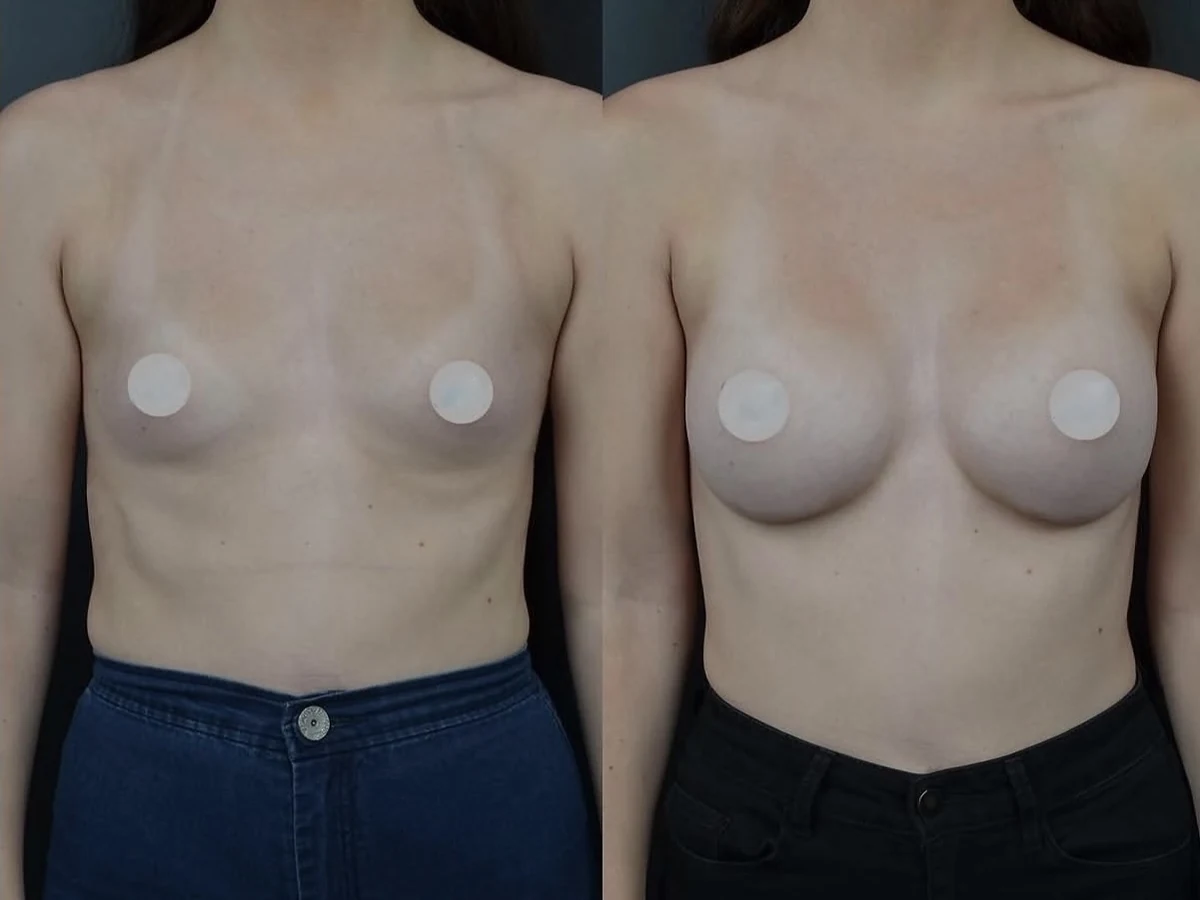
 beforeafter
Mammoplasty
Method: implants
Breast augmentation
$4,700
$5,900 · First consultation — Free
Free online consultation · Reply within 15 minutes
Message our coordinator
Free online consultation · Reply within 15 minutes
Message us on TelegramMessage us on WhatsAppBy messaging us, you agree to our Privacy Policy
Breast augmentation for patients from Valencia at City Medical Centre starts at €4,200 (from $4,700). The first online consultation is free; the doctor names the final price and it is fixed in the contract.
How it works · Breast augmentation prices
Information current as of 5 November 2026
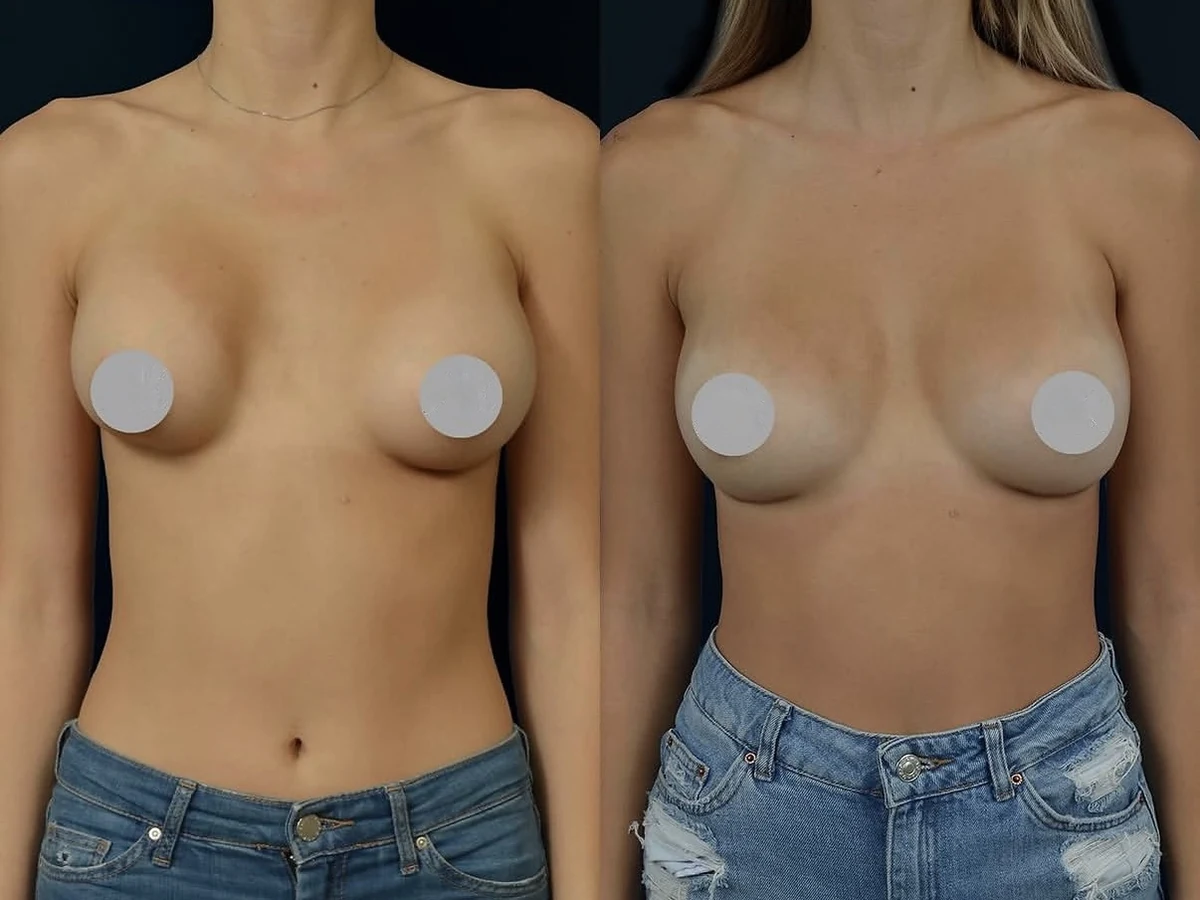
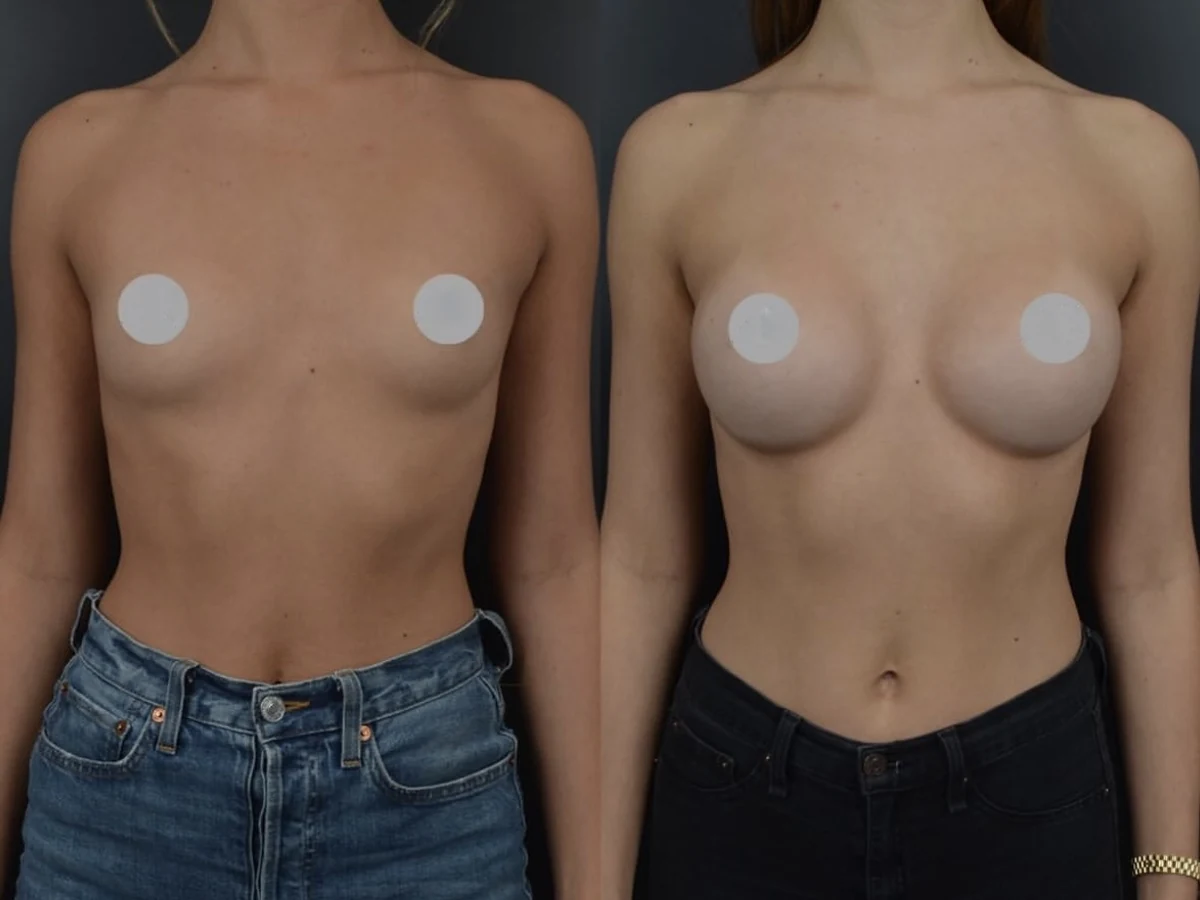
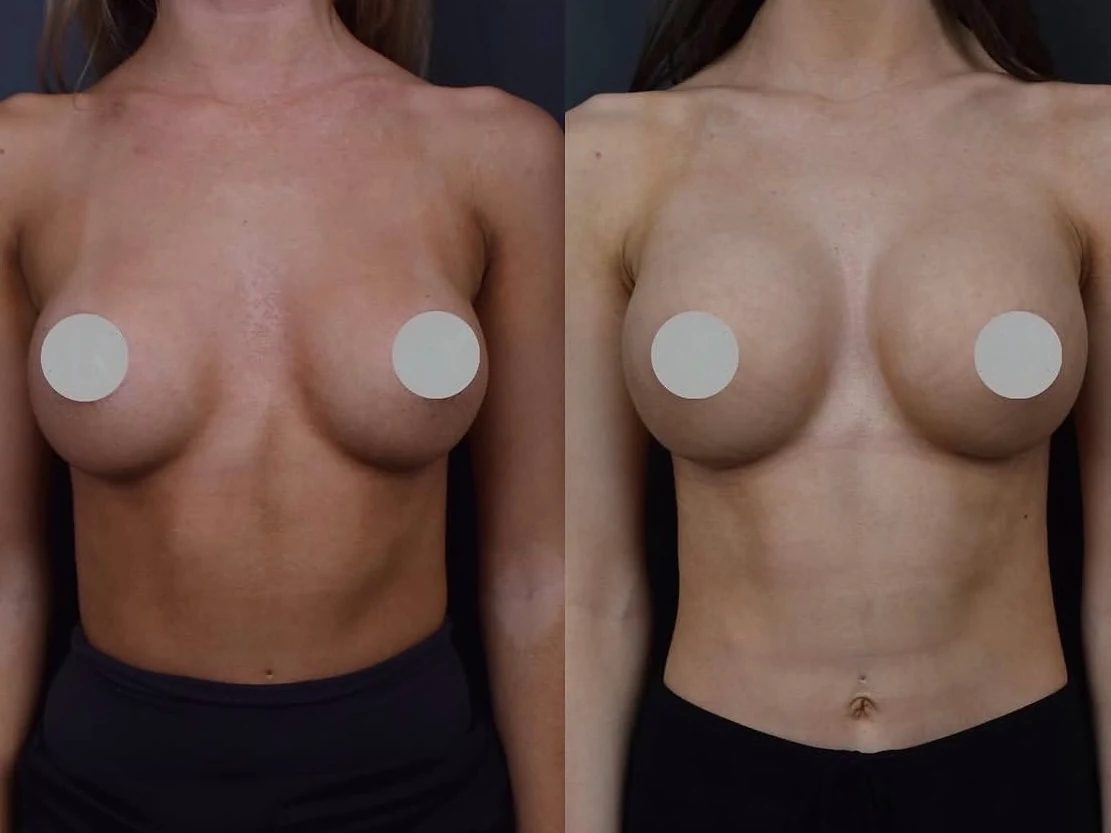
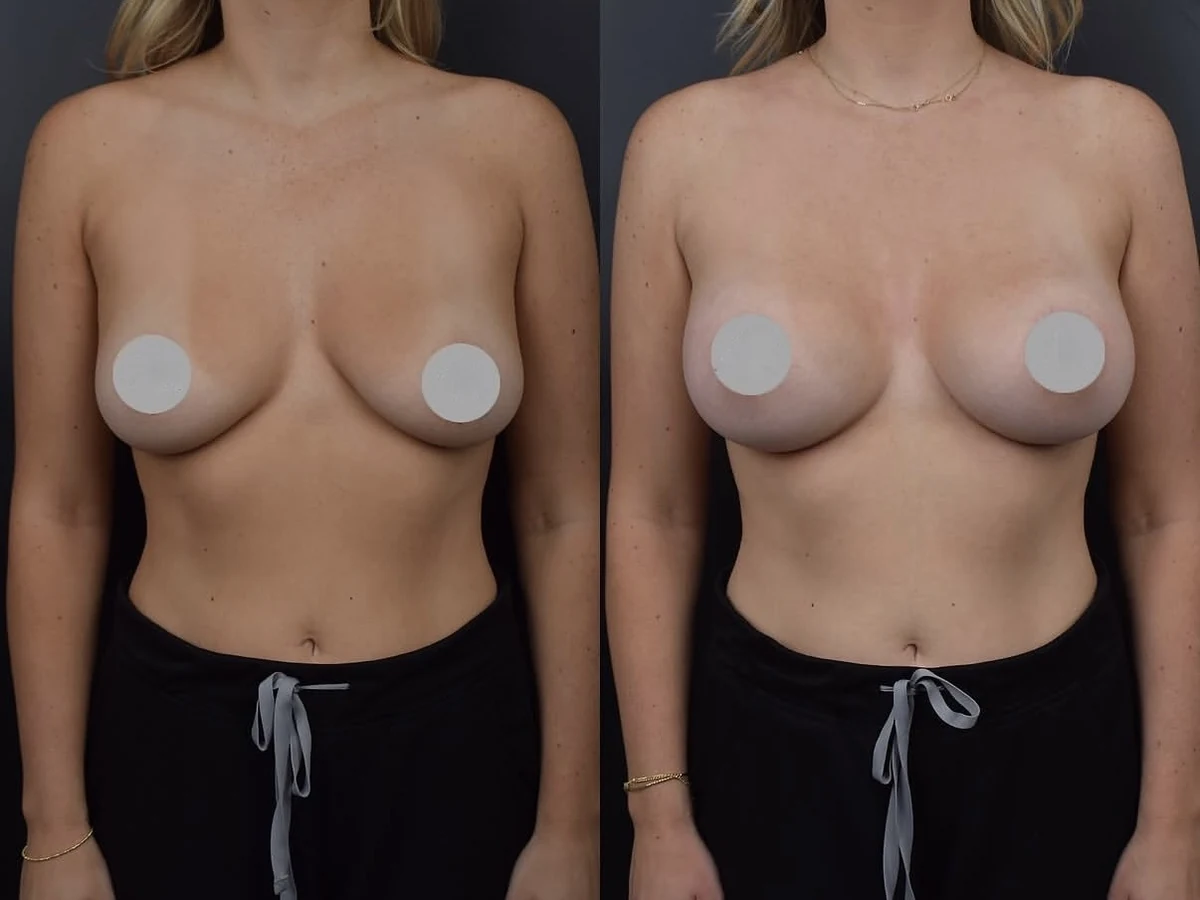
Results
Each case belongs to a real clinic patient; faces and identifying details are not shown.
beforeafterMethod: implants
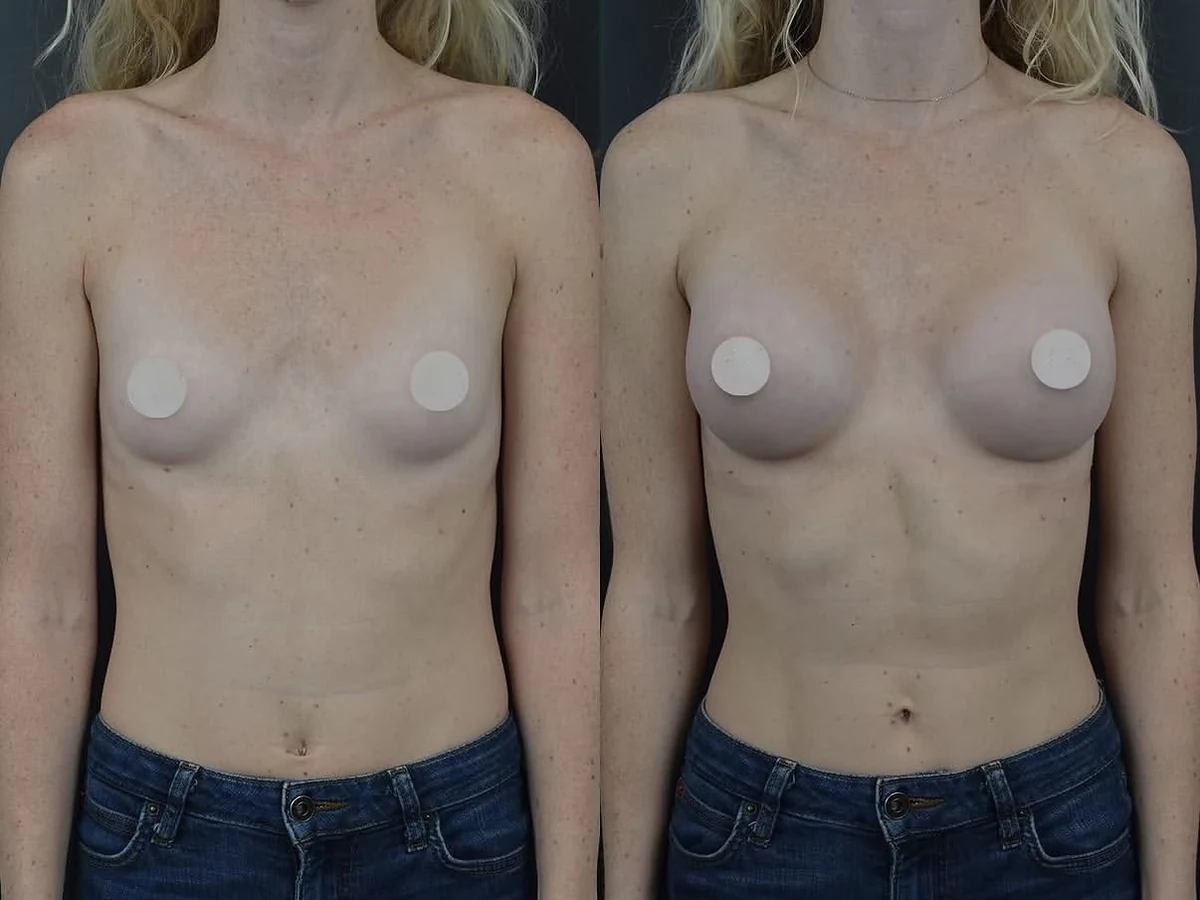 beforeafter
Method: implants
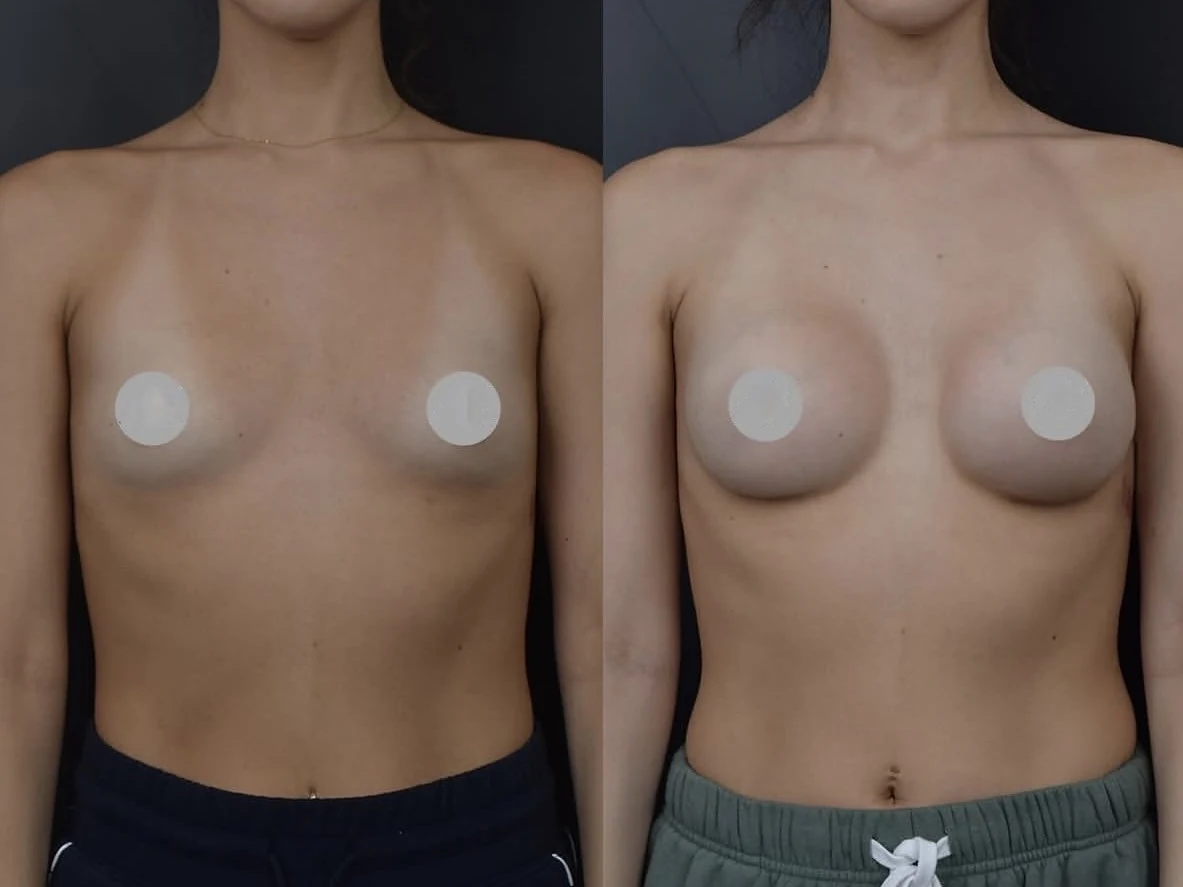 beforeafter
Method: implants
 beforeafter
Method: implants
 beforeafter
Method: implants
 beforeafter
Method: implants
 beforeafter
Method: implants
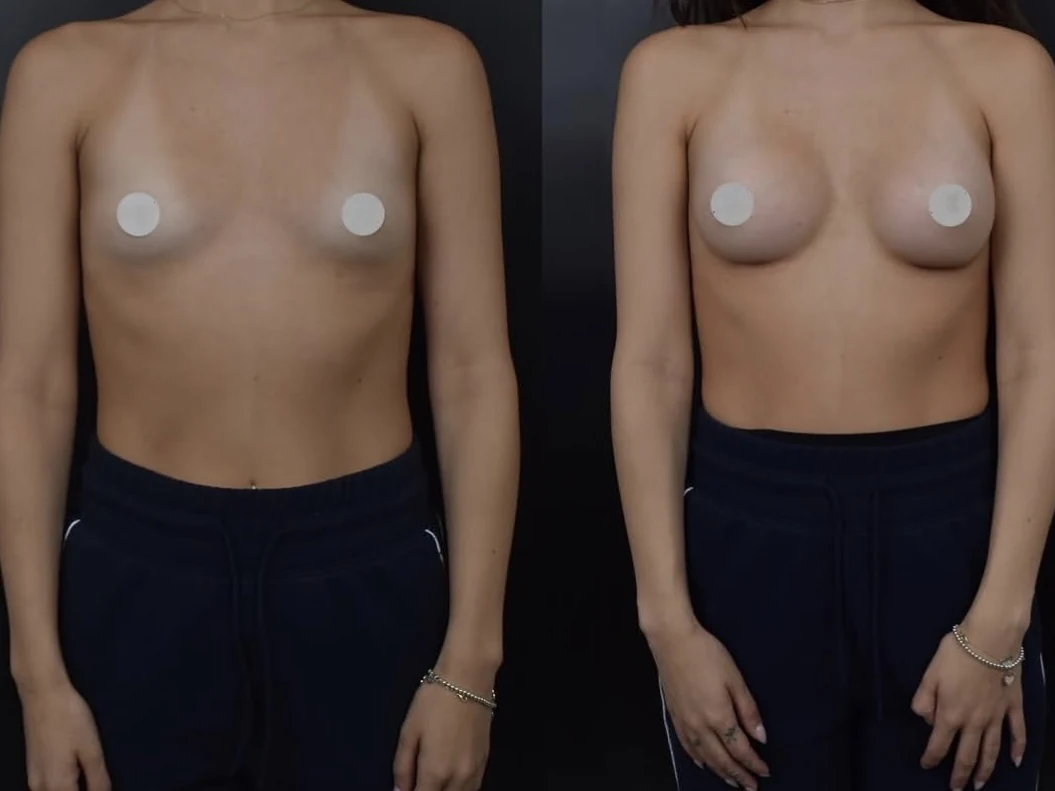 beforeafter
Method: implants
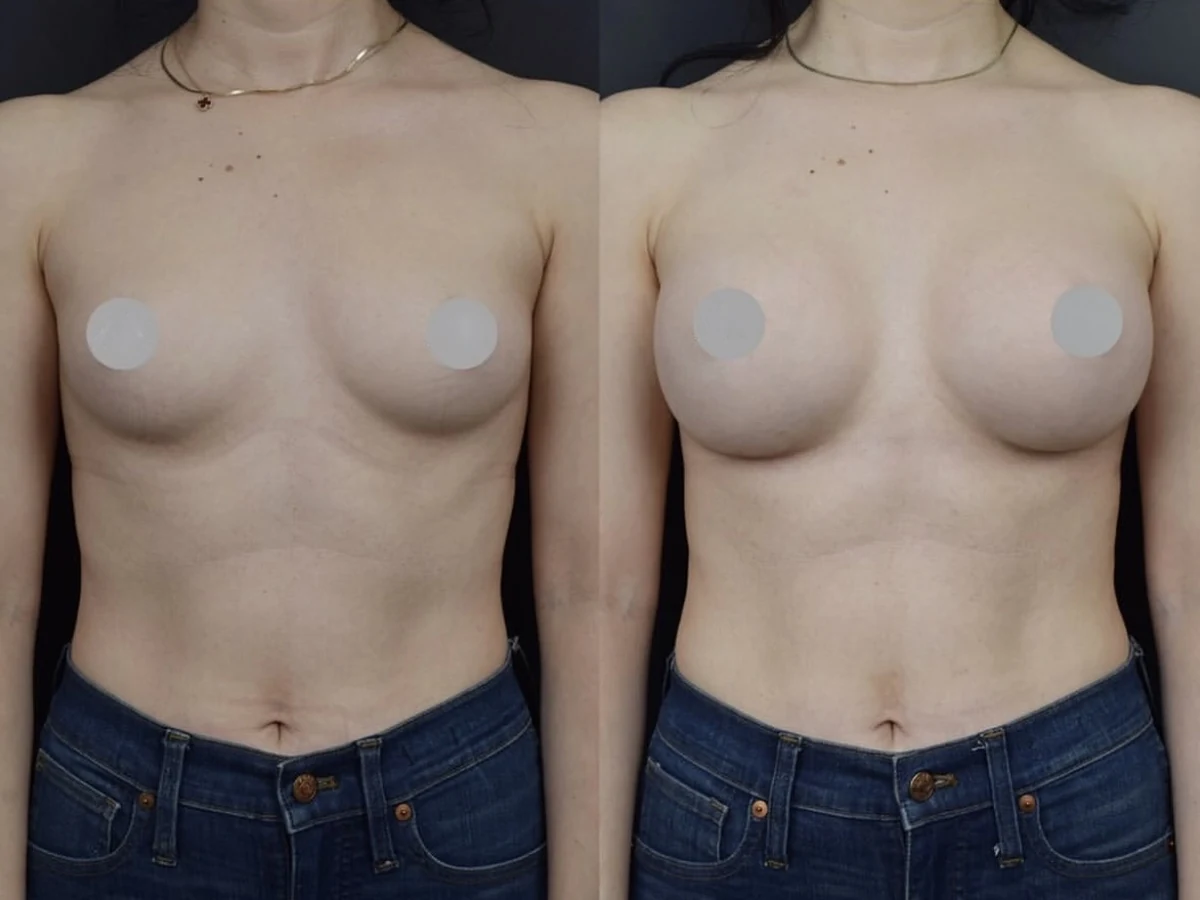 beforeafter
Method: implants
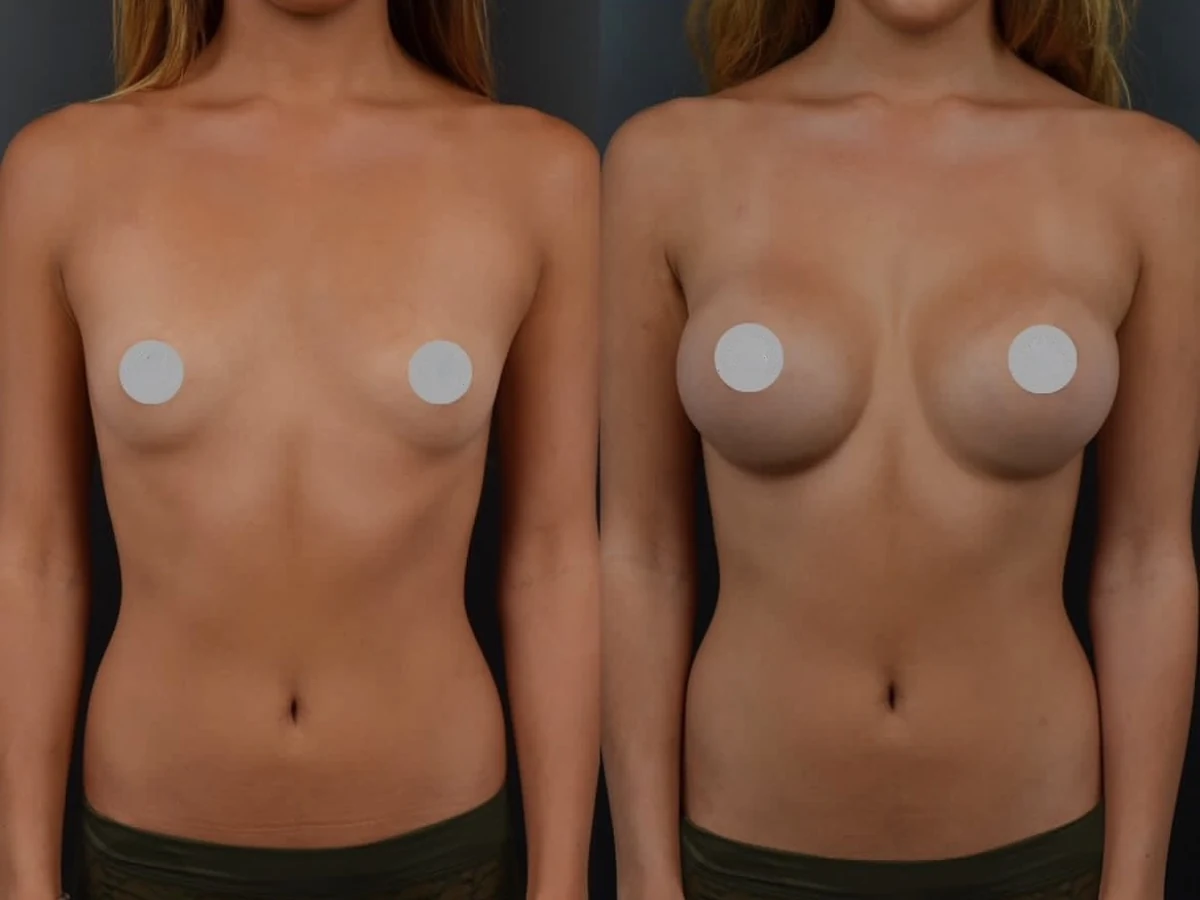 beforeafter
Method: implants
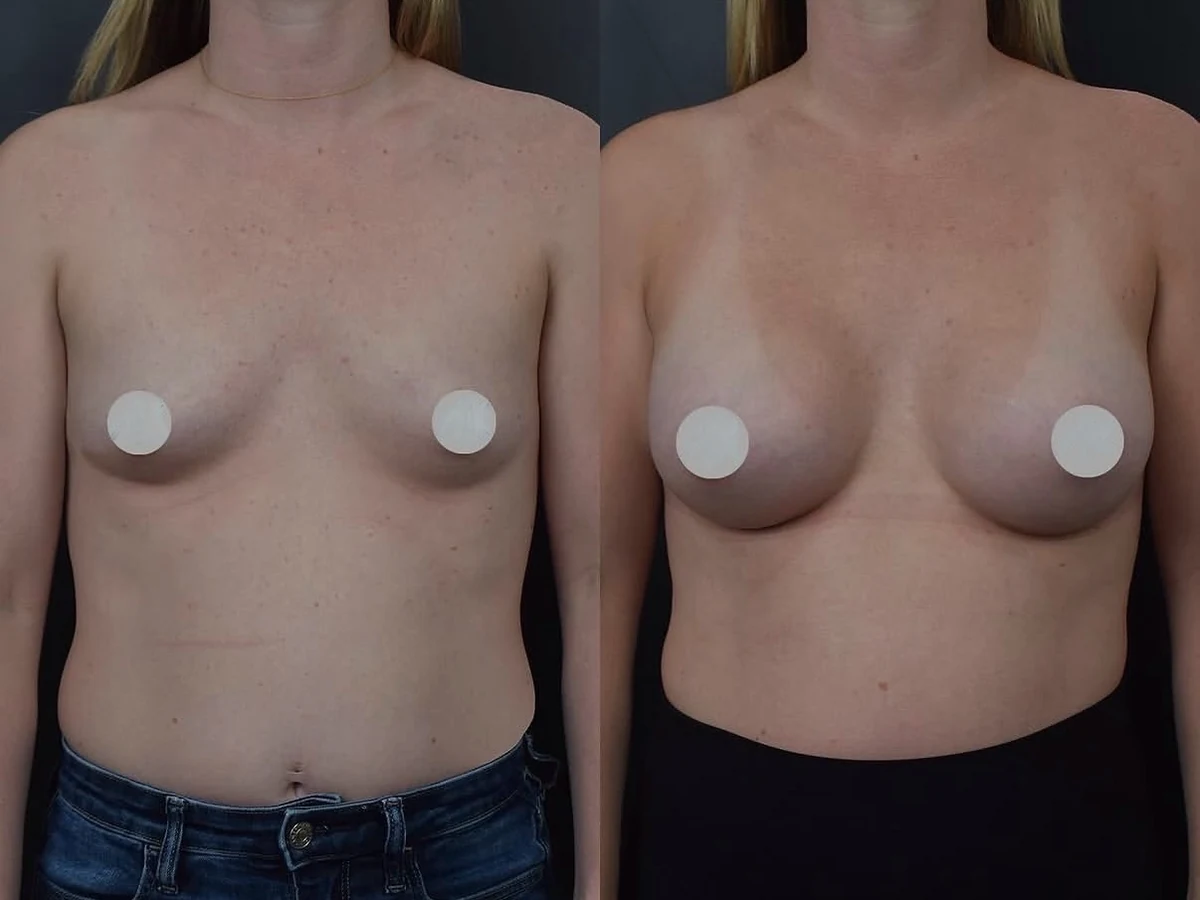 beforeafter
Method: implants
Comparison
There are two main ways we correct the breasts: augmentation and reduction. Compare their goal, how precise the correction is and who they suit, and choose your method with confidence.
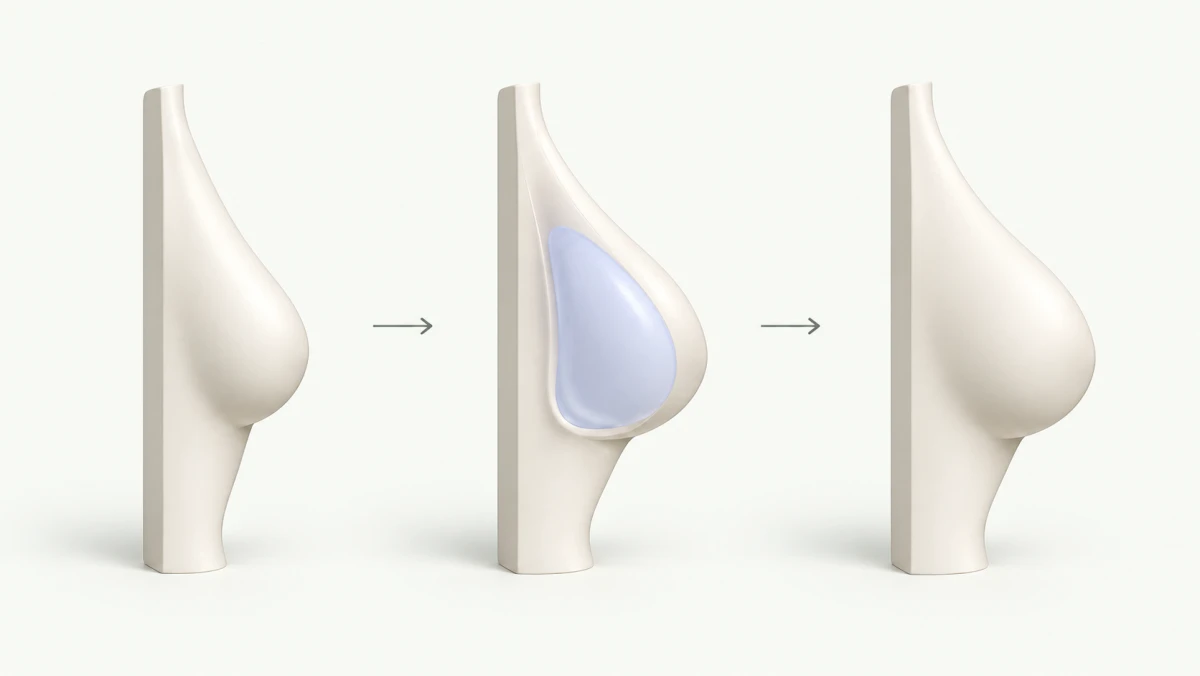
Size and shape correction with implants
Discounted price
$4,700 $5,900
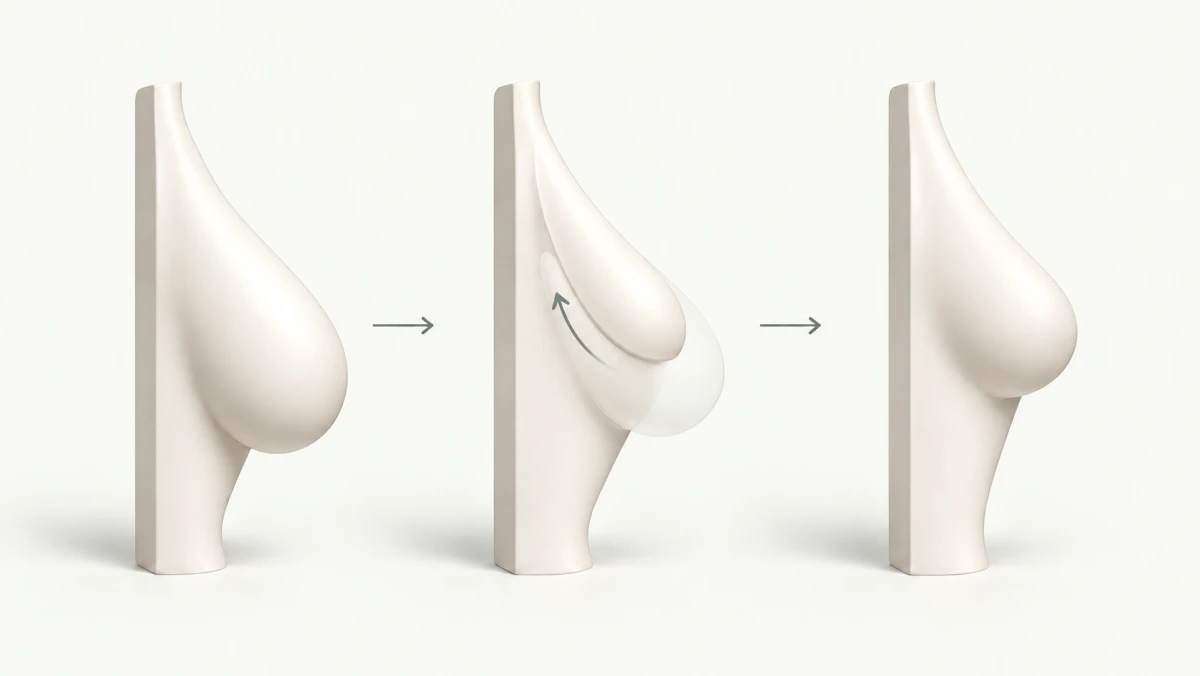
Breast size correction: reducing the volume and weight of the breasts
Discounted price
$4,700 $5,900
During the consultation the surgeon evaluates the shape and proportions of your breasts, listens to your wishes and selects the most suitable type of mammoplasty.
The consultation is free, before surgery and with no commitment.
Comparison
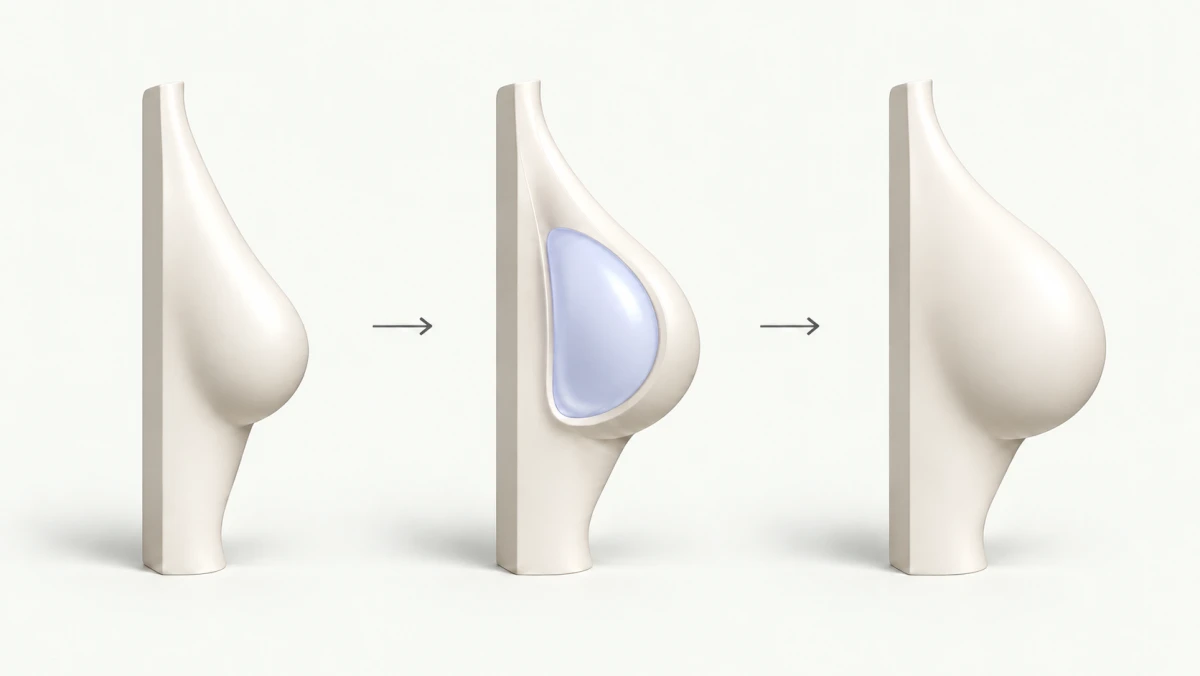
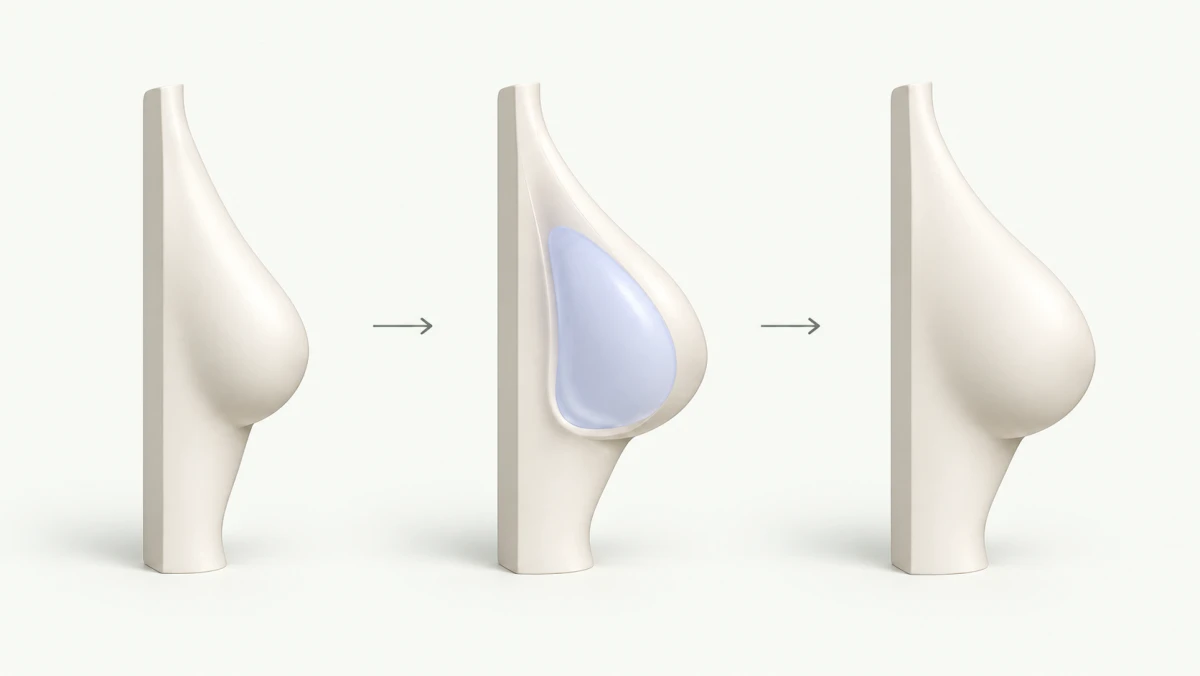
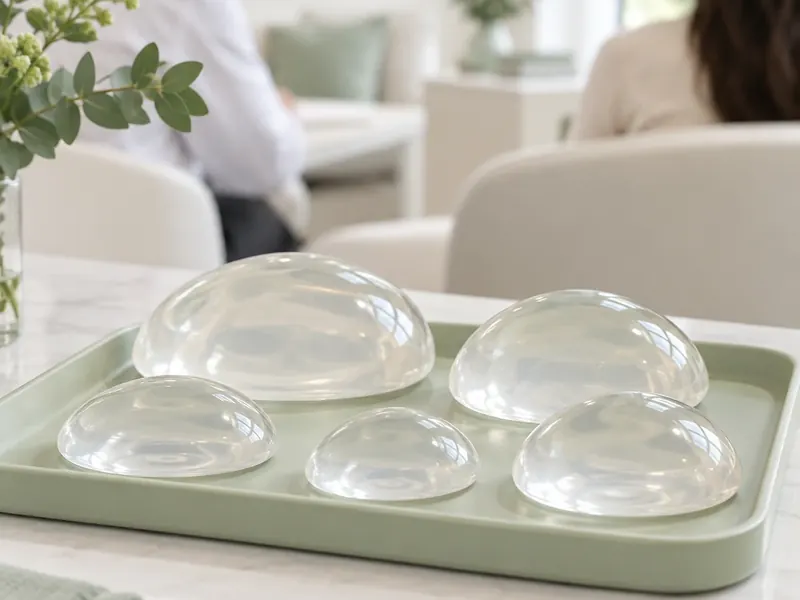
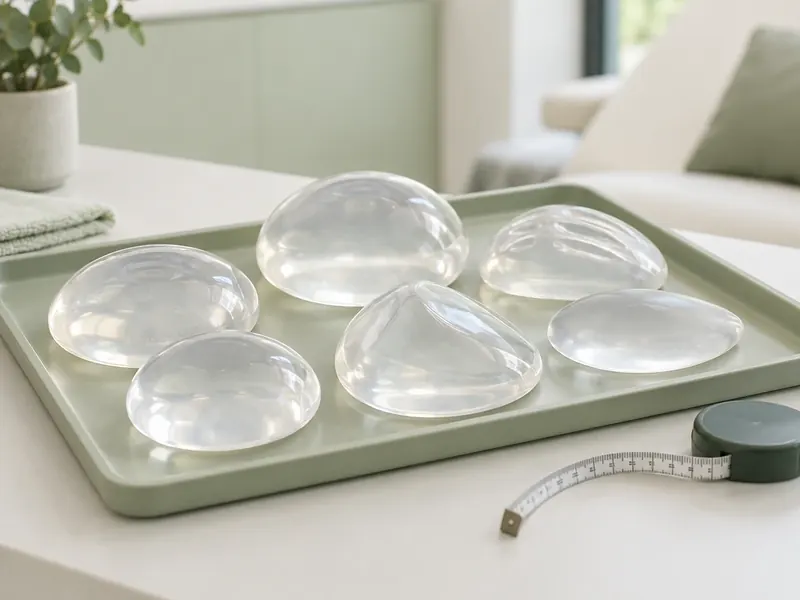
We use two main implant types — round and anatomical. Both increase volume and improve breast shape, yet each gives a different contour and result.
Even volume and a fuller upper pole
A soft teardrop shape with a natural slope
The surgeon will help you choose the implant shape and volume.
The clinic
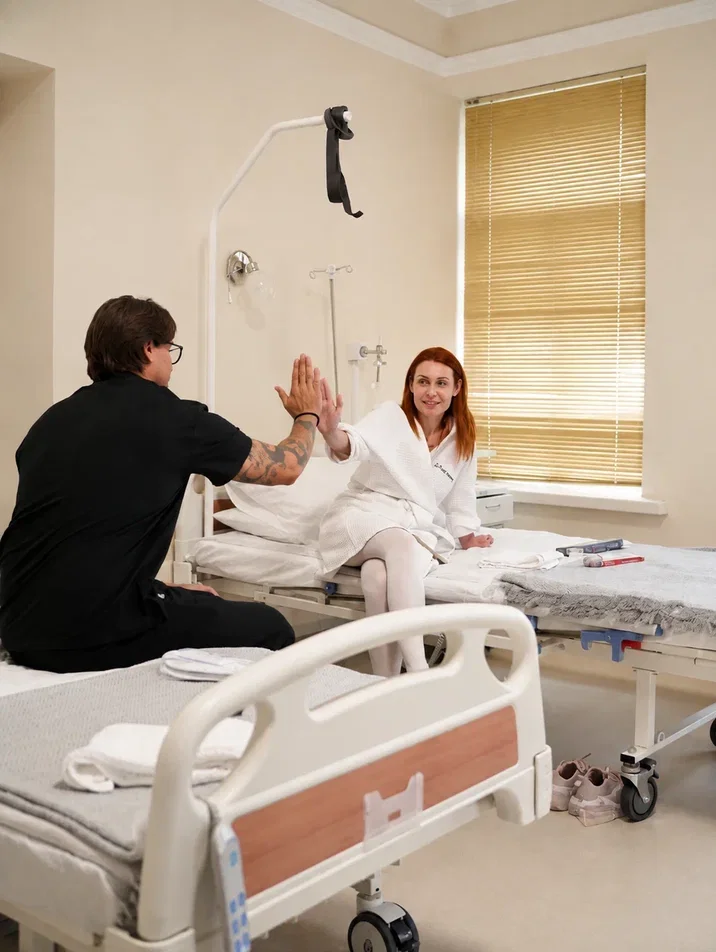
Comfortable rooms, modern equipment and care for each person
Ask us anything, and we will arrange a consultation at a time that suits you
By messaging us, you agree to our Privacy Policy
If your concern can be addressed without an operation, the doctor will say so at the consultation, so you do not pay for surgery you do not need.


Unsure whether surgery suits your case?
Write to us: your coordinator will request photos in a messenger, and the surgeon will review them and tell you whether mammoplasty suits you.
Find out if it suits me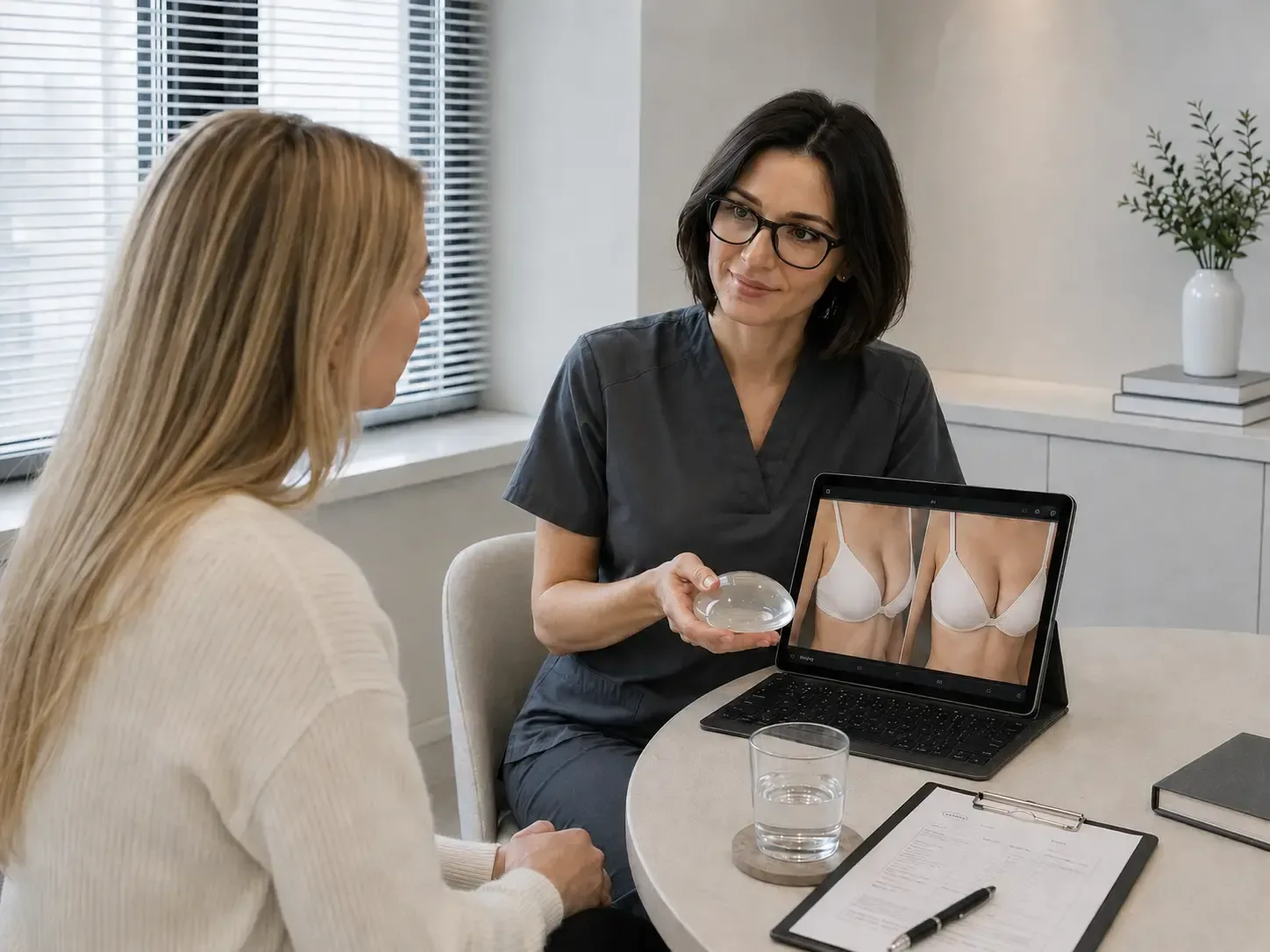
Prices
The price is set at the consultation and fixed in the contract.
Discounted price
Size and shape correction with implants
$4,700$5,900
Discounted price
Reducing the volume and weight of the breasts
$4,700$5,900
Breast restoration after mastectomy
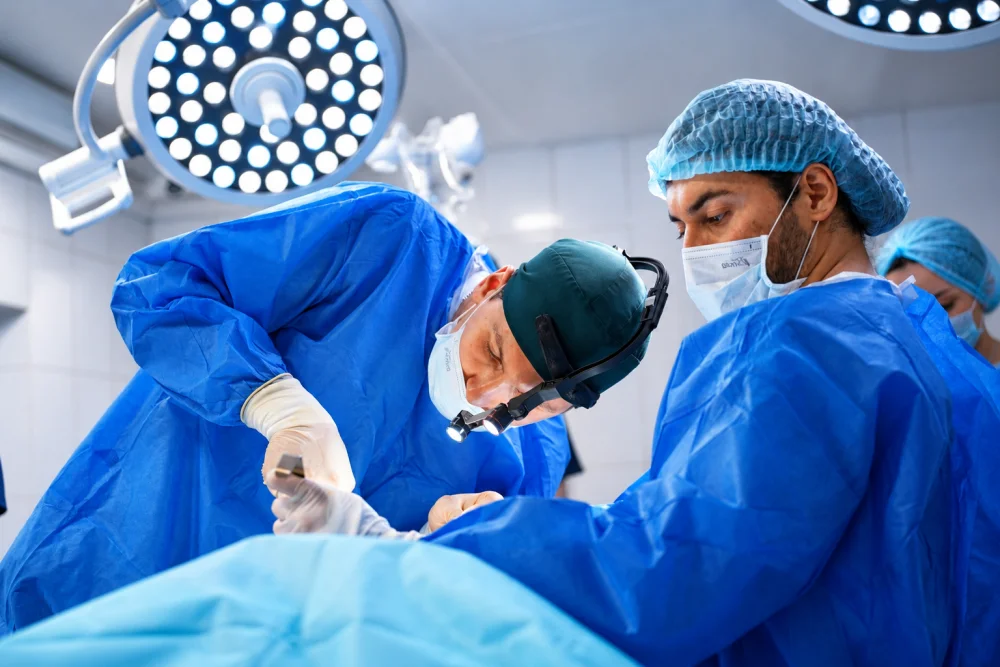
The surgeon assesses the anatomy and proportions of your breasts, listens to your wishes and chooses the right correction method.
The price is set at the consultation and fixed in the contract.
Message our coordinator
Free online consultation · Reply within 15 minutes
Message us on TelegramMessage us on WhatsAppBy messaging us, you agree to our Privacy Policy

all inclusive
From your pre-surgery preparation
to follow-up support for 12 months.
Discounted price
$4,700$5,900
How it works
A personal correction plan, inpatient observation and a year of recovery monitoring.
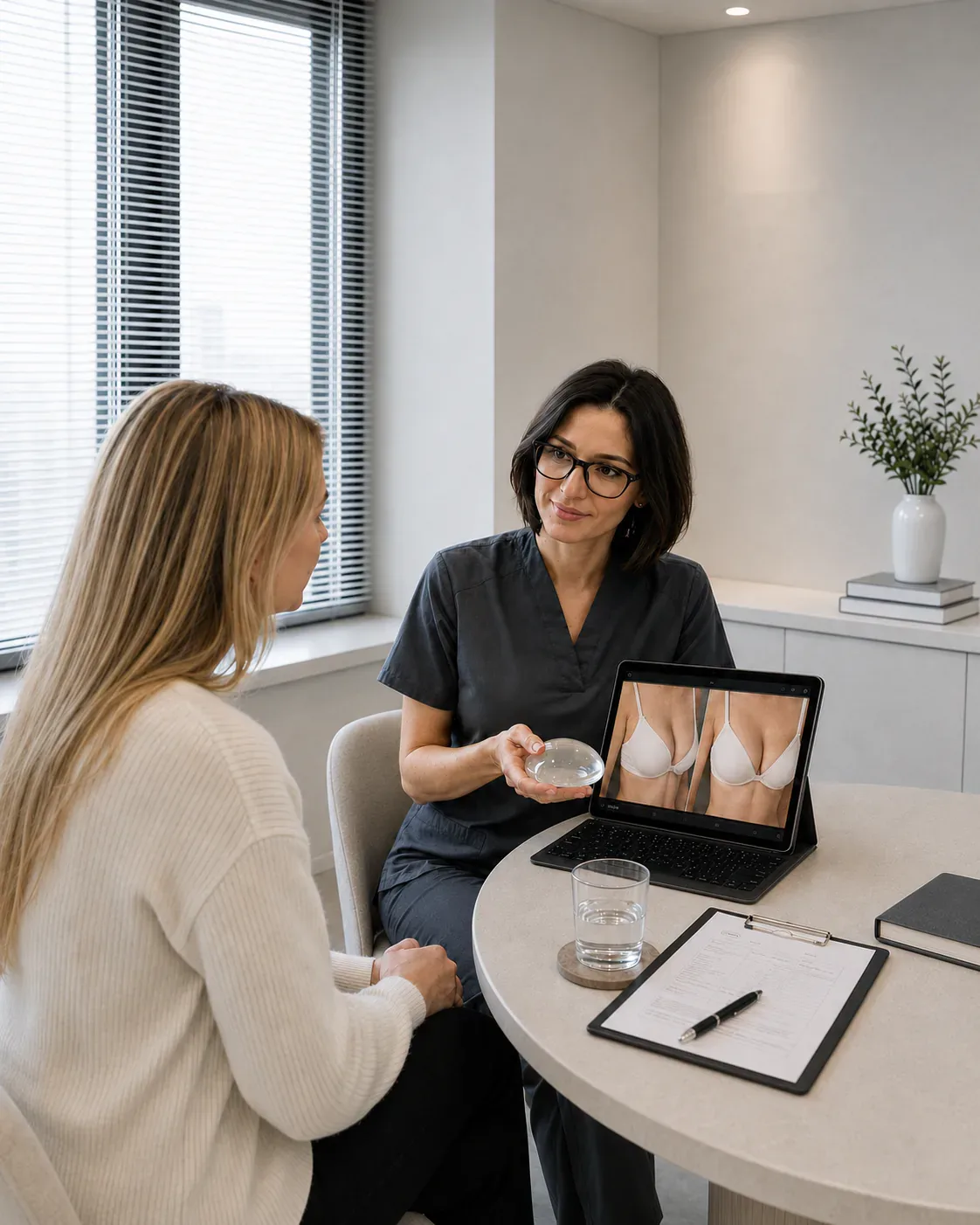 1
Your figure is assessed, your wishes discussed, and the surgeon chooses the best volume, shape and correction method.
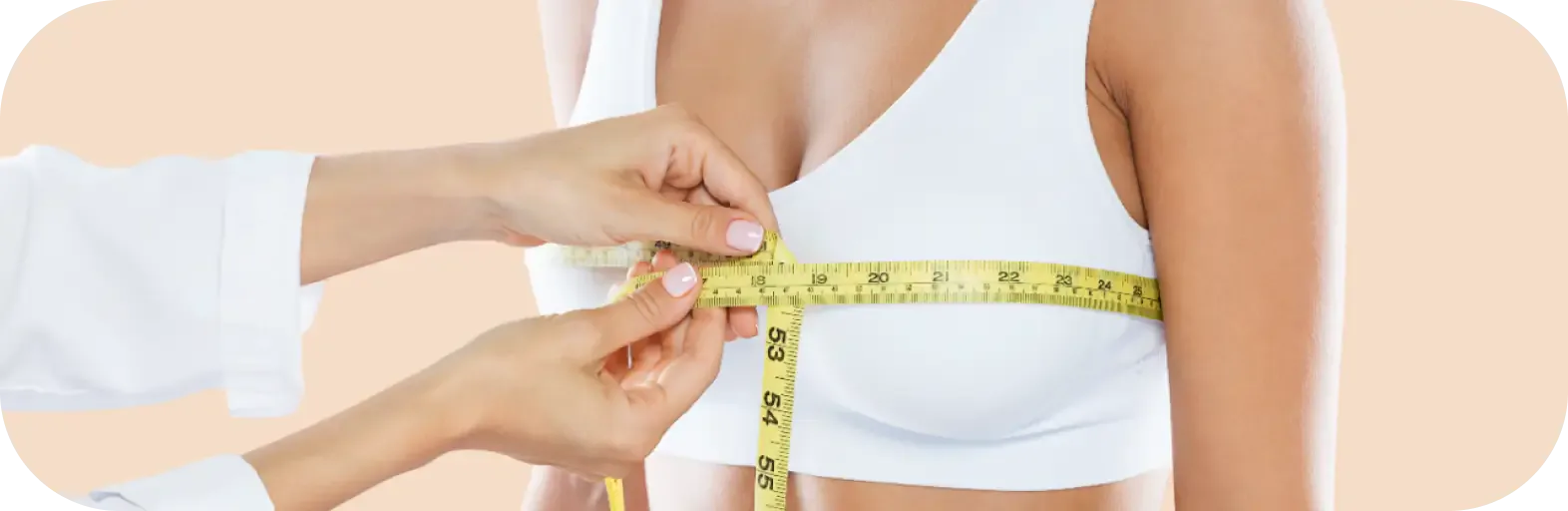 2
We hold a surgery date for you. You can pay the deposit by card at the clinic or online by bank transfer; all terms are set out in the contract for medical services
 3
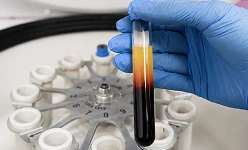
A complete pre-operative check-up comes first: blood tests, an ECG and the other examinations prescribed by your doctor.
 4
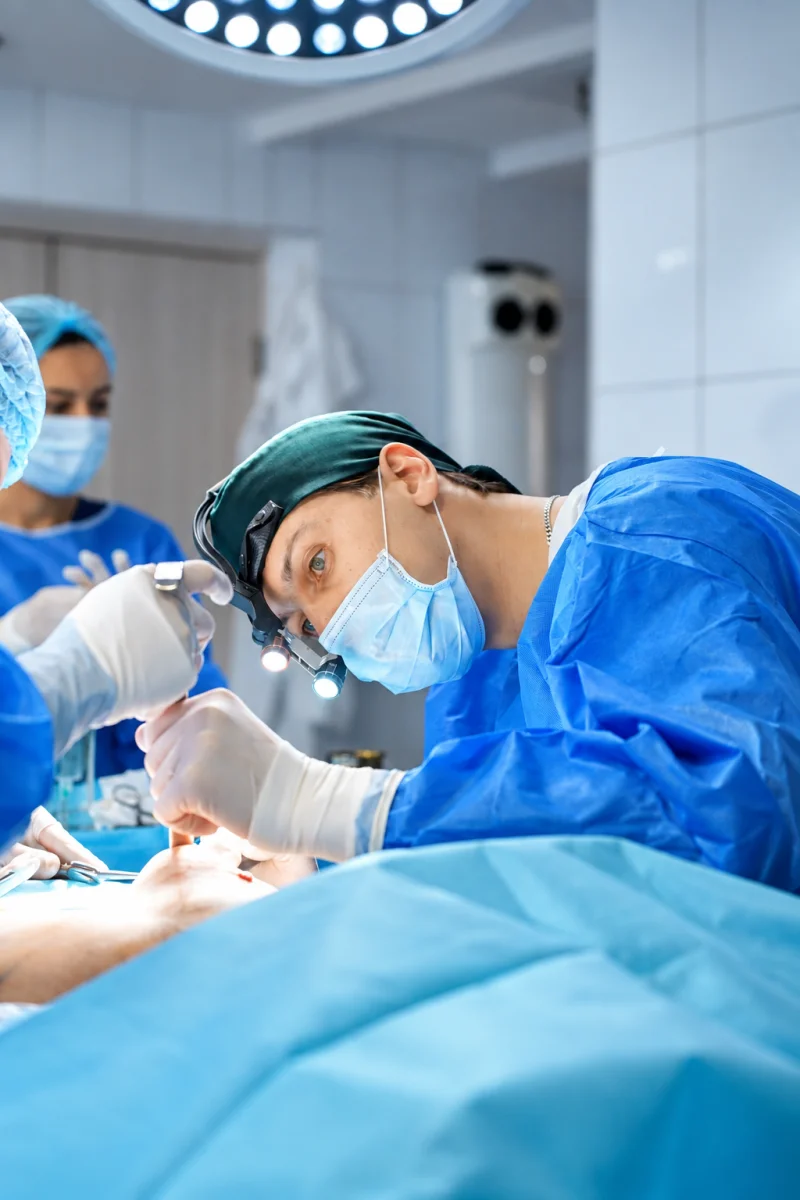
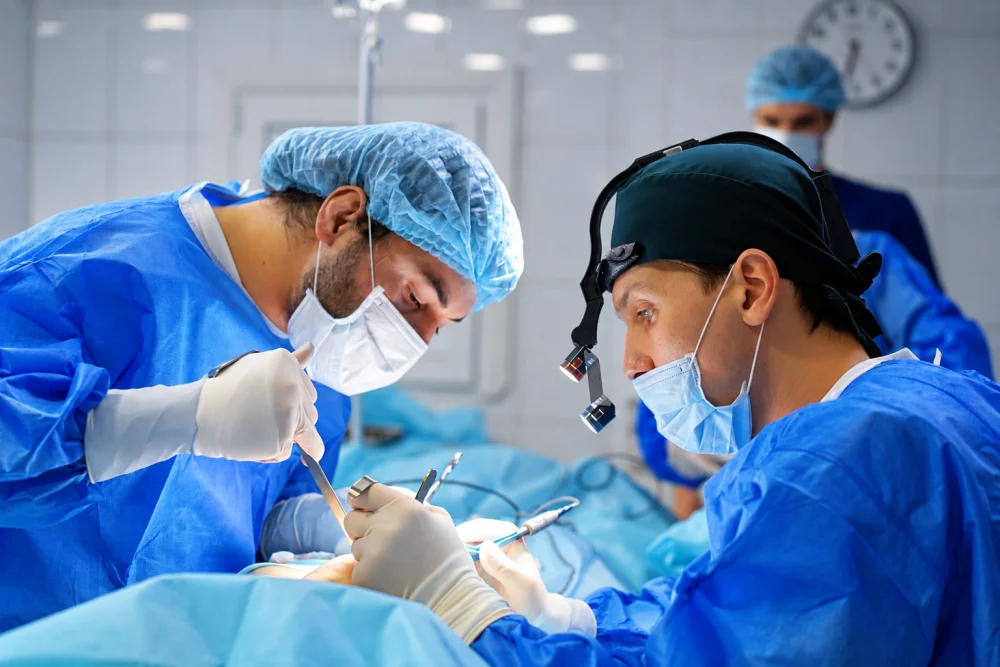
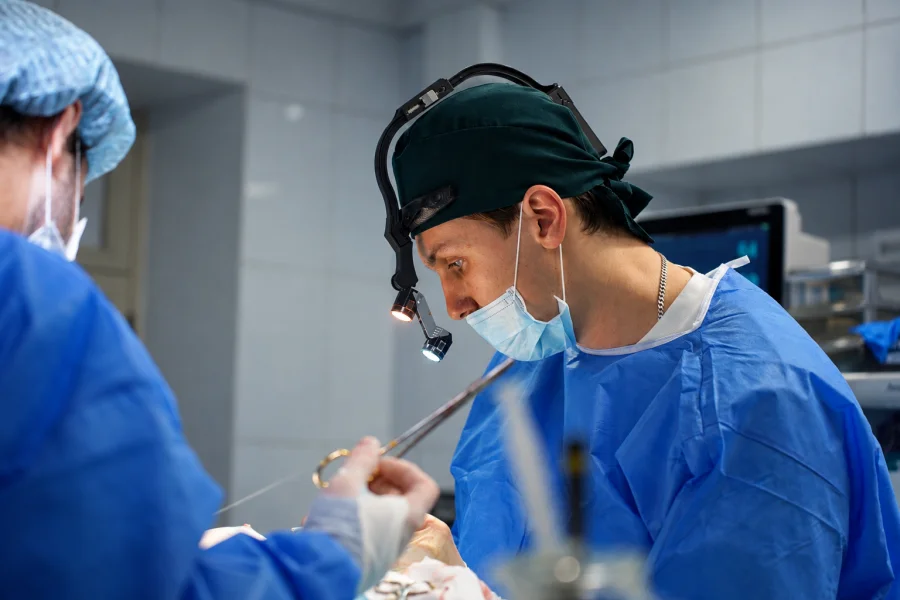
Your surgeon carries out the mammoplasty following your personal plan, under general anaesthesia and with constant monitoring of your condition.
 5
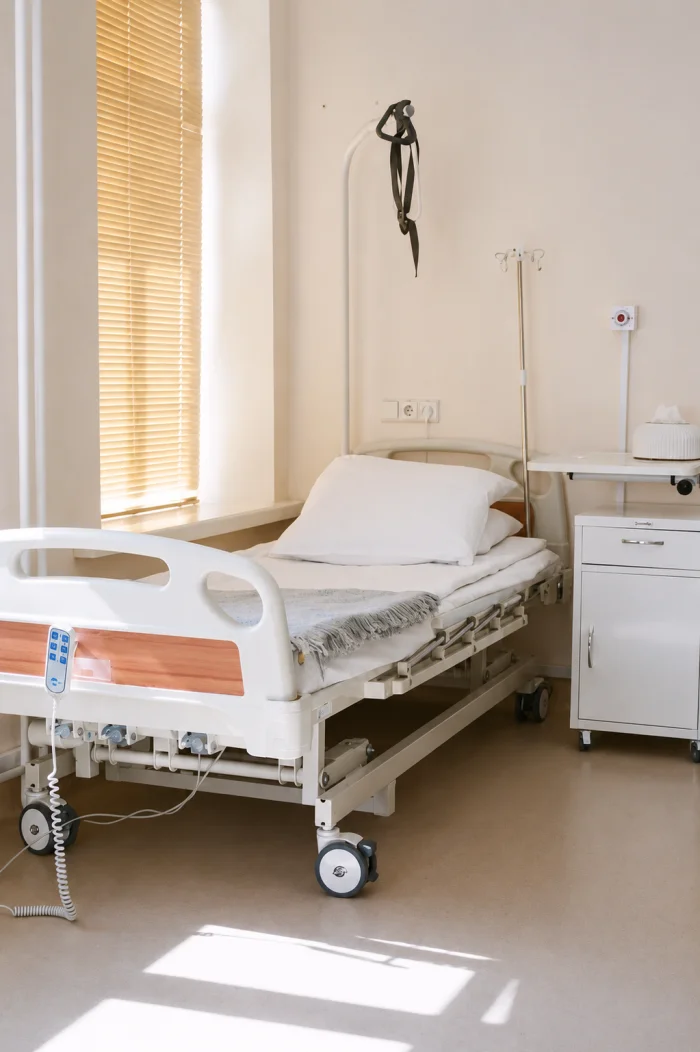
After the operation you remain in the clinic's comfortable inpatient ward, cared for by the medical team until you are discharged.
 6
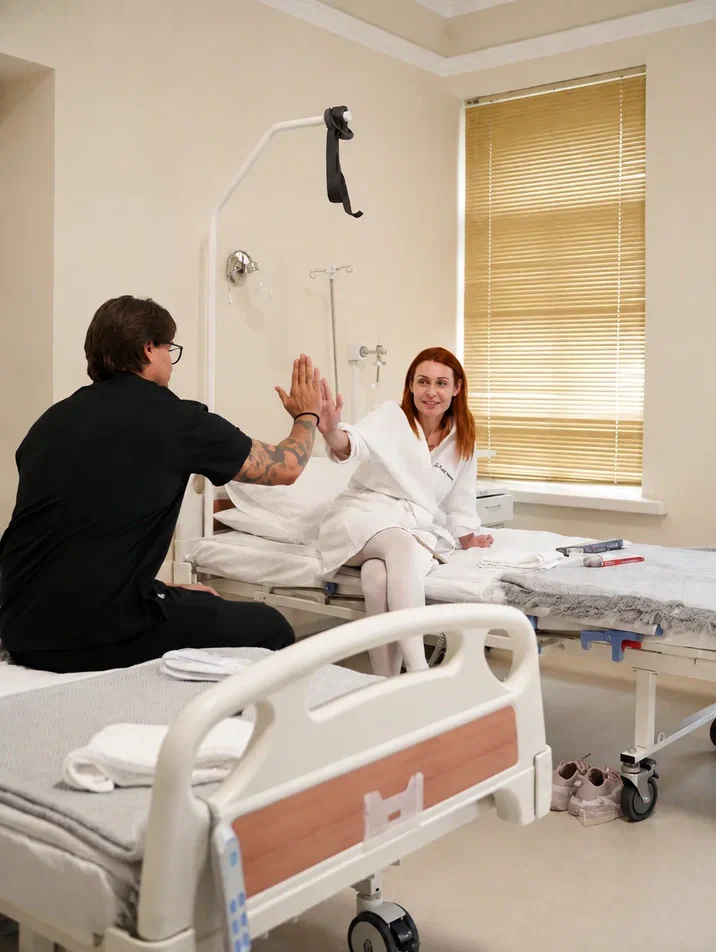
You get a personal recovery programme after the operation. Follow-up visits at 7 days, 3 and 6 months monitor healing; for a year, surgeon consultations are free of charge.
In the run-up to surgery, follow simple advice: keep work and rest in healthy balance, sleep more, avoid stress, anxiety and emotional strain, and ease off physical activity.
Stop hormonal oral contraceptives at least one month before the procedure
Before the operation, discontinue aspirin-containing drugs, steroids and hormonal therapy for chronic conditions
Take your tests a week before surgery
Swelling from surgery fades after 3 weeks
Scars form within 3 weeks
No heavy exertion (lifting more than 3 kg)
Avoid raising arms above shoulder level — 3 weeks
After correction, recovery includes 1–1.5 months in compression garments
For up to 40 days, avoid hard gym workouts and very active aerobics; after a month you may do light cardio. Keep an eye on your diet and meals.
Discomfort fades after 3 months
Skip baths and saunas for up to three months and avoid physiotherapy
Within 3 months, the tissue is free of inflammatory changes and a “pocket” surrounds the implant
Doctors
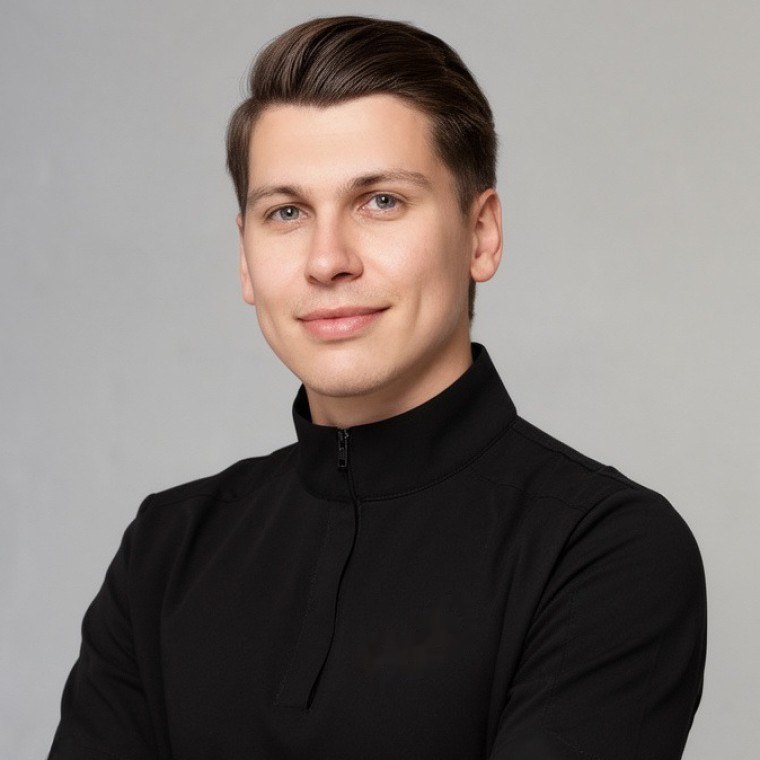
7 years of experience
Plastic surgeon
Trained in plastic surgery through residency at the Petrovsky National Research Centre of Surgery. Specialist in aesthetic and reconstructive breast and body surgery.
The consultation is with the surgeon who will perform the surgery
An experienced plastic surgeon devoted to patients' beauty and well-being
Book a consultationAdvantages
During the consultation we discuss your wishes and model the planned changes. The surgeon explains what surgery can achieve, so you know exactly what result to expect.
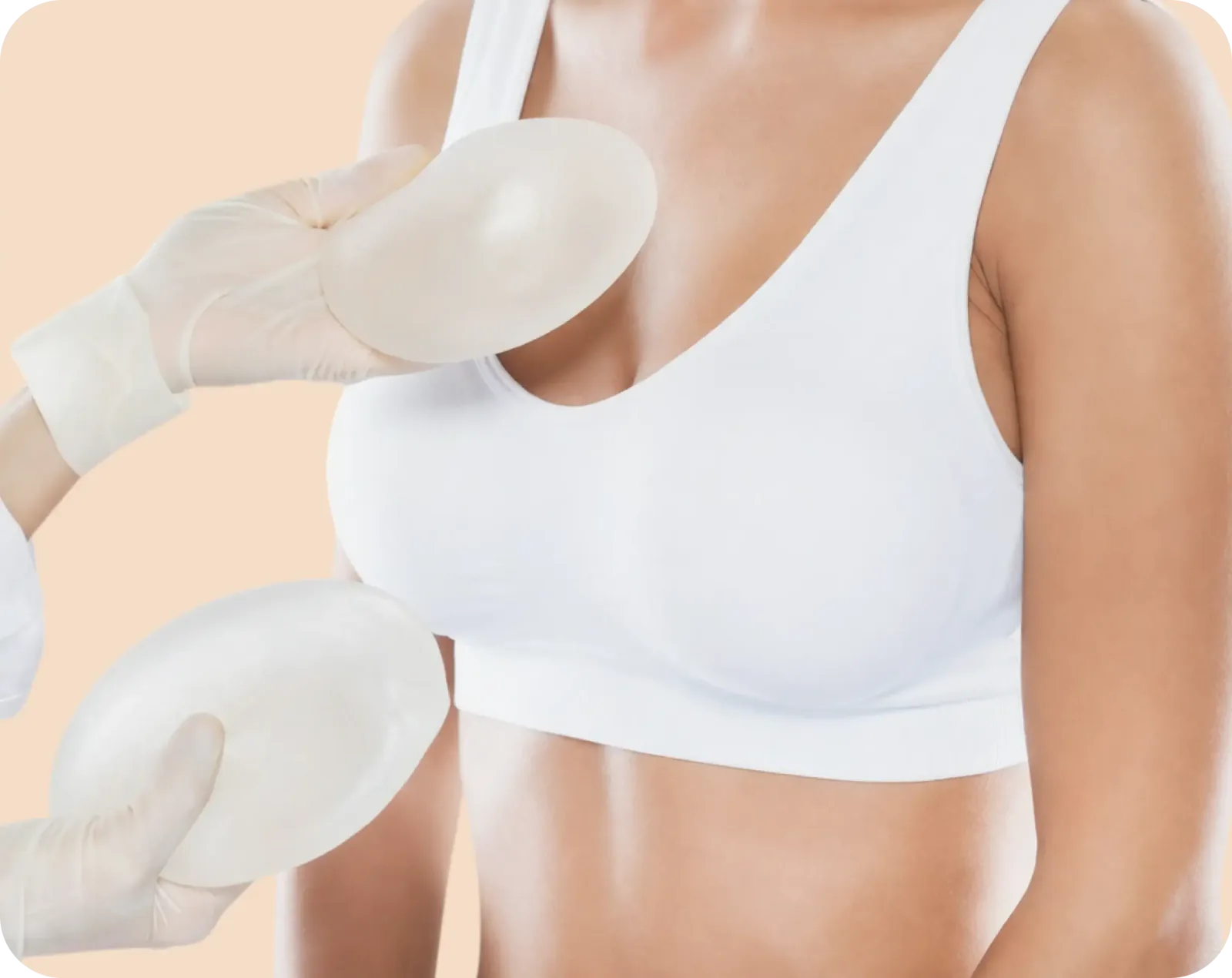
For a year the surgeon monitors your recovery and how your breast shape settles. Check-ups and dressings are already included in the price.
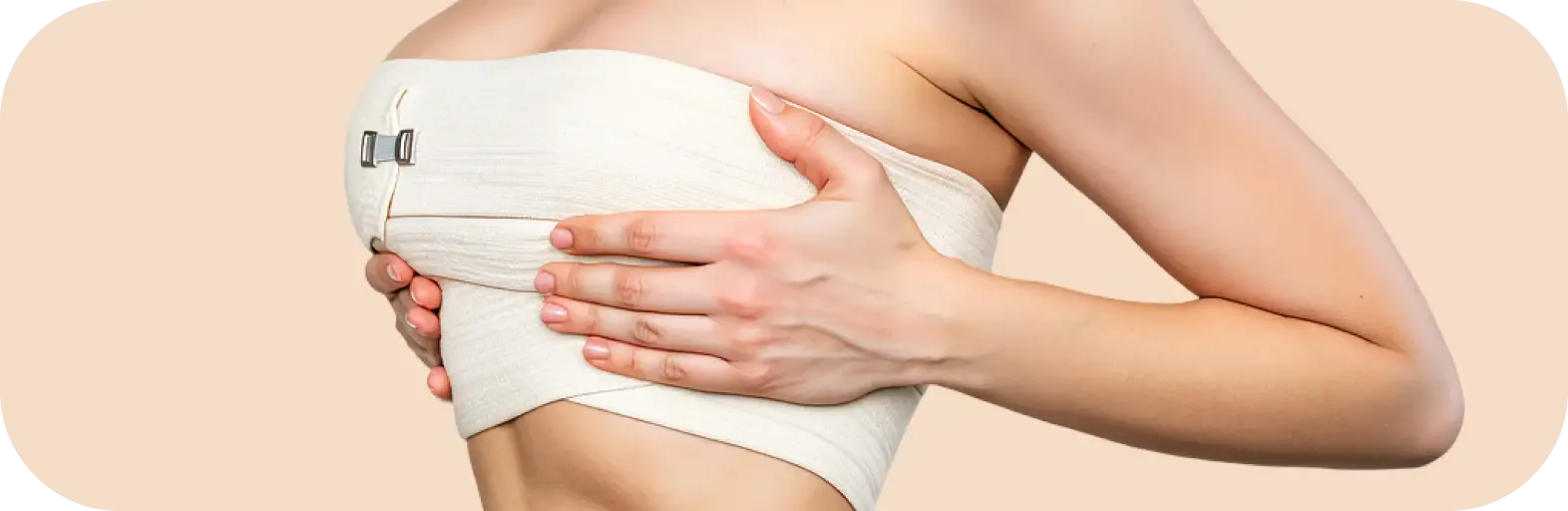
Shape, volume and correction method are chosen to match your anatomy and wishes. For augmentation, the implant size and profile are selected individually.
We respect your schedule: working 24/7, with simple booking and a personal approach that fits your pace.
After the consultation the surgeon determines the scope of correction, and you receive a clear price for the surgery with no surprises along the way.

You begin your recovery in a comfortable ward under constant nursing supervision; the stay and meals are included in the price.
FAQ
Yes. Boob job is the everyday name for breast augmentation. At City Medical Centre it is done with round or anatomical implants that the surgeon chooses with you at the consultation.
Breast enlargement adds volume with implants. A breast lift (mastopexy) raises sagging breasts and removes excess skin. Which one suits you is decided at the free consultation.
The term mammoplasty covers several operations: augmentation (implants to increase volume), reduction (excess tissue and skin removed), mastopexy (a lift for sagging), reconstruction (after mastectomy) and correction of asymmetry. Which method is best is decided individually, from your wishes and the surgeon's advice.
Message us — our coordinator will get back to you shortly and book your consultation. The plastic surgeon consultation is free.
If all recommendations are followed, complications are rare, but they may include hematoma or seroma, wound infection, reduced or increased nipple sensitivity, capsular contracture, aesthetic asymmetry, wound separation and tissue necrosis.
Mammoplasty results last a long time: about 10–15 years after augmentation (until implant replacement) and 5–10 years after a lift or reduction. Weight, pregnancy, skin aging and gravity affect how long it lasts. To maintain the result, wear supportive underwear and control your weight.
Breastfeeding after mammoplasty varies with the type of surgery. Lactation is usually preserved after augmentation through an under-breast or armpit incision with the implant under the muscle, because glandular tissue is not injured. After a lift or reduction there is more risk, since ducts may be cut. Discuss this in advance with your surgeon.
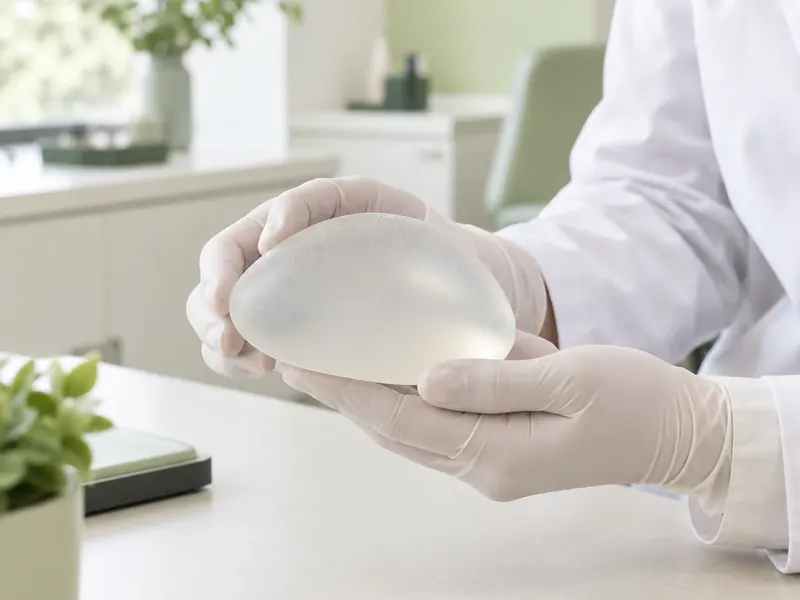
Selecting an implant means weighing material (silicone looks the most natural, saline is less often used), shape (round or anatomical teardrop), surface (smooth or textured), size and profile. The surgeon then chooses the optimal option for your anatomy and wishes.
The operation is done under general anaesthesia, so the patient feels nothing. Over the first 1–3 days moderate discomfort may occur and is eased with painkillers. By day 5–7 pain drops noticeably, and by weeks 2–3 the discomfort has gone. If the pain is severe, let your doctor know at once.
Work (without physical strain) is possible after 7–14 days. Gentle walks after 1–2 weeks. Fitness and swimming after 4–6 weeks, strength workouts after 3 months. The pool and sea after 4–6 weeks. Compression garments are needed for 4–6 weeks. Exact dates depend on how your recovery goes.
Scientific evidence does not show that mammoplasty increases breast cancer risk. Implants do not lead to cancer. After surgery, stay on top of regular screening through self-exams, mammography and ultrasound. Always let the examining doctor know you have implants.
Mammoplasty can follow a C-section, but first your body must fully recover. Allow a minimum of 6–12 months from giving birth and from the end of breastfeeding. Before surgery, a consultation and check-up with the surgeon are required.
Mammoplasty leaves scars, yet a skilled surgeon makes them minimal. Incisions are made where they are hidden: under the breast, around the areola or in the armpit. Scars are reddish at first, and within 6–12 months they fade until they are almost invisible.
Slight asymmetry in the first weeks after surgery is normal: it is caused by swelling and uneven healing. If a difference in shape or size persists after 3–6 months, see your surgeon for an examination to find the cause.
After mammoplasty, sensitivity of the nipples and breasts may change for a while, becoming lower or higher. This is due to irritation of the nerve endings. In most cases sensitivity comes back within 3–12 months. If nothing improves after a year, see your surgeon.
Hormonal medicines (contraceptives, hormone replacement therapy) do not directly affect implants but may trigger swelling or changes in breast tissue volume, which temporarily affects appearance. You must tell your surgeon about such drugs before the operation.
Prices are in US dollars; the amount in brackets is an approximate conversion to EUR at the rate of 02.10.2026. The final price is fixed in your contract.
Prices start from $4,700 (≈ €4,200). The surgeon sets the final price at the free consultation, and it is fixed in the contract, with no hidden extras.
The surgical team's work, anaesthesia, the inpatient stay with meals, dressings and follow-up visits for twelve months.
Message us on WhatsApp or Telegram using the buttons below. A coordinator will answer your questions and book a free consultation where the doctor names the exact price.
By messaging us, you agree to our Privacy Policy
Enlargement with implants corrects both size and shape. It is aimed at patients who feel their breasts are too small, have lost volume or look asymmetrical. People searching for this surgery in Valencia should know that results typically last about 10 to 15 years, until the implants are replaced; weight, pregnancy, skin aging and gravity all influence how long they hold.
After the operation, check-ups are scheduled at 7 days, 3 months and 6 months. At each one the surgeon evaluates the result, monitors healing and answers questions. You can usually return to office work in 7–14 days, walk after 1–2 weeks and resume fitness in 4–6 weeks, with strength training after three months. The same schedule applies to Valencia patients.
The fixed price starts at $4,700 (≈ €4,200), and everything essential is already in it: anaesthesia, the hospital stay and a year of follow-up by your plastic surgeon. A breast lift with implants is $5,400 (≈ €4,850), implant removal $3,300 (≈ €2,950).
Written by Dmitry S. Kuznetsov, plastic surgeon
How we prepare and review medical content · Medical disclaimer
Page last updated:
Well-known people who spoke openly about this operation, in their own words.
 Did Belén Esteban have breast surgery? Yes, and she calls it her best operationBelén Esteban called her breast surgery the best operation of her life and said she later had the implants removed. Her words and what the procedures involve.
 Did Gloria Camila have breast surgery? Yes — and she told the whole storyThe Spanish reality star had her breast implants redone in 2024 after years of regret. Her own words on the failed first operation and the correction.
 Did Isa Pantoja have breast implants? Yes — and she is exchanging themIsa Pantoja confirmed her decade-old breast implants and announced an exchange after pregnancy. Her quotes on encapsulation and size.
Valencia had 841,558 residents in 2025 on 139.32 km2 within the city limits. Whatever the size of your city, the decision about a breast operation is taken by one person, and its quality depends on how well the questions were prepared. The preparation can begin without leaving the house: photographs go to a coordinator in WhatsApp or Telegram, the surgeon studies them, and that first online conversation is free and holds no date.
Begin with the object that stays in the body longest. Round implants give an even volume, more weight in the upper part of the breast and a symmetrical outline; anatomical ones draw a gentle teardrop with a natural slope. Both add volume and both reshape, so a more useful question than which is better is which one the surgeon would pick for your frame, and what reasoning leads there.
Then widen the choice. Material, a smooth or textured surface, size and profile all enter the decision, and the clinic says size and profile are chosen individually from your anatomy and your wishes. Describe your wishes without numbers if you prefer: how you would like clothes to sit, how obvious you want the change to be, what proportions you have in mind. A surgeon can translate a description into a plan more easily than a page torn from a catalogue.
Ask what the model of the result will show you and what it cannot. The consultation includes modelling of the planned result; ask for the images afterwards and keep them next to the written plan, so that in a few months you can compare what was intended with what you see.
An implant outlasts most telephone numbers, so the paperwork around it matters more than it seems. Ask which document you will receive and whether it records the manufacturer, the model, the size and the serial number of each implant. Ask for a copy for yourself, and keep it with your own medical papers. When a doctor in some future year asks what you have, the answer will come from a page and not from memory.
Ask what is written in your file about the implant, and whether you may read it. If a replacement is ever needed, details recorded today spare everyone guesswork. The clinic mentions that augmentation holds for roughly 10 to 15 years, until the implants are replaced, so notes about the first pair will be needed sooner or later.
Read the agreement with the same care. The deposit, by card or online transfer, secures the date, and the contract for medical services records the terms. Look in it for the operation type, implant type and size, incision and anaesthesia, and for a list of inclusions: consultation, modelling, the medical team, combined inhalation anaesthesia, ward and meals, a year of dressings and check-ups, and monitoring by medical staff day and night. If the implant size appears nowhere, plan and contract do not yet agree.
Mismatches are easy to fix before the date and awkward afterwards. Lay the implant size from the plan, the contract and the modelling images side by side and see that they match.
Spain's health ministry keeps the Registro Estatal de Profesionales Sanitarios, created in 2012. It holds data on every health professional authorised to work in the country, and the public data allow patients to confirm that the person treating them has the proper qualification and may practise. Access is open to citizens, to professionals and to the bodies that supply the data.
A second place to look is regional. The Ilustre Colegio Oficial de Médicos de Valencia carries a link to a buscador de colegiados, a search of registered members, on its home page. Take the surgeon's name from the coordinator, search it in both places if the surgeon is registered in Spain (otherwise ask which register applies), and compare the specialty you find with the specialty you were told. A mismatch is not proof of anything; it is a question for the coordinator, to be answered in writing.
The clinic's site shows its medical licence, and it states that the surgeon at the consultation is the one who operates. Ask for the doctors' diplomas and certificates before any payment, request both statements in writing next to the surgeon's name, and add your search results to the folder.
Do not forget the question of language. Ask the coordinator in which language the contract, the instructions and the plan will be written, and whether you may read all three before paying anything. If you want to share them with a doctor of your own, ask in which format they can be sent.
A trustworthy team accepts that some consultations end with 'wait' or 'not this way'. The clinic lists pregnancy and breastfeeding, acute infection, inflammation or damaged skin at the operating site, chronic disease that is not under control, uncorrected clotting disorders, uncontrolled diabetes, a breast tumour before treatment ends, and an age under 18. When none applies, the talk turns to planning.
Sometimes the right answer is another operation: reduction, lifting with or without implants, reconstruction after mastectomy, implant removal, correction of asymmetry. Ask the surgeon to walk through the alternatives for your case and to explain why one fits better. Reasons, not slogans, are what you are paying for.
Write a sheet before you message: regular medicines, hormonal ones included; earlier operations; family history; recent weight changes; plans for pregnancy. Some drugs are stopped one to two weeks beforehand and contraceptive pills at least a month before, so the surgeon needs that list early.
The pre-operative weeks have a rhythm of their own. One to two months before the date the clinic suggests more sleep, less stress and a lighter physical load; the preparation list warns against intense gym workouts and very active aerobics and mentions light cardio after a month, so ask the surgeon to put exact dates on that rule; and tests are completed a week ahead. Put those dates in a calendar on the day you book.
After surgery you get a recovery programme, and conversations with the surgeon stay free for a year. Copy its dates into a diary. For each appointment note what was said, what you were told about lifting, the arms and sport, and take a photograph from the same angles. Check-ups fall at 7 days, 3 months and 6 months.
Limits are easiest to keep when written down. The garment is worn for 4 to 6 weeks, nothing over 3 kg is lifted for up to three months, arms stay below shoulder height for three weeks, and baths and saunas wait up to three months. Pool and sea return after 4 to 6 weeks, strength training after three months, and the surgeon confirms the pace for you.
Add your own questions to the diary as they arise. Who answers a message between check-ups, and at what hour? Which signs mean calling the doctor the same day? What does the clinic enter in my file at each appointment? Coordinators are reachable around the clock in the messengers; ask who books the follow-up visits.
Finally, assemble one folder before the date: the contract, the plan with the implant description, the registers you searched, the list of tests with results, the dates of the check-ups and the coordinator's contacts. After surgery add the implant document and the photographs. A folder like that stays useful long after the dressings are forgotten.
In the Registro Estatal de Profesionales Sanitarios run by the health ministry, and through the buscador de colegiados linked from the Valencia medical college website.
Manufacturer, model, size and serial number of each implant, plus a copy for your own file.
Compare the implant size, the incision, the anaesthesia and the inclusions in the plan, the modelling images and the contract. All three must agree.
Yes. A coordinator forwards them to the surgeon, who says whether the operation is right for you. Nothing is booked and nothing is due.
Everything you take regularly, hormonal drugs and contraceptive pills included, plus earlier operations, family history, recent weight changes and plans for pregnancy.
The programme sets them at 7 days, 3 months and 6 months.
Put both recommendations on one sheet with the same headings and ask each surgeon to explain the choice for your anatomy.
Yes. Ask which language the contract and the recovery instructions will be written in and read them before paying.