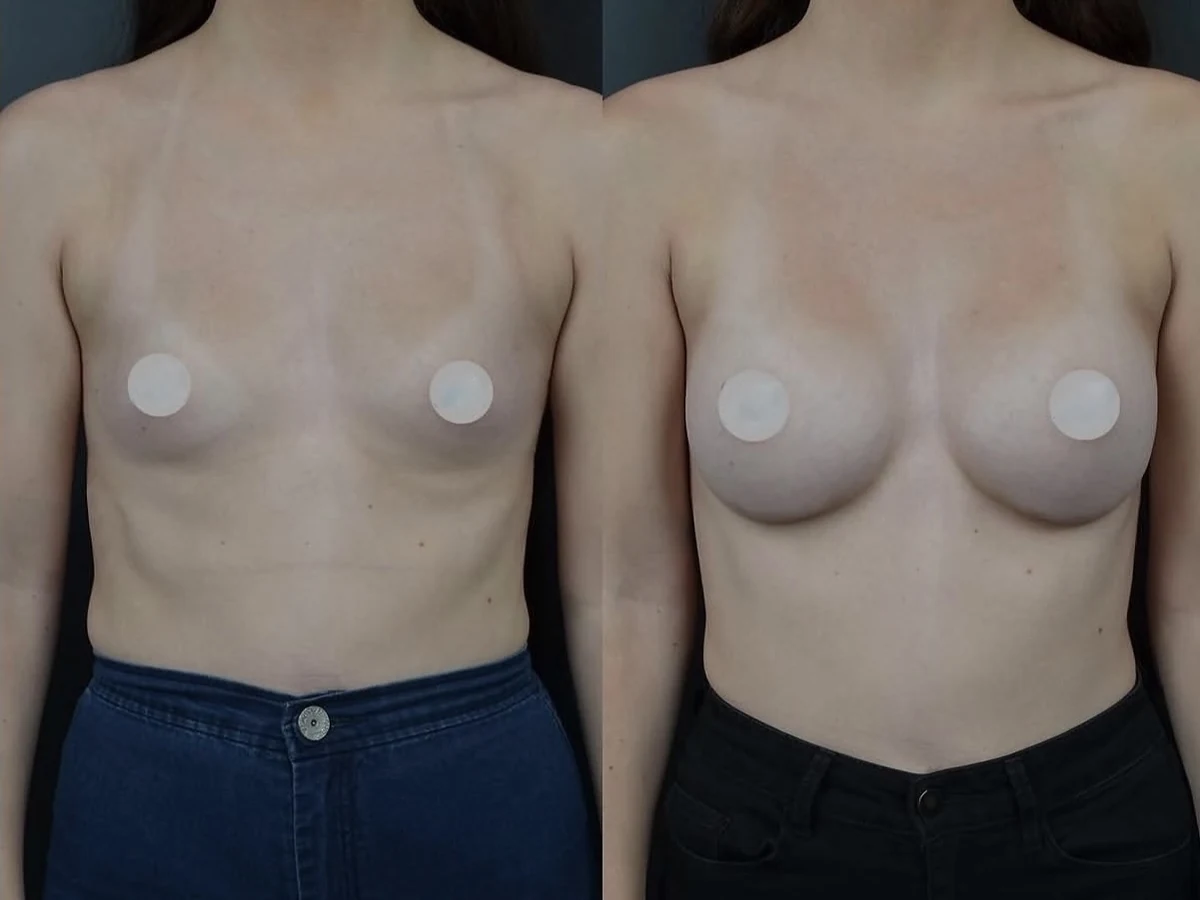
 beforeafter
Mammoplasty
Method: implants
Breast augmentation
$4,700
$5,900 · First consultation — Free
Free online consultation · Reply within 15 minutes
Message our coordinator
Free online consultation · Reply within 15 minutes
Message us on TelegramMessage us on WhatsAppBy messaging us, you agree to our Privacy Policy
Breast augmentation for patients from Sofia at City Medical Centre starts at €4,200 (from $4,700). The first online consultation is free; the doctor names the final price and it is fixed in the contract.
How it works · Breast augmentation prices
Information current as of 5 November 2026
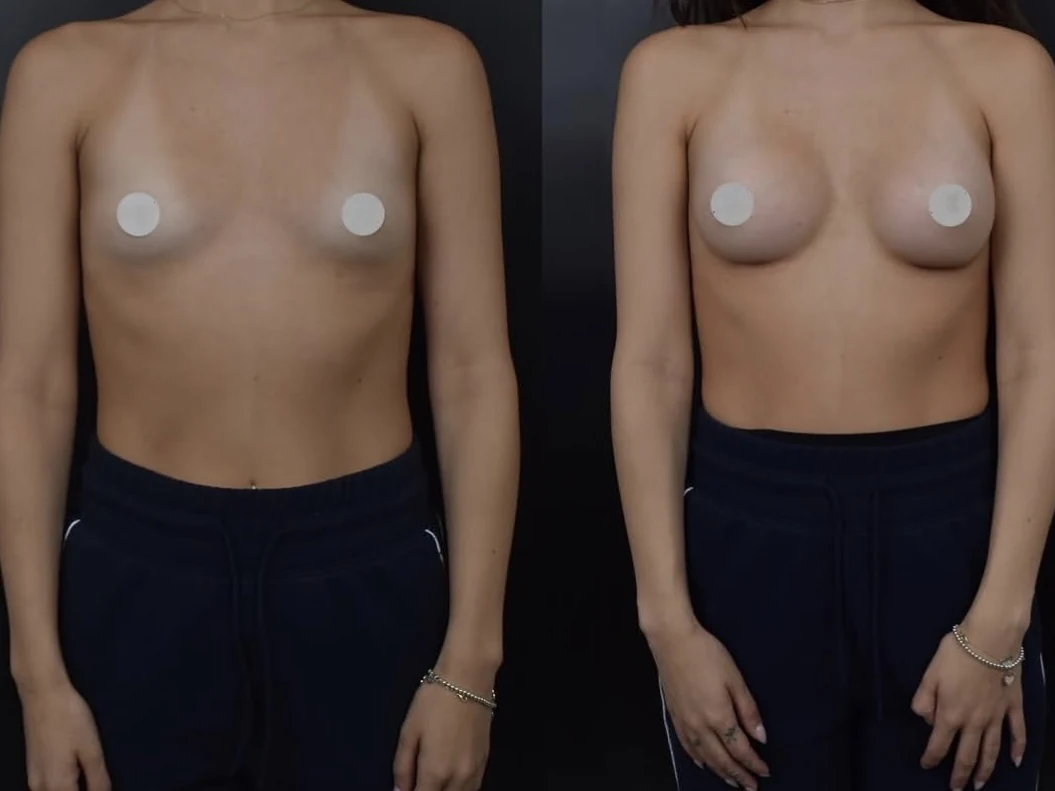
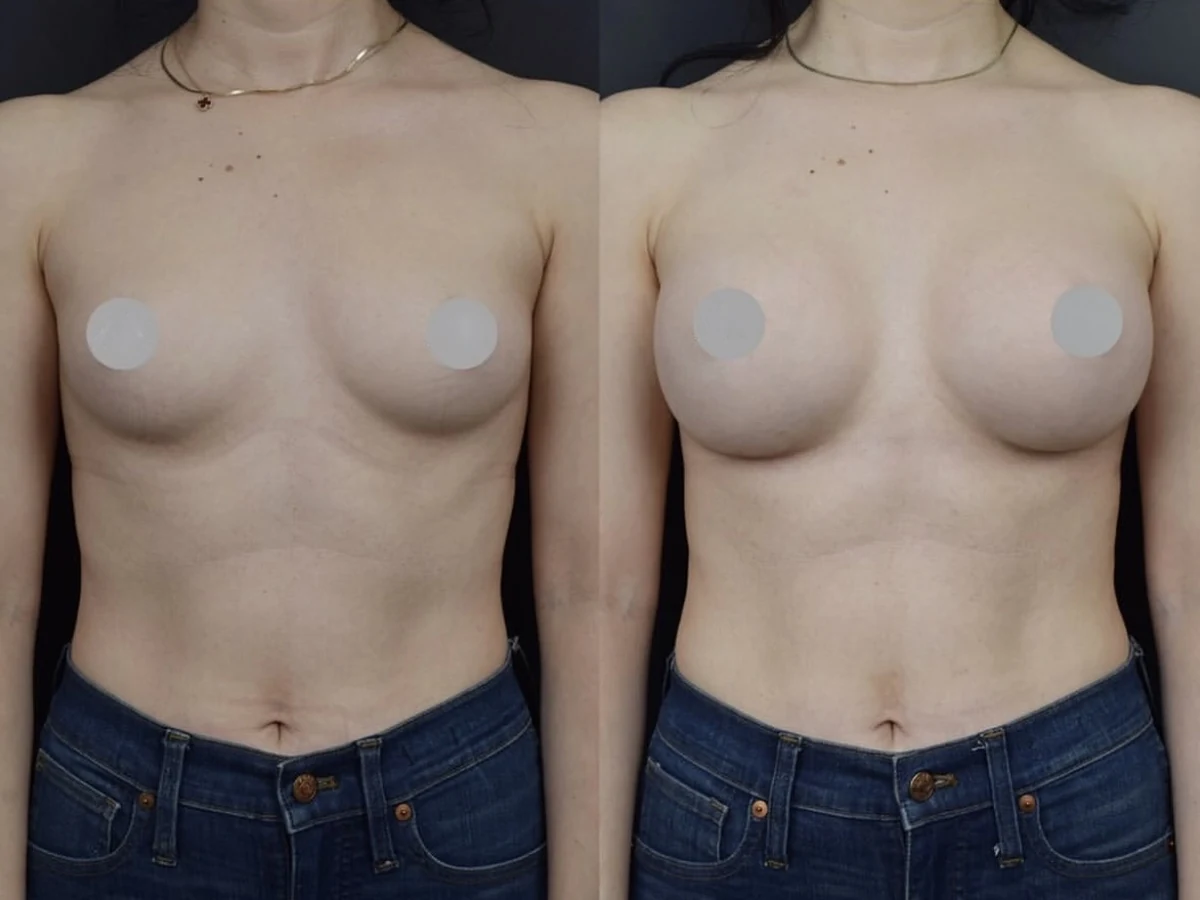
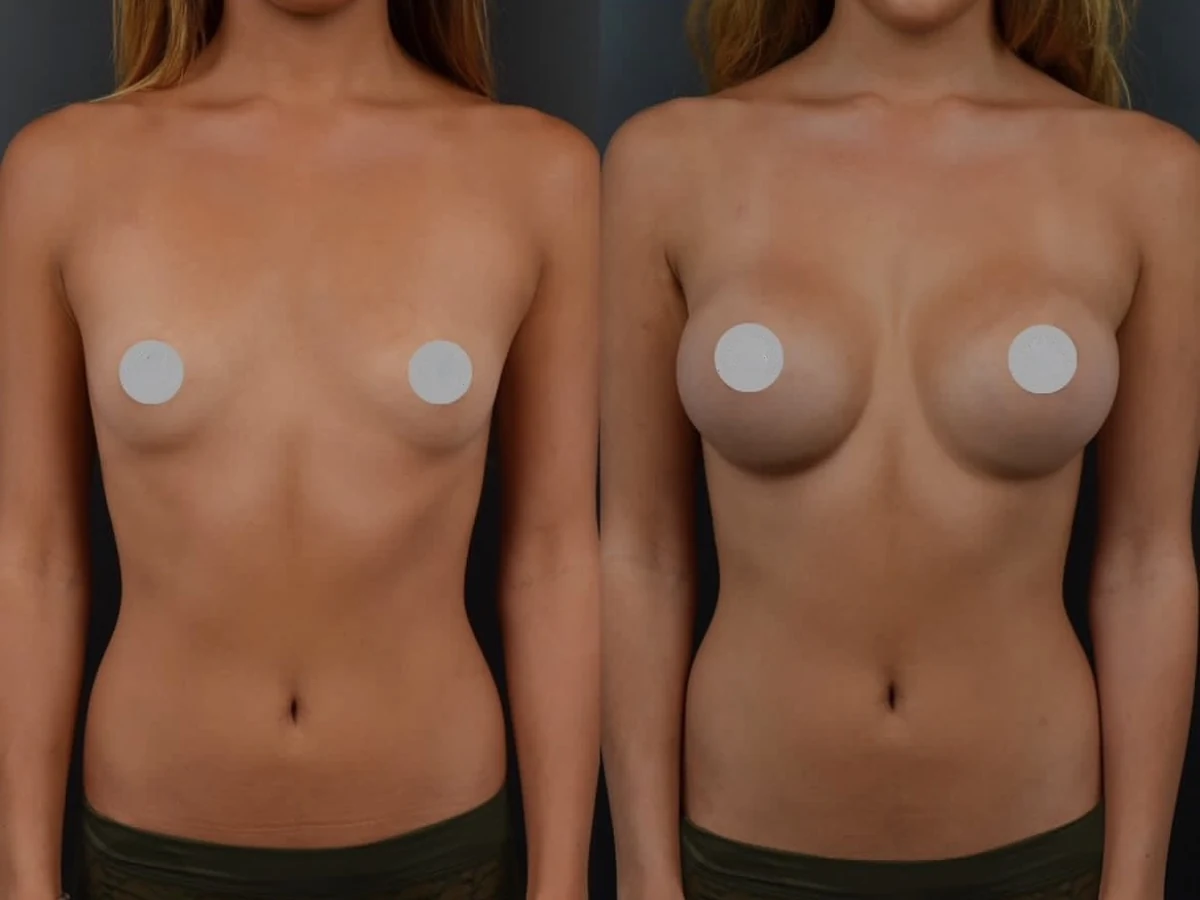
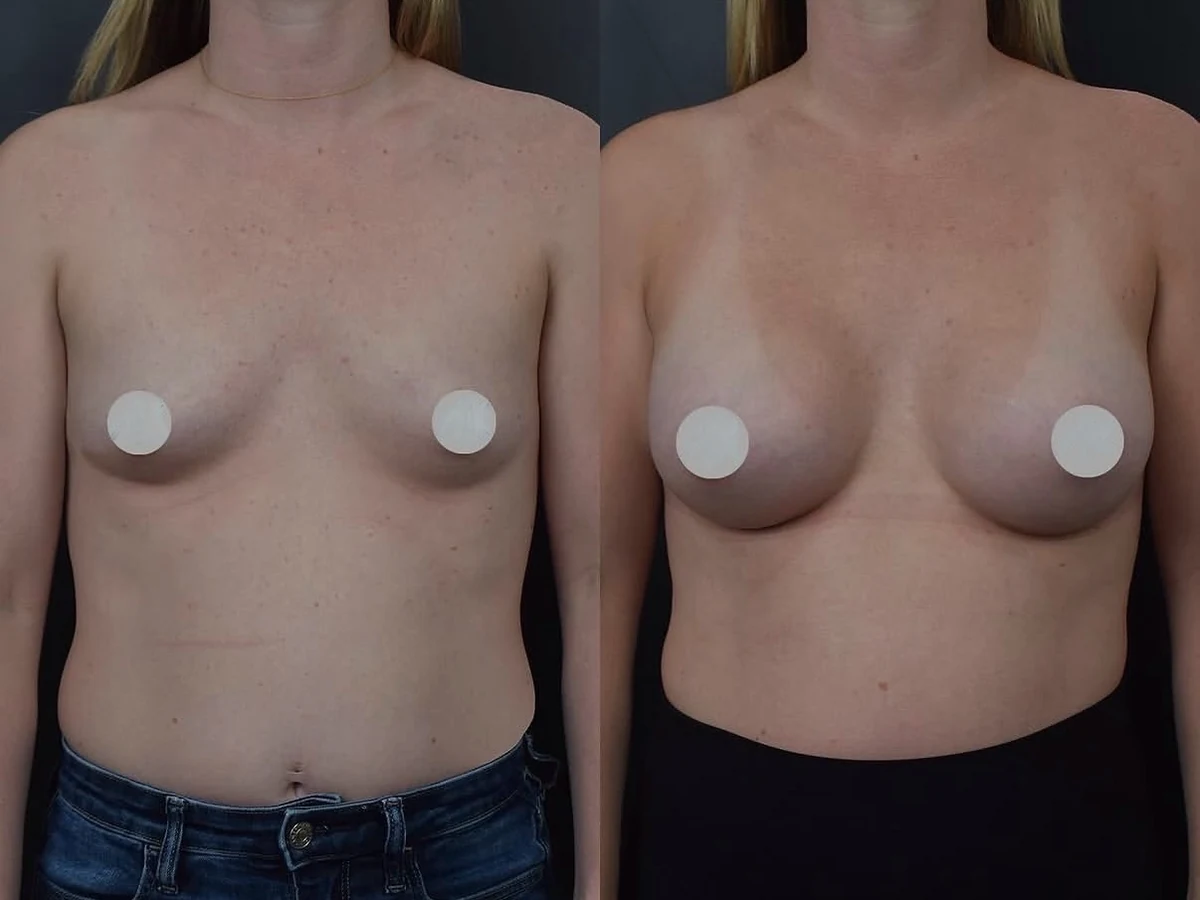
Results
These are real patients of the clinic, with faces and identifying details hidden.
beforeafterMethod: implants
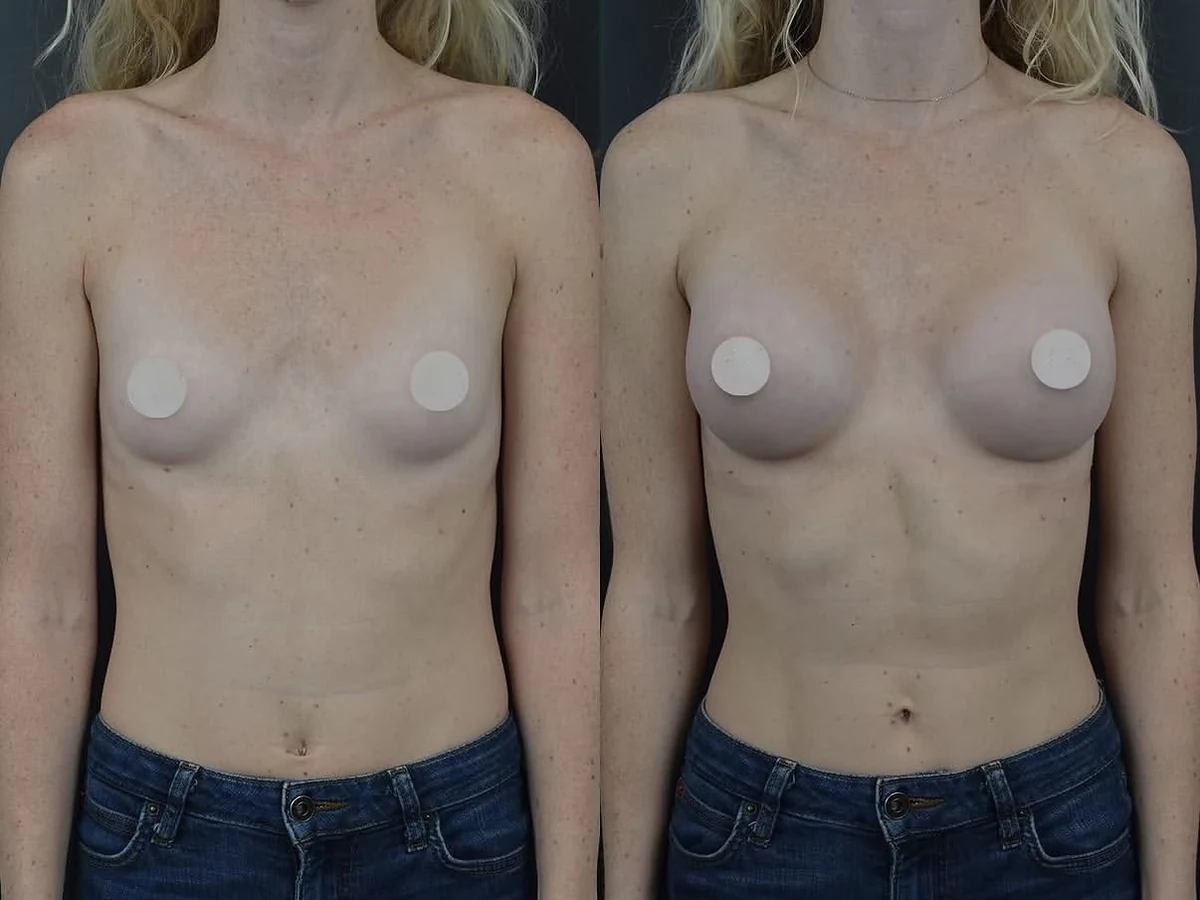 beforeafter
Method: implants
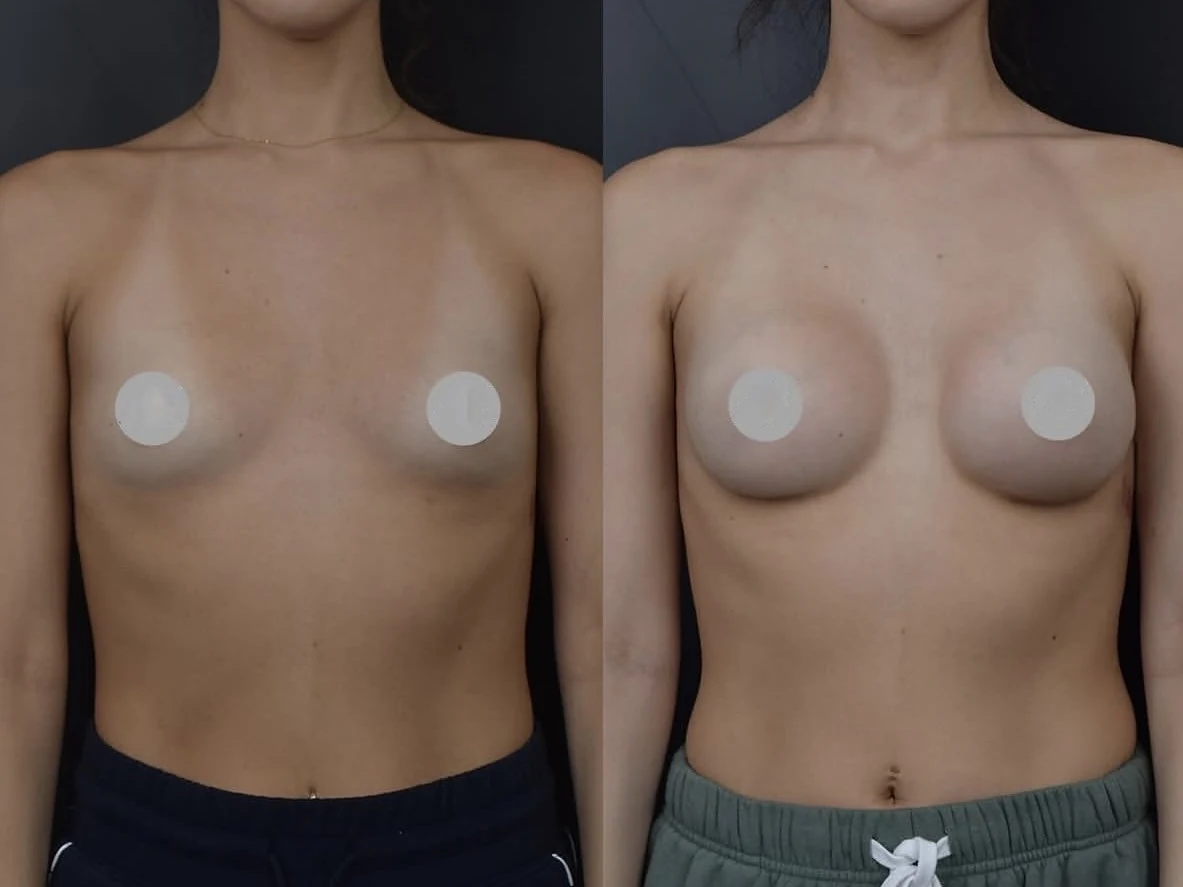 beforeafter
Method: implants
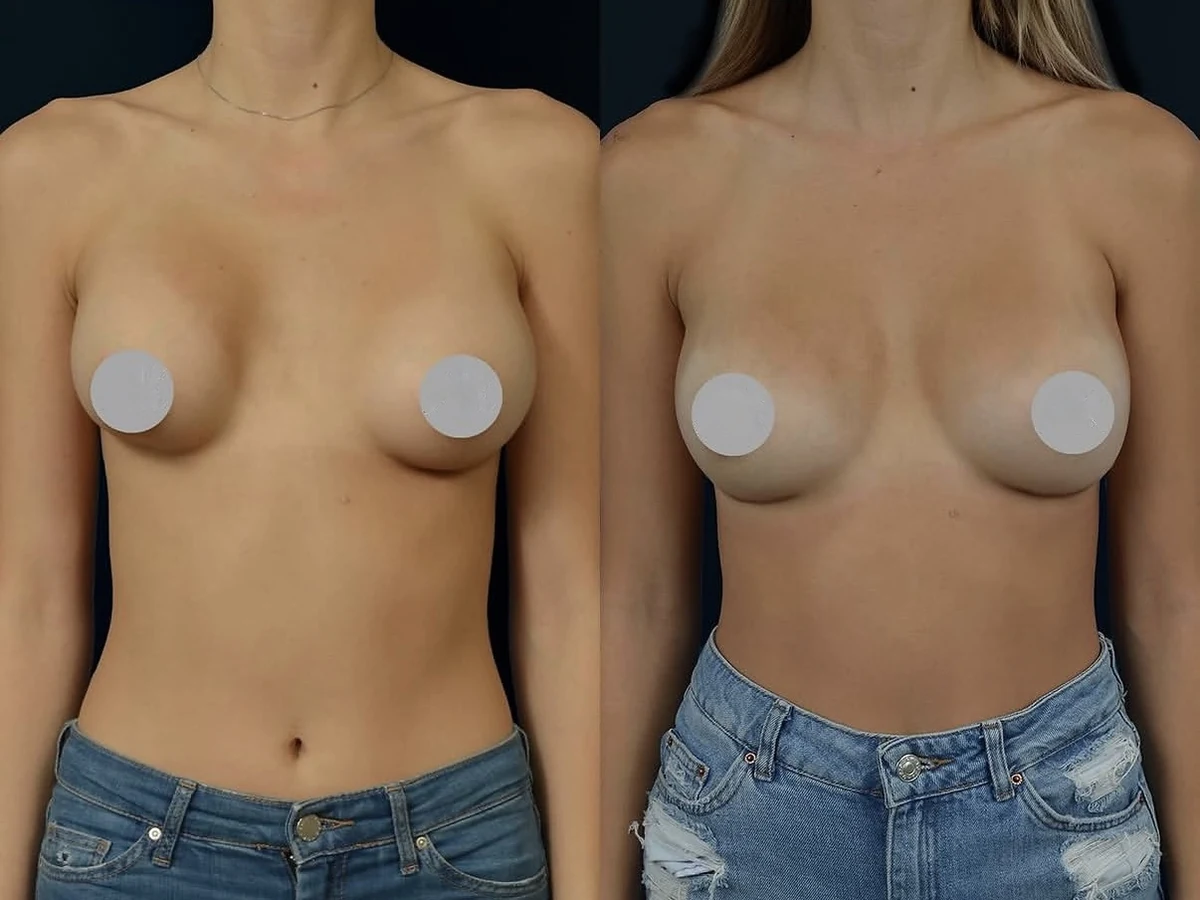 beforeafter
Method: implants
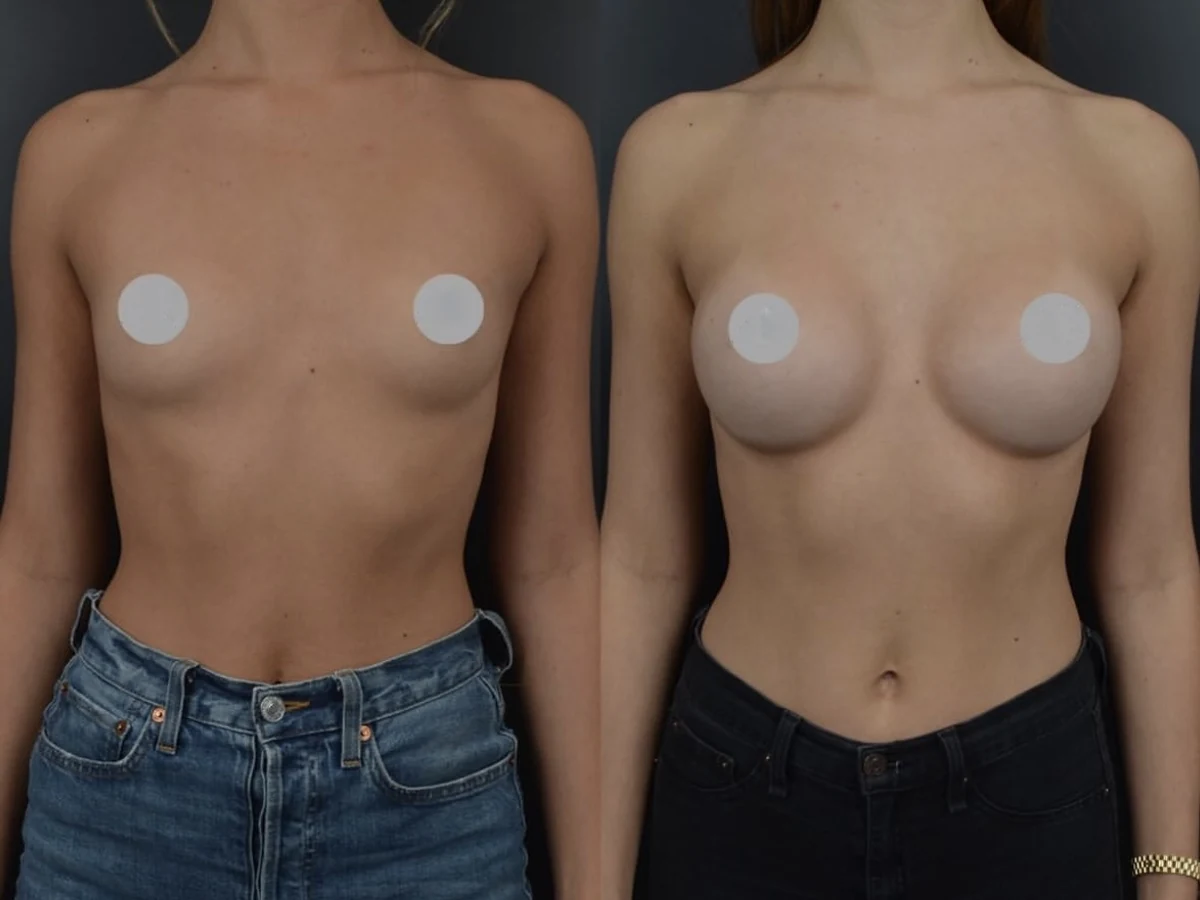 beforeafter
Method: implants
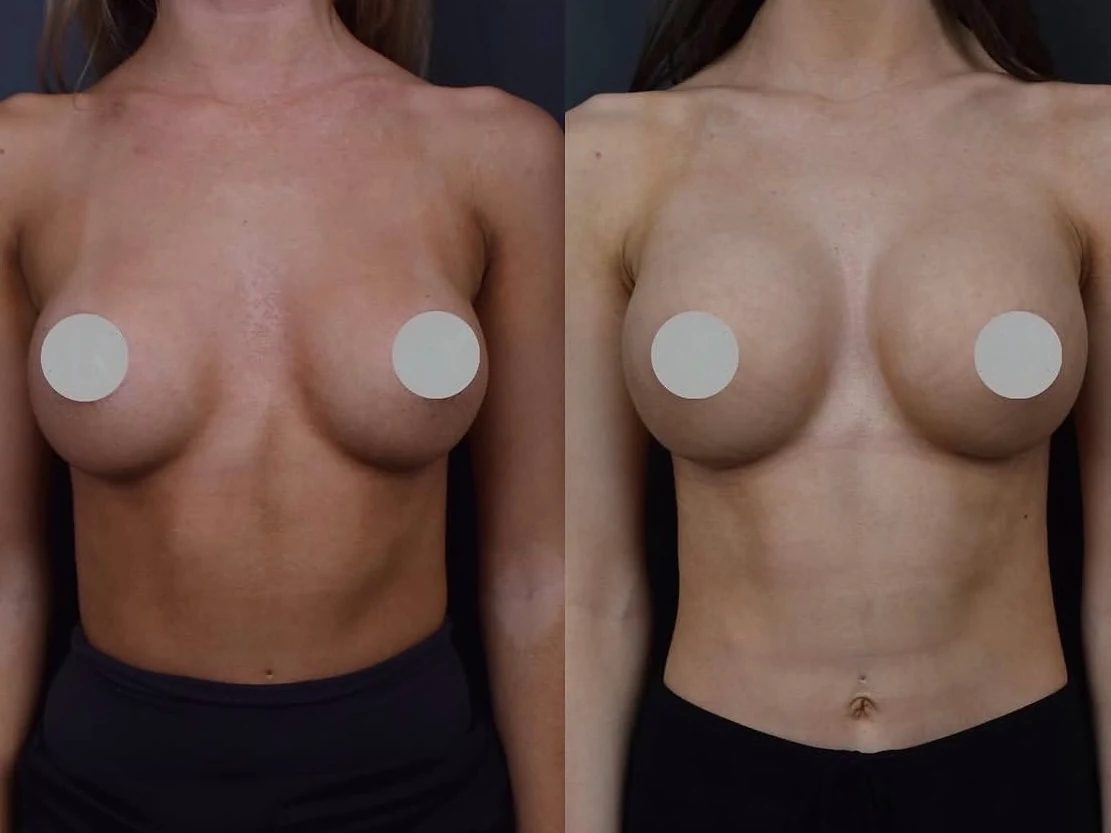 beforeafter
Method: implants
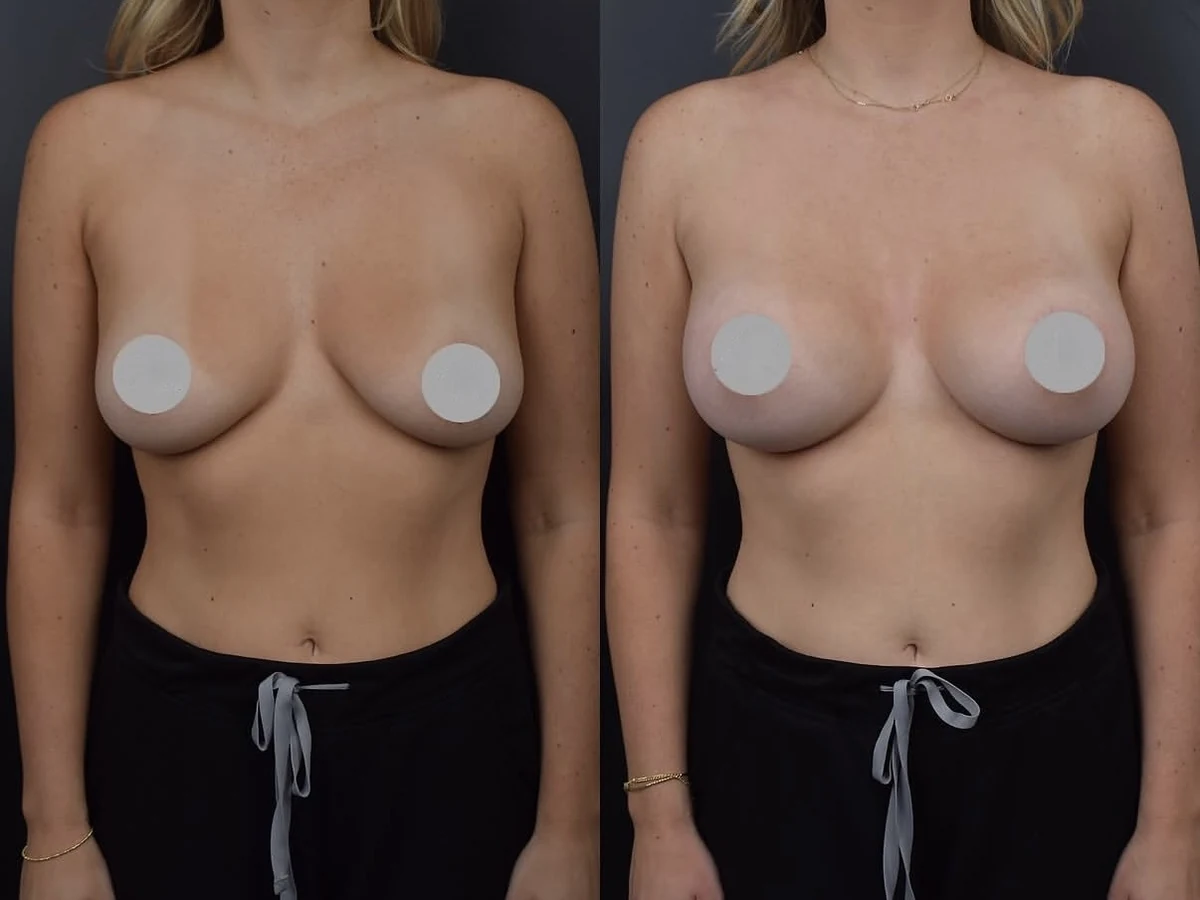 beforeafter
Method: implants
 beforeafter
Method: implants
 beforeafter
Method: implants
 beforeafter
Method: implants
 beforeafter
Method: implants
Comparison
We work with two main breast correction methods: augmentation and reduction. Compare the main goal, the precision of correction and the indications to choose your method with confidence.
Size and shape correction with implants
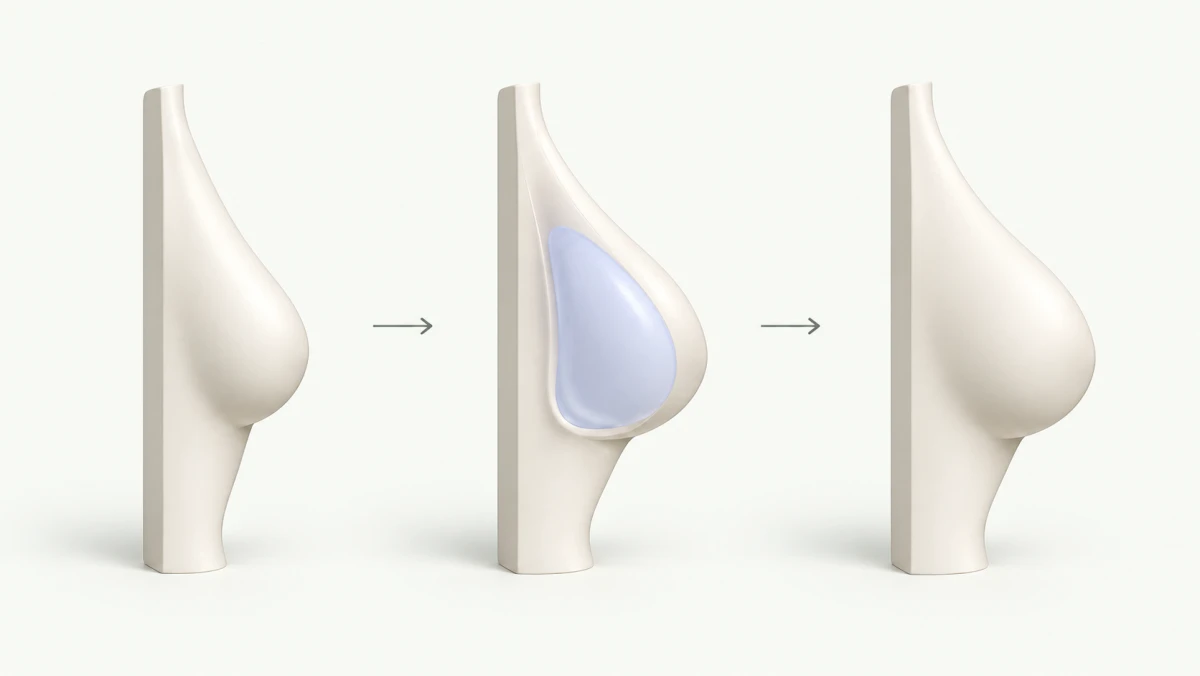
Discounted price
$4,700 $5,900
Reducing breast volume and weight to correct size
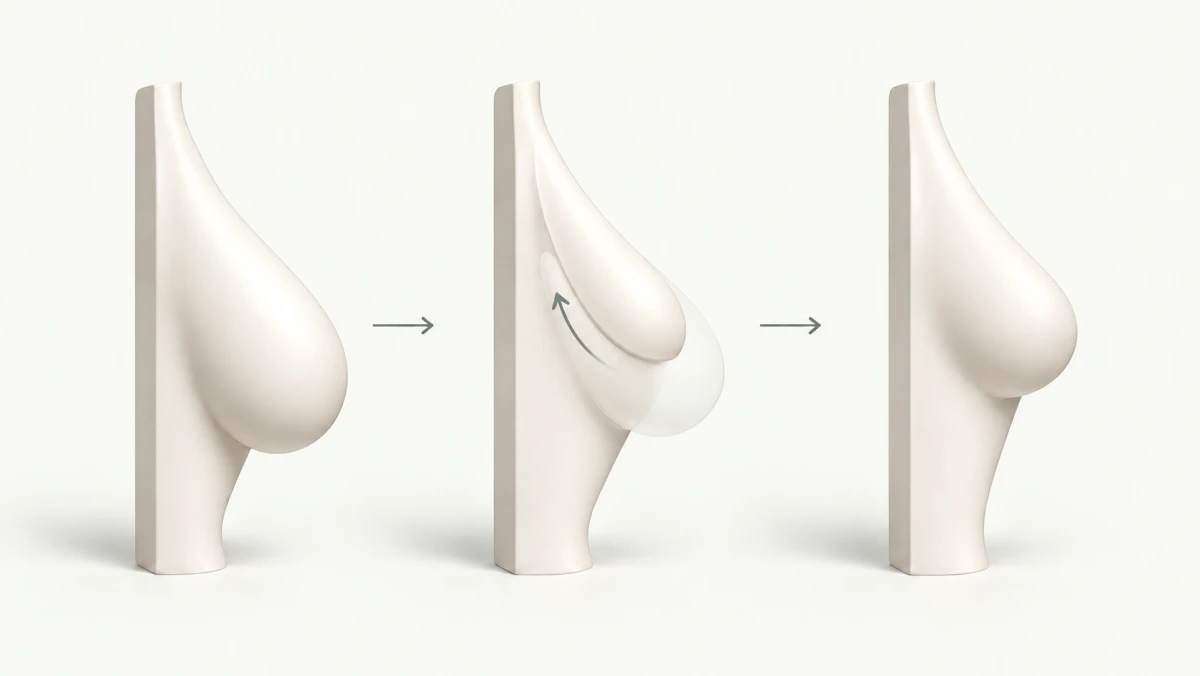
Discounted price
$4,700 $5,900
At the consultation the surgeon assesses the shape and proportions of your breasts, discusses your wishes and chooses the best mammoplasty option for you.
The consultation is free, before surgery and with no commitment.
Comparison
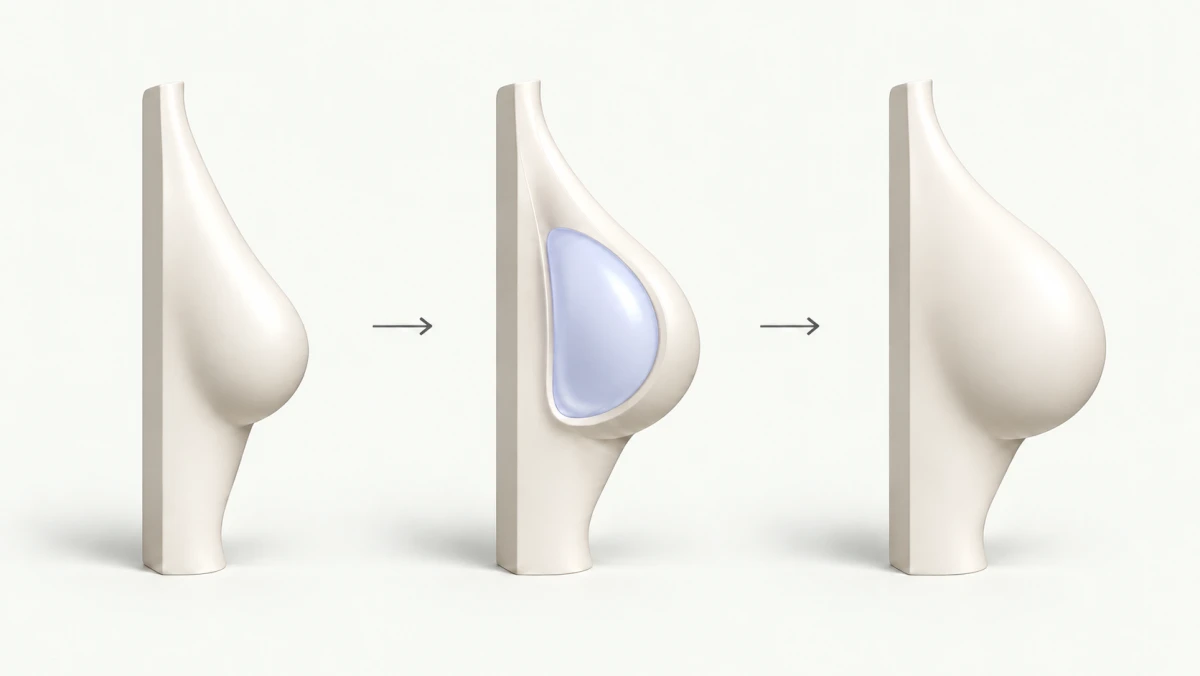
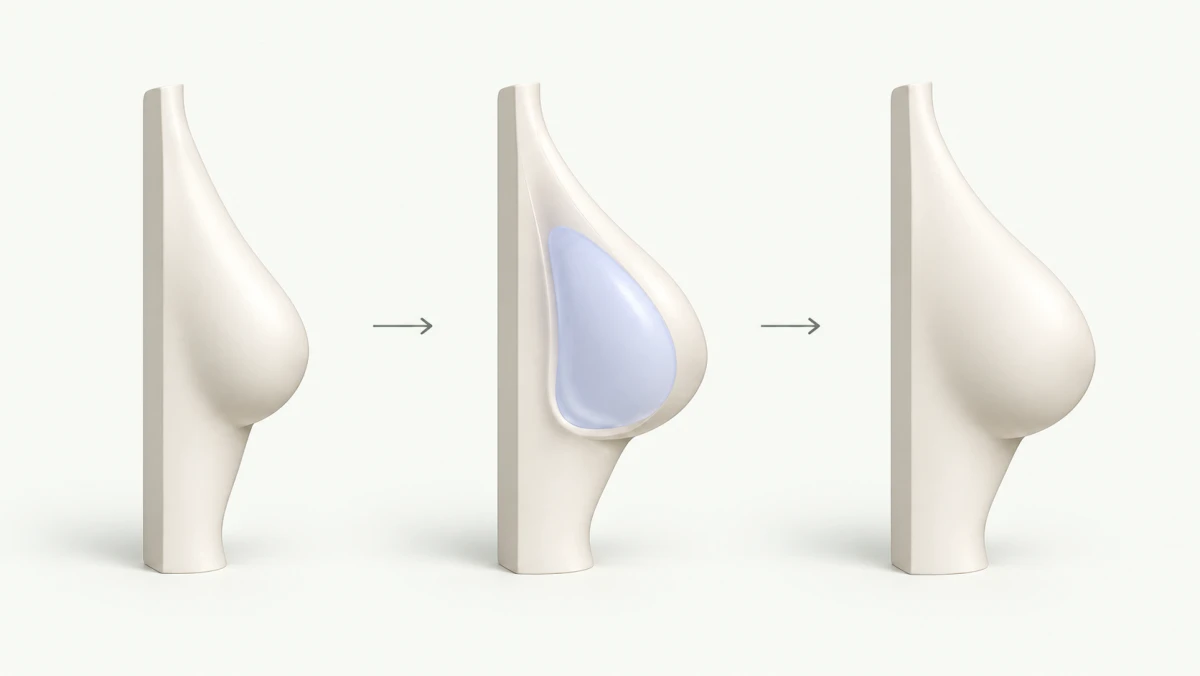
Round and anatomical implants are the two main types we work with. Each adds volume and corrects the shape, but the form and the final look differ.
Balanced volume and a fuller upper pole
A soft teardrop shape with a natural slope
The surgeon will help you choose the implant shape and volume.
Inside the clinic
Up-to-date equipment, comfortable rooms and attention to each patient
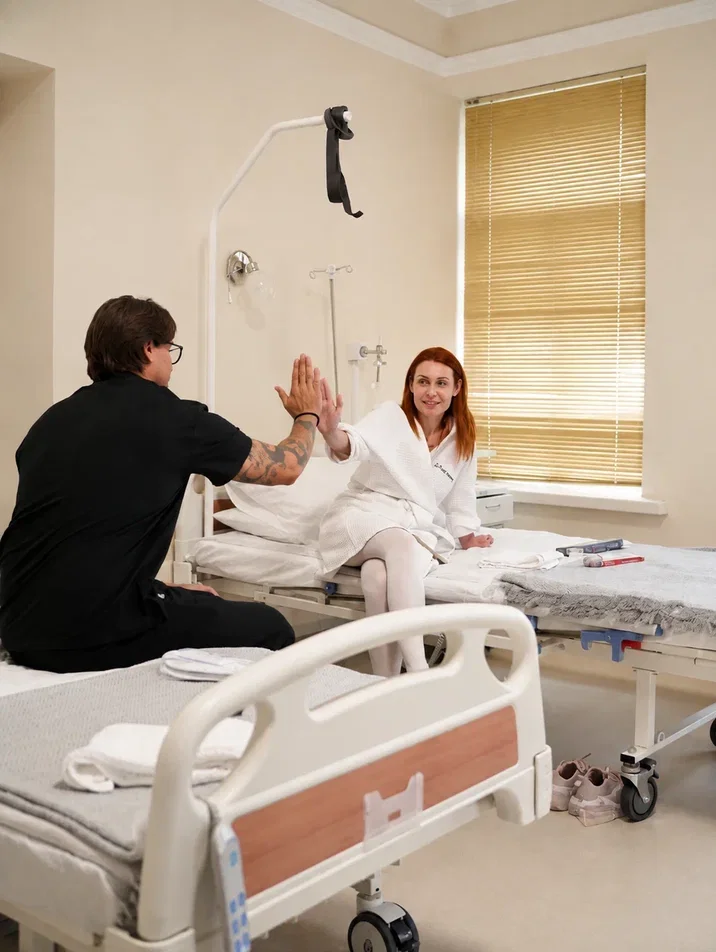
You get answers to your questions and a consultation slot that fits your schedule
By messaging us, you agree to our Privacy Policy
Should your case not require surgery, you will hear it from the doctor at the consultation, and no money will be spent in vain.


Not certain if surgery is the right choice for you?
Message us — your coordinator will ask for photos in a messenger, and the surgeon will look at them and tell you whether mammoplasty is right for you.
Find out if it suits me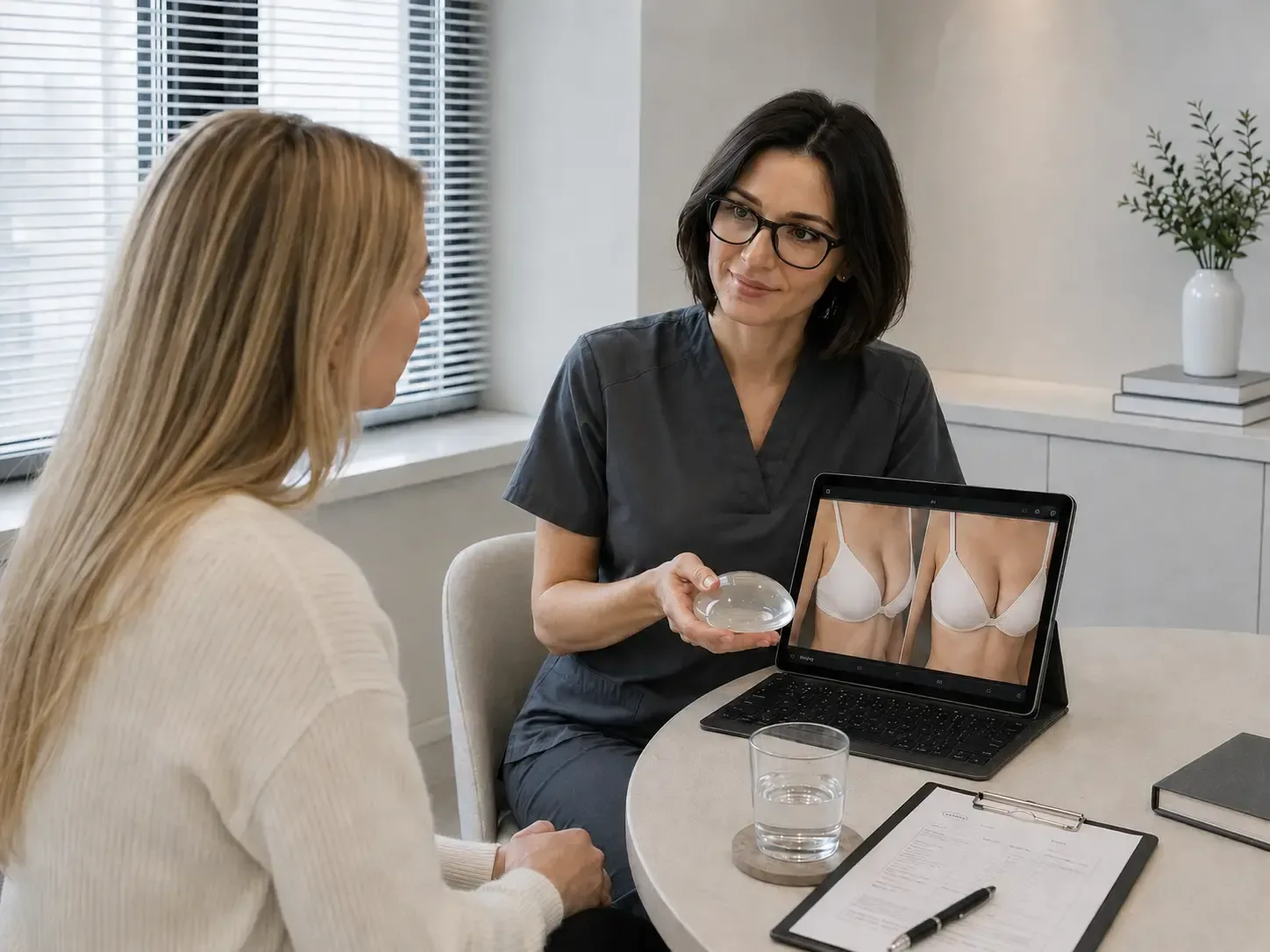
Prices
The price is set at the consultation and fixed in the contract.
Discounted price
Size and shape correction with implants
$4,700$5,900
Discounted price
Reducing the volume and weight of the breasts
$4,700$5,900
Breast restoration after mastectomy
The price is set at the consultation and fixed in the contract.
Get a consultationYour surgeon examines the anatomy and proportions of your breasts, discusses your wishes and recommends the right way to correct them.
The price is set at the consultation and fixed in the contract.
Message our coordinator
Free online consultation · Reply within 15 minutes
Message us on TelegramMessage us on WhatsAppBy messaging us, you agree to our Privacy Policy

all inclusive
From getting ready for surgery
to 12 months of support.
Discounted price
$4,700$5,900
How it works
An agreed plan for the correction, observation in hospital and recovery monitoring for a year.
 1
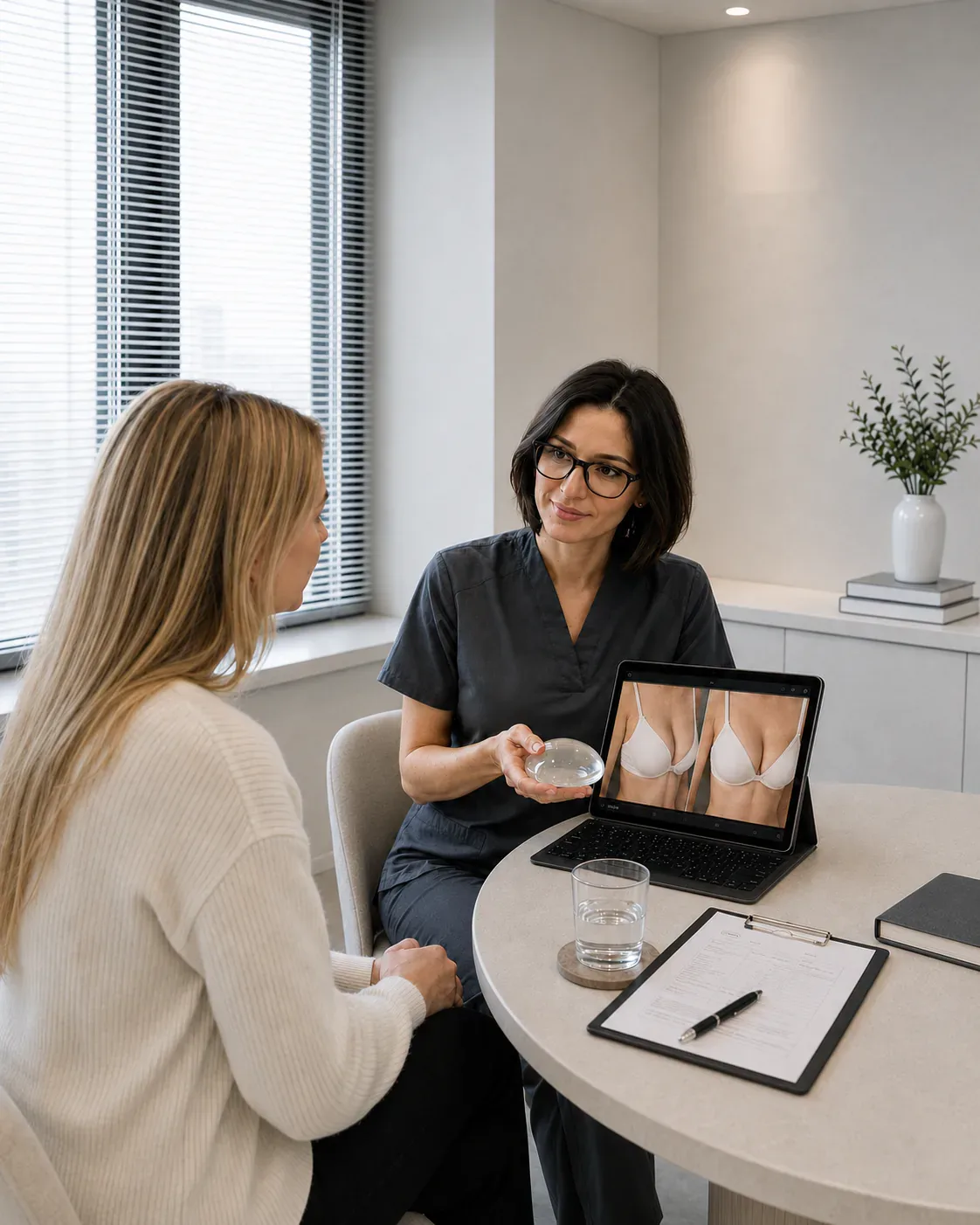
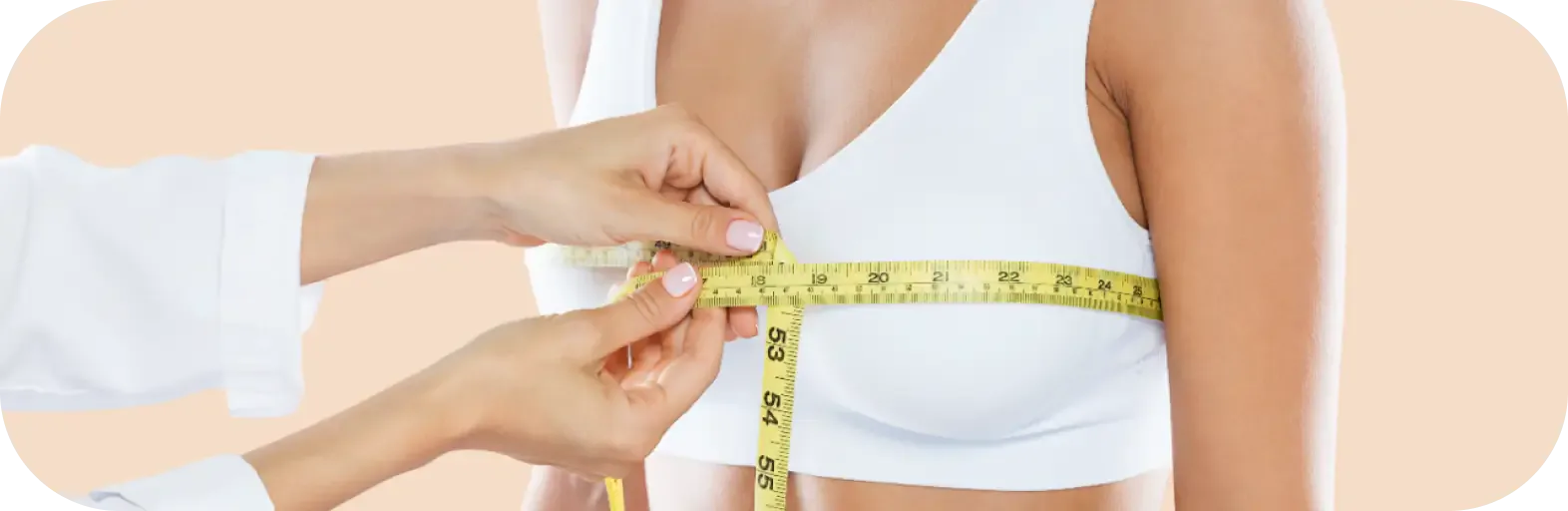
The surgeon looks at your figure, talks through your wishes and picks the best volume, shape and correction method.
 2
A surgery date is booked in your name: pay the deposit by card at the clinic or by online bank transfer. The terms are recorded in the contract for medical services
 3
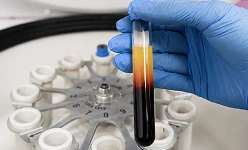
Before the operation you take a full set of tests: blood tests, an ECG and any other examinations the doctor prescribes.
 4
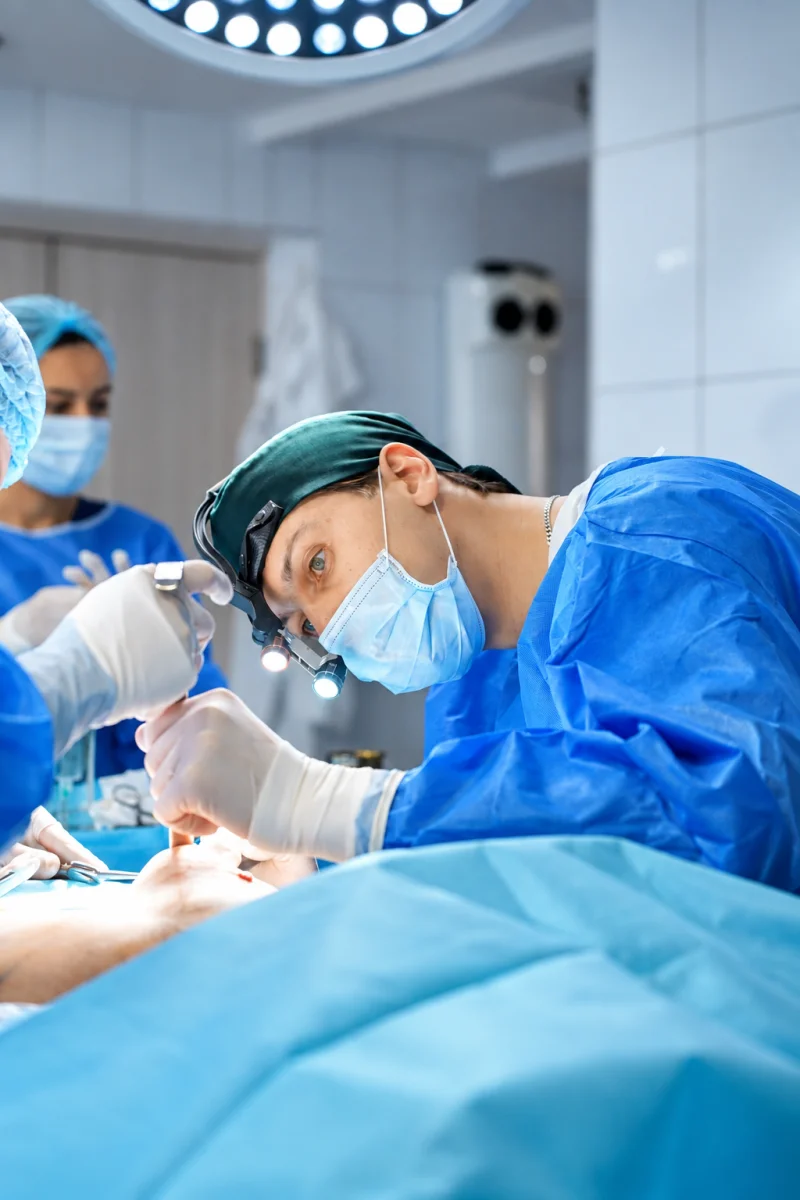
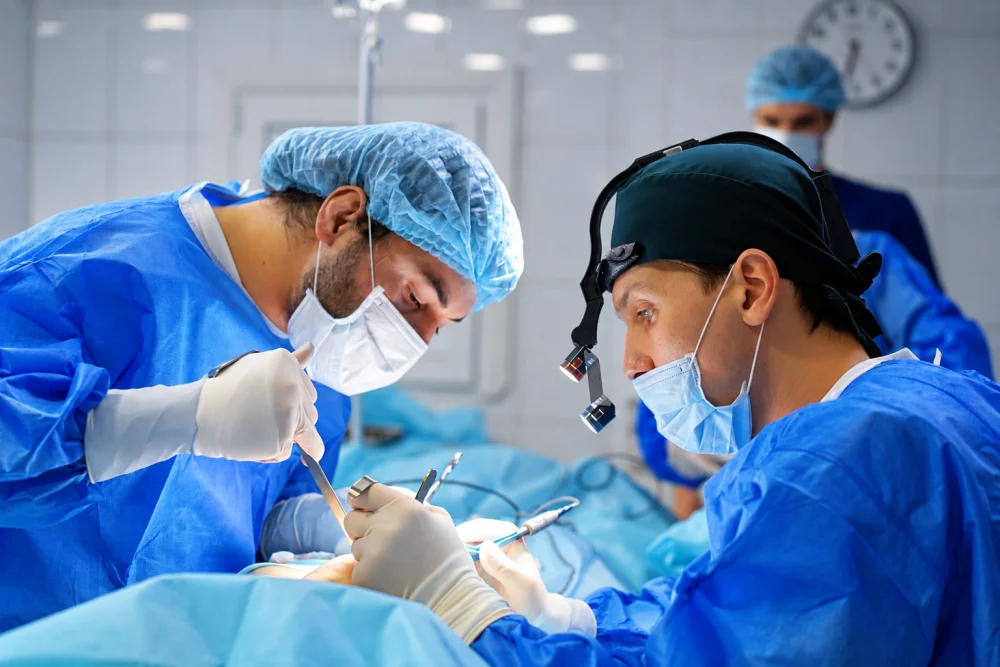
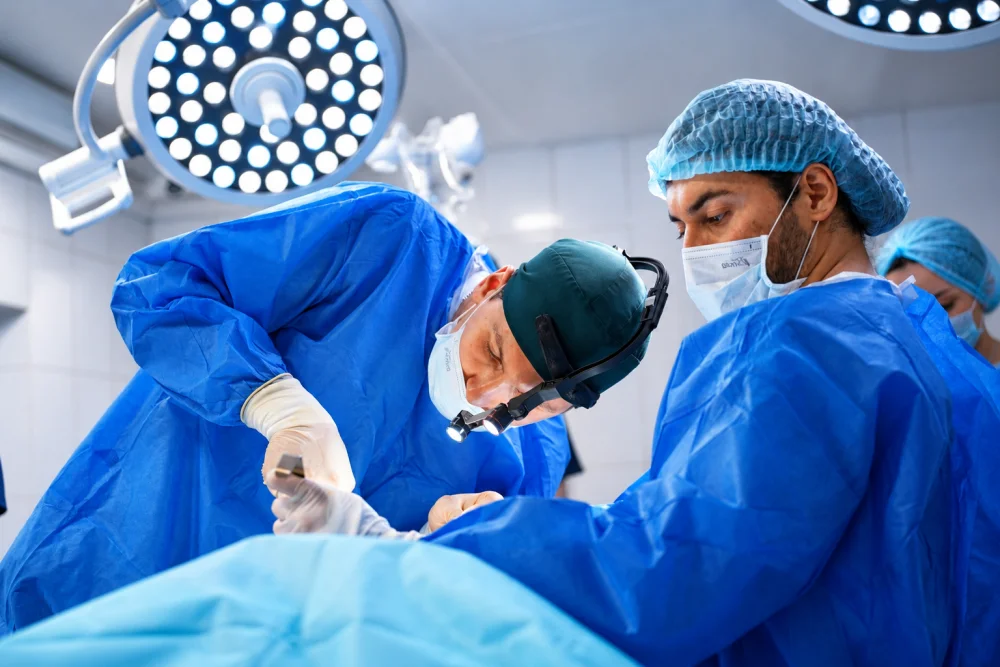
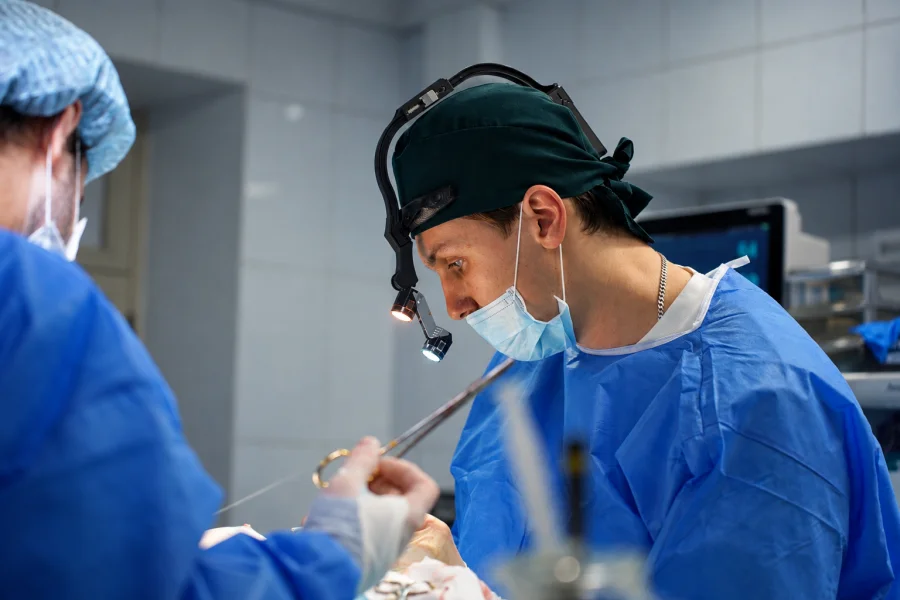
Your surgeon carries out the mammoplasty following your personal plan, under general anaesthesia and with constant monitoring of your condition.
 5
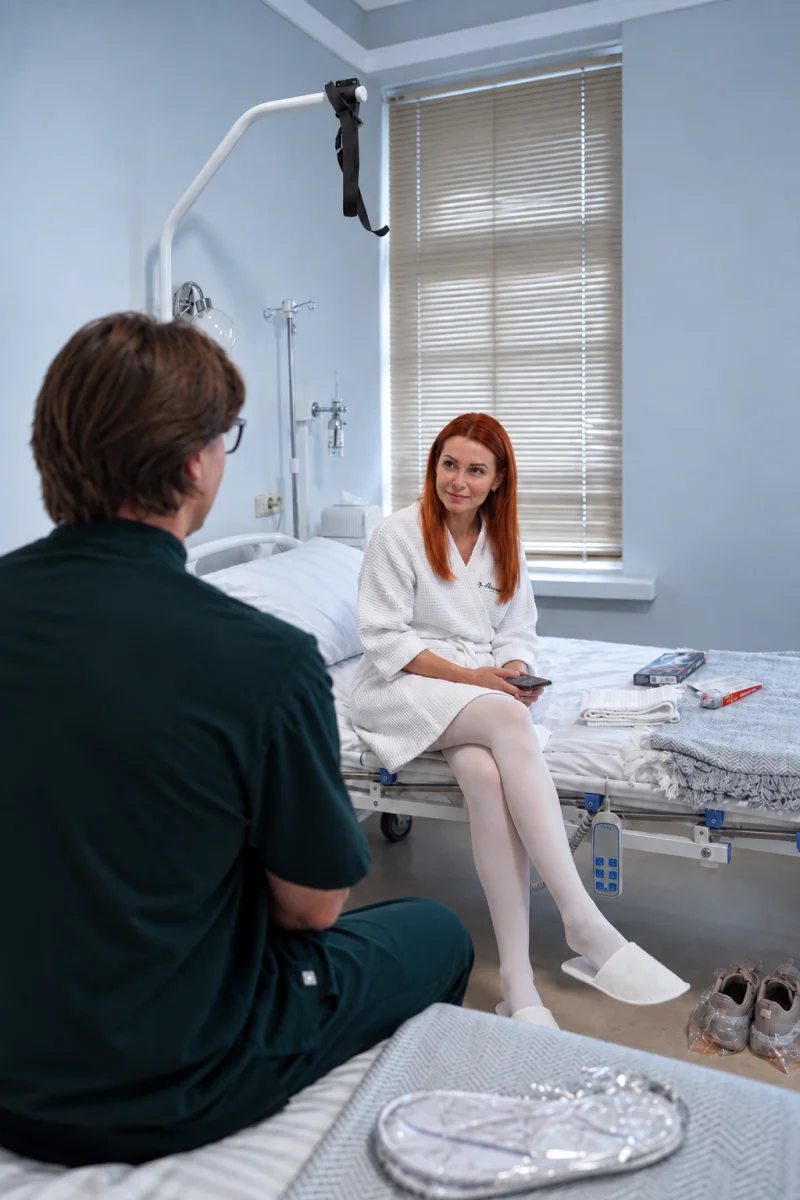
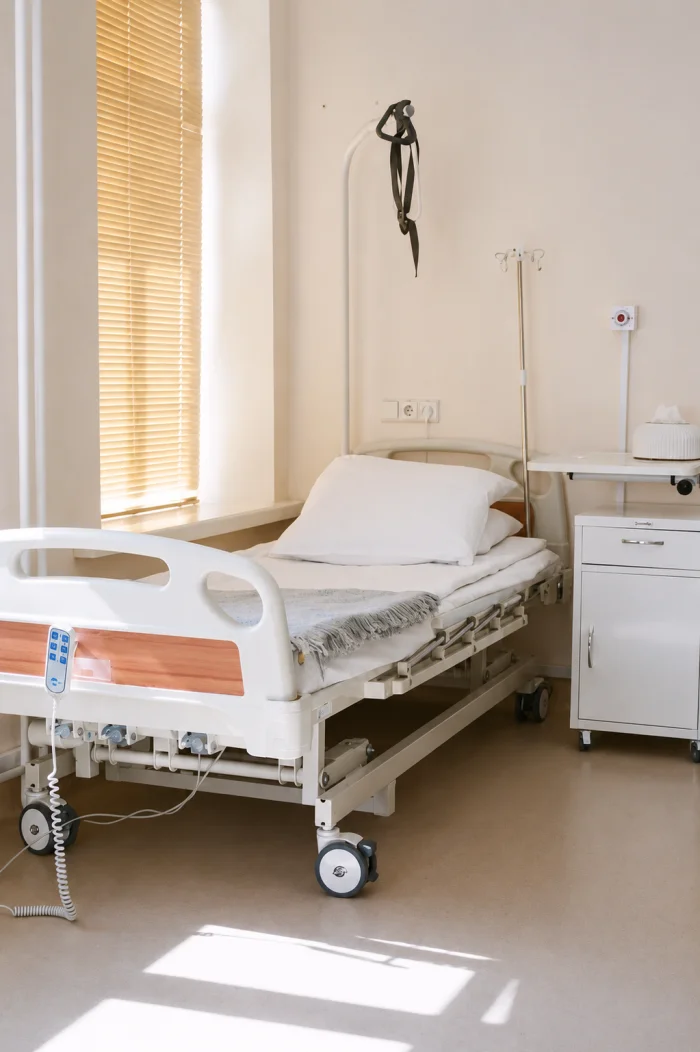
Once the operation is over, you stay in the clinic's comfortable ward under the medical team's supervision until discharge.
 6
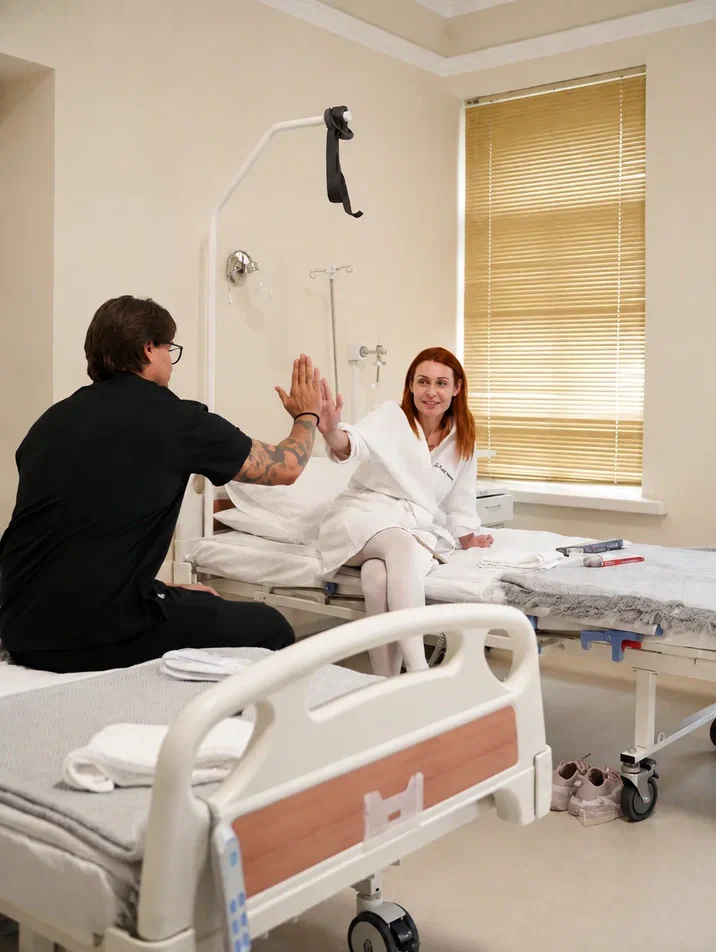
A recovery programme is prescribed after surgery. Check-ups at 7 days, 3 and 6 months follow your recovery, and for a year after surgery you consult your surgeon for free.
Follow a few simple rules before surgery: balance work and rest sensibly, sleep more, avoid stress, anxiety and strong emotions, and scale back physical activity.
Discontinue hormonal oral contraceptives at least a month ahead of the procedure
Aspirin-containing drugs, steroids and hormonal medications for chronic conditions must be stopped before surgery
Get your tests a week ahead of surgery
Swelling from surgery fades after 3 weeks
Scars take shape within 3 weeks
Avoid physical exertion (lifting over 3 kg)
Do not raise arms above shoulder level for 3 weeks
During recovery after correction, compression garments are worn for 1–1.5 months
Avoid intense gym workouts for up to 40 days and overly active aerobics; after a month light cardio is possible. Watch your diet and meals.
Within 3 months, discomfort disappears
Baths, saunas and physiotherapy are not allowed for up to three months
In 3 months any inflammatory changes in the tissue disappear, and a “pocket” forms around the implant
Doctors
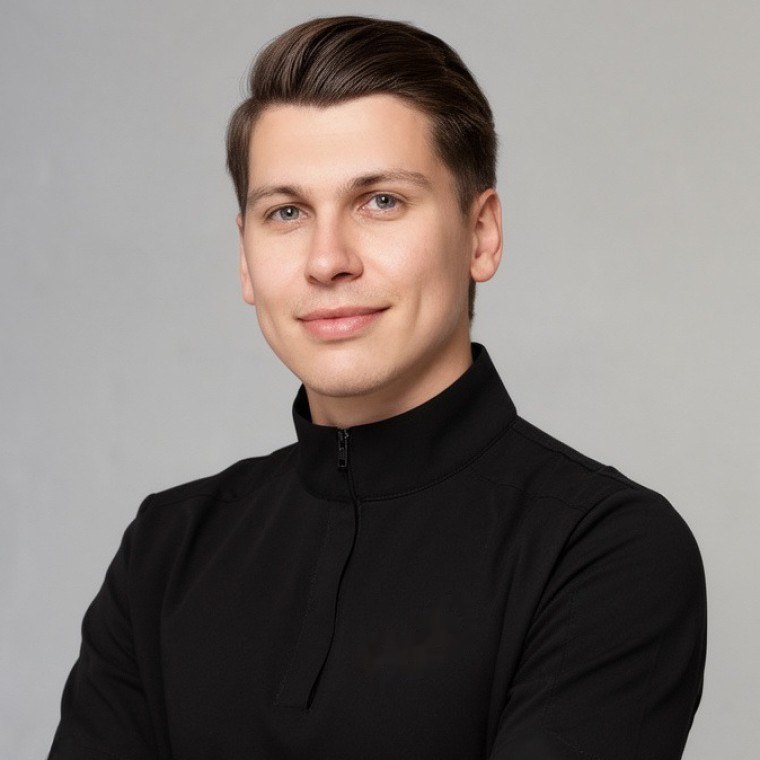
7 years of experience
Plastic surgeon
Underwent residency in plastic surgery at the Petrovsky National Research Centre of Surgery. Specializes in breast and body surgery, aesthetic and reconstructive.
You speak with the operating surgeon at the consultation
A seasoned plastic surgeon who cares for patients' health as well as their beauty
Book a consultationAdvantages
During the consultation we discuss your wishes and model the planned changes. The surgeon explains what surgery can achieve, so you know exactly what result to expect.
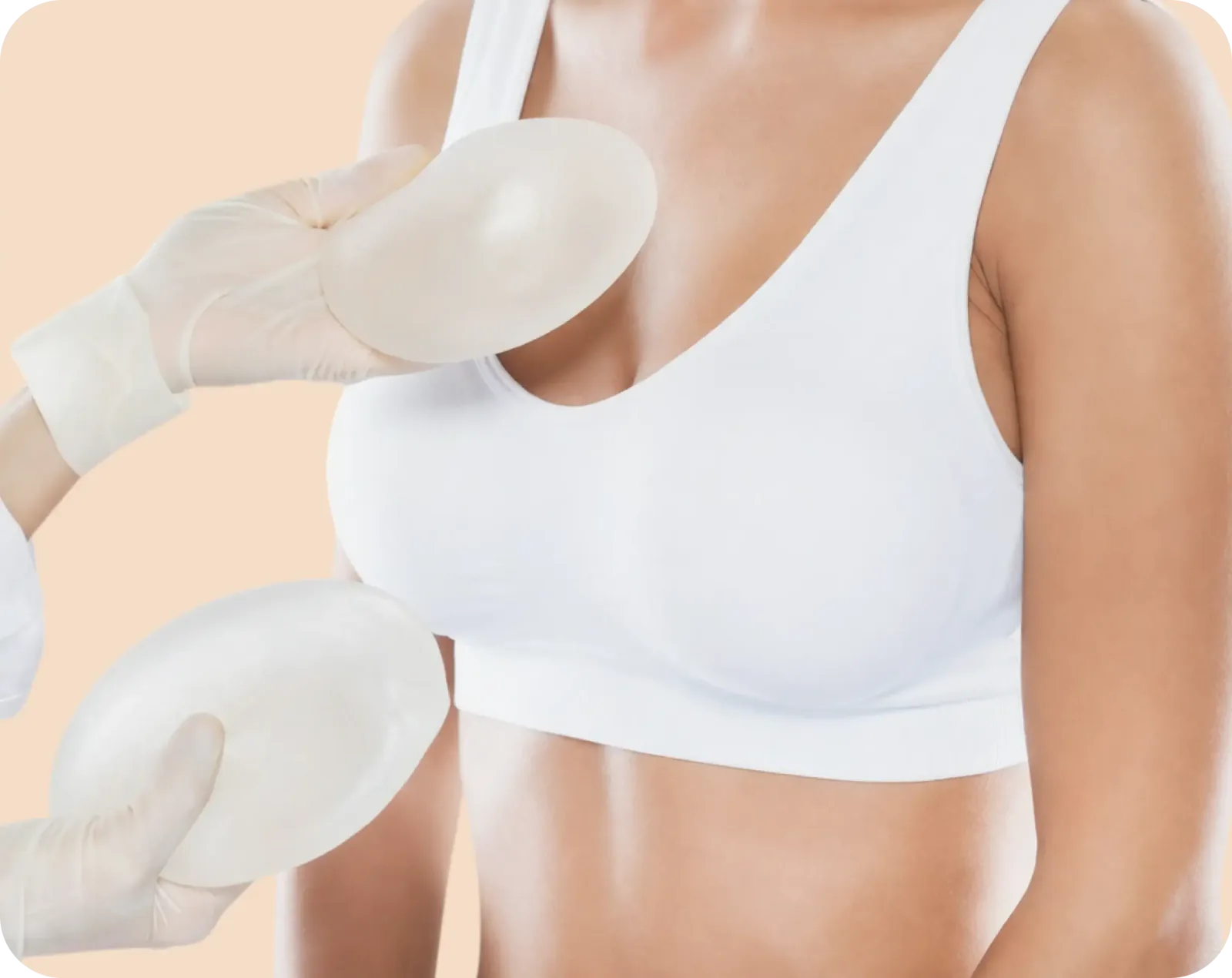
Your surgeon follows your recovery and the changes in your breast shape for a full year; check-ups and dressings are included in the price.
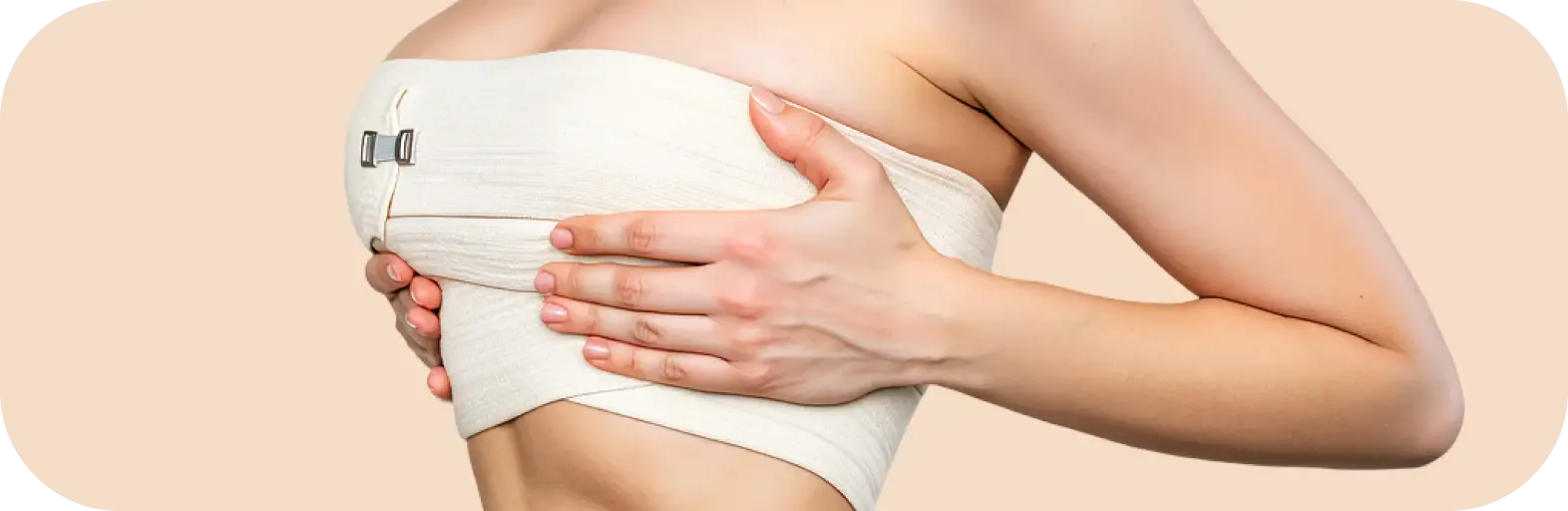
We choose the shape, volume and correction method based on your anatomy and wishes. For augmentation, implant size and profile are chosen individually.

We respect your schedule: working 24/7, with simple booking and a personal approach that fits your pace.
After the consultation the surgeon defines the extent of correction, and you get a clear price for the surgery — no surprises on the way to the result you want.

Recovery starts in a comfortable inpatient ward with nursing care around the clock. Your stay and meals are already included in the price.
FAQ
Yes. Boob job is the everyday name for breast augmentation. At City Medical Centre it is done with round or anatomical implants that the surgeon chooses with you at the consultation.
Breast enlargement adds volume with implants. A breast lift (mastopexy) raises sagging breasts and removes excess skin. Which one suits you is decided at the free consultation.
Mammoplasty spans several procedures: augmentation (enlargement with implants), reduction (excess tissue and skin are removed), mastopexy (lift of sagging breasts), reconstruction (after mastectomy) and asymmetry correction. The ideal method is chosen for you individually, taking into account your wishes and the surgeon's advice.
Message us — our coordinator will get back to you shortly and book your consultation. The plastic surgeon consultation is free.
If you follow all the recommendations, complications are rare; they may, however, include hematoma or seroma, wound infection, decreased or heightened nipple sensitivity, capsular contracture, aesthetic asymmetry, wound separation and tissue necrosis.
Results after mammoplasty last a long while: about 10–15 years for augmentation (until implant replacement) and 5–10 years for a lift or reduction. Weight changes, pregnancy, skin aging and gravity affect their duration. To maintain the result, choose supportive underwear and control your weight.
The ability to breastfeed after mammoplasty depends on the type of operation. With augmentation through an under-breast or armpit incision and a submuscular implant, lactation usually remains, because the glandular tissue is not harmed. After a lift or reduction the risk is greater, as ducts may be cut. Raise this with your surgeon ahead of time.
In choosing implants, the surgeon considers material (silicone looks most natural, saline is less common), shape (round or anatomical teardrop), surface (smooth or textured), size and profile, and selects the best option for your anatomy and wishes.
The operation itself happens under general anaesthesia, so nothing is felt. Moderate discomfort can occur in the first 1–3 days and responds to painkillers. By day 5–7 pain decreases a lot, and by weeks 2–3 discomfort is gone. In case of severe pain, tell your doctor right away.
Returning to work without physical exertion is possible after 7–14 days, and light walks after 1–2 weeks. Fitness and swimming are allowed after 4–6 weeks, strength training after 3 months, and the pool and sea after 4–6 weeks. Compression garments: 4–6 weeks. Exact timing depends on recovery.
Mammoplasty has not been scientifically shown to increase the risk of breast cancer, and implants do not cause it. Keep up regular screening after surgery (self-exams, mammography and ultrasound) and always mention your implants to the doctor examining you.
A C-section does not rule out mammoplasty, but full recovery of the body must come first. Wait 6–12 months or more after giving birth and after you stop breastfeeding. Before surgery, you must have a surgeon's consultation and check-up.
Scarring is part of mammoplasty, but with an experienced surgeon it stays minimal. Incisions are hidden under the breast, around the areola or in the armpit. During the first months scars appear reddish; within 6–12 months they lighten and become almost invisible.
Mild asymmetry soon after surgery is normal during the first weeks and is caused by swelling and uneven healing. If shape or size remains different after 3–6 months, your surgeon should examine you to establish the cause.
After mammoplasty, the breasts and nipples can temporarily lose or gain sensitivity. Irritation of the nerve endings is responsible. Most often sensitivity returns within 3–12 months. If there is no improvement a year later, see your surgeon.
Hormonal drugs (contraceptives, hormone replacement therapy) do not affect implants themselves, but they can cause swelling or a change in breast tissue volume that alters the appearance for a time. Always inform your surgeon about them ahead of surgery.
Prices are in US dollars; the amount in brackets is an approximate conversion to EUR at the rate of 02.10.2026. The final price is fixed in your contract.
Prices start from $4,700 (≈ €4,200). The surgeon sets the final price at the free consultation, and it is fixed in the contract, with no hidden extras.
The surgical team's work, anaesthesia, the inpatient stay with meals, dressings and follow-up visits for twelve months.
Message us on WhatsApp or Telegram using the buttons below. A coordinator will answer your questions and book a free consultation where the doctor names the exact price.
By messaging us, you agree to our Privacy Policy
Enlargement with implants corrects both size and shape. It is aimed at patients who feel their breasts are too small, have lost volume or look asymmetrical. People searching for this surgery in Sofia should know that results typically last about 10 to 15 years, until the implants are replaced; weight, pregnancy, skin aging and gravity all influence how long they hold.
The journey begins with an initial consultation: the doctor examines and palpates the breasts to rule out lumps and discusses expectations with you. Patients from Sofia then complete a pre-op work-up — blood tests, coagulation panel, infection screening, ECG, chest X-ray and breast ultrasound. The surgery lasts 1.5 to 3 hours under general anaesthesia, followed by one day of inpatient observation.
What do you pay for? From $4,700 (≈ €4,200) covers the operation itself and everything around it: preparation with the surgeon, anaesthesia, one day in an inpatient room with meals and 24/7 supervision, then twelve months of dressings, check-ups and surgeon follow-up. Consultations with the plastic surgeon are free. Anyone from Sofia can apply via the form or any messenger to arrange one.
Well-known people who spoke openly about this operation, in their own words.
Written by Dmitry S. Kuznetsov, plastic surgeon
How we prepare and review medical content · Medical disclaimer
Page last updated:
At the 2021 census the Sofia capital region counted 1,274,290 people, roughly a fifth of Bulgaria. Two public records are worth consulting early: one for the person, one for the place.
For the person there is the National Register of the Bulgarian Medical Association, a public search through which the right to practise can be checked. For the place there is the Executive Agency Medical Supervision, which publishes a list of registered healthcare institutions, issues the certificates that legitimise their activity, holds the power to revoke them, and supervises institutions and the quality of care.
So the first message to any provider can be short: please send the full name of the surgeon and the legal name of the organisation. Look both up, jot down the date of your search, and compare the spelling with the draft contract. A mismatch is not proof of anything, but it deserves an explanation before a deposit is considered.
The National Health Insurance Fund describes an aim of free and equal access to health care for insured persons, with care delivered by providers under contract; a private-insurance overview, which is a secondary guide, lists cosmetic and non-essential procedures among those the fund does not cover well. Your own insurer has the last word, and you want it written down.
Ask for a short bundle: the licence of the organisation and its number, the surgeon's name with diplomas and certificates, the draft medical services contract, and a statement of what the agreed sum covers. For this operation the clinic mentions a consultation with modelling of the result, an experienced team, anaesthesia, a stay in a comfortable ward with meals, dressings and check-ups over twelve months, and monitoring by medical staff day and night.
Then hold the draft against that list, sentence by sentence. Anything promised in a conversation but absent from the contract is, for practical purposes, not promised. Ask for the missing sentence to be added, or for a clear explanation of why it cannot be.
A comparison with a second surgeon is a sound habit. Take the same photographs and the same wishes to another consultation and note where the advice differs: implant volume, shape, the number of nights in the ward, the follow-up plan. Differences give you better questions for both sides.
One practical check at the end: the plastic surgeon who talks to you at the consultation is the one who operates. Ask for that to be stated in the document, along with the way you will reach the surgeon after discharge.
Ask, too, for the discharge instructions in writing before the day itself, so that you read them calmly at home rather than for the first time in a ward. Note which questions you want answered about dressings, garments and the dates of the check-ups, and bring the list to the coordinator.
The clinic works with two forms. The round one gives an even volume and extra fullness in the upper part of the breast. The anatomical one follows a teardrop line with a gentle natural slope and is presented as the most natural contour. In both cases the goal is more volume and a corrected shape.
Augmentation sits alongside reduction in the clinic's mammoplasty work. The first adds volume and corrects shape, with general anaesthesia and one day in the clinic; the second lowers volume and weight, also under general anaesthesia, with a stay of one to two days. Knowing which of the two you are discussing helps you read every estimate and every plan.
Implant choice has more parts than shape. Material, surface, size and profile are all chosen individually. Silicone is described as the most natural-looking and saline as less common; the surface may be smooth or textured. A useful request is to have the surgeon explain, in your own words and with your own photographs, why one combination suits your anatomy better than another.
Prepare a reference. A picture of the outline you like, and one of the outline you do not like, tells the surgeon more than adjectives. The consultation includes a modelled preview of the result; save a copy next to the contract so that you can compare it with the plan you finally sign.
When you look at the modelled preview, judge proportion rather than size alone: how the chest sits against shoulders and hips, how the shape reads in a plain top, whether the outline looks like you. If the picture surprises you, say so now. It is far easier to adjust the plan at the consultation than after the operation.
People come to augmentation for several reasons: insufficient volume, differences in shape or size between the breasts, sagging, volume lost after pregnancy and breastfeeding or after weight loss, congenital features, or a correction following earlier surgery.
The doctor will hold back with pregnancy and breastfeeding, acute infections, inflamed or damaged skin in the operating area, chronic diseases that are not under control, age under 18, uncorrected clotting problems, uncontrolled diabetes, and malignant breast tumours until treatment is finished.
If your goal can be reached without surgery, the doctor says so at the consultation, and you are spared an unnecessary expense. When you are not sure whether you fit, write to a coordinator; photographs are requested in a messenger, the surgeon studies them, and you hear whether mammoplasty is right for you. Nothing is booked, and nothing is charged.
Begin a month or two ahead with modest, sensible habits: an even routine, a little more sleep, fewer stresses and strong emotions, less physical load. In the final two weeks, aspirin-containing medicines, steroids and hormonal drugs for chronic conditions are stopped on your doctor's instruction, and hormonal contraceptive pills earlier, on the surgeon's own schedule. A week ahead come the tests: blood work, an ECG and whatever the doctor adds.
Surgery uses general anaesthesia with monitoring from start to finish, and you wake in the clinic's inpatient ward, where the team looks after you until discharge. Check-ups come at 7 days, then at 3 and 6 months, and the surgeon's consultations are free during the year after the operation.
Draw the weeks on a calendar, because they differ in what they ask of you. By about week three the swelling has settled and the scars have taken shape, and until then the arms do not go above the shoulders. Lifting stays under 3 kg and baths and saunas stay off for up to three months. The compression garment accompanies you for 1 to 1.5 months. Hard gym sessions and brisk aerobics wait until after 40 days; gentle cardio can start after a month.
Arrange the practical side early. Who helps at home in the first days? Who takes over any lifting at work or with children? A short list written before the operation saves improvisation afterwards.
Keep your documents together: the contract, the preview, the discharge instructions, the dates of the check-ups, and the list of medicines you stopped and when. If anything is unclear, the coordinator answers round the clock, and the folder will answer the rest.
The National Register of the Bulgarian Medical Association. It offers a public search and a check of the right to practise.
The Executive Agency Medical Supervision. It publishes the list, issues certificates legitimising the activity, can revoke them, and controls institutions and the quality of care.
The fund states an aim of free and equal access to health care for insured persons. A private-insurance overview lists cosmetic and non-essential procedures among those the fund does not cover well. Confirm your case with your insurer in writing.
The same photographs, your wishes and reference pictures, the list of medicines, and the first surgeon's written proposal, so the two plans can be set side by side.
Say so at once. The preview is there to be questioned, and the surgeon can adjust volume and shape before anything is signed.
Use plain daylight and the same distance each time: front, both sides and a three-quarter view. Add your wishes, a reference picture, your medicines and any earlier operations.
Your coordinator, round the clock on WhatsApp or Telegram, and the surgeon at the check-ups; consultations with the surgeon are free for a year.
Material, shape, surface, size and profile, and why each fits your anatomy. Ask for the modelled preview and keep a copy.