


























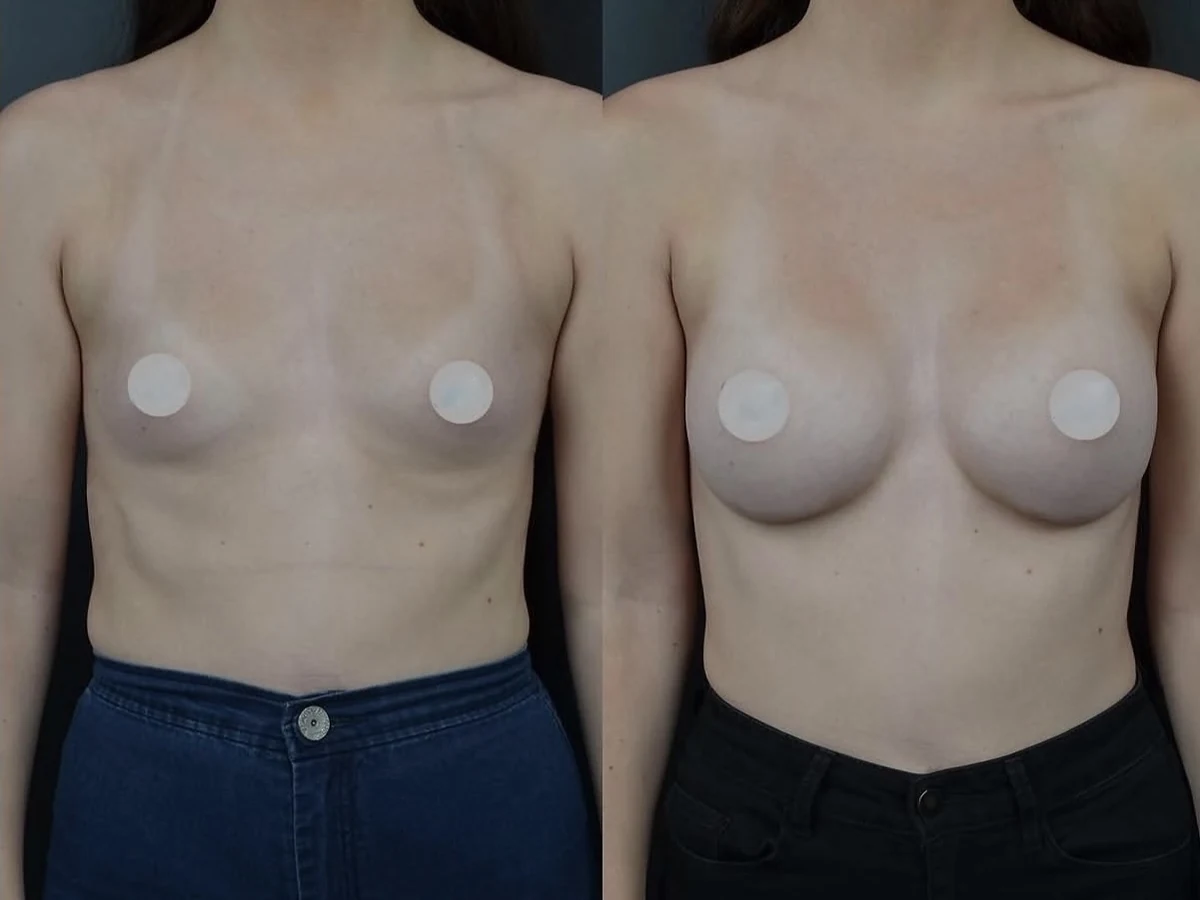
 beforeafter
Mammoplasty
Method: implants
Breast augmentation
$4,700
$5,900 · First consultation — Free
Free online consultation · Reply within 15 minutes
Message our coordinator
Free online consultation · Reply within 15 minutes
Message us on TelegramMessage us on WhatsAppBy messaging us, you agree to our Privacy Policy
Breast augmentation for patients from Port Elizabeth at City Medical Centre starts at R79,000 (from $4,700). The exact price is set by the partner clinic after reviewing your photos.
How it works · Breast augmentation prices
Information current as of 18 November 2026
Results
These are real patients of the clinic, with faces and identifying details hidden.
beforeafterMethod: implants
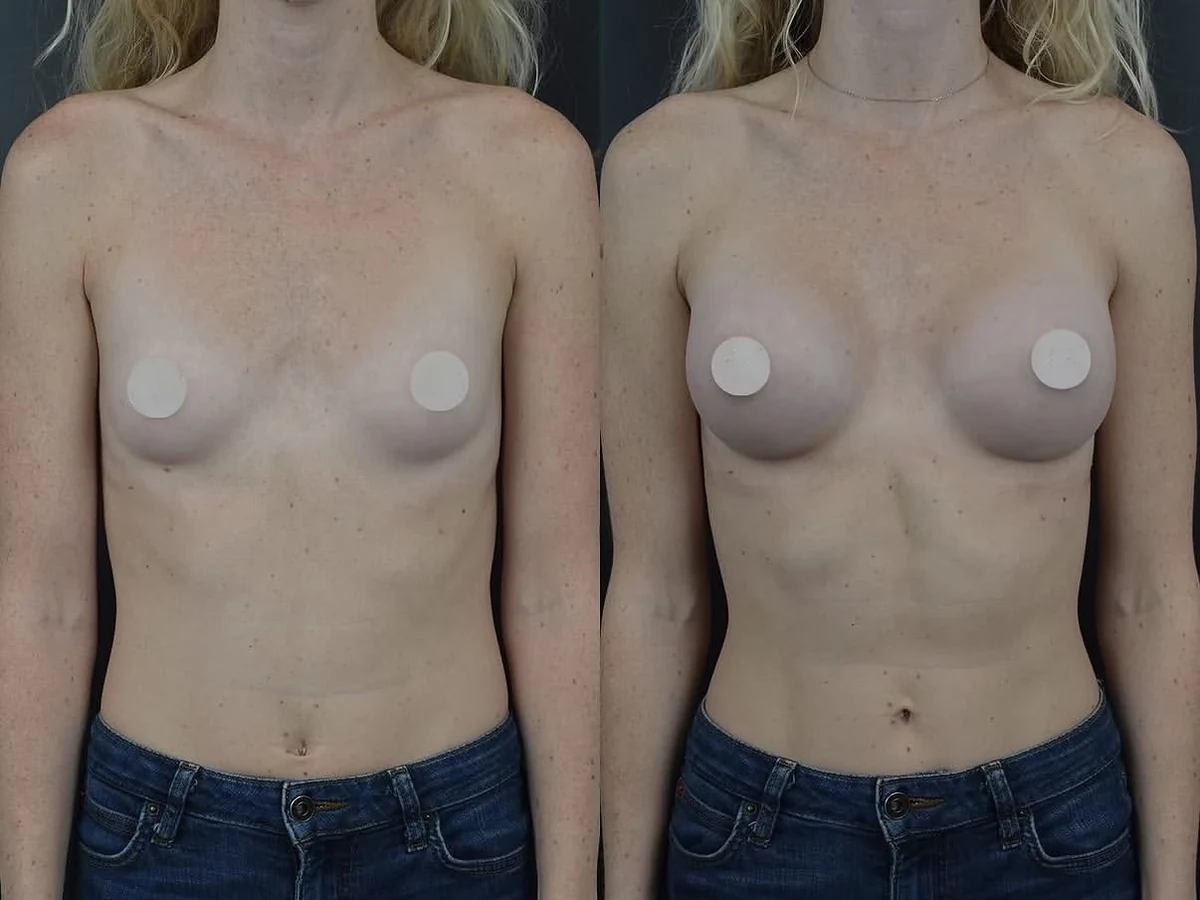 beforeafter
Method: implants
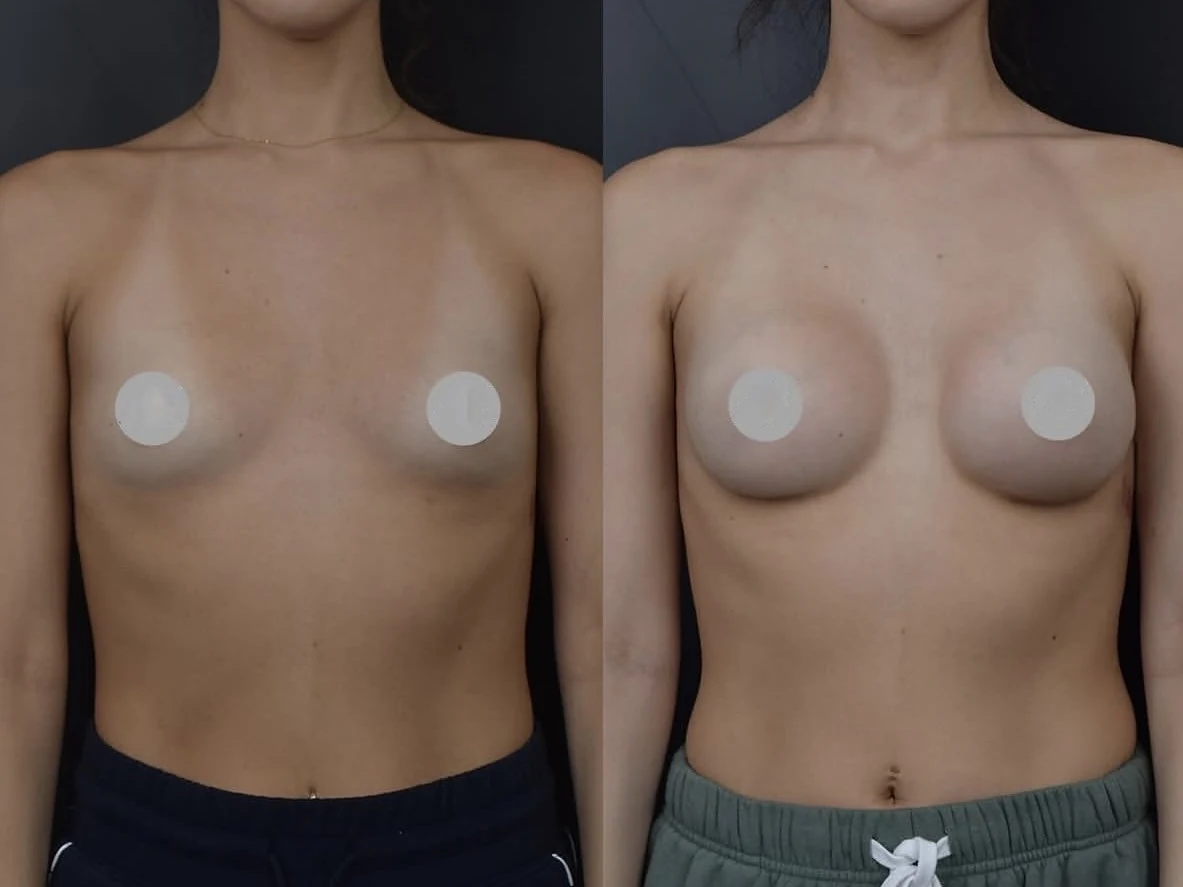 beforeafter
Method: implants
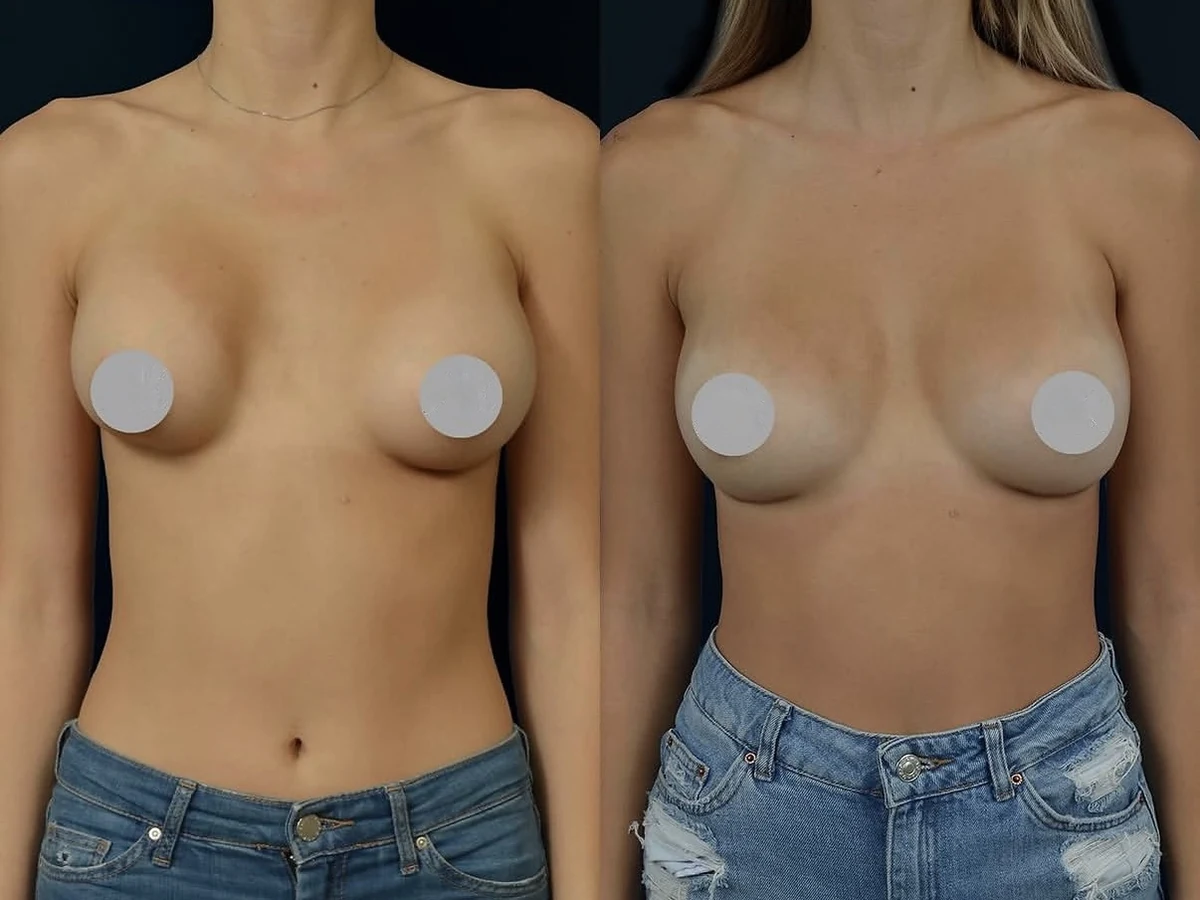 beforeafter
Method: implants
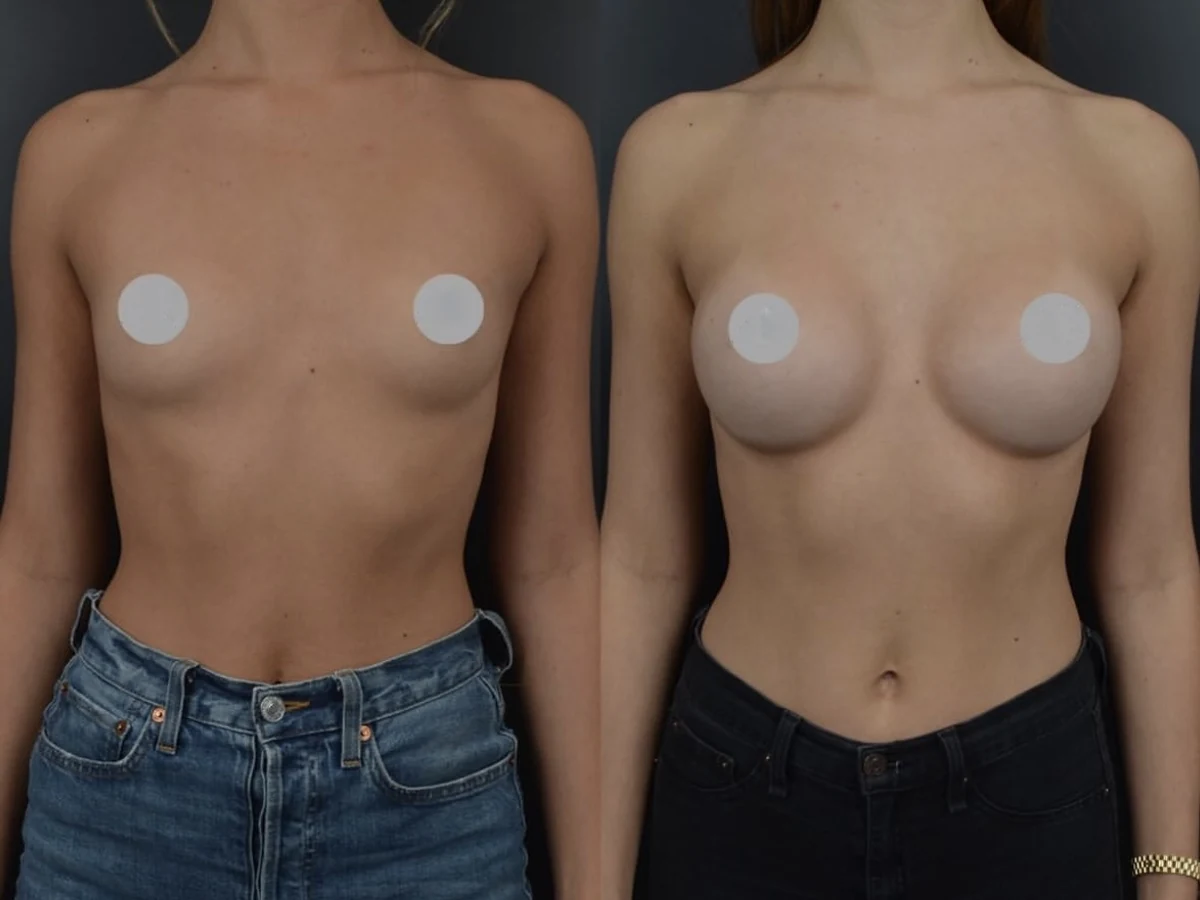 beforeafter
Method: implants
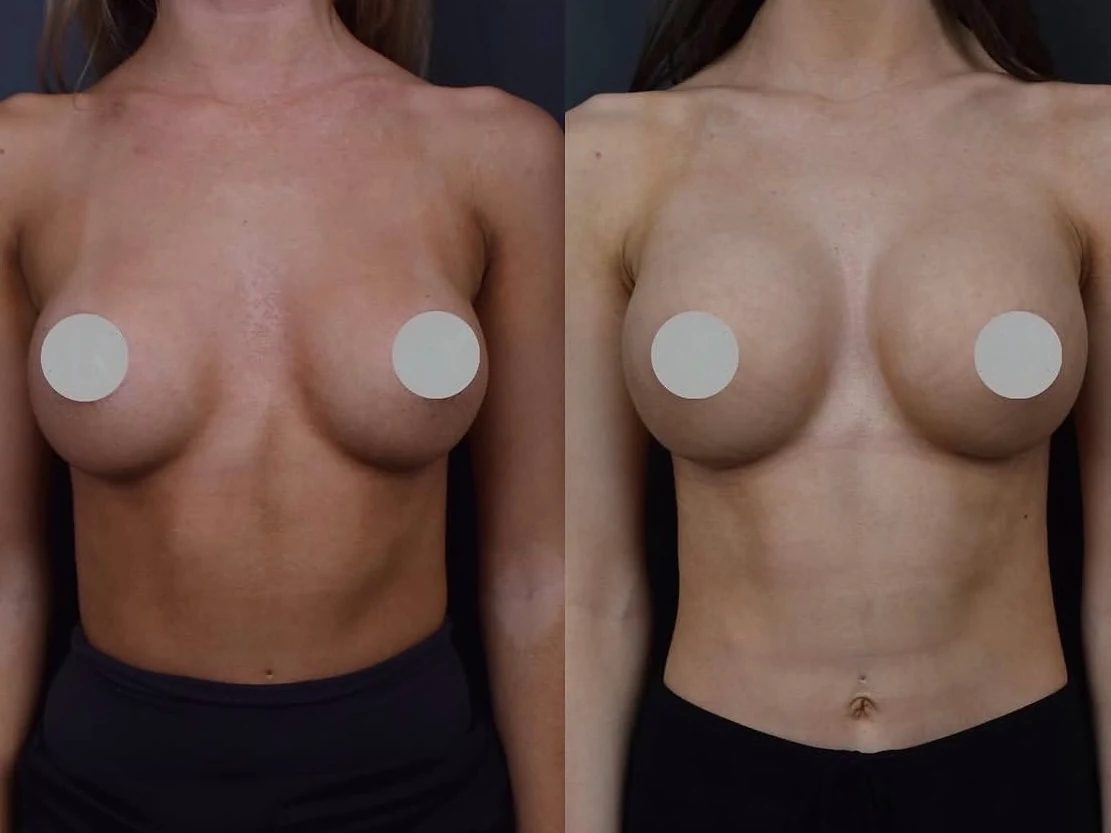 beforeafter
Method: implants
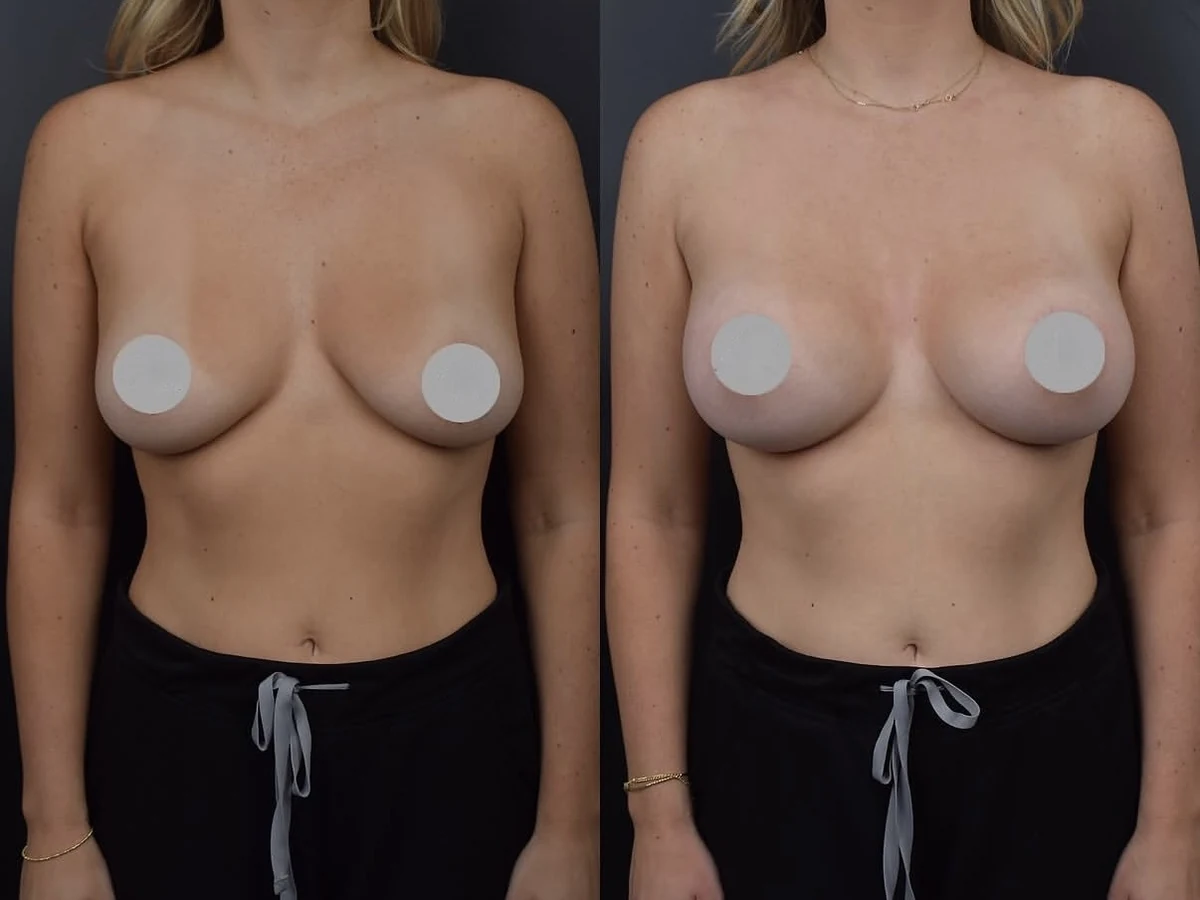 beforeafter
Method: implants
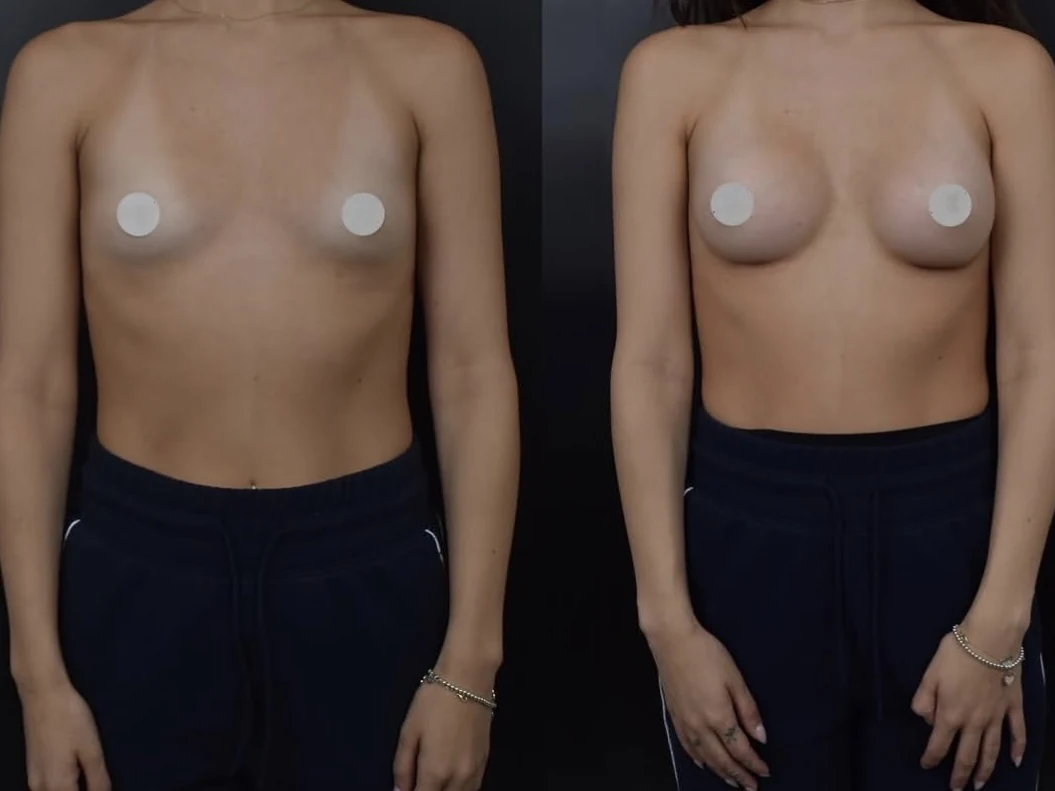 beforeafter
Method: implants
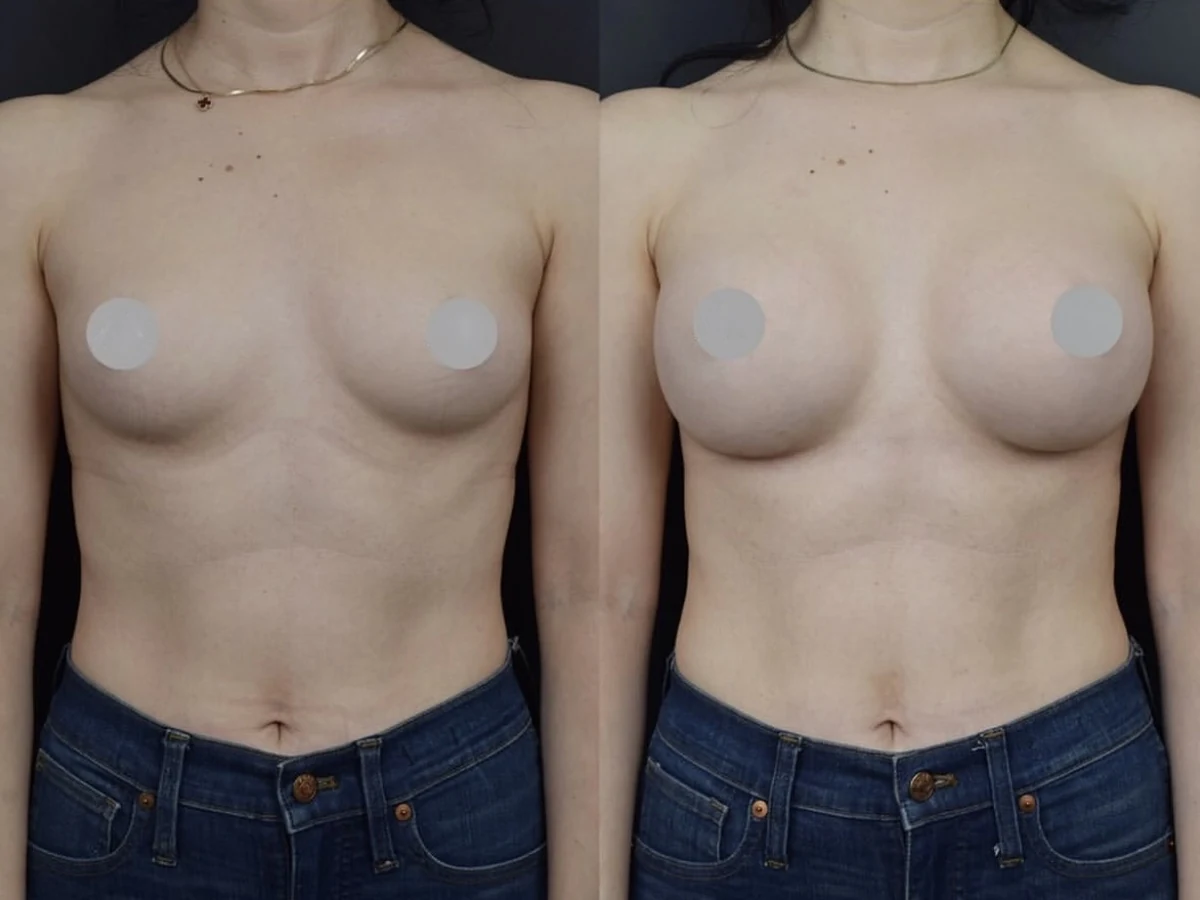 beforeafter
Method: implants
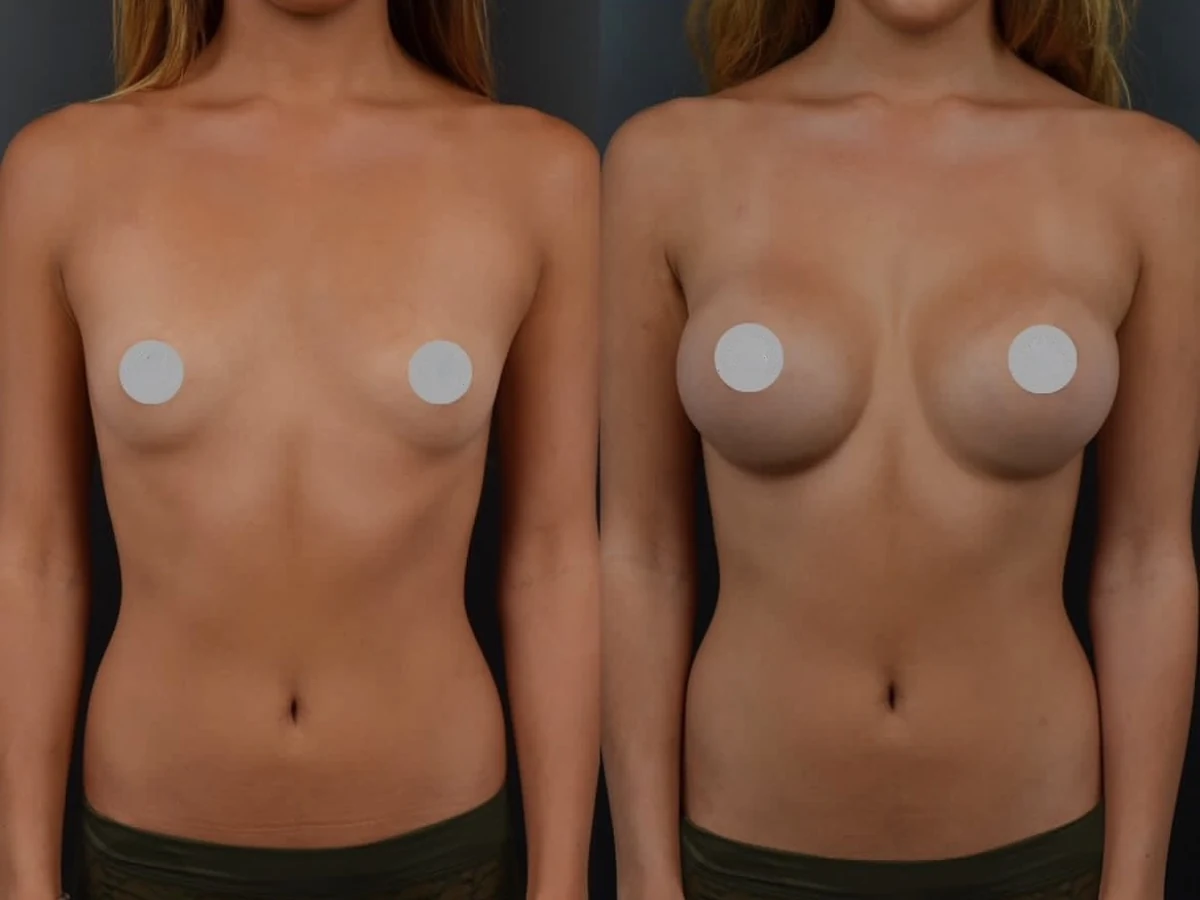 beforeafter
Method: implants
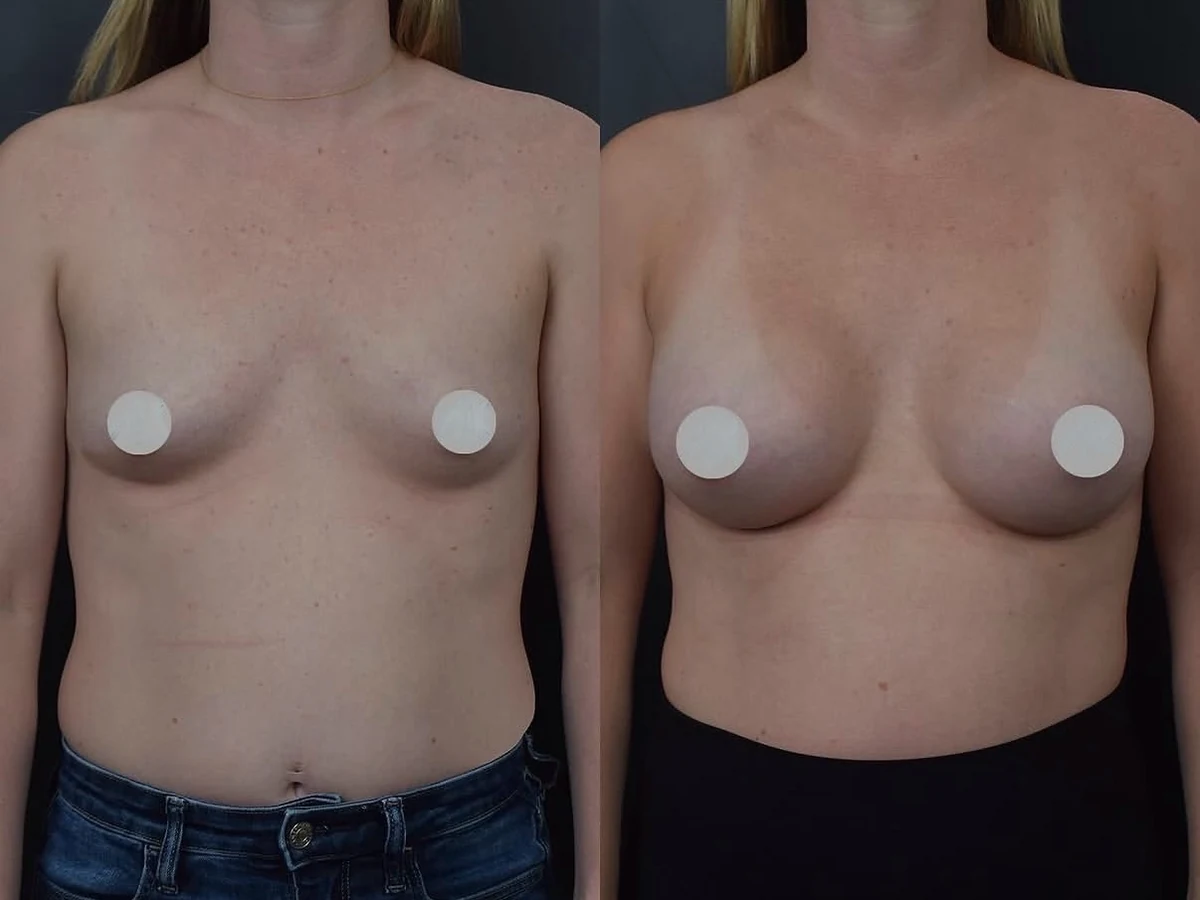 beforeafter
Method: implants
Comparison
There are two main ways we correct the breasts: augmentation and reduction. Compare their goal, how precise the correction is and who they suit, and choose your method with confidence.
Size and shape correction with implants
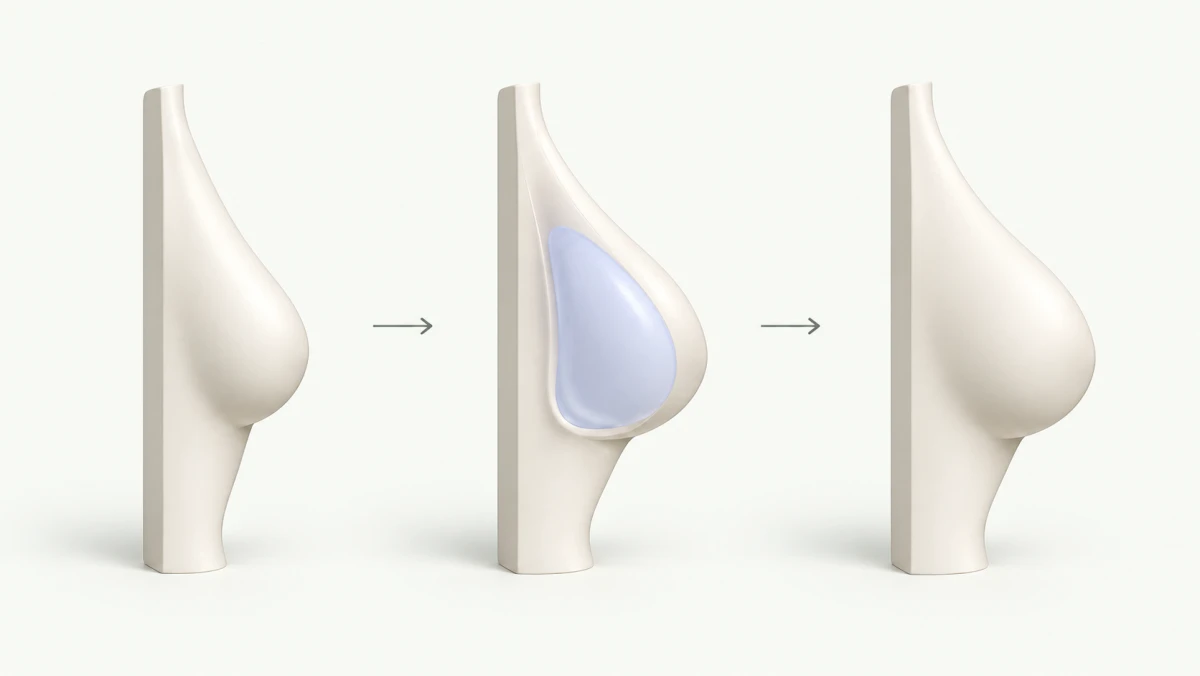
Discounted price
$4,700 $5,900
Correcting breast size by reducing volume and weight
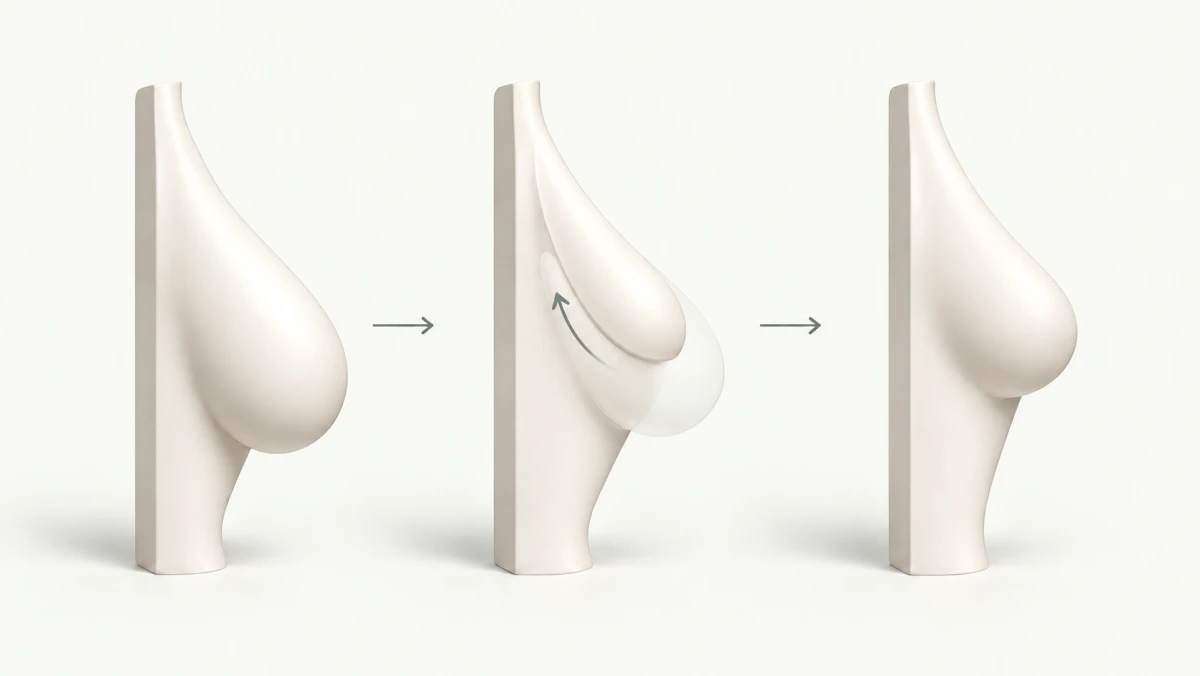
Discounted price
$4,700 $5,900
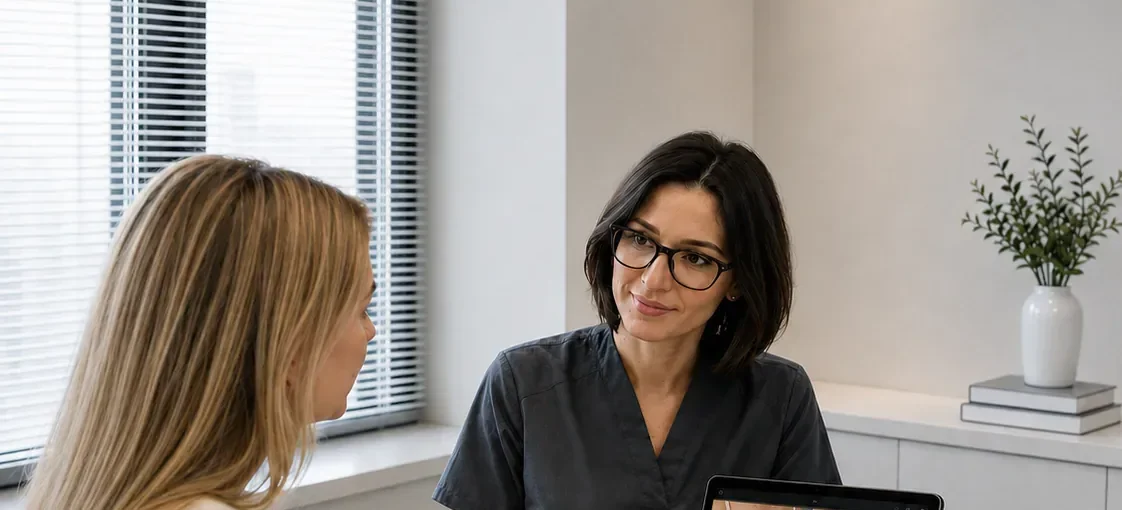
At your consultation the surgeon looks at the shape and proportions of your breasts, talks through what you want and recommends the best mammoplasty option.
The consultation is free, before surgery and with no commitment.
Comparison
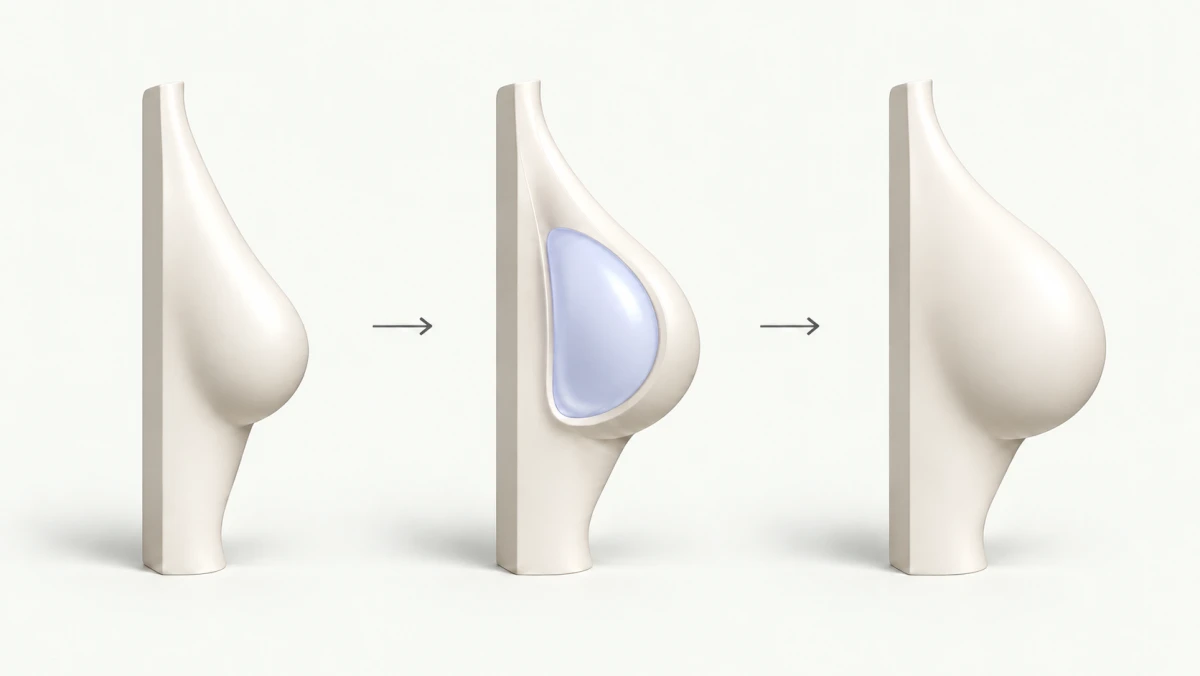
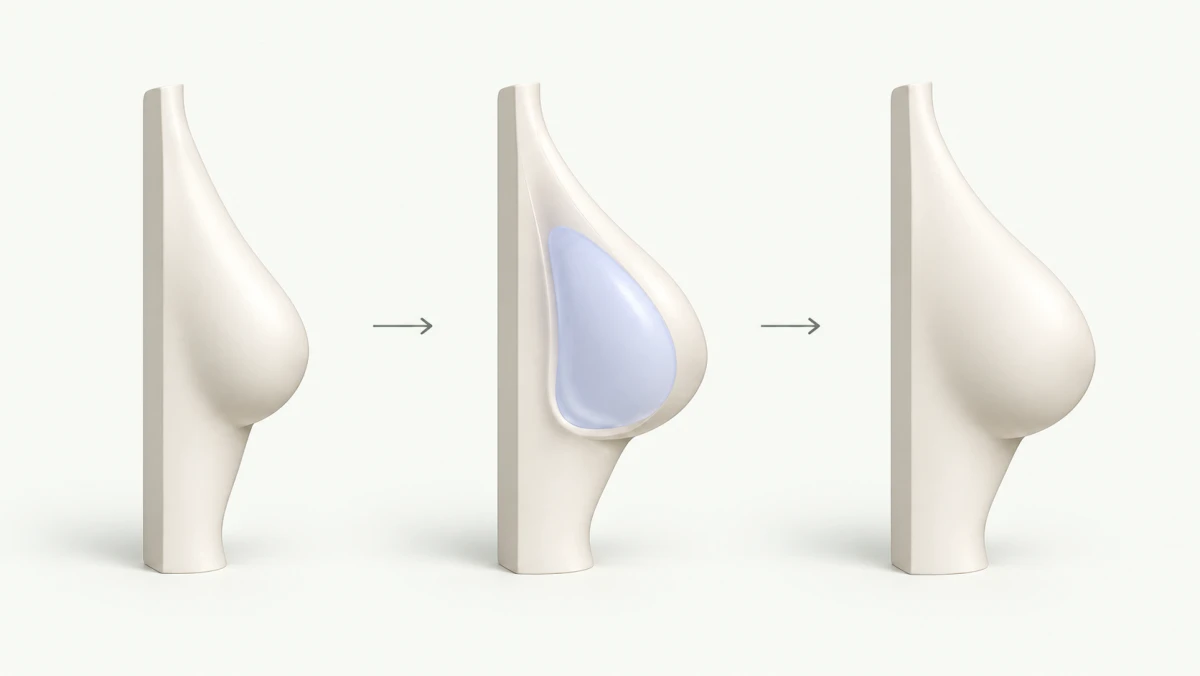
We use two main implant types — round and anatomical. Both increase volume and improve breast shape, yet each gives a different contour and result.
Even volume and a fuller upper pole
A natural slope and a soft teardrop shape
The surgeon will help you choose the implant shape and volume.
The clinic
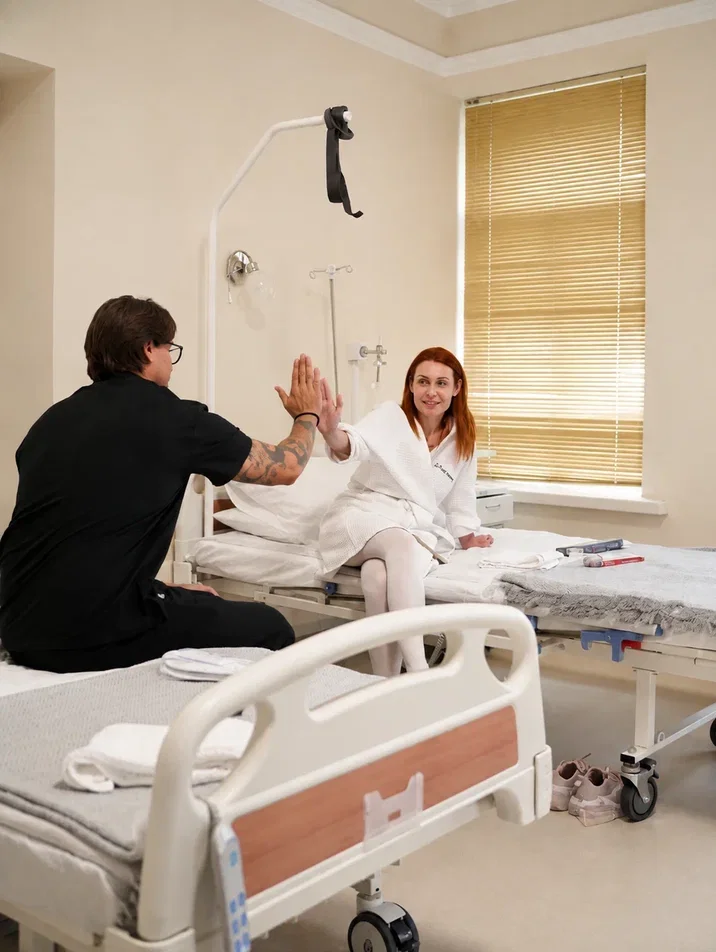
Modern equipment, comfortable rooms and care for every patient
Our team will reply to your questions and help you choose a consultation time
By messaging us, you agree to our Privacy Policy
Should your case not require surgery, you will hear it from the doctor at the consultation, and no money will be spent in vain.

Not sure if surgery is right for you?
Write to us: your coordinator will request photos in a messenger, and the surgeon will review them and tell you whether mammoplasty suits you.
Find out if it suits me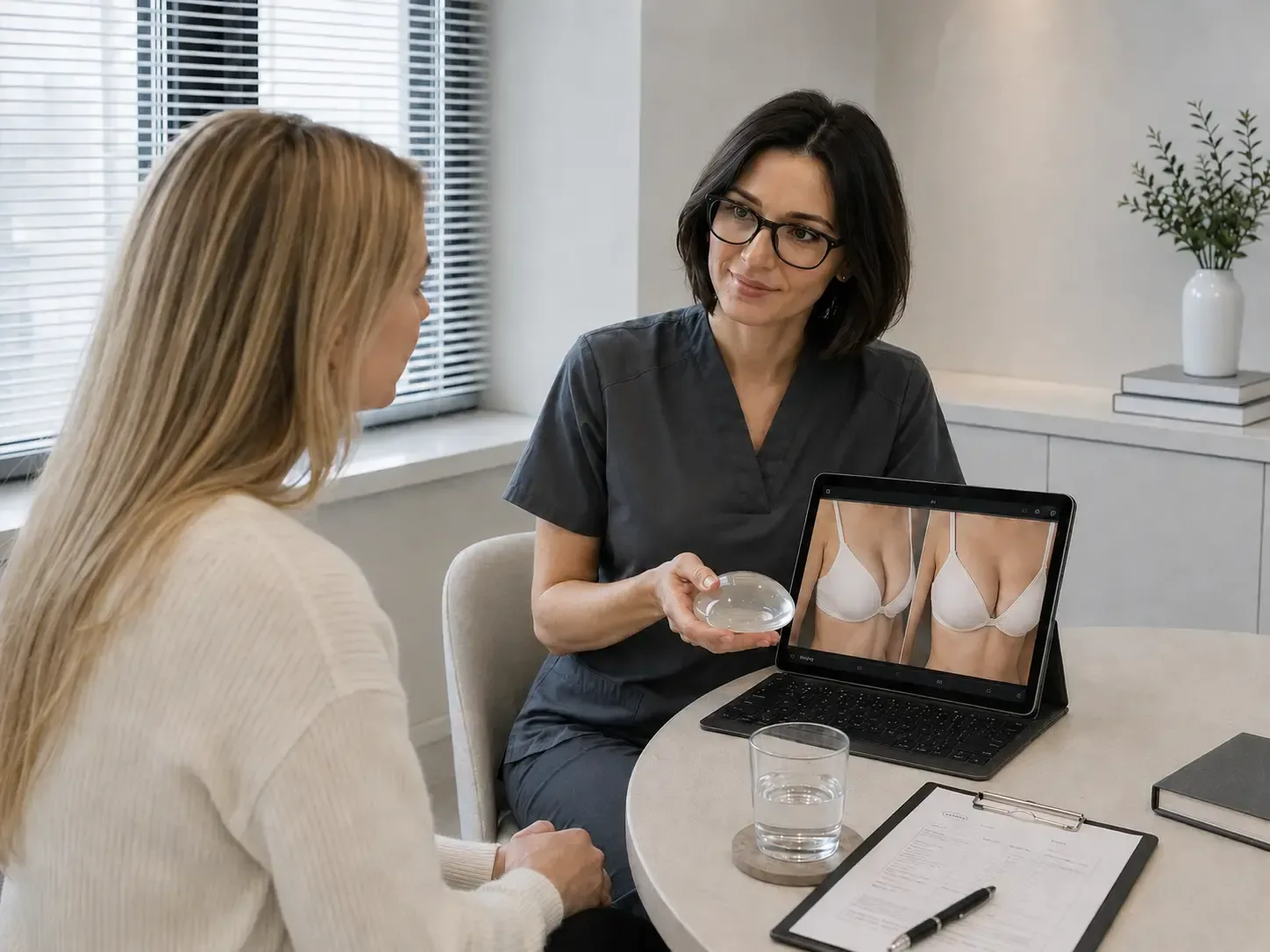
Prices
Price after your photos
Discounted price
Size and shape correction with implants
$4,700$5,900
Discounted price
Reducing the volume and weight of the breasts
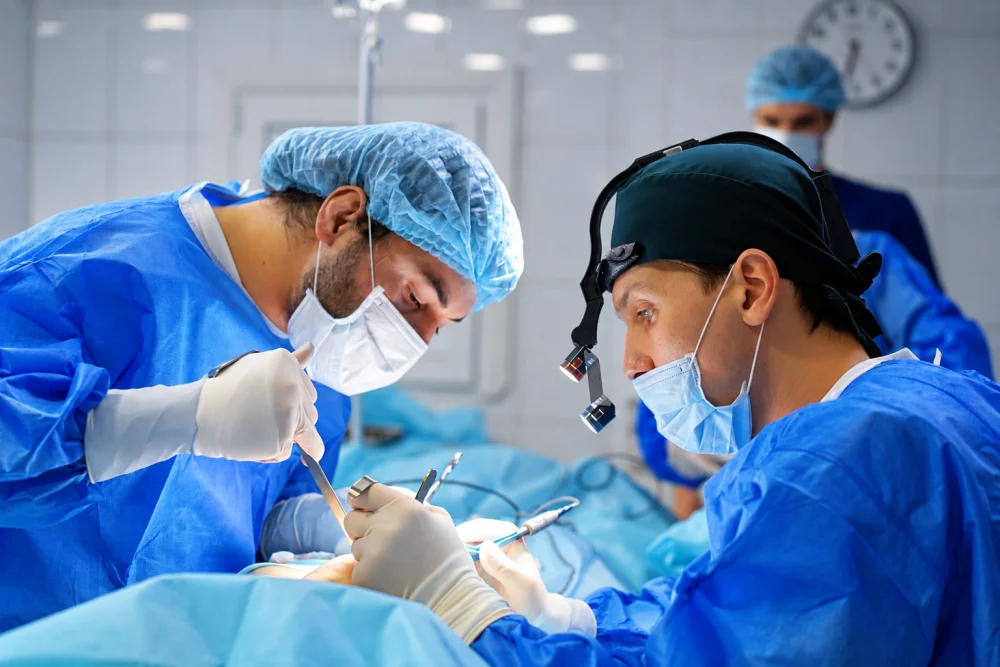
$4,700$5,900
Breast restoration after mastectomy
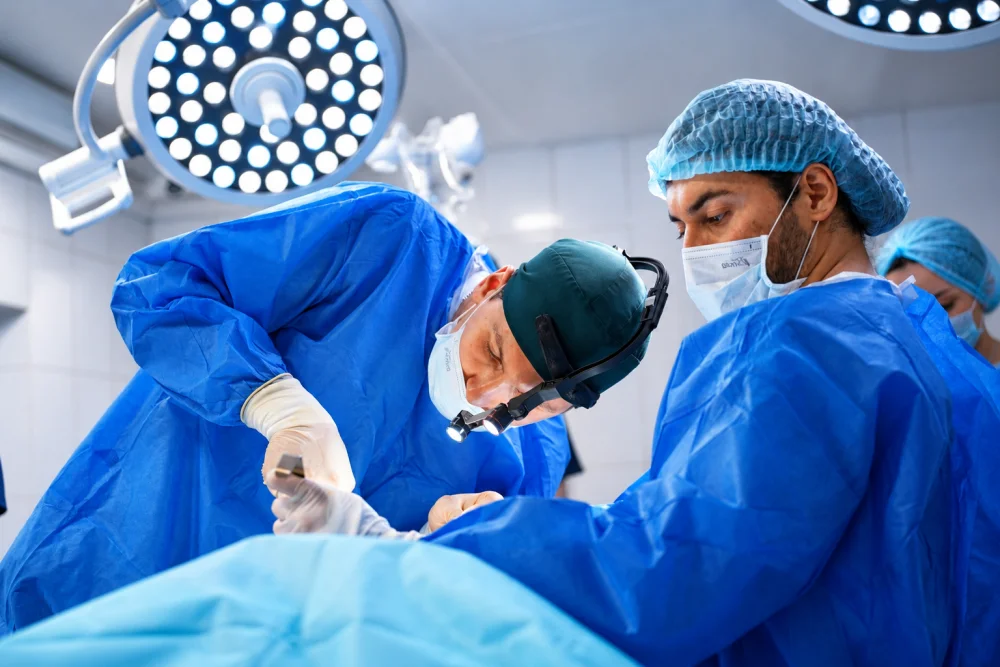
Your surgeon examines the anatomy and proportions of your breasts, discusses your wishes and recommends the right way to correct them.
Price after your photos
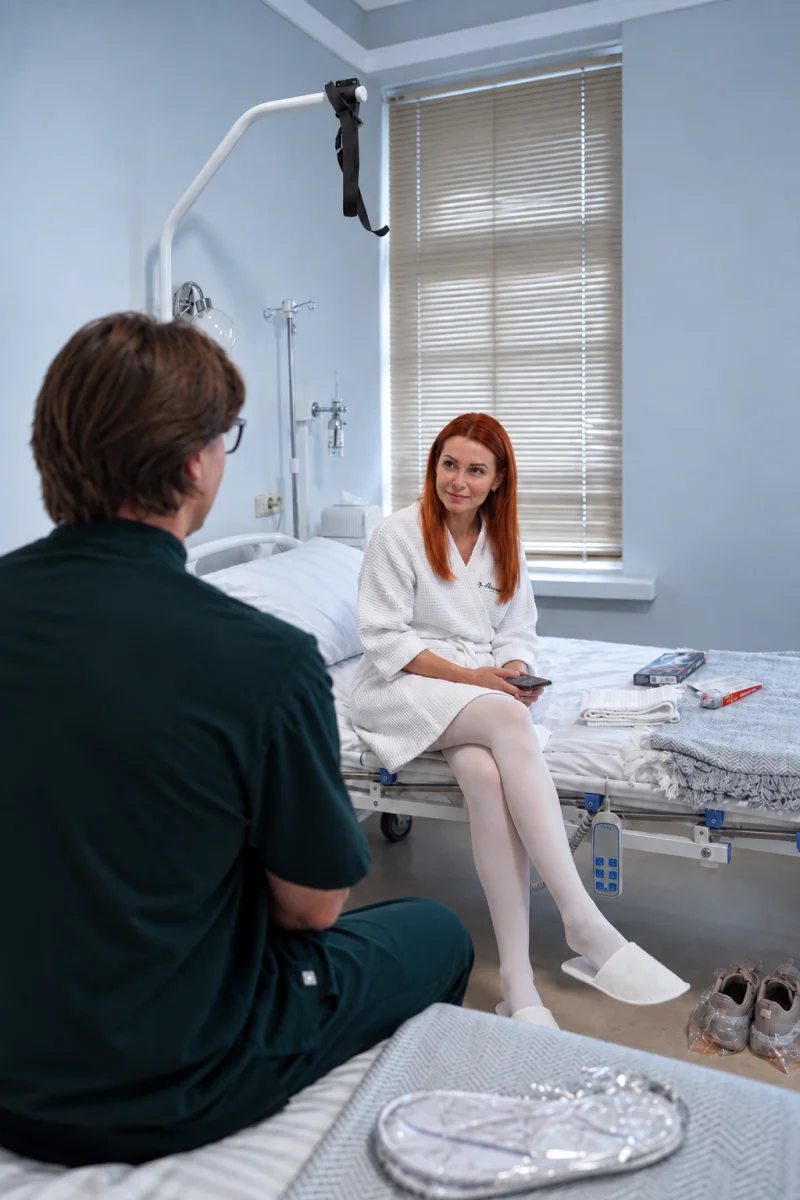
Message our coordinator
Free online consultation · Reply within 15 minutes
Message us on TelegramMessage us on WhatsAppBy messaging us, you agree to our Privacy Policy

your plan
From your pre-surgery preparation
to follow-up support for 12 months.
Discounted price
$4,700$5,900
The process
An agreed correction plan, inpatient observation and recovery monitoring for a year.
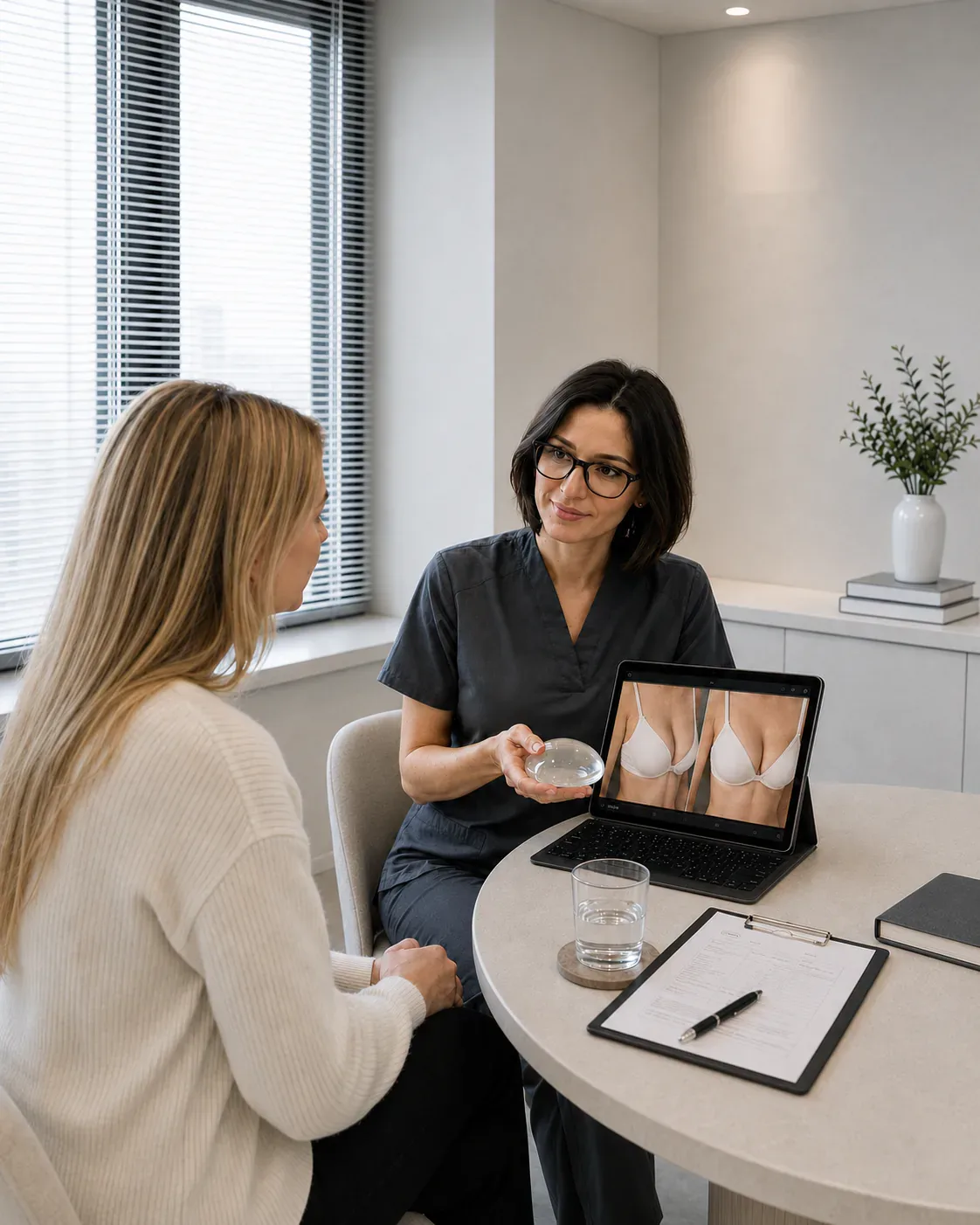 1
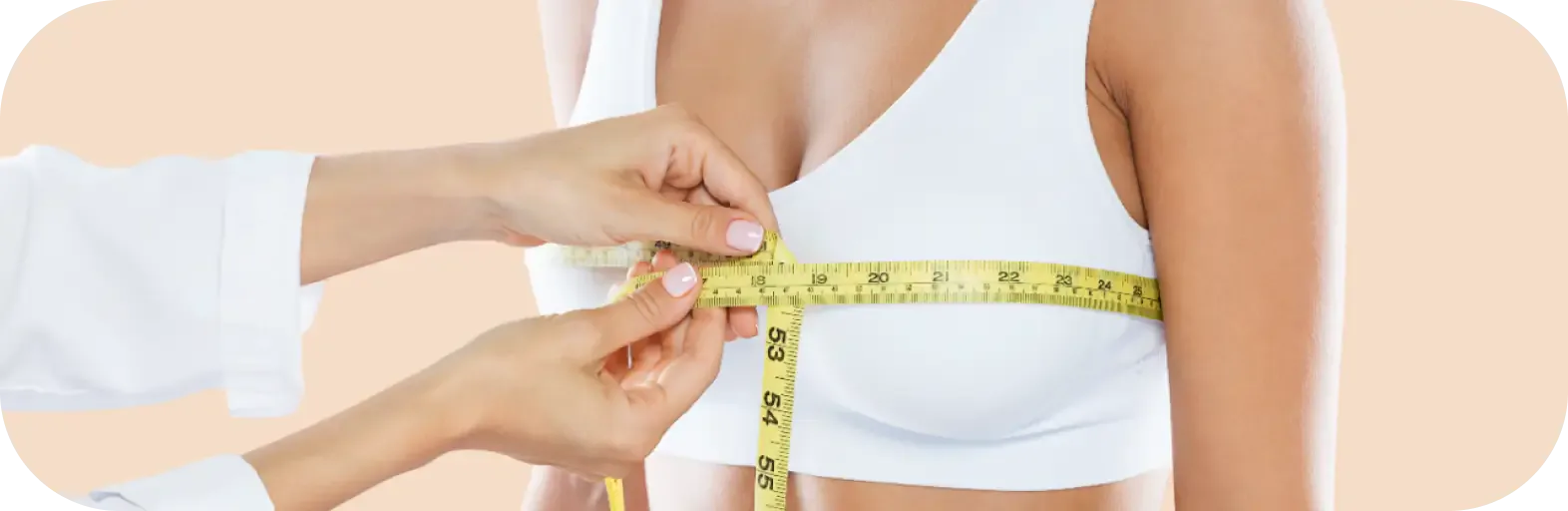
After assessing your figure and discussing your wishes, the surgeon chooses the best volume, shape and correction method.
 2
We reserve a surgery date for you: the deposit can be paid by card at the clinic or online by bank transfer. The terms are fixed in the contract for medical services
 3
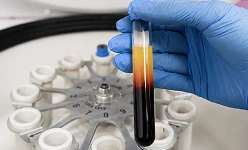
Before surgery you complete a full set of tests: blood tests, an ECG and other examinations prescribed by the doctor.
 4
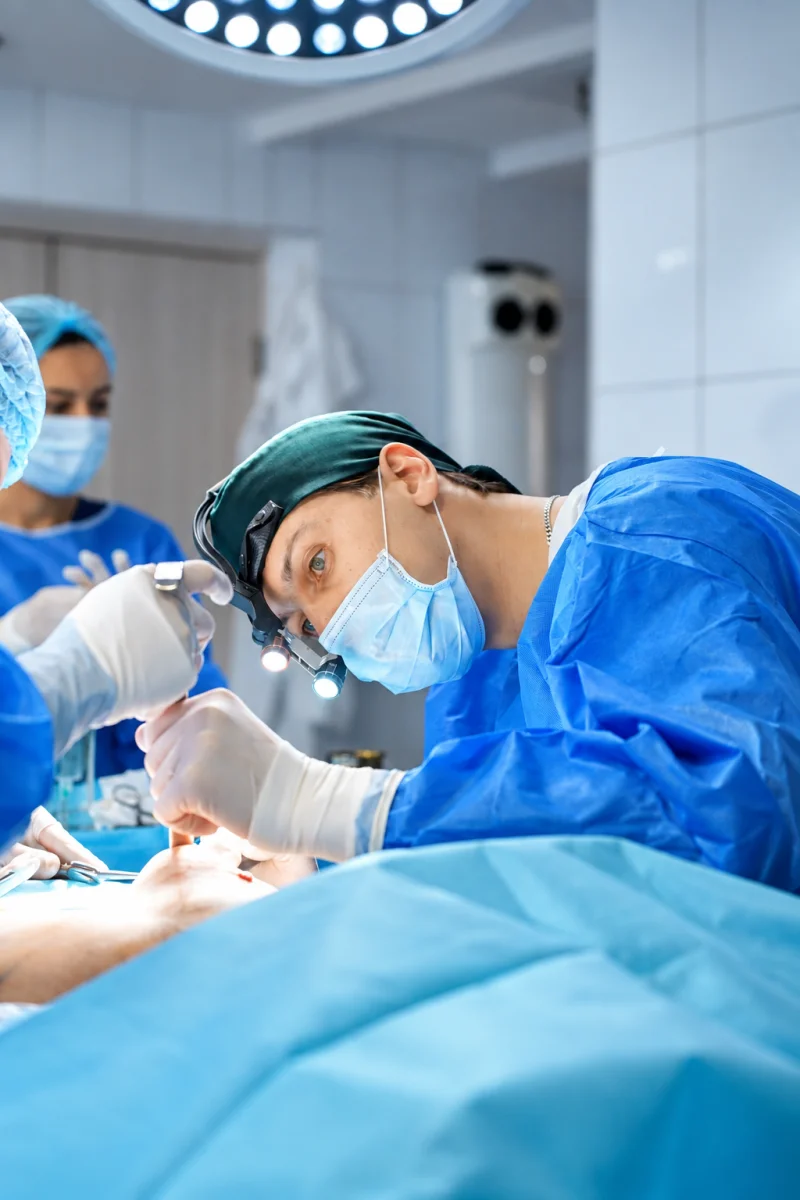
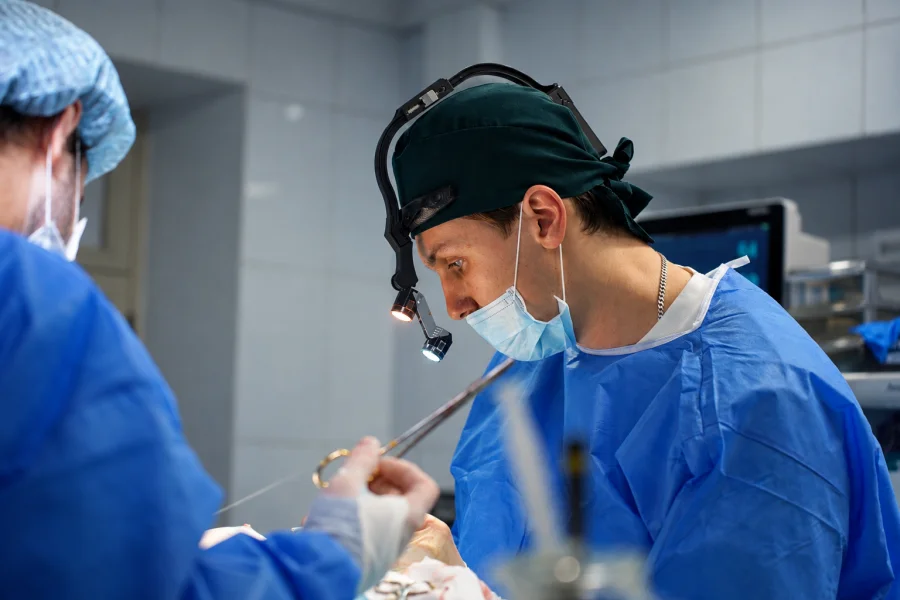
Mammoplasty is performed according to your individual plan. The surgery is done under general anaesthesia while your condition is monitored throughout.
 5
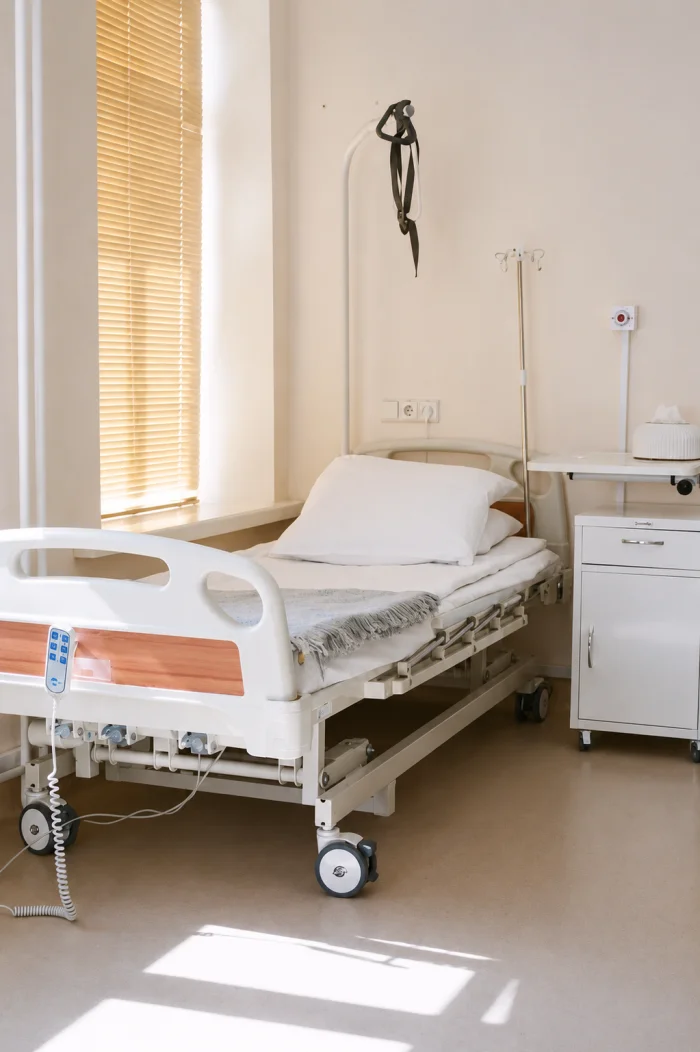
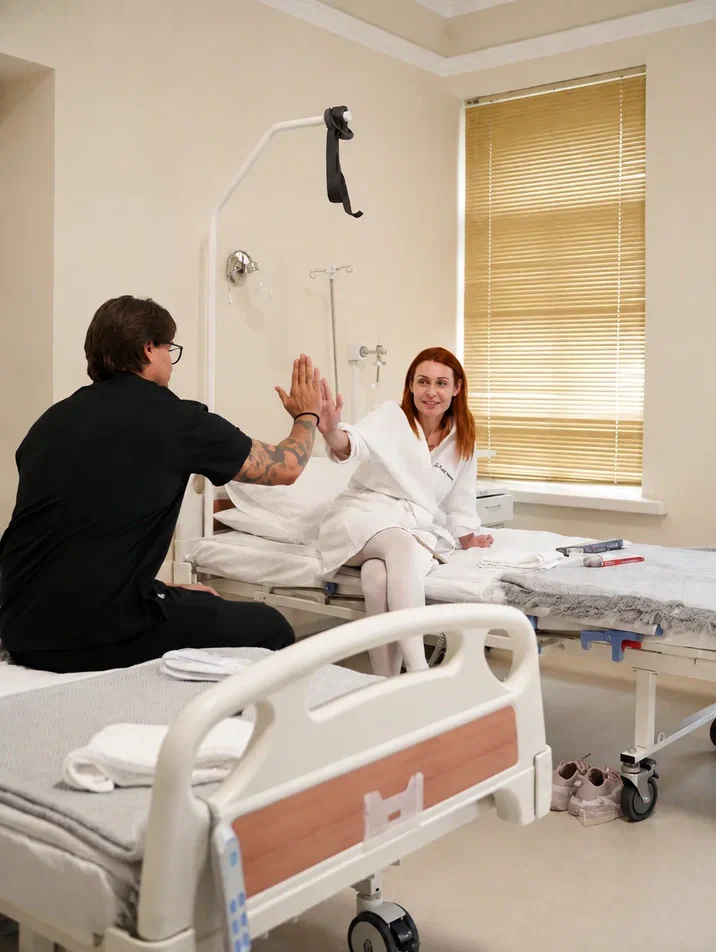
Once the operation is over, you stay in the clinic's comfortable ward under the medical team's supervision until discharge.
 6
After surgery you get a recovery programme. Check-ups at 7 days, 3 and 6 months help track your recovery. For a year after surgery, consultations with your surgeon are free.
Ahead of surgery, take a few simple steps: balance work and rest, get more sleep, steer clear of stress, anxiety and strong emotions, and cut back on physical activity.
Come off hormonal oral contraceptives no later than a month before the procedure
Stop using drugs with aspirin, steroids and hormonal medications prescribed for chronic conditions before surgery
Complete your tests a week before the surgery
Post-op swelling disappears after 3 weeks
Scars develop within 3 weeks
Avoid exertion (lifting over 3 kg)
No raising arms above shoulder level — 3 weeks
During recovery after correction, compression garments are worn for 1–1.5 months
Up to 40 days without intense gym workouts or overly active aerobics; after a month you can try light cardio. Stay mindful of your diet and meals.
Discomfort goes away after 3 months
Up to three months without baths or saunas, and without physiotherapy
It takes up to 3 months for inflammatory tissue changes to resolve and for a “pocket” to form around the implant
Doctors
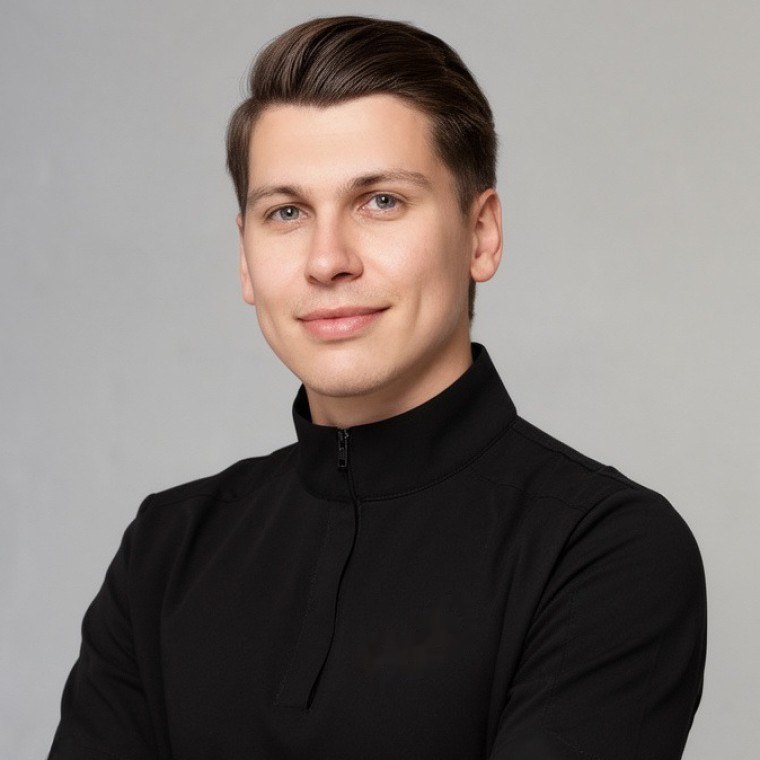
7 years of experience
Plastic surgeon
Residency in plastic surgery — Petrovsky National Research Centre of Surgery. Specializes in aesthetic and reconstructive breast and body surgery.
The consultation is with the surgeon who will perform the surgery
An experienced plastic surgeon attentive to the beauty and health of patients
Book a consultationAdvantages
At the consultation we talk through what you want and model the changes. The surgeon explains the possibilities of surgery so that the goal is clear to you.
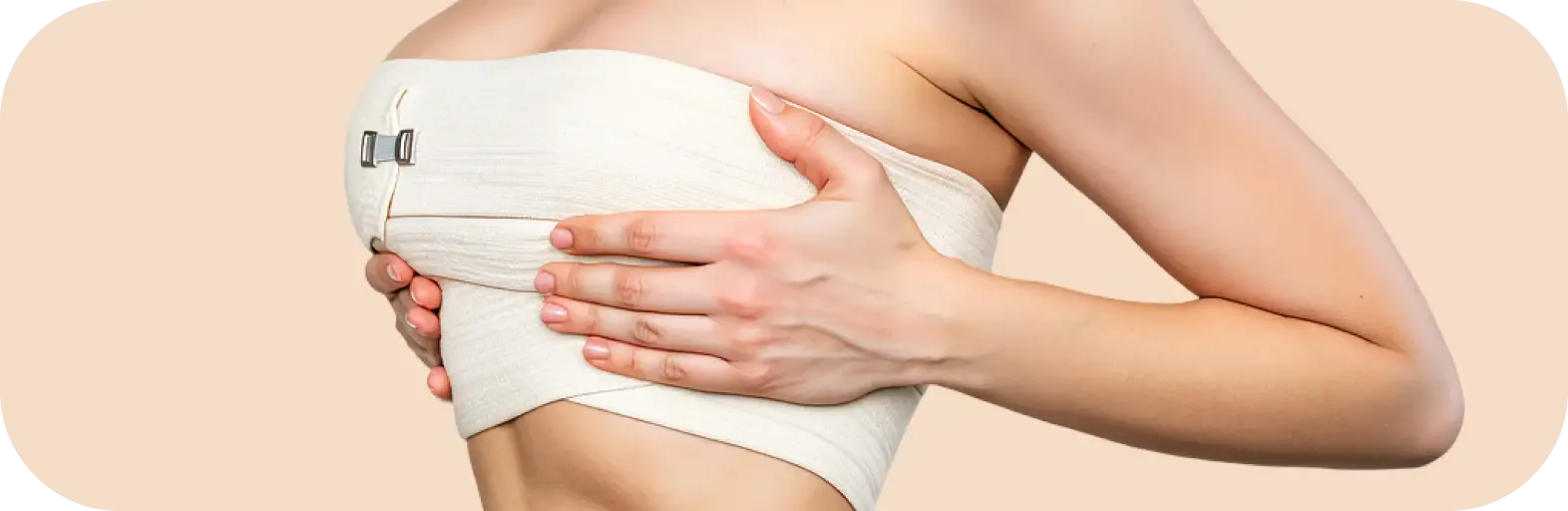
The surgeon follows your recovery and the changes in breast shape for a year. Check-ups and dressings are already included in the price.
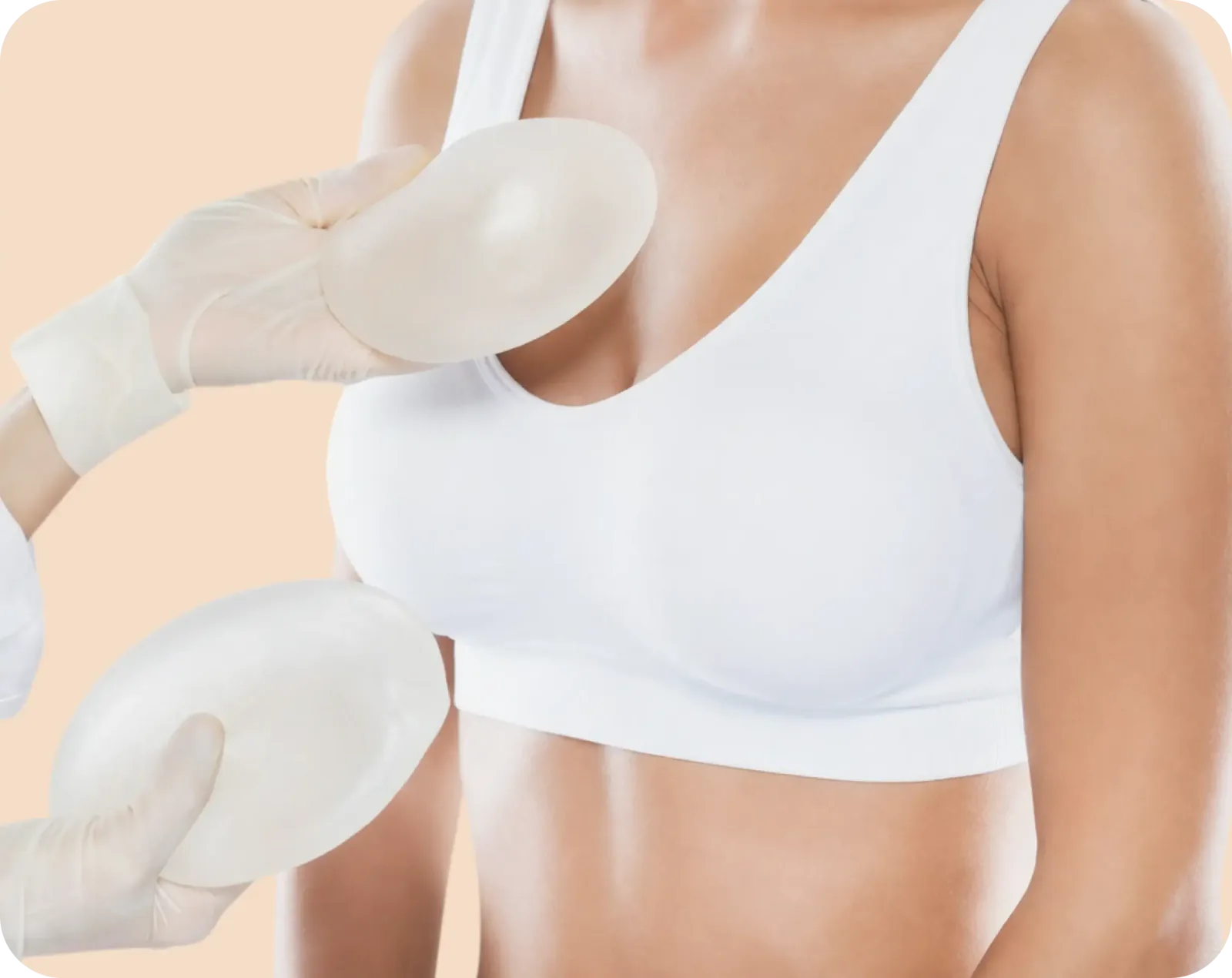
We choose the shape, volume and correction method based on your anatomy and wishes. For augmentation, implant size and profile are chosen individually.
We respect your time: we work 24/7, with easy booking and a personal approach — we adapt to your pace.
After the consultation the surgeon defines the extent of correction, and you get a clear price for the surgery — no surprises on the way to the result you want.

Your recovery begins in a comfortable inpatient ward, with nurses on hand day and night. The price already covers your stay and meals.
FAQ
Yes. Boob job is the everyday name for breast augmentation. At City Medical Centre it is done with round or anatomical implants that the surgeon chooses with you at the consultation.
Breast enlargement adds volume with implants. A breast lift (mastopexy) raises sagging breasts and removes excess skin. Which one suits you is decided at the free consultation.
Mammoplasty includes several procedures: augmentation (adding volume with implants), reduction (removing excess tissue and skin), mastopexy (lifting sagging breasts), reconstruction (after mastectomy) and asymmetry correction. The optimal method is selected individually, based on your wishes and the surgeon's recommendation.
Message us — our coordinator will get back to you shortly and book your consultation. The plastic surgeon consultation is free.
With every recommendation followed, complications seldom occur, though they can include hematoma or seroma, wound infection, reduced or increased nipple sensitivity, capsular contracture, aesthetic asymmetry, wound separation and tissue necrosis.
The results of mammoplasty are long-lasting: roughly 10–15 years after augmentation (until the implants are replaced) and 5–10 years after a lift or reduction. Weight, pregnancy, skin aging and gravity all influence how long they last. Wearing supportive underwear and managing your weight help maintain the result.
After mammoplasty, breastfeeding depends on the type of surgery. If augmentation uses an under-breast or armpit incision and the implant goes under the muscle, lactation is typically preserved because glandular tissue is not damaged. A lift or reduction has a higher risk since ducts may be cut. Discuss it with your surgeon before surgery.
Choosing an implant takes into account the material (silicone looks the most natural, saline is used less often), shape (round or anatomical teardrop), surface (smooth or textured), size and profile. Your surgeon will select the best option for your anatomy and wishes.
The surgery itself is performed under general anaesthesia — the patient feels nothing. In the first 1–3 days moderate discomfort is possible and is relieved with painkillers. By day 5–7 pain decreases significantly, and by weeks 2–3 discomfort is gone. If pain is severe, tell your doctor right away.
A return to work (no physical exertion) is possible after 7–14 days. Easy walks from 1–2 weeks. Fitness and swimming from 4–6 weeks; strength training from 3 months. Pool and sea from 4–6 weeks. Compression garments for 4–6 weeks. Precise timing depends on your individual recovery.
There is no scientific basis for saying mammoplasty raises breast cancer risk. Implants do not cause cancer. Post-surgery, maintain regular screening with self-exams, mammography and ultrasound, and always inform the examining doctor that you have implants.
Mammoplasty can follow a C-section, but first your body must fully recover. Allow a minimum of 6–12 months from giving birth and from the end of breastfeeding. Before surgery, a consultation and check-up with the surgeon are required.
Mammoplasty leaves scars, yet a skilled surgeon makes them minimal. Incisions are made where they are hidden: under the breast, around the areola or in the armpit. Scars are reddish at first, and within 6–12 months they fade until they are almost invisible.
In the first weeks after surgery, slight asymmetry is normal: swelling and uneven healing are behind it. If shape or size still differ after 3–6 months, see your surgeon for a check-up to find the reason.
Sensitivity in the nipples and breasts may shift temporarily after mammoplasty, decreasing or increasing, because the nerve endings are irritated. It returns within 3–12 months in most cases. If it has not improved after a year, go see your surgeon.
Hormonal drugs such as contraceptives and hormone replacement therapy do not influence implants directly. They may, however, cause swelling or breast tissue volume changes that temporarily affect how the breasts look. Inform your surgeon of these medications before surgery.
Prices are in US dollars; the amount in brackets is an approximate conversion to ZAR at the rate of 02.10.2026. The exact price is set by the partner clinic after reviewing your photos.
Prices start from $4,700 (≈ R79,000). The exact price is set by the partner clinic after reviewing your photos.
The surgical team's work, anaesthesia, the inpatient stay with meals, dressings and follow-up visits for twelve months.
Message us on WhatsApp or Telegram using the buttons below. A coordinator will answer your questions and book a free consultation where the doctor names the exact price.
By messaging us, you agree to our Privacy Policy
What exactly changes with augmentation? Volume grows and the bust gains a rounder or a more natural teardrop profile, depending on the implant selected. If you are researching breast augmentation in Port Elizabeth, keep in mind that implants come smooth or textured and are selected for each body. With an under-breast or armpit incision and the implant placed under the muscle, lactation is usually preserved.
Here is the route in brief. Consultation and choice of implants. Lab tests and instrumental examinations. Surgery lasting on average 1.5 to 3 hours. One day under round-the-clock observation. Then a recovery program with swelling control and compression garments, plus check-ups at one week, three months and half a year. Women in Port Elizabeth follow this same sequence.
One payment, many components. For from $4,700 (≈ R79,000), Port Elizabeth patients receive result modelling at the consultation, surgery by a highly experienced team, a stay in inpatient rooms, meals, nursing supervision around the clock and support at every stage. Dressings and check-ups for the whole year are also included. The first step costs nothing: book a free consultation with the plastic surgeon.
Well-known people who spoke openly about this operation, in their own words.
All stories about this operation →
Written by Dmitry S. Kuznetsov, plastic surgeon
How we prepare and review medical content · Medical disclaimer
Page last updated:
Augmentation is generally considered by adults whose breasts are fully developed and who feel unhappy with their size, symmetry or the volume lost after breastfeeding or a change in weight. Good general health, a clear idea of the change you want and a willingness to attend follow-up all count in your favour. It also helps if the wish is your own rather than someone else's expectation.
Some situations call for patience. Pregnancy and breastfeeding, an active skin or breast infection, uncontrolled medical conditions, and any breast lump still under investigation all mean waiting until the picture is clear. Recent rapid weight change is another reason to pause, because the result is easier to plan once your weight is stable. A strong dislike of your whole appearance, rather than one feature, deserves a different kind of conversation first.
An honest consultation will also explore what you want to avoid. Wanting a natural outline, wanting to fit a particular style of clothing, and wanting to feel proportionate are all valid goals, but they lead to different plans.
The common approach places an implant, a soft shell filled with silicone gel or saline, either behind the breast tissue or partly behind the chest muscle. The choice of plane affects how much tissue covers the implant and how the upper breast looks. The scar can be hidden in the crease under the breast, follow the edge of the areola, or be placed in the armpit; each position leaves a mark somewhere different.
A second approach uses your own fat. Tissue is taken from elsewhere by liposuction, cleaned, and injected into the breast in small amounts. It suits a modest increase and can improve contour, but it cannot produce a large change, and some of the transferred fat is reabsorbed. That is why it is offered selectively rather than as a substitute for every implant case.
Method choice is a conversation about tissue, proportions and priorities, not a menu. Your height, chest width, skin quality and existing breast shape all constrain what looks harmonious. The doctor measures, may use temporary sizers inside a bra, and explains the trade-offs between shape, profile and volume. Bigger is not automatically better; an implant that the tissues cannot support may look stretched and sit poorly.
Blood tests are routine, and a breast examination is part of the assessment. Depending on your age and history, an ultrasound or a mammogram may be requested before surgery. Medicines that thin the blood, including aspirin and some herbal preparations, usually need to be paused, but only on the doctor's instruction. Never stop a prescribed medicine by yourself.
Smoking narrows the small vessels that supply the skin, and it makes wound problems more likely. Stopping several weeks beforehand gives the tissues a better chance. Alcohol is best avoided around the operation as well. A soft support bra and loose clothing that opens at the front will make the first days far more comfortable, and someone should stay with you for the first night.
Send a WhatsApp message. Explain what bothers you, what you would like to change, your height and weight, any previous breast surgery and the medicines you take.
The doctor reads the information. Likely options are sketched out, and the gaps that only an examination can fill are identified.
Consultation. Measurements are taken, the tissues are assessed, sizers are tried, and the risks, scars and aftercare are explained without hurry.
Procedure day. The operation usually takes place under general anesthesia. Some women go home the same day, others stay overnight for observation, depending on the plan.
Recovery and follow-up. The wounds, the support bra and the swelling are checked, and the timing of a return to work and exercise is set.
The photographs matter more than most people expect, so take them deliberately. Stand in daylight against a plain wall, keep the phone at chest height, and let someone else press the shutter if possible. A front view, both angled views and a true side view are the useful set. Arms should hang relaxed at the sides, and the frame should include the collarbone down to the waist so proportions can be judged. Filters, shadows and cropped images make assessment harder.
The first days bring swelling, tightness and a feeling of heaviness. A support bra is worn as instructed, sleep is easier on the back with pillows propped behind you, and heavy lifting is out of the question. Some discomfort is expected, and the prescribed pain relief should be taken as directed.
Within the first week or two, many women return to desk work, though driving and lifting wait longer. Bruising fades, the wounds are checked, and the shape begins to soften as swelling reduces. Raised arms and sudden movements still feel restricted.
By the third and fourth weeks, walking and light daily activity are comfortable. Chest exercises, swimming and anything that jars the breasts are still postponed. Scar care usually begins once the wounds have closed, following the instructions given.
From the second month onward, gym work returns gradually and the final outline becomes easier to judge as the tissues settle. Sensation may change in the nipple area and usually improves, though it can take time and is not always complete.
The method is the first factor: implants and fat transfer are different operations with different requirements. With implants, the type, shape and manufacturer affect the cost, and so does the planned volume when more theatre time is needed. Anesthesia, the facility fee and the surgeon's own fee are separate lines in most quotations.
Garments, medication, follow-up visits and any additional procedure, such as a lift to remove loose skin, add to the total. Revisions are a separate discussion, and the conditions under which one is offered vary. Ask what the quoted figure includes instead of comparing one number with another.
A short message is enough to begin. Write on WhatsApp with your questions, your height and weight, any previous surgery and the change you have in mind. Say clearly if you want to discuss implants, fat transfer or both. The coordinator will forward the details, and the surgeon will examine them before advising on a consultation and on the photographs that would help.
Every incision leaves a scar. Its position depends on the approach chosen, and most scars fade over many months while never disappearing completely. The doctor explains where yours would sit before you decide.
Many women can, particularly when the incision avoids the areola and the milk ducts are undisturbed. The operation can affect supply in some cases, so raise your plans before surgery rather than afterward.
No implant lasts indefinitely. Most are replaced at some point, often because of a change in shape, a rupture or personal preference. The timing is individual, and regular checks are part of the long-term plan.
Walking starts early. Running, swimming and upper-body weights are added later, with the date agreed during a follow-up visit. Returning too soon can disturb healing and affect the result.
A later change is possible but means another operation with its own recovery. That is why the first consultation spends so long on measurements and proportions, and why a rushed decision is worth avoiding.
Payment is made in full before the procedure. If you would like to spread the cost, you can take out a loan with your own bank and pay the full amount with it.