


























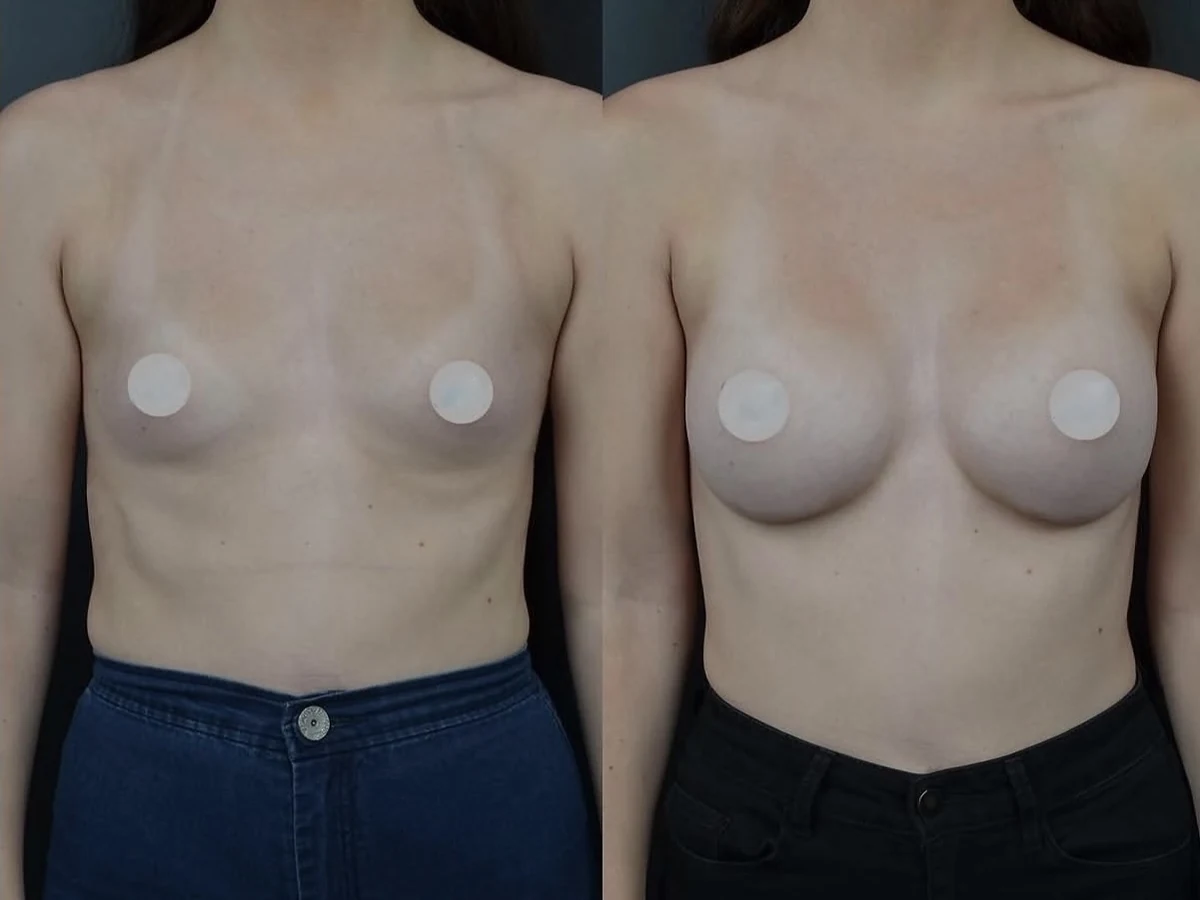
 beforeafter
Mammoplasty
Method: implants
Breast augmentation
$4,700
$5,900 · First consultation — Free
Free online consultation · Reply within 15 minutes
Message our coordinator
Free online consultation · Reply within 15 minutes
Message us on TelegramMessage us on WhatsAppBy messaging us, you agree to our Privacy Policy
Breast augmentation for patients from Málaga at City Medical Centre starts at €4,200 (from $4,700). The first online consultation is free; the doctor names the final price and it is fixed in the contract.
How it works · Breast augmentation prices
Information current as of 5 November 2026
Results
All cases are real patients of the clinic. Faces and identifying details are hidden.
beforeafterMethod: implants
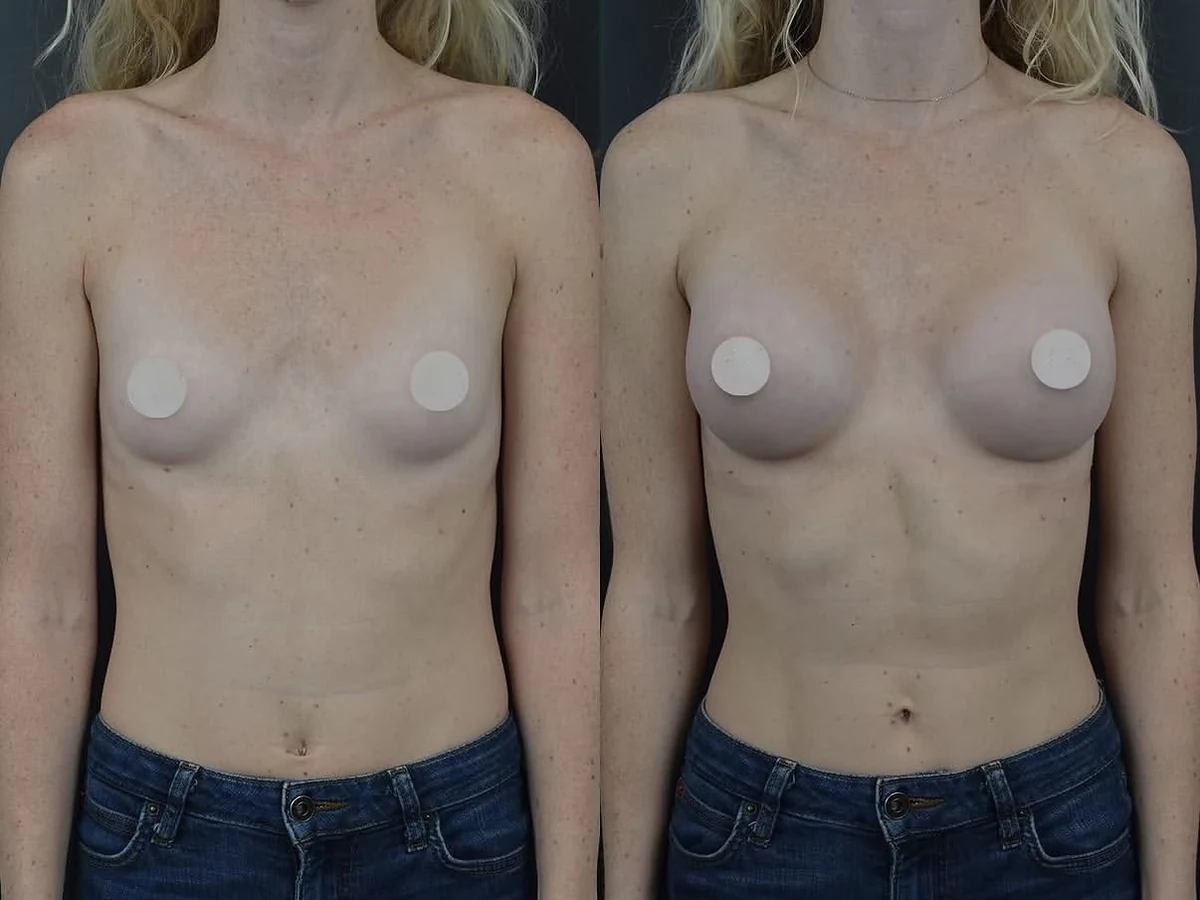 beforeafter
Method: implants
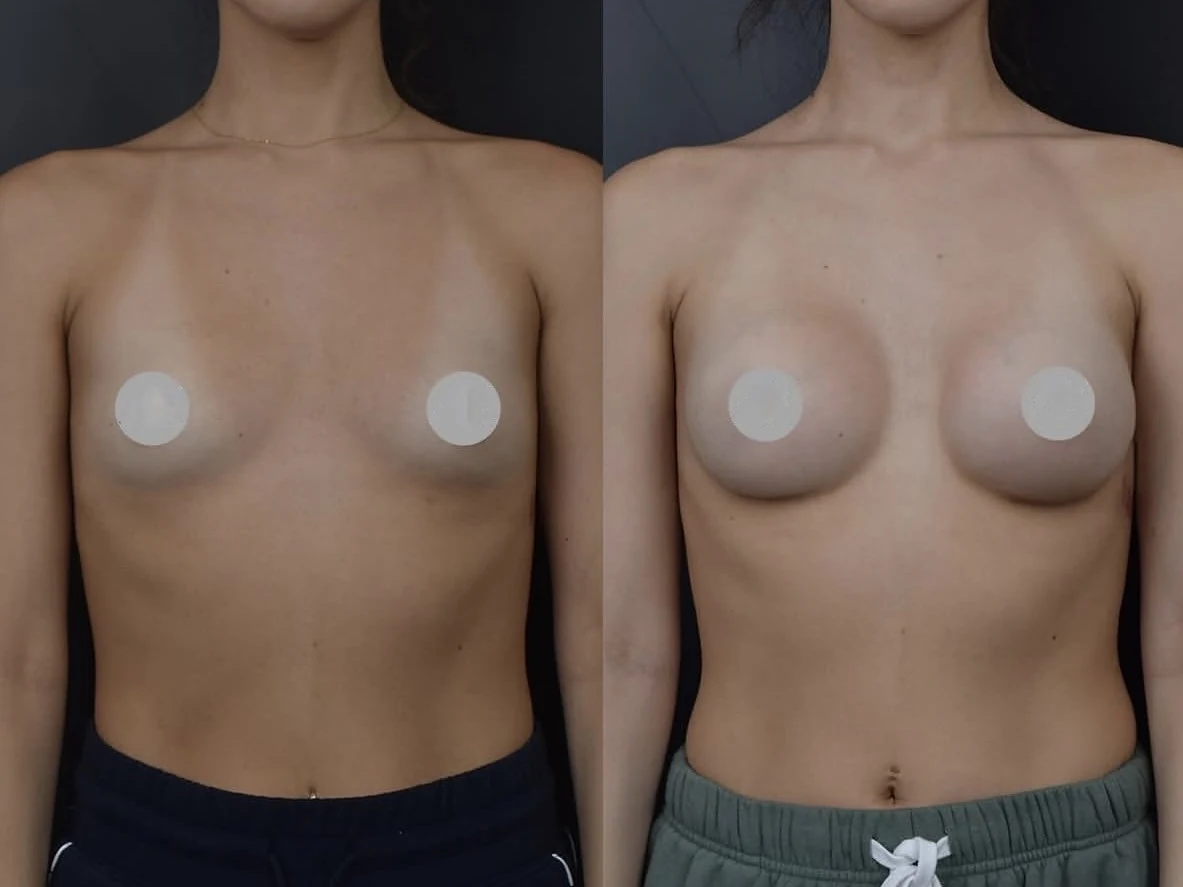 beforeafter
Method: implants
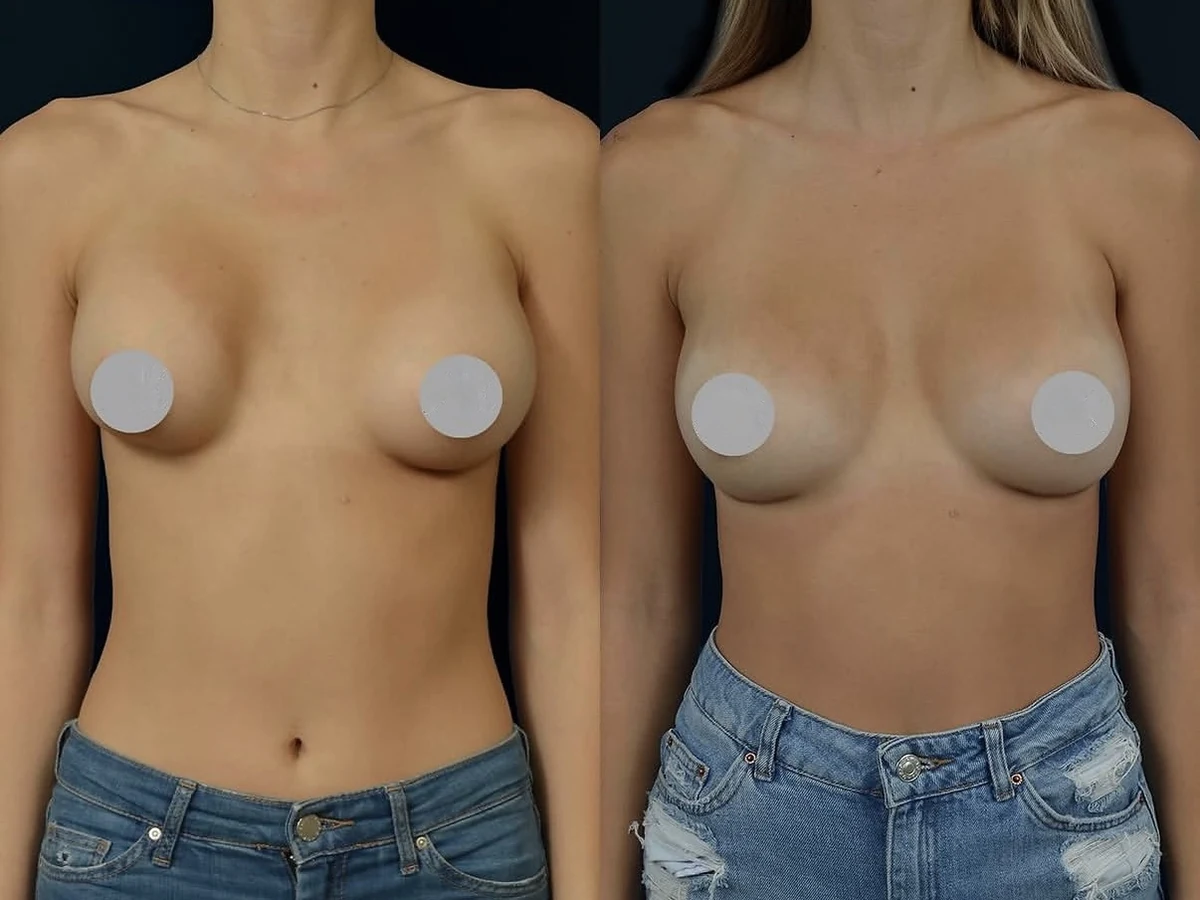 beforeafter
Method: implants
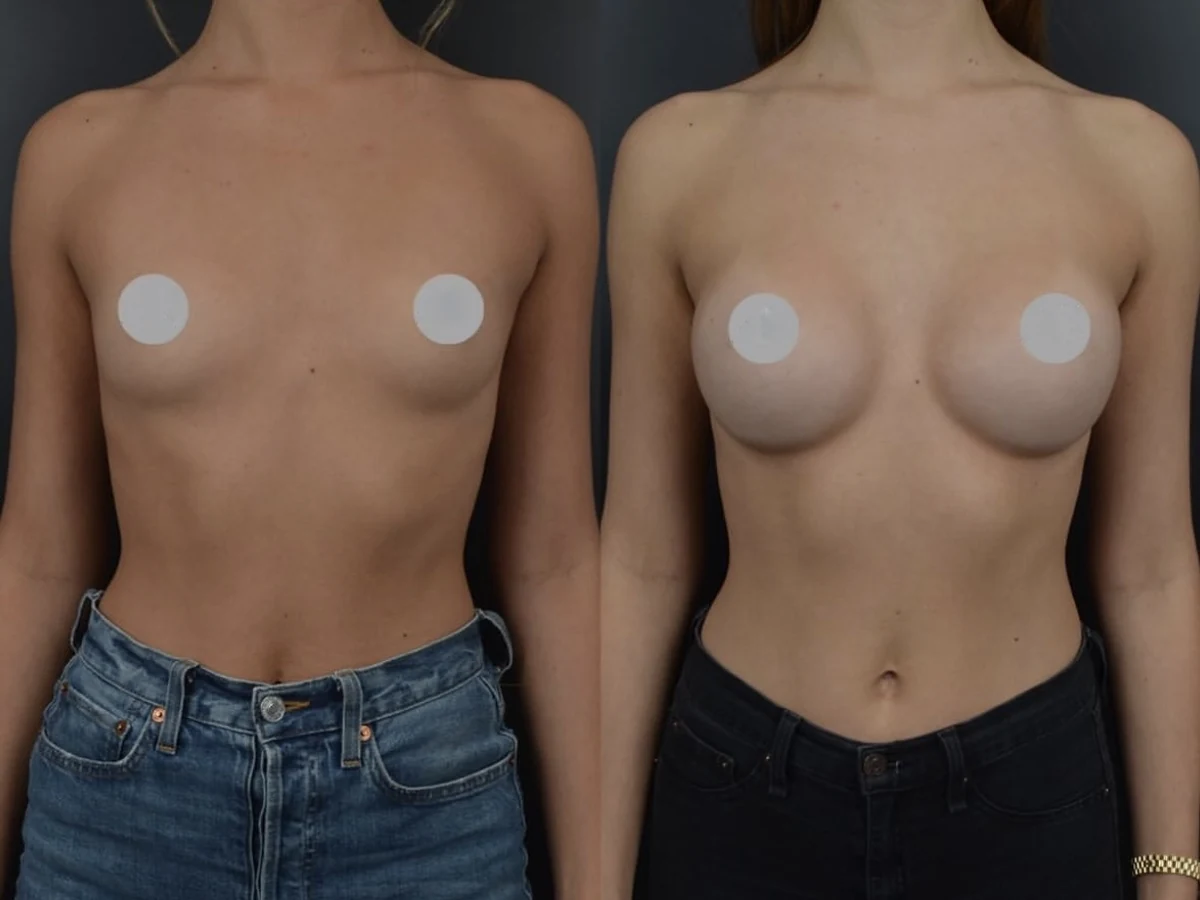 beforeafter
Method: implants
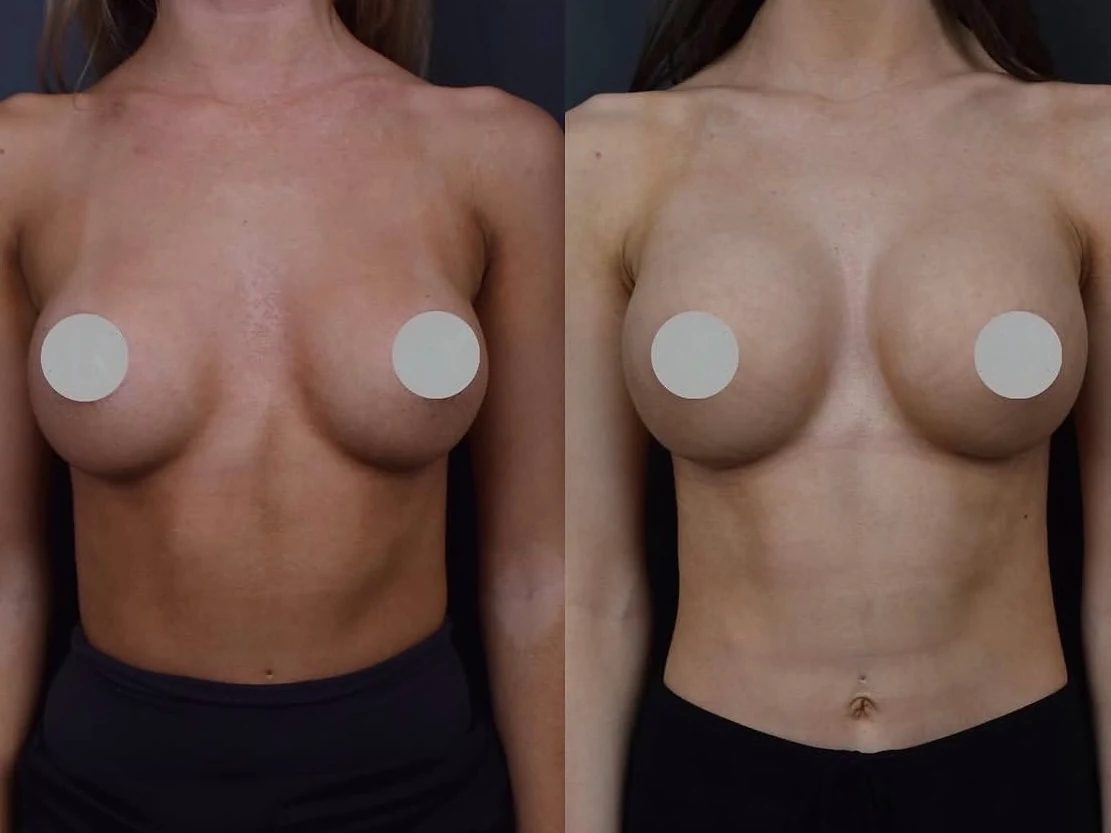 beforeafter
Method: implants
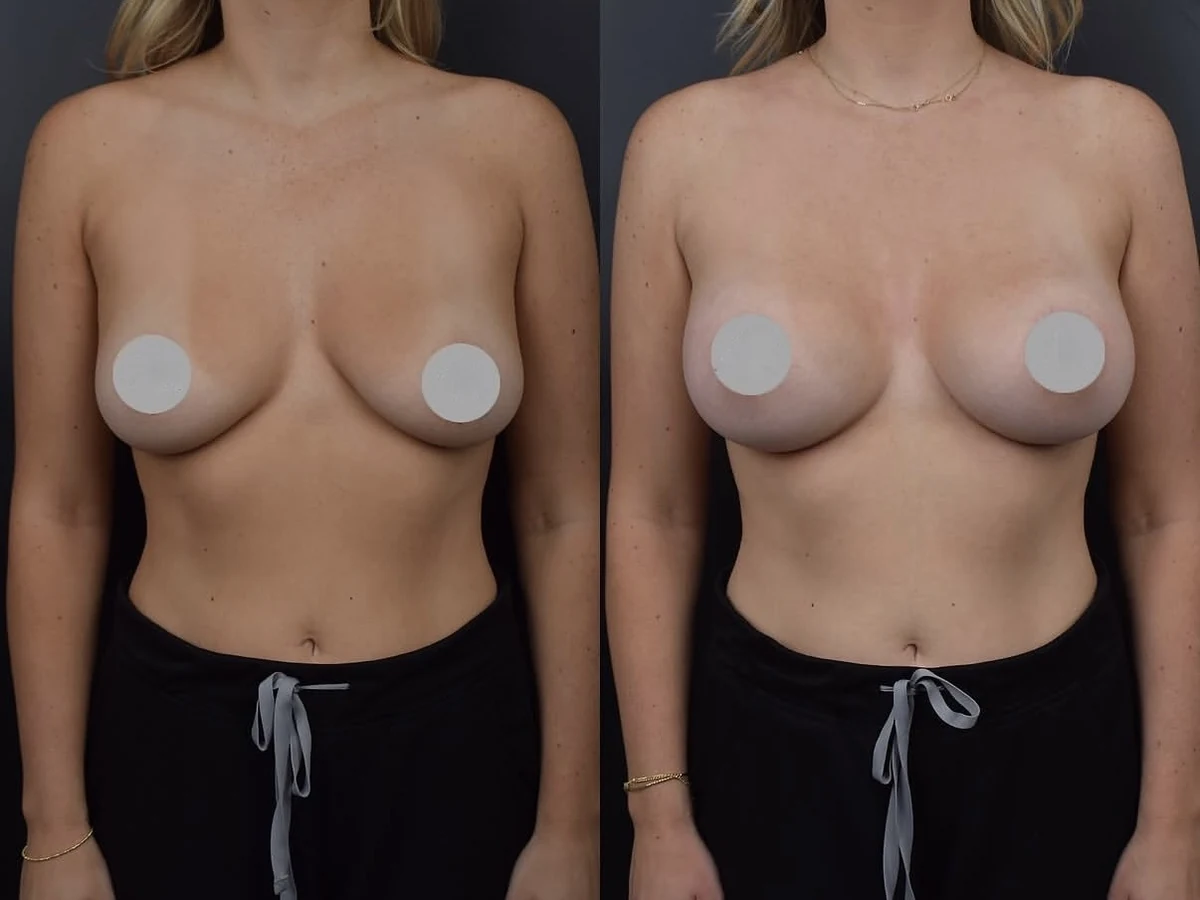 beforeafter
Method: implants
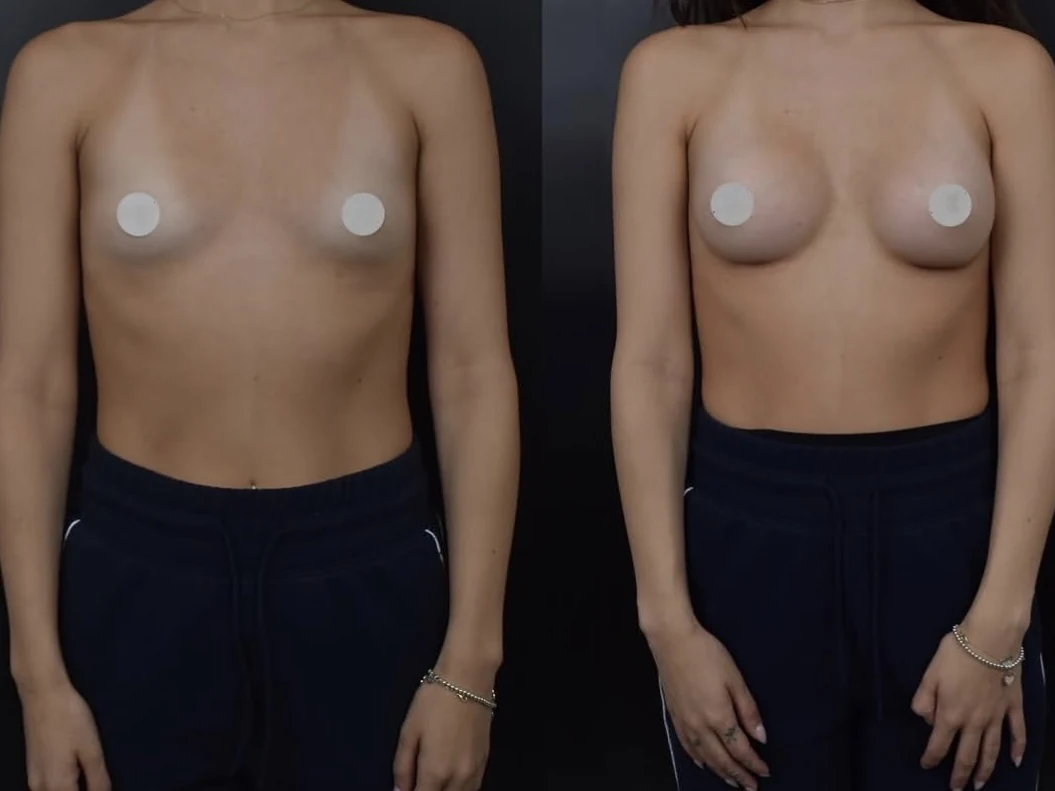 beforeafter
Method: implants
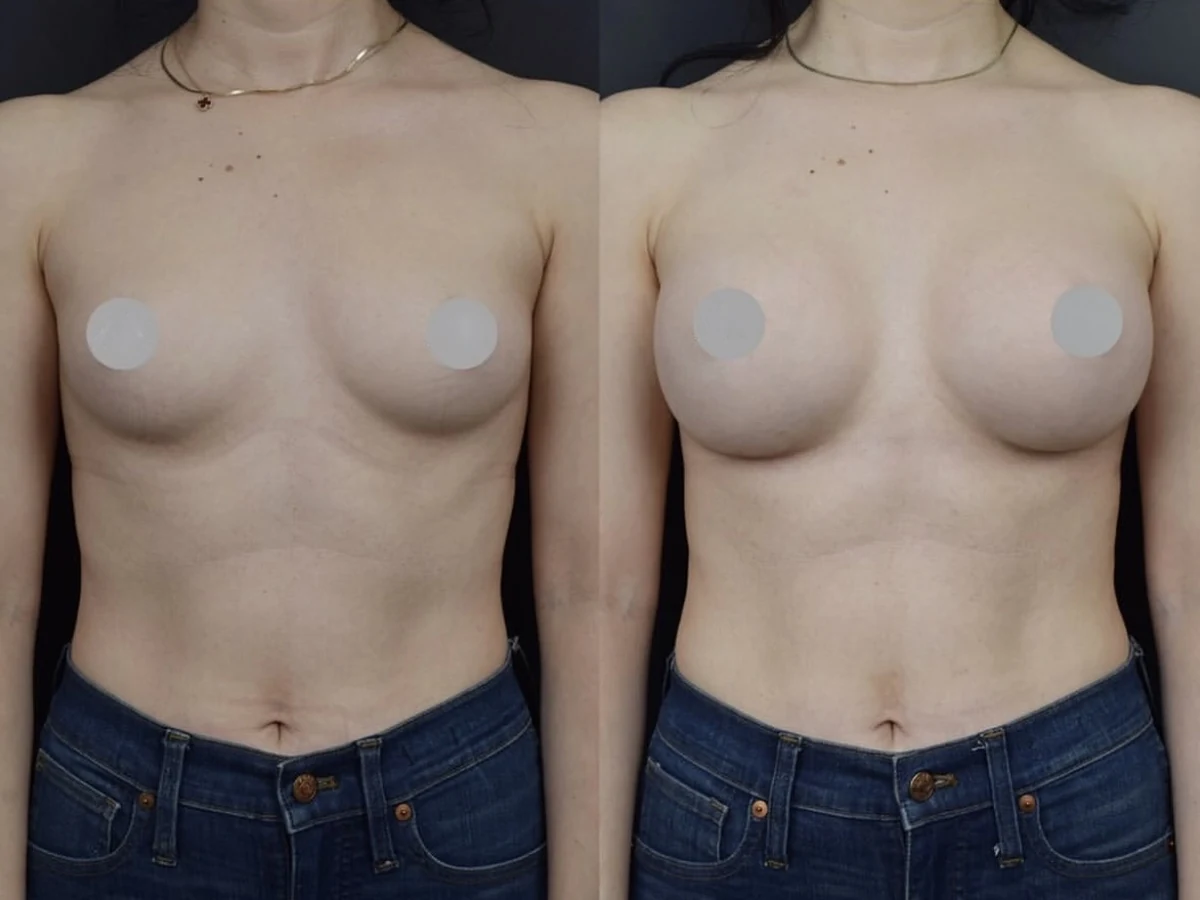 beforeafter
Method: implants
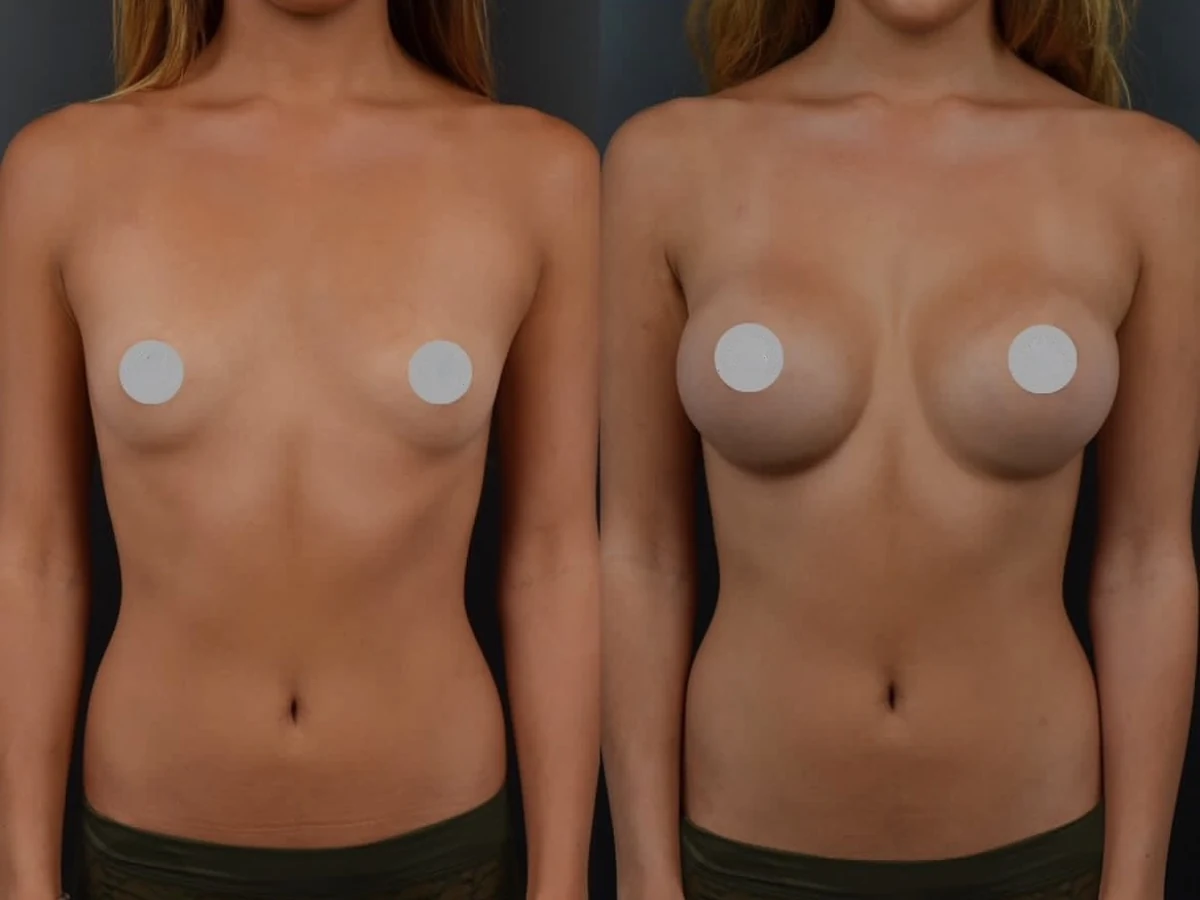 beforeafter
Method: implants
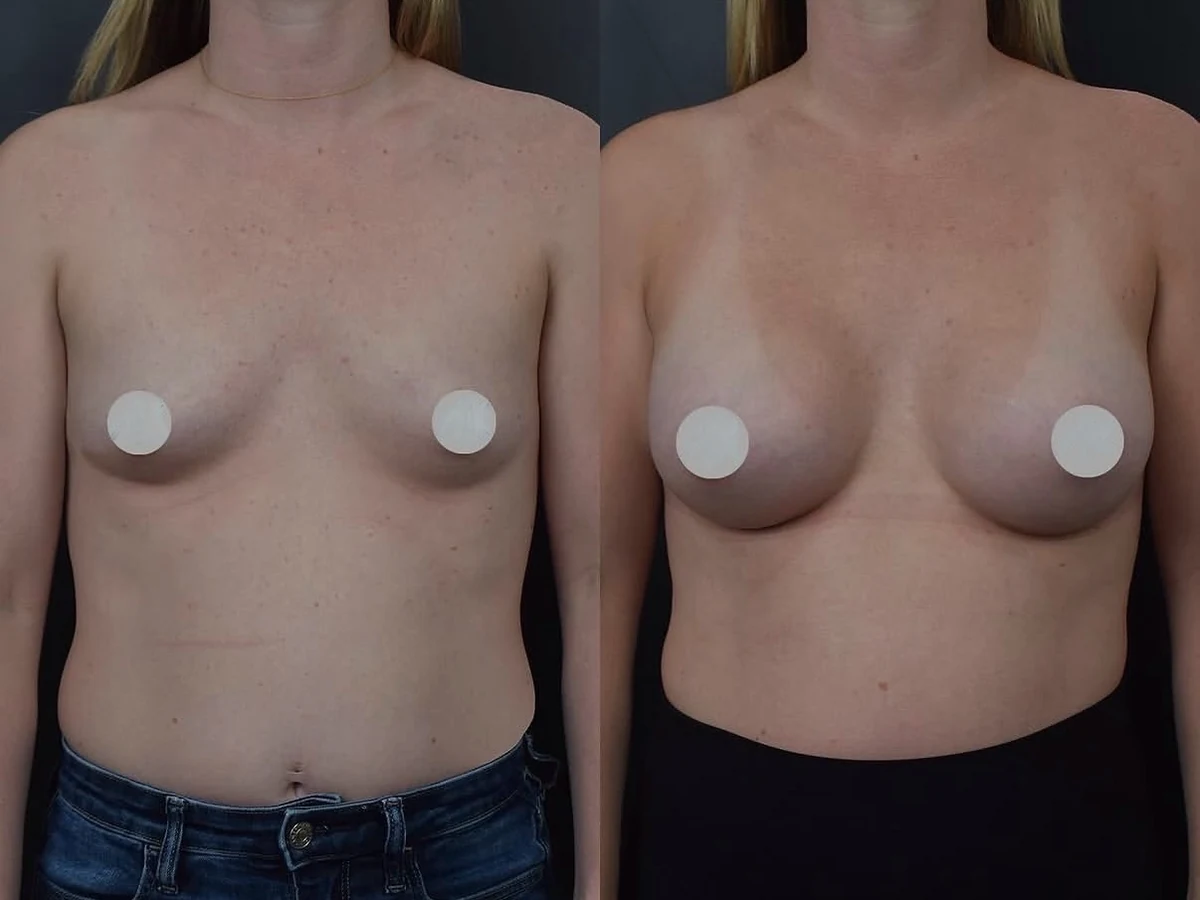 beforeafter
Method: implants
Comparison
Our surgeons use two main methods of breast correction — augmentation and reduction. See the goal, the precision and the indications of each to make an informed choice.
Size and shape correction with implants
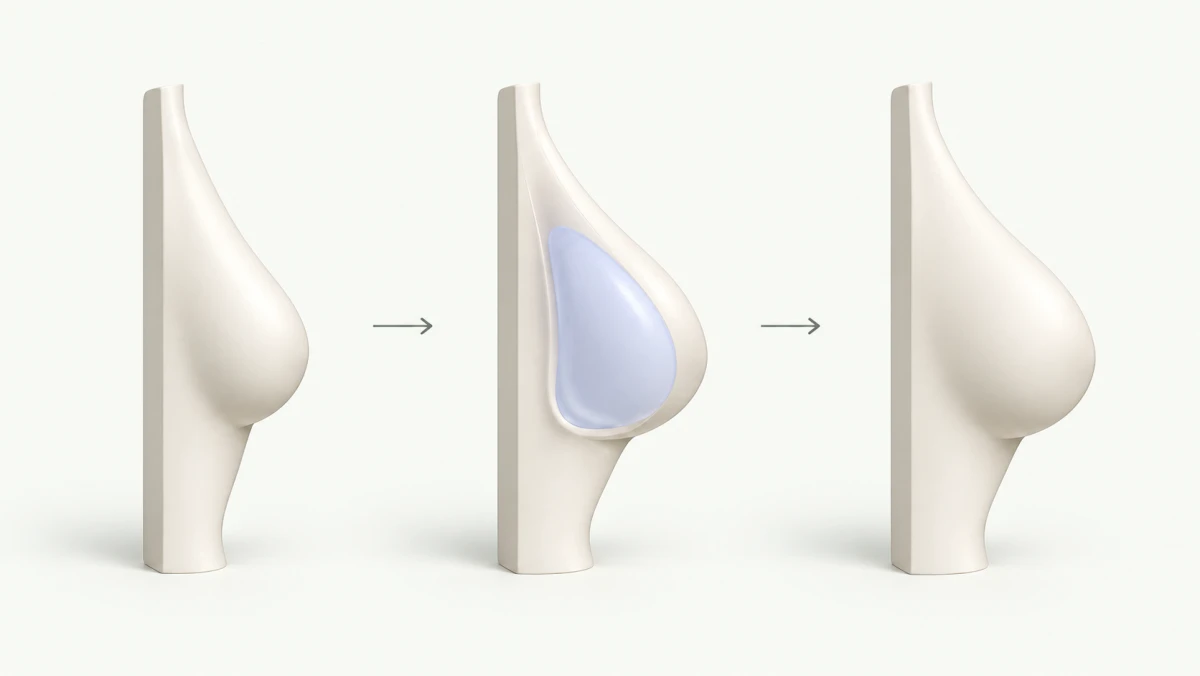
Discounted price
$4,700 $5,900
Correcting breast size by reducing volume and weight
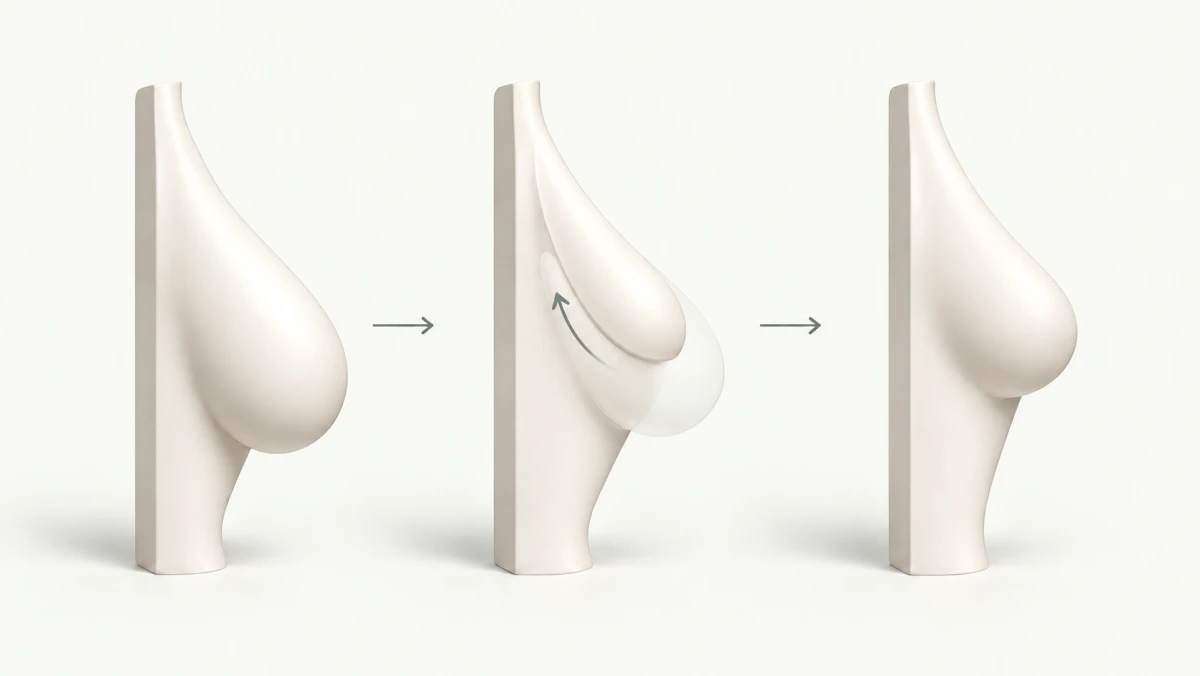
Discounted price
$4,700 $5,900
At the consultation the surgeon assesses the shape and proportions of your breasts, discusses your wishes and chooses the best mammoplasty option for you.
The consultation is free, before surgery and with no commitment.
Comparison
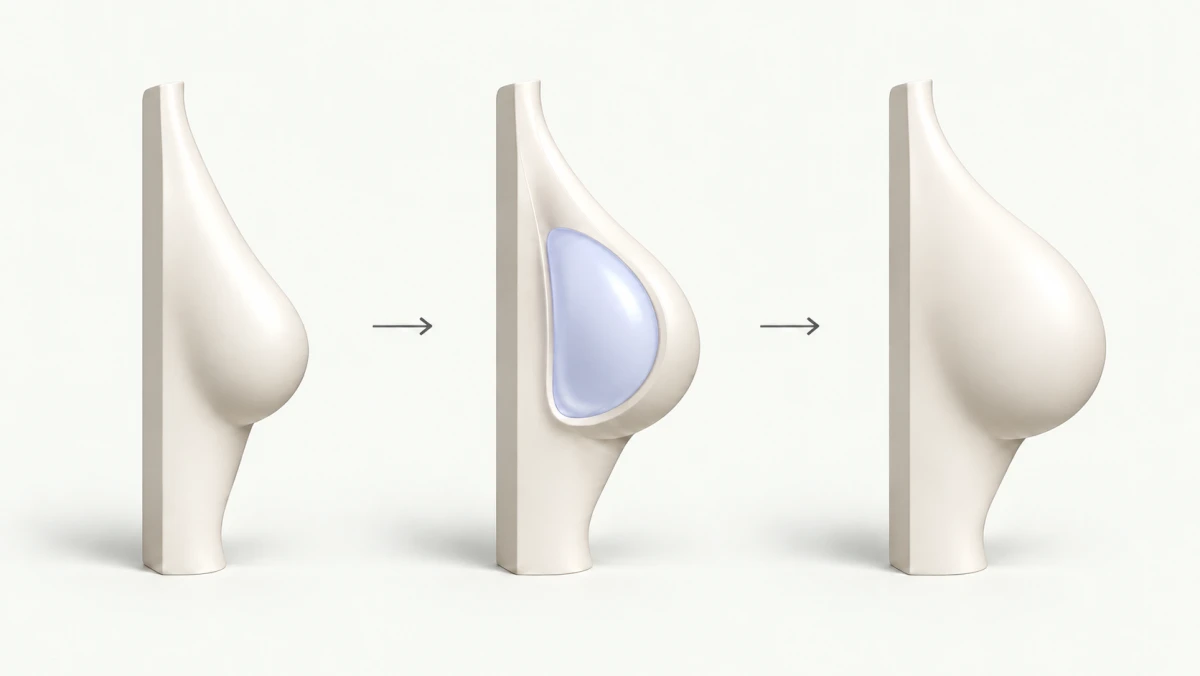
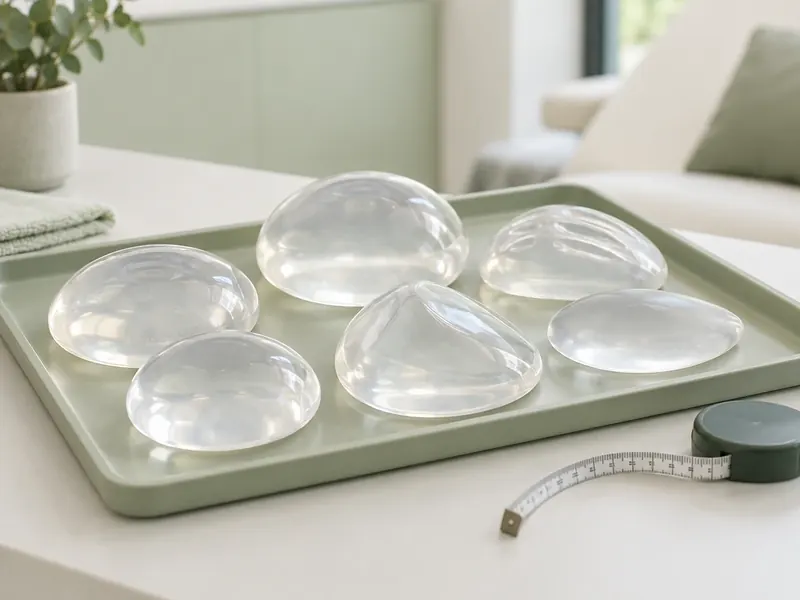
There are two main types of implants we place: round and anatomical. Both enlarge and reshape the breasts, while their form and the resulting look are different.
A fuller upper pole with even volume
A natural slope and a soft teardrop shape
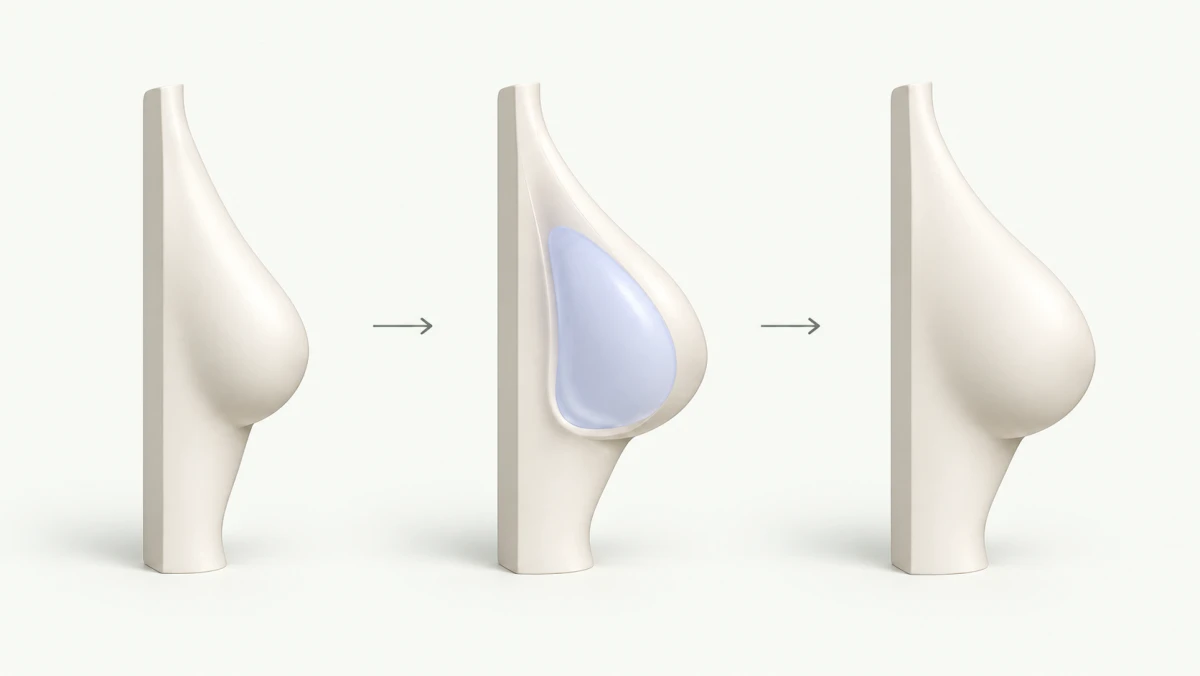
The surgeon will help you choose the implant shape and volume.
The clinic
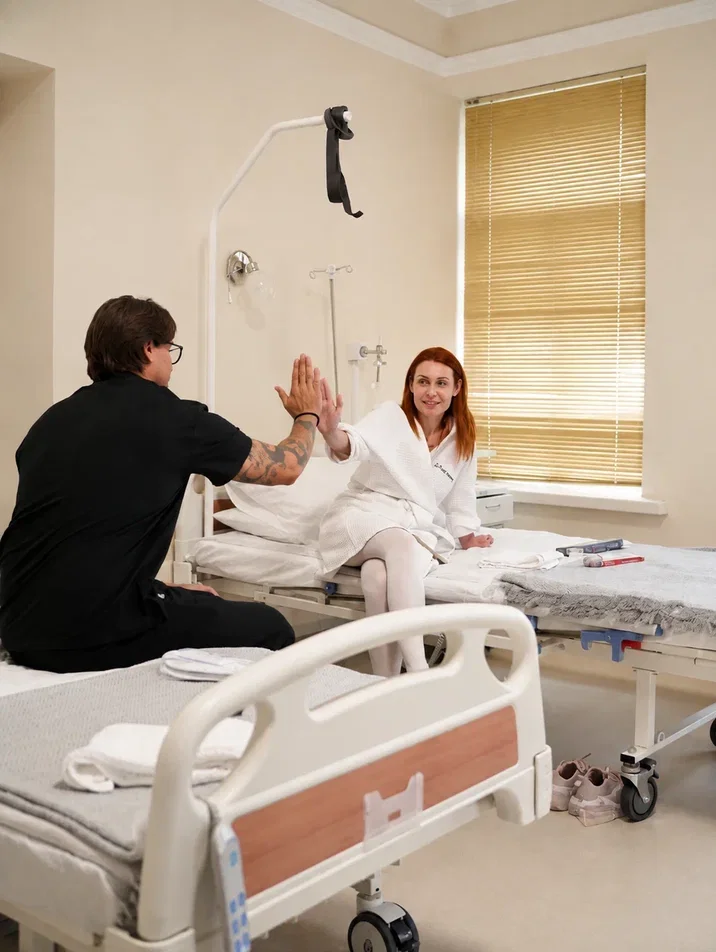
Each patient gets care, comfortable rooms and modern equipment
Our team will reply to your questions and help you choose a consultation time
By messaging us, you agree to our Privacy Policy
If your concern can be addressed without an operation, the doctor will say so at the consultation, so you do not pay for surgery you do not need.

Not certain if surgery is the right choice for you?
Send us a message — the coordinator will ask for a few photos in a messenger, and after reviewing them the surgeon will tell you if mammoplasty is right for you.
Find out if it suits me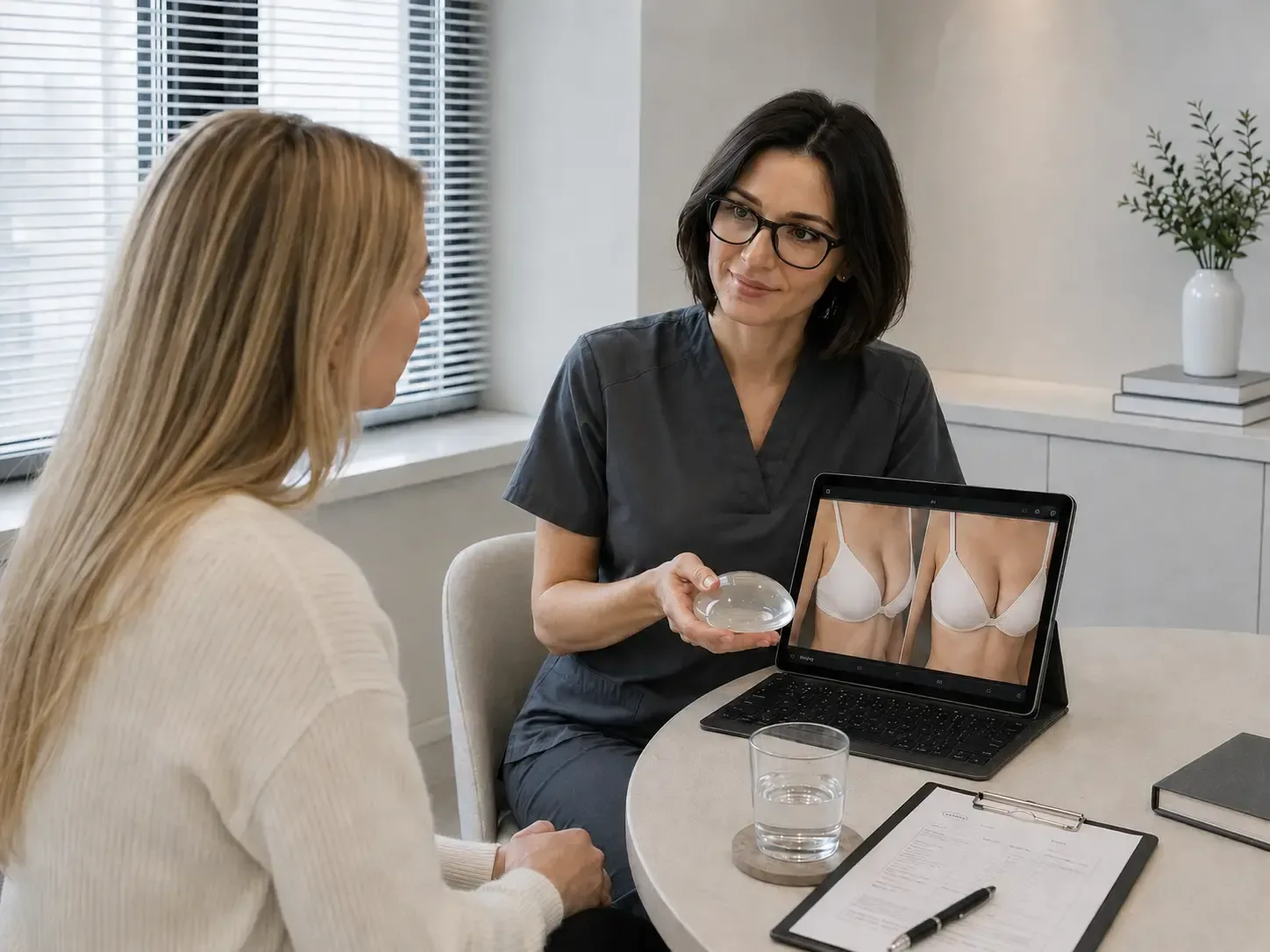
Prices
The price is set at the consultation and fixed in the contract.
Discounted price
Size and shape correction with implants
$4,700$5,900
Discounted price
Reducing the volume and weight of the breasts
$4,700$5,900
Breast restoration after mastectomy
The surgeon assesses the anatomy and proportions of your breasts, listens to your wishes and chooses the right correction method.
The price is set at the consultation and fixed in the contract.
Message our coordinator
Free online consultation · Reply within 15 minutes
Message us on TelegramMessage us on WhatsAppBy messaging us, you agree to our Privacy Policy

all inclusive
From preparation for surgery
to support for 12 months.
Discounted price
$4,700$5,900
Step by step
A correction plan agreed with you, inpatient observation and a year of follow-up.
 1
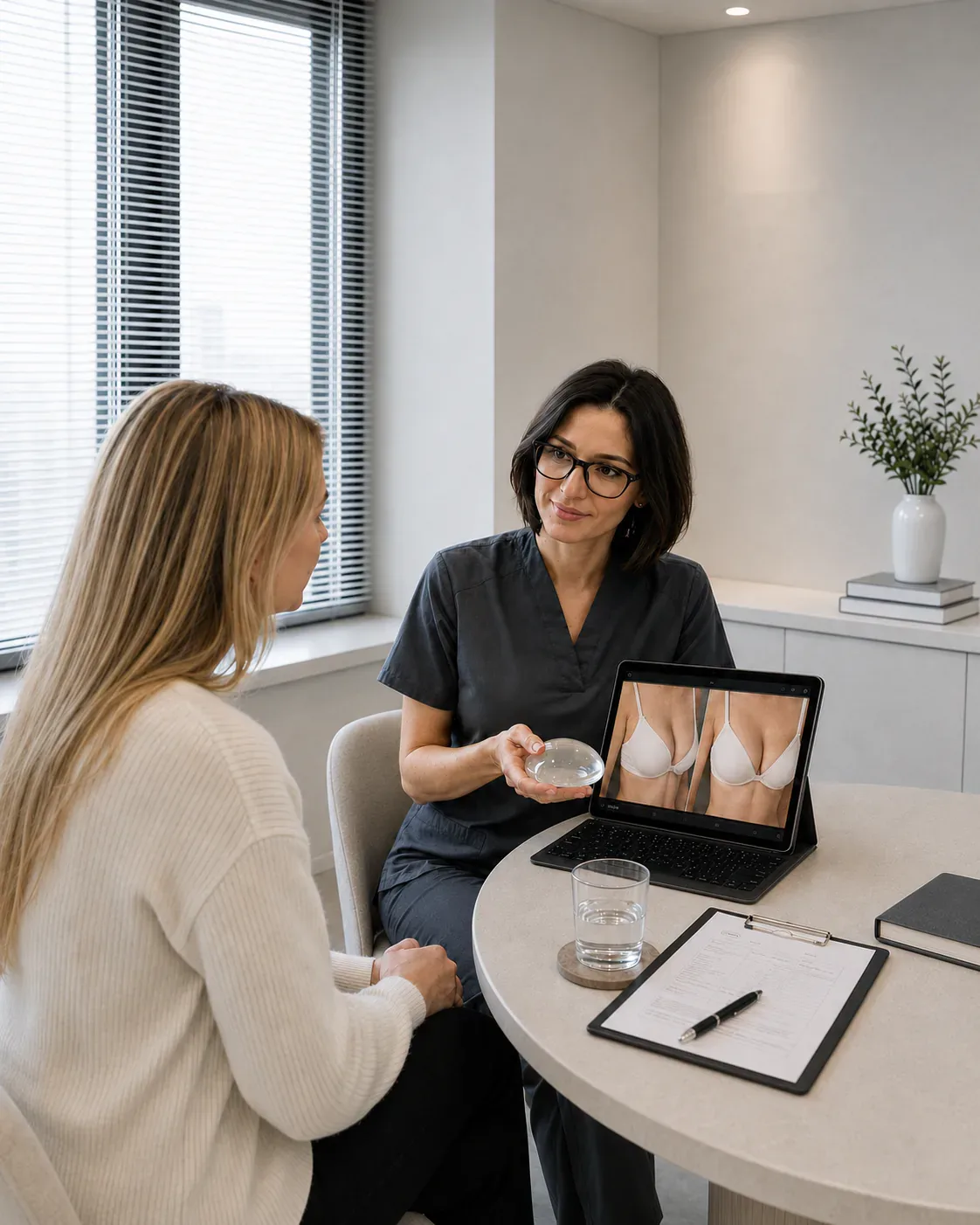
The surgeon examines your figure, discusses your wishes and selects the best volume, shape and correction method.
 2
We hold a surgery date for you. You can pay the deposit by card at the clinic or online by bank transfer; all terms are set out in the contract for medical services
 3
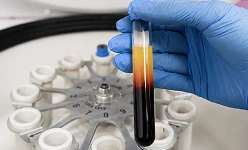
Before the operation you take a full set of tests: blood tests, an ECG and any other examinations the doctor prescribes.
 4
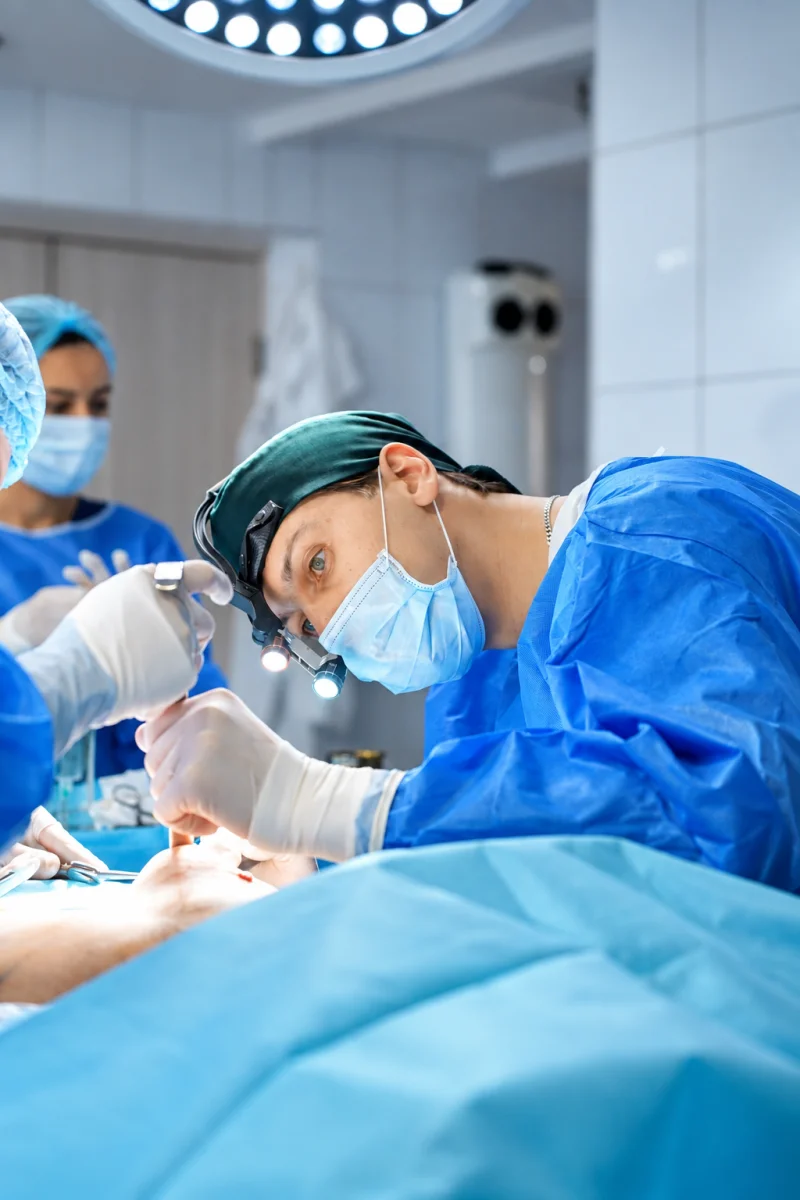
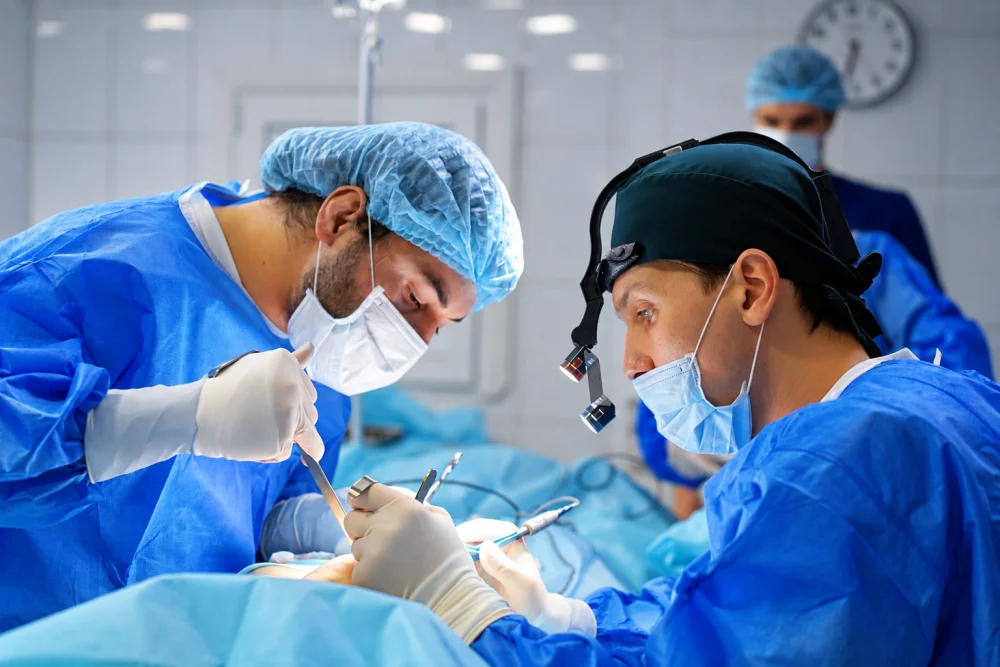
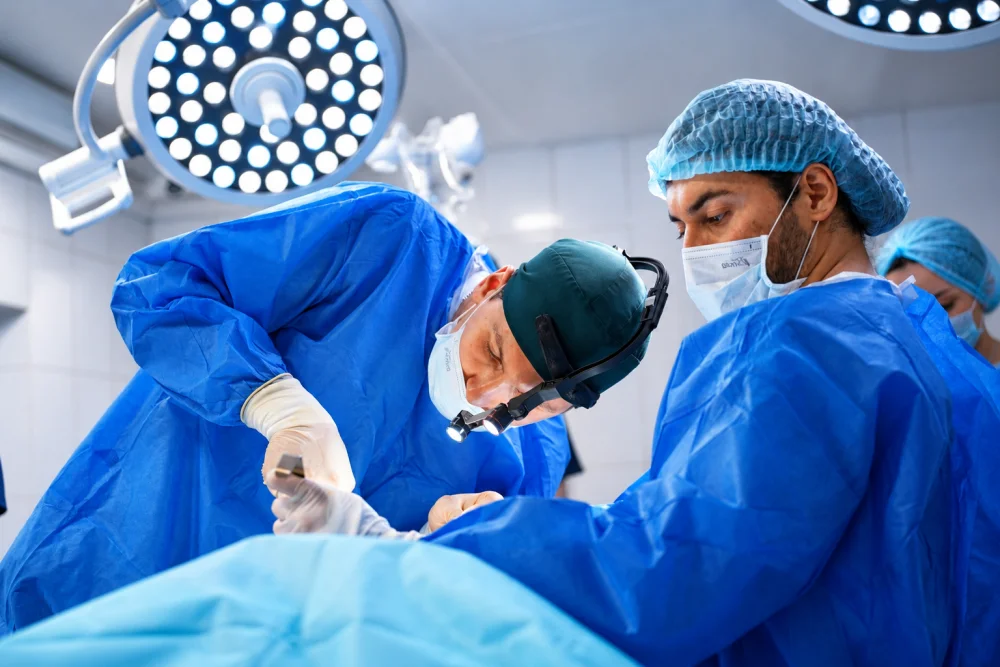
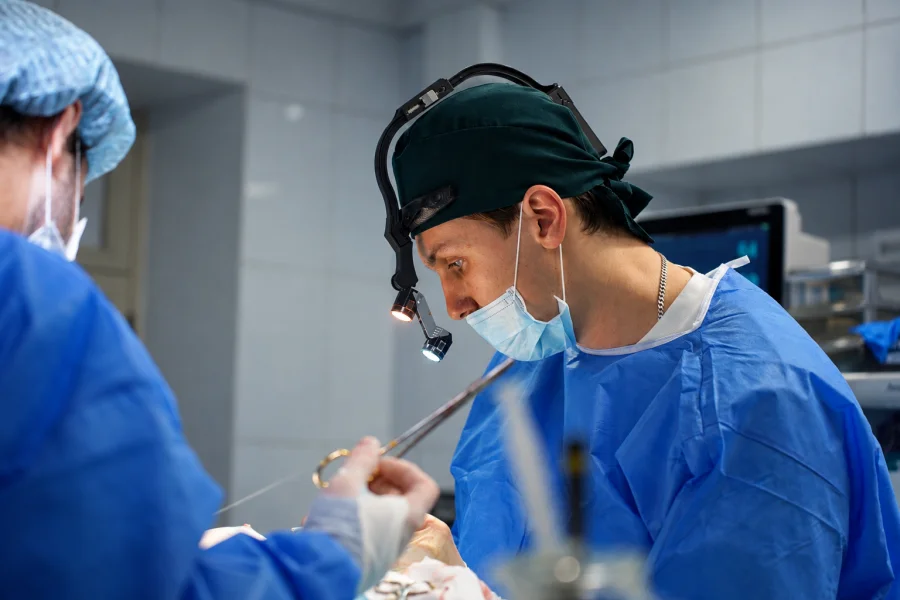
Mammoplasty is performed according to your individual plan. The surgery is done under general anaesthesia while your condition is monitored throughout.
 5
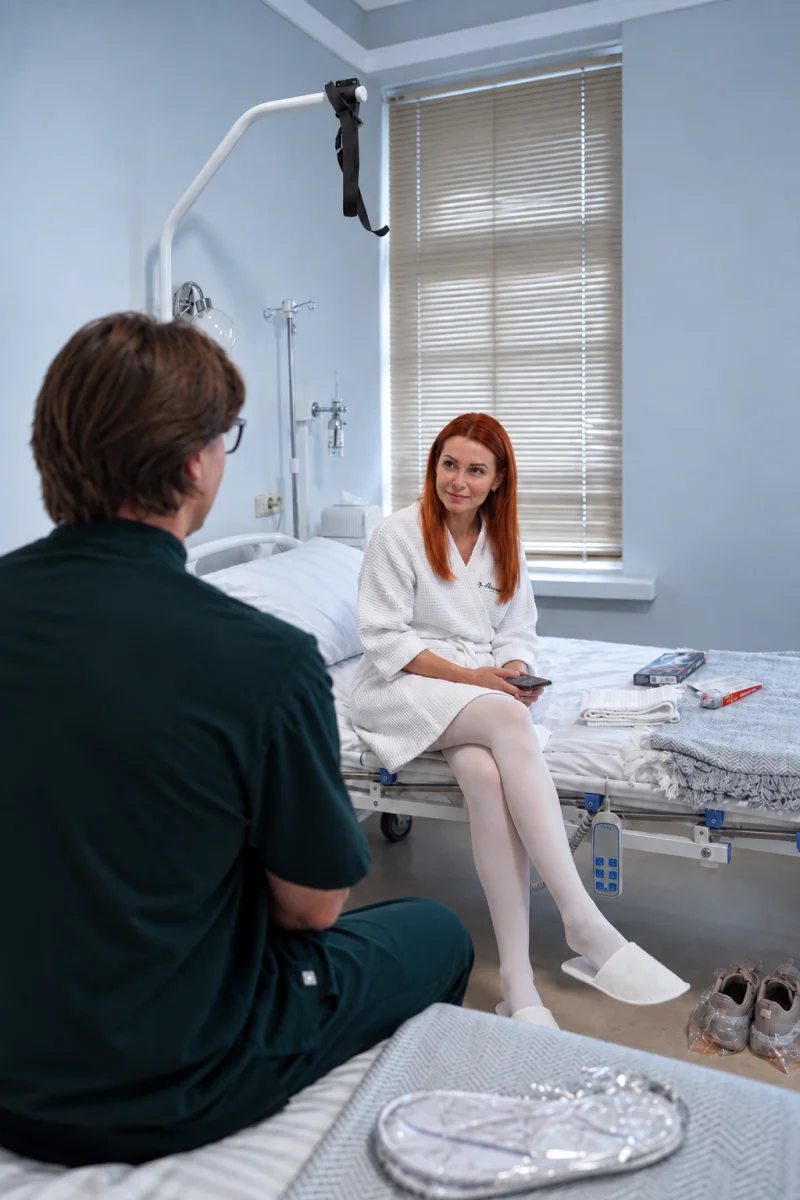
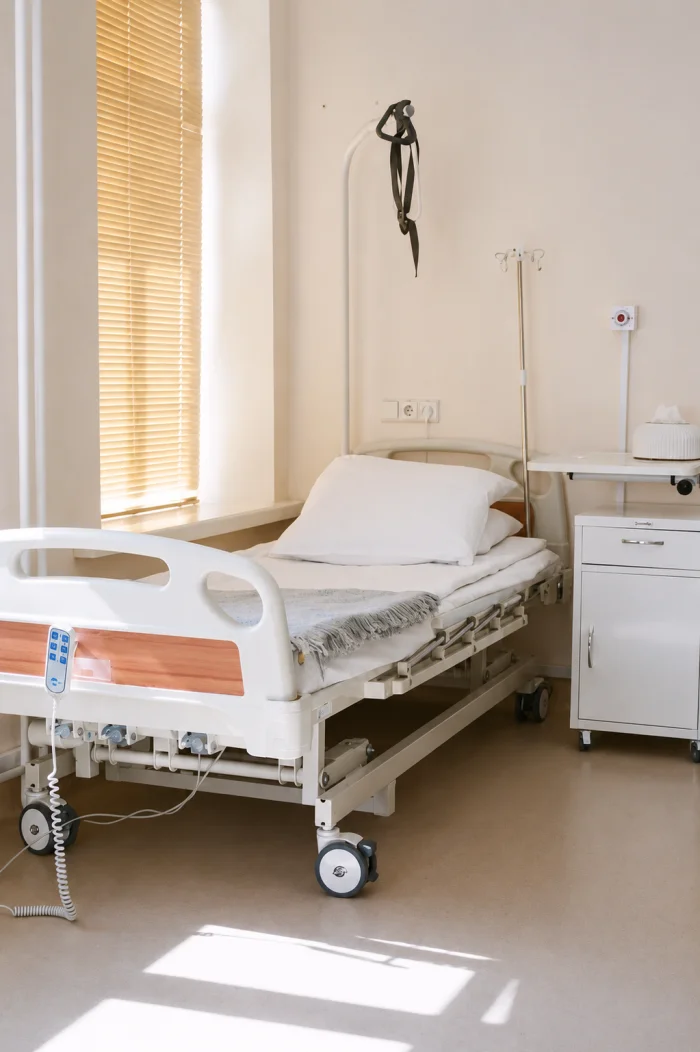
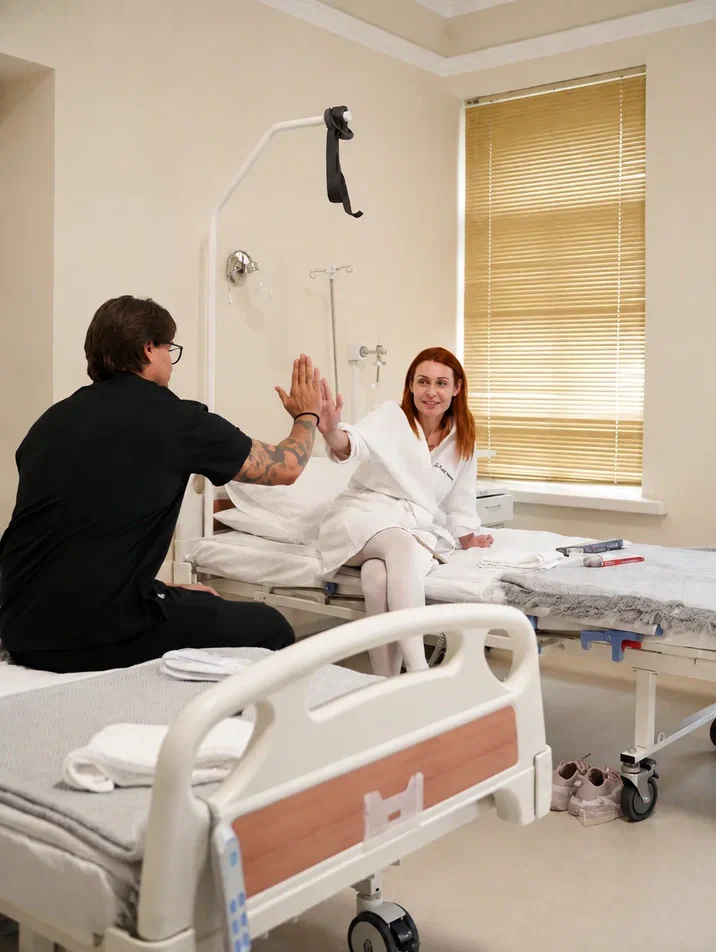
Following surgery, you recover in a comfortable inpatient ward of the clinic with the medical team looking after you until discharge.
 6
After surgery you receive a recovery programme. Check-ups at 7 days, 3 and 6 months track your progress, and consultations with your surgeon are free for a year.
Before surgery it helps to follow a few easy steps: rest as well as work, sleep more, keep away from stress, anxiety and strong emotions, and reduce physical activity.
Hormonal birth control pills must be discontinued a month or more before surgery
Before surgery, stop taking drugs that contain aspirin, as well as steroids and hormonal medicines for chronic conditions
Get your tests a week ahead of surgery
Post-op swelling disappears after 3 weeks
Scars form in 3 weeks
No strenuous activity (lifting over 3 kg)
No lifting arms above shoulder height — 3 weeks
Part of recovery after the correction is wearing compression garments for 1–1.5 months
Avoid intense gym workouts for up to 40 days and overly active aerobics; after a month light cardio is possible. Watch your diet and meals.
Discomfort fades after 3 months
No tub baths or saunas for up to three months, and no physiotherapy
Within 3 months, inflammation in the tissue fully resolves and a “pocket” takes shape around the implant
Doctors
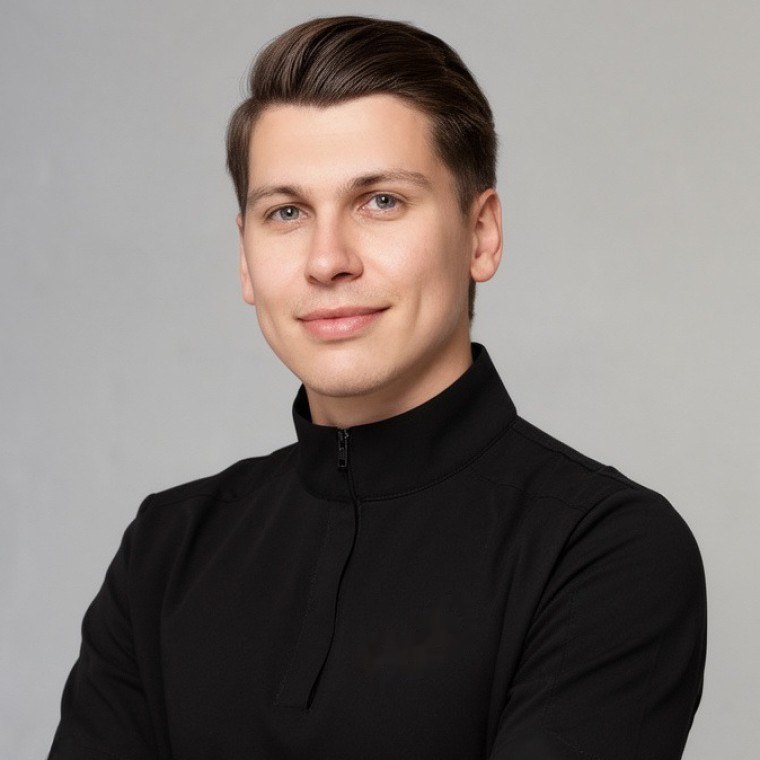
7 years of experience
Plastic surgeon
Residency training in plastic surgery, Petrovsky National Research Centre of Surgery. Specializes in aesthetic and reconstructive procedures on the breast and body.
You speak with the operating surgeon at the consultation
An experienced plastic surgeon committed to patients' beauty and health
Book a consultationAdvantages
At the consultation we talk through what you want and model the changes. The surgeon explains the possibilities of surgery so that the goal is clear to you.
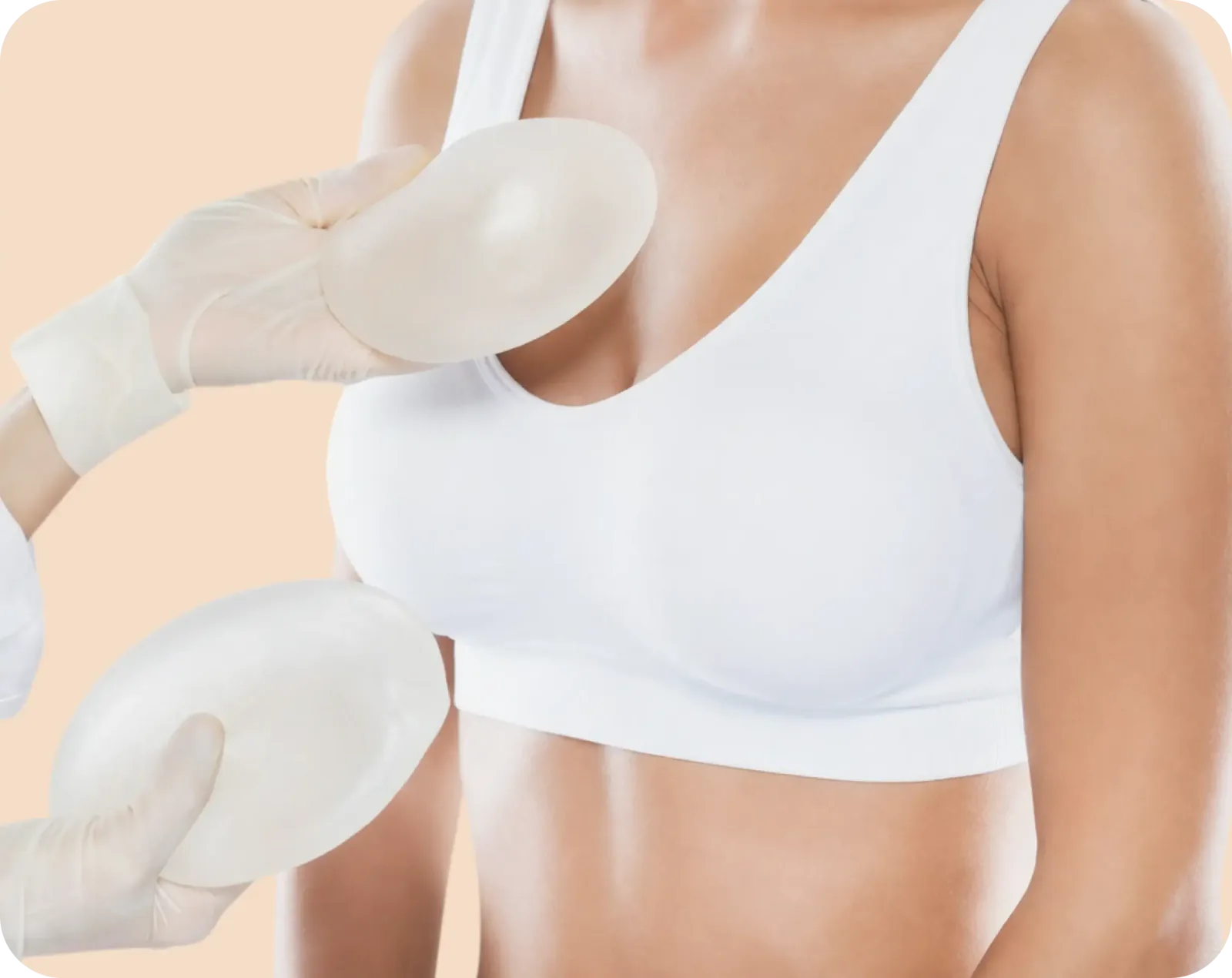
During the year after surgery the surgeon keeps track of your recovery and breast shape. The price already covers check-ups and dressings.
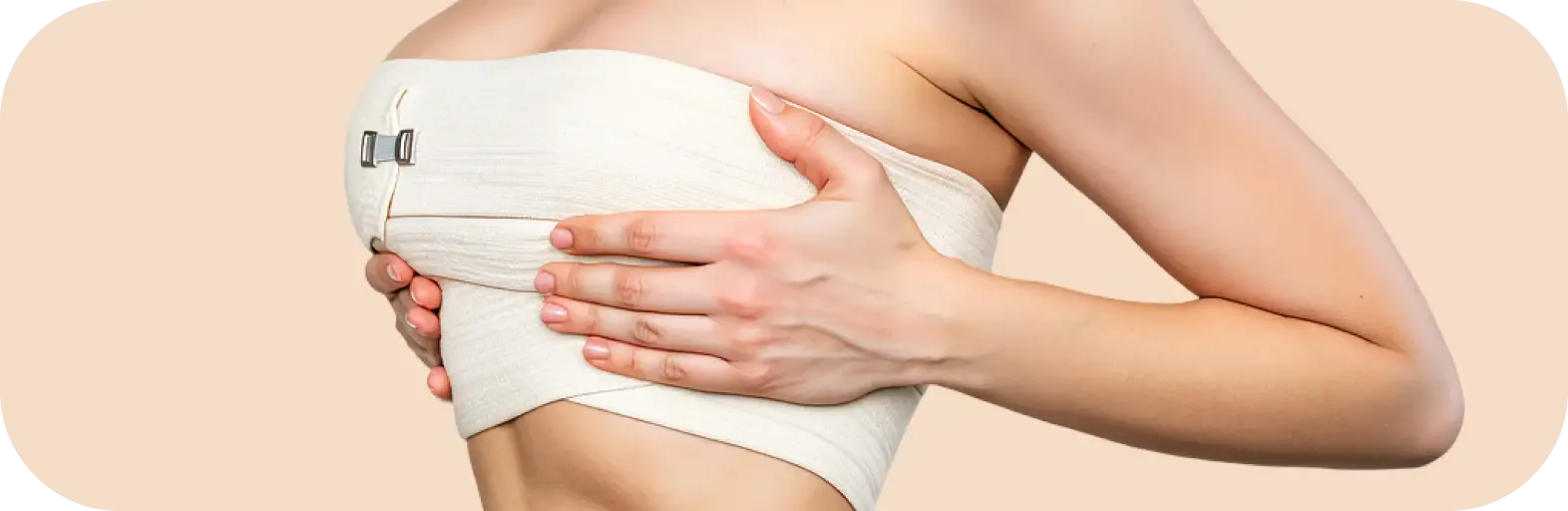
Your anatomy and wishes determine the shape, volume and correction method. In breast augmentation the implant size and profile are picked individually.

Your time matters to us: we work 24/7, booking is easy, and our personal approach adapts to your pace.
Once the surgeon has defined the extent of correction at the consultation, you get a clear surgery price — no surprises on the way to your result.

Recovery starts in a comfortable inpatient ward with nursing care around the clock. Your stay and meals are already included in the price.
FAQ
Yes. Boob job is the everyday name for breast augmentation. At City Medical Centre it is done with round or anatomical implants that the surgeon chooses with you at the consultation.
Breast enlargement adds volume with implants. A breast lift (mastopexy) raises sagging breasts and removes excess skin. Which one suits you is decided at the free consultation.
The term mammoplasty covers several operations: augmentation (implants to increase volume), reduction (excess tissue and skin removed), mastopexy (a lift for sagging), reconstruction (after mastectomy) and correction of asymmetry. Which method is best is decided individually, from your wishes and the surgeon's advice.
Message us — our coordinator will get back to you shortly and book your consultation. The plastic surgeon consultation is free.
If all recommendations are followed, complications are rare, but they may include hematoma or seroma, wound infection, reduced or increased nipple sensitivity, capsular contracture, aesthetic asymmetry, wound separation and tissue necrosis.
Mammoplasty results hold for a long time, roughly 10–15 years after augmentation (up until implant replacement) and 5–10 years after a lift or reduction. Weight, pregnancy, the aging of skin and gravity play a role in duration. Supportive underwear and weight control help maintain the result.
Whether breastfeeding remains possible after mammoplasty depends on the type of operation. With augmentation via an under-breast or armpit incision and the implant beneath the muscle, lactation is usually preserved, as the glandular tissue is spared. After a lift or reduction the risk is higher because ducts may be cut. Talk it through with your surgeon beforehand.
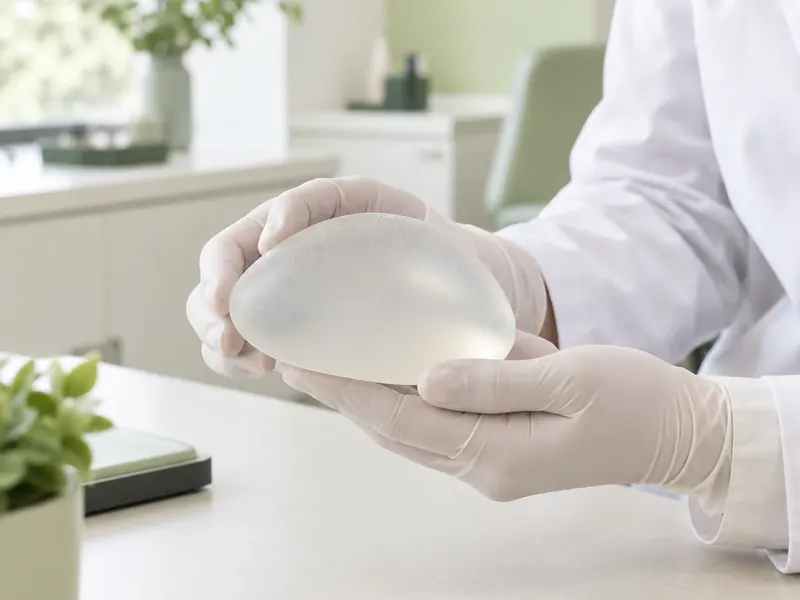
The choice of implant looks at material (silicone looks most natural, while saline is used less often), shape (round or anatomical teardrop), surface (smooth or textured), size and profile. The surgeon will choose what works best for your anatomy and wishes.
The surgery is carried out under general anaesthesia, and the patient feels nothing. Moderate discomfort is possible during the first 1–3 days and is relieved by pain medication. Pain falls significantly by day 5–7, and by weeks 2–3 discomfort is over. If you have severe pain, tell your doctor at once.
Work without physical exertion can be resumed after 7–14 days. Light walks after 1–2 weeks. Fitness and swimming after 4–6 weeks, strength training after 3 months. Pool and sea after 4–6 weeks. Compression garments are worn for 4–6 weeks. Exact timing depends on how you recover.
Mammoplasty has not been scientifically shown to increase the risk of breast cancer, and implants do not cause it. Keep up regular screening after surgery (self-exams, mammography and ultrasound) and always mention your implants to the doctor examining you.
You can have mammoplasty after a C-section, though your body needs to recover completely first. Wait a minimum of 6–12 months after childbirth and the end of breastfeeding. Before surgery, a surgeon's consultation and examination are mandatory.
Scars do remain after mammoplasty, but a skilled surgeon keeps them to a minimum. Incisions are placed in hidden zones: beneath the breast, around the areola or in the armpit. The scars are reddish for the first months and fade within 6–12 months to become almost invisible.
Slight asymmetry early on, in the first weeks after surgery, is normal and is due to swelling and uneven healing. If the difference in shape or size persists after 3–6 months, get examined by your surgeon to identify the cause.
Sensitivity in the nipples and breasts may shift temporarily after mammoplasty, decreasing or increasing, because the nerve endings are irritated. It returns within 3–12 months in most cases. If it has not improved after a year, go see your surgeon.
Although hormonal drugs (contraceptives, hormone replacement therapy) have no direct impact on implants, they can produce swelling or changes in breast tissue volume, temporarily affecting appearance. Be sure your surgeon knows about such medications before surgery.
Prices are in US dollars; the amount in brackets is an approximate conversion to EUR at the rate of 02.10.2026. The final price is fixed in your contract.
Prices start from $4,700 (≈ €4,200). The surgeon sets the final price at the free consultation, and it is fixed in the contract, with no hidden extras.
The surgical team's work, anaesthesia, the inpatient stay with meals, dressings and follow-up visits for twelve months.
Message us on WhatsApp or Telegram using the buttons below. A coordinator will answer your questions and book a free consultation where the doctor names the exact price.
By messaging us, you agree to our Privacy Policy
What exactly changes with augmentation? Volume grows and the bust gains a rounder or a more natural teardrop profile, depending on the implant selected. If you are researching breast augmentation in Málaga, keep in mind that implants come smooth or textured and are selected for each body. With an under-breast or armpit incision and the implant placed under the muscle, lactation is usually preserved.
Inside the operating room the process is methodical: antiseptic treatment, marking of incision lines and the new breast position, general anaesthesia, an incision chosen for your anatomy, creation of a pocket and placement of the implant. Drains are used only if needed, and a sterile dressing plus compression garments finish the procedure. For Málaga patients, the inpatient stay afterwards is one day.
The fixed price starts at $4,700 (≈ €4,200), and everything essential is already in it: anaesthesia, the hospital stay and a year of follow-up by your plastic surgeon. A breast lift with implants is $5,400 (≈ €4,850), implant removal $3,300 (≈ €2,950).
Written by Dmitry S. Kuznetsov, plastic surgeon
How we prepare and review medical content · Medical disclaimer
Page last updated:
Well-known people who spoke openly about this operation, in their own words.
 Did Belén Esteban have breast surgery? Yes, and she calls it her best operationBelén Esteban called her breast surgery the best operation of her life and said she later had the implants removed. Her words and what the procedures involve.
 Did Gloria Camila have breast surgery? Yes — and she told the whole storyThe Spanish reality star had her breast implants redone in 2024 after years of regret. Her own words on the failed first operation and the correction.
 Did Isa Pantoja have breast implants? Yes — and she is exchanging themIsa Pantoja confirmed her decade-old breast implants and announced an exchange after pregnancy. Her quotes on encapsulation and size.
Málaga is a municipality of 597,173 residents (2025), the sixth largest in Spain and the second in Andalusia. In a place of that size, advertising for breast surgery is easy to find and hard to weigh. A public register helps more than any slogan, and Spain keeps one that every patient can open.
The General Council of Medical Colleges, the Consejo General de Colegios Oficiales de Médicos, publishes a public register of registered doctors. You can search it by name and first surname or by college number, and registration with a medical college is obligatory for practising medicine in Spain. That makes it a sound first check on a name given to you by a clinic.
There is one limit. The search page does not describe a specialty field, so the register confirms that a person is registered but not that this person is a plastic surgeon. For that you need a second step: ask the clinic in writing which specialty the doctor completed, and ask where it is documented.
Do this before anything is reserved. Write down the surgeon's full name, the college number if one is given, the result of your search and the date, and put the note with your other papers.
In Spain the training that matters for this operation has a formal name: Cirugía Plástica, Estética y Reparadora. Order SAS/1257/2010 defines it as a specialty programme lasting five years. The programme text describes it as dealing with the surgical correction of congenital, acquired, tumour-related or involutional conditions that affect form and function, with an aesthetic side for changes that affect physical and psychological wellbeing.
Why does this matter to you? Because a surgeon's title is a statement about training, and training is something a clinic can document. When City Medical Centre introduces the surgeon who would operate, ask for the specialty by that name. Ask also that the person you speak to at the consultation be confirmed as the person in the operating room; the clinic says that this is how it works.
Ask for the clinic's own paperwork alongside. The clinic holds a medical licence, doctors' diplomas and certificates may be inspected before payment, and care is provided under a contract for paid medical services. In Andalusia, health centres are entered in a regional register, SICESS, kept by the Junta de Andalucía's department of presidency, health and emergencies; it lets you see how a centre is recorded in the region.
Royal Decree 1030/2006 defines the common services portfolio of the national health system. Article 5.4.a leaves out techniques aimed at aesthetic or cosmetic improvement, as well as techniques that have nothing to do with illness, accident or congenital malformation. A cosmetic breast augmentation belongs to that group, so plan to fund it yourself under the clinic's contract.
Two situations are different. If a breast operation follows a mastectomy, it belongs to another category, and how the public system handles it is a question for your family doctor or the team treating you. The clinic discusses reconstruction too, as part of its list of mammoplasty procedures, but a conversation with your own medical team comes first.
Whatever your case, resist the temptation to settle a financial question by assumption. If you hold a private health policy, ask the insurer in writing whether any part could be affected, and file the answer with the contract.
Málaga residents can begin tonight. The consultation is free and happens online; a coordinator asks you to send photographs by messenger, and the surgeon who would operate studies them before saying whether mammoplasty is the right route. Replies come on WhatsApp and Telegram round the clock, the stated reply time is 15 minutes, and nothing is booked.
Make the photographs usable: even light, a plain background, a relaxed posture, from the front and each side, with no filters. Add one older photo from before any big change in weight or pregnancy if you have it. The surgeon sees the anatomy and proportions, and the picture tells more than a description.
Below the pictures, list what bothers you and what you want, in your own words. Mention illnesses, medicines and any previous surgery, and say honestly if you are pregnant or breastfeeding, since the clinic does not advise surgery then.
Put your questions to the surgeon in the same message. Which shape and volume would suit my proportions? What would you advise against, and what would change your recommendation? Summarise each answer in a sentence of your own and read the summary back to the coordinator the same day; a misunderstanding is easiest to fix while it is fresh.
The practical side is mapped out in advance. Some medicines are paused on the surgeon's advice, tests are completed a week ahead, and hormonal contraceptives stop earlier, on the surgeon's own schedule the date. Afterwards you wear a compression garment for 1–1.5 months, avoid lifting over 3 kg for up to 3 months, and keep away from baths and saunas for as long as the surgeon says.
Check-ups are set at 7 days, 3 months and 6 months, and for a year after the operation consultations with the surgeon are free. Ask to see all of this in the contract, and enter each date in your calendar as soon as the operation day is chosen.
Replies from clinics tend to arrive in bursts, and it is easy to be carried along by a friendly tone. A slower method helps. Read each reply three times, each time looking for something different.
On the first pass, look only for names. Is the organisation named, and the surgeon, and the person who will run the check-ups? A reply without names cannot be verified. On the second pass, look for decisions: implant shape, anaesthesia, length of stay, which follow-up visits exist. A reply that avoids decisions is a reply that has not yet looked at your case. On the third pass, look for promises, and ask where each one is recorded. Anything that appears only in conversation should be requested in writing.
After the three passes, write a two-line summary of what you now know and what you still need. If the second line is longer than the first, the next message to the coordinator writes itself.
If you share a draft of your questions with a friend or relative, ask them to mark every sentence they do not understand. A message that a layperson can follow is usually one that a coordinator can answer in a single reply, and that saves everyone a round of clarifications.
Finally, keep your tone as firm as your questions. Asking for proof is part of choosing a surgeon, not a sign of distrust, and the clinic's answers will show you how it handles questions once you are a patient.
Use the public register of the General Council of Medical Colleges, searching by name and first surname or by college number. Registration with a medical college is obligatory for practising medicine in Spain.
Its search page does not describe a specialty field, so ask the clinic in writing which specialty the doctor completed. The title to look for is Cirugía Plástica, Estética y Reparadora.
It is the specialty programme defined in Order SAS/1257/2010, lasting five years. The programme text describes it as covering surgical correction of congenital, acquired, tumour-related or involutional conditions that affect form and function, with an aesthetic side.
No. Article 5.4.a of Royal Decree 1030/2006 excludes from the common services portfolio techniques aimed at aesthetic or cosmetic improvement and techniques unrelated to illness, accident or congenital malformation.
That is a different category of operation. Ask your family doctor or the team treating you how the public system handles it, and raise the question with the surgeon at the consultation.
In the regional register SICESS, the Registro de Centros, Establecimientos y Servicios Sanitarios, run by the Junta de Andalucía's department of presidency, health and emergencies.
No. Photographs and a phone number sent to a coordinator on WhatsApp or Telegram are enough for the surgeon to start. The consultation is online, free and books nothing.