


























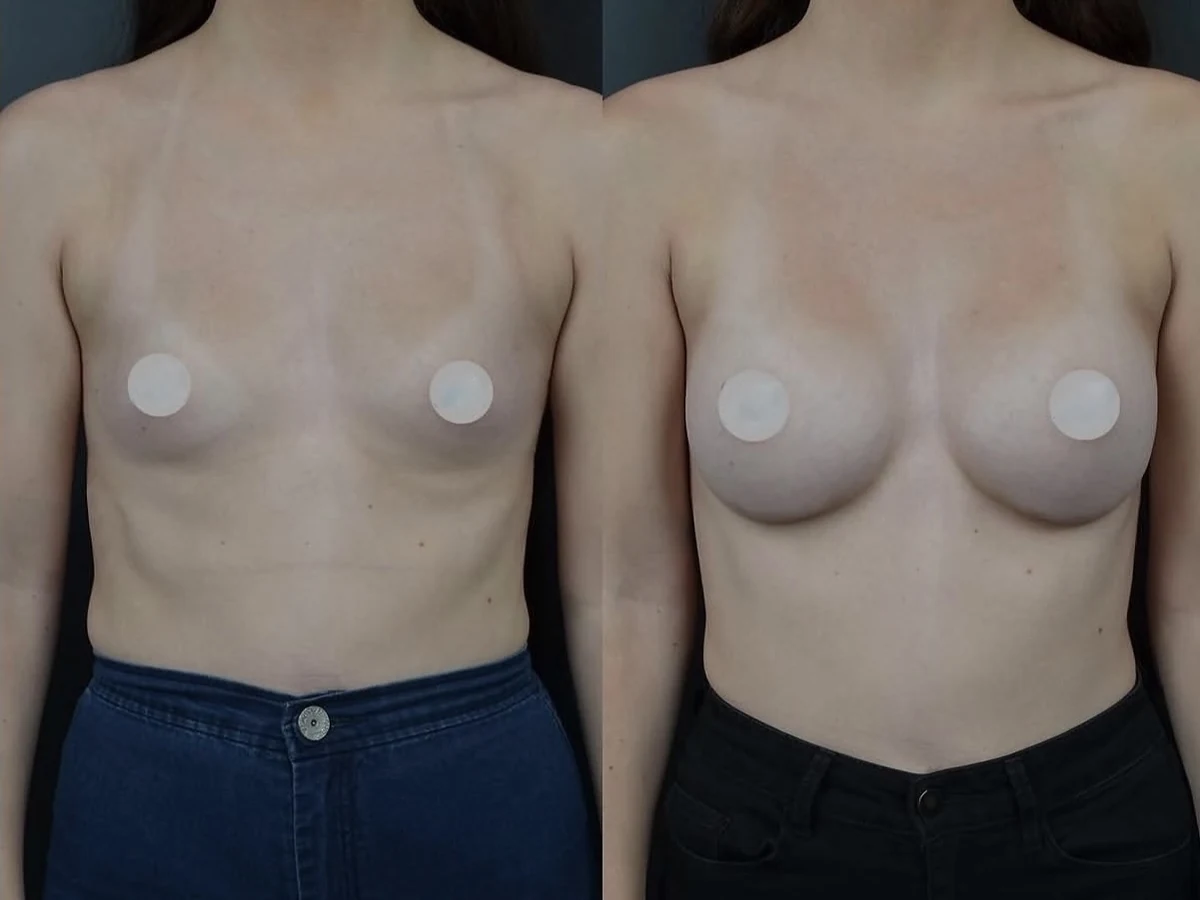
 beforeafter
Mammoplasty
Method: implants
Breast augmentation
$4,700
$5,900 · First consultation — Free
Free online consultation · Reply within 15 minutes
Message our coordinator
Free online consultation · Reply within 15 minutes
Message us on TelegramMessage us on WhatsAppBy messaging us, you agree to our Privacy Policy
Breast augmentation for patients from Krakow at City Medical Centre starts at PLN 18,500 (from $4,700). The first online consultation is free; the doctor names the final price and it is fixed in the contract.
How it works · Breast augmentation prices
Information current as of 5 November 2026
Results
Every case shown is a real patient of the clinic; faces and identifying details are hidden.
beforeafterMethod: implants
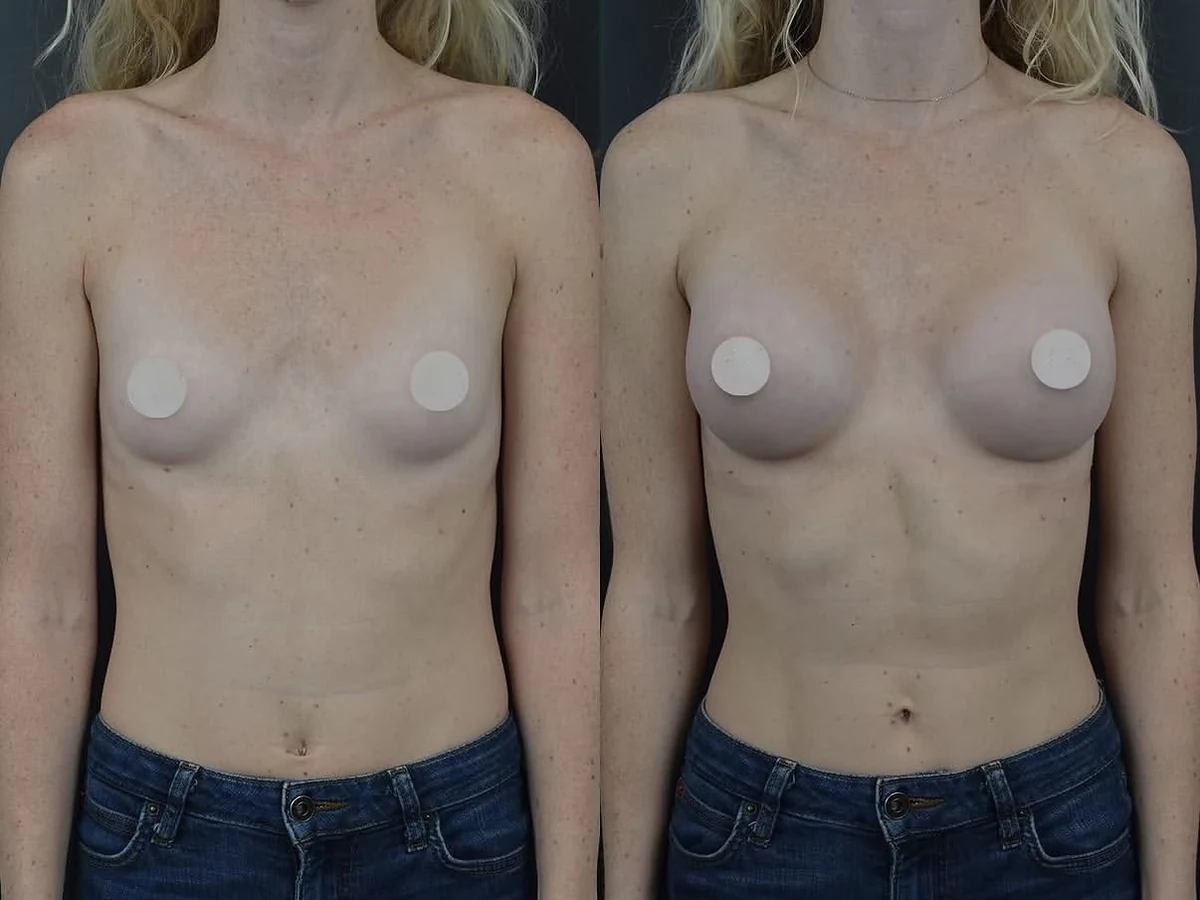 beforeafter
Method: implants
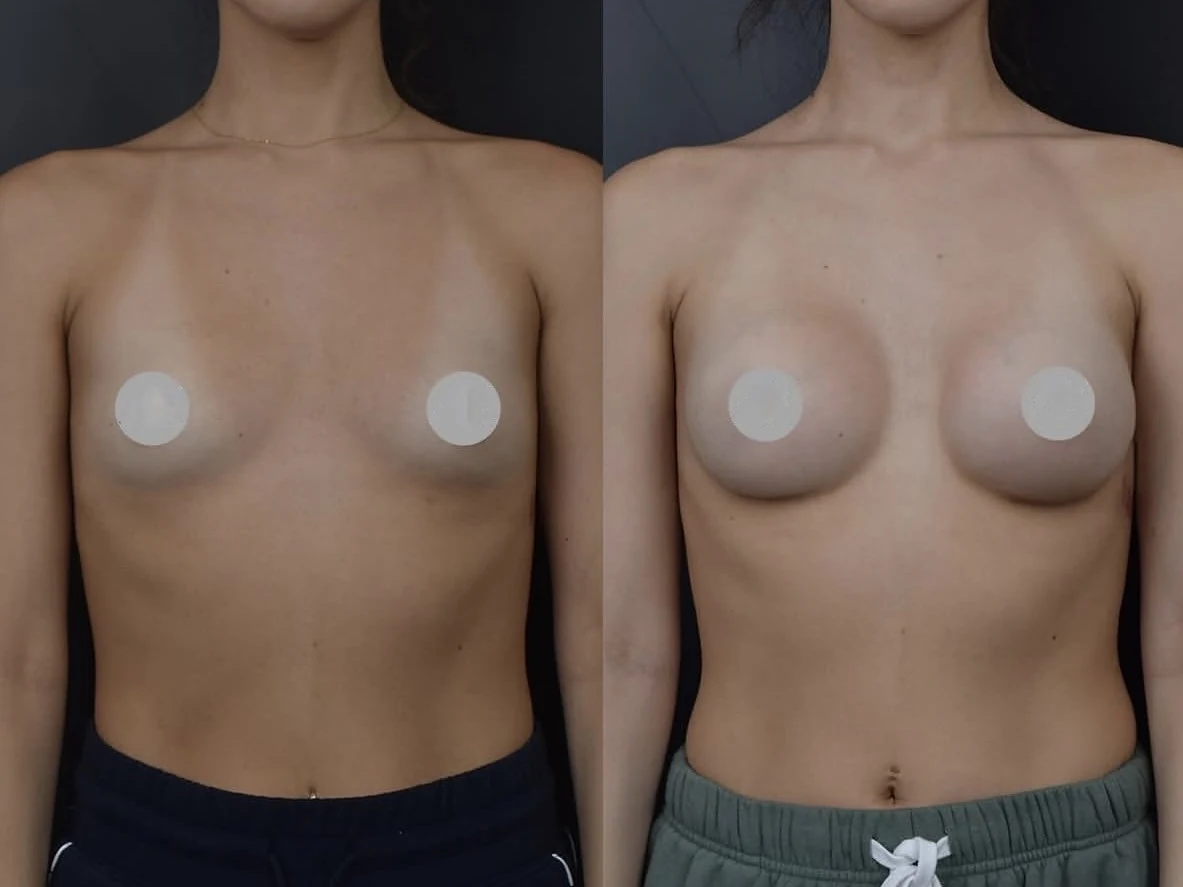 beforeafter
Method: implants
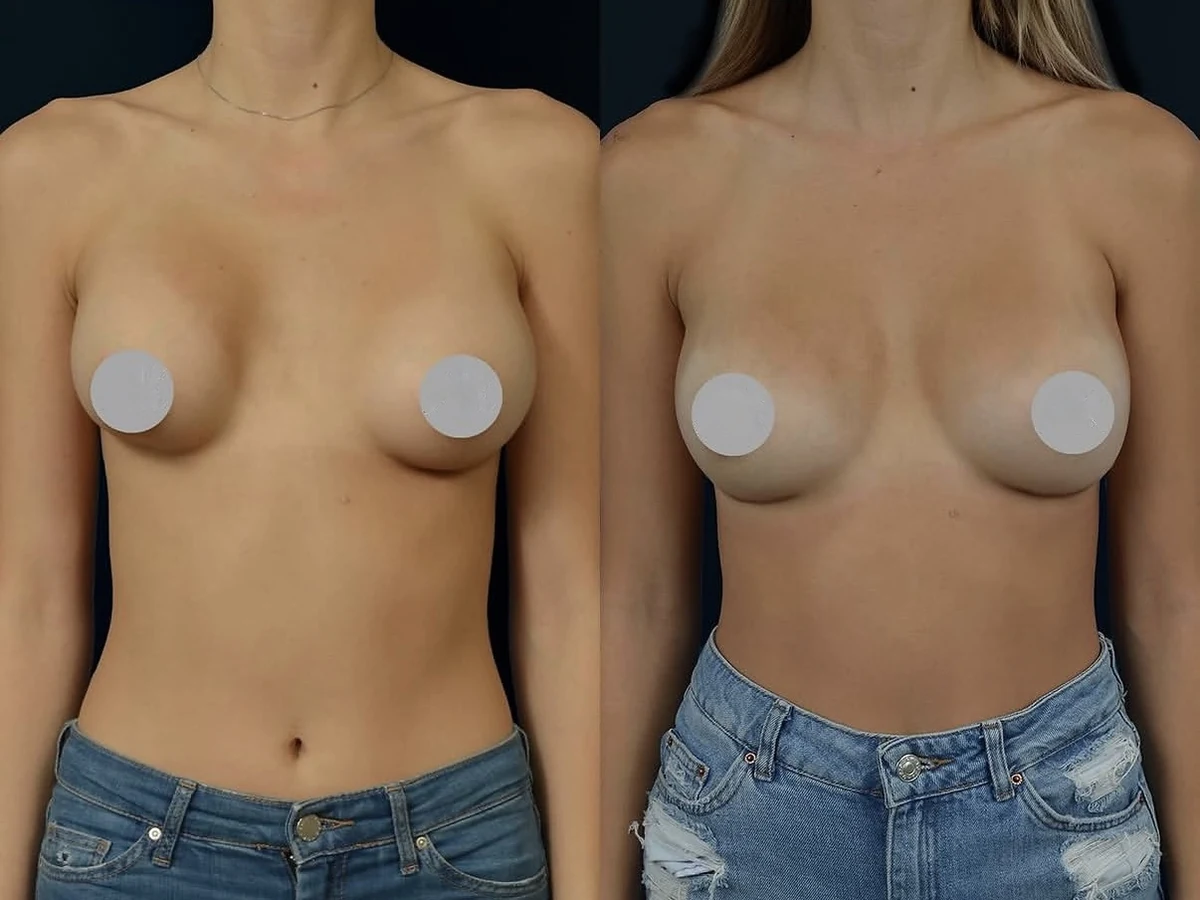 beforeafter
Method: implants
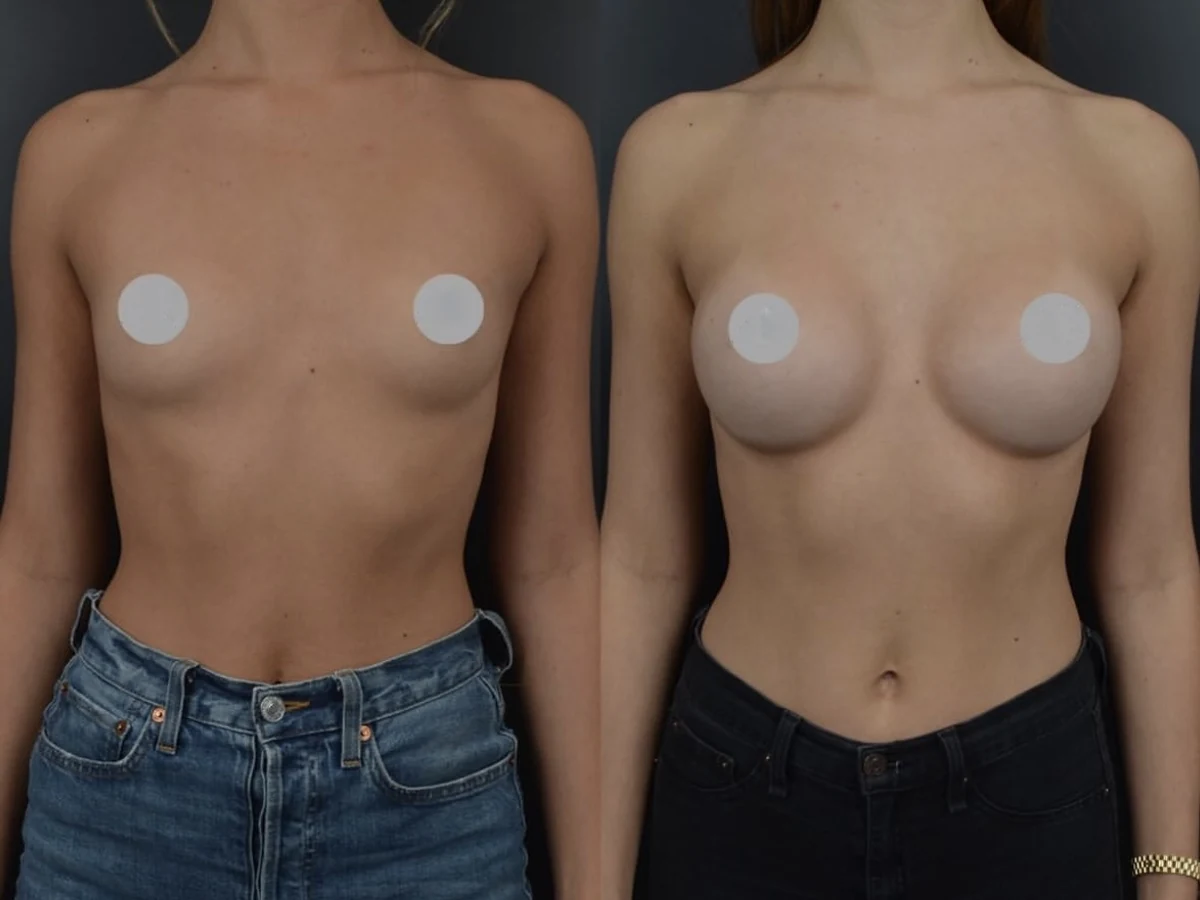 beforeafter
Method: implants
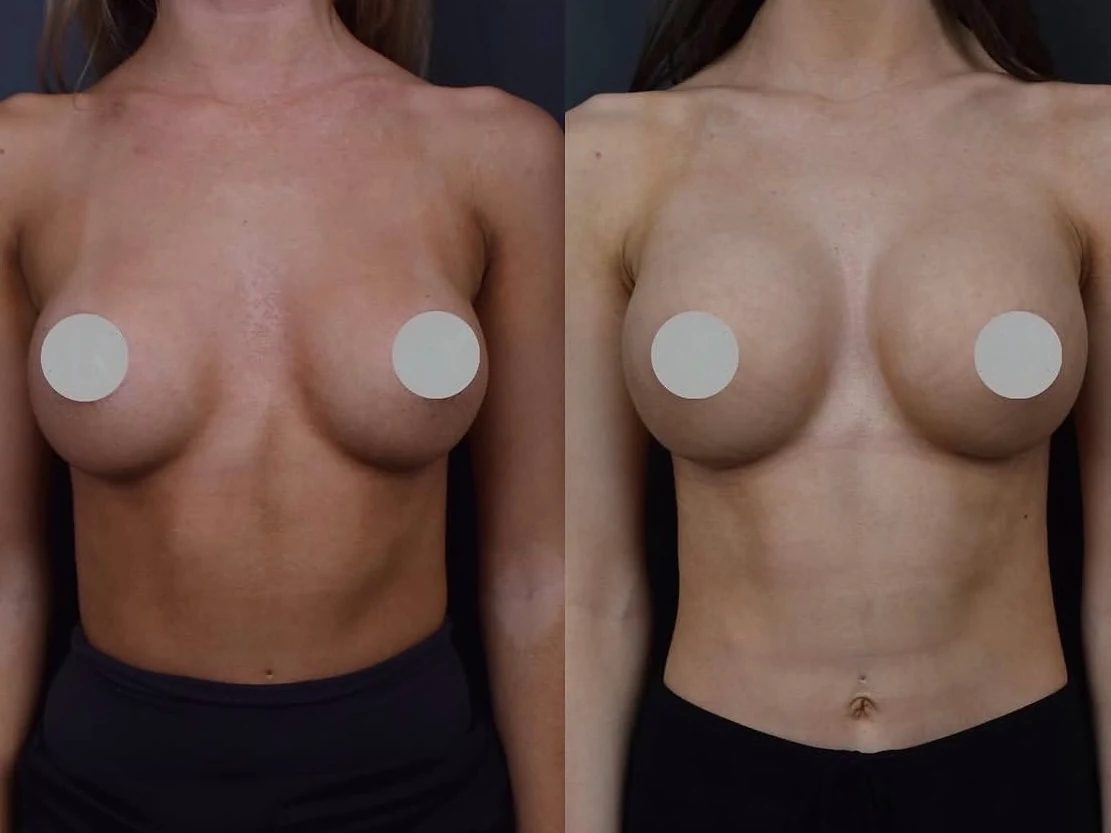 beforeafter
Method: implants
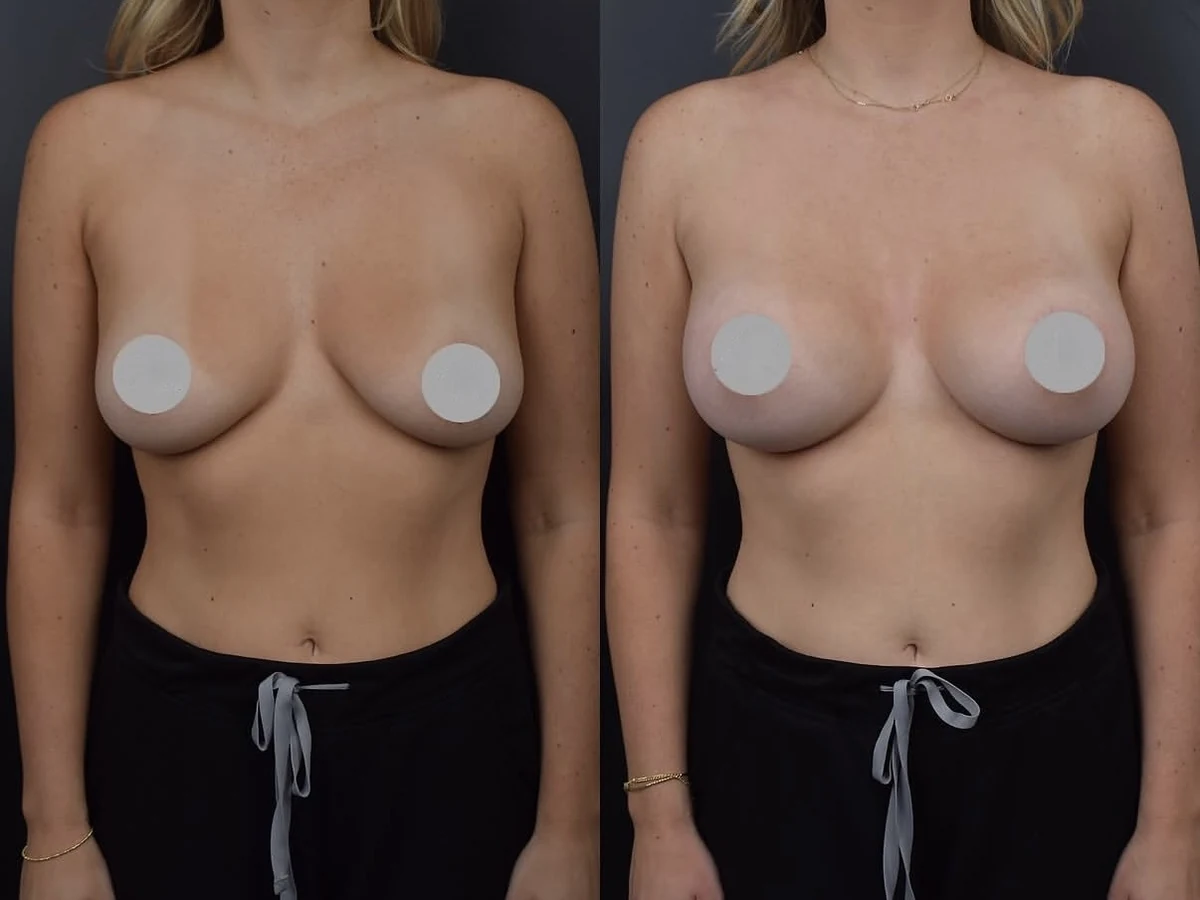 beforeafter
Method: implants
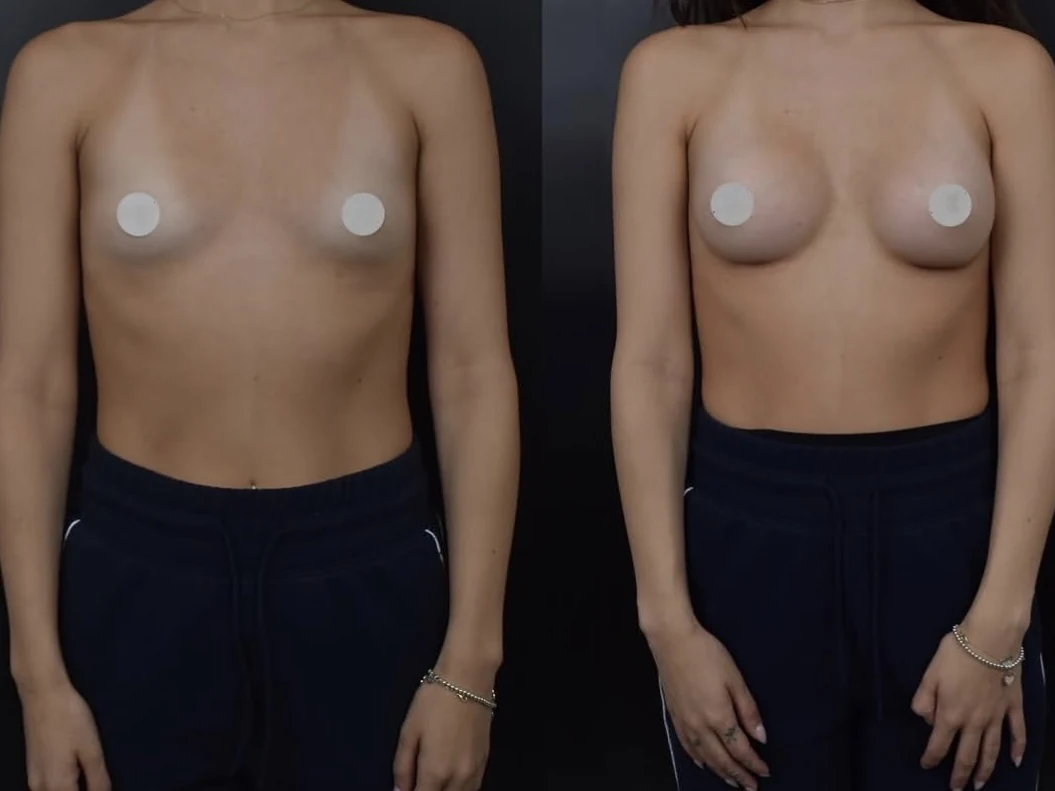 beforeafter
Method: implants
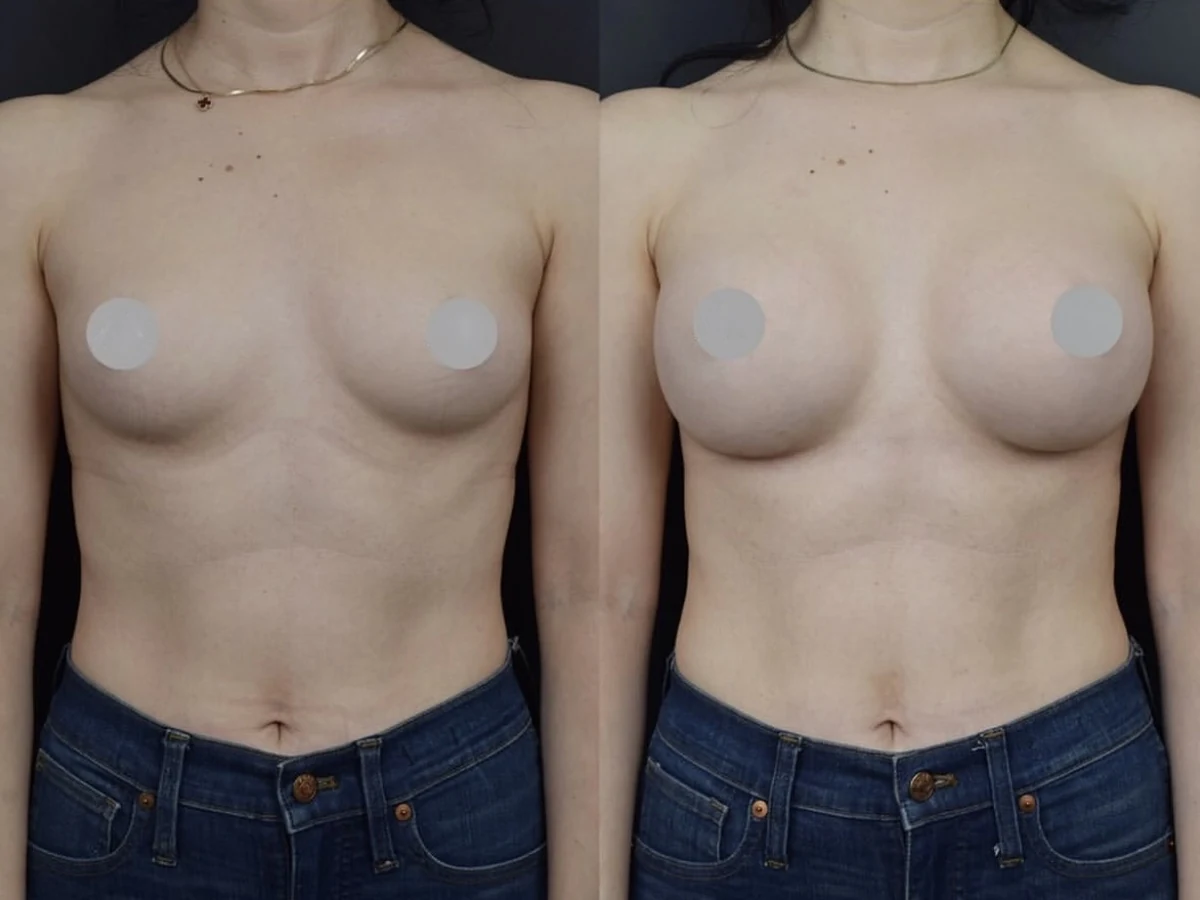 beforeafter
Method: implants
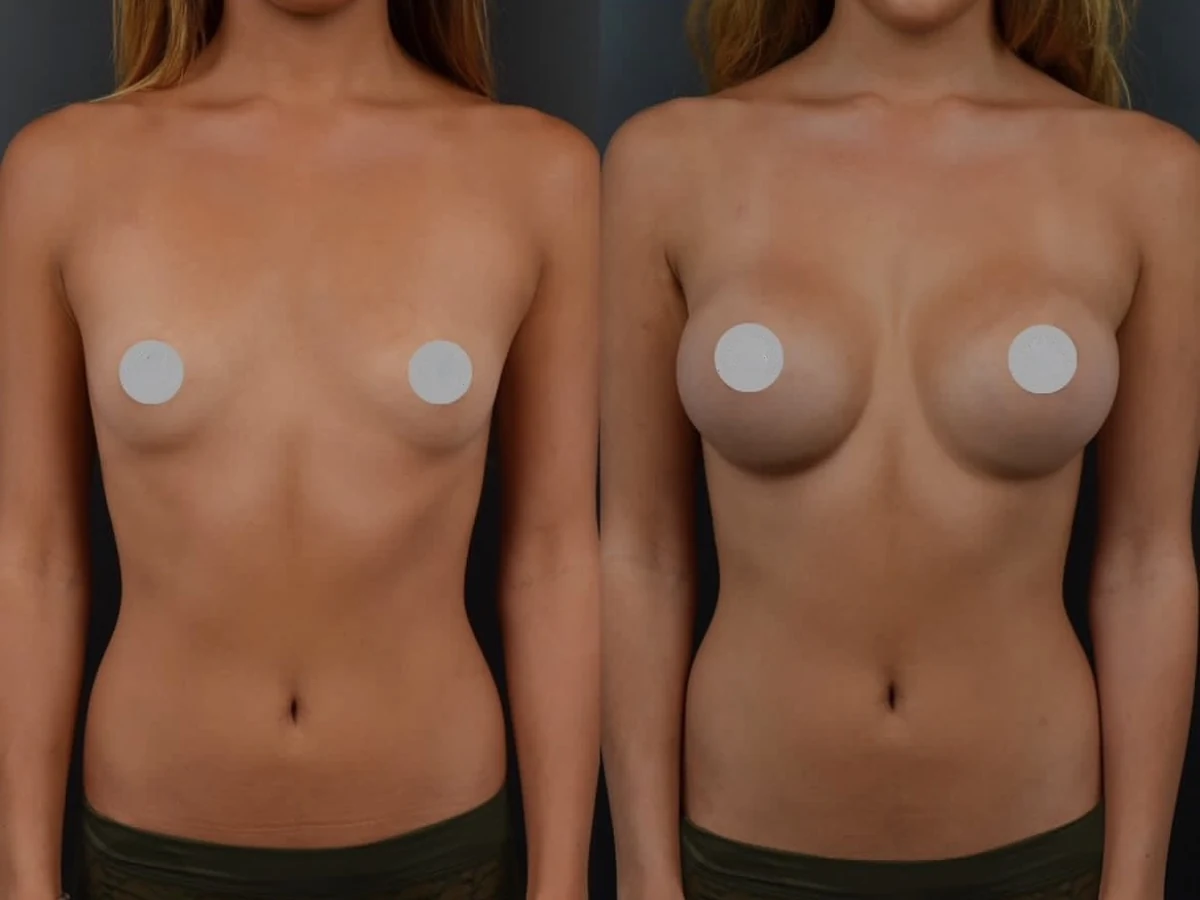 beforeafter
Method: implants
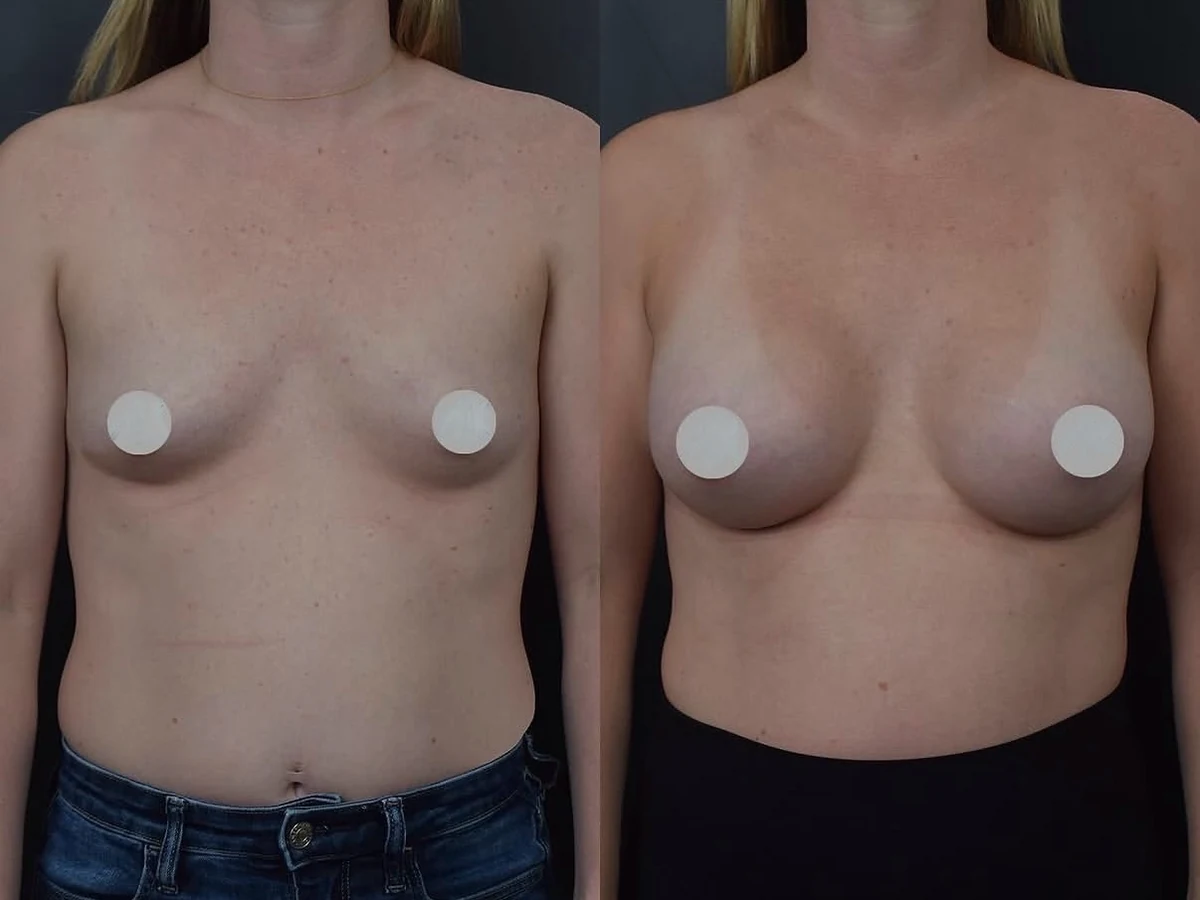 beforeafter
Method: implants
Comparison
We work with two main breast correction methods: augmentation and reduction. Compare the main goal, the precision of correction and the indications to choose your method with confidence.
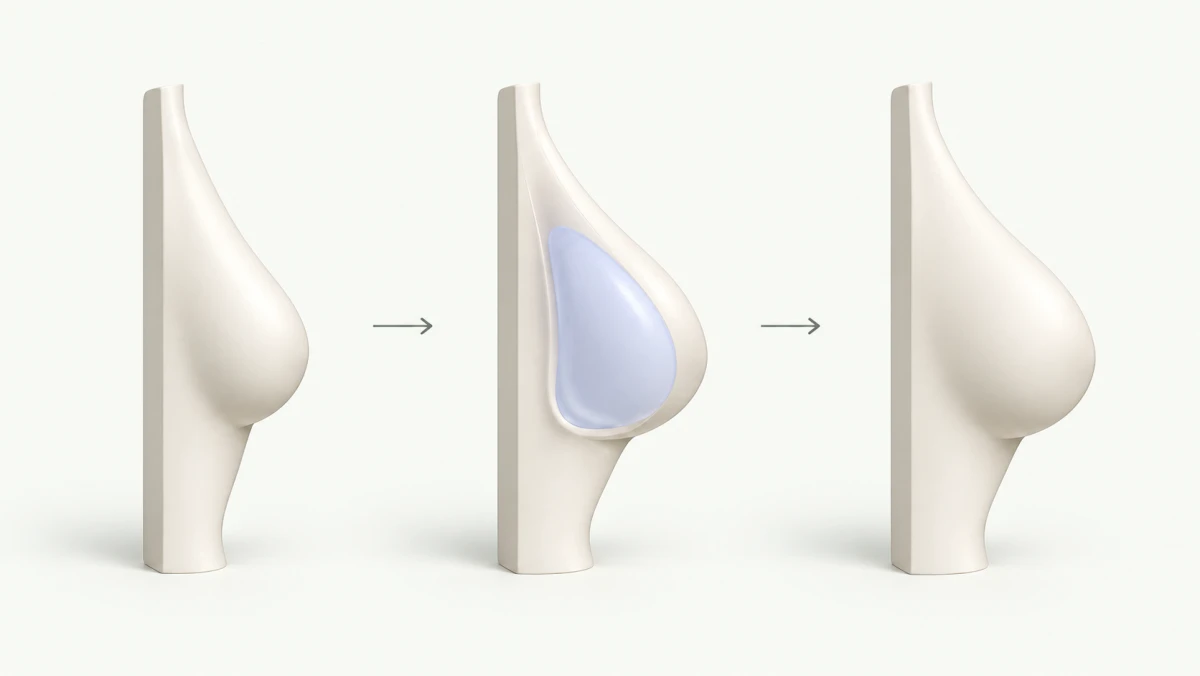
Size and shape correction with implants
Discounted price
$4,700 $5,900
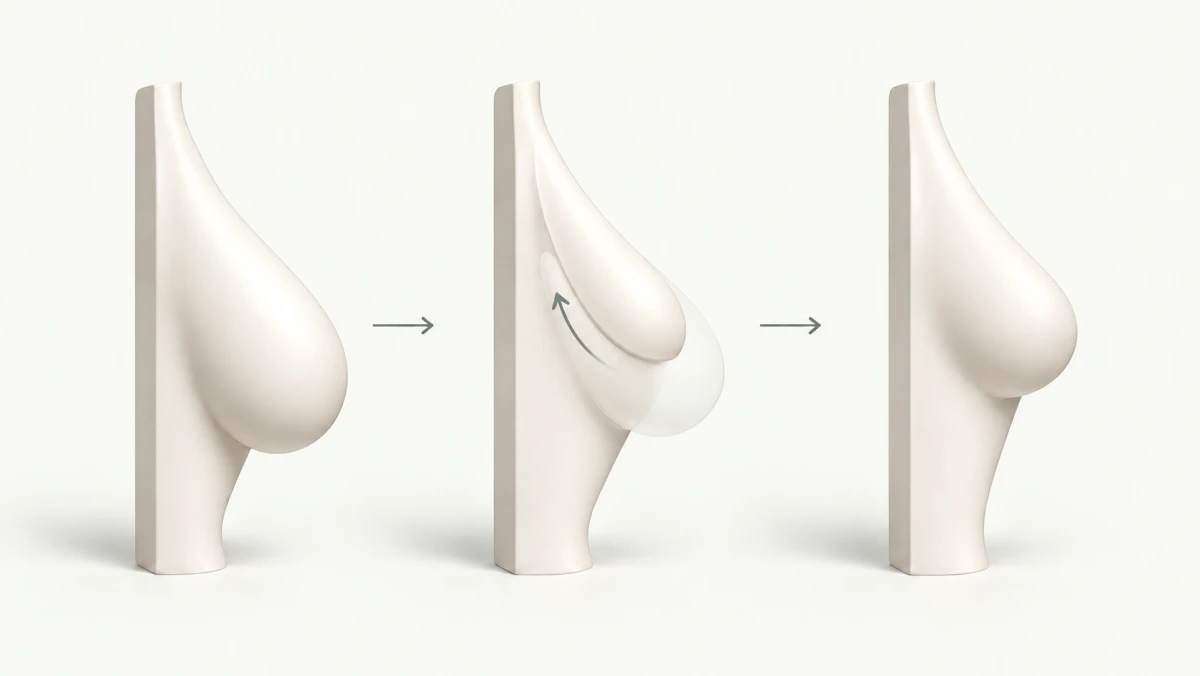
Breast size correction: reducing the volume and weight of the breasts
Discounted price
$4,700 $5,900
At the consultation the surgeon assesses the shape and proportions of your breasts, discusses your wishes and chooses the best mammoplasty option for you.
The consultation is free, before surgery and with no commitment.
Comparison
Round and anatomical implants are the two main types we work with. Each adds volume and corrects the shape, but the form and the final look differ.
Balanced volume and a fuller upper pole
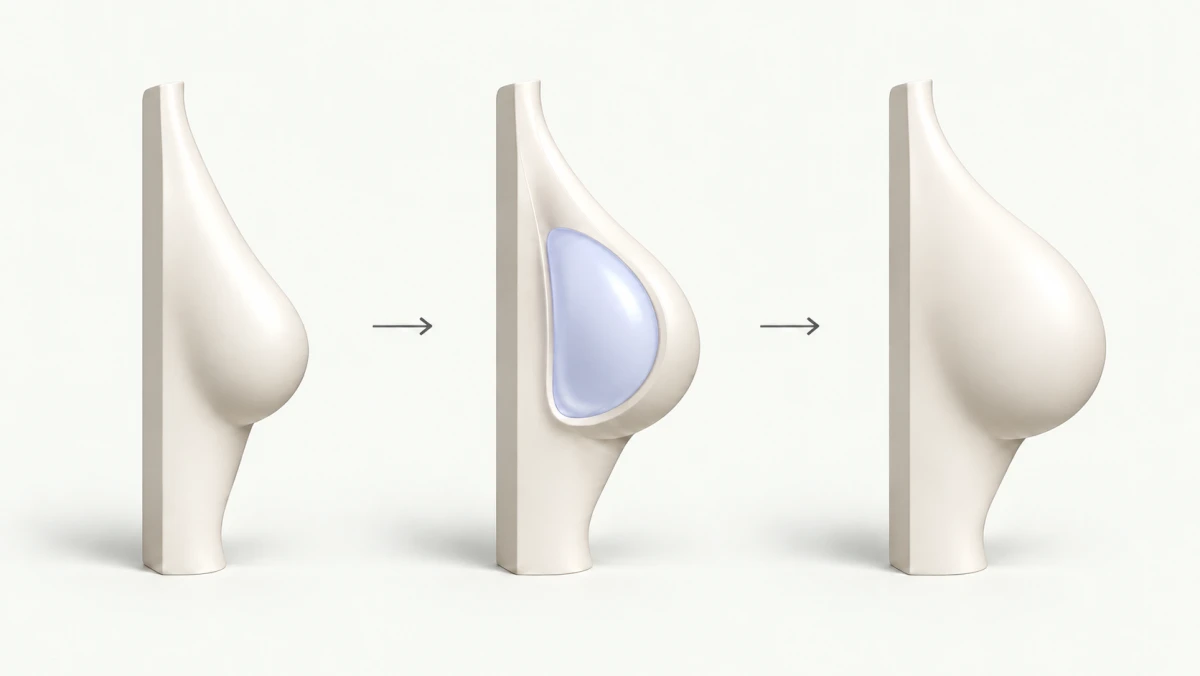
A soft teardrop shape with a natural slope
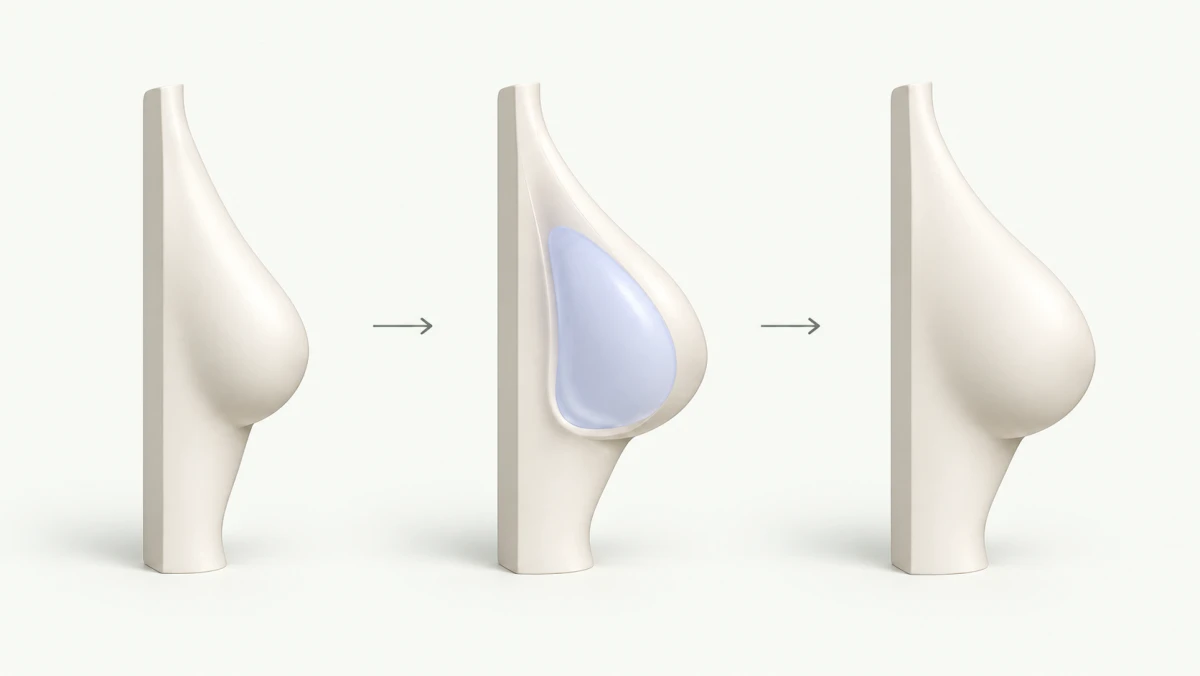
The surgeon will help you choose the implant shape and volume.
About us
Each patient gets care, comfortable rooms and modern equipment
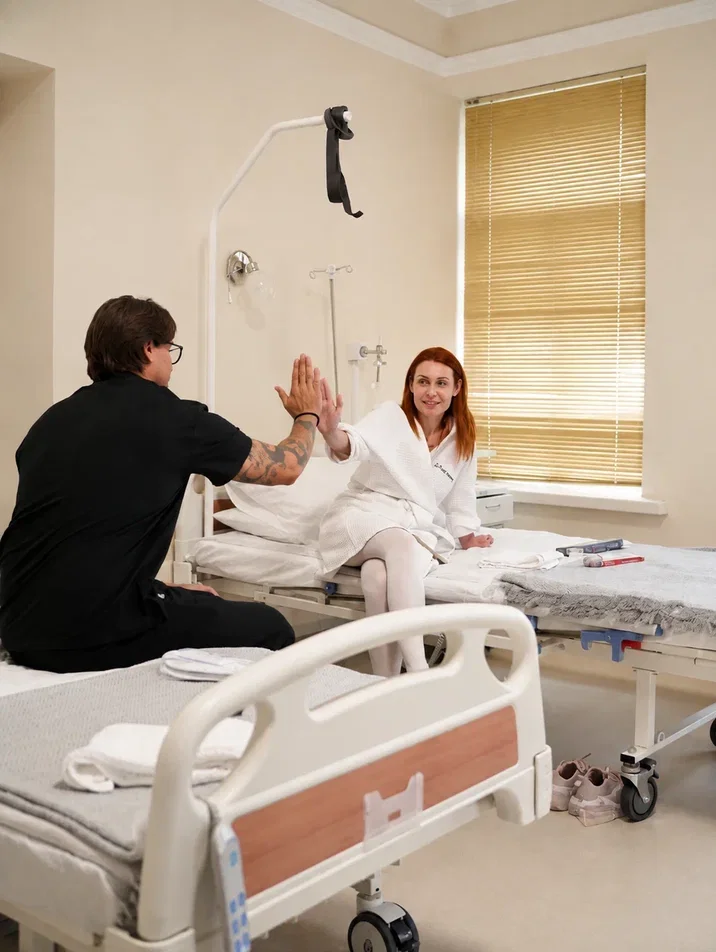
You get answers to your questions and a consultation slot that fits your schedule
By messaging us, you agree to our Privacy Policy
If your case can be solved without surgery, the doctor will tell you so at the consultation — and you will not spend money for nothing.


Not certain if surgery is the right choice for you?
Write to us: your coordinator will request photos in a messenger, and the surgeon will review them and tell you whether mammoplasty suits you.
Find out if it suits me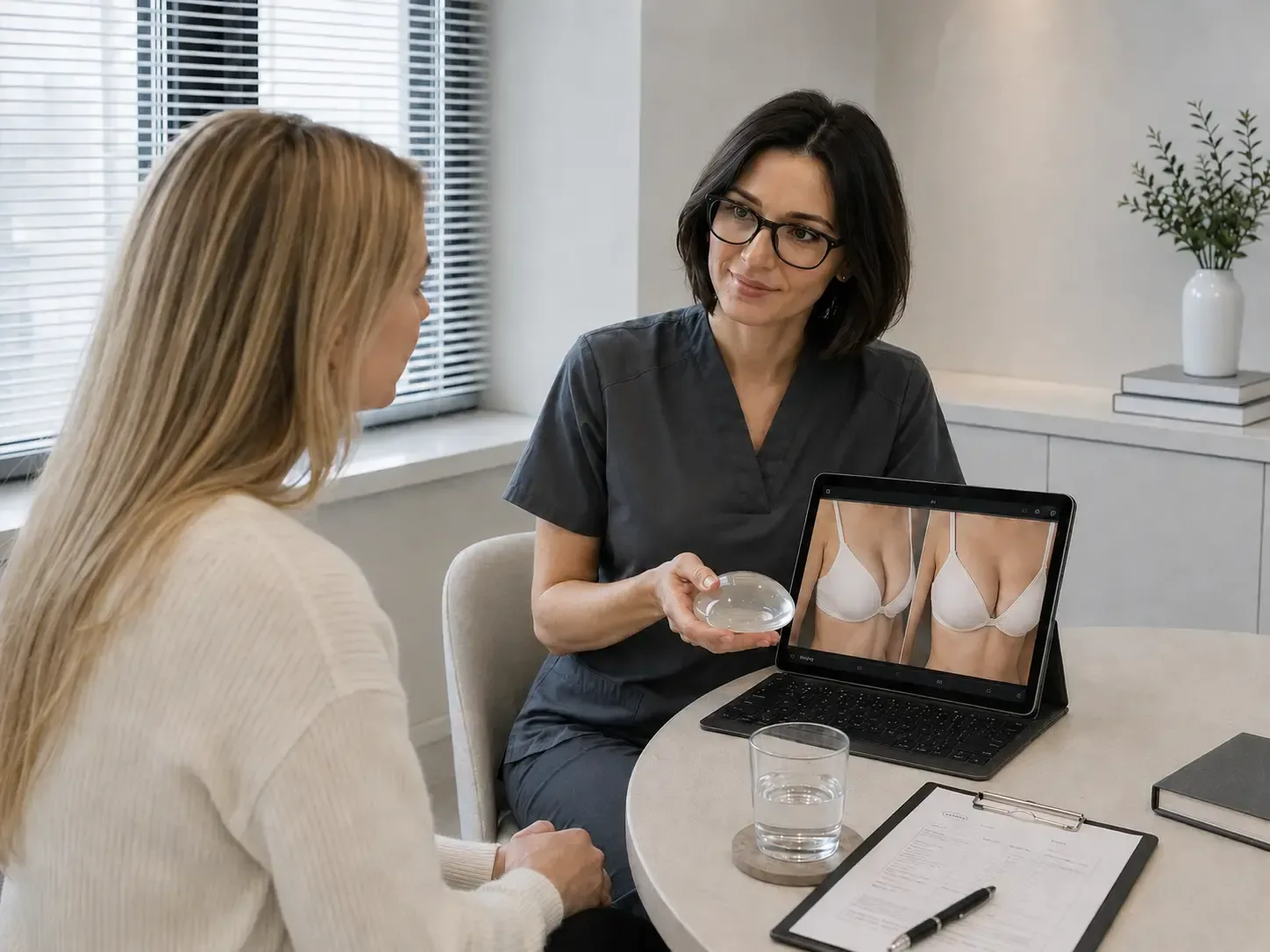
Prices
The price is set at the consultation and fixed in the contract.
Discounted price
Size and shape correction with implants
$4,700$5,900
Discounted price
Reducing the volume and weight of the breasts
$4,700$5,900
Breast restoration after mastectomy
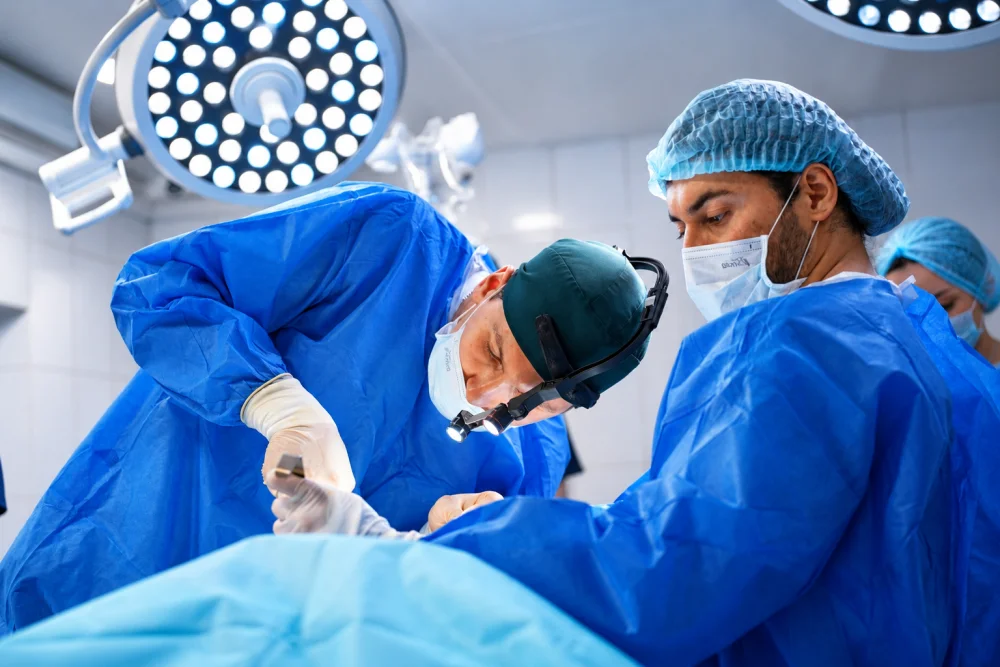
The surgeon assesses the anatomy and proportions of your breasts, listens to your wishes and chooses the right correction method.
The price is set at the consultation and fixed in the contract.
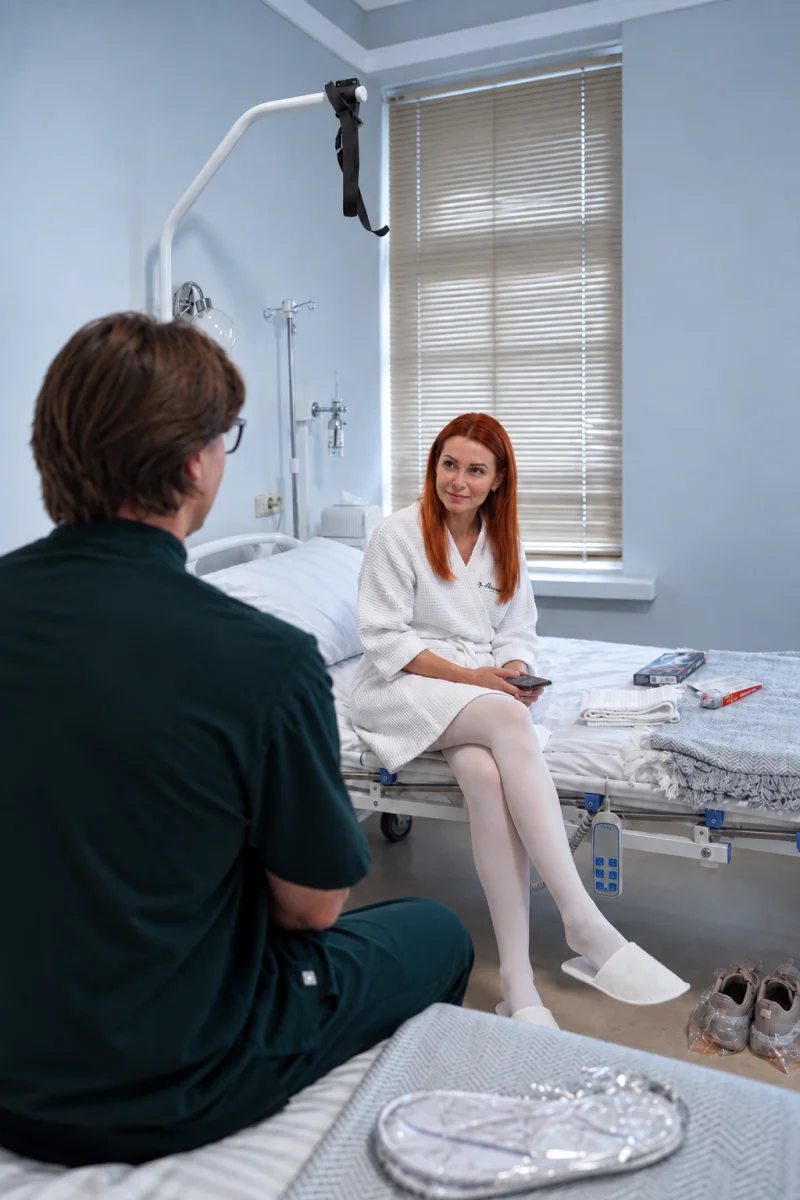
Message our coordinator
Free online consultation · Reply within 15 minutes
Message us on TelegramMessage us on WhatsAppBy messaging us, you agree to our Privacy Policy

all inclusive
From getting ready for surgery
to 12 months of support.
Discounted price
$4,700$5,900
How it goes
An agreed plan for the correction, observation in hospital and recovery monitoring for a year.
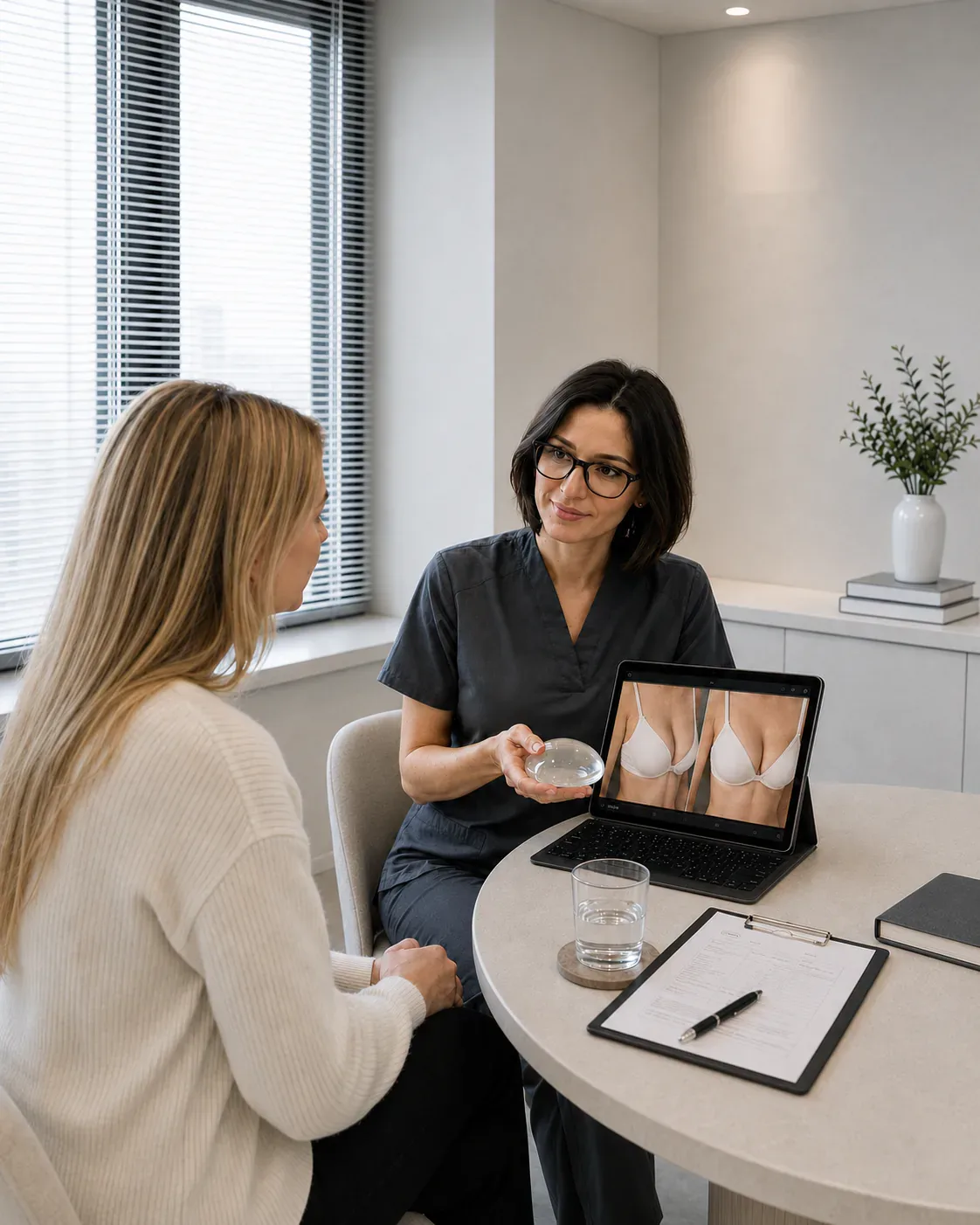 1
Your figure is assessed, your wishes discussed, and the surgeon chooses the best volume, shape and correction method.
 2
Your surgery date is reserved for you: the deposit can be paid by card at the clinic or online by bank transfer, and the terms are fixed in the medical services contract
 3
Before surgery you complete a full set of tests: blood tests, an ECG and other examinations prescribed by the doctor.
 4
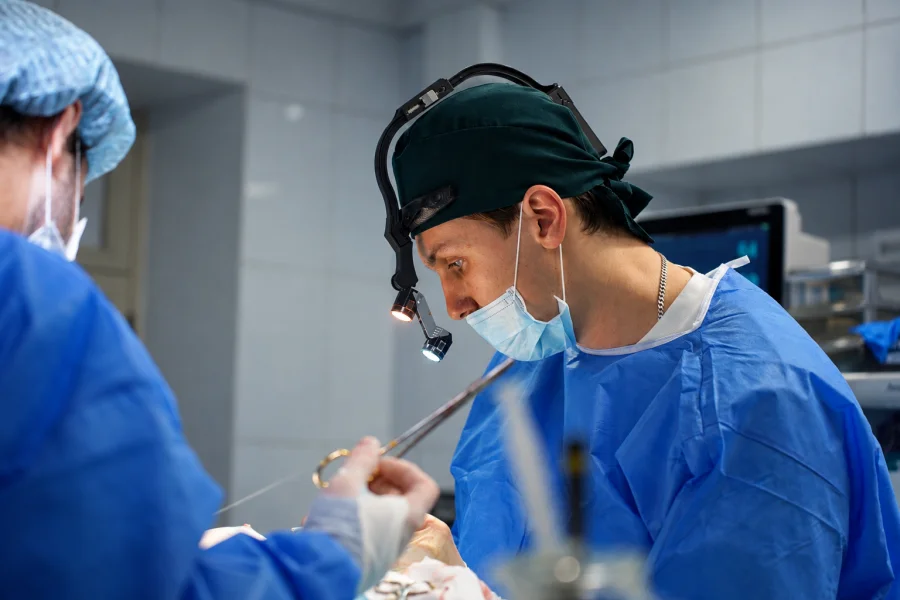
Your surgeon carries out the mammoplasty following your personal plan, under general anaesthesia and with constant monitoring of your condition.
 5
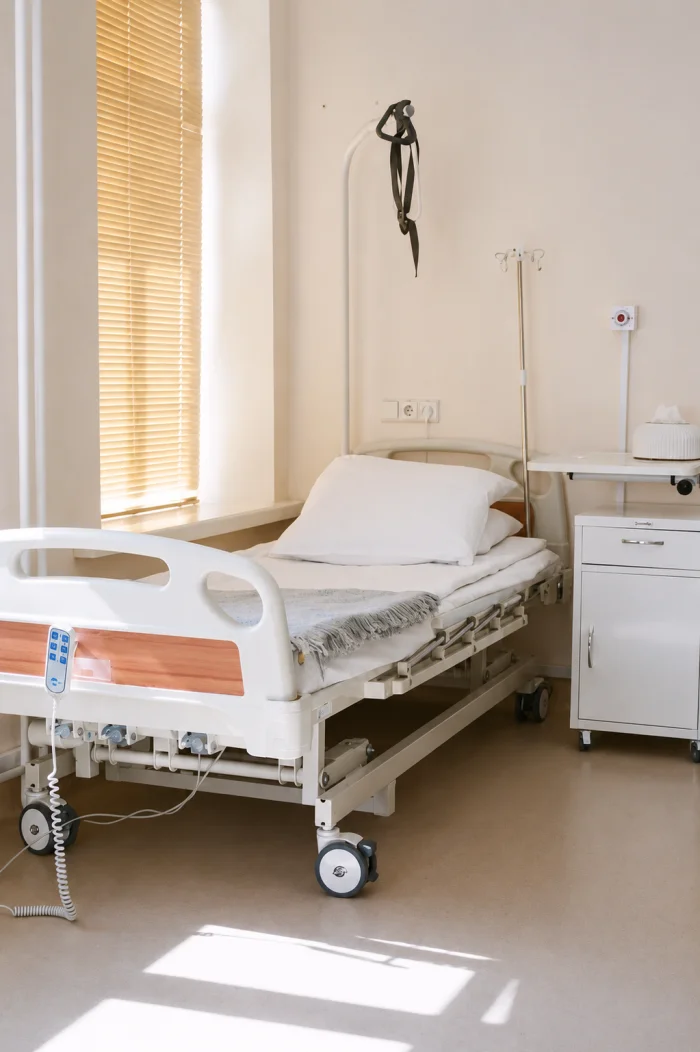
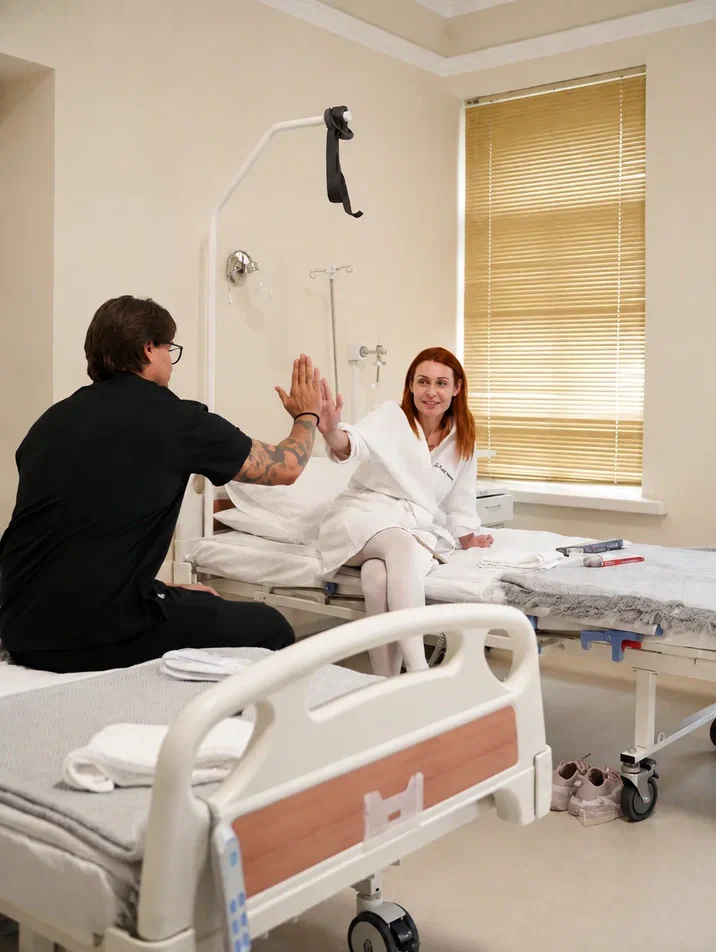
Once the operation is over, you stay in the clinic's comfortable ward under the medical team's supervision until discharge.
 6
After surgery you get a recovery programme. Check-ups at 7 days, 3 and 6 months help track your recovery. For a year after surgery, consultations with your surgeon are free.
Some simple steps help before surgery: a healthy work-life balance, more sleep, avoiding stress, anxiety and strong emotions, and less physical activity.
Come off hormonal oral contraceptives no later than a month before the procedure
Before the operation, discontinue aspirin-containing drugs, steroids and hormonal therapy for chronic conditions
Get your tests a week ahead of surgery
Swelling from surgery fades after 3 weeks
Within 3 weeks, scars form
No heavy exertion (lifting more than 3 kg)
Keep arms below shoulder level — 3 weeks
Recovery after the correction involves wearing compression garments for 1–1.5 months
Avoid heavy gym workouts and overly energetic aerobics for up to 40 days; after a month, light cardio may be allowed. Mind your diet and your meals.
Discomfort goes away after 3 months
Skip baths and saunas for up to three months and avoid physiotherapy
By 3 months, inflammatory changes in the tissue have resolved and a “pocket” has formed around the implant
Doctors
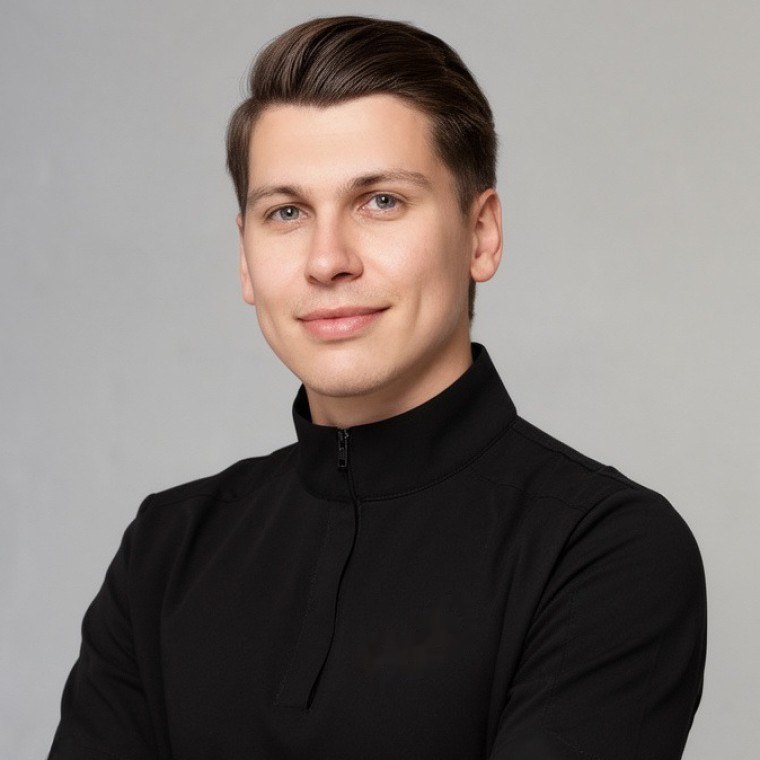
7 years of experience
Plastic surgeon
Plastic surgery residency at the Petrovsky National Research Centre of Surgery. Focuses on aesthetic and reconstructive surgery of the breast and body.
The consultation is with the surgeon who will perform the surgery
A skilled plastic surgeon who cares about the beauty and health of patients
Book a consultationAdvantages
We review your wishes at the consultation and model the planned result. The surgeon explains what the operation can do, so you understand exactly what we are aiming for.
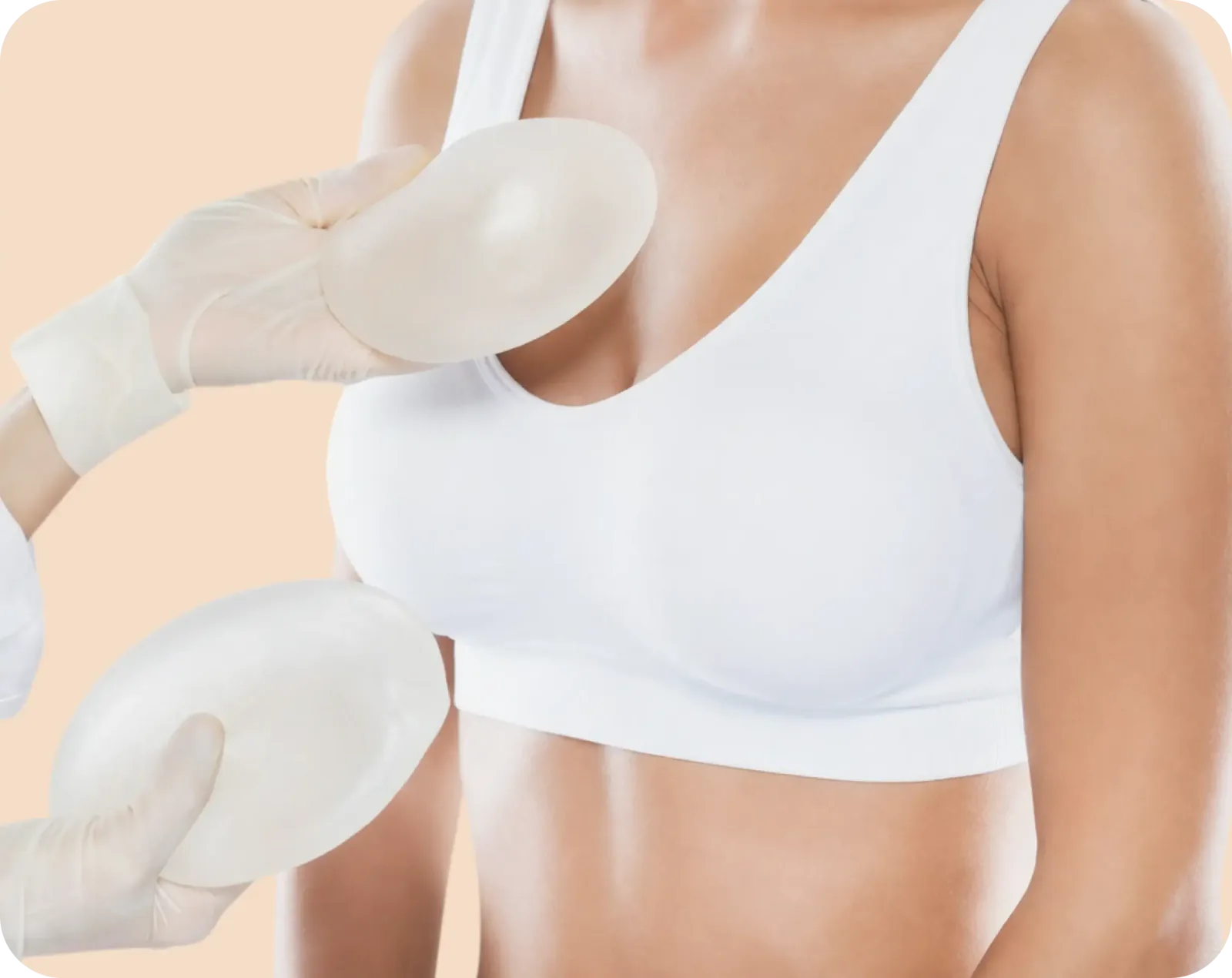
Your surgeon follows your recovery and the changes in your breast shape for a full year; check-ups and dressings are included in the price.
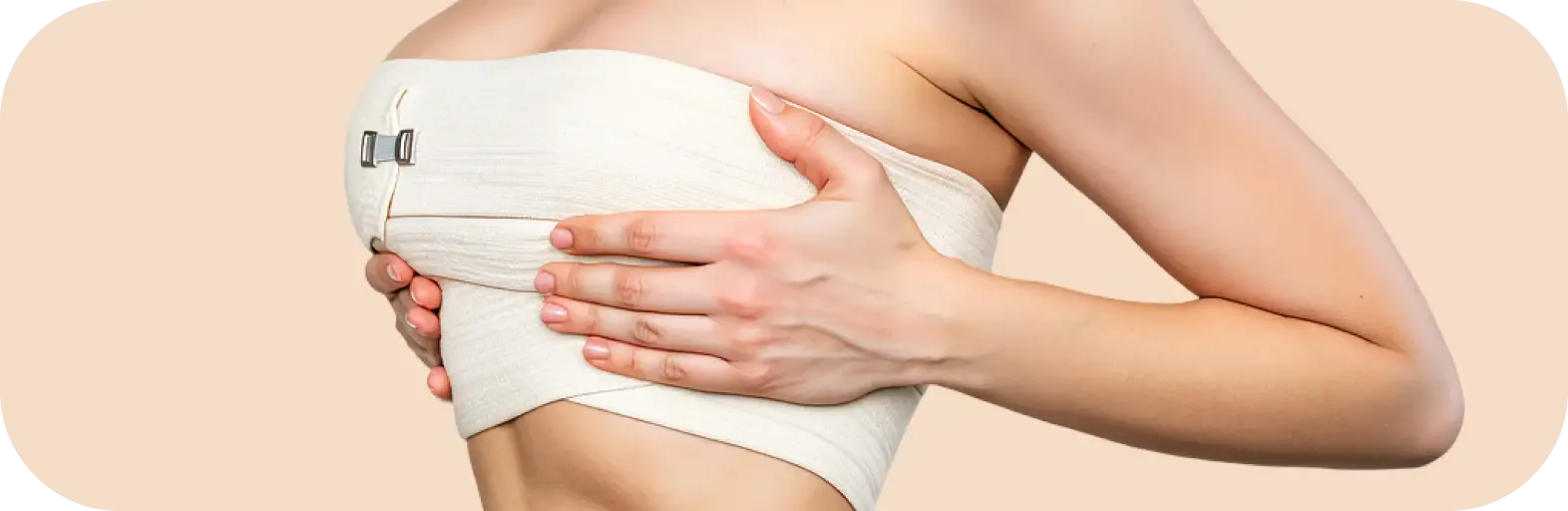
We choose the shape, volume and correction method based on your anatomy and wishes. For augmentation, implant size and profile are chosen individually.

We value your time: open 24/7, easy to book, with a personal approach that adapts to your pace.
Once the surgeon has defined the extent of correction at the consultation, you get a clear surgery price — no surprises on the way to your result.

Recovery starts in a comfortable inpatient ward with nursing care around the clock. Your stay and meals are already included in the price.
FAQ
Yes. Boob job is the everyday name for breast augmentation. At City Medical Centre it is done with round or anatomical implants that the surgeon chooses with you at the consultation.
Breast enlargement adds volume with implants. A breast lift (mastopexy) raises sagging breasts and removes excess skin. Which one suits you is decided at the free consultation.
Mammoplasty brings together several procedures: augmentation (implants to add volume), reduction (removal of surplus tissue and skin), mastopexy (lift for sagging breasts), reconstruction (after mastectomy) and asymmetry correction. The most suitable method is selected individually, guided by your wishes and the surgeon's advice.
Message us — our coordinator will get back to you shortly and book your consultation. The plastic surgeon consultation is free.
Complications rarely happen when all recommendations are respected. Possible ones are hematoma or seroma, wound infection, reduced or increased sensitivity of the nipple, capsular contracture, aesthetic asymmetry, wound separation and tissue necrosis.
Mammoplasty results are durable: about 10–15 years following augmentation (until implant replacement) and 5–10 years following a lift or reduction. Weight, pregnancy, aging skin and gravity influence how long the effect lasts. Maintain it by wearing supportive underwear and watching your weight.
Your ability to breastfeed after mammoplasty depends on the surgery type. For augmentation using an under-breast or armpit incision and an implant placed under the muscle, lactation is usually preserved: the glandular tissue is not damaged. A lift or reduction raises the risk, as ducts may be cut. Discuss this with your surgeon ahead of time.
Implant choice considers material (silicone looks most natural, saline is used less often), shape (round or anatomical teardrop), surface (smooth or textured), size and profile. The surgeon will choose the best option for your anatomy and wishes.
The surgery itself is performed under general anaesthesia — the patient feels nothing. In the first 1–3 days moderate discomfort is possible and is relieved with painkillers. By day 5–7 pain decreases significantly, and by weeks 2–3 discomfort is gone. If pain is severe, tell your doctor right away.
After 7–14 days you can resume work, provided there is no physical exertion. Light walking after 1–2 weeks. Fitness and swimming after 4–6 weeks, and strength training after 3 months. Pool and sea after 4–6 weeks. Wear compression garments for 4–6 weeks. The exact schedule depends on your recovery.
There is no scientific basis for saying mammoplasty raises breast cancer risk. Implants do not cause cancer. Post-surgery, maintain regular screening with self-exams, mammography and ultrasound, and always inform the examining doctor that you have implants.
Mammoplasty after a C-section is possible, but your body must fully recover first. Wait at least 6–12 months after giving birth and after breastfeeding ends. A surgeon's consultation and check-up are required before surgery.
Scars do remain after mammoplasty, but a skilled surgeon keeps them to a minimum. Incisions are placed in hidden zones: beneath the breast, around the areola or in the armpit. The scars are reddish for the first months and fade within 6–12 months to become almost invisible.
It is normal to have slight asymmetry in the first weeks after surgery, because of swelling and uneven healing. If a difference in size or shape persists after 3–6 months, book an examination with your surgeon to find the cause.
After mammoplasty, sensitivity of the nipples and breasts may change for a while, becoming lower or higher. This is due to irritation of the nerve endings. In most cases sensitivity comes back within 3–12 months. If nothing improves after a year, see your surgeon.
Hormonal medications (contraceptives, hormone replacement therapy) do not act on implants directly, yet they may lead to swelling or shifts in breast tissue volume that affect the look for a while. Make sure your surgeon knows about them before surgery.
Prices are in US dollars; the amount in brackets is an approximate conversion to PLN at the rate of 02.10.2026. The final price is fixed in your contract.
Prices start from $4,700 (≈ PLN 18,500). The surgeon sets the final price at the free consultation, and it is fixed in the contract, with no hidden extras.
The surgical team's work, anaesthesia, the inpatient stay with meals, dressings and follow-up visits for twelve months.
Message us on WhatsApp or Telegram using the buttons below. A coordinator will answer your questions and book a free consultation where the doctor names the exact price.
By messaging us, you agree to our Privacy Policy
Women in Krakow who are unhappy with small or uneven breasts often look into augmentation. The operation places an implant in a pocket created by the surgeon, who then adjusts its position for symmetry and a natural contour. Incisions sit in discreet places: under the breast, around the areola or in the armpit. Over the following months the scars fade and become almost invisible.
After the operation, check-ups are scheduled at 7 days, 3 months and 6 months. At each one the surgeon evaluates the result, monitors healing and answers questions. You can usually return to office work in 7–14 days, walk after 1–2 weeks and resume fitness in 4–6 weeks, with strength training after three months. The same schedule applies to Krakow patients.
Budget matters, so the price is fixed upfront: from $4,700 (≈ PLN 18,500) for breast augmentation with implants. Nothing essential is billed separately — the team's work, anaesthesia, meals, inpatient rooms, dressings and post-op visits over twelve months are part of the package. To begin, Krakow residents simply leave a phone number and wait for the coordinator's call.
Written by Dmitry S. Kuznetsov, plastic surgeon
How we prepare and review medical content · Medical disclaimer
Page last updated:
Well-known people who spoke openly about this operation, in their own words.
 Did Doda have breast surgery? Yes — augmentation and later reductionThe Polish star had breast augmentation with her first earnings and later reduced the implants. Her quotes on both decisions and what surgery involves.
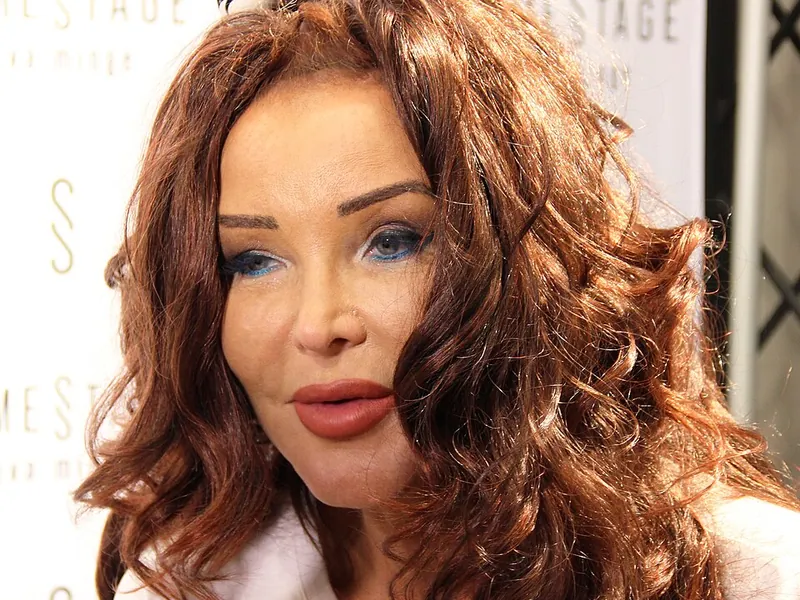 Did Ewa Minge have breast augmentation? Yes, and she explained whyFashion designer Ewa Minge said she'd had breast augmentation, mentioning she'd always had small breasts and breastfed two sons. Her words, surgery and recovery.
 Did Fagata get a breast lift? No - she corrected the rumour herselfPolish influencer Fagata told fans on TikTok in December 2025 that she had breast augmentation two months earlier - an implant only, no lift. Her words and the operation.
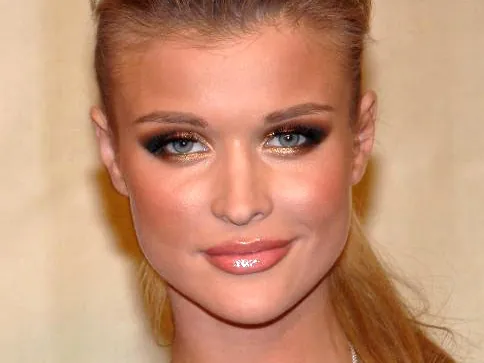 Did Joanna Krupa have a breast augmentation? Yes — twice corrected, in her own wordsThe Polish-American model and Top Model judge has admitted to two breast surgeries: an augmentation early in her career and a return to her natural size.
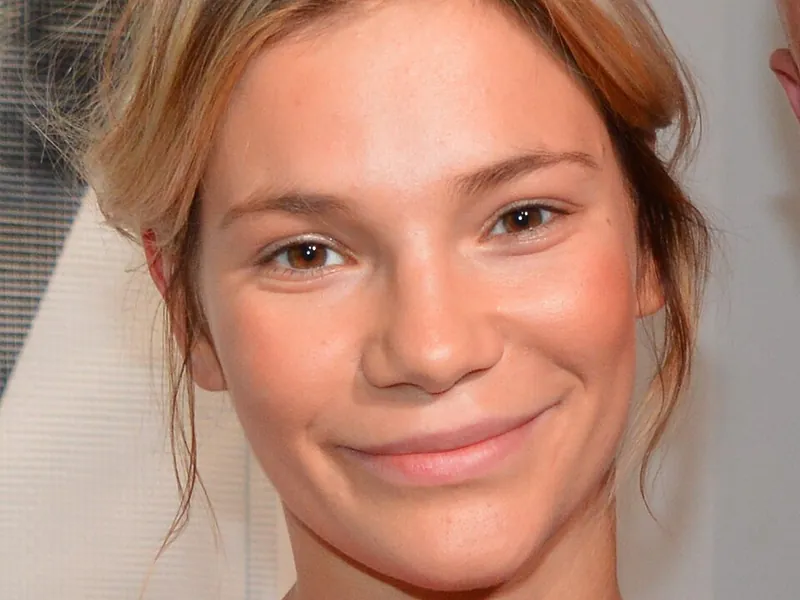 Did Maja Bohosiewicz have a breast augmentation? Yes, and she talks about it openlyPolish actress and influencer Maja Bohosiewicz answered a fan’s question about her breast augmentation: comfortable, and neither a scandal nor a shame.
 Did Natalia Siwiec have breast augmentation? Here is what she said herselfPolish model Natalia Siwiec, known from Euro 2012, explained in 2012 why she got breast implants and confirmed in 2018 that she still has them.
Physicians in Poland belong to the Naczelna Izba Lekarska, the national chamber of physicians and dentists. Its website hosts the Central Register of Physicians and Dentists, where an interested patient can look up a doctor's data, and a separate register of doctors penalised by the chamber's medical courts. Both are public tools that can be opened before a consultation.
The chamber is candid about the nature of its own list: it was built and is maintained from the contributions of the chamber's members and is not a state register. Remember that when reading an entry. It shows whether a person is listed and what is noted about them. It cannot say how a given surgeon works or whether a quote is fair, so see the register as the first step of due diligence instead of the final one.
Three short steps are enough. Find the surgeon by full name in the Central Register and write down what the entry says. Search the register of penalised doctors for the same name. Then ask the coordinator to send the clinic's licence number and the exact legal entity, items the clinic invites you to verify, along with the diplomas, before you pay anything.
Krakow recorded 816,614 inhabitants on 31 December 2025, the second-largest figure among Polish cities, with the Vistula running through it at roughly 219 m above sea level. Rely on documents: the licence, the register entry and the contract.
Keep screenshots of every entry you check, with the date of the search in the file name. If the clinic later changes the surgeon named in the offer, you will have a record of who was verified and who was not, and you can ask for a fresh round of checks. The Central Register lists physicians registered in Poland, so if the surgeon in your offer is registered elsewhere, ask the coordinator in writing which register applies. This takes little effort and removes a whole class of misunderstandings from the weeks before the operation.
The clinic is frank that mammoplasty does not suit everybody, and that a doctor will say so when the problem can be handled without an operation. Typical reasons to consider augmentation are too little volume, unequal breasts, sagging, volume lost after pregnancy and nursing, and a new shape after slimming. A correction following an earlier operation, or a congenital feature of the breast, can also qualify.
Reasons to wait, or to take another route, are just as plain: pregnancy or nursing at present, an acute infection, skin that is inflamed or hurt at the planned site, chronic illness that is not compensated, an age below 18, a clotting disorder nobody has corrected, diabetes out of control, and a malignant tumour of the breast whose treatment has not ended. Ask the clinic to mark in writing the lines that apply to you.
When the complaint is weight, pain in the back and neck, or very large breasts, the relevant operation is reduction rather than augmentation, a separate procedure with a stay of one to two days. Lifting, with or without implants, and removal of implants are other members of the same family. Describe what bothers you instead of naming an operation, and let the surgeon suggest the method.
Not sure where you stand? Send pictures by messenger. The coordinator hands them to the surgeon, and the reply tells you whether mammoplasty is worth considering for your body and your reasons. The conversation costs nothing and commits you to no date, no deposit and no decision.
Every incision leaves a mark, and the clinic says a skilled surgeon makes it small and puts it out of sight, under the breast, around the areola or in the armpit. Early on the scar is red; during the following six to twelve months it pales until it nearly disappears. Ask which route is planned for you and why, and ask to see how earlier scars of that surgeon look at the same stage.
Feeling in the nipple and the breast can increase or decrease for a time, as nerve endings are irritated. In most patients it comes back between three and twelve months. If a whole year brings no gain, the clinic recommends a visit. Raise the topic now rather than meet it unprepared.
A slight imbalance during the early weeks is a result of swelling and unequal healing, not a failure. A difference that remains at three to six months calls for an examination. Photos from the same spot, in the same light, make the discussion concrete and spare you from arguing over memories.
Nursing is a question for the planning stage. As the clinic explains, with an incision below the breast or in the armpit and an implant behind the muscle, milk production is usually kept because the glands stay intact; a lift or reduction carries a higher risk of cut ducts. Settle the plan with the surgeon well before the date.
Write the questions in the order of your own worry, not the order of the clinic's brochure. People often start with size and leave scars, feeling and nursing until the last minute. Reverse that. Put at the top whatever you would be unhappy to learn only after the date has been fixed, and ask for the answer in a message that you can reread at home.
Each proposal should name the implant type, shape (round, or anatomical teardrop), surface, size and profile, the incision, the position relative to the muscle, the anaesthetic, the number of days in hospital and the contents of the price. Enter them in a grid and leave a blank wherever a proposal says nothing.
At this clinic the sum pays for the surgical team, general anaesthesia, a ward with meals, dressings, and visits for twelve months afterwards, and it is entered in the contract once the consultation is over. Ask the other surgeon if the figure covers the same things. A smaller number that includes less is not smaller.
Do not dismiss a difference in opinion as an error. One surgeon may place the implant differently in relation to the muscle than another, and each can have reasons. Request the reasons in writing and ask what would change the advice. If a surgeon cannot say, that is information as well.
Silicone is said by the clinic to look the most natural, with saline used less often. Ask each surgeon why a material fits your anatomy, and which of the listed complications they watch for: hematoma, seroma, infection, capsular contracture and tissue necrosis.
With general anaesthesia the operation itself passes unnoticed. Moderate discomfort belongs to days one to three and is eased with painkillers; around day five to seven it clearly diminishes, and by the second or third week it has gone. A return to light desk duty is described as possible between seven and fourteen days, with easy walks from the first or second week.
Pool, sea and gym wait for weeks four to six, strength work for month three, and the compression garment stays on for four to six weeks. The clinic stresses that speed varies, so read the figures as a frame; the visits after 7 days, 3 months and 6 months are where it is adjusted to you.
Screening continues as before. According to the clinic, nothing scientific ties mammoplasty to a higher chance of breast cancer, and implants are not a cause. Examine yourself, keep up mammography and ultrasound, and make sure the radiologist hears about the implants every time.
One practical addition: the arms stay below shoulder level for three weeks, so plan the days after the operation around that limit. Put the coordinator's contact where you can find it at night, and write down the questions that come to you in the evenings so they reach the surgeon in a single message.
The Naczelna Izba Lekarska keeps the Central Register of Physicians and Dentists. The chamber itself says this is not a state register but one that it builds and maintains.
The chamber also publishes a register of doctors penalised by medical courts. Search it with the name you checked in the central list.
Possibly not. Reduction is listed as a separate operation for large volume and physical discomfort, and the surgeon proposes the method after seeing you.
The clinic says yes after full recovery, with a wait of at least 6 to 12 months from childbirth and the end of feeding, and after a surgeon's examination.
It starts red and, as the clinic puts it, pales within 6 to 12 months to near invisibility.
Usually between 3 and 12 months. A year without improvement is a reason to return to the surgeon.
In the early weeks a slight difference is common. If it remains after 3 to 6 months, ask for an examination.
The clinic advises continuing regular screening, and asks you to tell the examining doctor that you have implants.