




















Tummy tuck6 min read
Who is a good candidate for a tummy tuck and who is not
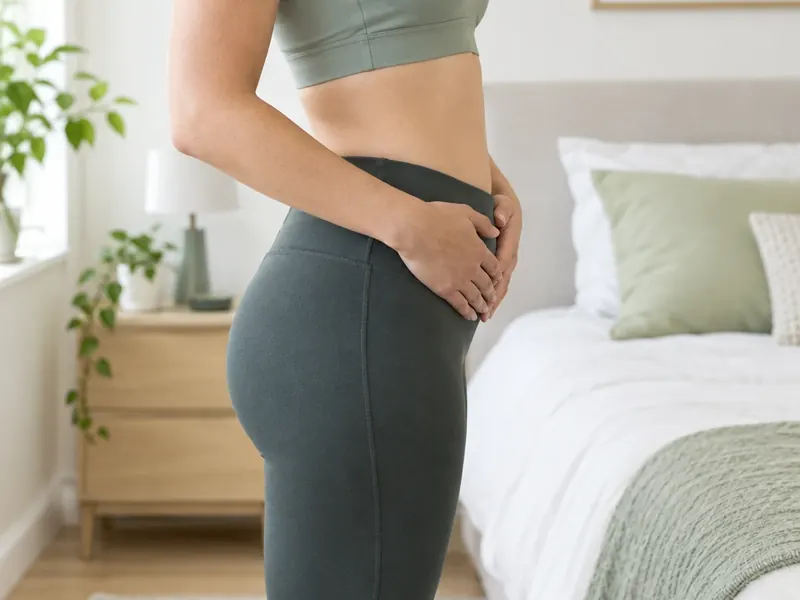
A tummy tuck can give a flat, firm abdomen when excess skin or separated muscles remain after pregnancy or weight loss. But it is not suitable for everyone, and it is not a way to lose weight. This article explains who usually benefits, when liposuction alone is enough, which conditions rule surgery out or postpone it, and how to prepare so that the risk stays as low as possible.
The main points in 30 seconds
- A tummy tuck removes loose skin and repairs muscles; it is not for weight loss.
- Liposuction suits firm skin; loose skin and diastasis need a tummy tuck.
- Pregnancy, breastfeeding, severe illness and clotting disorders rule surgery out.
- A stable weight and stopping smoking lower the risk of complications.
- CMC performs the classic and mini tummy tuck with diastasis repair.
Key facts about the procedure
- Operation time2–4 hours
- Back to work2–3 weeks
- Stay in clinic1–3 days
- PriceAt consultation
Who benefits from a tummy tuck
A tummy tuck, or abdominoplasty, removes excess skin and fat from the abdomen and, when needed, repairs the separated rectus muscles. It is usually considered by people who have a problem that diet and exercise cannot solve.
Typical good candidates:
- adults whose skin has stretched after pregnancy or major weight loss;
- people with separated abdominal muscles (diastasis), which cause a bulging abdomen;
- people with an overhanging apron of skin in the lower abdomen;
- women with a C-section scar and a fold of skin above it;
- people whose weight has been stable for several months and who plan to keep it stable;
- people who are in good general health, do not smoke or are ready to stop, and have realistic expectations.
The operation is usually recommended once a woman does not plan more pregnancies, because a later pregnancy can stretch the skin and muscles again.
When liposuction alone is not enough
Liposuction removes fat but does not remove skin or repair muscles. It works best when the skin is firm and elastic and the only problem is a local deposit of fat.
- Local fat deposits, firm skin, muscles intact
- Liposuction
- Excess or loose skin below the navel
- Mini tummy tuck
- Loose skin across the whole abdomen, diastasis
- Classic tummy tuck
- Loose skin plus fat on the flanks and waist
- Tummy tuck combined with liposuction
If liposuction is done where the skin is already loose, the skin may hang even more afterwards. That is why the quality of the skin and the state of the muscles are assessed before the method is chosen.

Contraindications
A tummy tuck is a major operation under general anaesthesia, so health comes first. Surgery is not done, or is postponed, in the following situations:
- age under 18;
- pregnancy and breastfeeding;
- obesity caused by hormonal disorders, until they are treated;
- poorly controlled diabetes;
- severe heart, kidney or liver disease;
- blood clotting disorders;
- cancer;
- severe chronic or mental illness.
Temporary contraindications include acute infections, inflammatory skin conditions in the area, menstruation and the use of medicines that affect blood clotting. Surgery is then planned once the condition has settled or the medicines have been adjusted with the doctor’s approval.
A weight that is still changing is not a formal contraindication, but it spoils the result, so surgeons advise reaching a stable weight first.
Types of tummy tuck
The type of operation depends on how much excess skin there is and where the problem lies.
- Classic tummy tuck. A horizontal incision above the pubic area, repair of the muscles, removal of excess skin and fat and repositioning of the navel. It suits marked excess skin and diastasis.
- Mini tummy tuck. A shorter incision, correction of the lower abdomen only, and the navel is not moved. It suits a small excess of skin below the navel, often with diastasis repair.
- Combined surgery. A tummy tuck can be combined with liposuction of the flanks and waist in one operation.
- Extended or vertical techniques. Used after very large weight loss when excess skin reaches the flanks or runs both horizontally and vertically.
Preparation before surgery
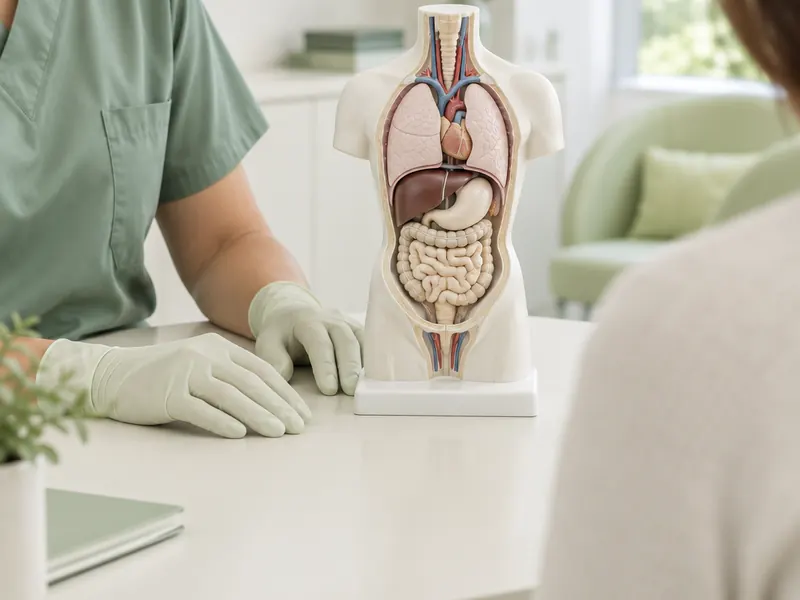
Before a tummy tuck, patients complete a set of tests: blood and urine tests, clotting tests, biochemistry, infection tests, an ECG, a chest X-ray and an ultrasound of the leg veins. A general practitioner confirms there are no contraindications, and specialists give their opinion if there are chronic conditions.
- stop smoking and alcohol in advance, because smoking seriously impairs wound healing;
- about two weeks before surgery, stop medicines that affect clotting, as agreed with the doctor;
- keep your weight stable;
- do not eat for eight hours before the operation;
- plan help at home and time off work.

Possible complications and how to avoid them
Serious complications are uncommon, but it is important to know them:
- Seroma — fluid collecting under the skin, which may need to be drained.
- Wound healing problems, more common in smokers and people with diabetes.
- Infection and bleeding.
- Blood clots in the legs, which is why early walking and compression stockings matter.
- A thick or visible scar and temporary numbness of the lower abdomen.
The risk is lowered by honest disclosure of your health, stopping smoking, careful preparation, wearing the compression binder, walking gently from the first days and attending every check-up.
Checking your suitability at City Medical Centre
City Medical Centre works with international patients. The clinic performs the classic tummy tuck and the mini tummy tuck with diastasis repair, and a tummy tuck can be combined with liposuction of the flanks and waist in one operation. City Medical Centre does not perform extended or vertical tummy tucks after massive weight loss; they are mentioned here as general information.
The first consultation is free and can be held online. Send photos of your abdomen and tell the coordinator about your health, pregnancies and weight history. Before surgery an endocrinologist rules out hormonal causes of weight gain, and the surgeon examines the skin and muscles, tells you honestly whether surgery suits you and names the cost, which is fixed in the contract. After surgery you stay in hospital for 1 to 3 days, and check-ups are planned at 7 days, 3 and 6 months. A personal coordinator stays with you from the first message to the end of recovery, and photos and questions can be sent by Telegram. More details are on the tummy tuck page.
How recovery usually goes
- 1–3 daysHospital stay under medical supervision; drains are usually removed after two days
- 7 daysStitches removed
- 2–3 weeksOffice work resumes
- 30 daysMost swelling goes
- 1.5–2 monthsCompression binder period; swelling and tightness pass; interim result
- 6–12 monthsThe final contours and scar
Sources
Frequently asked questions
Am I a good candidate for a tummy tuck?
You may be if you have loose skin or separated muscles after pregnancy or weight loss, your weight has been stable for several months, you are in good health and you do not smoke or are ready to stop. The surgeon confirms suitability after examining your abdomen.
Can I have a tummy tuck if I plan more children?
It is possible, but usually not recommended. A later pregnancy can stretch the skin and separate the repaired muscles again. Surgeons generally advise completing your family first, and surgery is not done during pregnancy or breastfeeding.
Is there a weight limit for a tummy tuck?
There is no single number, but a tummy tuck is not a weight-loss method. The best results come when you are close to a stable, healthy weight. A high weight increases surgical risk, and obesity caused by hormonal disorders is a contraindication until it is treated.
Can smokers have a tummy tuck?
Smoking seriously impairs healing and increases the risk of wound problems. Smokers are asked to stop well before surgery and during recovery, for as long as the surgeon specifies. Many surgeons will not operate on someone who continues to smoke.
What conditions rule out a tummy tuck?
Surgery is not done under 18, during pregnancy or breastfeeding, and with poorly controlled diabetes, severe heart, kidney or liver disease, blood clotting disorders, cancer or severe chronic illness. Acute infections and some medicines postpone it.
Have a question about your case? Get a free consultation
Message a coordinator on Telegram: we reply right in the chat, and you can send photos and questions there too.
- The first consultation is free, online consultations are available
- The doctor names the cost after the assessment, and it is fixed in the contract
- A personal coordinator guides you from the first message to recovery
Message our coordinator on Telegram
We reply right in the chat — you can send photos
Message us on TelegramBy sending a message, you agree to the privacy policy
Read also
 Tummy tuck
Liposuction or tummy tuck: how to choose the right operation for your abdomen
Liposuction removes fat; a tummy tuck removes loose skin and repairs separated muscles. Compare results, scars, recovery and who each operation suits.
 Tummy tuck
Tummy Tuck FAQ: Clear Answers to the Questions Patients Ask Most
Who needs a tummy tuck, classic and mini techniques, preparation, the operation, recovery, scars, pain, lasting results and life after surgery.
 Tummy tuck
Tummy tuck cost: what affects the price and what a fair quote should include
What drives the cost of a tummy tuck: mini or full surgery, diastasis repair, added liposuction, anaesthesia, hospital stay, garments and tests.