





















Facelift6 min read
How to get rid of jowls: what works without surgery and when a facelift is the answer
Jowls, the soft folds of skin and fat that hang below the jawline, are one of the first signs that make a face look older and more tired. Many people start with creams and exercises, then move on to clinic treatments, and only later consider surgery. This guide explains why jowls form, what each approach can realistically achieve, and how to tell which one fits your stage.
The main points in 30 seconds
- Jowls form when skin, ligaments and the deep SMAS layer loosen and descend.
- Creams and face exercises cannot lift tissue that has already dropped.
- Non-surgical methods may soften mild jowls, but the effect is temporary.
- An SMAS or neck and lower face lift repositions tissue and removes excess skin.
- Surgical results often last about 7–10 years.
Key facts about the procedure
- Main healing2 months
- Final result3–6 months
- AnaesthesiaGeneral
- Pricefrom $2,400
What jowls are and why they form
A young jawline runs as a clean, continuous line from the chin to the ear. With time, the tissues of the cheeks slide downwards and gather just above the jaw, breaking that line into a soft bulge on each side of the chin. These bulges are jowls.
Several changes happen at once:
- the skin loses collagen and elastic fibres, so it stretches and no longer springs back;
- the ligaments that anchor the cheek tissues weaken and allow them to descend;
- the deeper muscle and fascia layer of the face, known as the SMAS, loosens and sags;
- fat pads shift and may shrink in the upper face while gathering lower down;
- the bone of the jaw and chin slowly loses volume, leaving less support.
Genes, sun exposure, smoking and large weight changes influence how early and how strongly this happens. Some people notice the first signs in their late thirties, others not until their fifties.
What home remedies can and cannot do
Creams, facial massage, gadgets and face exercises are popular because they are easy and inexpensive. It is worth being clear about their limits.
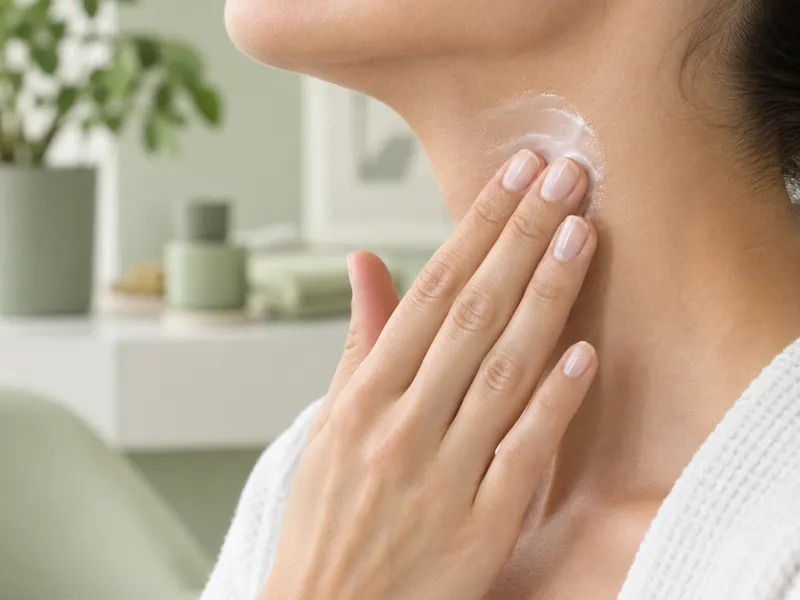
- Skincare. Daily sun protection and a good routine help the quality of the skin and may slow its ageing. No cream can lift tissue that has already descended.
- Face exercises. There is little reliable evidence that they reduce jowls. The problem sits mainly in loosened skin, ligaments and fascia, not in weak muscles.
- Massage and home devices. They may reduce puffiness for a while, but the effect on sagging is small and short-lived.
- Lifestyle. Not smoking, stable weight and sun protection are the most useful steps for keeping the jawline defined for longer.
These measures are worth doing for healthy skin, but they prevent rather than correct.

Non-surgical options for mild jowls
For early, mild changes, cosmetic clinics offer several types of treatment. As general information, they include:
- injectable fillers, which add volume along the jaw or cheeks to disguise a slight dip;
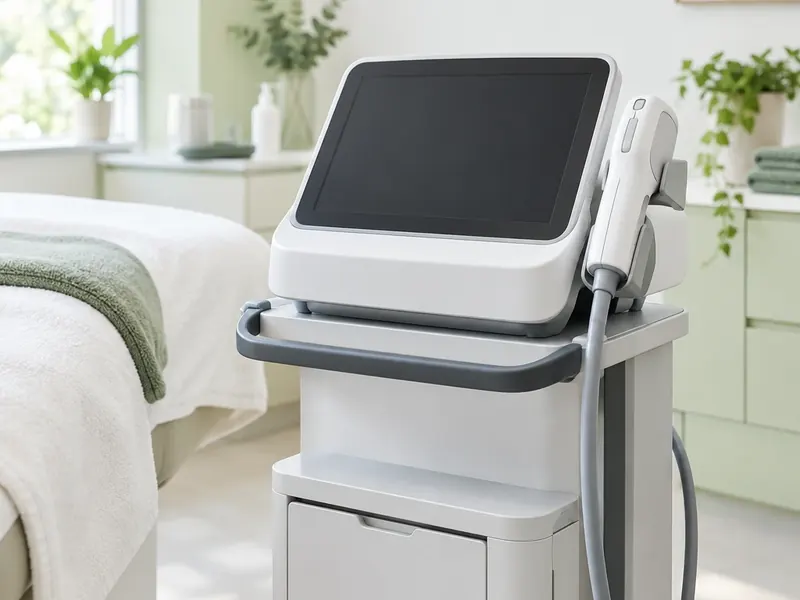
- energy-based skin tightening with radiofrequency or focused ultrasound, which heats the deeper skin and may stimulate some collagen;
- thread lifting, where special threads are placed under the skin to lift it temporarily;
- fat reduction under the chin, when extra fat rather than sagging is the main issue.
Such methods usually give a modest, gradual change and need repeating. They work best when the skin still has good tone. Whether any of them makes sense for you is decided at a consultation after examining your face. City Medical Centre does not perform these non-surgical treatments.
When surgery is the only real fix
Once jowls are clearly visible at rest, not only when you look down, non-surgical methods usually cannot bring the tissues back to where they were. Signs that surgery is worth discussing include:
- a blurred, uneven jawline seen from the front and from the side;
- loose skin under the chin or on the neck;
- deep folds from the nose to the mouth and from the corners of the mouth downwards;
- little or no lasting change after earlier non-surgical treatments.
Surgery repositions the deeper layers that have descended and removes the excess skin, which is something injections and devices cannot do.
Which facelift treats jowls
Several types of surgical lift can correct jowls. The choice depends on how far the changes extend.
SMAS facelift
- What it corrects
- Jowls, sagging cheeks, double chin, deep nasolabial folds
- Who it usually suits
- Sagging of the mid and lower face
Neck and lower face lift
- What it corrects
- Jowls, double chin, loose neck skin
- Who it usually suits
- Changes limited to the jaw, chin and neck
Full (circular) facelift
- What it corrects
- Forehead, temples, mid and lower face and neck
- Who it usually suits
- Marked sagging in several areas at once
In an SMAS lift, the surgeon lifts and secures the deeper muscle and fascia layer, redistributes fat and then removes excess skin, with incisions hidden along the hairline and around the ears. Working on the deep layer is what allows the jawline to be redefined without a pulled, tight look. The surgeon recommends the scope after assessing you in person.
Results and longevity
The effect of non-surgical treatments is typically measured in months, and they need to be repeated to maintain it. A surgical lift that works on the SMAS layer usually gives a much longer result: many patients enjoy the improvement for about seven to ten years.
Surgery does not stop ageing. Tissues continue to change, but from a better starting point, so the jawline usually still looks younger than it would have without surgery. Stable weight, sun protection and not smoking help preserve the result. The final look after surgery appears once swelling settles, usually over several months.

Jowl correction at City Medical Centre
City Medical Centre performs surgical facelifts only. For jowls, the surgeon usually considers an SMAS facelift or a neck and lower face lift, and a full (circular) facelift or an endoscopic brow and temple lift when other areas need attention too. Non-surgical methods are not offered. You can read about each option on the facelift page.
International patients can start with a free online consultation: send photos of your face from the front and side, and the surgeon will suggest a plan. The cost is named after the assessment and fixed in the contract. A personal coordinator supports you from the first message to the end of recovery, and questions can be sent by Telegram.
Sources
Frequently asked questions
Can jowls be removed without surgery?
Mild early jowls can sometimes be softened with non-surgical treatments such as fillers or skin tightening, chosen after a consultation. Their effect is modest and temporary. Once jowls are clearly visible at rest, only surgery can reposition the descended tissues and remove the excess skin.
Do face exercises help jowls?
There is little reliable evidence that face exercises reduce jowls. Sagging is caused mainly by stretched skin, weakened ligaments and a loosened deep layer, not by weak muscles. Sun protection, stable weight and not smoking do more to keep the jawline defined.
Which facelift is best for jowls?
It depends on how far the changes extend. When sagging mostly affects the mid and lower face, an SMAS facelift is a common choice. When changes are limited to the jaw, chin and neck, a neck and lower face lift may be enough. The surgeon decides after an examination.
How long do jowl treatments last?
Non-surgical treatments usually last months and need repeating. A surgical lift that works on the deep SMAS layer generally lasts much longer, often around seven to ten years, although the face continues to age naturally during that time.
At what age do jowls appear?
There is no fixed age. Some people notice early jowls in their late thirties, others only in their fifties or later. Genetics, sun damage, smoking and large weight changes all influence when they appear and how quickly they progress.
Have a question about your case? Get a free consultation
Message a coordinator on Telegram: we reply right in the chat, and you can send photos and questions there too.
- The first consultation is free, online consultations are available
- The doctor names the cost after the assessment, and it is fixed in the contract
- A personal coordinator guides you from the first message to recovery
Message our coordinator on Telegram
We reply right in the chat — you can send photos
Message us on TelegramBy sending a message, you agree to the privacy policy
Read also
 Facelift
Surgical SMAS facelift or RF and ultrasound lifting: what really separates them
RF and HIFU heat tissue to tighten skin a little; a SMAS facelift lifts the deep layer and removes excess skin. Compare depth, results, downtime and who each suits.
 Facelift
Facelift or non-surgical lifting: what tends to work at 35, 45 and 55+
What usually helps at 35, 45 and 55+: skin care, devices, threads or a surgical facelift. How age and the degree of sagging guide the choice, recovery and results.
 Hair transplant
How to grow a beard: from everyday habits to medical options
What decides how your beard grows, which everyday habits may help, what medical options exist and when a beard transplant is worth discussing with a doctor.