


























Liposuction5 min read
Does fat come back after liposuction? How to keep your result for years
Liposuction removes fat cells from the treated areas for good, yet many people worry that the fat will simply return. The honest answer is that the removed cells do not grow back, but the body can still store fat in the cells that remain. This article explains what happens after surgery, why weight gain may appear in new places and which everyday habits help you keep the contour you wanted.

The main points in 30 seconds
- Fat cells removed by liposuction do not grow back in the treated area.
- The remaining fat cells can still grow if you gain weight.
- After liposuction, extra weight often shows in untreated areas.
- A stable weight, balanced eating and regular exercise protect the result.
- City Medical Centre offers tumescent and VASER liposuction with follow-up visits.
Key facts about the procedure
- Operation time1–4 hours
- Back to work7–10 days
- Final result3–6 months
- Pricefrom $1,200
Can fat return after liposuction?
In adults the number of fat cells stays fairly stable. When we gain or lose weight, existing fat cells mainly get bigger or smaller. Liposuction physically removes a share of these cells from a chosen area, such as the abdomen, flanks or thighs, and those cells do not grow back.
This is why the new shape usually lasts when your weight stays stable. However, liposuction does not remove every fat cell, and it does not change how your body stores energy. If you take in more calories than you use over a long time, the fat cells that remain, both in the treated area and elsewhere, will grow.
So the short answer is: the removed fat does not come back, but new weight gain can still change your figure.
What happens to the remaining fat cells
A surgeon always leaves a layer of fat under the skin. It keeps the surface smooth and protects against dents and irregularities. These remaining cells behave like any other fat cells: they fill up when there is an energy surplus and shrink when there is a deficit.
In the first weeks after surgery, swelling hides the real result. Most people see a clear change after about a month, while the final contour is usually judged at around three months, once swelling has gone down and the skin has adapted. Minor changes may continue for several months after that. How the procedure itself is performed is described on our liposuction page.
Why weight gain shows up in new places
After liposuction, the treated area has fewer fat cells than before. If you gain weight, the body has fewer places to store fat there, so more of the new fat tends to appear in untreated areas. Some people notice it on the back, upper arms, breasts or around the internal organs.
- Weight stays stable
- The new contour is usually maintained
- Small weight changes
- Proportions are largely kept, changes are spread over the body
- Significant weight gain
- Fat accumulates mainly in untreated areas; the treated area can also fill out somewhat
- Weight loss
- The body becomes slimmer overall; proportions stay similar
Fat stored around the internal organs is not reached by liposuction at all. It matters for heart and metabolic health, which is one more reason to keep your weight under control after the operation.
Nutrition habits that protect your result
There is no special "post-liposuction diet". What helps is a steady, balanced way of eating that you can keep for years:
- regular meals, with vegetables, fruit, whole grains and a good source of protein;
- fewer sugary drinks, sweets, fried food and ultra-processed snacks;
- attention to portion size rather than strict short-term diets;
- enough water and moderate alcohol, if any;
- weighing yourself from time to time to notice changes early.
Crash diets and yo-yo weight changes are not helpful: they are hard to keep up and often end with regained weight. If you struggle with weight, a doctor or dietitian can help you build a realistic plan.
Exercise after recovery
Physical activity supports the result by using energy, preserving muscle and improving how the body looks and feels. Light walking is usually encouraged within the first days after surgery to support circulation. More intense training is added gradually, typically after several weeks, once your surgeon confirms that healing allows it.
A good long-term mix combines regular aerobic activity, such as brisk walking, cycling or swimming, with strength training two or three times a week. Consistency matters more than intensity.
Hormones, age and long-term changes
Even with a stable lifestyle, the body changes over the years. Hormonal shifts, for example around menopause, thyroid conditions, some medicines, pregnancy and ageing can all affect where fat is stored and how firm the skin is. Liposuction does not stop these natural processes.
That is why a careful surgeon looks at your general health before the operation and discusses realistic expectations. If your weight or health changes significantly, it is worth seeing a doctor to find the cause rather than assuming that the operation has "failed".
Keeping your result: follow-up at City Medical Centre
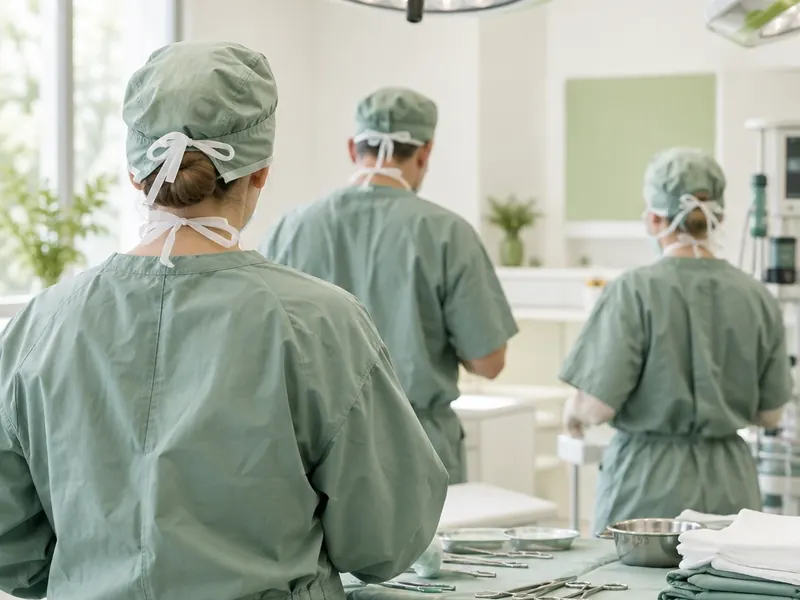
City Medical Centre works with international patients. For liposuction the clinic uses two techniques: tumescent liposuction, in which a special solution is injected before the fat is gently removed through thin cannulas, and VASER liposuction, in which ultrasound breaks down fat before removal. Other methods, such as laser, radiofrequency or water-jet assisted liposuction and non-surgical fat reduction, are general information here; which approach suits you is discussed at the consultation.
Before surgery the doctor examines the areas and orders tests, including a hormonal screening that helps predict the long-term result. After surgery the clinic schedules follow-up visits to check your progress. The first consultation is free and can be held online: send photos of the areas by Telegram, and the doctor will assess them and name the cost, which is then fixed in the contract. A personal coordinator stays with you from your first message to the end of recovery. More details are on our liposuction page.
Sources
Frequently asked questions
Is liposuction permanent?
The fat cells removed from the treated area do not grow back, so the change in shape is usually long-lasting. However, the remaining fat cells can still grow if you gain weight, and ageing and hormones affect the body over time. Keeping a stable weight is the best way to maintain the result.
Where does fat go if I gain weight after liposuction?
New fat is stored in the fat cells that remain. Because the treated area has fewer cells, weight gain often shows more in untreated areas such as the back, arms, breasts or around the internal organs, although the treated area can also fill out somewhat.
How much weight gain ruins liposuction results?
There is no exact threshold, and people differ. Small fluctuations usually change little. A significant gain, for example several kilograms kept over months, can noticeably alter proportions. Your surgeon can advise on a sensible target weight for your case.
Should I diet after liposuction?
Strict diets are not needed and can backfire. What helps most is a balanced way of eating you can keep for years, with sensible portions and fewer sugary and processed foods, combined with regular physical activity once your surgeon allows it.
Can liposuction be repeated?
Yes, a repeat or touch-up procedure is possible in some cases, for example to correct unevenness or treat a new area. It is usually considered only after the tissues have fully healed, often after several months, and the decision is made by the surgeon after an examination.
Have a question about your case? Get a free consultation
Message a coordinator on Telegram: we reply right in the chat, and you can send photos and questions there too.
- The first consultation is free, online consultations are available
- The doctor names the cost after the assessment, and it is fixed in the contract
- A personal coordinator guides you from the first message to recovery
Message our coordinator on Telegram
We reply right in the chat — you can send photos
Message us on TelegramBy sending a message, you agree to the privacy policy
Read also
 Liposuction
Fat-dissolving injections vs liposuction: how they differ and which problem each one solves
Fat-dissolving injections or liposuction? Compare how each works, sessions, recovery, side effects, contraindications and which fat problem each one suits.
 Liposuction
Liposculpture vs Liposuction: Body Contouring Explained
Liposculpture vs liposuction: what the terms mean, how each approach works, how results and recovery compare, and who each one suits. A clear guide to body contouring.
 Hair transplant
Does a hair transplant hurt? Sensations during and after the procedure
Does a hair transplant hurt? What you feel during local anaesthesia, the procedure and the first days after, and how discomfort is usually managed.