


























 1
Consultation and scan review
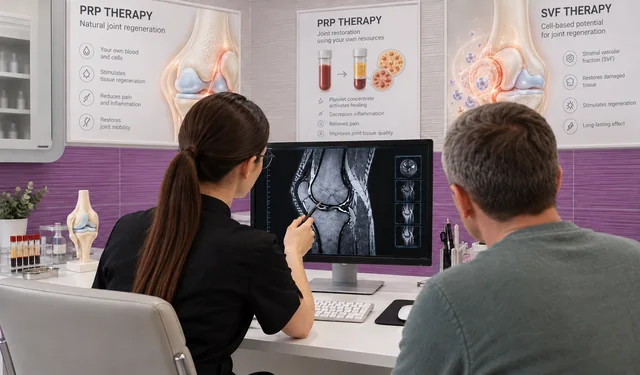
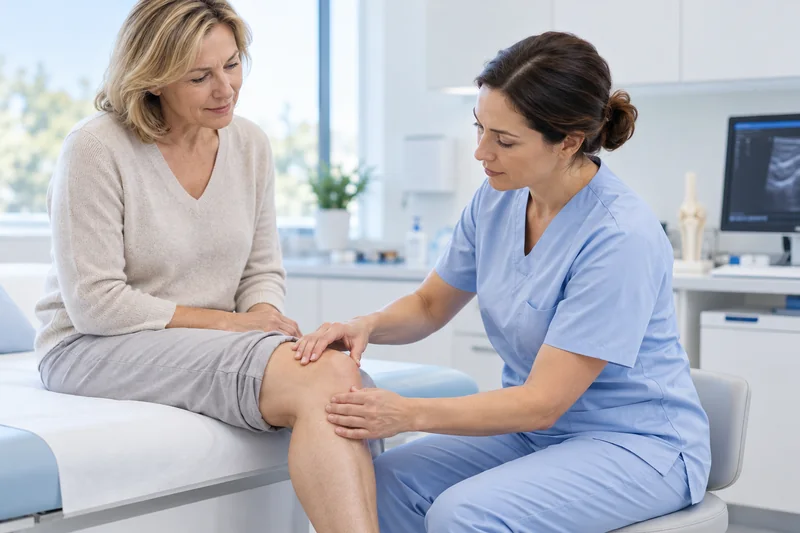
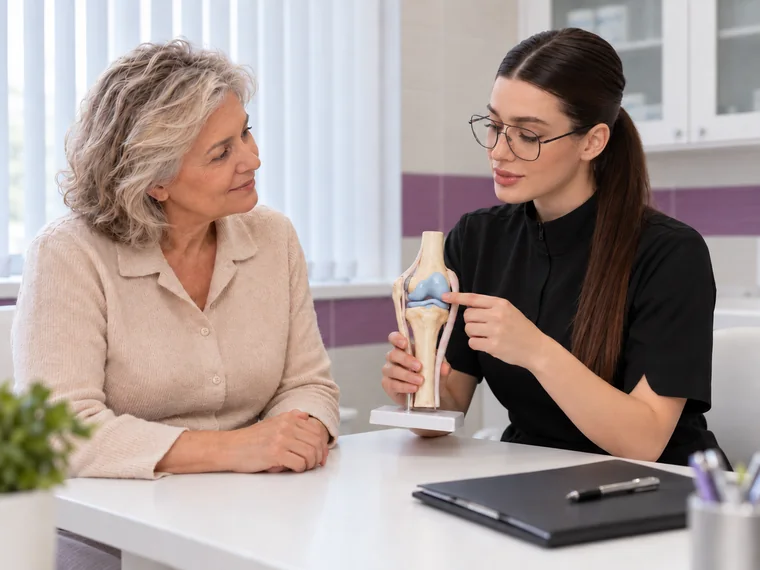
Before anything else, the doctor examines the joint and goes through your X-rays, MRI or ultrasound to see if the procedure is suitable. Scans can be sent to us ahead of time.
SVF cell therapy and PRP for knees, hips, shoulders and other joints — with a free scan review before you decide anything
Consultation and review of your scansFree
Message us on WhatsAppFree online consultation · Reply within 15 minutes
Message our coordinator
Free online consultation · Reply within 15 minutes
Message us on TelegramMessage us on WhatsAppBy messaging us, you agree to our Privacy Policy
What it is
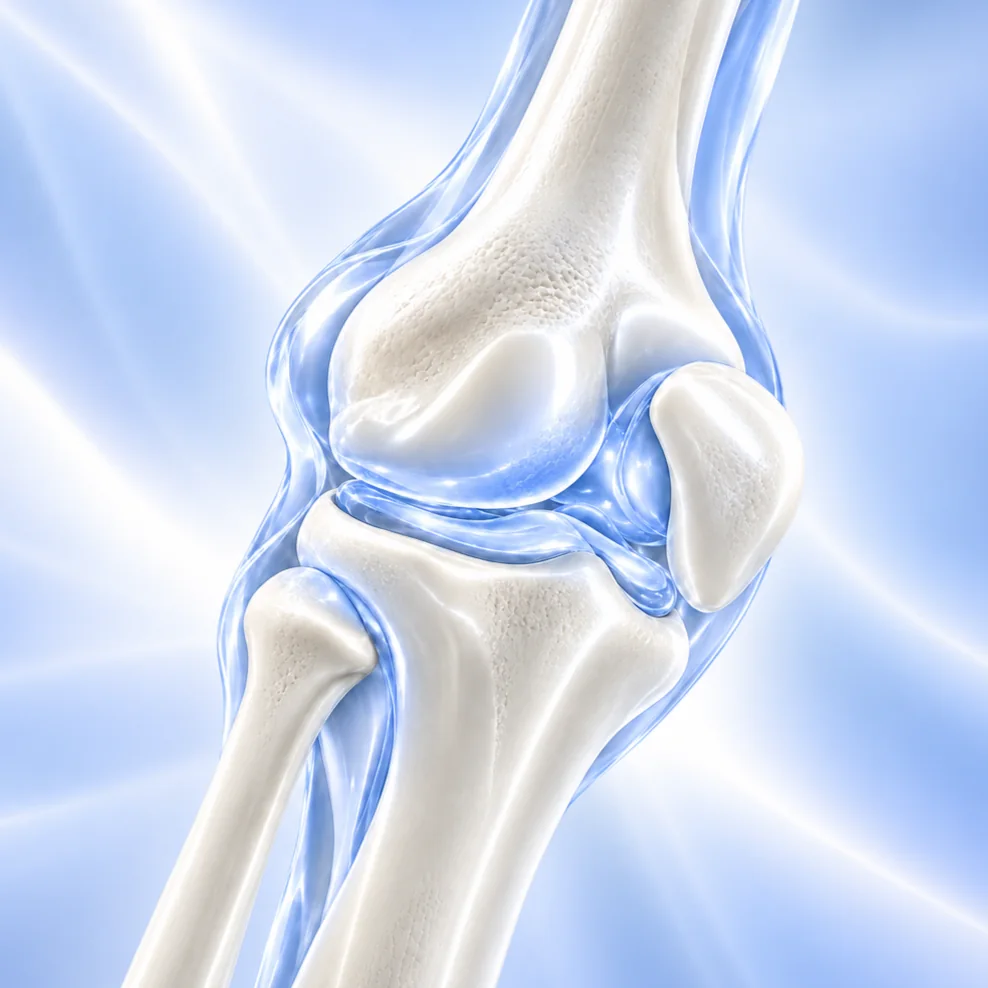
In regenerative joint therapy, two materials from your own body are used — platelet-rich plasma (PRP), taken from blood, and the stromal vascular fraction (SVF), taken from a small adipose tissue sample. Once injected into the affected joint, they work to cut pain and inflammation and support the tissues there.
It can help if your joints hurt and you want to put off or avoid surgery, or if you have heard that replacement is your only choice. Chances of a lasting effect are higher at earlier stages of the condition, and your doctor assesses the stage from the scans.
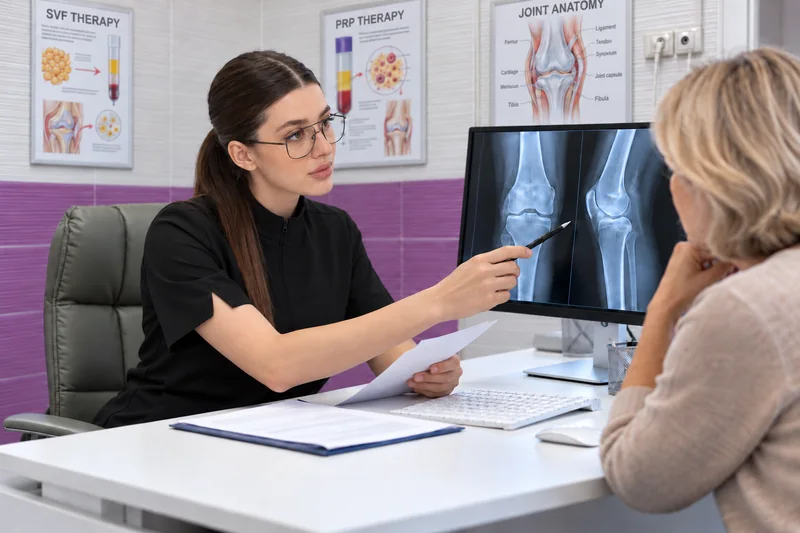
The decision on whether the treatment suits you is made by a doctor, after an examination and a look at your scans
Not sure the treatment is right for you?
Leave your number — the coordinator will ask for your scans (X-ray, MRI or ultrasound), and the doctor will tell you whether treatment without surgery suits you.
Find out if it suits meWhat we treat
 Arthritis
 Arthrosis
 Avascular necrosis
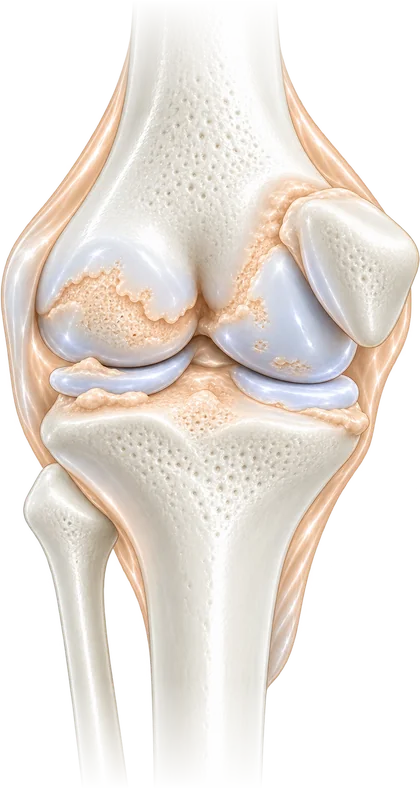 Osteoarthritis
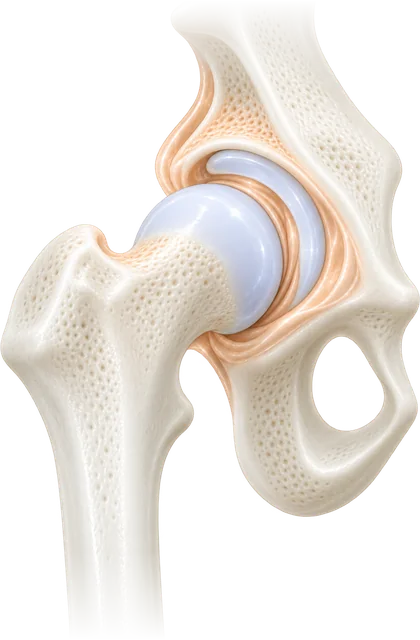 Coxarthrosis (hip osteoarthritis)
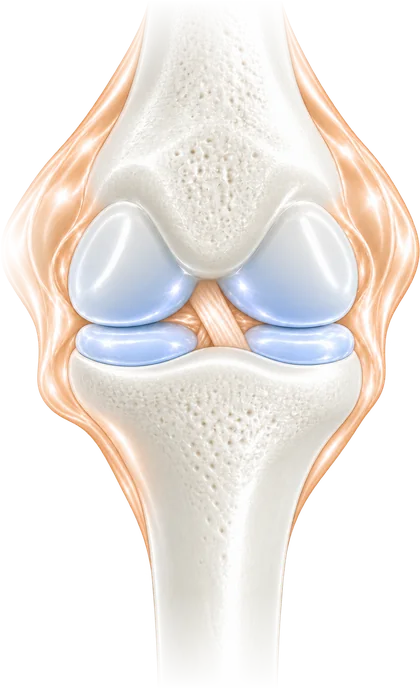
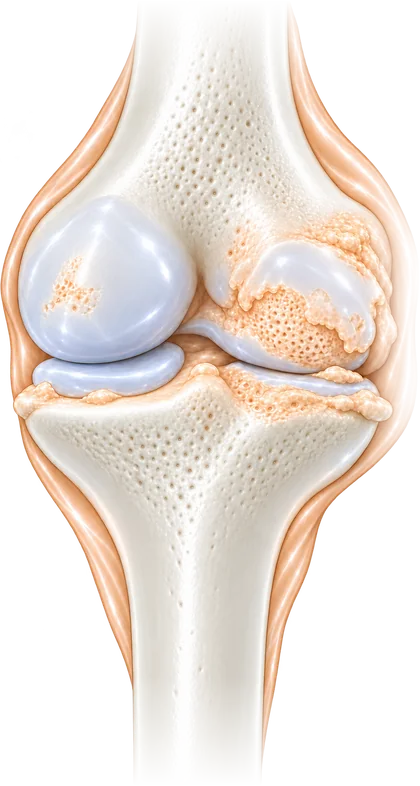 Gonarthrosis (knee osteoarthritis)
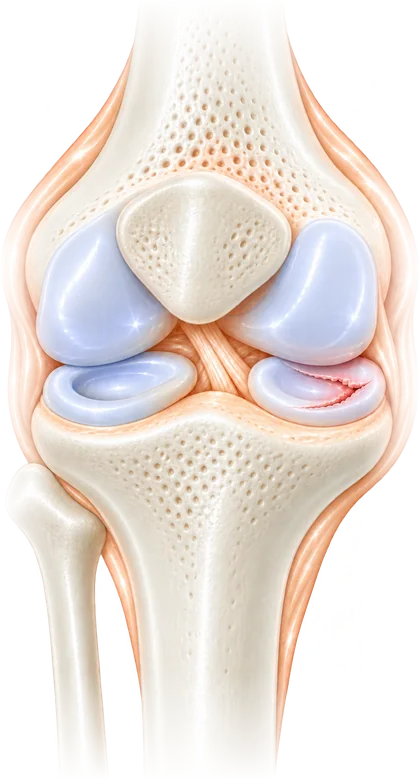 Meniscus pathology and injury
 Rehabilitation after injuries and surgery
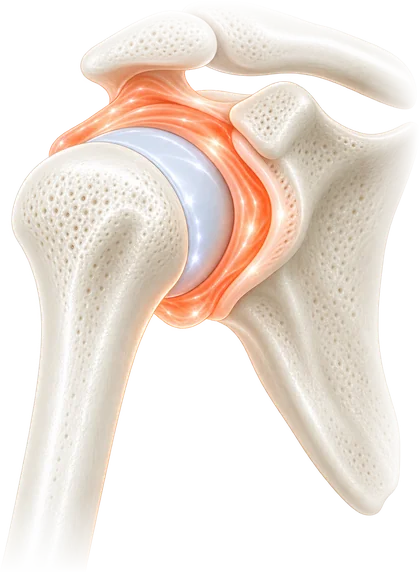 Inflammatory joint conditions
How it works
1Before anything else, the doctor examines the joint and goes through your X-rays, MRI or ultrasound to see if the procedure is suitable. Scans can be sent to us ahead of time.
 2
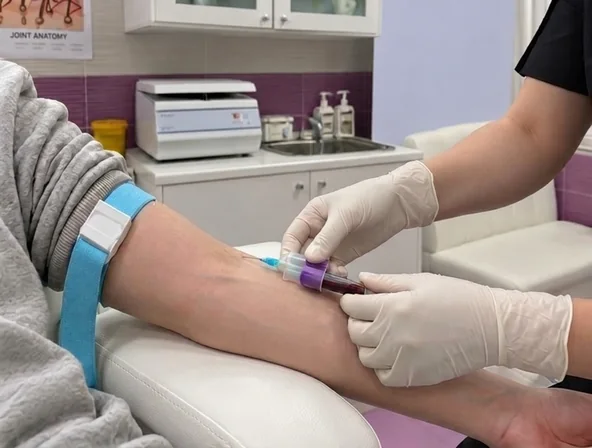
We take a small blood sample from a vein. From it, platelet-rich plasma containing growth factors is prepared later on.
 3
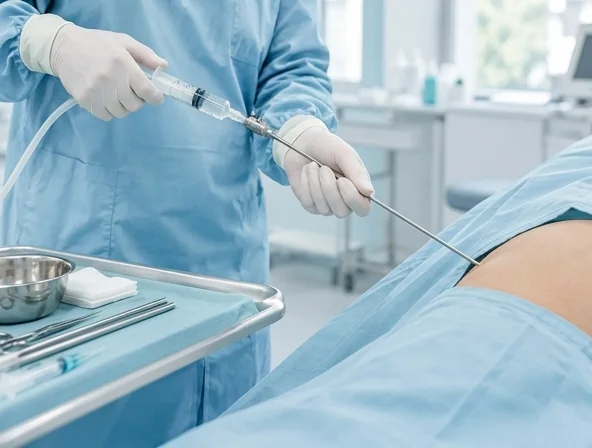
Under local anaesthetic, a small amount of adipose tissue — roughly 30 ml — is removed through a puncture on the abdomen or inner thigh, with no stitches needed.
 4
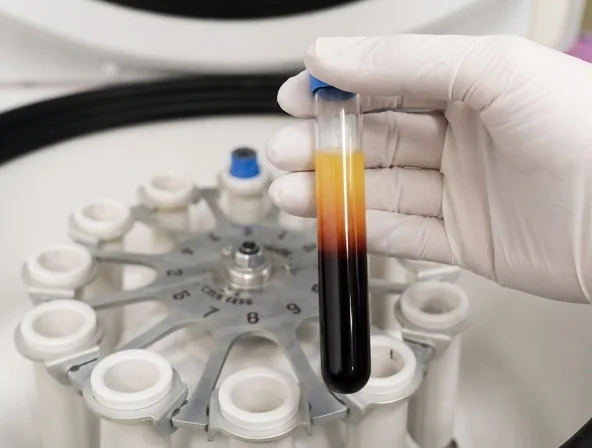
Spinning the sample in a centrifuge separates it into layers, after which the stromal vascular fraction is isolated and added to the platelet-rich plasma.
 5
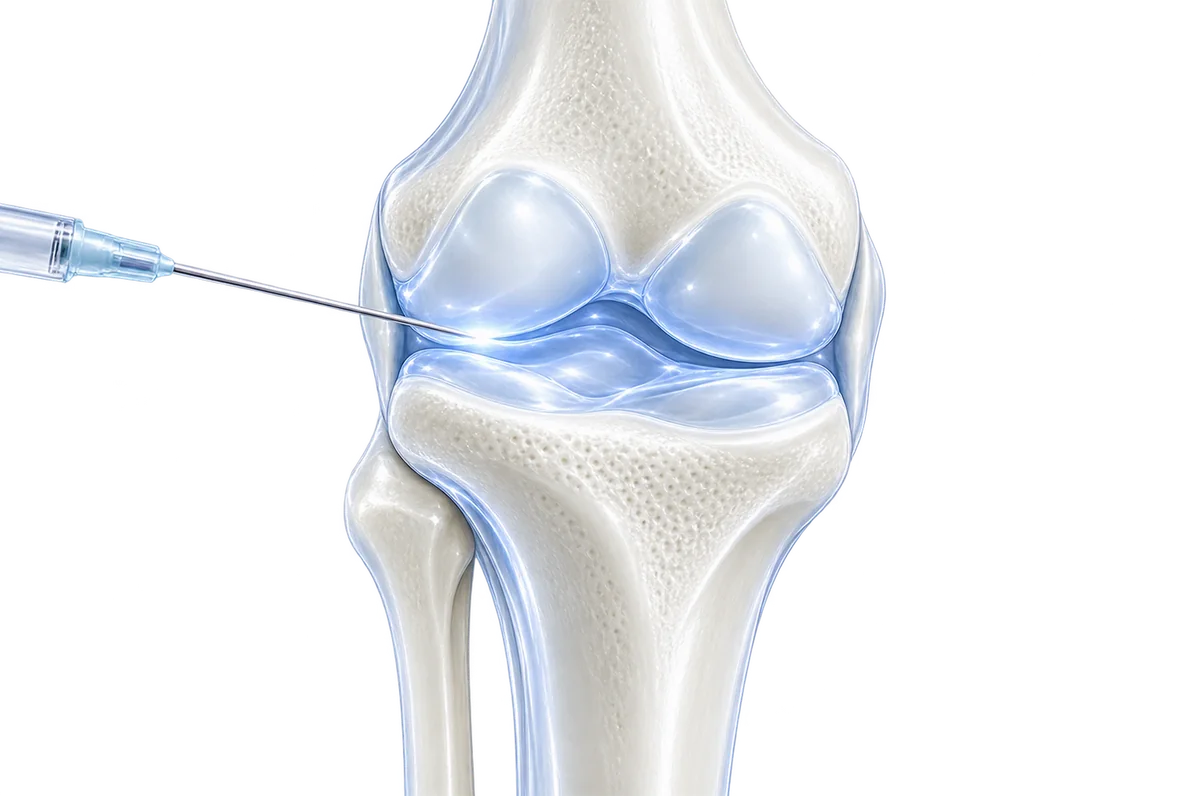
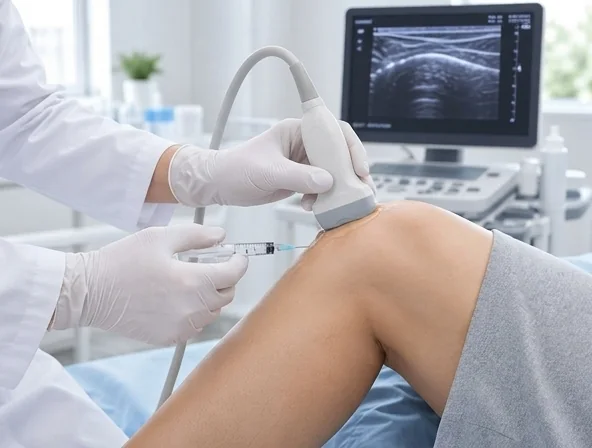
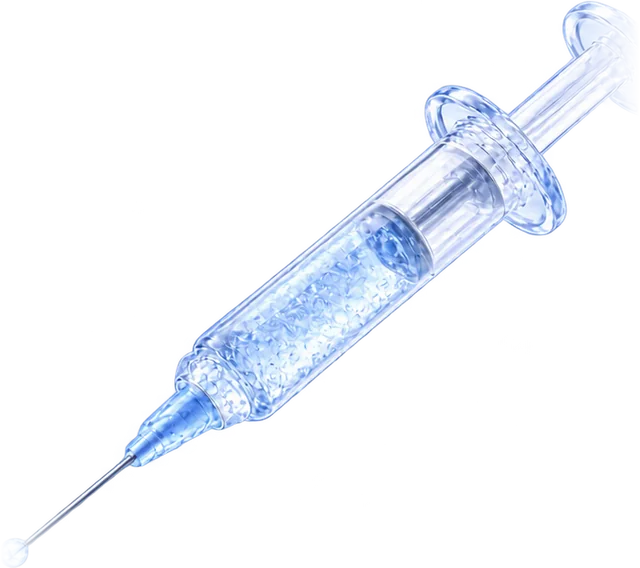
The doctor injects the prepared material directly into the affected joint, using ultrasound to place it precisely.
 6
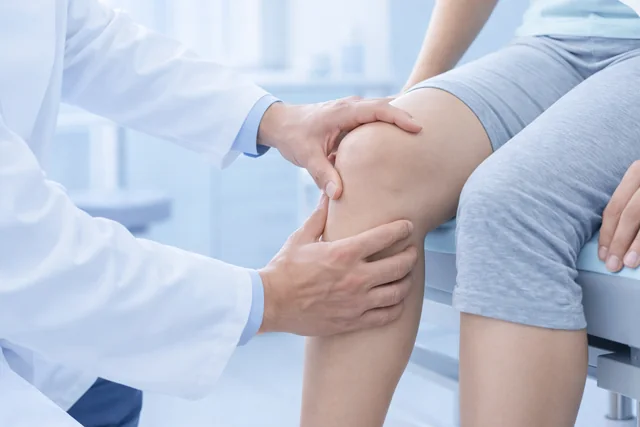
No crutches and no hospital stay. The doctor stays in touch after the procedure and follows how the joint responds.
Call or message us — our coordinator will contact you shortly and book your consultation

Results

The joint may ache a little more — this is an expected reaction.
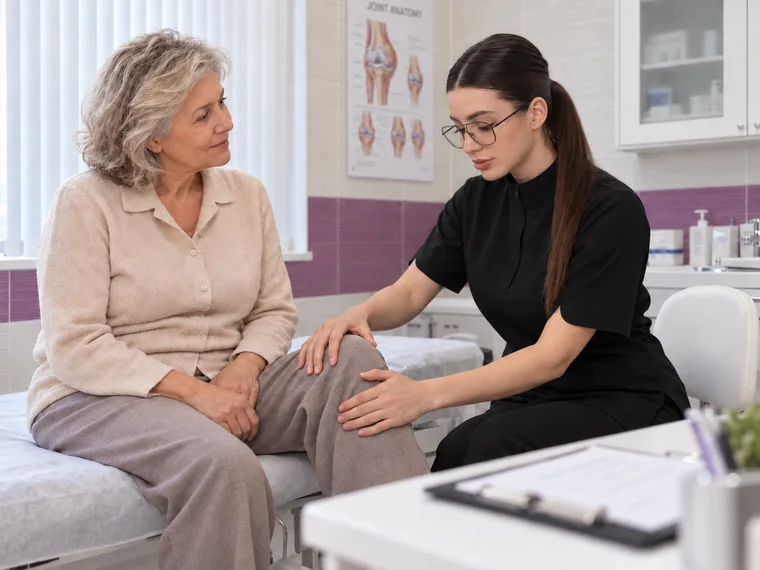
The pain usually eases.
Mobility and activity improve.

The full effect develops.
How long it lasts differs from person to person and depends on the stage of the condition, body weight, activity and other factors — no one can promise a fixed result.
Comparison
Only your own blood and adipose tissue are used — no donor or synthetic material
Processing a small sample of adipose tissue yields the stromal vascular fraction (SVF), a blend of cells that help tissue repair. The doctor combines it with your plasma and injects it into the problem joint.
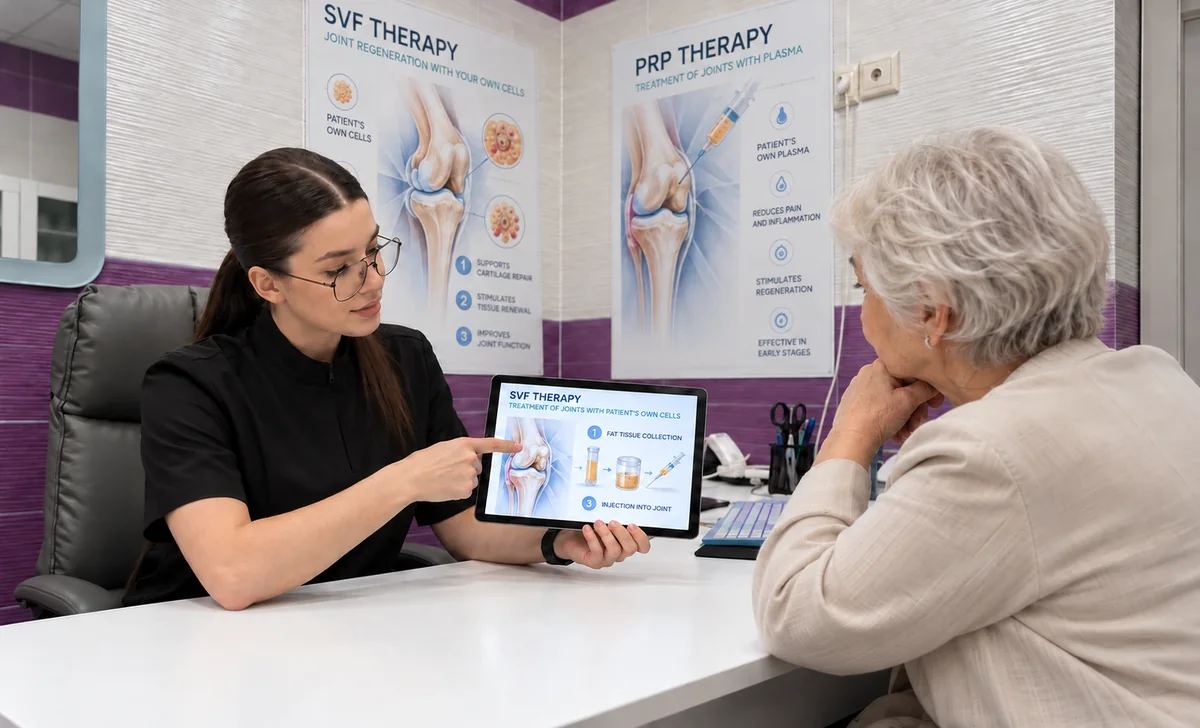
It is usually the choice when changes in the joint are more marked and the aim is a longer-lasting effect.
A little of your blood is enough to separate platelet-rich plasma full of growth factors. Injected into the joint, it calms inflammation and improves conditions for tissue repair.
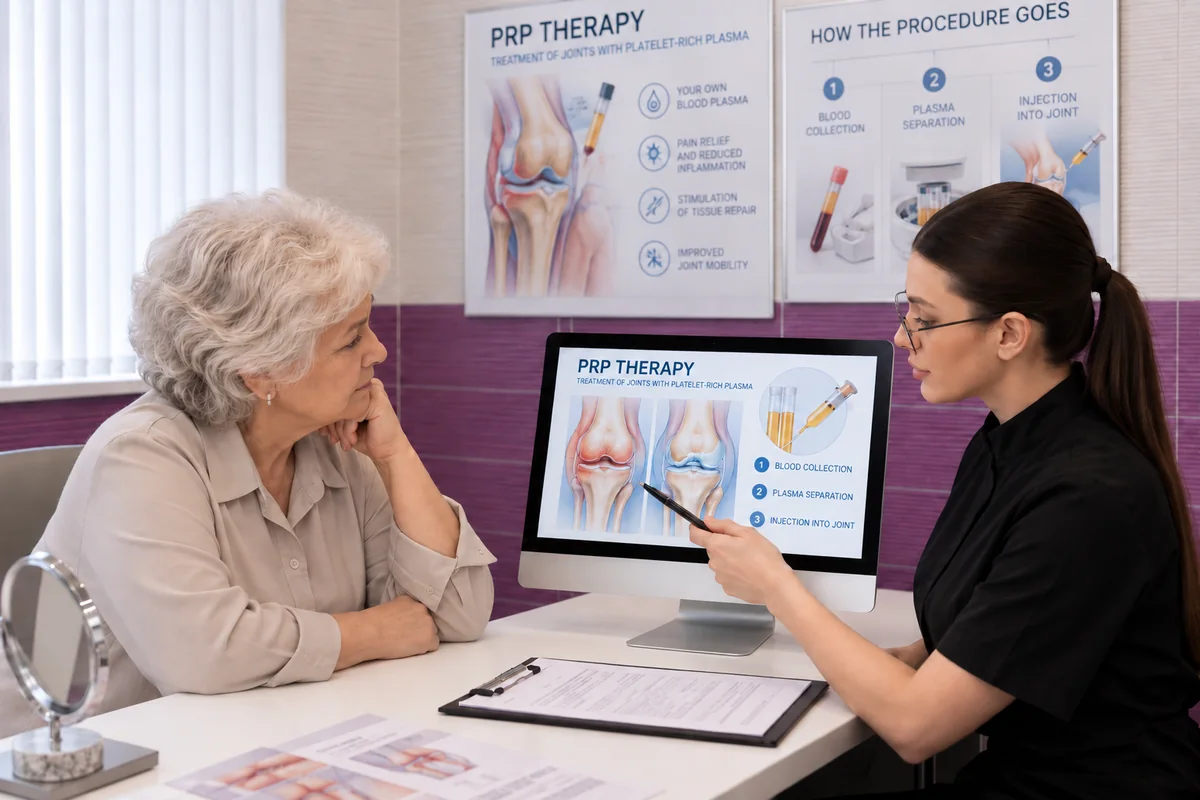
As a course of injections it can be used alone, or it can be added to SVF.
The benefits and timings shown are averaged and given for guidance: the plan and recovery depend on your joint and individual features, and the doctor confirms them at the consultation.
At the consultation the doctor will review your scans and suggest a treatment plan
Free consultation
Joints
Treatment covers large and small joints, with the joint, the method and the number of injections chosen after the doctor reviews your scans
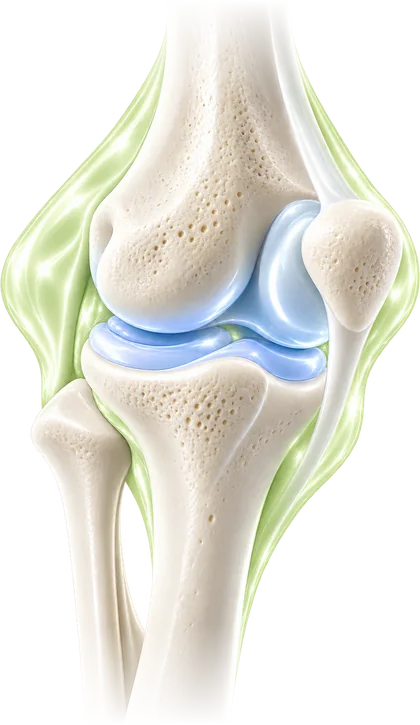 KneeCartilage wearing down, meniscus problems, pain after walking or on stairs
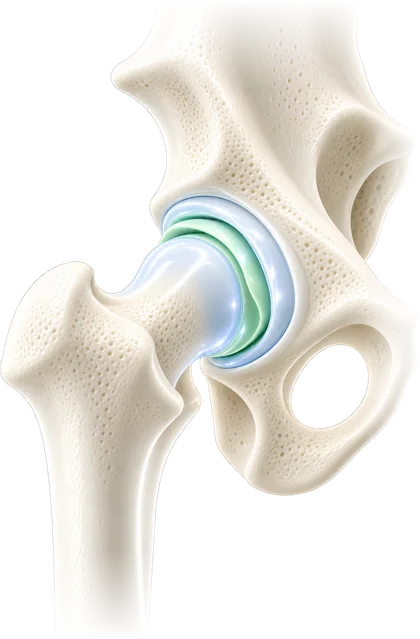 HipEarly hip osteoarthritis, groin pain, limited rotation
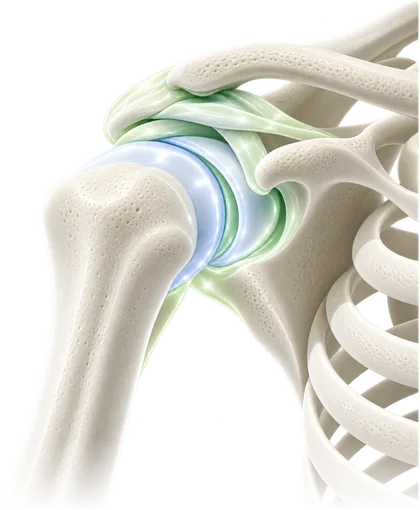 ShoulderRaising the arm hurts; wear of the joint and the tendons around it
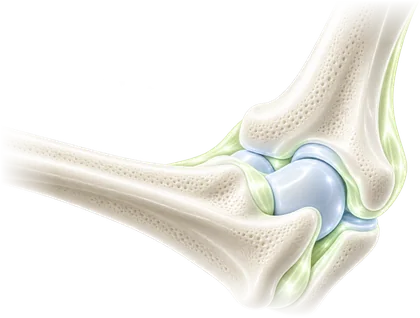 ElbowSports strain or overuse pain and worn-down joint surfaces
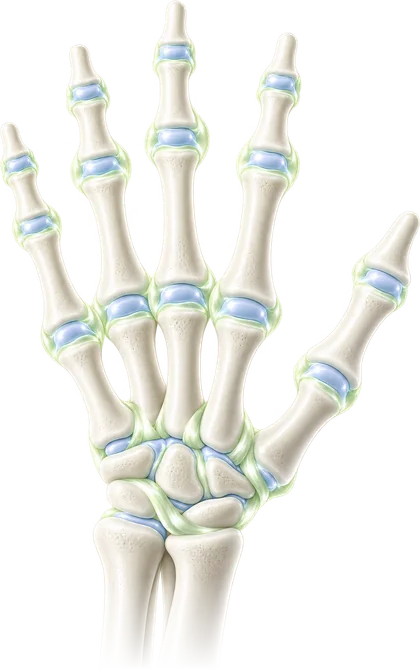 Hand and wrist jointsPainful, stiff small joints of the fingers and the wrist
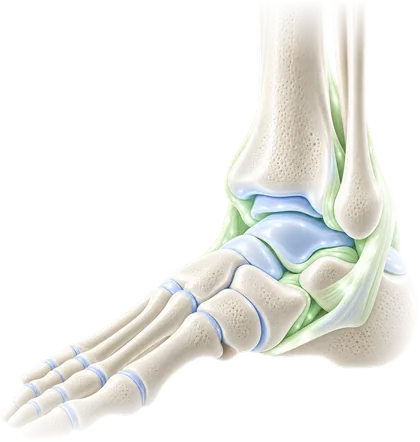 AnklePain and stiffness after sprains and old injuries
Advantages
Our aim is to keep your own joint, not replace it — treatment without surgery
Only your own blood and adipose tissue are used — no donor or synthetic material
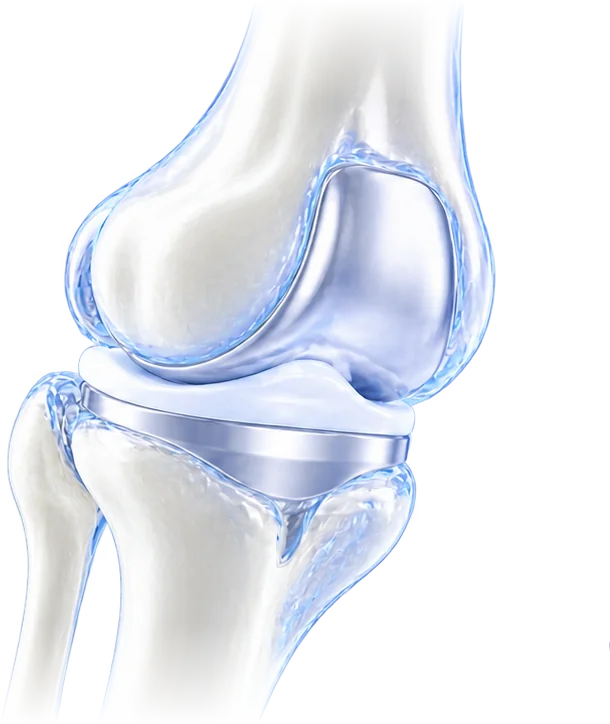
Punctures, not incisions; local anaesthetic; no prolonged rehabilitation
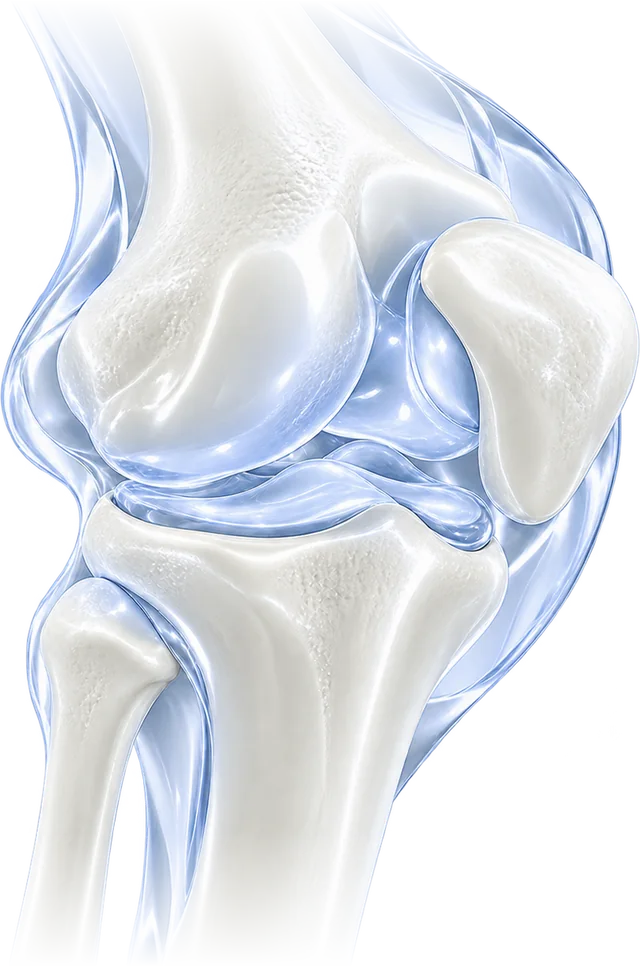
Send us your X-rays, MRI or reports and a doctor will assess them independently, free of charge
We stay in touch after the procedure and follow the result, not just the day of the injection
About the clinic
Modern equipment, comfortable rooms and care for every patient
We will answer your questions and find a convenient time for a consultation
By messaging us, you agree to our Privacy Policy
Request a free callPrice
The cost is named by the doctor after the consultation, since it depends on the joint, the stage of the condition and the method
Free
Book — Consultation and review of your scansPrice at consultation
Book — PRP therapy (platelet-rich plasma)Price at consultation
Book — Cell therapy (SVF + PRP), one jointFAQ
Often, yes. For meniscus damage and knee osteoarthritis, PRP and SVF injections are used to ease pain and support the joint. The doctor reviews your MRI first and says whether this suits you.
Platelet-rich plasma (PRP) is prepared from your blood, while SVF is a cell fraction taken from a small adipose tissue sample. Because they work differently, they are often combined to strengthen the regenerative effect in the joint.
Because both methods use your own tissue, the risk of rejection or allergy is very low. As with any injection, there may be temporary pain, swelling or bruising, and infection is rare. At the consultation the doctor explains the risks in your case.
Each case differs. A PRP effect often lasts from several months to around a year, and an SVF effect can last longer. It depends on your body and the stage of the condition, so no one can promise you a fixed result.
The procedure is not performed in people with cancer, acute infections or blood clotting disorders, in pregnancy, or during a flare-up of a serious chronic illness. The doctor checks for this at the consultation.
When the condition is at an early stage, injections of PRP or SVF alongside exercise therapy and physiotherapy can ease pain and improve mobility. With a badly damaged joint, replacement may be the realistic option, and the doctor will be honest about this after seeing your scans.
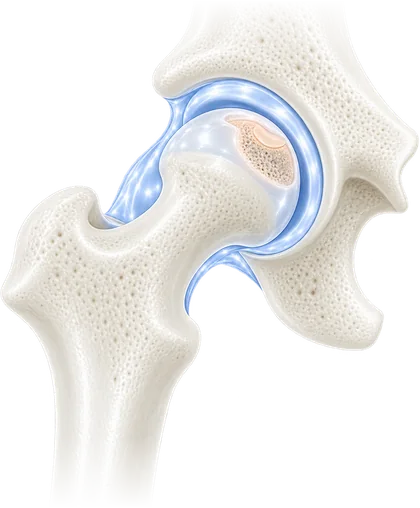
At early stages (1–2), SVF therapy may be considered to support blood supply to the femoral head and delay the need for joint replacement. At later stages surgery is usually required.
Replacement is major surgery with long rehabilitation, risks such as infection, and implants that may eventually need to be redone. With early or moderate changes it often makes sense to try to preserve your own joint first.
Yes. Your X-rays, MRI, CT or medical reports are reviewed by a doctor free of charge, and you will hear whether the procedure could suit you and what else may be needed.
Within a day or two, as a rule. There are no crutches and no lengthy rehabilitation; the doctor provides recommendations on exercise and load for the first weeks.
PRP is an option for rotator cuff and shoulder joint problems, and SVF can be considered for more advanced arthritis of the shoulder. The doctor first pins down the cause of the pain, and suitability depends on it.
About the conditions
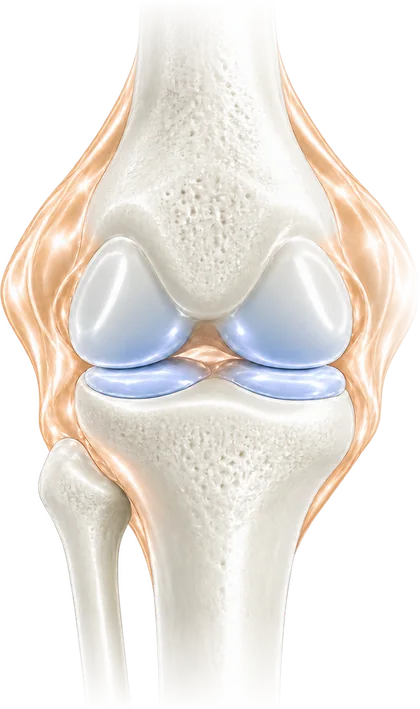
Arthritis is an inflammatory disease of the joints. Typical signs are pain at rest and at night, morning stiffness lasting more than 30 minutes, swelling, redness and warmth over the joint. Causes include autoimmune conditions such as rheumatoid arthritis, infections, gout and psoriasis.
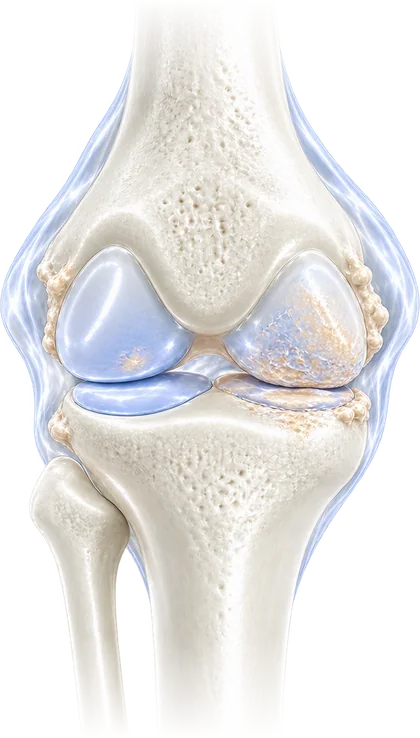
It is gradual wear of the cartilage that covers the ends of the bones in a joint. When the cartilage thins, the joint loses its cushioning, the bones rub against each other, and pain, stiffness and crunching appear. It is a degenerative condition, not an inflammatory one.
Osteoarthritis is wear of the cartilage: aching pain on movement, crunching, stiffness after rest. Arthritis is inflammation: pain at rest and at night, swelling, redness and warmth over the joint. The approach to treatment differs, so the diagnosis comes first.
The earlier the stage, the better the chance of a lasting effect. That is why patients from Jammu start with a review of their X-rays or MRI: the doctor assesses the joint and tells you honestly whether SVF or PRP is likely to help or whether another option is more realistic.
The procedure in Jammu takes one day. Blood is taken from a vein for PRP, a small portion of adipose tissue is taken under local anaesthetic without stitches, the material is spun in a centrifuge, and the prepared mix is injected precisely into the affected joint.
How much does joint treatment cost in Jammu? The answer comes after the doctor has seen your scans and examined the joint: PRP, SVF or a combination are priced differently. The first consultation is free. Send a request or message us in any messenger.
How we prepare and review medical content · Medical disclaimer
Page last updated: