


























 beforeafter
SMAS facelift
50 years9 months
from €2,150 (≈ $2,400)
The price is fixed in the contract before surgery
Free online consultation · Reply within 15 minutes
Message our coordinator
Free online consultation · Reply within 15 minutes
Message us on TelegramMessage us on WhatsAppBy messaging us, you agree to our Privacy Policy
Facelift in Hamburg: price and key factsFacelift for patients from Hamburg at City Medical Centre starts at €2,150 (from $2,400). The first online consultation is free; the doctor names the final price and it is fixed in the contract.
How it works · Facelift prices
Information current as of 3 November 2026
Results
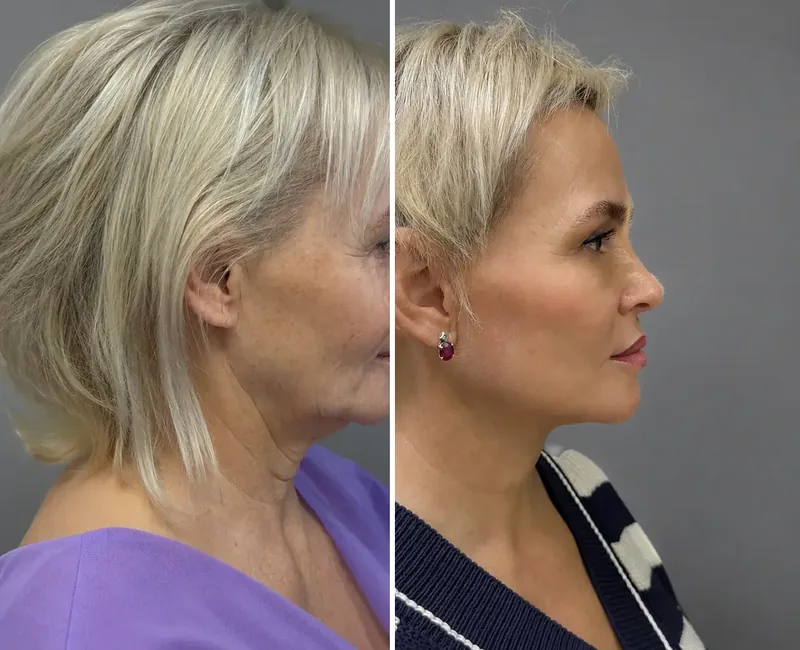
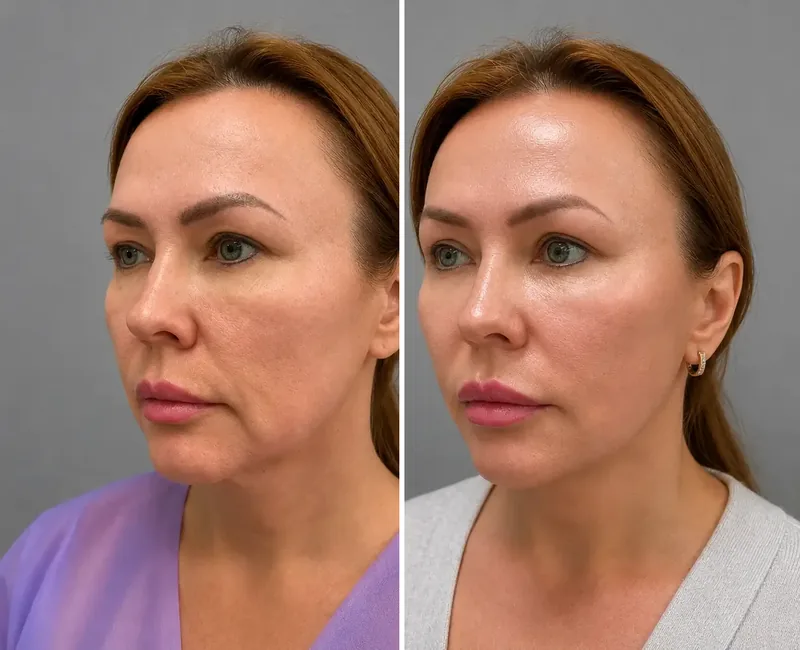
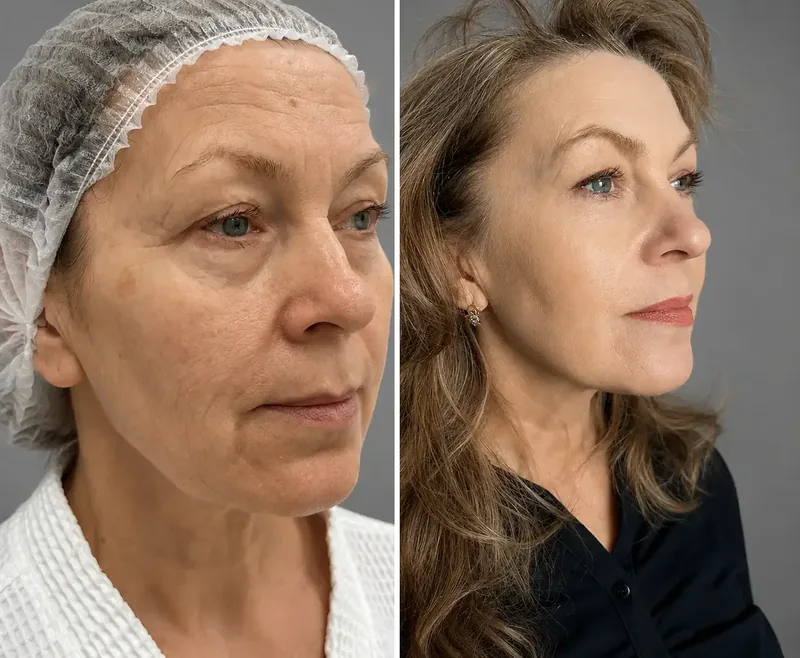
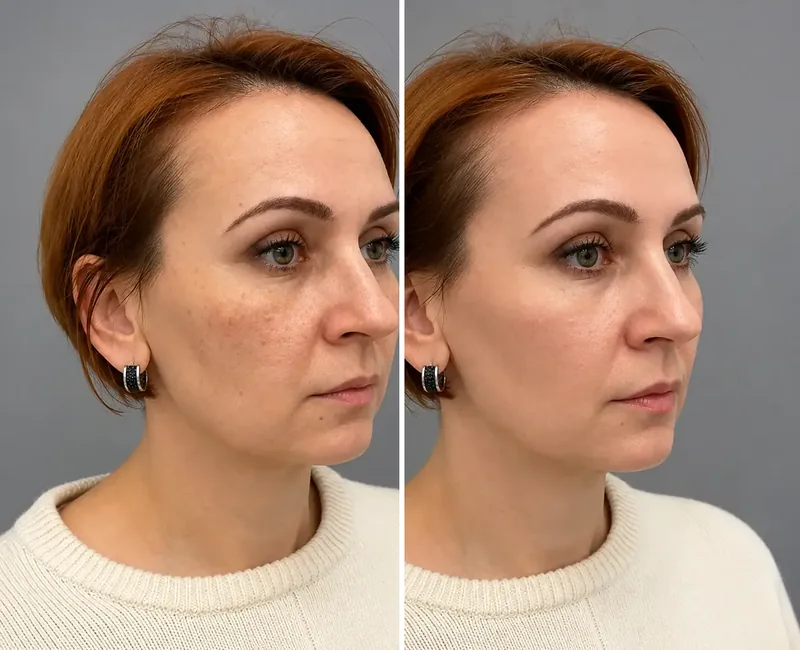
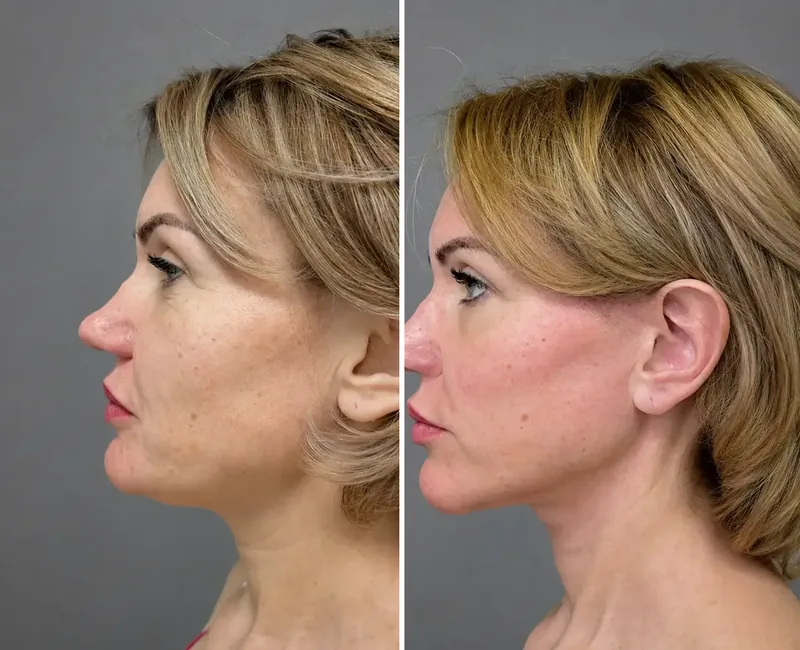
Facelift before and after photos of real patients of the clinic.
beforeafter50 years9 months
 beforeafter
58 years8 months
 beforeafter
34 years5 months
beforeafter32 years7 months
 beforeafter
40 years6 months
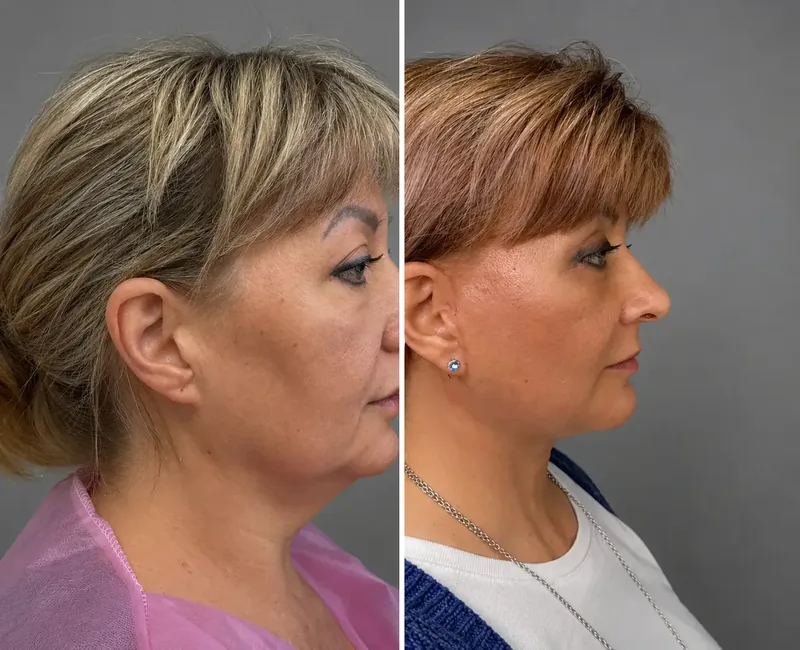 beforeafter
45 years8 months
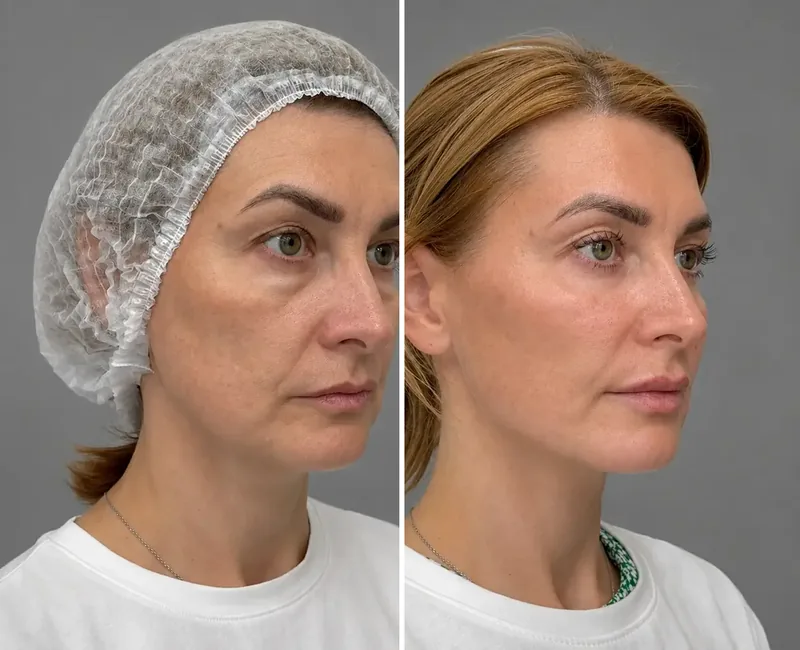 beforeafter
38 years5 months
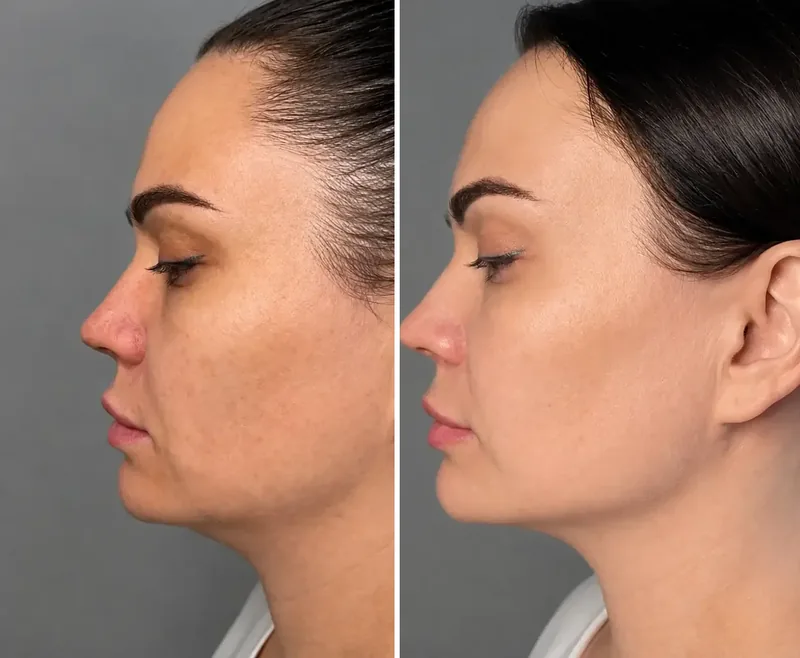 beforeafter
33 years6 months
Comparison
The scope of a SMAS facelift depends on your anatomy and how much correction is needed. Compare two options — the surgeon will help you choose the right one at the consultation.
Incisions hidden along the hairline and ears
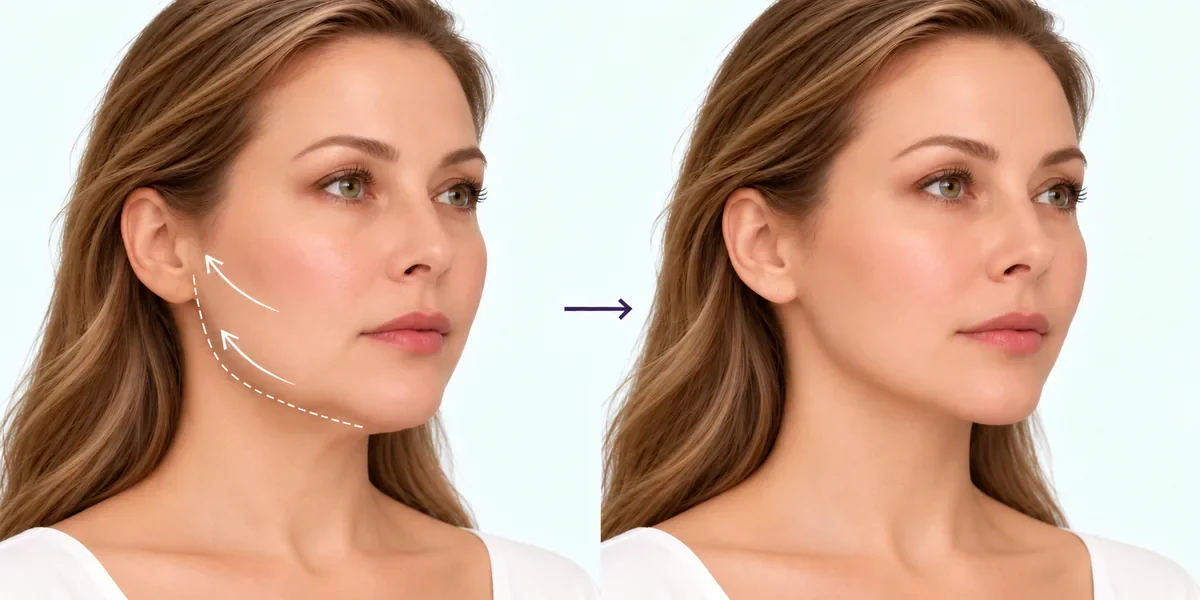
from $2,400
Focused on the lower face, chin and neck
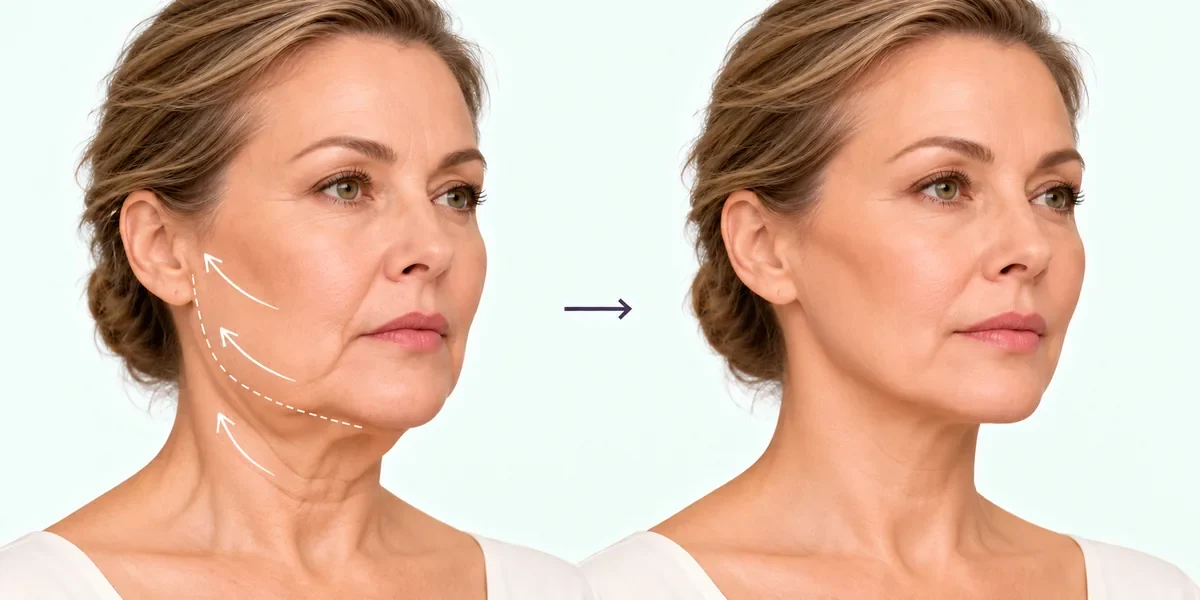
from $2,400
The benefits and recovery times shown are averaged for each technique and given for guidance: the scope of correction and rehabilitation depend on your anatomy and individual features, and the surgeon confirms them at the consultation.
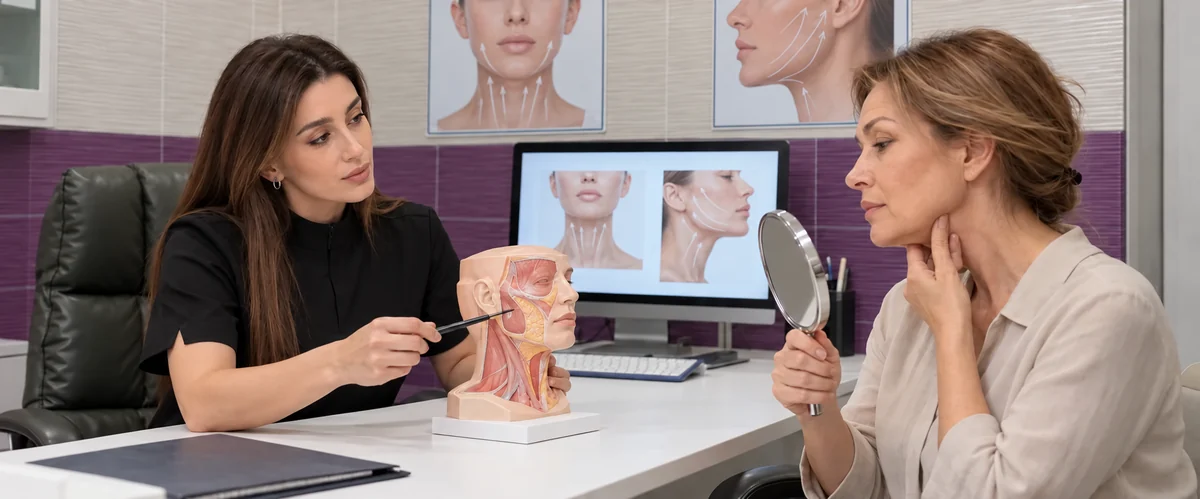
At the consultation the surgeon draws up a plan for your case and explains how your SMAS facelift will go.
Free, before surgery and with no obligation.
About the clinic
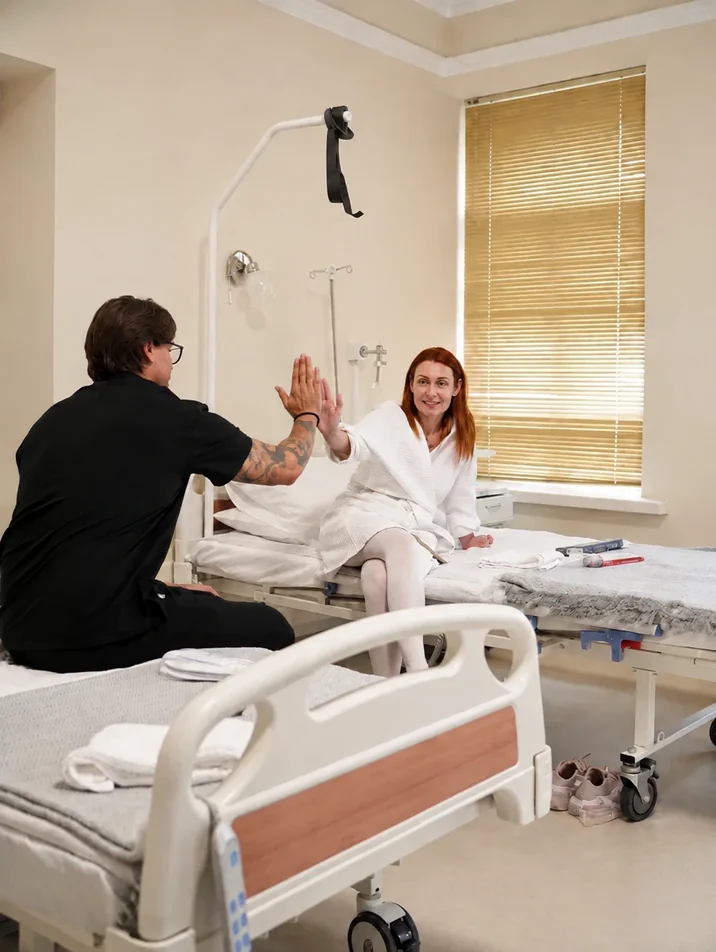
Modern equipment, comfortable rooms and care for every patient
We will answer your questions and find a convenient time for a consultation
By messaging us, you agree to our Privacy Policy
Get a free consultationIf your case can be solved without surgery, the doctor will tell you so at the consultation — and you will not spend money for nothing.
A SMAS facelift solves
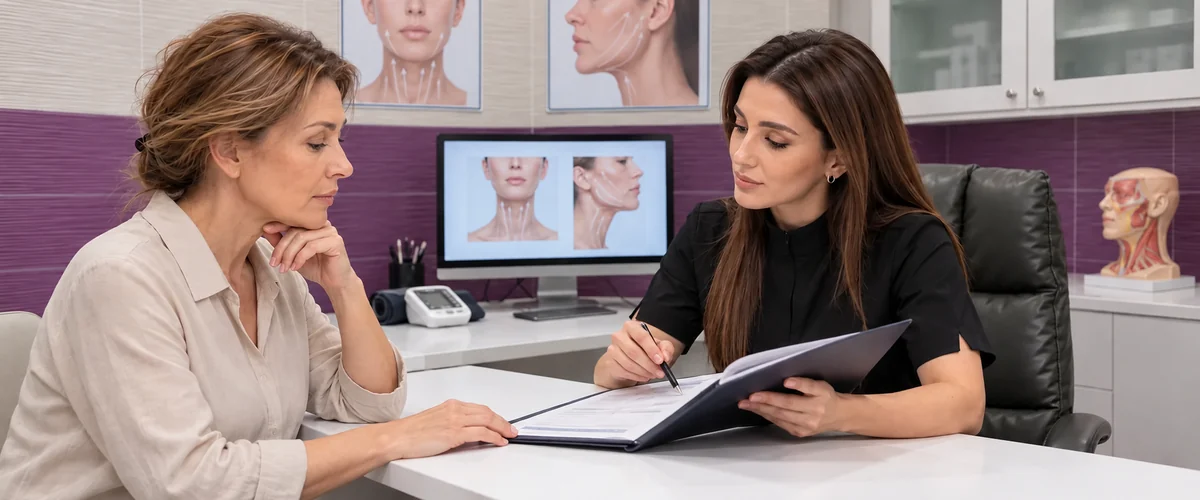
Message our coordinator — you can send photos, and the surgeon will tell you whether a facelift suits you. No surgery booking needed.
Find out if it suits me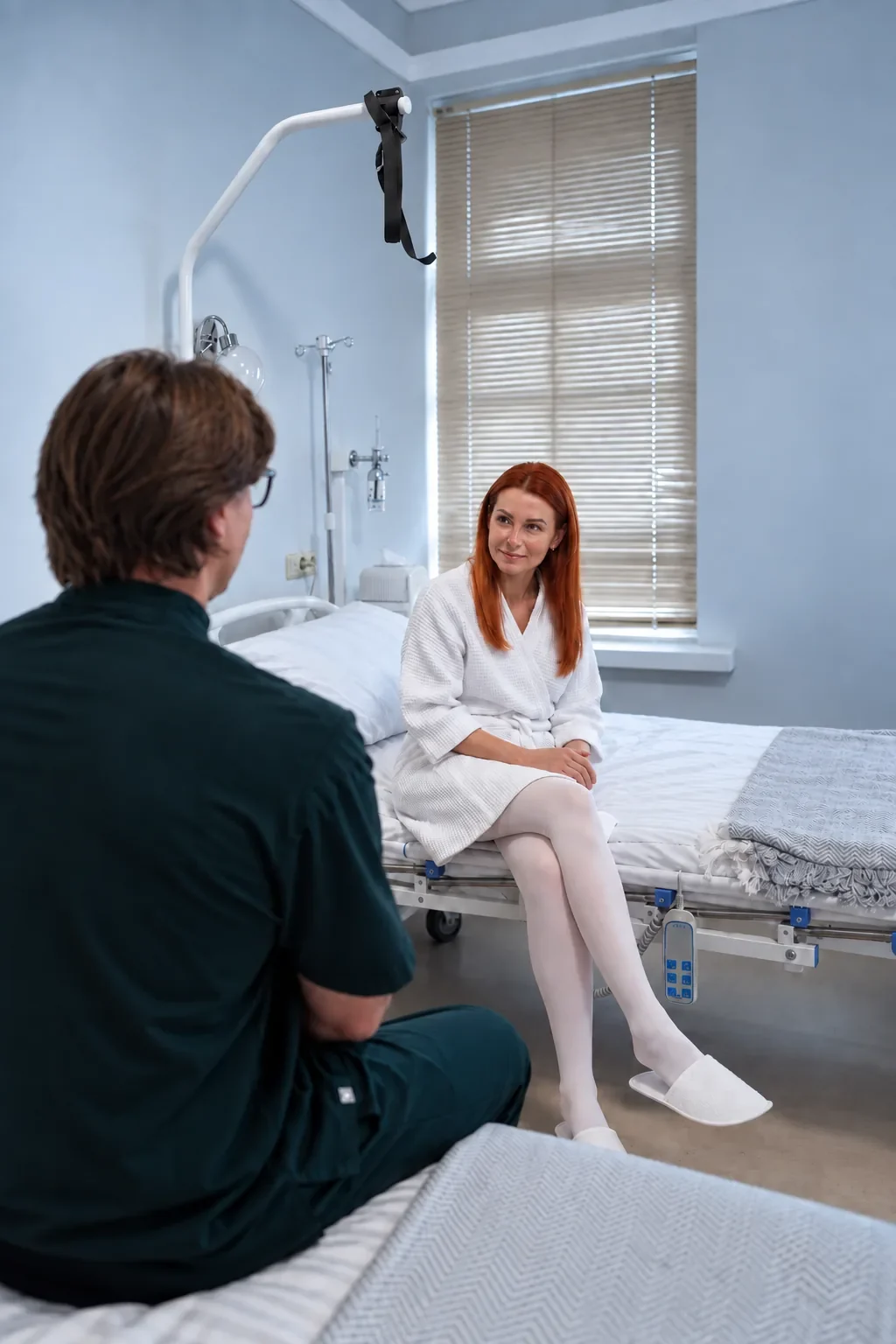
Prices
The final cost is calculated individually after an examination
Jowls, sagging cheeks and deep nasolabial folds
Double chin, jowls and loose neck skin
The surgeon assesses your skin and the soft tissues of the face and neck, listens to your wishes and defines the scope of your SMAS facelift.
Message our coordinator
Free online consultation · Reply within 15 minutes
Message us on TelegramMessage us on WhatsAppBy messaging us, you agree to our Privacy Policy
all inclusive
From preparation for surgery to a year of follow-up.
from $2,400
Book a consultationHow it works
An agreed surgical plan, inpatient monitoring and follow-up by your surgeon for a year.
 1
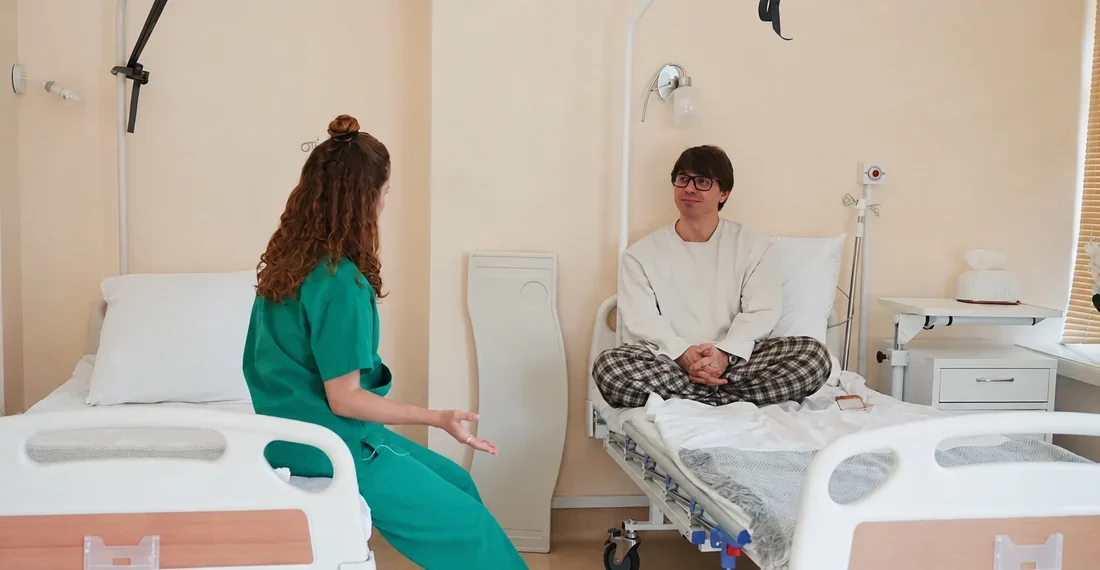
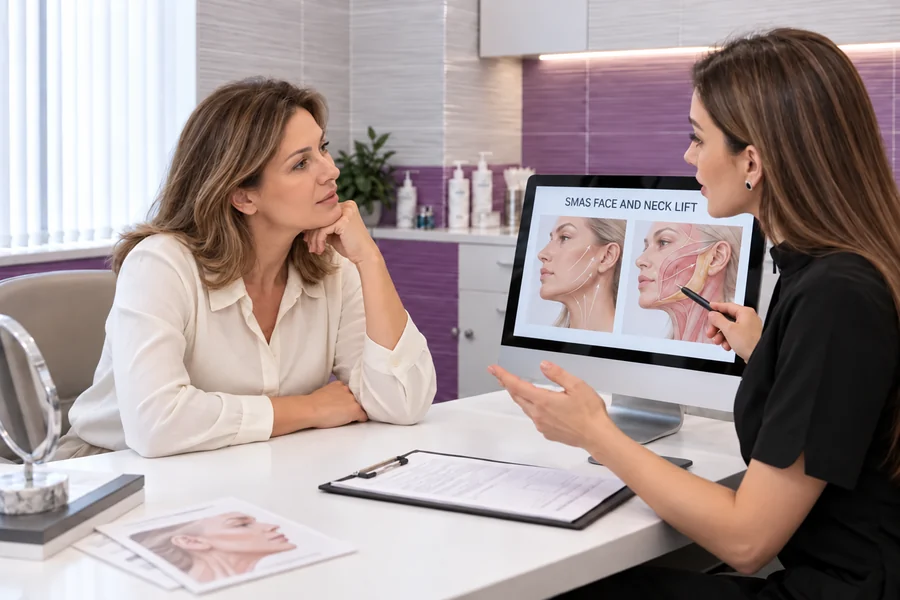
The surgeon examines you, assesses the degree of sagging and the areas to correct, and explains the surgery and recovery. The first consultation is free and can start online.
 2
We book a date that suits you. The scope of surgery and the final price are fixed in the contract — no hidden extras.
 3
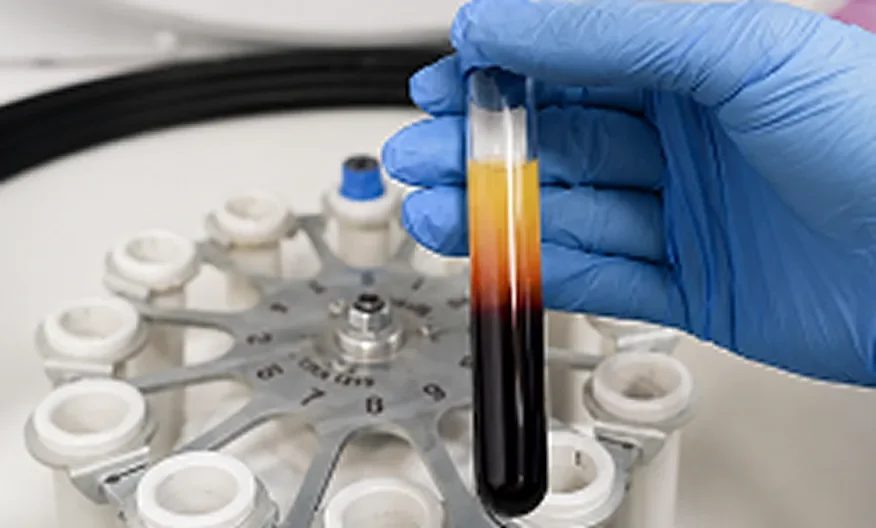
You complete the check-up prescribed by the surgeon and see the anaesthetist. The specialists assess your health and readiness for surgery.
 4
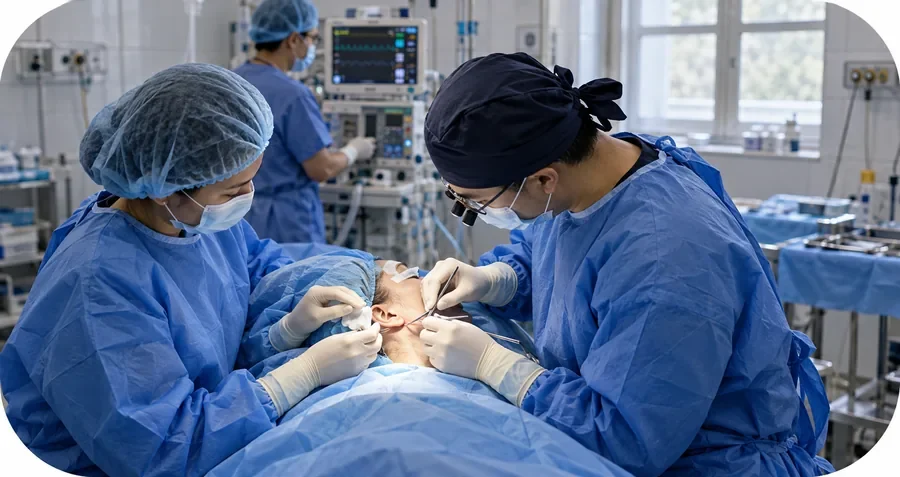
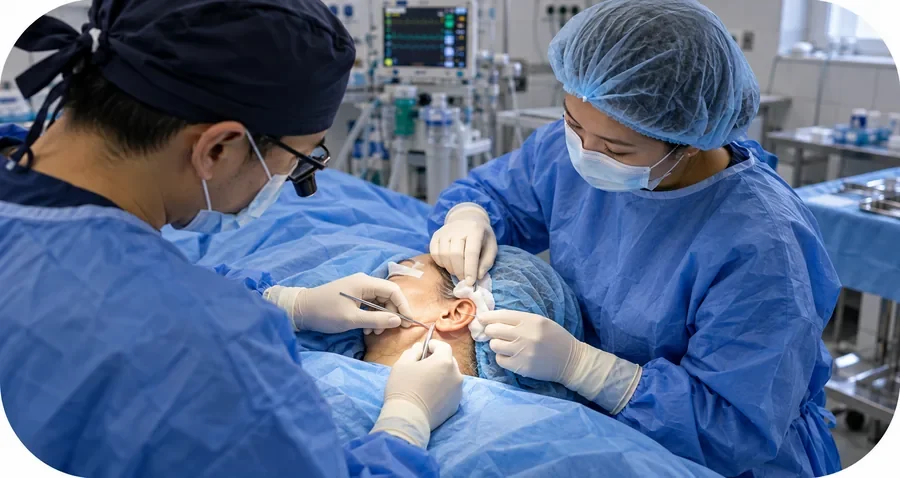
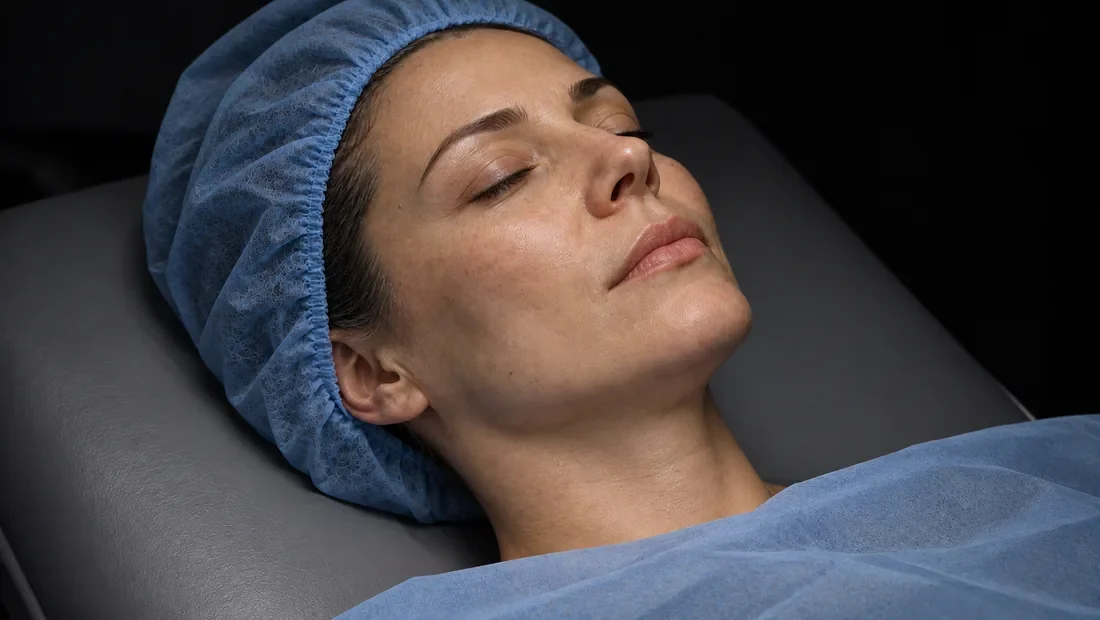
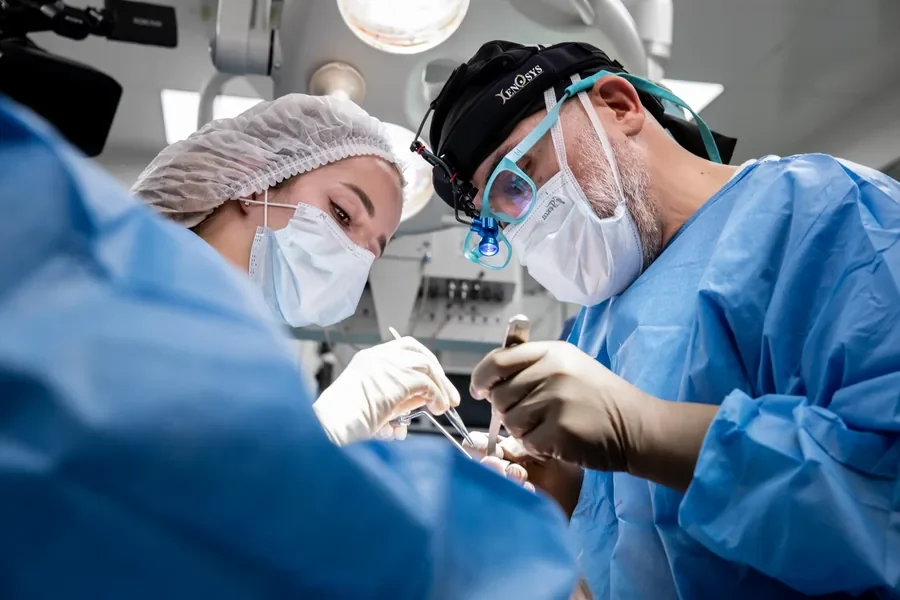
Under general (inhalation) anaesthesia the surgeon lifts and secures the SMAS layer, redrapes the skin and removes the excess. Incisions are hidden along the hairline and around the ears.
 5
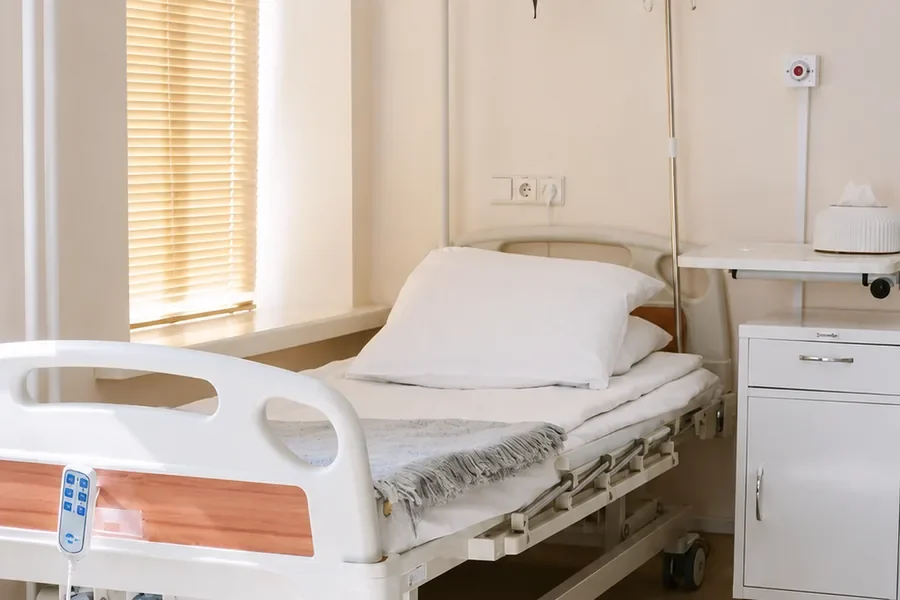
After surgery you stay in a comfortable inpatient room with meals, under 24/7 monitoring by medical staff.
 6
For the first 7–10 days — rest, a compression bandage and reduced physical activity. Your operating surgeon follows you up for the whole first year.

For the first 7–10 days you need rest, a compression bandage and reduced physical activity. For the first few days you may feel discomfort and tightness, which are relieved with medication prescribed by your doctor.
Swelling and bruising fade in 2–4 weeks, and full recovery takes about 2 months. The first clear changes appear once the swelling goes down, after 3–4 weeks; the face takes on its final look within 3–6 months. Your operating surgeon follows you up for the whole first year.

Advantages

Only certified plastic surgeons with real surgical practice. We work honestly: we never suggest surgery where it isn't needed and never prescribe anything extra.

The surgeon examines you, determines the degree of sagging and the areas to correct, and walks you through surgery and recovery. There is no pushing and no pressure.
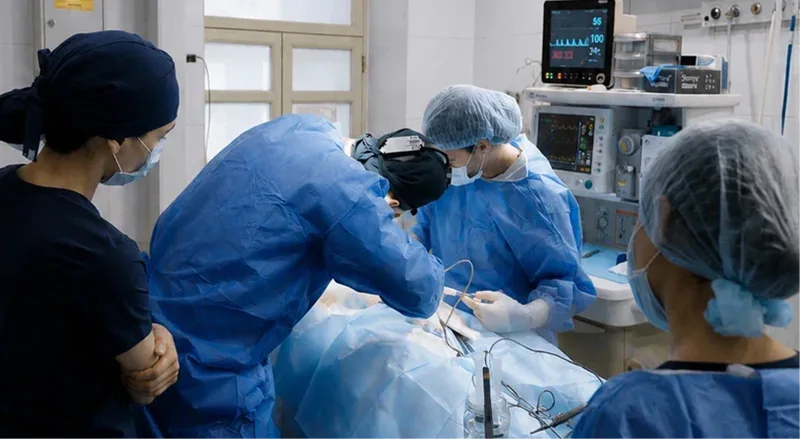
An inpatient unit of our own with an accredited operating suite. Our work is carried out under our licence and national healthcare standards.

The price is fixed in the contract before surgery, with no hidden extras.

We fit around your busy schedule: open 24/7, flexible booking and a personal approach — we adapt to you
FAQ
It is a face lift that tightens the deep SMAS layer under the skin, not only the skin itself, so the lower face, jawline and neck become firmer. The result is long-term, while natural skin ageing continues.
The surgery is performed under general (inhalation) anaesthesia, and you won’t feel pain. For the first few days, discomfort and tightness are possible; medication prescribed by your doctor relieves them.
The first clear changes appear once the swelling goes down, after 3–4 weeks. The face takes on its final look within 3–6 months. The result of a surgical SMAS facelift is long-term, while natural skin ageing continues.
Yes. The first 7–10 days call for rest, a compression bandage and reduced physical activity. Swelling and bruising fade in 2–4 weeks and full recovery takes about 2 months, while your operating surgeon follows you up for the whole first year.
Yes. Surgical facelifts are often paired with blepharoplasty (eyelid surgery), rhinoplasty or double-chin liposuction. The scope of any combined procedure is decided at the consultation by the surgeon.
Payment is made in full before the procedure. If you would like to spread the cost, you can take out a loan with your own bank and pay the full amount with it.
Only the top layer of skin is affected by a standard (skin-only) lift, which gives a short-lived effect. A SMAS facelift is surgery at a deeper level — on the facial muscle and fascia layer — lifting tissues at the cause rather than the effect. The outcome is natural and lasting.
One surgery gives a complete result. Whether a repeat correction is ever needed is individual and is decided by the surgeon at an examination.
Typically, surgery is recommended from 40+ when tissue sagging is marked, and in some cases from 35. The recommendation is individual and given after an examination.
Sign up for a free consultation. You'll be examined by the surgeon, who assesses the type and degree of ageing, explains the expected result and answers all your questions.
City Medical Centre performs surgical facelifts only. The surgeon tailors the scope of surgery at the consultation, after assessing the changes and explaining every stage. The skin, subcutaneous fat and the SMAS layer (muscles and ligaments) are corrected layer by layer, so the face looks natural, without an “overdone” effect, and the result is long-term — while natural skin ageing continues.
After 40–50 the skin gradually loses firmness: tissues sag noticeably, jowls form, the jawline blurs and the cheeks droop. A surgical SMAS facelift works deeper than cosmetology — it repositions the muscle and fascia layer, treating the cause of sagging rather than its effects, so it gives a lasting result even with significant changes.

City Medical Centre performs surgical facelifts only: work on the SMAS layer treats the cause of sagging rather than its effects
Skin, subcutaneous fat and the muscle and fascia layer are corrected layer by layer — a natural look with no “mask” effect
Incisions are hidden along the hairline and around the ears, so once healed the scars are barely visible
Prices are shown in EUR, converted at the rate of 02.10.2026; the amount in brackets is the base price in US dollars. The final price is fixed in your contract.
Prices start from €2,150 (≈ $2,400). The surgeon sets the final price at the free consultation, and it is fixed in the contract, with no hidden extras.
A one-to-one consultation, the medical team, anaesthesia, inpatient care with meals, 24/7 monitoring and twelve months of follow-up by the surgeon.
Message us on WhatsApp or Telegram using the buttons below. A coordinator will answer your questions and book a free consultation where the doctor names the exact price.
By messaging us, you agree to our Privacy Policy
After 40–50 the skin gradually loses firmness: tissues sag, jowls form, the jawline blurs and the cheeks droop. A surgical SMAS facelift works deeper than cosmetology, repositioning the muscle and fascia layer so it treats the cause of sagging rather than its effects. For patients from Hamburg, this gives a lasting result even when changes are significant, with a long-term effect while natural skin ageing continues.
Inside the operating room the SMAS facelift runs through three levels of correction. First the skin flap is lifted and redraped, and excess skin removed. Next, fat in the cheeks and lower face is redistributed. Finally the muscle and fascia layer is lifted and secured, treating weakened ligaments and descended muscles. This is how the operation goes for patients from Hamburg.
How much is a facelift in Hamburg? Prices start from €2,150 (≈ $2,400), and the final cost is calculated individually after an examination. At the consultation the surgeon defines the scope of surgery and gives the final price straight away, with no hidden extras. Leave a request to book your free consultation.
Hamburg takes its name from the Hammaburg, a fortress Charlemagne ordered built in 808 on marshy ground between the Alster and the Elbe. In 1189 Frederick Barbarossa granted the settlement toll-free passage down the Lower Elbe, the charter still celebrated as the birthday of its port, and in 1241 an alliance with Lübeck laid the foundation of the Hanseatic League. The official name, Free and Hanseatic City of Hamburg, still carries that merchant past.
The city has also had to rebuild itself more than once. The Great Fire of May 1842 burned for four days and destroyed roughly a quarter of the inner city, and the firestorm of Operation Gomorrah in July 1943 wiped out whole working-class districts such as Hammerbrook. What stands today, from the brick warehouses of the Speicherstadt to the Kontorhaus District, added to UNESCO's World Heritage list in 2015, is largely the product of careful reconstruction rather than of untouched survival.
Today Statistikamt Nord counts 1,869,473 residents for 2025, which makes Hamburg the second-largest city in Germany. Many of the people from Hamburg who ask about a facelift are still working full time, and what they usually want is closer to the city's own approach to restoration: the familiar face, renewed, without an obviously altered look. That matches the stated aim of the SMAS technique, a fresher appearance with no overdone effect.
The Deutscher Wetterdienst station at Fuhlsbüttel gives a clear picture of what a recovering face will meet outdoors. Over 1991–2020, January nights averaged about −0.5°C and July afternoons about 23.2°C, while 188 days a year brought at least a millimetre of rain. Air humidity stays high for much of the year, around 86 to 88 per cent in November and December, and sunshine is very unevenly spread: roughly 36 hours in the whole of December against about 219 in July.
For the first 7 to 10 days, the period of rest with a compression bandage and reduced activity, the weather barely matters because most of that time is spent at home. It starts to matter once bruising and swelling are fading, which usually takes 2 to 4 weeks. In Hamburg's damp, gusty autumn and winter that means a soft scarf, a hood or a loose hat that does not press on the incisions along the hairline and around the ears, and an umbrella rather than a tight cap when the drizzle sets in.
Summer brings the opposite concern. The UV index in Hamburg climbs to around 6 in June and July, and fresh scars near the temples and ears are best kept out of direct sun while they mature. A wide-brimmed hat, shade on the Alster promenades and a high-factor sunscreen applied once the surgeon allows it are simple habits for those months, and they are worth keeping up through the 3 to 6 months it takes for the final shape of the face to settle.
Seen against that calendar, many patients from Hamburg pick late spring or early autumn for the operation: daylight is long enough for short walks, but the strongest sun of midsummer is either still ahead or already past. This is a matter of comfort and personal planning rather than a medical rule, and the surgeon can adjust the advice to your skin type at the consultation.
In Germany, only the specialist title Facharzt für Plastische und Ästhetische Chirurgie, or the older Facharzt für Plastische Chirurgie, is legally protected. According to the professional society DGPRÄC, earning it takes a six-year postgraduate training period with around 600 operations performed independently and a final examination before a state medical chamber. Labels such as Schönheitschirurg or ästhetischer Chirurg are not protected and say nothing about training, so they are worth looking past.
The Ärztekammer Hamburg, the chamber every doctor practising in the city belongs to, publishes an Arztsuche listing physicians with a practice in Hamburg, including private practitioners, who are marked with a P after their name. A separate Befugtensuche shows which doctors are authorised to train specialists, which tells you something about standing in the field.
The DGPRÄC itself, founded in 1968 and today counting more than 2,000 members, runs its own surgeon search and publishes a checklist for patients choosing a plastic surgeon. Using the chamber register and the society directory side by side is a quick, independent way to confirm what a surgeon's profile says.
Whatever the outcome of those searches, the questions for a facelift consultation stay the same: which of the four lift types is proposed and why, where exactly the incisions will run, how many SMAS lifts the operating surgeon performs, and who will see you at each check-up during the year of follow-up that comes with the surgery.
German patients' rights are set out in the Civil Code. Under § 630e BGB the doctor must explain the nature, scope, expected consequences and risks of an intervention, and the conversation has to be held in person by the treating doctor or by someone qualified to perform the procedure. It must also take place early enough for you to make a considered decision, and you are entitled to copies of every document you sign in connection with that explanation or your consent.
Two further provisions are useful for an operation you pay for yourself. § 630c BGB requires the doctor to tell you the expected cost in text form before treatment begins whenever it is clear that an insurer will not cover it in full, and § 630g BGB gives you the right to inspect your complete treatment record, with the first copy provided free of charge.
In practice this means you can insist on an explanation you genuinely understand, since the law requires it to be comprehensible, take the consent papers home rather than signing on the spot, and request a copy of the surgical report afterwards so that your own GP in Hamburg knows exactly what was done.
A facelift done to look younger is not covered by Germany's statutory health insurance, because § 27 SGB V limits treatment to what is needed to detect, cure or relieve an illness or prevent it from getting worse. The cost is therefore planned as a private one from the outset.
Fewer people know the rule that applies if something goes wrong. § 52 (2) SGB V states that when an illness results from a medically non-indicated aesthetic operation, the insurer has to make the insured person bear an appropriate share of the treatment costs, and has to refuse or reclaim all or part of the sickness allowance for that period. The wording is an obligation, not a discretion left to the insurer.
Paid sick leave is just as uncertain. The Entgeltfortzahlungsgesetz keeps wages flowing for up to six weeks only when an employee is unable to work through no fault of their own, and an elective cosmetic procedure does not automatically meet that condition. The safer route is to agree the time off with your employer in advance and take it as annual leave: the 7 to 10 days of rest plus the 2 to 4 weeks for bruising to fade give a realistic idea of how many days to set aside, with full recovery taking about 2 months.
Yes. Send a few photos taken in daylight, front and both profiles, to a coordinator on Telegram or WhatsApp. Someone answers at any hour, and the surgeon reviews the pictures and suggests which type of lift would suit you; nothing is booked until you decide.
Many people choose late spring or early autumn. The rest period of 7 to 10 days is spent mostly indoors anyway, but the weeks that follow are easier without the harshest winter wind or the strongest July sun, when the UV index in Hamburg reaches about 6.
Look for the protected title Facharzt für Plastische und Ästhetische Chirurgie, then check the name in the Ärztekammer Hamburg's Arztsuche or in the DGPRÄC member search. Terms such as Schönheitschirurg are not protected and can be used by any doctor.
Not necessarily. Continued pay under German law requires that the inability to work is not your own fault, and a cosmetic operation chosen freely may not count. Most patients plan the recovery as holiday after talking to their employer.
Under § 52 (2) SGB V the statutory insurer must ask you to share the cost of treating a complication caused by a non-indicated aesthetic operation and must cut or reclaim sickness allowance for that time. Following the aftercare plan closely is the best protection.
Yes. § 630g BGB gives you the right to see your full treatment record, and the first copy is free. It is useful to hand the operation report to your GP at home.
Bruising and swelling usually fade within 2 to 4 weeks and the first clear changes show after 3 to 4 weeks. The final look forms over 3 to 6 months and the effect of a SMAS lift is long-term.
How we prepare and review medical content · Medical disclaimer
Page last updated: