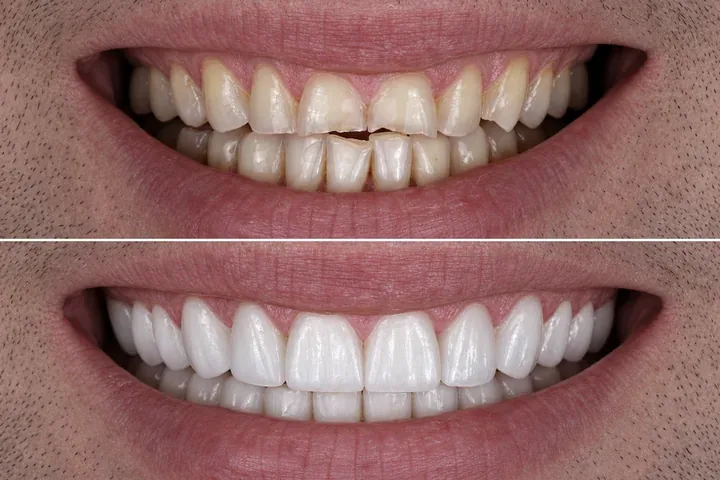
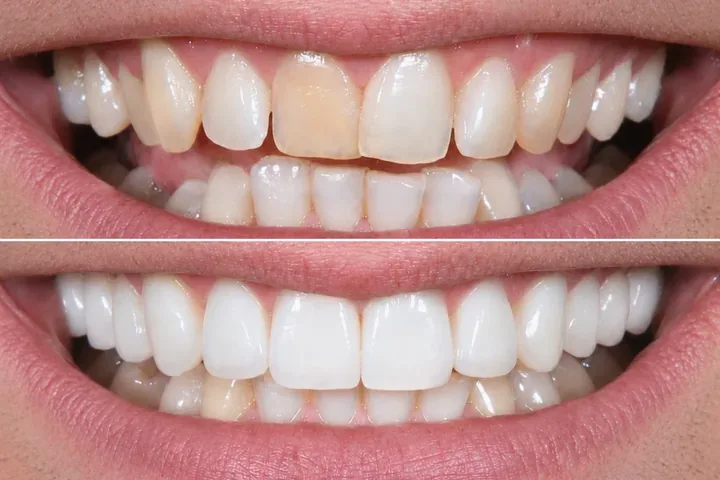
 beforeafter
Case 1
Veneers
from $510
E-max veneer, one tooth · the consultation is free
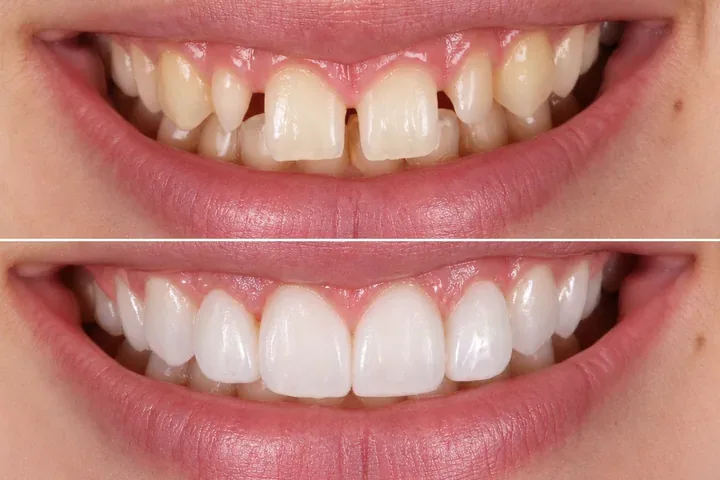 before
after
Message our coordinator
We reply right in the chat — you can send photos
Message us on TelegramMessage us on WhatsAppBy messaging us, you agree to our Privacy Policy
Results
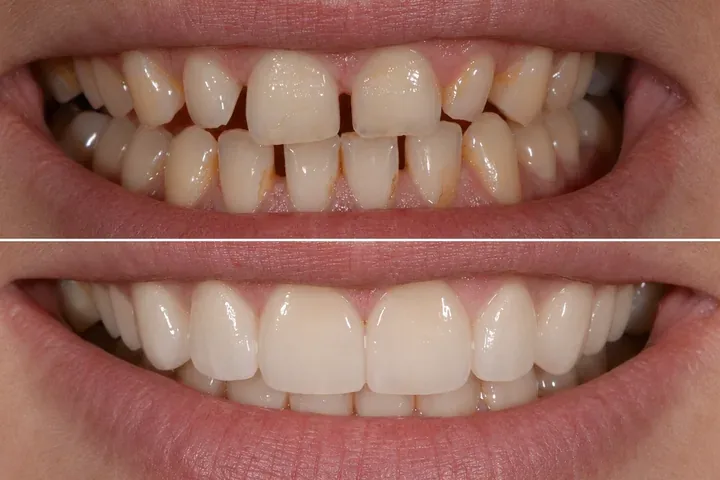
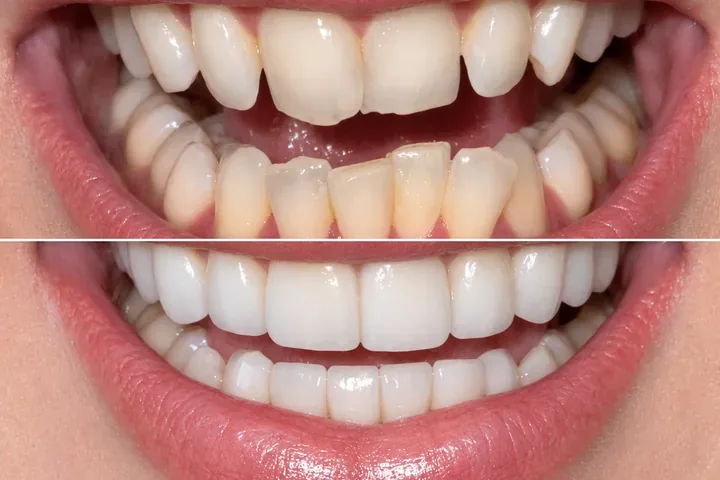
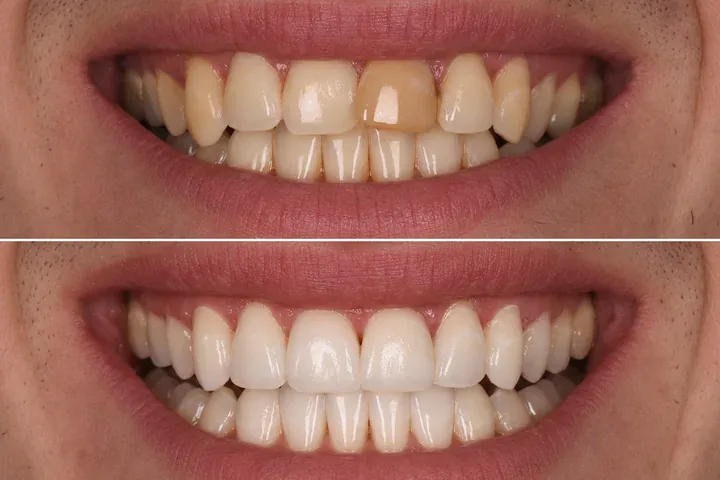
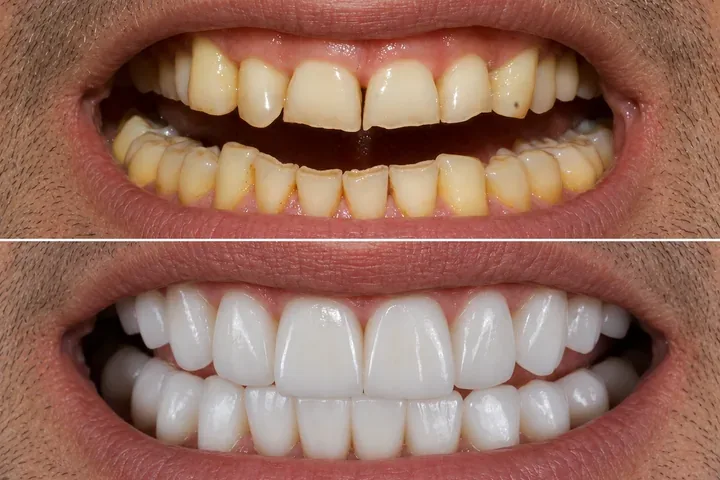
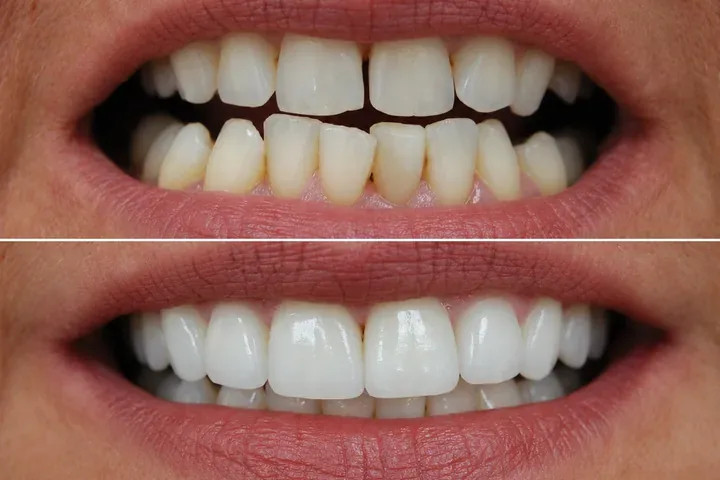
Smiles before treatment (top) and with veneers (bottom). Photos are shown as a guide: the result depends on your teeth and the chosen material.
beforeafterVeneers
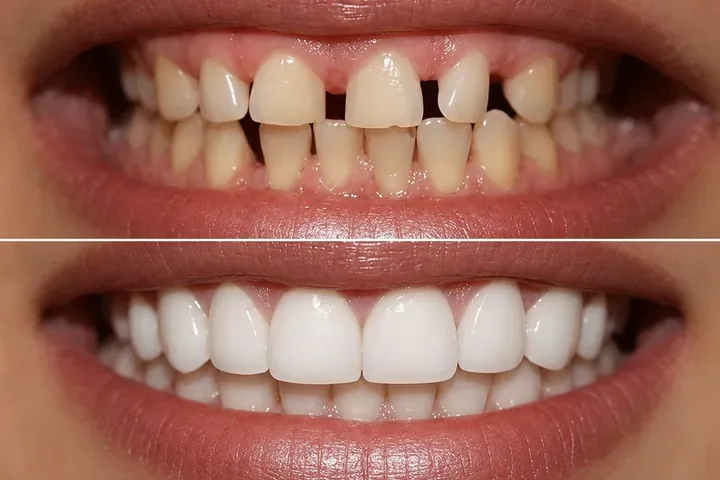 beforeafter
Veneers
 beforeafter
Veneers
 beforeafter
Veneers
 beforeafter
Veneers
 beforeafter
Veneers
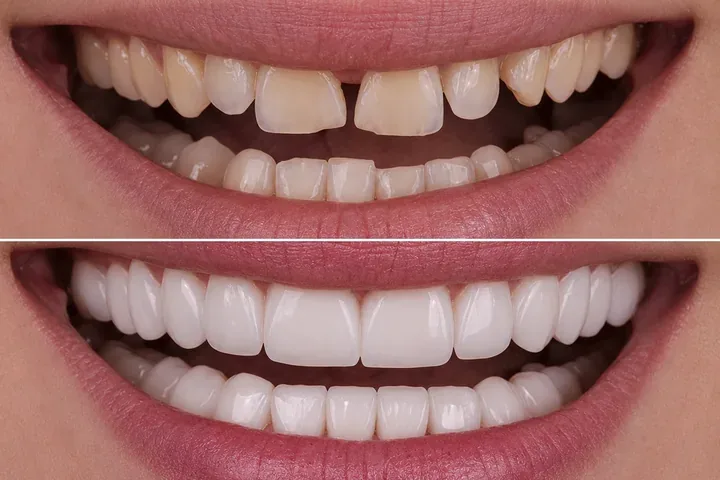 beforeafter
Veneers
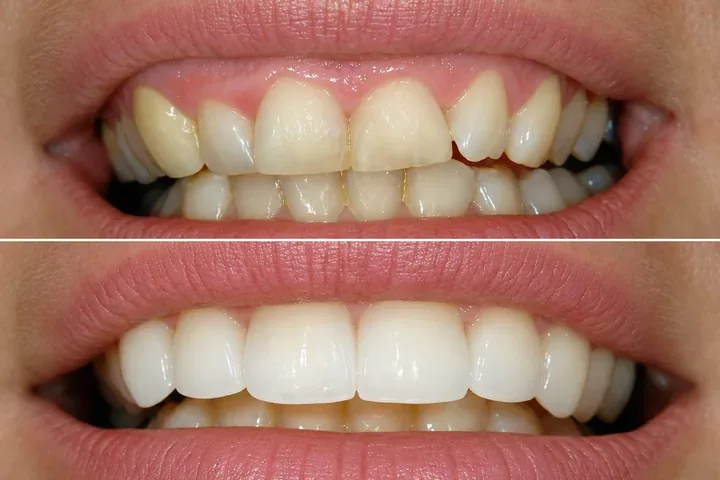 beforeafter
Veneers
Comparison
The material is chosen for your enamel, your bite and what you want to change — at the consultation you compare the options.
Made in a dental laboratory from pressed glass ceramic. Thin and strong, they let light through like enamel and do not stain from coffee or tea.
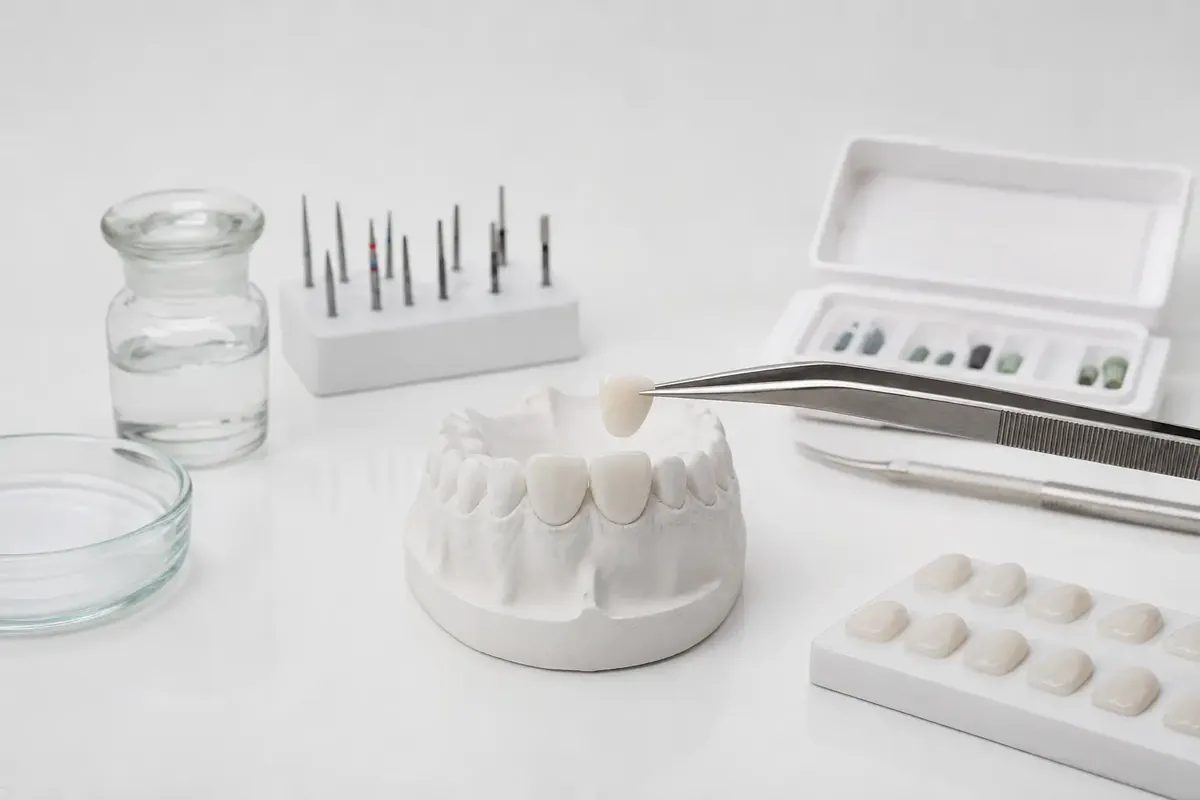
The dentist builds the veneer directly on the tooth from composite resin, without a laboratory. Faster and cheaper than ceramic; it needs polishing over time.
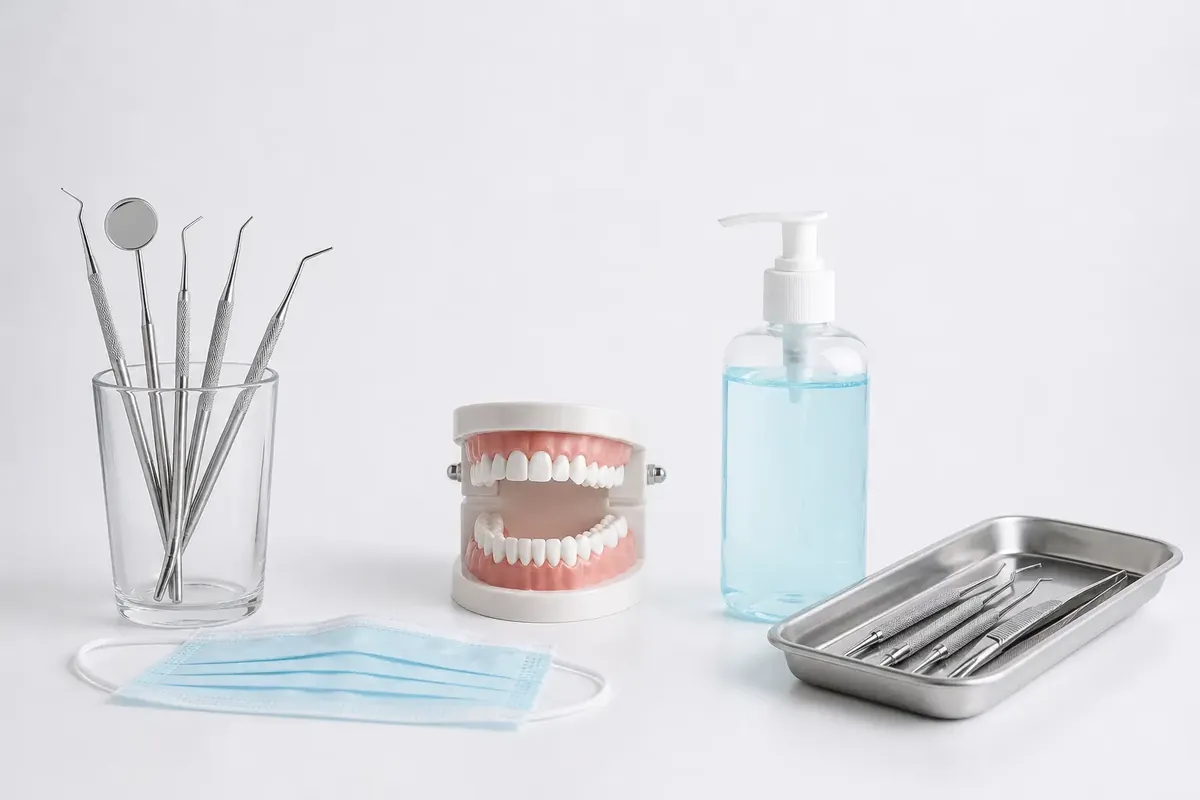
Ultra-thin ceramic shells. They are often placed with minimal or no preparation of the tooth — the dentist decides based on your enamel.
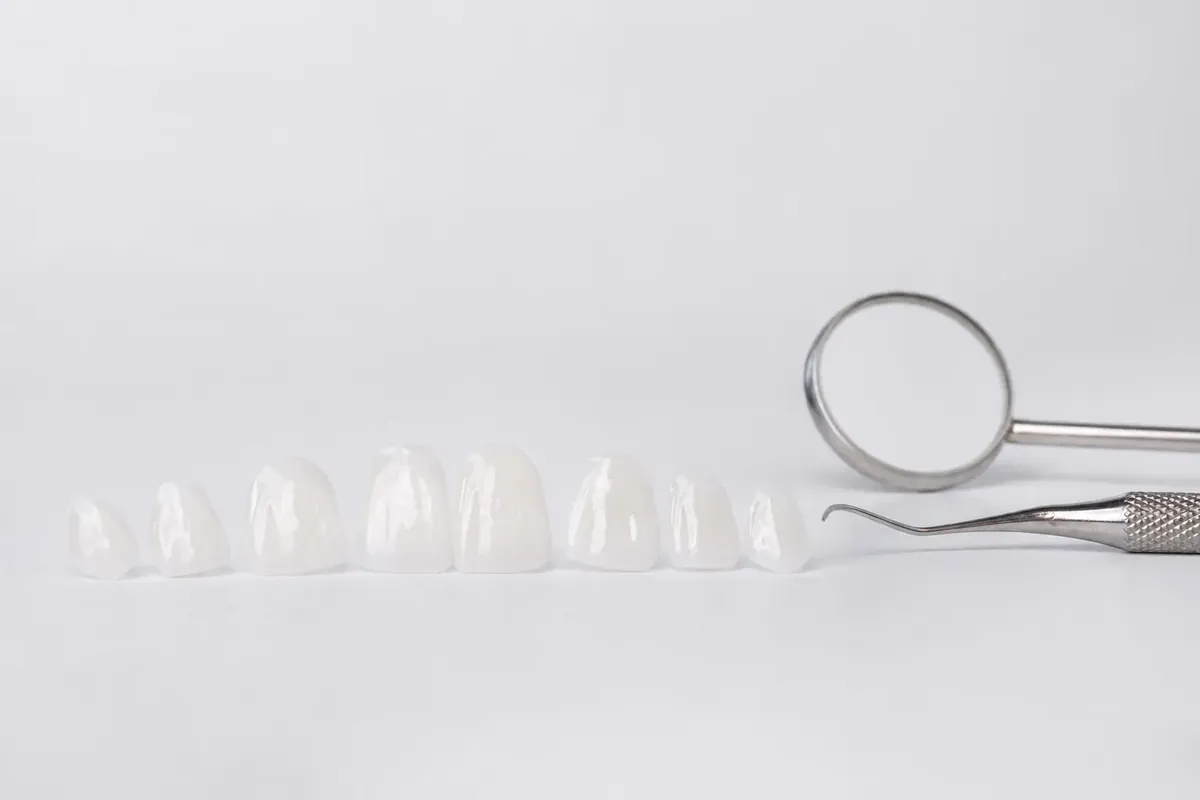
The types are described as a guide: which material suits you, whether the teeth need preparation and how many veneers to place is decided by the dentist after examining your teeth and bite. The final price is confirmed in writing before anything is booked.
At the consultation the dentist looks at your teeth and explains
which veneers would suit you
The consultation is free, before treatment and with no obligation.
Book a free consultationAbout the clinic
Modern equipment, comfortable rooms and care for every patient
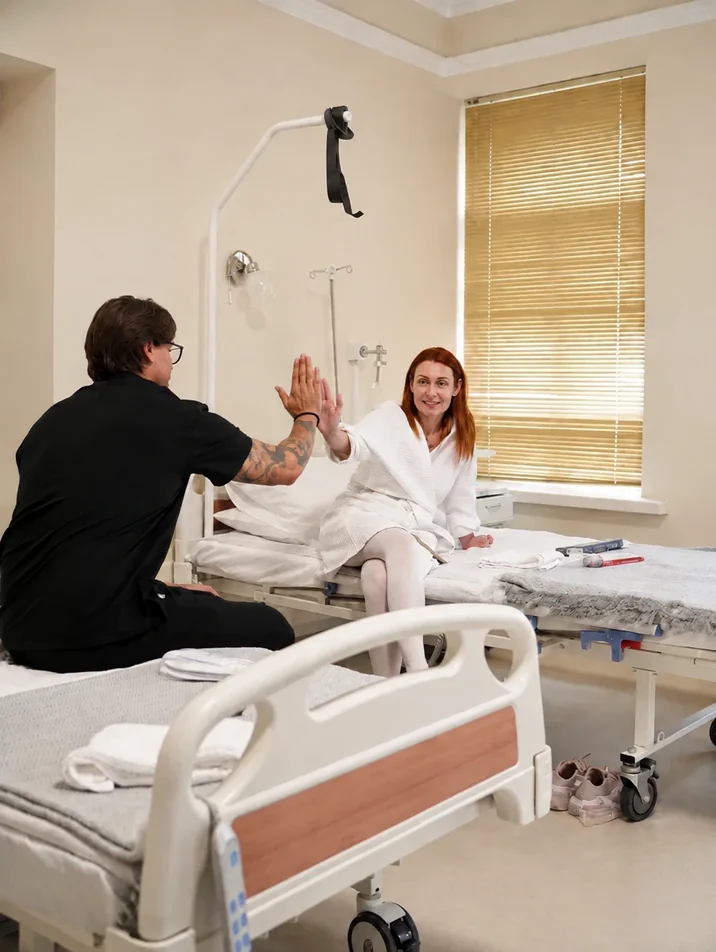
We will answer your questions and find a convenient time for a consultation
By messaging us, you agree to our Privacy Policy
Indications
If whitening or a filling is enough, the dentist will tell you so at the consultation, and you will not spend money for nothing.
SuitableWhen veneers solve the problem
Not suitableContraindications
Not sure whether veneers are right for you?
Message a coordinator and send a photo of your smile: the dentist will look at it and tell you whether veneers make sense for you. Free, with no commitment to treatment.
Find out if it suits me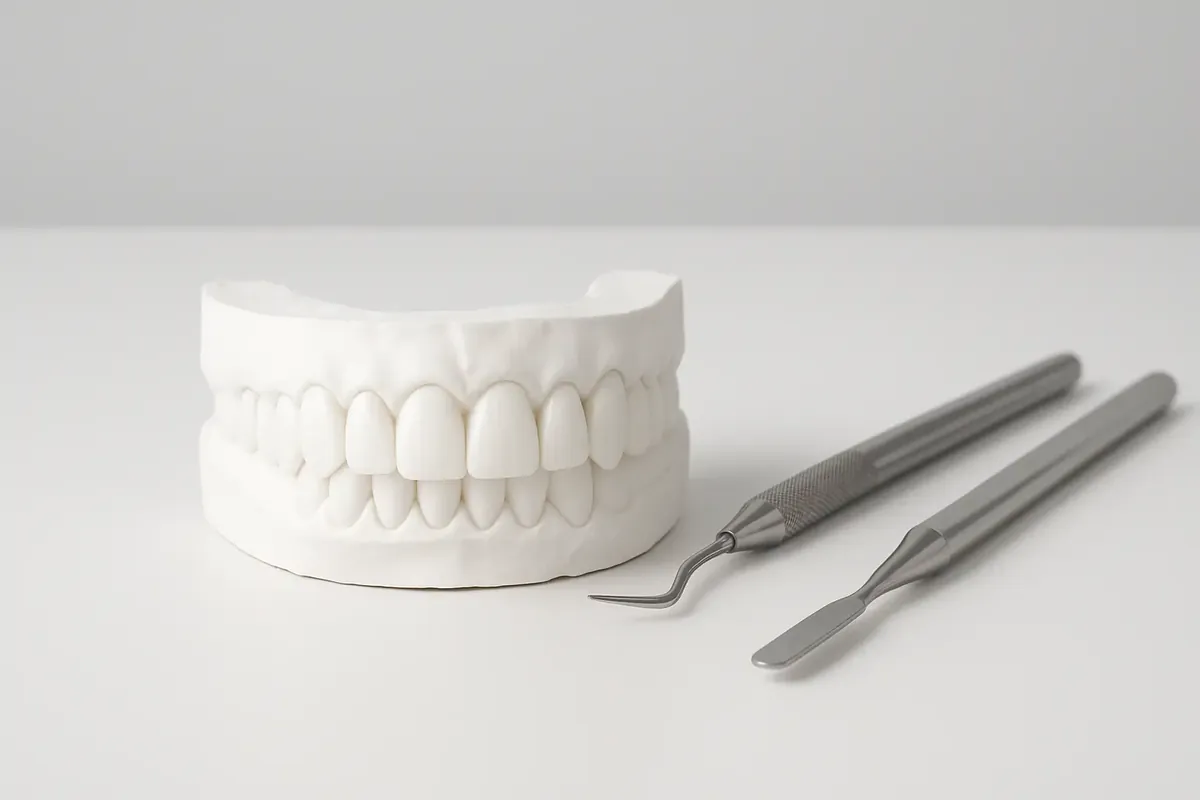
Services
Prices are per tooth. The dentist confirms the number of veneers and the material, and you get the final price in writing before anything is booked.
direct restoration, often one visit
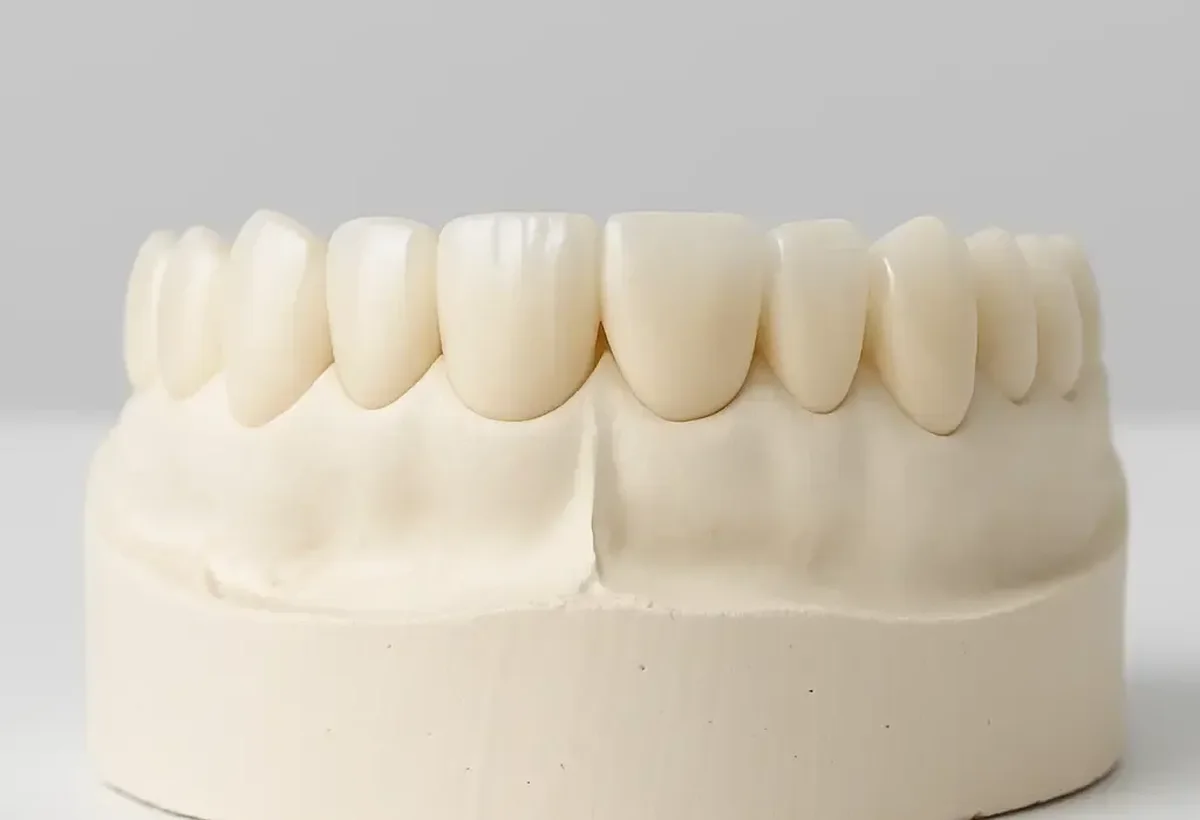
from $190 per tooth
Get a quotepressed glass ceramic
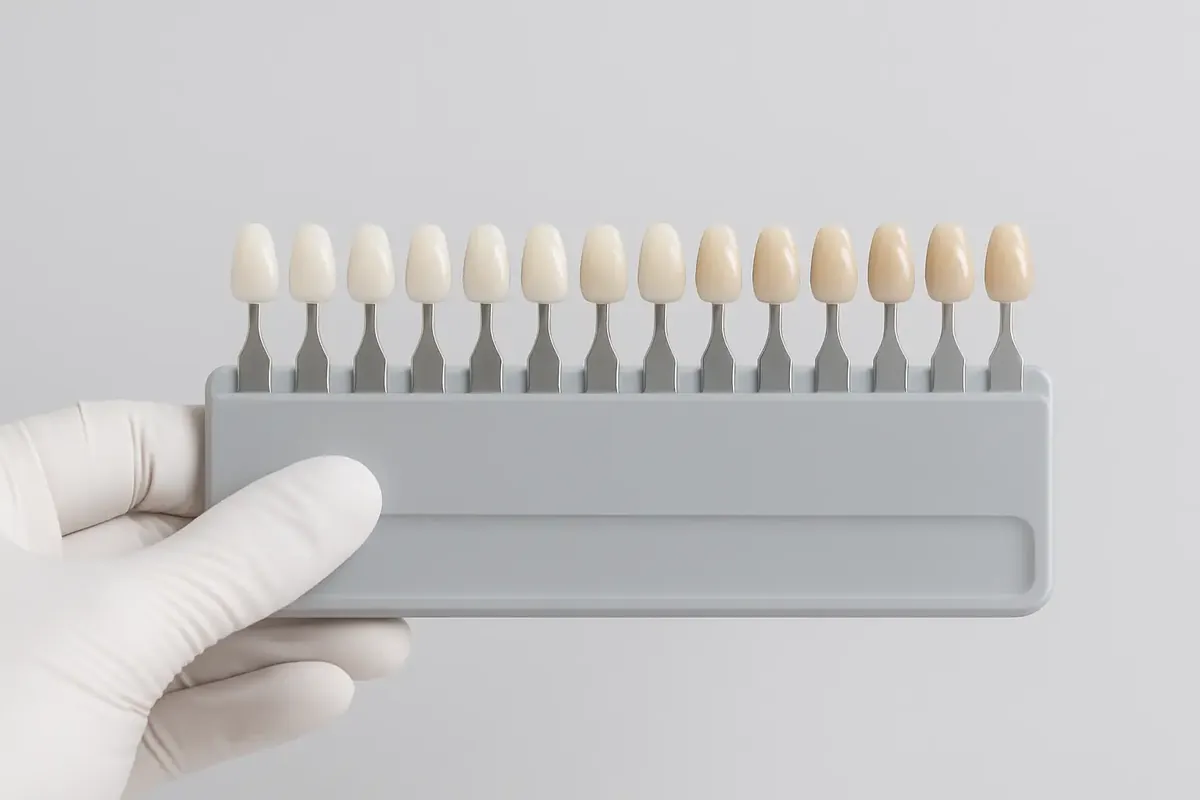
from $510 per tooth
Get a quoteultra-thin ceramic
from $670 per tooth
Get a quotelayered feldspathic ceramic
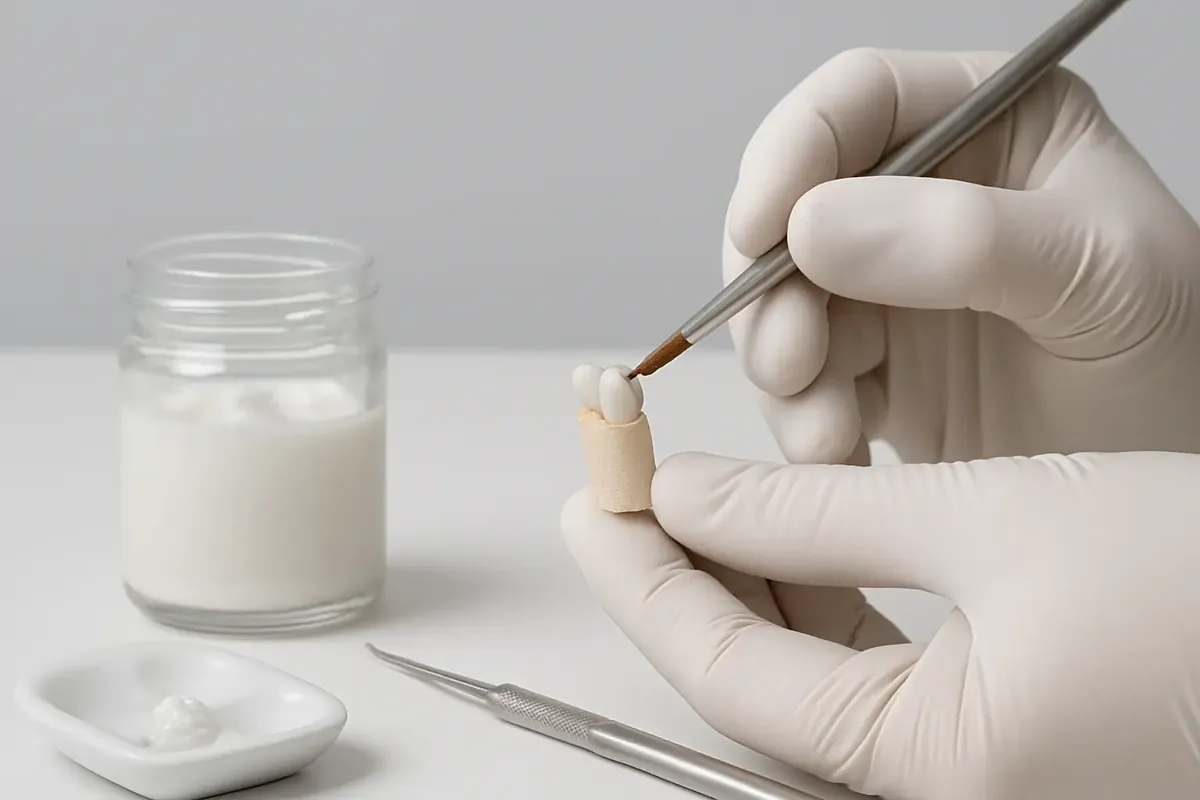
from $780 per tooth
Get a quoteThe dentist checks your teeth, gums, bite and enamel colour and works out how many veneers you need. You get the final price at the consultation, confirmed in writing.
Message our coordinator
We reply right in the chat — you can send photos
Message us on TelegramMessage us on WhatsAppBy messaging us, you agree to our Privacy Policy
price
From the examination and digital design
to bonding and the bite check
from $510 per tooth, E-max
Get a quoteProcess
Examination, digital design, laboratory work and bonding — you see the shape of your smile before treatment starts.
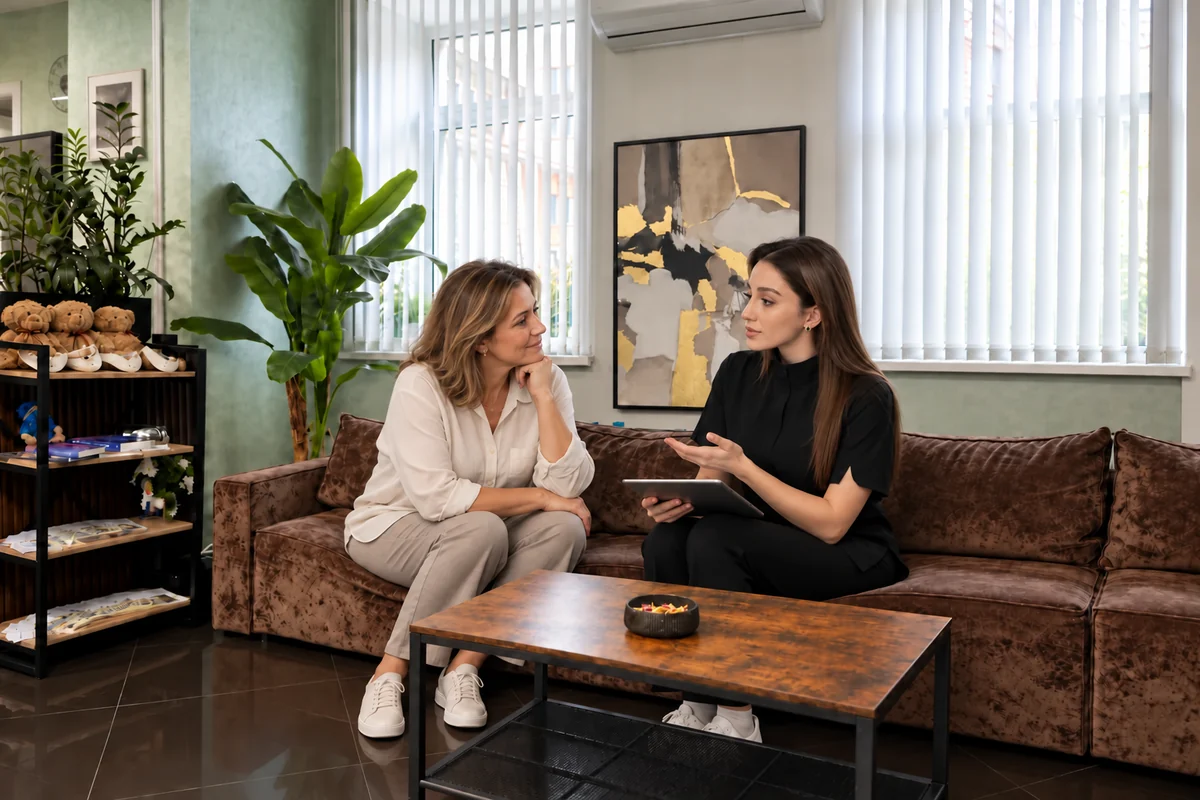
The dentist checks your teeth and gums, your bite and the colour of your enamel, listens to what you want and works out how many veneers you need.
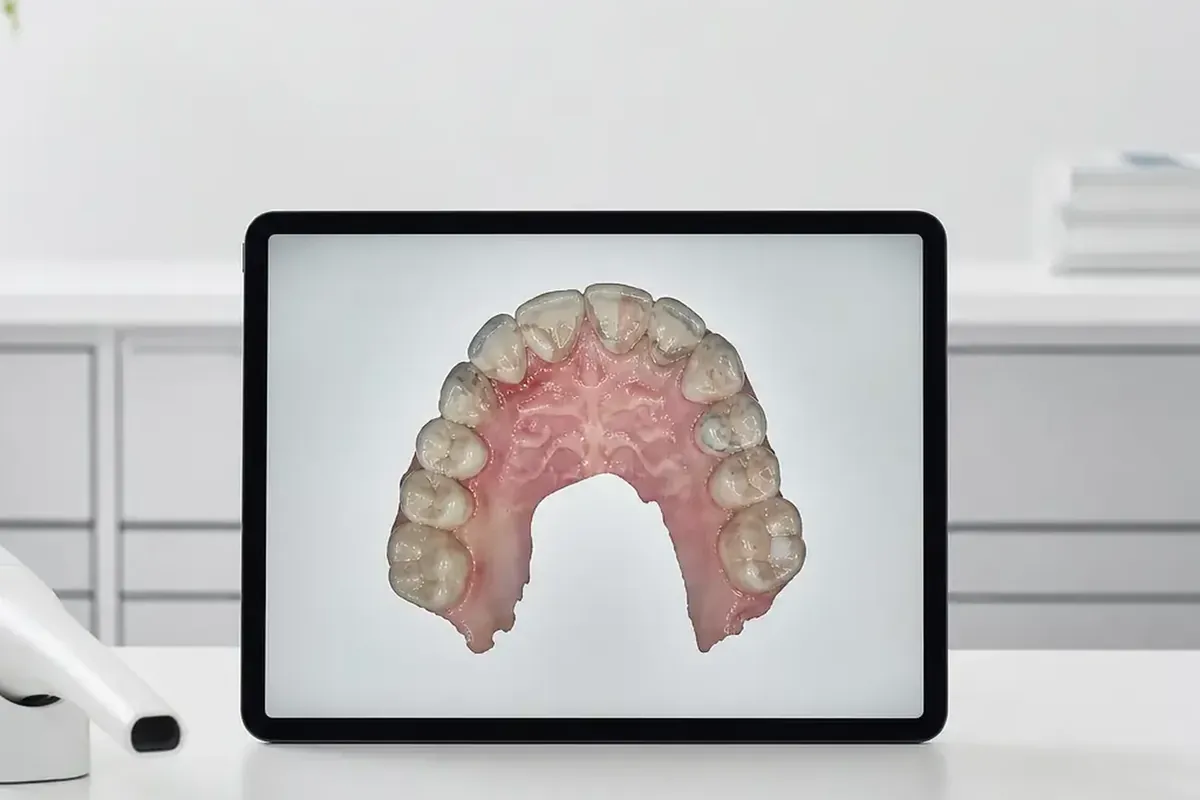
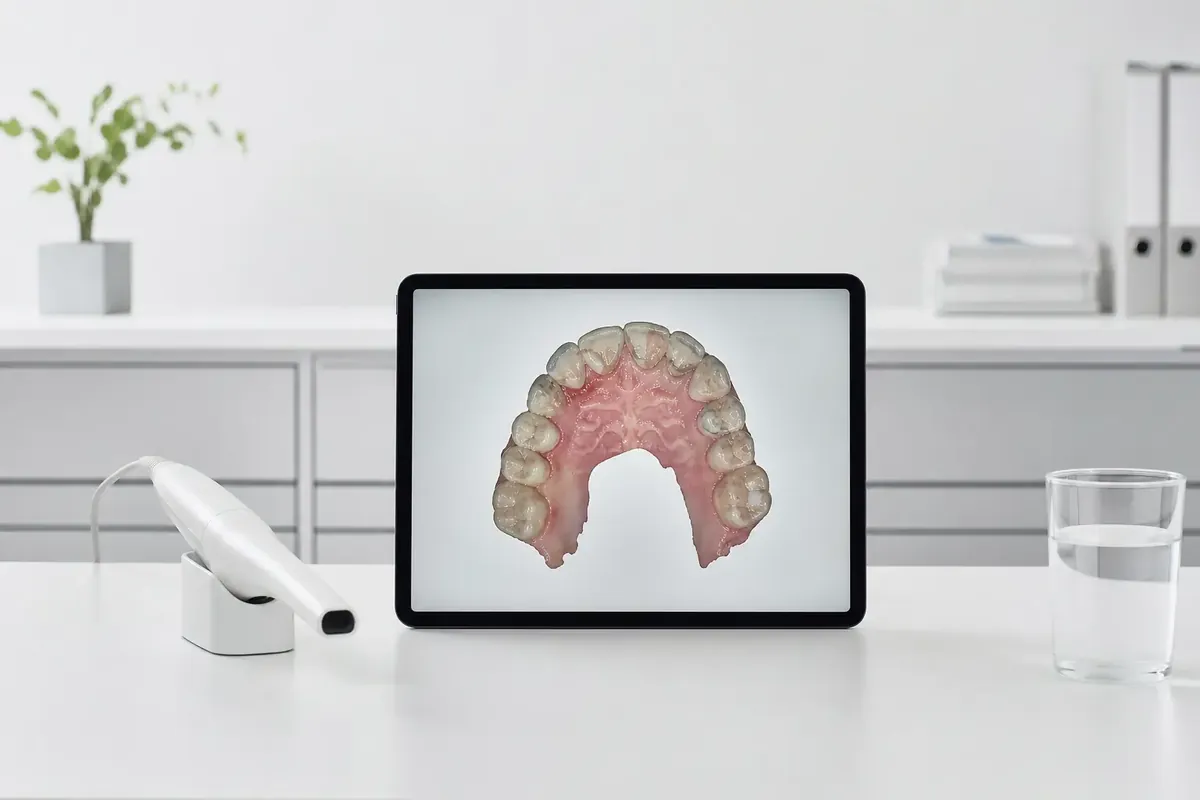
The teeth are scanned or impressions are taken, and the future smile is designed first — you see the shape before any tooth is prepared.
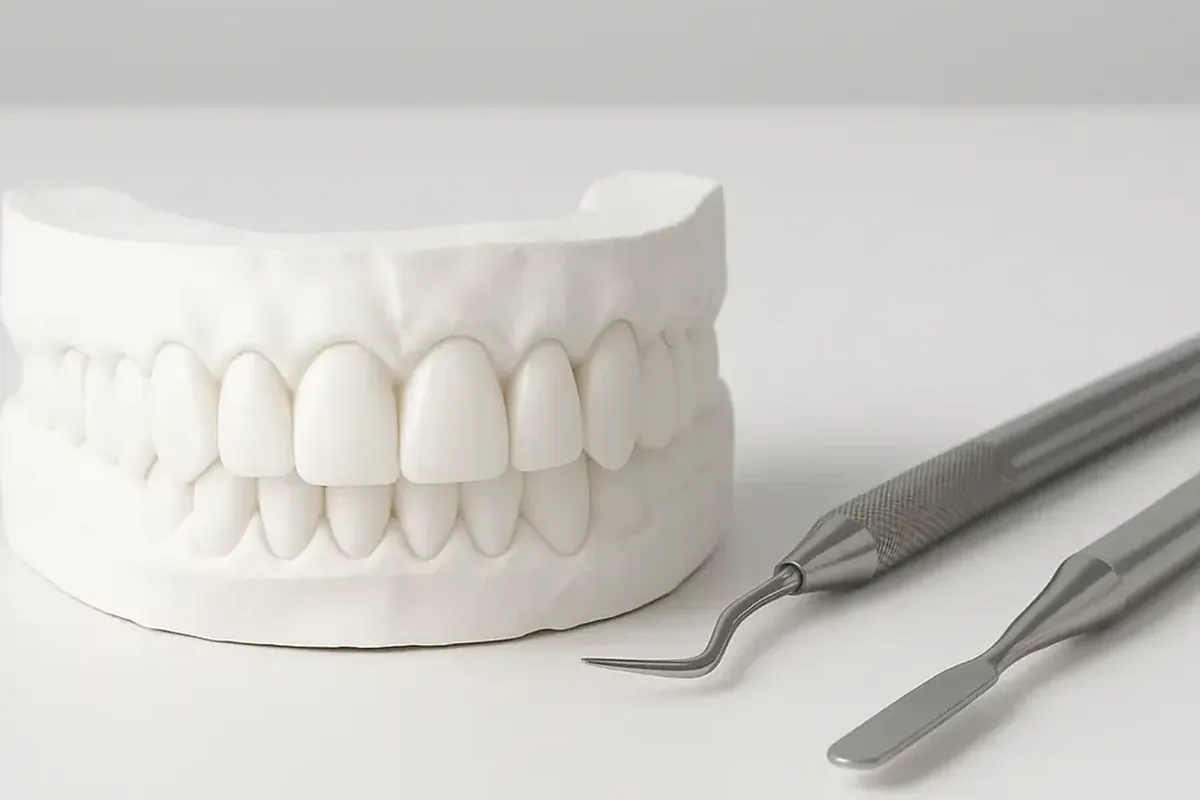
The new shape is tried in your mouth on a temporary mock-up. While you are not happy with it, the design is adjusted.
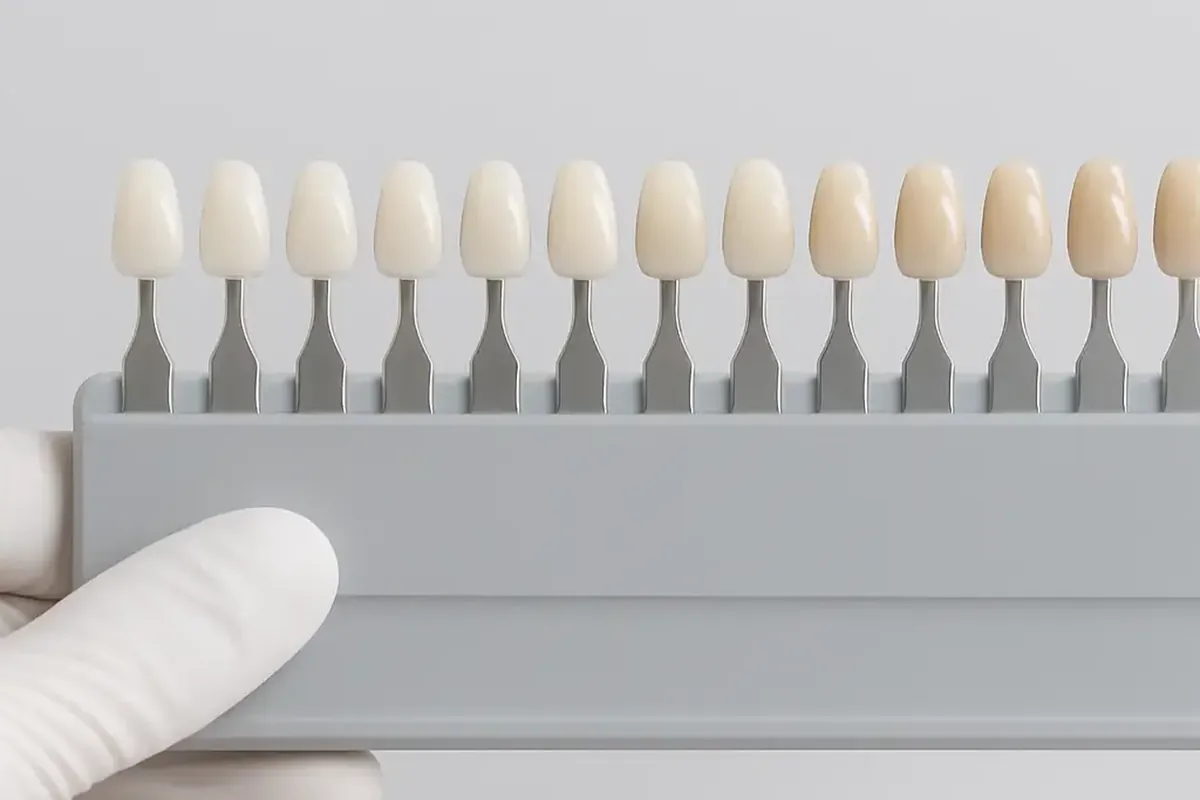
The shade is matched to your neighbouring teeth and your wishes, so the smile looks natural rather than “too white”.
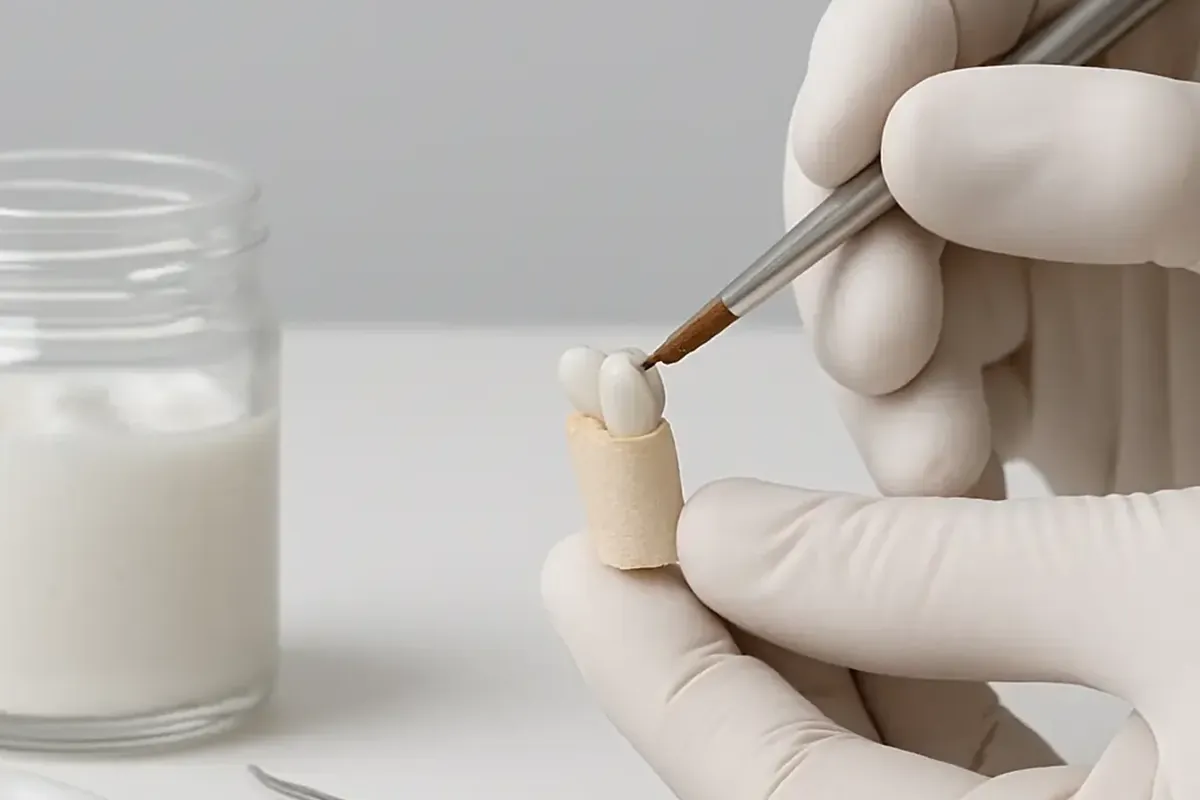
If preparation is needed, it is done under local anaesthesia. Ceramic veneers are then made in a laboratory, which is why they take two visits.
The veneers are bonded and adjusted to your bite. The dentist explains how to look after them and when to come for a check.
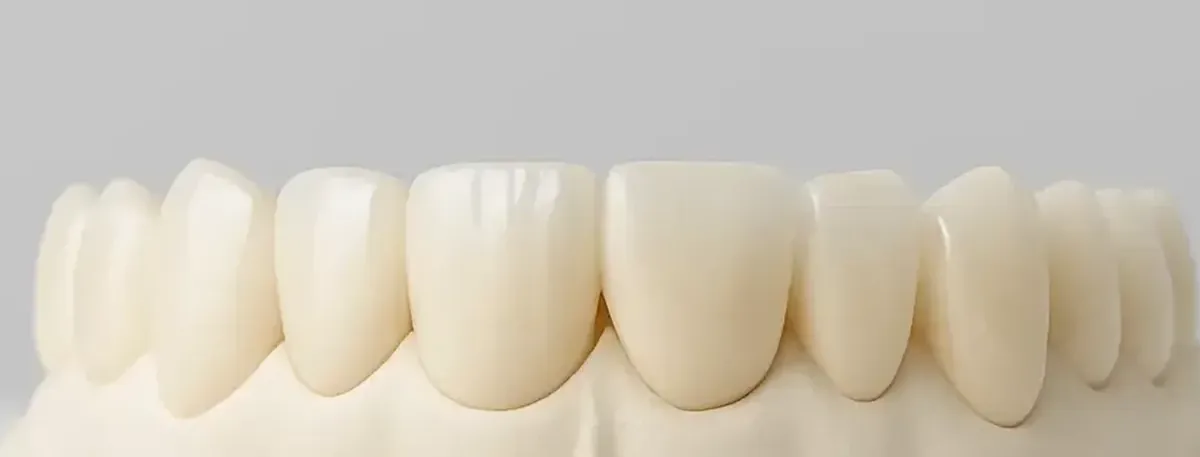
The consultation is free, before treatment and with no obligation.
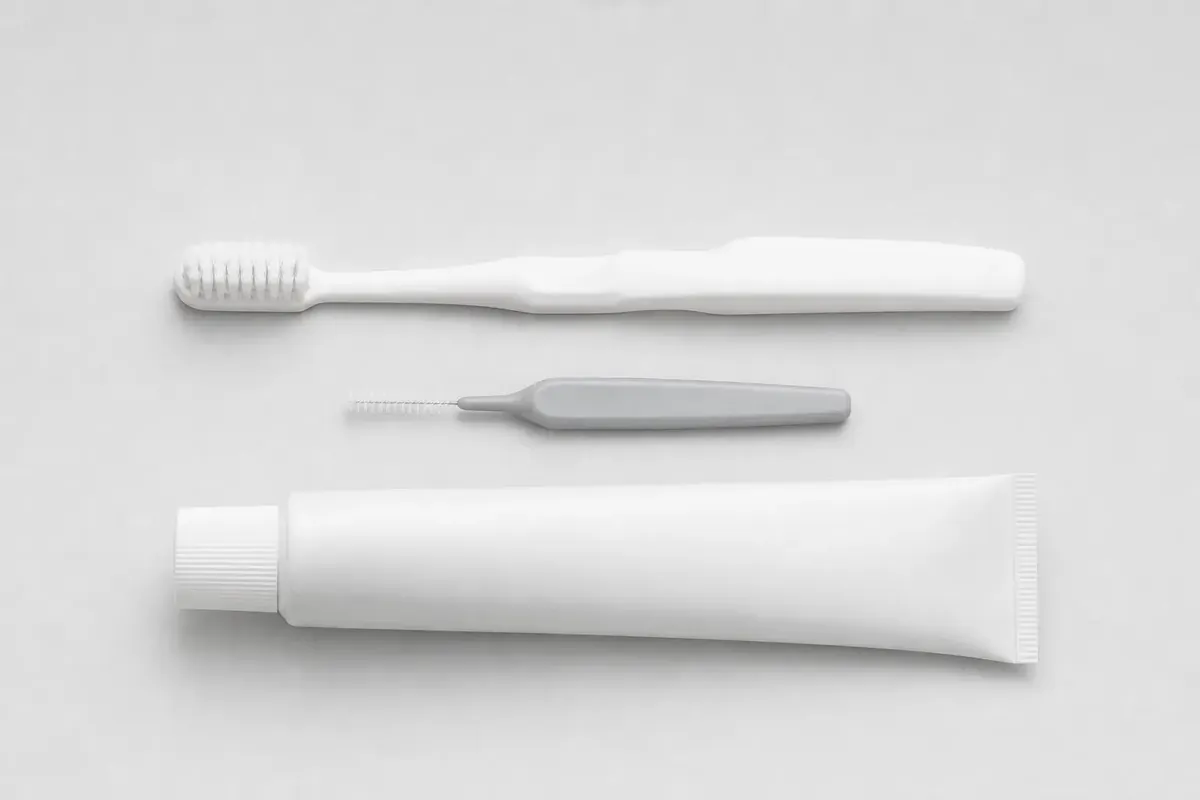
Book a free consultationFor the first days veneers can feel unusually smooth, and some people notice sensitivity to cold; it usually passes quickly. Brush as usual with a soft brush and a non-abrasive toothpaste, and clean between the teeth with an interdental brush or a water flosser.
Doctors

Dr. Francesca Parisini
More than 20 years of practice
Dentist and orthodontist,
partner clinic in Prague
Before veneers, the dentist looks at your bite and the position of your teeth.
If aligning the teeth first would give a better result, you will hear it at the consultation — and the treatment plan comes in writing.
Book a free consultationCoordinators
Your personal coordinator is with you from your first message to your new smile: answers questions, helps plan your visits and takes care of documents and bookings.

Patient care specialist

Patient care specialist

Patient care specialist
Advantages

After the examination the dentist defines the number of veneers and the material, and you get the final price in writing.
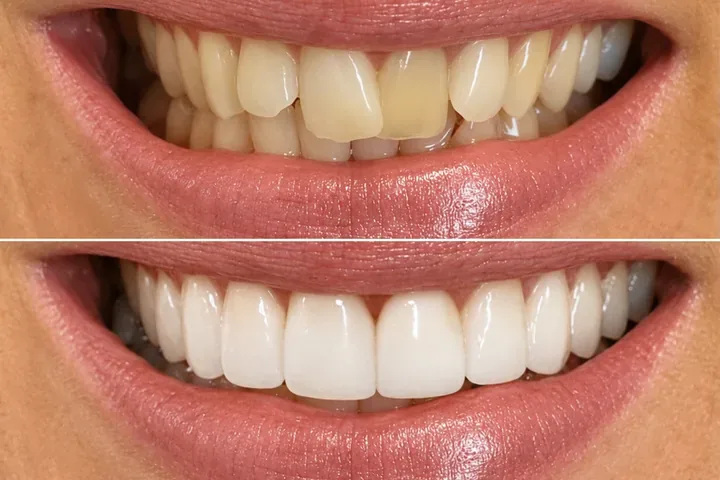
The consultation is free: the dentist tells you whether you need veneers or whether whitening or a filling is enough.
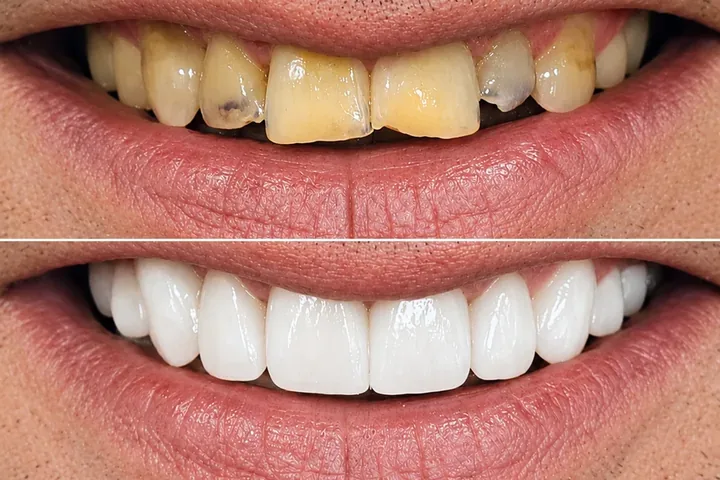
Travelling from another city or country? The coordinator plans the visits so that you travel as little as possible.

Coordinators reply 24/7 on Telegram and WhatsApp, and the consultation fits your plans.
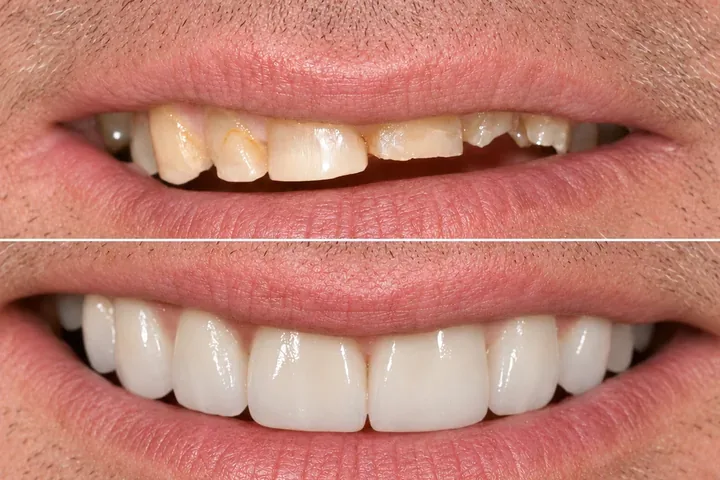
The shape and shade are matched to your face and neighbouring teeth, so the smile looks like your own.
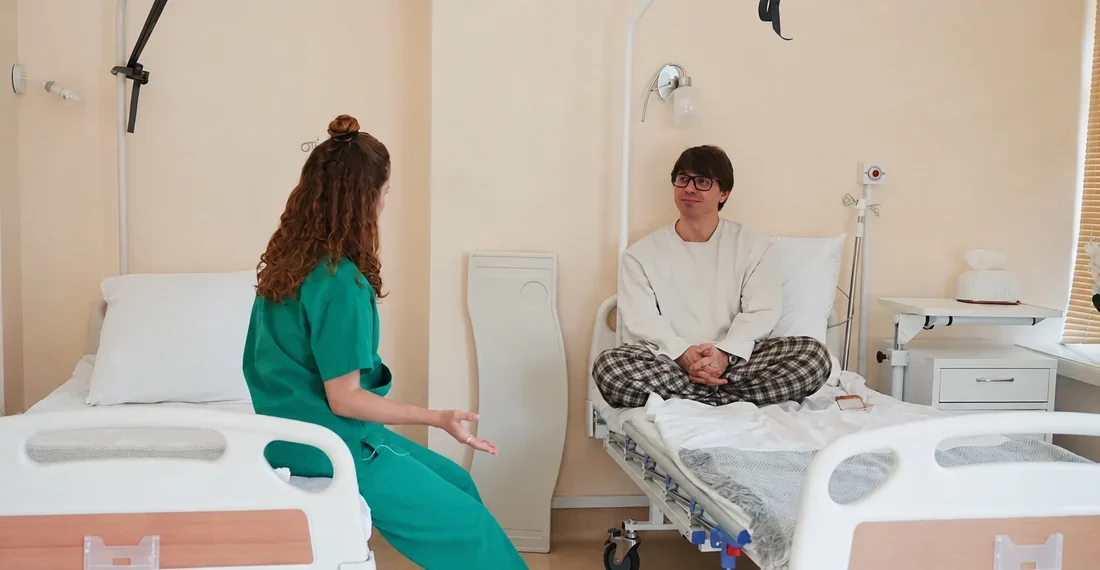
Before any tooth is prepared, you see a digital design and try the new shape on a mock-up.
Prices
Message us and get a free consultation on any service
Free
Bookfrom $190
Bookfrom $510
Bookfrom $670
Bookfrom $780
BookPrices are per tooth. The dentist gives the final price after the examination, and it is confirmed in writing before anything is booked.
FAQ
Veneers are thin shells of ceramic or composite bonded to the front surface of a tooth. They change the colour, shape and length of the teeth and cover gaps, chips and spots that whitening cannot remove. Ceramic veneers and lumineers are made in a laboratory from a digital design or impressions; composite veneers are built by the dentist directly in the mouth. Which option suits you is decided after an examination of your teeth and bite.
A thin shell, made in a laboratory or built directly at the chair, that is bonded to the visible side of a tooth so it looks like natural enamel.
For classic veneers a thin layer of enamel is removed, roughly the thickness of the veneer, so it does not stick out. No-prep veneers need minimal or no preparation. Whether preparation is needed in your case is decided by the dentist.
Ceramic keeps its colour and shine for a long time but costs more and is made in a laboratory. Composite is cheaper and quicker but can lose its shine over time and needs polishing. The material is chosen at the consultation.
Composite veneers can often be done in one visit. Ceramic veneers take two: first the preparation and impressions, then the fitting once the laboratory has made them. The coordinator plans the dates with you.
Yes. First a digital design of the smile is made, then the shape is tried in your mouth on a temporary mock-up. While you are not happy with it, the design is adjusted.
Ceramic hardly absorbs pigments and keeps its colour. Composite can dull over time, so it is polished from time to time.
Contact your coordinator. A damaged veneer is repaired or replaced on its own; the others are not touched.
Grinding at night loads the veneers and can chip them. In that case a night guard is usually recommended, and sometimes the cause is treated first. The decision is made after an examination.
Usually from 18, once the teeth and gums have finished developing. There is no upper limit if the teeth and gums are healthy.
If the teeth need preparation, it is done under local anaesthesia, so the procedure itself is not painful. For a few days afterwards some people feel sensitivity to hot and cold; it usually passes quickly.
Prices are per tooth: composite from $190, E-max from $510, lumineers from $670, handmade ceramic from $780. The final price is given after the examination and confirmed in writing.
E-max is pressed glass ceramic: it is strong and lets light through like natural enamel, so very thin veneers can be made that look natural.
It depends on your smile line: often six to ten upper teeth that show when you smile. Sometimes one or two veneers are enough, for example to cover a chip. The dentist gives the exact number after the examination.
Yes. Send a photo of your smile to a coordinator on Telegram or WhatsApp. The dentist looks at it and tells you whether veneers make sense, and you get a plan with dates and a price before you book anything.
It depends on the material, your bite, your habits and how you look after them; ceramic lasts longer than composite. The dentist tells you what to expect in your case.
Slight unevenness can be masked with veneers. If teeth clearly overlap or the bite is wrong, aligning them with braces or aligners usually comes first — this is what an orthodontist assesses.
No. Whitening does not work on ceramic or composite. If you want whiter natural teeth, whiten them before the veneers, and the shade is matched to the new colour.
A veneer covers only the front surface of the tooth, a crown covers the whole tooth. A crown is chosen when the tooth is badly damaged, a veneer when the colour and shape of a healthy tooth need to change.
Each page answers what matters for patients from that city — how to get to the clinic, what is usually covered at home and how communication works.