City Medical Centre · multi-specialty surgery clinicOpen 24/7

Liposuction for Patients from Kigali

Free consultation

from $1,200

The price is fixed in the contract before surgery
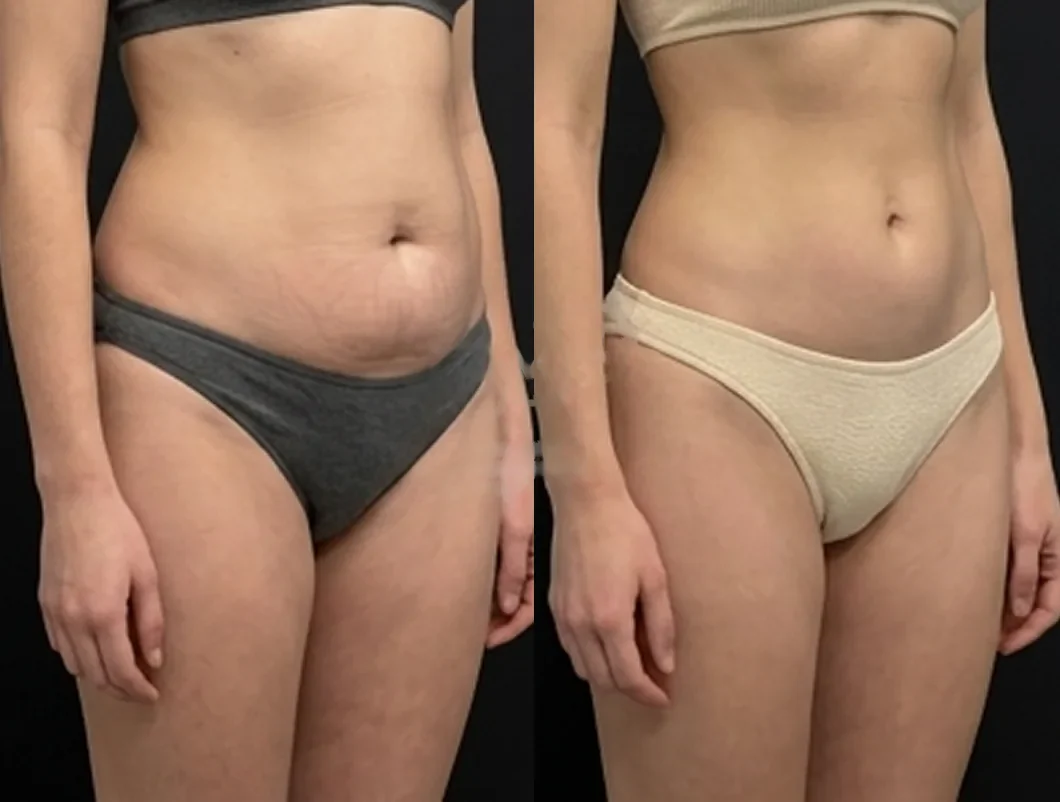
Real case
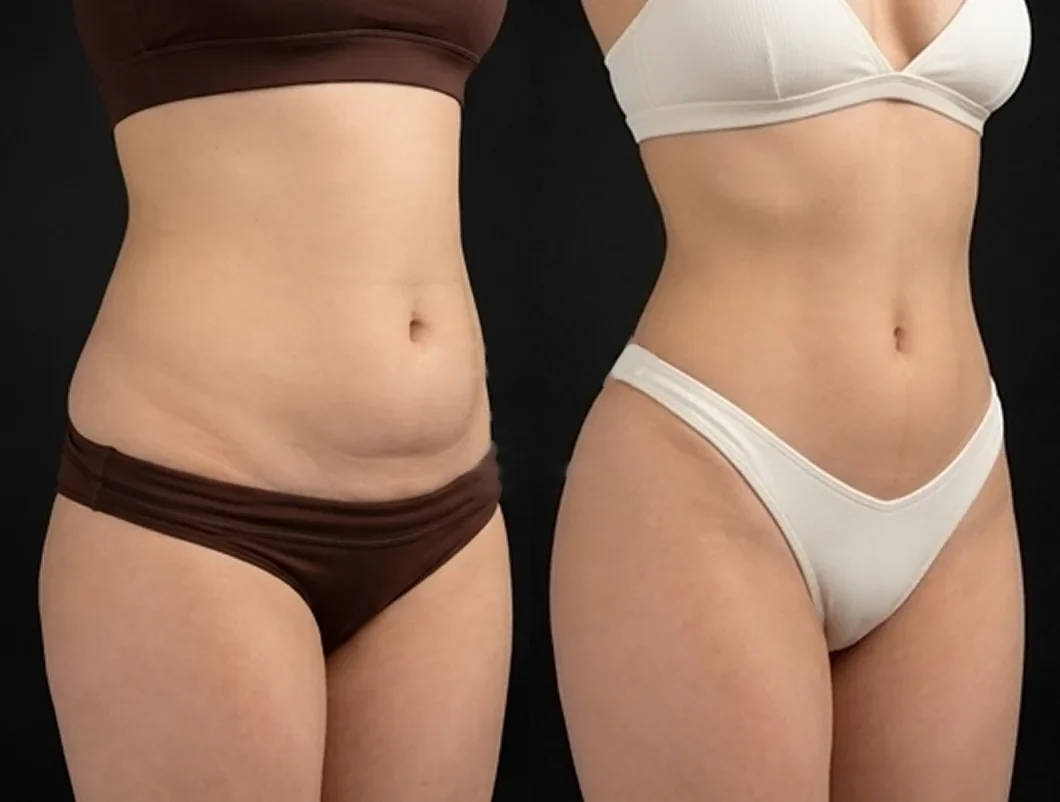
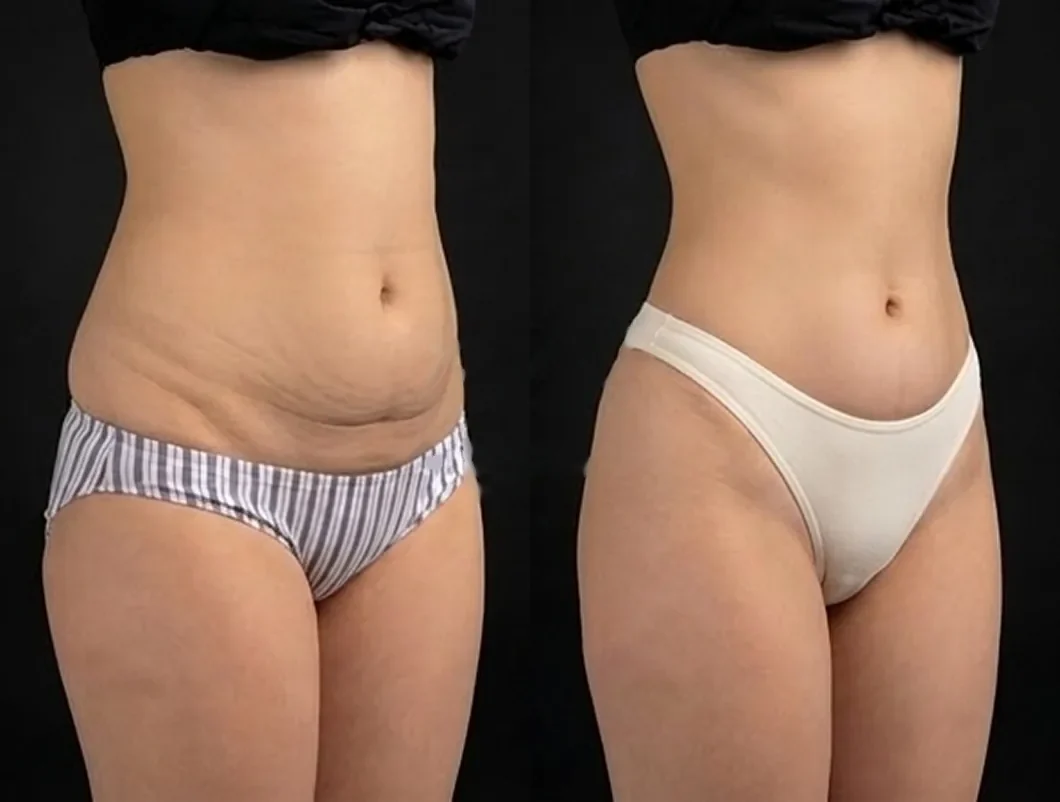
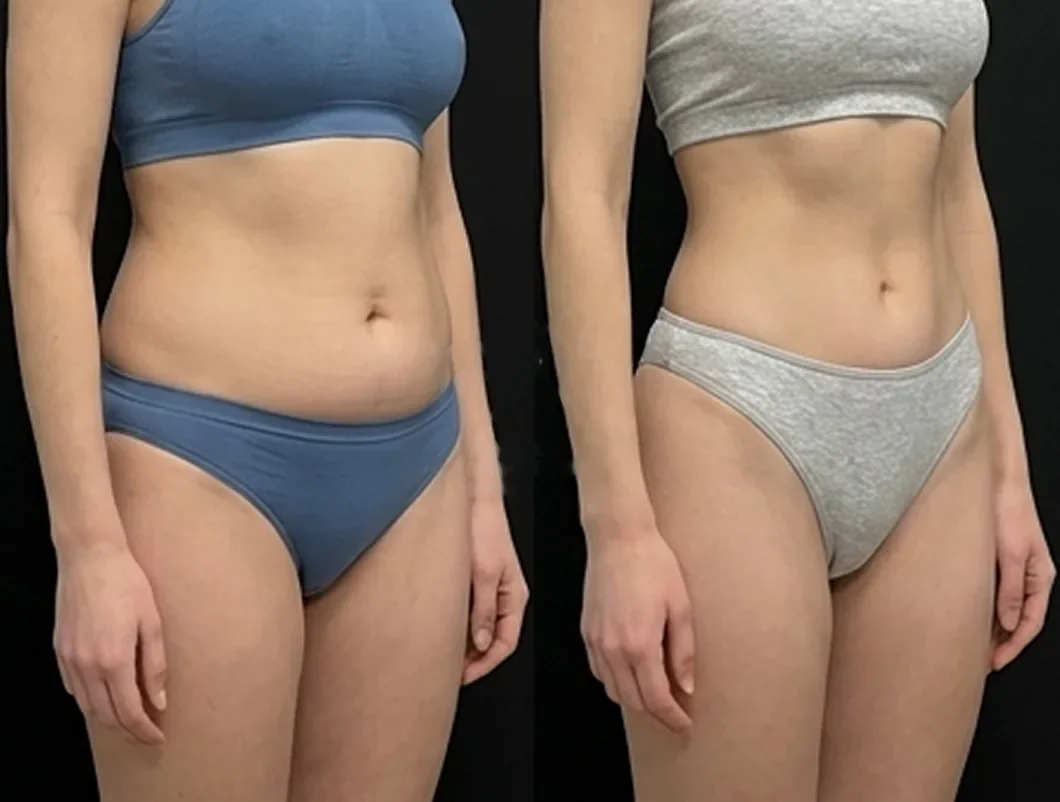
Liposuction: a patient's abdomen and flanks before and after surgery before after
Stubborn local fat that diet and exercise don't shift. Your plan is set at the consultation

Message our coordinator

Free online consultation · Reply within 15 minutes

Message us on Telegram

By messaging us, you agree to our Privacy Policy

Results

Liposuction results
of our patients

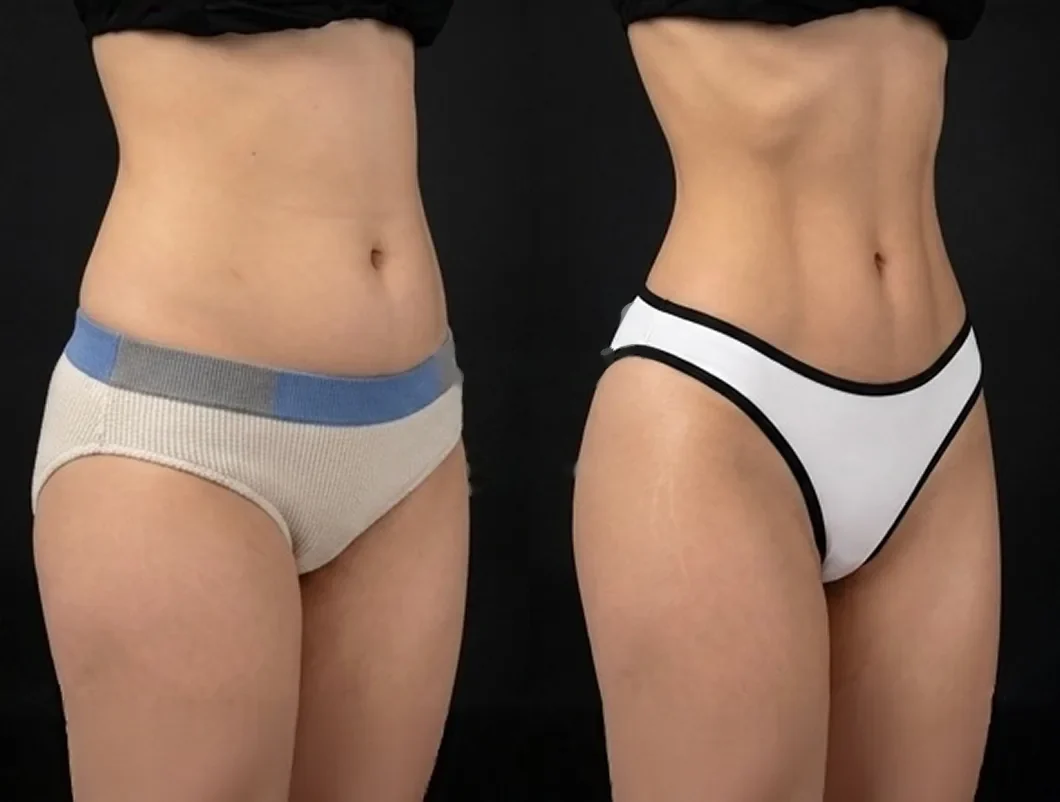
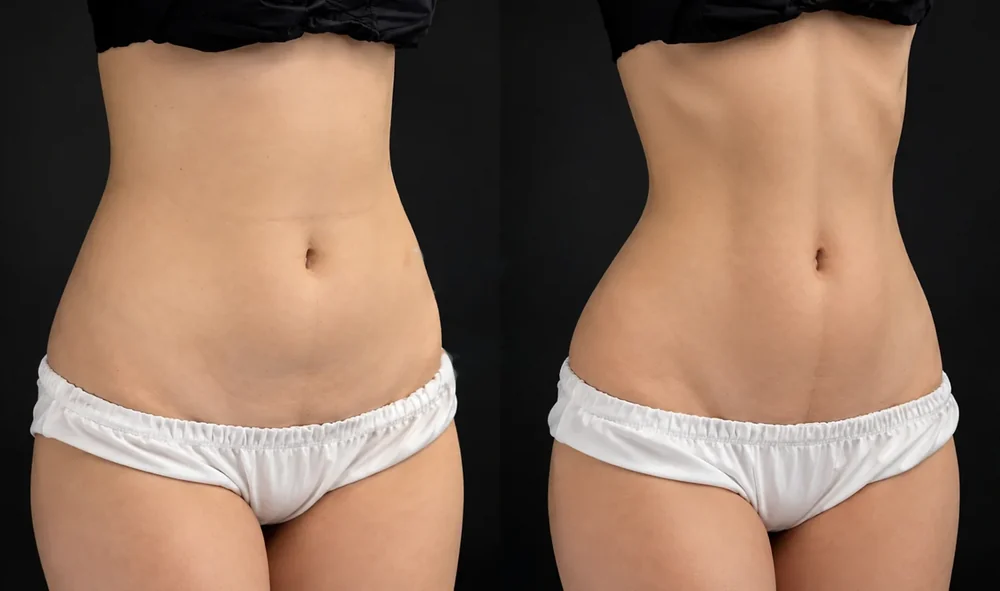
All cases are real patients. Faces and identifying details are hidden.

Abdomen and flanks

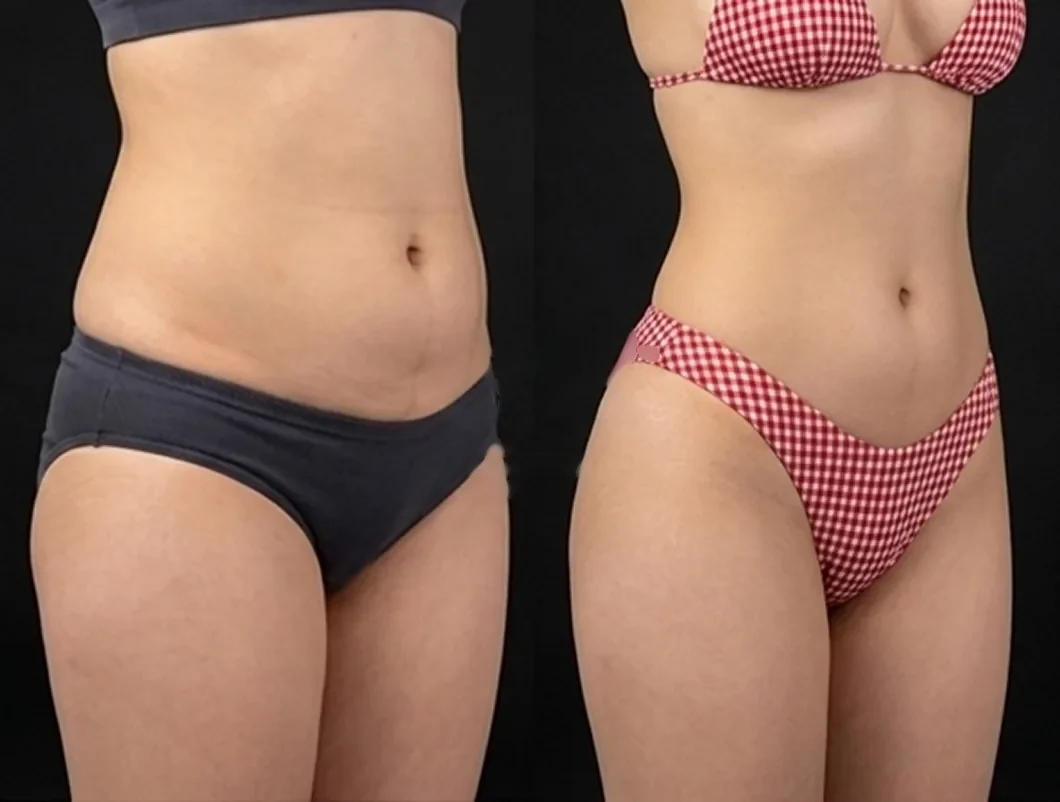
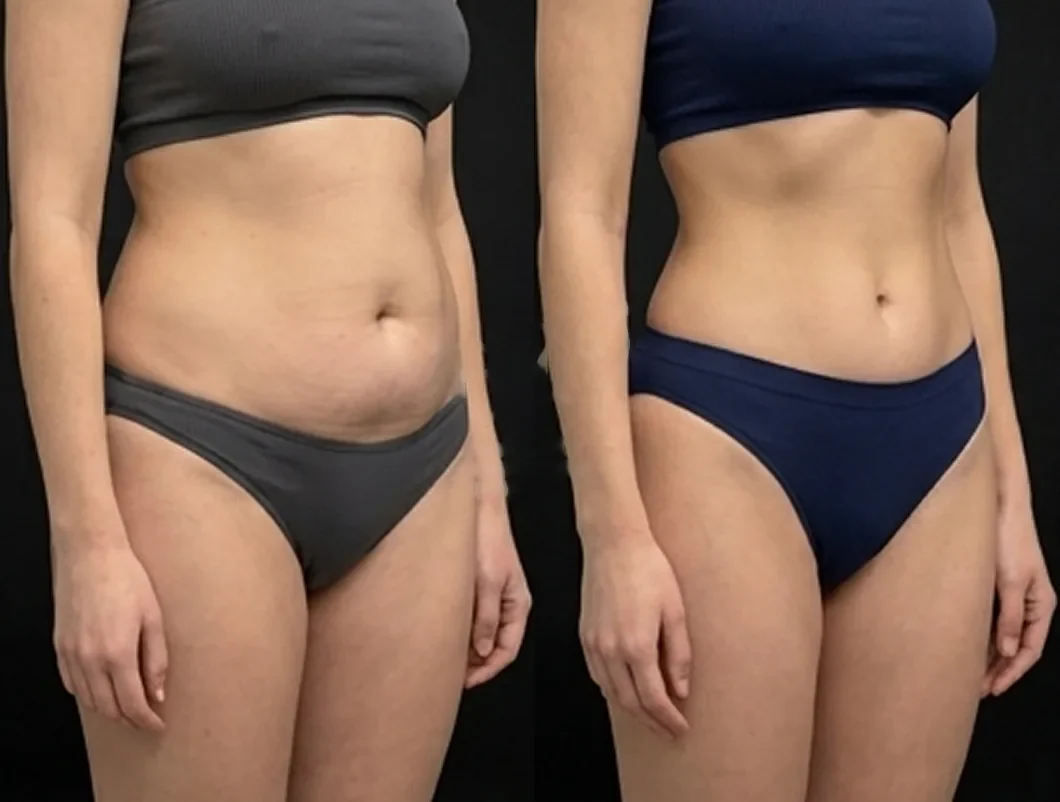
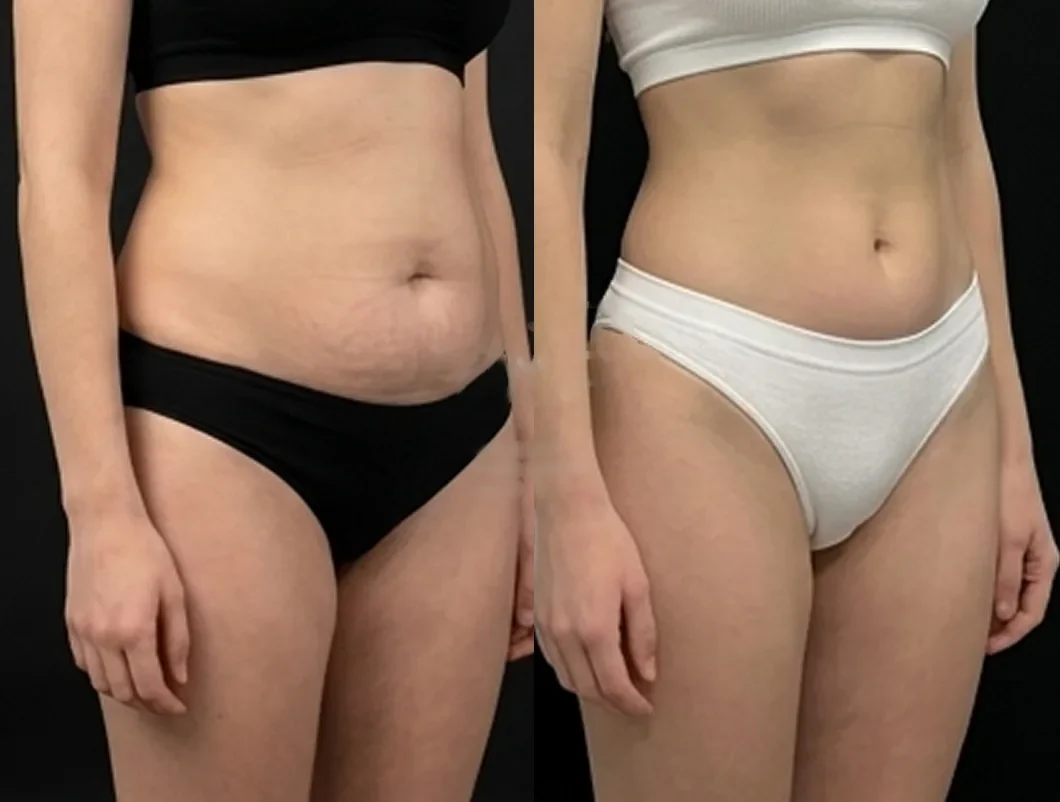
Liposuction of the abdomen and waist: before and after surgerybeforeafter
1 of 10

Comparison

Liposuction techniques

We use two liposuction techniques: tumescent (classic) and VASER (ultrasound). Compare the goal, the indications and the anaesthesia to choose the right technique together with your surgeon.

Tumescent liposuction

A special solution loosens fat for removal through a thin cannula
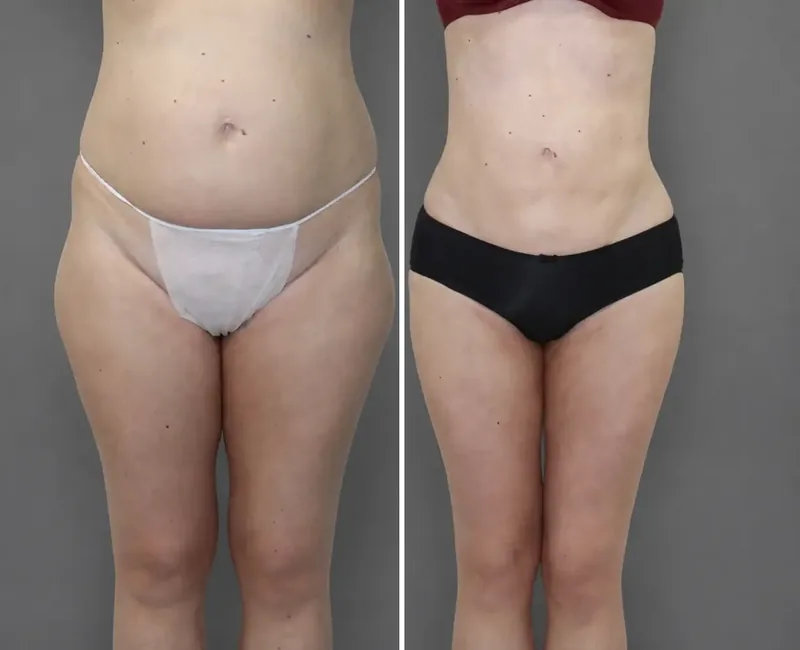
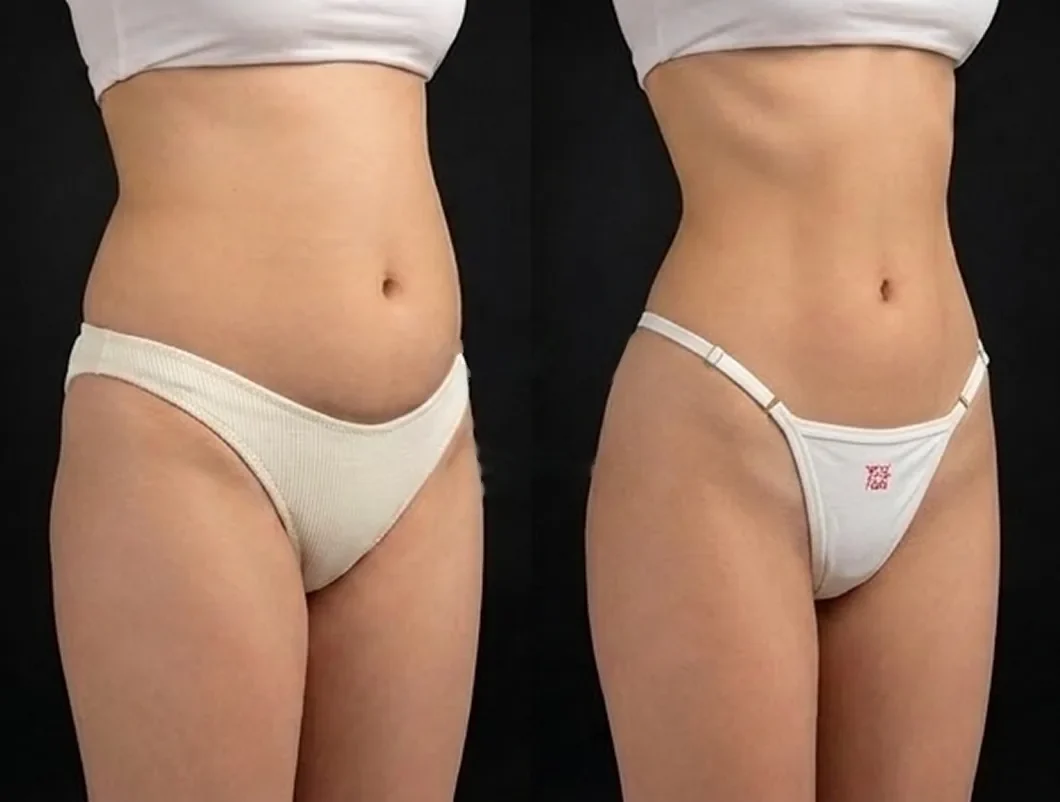
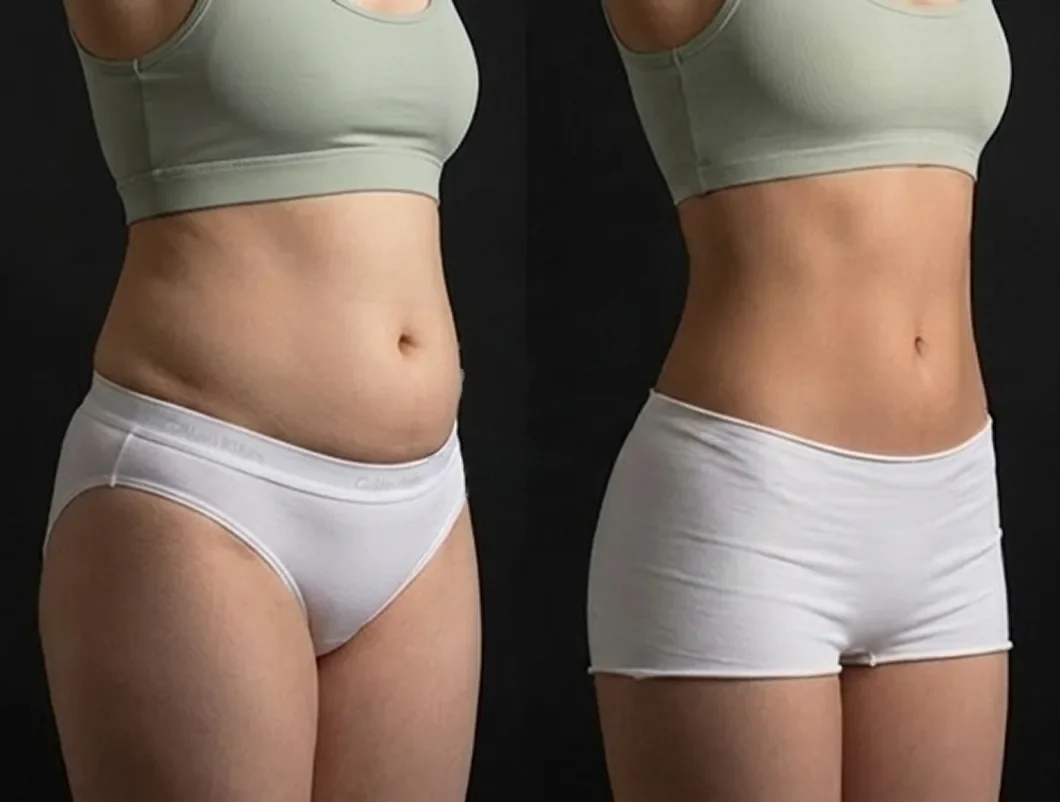
Tumescent liposuction: abdomen and thighs before and after surgery

from $1,200

Main goal
Removal of local fat with minimal blood loss
When it is done
Abdomen, flanks, thighs, back, arms, chin
Anaesthesia and stay
Local or general anaesthesia, home the same day or after 1 day

VASER liposuction

Ultrasound breaks down fat cells before vacuum removal
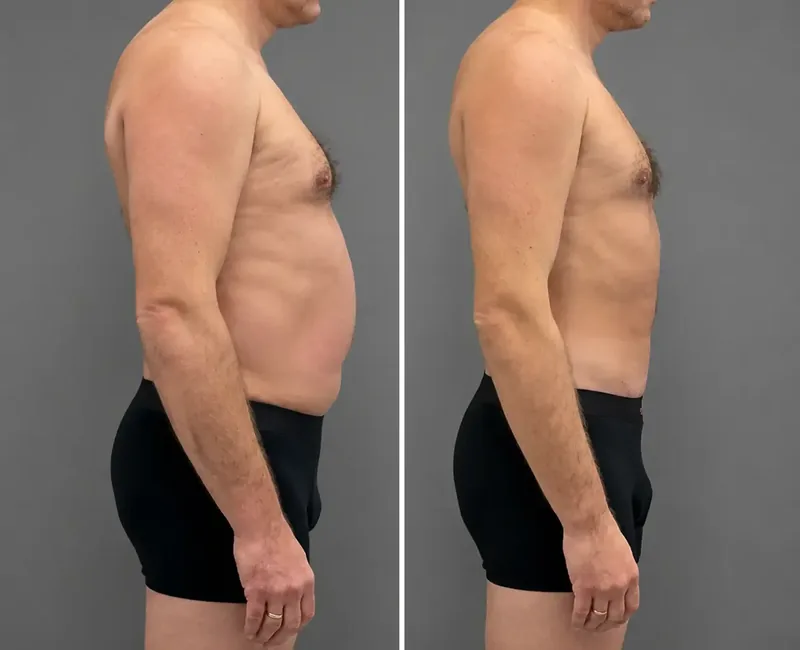
VASER liposuction: a male patient before and after surgery

Price at consultation

Main goal
Defined muscle relief and body contouring
When it is done
Athletic abs and delicate areas
Anaesthesia and stay
Local or general anaesthesia, 1–4 hours of surgery

The benefits and recovery times shown are averaged for each technique and given for guidance: the scope of correction and rehabilitation depend on your anatomy and individual features, and the surgeon confirms them at the consultation.

At the consultation the surgeon draws up a plan for your case and explains how your liposuction will go.

Free, before surgery and with no obligation.

Book a consultation

Areas we treat

Several areas can be treated in one operation — this saves recovery time and budget

  • Abdomen and flanks

    The most requested area for women and men, often combined with abdominoplasty

  • Thighs (outer and inner)

    Fat that doesn't respond to exercise

  • Back and lower back area

    Back fat that spoils body contours

  • Arms and shoulders

    A concern that becomes visible in warm weather

  • Chin and neck

    Little volume, a quick visible result

  • Knees

    An area that needs careful, precise work

  • Chest (for men)

    Gynecomastia, pseudogynecomastia: the fat part

About the clinic

A clinic where you can feel at ease

Modern equipment, comfortable rooms and care for every patient

A doctor and a patient in a clinic ward

Contact us the way that suits you

We will answer your questions and find a convenient time for a consultation

Request a free call

Liposuction is not for everyone

If your case can be solved without surgery, the doctor will tell you so at the consultation — and you will not spend money for nothing.

Suitable

A surgeon shows a patient on a model and a monitor how the body contour changes after liposuction
  • Local fat that resists diet and exercise
  • Uneven subcutaneous fat
  • Disrupted body proportions
  • Silhouette changes after childbirth or weight loss
  • Fat component of gynecomastia in men
  • Good skin tone and elasticity

Not suitable

A surgeon discusses the indications and contraindications for liposuction with a patient
  • Under 18 years of age
  • Pregnancy or breastfeeding
  • Endocrine obesity
  • Decompensated diabetes
  • Blood clotting disorders
  • Serious heart, kidney or liver disease, cancer

Not sure the surgery is right for you?

Leave your number — the coordinator will call you back, and the surgeon will tell you whether liposuction suits you. No surgery booking needed.

Find out if it suits me

A surgeon goes through the treatment areas with a patient at the consultation

Prices

You know the price
before surgery

The final price is calculated individually after an examination and fixed in the contract.

Liposuction prices

  • First consultationFree
  • Flanks / waist liposuctionfrom $1,400
  • Thigh liposuction (outer)from $1,200
  • Thigh liposuction (inner)from $1,200
  • Liposuction of the torso (front abdominal wall, sides of the abdomen, lower back)from $3,600
Book a consultation

Find out your liposuction plan and price

The surgeon assesses the fat deposits and skin tone, listens to your wishes and chooses the right technique.
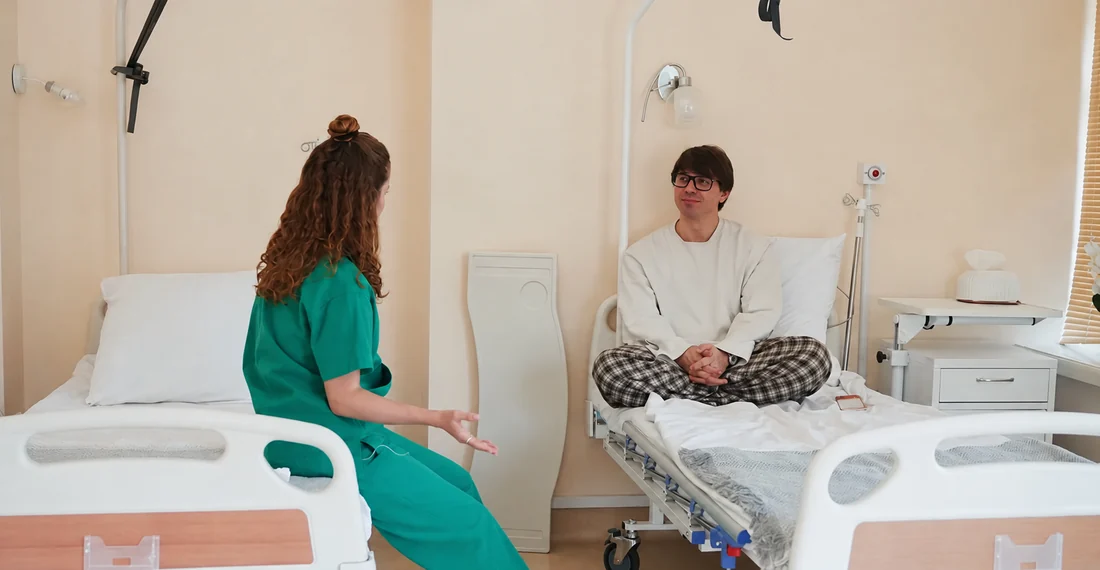
A nurse talks to a patient in a clinic ward

Message our coordinator

Free online consultation · Reply within 15 minutes

Message us on Telegram

By messaging us, you agree to our Privacy Policy
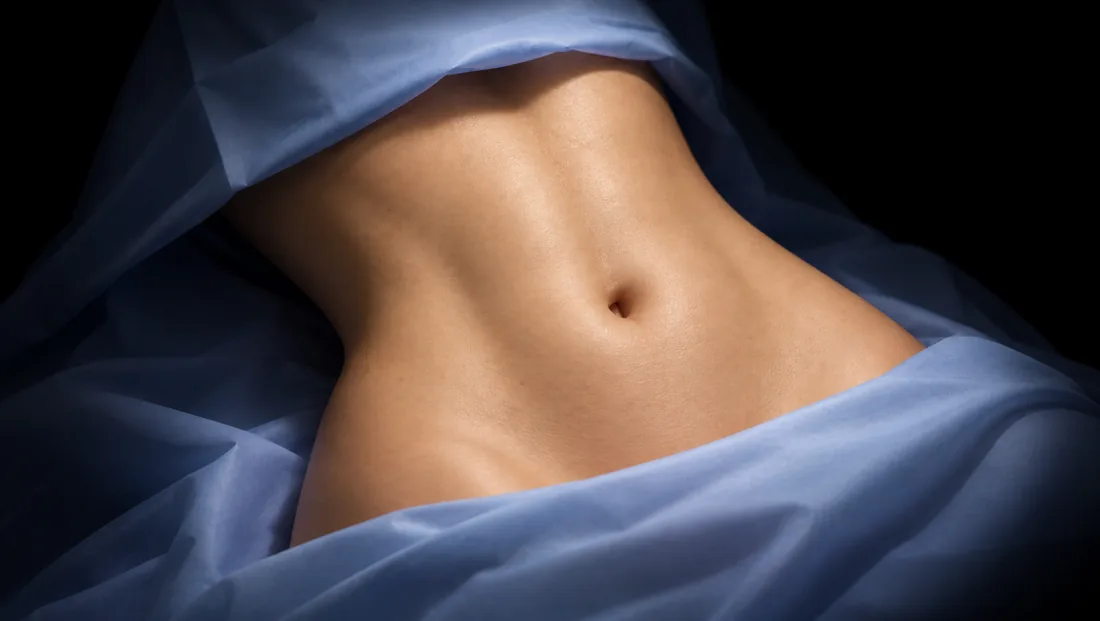
A patient before liposuction in the operating room

all inclusive

What the price includes

From preparation for surgery
to post-op check-ups.

  • All scheduled dressings
  • Scheduled post-op check-ups
  • A personal coordinator on call
  • Compression garments fitted on the day of surgery
  • A stay in a comfortable
    hospital ward with meals
  • Individual recommendations
    for recovery
  • Remote progress monitoring
    by photos

from $1,200

Book a consultation

How it works

From consultation —
to your new contour

An agreed treatment plan, careful monitoring after surgery and post-op check-ups.

A surgeon goes through the liposuction plan with a patient on a monitor1

Consultation
and the surgical plan

The surgeon listens to your wishes, assesses the fat deposits and skin tone and rules out contraindications. A hormonal screening is also ordered — it helps predict the long-term result.

Paying the deposit by card at the clinic reception2

Booking the date
of surgery

We reserve a surgery date for you: the deposit can be paid by card at the clinic or online by bank transfer. The terms are fixed in the contract for medical services

A blood sample tube for tests before liposuction3

Check-up before
surgery

Blood tests (complete count, coagulation panel, biochemistry, infections), an ECG, a chest X-ray and, if needed, a GP consultation. All tests can be done at the clinic with no waiting.

The surgical team during the operation4

Surgery

Marking the areas and fitting compression garments. Under local or general anaesthesia the surgeon removes fat through 3–5 mm micro-punctures — from 1 hour for small areas to 3–4 hours for a combined procedure.

A hospital ward at the clinic5

Waking up
and monitoring

With local anaesthesia you go home 3–4 hours after surgery; with general anaesthesia you stay one day in a comfortable ward under medical supervision.

A surgeon and a patient in the ward during recovery6

Recovery

Compression garments for 30–45 days. First changes show at 2 weeks, once swelling subsides; the final result forms in 3–6 months. Check-ups at 7 days, 3 and 6 months.
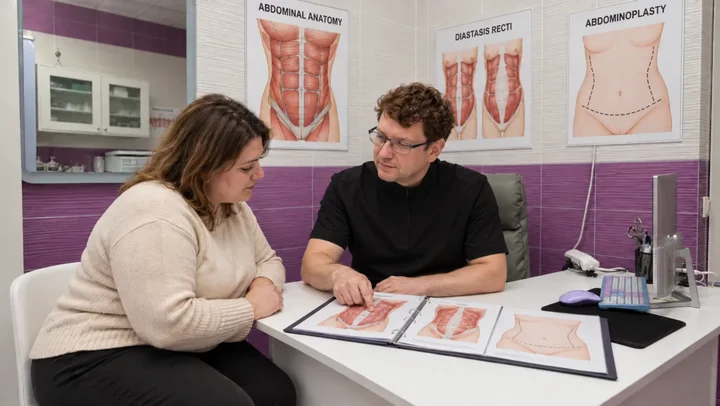
Book a free consultation — the surgeon will plan every step with you.

A doctor discusses the liposuction plan with a patient
Book a consultation
A doctor discusses the liposuction plan with a patient

The recovery period after liposuction

After tumescent liposuction, recovery is much shorter than after a conventional procedure. Most patients return to work within 7–10 days. In the first week, mild swelling and a raised temperature are possible — a normal response to surgery. Compression garments are worn for 30–45 days: they fix the new contours and speed up tissue recovery. In the first month, bathhouse, sauna, pool and intense sport are off-limits. For the best result and faster recovery we recommend lymphatic drainage massage, pressotherapy and a gradual return to activity. First visible changes show 2 weeks after surgery, when the main swelling subsides; the final result forms in 3–6 months.

Post-op check-ups

After 7 days, at 3 months and at 6 months. Until the end of the year, get a post-surgery consultation with your surgeon to review results and get more information, at the clinic's expense.

Advantages

Why patients pick City Medical Centre

A surgeon discusses the liposuction plan with a patient at the consultation

Just find out — you lose nothing

At the consultation we discuss your wishes and assess the fat deposits and skin tone. Before surgery an endocrinologist rules out hormonal causes of the fat deposits — this improves the long-term result.

A surgeon on a video call with a patient after surgery

We stay with you after surgery

The surgeon follows your recovery and the new body contour at check-ups after 7 days, 3 and 6 months. Check-ups, dressings and aftercare advice are already included in the price of surgery.

A surgeon shows a patient a model and body contouring diagrams

A beautiful contour that fits your figure

Tumescent and VASER techniques, micro-incisions of 3–5 mm and precise volume control. Our aim is a smooth contour that keeps the natural proportions of your body.

A patient writes down a convenient visit time in her planner

Your schedule is our priority

We respect your time: we work 24/7, with easy booking and a personal approach — we adapt to your pace.
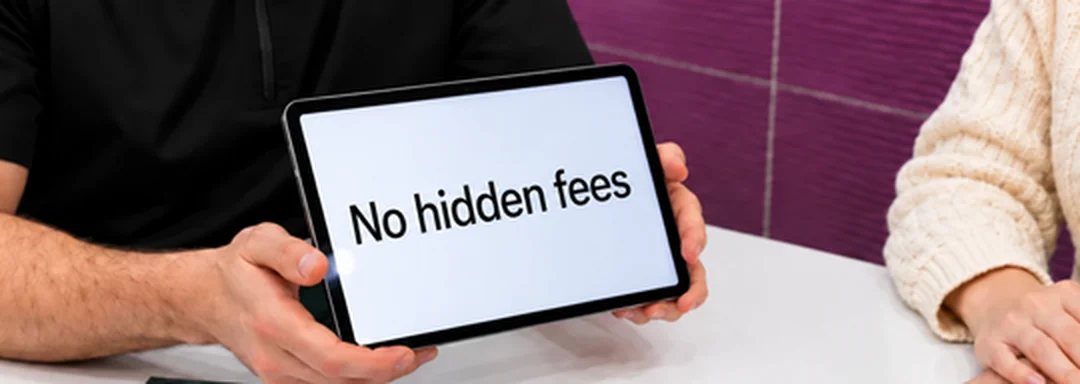
A surgeon shows a patient a tablet: no hidden fees

Fixed prices

After the consultation the surgeon defines the areas and the scope of surgery, and you get a clear price fixed in the contract — no hidden extras.

A surgeon visits a patient in the hospital ward after surgery

Round-the-clock care after surgery

With general anaesthesia recovery starts in a comfortable hospital ward under round-the-clock nursing care. The stay and meals are already included in the price.

FAQ

We answer what
people ask before booking

Liposuction in Kigali: price and what is included

Prices are in US dollars; the amount in brackets is an approximate conversion to RWF at the rate of 02.10.2026. The final price is fixed in your contract.

How much does liposuction in Kigali cost?

Prices start from $1,200 (≈ RWF 1,800,000) per area. The surgeon sets the final price at the free consultation, and it is fixed in the contract, with no hidden extras.

What is included in the price?

The operation under local or general anaesthesia and the surgeon's support throughout recovery. The price is per area and fixed in the contract.

How do I get my exact price?

Message us on WhatsApp or Telegram using the buttons below. A coordinator will answer your questions and book a free consultation where the doctor names the exact price.

By messaging us, you agree to our Privacy Policy

Liposuction in Kigali: techniques, stages and price

Some areas keep their fat no matter how active you are or how normal your weight is. That is exactly who liposuction in Kigali is for: people with local deposits that resist training and diet, uneven fat distribution or disrupted body proportions. It also helps restore the silhouette after childbirth or sudden weight loss, and in men it removes the fat component of gynecomastia.

Follow-up does not end at discharge. The surgeon stays in touch throughout recovery, and planned check-ups take place at 7 days and at 3 months. Until the end of the year, a post-op follow-up consultation with the surgeon is at the clinic's expense, to review the result and answer questions. Patients from Kigali also get advice on returning gradually to activity.

Liposuction in Kigali costs from $1,200 (≈ RWF 1,800,000). The exact amount depends on which areas you want to correct — abdomen, flanks, thighs, back, arms, chin or knees — and on whether they are combined in one operation. The surgeon calculates it individually after the examination. The first consultation is free, and a coordinator will book it once you leave a request.

Kigali and liposuction: why the city's rhythm matters for planning

Kigali is the capital and largest city of Rwanda and also a province-level administrative unit. It lies near the geographic centre of the country, in a landscape of rolling hills with valleys and ridges joined by steep slopes. As of the 2022 Rwandan census, the population of Kigali was 1,745,555, with a density of 2,391 inhabitants per square kilometre. A city of this size has many working people with fixed schedules, and that matters when you plan liposuction. The operation itself is short, but recovery has to fit into a real calendar of work, study, family and daily movement around the hills.

The population is young. According to the census data, 73 per cent of residents are under 30 and 94 per cent are under 50. Many people in Kigali are building careers in services, retail, information technology, transport, hotels and real estate, and many are studying at the city's universities. For them the question is rarely whether liposuction is possible. It is when they can step away from a demanding routine without disturbing colleagues, classes or family responsibilities.

This text is written for residents of Kigali who are thinking about body contouring and want practical context. Liposuction removes localised fat that has not responded to diet and exercise. It is not a weight-loss method and it does not replace a healthy lifestyle. Our aim is a smooth contour that keeps the natural proportions of your body, and the most useful first step is an honest conversation with a surgeon about what is realistic for your build, your skin and your goals.

The first conversation takes place online, from your own city, free of charge. Coordinators are available around the clock, 24/7, on WhatsApp and Telegram, so you can write when it suits you, in the evening after work or between lectures, and plan the next steps at your own pace.

Climate of Kigali and what it means for recovery

Kigali has a tropical savanna climate, but its high elevation keeps temperatures cooler than in most equatorial places. The average elevation of the city is 1,567 m above sea level, with the valleys lying at around 1,300 m. The average daily temperature stays between 15 and 27 °C with little variation through the year. For recovery this is a gentle background: there are no extreme heat waves that make compression garments unbearable, and no cold season that forces heavy clothing over a healing body.

The year has two rainy seasons, from February to June and from September to December, separated by a major dry season from June to September and a shorter one from December to February. April is the wettest month and July the driest. Rain does not prevent a recovery, but heavy downpours and steep, slippery slopes between ridges and valleys make long walks less comfortable in the first days. In the rainy months plan your errands so that you do not have to climb hills in bad weather while you are still sore.

The dry season brings more sun and dust on unpaved streets. After liposuction the micro-puncture marks are small, but the skin in the treated area is sensitive. Keep the compression garment clean and dry, protect the treated area from strong direct sun, and avoid dusty places while dressings are still in use. Tanning beds are off-limits for at least a month, and natural sun exposure should be sensible in the same period. Your surgeon gives all individual recommendations after surgery.

Warm days can increase swelling in the legs and make you feel heavier in the afternoon. Light, loose clothing over the garment, enough rest with the legs raised, and short gentle walks are general advice that suits Kigali's mild weather well. Do not treat a mild climate as a reason to skip the rules: the compression garment is worn for 30–45 days, and for 4–6 weeks you avoid the bathhouse, sauna, pool and active sport.

Choosing the season for liposuction in Kigali

Because the temperature range in Kigali is narrow, the season matters less for comfort and more for logistics. The major dry season from June to September is the easiest period for people who want to walk outdoors in the first days, because rain is often absent and the hills are dry. If you choose the rainy months, the operation is just as feasible, but you need a plan for transport on wet days and for keeping dressings and garments dry.

Think about your calendar more than the weather. Most patients get back to their usual routine and work in 7–10 days. Swelling and bruising clear by weeks 4–5, the first changes show at 2 weeks, and the final result forms in 3–6 months. If you are expecting a wedding, a graduation, a family celebration or a holiday, count backwards: an interim result is assessed at 1.5–2 months, so an event in the first weeks after surgery is not the right target.

Work cycles also matter. Many residents work in services, hotels, retail and offices, where the end of a quarter or a busy season is hard to miss. Choose a quieter period at work so that the first 7 days without physical exertion or heavy lifting do not conflict with your duties. Students can plan around the gaps between exam periods in the same way.

Your coordinator can help you compare possible dates once your examination results are known. Writing on WhatsApp or Telegram at any hour, you can discuss the season, the length of the planned procedure and the time you can realistically set aside, and then confirm the plan with the surgeon in the online consultation.

Work, study and daily life in Kigali after liposuction

Kigali is the economic and financial hub of Rwanda, and its largest business centre. Many residents commute across the hills, sit in offices, stand in shops or move between meetings. The medical facts are clear: most patients get back to their usual routine and work in 7–10 days. For a desk job this often means returning at the earlier end of that range if you feel well, while for work that involves standing for long hours or carrying loads, it is wiser to plan the later end and agree on lighter duties.

For the first 7 days there is no physical exertion or heavy lifting. If your day involves carrying equipment, lifting boxes, or caring for small children who need to be picked up, arrange help in advance. Families in Kigali are often large and close, and relatives are usually ready to support, so ask them to take over the heavy tasks for that first week.

Students in Kigali, a city with several institutes and universities, can usually return to lectures within the same 7–10 days. Sitting for long hours is possible with a compression garment, but stand up and walk briefly from time to time. Bring a loose top or trousers that fit over the garment so that you are comfortable in class.

Plan your daily movement. Kigali is built on ridges and valleys joined by steep slopes, so short walks can include real climbs. In the first days choose flatter routes, take rests, and use transport for the steepest parts. Gentle walking is useful for circulation, but do not push through fatigue. Swelling and bruising clear by weeks 4–5, and until then it is normal to feel that your body is still adapting.

Food, family events and sport in the city

Kigali's cuisine reflects that of the whole country. Staple foods include bananas, plantains known as ibitoke, pulses, sweet potatoes, beans and cassava, often served as a mélange, a self-service buffet that can also include meat, chips or fish. Cassava leaves are cooked with onions into isombe. In the evening, brochettes, usually of goat, are the most popular food when eating out, and ikivuguto, fermented milk, is a popular drink. The city also has restaurants with Chinese, French, Indian and Italian dishes.

Liposuction is not a diet, but eating habits affect how long the result lasts. The surgeon removes fat cells from the treated areas, yet the body can still gain weight in other places if energy intake stays high. A balanced approach to the local menu works well: pulses, beans and vegetables are filling, while fried food and large portions of chips can slow the feeling of lightness. Water and sensible portions help the body in the weeks of swelling.

Alcohol is off-limits for at least a month after surgery, and you give it up 7–10 days before the operation. Urwagwa banana beer and any evening drinks at social events should be left out for that period. Smoking and medications that affect clotting, such as aspirin, are also stopped 7–10 days before liposuction. This matters in a social city where gatherings after work and at weekends are common, so tell friends and relatives in advance and plan alcohol-free celebrations.

Family occasions are best scheduled outside the first weeks. If a wedding or a large gathering is coming, remember that the first changes show at 2 weeks and swelling clears by weeks 4–5. For sport, active exercise, the pool, the bathhouse and the sauna are avoided for 4–6 weeks, and the surgeon will tell you when to restart. Many people in Kigali like running and walking on the hills, and it is better to come back to them gradually than to rush.

What residents of Kigali ask before liposuction

The most common question is how visible the marks will be. The surgery is done through punctures only 3–5 mm across, which usually need no stitches. Once healed, the marks are barely visible, and with proper care during recovery they fade completely. This matters in a warm city where lighter clothing is worn all year and many people care about how the body looks in everyday dress.

The second question is whether the procedure is done under local or general anaesthesia. Both are possible. With local anaesthesia you go home 3–4 hours after surgery. With general anaesthesia you stay one day in a comfortable ward under medical supervision. The surgery lasts from 1 hour for small areas to 3–4 hours for a combined procedure, and the choice depends on the volume and number of areas and on your health.

Many ask how soon they will see results. The first changes show at 2 weeks, once the main swelling subsides. An interim result is assessed at 1.5–2 months, and the final contours form in 3–6 months, when the tissues have fully adapted. Patience is part of the process, and the surgeon follows you at check-ups after 7 days, 3 months and 6 months.

Another frequent question is about technique. We use tumescent and VASER techniques, with micro-incisions of 3–5 mm and precise volume control. Residents also ask about age. We operate from age 18+, if there are no contraindications, and there is no upper age limit: after an examination and health assessment, the decision is made individually. Questions on cost are handled personally by the coordinators in the consultation.

Questions to ask the surgeon and how to prepare

A good consultation is prepared. Before it begins, write down the areas you want to correct, the clothing and events you have in mind, your work schedule in Kigali, and any chronic conditions or medications. Ask the surgeon which areas are suitable for liposuction, whether a combined procedure is sensible, how long the surgery would take, and whether local or general anaesthesia is better for your case.

Ask also about the technique and about the plan for the result. Request an explanation of tumescent and VASER methods, what the 3–5 mm micro-punctures mean for you in practice, and how the surgeon controls the removed volume. Ask what the new contour will look like in relation to your natural proportions, and what you can do yourself to support it, such as a stable weight, regular activity and compression garment wear.

Preparation has clear steps. Give up smoking, alcohol and medications that affect clotting, aspirin among them, 7–10 days before liposuction. Pre-operative tests are required: blood tests, ECG, ultrasound, and consultations with a GP and an anesthesiologist. You will receive all instructions after the first consultation, and the coordinators can help you plan when and where in Kigali to have the tests done so that results are ready for the surgeon.

Do not forget practical questions about aftercare: how long the compression garments are worn, when you can shower, how dressings are handled, what to do if swelling is uneven, and how to contact the team at any hour. Check-ups, dressings and aftercare advice are included in the cost of the surgery, and the surgeon follows your recovery at check-ups after 7 days, 3 and 6 months.

Kigali's hills, steps and the first days at home

Kigali is built across numerous ridges and valleys joined by steep slopes, and the city has an average elevation of 1,567 m, with the lowest valley areas at around 1,300 m. For someone who has just had liposuction, this landscape is not a detail. Your own street, the way to a shop or a relative's house may include a climb, and the first days after surgery are the wrong time to test your stamina on a slope.

Before the operation, walk through your day in your mind. Where will you sleep, how many steps lead to the bathroom, and is there a place to rest with your legs raised? If your home sits high on a ridge, ask a relative or a friend to bring groceries for the first week. For the first 7 days there is no physical exertion or heavy lifting, and carrying shopping uphill counts as exactly that.

Gentle movement is still useful. Short walks on level ground help circulation, and you can slowly lengthen them as swelling goes down. Swelling and bruising clear by weeks 4–5, so it is reasonable to expect that steeper routes will feel tiring for a while. Listen to your body and use a ride for the hardest parts of the route.

Ask your coordinator about this when you plan the date. On WhatsApp or Telegram, around the clock, you can describe your home, your family and your working week, and the team will help you think through who can assist and when it is sensible to schedule the operation.

A young, busy city: planning around careers, studies and expectations

Kigali is a young city: the census data show that 73 per cent of residents are under 30. Many are at the stage of life when work, study and appearance all feel important at once. This can create pressure to return to everything quickly. The medical facts offer a calm framework: most patients get back to their usual routine and work in 7–10 days, while the final result forms in 3–6 months.

It helps to separate the two timelines. The first is social: when you can sit at a desk, attend lectures or serve customers again. The second is physical: swelling clears by weeks 4–5, the first changes show at 2 weeks, an interim result is assessed at 1.5–2 months, and the contour settles later. Do not judge the result in the first days, when bruising and swelling hide the real shape.

People who work in hotels, retail or transport often ask whether they can stay on their feet. In general terms, long standing is more tiring than sitting during the early recovery. Agree on a gradual return with your employer if you can, and wear the compression garment, which is worn for 30–45 days, under loose clothing that suits your workplace.

If you are younger, remember that we operate from age 18+, if there are no contraindications, and that the surgeon will assess whether liposuction suits your body at all. Stable weight and realistic goals matter more than any date on the calendar.

Sun, dust and the dry season: skin care after liposuction in Kigali

Kigali's major dry season runs from June to September, and July is the driest month. These months bring more sun and, on unpaved ground, more dust. The micro-puncture marks of 3–5 mm are small and usually need no stitches, but the skin around them is sensitive in the early weeks, so it is sensible to keep the treated area covered and clean.

Natural sun exposure should be sensible during the first month, and tanning beds are off-limits for at least a month. If you must be outdoors at midday, choose shade, loose long clothing over the garment and a hat. Marks that are protected from strong sun usually heal more evenly, and with proper care during recovery they fade completely.

In the rainy seasons the issue is different: damp. Torrential rains have become more frequent, according to climate reports on Rwanda, so a wet garment on the way home is a real possibility. Carry a spare garment if the surgeon agrees, and change out of wet clothes promptly. Ask your surgeon how to deal with dressings and the garment on wet days.

Warmth is moderate, with daily temperatures between 15 and 27 °C, so overheating is less likely than in hotter cities. Still, avoid the bathhouse, sauna and pool for 4–6 weeks, because the surgeon's recommendations on heat and water apply regardless of how mild the day feels.

Candidates, contraindications and the remote consultation from Kigali

Liposuction suits adults who are close to their stable weight and have localised fat deposits that do not respond to diet and exercise. The skin should have reasonable elasticity, and expectations should be realistic. The World Health Organization describes obesity and overweight as a broad public health issue, and liposuction is not a treatment for obesity. If your main goal is to lose a large amount of weight, discuss it with a doctor first, because a contour procedure is a different task.

Contraindications are assessed individually. Serious heart, blood-clotting or other chronic conditions, active infection, pregnancy and unrealistic expectations can all be reasons to postpone or decline. We operate from age 18+, if there are no contraindications, and there is no upper age limit. After an examination and health assessment, the decision is made individually, which is why the pre-operative tests are not a formality.

The consultation from Kigali is simple. You contact the coordinators on WhatsApp or Telegram, available 24/7, and send your questions, your goals and, if you wish, photos and test results that you already have. The first online consultation is free. We respect your time: we work 24/7, with easy booking and a personal approach, and we adapt to your pace, whether you write late in the evening or early in the morning.

After the consultation you receive a plan, instructions for preparation and information about the course of treatment. Until the end of the year, you can get a post-surgery consultation with your surgeon to review results and get more information, at the clinic's expense. Together with check-ups at 7 days, 3 and 6 months, this means you are not left alone after the procedure, and you can ask questions at every stage from your home in Kigali.

How long does the liposuction operation take?

The surgery lasts from 1 hour for small areas to 3–4 hours for a combined procedure. The duration depends on the number of areas and the volume of fat to be removed. The surgeon marks the areas first, then removes fat through 3–5 mm micro-punctures under local or general anaesthesia, and fits compression garments at the end.

Can I go home the same day in Kigali?

Yes, if the operation is done under local anaesthesia. You go home 3–4 hours after surgery. With general anaesthesia you stay one day in a comfortable ward under medical supervision. Arrange for a relative or friend to be with you at home on the first evening.

When can I return to work?

Most patients get back to their usual routine and work in 7–10 days. If your work involves heavy lifting or long hours on your feet, plan toward the later end of that range and discuss lighter duties with your employer. For the first 7 days there is no physical exertion or heavy lifting.

How long do I wear compression garments, and does Kigali's weather matter?

Compression garments are worn for 30–45 days. Kigali's temperatures of 15 to 27 °C through the year are mild, so the garment is usually tolerable, but wear loose, breathable clothing over it and keep it clean and dry, especially in the rainy seasons from February to June and from September to December.

When will I see the result?

The first changes show at 2 weeks, once the main swelling goes down. An interim result is assessed at 1.5–2 months. Swelling and bruising clear by weeks 4–5, and the final contours form in 3–6 months, when the tissues have fully adapted.

Will there be visible scars?

The surgery is done through punctures only 3–5 mm across, which usually need no stitches. Once healed, the marks are barely visible. With proper care during recovery they fade completely. Protect the treated area from strong sun and follow the surgeon's advice on skin care.

What must I stop before the operation?

Give up smoking, alcohol and medications that affect clotting, such as aspirin, 7–10 days before liposuction. Pre-operative tests are required: blood tests, ECG, ultrasound, and consultations with a GP and an anesthesiologist. You receive all instructions after the first consultation.

When can I return to sport, the pool or the sauna?

For the first 7 days avoid physical exertion and heavy lifting. For 4–6 weeks wear compression garments and avoid the bathhouse, sauna, pool and active sport. Alcohol and tanning beds are off-limits for at least a month. Your surgeon gives all individual recommendations after surgery.

Is there an age limit?

We operate from age 18+, if there are no contraindications. There is no upper age limit. After an examination and health assessment, the decision is made individually, taking into account your general health and the areas you want to treat.

How do check-ups work if I live in Kigali?

The surgeon follows your recovery and the new body contour at check-ups after 7 days, 3 months and 6 months. Check-ups, dressings and aftercare advice are included in the cost of surgery. The coordinators are available 24/7 on WhatsApp and Telegram, so you can ask questions at any stage.

Is it hard to recover in Kigali because of the hills?

The slopes make some routes tiring, so plan ahead. For the first 7 days avoid physical exertion and heavy lifting, including carrying shopping uphill. Take short walks on level ground, use transport for steep parts and ask relatives to help. Swelling and bruising clear by weeks 4–5.

Can I discuss my plans with someone at night?

Yes. The coordinators work 24/7 on WhatsApp and Telegram, and the first online consultation from Kigali is free. You can write after work or late in the evening, describe your schedule and goals, and plan the next steps at your own pace.

Does the rainy season change how I should wear the compression garment?

The garment is worn for 30–45 days in any season. In the rainy months from February to June and from September to December, keep it dry, change promptly if it gets wet and ask your surgeon how to handle dressings in wet weather.